Spicy Lemongrass Soup | Made by Meaghan Moineau

Spicy Lemongrass Soup

Intro

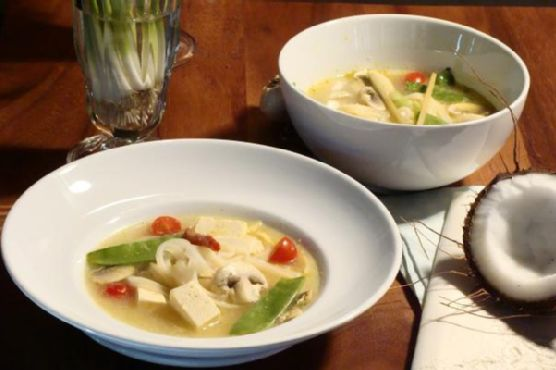
There’s something inherently comforting about a bowl of soup—especially one that’s bursting with complex flavors and a hint of heat. Spicy Lemongrass Soup is a delightful dish that takes me back to my childhood. Growing up, my grandmother would often prepare a steaming pot of soup on chilly days, filling the house with a fragrant aroma that meant warmth and love. Lemongrass was a staple in her kitchen, and its citrusy scent evokes memories of her bustling around, always with a smile and a story. Today, I share with you a modern twist on her classic recipe. This Spicy Lemongrass Soup is not only a tribute to her but also a celebration of flavors that will surely become a favorite in your household too.

Why You’ll Love It

This Spicy Lemongrass Soup is a culinary delight, offering a harmonious blend of flavors that dance on your palate. It’s a perfect balance of spicy, tangy, and savory, with the lemongrass adding a refreshing citrus undertone. This soup is not only delicious but also nourishing, thanks to ingredients like tofu and fresh vegetables. Whether you’re craving something hearty on a cold day or looking for a light yet satisfying meal, this soup ticks all the boxes.

Ingredients

  • 2 stalks fresh lemongrass, chopped into 2-inch pieces and sliced down the center
  • 4-5 red dried peppers
  • 1 knob ginger, grated
  • 3 cloves garlic, minced
  • 4 cups vegetable broth
  • 1 can fresh coconut milk
  • 1 cup tofu cubes
  • 1 cup snow peas
  • 1 cup mushrooms, sliced
  • 4 oz rice noodles
  • Juice of 1 lime

Instructions

  1. Chop the lemongrass into 2-inch pieces and slice down the center. Add to a soup pot along with the vegetable broth, coconut milk, garlic, and ginger.
  2. Bring the mixture to a boil, then reduce the heat and let it simmer on low for 30 minutes. This allows the flavors to meld beautifully.
  3. Once the broth is done simmering, strain it through cheesecloth to remove the lemongrass stalks and any solid bits. The lemongrass stalks are not edible, a lesson I learned the hard way.
  4. Return the strained broth to a simmer and add the tofu, mushrooms, snow peas, and rice noodles.
  5. Add the lime juice. You can add some at the beginning and more at the end before serving for an extra burst of freshness.
  6. Simmer the soup until the noodles are soft, then garnish with grated ginger or scallions before serving.

Tips

For the best results, use fresh lemongrass and ginger. These ingredients are key to the depth of flavor in this soup. If you’re sensitive to spice, you can reduce the number of dried red peppers or remove them altogether. Taste as you go to adjust the seasoning according to your preference.

Variations & Substitutions

This recipe is quite flexible. Feel free to add more vegetables like bell peppers or carrots for added nutrition. If you’re not a fan of tofu, you can substitute it with chicken or shrimp. For a gluten-free option, ensure that the rice noodles are certified gluten-free.

Storage

This soup stores well in the refrigerator for up to 3 days. Simply transfer it to an airtight container once it’s cooled. Reheat it gently on the stove, adding a splash of water or broth if needed. It can also be frozen for up to 2 months. Thaw overnight in the fridge before reheating.

FAQ

Can I use dried lemongrass instead of fresh?

While fresh lemongrass is preferred for its vibrant flavor, dried lemongrass can be used in a pinch. Use about 1 tablespoon of dried lemongrass for this recipe. Remember to adjust the cooking time as dried lemongrass may require a bit longer to release its flavors.

How can I make this soup more filling?

To make this soup more substantial, consider adding more protein like chicken or shrimp. You can also increase the amount of tofu or include additional vegetables such as bell peppers or carrots. Serving it with a side of crusty bread can also make it a heartier meal.

Nutrition

This Spicy Lemongrass Soup is packed with nutritious ingredients. It’s a great source of protein from the tofu, and rich in vitamins from the vegetables. Coconut milk adds a healthy dose of fats, while lemongrass and ginger provide antioxidants. It’s a well-rounded meal that nourishes the body and soul.

Conclusion

Spicy Lemongrass Soup is more than just a meal; it’s a sensory experience that warms the heart and excites the taste buds. With its rich flavors and comforting warmth, it’s a wonderful dish to share with loved ones or enjoy on your own. Whether it’s a nod to nostalgic family recipes or a new addition to your culinary repertoire, I hope this soup brings joy and deliciousness to your table. Enjoy every spoonful!

Related update: Spicy Lemongrass Soup

Related update: Tortellini In Brodo

chettinad egg curry | Made by Meaghan Moineau

Chettinad Egg Curry

Intro

Growing up in a bustling South Indian household, weekends were often synonymous with the aromatic allure of traditional dishes wafting through the air. One such dish that always found its way to our dining table was the Chettinad Egg Curry. My grandmother, with her deft hands and generous heart, would conjure up this spicy, fragrant curry that would leave us all licking our fingers. Her secret? The perfect blend of spices and the love she infused into every meal she prepared. Today, as I share this recipe with you, I hope it brings the same warmth and joy to your table as it did to mine.

Why You’ll Love It

Chettinad Egg Curry is a delightful explosion of flavors that will transport you straight to the heart of Tamil Nadu. Its rich, spicy, and aromatic profile is a true representation of the Chettinad cuisine. This dish is not just about the taste; it’s a sensory experience. With the perfect balance of heat from the chilies and warmth from the spices, combined with the creamy texture of coconut, this curry is a feast for your taste buds. It’s versatile, pairs wonderfully with rice or roti, and is sure to be a crowd-pleaser at any gathering.

Ingredients

  • 2-3 green cardamoms (elaichi)
  • 4-5 red chilies
  • 1 small cinnamon stick
  • 1/2 cup grated coconut
  • 2 tbsp coriander seeds
  • 1 tsp cumin seeds
  • A sprig of curry leaves
  • 6 cooked eggs
  • Fresh coriander leaves for garnish
  • 1 tbsp ginger garlic paste
  • 3 tbsp oil
  • 1 large onion, chopped
  • 1/2 tsp pepper
  • 1 tbsp poppy seeds
  • Salt to taste
  • 2 large tomatoes, chopped

Instructions

  1. Heat a pan and dry roast the coriander seeds, cumin seeds, poppy seeds, red chilies, cinnamon stick, and cardamoms until aromatic. Allow them to cool before grinding them into a fine powder.
  2. Add the grated coconut to the grinder and blend everything into a smooth paste, adding a little water if necessary.
  3. In the same pan, heat oil and sauté the onions until they turn golden brown. Add the ginger garlic paste and sauté until the raw smell disappears.
  4. Add the chopped tomatoes and cook until they become soft and mushy.
  5. Mix in the ground spice paste and cook on a low flame until the oil begins to separate from the masala.
  6. Add the curry leaves, pepper, and salt. Stir well to combine.
  7. Gently place the cooked eggs into the curry and simmer for about 5-7 minutes, allowing the eggs to absorb the flavors.
  8. Garnish with fresh coriander leaves before serving.

Tips

For the best results, always use fresh spices. Toasting the spices before grinding enhances their flavor and aroma. Adjust the number of chilies based on your spice tolerance. If you prefer a thicker curry, reduce the amount of water added to the coconut paste.

Variations & Substitutions

You can substitute the eggs with paneer or tofu for a vegetarian version. For a creamier texture, add a splash of coconut milk towards the end of cooking. If poppy seeds are not available, you can use cashews as a substitute.

Storage

Store any leftover curry in an airtight container in the refrigerator for up to 3 days. Reheat on the stovetop or in the microwave before serving. This curry also freezes well for up to a month. To retain its flavors, thaw it in the refrigerator before reheating.

FAQ

Can I make this curry less spicy?

Absolutely! To make the curry less spicy, reduce the number of red chilies or use milder varieties. You can also add a splash of coconut milk to mellow the heat.

What can I serve with Chettinad Egg Curry?

This curry pairs wonderfully with steamed rice, biryani, or any flatbread like roti or naan. It can also be served with dosa for a delicious South Indian breakfast.

Nutrition

While the exact nutritional content can vary based on serving sizes and specific ingredients used, Chettinad Egg Curry is generally high in protein due to the eggs and rich in essential vitamins and minerals from the spices. It’s a wholesome dish that can be part of a balanced diet when enjoyed in moderation.

Conclusion

Chettinad Egg Curry is more than just a dish; it’s a culinary journey that takes you to the vibrant streets of Tamil Nadu. Its robust flavors and aromatic spices make it a standout dish that is sure to impress your family and friends. Whether you’re a seasoned cook or a beginner, this recipe is a delightful adventure in the kitchen. So, gather your ingredients and embark on this flavorful journey. Happy cooking!

Related update: chettinad egg curry

Related update: Oxtail Ragout

Japanese Mabo Tofu With Eggplant | Made by Meaghan Moineau

Japanese Mabo Tofu With Eggplant

Intro

Growing up, the kitchen was always a place of warmth and enticing aromas in my home. My grandmother, with her gentle smile and nimble fingers, would prepare the most delightful dishes that seemed to dance on the taste buds. One of my fondest memories is of her making Mabo Tofu, a dish that combines the rich flavors of tofu, ground beef, and perfectly cooked eggplant. Today, I am thrilled to share with you a version of this beloved recipe, Japanese Mabo Tofu with Eggplant, a comforting dish that brings back those cherished memories with every bite.

Why You’ll Love It

This Japanese Mabo Tofu with Eggplant recipe is a delightful blend of flavors and textures that is sure to become a favorite in your household. The tender eggplant, savory ground beef, and delicate tofu soak up the rich, spicy sauce, creating a dish that is both comforting and exciting. It’s perfect for a cozy family dinner or a solo night in, and it’s incredibly satisfying when served over a steaming bowl of Japanese rice. You’ll love how easy it is to make, and how it fills your home with the mouthwatering aromas of ginger, garlic, and soy sauce.

Ingredients

  • Japanese rice
  • 1 eggplant
  • 1 onion
  • Fresh ginger
  • 2 garlic cloves
  • 1/2 lb ground beef
  • 2 spring onions
  • 2 tbsp oil
  • 1 tbsp sesame oil
  • 6 tbsp soy sauce
  • 2 tbsp cooking sake
  • 1 tbsp sugar
  • 1/2 cup water
  • 2 tbsp red to-ban-jan
  • 1 block of tofu

Instructions

  1. Cook the Japanese rice according to the package directions. I recommend using Nishiki rice for its perfect texture and flavor.
  2. Slice the eggplant lengthwise into four strips, then slice horizontally into quarters. Set aside.
  3. In a pan over medium/high heat, add 2 tablespoons of oil, garlic, ginger, onions, and half of the spring onions. Cook for 3 to 4 minutes, until the onions are translucent and fragrant.
  4. Add the ground beef to the pan and season with a bit of salt and pepper. Cook until the meat is fully browned.
  5. Stir in the red to-ban-jan, allowing its spicy aroma to infuse the dish.
  6. Add the sesame oil and eggplant slices to the pan. Cook for 5 to 7 minutes, until the eggplant strips are soft and cooked through.
  7. Add the tofu and delicately break it up while mixing it into the other ingredients.
  8. Add the cooking sake, sugar, water, and 4 tablespoons of soy sauce. Stir and let it cook for a couple of minutes to let the flavors meld.
  9. Add the remaining 2 tablespoons of soy sauce and the rest of the spring onions. Stir well, then turn off the heat.
  10. Serve the mabo tofu over the cooked rice and enjoy a taste of comforting nostalgia.

Tips

For the best results, use fresh ingredients whenever possible. Fresh ginger and garlic give the dish an authentic and vibrant flavor. Adjust the amount of red to-ban-jan to suit your spice preference. If you prefer your dish less spicy, you can reduce the amount used.

Variations & Substitutions

If you’re looking to make this dish vegetarian, you can easily substitute the ground beef with plant-based ground meat or mushrooms for a similar texture. For a gluten-free version, ensure your soy sauce is gluten-free, or substitute with tamari. You can also add other vegetables like bell peppers or zucchini to the mix for added flavor and nutrition.

Storage

Store any leftovers in an airtight container in the refrigerator for up to three days. This dish also freezes well, so you can make a larger batch and enjoy it later. To reheat, simply thaw in the refrigerator and warm on the stove or in the microwave until heated through.

FAQ

Can I use another type of tofu?

Yes, you can use any type of tofu you prefer, but I recommend using firm tofu for this recipe as it holds its shape better during cooking.

What can I use instead of red to-ban-jan?

If you can’t find red to-ban-jan, you can substitute it with a mix of chili paste and a bit of miso paste for a similar flavor profile.

Nutrition

This recipe provides a good balance of protein, carbohydrates, and fats. The tofu and beef offer high-quality protein, while the vegetables contribute fiber and essential nutrients. If you’re watching your sodium intake, consider using a low-sodium soy sauce.

Conclusion

Japanese Mabo Tofu with Eggplant is more than just a dish; it’s a comforting reminder of home and family. With its rich flavors and easy preparation, it’s a meal that brings warmth to any table. Whether you’re sharing it with loved ones or enjoying a quiet evening alone, this recipe is sure to become a treasured part of your culinary repertoire. I hope you enjoy making and savoring it as much as I do.

Related update: Japanese Mabo Tofu With Eggplant

Related update: Blackberry Balsamic Drumsticks

Madras Beef Curry | Made by Meaghan Moineau

Madras Beef Curry: A Flavorful Journey

Intro

There’s something truly magical about the aroma of spices wafting through the air, instantly transporting you to a bustling market in the heart of India. My love affair with Madras Beef Curry began in my grandmother’s cozy kitchen, where she would expertly wield her spice-stained wooden spoon, transforming humble ingredients into a feast fit for kings. Every Sunday, the family would gather around her table, the warm, spicy fragrance drawing us in with promises of what was to come. This recipe, passed down through generations, is a tribute to those cherished moments and the love that binds us all together through food.

Why You’ll Love It

This Madras Beef Curry is a symphony of flavors that will tantalize your taste buds with its perfect balance of spices. It’s a dish that invites you to savor every bite, with tender pieces of beef enveloped in a rich, aromatic sauce. Whether you’re a seasoned curry lover or new to the world of Indian cuisine, this recipe is approachable yet deeply satisfying. Moreover, it’s the perfect comfort food for chilly nights or a show-stopping dish for a dinner party.

Ingredients

  • 1 tablespoon garam masala
  • 1 teaspoon ground cinnamon
  • 2 tablespoons curry powder
  • 1 teaspoon black pepper
  • 1 teaspoon salt
  • 1 teaspoon cayenne pepper
  • 1 tablespoon light brown sugar
  • 4 garlic cloves, minced
  • 1 tablespoon ginger, grated
  • 2 tablespoons lemon juice
  • 2 tablespoons vegetable oil
  • 1.5 pounds beef, thinly sliced
  • 1 (14 oz) can diced tomatoes
  • 3 green onions, chopped
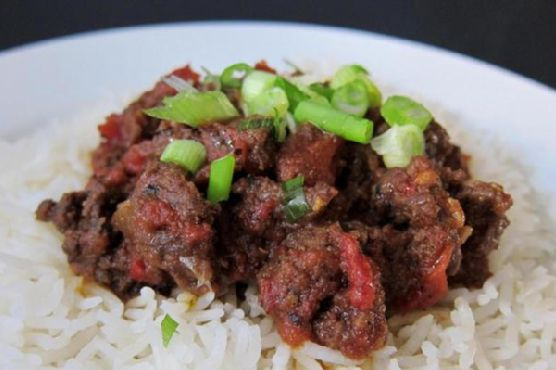
  • Cooked basmati rice, for serving

Instructions

  1. Slice the beef thinly, just as you would for a stir fry, and place it in a medium bowl.
  2. Add all of the other ingredients, except the tomatoes, green onions, and rice, to the bowl with the beef. Combine to coat the meat well.
  3. Let the beef sit for 10-15 minutes to allow the flavors to infuse the meat.
  4. Heat a medium pan with a lid over medium heat.
  5. Add the marinated meat to the pan and brown well, stirring occasionally.
  6. Continue to cook over medium heat until all of the meat juices have evaporated and only oil remains in the bottom of the pan with the meat.
  7. Add the diced tomatoes, stir to combine, and lower the heat to medium-low.
  8. Cover and simmer, stirring occasionally, until the meat is tender and most of the moisture from the tomatoes has been absorbed by the meat, about 30 minutes.
  9. If the sauce becomes too thick before the beef is tender, add 1/4 cup water and continue to simmer with the lid on.
  10. Taste and adjust the seasoning by adding additional salt if needed. For a spicier curry, add more cayenne pepper at this point.
  11. Serve over steamed basmati rice, topped with chopped green onions.

Tips

To ensure your curry is as flavorful as possible, allow the beef to marinate for the full 15 minutes. This step is essential for infusing the meat with the spices. Additionally, don’t rush the simmering process; slow cooking will tenderize the beef and allow the flavors to meld beautifully.

Variations & Substitutions

If you’re looking to experiment or cater to dietary preferences, here are a few variations you could try:

  • Protein Swap: Substitute beef with lamb for an equally delicious variation. Chicken or tofu can be used for a lighter version.
  • Vegetarian Option: Omit the meat altogether and add hearty vegetables like potatoes, carrots, and peas for a veggie-packed curry.
  • Spice Adjustment: Adjust the level of cayenne pepper to suit your heat preference, or substitute with paprika for a milder flavor.

Storage

Leftovers can be stored in an airtight container in the refrigerator for up to 3 days. For longer storage, freeze the curry in portions for up to 2 months. When reheating, add a splash of water or broth to maintain moisture and prevent drying out.

FAQ

Can I make this curry in advance?

Absolutely! In fact, curries often taste even better the next day as the flavors have more time to develop. Simply store it in the fridge and reheat gently before serving.

What can I serve with Madras Beef Curry?

This curry pairs wonderfully with basmati rice, but you can also serve it with naan bread or chapati to soak up the delicious sauce.

Can I use store-bought curry powder?

Yes, store-bought curry powder works just fine, but ensure it’s fresh for the best flavor. You can also try making your own blend if you prefer.

Nutrition

This dish is rich in protein and provides a hearty, satisfying meal. However, be mindful of the spice levels if serving to children or those sensitive to heat. Adjust the cayenne pepper as needed.

Conclusion

Madras Beef Curry is more than just a meal; it’s an experience that brings people together and warms the heart. Whether you make it a Sunday tradition or a weeknight delight, this recipe is sure to become a staple in your home. So, gather your ingredients, let the spices dance in your kitchen, and enjoy the rich tapestry of flavors that this curry has to offer. Happy cooking!

Related update: Madras Beef Curry

Chicken Stew For The Soul | Made by Meaghan Moineau

Chicken Stew For The Soul

Intro

There’s something magical about the aroma of spices wafting through the kitchen on a chilly evening. It takes me back to my grandmother’s cozy kitchen, where love was an essential ingredient in every meal she prepared. Her Chicken Stew was a family favorite, a recipe passed down through generations, and one that I cherish deeply. This dish isn’t just food; it’s a warm embrace on a plate, a reminder of home, and a testament to the power of simple ingredients combined with love and care.

Why You’ll Love It

This Chicken Stew is not just any stew; it’s a heartfelt dish that brings warmth and comfort with every bite. The blend of aromatic spices and creamy coconut milk creates a rich, flavorful broth that envelops tender pieces of chicken and perfectly cooked potatoes. It’s a meal that satisfies both the palate and the soul, perfect for sharing with family and friends or for savoring on a quiet evening by yourself. Plus, it’s straightforward to prepare, making it a go-to recipe for any occasion.

Ingredients

  • Cardamoms
  • Chicken
  • Cinnamon stick, broken
  • Coconut milk
  • Curry leaves
  • Fresh coriander
  • Garam masala
  • Ginger garlic paste
  • Green chillies
  • Red ground chilli
  • Ground coriander
  • Ground turmeric
  • Lemon (juice)
  • Onion
  • Potatoes
  • Salt
  • Oil
  • Mustard seeds

Instructions

  1. Slice the onions, slit the chillies, cube the potatoes, and keep aside.
  2. Heat oil in a heavy-bottomed pan or pressure cooker and splutter mustard seeds.
  3. Add the whole spices and stir until you begin to get the aroma of the spices.
  4. Add sliced onions, curry leaves, and green chillies, and sauté.
  5. Stir in the ground coriander and add the marinated chicken. Stir to coat the chicken well in the sautéed mixture.
  6. Cover and let it cook until it is half done, then add the cubed potatoes.
  7. When the chicken is almost done, add the garam masala, salt, and coconut milk and stir.
  8. Once cooked, turn off the heat and garnish with chopped fresh coriander.
  9. Remember, the most important ingredient is love. Stir it with lots of love for the family and friends who will partake of the meal.
  10. Serve hot chicken stew with freshly made appams.

Tips

  • For a deeper flavor, marinate the chicken overnight with ginger garlic paste and a pinch of salt.
  • Adjust the level of spiciness by modifying the amount of green chillies and red ground chilli to suit your taste.
  • For a thicker stew, allow it to simmer uncovered for a few extra minutes to reduce the liquid.

Variations & Substitutions

If you’re looking to make this stew your own, here are a few variations and substitutions you might consider:

  • Protein: Swap chicken with boneless lamb or beef for a different twist.
  • Vegetables: Add carrots or bell peppers for extra flavor and color.
  • Coconut Milk: Use heavy cream or almond milk if you’re out of coconut milk.

Storage

This Chicken Stew can be stored in an airtight container in the refrigerator for up to 3 days. To reheat, simply place it in a saucepan over medium heat until warmed through. Freezing is also an option; just ensure it’s fully cooled before placing it in the freezer, where it will keep for up to 2 months. Thaw overnight in the fridge before reheating.

FAQ

Can I make this stew in advance?

Absolutely! This stew actually tastes even better the next day, as the flavors have more time to meld together. Simply prepare as directed, cool completely, and store in the refrigerator. Reheat gently on the stove when ready to serve.

What can I serve with Chicken Stew?

Chicken Stew pairs beautifully with appams, as mentioned, but you can also serve it with steamed rice, crusty bread, or naan to soak up the delicious gravy.

Is this dish spicy?

The level of spiciness in this Chicken Stew can be easily adjusted to suit your palate. If you prefer a milder stew, reduce the number of green chillies and red ground chilli. Conversely, if you enjoy heat, consider adding more.

Nutrition

While the exact nutritional content can vary based on portion size and specific ingredients used, a typical serving of Chicken Stew with coconut milk is a good source of protein and healthy fats. It provides essential nutrients from the spices and vegetables, making it a nourishing option for a balanced diet.

Conclusion

This Chicken Stew For The Soul is more than just a meal; it’s a culinary experience that brings warmth and comfort. Whether you’re cooking for your family, hosting a dinner with friends, or simply treating yourself, this stew is sure to impress and soothe the soul. Remember, the secret ingredient is love, and it’s what makes this dish truly special. So gather your ingredients, invite your loved ones, and create cherished memories around the dinner table with this heartwarming stew.

Related update: Chicken Stew For The Soul

Related update: How to Make the Perfect Sweet Potato Sloppy Joes

Related update: Homemade Broccoli Cheddar Soup

Japanese Mabo Tofu With Eggplant | Made by Meaghan Moineau

Japanese Mabo Tofu With Eggplant

Intro

There’s something deeply comforting about a dish that brings back memories of family gatherings and laughter-filled kitchens. For me, Japanese Mabo Tofu with Eggplant is one such dish. I remember my grandmother preparing this delightful recipe when we’d visit her during summer vacations. The aroma of sizzling garlic and ginger, the vibrant colors of the eggplant and tofu, and the rich umami flavors of the sauce would fill her cozy kitchen, creating an atmosphere of warmth and love. This dish is not just food; it’s a cherished memory that I am thrilled to share with you now.

Why You’ll Love It

This Japanese Mabo Tofu with Eggplant is the perfect blend of savory, spicy, and sweet flavors. It’s a quick and easy meal that is both satisfying and nourishing, ideal for busy weeknights. The combination of soft tofu, tender eggplant, and flavorful ground beef makes it a delightful dish that will please even the pickiest eaters. Plus, it’s a wonderful way to introduce Japanese cuisine to your family and friends.

Ingredients

  • Japanese rice (such as Nishiki rice)
  • 1 eggplant
  • 1 onion
  • Fresh ginger
  • 2 garlic cloves
  • Ground beef
  • Spring onions
  • Oil
  • Sesame oil
  • Soy sauce
  • Cooking sake
  • Sugar
  • Water
  • Red to-ban-jan

Instructions

  1. Cook the rice according to the directions on the package. I personally prefer using Nishiki rice for its texture and flavor.
  2. Slice the eggplant lengthwise into four strips, then slice horizontally into quarters. Set aside.
  3. In a pan over medium/high heat, add 2 tablespoons of oil, minced garlic, grated ginger, chopped onions, and half of the sliced spring onions. Cook for 3 to 4 minutes, until the onions become translucent and fragrant.
  4. Add the ground beef, seasoning it with a pinch of salt and pepper. Cook until the meat is browned and fully cooked through.
  5. Stir in the red to-ban-jan, mixing well to incorporate its flavors with the beef.
  6. Add the sesame oil and eggplant to the pan. Cook for 5 to 7 minutes, or until the eggplant strips are soft and cooked through.
  7. Gently add the tofu, breaking it up delicately while mixing it in with the beef and eggplant.
  8. Pour in the sake, sugar, water, and 4 tablespoons of soy sauce. Stir and cook for a couple more minutes to let the flavors meld together.
  9. Finally, add the remaining 2 tablespoons of soy sauce and the rest of the spring onions. Stir to combine, then turn off the heat.
  10. Serve the Mabo Tofu over the freshly cooked rice and enjoy!

Tips

To enhance the dish’s flavor, consider using high-quality soy sauce and fresh, in-season eggplant. If you prefer a spicier kick, feel free to increase the amount of red to-ban-jan. Remember to handle the tofu gently to keep its texture intact while mixing.

Variations & Substitutions

If you’re looking to make the dish vegetarian, you can substitute the ground beef with mushrooms or plant-based meat alternatives. For a gluten-free version, use gluten-free soy sauce. You can also experiment by adding other vegetables like bell peppers or zucchini for extra nutrition and color.

Storage

Leftover Mabo Tofu can be stored in an airtight container in the refrigerator for up to 3 days. When reheating, add a splash of water to the pan to help restore its saucy consistency. This dish is also suitable for freezing, although the texture of the tofu may change slightly upon thawing.

FAQ

Can I make this dish ahead of time?

Yes, you can prepare the Mabo Tofu ahead of time. It’s a great dish to make in advance as the flavors deepen and improve after sitting. Simply reheat on the stove or in the microwave before serving.

What is red to-ban-jan, and where can I find it?

Red to-ban-jan is a spicy bean paste commonly used in Chinese and Japanese cooking. It adds a rich, spicy flavor to dishes. You can find it in most Asian grocery stores or online.

Can I use silken tofu for this recipe?

While silken tofu can be used, it is more delicate and may break apart more easily. For best results, use firm or extra-firm tofu to maintain its shape during cooking.

Nutrition

This dish is rich in protein from the beef and tofu, and it provides a good source of vitamins and minerals from the eggplant and onions. It’s a well-balanced meal that offers both flavor and nutrition, ideal for satisfying your taste buds and nutritional needs.

Conclusion

Japanese Mabo Tofu with Eggplant is not just a dish; it’s a heartfelt experience brimming with flavors and memories. Whether you’re a seasoned cook or a beginner, this recipe is approachable and rewarding, offering a taste of Japanese home cooking that you and your loved ones will cherish. I hope this dish brings warmth and joy to your table, just as it has to mine over the years. Enjoy every bite!

Related update: Japanese Mabo Tofu With Eggplant

Related update: Linguine with Prawns, Fresh Tomatoes and Spinach

Siamese Fried Noodle (Mee Siam) | Made by Meaghan Moineau

Siamese Fried Noodle (Mee Siam)

Intro

There’s a certain magic that happens in the kitchen when you recreate a beloved dish from your childhood. For me, Siamese Fried Noodle, or Mee Siam, is that recipe. I remember the aroma wafting from my grandmother’s kitchen as she effortlessly tossed the noodles in her well-seasoned wok, each ingredient dancing in harmony. The taste was a beautiful blend of tangy, sweet, and spicy, a symphony of flavors that I have tried to replicate ever since. Today, I want to share this treasured recipe with you, hoping it brings a piece of my cherished memories into your home.

Why You’ll Love It

  • Authentic Flavor: Mee Siam offers a unique blend of Southeast Asian spices and flavors.
  • Versatile: You can adjust the spice level and ingredients to suit your taste.
  • Quick and Easy: Despite its complex flavors, this dish can be prepared in under an hour.
  • Perfect for Any Occasion: Whether it’s a family meal or a friendly gathering, Mee Siam never fails to impress.

Ingredients

  • Rice vermicelli – soaked in water
  • Prawns
  • Tofu
  • Beansprouts
  • Chives
  • Dried shrimps
  • Shredded kaffir lime leaves
  • Oil
  • Garlic
  • Shallots
  • Fresh turmeric
  • Bird’s eye chillies
  • Candlenuts
  • Lemongrass
  • Ginger flower
  • Sugar
  • Chicken stock granules
  • Pepper
  • Fish sauce
  • Soy sauce
  • Tamarind paste
  • Water

Instructions

  1. Heat oil in a frying pan.
  2. Lightly fry the chopped dried shrimps and tofu separately. Dish out and leave aside.
  3. Stir fry the pounded ingredients and kaffir lime leaves until aromatic.
  4. Add prawns and fry until they are half-cooked. Dish out the prawns and set aside.
  5. Add in seasonings and bring to the boil.
  6. Add meehoon and stir fry.
  7. Mix in dried shrimps, tofu slices, prawns, chives, and beansprouts. Toss well.
  8. Serve hot with a drizzle of lime or lemon juice.

Tips

For the best results, ensure your rice vermicelli is well-soaked but not overly soft before cooking. The key to a good Mee Siam is in the balance of flavors, so taste as you go and adjust the seasonings to your preference. Also, prepare all the ingredients in advance to make the cooking process smoother and quicker.

Variations & Substitutions

Feel free to get creative with Mee Siam. If you’re not a fan of prawns, chicken or tofu can be excellent substitutes. For a vegetarian version, simply omit the seafood and use vegetable stock instead of chicken stock. You can also experiment with different vegetables like bell peppers or carrots for added color and nutrition.

Storage

Mee Siam can be stored in an airtight container in the refrigerator for up to 3 days. Reheat it gently on the stove or in the microwave, adding a splash of water to prevent it from drying out. However, it’s best enjoyed fresh to savor the full spectrum of flavors.

FAQ

Can I make Mee Siam less spicy?

Absolutely! If you prefer a milder dish, reduce the number of bird’s eye chillies or omit them entirely. You can also serve extra lime wedges on the side to add a refreshing tang without additional heat.

What can I serve with Mee Siam?

Mee Siam is quite satisfying on its own, but you can pair it with a side of fresh cucumber salad or a simple clear soup for a complete meal. It’s also delightful with some crispy prawn crackers for an added crunch.

Nutrition

This dish is a balanced meal with protein from the prawns and tofu, carbohydrates from the noodles, and a variety of vitamins and minerals from the fresh herbs and vegetables. For a healthier version, you can use less oil and more vegetables, and opt for low-sodium soy sauce.

Conclusion

Mee Siam is more than just a dish; it’s a culinary journey that captures the essence of Southeast Asian cuisine. With its vibrant flavors and simple preparation, it’s no wonder that it holds a special place in many hearts and homes. I hope this recipe brings as much joy and nostalgia to your table as it does to mine. Enjoy your cooking adventure, and remember, the best recipes are those you make your own. Happy cooking!

Related update: Siamese Fried Noodle (Mee Siam)

Related update: Salmon with roasted vegetables

Kk’s Fish Tacos | Made by Meaghan Moineau

Kk’s Fish Tacos: A Crispy, Flavorful Delight

Intro

There’s something magical about fish tacos that transport me back to sun-soaked afternoons on the coast, where the gentle sea breeze mingles with the aroma of freshly caught seafood. My love affair with fish tacos began during a family vacation to Baja California, where every bite was a revelation of flavors. Over the years, I’ve refined my own version, which I now share with you as Kk’s Fish Tacos. This recipe is more than just a meal; it’s a culinary journey back to those cherished memories by the ocean.

Why You’ll Love It

This recipe for Kk’s Fish Tacos is a crowd-pleaser for many reasons. The crispy, golden-brown tilapia offers a satisfying crunch, perfectly complemented by the soft, warm tortillas. The combination of fresh cilantro, zesty lime, and vibrant veggies create a refreshing contrast to the savory fish. Whether it’s a casual family dinner or a lively gathering with friends, these tacos are sure to impress.

Ingredients

  • Fresh tilapia fillets
  • Flour tortillas
  • Fresh cilantro, chopped
  • Limes, cut into wedges
  • Iceberg lettuce, shredded
  • Diced tomatoes
  • Diced onion
  • Italian bread crumbs
  • Creole seasoning
  • Lard for frying
  • Salt (optional)
  • Queso fresco (optional)
  • Salsa and/or guacamole (optional)

Instructions

  1. In a pie pan or deep dish, add your Italian bread crumbs.
  2. In a large pan, add about 1 cup of lard and bring it up to a sizzling temperature. Note: You may need to add more oil after frying about half the fish.
  3. If using frozen tilapia, thaw it in lukewarm water and drain well.
  4. Once the oil is ready, take one of the fillets and thoroughly coat both sides with the bread crumbs.
  5. Place the fillet in the oil and cook until each side is golden brown, approximately 2-3 minutes per side.
  6. Transfer the cooked fillets to sheets of paper towels to drain excess oil.
  7. Lightly season the top side of the fish with salt or creole seasoning.
  8. While frying the rest of the fillets, chop up all of your accouterments.
  9. When everything is ready, microwave your tortillas for about 30 seconds on high, completely covered in a paper towel or clean dishtowel.
  10. Set up a taco-building buffet: add your fish, a little queso, your veggies, a pinch of cilantro, and then salsa and/or guacamole.
  11. Use the lime wedges to give your taco a little extra kick of citrus!

Tips

Here are some tips to ensure your fish tacos turn out perfectly:

  • Oil Temperature: Make sure your oil is hot enough before adding the fish. If it’s not sizzling, your fish might become soggy instead of crispy.
  • Draining Excess Oil: Use paper towels to drain the fish thoroughly after frying to keep them crispy.
  • Fresh Ingredients: Use the freshest ingredients possible, especially the fish and vegetables, for the best flavor.

Variations & Substitutions

Feel free to get creative with this recipe. Here are some variations and substitutions to consider:

  • Fish Options: While tilapia is a great choice, you can also use cod or haddock for a different flavor and texture.
  • Tortillas: Swap flour tortillas for corn tortillas if you prefer a different taste or are looking for a gluten-free option.
  • Spice Level: Adjust the creole seasoning to your preferred spice level, or add a dash of hot sauce for extra heat.

Storage

If you have leftovers, store the fish and toppings separately from the tortillas to maintain their texture. Keep the fish in an airtight container in the refrigerator for up to 2 days. Reheat the fish in a skillet to retain its crispiness before assembling your tacos.

FAQ

Can I bake the fish instead of frying it?

Yes, you can! Preheat your oven to 425°F (220°C). Place the breaded fish on a baking sheet lined with parchment paper and bake for 12-15 minutes, or until golden and cooked through.

What toppings work well with fish tacos?

Aside from the classic toppings listed in the recipe, you can also add sliced avocado, pickled red onions, or spicy slaw for added flavor and texture.

Can I make these tacos ahead of time?

While it’s best to serve these tacos fresh, you can prepare the components ahead of time. Store the fried fish and chopped vegetables in separate containers in the fridge, and assemble the tacos just before serving.

Nutrition

The nutritional content of these fish tacos will vary based on the specific ingredients and quantities used. Generally, they offer a balanced mix of protein, healthy fats, and carbohydrates, with additional vitamins and minerals from the fresh vegetables. Adjust portion sizes and toppings to fit your dietary needs.

Conclusion

Kk’s Fish Tacos are more than just a meal—they’re a celebration of flavors and memories. Whether you’re reminiscing about sunlit adventures or creating new culinary traditions, these tacos are sure to delight your taste buds. Gather your loved ones, share a meal, and enjoy the simple pleasures of life wrapped in a warm tortilla. Bon appétit!

Related update: Kk’s Fish Tacos

Related update: Siamese Fried Noodle (Mee Siam)

Mashed Sweet Potatoes | Made by Meaghan Moineau

Mashed Sweet Potatoes

Intro

There’s something uniquely comforting about a warm dish of mashed sweet potatoes. This recipe takes me back to my grandmother’s kitchen, where the sweet aroma of spices filled the air during the holiday season. As a child, I would watch her expertly blend the ingredients with her wooden spoon, creating a side dish that was both simple and divine. Today, I’m excited to share this family favorite with you, adding a modern twist that enhances the classic flavors without losing its nostalgic essence.

Why You’ll Love It

This mashed sweet potato recipe is a delightful blend of sweet and spicy, creamy and smooth. It’s packed with flavor thanks to a unique blend of spices, including cinnamon, cardamom, and a hint of cayenne pepper that gives it just the right amount of kick. The addition of maple syrup and orange zest elevates the natural sweetness of the potatoes, making it a perfect side dish for any occasion. Whether you’re serving it at a festive gathering or a simple weeknight dinner, these mashed sweet potatoes are sure to become a staple in your recipe collection.

Ingredients

  • 4 large sweet potatoes, peeled and cubed
  • 2 tablespoons brown sugar
  • 3 tablespoons butter
  • 1/2 teaspoon ground cardamom
  • 1/4 teaspoon cayenne pepper
  • 1 teaspoon ground cinnamon
  • 1/4 cup cream
  • 1 teaspoon kosher salt
  • 2 tablespoons maple syrup
  • 1 tablespoon orange zest
  • 1 teaspoon vanilla extract

Instructions

  1. Place the peeled and cubed sweet potatoes in a large pot of boiling water. Cook until they are tender, about 20 minutes. Drain and return them to the pot.
  2. Mash the sweet potatoes until they are well broken up. If you prefer a smoother consistency, you can use an electric mixer.
  3. In a small bowl, mix together the cinnamon, cayenne pepper, cardamom, orange zest, and brown sugar. Set aside.
  4. Add the butter, cream, vanilla extract, and maple syrup to the mashed sweet potatoes. Mix well until fully combined.
  5. Incorporate the cinnamon sugar mixture into the sweet potatoes, stirring until smooth and well blended.
  6. Season with kosher salt to taste. Serve warm and enjoy!

Tips

For the best texture, make sure your sweet potatoes are cooked until they are very tender. This will make mashing much easier and result in a creamier consistency. When mashing, avoid overworking the potatoes as this can make them gummy. If you’re using an electric mixer, use it on a low setting.

Variations & Substitutions

If you’re looking to make this dish vegan, simply swap out the butter and cream for your favorite plant-based alternatives. Coconut cream and vegan butter work particularly well. For a different flavor profile, try adding a splash of bourbon or a handful of toasted pecans for extra crunch.

Storage

Store any leftover mashed sweet potatoes in an airtight container in the refrigerator for up to four days. Reheat them gently on the stovetop or in the microwave, adding a splash of cream or milk to restore their creamy consistency. These mashed sweet potatoes also freeze well for up to two months; just make sure to thaw them overnight in the refrigerator before reheating.

FAQ

Can I make mashed sweet potatoes ahead of time?

Yes, this dish can be prepared a day in advance. Simply follow the instructions and store the mashed sweet potatoes in the refrigerator. Reheat them on the stove or in the oven before serving, adding a little extra cream or milk to maintain their texture.

What can I serve with mashed sweet potatoes?

Mashed sweet potatoes are a versatile side dish that pairs well with a variety of main courses. They’re perfect alongside roasted turkey, glazed ham, or grilled chicken. For a vegetarian option, consider serving them with a hearty lentil stew or a fresh salad.

Nutrition

This recipe is not only delicious but also provides a good dose of vitamins and minerals. Sweet potatoes are rich in vitamin A, vitamin C, and potassium, making them a nutritious addition to your meal. Each serving of this dish contains approximately 200 calories, 8 grams of fat, and 30 grams of carbohydrates.

Conclusion

These mashed sweet potatoes are not just a side dish; they’re a tradition, a comfort food, and a crowd-pleaser. With their rich flavor and creamy texture, they are sure to become a beloved part of your culinary repertoire. Whether you’re preparing them for a special holiday meal or a cozy family dinner, they promise warmth and satisfaction in every bite. I hope you enjoy this recipe as much as my family has over the years!

Related update: Mashed Sweet Potatoes

Jambalaya Stew | Made by Meaghan Moineau

Jambalaya Stew

Intro

There’s something magical about a hearty bowl of Jambalaya Stew that instantly transports me back to my grandmother’s warm, bustling kitchen. Growing up, I spent countless Sunday afternoons at her house, enveloped in the comforting aromas of her cooking. Her Jambalaya was always the star of the show, a rich blend of spices and flavors that brought the whole family together. It was a dish that whispered stories of cultural heritage, love, and tradition. Today, I’m thrilled to share my version of this classic dish with you, hoping it brings as much warmth and joy to your table as it has to mine.

Why You’ll Love It

This Jambalaya Stew is a delightful symphony of flavors and textures that will make your taste buds dance with joy. It’s a one-pot wonder that’s perfect for any occasion, whether you’re hosting a casual family dinner or a festive gathering with friends. The stew is packed with vibrant vegetables, succulent shrimp, and flavorful sausage, all simmering in a savory broth that’s seasoned to perfection. Plus, it’s incredibly easy to make and highly adaptable to suit your taste preferences. Trust me, one spoonful and you’ll be hooked!

Ingredients

  • 2 cooked Italian sweet chicken sausage links, sliced
  • 1 can (14.5 oz) diced tomatoes
  • 1 onion, chopped
  • 1 yellow bell pepper, chopped
  • 1 green bell pepper, chopped
  • 2 stalks celery, chopped
  • 4 cups low sodium chicken broth
  • 1 cup brown rice
  • 3 cloves garlic, minced
  • 2 teaspoons Cajun seasoning
  • 1 tablespoon hot sauce (or to taste)
  • 1 teaspoon dried oregano
  • 1 teaspoon dried thyme
  • 1 pound raw shrimp, peeled and deveined

Instructions

  1. Add all ingredients except the shrimp to a large pot on the stove.
  2. Mix thoroughly to combine all flavors and ingredients.
  3. Bring the mixture to a boil over medium-high heat.
  4. Reduce heat to medium-low, cover, and let it simmer.
  5. Cook for about 35 minutes, or until the vegetables are tender and the rice is fluffy.
  6. Add the shrimp to the pot and re-cover.
  7. Continue to cook for another 6 minutes, or until the shrimp are tender and cooked through.
  8. If desired, season with additional salt, black pepper, and hot sauce to taste.
  9. Serve hot and enjoy!

Tips

For the best results, use fresh, high-quality shrimp and sausage. You can also prepare the vegetables ahead of time to make the cooking process even smoother. If you prefer a spicier stew, feel free to increase the amount of Cajun seasoning or hot sauce. Don’t forget to taste and adjust the seasonings before serving!

Variations & Substitutions

This recipe is wonderfully versatile. If you’re not a fan of shrimp, you can substitute it with chicken or add extra sausage for a heartier dish. You can also switch up the vegetables based on what you have on hand; zucchini or carrots would make excellent additions. For a vegetarian version, simply omit the shrimp and sausage and use vegetable broth instead of chicken broth. The beauty of Jambalaya is that it welcomes creativity and personal touches.

Storage

Leftovers can be stored in an airtight container in the refrigerator for up to 3 days. To reheat, simply warm the stew in a pot over medium heat until heated through. If you plan to freeze the stew, it’s best to do so without the shrimp, as they can become rubbery when reheated. Freeze the stew in a sturdy container for up to 3 months and add fresh shrimp when you’re ready to serve.

FAQ

Can I make this recipe ahead of time?

Yes, you can prepare the Jambalaya Stew ahead of time! Cook it as directed, then cool and store it in the refrigerator. Reheat on the stove just before serving. It’s a great make-ahead meal for busy weeknights or meal prep.

What should I serve with Jambalaya Stew?

Jambalaya Stew is a complete meal on its own, but you can serve it with a side of crusty bread or a simple green salad for a balanced meal. Cornbread or garlic bread also pair wonderfully with the stew.

Nutrition

While I don’t have exact nutritional information, this Jambalaya Stew is packed with protein from the shrimp and sausage, fiber from the vegetables and brown rice, and a host of vitamins and minerals. It’s a wholesome, satisfying dish that can fit into a balanced diet.

Conclusion

Jambalaya Stew is more than just a meal; it’s a celebration of flavors and a nod to cherished culinary traditions. Whether you’re new to cooking or a seasoned chef, this recipe is sure to become a favorite in your household. So gather your ingredients, invite your loved ones over, and dive into a bowl of warmth and comfort. Here’s to creating delicious memories one spoonful at a time!

Related update: Jambalaya Stew

Related update: Beef, Poblano & Cheese Tamales

Chili and Garlic Spiced Beef and Broccoli Stir Fry | Made by Meaghan Moineau

Chili and Garlic Spiced Beef and Broccoli Stir Fry

Intro

There’s something magical about the aroma of sizzling beef and vibrant broccoli dancing together in a pan. It takes me back to my childhood kitchen, where my grandmother would whip up the most delicious stir fry dishes. Her secret? A perfect balance of spices and a lot of love. This Chili and Garlic Spiced Beef and Broccoli Stir Fry is a nod to those cherished memories, combining the warmth of nostalgia with the excitement of bold flavors. Whether you’re looking for a quick weeknight dinner or a dish to impress your guests, this recipe is sure to become a favorite in your home too.

Why You’ll Love It

This stir fry is the perfect blend of spicy, savory, and slightly sweet flavors, making it a delightful dish for any palate. It’s quick to prepare, making it an ideal choice for busy evenings. Plus, it’s packed with nutrients, thanks to the broccoli, and offers a satisfying protein boost from the beef. The sauce, with its combination of soy sauce, rice vinegar, and Asian chili sauce, gives the dish a depth of flavor that’s both comforting and exciting. You’ll love how versatile it is, allowing for easy substitutions and variations to suit your tastes and dietary needs.

Ingredients

  • Beef steak, thinly sliced
  • Broccoli florets
  • Coconut oil
  • Low fat chicken broth
  • Cornstarch
  • Soy sauce
  • Rice vinegar
  • Mirin
  • Sesame oil
  • Sugar
  • Asian chili sauce
  • Cooked brown rice

Instructions

  1. In a small bowl, combine the chicken broth, cornstarch, soy sauce, rice vinegar, mirin, sesame oil, sugar, and Asian chili sauce. Stir until well mixed and set aside.
  2. Preheat a non-stick skillet over medium-high heat with 1/2 tablespoon of coconut oil.
  3. Add the beef slices to the skillet and stir fry until the beef is cooked through, about 3 to 4 minutes. Remove the beef from the pan and set aside.
  4. Add the remaining coconut oil to the skillet and sauté the broccoli for 3 to 4 minutes, until it is crisp-tender. Add a splash of chicken broth or water if needed to prevent the pan from drying out.
  5. Return the beef to the pan and pour the prepared sauce over the beef and broccoli.
  6. Stir continuously until the sauce thickens and coats the beef and broccoli, about 4 to 5 minutes.
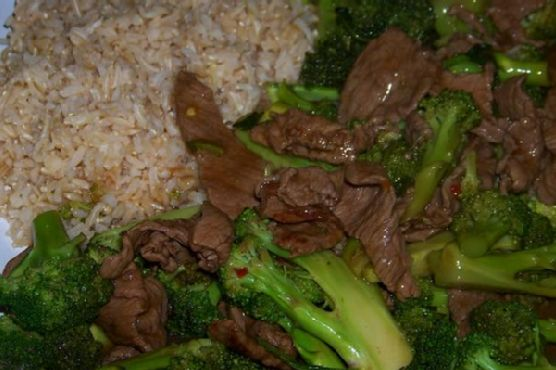
  7. Serve the stir fry over a bed of cooked brown rice.

Tips

For the best results, ensure that your beef is thinly sliced. This will help it cook quickly and evenly. You can freeze the beef for about 20 minutes before slicing to make it easier to cut thinly. Adjust the level of chili sauce to suit your spice tolerance. If you prefer a milder dish, start with half the amount and adjust to taste. To keep the broccoli vibrant and crisp-tender, avoid overcooking it. A quick sauté is all it needs to maintain its texture and nutrients.

Variations & Substitutions

This stir fry is incredibly versatile. You can substitute the beef with chicken or tofu for a different protein option. Feel free to add other vegetables like bell peppers, carrots, or snap peas for added color and nutrition. If you’re gluten-free, swap the soy sauce for tamari. For a low-carb version, serve the stir fry over cauliflower rice instead of brown rice.

Storage

Store any leftovers in an airtight container in the refrigerator for up to 3 days. To reheat, add a splash of water or broth to the pan and gently warm the stir fry over medium heat until heated through. This will help maintain the sauce’s consistency and the broccoli’s texture.

FAQ

Can I make this stir fry in advance?

Yes, you can prepare the sauce and slice the beef and vegetables a day ahead. Store them separately in the refrigerator until you’re ready to cook. This can save you time on busy nights and make meal preparation a breeze.

What can I serve with this stir fry?

While it’s delicious on its own or with brown rice, you can serve this stir fry alongside a simple cucumber salad or some steamed dumplings for a complete meal. It also pairs well with a hot and sour soup if you’re in the mood for a multi-course dinner.

Nutrition

This dish is a great source of protein and fiber, thanks to the beef and broccoli. While the exact nutritional content will vary based on portion sizes and specific ingredient brands, you can expect a balanced meal that’s rich in essential vitamins and minerals. The use of coconut oil adds a healthy fat component, while the brown rice provides whole grains to keep you feeling full and satisfied.

Conclusion

This Chili and Garlic Spiced Beef and Broccoli Stir Fry is more than just a meal—it’s a warm embrace of flavors that brings comfort and joy to the table. With its perfect blend of spices and textures, it’s sure to become a staple in your culinary repertoire. So, gather your ingredients, channel your inner chef, and let this delightful dish transport you to a world of delicious nostalgia and culinary satisfaction.

Related update: Chili and Garlic Spiced Beef and Broccoli Stir Fry

Related update: Grilled Garlicky-Herbed Shrimp

Moroccan Carrot Soup | Made by Meaghan Moineau

Moroccan Carrot Soup

Intro

There’s something magical about the aroma of spices wafting through the house, evoking memories of family gatherings and warmth. One of my fondest memories is of my grandmother, bustling about her kitchen, preparing her famous Moroccan Carrot Soup. This was a staple at our family dinners, and I remember sitting at the kitchen table, eagerly awaiting my bowl. The vibrant color, the creamy texture, and the perfect blend of spices made it irresistible. Today, I’m excited to share this cherished recipe with you, hoping it brings as much warmth and joy to your home as it does to mine.

Why You’ll Love It

This Moroccan Carrot Soup is a delightful blend of flavors and textures that will captivate your senses. It’s both vibrant and comforting, making it perfect for any season. The sweetness of the carrots is beautifully balanced by the aromatic spices, creating a harmony that is both exotic and familiar. Whether you’re serving it as a starter or enjoying it as a light meal, this soup is sure to become a favorite in your household.

Ingredients

  • 2 tablespoons butter
  • 1 yellow onion, chopped
  • 6 large carrots, peeled and sliced
  • 4 cups low sodium chicken stock
  • 1 teaspoon cumin seeds
  • 1 tablespoon honey
  • 2 tablespoons fresh lemon juice
  • 1/4 teaspoon allspice
  • Salt and pepper, to taste
  • Sour plain yogurt, for serving

Instructions

  1. Melt butter in a large saucepan over medium-high heat.
  2. Add onion and sauté for 2 minutes until translucent.
  3. Mix in carrots and chicken stock. Bring to a boil.
  4. Reduce heat, cover, and simmer until carrots are very tender, about 20 minutes.
  5. Meanwhile, stir cumin seeds in a small skillet over medium-high heat until fragrant, about 4-5 minutes. Finely grind in a spice mill.
  6. Remove soup from heat. Puree in batches in a blender until smooth.
  7. Return the soup to the saucepan. Whisk in honey, lemon juice, and allspice.
  8. Season with salt and pepper to taste.
  9. Ladle soup into bowls. Sprinkle with toasted cumin or mix cumin with sour cream and dollop on top. Serve and enjoy!

Tips

To ensure your soup is as smooth as possible, take your time to puree it thoroughly. If you prefer a slightly chunky texture, you can blend only half of the soup and mix it with the unblended portion. For an extra kick, consider adding a pinch of cayenne pepper when seasoning with salt and pepper.

Variations & Substitutions

If you’re looking to make this recipe vegetarian, simply substitute the chicken stock with vegetable broth. For a vegan option, replace the butter with olive oil and omit the yogurt topping. You can also experiment with different spices like ginger or coriander to give the soup a unique twist.

Storage

This Moroccan Carrot Soup stores well and can be refrigerated in an airtight container for up to four days. For longer storage, consider freezing it in individual portions for up to three months. Simply thaw overnight in the fridge and reheat on the stove before serving.

FAQ

Can I use pre-ground cumin instead of cumin seeds?

Yes, you can use pre-ground cumin if that’s what you have on hand. However, toasting and grinding whole cumin seeds will provide a fresher, more robust flavor that enhances the soup’s aromatic qualities.

Is this soup suitable for freezing?

Absolutely! This soup freezes well. Allow it to cool completely before transferring to freezer-safe containers. When you’re ready to enjoy it, thaw in the refrigerator and reheat on the stove until warmed through.

Can I add other vegetables to the soup?

Feel free to add other vegetables like sweet potatoes or parsnips for added depth and nutrition. Just ensure that they are cooked until tender before blending.

Conclusion

There’s nothing quite like a bowl of Moroccan Carrot Soup to bring comfort and a touch of exotic flavor to your table. Whether you’re reminiscing about family meals or creating new memories with loved ones, this soup is sure to become a beloved recipe in your collection. I hope you enjoy making it as much as I do, and that it fills your home with warmth and happiness.

Related update: Moroccan Carrot Soup

Related update: Chili and Garlic Spiced Beef and Broccoli Stir Fry

Related update: Best Potato Cheese Soup in a bread bowl

Carrot Cake Muffin Cookies | Made by Meaghan Moineau

Carrot Cake Muffin Cookies

Intro

There’s something truly comforting about the aroma of freshly baked goods wafting through the house. It takes me back to long Sunday afternoons spent in my grandmother’s kitchen, her laughter mingling with the sound of the mixer as she prepared her famous carrot cake. Inspired by those cherished memories, I’ve transformed that classic recipe into delightful Carrot Cake Muffin Cookies. These cookies capture the essence of a carrot cake but come in a convenient, delightful cookie form. Perfect for a cozy afternoon snack or a quick treat on the go, they’re sure to become a favorite in your household too.

Why You’ll Love It

Carrot Cake Muffin Cookies are the epitome of comfort food. They offer the wholesome goodness of a muffin with the convenience of a cookie. Here’s why you’ll adore them:

  • Flavorful: The perfect balance of sweet and spice, these cookies are brimming with the warm flavors of cinnamon and ginger.
  • Nutritious: Made with whole wheat pastry flour and packed with carrots, these cookies are a healthier treat option.
  • Versatile: Perfect for breakfast, a snack, or dessert. They’re a delicious way to satisfy your sweet tooth any time of the day.
  • Easy to Make: With simple ingredients and straightforward instructions, these cookies are a breeze to prepare.

Ingredients

  • 1/2 cup butter, softened
  • 1 cup packed brown sugar
  • 1/4 cup maple syrup
  • 1 teaspoon baking soda
  • 1 teaspoon ground cinnamon
  • 1/2 teaspoon ground ginger
  • 1/4 teaspoon salt
  • 1 large egg
  • 1/2 cup unsweetened applesauce
  • 1 teaspoon vanilla extract
  • 1 cup whole wheat pastry flour
  • 1 cup white whole wheat flour
  • 1 cup shredded carrots
  • 1/2 cup raisins
  • 1/2 cup chopped walnuts
  • Turbinado sugar for sprinkling

Instructions

  1. Preheat your oven to 350°F (175°C).
  2. In a large bowl, beat the softened butter with an electric mixer on medium speed for 30 seconds.
  3. Add the brown sugar, maple syrup, baking soda, cinnamon, ginger, and salt. Beat until combined.
  4. Beat in the egg, applesauce, and vanilla extract until well incorporated.
  5. Gradually beat in as much of the flour as you can with the mixer. Stir in any remaining flour using a spatula or wooden spoon.
  6. Fold in the shredded carrots, raisins, and walnuts just until combined.
  7. Drop dough by slightly rounded teaspoons 2 inches apart onto an ungreased cookie sheet.
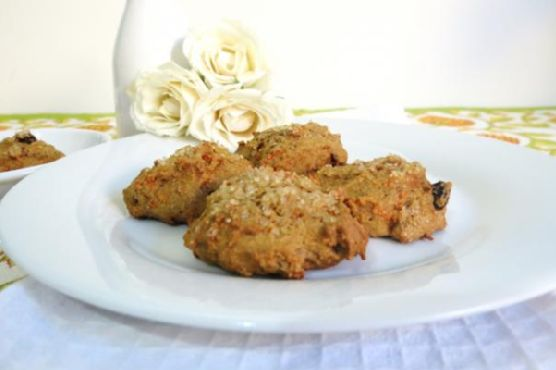
  8. Sprinkle the tops with Turbinado sugar for extra crunch and sweetness.
  9. Bake for 8 to 10 minutes or until the edges are firm.
  10. Transfer the cookies to a wire rack and let them cool completely.

Tips

To ensure your Carrot Cake Muffin Cookies turn out perfectly each time, consider these helpful tips:

  • Grate the Carrots Finely: For the best texture, make sure to grate your carrots finely. This helps them blend seamlessly into the cookie dough.
  • Use Fresh Ingredients: Fresh spices and a good quality vanilla extract can make a significant difference in the flavor profile of your cookies.
  • Room Temperature Ingredients: Make sure your butter and egg are at room temperature to ensure even mixing.

Variations & Substitutions

One of the joys of baking is making a recipe your own. Here are some variations and substitutions you can try:

  • Gluten-Free Option: Substitute the whole wheat flours with a gluten-free flour blend to make these cookies gluten-free.
  • Nut-Free Version: Omit the walnuts if you have a nut allergy, or replace them with sunflower seeds for a similar crunch.
  • Extra Add-Ins: Add shredded coconut or a handful of dark chocolate chips for a different twist.

Storage

To keep your Carrot Cake Muffin Cookies fresh and delicious, store them in an airtight container at room temperature for up to one week. For longer storage, freeze the cookies in a single layer on a baking sheet, then transfer them to a freezer-safe bag or container. They can be frozen for up to three months. Thaw at room temperature before serving.

FAQ

Can I use regular flour instead of whole wheat flour?

Yes, you can substitute all-purpose flour for the whole wheat pastry flour and white whole wheat flour if you prefer. Keep in mind that using all-purpose flour may slightly alter the texture and nutritional profile of the cookies.

Can I omit the raisins or walnuts?

Absolutely! If you’re not a fan of raisins or walnuts, you can leave them out or replace them with another ingredient, such as dried cranberries or pecans, for a different flavor twist.

How do I know when the cookies are done?

The cookies are done when the edges are firm, and the tops have a light golden hue. They may appear slightly soft in the center, but they will firm up as they cool on the wire rack.

Nutrition

While these cookies are a treat, they’re also packed with wholesome ingredients that offer nutritional benefits. Carrots provide vitamin A, raisins add natural sweetness and fiber, and walnuts contribute healthy fats. Each cookie is a delightful way to indulge without guilt.

Conclusion

Carrot Cake Muffin Cookies are a delightful fusion of tradition and convenience, bringing the beloved flavors of carrot cake into a compact, portable form. Whether you’re enjoying them with your morning coffee or sharing them with friends and family, these cookies are sure to bring warmth and joy to any occasion. Just like my grandmother’s kitchen, let these cookies fill your home with sweet memories and the comforting aroma of love. Happy baking!

Related update: Carrot Cake Muffin Cookies

Related update: Green Monster Ice Pops

Related update: Pumpkin French Toast

Fat Free Gingerbread Cookies | Made by Meaghan Moineau

Fat Free Gingerbread Cookies

Intro

There’s something magical about the aroma of gingerbread cookies wafting through the house during the holiday season, instantly transporting me back to my grandmother’s cozy kitchen. As a child, I would watch in awe as she skillfully rolled out the dough, her hands moving with practiced precision. She’d always let me sprinkle the cinnamon sugar on top, a task I took on with pride. Now, I carry on the tradition with my own twist—a fat-free version of her classic recipe that captures all the warm, spicy flavors without the added guilt. These Fat Free Gingerbread Cookies are a delightful treat that everyone can enjoy, and I’m thrilled to share them with you.

Why You’ll Love It

These cookies are a perfect blend of nostalgia and health-conscious baking. With their rich, spicy flavors and chewy texture, you won’t miss the fat at all. They’re perfect for holiday gatherings, or any time you’re craving a sweet treat. Whether you’re sharing them with family or enjoying them solo with a warm cup of tea, these cookies are sure to bring a smile to your face. Plus, they’re simple to make, requiring only a few pantry staples and some festive spices.

Ingredients

  • 1 cup all-purpose flour
  • 1 cup whole wheat flour
  • 1 teaspoon baking soda
  • 1/2 teaspoon salt
  • 1 teaspoon ground ginger
  • 1 teaspoon cinnamon
  • 1/2 teaspoon ground cloves
  • 1/4 teaspoon black pepper
  • 1/4 teaspoon fresh ground nutmeg
  • 1/4 teaspoon ground allspice
  • 1 cup dark brown sugar, packed
  • 1/2 cup blackstrap molasses
  • 1/4 cup unsweetened apple sauce
  • 1 teaspoon vanilla extract
  • 1/2 teaspoon maple extract
  • 1/4 cup chai concentrate
  • 2 egg whites
  • 1/4 cup chopped candied ginger
  • 1/4 cup granulated sugar
  • 1 teaspoon cinnamon

Instructions

  1. Sift together the all-purpose flour, whole wheat flour, baking soda, salt, ground ginger, cinnamon, ground cloves, black pepper, fresh ground nutmeg, and ground allspice. Set the mixture aside.
  2. In a large bowl, combine the dark brown sugar, blackstrap molasses, apple sauce, vanilla extract, maple extract, and chai concentrate. Beat with an electric mixer for about four minutes, until smooth.
  3. Add the egg whites and beat for another minute until well combined.
  4. Slowly whisk in the dry ingredients and beat until completely incorporated. Stir in the chopped candied ginger.
  5. Chill the dough for at least one hour. (For best results, chill overnight.)
  6. Preheat the oven to 350°F (175°C). Line a cookie sheet with parchment paper, or grease with cooking spray.
  7. In a shallow bowl, combine the granulated sugar with cinnamon.
  8. Scoop one tablespoon of cookie dough and place it in the shallow bowl. Using your hands, coat the dough with the cinnamon sugar and shape into balls.
  9. Place the cookie dough on the prepared cookie sheet, leaving about 3 inches between each cookie.
  10. Bake for 10-12 minutes. Remove from the oven and transfer to a rack to cool.

Tips

For the best flavor, make sure your spices are fresh. Spices lose their potency over time, so replacing them every six months to a year can make a big difference in your baking. When measuring flour, spoon it into the measuring cup and level it off with a knife to avoid packing it down, which can lead to dense cookies. Chilling the dough is key for these cookies, as it helps the flavors meld and prevents spreading during baking.

Variations & Substitutions

To make these cookies gluten-free, substitute the all-purpose flour and whole wheat flour with a gluten-free flour blend. If you’re not a fan of candied ginger, you can substitute it with finely chopped nuts or raisins for a different texture. For a touch of citrus, add a teaspoon of lemon or orange zest to the dough. If you prefer a sweeter cookie, consider drizzling melted dark chocolate over the cooled cookies.

Storage

Store the cookies in an airtight container at room temperature for up to a week. For longer storage, you can freeze the cookies for up to three months. Place them in a single layer in a freezer-safe container, using parchment paper between layers to prevent sticking.

FAQ

Can I use regular molasses instead of blackstrap molasses?

Yes, you can use regular molasses if you prefer a milder flavor. Blackstrap molasses provides a richer, more robust taste and a hint of bitterness that complements the spices beautifully.

Can I make the dough ahead of time?

Absolutely! You can prepare the dough up to two days in advance and store it in the refrigerator. Just be sure to wrap it tightly in plastic wrap to prevent it from drying out.

What should I do if my dough is too sticky?

If your dough is too sticky to handle, add a little more flour, one tablespoon at a time, until it reaches a manageable consistency. Be careful not to add too much, as this can make the cookies dry.

Nutrition

While these cookies are low in fat, they are still a treat best enjoyed in moderation. Each cookie contains approximately 80 calories, 18 grams of carbohydrates, and 1 gram of protein. They are a delightful indulgence that fits well into a balanced diet.

Conclusion

Baking these Fat Free Gingerbread Cookies is a heartwarming experience, reminiscent of cherished family traditions and the joy of sharing delicious food with loved ones. With their fragrant spices and soft, chewy texture, they’re sure to become a favorite in your household, just as they have in mine. Whether you’re serving them at a holiday party or enjoying them with a cup of chai on a quiet afternoon, these cookies are a testament to the magic of baking. I hope they bring you as much joy and satisfaction as they have brought to my family. Happy baking!

Related update: Fat Free Gingerbread Cookies

Thai Cucumber Salad (By Roz) | Made by Meaghan Moineau

Thai Cucumber Salad (By Roz)

Intro

Welcome to my kitchen! Today, I’m sharing a delightful recipe that has been a staple in my family for generations: Thai Cucumber Salad. This dish is a vibrant medley of flavors and textures that will transport your taste buds straight to the bustling streets of Bangkok. I still remember the first time I tasted this salad at a family reunion—it was love at first bite. The refreshing crunch of cucumbers, the zing of lime, and the subtle heat from the peppers made it an unforgettable experience. I’m thrilled to bring this taste of Thailand into your home. Let’s dive in!

Why You’ll Love It

Thai Cucumber Salad is the perfect combination of sweet, spicy, and tangy. It’s incredibly refreshing and makes for a fantastic side dish or a light main course. You’ll love how simple it is to prepare, yet how complex and satisfying the flavors are. This salad is also highly customizable, allowing you to adjust the spice level and ingredients to your liking. Whether you’re a seasoned cook or a kitchen newbie, this recipe is sure to impress.

Ingredients

  • Cilantro
  • Canned cucumbers
  • Jalapeno pepper
  • Lime juice
  • Lime zest
  • Red white onions
  • Red pepper flakes
  • Rice wine vinegar
  • Dry unsalted chopped roasted peanuts
  • Salt
  • Coconut oil
  • Sesame oil
  • Soy sauce
  • Sugar
  • Thai garlic chili pepper sauce
  • White pepper

Instructions

  1. Blend all the dressing ingredients together: lime juice, lime zest, rice wine vinegar, coconut oil, sesame oil, soy sauce, sugar, Thai garlic chili pepper sauce, and white pepper. Adjust the ingredients to suit your taste.
  2. In a large bowl, mix in all of the chopped vegetables, herbs, and peanuts, if desired: canned cucumbers, cilantro, jalapeno pepper, red white onions, and dry unsalted chopped roasted peanuts.
  3. Add more of any of the flavors that you prefer, which is the true Thai way. Taste and adjust seasoning as needed.
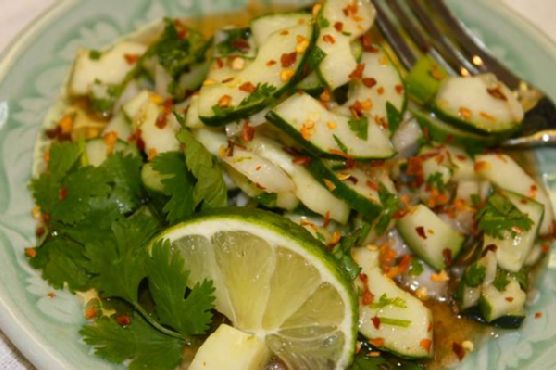
  4. Garnish each plate with cilantro leaves and sliced limes for an added burst of freshness.
  5. Serve with a platter of add-ins: lime slices, red pepper flakes, chopped cilantro, chopped peanuts, Thai sweet chili sauce, sugar, salt, etc., for your guests to customize their plates.

Tips

To ensure your Thai Cucumber Salad is as delicious as possible, here are a few tips:

  • Use fresh lime juice for the best flavor. Bottled lime juice can be a bit too acidic.
  • Canned cucumbers can be substituted with fresh ones for an added crunch.
  • If you prefer less heat, remove the seeds from the jalapeno pepper before chopping.
  • Let the salad sit for at least 30 minutes before serving to allow the flavors to meld together.

Variations & Substitutions

This Thai Cucumber Salad is highly versatile. Here are some variations and substitutions you might consider:

  • Protein Boost: Add grilled chicken or shrimp for a more filling meal.
  • Vegetarian Option: Swap out the fish sauce for a vegetarian soy sauce or tamari.
  • Nut Allergy: Leave out the peanuts or substitute with toasted sunflower seeds.
  • Extra Veggies: Feel free to add additional vegetables such as bell peppers or carrots for more color and texture.

Storage

This salad is best enjoyed fresh, but you can store any leftovers in an airtight container in the refrigerator for up to two days. Keep in mind that the cucumbers may lose some of their crunch over time. If making in advance, consider storing the dressing separately and mixing just before serving.

FAQ

Can I make this salad ahead of time?

Yes, you can prepare the dressing and chop the vegetables a few hours in advance. However, for the best texture, it is recommended to combine the ingredients and add the dressing just before serving.

How can I adjust the spice level?

To adjust the spice level, start by adding a small amount of jalapeno and red pepper flakes, then taste and add more if desired. You can also serve additional red pepper flakes on the side for those who prefer a spicier salad.

What can I serve with Thai Cucumber Salad?

This salad pairs beautifully with grilled meats like chicken, pork, or beef. It also makes a refreshing side to accompany curries or as part of a larger Thai-inspired meal.

Nutrition

While the exact nutritional content will depend on the specific quantities and brands of ingredients used, Thai Cucumber Salad is generally low in calories and rich in vitamins A and C. It’s a great source of hydration and antioxidants, making it both a healthy and delicious choice.

Conclusion

There you have it—a simple yet irresistibly tasty Thai Cucumber Salad that brings a burst of flavor with every bite. Whether you’re making it for a family gathering or a quiet dinner at home, this dish is sure to please. I hope this recipe brings as much joy to your table as it has to mine. Happy cooking, and enjoy your culinary journey to Thailand!

Related update: Thai Cucumber Salad (By Roz)

Related update: Avocado Chicken Salad

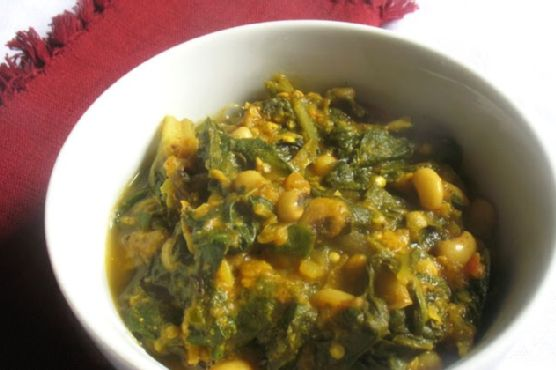
Spicy Black-Eyed Pea Curry with Swiss Chard and Roasted Eggplant | Made by Meaghan Moineau

Spicy Black-Eyed Pea Curry with Swiss Chard and Roasted Eggplant

Intro

There’s a certain magic that happens in the kitchen when the aroma of spices fills the air, reminiscent of home-cooked meals that warm the heart and soul. I remember the first time I encountered black-eyed peas in a dish. It was at a family gathering during the holidays, where each dish had its own story and tradition. My grandmother, with her gentle hands and warm smile, would serve a spicy black-eyed pea curry that quickly became the centerpiece of our gatherings. Her secret? A generous helping of roasted eggplant and leafy greens that made the dish as hearty as it was flavorful. Inspired by those cherished moments, I’ve recreated this Spicy Black-Eyed Pea Curry with Swiss Chard and Roasted Eggplant, a dish that’s both comforting and nourishing, perfect for sharing with loved ones.

Why You’ll Love It

This curry is a delightful fusion of flavors and textures. The creamy black-eyed peas intertwine with the smoky, tender roasted eggplant, while the Swiss chard adds a burst of color and nutrition. The medley of spices, including curry powder, garam masala, and cumin, creates a rich, aromatic base that elevates the humble ingredients into a memorable meal. Whether you’re a seasoned cook or a beginner looking to explore new flavors, this recipe is both accessible and rewarding. It’s a versatile dish that can be enjoyed on its own or paired with rice or bread for a complete meal.

Ingredients

  • 1 cup cooked dried black-eyed peas
  • 1 tablespoon curry powder
  • 1 teaspoon garam masala
  • 1 eggplant, preferably Italian globe
  • 1 teaspoon ground coriander
  • 1 teaspoon ground cumin
  • 1/2 teaspoon ground mustard powder
  • Juice of 1 lemon
  • 2 tablespoons olive oil
  • 2-3 red or green chilies, finely chopped
  • Sea salt to taste
  • 2 shallots, finely chopped
  • 2 cups Swiss chard, trimmed and chopped
  • 1 large tomato, chopped
  • 1/2 cup water, plus more as needed

Instructions

  1. Rinse the black-eyed peas and soak them in several inches of water for 6 hours or overnight. Drain and rinse again. Transfer to a large saucepan, cover with fresh water, and bring to a boil. Reduce heat to medium-low, cover, and simmer for 40 to 60 minutes until the peas are tender but not falling apart. Drain and set aside.
  2. To prepare the eggplant, cut off the stem and bottom edge, then halve it lengthwise. Score the flesh into a diagonal pattern, being careful not to cut through the skin. Sprinkle with salt and let it sit for 40 minutes. Rinse and squeeze out excess water.
  3. Brush the eggplant with olive oil and place it in a roasting pan. Bake in a preheated 400°F oven until the flesh appears collapsed and wrinkly, about 30-40 minutes. Remove from heat, let cool for 10 minutes, then scoop out the flesh. If too watery, drain using a strainer. Set aside.
  4. In the same saucepan used for the black-eyed peas, heat the olive oil over medium heat. Add shallots and chilies, sautéing for 2-3 minutes.
  5. Add curry powder, garam masala, ground coriander, cumin, and mustard powder. Stir for another minute until fragrant.
  6. Add the chopped tomato and cook for a few more minutes. Then, add the roasted eggplant and cooked black-eyed peas, stirring frequently.
  7. Pour a few tablespoons of water into the pan. Gradually add Swiss chard, allowing it to wilt before adding more. Add more water as necessary to maintain desired consistency.
  8. Stir in the lemon juice and salt to taste. Remove from heat, cover, and let the curry sit for a few minutes before serving.

Tips

For best results, ensure the black-eyed peas are cooked perfectly tender but not mushy. The eggplant’s roasting time may vary depending on its size; keep an eye on it to achieve the desired texture. Adjust the level of spice by adding more or fewer chilies, based on your heat preference.

Variations & Substitutions

Feel free to experiment with different greens such as spinach or kale if Swiss chard is unavailable. For an added protein boost, consider tossing in some cooked chickpeas. If you prefer a milder curry, use less curry powder and add a dollop of coconut milk for creaminess.

Storage

Store any leftovers in an airtight container in the refrigerator for up to 3 days. This curry also freezes well; simply thaw and reheat on the stove over low heat, adding a splash of water if needed to reach the desired consistency.

FAQ

Can I use canned black-eyed peas for this recipe?

Yes, you can use canned black-eyed peas if you’re short on time. Just be sure to rinse and drain them thoroughly before adding them to the dish.

What other vegetables can I add to this curry?

Feel free to add other vegetables such as bell peppers, zucchini, or carrots. Just be sure to adjust the cooking time accordingly so that all the vegetables are tender.

Is this recipe vegan?

Yes, this Spicy Black-Eyed Pea Curry with Swiss Chard and Roasted Eggplant is entirely vegan, making it a delicious choice for those following a plant-based diet.

Nutrition

This curry is a nutritious powerhouse, rich in fiber, vitamins, and minerals. Black-eyed peas are an excellent source of protein and iron, while Swiss chard provides vitamins A, C, and K. Eggplant adds antioxidants and dietary fiber, making this dish both wholesome and satisfying.

Conclusion

Embark on a culinary adventure with this Spicy Black-Eyed Pea Curry with Swiss Chard and Roasted Eggplant. It’s a dish that brings warmth to the table and joy to those who share it. Whether you’re reminiscing about childhood memories or creating new ones, this curry is sure to become a beloved staple in your kitchen. Enjoy the rich tapestry of flavors and the simplicity of ingredients that come together in this heartwarming meal. Happy cooking!

Related update: Spicy Black-Eyed Pea Curry with Swiss Chard and Roasted Eggplant

Related update: Pork Menudo

chilli chicken | Made by Meaghan Moineau

Chilli Chicken: A Spicy Delight to Warm Your Heart

Intro

Growing up, there was always a dish that brought a gleam to my eyes and warmth to my heart: my grandmother’s Chilli Chicken. I remember the tantalizing aroma wafting through her cozy kitchen on chilly evenings, drawing us in like moths to a flame. The sizzle of the chicken hitting the hot pan was music to our ears, and her special blend of spices was the magic that made it all come together. Today, I’m thrilled to share this cherished recipe with you, so you too can bring a touch of spice and nostalgia to your home.

Why You’ll Love It

If you’re a fan of bold flavors and a little heat, this Chilli Chicken recipe is sure to become a favorite in your household. Not only does it pack a punch with its spicy kick, but it’s also incredibly versatile and can be customized to suit your taste preferences. Perfect for a cozy family dinner or a festive gathering, this dish is a surefire crowd-pleaser. Plus, it’s a great way to introduce a bit of culinary adventure into your weeknight meals with minimal fuss.

Ingredients

  • 2 boneless chicken breasts, cut into bite-sized pieces
  • 1 bell pepper / capsicum, sliced
  • 1 onion, sliced
  • 2 green chilies, slit
  • 2 tablespoons corn flour
  • 2 teaspoons red chili powder
  • 1 teaspoon pepper powder
  • 3 tablespoons oil
  • 2 tablespoons soya sauce
  • 2 tablespoons chilli sauce
  • 1 tablespoon vinegar
  • 1 tablespoon sugar
  • 2 cloves garlic, minced
  • Spring onions, chopped, for garnish

Instructions

  1. Find complete instructions on Swasthi’s recipes.

Tips

For the best results, use fresh ingredients wherever possible. Make sure to cut the chicken and vegetables into uniform pieces to ensure even cooking. Don’t overcrowd the pan when frying the chicken, as this will steam rather than sear the meat, resulting in a loss of texture. Lastly, taste as you go—adjust the seasoning and spice levels to suit your palate.

Variations & Substitutions

Feel free to experiment with this recipe by adding your favorite vegetables such as broccoli, carrots, or mushrooms. If you prefer a less spicy version, reduce the amount of chili powder or omit the green chilies. For a gluten-free alternative, use tamari instead of soy sauce. Vegetarian? Swap out the chicken for paneer or tofu for a delightful meat-free version.

Storage

Chilli Chicken can be stored in an airtight container in the refrigerator for up to three days. For longer storage, you can freeze it for up to a month. To reheat, simply thaw overnight in the refrigerator and gently warm in a pan over medium heat, adding a splash of water if necessary to maintain its saucy consistency.

FAQ

Can I make this dish ahead of time?

Absolutely! Chilli Chicken can be prepared ahead of time and stored in the refrigerator. The flavors will meld beautifully, making it even more delicious the next day. Just reheat and serve.

What can I serve with Chilli Chicken?

This dish pairs wonderfully with steamed rice, fried rice, or noodles. You could also serve it with a simple side of stir-fried vegetables for a complete meal.

Is there a way to reduce the spiciness?

If you’re sensitive to heat, you can tone down the spiciness by reducing the amount of chili powder and green chilies. Adding a little more sugar can also help balance the heat.

Nutrition

Chilli Chicken is a protein-rich dish with a moderate amount of carbohydrates and fats. The exact nutritional values will depend on the specific quantities and brands of ingredients used, but on average, a serving provides approximately:

  • Calories: 250
  • Protein: 20g
  • Carbohydrates: 15g
  • Fat: 10g

Keep in mind that nutritional values can vary, so it’s always a good idea to check the ingredients you use if you’re tracking your intake.

Conclusion

Chilli Chicken is more than just a dish; it’s an experience that brings people together with its vibrant flavors and comforting warmth. Whether you’re recreating cherished memories or forging new ones, this recipe is sure to become a staple in your culinary repertoire. So roll up your sleeves, gather your ingredients, and embark on a flavorful journey that promises to delight your taste buds and warm your heart. Enjoy every bite!

Related update: chilli chicken

Related update: Moroccan Carrot Soup

Cajun Potato Wedges | Made by Meaghan Moineau

Cajun Potato Wedges

Intro

There’s something truly magical about the aroma of spices mingling with the earthy scent of potatoes roasting in the oven. It takes me back to my childhood, where Sunday afternoons meant the whole family gathered in the kitchen, eagerly awaiting my grandma’s famous Cajun Potato Wedges. Her kitchen was a haven of warmth and laughter, with the spicy aroma of these wedges filling the air. Each bite was a burst of flavor, a perfect balance of heat and comfort. Today, I’m excited to share this beloved recipe with you, inviting you to create your own cherished memories with these delicious Cajun Potato Wedges.

Why You’ll Love It

These Cajun Potato Wedges are not just another side dish; they are a flavorful adventure for your taste buds. With their crispy exterior and fluffy interior, they bring a delightful texture that pairs perfectly with the bold, spicy seasoning. Whether you’re serving them as a snack, a side dish, or even a party appetizer, these wedges are sure to be a hit. Plus, they’re easy to make and don’t require any fancy ingredients—just good old-fashioned pantry staples with a Cajun twist.

Ingredients

  • 3-4 russet potatoes
  • 2 tablespoons olive oil
  • 1 teaspoon salt
  • 1 teaspoon cayenne pepper
  • 1 teaspoon garlic powder
  • 1 teaspoon onion powder
  • 1 teaspoon paprika
  • 1 teaspoon Italian seasoning
  • 1/2 teaspoon black pepper

Instructions

  1. Preheat your oven to 425 degrees Fahrenheit (220 degrees Celsius).
  2. Wash and scrub the russet potatoes thoroughly. Slice each potato into ½ inch thick wedges, about half the length of the potato.
  3. In a small bowl, combine the cayenne pepper, garlic powder, onion powder, paprika, Italian seasoning, salt, and black pepper. Mix well to create the spice mixture.
  4. Spray a cookie sheet with olive oil cooking spray to prevent sticking.
  5. Place the potato wedges on the cookie sheet. Drizzle with olive oil and toss to coat evenly.
  6. Sprinkle the spice mixture over the potatoes, ensuring each wedge is well-seasoned. Toss again if necessary to distribute the spices evenly.
  7. Bake in the preheated oven for 25 minutes. Remove from the oven, flip the wedges over, and return to the oven for an additional 5 minutes, or until the wedges are golden brown and crispy.
  8. Once done, remove from the oven and let them cool slightly. Serve warm with your favorite dipping sauce.

Tips

For the crispiest wedges, make sure not to overcrowd the pan. This allows for better air circulation and even cooking. Also, keep the potato skins on for added texture and nutrition. If you want an extra kick, feel free to adjust the amount of cayenne pepper to your taste. Remember, the key to perfect wedges is a hot oven and a good toss of oil and spices.

Variations & Substitutions

Feel free to get creative with this recipe! You can substitute sweet potatoes for a different flavor profile or add Parmesan cheese for a cheesy twist. If you prefer a milder version, reduce the cayenne pepper or omit it altogether. You can also experiment with different herbs and spices, such as rosemary or thyme, to suit your personal taste.

Storage

These Cajun Potato Wedges are best enjoyed fresh from the oven. However, if you have leftovers, store them in an airtight container in the refrigerator for up to 3 days. To reheat, simply place them on a baking sheet and warm in the oven at 350 degrees Fahrenheit (175 degrees Celsius) until heated through. This will help retain their crispiness.

FAQ

Can I make these potato wedges in an air fryer?

Yes, you can! Prepare the wedges as instructed and preheat your air fryer to 400 degrees Fahrenheit (200 degrees Celsius). Arrange the wedges in a single layer in the air fryer basket and cook for 15-20 minutes, shaking the basket halfway through, until they are crispy and golden.

What dipping sauces go well with Cajun Potato Wedges?

These wedges are versatile and pair well with a variety of dipping sauces. Consider serving them with ranch dressing, spicy aioli, or a tangy barbecue sauce. For a healthier option, try a Greek yogurt dip with herbs.

Nutrition

While I don’t have exact nutritional information, these Cajun Potato Wedges are a great source of carbohydrates and provide some fiber, especially if you leave the skins on. The olive oil adds healthy fats, and the spices contribute antioxidants. Just remember to enjoy them in moderation as part of a balanced diet.

Conclusion

These Cajun Potato Wedges are more than just a recipe; they’re a gateway to cherished memories and new traditions. Whether you’re looking to spice up your dinner routine or impress guests at your next gathering, these wedges are sure to deliver. Easy to prepare and bursting with flavor, they embody the essence of comfort food with a kick. So gather your ingredients, preheat your oven, and let the aroma of Cajun spices fill your home. Enjoy every crispy, savory bite!

Related update: Cajun Potato Wedges

Chicken Suya | Made by Meaghan Moineau

Deliciously Spiced Chicken Suya: A Taste of West Africa

Intro

Chicken Suya is a delightful and spicy grilled chicken recipe originating from West Africa, particularly Nigeria. This dish holds a special place in my heart, as it reminds me of warm summer evenings in Lagos, where the aroma of sizzling suya from roadside vendors filled the air. As a child, my family and I would often take strolls through the bustling city streets, stopping to indulge in this delectable treat. The succulent, spicy flavor of Chicken Suya has been a cherished part of my culinary journey, and I’m thrilled to share this recipe with you.

Why You’ll Love It

There are countless reasons to fall in love with Chicken Suya. Here are just a few:

  • Bold Flavors: The suya spice blend is a powerhouse of taste, combining ground peanuts, ginger, garlic, and chili powder to create a savory and slightly spicy profile that is utterly irresistible.
  • Simple Ingredients: Despite its complex flavor, Chicken Suya requires only a handful of ingredients that you likely already have in your pantry.
  • Versatile Dish: This dish can serve as a main course, appetizer, or even a snack. It’s perfect for gatherings, barbecues, or a cozy night in.
  • Healthy and Satisfying: Grilling the chicken keeps it lean, while the spices provide a burst of nutrition and taste.

Ingredients

  • 2-3 tablespoons suya spice
  • 1 whole chicken, cut into parts
  • 1 teaspoon chili powder
  • 2 tablespoons groundnut oil (or any cooking oil)
  • 2 seasoning cubes
  • 1 onion, sliced
  • 2 tomatoes, sliced
  • Salt to taste

Instructions

  1. Preheat your oven to 500°F (260°C).
  2. Wash the chicken pieces thoroughly and pat them dry with a paper towel.
  3. In a large bowl, combine the suya spice, chili powder, seasoning cubes, and salt. Mix well.
  4. Add the chicken to the bowl, ensuring that each piece is generously coated with the spice mixture.
  5. Drizzle the groundnut oil over the seasoned chicken and give it a good mix to ensure even distribution.
  6. Arrange the chicken pieces on a baking sheet lined with aluminum foil.
  7. Place the baking sheet in the preheated oven and grill for 40 minutes. Be sure to check the chicken occasionally, flipping it to ensure it cooks evenly on both sides.
  8. Once the chicken is cooked through and has a beautiful char, remove it from the oven.
  9. Serve hot, garnished with sliced onions, tomatoes, and an extra sprinkle of suya spice for added flavor.

Tips

  • For an authentic taste, try using a grill instead of an oven. The smoky flavor from the charcoal enhances the suya’s taste.
  • If you prefer a milder heat, adjust the amount of chili powder to suit your taste.
  • Rest the chicken for a few minutes after grilling to allow the juices to redistribute, ensuring a moist and flavorful bite.

Variations & Substitutions

If you’re looking to shake things up, consider these variations:

  • Protein Swap: While chicken is traditional, you can use beef, goat meat, or even tofu for a vegetarian option.
  • Nut-Free: If you have a peanut allergy, substitute the suya spice with a nut-free spice blend.
  • Additional Veggies: Add bell peppers or mushrooms to the grill for an extra layer of flavor and texture.

Storage

Leftover Chicken Suya can be stored in an airtight container in the refrigerator for up to 3 days. To reheat, place the chicken in a preheated oven at 350°F (175°C) for about 10 minutes or until warmed through. You can also freeze the cooked chicken for up to 2 months. Thaw overnight in the refrigerator before reheating.

FAQ

Can I prepare the suya spice blend at home?

Absolutely! To make your own suya spice blend, you can combine roasted peanuts, ground ginger, garlic powder, onion powder, paprika, and chili powder. Blend them together until you reach a fine consistency. Store in an airtight jar for future use.

How can I make my Chicken Suya extra crispy?

For an extra crispy texture, finish the grilled chicken under the broiler for a few minutes. Keep a close eye on it to prevent burning, and you’ll achieve a delightful crunch.

Nutrition

Chicken Suya is a nutritious option rich in protein and flavor. While exact nutritional values depend on portion sizes, a typical serving provides:

  • Calories: Approximately 250-300 per serving
  • Protein: 25-30g
  • Fat: 15-20g
  • Carbohydrates: 5-10g

It’s a great choice for those looking to maintain a balanced diet without sacrificing taste.

Conclusion

Chicken Suya is more than just a meal; it’s a culinary experience that transports you to the vibrant streets of West Africa. With its bold flavors and tantalizing aroma, it’s sure to become a favorite in your household. Whether you’re hosting a gathering or enjoying a quiet dinner at home, this dish promises to deliver satisfaction with every bite. I hope you enjoy making and eating this Chicken Suya as much as I do. Bon appétit!

Related update: Chicken Suya

Related update: Rotisserie Chicken and Bean Tostadas

Creamy White Chili | Made by Meaghan Moineau

Creamy White Chili: A Hearty Bowl of Comfort

Intro

There’s something uniquely comforting about a steaming bowl of chili, especially when it carries with it memories of family gatherings and cozy winter evenings. My journey with this Creamy White Chili began years ago, in my grandmother’s bustling kitchen. She would often prepare this dish during the chilly months, its rich aroma filling the house as we eagerly awaited dinnertime. The combination of tender chicken, creamy beans, and a hint of spice was always the ultimate comfort food, sparking laughter and conversation around the table. It is this warmth and nostalgia that I hope to share with you through this recipe.

Why You’ll Love It

This Creamy White Chili is a delightful twist on the traditional red chili recipes you may be accustomed to. Here are a few reasons why you’ll fall in love with this dish:

  • Rich and Creamy: The addition of heavy whipping cream and sour cream creates a luscious texture that’s incredibly satisfying.
  • Flavorful and Spicy: The combination of cumin, oregano, and green chilies provides a depth of flavor with just the right amount of heat.
  • Quick and Simple: With minimal prep time and easy-to-find ingredients, this recipe is perfect for a weeknight dinner or a cozy weekend meal.
  • Family-Friendly: Kids and adults alike will enjoy this comforting bowl of chili, making it a great option for family meals.

Ingredients

  • 1 tablespoon olive oil
  • 1 pound chicken, diced
  • 1 onion, chopped
  • 2 cloves garlic, minced
  • 2 cups canned chicken broth
  • 2 cans (15 ounces each) great northern beans, drained and rinsed
  • 1 can (4 ounces) green chilies, diced
  • 1 teaspoon cumin
  • 1 teaspoon oregano
  • Salt and black pepper to taste
  • 1 cup sour cream
  • 1/2 cup heavy whipping cream
  • 1 cup shredded cheddar cheese

Instructions

  1. In a heavy saucepan, heat the olive oil over medium heat. Add the diced chicken, chopped onion, and minced garlic. Sauté until the chicken is cooked through and the onion is translucent, about 8-10 minutes.
  2. Stir in the chicken broth, great northern beans, and diced green chilies. Add the cumin, oregano, salt, and black pepper. Bring the mixture to a simmer.
  3. Reduce the heat to low and let it simmer for 20 minutes, allowing the flavors to meld together.
  4. Remove the saucepan from the heat and stir in the sour cream and heavy whipping cream until well combined.
  5. Ladle the chili into bowls and top with shredded cheddar cheese. Serve hot and enjoy!

Tips

  • Prepping Ingredients: To save time, prepare all your ingredients before you start cooking. Dice the chicken, chop the onion, and mince the garlic ahead of time.
  • Sautéing Perfectly: Ensure the chicken is cooked thoroughly but remains tender by keeping an eye on the heat and stirring frequently.
  • Adjusting Spice Levels: If you prefer a milder chili, reduce the amount of green chilies or use a milder variety.

Variations & Substitutions

Feel free to get creative with this recipe by trying these variations and substitutions:

  • Meat Substitutions: Substitute the chicken with turkey or beef for a different flavor profile.
  • Vegetarian Version: Omit the chicken and use vegetable broth to create a vegetarian-friendly chili.
  • Add Some Veggies: Incorporate additional vegetables such as bell peppers or corn for added texture and nutrition.
  • Cheesy Twist: Experiment with different cheeses, such as Monterey Jack or Pepper Jack, for a unique taste.

Storage

This Creamy White Chili stores well, making it a perfect make-ahead meal:

  • Refrigeration: Store leftover chili in an airtight container in the refrigerator for up to 3 days. Reheat gently on the stovetop or in the microwave before serving.
  • Freezing: For longer storage, freeze the chili in a freezer-safe container for up to 2 months. Thaw in the refrigerator overnight and reheat before enjoying.

FAQ

Can I use fresh chilies instead of canned green chilies?

Yes, you can use fresh green chilies if you prefer. Simply roast or sauté them before adding to the chili for a similar flavor profile.

How can I make this chili spicier?

If you love a bit more heat, consider adding a pinch of cayenne pepper or a few dashes of hot sauce to the chili while it simmers.

Is it possible to make this dish dairy-free?

Yes, you can make a dairy-free version by using coconut cream instead of heavy whipping cream and a dairy-free cheese alternative. Just keep in mind that the flavor may vary slightly.

Nutrition

While I don’t have exact nutritional information for this recipe, it’s important to note that this chili is a hearty dish rich in protein and calcium, thanks to the chicken and cheese. Adjust portion sizes and ingredients to meet your dietary needs.

Conclusion

Making Creamy White Chili is like wrapping yourself in a warm, comforting blanket on a cold day. From the rich, creamy texture to the delightful hint of spice, it’s a dish that brings both warmth and joy to the table. Whether you’re cooking for family, friends, or simply treating yourself, this recipe is sure to become a cherished favorite. I hope this dish brings as much happiness and nostalgia to your home as it does to mine. Enjoy every spoonful!

Related update: Creamy White Chili

Related update: Beef Carrot Stew