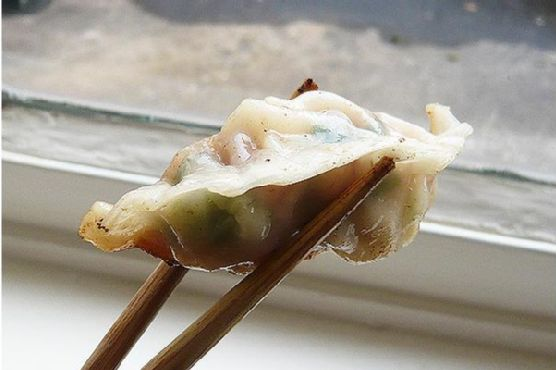
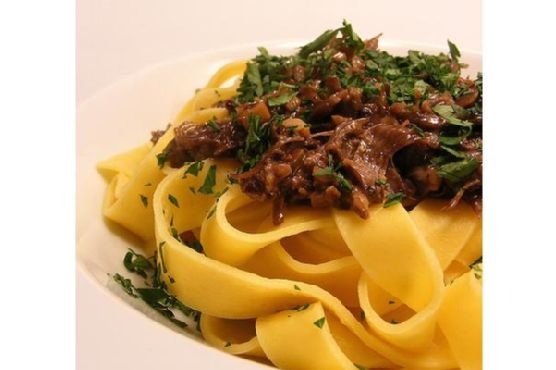
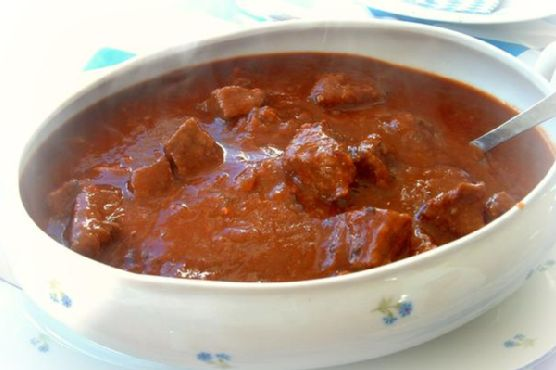
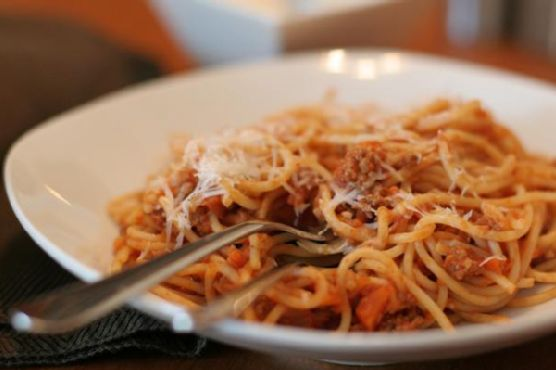
Siew Mai | Made by Meaghan Moineau

Siew Mai: A Delightful Dim Sum Classic

Intro

Growing up, dim sum Sundays were a cherished tradition in my family. We would gather around a bustling table, eagerly anticipating the arrival of steaming bamboo baskets filled with an assortment of dumplings. Among my favorites was siew mai, a delectable pork and shrimp dumpling that quickly won my heart with its savory filling and delightful textures. Today, I’m excited to share my family’s recipe for siew mai, a dish that brings back fond memories and continues to be a beloved part of our dining experience.

Why You’ll Love It

Siew mai is a timeless dish that has captivated taste buds for generations. Here’s why you’ll love making and eating these delicious dumplings:

  • Flavorful Filling: The combination of pork, shrimp, and Chinese sausages creates a savory and satisfying flavor profile.
  • Texture Delight: The tender pork is complemented by the crunch of water chestnuts and the chewy texture of glutinous rice.
  • Customizable: Easily adapt the recipe to suit your taste preferences with variations and substitutions.
  • Perfect for Sharing: These bite-sized delights are perfect for gatherings and will surely impress your guests.

Ingredients

  • Wonton wrappers
  • 700g fatty pork
  • 2 tablespoons corn starch
  • 1 teaspoon salt
  • 1 teaspoon white ground pepper
  • 1/2 teaspoon sugar
  • 1 teaspoon Worcestershire sauce or Maggie Seasoning Sauce
  • 2 tablespoons Shaoxing Huatiao wine
  • 2 tablespoons sesame oil
  • 80g canned water chestnuts
  • 4 large Chinese mushrooms
  • Cooked whole shrimp
  • Carrot
  • 2 lap cheongs (Chinese sausages)
  • Raw glutinous rice
  • Shallots
  • Ginger
  • Cooking oil
  • Dried shrimps
  • Cooked dried scallops
  • Light soy sauce
  • Oyster sauce

Instructions

  1. To prepare the pork filling, mince 700g of pork and place it in a large mixing bowl.
  2. Add 2 tablespoons of corn starch, 1 teaspoon of salt, 1 teaspoon of ground white pepper, 1/2 teaspoon of sugar, 1 teaspoon of Worcestershire sauce, 2 tablespoons of Shaoxing Huatiao wine, and 2 tablespoons of sesame oil. Mix well.
  3. Roughly chop 80g of canned water chestnuts and 4 large Chinese mushrooms into fine pieces. Add to the pork mixture and combine thoroughly.
  4. Finely dice a small carrot to garnish the siew mai later. Set aside.
  5. For the glutinous rice filling, soak 2 lap cheongs in boiling water until the skin separates. Remove the skin and dice the sausages.
  6. In a large saucepan over medium-high heat, pan fry the diced lap cheong until they are golden. Follow the instructions for glutinous rice preparation and stir-fry until fragrant. Add the fried lap cheong pieces and set aside to cool.
  7. Prepare the wonton wrappers by placing a sheet on a flat surface. Place a teaspoon of filling in the center of each wrapper.
  8. Dampen your finger with water and wet the edges of the wonton wrapper. Gather the wrapper around the filling and squeeze gently to seal.
  9. Top each pork siew mai with a shrimp and garnish with chopped carrot.
  10. Place the dumplings in a steamer lined with perforated baking paper. Steam over boiling water for 14-15 minutes or until cooked through.
  11. Serve hot, or freeze uncooked dumplings for later use.

Tips

To ensure the best results when making siew mai, keep these tips in mind:

  • Keep it Tight: Make sure the dumplings are tightly wrapped to prevent them from falling apart while steaming.
  • Use Fresh Ingredients: Fresh shrimp and quality pork make a significant difference in taste.
  • Steam Properly: Ensure steam can circulate by cutting holes in the baking paper lining the steamer.

Variations & Substitutions

Feel free to experiment with these variations to suit your preferences:

  • Vegetarian Siew Mai: Replace meat with chopped vegetables such as mushrooms, carrots, and bamboo shoots.
  • Spicy Twist: Add a dash of chili oil or finely chopped fresh chili for a spicy kick.
  • Flavor Enhancers: Add a touch of grated ginger or garlic for additional depth of flavor.

Storage

Siew mai is best enjoyed fresh, but if you have leftovers, store them in an airtight container in the refrigerator for up to 2 days. To freeze uncooked siew mai, place them on a baking sheet lined with parchment paper, freeze until solid, and then transfer to a freezer-safe container. They can be steamed directly from frozen.

FAQ

Can I make siew mai without shrimp?

Yes, you can omit the shrimp if desired. The pork filling is flavorful enough on its own, or you could increase the amount of pork or add other ingredients like mushrooms for added texture and taste.

What can I use instead of wonton wrappers?

If you don’t have wonton wrappers, you can use dumpling wrappers or even make your own from scratch using flour and water. The texture may vary slightly, but they’ll still be delicious.

Nutrition

While exact nutritional values can vary, siew mai is a protein-rich dish thanks to the pork and shrimp. The inclusion of vegetables like mushrooms and water chestnuts adds fiber and vitamins. Opt for leaner pork cuts to reduce fat content if desired.

Conclusion

Siew mai is more than just a dish; it’s a culinary tradition that brings people together. Whether you’re enjoying it as part of a dim sum spread or making it the star of your meal, siew mai is sure to delight with its savory flavors and satisfying textures. I hope this recipe brings joy to your kitchen and adds a touch of nostalgia to your dining table. Happy cooking!

Related update: Siew Mai

Related update: Red, White, and Blue Fruit Salsa

Related update: Lamb Tagine Stew

Beef, Poblano & Cheese Tamales | Made by Meaghan Moineau

Beef, Poblano & Cheese Tamales

Intro

There’s something incredibly comforting about the process of making tamales. I remember watching my grandmother in her cozy kitchen, the sun filtering through the lace curtains, as she expertly spread masa on corn husks. I would sit on a stool, mesmerized by her swift, skilled hands and the fragrant aroma that filled the room. Now, every time I make tamales, I feel her warmth guiding me, bringing a piece of my childhood into my home.

Why You’ll Love It

This recipe for Beef, Poblano & Cheese Tamales is a beautiful blend of rich flavors and comforting textures. The tender beef combined with the smoky poblano peppers and creamy cheese creates a savory filling that is simply irresistible. Making tamales at home allows you to control the ingredients, and this combination is sure to become a family favorite.

Ingredients

  • Dried corn husks
  • Dried California chili pods
  • Ground beef
  • Shredded mozzarella cheese
  • Diced poblano pepper
  • Garlic
  • Olive oil
  • Goya seasoning
  • Salt
  • Chili powder

Instructions

  1. In a large bowl, soak the corn husks in hot water until they are pliable.
  2. In a large saucepan, bring 4 cups of water to a boil. Remove any string-like particles from the chili pods before adding them to the boiling water along with half a packet of Goya seasoning. Cover and boil for about 20 minutes.
  3. After boiling, blend the chili pods with 2 cups of the stock to create a chili sauce.
  4. Drain the remaining stock from the saucepan and return it to the stovetop over medium heat. Once the stock evaporates, add olive oil, onion, and beef, breaking apart the meat as it cooks.
  5. Add 1 packet of Goya seasoning and chili powder, cooking for 5 more minutes before adding the chili sauce. Cook for an additional 5 minutes.
  6. Add garlic and 2 teaspoons of salt. Stir in the poblano pepper if you haven’t already, then reduce heat to medium-low and cook for one hour, partially covering the pan for the last twenty minutes to reduce the sauce.
  7. In a large bowl, combine instant corn masa mix, water, baking powder, salt, and olive oil to create a spongy masa mix.
  8. To assemble the tamales, spread the masa thinly on the corn husks, leaving about 2 inches on the left-hand side. Add 2 tablespoons of meat mixture and a sparse amount of cheese before rolling the tamale.
  9. Use a double boiler or a metal colander placed in a large pot to cook the tamales. Ensure they are snug but not too tight to prevent unraveling.
  10. Boil 2 cups of water in the pot or enough to reach 1 inch in height. Once boiling, reduce the heat, add the tamales, cover with a towel, and cook for 30 minutes.

Tips

Be sure to soak the corn husks long enough to make them pliable. This will make it much easier to spread the masa and roll the tamales. Also, don’t overfill the tamales as this can cause them to burst during cooking.

Variations & Substitutions

If you prefer a spicier tamale, consider adding jalapeños or serrano peppers. For a vegetarian option, substitute the beef with sautéed mushrooms or beans, and use vegetable stock instead of beef stock. Feel free to experiment with different types of cheese for a unique flavor profile.

Storage

Once cooked, tamales can be stored in the refrigerator for up to 5 days. To freeze, wrap each tamale in foil and place them in a zip-top bag. They can be frozen for up to 3 months. To reheat, steam them again or microwave them wrapped in a damp paper towel.

FAQ

Can I prepare the tamale filling in advance?

Yes, the filling can be prepared a day or two in advance. Store it in an airtight container in the refrigerator until you’re ready to assemble the tamales.

Do I need a special pot to cook tamales?

While a tamale steamer is ideal, you can improvise with a metal colander placed inside a large pot. Just make sure to create enough steam by adding water to the pot and keep the lid covered tightly.

Nutrition

While nutritional content may vary based on specific ingredients and portions, each tamale typically contains around 250-300 calories, 12g of fat, 20g of carbohydrates, and 15g of protein.

Conclusion

Making Beef, Poblano & Cheese Tamales is more than just a culinary project; it’s an opportunity to connect with tradition and create memories with family and friends. Whether you’re an experienced cook or trying tamales for the first time, this recipe offers a delicious and rewarding experience. Enjoy the process and savor the flavors of this classic dish.

Related update: Beef, Poblano & Cheese Tamales

Related update: Chicken Farfalle with Low-Fat Alfredo Sauce

Classic Pumpkin Pie | Made by Meaghan Moineau

Classic Pumpkin Pie

Intro

There’s something magical about the aroma of a freshly baked pumpkin pie wafting through the house on a crisp autumn day. As a child, the anticipation of dessert was just as thrilling as the feast itself. I remember eagerly watching my grandmother whip up her famous pumpkin pie, her hands working with the kind of practiced ease that comes from years of tradition. She would always let me have the first slice, topped generously with a dollop of whipped cream. This classic pumpkin pie recipe is a tribute to those cherished memories and a way to bring a touch of that nostalgia to your own table.

Why You’ll Love It

This classic pumpkin pie is the epitome of comfort and tradition. Here’s why it deserves a spot at your next gathering:

  • Simplicity: With a handful of ingredients and straightforward instructions, this pie is as easy to make as it is delicious.
  • Flavor: The perfect blend of spices – cinnamon, ginger, and nutmeg – evokes the essence of fall and enhances the natural sweetness of the pumpkin.
  • Texture: The smooth, creamy filling contrasts beautifully with the flaky pie crust, making each bite a delight.
  • Nostalgia: Its traditional taste brings back fond memories and creates new ones with every slice shared.

Ingredients

  • 1 can (15 oz) canned pumpkin
  • 2 large eggs
  • 1 tsp ground cinnamon
  • 1/2 tsp ground ginger
  • 1/4 tsp ground nutmeg
  • 1/2 tsp salt
  • 1 can (14 oz) sweetened condensed milk
  • 1 unbaked pie crust (9-inch)
  • Whipped cream for garnish

Instructions

  1. Preheat your oven to 425 degrees F (220 degrees C).
  2. In a medium bowl, whisk together the canned pumpkin, sweetened condensed milk, eggs, ground cinnamon, ground ginger, ground nutmeg, and salt until the mixture is smooth and well combined.
  3. Pour the pumpkin mixture into the unbaked pie crust, spreading it evenly.
  4. Place the pie on the center rack of the oven and bake for 15 minutes.
  5. Reduce the oven temperature to 350 degrees F (175 degrees C) and continue baking for an additional 35 to 40 minutes, or until a knife inserted 1 inch from the crust comes out clean.
  6. Remove the pie from the oven and let it cool on a wire rack. This will help the pie set properly.
  7. Once cooled, garnish with a generous dollop of whipped cream before serving. Enjoy!

Tips

For the best results, make sure your ingredients are at room temperature before you begin. This helps the pie bake evenly. If you find the edges of your crust browning too quickly, cover them with strips of aluminum foil partway through baking. To ensure a smooth filling, don’t rush the whisking process – a good mix ensures that all the flavors meld together perfectly.

Variations & Substitutions

If you’re looking to switch things up or accommodate dietary restrictions, consider these variations:

  • Crust: Try a graham cracker crust for a different texture and flavor profile.
  • Spices: Add a pinch of ground cloves or a dash of vanilla extract for an extra layer of flavor.
  • Dairy-Free: Substitute the sweetened condensed milk with a coconut milk or almond milk version for a dairy-free alternative.
  • Sweetener: If you prefer less sugar, use unsweetened condensed milk and add sweetener to taste.

Storage

To store your classic pumpkin pie, cover it loosely with plastic wrap or aluminum foil and refrigerate. It will keep well in the fridge for up to four days. If you plan to freeze it, wrap the pie securely in plastic wrap and then in aluminum foil for extra protection. It can be frozen for up to a month. When ready to enjoy, thaw it in the refrigerator overnight.

FAQ

Can I make the pie filling ahead of time?

Yes, you can prepare the filling up to two days in advance. Store it in an airtight container in the refrigerator until you’re ready to bake.

What should I do if my pie cracks during cooling?

If your pie develops cracks, don’t worry! This can happen as the pie cools and contracts. Simply cover any cracks with whipped cream or a sprinkle of cinnamon sugar for a beautiful presentation.

How can I tell if my pumpkin pie is done?

The pie is done when the filling is set around the edges but still has a slight jiggle in the center. The knife test (inserting a knife 1 inch from the crust) is a reliable method; if it comes out clean, your pie is ready.

Nutrition

This classic pumpkin pie is not only a treat for the taste buds but also a modestly nutritious option for dessert. Pumpkin is a great source of fiber and vitamin A. However, due to the sweetened condensed milk and pie crust, it is also relatively high in sugar and calories. Enjoy it in moderation as part of a balanced diet.

Conclusion

This classic pumpkin pie recipe is more than just a dessert; it’s a slice of tradition, a taste of nostalgia, and a wonderful way to celebrate the season. Whether you’re serving it at a festive holiday gathering or enjoying a quiet slice with a cup of coffee, this pie is sure to bring warmth and joy to your table. I hope it becomes a cherished addition to your recipe collection, just as it has been in mine.

Related update: Classic Pumpkin Pie

Related update: Brown Sugar Sponge Cookie with Chocolate Covered Caramels

Related update: Blackberry Pie With Lemon Verbena Whip Cream

Pork Menudo | Made by Meaghan Moineau

Pork Menudo: A Filipino Comfort Dish

Intro

Pork Menudo has always held a special place at our family dinners. I remember my grandmother making it every Sunday, the aroma wafting through the house even before we reached the doorstep. She would prepare it with such care, adding a pinch of nostalgia to every bite. This dish is a quintessential part of Filipino cuisine, embodying the warmth and comfort of home. It’s a recipe that’s been passed down through generations, each adding their own twist. Today, I’m excited to share this beloved recipe with you, hoping it brings the same joy and comfort to your table.

Why You’ll Love It

There are so many reasons to fall in love with Pork Menudo. First, it’s a hearty and filling dish that’s perfect for any occasion, from casual family dinners to festive celebrations. The combination of savory pork, sweet raisins, and rich liver creates a symphony of flavors that dance on your taste buds. Additionally, it’s a versatile recipe that can be easily adapted to suit your preferences or dietary needs. Plus, the ingredients are simple and readily available, making it an accessible dish for home cooks of all skill levels.

Ingredients

  • 1 red bell pepper, diced
  • 2 tablespoons butter
  • 1 cup diced carrots
  • 1 chorizo, sliced
  • 1 cup cooked garbanzo beans
  • 4 cloves garlic, minced
  • 2 tablespoons oil
  • 1 onion, chopped
  • 1 cup frozen green peas
  • 1 bell pepper, diced
  • 1/2 pound pork livers, chopped
  • 1 pound pork cubes
  • 2 cups diced potatoes
  • 1/4 cup raisins
  • Salt, to taste
  • 2 tomatoes, chopped

Instructions

  1. Heat your wok or big kawali. Make sure it’s hot before you put oil.
  2. Fry the potatoes until half-cooked. Set aside.
  3. On the same pan, add butter and garlic. Do not burn the garlic.
  4. Add the pork, tomatoes, onions, and bell pepper. Add salt and pepper to taste. You can also add 1 pork cube for a richer flavor.
  5. Reduce to low heat. Juices will eventually come out from the vegetables so no need to add water.
  6. Cover, stirring occasionally. Simmer until pork is tender or until the liquid has almost dried up leaving a thick sauce.
  7. Add the liver, cover for about 5 minutes. I’m adding the liver at a later part because we don’t want to overcook it. Liver cooks fast and can be tough if overdone.
  8. Add the potatoes, carrots, green peas, and raisins (and the rest of the ingredients, if any).
  9. Simmer for 15 more minutes stirring occasionally.
  10. Serve with steamed rice.

Tips

For the best Pork Menudo, use fresh pork and liver to ensure the meat retains its flavor and tenderness. When frying the potatoes, ensure they are golden brown to add texture. Don’t rush the simmering process; allowing the pork to cook slowly ensures it absorbs all the rich flavors. Lastly, taste and adjust the seasoning as needed to suit your palate.

Variations & Substitutions

If you’re not a fan of liver, you can substitute it with chicken gizzards or simply omit it. For a vegetarian twist, replace the pork with tofu and add more vegetables like zucchini or eggplant. You can also swap the raisins for dried apricots if you prefer a different kind of sweetness. If you want a spicier kick, include a chopped chili pepper.

Storage

Pork Menudo can be stored in an airtight container in the refrigerator for up to 3 days. To reheat, simply place it in a pot over low heat until warmed through. You can also freeze it for up to a month, but be sure to allow it to cool completely before freezing to maintain the texture and flavor.

FAQ

Can I make Pork Menudo in advance?

Yes, Pork Menudo is a great make-ahead dish. In fact, it often tastes better the next day as the flavors have more time to meld together. Simply store it in the fridge and reheat before serving.

What can I serve with Pork Menudo?

Pork Menudo is traditionally served with steamed white rice, but you can pair it with garlic fried rice for an extra flavor boost. For a complete meal, serve it alongside a fresh green salad or pickled vegetables.

Nutrition

This recipe serves approximately 4 people. Each serving contains roughly 400 calories, 20g of fat, 30g of carbohydrates, and 25g of protein. It’s a hearty dish that provides a good balance of macronutrients.

Conclusion

Pork Menudo is more than just a dish; it’s a culinary embrace, a reminder of home, and a celebration of Filipino culture. Whether you’re enjoying it for the first time or it’s been a staple in your kitchen for years, I hope this recipe brings warmth and satisfaction to your dining experience. Gather your loved ones, serve it with a smile, and enjoy every mouthful of this delicious, comforting dish. Happy cooking!

Related update: Pork Menudo

Related update: Pittata - Pizza Frittata

Japanese Gyoza Pot Stickers | Made by Meaghan Moineau

Japanese Gyoza Pot Stickers

Intro

There’s something truly magical about gathering around the kitchen table with loved ones, folding gyoza wrappers, and sharing stories. I remember as a child, watching my grandmother skillfully pleat the edges of these delightful Japanese pot stickers, her hands moving with a rhythm that spoke of years of practice. The savory aroma of sizzling gyoza would fill the room, creating an atmosphere of warmth and anticipation. Today, I share with you a recipe that brings back those cherished memories and allows you to create your own.

Why You’ll Love It

This Japanese Gyoza Pot Stickers recipe is a perfect blend of savory and umami flavors wrapped in a tender yet crispy shell. Not only are they incredibly delicious, but they’re also versatile and can be served as appetizers, snacks, or even a main course. The combination of seasoned ground beef with aromatic vegetables and the unique touch of chili sesame oil makes each bite an explosion of flavor. Plus, making them from scratch is a fun and rewarding experience that allows you to create a connection with this beloved Japanese tradition.

Ingredients

  • Black pepper, to taste
  • 1 cup cabbage, finely chopped
  • 1 teaspoon chili sesame oil
  • 1/4 cup dried mushrooms, soaked in warm water and chopped
  • 2 teaspoons grated ginger root
  • 3 to 4 green onions, finely chopped
  • 1 pound ground beef
  • 2 tablespoons salad oil
  • 1 teaspoon sesame oil
  • 2 tablespoons Kikkoman soy sauce
  • 1 tablespoon cooking wine
  • Gyoza wrappers

Instructions

  1. Chop the cabbage finely and place it in a colander. Pour boiling water over the cabbage, then let it cool until it’s comfortable to touch. Squeeze the cabbage well to remove excess water.
  2. In a large bowl, combine the cabbage, chopped green onions, chopped mushrooms, and grated ginger.
  3. In a separate bowl, mix the ground beef with cooking wine, soy sauce, sesame oil, and black pepper. Add the vegetable mixture to the beef and mix well.
  4. Place about 1 teaspoon of filling in the center of a gyoza wrapper. Fold the wrapper in half and pleat the edges to seal. If the edges do not stick, dampen the inside edge with a little water before pleating.
  5. Heat 2 tablespoons of salad oil in a pan over medium heat. Place the gyoza in the pan, flat side down.
  6. At the edge of the pan, carefully pour in a little water, up to 1/4 of the depth of the pot stickers. Cover the pan, reduce the heat to low, and let the gyoza simmer until all the water has evaporated.

Tips

For the best results, make sure not to overfill the gyoza wrappers as this can make sealing difficult and lead to bursting during cooking. When pleating the edges, use a firm but gentle touch to ensure they are securely sealed. Additionally, using a non-stick pan can help prevent sticking during the cooking process.

Variations & Substitutions

If you prefer a vegetarian version, simply replace the ground beef with finely chopped tofu or a plant-based meat substitute. You can also experiment with different vegetables such as carrots or bell peppers to add a unique twist. For a spicier kick, increase the amount of chili sesame oil or add a dash of hot sauce to the filling mixture.

Storage

To store leftover gyoza, let them cool to room temperature before placing them in an airtight container. They can be refrigerated for up to 3 days. For longer storage, consider freezing them in a single layer on a baking sheet before transferring to a freezer bag. Frozen gyoza can be cooked directly from the freezer, just increase the cooking time slightly.

FAQ

Can I make the gyoza filling in advance?

Absolutely! You can prepare the filling up to a day in advance and store it in the refrigerator. This can actually help the flavors meld together, resulting in a more flavorful filling.

What if I can’t find gyoza wrappers?

If gyoza wrappers are unavailable, you can use wonton wrappers as a substitute. They may be slightly thinner, so handle them with care when pleating and sealing.

How do I prevent the gyoza from sticking to the pan?

Ensure your pan is well-oiled and preheated before adding the gyoza. A non-stick pan can also help. If they do stick, allow them to cool briefly before gently loosening with a spatula.

Nutrition

This gyoza recipe offers a balanced combination of protein, vegetables, and healthy fats. Each serving (4-5 pot stickers) contains approximately 250 calories, 14g of protein, 20g of carbohydrates, and 12g of fat. Adjust the portion size based on your dietary needs and preferences.

Conclusion

Making Japanese Gyoza Pot Stickers at home is a delightful experience that brings the authentic flavors of Japan into your kitchen. Whether you’re recreating cherished family memories or starting new traditions, these pot stickers are sure to become a favorite. Enjoy the process of crafting each gyoza, savor the rich and complex flavors, and share them with those you love. Happy cooking!

Related update: Japanese Gyoza Pot Stickers

Related update: Spicy Black-Eyed Pea Curry with Swiss Chard and Roasted Eggplant

Related update: Curry Leaves Potato Chips

Osso Buco | Made by Meaghan Moineau

Osso Buco: A Timeless Italian Classic

Intro

There’s something magical about the aroma of a slowly simmering pot of osso buco. It takes me back to my grandmother’s kitchen, where the warmth and comfort of her delicious meals enveloped us like a loving embrace. She would often prepare osso buco on special Sundays, filling the house with the tantalizing scent of veal shanks melding with fresh herbs and zesty lemon. Those cherished family gatherings, filled with laughter and stories, remain etched in my heart. Today, I’m excited to share this classic Italian recipe with you, hoping it becomes a beloved favorite in your home just as it is in mine.

Why You’ll Love It

Osso buco is not just a dish; it’s an experience. This traditional Italian stew is a beautiful blend of flavors and textures that will transport you to the heart of Italy. The slow-cooked veal shanks become incredibly tender, with the marrow adding a rich depth to the sauce. The citrusy hint of lemon rind and the fresh burst of parsley elevate the dish, making it a perfect balance of hearty and fresh. Whether you’re hosting a dinner party or enjoying a cozy night in, this dish is sure to impress and satisfy.

Ingredients

  • 4 veal shanks
  • 1/4 cup fresh parsley, chopped
  • Rind of 1 lemon, grated
  • 1/2 cup flour, for dredging
  • 1 bell pepper, chopped
  • 2 tablespoons olive oil
  • 2 cloves garlic, minced
  • 1 onion, finely chopped
  • 2 cups chicken stock
  • 1 cup dry white wine
  • 1 cup tomato sauce

Instructions

  1. Dredge the veal shanks in seasoned flour, shaking off any excess.
  2. Heat the olive oil in a large, deep pan over medium heat. Add the veal shanks and sauté until they are lightly browned on all sides. Remove and set aside.
  3. In the same pan, add the garlic and onion. Sauté until the onion is translucent, about 5 minutes.
  4. Return the veal shanks to the pan. Pour the boiling chicken stock, white wine, and tomato sauce over the meat.
  5. Cover the pan and let it simmer on low heat for about 1 1/2 hours, or until the meat is tender and falling off the bone.
  6. Just before serving, stir in the chopped parsley and grated lemon rind.
  7. Serve the osso buco over a bed of saffron rice, allowing the sauce to soak into the grains.

Tips

For the best results, use high-quality veal shanks with a good amount of marrow. This will enhance the flavor of the dish. Be patient while simmering the osso buco; the longer it cooks, the more tender the meat will become. Make sure to taste the sauce and adjust the seasoning as needed, adding salt and pepper to your preference.

Variations & Substitutions

If veal isn’t to your taste or is unavailable, you can substitute with beef shanks. They offer a similar texture and richness. For a different flavor profile, consider adding a splash of balsamic vinegar or a teaspoon of rosemary. If you prefer a thicker sauce, mix a tablespoon of cornstarch with cold water and stir it into the sauce towards the end of cooking.

Storage

Osso buco keeps well and can be refrigerated in an airtight container for up to three days. To reheat, gently warm it on the stovetop over low heat or in the microwave. This dish also freezes beautifully. Simply allow it to cool completely before transferring to a freezer-safe container. It will keep in the freezer for up to three months. Thaw overnight in the refrigerator before reheating.

FAQ

Can I prepare osso buco in advance?

Absolutely! In fact, osso buco often tastes even better the next day as the flavors have more time to meld together. You can prepare it a day ahead and store it in the refrigerator. Simply reheat before serving.

What should I serve with osso buco?

Osso buco is traditionally served with risotto alla Milanese, a saffron-infused risotto. However, you can also pair it with creamy mashed potatoes, polenta, or a simple crusty bread to soak up the delicious sauce.

Nutrition

This dish is rich in protein and provides a good amount of iron and zinc, thanks to the veal. While it is a hearty dish with some fat content, you can balance it with a side of vegetables or a fresh salad. The use of fresh herbs and lemon also adds vitamin C and antioxidants, contributing to a well-rounded meal.

Conclusion

Osso buco is a dish that brings people together, fostering a sense of warmth and community. With its rich flavors and comforting presence, it’s a meal that turns ordinary occasions into special ones. Whether it’s a Sunday family dinner or a festive gathering, this Italian classic is sure to leave a lasting impression. I hope this recipe becomes as cherished in your culinary repertoire as it is in mine. Enjoy the journey of creating and savoring this timeless dish, and may it fill your home with love and delicious memories.

Related update: Osso Buco

Related update: Slow Cooker Kahlua Pork with Sweet Chili Pineapple Sauce

Oxtail Ragout | Made by Meaghan Moineau

Oxtail Ragout: A Comforting Classic

Intro

There’s something deeply nostalgic about a simmering pot of Oxtail Ragout, its rich aroma filling the kitchen and warming the soul. Growing up, Sundays were not complete without gathering around the table with family to enjoy a hearty meal. My grandmother, with her well-worn apron and gentle smile, would lovingly prepare this dish, sharing stories of her own childhood. Today, I’m excited to pass on this cherished recipe, inviting you to create your own memories with this delightful and comforting dish.

Why You’ll Love It

This Oxtail Ragout is the epitome of comfort food. Its succulent, tender meat falls off the bone, while the rich, flavorful broth is perfect for dipping crusty bread. Ideal for a cozy family dinner or a special occasion, this dish is both satisfying and impressive. Whether you’re a seasoned cook or a beginner, you’ll appreciate the simple, rustic preparation and the depth of flavor achieved with humble ingredients.

Ingredients

  • 1 teaspoon whole allspice
  • 1 whole bay leaf
  • 1/4 cup flour
  • 2 cloves garlic, minced
  • 1 tablespoon lemon juice
  • 1 large onion, chopped
  • 2 pounds oxtails
  • 1 teaspoon paprika
  • 1 bell pepper, chopped
  • 1 teaspoon salt
  • 2 cups tomato juice
  • 1 cup water

Instructions

  1. In a small bowl, combine 1 teaspoon of salt, pepper, paprika, and flour.
  2. Roll the oxtails in the seasoned flour mixture until well coated.
  3. In a large pot, heat some fat (such as vegetable oil or lard) over medium-high heat.
  4. Brown the oxtails thoroughly in the hot fat, ensuring all sides are seared.
  5. Add the remaining ingredients except for the lemon juice to the pot: whole allspice, bay leaf, minced garlic, chopped onion, chopped bell pepper, tomato juice, and water.
  6. Cover the pot and reduce the heat to a simmer. Let it cook for 3 hours, stirring occasionally.
  7. After 3 hours, remove the whole allspice and bay leaf from the pot.
  8. Stir in the lemon juice just before serving.
  9. Serve hot, and enjoy with family and friends.

Tips

To elevate your Oxtail Ragout, consider these additional tips:

  • Ensure the oxtails are well browned to develop a deep, rich flavor.
  • Use a heavy-bottomed pot for even heat distribution and to prevent burning.
  • Let the ragout rest for a few minutes after cooking to allow the flavors to meld.

Variations & Substitutions

Feel free to customize your Oxtail Ragout to suit your taste or dietary preferences:

  • Vegetables: Add diced carrots or celery for additional flavor and nutrition.
  • Spices: Experiment with other spices like thyme or rosemary for a different aromatic profile.
  • Protein: If oxtails are unavailable, beef shanks can be used as a substitute.

Storage

Store any leftover ragout in an airtight container in the refrigerator for up to three days. For longer storage, freeze portions in freezer-safe containers for up to three months. Reheat gently on the stove or in the microwave before serving.

FAQ

Can I make Oxtail Ragout in advance?

Yes, Oxtail Ragout is an excellent dish to prepare in advance. In fact, it often tastes better the next day as the flavors have had more time to develop. Simply store it in the refrigerator and reheat before serving.

What should I serve with Oxtail Ragout?

This dish pairs wonderfully with crusty bread, mashed potatoes, or a simple green salad. The hearty flavors also complement a glass of robust red wine.

Nutrition

Oxtail Ragout is a protein-rich dish with a hearty amount of iron and zinc, essential for a balanced diet. While it is not a low-calorie option, its nutritional benefits and comfort factor make it a worthwhile indulgence.

Conclusion

Creating a pot of Oxtail Ragout is more than just preparing a meal; it’s about sharing love and tradition. As you savor each bite, remember the warmth of family gatherings and the joy of creating new memories. I hope this recipe brings as much comfort and happiness to your table as it has to mine. Enjoy the rustic charm of this timeless classic and the smiles it will undoubtedly bring to those you share it with.

Related update: Oxtail Ragout

Related update: French Toast Croissants with Strawberries

German Goulash | Made by Meaghan Moineau

Authentic German Goulash: A Hearty, Comforting Stew

Intro

Growing up, Sundays were always special in our household. The aroma of simmering stews would fill our home, and my grandmother would be at the helm, orchestrating the kitchen like a seasoned maestro. One of her time-honored creations was her German Goulash, a dish that brought the family together and warmed our hearts as much as it did our bellies. I can still remember the sound of her cherished wooden spoon clinking against her favorite Dutch oven and the comforting taste of tender meat complimented with rich, savory spices.

Today, I am thrilled to share this cherished recipe with you, so you can recreate those cozy Sunday afternoons with your loved ones. This German Goulash is not only delicious but also a wonderful way to bring warmth and nostalgia to your meal times.

Why You’ll Love It

This German Goulash is a hearty, soul-warming dish that is perfect for any occasion. Whether you’re looking to impress dinner guests or simply want a comforting meal on a cold evening, this recipe is sure to please. The combination of tender beef and rich, flavorful sauce creates a symphony of taste that is both satisfying and delightful. Plus, it’s easy to make with just a few simple ingredients and can be adapted for slow cooking, making it perfect for busy schedules.

Ingredients

  • 2 pounds top round beef roast, cut into 1-inch cubes
  • 1 large onion, chopped
  • 2 tablespoons oil
  • 2 cups water
  • 1 cup tomato sauce
  • 2 beef bouillon cubes
  • 2 tablespoons paprika
  • 1 teaspoon ground pepper
  • 2 tablespoons flour

Instructions

  1. Preheat your Dutch oven over medium heat and add the oil.
  2. Brown the beef cubes and chopped onion in the oil until the meat is seared on all sides, about 5-7 minutes.
  3. Add the water, tomato sauce, beef bouillon cubes, paprika, ground pepper, and flour to the pot.
  4. Stir well to combine all ingredients.
  5. Reduce the heat to low and cover the pot. Let it simmer slowly for about 2 hours, or until the meat is tender and the flavors are well blended.
  6. Stir occasionally to prevent sticking, and add a little more water if the sauce becomes too thick.
  7. Once done, serve the goulash hot over cooked egg noodles.

This dish also cooks up very well in a crock pot. Simply brown the meat and onions first, then transfer all ingredients to the crock pot and cook on low for 6-8 hours.

Tips

For the best results, make sure to sear the meat thoroughly to lock in flavor. Using a well-seasoned cast iron Dutch oven can enhance the depth of flavor as well. If you prefer a thicker sauce, you can adjust the amount of flour to your liking or continue to simmer until you reach the desired consistency. Remember to taste and adjust the seasoning before serving!

Variations & Substitutions

Feel free to add your own twist to this classic goulash. For a spicier kick, consider adding a pinch of cayenne pepper or red pepper flakes. You can also incorporate vegetables like bell peppers or carrots for added nutrition and flavor. If you’re looking for a gluten-free option, use cornstarch in place of flour to thicken the sauce.

Storage

German Goulash can be stored in an airtight container in the refrigerator for up to 3 days. It’s a great dish for meal prep as the flavors continue to develop over time. To reheat, simply warm on the stove over low heat, adding a splash of water if needed to loosen the sauce.

FAQ

Can I make this goulash ahead of time?

Absolutely! In fact, goulash often tastes even better the next day as the flavors continue to meld. Prepare it a day ahead, then reheat gently on the stove before serving.

What cut of beef is best for goulash?

Top round beef roast is ideal for this recipe as it becomes tender and flavorful when slow-cooked. However, you can also use chuck roast or beef stew meat if preferred.

Can I freeze leftover goulash?

Yes, you can freeze goulash in a freezer-safe container for up to 3 months. Thaw in the refrigerator overnight and reheat on the stove, adding a bit of water as needed.

Nutrition

This recipe serves approximately 6 people and is a rich source of protein. While exact nutritional values can vary based on specific ingredients used, a typical serving provides a balanced amount of protein, fats, and carbohydrates, making it a wholesome choice for a family meal.

Conclusion

German Goulash is more than just a meal; it’s a comforting embrace of tradition and flavor passed down through generations. Whether you’re savoring it alone or sharing it with family, this dish is sure to warm your heart and home. I hope this recipe becomes a beloved staple in your culinary repertoire, just as it has in mine. Enjoy the rich history and taste of this classic stew, and don’t forget to savor the moments shared with those you love most.

Related update: German Goulash

Related update: Cheesy Bacon Burger with Spicy Chipotle Aiolo Sauce

Colcannon | Made by Meaghan Moineau

Colcannon: A Delicious Irish Classic

Intro

There’s a special place in my heart for colcannon, a traditional Irish dish that brings back fond memories of family gatherings at my grandmother’s house. I remember sitting at her rustic wooden table, watching as she expertly combined simple ingredients to create a meal that was both hearty and comforting. The creamy potatoes, the vibrant green of the cabbage, and the subtle hint of green onions all melded together to create a dish that was beloved by everyone at the table. As the comforting aroma filled the kitchen, it was clear that colcannon was more than just food; it was a tradition, a connection to our roots, and a testament to the warmth of home-cooked meals.

Why You’ll Love It

Colcannon is not just a dish; it’s an experience. This Irish classic is perfect for cozy dinners and festive occasions alike. You’ll love it for its simplicity, its rich and creamy texture, and its ability to bring people together around the table. Plus, it’s a wonderful way to introduce more greens into your meal in a deliciously sneaky way. Whether you’re Irish or just a fan of hearty comfort food, colcannon is sure to become a favorite in your household.

Ingredients

  • 2 rashers bacon (optional)
  • Butter
  • Cabbage
  • Stems green onions
  • Milk
  • Parsley
  • Pepper
  • Potatoes
  • Salt

Instructions

  1. Cut into the top of the cabbage and hollow it out, leaving 3-4 outside leaves intact, reserving the hollowed-out portion.
  2. Plunge the hollowed-out head into a large amount of boiling water; simmer for 5 minutes or until tender-crisp. It must hold its shape.
  3. Cool quickly in cold water; invert and drain.
  4. Chop reserved cabbage pieces, measure 1 1/2 cups.
  5. Stir fry in butter along with green onions until tender. Set aside.
  6. Boil and mash potatoes, adding milk and seasonings.
  7. Stir in the sautéed mixture and parsley.

Tips

For the creamiest colcannon, make sure to use starchy potatoes like Russets or Yukon Golds. Don’t rush the mashing process—take your time to achieve that perfect, smooth texture. If you want an extra layer of flavor, consider frying the bacon until crispy and crumbling it over the top just before serving.

Variations & Substitutions

If you’re looking to add a twist to traditional colcannon, consider these variations:

  • Dairy-Free: Substitute the butter and milk with plant-based alternatives like olive oil and almond milk.
  • Veggie Boost: Add a handful of chopped kale or spinach for added nutrition and a pop of color.
  • Herb Twist: Incorporate fresh herbs like thyme or chives for an aromatic touch.

Storage

Colcannon stores well in the refrigerator for up to three days. Simply place it in an airtight container to keep it fresh. To reheat, you can use the stove or microwave, adding a splash of milk to restore its creamy consistency. Unfortunately, freezing is not recommended as it can change the texture of the potatoes.

FAQ

Can I make colcannon in advance?

Absolutely! Colcannon can be made a day ahead and stored in the refrigerator. Simply reheat it gently and add a bit of extra milk or butter to freshen it up before serving.

What can I serve with colcannon?

Colcannon pairs beautifully with roasted meats like lamb or beef. It’s also a great side dish for corned beef, especially during St. Patrick’s Day celebrations.

Nutrition

This dish is rich in vitamins and minerals thanks to the cabbage and potatoes. It’s also a good source of dietary fiber and can be made more nutritious by adding extra greens. For those watching their fat intake, using reduced-fat milk and a smaller amount of butter can help lighten the dish.

Conclusion

Colcannon is more than just a recipe; it’s a comforting, nostalgic dish that brings a touch of Irish tradition to your table. Whether you’re enjoying it as a side dish or the star of the meal, colcannon is sure to delight with its creamy texture and savory flavors. So gather your loved ones, share a story or two, and enjoy this delightful dish that’s steeped in history and warmth.

Related update: Colcannon

Authentic Bolognese Sauce | Made by Meaghan Moineau

Authentic Bolognese Sauce

Intro

There’s something deeply comforting about a simmering pot of Bolognese sauce on the stove, its rich aromas filling the kitchen and evoking memories of family dinners. Growing up, weekends were synonymous with my grandmother’s Bolognese—an authentic recipe passed down through generations. I fondly recall sitting at the kitchen table, my eyes barely peeking over the edge, watching her expertly chop vegetables and stir the sauce with love and dedication. Today, I’m thrilled to share this cherished recipe with you, hoping it brings warmth to your table and creates new memories with your loved ones.

Why You’ll Love It

This Authentic Bolognese Sauce is a labor of love, but it’s worth every minute of simmering. Here’s why you’ll adore making and eating this classic Italian sauce:

  • Rich Flavor: The combination of pancetta, beef, and aromatic vegetables creates a depth of flavor that is both hearty and inviting.
  • Versatile: While traditionally served with tagliatelle, this sauce pairs beautifully with any pasta, lasagna, or even as a topping for polenta.
  • Family Tradition: It’s a recipe that invites you to slow down, enjoy the cooking process, and share a meal steeped in cultural heritage.

Ingredients

  • 1 carrot, diced
  • 1 celery stalk, diced
  • 1/2 cup dry white wine
  • 2 garlic cloves, minced
  • 1 pound regular ground beef
  • 2 tablespoons olive oil
  • 1 diced onion
  • 4 ounces pancetta, diced
  • 1/2 teaspoon pepper
  • 1 teaspoon salt
  • 2 tablespoons tomato paste
  • 1 cup whole milk

Instructions

  1. In a large skillet, heat the olive oil over medium heat.
  2. Add the pancetta, onion, carrot, celery, and garlic. Cook until the vegetables are soft, about 10-15 minutes, stirring occasionally.
  3. Add the ground beef to the skillet. Cook until it is no longer pink, breaking it up with a wooden spoon as it cooks.
  4. Stir in the dry white wine, allowing it to simmer for about 2 minutes.
  5. Add the whole milk and tomato paste, stirring well to combine.
  6. Season with salt and pepper to taste.
  7. Reduce the heat to low and let the sauce simmer uncovered for 1 hour, or until most of the liquid has been absorbed, stirring occasionally.
  8. Once the sauce has thickened, taste and adjust seasoning if necessary before serving.

Tips

  • Take your time: This sauce benefits from a slow simmer, allowing the flavors to meld beautifully. Resist the urge to rush.
  • Quality ingredients: Use the best quality ingredients you can find, especially when it comes to the wine and beef.
  • Stir occasionally: Make sure to stir the sauce every now and then to prevent it from sticking to the bottom of the skillet.

Variations & Substitutions

While this recipe strives to stay true to its authentic roots, there are always ways to make it your own:

  • Vegetarian Bolognese: Substitute the beef and pancetta with lentils and mushrooms for a hearty vegetarian version.
  • Different Meats: Feel free to use a mix of ground pork and beef for a slightly different flavor profile.
  • Herbs and Spices: Add a bay leaf or a pinch of nutmeg for additional depth.

Storage

Allow the Bolognese sauce to cool completely before storing. Transfer it to an airtight container and refrigerate for up to 3 days. For longer storage, freeze the sauce in airtight containers or freezer bags for up to 3 months. Thaw in the refrigerator overnight before reheating.

FAQ

Can I make this sauce ahead of time?

Absolutely! In fact, Bolognese sauce often tastes even better the next day as the flavors have time to develop further. Simply reheat gently on the stove before serving.

What type of pasta pairs best with Bolognese sauce?

Traditionally, Bolognese sauce is served with tagliatelle, a wide, flat pasta that holds the sauce beautifully. However, it also pairs well with pappardelle, fettuccine, or any pasta you have on hand.

Can I use red wine instead of white?

While white wine is traditional in Bolognese, red wine can be used for a slightly different, richer flavor. Just ensure it’s a dry variety to maintain the sauce’s balance.

Nutrition

This recipe serves approximately 6 people. Each serving contains:

  • Calories: 320
  • Protein: 20g
  • Carbohydrates: 12g
  • Fat: 22g
  • Fiber: 2g

Conclusion

Authentic Bolognese Sauce is more than just a meal—it’s a celebration of tradition, flavor, and the joy of cooking. Whether you’re recreating cherished family memories or crafting new ones, this dish brings warmth and togetherness to any table. I hope this recipe becomes a beloved staple in your home, infusing your kitchen with the same love and care my grandmother infused into hers. Buon appetito!

Related update: Authentic Bolognese Sauce

Related update: Chimichurri Skirt Steak with Grilled Asparagus

Related update: Walnut Pesto

Kunna (A Delicious Chinioti Dish, Punjab, Pakistan) | Made by Meaghan Moineau

Kunna: A Delicious Chinioti Dish from Punjab, Pakistan

Intro

There’s something magical about the aroma of traditional dishes wafting through the house, especially during family gatherings. I vividly remember visiting my grandmother’s place in Chiniot as a child. The entire family would come together, sharing stories and laughter, while the comforting scent of Kunna cooking in an earthenware pot would fill the air. This dish, rich in flavor and history, has always been a staple at our family dinners, bringing with it a sense of warmth and togetherness. Today, I’m thrilled to share this beloved recipe with you, hoping it brings the same joy to your table as it has to ours over the years.

Why You’ll Love It

Kunna is not just a dish; it’s an experience. The slow-cooked mutton, infused with aromatic spices, creates a flavor profile that is both rich and satisfying. It’s perfect for those who appreciate traditional cooking methods and the depth of flavor they bring. This dish is hearty, comforting, and sure to impress your guests, making it ideal for special occasions or a cozy family meal.

Ingredients

  • 1 garlic pod
  • 1 ginger pod
  • Oil
  • 2 onions
  • Spices:
    • 1 teaspoon paprika powder
    • 1 teaspoon garam masala
    • Caraway seeds
  • 1 teaspoon wheat flour
  • 1 kg mutton
  • 1/4 cup water

Instructions

  1. In a large earthenware pot (Handi Matti ki) or any metallic pot, add the mutton, garlic, and ginger. Cook for 1-3 minutes to let the flavors infuse.
  2. Add 1/4 cup of water, onions, and the spices except for the wheat flour, caraway seeds, and garam masala. Cook on low heat until the meat is tender.
  3. Once the meat is tender, add oil and stir-fry to enhance the flavors.
  4. Mix the wheat flour in 1/4 cup of water and add it to the pot. Cook on low flame for an additional 10-15 minutes to thicken the sauce.
  5. Finally, sprinkle the caraway seeds and garam masala over the dish and let it simmer for 5-10 minutes.
  6. Your delicious Kunna is ready! Serve it with Naan, Roti (Pakistani Bread), or fried rice for a complete meal.

Tips

For the best results, use fresh mutton and ensure it is of high quality. Cooking in an earthenware pot can enhance the flavor, but if unavailable, a heavy-bottomed metallic pot works just fine. Always cook on low heat to ensure the meat becomes tender and absorbs the spices fully.

Variations & Substitutions

If you prefer a milder flavor, adjust the amount of paprika powder. For those who enjoy a bit of heat, consider adding a pinch of red chili flakes. You can substitute mutton with beef or chicken, but the cooking time may vary. For a vegetarian version, replace the meat with hearty vegetables like eggplants or potatoes.

Storage

Kunna can be stored in an airtight container in the refrigerator for up to 3 days. Reheat it on the stove over low heat, adding a splash of water if needed to maintain the desired consistency.

FAQ

Can I use a slow cooker for this recipe?

Yes, a slow cooker can be used to make Kunna. Follow the same instructions, but instead of cooking on the stove, transfer everything to a slow cooker and cook on low for 6-8 hours or until the meat is tender.

What can I serve with Kunna?

Kunna pairs wonderfully with traditional Pakistani breads like Naan or Roti. It can also be served with steamed or fried rice for a more filling meal.

Is there a vegetarian version of Kunna?

While Kunna is traditionally made with mutton, you can create a vegetarian version by using hearty vegetables such as eggplants or potatoes. The spices and cooking method remain the same.

Nutrition

The nutritional content of Kunna will vary based on the specific ingredients and portion sizes used. Generally, mutton is a good source of protein and iron, while the spices contribute antioxidants and other health benefits. Be mindful of portion sizes if you’re watching your calorie intake.

Conclusion

Kunna is more than just a meal; it’s a culinary tradition that has been passed down through generations. Its rich flavors and comforting aroma make it a favorite in many households. Whether you’re making it for a special occasion or simply to enjoy a taste of Punjab, this dish is sure to delight your taste buds and warm your heart. I hope this recipe brings as much joy to your family as it has to mine. Happy cooking!

Related update: Kunna (A Delicious Chinioti Dish, Punjab, Pakistan)

Related update: Authentic Bolognese Sauce

Three-Cup Chicken | Made by Meaghan Moineau

Three-Cup Chicken: A Flavorful Taiwanese Classic

Intro

Ah, Three-Cup Chicken, a dish that always takes me back to my grandmother’s bustling kitchen. The aroma of aromatic garlic and ginger sizzling in sesame oil wafting through the air, the clamor of family members eagerly awaiting a meal, and the comforting warmth of a home-cooked feast. I remember watching her with wide eyes, captivated by the magic she created with just a handful of ingredients. This dish is more than just a meal; it’s a cherished family tradition passed down through generations, bringing with it a sense of nostalgia and love.

Why You’ll Love It

Three-Cup Chicken is the epitome of simplicity and flavor. With its roots in Taiwanese cuisine, this dish is named after its three main ingredients: soy sauce, sesame oil, and rice wine. It’s a dish that balances savory, sweet, and aromatic flavors perfectly. Whether you’re a seasoned cook or a beginner, you’ll appreciate how easy it is to prepare, yet how impressively delicious and aromatic it turns out. The caramelized chicken, infused with the bold flavors of garlic and ginger, will make your taste buds dance with joy.

Ingredients

  • 1 whole chicken, cut into pieces
  • 1 bulb of garlic, cloves peeled
  • Old ginger, sliced
  • 1 cup of rice wine
  • 1 cup of sesame oil
  • 1 cup of soy sauce
  • Spring onions, chopped
  • 2 tablespoons of sugar
  • A handful of fresh basil leaves

Instructions

  1. Marinate the chicken pieces with the soy sauce, sesame oil, and rice wine. Allow it to marinate for at least 6 hours, although overnight is best for maximum flavor.
  2. Before cooking, take the chicken out of the refrigerator to bring it to room temperature.
  3. Heat up some sesame oil in a wok or claypot until it is sizzling hot.
  4. Add the garlic, ginger, and spring onions to the wok. Fry briefly until they become fragrant.
  5. Add the marinated chicken to the wok and sear it until it is browned on all sides.
  6. Keep stir-frying and then pour in the marinade liquid along with the sugar.
  7. Continue to cook on medium heat until the mixture comes to a rolling boil.
  8. Cover the wok or claypot and let it simmer over a low flame until all the liquid has evaporated and the chicken is on the cusp of burning.
  9. Ensure that there is hardly any gravy left and that the chicken is caramelized (slightly charred in parts).
  10. Garnish with fresh basil leaves before serving.

Tips

To ensure the best taste, always use fresh ingredients. The quality of your soy sauce, sesame oil, and rice wine will greatly influence the flavor of the dish. Don’t rush the marinating process; it’s key to achieving a deep, rich flavor. Finally, keep a close eye towards the end of cooking, as the chicken can quickly go from caramelized to burnt.

Variations & Substitutions

While the traditional recipe calls for a whole chicken, you can use chicken thighs or drumsticks if you prefer. If you’re looking for a non-alcoholic version, substitute the rice wine with chicken broth. For a spicier kick, add some red chili peppers during the stir-frying step. Vegetarians can substitute tofu or eggplant for chicken, though the cooking time will need to be adjusted.

Storage

Three-Cup Chicken can be stored in an airtight container in the refrigerator for up to three days. To reheat, simply place it in a pan over low heat until warmed through. Avoid using the microwave, as it can alter the texture of the chicken.

FAQ

Can I make Three-Cup Chicken in advance?

Absolutely! This dish can be prepared a day ahead. In fact, the flavors develop even further when left to sit overnight. Simply reheat before serving.

What should I serve with Three-Cup Chicken?

Three-Cup Chicken pairs wonderfully with steamed jasmine rice or a side of sautéed greens. The rice will soak up the flavorful juices, making every bite irresistible.

Is this dish gluten-free?

To make Three-Cup Chicken gluten-free, use a gluten-free soy sauce. Always check the labels of your ingredients to ensure they meet your dietary needs.

Nutrition

While exact nutritional values can vary based on specific ingredients and quantities, Three-Cup Chicken is generally high in protein and rich in flavors thanks to the sesame oil and soy sauce. It’s a dish best enjoyed in moderation, particularly if you’re watching your sodium intake.

Conclusion

Three-Cup Chicken is a dish that not only delights the palate but also brings with it a sense of tradition and warmth. It’s perfect for family dinners, gatherings with friends, or even a quiet night at home. I hope this recipe brings as much joy to your table as it has to mine. Happy cooking!

Related update: Three-Cup Chicken

Related update: Kunna (A Delicious Chinioti Dish, Punjab, Pakistan)

Yorkshire Pudding | Made by Meaghan Moineau

Yorkshire Pudding: A Classic British Side Dish

Intro

There’s something magical about the aroma of Yorkshire pudding wafting through the house on a Sunday afternoon. This classic British side dish has been a staple in my family for generations, a recipe passed down from my grandmother who would make it every time we gathered around for our traditional Sunday roast. I still remember sitting in her cozy kitchen, eagerly watching her expertly whisk the batter, her movements so fluid and practiced. Now, I’m excited to share this beloved recipe with you, hoping it will become as cherished in your home as it is in ours.

Why You’ll Love It

Yorkshire pudding is the quintessential comfort food, a perfect companion to roast beef and gravy. Its golden-brown exterior and soft, airy interior make it a delightful addition to any meal. Not only is it delicious, but it’s also incredibly simple to make with just a few pantry staples. Whether you’re a seasoned cook or a beginner, you’ll find this recipe both accessible and rewarding. The best part? Watching your puddings rise to perfection in the oven, a sight that’s as satisfying as the taste.

Ingredients

  • 3 large eggs
  • 1 cup all-purpose flour
  • 1 cup milk
  • Pan drippings from roast beef (preferably)
  • 1/2 teaspoon salt

Instructions

  1. Preheat your oven to 400-450°F (200-230°C). The exact temperature can vary depending on your oven, so you may need to adjust slightly after making these a few times.
  2. Sift the flour and salt together, ensuring there are no lumps.
  3. In a separate bowl, beat the eggs and milk together until well combined.
  4. Slowly combine the wet ingredients with the dry ingredients, whisking until you have a smooth batter.
  5. Pour the beef drippings into a Yorkshire pudding tray or a muffin/cupcake tray, and place it in the oven to heat the oil until it’s sizzling hot.
  6. Carefully remove the tray from the oven and spoon a couple of tablespoons of the batter into each section of the pan.
  7. Return the tray to the oven and bake for about 20 minutes, or until the puddings are puffed and golden brown. Do not open the oven during baking, as this will cause your puddings to deflate.

Tips

For the best Yorkshire puddings, always ensure your ingredients are at room temperature before you start. This helps the batter to rise better. Additionally, using beef drippings adds a rich flavor, but if you’re in a pinch, vegetable oil is a suitable substitute. Just be sure that whatever fat you use is piping hot before adding the batter.

Variations & Substitutions

While traditional Yorkshire pudding is made with beef drippings, you can experiment with different fats like duck fat or even butter for varying flavors. For a vegetarian version, use a high-smoking point oil such as sunflower or canola. You can also add herbs like rosemary or thyme to the batter for an aromatic twist.

Storage

If you have leftovers, Yorkshire puddings can be stored in an airtight container in the fridge for up to two days. To reheat, simply pop them in a preheated oven at 350°F (175°C) for about 5-10 minutes until warmed through. Avoid using a microwave as it can make them soggy.

FAQ

Why aren’t my Yorkshire puddings rising?

There are a few reasons why Yorkshire puddings might not rise. Ensure your oven is properly preheated and that your batter is at room temperature. Also, make sure the oil in your pan is very hot before adding the batter. Opening the oven during cooking can also cause them to deflate.

Can I make the batter ahead of time?

Yes, you can prepare the batter a few hours in advance. Just cover it and leave it at room temperature. Giving the batter a bit of rest can actually help improve the texture of the puddings.

What should I serve with Yorkshire pudding?

Yorkshire pudding is traditionally served with roast beef and gravy, but it also pairs well with other roasted meats or even a rich vegetable stew. Some enjoy them with sweet toppings like jam for a unique twist!

Nutrition

Yorkshire pudding is relatively low in calories per serving, with about 150-200 calories per pudding depending on the size and ingredients used. It is a good source of protein from the eggs but should be enjoyed in moderation due to the fat content from the drippings.

Conclusion

Yorkshire pudding is not just a side dish; it’s a piece of culinary heritage that evokes warmth and nostalgia. By following this recipe, you’ll not only create a delicious addition to your roast dinners but also carry on a tradition that has delighted families for generations. I hope this recipe brings as much joy to your table as it does to ours. Happy cooking!

Related update: Yorkshire Pudding

Medenjaci – Croatian Honey Spice Cookies | Made by Meaghan Moineau

Medenjaci – Croatian Honey Spice Cookies

Intro

There’s something incredibly comforting about the aroma of spices wafting through the house, especially during the cooler months. Medenjaci, traditional Croatian honey spice cookies, are a delightful treat that encapsulates the essence of warmth and nostalgia. I remember making these with my grandmother in her cozy kitchen, the air filled with laughter and the sweet scent of honey and spices. These cookies not only hold a special place in my heart but also in the heart of Croatian culinary tradition.

Why You’ll Love It

Medenjaci are the perfect blend of sweetness and spice. The combination of honey, cinnamon, cloves, nutmeg, and ginger creates a symphony of flavors that dance on your palate. These cookies are not only delicious but also versatile—they can be enjoyed with a cup of tea, coffee, or even a glass of milk. Their slightly crisp exterior and soft, chewy interior make them irresistible. Plus, they keep well, making them an ideal treat to prepare in advance for gatherings or as a thoughtful homemade gift.

Ingredients

  • Butter
  • Demerara sugar
  • Honey
  • Eggs
  • Baking soda
  • Ground cinnamon
  • Ground cloves
  • Ground nutmeg
  • Powdered ginger
  • Flour
  • Whole wheat flour
  • Cake flour
  • Whole walnut kernels

Instructions

  1. Heat the butter, sugar, and honey in a saucepan over low heat, stirring constantly, until the sugar and butter have melted completely. Set aside to cool for about 10 minutes.
  2. In a small bowl, lightly whisk the eggs.
  3. In a large bowl, mix and combine the baking soda, ground cinnamon, ground cloves, ground nutmeg, powdered ginger, all-purpose flour, whole wheat flour, and cake flour.
  4. Add the lightly beaten eggs and the flour and spice mixture to the cooled honey, sugar, and butter mixture. Mix and combine to obtain a smooth and soft dough.
  5. Cover the dough with foil and leave it in a cool place for 1-3 days to allow the flavors to meld and the dough to firm up.
  6. Once ready, divide and roll the dough into long rolls approximately 1.5 cm in diameter, then cut them into smaller rolls.
  7. Shape each roll into a walnut-sized ball and place them, a few centimeters apart, on a baking sheet lined with parchment paper or a silicon sheet.
  8. Insert a quarter of a walnut kernel halfway into the top of each cookie.
  9. Bake in a preheated oven at 190°C (374°F) for 10-12 minutes, or until the cookies are golden brown.
  10. Allow the cookies to cool completely before storing them in an airtight container.

Tips

For the best medenjaci, ensure that your spices are fresh to maximize their flavor. Be patient and allow the dough to rest for at least a day—this step is essential for developing the cookies’ signature taste. If you notice the dough is too sticky when rolling, lightly flour your hands and the working surface.

Variations & Substitutions

While the traditional recipe is delightful, feel free to experiment! You can substitute the demerara sugar with brown sugar for a softer texture. For a nut-free version, omit the walnut kernels or replace them with seeds such as pumpkin or sunflower seeds. If you prefer a spicier kick, increase the amount of ginger or add a pinch of black pepper.

Storage

Store medenjaci in an airtight container at room temperature for up to two weeks. For longer storage, freeze the cookies in a freezer-safe container for up to three months. Simply thaw them at room temperature when you’re ready to enjoy.

FAQ

Can I make the dough ahead of time?

Yes, the dough can be prepared 1-3 days in advance and stored in a cool place. This resting period allows the flavors to deepen and results in a more aromatic cookie.

What can I serve with medenjaci?

Medenjaci pair beautifully with warm beverages such as tea, coffee, or mulled wine. They also make a lovely addition to a holiday cookie platter.

Are these cookies suitable for those with dietary restrictions?

While medenjaci are not gluten-free, you can experiment with gluten-free flour blends. For a dairy-free version, substitute the butter with a plant-based alternative.

Nutrition

While medenjaci are a treat, they offer the benefits of honey, which is rich in antioxidants. However, it’s important to enjoy them in moderation as part of a balanced diet.

Conclusion

Medenjaci are more than just cookies; they are a taste of Croatian heritage, a reminder of cozy kitchens filled with love and laughter. Whether you’re making these for a festive occasion or simply to enjoy with your afternoon tea, I hope they bring warmth and joy to your home. Happy baking!

Related update: Medenjaci – Croatian Honey Spice Cookies

Related update: PB Cup Stuffed Brownie Bites

Venison Stew | Made by Meaghan Moineau

Venison Stew: A Hearty and Flavorful Delight

Intro

There’s nothing quite like a bowl of steaming hot venison stew on a chilly evening. As the aroma fills the kitchen, I’m transported back to my childhood days, watching my grandmother expertly prepare this family favorite. She’d hum softly as she worked, her hands moving deftly through well-rehearsed motions. The stew would simmer on the stove, filling our home with warmth and a promise of comfort. Today, I’m excited to share this beloved recipe with you, hoping it brings the same warmth and joy to your table as it has to mine over the years.

Why You’ll Love It

This venison stew is not only a comforting classic but also a versatile dish that offers deep, rich flavors. Here’s why you’ll absolutely love it:

  • Flavorful and Hearty: Venison offers a unique and robust flavor that pairs beautifully with the medley of vegetables and spices.
  • Nutrient-Rich: Packed with protein, vitamins, and minerals, this stew is as nutritious as it is delicious.
  • Perfect for Cold Days: Nothing warms you up better than a bowl of this thick, savory stew.
  • Family Tradition: This recipe has been passed down through generations, ensuring a tried-and-true meal every time.

Ingredients

  • 1 pound venison stew meat, cut into 1-inch pieces
  • 1 cup flour, plus 3 tablespoons for thickening
  • 2 tablespoons vegetable oil
  • 2 tablespoons beef bouillon
  • 4 cups water
  • 4 medium potatoes, peeled and cubed
  • 1 large onion, chopped
  • 1 can baby carrots, drained
  • 4 stalks celery, chopped
  • 1 can mushrooms, drained
  • 1 green bell pepper, chopped
  • Salt and pepper to taste

Instructions

  1. Prepare all ingredients by cutting the venison, potatoes, onion, celery, and green bell pepper into 1-inch pieces.
  2. In a shallow dish, combine 1 cup of flour with salt and pepper. Dredge the venison pieces in the flour mixture, ensuring they are fully coated.
  3. Heat the vegetable oil in a large pot over medium-high heat. Add the venison, browning it on all sides.
  4. Once browned, add the beef bouillon and 4 cups of water to the pot. Bring to a boil, then reduce the heat and let it simmer for 2 hours, allowing the meat to become tender.
  5. Add the potatoes, onion, baby carrots, celery, mushrooms, and green bell pepper to the pot. Continue to simmer for an additional 30 minutes, until the vegetables are tender.
  6. In a small bowl, mix 3 tablespoons of flour with 1 cup of cold water. Stir this mixture into the stew to thicken it. Cook for another 5-10 minutes, stirring frequently.
  7. Season the stew with additional salt and pepper to taste before serving.

Tips

For the best results, follow these tips:

  • Use fresh venison for the most tender and flavorful results.
  • Be patient while simmering. The longer cooking time helps develop deep flavors and tenderize the meat.
  • If you prefer a thicker stew, add more flour and water mixture to your desired consistency.

Variations & Substitutions

Make this stew your own by trying some of these variations and substitutions:

  • Meat: If venison is not available, you can substitute with beef or lamb for a similar texture and flavor.
  • Vegetables: Feel free to add other vegetables such as parsnips, turnips, or sweet potatoes.
  • Spices: Enhance the flavor by adding herbs like thyme, rosemary, or bay leaves.

Storage

This venison stew stores beautifully, making it perfect for meal prep or leftovers:

  • Refrigerate: Allow the stew to cool, then store in an airtight container in the refrigerator for up to 4 days.
  • Freeze: For longer storage, freeze the stew in a freezer-safe container for up to 3 months. Thaw in the refrigerator overnight before reheating.

FAQ

Can I make this stew in a slow cooker?

Yes, absolutely! To make venison stew in a slow cooker, brown the venison as directed, then transfer to a slow cooker along with the remaining ingredients. Cook on low for 6-8 hours or on high for 3-4 hours until the meat is tender.

What should I serve with venison stew?

Venison stew is hearty enough to be enjoyed on its own, but it pairs wonderfully with crusty bread, mashed potatoes, or a simple side salad.

Nutrition

This stew is a nutritious option, packed with protein from the venison and fiber from the vegetables. While exact calories and macros depend on specific brands and quantities, this stew offers a balanced meal rich in essential nutrients.

Conclusion

This venison stew is more than just a dish; it’s a heartwarming experience that brings family and friends together. Whether you’re reliving cherished family memories or starting new traditions of your own, this stew is sure to become a staple in your culinary repertoire. Enjoy the rich flavors, the tender meat, and the joy of sharing a meal steeped in tradition. Happy cooking!

Related update: Venison Stew

Related update: Quinoa Tabouli with Lemon Garlic Grilled Shrimp

Related update: Creamy Cauliflower Chowder

Gingerbread | Made by Meaghan Moineau

Delicious Gingerbread Recipe

Intro

There’s something utterly magical about the aroma of freshly baked gingerbread wafting through the house. It transports me back to my grandmother’s cozy kitchen, where the warm, spicy scent was a signal that the holiday season had truly begun. As a child, I would eagerly watch her work, the kitchen a flurry of flour and spices, waiting for the moment when I could lick the sweet, sticky batter from the spoon. This gingerbread recipe is a cherished tradition in my family, a recipe passed down through generations, and I’m thrilled to share it with you today. Whether it’s for a festive gathering or simply to enjoy with a cup of tea on a chilly afternoon, this gingerbread is sure to bring warmth and joy to your home.

Why You’ll Love It

This gingerbread recipe is a delightful blend of sweet and spicy, perfectly moist with just the right amount of chewiness. It’s incredibly versatile, making it perfect for breakfast, dessert, or a snack. The use of whole wheat pastry flour gives it a wholesome touch, while the combination of molasses and honey provides a deep, rich flavor profile. Plus, it’s easy to make, requiring just a few simple steps. Whether you’re an experienced baker or a novice in the kitchen, you’ll find this recipe both approachable and rewarding.

Ingredients

  • 1 cup whole wheat pastry flour
  • 1 cup sweet un-packed brown sugar
  • 1 teaspoon baking powder
  • 1 teaspoon baking soda
  • 1 teaspoon ground cinnamon
  • 1 teaspoon ground cloves
  • 1 teaspoon ground ginger
  • 1/2 cup canned pumpkin
  • 1/2 cup molasses
  • 2 eggs
  • 1/4 cup honey
  • 1/4 cup water
  • 1/4 cup butter, melted
  • 1 tablespoon turbinado sugar, for sprinkling

Instructions

  1. Preheat your oven to 350°F. Spray four mini loaf pans with non-stick cooking spray and set aside.
  2. In a large mixing bowl, stir together the flour, brown sugar, baking powder, cinnamon, ginger, cloves, and baking soda.
  3. Add the canned pumpkin, molasses, eggs, honey, water, and melted butter to the dry ingredients.
  4. Using an electric mixer, beat on low to medium speed until just combined, about 30 seconds.
  5. Increase the mixer speed to medium-high and continue beating for 2 minutes, occasionally scraping the sides of the bowl to ensure even mixing.
  6. Divide the batter evenly among the prepared mini loaf pans. Sprinkle the tops with turbinado sugar for a delightful crunch.
  7. Bake in the preheated oven for 25-30 minutes, or until a toothpick inserted into the center of the loaves comes out clean.
  8. Allow the loaves to cool in the pans for 10 minutes before transferring them to a wire rack to cool completely.

Tips

For the best results, ensure all your ingredients are at room temperature before you start mixing. This helps the batter come together smoothly and bake evenly. Also, don’t skip the turbinado sugar sprinkle on top; it adds a lovely texture and a hint of extra sweetness.

Variations & Substitutions

If you’re looking to switch things up, here are a few variations and substitutions you can try:

  • Flour: You can substitute the whole wheat pastry flour with all-purpose flour if preferred. The texture will be slightly different but still delicious.
  • Sweeteners: Swap out the brown sugar for coconut sugar for a slightly different flavor profile.
  • Spices: Feel free to adjust the spices to your liking. A pinch of nutmeg or allspice can add an extra layer of warmth.
  • Add-ins: Consider adding chopped nuts or raisins to the batter for added texture and flavor.

Storage

Store the cooled gingerbread loaves in an airtight container at room temperature for up to 4 days. For longer storage, wrap the loaves tightly in plastic wrap and aluminum foil, then freeze for up to 3 months. Thaw at room temperature before serving.

FAQ

Can I make this recipe as a single loaf instead of mini loaves?

Yes, you can! Simply pour the batter into a standard loaf pan and adjust the baking time to 45-55 minutes, or until a toothpick inserted into the center comes out clean.

Is it possible to make this gingerbread vegan?

Absolutely! Replace the eggs with flax eggs (1 tablespoon ground flaxseed mixed with 2.5 tablespoons water per egg) and use coconut oil or a vegan butter substitute in place of the butter.

Nutrition

Each mini loaf serves approximately 8 people. Nutritional values per serving: 220 calories, 7g fat, 38g carbohydrates, 3g protein, 2g fiber.

Conclusion

Whether you’re baking for the holidays or simply craving something sweet and spicy, this gingerbread recipe is a perfect choice. It’s not just a treat; it’s a heartwarming experience that brings back memories and creates new ones. I hope this recipe becomes a cherished part of your baking tradition, just as it has been in my family. Enjoy every delicious bite!

Related update: Gingerbread

Related update: Watching What I Eat: Peanut Butter Banana Oat Breakfast Cookies with Carob / Chocolate Chips

Indian-Spiced Ground Beef Main Dish | Made by Meaghan Moineau

Indian-Spiced Ground Beef Main Dish | Made by Meaghan Moineau

Title: "Savoring Tradition: Indian-Spiced Ground Beef Main Dish That Warms the Soul"
Description: Dive into the heart of Indian cuisine with our Indian-Spiced Ground Beef Main Dish. This aromatic recipe, bursting with spices and herbs, is a delightful journey into flavors that promise to tantalize your taste buds. Join us as we explore the vibrant ingredients, step-by-step cooking process, and the sentimental family memories that make this dish a cherished favorite.

---


A Culinary Journey Through Time: Indian-Spiced Ground Beef Main Dish

There’s a certain magic in the air when the kitchen fills with the heady aroma of spices sizzling in hot oil. It’s a sensory experience that transports me back to warm summer evenings at my grandmother's house, where the kitchen was a vibrant hub of activity and love. Today, I’m excited to share a recipe that is not just a meal, but a cherished memory — the Indian-Spiced Ground Beef Main Dish.


Ingredients:

- 2 tablespoons canola oil


- 1 teaspoon red chili powder


- A handful of fresh cilantro


- 1 cinnamon stick


- A few sprigs of fresh mint leaves


- 1 cup frozen spinach, thawed


- 1 teaspoon garam masala


- 1 garlic clove, finely chopped


- 1 teaspoon ginger paste


- 3–4 green cardamom pods


- 2 green chillies, chopped


- 1 lb ground beef


- 1 teaspoon ground cumin


- 1/2 teaspoon ground black pepper


- 1 large onion, finely chopped


- 1 cup plain yogurt


- Salt to taste


Instructions:

1. Begin by making a vibrant green paste. In a food processor, puree the spinach, cilantro, and mint with a tablespoon or two of water. Remember, a little mint goes a long way!


2. Heat canola oil in a pan over medium heat. Add the cardamom pods, cloves, and cinnamon stick, letting them sizzle and infuse the oil for about a minute.


3. Toss in the chopped onion and sauté until it turns a golden-brown, stirring occasionally to prevent burning.


4. Now, add the green chillies, garlic, and ginger paste, cooking for another minute until fragrant.


5. Stir in the ground beef, red chili powder, ground cumin, garam masala, ground black pepper, and salt. Cook on medium-high heat for about 10 minutes, stirring often to break up the beef and evenly distribute the spices.


6. Mix in half of the yogurt, ensuring it is well incorporated, and cook for another 2 minutes.


7. Pour in the green paste, stirring gently to blend the flavors. Let it simmer for 10 minutes, allowing the spices to marry beautifully.


8. Finally, add the remaining yogurt, cooking the dish for an additional 5 minutes. Taste and adjust the salt as needed.


9. Serve hot with parathas and fresh tomato salsa for a complete meal.


A Nostalgic Note:

Growing up, this dish was more than just food; it was a symbol of family unity. I remember my grandmother lovingly preparing it for our family gatherings. The kitchen would be filled with laughter, stories, and the irresistible aroma of spices. Each bite was a taste of home, a reminder of her warmth and the traditions she passed down. It’s a recipe steeped in love and memories, making each preparation a heartfelt tribute to her.


Difficulty Rating: 6/10
Classification: Main Dish

This Indian-Spiced Ground Beef Main Dish is a delightful blend of tradition and flavor. Though it requires a bit of patience and a love for spices, the result is a rewarding culinary experience. Whether you're hosting a dinner party or enjoying a quiet family meal, this dish is sure to impress and bring a touch of nostalgia to your table.

Read more about Appetizers

Read more about Main Dishes

Read more about Desserts

Lentil Salad With Vegetables | Made by Meaghan Moineau

Lentil Salad With Vegetables | Made by Meaghan Moineau

Title: “A Taste of Tradition: Lentil Salad With Vegetables”
Description: Dive into a delightful blend of tradition and taste with our Lentil Salad With Vegetables. This nutritious and flavorful dish is not just a feast for your palate but also a walk down memory lane. Perfect as an appetizer or a healthy main dish, this salad is a testament to the beauty of simple ingredients coming together to create something extraordinary.

A Taste of Tradition: Lentil Salad With Vegetables

In the hustle and bustle of modern life, it’s easy to forget the simple joys of a homemade meal. But every once in a while, a dish comes along that reminds us of home, family, and the comforting flavors of the past. The Lentil Salad With Vegetables is one such dish, hearty and wholesome, perfect for an appetizer or a satisfying main dish. With a difficulty level of just 3 out of 10, it’s accessible even to novice cooks, and its rich flavors will leave you wanting more.

Ingredients:

– 2 tablespoons extra virgin olive oil

– 1 white onion, diced

– 1 cup lentils

– 1 cup tomatoes, chopped

– 1 green bell pepper, diced

– 1 red bell pepper, diced

– 3 green onions, sliced

– 1 teaspoon dried rosemary

– 2 tablespoons balsamic vinegar

– 1 tablespoon red wine vinegar

– Salt and pepper to taste

Instructions:

1. In a saucepan, heat the olive oil over medium-high heat. Add the diced white onion and cook until it becomes translucent.

2. Stir in the lentils, and add enough water to cover them. Cook according to the package directions until the lentils are tender. Drain and allow them to cool.

3. In a large bowl, combine the cooled lentils with the chopped tomatoes, green and red bell peppers, and sliced green onions.

4. Add the rosemary, balsamic vinegar, and red wine vinegar. Drizzle with extra virgin olive oil, and season with salt and pepper to taste.

5. Toss everything together, adjusting the oil or vinegar as desired. Serve the salad cold or at room temperature.

A Nostalgic Family Memory:

Growing up, Sundays were always special in our household. They were a time for family gatherings, laughter, and sharing stories that spanned across generations. My grandmother, with her apron tied securely around her waist, would often prepare a large bowl of Lentil Salad With Vegetables.

The kitchen would fill with the aroma of sautéed onions and rosemary, setting the stage for a heartwarming family meal. As we sat around the table, the salad would be the star, its vibrant colors and fresh taste bringing smiles and sparking conversations.

One particular memory stands out—my little sister, with her eyes wide with curiosity, asked my grandmother why she loved making this salad so much. My grandmother chuckled softly and replied, “Because it reminds me of simplicity and love, and it brings us all together.”

To this day, every time I prepare this salad, I’m transported back to those cherished Sundays, a tradition I hope to continue with my own family.

This Lentil Salad With Vegetables is more than just a recipe; it’s a celebration of family, tradition, and the beautiful simplicity of good food. Whether you’re serving it as an appetizer or a main dish, it’s sure to become a beloved staple in your home, just as it has been in ours.

Read more about Appetizers

Read more about Main Dishes

Read more about Desserts

Also try: Water-Cado Salad

Related update: Agedashi Tofu

Vietnamese Pancakes with Vegetables, Herbs and a Fragrant Dipping Sauce (Bánh Xèo) | Made by Meaghan Moineau

Vietnamese Pancakes with Vegetables, Herbs and a Fragrant Dipping Sauce (Bánh Xèo) | Made by Meaghan Moineau

Title: Savoring Tradition: Vietnamese Bánh Xèo with Vegetables, Herbs, and a Fragrant Dipping Sauce
Description: Dive into a delightful culinary journey with Vietnamese Pancakes, or Bánh Xèo. Discover how to create this crispy, savory dish filled with vibrant vegetables, aromatic herbs, and an irresistible dipping sauce. Perfect for family gatherings or a unique dinner night, this traditional recipe is sure to impress.

---


Vietnamese Pancakes with Vegetables, Herbs, and a Fragrant Dipping Sauce (Bánh Xèo)


In the heart of Vietnamese cuisine lies a dish that encapsulates the vibrant flavors and rich traditions of its culture—Bánh Xèo. These savory pancakes, filled with an array of fresh vegetables and herbs, offer a delightful explosion of taste that dances on your palate. With a fragrant dipping sauce to tie it all together, this dish isn't just a meal; it's an experience.


Ingredients:

- For the Pancake Batter:

- 1 cup brown rice flour


- 1 egg


- 1/4 teaspoon sea salt


- 1/4 teaspoon turmeric


- A pinch of cayenne


- 1 green fresh chili, finely chopped


- 1 1/2 cups coconut milk


- For the Fragrant Dipping Sauce:

- 1 lime (juice)


- 1 tablespoon rice vinegar


- 1 tablespoon brown sugar


- 1 garlic clove, minced


- 1 red fresh chili, finely chopped


- 2 tablespoons tamari sauce


- 1 teaspoon sesame oil


- For the Filling:

- 1 carrot, julienned


- 1 daikon radish, julienned


- 4 green onions, sliced


- 2 green fresh chilies, sliced


- 1 cup snow peas, sliced


- 1 cup mung bean sprouts


- 1 cup trimmed enoki mushrooms


- Fresh basil leaves


- Fresh mint leaves


- Fresh parsley


Instructions:


1. Prepare the Pancake Batter:

Begin by whisking together the rice flour, egg, sea salt, turmeric, cayenne, and green chili in a bowl. Gradually add the coconut milk, whisking continuously until you achieve a smooth, semi-thick batter. Adjust with water if needed. Cover and let it rest.


2. Make the Dipping Sauce:

In a separate bowl, combine lime juice, rice vinegar, brown sugar, minced garlic, red chili, tamari sauce, and sesame oil. Mix well and set aside to let the flavors meld.


3. Prepare the Filling:

In a bowl, mix the carrot, radish, green onions, green chilies, and snow peas. Keep the herbs, sprouts, and mushrooms ready in separate bowls.


4. Cook the Pancakes:

Heat a teaspoon of oil in a non-stick skillet over medium heat. Pour 1/2 cup of the batter into the pan, spreading it to form a 6 to 8-inch pancake. Cook for 6 to 8 minutes until holes form and the bottom is crispy brown, then flip and cook for another few minutes. Keep warm in a 150°F oven while preparing the rest.


5. Assemble the Dish:

To serve, place a portion of the vegetable mixture, herbs, and mushrooms on one half of each pancake. Drizzle some dipping sauce over the top, fold the pancake, and finish with a final drizzle of sauce.


Family Nostalgia:


I vividly remember my grandmother’s kitchen filled with the aromatic symphony of fresh herbs and the sizzle of Bánh Xèo hitting the hot pan. Family gatherings were never complete without this beloved dish. As a child, I would eagerly watch my grandmother as she expertly flipped the pancakes, her hands moving with the grace of years of practice. Each bite was a warm reminder of our heritage, a bridge connecting generations through the love of food.


Difficulty: 6/10


Classification: Main Dish


---


Whether you're reconnecting with your roots or exploring a new culinary adventure, Bánh Xèo offers a delicious window into the heart of Vietnamese cuisine. Enjoy crafting this dish and, more importantly, sharing it with loved ones—just as my family has done for generations.

Read more about Appetizers

Read more about Main Dishes

Read more about Desserts

Roasted Beet and Radicchio Salad | Made by Meaghan Moineau

Roasted Beet and Radicchio Salad | Made by Meaghan Moineau

Title: A Taste of Tradition: Roasted Beet and Radicchio Salad with a Twist of Nostalgia
Description: Discover the vibrant flavors and colors of a Roasted Beet and Radicchio Salad that not only delights your taste buds but also stirs fond memories of family gatherings. This easy-to-follow recipe promises a symphony of textures and tastes, perfect for any occasion. Dive into the blend of earthy beets, crisp radicchio, and creamy queso fresco, all tied together with a zesty vinaigrette. Ideal as an appetizer, this dish is rated 5 out of 10 in difficulty and is sure to impress.

---


As the holiday season rolls in, I find myself reminiscing about the lively family dinners at my grandmother's house. Her culinary magic always brought us together, even if it meant squeezing around a table too small for our growing family. One dish that was always a staple on the table was her Roasted Beet and Radicchio Salad. The vibrant colors mirrored the festive atmosphere and the robust flavors matched the lively conversations echoing around the room.


Ingredients:

- Beets


- Olive oil


- Radicchio


- Red onion


- Radishes


- Fresh mint leaves


- Queso fresco


- Red wine vinegar


- Honey


- Garlic clove


- Salt


- Pepper


Instructions:
1. Preheat and Prep: Preheat your oven to 400°F. Trim the beets and place them in a baking dish. Drizzle 1 tablespoon of olive oil over the beets, cover the dish, and roast for 30-35 minutes, or until they are fork-tender.
2. Radicchio Bath: While the beets are roasting, cut the head of radicchio into quarters and remove the core. Slice the radicchio into thin strips and soak them in a bowl of ice water for 20-30 minutes. This trick, handed down from my grandmother, helps reduce its natural bitterness.
3. Slice and Dice: Thinly slice the red onion and radishes. The precision of these cuts is key to balancing the flavors and textures in the salad.
4. Whisk the Dressing: In a small bowl, whisk together 3 tablespoons of olive oil, red wine vinegar, honey, a minced garlic clove, salt, and pepper. This vinaigrette is the heart of the dish, tying all the ingredients together.
5. Assemble the Salad: Once the beets have cooled slightly, peel off their skins and slice them into wedges. Toss the radicchio, beets, onions, radishes, and mint leaves with the vinaigrette in a large bowl.
6. Finishing Touches: Top the salad with crumbled queso fresco. This creamy cheese adds a delightful contrast to the earthy beets and bitter radicchio.
7. Serve and Enjoy: Serve the salad as a vibrant appetizer for four. It's a dish that promises to spark conversation and create memories, just as it did in my grandmother's dining room.

Every time I recreate this salad, I'm transported back to those cherished moments, surrounded by family and laughter. It’s more than just a dish; it’s a bridge to the past, a reminder of the love and warmth that defined our family gatherings. Whether you’re carrying on a tradition or starting a new one, this Roasted Beet and Radicchio Salad is sure to be a hit at your table.

Read more about Appetizers

Read more about Main Dishes

Read more about Desserts