When Halo Becomes a Weapon of Politics | Analysis by Brian Moineau

When a Sci‑Fi Icon Gets Drafted Into Real‑World Violence: Halo, AI and the Cost of Dehumanizing Rhetoric

There’s something gut‑level unnerving about seeing your favorite fictional world repurposed as a weapon. Imagine turning a beloved sci‑fi shooter — a series that millions grew up with — into a rallying cry to “destroy” people in the real world. That’s exactly what happened late October 2025 when U.S. government social posts used AI‑generated images of Halo to promote immigration enforcement, prompting sharp condemnation from the franchise’s original creators.

This post untangles why that matters beyond fandom: the mix of cultural icons, generative AI, and political messaging isn’t just tone‑deaf — it risks normalizing language and imagery that have historically enabled dehumanization.

Key takeaways

    • The Department of Homeland Security and related accounts posted AI‑generated Halo imagery with slogans like “Destroy the Flood,” a clear analogy that equated migrants with the Flood, Halo’s parasitic antagonist.
    • Halo veterans including Marcus Lehto and Jaime Griesemer publicly condemned the posts as “absolutely abhorrent” and “despicable,” arguing the Flood were never intended as an allegory for immigrant populations.
    • The incident spotlights two bigger issues: how generative AI makes it trivially easy to weaponize copyrighted cultural IP for political messaging, and how dehumanizing metaphors (comparing groups to parasites) have dangerous historical resonance.
    • Microsoft — owner of the Halo IP — remained publicly noncommittal at the time, raising questions about corporate responsibility when IP is co‑opted for political ends.

The image, the reaction, and why it hurt

Late October 2025, an X (formerly Twitter) post tied to Homeland Security shared imagery of Spartans — Halo’s armored super‑soldiers — driving a Warthog beneath the Halo ring world with the words “Destroy the Flood” and a recruitment angle for ICE. The Flood, within the Halo lore, are a parasitic scourge: an enemy that strips away identity and consumes worlds.

On the surface it reads like a meme. But the implication was unmistakable: equate migrants with parasitic invaders and you’ve reduced human beings to a threat to be annihilated. That’s why key figures behind Halo were enraged. Marcus Lehto said the co‑option “really makes me sick,” while Jaime Griesemer called the ICE post “despicable” and warned it should offend every Halo fan, regardless of politics. Their responses highlight a core point: creators don’t control every context in which their work appears, but many feel a responsibility to object when their art is used to promote harm.

Why copyrighted IP and generative AI are a combustible mix

    • Generative AI tools can produce plausible, polished imagery quickly, making it easy for actors — state or private — to fabricate visuals that look “official.”
    • Cultural IP carries built‑in emotional and persuasive power. A Master Chief figure is shorthand for heroism, conflict and legitimacy for millions of players; recontextualized, it lends those feelings to the message being pushed.
    • Copyright and trademark law offer some remedies, but enforcement is slow and messy — and companies may choose not to act for political or business reasons. At the time of the incident, Microsoft’s public response was limited, leaving creators and fans to push back in public forums.

Generative AI amplifies asymmetries: anyone with basic tools can create imagery that looks like a brand’s or franchise’s official output, then weaponize it online. That’s why the debate isn’t just about one meme — it’s about how we govern visual truth and the ethical limits of deploying cultural capital in politics.

The deeper danger of dehumanizing metaphors

Describing a human group as “parasites,” “insects,” or “the flood” isn’t new; it’s an old rhetorical device that historically precedes violence. Comparing people to sub‑human entities strips moral complexity and makes extreme measures seem plausible or even righteous. Many commentators pointed out that equating migrants with the Flood echoes dangerous dehumanizing language that has been used before to justify abuses.

This is why creators’ outrage matters beyond fandom: it’s a cultural guardrail. When original storytellers push back, they’re not just protecting brand image; they’re resisting a narrative that turns complex social issues into a binary, extermination‑style frame.

Corporate silence and responsibility

Microsoft — current owner of Halo — reportedly declined to comment beyond minimal statements at the time. That silence fuels frustration. If brand IP is repurposed for political messaging that many view as harmful, stakeholders expect clearer action: takedown requests, public distancing, or at least moral clarity from those who own the rights.

But corporate responses are complicated by legal, political and business calculations. The episode exposes tension between platform enforcement, IP owners, and the public interest — a debate that will only intensify as AI image‑making becomes routine.

A short reflection

We live in a moment when imagery moves fast and the line between fiction and political persuasion blurs easily. Cultural icons are powerful because they belong to communities of fans whose shared meanings are shaped, defended and debated. When those icons get hijacked in ways that dehumanize real people, creators’ and communities’ voices matter — not just for brand protection, but for the health of public discourse.

If you care about the soul of the stuff you love, it’s worth paying attention to how it’s used, and calling out when popular culture is enlisted to justify harm. The Halo incident isn’t only a controversy about a videogame — it’s a warning about how tools and symbols can be misused unless we set clearer norms and faster remedies.

Sources


Related update: We recently published an article that expands on this topic: read the latest post.

Related update: We recently published an article that expands on this topic: read the latest post.

Related update: We recently published an article that expands on this topic: read the latest post.

Related update: We recently published an article that expands on this topic: read the latest post.
Vegan Strawberry Shortcake served with Vegan Whipped Cream | Made by Meaghan Moineau

Vegan Strawberry Shortcake Served with Vegan Whipped Cream

Introduction

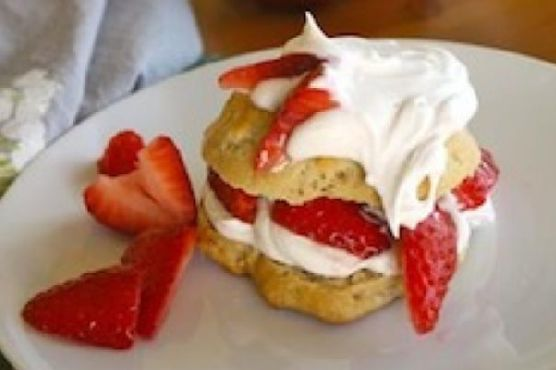
There’s something magical about the first bite of a strawberry shortcake that transports me back to my grandmother’s kitchen. I remember those warm summer evenings when we would gather around the wooden table, eagerly awaiting her famous dessert. Her recipe was a family treasure, but as I’ve embraced a plant-based lifestyle, I’ve recreated this classic with a vegan twist. Today, I’m thrilled to share this Vegan Strawberry Shortcake recipe served with a luscious vegan whipped cream. It’s a dessert that captures the essence of summer and love in every bite.

Why You’ll Love It

This Vegan Strawberry Shortcake is not only a delightful treat for the taste buds but also a heartwarming nod to traditional desserts with a modern, plant-based spin. Here’s why you’ll love it:

  • Simple Ingredients: Made with pantry staples, this recipe is both accessible and economical.
  • Quick and Easy: With minimal prep and bake time, you can whip up this dessert in under an hour.
  • Perfectly Balanced: The sweetness of the strawberries and the lightness of the shortcake are perfectly complemented by the creamy, dreamy vegan whipped topping.
  • Family-Friendly: This is a dessert that everyone, regardless of dietary preferences, can enjoy together.

Ingredients

  • 1 cup flour
  • 1/2 cup almond meal
  • 1/4 cup turbinado sugar
  • 1 teaspoon baking soda
  • 1/4 teaspoon salt
  • 3/4 cup almond milk
  • 1 teaspoon apple cider vinegar
  • 1/4 cup vegetable oil
  • Tiny drop of almond extract
  • 1 pint fresh strawberries, sliced
  • Vegan whipped cream (store-bought or homemade)

Instructions

  1. Preheat your oven to 400 degrees F (200 degrees C).
  2. Add the sliced strawberries to a glass bowl and refrigerate until ready to use.
  3. In a medium-sized bowl, combine the flour, almond meal, baking soda, and salt. Mix well.
  4. In a small bowl, combine 1 teaspoon of water with the turbinado sugar, stirring slightly to help dissolve the sugar.
  5. In a large bowl, whisk together the almond milk, apple cider vinegar, vegetable oil, sugar mixture, and almond extract.
  6. Make a well in the center of the dry ingredients and gradually add the wet ingredients. Mix until just combined.
  7. Line two baking sheets with parchment paper.
  8. Drop the batter by generous tablespoons onto the sheets, spacing them a few inches apart. You should aim for 5 per baking sheet.
  9. Bake for 10-12 minutes, or until the shortcakes are just slightly golden.
  10. Allow the shortcakes to cool completely before slicing them in half with a serrated knife.
  11. Add a generous dollop of vegan whipped topping to the bottom half of each shortcake, followed by a spoonful of strawberries.
  12. Top with the remaining shortcake half, adding a bit more whipped topping and a few strawberries on top.
  13. Serve on individual dessert plates and enjoy!

Tips

  • Chill Your Tools: For an extra fluffy whipped topping, chill your mixing bowl and beaters in the freezer for about 10 minutes before whipping.
  • Use Fresh Strawberries: Fresh, ripe strawberries will yield the best flavor. Avoid using frozen strawberries as they can become mushy.
  • Don’t Overmix: When combining wet and dry ingredients, mix just until combined to ensure light and fluffy shortcakes.

Variations & Substitutions

This recipe is versatile and can be easily adapted to suit your preferences or dietary needs:

  • Replace almond milk with any other non-dairy milk, such as soy or oat milk.
  • Substitute almond meal with oat flour for a nut-free version.
  • For a citrus twist, add a teaspoon of lemon zest to the batter.
  • Experiment with different fruits such as blueberries or raspberries for a new flavor profile.

Storage

These shortcakes are best enjoyed fresh, but if you have leftovers, store them in an airtight container at room temperature for up to 2 days. Assemble with the whipped topping and strawberries just before serving to maintain their texture and freshness. The vegan whipped cream can be stored in the refrigerator for up to 3 days.

FAQ

Can I make the shortcakes gluten-free?

Yes, you can substitute the all-purpose flour with a gluten-free flour blend. Ensure the blend contains xanthan gum to help mimic the texture of traditional flour.

What can I use instead of turbinado sugar?

If turbinado sugar is not available, you can use coconut sugar or light brown sugar as a substitute. Both will provide a similar flavor and texture.

How can I make homemade vegan whipped cream?

To make homemade vegan whipped cream, chill a can of full-fat coconut milk overnight. Scoop out the solid cream and whip it with a little powdered sugar and vanilla extract until fluffy.

Nutrition

Each serving of Vegan Strawberry Shortcake contains approximately:

  • Calories: 250
  • Fat: 12g
  • Carbohydrates: 32g
  • Protein: 4g
  • Fiber: 3g
  • Sugar: 14g

Conclusion

Whether you’re a seasoned vegan or simply looking to explore plant-based desserts, this Vegan Strawberry Shortcake is sure to delight. With its light and airy texture, juicy strawberries, and creamy topping, it’s a recipe that embodies the joy of summer. Gather your loved ones, share a slice, and create new sweet memories that will last a lifetime. Enjoy!

Related update: Vegan Strawberry Shortcake served with Vegan Whipped Cream

Related update: Baked Caramel Custard

Dow Slides as Meta Earnings Shock Market | Analysis by Brian Moineau

Stock Market Today: A Jolt from the Summit and a Tech Giant’s Reality Check

The market woke up Thursday like someone who’d expected good news and found a half-empty cup. A high-profile Trump–Xi meeting that many hoped would soothe trade jitters delivered only modest, incremental outcomes — and tech earnings, led by Meta’s shockers, handed investors a reason to sell first and ask questions later. The result: the Dow slipped, the Nasdaq took a hit, and Meta’s stock plunged after an earnings report that mixed strong revenue with a staggering one-time charge and much bigger capital plans.

Key takeaways

    • The Dow and broader U.S. indices pulled back after markets digested both the Trump–Xi meeting outcomes and mixed Big Tech earnings.
    • Meta reported strong revenue but a huge one-time tax hit plus sharply higher AI-related spending guidance; the stock plunged on the news.
    • Investor focus is splitting between near-term macro/geo‑political events (trade, Fed messaging) and longer-term concerns about expensive AI buildouts.
    • Even “good” earnings can be punished when forward spending and one-off accounting items raise doubts about future profitability.

The hook: why a summit and an earnings call mattered in the same breath

When two world leaders meet, traders watch for concrete policy changes that could alter trade flows, tariffs, and supply chains — things that ripple across blue-chip companies in the Dow. When a major tech company reports earnings that raise fresh questions about the costs of the AI arms race, it rattles an industry that underpins much of the market’s recent gains. This was a day where geopolitics and corporate strategy collided, and the market answered with a shrug that turned into selling.

What happened at the summit (the market’s shorthand)

    • The Trump–Xi meeting produced incremental steps and a public tone of cooperation rather than a sweeping trade détente. Markets had priced in the hope of clearer, bigger concessions; the modest outcomes left some investors underwhelmed.
    • That lack of a dramatic breakthrough left trade-sensitive stocks and sentiment more vulnerable, amplifying the reaction to corporate news arriving the same day. (See reporting that U.S.–China statements were constructive but not transformational.) (apnews.com)

Meta: revenue growth, a fiscal surprise, and the AI price tag

Meta’s quarter delivered the kind of revenue beat investors generally like — but the headline numbers that mattered to traders were twofold:

    • A one‑time, very large tax charge that slashed GAAP earnings per share and materially altered the optics of profitability for the quarter. That accounting hit made the quarterly EPS number look terrible versus expectations, even though adjusted results were stronger.
    • Management raised capital‑spending and signalled significantly higher AI and infrastructure outlays going forward. That kind of ramp-up looks great for long‑term product ambition but scary for near‑term margins and cash needs.

Investors punished the stock after hours and into the next day — a reminder that market moves often focus on the future (spending, margins, balance-sheet impacts), not just yesterday’s revenue beat. Multiple outlets reported steep after-hours moves and investor concern about the scale of AI spending and the tax hit. (marketwatch.com)

The bigger investor dilemma: growth vs. proof of profit

This episode highlights a recurring market tension:

    • Growth-first strategies (large capex and hiring to own the AI layer) promise outsized returns if the investments succeed.
    • But when the investments are enormous and returns are uncertain, investors demand clearer milestones, timelines, and capital discipline — otherwise they mark down valuations.

Meta’s case is textbook: revenue growing, user metrics not collapsing, yet the market punished the stock because the path to profitable monetization of those AI investments — and the near-term drag on earnings — felt unclear.

How other market forces played in

    • Fed messaging and rate expectations remained a backdrop: comments that a further rate cut wasn’t guaranteed kept investors cautious about the breadth of multiple expansion.
    • Tech peers with similar AI spending signals also saw pressure (Microsoft, others), while companies that beat expectations or showed clearer near‑term margins (some pockets of health care and select cyclicals) saw relative strength. (tradingeconomics.com)

What investors might watch next

    • Follow‑up guidance from Meta: clearer timelines or unit‑economics commentary for AI products would calm some concerns.
    • Tone and policy details from U.S.–China interactions: any concrete tariff or supply‑chain adjustments that affect corporate costs and export controls.
    • Fed commentary and economic data that affect the odds of further rate cuts; the discount rate matters when valuations hinge on growth out years.

Short reflection

Markets are opinion machines: they price not only what is, but what might be. When geopolitical talks produce modest results and corporate leaders announce aggressive, uncertain spending, the machine mutters and sells. Days like this are noisy and sometimes emotional — useful for long‑term investors to parse, but treacherous for short‑term traders chasing headlines.

Sources


Related update: We recently published an article that expands on this topic: read the latest post.

Pear and Pesto Crostini | Made by Meaghan Moineau

Pear and Pesto Crostini

Intro

There’s something magical about the combination of pear and pesto that instantly transports me back to my grandmother’s kitchen. I remember sitting at her rustic wooden table, eagerly watching as she prepared a variety of appetizers for our family gatherings. The distinct aroma of fresh basil and the nutty scent of roasted pine nuts would fill the air, creating an inviting atmosphere that welcomed everyone. Among all her creations, the Pear and Pesto Crostini stood out, a perfect blend of savory and sweet, crispy and creamy. Today, I’m excited to share this cherished family recipe with you.

Why You’ll Love It

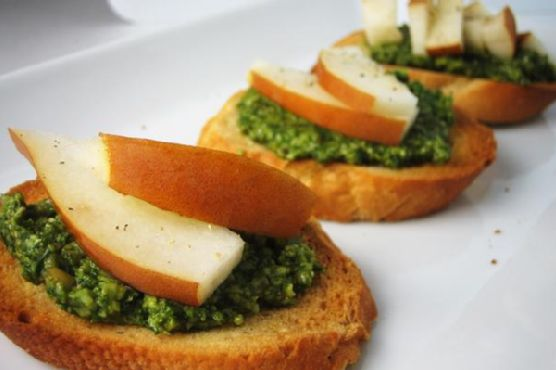
This Pear and Pesto Crostini is not just a delightful appetizer; it’s a conversation starter. The crispiness of the French bread, the fragrant and nutty pesto, paired with the tender sweetness of the bosc pear, make for a symphony of flavors and textures in every bite. It’s elegant enough for a holiday party, yet simple enough to whip up for a casual weekend snack. Plus, it’s a great way to impress your guests with minimal effort!

Ingredients

  • French bread
  • Fresh basil leaves
  • 1 garlic clove
  • Pine nuts
  • Pecorino Romano cheese
  • Your best olive oil
  • Salt and pepper to taste
  • 1 Bosc pear

Instructions

  1. Preheat your oven to 400 degrees Fahrenheit.
  2. Slice the French loaf into 1/2-inch-thick slices.
  3. Brush or spray the slices with olive oil and place them on a baking sheet.
  4. Toast the bread in the oven for 10-15 minutes, or until the edges are a deep golden brown. Remove from the oven and set aside.
  5. While the bread is toasting, make your pesto. In a food processor, combine basil leaves, garlic clove, pine nuts, and Pecorino Romano cheese. Pulse until the mixture is coarse in texture, resembling coarse sand.
  6. Add in the olive oil and process until fully incorporated. Taste and adjust with salt and pepper if needed.
  7. Scrape the pesto into a serving bowl or dish and set aside. You should have about 3/4 cup of pesto.
  8. Slice the Bosc pear thinly, and when ready to serve, top each toasted bread slice with a generous spread of pesto and a slice of pear.

Tips

  • For the best results, use high-quality olive oil, as it significantly enhances the flavor of the pesto.
  • To prevent your pears from browning, you can toss them with a little lemon juice before placing them on the crostini.
  • If you’re making these for a party, you can prepare the components ahead of time and assemble just before serving.

Variations & Substitutions

If you’re in the mood for a twist, consider swapping the Pecorino Romano for Parmesan cheese, which offers a slightly milder taste. You can also experiment with different nuts — walnuts or almonds can be a delightful substitute for pine nuts. For a touch of sweetness, drizzle a bit of honey over the top right before serving. Lastly, if pears are out of season, feel free to use apples or figs as an alternative fruit topping.

Storage

If you have leftovers (though they tend to disappear quickly!), store the components separately. Keep the toasted bread in an airtight container at room temperature for up to two days. The pesto can be stored in the refrigerator for up to a week. Just give it a stir before using it again. Unfortunately, sliced pears do not store well, so it’s best to slice them fresh as needed.

FAQ

Can I make the pesto in advance?

Yes, absolutely! The pesto can be made up to a week in advance and stored in an airtight container in the refrigerator. Just give it a good stir before using it, as the oil may separate over time.

What type of bread works best for crostini?

French bread is a classic choice due to its crusty exterior and soft interior, which toasts up perfectly. However, a baguette or ciabatta can also be used if you prefer a slightly different texture.

Is there a nut-free version of this recipe?

Definitely! You can omit the pine nuts entirely from the pesto, or substitute them with sunflower seeds for a nut-free version. The pesto will still be deliciously flavorful!

Nutrition

While I don’t have the exact nutritional breakdown, this appetizer is fairly light, especially if you’re mindful of the amount of olive oil used. The pears add a natural sweetness and a dose of fiber, while the pesto offers healthy fats from the olive oil and pine nuts. It’s a wonderful choice for those looking to indulge without guilt.

Conclusion

Whether you’re hosting a dinner party or looking for a delicious way to enjoy a quiet evening at home, this Pear and Pesto Crostini will not disappoint. It’s a testament to the power of simple, high-quality ingredients coming together to create something truly special. I hope this recipe brings as much joy to your table as it has to mine over the years. Enjoy every bite!

Related update: Pear and Pesto Crostini

Related update: Rustic Brie Toasts with Wild Mushroom, Cranberry and Shallot

Caramelised Onion and Mushroom Quiche | Made by Meaghan Moineau

Caramelised Onion and Mushroom Quiche

Intro

As the autumn leaves began to fall and the air turned crisp, my grandmother would always bake her famous Caramelised Onion and Mushroom Quiche. The aroma of caramelized onions and earthy mushrooms wafting through the house signaled the start of cozy family gatherings. This quiche was more than just a dish; it was a tradition, a warm embrace on a chilly day. Today, I’m excited to share this beloved recipe with you, hoping it brings as much warmth and joy to your home as it has to mine.

Why You’ll Love It

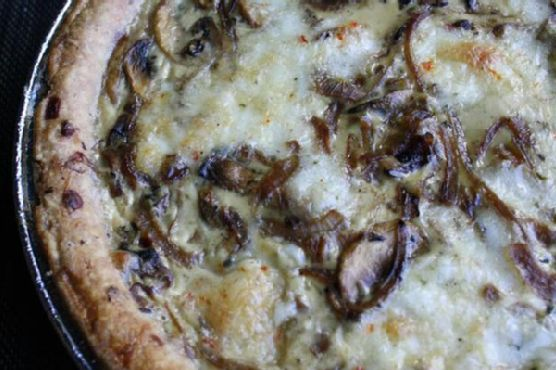
This Caramelised Onion and Mushroom Quiche is a delightful blend of rich flavors and textures. The sweetness of the caramelized onions complements the savory mushrooms, all enveloped in a creamy, cheesy filling. It’s the perfect dish for brunch, a light lunch, or a comforting dinner. Not only is it delicious, but it’s also incredibly easy to make, making it a great choice for both novice cooks and seasoned chefs alike.

Ingredients

  • One nine-inch pie shell
  • 2 tablespoons olive oil
  • 2 large white onions, thinly sliced
  • 2 cloves garlic, minced
  • 1/2 teaspoon dried chilli flakes
  • 8 ounces mushrooms, sliced
  • 1 teaspoon dried thyme
  • 3 large eggs
  • 1 cup half and half cream
  • 1 cup grated havarti cheese
  • Salt and pepper to taste

Instructions

  1. Preheat your oven to 400°F (200°C). Dock the pie shell with a fork and bake for 10 to 15 minutes until it is lightly golden.
  2. While the pie shell is baking, heat the olive oil in a large skillet over high heat. Add the onions, garlic, and chilli flakes. Cook until the onions are caramelized, about ten minutes.
  3. Add the mushrooms to the skillet and continue to cook on high until the mushrooms are also caramelized, about five minutes.
  4. Remove the skillet from the heat and stir in the thyme, salt, and pepper. Set aside to cool slightly.
  5. In a large bowl, beat the eggs together with the cream and half of the grated cheese.
  6. Stir the onion and mushroom mixture into the egg mixture and mix well.
  7. Place the pre-baked pie shell on a cookie tray to catch any potential overflow. Pour the filling into the pie shell.
  8. Sprinkle the remaining cheese on top of the filling.
  9. Reduce the oven temperature to 375°F (190°C) and bake the quiche until the filling is set and the top is golden, about 25-30 minutes.
  10. Allow the quiche to cool for a few minutes before serving. Enjoy it warm from the oven.

Tips

To ensure your quiche bakes evenly, consider using a pie crust shield or tin foil to protect the edges from over-browning. Allow the quiche to cool slightly before slicing to help it set completely. Pair it with a simple green salad or a warm cup of soup for a complete meal.

Variations & Substitutions

Feel free to experiment with this recipe by adding your favorite vegetables such as spinach or bell peppers. For a different flavor profile, swap out the havarti cheese with gruyère or cheddar. If you prefer a spicier dish, increase the amount of chilli flakes or add a dash of hot sauce to the egg mixture.

Storage

Store any leftover quiche in an airtight container in the refrigerator for up to three days. To reheat, place slices in a preheated oven at 350°F (175°C) until warmed through. You can also freeze the quiche for up to a month. Be sure to wrap it tightly in plastic wrap and foil before freezing.

FAQ

Can I use a homemade pie crust?

Absolutely! A homemade pie crust can add an extra layer of flavor and flakiness. Just be sure to blind bake it as instructed to prevent a soggy bottom.

Can I make this quiche ahead of time?

Yes, this quiche can be made a day ahead. Simply prepare and bake it as directed, then store it in the refrigerator. Reheat in the oven before serving for a fresh-from-the-oven taste.

Is this quiche gluten-free?

To make this quiche gluten-free, substitute the regular pie shell with a gluten-free pie crust. Ensure all other ingredients are certified gluten-free as well.

Nutrition

This quiche is a good source of protein and calcium, thanks to the eggs and cheese. It contains approximately 300 calories per serving, making it a satisfying yet moderate choice. For a lighter version, consider using milk instead of half and half cream and reducing the cheese by half.

Conclusion

Whether you’re hosting a brunch or seeking a comforting meal on a chilly evening, this Caramelised Onion and Mushroom Quiche is sure to delight. The combination of caramelized onions and mushrooms, nestled in a creamy, cheesy filling, is both comforting and indulgent. I hope this recipe becomes a cherished favorite in your home, just as it is in mine. Happy cooking!

Related update: Caramelised Onion and Mushroom Quiche

Metas $16B Tax Shock Rocks Stock | Analysis by Brian Moineau

Meta’s Rollercoaster Quarter: A $16B Tax Shock, Record Revenue — and a Lot to Parse

It’s not every day a single line in an earnings release can send a blue-chip tech stock tumbling after-hours. On October 29, 2025, Meta reported a quarter that looked like a tale of two narratives: record revenue and user growth on one side, and a near-$16 billion, one‑time tax charge on the other that slashed reported profit and knocked the stock down in extended trading.

This post walks through what happened, why investors reacted the way they did, and what the tax hit means for Meta’s financial story as it pours capital into AI.

Key takeaways

  • Meta reported third-quarter 2025 revenue of $51.24 billion — up about 26% year-over-year — and user growth across its apps. (investopedia.com)
  • A one-time, non-cash income tax charge of roughly $15.9 billion tied to the “One Big Beautiful Bill” Act (signed into law earlier in 2025) pushed reported net income down sharply and depressed EPS in the quarter. (investopedia.com)
  • Excluding the tax charge, Meta’s adjusted results would have shown much stronger profitability — an EPS that beat street estimates — highlighting the difference between cash/operational performance and GAAP accounting effects. (thewrap.com)
  • Market reaction—stock decline in after-hours trading—reflects short-term sensitivity to headline GAAP drops, ongoing heavy AI and capex spending, and investor focus on near-term returns. (investopedia.com)

The headline numbers (the short, readable version)

  • Revenue: $51.24 billion (up ~26% vs. Q3 2024). (investopedia.com)
  • Reported net income: ~$2.7 billion (down ~83% vs. year-ago), largely due to a $15.93 billion one-time tax provision. (prnewswire.com)
  • GAAP diluted EPS: $1.05; adjusted EPS excluding the tax impact would be roughly $7.25 — a material difference that changes the narrative. (investopedia.com)

What exactly happened with the tax charge?

When the One Big Beautiful Bill Act (OBBBA) was enacted in mid‑2025, it changed U.S. corporate tax dynamics: it accelerated certain expensing rules and changed the treatment of deferred tax assets while also introducing or modifying provisions like a Corporate Alternative Minimum Tax (CAMT). Because of that, Meta recognized a valuation allowance against some U.S. federal deferred tax assets and booked a one-time, non-cash charge of about $15.93 billion in Q3 to reflect those accounting impacts as of the law’s enactment date.

Important nuance:

  • The charge is non-cash and one-time for accounting (GAAP) purposes in this quarter.
  • Meta expects—based on its public statements—a meaningful reduction in future federal cash tax payments because of provisions in the law (e.g., immediate expensing of certain R&D and capex). (prnewswire.com)

Why did the stock fall, if revenue was strong?

Markets have a short attention span for nuance. A few reasons the share price dropped in after-hours trading:

  • GAAP EPS matters to many investors and funds that track indexes or have mandates tied to reported earnings. Seeing EPS slump from multi‑dollar levels to $1.05 is alarming at face value. (investopedia.com)
  • The timing and size of the charge created headline risk: $16 billion is a big number, and it dominated the narrative despite being non‑cash. (thewrap.com)
  • Meta continues to spend heavily on AI infrastructure and capex (Meta raised capex guidance), which keeps questions alive about near-term cash allocation and returns on those investments. Even with revenue strength, investors worry about a future where spending outpaces near-term monetization. (investopedia.com)

The bigger picture: revenue and AI investments still matter

Peeling back the accounting charge, the underlying business showed strength:

  • Ad revenue and user metrics continue to grow; daily active user counts climbed and overall monetization improved. (thewrap.com)
  • Meta reiterated aggressive investment in AI: increased capex guidance (now projected between $70–$72 billion for the year), plus continued R&D in generative and infrastructure play. That’s a conscious bet on future dominance in AI-driven products and services. (investopedia.com)

So the story isn’t “Meta collapsing.” It’s “Meta’s financials were distorted this quarter by a one‑time accounting entry tied to tax-code changes, at the same time the company is doubling down on expensive, long‑range AI builds.”

What investors should watch next

  • Cash tax payments and the actual cash-flow timing implications of OBBBA — the law may reduce future cash taxes even while producing a one-time GAAP hit. Watch future guidance and cash tax line items. (prnewswire.com)
  • Capital allocation signals: will Meta sustain the raised capex path? Will buybacks or dividends reappear if cash taxes drop materially? (investopedia.com)
  • Execution on AI monetization: product traction (advertising on new ad surfaces, premium features, enterprise AI products) will determine whether heavy spending turns into durable returns. (thewrap.com)

Investor dilemma (short reflection)

There’s a perennial tug-of-war here. On the one hand, GAAP numbers matter — they shape headlines, index flows, and short-term positioning. On the other, long‑term investors care about underlying cash generation and whether today’s bets (huge AI infrastructure and R&D outlays) create proprietary advantages down the road. This quarter is a textbook case where accounting rules and policy shifts can temporarily cloud a company’s growth story.

Bottom line

Meta’s Q3 2025 report is both reassuring and jarring: revenue and user growth are robust, but a one‑time $15.9 billion tax accounting charge tied to the One Big Beautiful Bill knocked reported profits and spooked investors. The real questions now are about cash-tax outcomes, the discipline of capital allocation, and how quickly today’s AI investments will translate into predictable, scalable returns. For long-term observers, this is a pause for recalculation — not necessarily a plot twist.

Sources


Related update: We recently published an article that expands on this topic: read the latest post.


Related update: We recently published an article that expands on this topic: read the latest post.

Big Techs AI Spending: Boom or Bubble? | Analysis by Brian Moineau

They just opened the taps — and the water is hot.

This week’s earnings calls from Meta, Google (Alphabet), and Microsoft didn’t read like cautious financial updates. They sounded like battle plans: record profits, record hiring, and record capital spending — much of it poured into AI compute, data centers, and the chips and power that keep modern models humming. The scale is dizzying, the rhetoric is bullish, and investors are starting to ask whether the crescendo of spending is smart positioning or the start of an AI bubble.

Key takeaways

  • Meta, Google (Alphabet), and Microsoft reported strong revenue and earnings while simultaneously boosting capital expenditures sharply to fuel AI infrastructure.
  • Much of the new spending is for data centers, GPUs, and related power and networking — effectively a compute “land grab.”
  • Markets reacted nervously: high upfront costs and unclear short-term monetization of many AI products raised concerns about overextension.
  • If these firms’ infrastructure investments continue together, they could reshape supply chains (chips, memory, power) and local economies — for better or worse.

Why this feels different than past tech waves
Tech booms aren’t new. What’s new is the scale and specificity of investment: these companies aren’t just funding research labs or apps — they’re building the physical backbone that large-scale generative AI demands. When Meta talks about raising capex guidance into the tens of billions and Microsoft discloses nearly $35 billion of AI infrastructure spend in a single quarter, you’re not hearing experimental bets — you’re hearing industrial-scale commitment.

That changes the game in a few ways:

  • Supply-chain impact: GPUs, high-bandwidth memory, custom silicon, and datacenter racks are in high demand. Vendors and fabs can get booked out years in advance, locking in capacity for the biggest players.
  • Energy footprint: More compute means more power. We’re seeing renewables, grid upgrades, and even nuclear options move to the front of corporate planning — and to the policy spotlight.
  • Localized economic booms (and strains): Regions that host new data centers see construction jobs and tax revenue but also face grid strain and permitting headaches.
  • Monetization pressure: Many generative AI use cases delight users but haven’t yet demonstrated reliably large, repeatable revenue streams at the cost levels required to sustain this infrastructure.

The investor dilemma
Investors love growth and hate uncertainty. On the same day these firms reported record profits, the announcements that follow — multiyear capex increases and hiring surges — prompted a fresh bout of skepticism. Why? Because the payoff from infrastructure is lumpy and long-term. Building data centers, locking in GPU supply, or spending billions to train a next-gen model is expensive up front; returns depend on successful product rollouts, pricing power, and adoption curves that are still maturing.

Some argue this is prudent: being first to massive compute gives strategic advantages that are hard to reverse. Others point to past “hype cycles” — think metaverse spending in the late 2010s — where lofty ambitions outpaced returns. The difference now is that AI workloads require real-world physical capacity, and the scale of current investment could leave companies with stranded assets if demand softens.

Wider economic and social ripple effects
When three of the largest technology firms coordinate — intentionally or otherwise — to accelerate AI build-outs, consequences spread beyond tech:

  • Chipmakers and infrastructure suppliers can see windfalls but also capacity bottlenecks.
  • Energy markets and regulators face new stressors; grid upgrades and emissions considerations become central rather than peripheral.
  • Smaller startups may find it harder to access compute or talent as the giants lock up the best resources.
  • Policy and antitrust conversations will heat up as the gap between hyperscalers and the rest of the ecosystem widens.

A pragmatic view: bubble or necessary buildout?
“Bubble” is a tempting headline, and bubbles do form when investment outpaces realistic returns. But calling this a bubble ignores an important detail: many AI advances are compute-limited. Training larger, faster models — and serving them at scale — simply requires more racks, more power, and more chips. If the underlying demand trajectory for AI applications is real and sustained, this infrastructure will be necessary and will pay off.

That said, timing matters. If companies front-load all the build-out assuming near-term breakthroughs or revenue booms that fail to materialize, they’ll face painful write-downs or slowed growth. The smart money, therefore, is watching both financial discipline and product monetization — not just the size of the check.

Reflection
There’s something almost poetic about this moment: three titans of the internet, flush with profit, racing to build the guts of the next computing generation. The spectacle is exciting and unsettling at once. If you care about where tech — and the economy around it — is headed, watch the pipeline: product launches that turn compute into customers, chip supply dynamics, and how regulators and grids respond. If the investments translate into better, profitable services, today’s spending looks visionary. If they don’t, we may be looking at the peak of a very costly fervor.

Sources

(These pieces informed the perspective here: earnings details, capex figures, and the broader discourse about whether the current wave of AI spending is prudent industrialization or a speculative peak.)


Related update: We recently published an article that expands on this topic: read the latest post.

Paramount Cuts After Skydance Merger | Analysis by Brian Moineau

Paramount Layoffs After Skydance Merger: What Happened and Why It Matters

Introduction — a quick hook
Paramount has begun a sweeping round of layoffs that reach across CBS Entertainment, Paramount+, MTV and other properties — a major consolidation move that follows its recent merger with Skydance. For employees, viewers and creators, the cuts signal a new era of cost-focused consolidation at one of Hollywood’s biggest media houses.

What’s going on (context and background)
In August 2025 Skydance and Paramount completed a high-profile merger that combined Skydance’s production muscle with Paramount’s legacy TV and streaming businesses. Within weeks, new leadership set out a plan to reduce overlap, streamline operations and cut costs — a process that culminated in layoffs that began in late October 2025.

The first wave eliminated roughly 1,000 roles across multiple divisions, with company statements and reporting indicating the total reduction will be about 2,000 jobs (around 10% of the combined workforce) once subsequent rounds are complete. A memo from CEO David Ellison framed the cuts as part of restructuring after the merger; outside reporting has also described a broader target of substantial cost savings as Paramount refocuses priorities under the Skydance-led management team.

Why this matters

  • It affects major content and distribution units: staff reductions touch broadcast (CBS), streaming (Paramount+), youth and music networks (MTV) and other cable and studio operations — meaning decisions about programming, development and day-to-day operations could change.
  • Industry ripple effects: large-scale layoffs immediately alter project staffing, timelines and freelance opportunities and can influence what kinds of shows and formats get greenlit.
  • Strategic repositioning: the move signals that the new leadership is prioritizing efficiency and margin improvement, which may change long-term creative strategy (fewer, higher-budget tentpoles vs. broader slates; more franchise-focused content; emphasis on profitable streaming models).

Key takeaways

  • Paramount Skydance has begun mass layoffs following the August 2025 merger; about 1,000 jobs were cut in the first wave and roughly 2,000 jobs in total are expected. (October 2025 reporting.)
  • Cuts span CBS Entertainment, Paramount+, MTV and other divisions — not limited to a single business unit.
  • The layoffs are part of a broader cost-cutting and restructuring plan under new CEO David Ellison aimed at eliminating overlap and realigning the combined company.
  • Industry consequences include potential delays or cancellations of projects, shifts in commissioning strategy, and reduced staffing for news, production and development teams.
  • This is consistent with typical post-merger consolidation, but the scale and timing mean the effects will be widely felt across creative and corporate ranks.

Scannable snapshot: who’s affected and what to watch

  • Affected groups: corporate staff, production and development teams, cable network personnel, and some news and streaming operations.
  • Near-term risks: halted projects, fewer development deals, hiring freezes, and an increase in freelance competition.
  • What to watch next: official company disclosures (quarterly earnings and SEC filings), statements from division leaders (CBS, Paramount+), and follow-up reporting on which teams and shows are most impacted.

Short concluding reflection
Mergers promise scale and new capabilities, but they also bring hard choices. The Paramount–Skydance layoffs are a stark reminder that corporate consolidation often translates into sharper editorial and staffing decisions on the ground. For viewers, the biggest question will be whether these cuts narrow the range of original voices and experimentation on air and on streaming — and for the industry, whether the refocused Paramount produces a smaller slate of more concentrated hits or a leaner, but less diverse offering.

Sources


Related update: We recently published an article that expands on this topic: read the latest post.