
Where Sharp Money Tilted on Championship | Analysis by Brian Moineau

Where the Smart Money Is Heading for Championship Saturday (Dec. 6, 2025)

College football’s title-week energy is a different kind of buzz — equal parts tradition, playoff implications and money moving across the board. On Saturday, December 6, two marquee matchups — Georgia vs. Alabama and Indiana vs. Ohio State — didn’t just deliver on drama; they revealed where the sharp bettors were laying their chips. Below I break down what the CFB betting splits showed, why pros leaned the way they did, and what that movement means for bettors watching line behavior.

Quick snapshot

  • Game: Georgia vs. Alabama (SEC Championship) — early line Georgia -1.5 (48.5).
  • Game: Indiana vs. Ohio State (Big Ten Championship) — early line Ohio State -6 (total ~48.5), gameday ~-4.5 with totals moving down.
  • Common pattern: public (retail) tickets favored the favorites (Georgia, Ohio State), while larger-dollar, sharper action favored the underdog dogs (Alabama, Indiana) and the unders in total.

Why the splits matter

Betting splits — percentage of tickets vs. percentage of dollars — are a window into market psychology. When 70–75% of tickets are on one side but only 30–40% of the dollars are there, it usually means casual bettors are piling on small wagers while a few big, informed bettors are taking the other side with heavier bankrolls. Sharp action often shows up late, moves lines back toward the opening number, or causes reverse line movement (bookies shortening the line on the side that initially had less public support).

What the data said for Georgia vs. Alabama

  • Public reaction: The majority of spread tickets were on Georgia (about 74% at some books), suggesting most bettors trusted the higher-ranked favorite and the Bulldog narrative.
  • Sharp reaction: Despite heavy public lean on Georgia, sharp money bought Alabama late in the week and into game day — moving books from Georgia -2.5 back to roughly -1.5 (and even as low as +1 for Alabama at some shops). Circa and other Vegas books showed Alabama getting larger-dollar support.
  • Context: Alabama had already beaten Georgia earlier in the season (24–21 as a road underdog), which gives pros a precedent to back the Tide again — especially as a contrarian dog with proven upside.
  • Takeaway: This is classic smart-money behavior — small-ticket public backing the chalk, but bigger, higher-confidence wagers taking the dog. When pros buy the underdog and the line tightens despite public action, it’s a strong signal of informed contrarian money.

What the data said for Indiana vs. Ohio State

  • Public reaction: Ohio State was the ticket-heavy favorite (roughly 74% of spread tickets at some sportsbooks), reflecting reputation and hype — No. 1 vs No. 2 stakes don’t help the spread.
  • Sharp reaction: Respectable professional action favored Indiana plus the points. Books moved from Ohio State -6 down to -4.5, and some shops even touched -4. A noteworthy split at Circa showed Indiana taking a lower share of tickets but a much larger share of dollars (e.g., 39% of tickets but 67% of dollars), a hallmark of “fewer tickets, bigger bets.”
  • Total: The under also attracted sharp support; totals dropped from about 48.5 to 47 and even into the 46.5 range at some books. The public, conversely, leaned over.
  • Context: Indiana’s offensive surge (and Ohio State’s historically stingy defense) created a matchup where sharp bettors saw value in the underdog taking points while expecting a more controlled, lower-scoring game.
  • Takeaway: Reverse line movement in favor of Indiana — plus under-heavy action — suggests professional bettors were forecasting a closer, lower-scoring tilt than the public narratives suggested.

What bettors should read into this

  • Reverse line movement = respect the market. When the line moves toward the underdog while the public stays heavy on the favorite, it usually means books are protecting exposure in response to larger, informed wagers.
  • Volume vs. weight: Don’t just watch the percentage of tickets. The percentage of dollars reveals where the big-money conviction lies. A dog with 30–40% of tickets but 60–70% of dollars is a classic sharp sign.
  • Timing matters: Late, gameday movement often carries extra weight. Limits are raised closer to kickoff and larger bettors are more active then; when a line moves late toward a dog, that’s often pro money.
  • Totals can tell a separate story. If sharps are hammering the under while the public files into the over, expect totals to tick down — and vice versa.

Line lessons for future scoreboard-reading

  • Look for divergence: Big splits between tickets and dollars, especially across multiple reputable books, are reliable indicators of where the professionals are leaning.
  • Check who’s moving: Names like Circa, Westgate and other major Nevada books matter because they’re where the high-roller and syndicate bets land.
  • Historical head-to-head and matchup context still matter. Alabama’s earlier upset of Georgia and Ohio State/Indiana tendencies provided the narrative anchors for why sharps would buck public sentiment.

My take

I love watching these markets because they expose the tension between fandom and finance. The crowd is emotional and headline-driven — they back familiar brands and recent wins. The sharps are analytical and capitalize on edges: matchup wrinkles, game scripts, injury news and coaching tendencies. On December 6, that split played out perfectly: most bettors trusted the chalk, but the bigger money trusted contrarian narratives — Alabama’s proven upset ability and Indiana’s game-control potential vs. Ohio State.

If you’re a recreational bettor, the clearest pragmatic move isn’t to blindly back “what the sharps do” every time. Instead, use split information to refine your edge: if the sharp money aligns with your read, that’s confirmation. If it contradicts your opinion, reassess why — and consider staking smaller or looking for better value elsewhere.

Final thoughts

Betting markets are conversations: fans shouting from the stands, analysts making cases on shows, and professionals placing quiet, heavy bets. On Dec. 6 the pros whispered “Alabama” and “Indiana” more loudly than the public, and the lines reflected that. Whether you’re trading lines or enjoying the games, paying attention to splits gives you a clearer sense of market sentiment and where true conviction lies.

Sources


Related update: We recently published an article that expands on this topic: read the latest post.


Related update: We recently published an article that expands on this topic: read the latest post.
Vanilla Pound Cake | Made by Meaghan Moineau

Vanilla Pound Cake

Intro

There’s something magical about the aroma of a freshly baked cake wafting through the house. It takes me back to Sunday afternoons spent in my grandmother’s cozy kitchen. I remember standing on a stool, eagerly watching as she mixed ingredients with love and care. Her vanilla pound cake was always my favorite—a simple yet indulgent treat that brought smiles to our faces. Today, I’m sharing her cherished recipe with you, so you can create sweet memories of your own.

Why You’ll Love It

This vanilla pound cake is the epitome of comfort and simplicity. With its buttery texture and rich vanilla flavor, it’s perfect for any occasion. Whether you’re enjoying it with a hot cup of tea or serving it as a dessert at a family gathering, this cake is sure to impress. You’ll love how easy it is to prepare, and your loved ones will adore every bite.

Ingredients

  • 1 cup plain flour
  • 1 teaspoon baking powder
  • 1/4 teaspoon salt
  • 1/4 teaspoon nutmeg
  • 1/2 cup butter, softened
  • 1 cup canned granulated sugar
  • 2 large eggs
  • 1 teaspoon vanilla extract
  • 1/2 cup fat free natural yogurt
  • 1/4 cup milk

Instructions

  1. With the aid of a sifter, sift the dry ingredients (flour, baking powder, salt, nutmeg) into a bowl and set aside.
  2. Grease the cake pan and dust with flour. Preheat your oven to 180 degrees Celsius.
  3. In a large mixing bowl, cream the butter and sugar together until light and fluffy.
  4. Add the eggs, one at a time, beating well after each addition. Stir in the vanilla extract.
  5. Mix in the yogurt until well combined.
  6. Gradually add the dry ingredients to the wet mixture, alternating with the milk. Mix until just combined.
  7. Pour the batter into the prepared cake pan and smooth the top with a spatula.
  8. Bake in the preheated oven for 45-50 minutes, or until a toothpick inserted into the center comes out clean.
  9. Allow the cake to cool in the pan for 10 minutes before transferring it to a wire rack to cool completely.

Tips

For the best results, ensure all your ingredients are at room temperature before you begin. This helps with even mixing and a smoother batter. Additionally, avoid over-mixing, as this can lead to a dense cake. A light hand yields the fluffiest results!

Variations & Substitutions

If you’re feeling adventurous, consider adding a tablespoon of lemon or orange zest for a citrus twist. You can also substitute half of the plain flour with almond flour for a nutty flavor. For a dairy-free version, replace the butter with coconut oil and the yogurt with a plant-based alternative.

Storage

This vanilla pound cake keeps well at room temperature for up to three days when stored in an airtight container. For longer storage, wrap individual slices in plastic wrap and freeze for up to two months. Thaw at room temperature before serving.

FAQ

Can I use salted butter instead of unsalted?

Yes, you can use salted butter if that’s what you have on hand. Just omit the added salt in the recipe to balance the flavors.

How can I tell if my cake is done?

The best way to check doneness is by inserting a toothpick into the center of the cake. If it comes out clean or with a few crumbs clinging to it, your cake is ready. It should also have a golden-brown top and start to pull away from the sides of the pan.

Nutrition

Each slice of this sumptuous vanilla pound cake is approximately 250 calories, providing a delightful balance of carbohydrates, fats, and proteins that are perfect for a treat. Keep in mind that nutritional values may vary slightly based on specific ingredient brands and measurements.

Conclusion

Baking a vanilla pound cake is more than just combining ingredients; it’s an opportunity to create warmth and joy in your home. Whether you’re baking for yourself, your family, or friends, this classic recipe is sure to become a staple in your baking repertoire. I hope it brings as much happiness to your table as it has to mine over the years. Happy baking!

Related update: Vanilla Pound Cake

Related update: 5-Minute Rocky Road Fudge

Are Smartwatches Helping or Hurting Us | Analysis by Brian Moineau

Am I addicted to my smartwatch? The tiny device that keeps pulling at my attention

There’s a tiny buzz on my wrist. I glance. A heart-rate spike, a congratulatory confetti for closing my rings, a calendar nudge about a meeting I already forgot. My smartwatch promises fitness, safety and calm — and yet sometimes it feels like it’s the one making me anxious. Do Apple Watch and Samsung Galaxy Watch actually help us live better lives, or are they quietly turning our well-being into a stream of notifications and metrics?

Why this matters right now

Smartwatches are everywhere. From runners timing their 5K to people tracking sleep, oxygen saturation and “stress,” modern wearables do a lot more than count steps. That expansion has sparked two conversations at once:

  • The hopeful one: wearables give us data to act on — nudging us toward more movement, better sleep and earlier detection of health issues.
  • The wary one: constant feedback, alerts and “insights” can create pressure, obsession and information overload — especially when the metrics aren’t perfect or are poorly explained.

The BBC recently explored this tension in a piece that mixes first-person experiences with wider questions about whether these devices reduce harm — or contribute to stress. The debate is worth paying attention to: the devices aim to change daily behavior and mental states, so their real-world effect matters.

What smartwatches promise

  • Continuous health signals: heart rate, HRV (heart rate variability), SpO2, sleep stages, and sometimes ECGs or blood-pressure estimates.
  • Activity tracking and motivation: step counts, workout detection, coaching and goal reminders.
  • Safety features: fall detection, emergency SOS, location sharing.
  • Behavioral nudges: stand reminders, breathing exercises, and trend-based “energy” or stress scores.

These features are powerful in theory. They give immediate feedback and can gamify healthy choices. But promise and reality aren’t always the same.

What the evidence says — helpful but mixed

  • Wearables can increase physical activity. Reviews and umbrella studies indicate moderate evidence that wearables help many people move more (more steps, more minutes of activity), especially when combined with behavior support or programs, rather than being used passively. (link.springer.com)

  • Accuracy and clinical value vary. Systematic reviews show that while wearables are getting better at detecting activity and some physiological signals, their accuracy for diagnosing medical conditions or replacing clinical measurement is still limited. That matters when users treat a smartwatch reading as medical truth. (pubmed.ncbi.nlm.nih.gov)

  • Stress detection and intervention can work — with caveats. Pilot studies using heart rate and HRV data show promise for flagging stress, and interventions that combine momentary prompts with reflective visualizations have reduced stress frequency and intensity in controlled studies. Still, those studies are limited, and commercial “stress alerts” may not match the careful context used in research. (arxiv.org)

In short: wearables can be helpful tools, but their benefits depend on accuracy, context, how feedback is framed, and whether users integrate data into realistic behavior change — not compulsive checking.

Why smartwatches can make us stressed

  • Notification overload: constant pings for messages, health flags and “reminders” interrupt flow and increase cognitive load.
  • Ambiguous signals: a high heart rate could mean exercise, excitement, caffeine, or anxiety. Without context, a spike can feel alarming.
  • Gamification pressure: daily goals and streaks motivate some users, but for others they foster comparison and a sense of failure.
  • False reassurance or false alarms: relying on a device for health reassurance can delay care, while false positives can cause unnecessary worry.

The BBC article shares personal stories of people who felt overwhelmed by messages — from productivity nudges that made pregnant users feel “not productive enough” to constant prompts that exaggerated normal bodily variation. Those anecdotes mirror broader research showing the psychological duality of feedback loops: motivating for some, stress-inducing for others. (nz.news.yahoo.com)

How to keep the benefits and reduce the harm

  • Curate notifications ruthlessly.
    • Turn off non-essential alerts (apps, promotional nudges) and keep only what helps you act.
  • Contextualize metrics.
    • Remember that one number seldom tells the whole story — look for trends over time rather than fixating on a single reading.
  • Use insights, not guilt.
    • Treat weekly or monthly summaries as coaching data. Set small, achievable goals rather than chasing perfection.
  • Pair devices with human support when needed.
    • Structured programs, coaches, or clinicians amplify benefits; passive tracking alone is less likely to produce lasting change. (mdpi.com)
  • Give yourself tech-free windows.
    • Schedule periods where your watch switches to Do Not Disturb or Theatre mode so you can restore focus.

A few realistic limits to expect

  • Not every measurement is clinical-grade. For clinical decisions, rely on medical-grade tests and professional advice.
  • The novelty effect fades. Many people increase activity early on, then regress without behavior design or social support.
  • Personal differences matter. Some people thrive on quantified feedback; others find it intrusive. There’s no single “right” relationship with a wearable.

How companies could make things better

  • Improve calibration and transparency about what a metric really means.
  • Offer simpler, optional modes focused on wellbeing rather than constant tracking (e.g., a “calm” profile that limits alerts and prioritizes long-term trends).
  • Make personalization easier so the device learns how you respond to alerts and reduces harmful nudges.

My take

Smartwatches are powerful little coaches — and, depending on how you use them, either useful allies or nagging bosses. The difference usually isn’t the hardware itself but the relationship you form with it. Turn down the noise, focus on trends not single data points, and use wearables as one part of a broader wellbeing strategy (sleep hygiene, regular exercise, social connection, and professional care when needed). When used thoughtfully, these devices can nudge small, meaningful improvements. If they start to increase anxiety or make you compulsively check your wrist, that’s your cue to change the settings — or simply take a break.

Quick takeaways

  • Smartwatches can increase activity and help detect patterns, but their accuracy and clinical usefulness vary.
  • Constant feedback and notifications can create stress for some users.
  • Best results come when wearables are combined with behavior support and personalized settings.
  • You control the device: curate alerts, focus on trends, and take tech-free breaks.

Sources


Related update: We recently published an article that expands on this topic: read the latest post.

Lamb Tagine Stew | Made by Meaghan Moineau

Lamb Tagine Stew: A Warm Embrace in a Bowl

Intro

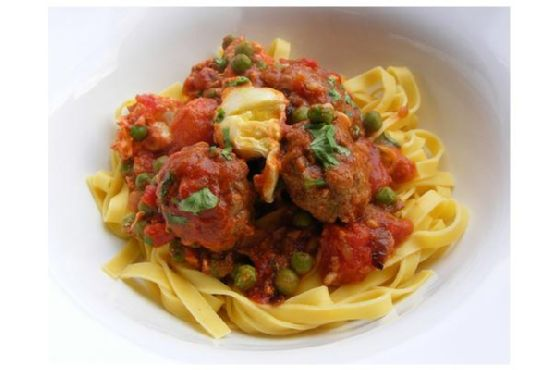
There’s something uniquely comforting about a pot of stew simmering away on the stove, filling the house with warmth and mouthwatering aromas. For me, Lamb Tagine Stew is more than just a dish; it’s a cherished memory of childhood Sundays spent in my grandmother’s kitchen. The rich, savory fragrance of lamb mixed with warm spices would drift through her home, promising a meal that was both nourishing and deeply satisfying. Today, I’m sharing this beloved family recipe with you, hoping it brings as much joy and comfort to your table as it has to mine.

Why You’ll Love It

This Lamb Tagine Stew is a delightful mix of tender lamb, vibrant vegetables, and fragrant spices, all cooked to perfection in a single pot. The combination of savory and sweet spices creates a depth of flavor that is both exotic and familiar. It’s a dish that not only warms the belly but also the soul. Perfect for a cozy night in or impressing guests, this stew is versatile, easy to prepare, and even better the next day.

Ingredients

  • 2 teaspoons black pepper
  • 2 large carrots, sliced
  • 1 teaspoon cinnamon
  • 1 cup green peas
  • Juice of 1 lemon
  • 1 kg lamb, cut into chunks
  • 2 cups lamb stock
  • 200g mushrooms, sliced
  • 4 teaspoons olive oil, divided
  • 1 large onion, chopped
  • 1 teaspoon oregano
  • 1/4 cup fresh parsley, chopped
  • Salt to taste

Instructions

  1. Heat 2 teaspoons of olive oil in a large pan over medium-high heat. Add the lamb chunks and sauté until they are browned on all sides. Remove from the pan and set aside.
  2. In the same pan, add the remaining 2 teaspoons of olive oil. Once hot, add the onions and carrots. Season with salt, black pepper, and oregano. Cook until the onions are translucent and the carrots are slightly tender.
  3. Add the lamb back into the pan, along with the mushrooms and green peas. Pour in the lamb stock, bringing everything to a gentle simmer. Cover and let cook for about 45 minutes, or until the lamb is tender and the flavors have melded together.
  4. While the stew is simmering, mix the chopped parsley, lemon juice, and cinnamon in a small bowl.
  5. Once the stew is ready, stir in the parsley mixture, allowing the fresh and vibrant flavors to infuse the stew.
  6. Serve hot with a side of fluffy couscous to soak up the delicious sauce.

Tips

For the best flavor, let the stew sit for a few hours or overnight in the refrigerator. This allows the spices and flavors to deepen and meld beautifully. When reheating, do so gently over low heat to maintain the integrity of the ingredients.

Variations & Substitutions

If lamb isn’t your preference, beef or chicken can be excellent substitutes. For a vegetarian version, consider adding chickpeas or lentils instead of meat. You can also play with spices, adding a bit of cumin or coriander for a different flavor profile. Feel free to use vegetable stock instead of lamb stock to keep it vegetarian-friendly.

Storage

Store any leftover Lamb Tagine Stew in an airtight container in the refrigerator for up to three days. This stew also freezes well; simply place it in a freezer-safe container and store it for up to three months. Thaw in the refrigerator overnight before reheating.

FAQ

What is a tagine?

A tagine is a North African dish named after the earthenware pot in which it is traditionally cooked. The pot has a conical lid that helps to circulate steam, keeping the dish moist and flavorful. However, you can successfully make a tagine in any heavy, lidded pot.

Can I make this dish in advance?

Absolutely! In fact, Lamb Tagine Stew often tastes even better the next day as the flavors have more time to meld. Simply prepare the stew as directed, let it cool, and store it in the refrigerator until you’re ready to serve.

What should I serve with Lamb Tagine Stew?

This stew pairs beautifully with couscous, which soaks up the rich sauce. You can also serve it with crusty bread or over a bed of fluffy basmati rice.

Nutrition

This Lamb Tagine Stew is not just delicious but also packed with nutrients. Lamb is a great source of protein and essential vitamins like B12 and zinc. The vegetables add fiber and a range of vitamins, while spices like cinnamon offer antioxidant properties. Enjoy this dish as part of a balanced meal.

Conclusion

Lamb Tagine Stew is a dish that brings warmth, comfort, and a touch of exotic flair to your dining table. Whether you’re savoring it as a cozy family meal or serving it to impress guests, this stew is sure to become a favorite in your recipe collection. I hope this recipe brings as much joy to your home as it has to mine, and that it becomes a cherished part of your culinary traditions. Enjoy every comforting spoonful!

Related update: Lamb Tagine Stew

Related update: Japanese Mabo Tofu With Eggplant

Red, White, and Blue Fruit Salsa | Made by Meaghan Moineau

Red, White, and Blue Fruit Salsa

Intro

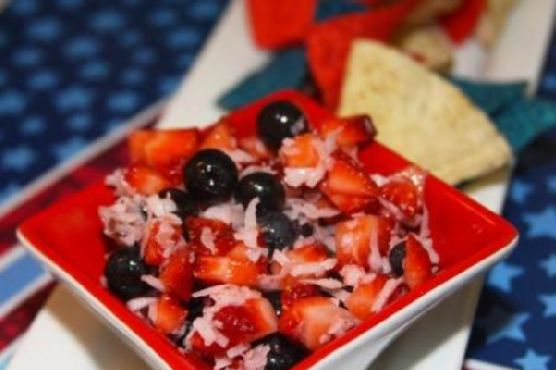
There’s something undeniably nostalgic about summer gatherings. The aroma of freshly cut grass, children playing in the backyard, and the delightful chatter of family and friends create an atmosphere that’s hard to beat. One of my fondest memories is of July 4th celebrations at my grandmother’s house. The highlight for me was always the vibrant and refreshing fruit salsa she would make. Her recipe has been passed down to me, and today, I’m thrilled to share this Red, White, and Blue Fruit Salsa with you. It’s a dish that not only celebrates the colors of our flag but also captures the essence of those cherished summer days.

Why You’ll Love It

This Red, White, and Blue Fruit Salsa is a perfect blend of sweet and tangy flavors that will have your taste buds dancing. It’s incredibly easy to make, requiring just a handful of ingredients and minimal preparation time. Whether you’re hosting a summer barbecue, a patriotic holiday party, or simply craving a light and refreshing snack, this salsa is sure to impress. Plus, it’s a healthy alternative to traditional chips and dip, making it a hit with health-conscious guests.

Ingredients

  • 1 cup blueberries
  • 1 cup diced strawberries
  • 1/2 cup sweetened shredded coconut
  • 2 tablespoons lime juice
  • 2 tablespoons strawberry jam
  • Freedom Chips (to serve)

Instructions

  1. In a medium-sized bowl, combine the blueberries, diced strawberries, and sweetened shredded coconut. Gently mix them to ensure an even distribution.
  2. Add the lime juice and strawberry jam to the berry mixture. Stir well until all the ingredients are thoroughly combined.
  3. Cover the bowl with plastic wrap or a lid and refrigerate for at least an hour. This allows the flavors to meld together beautifully.
  4. Once chilled, serve the fruit salsa as an appetizer with Freedom Chips. Enjoy the burst of flavors and the delightful crunch of the chips.

Tips

For the best results, use fresh and ripe berries. Their natural sweetness will enhance the overall flavor of the salsa. If you want to add a bit of spice, consider sprinkling a pinch of chili powder or cayenne pepper into the mix for a subtle kick. Always taste the salsa before serving, as you may want to adjust the lime juice or jam to suit your personal preference.

Variations & Substitutions

Feel free to get creative with this recipe! You can substitute raspberries or blackberries for the blueberries if you prefer a different berry flavor. If you’re not a fan of coconut, try using finely chopped mint leaves instead for a refreshing twist. For a healthier option, use unsweetened shredded coconut. You can also experiment with different jams, such as raspberry or apricot, to change up the flavor profile.

Storage

Store any leftover salsa in an airtight container in the refrigerator for up to three days. Keep in mind that the berries might release some juice over time, so give the salsa a good stir before serving again. Unfortunately, this salsa does not freeze well due to the high water content of the fruit.

FAQ

Can I make this salsa ahead of time?

Absolutely! In fact, making it a day ahead can enhance the flavors even more. Just be sure to store it in the refrigerator and give it a good stir before serving.

What are Freedom Chips?

Freedom Chips are simply tortilla chips, but with a playful and patriotic twist. You can use any brand or make your own at home by cutting tortillas into your desired shape and baking or frying them until crispy.

Is there a way to make this salsa more savory?

Yes! You can add diced avocado, chopped cilantro, or a small amount of finely diced red onion to introduce savory elements to the salsa. These additions will complement the sweetness of the berries beautifully.

Nutrition

This fruit salsa is a nutritious choice, packed with vitamins and antioxidants from the fresh berries. It’s low in calories and contains healthy fats from the coconut. While the exact nutritional content will vary based on portion sizes, you can generally expect a serving to be low in fat and high in vitamin C, making it a guilt-free treat.

Conclusion

Red, White, and Blue Fruit Salsa is more than just a dish; it’s a celebration of summer and all the vibrant flavors it brings. Whether you’re reminiscing about past family gatherings or creating new memories, this salsa is sure to be a hit. Its simplicity, flexibility, and delightful taste make it a must-try for any occasion. So gather your loved ones, prepare this refreshing salsa, and let the festivities begin!

Related update: Red, White, and Blue Fruit Salsa

Related update: Italian Tomato and Mozzarella Caprese

Paramount Eyes Hostile Bid for Warner Bros | Analysis by Brian Moineau

A corporate cliffhanger: Paramount may try a hostile route to buy Warner Bros.

The takeover drama playing out at the top of Hollywood feels like one of those plotlines studios used to pay millions to produce — boardroom tussles, billionaire families, blockbuster IP, and a rival streaming giant walking away with the crown jewels. But the twist that landed over the last week is this: after Netflix won the auction for Warner Bros., reports say Paramount is now considering going straight to Warner shareholders with a hostile bid.

Why this matters (and why it’s thrilling)

  • This is not just about two studios swapping assets. It’s about who controls some of the most valuable franchises and TV libraries in the world — HBO, DC, Warner’s film slate, and vast back catalogs — and the consequences that consolidation would have for theaters, creators, competition, and subscriptions.
  • A hostile approach — taking an offer directly to shareholders rather than winning the board’s blessing — signals a major escalation. It’s a maneuver that invites legal fights, regulatory scrutiny, PR battles, and, possibly, concessions or divestitures to get a deal cleared.

Quick snapshot of what happened

  • Netflix struck an agreement to buy Warner Bros.’ studio and streaming assets in a deal reported in early December 2025, offering a mix of cash and stock that Warner’s board accepted. (The deal is large enough and politically sensitive enough that regulatory review is expected to be intense.)
  • Paramount — backed by the Ellison family and recently active in M&A moves — submitted competing offers during the auction and was reportedly unhappy with how the sale process unfolded.
  • After Netflix’s bid prevailed, reports surfaced that Paramount may bypass the boardroom and take an offer directly to Warner shareholders — the classic hostile-takeover playbook.

The high-stakes players

  • Netflix: The new suitor-turned-owner of Warner’s studios and HBO content (pending regulatory approval), which gains a huge portfolio of franchises and a powerful content library.
  • Warner Bros. Discovery: The seller, which has been restructuring and planned a split of cable assets from its studios and streaming business.
  • Paramount (Skydance/controlled by the Ellison family): The aggrieved bidder reportedly considering a shareholder-level attack to buy Warner outright.
  • Regulators, unions, and theater chains: All stakeholders who could shape how (or if) any mega-deal clears.

Useful context

  • Warner’s assets are unusually valuable because of ongoing streaming demand for high-quality content and well-known IP (DC, Harry Potter-related rights, HBO shows). Combining that with Netflix’s global distribution would create enormous scale.
  • Hostile bids are rare in modern media M&A because the process is messy and attracts intense regulatory and public scrutiny. But when strategic value is high and bidders are wealthy and motivated, boards and management teams sometimes find themselves in the crossfire.
  • Even a successful hostile offer rarely means an instant, clean integration. Regulators often demand divestitures or behavioral remedies, and the combined company may need to sell or spin off parts to satisfy antitrust concerns.

Headline risks and strategic levers

  • Antitrust scrutiny: A Paramount–Warner combo (if attempted) would combine two legacy studios plus major streaming services, which could push box-office and streaming market shares into territory that triggers heavy regulatory pushback.
  • Shareholder calculus: Warner shareholders might like a higher cash offer — but boards often prefer offers that preserve longer-term value (for example, Netflix’s proposal included stock exposure that the board found attractive). Getting shareholders to ignore the board’s recommendation is difficult and costly.
  • Political and public pressure: Unions, theater owners, and public-interest voices are quick to oppose concentration that could shrink creative jobs or theatrical windows.
  • Financing and break fees: Large deals typically include break fees and financing terms that can shape bidders’ willingness to pursue a hostile route.

Options on the table

  • Paramount could launch a tender offer, offering cash at a premium and asking shareholders to sell directly — a fast but aggressive route.
  • Paramount could pursue a proxy fight to change Warner’s board, a slower and riskier path that tries to win shareholder votes to replace directors and approve a deal.
  • Alternatively, Paramount could negotiate for a negotiated sale or carve-outs (less likely now that Netflix has an accepted bid).

What the market and Hollywood should watch next

  • Whether Paramount actually files a tender offer or proxy materials (formal steps are required under U.S. securities rules).
  • Statements from Warner’s board and management explaining why they chose Netflix and whether they’ll recommend shareholders reject a hostile approach.
  • Regulatory signals from the DOJ and international competition authorities — their posture will largely determine how much any buyer must divest.
  • Reactions from creative talent and unions — strong public opposition could sway regulators and complicate integration plans.

A few likely outcomes

  • Paramount blinks and stands down: The costs (legal, regulatory, PR) of a hostile bid outweigh the benefits, especially against a well-capitalized Netflix offer.
  • A limited sale or asset carve-out: Regulators or negotiating parties may push any acquirer to sell or spin off specific assets (e.g., news networks, sports rights) to reduce concentration risk.
  • Extended litigation and regulatory delay: A hostile move could trigger lawsuits, shareholder litigation, and prolonged regulatory review that delays any closing for many months.

My take

This is the kind of corporate theater Hollywood rarely stages but always watches with popcorn in hand. Paramount’s reported willingness to consider a hostile route shows how valuable Warner’s studios and streaming assets are — and how high the stakes remain for control of content in the streaming era.

Even if Paramount ultimately decides not to proceed, the episode will leave scars: it will highlight how boards balance cash now versus strategic upside later, how shareholders are courted during mega-deals, and how regulators and public opinion are front-row players. Whatever happens next, expect drama, negotiations, and a long regulatory road that will reshape the industry’s competitive map.

Things to remember

  • A board’s preference isn’t always the final say — shareholders can be persuaded, but hostile offers are costly and complicated.
  • Regulators are the real wildcard: even a winning tender can be undone or reshaped by antitrust requirements.
  • The fate of theaters, creators, and employees could hinge on the remedies imposed — this isn’t just corporate chess; it affects livelihoods and how audiences experience films and TV.

Sources


Related update: We recently published an article that expands on this topic: read the latest post.