Retail Chain Shutters 400+ Stores | Analysis by Brian Moineau

A wave of closures, from coast to corner store: what the 400‑plus shutdowns mean for Alabama and retail

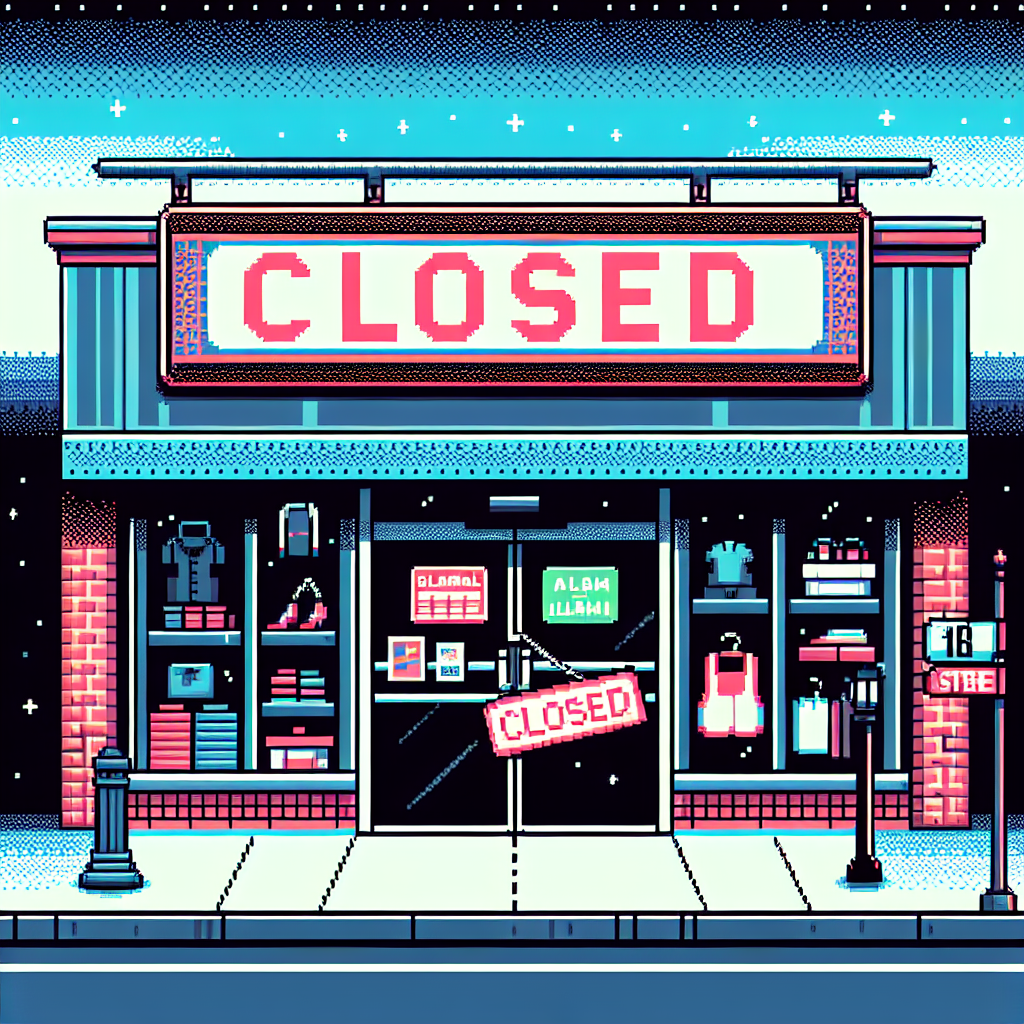
The last few weeks have felt like déjà vu for anyone who remembers the “retail apocalypse” headlines years back. Only this time it’s a single national chain — once a staple in malls and strip centers — quietly pulling the plug on more than 400 locations across the country, including multiple stores here in Alabama. As of January 2026, closures have been reported in 42 states, leaving customers, workers, and local landlords picking up the pieces. (theverge.com)

Why this matters beyond a “store is closing” sign

  • A single store closing is a local inconvenience. Hundreds closing at once is a signal.
  • These aren’t random one-offs: they’re part of a deliberate retrenchment tied to changing consumer habits, high operating costs, and a strategic pivot by corporate leadership.
  • For Alabama towns, the impacts stack: lost jobs, reduced foot traffic for nearby small businesses, and sudden gaps in services — especially in communities where that chain was a primary destination.

Local news roundups picked up on the closures quickly, reporting shuttered locations in cities across Alabama; in many cases, employees received short notices and customers discovered closures when a loved storefront vanished overnight. (patch.com)

What pushed this round of cuts

  • Digital consumption. Games, media, and many entertainment purchases have migrated online. The company’s historic advantage — people browsing used games, trading in discs — has eroded. (foxbusiness.com)
  • Fiscal pressure and restructuring. The retailer closed hundreds of locations in prior years and warned investors that more closures were coming during the 2025 fiscal year. Management framed this as “portfolio optimization” to cut losses and redirect capital. (techradar.com)
  • Real estate realities. Brick‑and‑mortar stores carry rent, staffing, inventory, and utility costs that add up — especially in lower‑traffic mall locations. When sales fall below a certain threshold, a store becomes an obvious closure candidate.
  • Corporate incentives and strategy shifts. Public filings and reporting revealed ambitious valuation goals and new investment policies, which, critics argue, may be pushing short‑term maneuvers like aggressive footprint shrinking. (engadget.com)

The human and local economic fallout

  • Employees: sudden job losses or transfers. Some staff receive offers to relocate; others face unemployment or part‑time schedules at new nearby employers.
  • Small businesses: quieter parking lots and fewer impulse shoppers mean lower incidental sales for cafes, cellphone repair shops, and mall kiosks.
  • Real estate owners: a vacant 2,500–4,000 sq. ft. retail box is costly to repurpose quickly. Some landlords can re‑tenant with discount grocers, dollar stores, or fitness brands — but not overnight.
  • Consumers: loss of local choices, longer drives for specialty purchases, and fewer community gathering spots. In rural or smaller suburban markets, that narrowing of options hits hardest.

Local reporting suggested that affected Alabama stores varied from urban to suburban, and community reactions ranged from resigned acceptance to active efforts to save beloved locations. (herebirmingham.com)

Bigger picture: what this says about retail in 2026

  • Acceleration of digital-first commerce. Even categories that once relied on in-person transactions (preowned goods, collectibles) are finding robust online marketplaces.
  • Two retail models are winning: experience-driven stores (where people go for events, demos, social reasons) and ultra‑efficient low‑cost retailers. Traditional specialty chains that relied on frequent physical visits are squeezed from both sides.
  • Store count alone is no longer a proxy for health. Companies can trim locations and still focus on profitable hubs, but that often comes at a community cost.
  • Local ecosystems matter. Regions that diversify retail options and cultivate destination experiences tend to weather closures better.

Industry coverage across technology and business outlets has framed this latest wave as both a continuity and an escalation of trends we’ve seen for years — not an isolated crisis but a structural reset. (theverge.com)

What Alabama communities can do (practical, immediate steps)

  • Track the timeline. If a store is closing in your city, follow local news and the company’s store locator for final days and employee announcements. (yahoo.com)
  • Support displaced workers. Encourage local hiring fairs, and push for information from corporate or landlords about severance, job placement, or transfer options.
  • Reimagine the space. Municipalities can proactively engage landlords and economic development teams to explore pop‑ups, community markets, or nonprofit use while a long‑term tenant is found.
  • Boost local demand. Events, shop‑local campaigns, and bundled promotions with neighboring businesses can help nearby retailers survive reduced foot traffic.

Lessons for shoppers and local leaders

  • Physical presence still matters — but it must offer convenience, specialized service, or an experience you can’t easily replicate online.
  • Local governments and chambers of commerce should treat large vacancies as economic events, not just real estate problems: rapid response teams make a difference.
  • Consumers voting with their wallets can tilt outcomes; but lasting change often needs coordinated local effort.

My take

It’s tempting to read these closures as proof that “retail is dead.” That’s too simple. Retail is being rewritten: fewer stores, smarter locations, more blended digital‑physical experiences. For Alabama communities, this moment is a stress test. Some towns will adapt by filling gaps creatively; others will see longer‑term decline if vacancies linger.

This wave is a reminder that corporate strategies — even those made in faraway boardrooms — have very local consequences. The practical stuff matters: clear communication to workers, honest timelines for landlords, and community plans for reuse. If those pieces fall into place, a closed sign can become the start of something new instead of an endpoint.

Sources

(Links above were used to compile reporting and local context.)


Related update: We recently published an article that expands on this topic: read the latest post.


Chive and dill muffins | Made by Meaghan Moineau

Chive and Dill Muffins Recipe

Intro

There’s something magical about the aroma of freshly baked muffins wafting through the kitchen. It transports me back to my grandmother’s cozy kitchen, where every Sunday morning was dedicated to baking something delicious. One of my fondest memories is of sitting at the wooden table, swinging my feet as I eagerly awaited her latest creation. Today, I’m excited to share a recipe that brings back that cherished nostalgia: Chive and Dill Muffins. These savory muffins are a delightful twist on the classic, with a hint of spice and the fresh flavors of chives and dill. Perfect for breakfast, brunch, or a savory snack, these muffins are sure to become a family favorite.

Why You’ll Love It

These Chive and Dill Muffins are more than just your average muffin. Here’s why you’ll fall in love with them:

  • Flavor Packed: The combination of chives and dill brings a fresh and herby taste that pairs perfectly with the subtle sweetness of the muffin base.
  • Quick and Easy: With simple ingredients and straightforward instructions, you can have these muffins ready in no time.
  • Versatile: Whether you’re looking for a savory breakfast option or a flavorful side for your soup or salad, these muffins fit the bill.
  • Family-Friendly: Even the pickiest eaters will enjoy the mild spice and rich flavors packed into each muffin.

Ingredients

  • 1 cup all-purpose flour
  • 1 cup yellow cornmeal
  • 1 tablespoon sugar
  • 1 tablespoon baking powder
  • 1/2 teaspoon salt
  • 1/4 teaspoon baking soda
  • 1/4 teaspoon cayenne pepper
  • 2 tablespoons fresh chives, chopped
  • 2 tablespoons fresh dill, chopped
  • 1 cup plain yogurt
  • 2 large eggs
  • 6 tablespoons unsalted butter, melted

Instructions

  1. Preheat your oven to 220°C (425°F). Grease a standard muffin tin or line with silicone muffin cups.
  2. In a medium bowl, whisk together the all-purpose flour, yellow cornmeal, sugar, baking powder, salt, baking soda, and cayenne pepper.
  3. Stir in the chopped chives and dill, ensuring they are evenly distributed throughout the dry ingredients.
  4. In another medium bowl, whisk together the plain yogurt, eggs, and melted butter until well combined.
  5. Add the yogurt mixture to the dry ingredients and stir just until everything is blended. Be careful not to overmix, as this can make the muffins dense.
  6. Divide the batter evenly among the prepared muffin cups, using about 1/3 cup of batter for each.
  7. Bake in the preheated oven for 20 minutes, or until the muffins are puffed and golden brown. To check for doneness, insert a toothpick into the center of a muffin; if it comes out clean, they are ready.
  8. Allow the muffins to cool in the muffin tin for a few minutes before removing them. Serve warm and enjoy!

Tips

Here are a few tips to ensure your Chive and Dill Muffins turn out perfectly:

  • Use Fresh Herbs: Fresh chives and dill provide the best flavor. If you must use dried herbs, reduce the quantity by half.
  • Don’t Overmix: When combining wet and dry ingredients, stir just until moistened for light and fluffy muffins.
  • Check Oven Temperature: Ensure your oven is at the correct temperature before baking. An oven thermometer can help with accuracy.

Variations & Substitutions

This muffin recipe is versatile, and you can easily customize it to suit your taste:

  • Cheesy Addition: Add 1/2 cup of shredded cheddar cheese to the batter for a cheesy twist.
  • Spice It Up: Increase the cayenne pepper to 1/2 teaspoon for a spicier kick.
  • Whole Wheat Option: Replace half of the all-purpose flour with whole wheat flour for added fiber.
  • Dairy-Free: Substitute the yogurt with a plant-based yogurt and use a non-dairy butter alternative.

Storage

Store any leftover muffins in an airtight container at room temperature for up to two days. For longer storage, keep them in the refrigerator for up to a week. These muffins also freeze well; simply wrap them individually in plastic wrap and place them in a freezer-safe bag for up to three months. To reheat, thaw at room temperature and warm in the oven for a few minutes before serving.

FAQ

Can I use dried herbs instead of fresh?

Yes, you can use dried herbs, but the flavor won’t be as vibrant. If using dried herbs, reduce the quantity by half, as they are more concentrated than fresh herbs.

Are these muffins suitable for vegetarians?

Absolutely! These Chive and Dill Muffins are vegetarian-friendly, as they do not contain any meat products. Ensure your yogurt and butter are vegetarian if this is a concern for you.

Can I make these muffins gluten-free?

To make these muffins gluten-free, substitute the all-purpose flour with a 1-to-1 gluten-free baking flour. Ensure the cornmeal and other ingredients are certified gluten-free as well.

Nutrition

Each muffin is approximately 150 calories, with 7 grams of fat, 15 grams of carbohydrates, and 4 grams of protein. These values are estimates and can vary based on ingredient brands and modifications.

Conclusion

These Chive and Dill Muffins are a delightful addition to any meal. Their savory flavor, accented by the freshness of herbs, makes them a versatile and beloved choice. Whether you’re savoring them as a quick breakfast, a side dish, or a snack, they promise to bring a touch of the homemade warmth and nostalgia that only freshly baked goods can offer. So, gather your ingredients and enjoy baking these delicious muffins with your loved ones. Here’s to creating new memories and enjoying every bite!

Related update: Chive and dill muffins

Related update: Mashed Sweet Potatoes

Related update: Watching What I Eat: Peanut Butter Banana Oat Breakfast Cookies with Carob / Chocolate Chips

GMs HQ Marries Detroit Past and Future | Analysis by Brian Moineau

A new kind of HQ: GM stitches Detroit history into a modern workplace

Step inside GM’s new world headquarters in downtown Detroit and you don’t just see offices — you walk through a curated narrative. Vintage artifacts sit beside prototypes, midcentury design cues mingle with cutting‑edge workplace features, and little “Easter eggs” wink at the company’s long, complicated story. It’s an HQ meant to be both museum and living room: a place that honors the past while trying to shape how a global automaker works in the future.

Why this matters now

  • GM’s move from the sprawling Renaissance Center to a smaller footprint in Hudson’s Detroit signals a shift in corporate culture and real estate strategy.
  • The design choices — art, artifacts, and built-in references to GM history — are intended to do more than decorate: they’re meant to anchor identity, inspire designers and engineers, and attract employees back to a post‑pandemic office rhythm.
  • For Detroit, the project is another chapter in the city’s rebirth narrative: global auto icon reconnects physically and symbolically to the Motor City.

What the space says (without saying it)

GM occupies roughly four floors in the Hudson’s Detroit building, and the interior is deliberately layered with meaning:

  • Design lineage: The lobby and executive areas borrow stylistic elements from Eero Saarinen’s GM Global Technical Center — warm wood, golden metallic finishes, clean lines with soft curves — signaling continuity with a storied design tradition.
  • Visible history: From a 1963 Chevrolet truck temporarily displayed to a new Silverado EV, to blueprints of the design dome and a McCormick speed‑form wind‑tunnel model, the artifacts map GM’s evolution from internal combustion icon to electric future.
  • Playful touches: A wall of cassette tape cases — some referencing songs that mention GM vehicles and others cheekily customized for executives — and “Easter eggs” tied to Detroit streets or corporate personalities keep the tone human and local.
  • Salvaged midcentury art: The return and installation of a once‑lost Harry Bertoia sculpture adds cultural heft; it’s a tangible link to Detroit’s midcentury modernist moment and GM’s history of commissioning public art. (archive.ph)

Design meets workplace strategy

This HQ isn’t just about looks. It embodies how modern corporations think about office space:

  • Smaller footprint, higher intention: Moving from the RenCen’s multi‑million square feet to about 200,000 square feet across four floors reflects a pivot away from the “city within a city” headquarters model toward integration with urban life.
  • Hybrid reality: GM’s in‑office policy (employees scheduled Tuesday–Thursday, but with flexibility) and the layout’s emphasis on collaboration spaces aim to make coming in meaningful rather than mandatory.
  • Symbolic headquarters: Executives largely use shared or unassigned offices, with only a handful permanently reserved — a design choice and cultural signal intended to flatten hierarchies and encourage mobility. (archive.ph)

The storytelling details that stick

Small design decisions often speak the loudest:

  • Patent wallpaper: Graphics highlighting roughly 300 patents (from a portfolio of tens of thousands) remind visitors that GM’s identity is technical as well as cultural.
  • Sound‑wave sculptures: Engine and EV tones turned into three‑dimensional art translate engineering into visceral, even poetic, forms.
  • Local roots: References to Detroit streets, framed maps of testing grounds and pieces of design history visually tether the company to its place of origin.
  • Public conversation: By showcasing artifacts and artworks, the HQ becomes a civic touchpoint — a physical message that GM still belongs in and to Detroit. (archive.ph)

What this suggests about GM’s future

  • Identity as strategy: By interweaving heritage and innovation, GM is using corporate identity as a strategic tool — to recruit, to retain, and to build public goodwill.
  • Design-led messaging: The HQ reinforces that design (material, visual, acoustic) is central to how GM wants to be perceived: modern, creative, and respectful of legacy.
  • Urban engagement: Choosing a prominent downtown site and installing public‑facing art signals a willingness to be part of Detroit’s cultural and economic ecosystem again. (archive.ph)

Highlights to remember

  • GM moved from the Renaissance Center to a smaller, more intentional HQ at Hudson’s Detroit, focused on collaboration and flexibility. (archive.ph)
  • The space blends midcentury modern influences with contemporary design, and includes artifacts and “Easter eggs” that celebrate GM’s history and culture. (archive.ph)
  • A rediscovered Harry Bertoia sculpture was restored and installed, tying the new HQ to Detroit’s artistic and design heritage. (news.gm.com)

My take

GM’s HQ feels like a careful balancing act: a company deeply aware of its past using that past to make the present more resonant. There’s a risk of nostalgia performing as a substitute for substantive change, but the blend of artifacts, intentional workplace design, and public art suggests GM is trying to do something subtler — use physical space to influence culture. If the offices help cross‑pollinate teams, spur design conversations, and strengthen ties with Detroit, the building will have earned more than its aesthetic wins.

Sources


Related update: We recently published an article that expands on this topic: read the latest post.



Related update: We recently published an article that expands on this topic: read the latest post.

Shrimp & Orzo | Made by Meaghan Moineau

Shrimp & Orzo: A Delightful Mediterranean Dish

Intro

There’s something magical about the aroma of simmering herbs and the salty sea breeze that instantly transports me back to my childhood summers spent on the Mediterranean coast. My grandmother used to prepare a similar dish, filling the kitchen with warmth and love. Today, I’m excited to share my version of this nostalgic recipe, Shrimp & Orzo, a flavorful blend of tender shrimp, aromatic vegetables, and creamy feta cheese, perfect for a cozy family dinner or a special occasion.

Why You’ll Love It

This Shrimp & Orzo recipe is a delightful combination of flavors and textures. The savory taste of shrimp blends beautifully with the earthy fennel and the tangy notes of feta cheese, creating a symphony of flavors in every bite. It’s a one-pan meal, making it easy to prepare and perfect for busy weeknights. Plus, it’s a wholesome dish that can be enjoyed by everyone, with plenty of room for customization.

Ingredients

  • 1 can diced tomatoes
  • 1/2 cup dry white wine
  • 1 fennel bulb, diced
  • 4 ounces feta cheese, crumbled
  • 1/4 cup fresh parsley, chopped
  • 4 cloves of garlic, minced
  • Lemon wedges, for serving
  • 2 cups low sodium chicken broth
  • 2 tablespoons olive oil
  • 1 large onion, diced
  • 1 teaspoon dried oregano
  • 1 cup orzo pasta
  • 1/2 teaspoon crushed red pepper flakes
  • Salt & pepper, to taste
  • 1 pound shrimp, peeled and deveined
  • 1 cup water

Instructions

  1. Preheat your oven to 400°F (200°C).
  2. Season the shrimp with salt and pepper, and refrigerate until ready to use.
  3. Grease a 13×9-inch baking dish and set aside.
  4. In a large Dutch oven, heat the olive oil over medium-high heat until shimmering.
  5. Add the diced onion, fennel bulb, and 1/2 teaspoon of salt. Cook, stirring frequently, until the vegetables are softened and start to brown around the edges, about 10 minutes.
  6. Add the minced garlic and crushed red pepper flakes. Cook and stir until the garlic becomes very fragrant, about 30 seconds.
  7. Add the orzo to the vegetables, stirring to coat the orzo with oil. Continue cooking and stirring for about 4 minutes, until the orzo has a toasty aroma.
  8. Add the white wine, cooking and stirring constantly until the liquid evaporates, about 1 minute.
  9. Pour in the chicken broth, water, and 1/4 teaspoon salt. Bring the mixture to a boil, then reduce the heat and simmer until the orzo is almost tender, about 12 minutes. Stir fairly constantly to prevent sticking, adjusting the heat as necessary to maintain a lively simmer.
  10. Remove the pot from heat and stir in the seasoned shrimp, diced tomatoes, oregano, and 1 tablespoon of parsley.
  11. Transfer the mixture to the prepared baking dish and sprinkle with crumbled feta cheese.
  12. Bake for about 20 minutes, until the shrimp is cooked through and the feta is lightly browned.
  13. Before serving, sprinkle with the remaining parsley and reserved fennel fronds. Serve with lemon wedges on the side.

Tips

To ensure the shrimp is perfectly cooked, keep an eye on them in the oven. They should be pink and opaque, which usually takes about 20 minutes. Also, feel free to adjust the level of crushed red pepper flakes to suit your spice preference.

Variations & Substitutions

If you don’t have fennel on hand, you can substitute it with celery for a milder flavor. For a dairy-free version, simply omit the feta cheese or replace it with a dairy-free alternative. If you prefer a vegetarian dish, swap the shrimp for chickpeas or artichoke hearts, and use vegetable broth instead of chicken broth.

Storage

Store any leftovers in an airtight container in the refrigerator for up to three days. To reheat, place the desired portion in a baking dish and warm in the oven at 350°F (175°C) for about 10-15 minutes, or until heated through. You can also reheat in the microwave, though the texture may vary slightly.

FAQ

Can I use frozen shrimp for this recipe?

Yes, you can use frozen shrimp. Just make sure to thaw them completely and pat them dry before seasoning and adding them to the dish.

What type of white wine should I use?

A dry white wine such as Sauvignon Blanc or Pinot Grigio works best for this recipe, adding a subtle depth of flavor without overpowering the dish.

Is it possible to make this dish gluten-free?

Absolutely! Simply substitute the orzo with a gluten-free pasta option of your choice, and ensure that all other ingredients are certified gluten-free.

Nutrition

This Shrimp & Orzo dish is packed with protein from the shrimp, healthy fats from the olive oil, and essential vitamins and minerals from the vegetables and herbs. It’s a balanced meal that can fit into a healthy diet. For a more detailed nutritional breakdown, consider using a nutrition calculator based on the specific brands and quantities you use.

Conclusion

Whether you’re reminiscing about sun-soaked Mediterranean vacations or simply looking for a comforting yet elegant meal, this Shrimp & Orzo recipe is sure to satisfy. It’s a dish that brings together the essence of the sea and the earth, with a hint of nostalgia in every bite. I hope it becomes a cherished part of your meal repertoire, just as it has in mine. Enjoy!

Related update: Shrimp & Orzo

Related update: Turkey Enchilada Bake

Best Buffalo Chicken Chili | Made by Meaghan Moineau

Best Buffalo Chicken Chili

Intro

There’s something incredibly comforting about a bowl of chili, especially when it comes with a kick of heat and flavor like our Best Buffalo Chicken Chili. This dish takes me back to brisk autumn evenings at my grandmother’s house. She’d always have a big pot of her famous chili simmering on the stove, the rich, spicy aroma filling the entire kitchen. We’d gather around the table, tucking into our bowls with hearty chunks of bread, and laughter echoing into the night. Over the years, I’ve added my own twist to her classic recipe, inspired by my love for buffalo chicken wings. The result? A chili that’s not only soul-warming but also packs a punch!

Why You’ll Love It

This Buffalo Chicken Chili is the perfect marriage of bold flavors and hearty comfort. You’ll love it because:

  • It combines the beloved flavors of buffalo wings with the comfort of chili.
  • It’s packed with protein and nutrients, making it a wholesome meal.
  • It’s easy to make and perfect for meal prepping.
  • It’s customizable, allowing you to adjust the heat to your liking.
  • It’s perfect for gatherings, game days, or a cozy night in.

Ingredients

  • 1 pound skinless boneless chicken breasts
  • 1 tablespoon olive oil
  • 2 carrots, chopped
  • 2 stalks of celery, chopped
  • 1 red pepper, chopped
  • 2 cloves garlic, minced
  • 1 can black beans, drained and rinsed
  • 1 can diced tomatoes
  • 1 can tomato sauce
  • 1 can chili beans sauce
  • 2 tablespoons chili powder
  • 1 teaspoon ground cumin
  • 1 teaspoon paprika
  • 1/2 cup Frank’s hot sauce (adjust to taste)
  • Salt and pepper to taste

Instructions

  1. Place chicken breasts in a food processor to grind them up. If you can find ground chicken breast, you can use that too.
  2. Heat olive oil in a large pot over medium heat. Add ground chicken and cook for about 10 minutes until no longer pink.
  3. Rinse out the processor and add carrots, celery, garlic, and red pepper. Puree until smooth.
  4. Add the vegetable puree to the chicken mixture and cook for about 5 minutes until the veggies start to soften.
  5. Add the black beans, diced tomatoes, tomato sauce, chili beans sauce, chili powder, ground cumin, paprika, and Frank’s hot sauce to the pot. Stir well to combine.
  6. Season with salt and pepper to taste.
  7. Reduce the heat to low, cover, and let it simmer for 1 hour, stirring occasionally.
  8. Serve hot, and enjoy!

Tips

To ensure your chili turns out perfect every time, consider these tips:

  • Adjust the level of heat by altering the amount of Frank’s hot sauce.
  • For a thicker chili, let it simmer uncovered for the last 10-15 minutes.
  • Garnish with toppings like shredded cheese, sour cream, or chopped green onions for extra flavor.

Variations & Substitutions

This chili is highly adaptable. Here are some variations and substitutions you can try:

  • For a vegetarian version, substitute the chicken with extra beans or tofu.
  • Swap out the black beans for kidney beans or pinto beans for a different texture.
  • Use ground turkey instead of chicken for a different flavor profile.
  • Add corn or jalapeños for additional flavor and texture.

Storage

Buffalo Chicken Chili is excellent for leftovers and meal prep. Here’s how to store it:

  • Refrigerator: Store in an airtight container for up to 4 days.
  • Freezer: Freeze in individual portions for up to 3 months. Thaw overnight in the refrigerator before reheating.
  • Reheating: Warm in a pot over medium heat, stirring occasionally, until heated through.

FAQ

Can I make this chili in a slow cooker?

Yes, you can! After browning the chicken and pureeing the vegetables, transfer everything to a slow cooker. Cook on low for 6-8 hours or on high for 3-4 hours.

What can I serve with Buffalo Chicken Chili?

This chili pairs well with cornbread, crusty bread, or over a bed of rice. Toppings like shredded cheese, sour cream, and green onions can enhance the flavor further.

How can I make this chili spicier?

To increase the spice level, add more Frank’s hot sauce or include a diced jalapeño in the vegetable puree. You can also sprinkle in some cayenne pepper for an extra kick.

Nutrition

Nutrition Per Cup: 239 calories, 3.4g fat, 29g carbs, 7.5g fiber, and 23.5g protein. This chili is low in saturated fat, and high in fiber, niacin, potassium, vitamin A, vitamin B6, and vitamin C!

Conclusion

Buffalo Chicken Chili is more than just a meal; it’s a bowl of comfort that brings people together. Whether you’re serving it at a family gathering, enjoying it on a quiet evening, or prepping it for the week ahead, this dish is sure to become a favorite. With its robust flavors, nutritional benefits, and versatility, it’s a recipe you’ll return to time and time again. So, grab your pot and get cooking – your taste buds will thank you!

Related update: Best Buffalo Chicken Chili

Related update: Shrimp & Orzo

Nylander’s Return Ignites Maple Leafs Rise | Analysis by Brian Moineau

Smile, Shift, Score: Nylander’s Return Sparks Maple Leafs’ Ascent

There are comebacks, and then there’s William Nylander walking back onto the ice after a six-game absence and immediately reminding everyone why the Maple Leafs have leaned on him all season. He didn’t sneak in quietly — a goal, two assists, and a beaming postgame moment that felt like a punctuation mark on Toronto’s recent run. The Leafs blanked the Vancouver Canucks 5-0 on January 10, 2026, and extended a point streak to nine games. That night felt less like a single win and more like a collective exhale.

Why this mattered beyond one box score

  • A top-line playmaker returning healthy is always a lift, but Nylander’s impact was more than offensive. Coach Craig Berube and teammates praised his defensive work, backchecking and willingness to do the gritty stuff — the kind of detail that helps a team sustain winning stretches.
  • The Leafs didn’t crumble during his absence (4-0-2 without him), which makes his return less about rescuing the team and more about adding a finishing touch to a group that’s clicking.
  • With Toronto sitting in the playoff conversation — 22-15-7 and within striking distance of a wild-card spot — reintegrating a 29-year-old producer like Nylander provides both immediate scoring juice and deeper lineup balance for the grind ahead.

The game that announced his return

  • Nylander finished with three points (1 G, 2 A) and a +2 rating in the 5-0 win. Joseph Woll made 29 saves for his second shutout of the season, while Matias Maccelli, Max Domi, John Tavares and Nick Robertson also scored.
  • The key sequence: a late-first-period solo move that pushed Toronto up 3-0 — a tidy bit of individual skill made possible by an excellent feed from Steven Lorentz and Nylander’s composure in tight.
  • Vancouver’s goaltender Thatcher Demko was pulled after giving up three first-period goals, and the Canucks dropped their sixth straight game, underscoring how momentum can swing quickly when a team is struggling and the opponent is humming.

How Nylander fits into the bigger Leafs picture

  • Production and presence: Nylander’s 15 goals and 29 assists in 34 games (44 points) make him one of Toronto’s primary offensive catalysts. Restoring him to the lineup places pressure on opponents to defend more than one dangerous line.
  • Depth validated: The Leafs’ ability to go unbeaten in regulation over his six-game absence says a lot about the roster’s depth and coaching adjustments. That balance is crucial for playoff pushes when injuries and fatigue pile up.
  • Playoff implications: Reinforcements like Nylander arriving midseason can be the difference between a tight wild-card scramble and locking down a seed. His playmaking and chemistry with linemates like John Tavares and Auston Matthews amplify Toronto’s scoring threats.

What to watch next

  • Can Nylander sustain this level after a lower-body injury and a brief layoff? Look for how he manages minutes, his physicality over a road trip, and whether his defensive engagement remains consistent.
  • Line combinations: Will Berube keep the same deployment to maximize chemistry, or will he tweak minutes to ride matchups and manage workload?
  • Special teams: Nylander’s return could improve power-play dynamics; watch if Toronto’s PP becomes more dangerous with him back in the rotation.

Quick takeaways

  • The Leafs’ nine-game point streak proves this is a team effort, not a one-man story.
  • Nylander’s 3-point return was both stylish and substance — scoring, playmaking, and defensive grind.
  • Depth carried Toronto through his absence; he elevates an already hot roster heading into the second half.
  • Momentum matters: timely returns and reliable goaltending (Woll’s shutout) can tilt close playoff races.

My take

This felt like a turning-point night for a team that’s slowly consolidating identity and confidence. Nylander’s return wasn’t just a stats boost — it was a reminder that Toronto can blend star talent with a committed supporting cast. If the Leafs manage to keep this connection between lines and maintain defensive responsibility (and goaltending like Woll’s), they’ll be a tough out in the push to the playoffs. Nights like January 10 are small but tangible building blocks for the kind of deep runs a roster like this covets.

Sources


Related update: We recently published an article that expands on this topic: read the latest post.


Related update: We recently published an article that expands on this topic: read the latest post.