
Shedeur’s Pro Bowl Boost, Browns | Analysis by Brian Moineau

Shedeur Sanders’ Pro Bowl nod: a bright feather in a still-uncertain cap for the Browns

A late-January surprise: Shedeur Sanders — a fifth-round rookie who started seven games down the stretch for the Cleveland Browns — has been added to the AFC Pro Bowl roster. It’s the kind of headline that makes highlight reels and social timelines light up: a young quarterback, son of a Hall of Famer, earning a league recognition after an abbreviated audition at the position. But beneath the feel-good moment there’s a complicated story about opportunity, optics, and a quarterback room still waiting for clarity.

Why this matters right now

  • The Pro Bowl addition is both an accolade and an exclamation point on Sanders’ seven-game run as Cleveland’s starter. It gives him a résumé line — “Pro Bowler” — that few rookies obtain.
  • The Browns, however, have not settled on a head coach for the 2026 season. That means there’s no guarantee Sanders will enter next year as the unquestioned starter; a new coach could bring a new plan.
  • Sanders’ stat line (roughly 1,400 passing yards, seven touchdowns and 10 interceptions in eight appearances) reflects flashes of potential and the kind of growing pains coaches expect from a rookie QB thrust into live NFL games.

The audition: what Sanders showed in seven starts

  • Upside: Sanders produced moments of playmaking and late-season wins — including a noteworthy victory over the Bengals — and demonstrated poise that earned him the week-to-week starting nod down the stretch. His completion rate and a handful of big-yard games suggested a quarterback with arm talent and timing with at least some weapons around him. (clevelandbrowns.com)
  • Inexperience: Turnovers and pressure sacks were real issues. The interception total and timing mistakes are reminders that rawness still exists; he wasn’t a finished product, just a rapid-education student. (nbcsports.com)
  • Narrative boost: The Pro Bowl selection — technically as a replacement — elevates Sanders’ profile in a way raw stats alone might not. Whether voters saw promise, popularity, or both, the selection is an external validation that can influence perception inside and outside the Browns’ building. (nbcsports.com)

The coaching vacancy looms large

  • The Browns’ lack of a settled head coach for 2026 is the single biggest variable in Sanders’ immediate future. New head coaches often bring different QB preferences, scheme fits, and evaluation criteria. Even an internal candidate could reset how the team evaluates the position. (nbcsports.com)
  • Sanders’ fate is therefore tied to two conversations: what the front office wants long-term at QB, and what the incoming coach’s offensive philosophy demands. A coach that prioritizes experience or a particular skill set might look elsewhere, while one committed to developing a young passer could keep Sanders as the centerpiece.

What the Pro Bowl nod actually buys Sanders

  • Confidence and marketability: “Pro Bowler” is a durable credential. It helps the player’s brand and can be a subtle psychological edge during evaluation meetings.
  • Not a guaranteed job: The nod does not equal a sealed starting role. It’s a bright mark on a resume, not an ironclad job offer. Management and a new coach will weigh film, interviews, roster construction, and draft/FA possibilities before declaring a long-term QB plan. (nbcsports.com)

Takeaways for Browns fans (and NFL watchers)

  • The Browns have a young QB who flashed enough to be noticed league-wide — that’s meaningful even if it’s just a first step.
  • Organizational uncertainty at head coach makes the next few months critical. Sanders’ future will be decided as much by front-office vision and coaching preference as by his on-field flashes.
  • Pro Bowl selection can influence narrative momentum, but it won’t replace the hard work of development, scheme fit, and roster upgrades the Browns must pursue to turn promise into sustained success.

My take

Sanders’ Pro Bowl nod is a headline that matters because it changes conversations. It gives him a credential and a louder voice in the debate over Cleveland’s quarterback future, but it doesn’t write the final chapter. The Browns need more than a feel-good media moment — they need a coherent plan: a coach who trusts their QB, a supporting cast that limits turnovers and pressure, and a patient development path. If the organization wants Sanders to be its future, this offseason needs purposeful moves that match that message. If not, this Pro Bowl will stand as a promising but brief interlude in a rolling rebuild.

Sources


Related update: We recently published an article that expands on this topic: read the latest post.
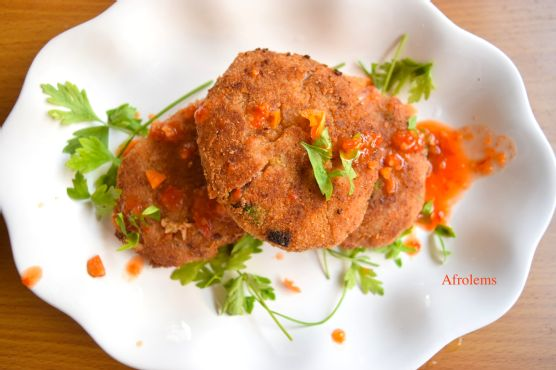

Corned Beef Cakes | Made by Meaghan Moineau

Corned Beef Cakes: A Savory Delight

Intro

Welcome to a recipe that brings back delightful memories of my grandmother’s kitchen. Every Sunday, the aroma of corned beef cakes would waft through the house, drawing everyone to the dining table. These cakes, crispy on the outside and tender on the inside, were a staple at our family gatherings. They carry a sense of nostalgia and warmth, reminding me of laughter-filled afternoons and the comforting embrace of home-cooked meals. Today, I’m excited to share this cherished recipe with you, hoping it brings the same joy to your table as it has to mine.

Why You’ll Love It

Corned beef cakes are a fusion of rich flavors and textures. They’re the perfect marriage of savory corned beef, creamy potatoes, and aromatic herbs. Whether you’re looking for a hearty snack, a delicious appetizer, or a side dish that stands out, these cakes will not disappoint. They’re easy to prepare, making them ideal for both casual and special occasions. Plus, the recipe is versatile, allowing you to tweak it to suit your family’s preferences.

Ingredients

  • 1 cup breadcrumbs
  • 2 chicken seasoning cubes
  • 1 can of corned beef
  • 2 eggs
  • 1/4 cup milk
  • Oil for frying
  • 1 bulb of onion, chopped
  • 2 tablespoons chopped parsley
  • 3 medium Irish potatoes
  • 1 scotch bonnet pepper, chopped

Instructions

  1. Wash, peel, and boil your potatoes with a pinch of chicken seasoning until tender.
  2. Mash the potatoes and set aside.
  3. Mash the canned corned beef and combine with the mashed potatoes.
  4. Add the chopped onions, parsley, chopped scotch bonnet pepper, and the remaining chicken seasoning cubes. Mix well and set aside.
  5. In a separate bowl, whisk the eggs with the milk.
  6. Pour approximately 3 tablespoons of the egg mixture into the corned beef and potato mix, stirring until fully integrated.
  7. Scoop a small portion of your mix and mold it into cakes.
  8. Dip each cake in the remaining egg mixture, then roll in the breadcrumbs, ensuring an even coating. Set aside.
  9. In a pan, heat the oil over medium-high heat for deep frying.
  10. Gently place the corned beef cakes into the hot oil and fry until golden brown, turning as needed.
  11. Carefully remove the cakes from the oil and drain on a paper towel-lined plate. Serve warm.

Tips

To ensure the perfect texture, make sure your potatoes are well-mashed and free of lumps. If you prefer a spicier kick, add more scotch bonnet pepper to taste. Be gentle when handling the cakes, as they can be soft and may crumble if not handled carefully. Consider using a slotted spoon for frying to help maintain the shape of the cakes.

Variations & Substitutions

If you’re looking to switch things up, try using sweet potatoes instead of Irish potatoes for a slightly sweeter flavor profile. For a cheesy twist, add some grated cheddar to the mix before molding the cakes. Vegetarians can substitute the corned beef with mashed chickpeas or lentils for a delicious alternative. Feel free to experiment with different herbs like cilantro or dill to add your personal touch.

Storage

Leftover corned beef cakes can be stored in an airtight container in the refrigerator for up to three days. To reheat, place them in a preheated oven at 350°F (175°C) for about 10 minutes or until heated through. Freezing is also an option; simply place the cakes on a baking sheet to freeze individually before transferring them to a freezer-safe bag. They can be stored in the freezer for up to two months. Thaw in the refrigerator overnight before reheating.

FAQ

Can I bake these instead of frying?

Yes, you can bake them! Preheat your oven to 400°F (200°C) and place the cakes on a baking sheet lined with parchment paper. Spray or brush them lightly with oil and bake for 20-25 minutes, flipping halfway through, until they’re golden and crisp.

What can I serve with corned beef cakes?

Corned beef cakes pair well with a simple green salad or roasted vegetables. For a more indulgent option, you can serve them with a side of garlic aioli or a dollop of sour cream. They also make a great addition to a brunch spread alongside scrambled eggs and toast.

Nutrition

While specific nutritional values can vary based on portion sizes and ingredient brands, a typical serving of corned beef cakes provides a good balance of protein and carbohydrates, making them a satisfying and energizing option. For those monitoring calorie intake, baking instead of frying can reduce the overall fat content.

Conclusion

Corned beef cakes are a delightful dish that combines comfort and flavor in every bite. Whether you’re recreating cherished family memories or introducing a new favorite to your culinary repertoire, these cakes are sure to impress. Easy to make and adaptable to various tastes, they’re a versatile addition to any meal. I hope you enjoy making and sharing them as much as I have. Happy cooking!

Related update: Corned Beef Cakes

Related update: Spanakopita Cups

Seahawks’ Offense Steals NFC Title | Analysis by Brian Moineau

When the Script Flipped: Seahawks’ Offense Steals the Spotlight in NFC Title Win

The NFC title game felt like a movie where the twist isn’t telegraphed — and then everything changes. Seattle’s offense showed up not as a supporting actor but as the lead, delivering the sort of performance that turns “maybe” into “we’re going to the Super Bowl.” Meanwhile, the defense did enough drama to keep viewers on edge. Here’s a readable breakdown of how the game swung, what mattered most, and how the units graded out after a 31-27 victory over the Rams on January 25, 2026.

Quick snapshot

  • Final score: Seahawks 31, Rams 27 (NFC Championship, Jan 25, 2026).
  • Seattle’s offense posted a statement: Sam Darnold finished with 346 yards and 3 TDs; Jaxon Smith‑Njigba had 153 yards and a score.
  • The defense made a game-defining fourth‑down stop near the end to seal the victory.

The important bits — what tilted the game

  • Sam Darnold’s efficiency and poise: A turnover-free day with big yardage (346) and three touchdowns. He managed the clock and converted late third downs on the final possession — precisely the job of a championship QB.
  • Jaxon Smith‑Njigba’s route-running and consistent separation: When the offense needed chunk plays, Smith‑Njigba delivered. That kind of weapon changes how the defense must allocate resources.
  • Defensive stop when it mattered most: Despite some wobbles in coverage earlier, the “Dark Side” made the critical fourth‑down defensive play in the red zone late in the game — the kind of sequence that defines playoff runs.
  • Mistakes and recoveries: The Rams had turnovers and special-teams miscues that swung field position; Seattle’s defense also had some shaky coverage moments that made the game nervy until the final whistle.

How the units graded out

  • Offense — Top marks

    • Quarterback play: Calm, decisive and productive. He didn’t force throws and engineered the late possession. Grade: strong.
    • Receiving group: Big-game contributions from Smith‑Njigba and key catches on the final drive. The offense looked designed to create high-value plays. Grade: excellent.
    • Offensive line and running game: Mixed moments, but the line gave Darnold enough time and the run game did enough to keep the Rams honest. Grade: good.
  • Defense — Good but nervy

    • Run defense and pass rush: Made big plays when needed (notably the late sacks and the fourth‑down stop), but overall the back end gave up some explosive plays. Grade: solid with caveats.
    • Secondary: A rollercoaster — game‑saving plays mixed with coverage lapses that allowed the Rams to stay in it. Individual performances were uneven. Grade: inconsistent.
  • Special teams: A play here or there mattered (positive and negative), but the game hinged mostly on offense vs. defense. Grade: mixed.

Why this felt different for Seattle

Traditionally, narratives about the Seahawks have leaned on defensive identity — the days of the “Legion of Boom” cast a long shadow. This game felt like a handoff: Seattle’s offense carrying the team to the big stage while the defense supplied timely, clutch moments rather than complete dominance. It’s a healthy evolution; a championship roster needs both a reliable offense and a defense that can close.

Three strategic takeaways for the postseason

  • Keep feeding the matchup winners. When Smith‑Njigba is separating, the offense must keep targeting him to sustain drives and flip field position.
  • Tighten the back-end communication. The defense made the headline play, but the coverage lapses are blueprint fodder for playoff opponents — cleanup work is required.
  • Balance clock management with aggression. Darnold’s late-possession decisions were textbook: move the chains, use time, and finish. That is playoff football.

My take

This was more than a win; it was a statement of identity. Seattle’s offense proved it can be the engine of a title run, and the defense reminded everyone it still has the muscle to make game-clinching plays. If the Seahawks carry this blend — offensive firepower plus opportunistic defense — into the Super Bowl, they’ll be a lot harder to stop. That said, the coverage inconsistencies are the clearest place opponents will test them next — and how Seattle responds will tell us whether this was a one-off script flip or the start of a new chapter.

Sources


Related update: We recently published an article that expands on this topic: read the latest post.


Related update: We recently published an article that expands on this topic: read the latest post.

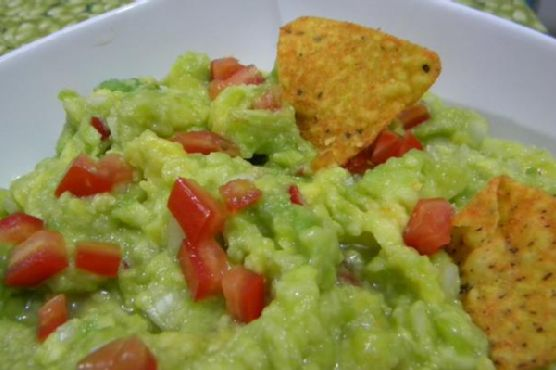
Guacamole | Made by Meaghan Moineau

The Perfect Guacamole Recipe

Intro

There’s something incredibly comforting about making guacamole. It takes me back to my childhood, where Sunday afternoons meant family gatherings at my grandparents’ house. My grandmother’s guacamole was always the star of the meal, a creamy, flavorful delight that perfectly complemented the lively conversations and laughter that filled the room. Today, I’m excited to share a recipe that captures that same warmth and flavor. Whether you’re preparing it for a party or just a night in, this guacamole is sure to become a favorite in your household too.

Why You’ll Love It

This guacamole recipe is more than just an appetizer; it’s a celebration of fresh, vibrant flavors. You’ll love how the creamy avocados blend beautifully with the sharpness of onions, the heat of jalapenos, and the aromatic hints of cilantro, basil, and oregano. The addition of fresh lime juice not only enhances the taste but also keeps the guacamole looking green and fresh. It’s easy to make and can be customized to suit your taste preferences, making it a versatile choice for any occasion.

Ingredients

  • 3 ripe Haas avocados
  • 1 small onion, finely chopped
  • 1 jalapeno pepper, seeded and minced
  • 2 tablespoons fresh cilantro, chopped
  • 1 teaspoon salt
  • 1/2 teaspoon black pepper
  • 2 tablespoons fresh lime juice
  • 1 tablespoon fresh basil, chopped
  • 1 tablespoon fresh oregano, chopped

Instructions

  1. Cut the avocados in half lengthwise.
  2. Carefully drive a chef’s knife into the large pit and twist to remove it.
  3. Scoop the avocado out from the skin using a spoon and place it into a mixing bowl.
  4. Mash the avocado with a fork to your desired consistency.
  5. Add in the chopped onion, cilantro, oregano, and basil.
  6. Mix the ingredients to incorporate fully.
  7. Season the guacamole to taste with salt, pepper, and lime juice.
  8. Serve immediately or chill in the refrigerator.
  9. If not eating immediately, store in the refrigerator with plastic film wrap pressed directly onto the guacamole to prevent browning.

Tips

For the best guacamole, choose avocados that are ripe but not overripe. They should yield slightly when gently squeezed but not feel mushy. To keep your guacamole fresh, make sure to press the plastic wrap directly onto the surface to minimize exposure to air. This helps prevent browning. Finally, don’t skip the lime juice; it adds essential tartness and acts as a natural preservative.

Variations & Substitutions

If you’d like to change things up, try adding diced tomatoes or roasted corn for extra texture and sweetness. For those who prefer less heat, reduce or omit the jalapeno. You can also experiment with adding garlic or a dash of cumin for a different flavor profile. If you’re out of fresh herbs, dried ones can be used in smaller amounts, though fresh is always preferable for the best flavor.

Storage

Guacamole is best enjoyed fresh, but if you need to store it, keep it in an airtight container with a piece of plastic wrap pressed directly on the surface. This helps minimize browning. Stored this way, it should last about two days in the refrigerator. Remember to give it a good stir before serving again to refresh its appearance and flavor.

FAQ

Can I make guacamole in advance?

Yes, you can make guacamole a few hours in advance. Just be sure to store it properly with plastic wrap pressed directly onto the surface to minimize browning. Adding extra lime juice can also help preserve its color and flavor.

Is guacamole healthy?

Guacamole is a healthy addition to any diet, as it is rich in heart-healthy fats, vitamins, and minerals. Avocados are high in monounsaturated fats, which are good for cardiovascular health, and they also provide fiber, potassium, and vitamins C, E, and K.

Nutrition

A serving of this guacamole provides approximately 150 calories, primarily from the healthy fats in avocados. It’s low in carbohydrates and contains fiber, making it a satisfying and nutritious option. Be mindful of portion size, especially when pairing it with chips, to keep your meal balanced.

Conclusion

Whether you’re reminiscing about family gatherings or creating new memories, this guacamole recipe is sure to bring joy to your table. Its simple preparation, fresh ingredients, and irresistible taste make it a staple that you’ll return to time and again. Enjoy it with friends, family, or even as a solo treat, and savor the vibrant flavors that make guacamole an all-time favorite.

Related update: Guacamole

Tempered Spicy Potatoes | Made by Meaghan Moineau

Tempered Spicy Potatoes

Intro

As a child, the aroma of tempered spices wafting through our home was a sure sign of a special meal in the making. My grandmother had a magical way of transforming simple ingredients into something extraordinary, and her Tempered Spicy Potatoes were no exception. This dish, with its crispy exterior and tender, spicy interior, was a family favorite that never failed to bring everyone to the table. Today, I’m excited to share this nostalgic recipe with you, hoping it brings warmth and flavor to your home just as it did mine.

Why You’ll Love It

This recipe is a delightful blend of flavors and textures that will tantalize your taste buds. Whether you’re looking to spice up your weeknight meals or impress guests with something unique, these Tempered Spicy Potatoes are a perfect choice. They’re easy to make, require minimal ingredients, and are incredibly versatile. Plus, they pair beautifully with rice, roti, or even a slice of crusty bread.

Ingredients

  • Cinnamon stick
  • Curry leaves
  • Mustard seeds
  • Oil
  • Onions
  • Cooked par potatoes
  • Red dried chilli flakes
  • Salt
  • Turmeric

Instructions

  1. Cut the par-boiled potatoes into wedges.
  2. Heat oil in a pan for deep frying and fry the potatoes until they are slightly golden brown. Keep the fried potatoes aside.
  3. Place a frying pan on medium heat and add 1 1/2 tbsp of oil. (I used a non-stick pan.)
  4. Add the mustard seeds, cinnamon stick, and curry leaves. Let the mustard seeds pop.
  5. Next, add the sliced onions and cook for 1 minute.
  6. Add the potatoes, turmeric, and salt. Stir fry the potatoes for 5 minutes on low heat until the onions are slightly golden brown.
  7. Lastly, add the red chilli flakes and cook for a minute.
  8. Serve warm with rice, roti, or bread.

Tips

For the best results, ensure the potatoes are thoroughly dried after par-boiling; this will help them achieve a crispier texture when fried. If you prefer a milder spice level, adjust the amount of red dried chili flakes to suit your taste. Remember to keep the heat low when adding the spices to prevent them from burning, which can result in a bitter taste.

Variations & Substitutions

If you’re looking to experiment, consider these variations:

  • Herbs: Add fresh cilantro or mint leaves for an added burst of flavor.
  • Vegetables: Throw in some bell peppers or peas for a more colorful dish.
  • Spices: Swap the mustard seeds for cumin seeds for a different flavor profile.
  • Oil: Use ghee instead of oil for a richer taste.

Storage

These spicy potatoes are best enjoyed fresh, but if you have leftovers, store them in an airtight container in the refrigerator for up to 3 days. To reheat, simply warm them in a pan over low heat until heated through. Avoid microwaving, as it can make the potatoes soggy.

FAQ

Can I make this recipe vegan?

Absolutely! This recipe is naturally vegan as it uses plant-based ingredients. Just ensure any bread or sides you serve with it are vegan as well.

How can I make this dish less spicy?

If you prefer a milder version, reduce the amount of red dried chili flakes or substitute them with paprika for a less intense heat.

Can I use sweet potatoes instead of regular potatoes?

Yes, sweet potatoes can be a delicious alternative. They will add a subtle sweetness to the dish that pairs beautifully with the spices.

Nutrition

This dish is a great source of carbohydrates and is rich in flavor without being overly heavy. The use of spices brings added health benefits, including anti-inflammatory properties. Keep in mind that the nutritional content may vary based on portion sizes and specific brands of ingredients used.

Conclusion

Tempered Spicy Potatoes are more than just a side dish; they’re a celebration of flavors and family traditions. I hope you enjoy making this recipe and that it becomes a cherished part of your culinary repertoire. Whether you’re sharing it with loved ones or enjoying it as a comforting solo meal, may it bring warmth and happiness to your table.

Related update: Tempered Spicy Potatoes

AI Echo Chambers: ChatGPT Sources | Analysis by Brian Moineau

When one AI cites another: ChatGPT, Grokipedia and the risk of AI-sourced echo chambers

Information wants to be useful — but when the pipes that deliver it start to loop back into themselves, usefulness becomes uncertain. Last week’s revelation that ChatGPT has begun pulling answers from Grokipedia — the AI-generated encyclopedia launched by Elon Musk’s xAI — isn’t just a quirky footnote in the AI wars. It’s a reminder that where models get their facts matters, and that the next chapter of misinformation might not come from trolls alone but from automated knowledge factories feeding each other.

Why this matters right now

  • Grokipedia launched in late 2025 as an AI-first rival to Wikipedia, promising “maximum truth” and editing driven by xAI’s Grok models rather than human volunteer editors.
  • Reporters from The Guardian tested OpenAI’s GPT-5.2 and found it cited Grokipedia multiple times for obscure or niche queries, rather than for well-scrutinized topics. TechCrunch picked up the story and amplified concerns about politicized or problematic content leaking into mainstream AI answers.
  • Grokipedia has already been criticized for controversial content and lack of transparent human curation. If major LLMs start using it as a source, users could get answers that carry embedded bias or inaccuracies — with the AI presenting them as neutral facts.

What happened — a short narrative

  • xAI released Grokipedia in October 2025 to great fanfare and immediate controversy; some entries and editorial choices were flagged by journalists as ideological or inaccurate.
  • The Guardian published tests showing that GPT-5.2 referenced Grokipedia in several responses, notably on less-covered topics where Grokipedia’s claims differed from established sources.
  • OpenAI told reporters it draws from “a broad range of publicly available sources and viewpoints,” but the finding raised alarm among researchers who worry about an “AI feeding AI” dynamic: models trained or evaluated on outputs that themselves derive from other models.

The risk: AI-to-AI feedback loops

  • Repetition amplifies credibility. When a large language model cites a source — and users see that citation or accept the answer — the content’s perceived authority grows. If that content originated from another model rather than vetted human scholarship, the process can harden mistakes into accepted “facts.”
  • LLM grooming and seeding. Bad actors (or even well-meaning but sloppy systems) can seed AI-generated pages with false or biased claims; if those pages are scraped into training or retrieval corpora, multiple models can repeat the same errors, creating a self-reinforcing echo.
  • Loss of provenance and nuance. Aggregating sources without clear provenance or editorial layers makes it hard to know whether a claim is contested, subtle, or discredited — especially on obscure topics where there aren’t many independent checks.

Where responsibility sits

  • Model builders. Companies that train and deploy LLMs must strengthen source vetting and transparency, especially for retrieval-augmented systems. That includes weighting human-curated, primary, and well-audited sources more heavily.
  • Source operators. Sites like Grokipedia (AI-first encyclopedias) need clearer editorial policies, provenance metadata, and visible mechanisms for human fact-checking and correction if they want to be treated as reliable references.
  • Researchers and journalists. Ongoing audits, red-teaming and independent testing (like The Guardian’s probes) are essential to surface where models are leaning on questionable sources.
  • Regulators and platforms. As AI content becomes a larger fraction of web content, platform rules and regulatory scrutiny will increasingly shape what counts as an acceptable source for widespread systems.

What users should do today

  • Ask for sources and check them. When an LLM gives a surprising or consequential claim, look for corroboration from reputable human-edited outlets, primary documents, or scholarly work.
  • Be extra skeptical on obscure topics. The reporting found Grokipedia influencing answers on less-covered matters — exactly the places where mistakes hide.
  • Prefer models and services that publish retrieval provenance or let you inspect the cited material. Transparency helps users evaluate confidence.

A few balanced considerations

  • Not all AI-derived content is inherently bad. Automated systems can surface helpful summaries and surface-level context quickly. The problem isn’t automation per se but opacity and lack of corrective human governance.
  • Diversity of sources matters. OpenAI’s claim that it draws on a range of publicly available viewpoints is sensible in principle, but diversity doesn’t replace vetting. A wide pool of low-quality AI outputs is still a poor knowledge base.
  • This is a systems problem, not a single-company scandal. Multiple major models show signs of drawing from problematic corners of the web — the difference will be which organizations invest in safeguards and which don’t.

Things to watch next

  • Will OpenAI and other major model providers adjust retrieval weightings or add filters to downrank AI-only encyclopedias like Grokipedia?
  • Will Grokipedia publish clearer editorial processes, provenance metadata, and human-curation layers to be treated as a responsible source?
  • Will independent audits become standard industry practice, with third-party certifications for “trusted source” pipelines used by LLMs?

My take

We’re watching a transitional moment: the web is shifting from pages written by people to pages largely created or reworded by machines. That shift can be useful — faster updates, broader coverage — but it also challenges the centuries-old idea that reputable knowledge is rooted in accountable authorship and transparent sourcing. If we don’t insist on provenance, correction pathways, and human oversight, we risk normalizing an ecosystem where errors and ideological slants are amplified by the very tools meant to help us navigate information.

In short: the presence of Grokipedia in ChatGPT’s answers is a red flag about data pipelines and source hygiene. It doesn’t mean every AI answer is now untrustworthy, but it does mean users, builders and regulators need to treat the provenance of AI knowledge as a first-class problem.

Sources


Related update: We recently published an article that expands on this topic: read the latest post.