Commanders Ready to Spend Big in Free | Analysis by Brian Moineau

Washington’s all-in moment: why the Commanders are expected to spend big in free agency

There’s an energy around the Washington Commanders that feels different this winter — not the slow-burn rebuild whispers of past years, but a louder, bolder hum that says: let’s win now. With ample cap space and clear holes on the roster, Washington is widely expected to be aggressive in free agency, targeting edge rushers, wide receivers and cornerbacks to give Dan Quinn’s defense and the offense immediate, high-impact upgrades. (espn.com)

Why this off-season matters

  • The Commanders enter the offseason with meaningful salary-cap flexibility and a front office that signaled a willingness to spend to accelerate the team’s timeline. That combination naturally points to heavy activity in March’s free-agent market. (washingtonpost.com)
  • The roster has glaring needs where veteran, top-of-market signings can move the needle quickly: an edge rusher who consistently pressures quarterbacks, a reliable outside receiver to complement the existing weapons, and a starting-caliber corner to stabilize pass defense. These are precisely the positions most analysts expect Washington to pursue. (espn.com)
  • Free agency lets a team buy proven production immediately — crucial for a franchise that has burned draft capital in recent years and now needs results rather than long-term projects. Expect the Commanders to target players who can contribute Week 1. (espn.com)

What the Commanders need, in plain terms

  • Edge rusher: A true consistent pass-rush presence to relieve pressure on the secondary and flip game-planning for opponents. A high-end edge signing would change opposing protections and help the entire defense perform better. (espn.com)
  • Wide receiver: A reliable outside threat who can draw coverage, create separation and finish contested catches — an upgrade that would open the field for the offense. (fanduel.com)
  • Cornerback: Either a veteran lockdown option or a versatile starter who can coexist with the team’s other corners and simplify defensive matchups. (washingtonpost.com)

How Washington might spend — scenarios to watch

  • Top-of-market move(s): With cap space, the Commanders could pursue one or two marquee free agents (for example, a high-grade edge rusher and a starting corner), accepting premium contracts to land immediate difference-makers. That’s the “splash” approach many pundits expect. (espn.com)
  • Mix of veteran signings + draft: Another path is signing one or two proven veterans and using the draft to fill complementary roles, balancing cost and roster depth. This reduces risk but still upgrades key spots. (fanduel.com)
  • Targeted bargains: If the market inflates and bidding wars push prices sky-high, Washington could pivot to younger, cheaper free agents with upside — trading immediate star power for more manageable long-term cap flexibility. Recent coverage notes both the temptation and the danger of overpaying in an inflated market. (atozsports.com)

The ripple effects on roster construction

  • Spending big at edge or corner affects draft strategy. If the Commanders lock up a premier pass rusher in free agency, their first-round pick could go to offense or to a different defensive need. Conversely, staying conservative in free agency would increase pressure to draft impact players early. (espn.com)
  • Financially, committing large sums to veteran free agents shortens flexibility in future windows. That’s fine if the signings push the team into contention; it’s risky if the players underperform or suffer injuries — a classic win-now tradeoff. (washingtonpost.com)
  • Culture and coaching fit matter. Dan Quinn’s scheme values pass rush and tight corner play; bringing in players who fit the scheme and locker-room culture will be as important as raw stats. Analysts have emphasized that the front office appears ready to prioritize scheme fits this offseason. (espn.com)

Possible names and market dynamics

  • The actual targets will depend on who reaches the market and how bidding wars unfold. Names have circulated in mock lists and local coverage — from established edge talents to starting corners and mid-level receiver options — but the bigger story is the Commanders’ willingness to be “top of market” for players who can make an immediate impact. Expect competition from other teams with similar needs, which tends to drive up contract values. (sportsnaut.com)

A few practical betting points to follow as the window opens:

  • Watch whether Washington bids aggressively early or dials in offers late — early splashes suggest confidence in a championship window; late buys suggest opportunism. (espn.com)
  • Track cap moves and restructures — they reveal how committed the front office is to spending now versus preserving flexibility. (washingtonpost.com)
  • Pay attention to positional signings league-wide; a handful of high-priced deals at edge or corner will define the market and affect Washington’s ability to land targets. (atozsports.com)

A quick snapshot for fans (TL;DR)

  • The Commanders have money and urgency. Expect big swings in free agency, particularly for edge rushers, wide receivers and cornerbacks. (espn.com)
  • The team could chase one or two marquee veterans or combine a couple of high-impact signings with draft solutions. (fanduel.com)
  • Outcomes will hinge on market inflation, bidding wars and whether Washington prioritizes immediate results over long-term flexibility. (atozsports.com)

My take

If Washington truly wants to pivot from hopeful rebuild to legitimate contender, this is the offseason to stop nibbling at the edges and invest where it counts. An elite edge rusher and a dependable boundary corner can transform the defense overnight; a consistent outside receiver can change the offense’s play-calling balance. Smart deals that emphasize fit — not just star power — will matter most. The risk of overpaying exists, but so does the upside of vaulting into contention. For fans, buckle up: the next few weeks should be lively.

Sources

Homemade Broccoli Cheddar Soup | Made by Meaghan Moineau

Homemade Broccoli Cheddar Soup

Intro

There’s something truly comforting about a warm bowl of soup, especially when it carries the nostalgic essence of childhood memories. Growing up, my mother would often make a creamy broccoli soup that filled our home with its rich aroma. Each spoonful was a reminder of cozy evenings spent around the family table, sharing stories and laughter. Today, I’m thrilled to share my take on this classic favorite: a Homemade Broccoli Cheddar Soup that combines the wholesome goodness of broccoli with the savory richness of cheddar cheese.

Why You’ll Love It

This Broccoli Cheddar Soup is the perfect blend of creamy and savory, made with wholesome ingredients that you likely already have in your kitchen. It’s a comforting and satisfying meal that’s easy to prepare, making it ideal for weeknight dinners or a cozy weekend lunch. The soup is naturally thickened with potatoes and yogurt, making it a healthier option without compromising on flavor. Plus, it’s a great way to get your daily dose of greens in a delicious way that the entire family will enjoy.

Ingredients

  • 2 heads of raw broccoli, chopped (florets and stems)
  • 1 shallot, finely chopped
  • Juice of 1 lemon
  • 4 cups vegetable broth
  • Salt and pepper to taste
  • 1 red onion, chopped
  • 1 cup plain yogurt
  • 2 Yukon Gold potatoes, peeled and diced
  • Fresh parsley, chopped
  • 1 bay leaf
  • 2 tablespoons olive oil
  • 1 cup plain almond milk
  • 1 cup shredded cheddar cheese

Instructions

  1. In your soup pot, heat 2 tablespoons of olive oil over medium-high heat. Add the shallot and red onion, sautéing until they are lightly cooked.
  2. Add the lemon juice, vegetable broth, remaining olive oil, salt, and pepper. Reduce the heat to medium.
  3. Add the diced potatoes and bring the broth to a boil. Cook until the potatoes are tender.
  4. Add the chopped broccoli, saving a few florets for later use. Cover the pot, and when the broccoli is tender, turn off the heat.
  5. Transfer the contents of the pot into a large mixing bowl and allow to cool slightly.
  6. Add the fresh parsley, yogurt, and almond milk to the bowl. Fold these ingredients into the hot soup mixture.
  7. In batches, puree the soup in a food processor or high-powered blender until smooth with no lumps or chunks.
  8. In the soup pot, sauté the reserved broccoli florets with a dash of vegetable broth, covered, for about a minute until tender.
  9. Return the pureed soup to the soup pot, add the bay leaf and a few pinches of chopped parsley (optional). Simmer uncovered for at least twenty minutes to cook out all the air bubbles, stirring constantly for the first few minutes.
  10. Remember to remove the bay leaf before serving or storing.

Tips

For a silkier texture, strain the pureed soup through a fine mesh sieve before reheating it in the pot. If you prefer a thicker consistency, reduce the amount of almond milk slightly. Remember not to overcook the broccoli to preserve its vibrant green color and nutrients. Always taste and adjust the seasoning as needed before serving.

Variations & Substitutions

Feel free to experiment with this recipe by adding different herbs like thyme or rosemary for a unique twist. If you’re not a fan of almond milk, you can substitute it with regular milk or coconut milk for a different flavor profile. For a vegan version, replace the cheddar cheese with a plant-based alternative. You can also add some diced carrots or celery for extra depth of flavor and nutrients.

Storage

This soup stores beautifully, making it a great option for meal prep. Once cooled, transfer the soup to an airtight container and store it in the refrigerator for up to 4 days. For longer storage, freeze the soup in portions for up to 3 months. When ready to enjoy, thaw overnight in the fridge and reheat on the stove, stirring occasionally.

FAQ

Can I use frozen broccoli instead of fresh?

Yes, you can use frozen broccoli in this recipe. Just be sure to thaw it first and adjust the cooking time accordingly, as frozen broccoli may cook faster than fresh.

What can I serve with Broccoli Cheddar Soup?

This soup pairs wonderfully with a fresh green salad or a slice of crusty bread. You can also serve it with a classic grilled cheese sandwich for a comforting meal.

How can I make this soup gluten-free?

Great news! This recipe is naturally gluten-free, so no adjustments are necessary. Just ensure that all your ingredients, particularly the vegetable broth, are certified gluten-free.

Nutrition

This Homemade Broccoli Cheddar Soup is not only delicious but also nutritious. It’s packed with vitamins from the broccoli, protein from the yogurt, and healthy fats from the olive oil. Each serving contains approximately:

  • Calories: 250
  • Protein: 8g
  • Carbohydrates: 28g
  • Fat: 12g
  • Fiber: 5g

Conclusion

Crafting a bowl of Homemade Broccoli Cheddar Soup is more than just making a meal; it’s creating a moment of warmth and comfort. Whether you’re reminiscing about family dinners or simply seeking a nutritious and delicious dish, this soup has it all. I hope you enjoy making and savoring this recipe as much as I do. Don’t forget to share your creations and any variations with the community. Happy cooking!

Related update: Homemade Broccoli Cheddar Soup

Nvidia Rally Fueled by GPU Cloud Deals | Analysis by Brian Moineau

Why Nvidia Popped Again: GPUs, Cloud Deals, and the Iris Energy Spark

Nvidia’s stock shrugged off a quiet market and ticked higher again after a 2% regular-session gain on Wednesday — then continued to push in after-hours trading. The immediate spark? News from Iris Energy (IREN) about fresh AI cloud deals and expanded Nvidia-GPU deployments. But the story is bigger than one announcement: it’s a snapshot of how GPU demand, strategic cloud partnerships, and macro sentiment keep feeding Nvidia’s rally.

What happened (the short version)

  • Iris Energy said it secured multi-year cloud services contracts and has been buying Nvidia Blackwell/H200 GPUs for its AI cloud business.
  • That announcement lifted IREN shares and helped support demand narratives for Nvidia chips, contributing to NVDA’s 2% regular-session gain and further after-hours strength.
  • Investors are treating each large-scale GPU order or cloud partnership as another piece of evidence that AI infrastructure spending remains robust — and that’s bullish for Nvidia, the dominant GPU supplier.

Why Iris Energy matters for Nvidia’s stock

  • Iris Energy has pivoted from crypto mining to building an AI cloud business, buying thousands of GPUs (including H200/Blackwell-class accelerators) and signing multi-year customer contracts. Those purchases translate directly into Nvidia revenue and order visibility.
  • Public, large GPU orders — or publicized partnerships that require Nvidia silicon — are high-signal events for markets because they show concrete, near-term demand for expensive AI accelerators.
  • When smaller cloud providers or GPU operators announce deals, investors update expectations for both current revenue and future order flow for Nvidia. That can nudge NVDA shares even on otherwise quiet trading days.

The broader drivers behind the rally

  • Ongoing AI infrastructure buildout: Enterprises and cloud providers continue to scale GPU fleets to run large language models and other AI workloads. That persistent demand is the core fundamental supporting NVDA’s multiple.
  • Supply and product leadership: Nvidia’s H200 / Blackwell architecture and its software stack (CUDA, AI frameworks) keep it the preferred choice for many customers, helping it capture a disproportionate share of large orders.
  • Market sentiment and momentum: Nvidia’s size and role in the AI story mean each positive data point — earnings beats, new partnerships, or big GPU orders — can trigger momentum flows from funds and retail investors.
  • Macro cross-currents: Even when macro data or Fed signals wobble, durable secular stories like AI infrastructure can keep investor interest concentrated in a handful of winners.

Signals to watch next

  • More large-scale GPU purchase announcements from cloud operators, service providers, or hyperscalers.
  • Nvidia guidance and order backlog disclosures (earnings or investor updates).
  • Customer wins or multi-year service contracts (like the ones Iris announced) that convert GPU units into recurring revenue.
  • Macro triggers that could deflate momentum (rate surprises, recession risk) — these can amplify volatility even for high-growth leaders.

What this means for investors

  • For growth-oriented investors: The NVDA rally continues to be supported by structural demand for GPUs and Nvidia’s competitive position. Each big GPU contract — public or private — is treated as incremental validation.
  • For risk-conscious investors: A string of positive headlines can lift NVDA sharply, but share prices are also sensitive to sentiment and valuation rotation. Big rallies can reverse quickly on macro surprises.
  • For traders: After-hours and headline-driven moves are opportunities for short-term plays, but they come with elevated volatility and order-flow risk.

Investor cues from the Iris Energy example

  • Even non-hyperscaler players matter. Iris Energy is not Microsoft or Google, but its pivot and large GPU purchases still moved markets — showing that demand breadth (multiple types of buyers) matters.
  • Publicized customer contracts are especially important: they translate hardware purchases into revenue streams investors can model, boosting conviction.
  • Watch the chain: GPU orders → deployment in data centers → customer-facing cloud capacity → recurring revenue. Each link increases visibility for Nvidia’s TAM (total addressable market) and revenue predictability.

Quick takeaways

  • Nvidia’s 2% gain and after-hours follow-through were driven in part by Iris Energy’s announcement about multi-year AI cloud deals and Nvidia GPU deployments.
  • Large GPU orders and cloud contracts act as direct signals of demand for Nvidia hardware, and markets reward visible demand.
  • The NVDA rally is structural (AI infrastructure) but also fragile to sentiment shifts and macro surprises.

My take

Nvidia’s dominance in AI accelerators makes it the natural beneficiary of any publicized scaling of GPU capacity. Iris Energy’s announcements are a reminder that demand isn’t only coming from hyperscalers — a wider ecosystem of cloud providers and operators is buying at scale. That breadth matters for the sustainability of Nvidia’s growth story. Still, the price already bakes in a lot of future adoption; investors should balance excitement about continued AI spending with careful attention to valuation and macro risk.

Sources

Keywords: Nvidia, NVDA, Iris Energy, IREN, GPUs, H200, Blackwell, AI infrastructure, cloud services, stock rally

Whole Wheat Dinner Rolls | Made by Meaghan Moineau

Whole Wheat Dinner Rolls

Intro

There’s something truly magical about the aroma of freshly baked bread wafting through the house. It transports me back to my childhood, where every Sunday, my grandmother would bake her signature whole wheat dinner rolls. The warmth of the kitchen, the cozy chatter of family members, and the anticipation of biting into those soft, fluffy rolls is a memory I cherish deeply. Today, I share with you her treasured recipe, lovingly passed down and perfected over the years. These rolls are not just a side dish; they’re a piece of my heart.

Why You’ll Love It

These whole wheat dinner rolls are the epitome of comfort food. They’re soft, slightly sweet, and have the perfect balance of whole wheat nuttiness. Whether you’re serving them alongside a hearty soup or using them to soak up gravy at Thanksgiving, these rolls are sure to be a hit. Plus, they’re made with wholesome ingredients that make them a healthier choice compared to store-bought options. Once you try these, you’ll never look back!

Ingredients

  • 1 cup water
  • 1/3 cup cracked wheat (such as Coaches Oats)
  • 2 1/4 teaspoons dry active yeast
  • 1 tablespoon granulated sugar
  • 1/3 cup warm water
  • 2 tablespoons butter, melted
  • 1 teaspoon table salt
  • 2 tablespoons molasses
  • 1 tablespoon honey
  • 1/4 cup wheat germ
  • 1/4 cup milk
  • 3 cups whole wheat flour, divided
  • 2 cups all-purpose flour, divided
  • 1 whole egg white, for egg wash

Instructions

  1. In a small saucepan, bring the 1 cup water and the cracked wheat to a boil. Reduce heat to medium-low and simmer for about 6 minutes. Remove from heat and allow to cool to lukewarm.
  2. In a medium-sized bowl, dissolve the yeast in 1/3 cup warm water with the sugar. Stir and let sit for 10 minutes until frothy.
  3. Add the cooled cracked wheat mixture to the yeast mixture. Add the butter, salt, molasses, honey, wheat germ, and milk to the bowl of an electric mixer fitted with the paddle attachment. Mix until combined.
  4. Gradually add 1 cup of whole wheat flour and 2 cups of all-purpose flour. Mix until well combined.
  5. Switch to the dough hook attachment. With the mixer on low speed, add the remaining whole wheat flour a little at a time until the dough starts to come together. If the dough sticks to the sides, add a little more flour, a tablespoon at a time, until the dough no longer sticks.
  6. Knead the dough on medium-low speed for 8-10 minutes until smooth and elastic.
  7. Remove the bowl from the mixer, take out the dough, and spray the bowl with cooking spray. Return the dough to the bowl, cover with a towel or plastic wrap, and let sit in a warm, dry place until doubled in size (about 1-2 hours).
  8. Punch down the dough and divide it into 19 portions, about 2.5 ounces each. Shape into balls and place on a baking sheet. Cover with a tea towel and let rise for about 45 minutes.
  9. Preheat the oven to 375°F (190°C) during the last 20 minutes of rising. Place a dutch oven or oven-safe pot filled with water on the lowest shelf of the oven to create steam.
  10. Brush each roll with the egg wash. Bake for 17-23 minutes, until the bottoms are lightly browned. You may need to bake in two batches.
  11. Allow the rolls to cool on the baking sheet for a few minutes before transferring to a wire rack to cool completely.

Tips

For perfectly risen rolls, ensure your water is warm but not too hot when activating the yeast. This will help your yeast thrive and give you that beautiful rise. If your kitchen is cold, consider placing the rising dough in a turned-off oven with the light on for extra warmth.

Variations & Substitutions

Feel free to experiment with different types of flour. You can substitute some of the whole wheat flour with spelt or rye for a different flavor profile. If you prefer a sweeter roll, increase the honey to 2 tablespoons. For a nutty twist, sprinkle some sesame or poppy seeds on top before baking.

Storage

Store these rolls in an airtight container at room temperature for up to three days. For longer storage, freeze them in a zip-top bag. You can reheat them in the oven at 350°F (175°C) for about 10 minutes or until warmed through.

FAQ

Can I make the dough ahead of time?

Yes, you can prepare the dough a day in advance. After the first rise, punch down the dough and refrigerate it overnight. Allow it to come to room temperature before shaping into rolls and proceeding with the second rise.

What if I don’t have an electric mixer?

No worries! You can mix and knead the dough by hand. It might take a bit more elbow grease, but the results will be just as delicious. Knead the dough on a lightly floured surface until smooth and elastic, about 10-12 minutes.

Can I use instant yeast instead of active dry yeast?

Yes, you can substitute instant yeast for active dry yeast. Use the same amount and skip the step of dissolving it in warm water. Simply add it directly to the dry ingredients.

Nutrition

Each roll is approximately 145 calories with 1.2g of fat, 0.03g of cholesterol, 20mg of sodium, 117mg of potassium, 29g of carbohydrates, 3g of fiber, 3.8g of sugar, and 4.9g of protein.

Conclusion

Baking these whole wheat dinner rolls is like wrapping yourself in a warm, cozy blanket of nostalgia and love. Whether you’re sharing them with family and friends or savoring them alone with a pat of butter, these rolls promise to bring joy and comfort to your table. I hope you enjoy making them as much as my family and I have over the years. Happy baking!

Related update: Whole Wheat Dinner Rolls

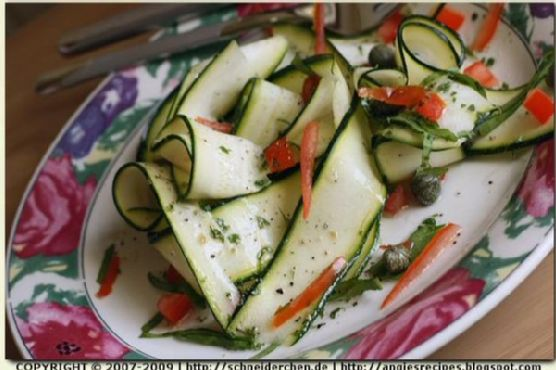
Zucchini Ribbon Caper Salad | Made by Meaghan Moineau

Zucchini Ribbon Caper Salad

Intro

There’s something truly magical about a simple salad that bursts with fresh flavors. For me, the Zucchini Ribbon Caper Salad is more than just a dish; it’s a delightful reminder of the warm summer days spent at my grandmother’s garden. I vividly remember watching her skillfully create ribbons of zucchini with nothing more than a knife and her practiced hands. She’d hum a gentle tune as she tossed them in a mixture of olive oil and lemon, the zest mingling with the sunlit air. This salad is a tribute to those cherished moments and a testament to the beauty of simplicity.

Why You’ll Love It

This Zucchini Ribbon Caper Salad is a celebration of fresh ingredients and bold flavors. It’s perfect for those who appreciate the subtle crunch of raw zucchini, the tangy punch of capers, and the aromatic zest of lemon. It’s a dish that’s both elegant and straightforward, making it ideal for both casual lunches and sophisticated dinner parties. Not only is it visually stunning with its vibrant green and red hues, but it’s also incredibly easy to make. You’ll love how it can be a standalone dish or a delightful side that complements any main course.

Ingredients

  • 2 medium zucchinis, sliced into ribbons using a peeler
  • 2 tablespoons capers, drained
  • 1 clove garlic, minced
  • Zest and juice of 1 lemon
  • 3 tablespoons olive oil
  • Salt and pepper to taste
  • 1 medium tomato, julienned
  • Dried parsley for garnish

Instructions

  1. In a large bowl, toss the zucchini strips with olive oil, lemon zest, lemon juice, and minced garlic.
  2. Season with salt and pepper to taste. Mix well to ensure all ribbons are coated.
  3. Set aside the mixture for 30 minutes, allowing the flavors to meld together.
  4. Divide the marinated zucchini ribbons between 2-3 serving plates.
  5. Top each plate with capers and julienned tomato.
  6. Drizzle any remaining dressing over the top if desired.
  7. Garnish with a pinch of dried parsley for a touch of color and flavor.

Tips

To get the best ribbons, make sure your zucchinis are fresh and firm. A sharp peeler or mandoline can help achieve even, thin slices that are both beautiful and easy to eat. When marinating, occasionally give the mixture a gentle toss to ensure even absorption of the dressing. If you prefer a milder garlic flavor, consider using roasted garlic instead of raw.

Variations & Substitutions

Feel free to personalize this salad to suit your taste preferences. If capers aren’t your favorite, olives can be a delightful substitute, offering a similar briny note. For a touch of sweetness, add a handful of halved cherry tomatoes. If you’re in the mood for some protein, grilled chicken slices or chickpeas make excellent additions, turning this salad into a hearty main course. Vegan friends can substitute the protein with tofu or tempeh for a plant-based twist.

Storage

While this salad is best enjoyed fresh, you can store leftovers in an airtight container in the refrigerator for up to two days. The flavors will continue to develop, but be aware that the zucchini may lose some of its crunch. If planning to store, consider keeping the dressing separate and combining it just before serving to maintain the salad’s texture.

FAQ

Can I make this salad in advance?

Yes, you can prepare the zucchini ribbons and dressing ahead of time. However, it’s best to combine them no more than a few hours before serving to ensure the ribbons remain crisp.

What can I serve with this salad?

This salad pairs beautifully with grilled fish or chicken. It’s also lovely alongside a crusty piece of bread or a light pasta dish for a complete meal.

Can I use a different type of squash?

Absolutely! Yellow summer squash works well in this recipe and adds a lovely color contrast. Just be sure to slice it thinly to match the texture of the zucchini ribbons.

Nutrition

This Zucchini Ribbon Caper Salad is low in calories and high in vitamins such as vitamin C and potassium, thanks to the zucchini and lemon juice. It’s also a great source of healthy fats from olive oil, making it a nutritious choice for those seeking a balanced meal.

Conclusion

The Zucchini Ribbon Caper Salad is more than just a dish; it’s a sensory experience that brings together the best of summer’s bounty. Whether you’re looking to relive cherished memories or create new ones, this salad is sure to delight with its simplicity and depth of flavor. Share it with family and friends, and watch as it becomes a beloved staple in your culinary repertoire. Enjoy each bite as a celebration of freshness and nostalgia, and may it bring warmth and joy to your table as it does to mine.

Related update: Zucchini Ribbon Caper Salad

Related update: Whole Wheat Dinner Rolls

Apple Musics AI Transparency Tags Debate | Analysis by Brian Moineau

Apple Music’s new “Transparency Tags”: a bandage or the start of honest AI music?

Imagine scrolling through a playlist and seeing a subtle note: “AI used in song.” Apple Music quietly rolled out a new metadata feature called Transparency Tags on March 4–5, 2026, that does exactly that — it lets rights holders (labels and distributors) mark tracks, artwork, lyrics, or videos when a “material portion” was created with AI tools. It’s a neat idea on paper, but the devil is in the delivery.

Why this matters right now

  • AI-generated music is no longer a fringe experiment — platforms report millions of AI-tagged uploads and whole waves of low-quality or impersonation-heavy releases. That flood has damaged listeners’ trust in playlists and recommendations.
  • Platforms are under pressure to give listeners clarity and to stop bad actors from gaming streams and royalties with synthetic content.
  • Apple’s approach matters: it’s one of the biggest music platforms and sets expectations across the industry.

What Apple announced and how it works

  • Apple introduced a Transparency Tags metadata system that covers AI use in:
    • Music (audio)
    • Lyrics
    • Artwork
    • Music videos
  • The tags are applied by labels or distributors at delivery (self-reporting). Apple does not appear to be independently detecting or verifying AI usage at rollout.
  • The change was communicated to industry partners in early March 2026 and is already showing up in press coverage and industry notes. (See Sources.)

The upside

  • Transparency: A visible tag gives listeners more context about what they’re hearing, which can shape expectations and trust.
  • Industry signal: Apple formalizing metadata for AI use nudges the whole ecosystem toward disclosure norms — that alone is a cultural win.
  • Granularity: The tags cover multiple content layers (audio, lyrics, artwork, video), so partial AI use (e.g., AI artwork but live vocals) can be disclosed rather than lumped together.

The big limitation: opt-in, self-reporting

This is the crux. Apple’s system depends on labels and distributors voluntarily adding the tag. That makes the feature vulnerable in three ways:

  • Incentive mismatch
    • Labels and distributors profit from streams. Some actors — especially bad-faith operators running farms of synthetic releases — will not disclose because disclosure could reduce playlist placement or listener interest.
  • Enforcement gap
    • Without independent detection or verification, there’s no reliable way to ensure accuracy. A tag is only useful if it’s applied consistently and truthfully.
  • Partial disclosure
    • What counts as a “material portion” is ambiguous. A backing vocal, a generated beat, or an AI-mixed master might or might not get flagged depending on how conservative the rights holder is.

Other services have taken different routes. Deezer, for example, built automated detection tools and reports large volumes of AI-generated uploads; they’ve used detection to tag content and to fight fraud. That technical approach is difficult and imperfect, but it doesn’t rely solely on self-reporting.

Practical effects listeners and creators should watch for

  • Discovery and playlists: If Apple ties Transparency Tags to discovery algorithms — for instance, deprioritizing tagged tracks in algorithmic recommendations — labeling could change what you hear. But as of rollout, Apple hasn’t specified such enforcement.
  • Artist impacts: Honest creators who use AI tools for production may benefit from clearer signaling, but could face stigma even when AI was a tiny part of the process.
  • Fraud reduction: Tags help if honest parties disclose; they won’t stop fraudsters who deliberately avoid tagging. Detection systems + disclosure rules together are stronger than either alone.

How this could evolve

  • Apple could pair self-reporting with audits or detection tools over time, shifting from voluntary to mandatory tagging backed by verification.
  • Industry standards might emerge (metadata schemas, definitions for “material use”) so disclosures are consistent across platforms.
  • Platforms might assign different weights to AI-tagged content in editorial playlists, recommendations, and revenue-reporting, which would make tagging outcomes meaningful.

Quick reads for context

  • Streaming services have been grappling with AI-driven floods of low-quality or impersonation tracks for over a year.
  • Deezer’s public efforts to detect and tag AI music show the detection-first route; Apple’s initial rules favor self-reporting and metadata.
  • The landscape is still fluid: expect policy updates as platforms, labels, and regulators react.

Key points to remember

  • Apple’s Transparency Tags (rolled out early March 2026) are a self-reporting metadata system for AI use across audio, lyrics, artwork, and video.
  • The labels/distributors must opt in to tag; Apple is not initially performing independent detection or verification.
  • The initiative increases clarity if rights holders disclose honestly, but it won’t stop bad actors unless combined with detection and enforcement.

My take

Transparency Tags are a welcome, necessary step — they acknowledge a reality listeners already suspected. But labeling without verification is like asking drivers to report their speed: some will, many won’t, and the problem doesn’t go away. For this to matter in practice, Apple will need to back its metadata with audits, detection tools, or partnership-driven enforcement. Otherwise the tags risk becoming a feel-good checkbox that leaves walled gardens and fraudsters untouched.

In short: great start, but now the work begins.

Sources