Bucky Brooks’ Bold 2026 NFL Mock Draft | Analysis by Brian Moineau

A mock draft with teeth: why Bucky Brooks 2026 NFL mock draft 3.0 matters

If you’ve been following draft season, you know mock drafts are fun — and telling. Bucky Brooks 2026 NFL mock draft 3.0 flashes that mix of whimsy and sharp evaluation that turns casual water-cooler chatter into something closer to roster blueprints. In this version Brooks envisions a team outside the top 10 pouncing on edge menace Rueben Bain Jr., while the Kansas City Chiefs give Patrick Mahomes an explosive pass catcher. That pairing — a game-breaking defender sliding out of the top tier and a perennial contender addressing an immediate, obvious need — is what makes this mock worth unpacking.

The draft is theater, but it also reveals scouts’ thinking: who’s rising, who’s falling and how team priorities shift after the combine and pro days. Brooks’ third projection reflects the current draft narrative: a premium on edge rushers and boundary playmakers, with a thinner-than-expected group of unquestioned first-round tackles and wide receivers.

What Brooks’ third mock says about Rueben Bain Jr. and edge value

  • Rueben Bain Jr. keeps showing up in early-to-mid first-round scenarios because he brings rare power-plus-length traits and consistent production against top competition.
  • If Bain falls to a team outside the top 10, it signals two things: evaluators still worry about measurable quirks (arm length, agility testing) and teams with later picks are willing to prioritize high-upside pass rushers even if they risk a relative “reach.”

That dynamic is part of the reason Brooks’ projection — which places Bain in a spot where a contending franchise could take him — feels realistic. The edge market in 2026 looks top-heavy: a couple of surefire early locks, then a group of candidates with varying ceilings. A team landing Bain after the top 10 would be buying elite upside at a price that can change playoff trajectories.

Transitioning from defense to offense, Brooks’ mock also leans into the narrative that the Chiefs must re-stock Mahomes’ weapons.

Why the Chiefs adding a tight end makes sense in this mock

Brooks’ projection of the Chiefs picking a tight end to bolster Patrick Mahomes’ arsenal checks several boxes:

  • Mahomes is returning from an ACL recovery and the offense will benefit from perimeter and intermediate threats who can operate in the seams.
  • Travis Kelce’s future remains a storyline; whether he plays in 2026 or not, Kansas City needs vertical and matchup-capable pass catchers.
  • A tight end who can split the seam or stress linebackers creates matchup-driven read simplifications for Mahomes and offsets pressure on the wide receiver corps and running game.

Analysts across the mock-draft circuit have echoed similar logic: with Mahomes’ return and Kelce’s uncertain trajectory, the Chiefs should use premium picks to secure reliable targets who can produce early. The idea isn’t radical; it’s pragmatic roster management for a team in win-now mode.

Round 1 patterns to watch (what this mock highlights)

  • Edge rushers dominate conversations in the top half of the first round. Demand for pass rushers remains high because pressure wins playoff games.
  • Receivers and tight ends with explosiveness and contested-catch ability are getting pushed into the first round sooner than some expected.
  • Offensive line remains a need for many teams, but consensus first-round tackles are fewer; interior linemen may be undervalued in early projections.
  • Teams in the 11–20 range become draft-day sweet spots: they can land premium players who slip and still keep core starter timelines intact.

Brooks’ mock reflects these trends and helps explain why a player like Bain — a rotational game-changer at worst and an every-down terror at best — would be coveted by clubs willing to pounce when the board permits.

The Cowboys angle — stacking defense without surrendering offense

Across mocks, including those contemporaneous with Brooks’ work, the Cowboys repeatedly show up as a defense-first draftee. The logic is straightforward: when expensive offense pieces are already in place, teams with multiple early picks often double down on the defensive talent pool.

  • Adding two impact defenders in the first round accelerates a rebuild that needs immediate on-field improvement.
  • The Cowboys’ approach — fortify the trenches and edge, protect the secondary with length and athleticism — reflects a belief that defense creates more consistent win probability than splash offensive picks for certain roster windows.

Brooks’ third projection leans into that conservative, long-term construction philosophy while still acknowledging the value of explosive offensive playmakers elsewhere in the board.

How to read mock drafts like Brooks’ (a short guide)

  • Treat third mocks as snapshot updates, not gospel. They’re responses to combine results, pro days, and shifting team narratives.
  • Look for consensus trends across multiple mocks. If Bain, for example, appears in the 10–20 window across several analysts, that’s a stronger signal than a lone projection.
  • Pay attention to “fit” more than pure talent rankings. Teams draft for scheme compatibility and roster needs, not just the best player available.
  • Remember draft day trades. Many mocks assume no trades; a single move can cascade and re-order entire positional runs.

Those practices make consuming mock drafts less about who “wins” and more about what the market is pricing in.

My take

Bucky Brooks 2026 NFL mock draft 3.0 gives us both drama and a useful lens. The Bain storyline is the classic draft romance: a high-upside disruptor who could flip games and who might slip because of measurable concerns. The Chiefs picking a tight end is the pragmatic counterpoint — a contender using draft capital to protect a championship window.

Mocks are maps, not GPS. They help us see possible routes to the destination but don’t account for every detour. With the draft less than a month away and teams still refining visits and medicals, Brooks’ projection is a lively, defensible snapshot of how clubs might allocate value in 2026.

Sources


Related update: We recently published an article that expands on this topic: read the latest post.

Related update: We recently published an article that expands on this topic: read the latest post.

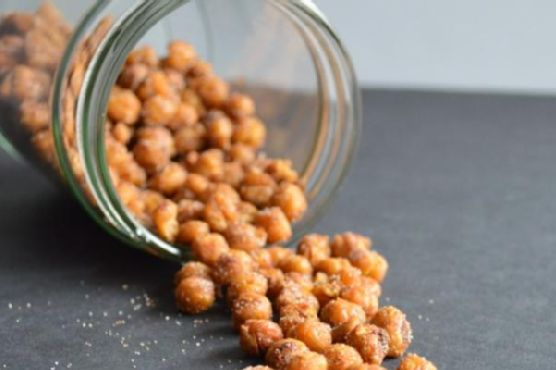
Cinnamon & Sugar Roasted Chickpeas | Made by Meaghan Moineau

Picture this: It’s a breezy Sunday afternoon, my playlist is on shuffle, and I’m craving something snacky yet a little indulgent. I open the pantry, and there they are, my trusty canned chickpeas staring back at me like they know they’re about to be transformed. Last week, I had a major kitchen mishap with a new bread recipe that turned out more like a weapon than a loaf, so today I’m sticking to something foolproof and fabulous—Cinnamon & Sugar Roasted Chickpeas. These little morsels are not only super easy to whip up, but they also bring that sweet, crunchy magic that’s like a hug for your taste buds, without any of the guilt. Plus, they make my whole kitchen smell like a cinnamon wonderland, which is a win-win for everyone involved.

Jump to Recipe

What You’ll Need

What’s great about this recipe is that you likely already have most of these gems hanging around in your kitchen. We’re talking pantry staples with a sweet twist!

  • 1 can of garbanzo beans (aka chickpeas)
  • 1 tablespoon olive oil
  • 1 tablespoon maple syrup
  • 1 teaspoon cinnamon
  • 1 tablespoon cane sugar

How to Make Cinnamon & Sugar Roasted Chickpeas

  1. First things first, preheat your oven to 425°F. Trust me, having it nice and hot is key for the perfect crunch.
  2. Line a baking sheet with parchment paper or a silicone mat. It makes cleanup super easy and keeps the chickpeas from sticking.
  3. Drain and rinse the chickpeas thoroughly. This is your chance to say goodbye to that canning liquid!
  4. Take two sheets of paper towels, lay one down, spread the chickpeas out, and use the other to gently pat them dry. You want them as dry as possible to achieve that crispy texture.
  5. While you’re drying, pick out any skins that have come loose. It’s not a big deal if you can’t get them all—just do your best!
  6. In a small bowl, mix the dried chickpeas with olive oil, maple syrup, and cinnamon until every little bean is well-coated and looking scrumptious.
  7. Spread the chickpeas on your prepared baking sheet in a single layer. Bake for 15 minutes, enjoy a dance break or clean up the kitchen.
  8. After 15 minutes, stir the chickpeas to ensure even baking. Return them to the oven, baking in 3-4 minute increments until they’re beautifully browned and dried to your liking. Remember, the longer they roast, the crunchier they’ll get, but keep an eye out to prevent burning.
  9. Once out of the oven, let them cool for a bit. Then, sprinkle the cane sugar over them while they’re still warm but not hot. Toss them gently to coat.
  10. Now, dig in and enjoy these delightful nuggets of crunchy sweetness!

Cook’s Notes

If you’re anything like me, you’ll want to store these in an airtight container if they last longer than a day (spoiler: they might not!). They generally stay fresh and crunchy for a couple of days, but after that, they tend to soften up. No worries though—they’re still tasty! For the impatient snackers, remember the necessity of drying the chickpeas; moisture is the enemy of crunch. Also, I wouldn’t recommend skipping the parchment paper unless you want a sticky mess on your hands.

Make It Your Own

  • Feeling spicy? Add a pinch of cayenne pepper to the mix for a sweet and spicy combo that’ll keep you on your toes.
  • Swap the maple syrup for honey if you’re after a deeper, richer sweetness.
  • Use coconut oil instead of olive oil for a subtle tropical twist that pairs beautifully with the cinnamon.
  • For a festive flair, sprinkle a bit of nutmeg or pumpkin pie spice into the mix. Hello, holiday vibes!

If you try this, I’d love to hear how it turns out—drop a comment or tag me in your snack-tastic creations! Your oven and chickpeas await, my friend. Snack on!

Related update: Cinnamon & Sugar Roasted Chickpeas

Related update: Tuna Stuffed Hard-Boiled Eggs

Volkanovski Demands Real Test from Evloev | Analysis by Brian Moineau

Hook: No excuses, no reruns

Alexander Volkanovski doesn't want any excuses when he faces Movsar Evloev. That sentence lands heavy because it speaks to more than a matchup — it’s a demand for clarity, for validation, for a fight that settles debate instead of dodging it. After Evloev’s hard-fought win over Lerone Murphy and the continued chatter about matchmaking, Volk’s message is simple: don’t bring smoke and mirrors; bring the real test.

Why this matchup matters

The featherweight picture has felt like a slow-burn drama for a while. Volkanovski — the relentless, cerebral champion who has beaten elite names and kept reinventing himself — has never been interested in easy narratives. Movsar Evloev arrives with an unblemished record, a methodical chain-wrestling base and an ability to smother momentum. That style has driven critics to ask whether Evloev is the kind of fighter who “makes” champions look a certain way, or whether he’s the kind of challenge that actually elevates them.

Volkanovski’s comment followed Evloev’s recent win over Lerone Murphy, a bout that reminded fans how different stylistic matchups can dominate the storyline. Evloev’s performance renewed his claim for a title shot, and Volk’s insistence that he wants Evloev next signals a willingness to settle the stylistic argument head-on. (Sources: MMA News, AS.)

The stylistic conundrum

  • Evloev’s toolkit: compact, positionally dominant wrestling, clutch control and enough striking to make you pay if you panic.
  • Volkanovski’s toolkit: nonstop pressure, scrambling savvy, elite fight IQ and the ability to adapt mid-fight.

On paper, that reads like a chess match with real punches. The debate around Evloev often centers on entertainment value — some fans and pundits call his style “boring” or “clinical” — but Volkanovski’s point cuts deeper: if you get booked to challenge the champ, don’t make excuses about style preventing a decisive contest. Fight like you believe you can win, not like you’re trying only to tilt an agenda.

What happened vs. Lerone Murphy — and why Volk took notice

In his win over Lerone Murphy, Evloev leaned into the parts of his game that have produced success: control, cage placement and grinding away opportunities for short, explosive moments. Murphy is a dynamic striker with pop and timing; the way Evloev navigated that bout suggested he’s comfortable dictating pace and neutralizing flashes of risk.

Volkanovski watched that and saw two things: one, Evloev is for real as a No. 1 contender; and two, if Evloev chooses to play that exact script against Volk, it could create talking points after the fact that obscure the truth. Hence the plea: show up to fight, not to check a box.

The champion’s perspective: legacy and legitimacy

Volkanovski isn’t just aiming to pad a résumé. He’s thinking legacy. He’s talked before about wanting the biggest plausible tests, the fights that history remembers. Beating an undefeated contender with a distinctive style would add to the narrative that Volk’s reign isn’t just sustained by avoidance of threats, but by confronting them directly.

There’s also a promotional reality: not every fight that makes sense competitively is an easy sell commercially. Names like Jean Silva have flash and fan appeal, and the UFC’s matchmaking calculus is never purely athletic. Volk’s public insistence nudges that calculus: if he’s willing to face Evloev, the onus shifts to the promoters to make it happen — or to explain why they won’t.

Possible outcomes and stylistic keys

  • Evloev controls range and pace: Expect lots of clinch work, takedown attempts and positional scrambles. If Evloev successfully converts control minutes into top-heavy dominance, decisions or late finishes are possible.
  • Volkanovski imposes pressure and pace: Volk can disrupt Evloev’s rhythm by turning scraps into frantic, explosive exchanges where his cardio and adaptability shine.
  • The middle ground: both men adjust. This is the most intriguing scenario — technical chess turning into sudden violence. It’s also the most satisfying for neutral fans.

Either way, the fight is compelling because it’s not a mirror match. It’s a stylistic collision that forces each man to solve problems he hasn’t fully been tested on against the other.

Fan expectations and the entertainment question

Here’s the rub: some fans care most about fireworks; others about the “who’s best” ledger. Evloev’s measured approach frustrates highlight-hungry viewers, while purists applaud his efficiency. Volkanovski’s stance reframes the conversation — he’s not asking for a dance-off, he’s asking for an honest fight where the outcome can be debated on merit, not process.

That matters in a sport that thrives on both narrative and spectacle. A clean, competitive fight between Volk and Evloev would satisfy both camps: it would either validate Evloev’s rise or reinforce Volkanovski’s adaptability, and it would do so without the familiar caveats.

The wider implications for the division

If the UFC books Volkanovski vs. Evloev, the winner likely becomes the face of featherweight for the next stretch, shaping matchmaking and title defenses. A Volk win over an undefeated Evloev adds a historic notch to his belt; an Evloev win upends expectations and forces the champion to chase him. Beyond rankings, the fight would influence how styles are valued — whether grinding mastery or dynamic aggression earns priority in future matchmaking.

Transitioning from that, the mental game also matters: fighters who refuse to offer excuses tend to be the ones who define eras. Volkanovski is signaling he wants a definitive era.

My take

This isn’t just a belt-versus-belt scenario (yet) — it’s a moment that could either quiet the stylistic naysayers or amplify them. Volkanovski’s insistence that there be “no excuses” is a welcome stance in a sport where narrative can sometimes outpace results. Put two top-tier fighters in the Octagon with everything on the line and let the conclusion speak for itself.

Final thought: a fight that settles questions is a gift to the sport. Whether the UFC listens and makes it happen is another story. Either way, the public position Volkanovski has taken shows a champion determined to defend more than a title — he wants his legacy free of caveats.

Sources

Mini Spinach and Feta Quiches | Made by Meaghan Moineau

So there I was, staring at the contents of my fridge, wondering how I could whip up something that felt more like a brunch celebration and less like a “what’s-left-in-the-fridge” scramble. It was one of those days when you crave something cozy yet impressive, especially when your best friend calls and says she’s popping over in half an hour. Enter: Mini Spinach and Feta Quiches. They’re this magical combination of simplicity and elegance, bursting with savory flavors and just the right amount of cheese. Plus, they bake up quickly, so you can spend more time chatting and less time cooking. Trust me, these little quiches are worth every moment spent waiting for them to puff up in the oven. Perfect for a casual get-together or a solo treat with a cup of coffee.

Jump to Recipe

What You’ll Need

What’s great about these quiches is that they’re made with ingredients you probably have on hand or are easy to grab on a quick grocery run. Here’s the lineup:

  • Eggs – because what is a quiche without eggs?
  • Half-and-half – for that creamy, luscious texture.
  • Garlic – a subtle kick with lots of flavor.
  • Frozen spinach – convenient and just right for this dish.
  • Onion – for a touch of sweetness and depth.
  • Basil – fresh and aromatic, a lovely herbaceous note.
  • Low-fat shredded cheddar cheese – because cheese is life.
  • Feta cheese – tangy, crumbly, and oh-so-delicious.
  • Salt and pepper – essential for balancing flavors.

How to Make Mini Spinach and Feta Quiches

  1. Preheat your oven to 375°F (190°C). This is your time to collect your thoughts and maybe sip on some coffee, knowing deliciousness is coming soon.
  2. Set a large skillet over medium heat and coat it well with olive oil spray. Wait until the oil shimmers like a little lake under the sun.
  3. Add the garlic. Stir it around for about 30 seconds, just until it releases that irresistible aroma. No burnt garlic here!
  4. Add the chopped onion with a sprinkle of salt and pepper. Turn the heat up slightly to medium-high and cook, stirring often, until the onion turns a light golden brown.
  5. Now, fold in the spinach, chopped basil, and another pinch of salt and pepper. Lower the heat to medium and let it all mingle for about 10 to 15 minutes, stirring occasionally. Taste and adjust the seasoning if needed.
  6. Meanwhile, in a large bowl, whisk together the eggs, feta cheese, half-and-half, some more salt and pepper. Make sure it’s well blended, like a team of flavors ready to win.
  7. Spray your mini muffin pans generously with more olive oil spray. You don’t want any quiches sticking around here when it’s time to serve.
  8. Distribute the spinach mixture evenly among the muffin cups, about a tablespoon each. Follow this up with a tablespoon of the egg mixture in each cup.
  9. Bake in your preheated oven for 15 minutes, until the edges start to set and the tops look a little puffy.
  10. Pull out the pans and sprinkle each quiche with a touch of reserved shredded cheddar. Pop them back in the oven for about 5 more minutes, until the cheese on top is a beautiful golden brown.
  11. Let them cool slightly before serving. They’re delightful warm or at room temperature, with the flavors singing together perfectly.

Cook’s Notes

These quiches are ultra flexible, which is what I love most about them. You can make them a day ahead if you’re planning for a brunch or party. Just store them in an airtight container in the fridge and reheat gently in the oven or microwave. They stay good for about 3 days, though they rarely last that long at my house!

  • Don’t overfill the muffin cups. The filling puffs up a bit during baking, so leave a little space to avoid spillage.
  • If you’re chopping onions and they make you cry, try chilling them in the fridge for a bit beforehand. It helps, promise!

Make It Your Own

  • Protein Punch: Swap out the spinach for sautéed mushrooms and add some cooked, crumbled bacon for a heartier bite.
  • Spice it Up: Sprinkle a little smoked paprika or cayenne into the egg mixture for an unexpected kick.
  • Go Green: Use kale or Swiss chard instead of spinach for a different leafy green vibe.
  • Cheese Swap: Try sharp cheddar or even a nutty Gruyère if you’re out of feta. It’ll change the flavor profile in the best way.

If you try this, I’d absolutely love to hear how it turns out — drop a comment or tag me! May your kitchen be filled with the aroma of baking goodness and the satisfaction of a job deliciously done. 🍴✨

Related update: Mini Spinach and Feta Quiches

Baked Caramel Custard | Made by Meaghan Moineau

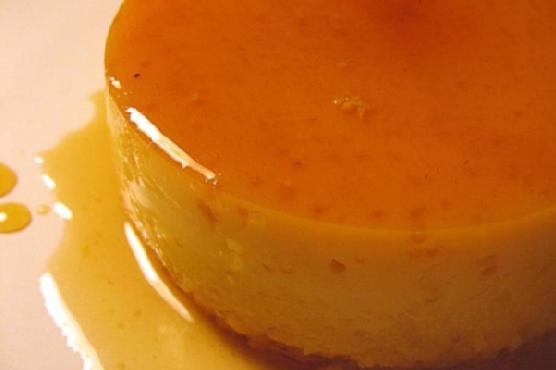
It was one of those chilly evenings when the wind seemed to sneak its way into my kitchen despite all the windows being tightly shut. I had a craving for something sweet but not overly indulgent, the kind of dessert that feels luxurious without leaving you with a sugar hangover. Rummaging through my pantry and fridge, I realized I had everything I needed to make this Baked Caramel Custard. It’s one of those recipes that sounds fancy enough to impress but is simple enough to whip up on a weeknight. A little bit of whisking, a touch of caramelizing, and you’ve got yourself a smooth, silky dessert that hits the spot.

Jump to Recipe

What You’ll Need

Trust me, you might already have most of these ingredients lounging around in your kitchen. Here’s what you’ll need to gather:

  • Egg substitute
  • 1 egg yolk
  • Evaporated skim milk
  • Port wine
  • Skim milk
  • Sugar plus extra for caramelizing
  • Vanilla extract

How to Make Baked Caramel Custard

  1. First things first, preheat your oven to 350 degrees. Your kitchen will be all toasty and inviting in no time.
  2. In a heavy saucepan, scald the evaporated skim milk and skim milk together. You’ll want to heat them until tiny bubbles form around the edge — don’t let it boil!
  3. Now, let’s get caramelizing. In a skillet over medium heat, let the extra sugar melt until it becomes a golden brown liquid, like liquid gold. Keep an eye on it so it doesn’t burn.
  4. Slowly add your scalded milk to the caramel. Stir constantly until the sugar is completely dissolved. The mixture will bubble and foam a bit, just keep stirring until it calms down.
  5. In a medium bowl, beat together the egg substitute and egg yolk until they’re a lovely lemon color. This is where the magic begins!
  6. Pour the milk mixture into the bowl with the eggs. Add in the port wine and vanilla extract, mixing until smooth and well combined.
  7. Divide this creamy dream into six custard cups. Place the cups in a baking dish, then pour boiling water into the dish until it reaches halfway up the sides of the cups.
  8. Bake the custard in the oven for about 35 to 40 minutes. You’ll know it’s done when you give a little jiggle to the cups, and the centers just barely wobble.
  9. Remove the custard cups from the oven and let them cool completely in the refrigerator. Patience is key here — you want them nice and chilled.
  10. When ready to serve, place a dessert plate on top of each custard cup, then boldly invert. The custard should slide out with a little coaxing, revealing its luscious caramel top.

Cook’s Notes

Want to make this ahead of time? You totally can! This custard keeps well in the fridge for up to two days, which makes it a perfect make-ahead dessert for entertaining. Just remember to pop them out of their cups right before serving. And hey, don’t rush the caramelizing process — it’s tempting to crank up the heat, but slow and steady wins the race here. If your caramel seizes up when you add the milk, just return it to the heat and stir until smooth.

Make It Your Own

Feel like switching things up? Here are a few variations to try:

  • Swap the port wine for a splash of rum for a slightly different boozy note.
  • For a non-alcoholic version, omit the port wine and add a teaspoon of orange zest for a citrusy kick.
  • Use whole milk instead of skim for a richer custard if you’re feeling indulgent.
  • For a nutty twist, sprinkle the top with toasted chopped hazelnuts before serving.

If you try this, I’d love to hear how it turns out — drop a comment or tag me on social media! Happy baking, and may your custard always be silky and your caramel perfectly golden.

Related update: Lemon Bars

Android Auto Fails on Pixel and Samsung | Analysis by Brian Moineau

When your phone won’t play nice with your car: Android Auto is breaking for Pixel and Samsung users, and no one knows why

I plugged my Pixel into the car expecting music, maps, and the usual morning calm. Instead, Android Auto froze, disconnected, and came back with the kind of shrug you get from a gadget that suddenly remembers it's on break. Android Auto is breaking for Pixel and Samsung users, and no one knows why — and that’s exactly the frustrating story many drivers are living through right now.

This isn’t a one-off glitch. Over the past few weeks users — especially those with Pixel and recent Samsung flagships — have reported Android Auto failing to connect or stay connected, with wired connections appearing most affected. The problem shows up in different ways: connections that drop after a minute, systems that refuse to launch unless the phone is unlocked, and sessions that flicker between wired and Bluetooth states without warning.

What’s happening and how it’s showing up in real life

  • Many users report wired connections failing to initialize or dropping shortly after starting, even though the phone charges and the head unit recognizes the cable.
  • Others see Android Auto refuse to launch unless they unlock their phone after plugging it in — a change that broke a previously smooth, one-step experience.
  • Wireless sessions aren’t immune: some folks see frequent disconnects or intermittent audio and navigation loss when using wireless Android Auto.
  • Reports are concentrated among Pixel and Samsung devices, but anecdotes from other Android phones exist, making this feel broader than a single OEM bug.

The details matter because they hint at where the problem might live: USB negotiation, power-management rules, or interactions between OEM software layers (like One UI) and Google’s Android Auto stack. Some users point fingers at recent system updates. Others suspect the Android Auto app or underlying Google Play Services changes. But there’s no single confirmed cause yet.

Android Auto is breaking for Pixel and Samsung users — why this matters

We tend to treat phone-car integration as boring infrastructure: it should just work. When it doesn’t, the consequences are immediate and irritating.

  • Safety and convenience degrade: rerouting to a separate phone app, manually mounting a device, or relying on voice prompts that lag all reduce driving comfort and can be distracting.
  • Owners of newer phones feel cheated: flagship devices that cost a lot should at least pair reliably with a car made months or years ago.
  • For people who rely on Android Auto for navigation and hands-free messaging during work commutes, the bug breaks workflow and can feel like a step backward.

Because wired connections often carry audio, data and power, a failure there leaks into the whole user experience. It’s not just a fleeting annoyance; it’s an everyday disruption.

Theories, patches, and the messy middle ground

Right now, the community has cobbled together a set of plausible explanations — none definitive.

  • USB handshake or USB audio negotiation: some reports say the USB negotiation between head unit and phone fails, which would cause wired sessions to drop after a short timeout.
  • Power and wireless stacks: other posts suggest aggressive power-management on newer Android builds suspends Wi‑Fi or Bluetooth modules in a way that kills Android Auto’s wireless sessions.
  • App or service updates: Android Auto and Google Play Services can push updates independently; when one piece changes and the others don’t, compatibility problems result.
  • OEM firmware layers: Samsung’s One UI and Google’s Pixel software add custom layers that sometimes alter default behaviors, and those layers can interact unexpectedly with car systems.

Manufacturers and Google have not published a broad, public root-cause statement as of this writing, which leaves users guessing. In the meantime some people find partial relief by rolling back updates, trying different USB cables, or toggling Wi‑Fi/Bluetooth and app permissions. Those are stopgaps, not solutions.

Practical steps if Android Auto breaks for you

  • Try a different high-quality USB-C cable (short, well-made cables often matter).
  • Clear cache and data for Android Auto and related services; then reboot the phone.
  • Make sure Android Auto, Google Play Services, and Maps are up to date.
  • Test with wireless Android Auto if wired fails, and vice versa — sometimes one mode behaves better.
  • If Android Auto won’t start while the screen is locked, try unlocking the phone after plugging it in; annoying, but sometimes necessary.
  • Report the issue with detailed logs to Google and your OEM’s support (phone model, Android version, car/head unit model, wired/wireless). The more systematic reports they get, the faster an investigation can start.

These tips come from the usual troubleshooting playbook, but they’re worth trying because they’re low-effort and sometimes effective.

What companies have said — and what they haven’t

So far there’s no single official patch-note that reads, “We fixed connectivity issues affecting Pixels and Samsung phones.” Coverage from outlets tracking the situation shows that affected users are plentiful, and manufacturers are investigating. But public, authoritative communication has been sparse.

That gap matters. When a large swath of users is disrupted, an official acknowledgement and a clear timeline for a fix would calm things down. Companies can’t always reveal internal details, but basic transparency — “we’re looking into reports and expect a fix in this timeframe” — helps cut down the rumor mill.

A closer look at the ecosystem dynamics

This problem highlights a broader truth: our cars increasingly depend on a fragile chain of compatibility between phone OS updates, vendor UI layers, app updates, and legacy head units in millions of vehicles.

  • Phone manufacturers push updates to improve security and features.
  • OEM software tweaks behavior (power, USB handling) for battery and privacy reasons.
  • Automakers and third-party head units often move slowly on firmware updates.
  • Android Auto acts as the translator. When any link mutates, the chain strains.

That’s why a software update that improves battery life or security on a phone can — unintentionally — break an otherwise stable car integration scenario. It’s a reminder that our devices live in systems, not in isolation.

My take

I’m sympathetic to engineers juggling security, battery, and new features on one side and a giant field of older, diverse car head units on the other. But that doesn’t excuse the poor user experience. We need quicker feedback loops: phone makers and Google should treat important connectivity features like critical infrastructure. That means timely fixes and clearer communication.

For now, if your Pixel or Samsung phone is misbehaving with Android Auto, document it, try the practical workarounds above, and nudge support channels with specifics. The silver lining is that when enough users report a problem, updates tend to follow — even if the waiting is maddening.

Where I looked for answers

  • Android Authority — roundup of reported Android Auto and Pixel/Samsung connectivity problems.
  • Tom’s Guide and TechRadar — coverage of user reports and practical troubleshooting notes.
  • Community threads on Reddit and OEM support forums — ground-level symptom reports and user workarounds.

Sources


Related update: We recently published an article that expands on this topic: read the latest post.