WoW World First Chaos After Secret Phase | Analysis by Brian Moineau

Screams of joy were quickly replaced by panic: the hidden twist that shook the WoW Race to World First

Imagine the room — or the stream — exploding. After days of ragged pulls, perfect cooldown timing, and sleep-deprived dinners, a top guild finally watches the final boss' health tick to zero. The chat floods with cheers. Then, the boss stands back up. The elation curdles into disbelief. That exact moment is at the heart of "WoW Race To World First Thrown Into Chaos After Secret Boss Phase Reveal - GameSpot", and it sent ripples through the Race to World First for Blizzard’s Midnight expansion.

This secret phase — a Mythic-only final act hidden from public eyes until the moment a guild triggers it — rewrote expectations overnight. What looked like a finished fight suddenly became an encore of catastrophic proportions. For viewers, competitors, and developers, the spectacle was both brilliant and brutal.

Why the secret phase mattered

  • It changed the narrative of the race in real time.
  • It exposed the gap between datamined files and actual in-game triggers.
  • It reminded viewers why Race to World First remains must-see for many gamers.

Top guilds train for predictable patterns. They parse logs, refine rotations, and model DPS windows down to the last second. A surprise phase interrupts that careful choreography. In this case, as multiple outlets reported, a guild believed they’d just secured the World First only to find the boss resurrected with a hidden fourth phase — Mythic-only and designed to be a jaw-dropper. Viewers watched as controlled triumph turned into renewed panic: strategies had to be rewritten on the fly, and the leaderboard swings became dramatic theater.

Transitioning from joy to chaos wasn't just dramatic — it exposed how Blizzard designed a safety valve of mystery into Midnight's finale. Dataminers had hinted at unused abilities, but seeing a resurrected boss live convinced everyone that the devs intended one more coin to flip the race’s outcome.

The race unfolded live

Across streams and social platforms, the footage spread fast. Clips showed players mouth the words “secret phase” in disbelief as the boss healed and returned. Reactions ranged from laughter to groans to heated debate. Some praised the surprise as a brilliant moment of showmanship; others called it unfair, arguing that a race built on clarity and precise execution becomes muddled when hidden mechanics exist.

Yet other outlets and community hubs noted a more nuanced view: secret phases aren’t without precedent. Over WoW’s twenty-year history, Mythic-only twists have popped up before, sometimes gated behind triggers or story beats. What's new here was the timing and its effect on an active Race to World First — a contest where hours matter and momentum can decide winners.

What players and guilds did next

  • Reassess triggers: guilds hunted for the exact conditions that unlock the secret phase.
  • Rework logs: analysts pored over raid logs to identify consistency factors that led a group to the hidden encounter.
  • Adjust pacing: teams reallocated cooldowns and damage windows to survive and close the new phase.

Guilds that were ahead found themselves with one more mountain to climb; those trailing got a second chance. Streaming personalities dissected the clip, while dataminers and top raiders traded notes: Was the secret phase deterministic or flaky? Could it be intentionally inconsistent to preserve drama? The answers took hours and days to emerge as more groups reached the same point and logged the encounters.

A moment that delighted and frustrated viewers

For the audience, this was compelling television. The unpredictability captured why so many tune into Race to World First events: the possibility of witnessing something truly unexpected. Still, the hidden phase also drew criticism because it blurred the line between a fair competitive event — where all teams should know the full rule set — and spectacle.

This balance between competitive fairness and developer-driven drama is tricky. On one hand, designers want memorable reveal moments. On the other, top-level competition thrives on transparency so teams can prepare without last-minute surprises deciding outcomes. The Midnight finale landed squarely in that tension.

What this means for WoW's Race to World First

  • The secret phase raises the stakes for dataminers and early testers, making their discoveries more influential.
  • It underscores the emotional roller coaster of live competitive MMORPG content.
  • It will likely prompt developers and race organizers to clarify what is considered part of the competitive encounter.

In short: the secret phase didn’t just affect one pull. It affected procedures, expectations, and how the community frames future races. Expect guilds to treat any unexplained file reference or cinematic hint as a potential game-changer. Similarly, organizers might revisit rules about hidden content to preserve the integrity of competitive timing.

L’ura, Midnight, and the anatomy of a modern WoW drama

The boss in question — a Mythic final for Midnight’s raid — combines complex mechanics with a non-linear encounter design. That made the secret phase especially cruel: teams had already expended huge resources to reach the final moments. A resurrected boss with new mechanics meant newly required coordination at the worst possible time.

Yet, beyond the anger and the memes, there’s an artistic streak to the choice. Blizzard engineered a theatrical reset that generated the exact emotional arc designers might want players to feel: victory, disbelief, and the fresh terror of an unseen challenge. The game reminded everyone that it can still surprise even the most veteran players.

Lessons learned and what to watch next

  • Pay attention to datamining — but treat it as a tip, not gospel.
  • Watch how Blizzard and race organizers respond in statements or rule updates.
  • Expect future raid reveals to be scrutinized far more intensely.

Crucially, the community’s reaction will matter. If players embrace the surprise as part of Midnight’s charm, Blizzard may lean into similar reveals in future expansions. If the pushback grows — especially from the competitive scene — devs might adjust or communicate better before Mythic opens.

My take

I love that videogames can still produce live, unscripted drama. The moment the boss rose again was raw, electric, and unforgettable. That said, fairness matters in competition. Hidden Mythic-only mechanics should come with a clear policy for races where hours and reputations are at stake. Designers can have their theatrical beats, but when millions watch and teams plan around consistency, transparency preserves competition without killing the spectacle.

Ultimately, the Midnight secret phase will live on in clips and banter. It reminded the community why Race to World First matters: not just for the leaderboard, but for those heart-stopping seconds where the unexpected makes us gasp.

Final thoughts

The L’ura secret phase was a vivid reminder that live multiplayer games are still capable of surprising both creators and players. It was a controversial twist, yes — but also a story that made the Race to World First feel alive, unpredictable, and very human. For better or worse, moments like this keep us watching.

Sources

Pan Fried Potato Wedges | Made by Meaghan Moineau

The other night, I was in one of those classic “stare into the fridge and hope something inspiring jumps out” moments. You know the ones — it’s midweek, the craving for takeout battles with my desire to not change out of my sweatpants. That’s when my eyes landed on a bag of red potatoes sitting unassumingly on the shelf. A lightbulb went off, and I remembered the simple joy of pan-fried potato wedges. They’re the perfect mix of indulgent and straightforward, and they come together faster than you’d expect. Crispy on the outside, soft on the inside, these are the kind of potatoes that make you feel like you’ve done something miraculous with very little effort. They’re comforting, and you always have the ingredients on hand. Plus, they make your kitchen smell like a dream.

Jump to Recipe

What You’ll Need

Not to brag, but chances are you already have most of this in your pantry or fridge, which makes this recipe a real lifesaver when you need something quick and satisfying.

  • Red potatoes – The star of the show. Their texture is perfect for that crispy outside and soft inside.
  • Seasoning salt – A bit of savory magic that levels up the flavor.
  • Garlic powder – Adds a hint of earthy aroma.
  • Onion powder – Because who can say no to a touch of oniony goodness?
  • Black pepper – Just a pinch for a subtle heat.
  • Canola oil – For frying to that perfect golden brown.

How to Make Pan Fried Potato Wedges

  1. Start by preheating your canola oil in a good-quality nonstick pan over medium heat. You want the oil to shimmer but not smoke — that’s when you know it’s ready.
  2. While the oil is heating, slice your red potatoes into wedges. Think thick enough to hold their shape, but thin enough to cook through.
  3. In a bowl, season those wedges with seasoning salt, garlic powder, onion powder, and black pepper. Toss them until they’re well-coated and you can smell the spices mixing together.
  4. Carefully place the potatoes in a single layer in the pan. This is key — crowding the pan will steam them instead of giving them that sought-after crispiness.
  5. Let them cook on one side without turning until they’re golden brown and crispy. You’ll know they’re ready to flip when they release easily from the pan.
  6. Flip the wedges and repeat on the other side. Your kitchen will smell amazing at this point, and your patience will be rewarded!
  7. Once both sides are perfectly crispy, remove the wedges from the pan and serve them hot. Trust me, they lose their magic if left to cool for too long.

Cook’s Notes

These potato wedges are pretty forgiving, but here are a few things to keep in mind. Make sure not to rush the cooking time; the key is to let them get really crispy on that first side before you flip them. If you don’t have red potatoes, Yukon Golds are a solid alternative. Store any leftovers in an airtight container in the fridge and reheat them in a hot oven to bring back some of their initial crispiness. But honestly, leftovers are rare because they tend to disappear the moment they hit the table.

Make It Your Own

Feeling adventurous? Here are some fun ideas to make these wedges uniquely yours:

  • Spicy Kick: Mix some cayenne pepper in with the seasoning for a spicy version that’ll warm you up from the inside out.
  • Herb Infusion: Sprinkle some dried rosemary or thyme over the wedges before frying for an aromatic twist.
  • Cheesy Delight: After frying, toss the hot wedges with freshly grated Parmesan for an irresistible cheesy layer.
  • Sweet & Savory: Swap garlic powder for cinnamon and add a sprinkle of sugar for a sweet and savory take.

If you give these pan-fried potato wedges a whirl, I’d love to hear how they turned out! Drop me a comment below or tag me in your crispy potato pics. Let’s make weeknight dinners a little more delicious together!

Related update: Pan Fried Potato Wedges

Related update: Homemade Animal Crackers

Rays Rise, Trout Scare, Pitchers’ Duel | Analysis by Brian Moineau

Hook: A weekend of small moments that feel huge

Baseball has a funny way of stretching a single play into an entire narrative. Today’s headlines — centered on the Rays, a Mike Trout injury scare in Anaheim, and a pitchers’ duel that has fans leaning in — are a perfect example. The Opener: Rays, Trout, Pitchers’ Duel lands squarely in that space where micro-events (an X‑ray, an early exit, a dominant start) ripple into roster talk, trade whispers, and the mood of entire fanbases.

Why “The Opener: Rays, Trout, Pitchers’ Duel” matters

  • Because the Tampa Bay Rays continue to do the little things right and they’re worth watching for how they build a season quietly and efficiently.
  • Because Mike Trout is the baseline for every Angels worry and update on his health draws national attention.
  • Because when two ace-caliber pitchers square off, the result can tilt a division race or at least produce a classic you’ll remember.

Together, those items create a snapshot of why baseball’s daily news cycle still feels so essential — it’s not always about permanent change; sometimes it’s about tense, fragile moments that could bloom into something bigger.

The Rays: small-market ingenuity, big-league results

Tampa Bay has long been the blueprint for how to compete without the payroll of a New York or Los Angeles. Their front office mixes analytics, creative roster construction, and developmental patience. Lately, headlines about the Rays have ranged from smart trades to timely breakout performances.

What’s relevant now is how the organization keeps finding ways to maximize each roster slot and run competitive teams deep into the season. Whether it’s an opener strategy in a single game, an under-the-radar bullpen acquisition, or a prospect arriving earlier than expected, the Rays’ approach forces other teams to make choices. Consequently, every positive mention — even a short blurb in a daily column — feeds the larger storyline that Tampa Bay is a consistent thorn in the side of more prominent clubs.

Transitioning from strategy to the human side, it’s these quietly effective teams that manufacture stress for opponents and hope for their fans. And that tension is pure baseball.

Mike Trout’s scare in Anaheim: nerves, context, and perspective

News that Mike Trout left a game with an injury scare always stops baseball chatter in its tracks. As reported in The Opener, Trout was involved in an incident that prompted X‑rays and a day‑to‑day status update. Fortunately, early reports said the X‑rays were negative and he was expected to be day‑to‑day, but the reaction from fans and analysts speaks to broader concerns.

Why does one day‑to‑day update cause such an emotional response?

  • Trout’s generational talent makes him the centerpiece of the Angels’ offense — when he’s healthy, the whole team projects differently.
  • Recent seasons have included durability challenges for Trout, which amplifies every bump or contusion.
  • For a franchise that has struggled to consistently deliver around him, Trout’s availability feels existential.

Still, context matters. The immediate relief of clear X‑rays is worth repeating. A negative X‑ray doesn’t always mean zero downtime, but it’s better than the alternate scenarios fans feared. Teams will manage Trout carefully — both for competitive and long-term health reasons — and the Angels’ decisions in the coming days will reflect that.

The pitchers’ duel: why those early-season matchups matter

There’s something intoxicating about a game where pitching rules. In such matchups, everything else — the bullpen’s depth, managerial moves, the defense’s range — takes on added weight. The Opener highlighted an early meeting between two impressive pitchers, and these duels are more than box-score curiosities.

  • They reveal who’s ready now versus who’s building toward midseason form.
  • They expose weaknesses in supporting staff or, conversely, confirm a pitcher’s dominance.
  • They can set a tone for divisional series and create narratives about arms to follow at the trade deadline.

Beyond the immediate scoreboard, a successful start can buoy a rotation’s confidence and buy a team patience while other pieces fall into place. Conversely, when an ace struggles early, rumors and analyses begin quickly about mechanics, pitch mix, and insurance options.

Three things to watch after reading The Opener

  • Trout’s availability over the next week: Day‑to‑day can mean one game, or it can mean a cautious rest schedule. Watch how the Angels phrase their updates and whether they opt for extra caution.
  • How the Rays continue to leverage their depth: Look at recent roster moves, bullpen usage, and whether young arms are getting larger roles.
  • Follow-up starts from the duel’s pitchers: One great outing can be a flash; sustained excellence is what changes how opponents prepare.

These are the immediate, operational threads that the daily column teases out — but they’re also the hooks that turn a headline into a season-long storyline.

Momentum and narrative: why everyday updates still matter

Baseball builds seasons from everyday moments. An X‑ray that’s clear on Monday might be a passing note; the same X‑ray could be a relief that keeps a superstar in the lineup during a crucial homestand. Meanwhile, a pitchers’ duel today can become a turning point tomorrow if the bullpen falters or the offense awakens.

In that sense, daily roundups like The Opener do more than summarize; they curate the tensions and small dramas that become the season’s chapters. They remind us that baseball is less about seismic trades and more about incremental advantages, health management, and matchups.

My take

I love how The Opener captures baseball’s cadence: a mix of strategy, human fragility, and competitive nuance. The Rays keep being worth watching because they do things differently and effectively. Mike Trout’s health will always be a national story; for now, the X‑ray results are a relief, but sensible caution is the right approach. And the pitchers’ duel? Pure, delicious baseball — a reminder that sometimes the game’s quietest contests are the most revealing.

Sources


Related update: We recently published an article that expands on this topic: read the latest post.


Related update: We recently published an article that expands on this topic: read the latest post.

Baked Caramel Custard | Made by Meaghan Moineau

One rainy Tuesday night, I found myself staring at an almost-empty fridge, pondering what kind of magic I could muster up. You know those evenings when you’re craving something sweet but don’t want to fuss around with a dozen ingredients? Enter: Baked Caramel Custard. It’s that classy, melt-in-your-mouth treat that feels like a hug after a long day. The best part? You probably have most of what you need in your pantry already. Plus, it’s secretly impressive — looks like a million bucks, but simple enough for a weeknight adventure. Trust me, this is one of those desserts you’ll keep coming back to whenever you need a little pick-me-up.

Jump to Recipe

What You’ll Need

This recipe is all about simplicity with a touch of elegance. No need to run to a fancy gourmet store, just grab these from your kitchen:

  • Egg substitute
  • 1 egg yolk
  • 1 can of evaporated skim milk
  • Sugar (plus a little extra for that rich caramel)
  • 1 cup skim milk
  • 2 tablespoons port wine
  • 1 teaspoon vanilla extract

How to Make Baked Caramel Custard

  1. Preheat your oven to 350 degrees. Get it nice and toasty for the custards.
  2. In a heavy saucepan, scald the evaporated skim milk and skim milk together. You’ll know it’s ready when tiny bubbles start forming around the edges—don’t let it boil!
  3. Meanwhile, in a skillet over medium heat, caramelize the sugar. Watch closely as it melts and transforms into a golden brown liquid; don’t let it burn.
  4. Carefully pour the warm milk into the caramelized sugar, stirring constantly. Keep stirring until the sugar is completely dissolved into the milky mixture.
  5. In a medium bowl, beat the egg substitute and yolk together. Aim for that dreamy lemon color.
  6. Slowly add the sugary milk mixture to the eggs, whisking constantly to avoid scrambling. Add in the port and vanilla, and give it a good stir.
  7. Divide the mixture evenly into 6 custard cups. Place them in a baking dish.
  8. Pour boiling water into the baking dish until it reaches halfway up the sides of the cups. This water bath will ensure the custards cook gently and evenly.
  9. Bake for 35 to 40 minutes until the custards are set. You’ll know they’re done when a gentle jiggle in the center is all that remains.
  10. Once out of the oven, let them cool completely in the refrigerator. When chilled, invert each onto a dessert plate and serve immediately.

Cook’s Notes

Don’t rush the caramelizing process! It’s a bit of a dance and takes patience, but it’s worth every second. If your caramel starts to smell burnt, toss it and start again. Trust me, burnt sugar is not what you want here.

  • Make these ahead of time and store them in the fridge – they’ll keep beautifully for up to three days. Perfect for a make-ahead dessert when entertaining.
  • For leftovers (if you have any!), keep them covered in the fridge, but let’s be honest, you’ll be sneaking spoonfuls until they’re gone.

Make It Your Own

  • Swap the port wine for a splash of your favorite rum or bourbon for an adult-only twist.
  • Add a pinch of cinnamon or nutmeg to the milk mixture for a warm, spiced note.
  • For a dairy-free option, use coconut milk instead of skim milk and evaporated milk. Bonus: It’ll add a lovely tropical flavor.
  • If you like your custard with a bit of crunch, sprinkle some crushed pistachios or almonds on top before serving.

If you try this, I’d love to hear how it turns out — drop a comment or tag me! Enjoy the creamy, caramel goodness, friends!

Related update: Baked Caramel Custard

Related update: Raw Carrot Cake

Chocoholic’s Deep Dark Dream Chiffon Cake | Made by Meaghan Moineau

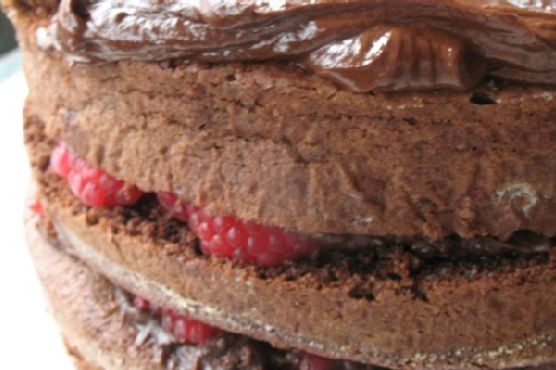
Last Saturday, I found myself staring at a stubborn box of dark chocolate in my pantry, trying to decide what to do with it. It was one of those rainy afternoons when all you want is something rich and comforting. The kind of day where you get cozy in your leggings, the playlist is just right, and you’re itching to bake something indulgent. That’s how my Chocoholic’s Deep Dark Dream Chiffon Cake came to life. It’s heaven in cake form—moist, fluffy, and oh-so-decadent. The secret? It’s a magical combo of creamy chocolate layers and velvety ganache. Perfect for impressing guests or just treating yourself because, let’s be honest, we all deserve a slice of chocolate bliss every now and then.

Jump to Recipe

What You’ll Need

You might already have most of these ingredients tucked away in your kitchen, which makes this cake even more tempting to whip up on a whim. Trust me, it’s worth checking your cupboards for these beauties:

  • 1 cup all-purpose flour
  • 1 cup sugar
  • 1/3 cup sugar (for meringue)
  • 2 tablespoons baking powder
  • 1/2 teaspoon salt
  • 6 tablespoons butter
  • 5% cream – you’ll need this twice!
  • 2/3 cup dark Dutch cocoa
  • 2/3 cup dark Belgian chocolate
  • 1 tablespoon cream of tartar
  • 6 large egg whites
  • 6 large egg yolks
  • 1/2 cup water
  • 1 teaspoon vanilla extract
  • 1/2 cup icing sugar
  • 1/3 cup vegetable oil

How to Make Chocoholic’s Deep Dark Dream Chiffon Cake

  1. Start by mixing your cocoa with boiling water until smooth, then let it cool. This is where the cake’s deep chocolate flavor begins.
  2. In a large bowl, whisk together flour, 1 cup of sugar, baking powder, and salt. These dry ingredients set the foundation for your cake batter.
  3. In another bowl, beat egg whites and cream of tartar with an electric mixer until soft peaks form. Gradually add 1/3 cup sugar and continue beating until peaks are firm but not dry.
  4. Make a well in your dry ingredients. Add vegetable oil, egg yolks, vanilla, and that decadent cooled cocoa mixture. Beat until smooth and luscious.
  5. Gently fold a quarter of the egg whites into the batter to lighten it, then carefully fold in the remaining whites. This step ensures a light, airy texture.
  6. Divide the batter between two 8-inch prepared cake pans and bake in a preheated oven at 350°F for 30-35 minutes. You’ll know it’s ready when a wooden skewer comes out clean.
  7. For the filling, blend sugar, cocoa, and butter with an electric mixer. Add vanilla and cream, adjusting cream to reach your desired texture.
  8. For the topping, heat cream until just below boiling. Stir in chocolate pieces and butter until smooth. Allow to cool, thickening into a rich ganache.
  9. To assemble, slice each cake in half horizontally, creating four layers. Sprinkle your favorite liqueur on the first layer, spread with filling, then arrange raspberry halves for a tart contrast. Repeat for remaining layers, finishing with ganache on top.

Cook’s Notes

This cake might seem a little fancy, but I promise it’s totally doable. Make sure those egg whites are at room temp before you whip them. It makes all the difference for volume and stability. And speaking of stable, be gentle when folding them into the batter. You want to keep that air in there! Store the cake in an airtight container to keep it moist, though honestly, it never lasts long enough for leftovers in my house. If you do have any left, it’s even better the next day as the flavors meld together perfectly. You can make the cake layers a day ahead, just wrap them tightly in plastic wrap.

Make It Your Own

Here’s where you can put your own spin on it:

  • Spice it up: Add a teaspoon of cinnamon or cayenne to the dry ingredients for a spicy kick.
  • Nutty twist: Swap raspberries for toasted hazelnuts between the layers.
  • Mocha love: Stir a teaspoon of instant coffee into the boiling water for a mocha-flavored cake.
  • Berry blast: Use a mix of berries instead of just raspberries for a burst of color and flavor.

Baking this cake feels like giving yourself a big chocolaty hug. If you try it, I’d love to hear how it turns out. Drop a comment or tag me in your cake photos—I can’t wait to see your dreamy creations!

Related update: Chocoholic’s Deep Dark Dream Chiffon Cake

Related update: Baked Caramel Custard

Affordable Luxury: Best Used Lexus SUVs | Analysis by Brian Moineau

Hunt for value: Used Lexus SUVs that feel like luxury without the new-car sticker shock

Getting a vehicle for under $20k is a no-go these days, much less a luxury Lexus SUV — but if you're willing to shop used, you can find some gems. Used Lexus SUVs carry the brand’s quiet refinement and long-lived engineering into the bargain bin of the late‑model market, meaning you can score leather, comfort, and solidity without draining your savings.

SlashGear’s recent roundup of “5 Used Lexus SUVs That Offer The Most Affordable Luxury in 2026” highlights exactly how market shifts and depreciation combine to make luxury attainable for budget-minded buyers. Below I unpack that list, add context from Kelley Blue Book pricing snapshots, and offer a practical perspective on what to expect when you go hunting.

Why used Lexus SUVs remain a smart play

Lexus built its reputation on comfort, fit-and-finish, and reliability — traits that translate extremely well to the used market. Unlike some European luxury marques that demand expensive maintenance as they age, many Lexus models retain mechanical dependability long past 100k miles when properly cared for.

Meanwhile, market forces after 2020 pushed new‑car prices up. That made depreciation a buyer’s friend: models that once cost $40k–$60k new are now often listed for far less on the used lot. Kelley Blue Book valuations show examples like the 2017 NX 300h and the 2013 GX 460 with fair purchase prices that fall in or near the sub‑$20k zone depending on mileage and condition. (slashgear.com)

Used Lexus SUVs to watch (what SlashGear found)

SlashGear’s picks focus on value, availability, and the balance of modern features versus manageable ownership costs. The five models they spotlight include:

  • 2017 Lexus NX 300h — a hybrid compact with comfort, respectable economy, and KBB values that can dip near $20k. (slashgear.com)
  • 2013 Lexus GX 460 — a body‑on‑frame three‑row SUV with V8 power that has depreciated heavily and can show up around mid‑teens in fair market listings. (slashgear.com)
  • 2015 Lexus NX 200t — a turbocharged NX that looks fresher than some older RX models at similar prices. (slashgear.com)
  • Other RX and NX year/trim combinations — SlashGear discusses sensible year ranges where features, safety tech, and price intersect favorably. (slashgear.com)

SlashGear’s methodology leaned on KBB fair purchase prices and an assessment of which model years offer the best mix of modernity and affordability. That matters because two examples of the same model year can still be worlds apart in ownership cost depending on options, accident history, and how well they were maintained. (slashgear.com)

How to read the market before you buy

Before you impulse‑dive on a seemingly great deal, keep a few practical things in mind.

  • Check the vehicle’s service history and validate regular maintenance. Lexus cars reward discipline; skipped timing‑belt/chain service, general neglect, or missed coolant changes can bite later.
  • Use KBB, Edmunds, and current listings to triangulate a fair price. The same 2017 NX 300h shows as low as around $18–20k on national averages, but local supply and mileage will change that. (kbb.com)
  • Get a pre‑purchase inspection (PPI). A professional check will flag suspension wear, transmission issues, hybrid battery degradation (for hybrids), and hidden collision repairs.
  • Consider ownership costs, not just purchase price. Tires, brakes, and timing components on older SUVs can be costly, and the GX’s V8 may be thirstier than a compact NX hybrid.

Transitioning between research and test drive with these guardrails keeps the dream of affordable luxury from turning into a money pit.

Which model makes the most sense for different buyers

  • For city commuters who want efficiency and luxury: a hybrid NX (300h) or an RX hybrid will deliver quiet refinement and strong fuel economy.
  • For buyers who need real off‑road capability or three rows: the GX offers body‑on‑frame toughness and space — but be mindful of fuel and potential chassis‑related wear.
  • For style and up‑to‑date cabin tech on a budget: the first‑generation NX 200t (2015 onward) brought sharper styling and a more modern interior than older RX models at similar prices. (slashgear.com)

A few negotiation and safety tips

  • Use comparable local listings and KBB fair purchase prices as leverage.
  • Ask for maintenance records and proof of major services (timing, transmission, hybrid battery health if applicable).
  • If the price is suspiciously low for a GX or RX, check for signs of heavy towing, off‑road abuse, or flood history.
  • Confirm safety features you want are actually present — some older Lexus models lacked Apple CarPlay, ADAS features, or modern infotainment unless you opted for higher trims.

Helpful pricing context

Kelley Blue Book data (current as of the time of SlashGear’s reporting) shows some 2017 NX 300h trims averaging just under $20k, while certain 2013 GX 460s can list around the mid‑teens in fair market scenarios. Those numbers are national averages; condition, region, and trim drive the final result. Always verify values for the specific car you’re considering. (kbb.com)

Quick takeaways before you hit the lot

  • Used Lexus SUVs can deliver real luxury for bargain prices if you select the right year and spend time verifying condition.
  • Hybrids like the NX 300h are especially attractive for long‑term value thanks to fuel savings, but check hybrid battery history.
  • The GX offers rugged capability and three rows, but expect higher running costs relative to smaller crossovers.

My take

If you want the luxury feel without new‑car sticker shock, used Lexus SUVs are a rare sweet spot: comfortable cabins, conservative styling that ages well, and mechanical robustness that rewards careful buyers. Shop with patience, prioritize documented maintenance, and be conservative about expecting “like new” electrified tech in older models. Do that, and you can drive away with a Lexus that feels premium — and still leaves money in the bank.

Sources


Related update: We recently published an article that expands on this topic: read the latest post.