Coin Flips Reshape 2026 NBA Draft Order | Analysis by Brian Moineau

When a coin flip matters: Ties broken for order of selection in NBA Draft 2026 - NBA

The headline "Ties broken for order of selection in NBA Draft 2026 - NBA" reads clinical, but what it describes is the delicate, nervy moment every front office, scout and fan dreads or celebrates: a random drawing — essentially a coin flip — that can nudge a franchise’s future by one or two draft spots. These random drawings resolved six ties and set the tentative order for the 2026 NBA Draft, giving the Utah Jazz, New Orleans Pelicans, Phoenix Suns, Toronto Raptors, Houston Rockets and New York Knicks the edge in those matchups. (nba.com)

Draft-order tiebreakers are tiny events with outsized consequences. They don’t get the confetti of the lottery, but they quietly rewrite odds, asset values and trade calculus across the league.

How the tiebreakers were decided and why that matters

When teams finish the regular season with identical records, the NBA uses random drawings to break ties for draft order — not head-to-head results or strength of schedule. Those drawings take place before the draft lottery and determine who claims the higher slot among tied clubs. In 2026, six ties between teams with identical records were resolved this way, changing a handful of draft positions and which teams hold certain conveyable picks. (sportingnews.com)

That sounds procedural, but the stakes are practical: a swap from pick 7 to pick 8 or pick 22 to 23 can be the difference between a draft-and-stash prospect, a rotation-ready guard, or a player who becomes a cornerstone. For teams on the margins — playoff hopefuls, trade-bait rebuilds, or clubs protecting traded picks — every position in the order affects bargaining power.

Ties broken for order of selection in NBA Draft 2026

  • Utah Jazz won a tiebreaker with the Sacramento Kings, keeping their pick higher in the order. (nba.com)
  • New Orleans Pelicans prevailed over the Dallas Mavericks in their drawing, shifting the lottery odds for both. (basketball.realgm.com)
  • Phoenix Suns won tiebreakers involving Orlando and Philadelphia scenarios that affected late-lottery and early-second-round positioning. (nba.com)
  • Toronto Raptors beat the Atlanta Hawks in a draw to determine their respective positions. (basketball.realgm.com)
  • Houston Rockets won their tiebreaker over the Cleveland Cavaliers. (nbcphiladelphia.com)
  • New York Knicks won a tiebreaker with the Los Angeles Lakers to settle their picks late in the first round. (basketball.realgm.com)

These outcomes finalize the draft order from pick 15 through pick 30 and help set the stage for the draft lottery — which will still determine the top 14 picks. The draft itself will be held in late June at Barclays Center in Brooklyn, with the exact lottery and draft-dates and broadcast details confirmed by the league schedule. (nba.com)

Why front offices sweat the coin flip

First, perception shapes value. A pick that’s one slot higher is often presented as “better” in trade talks, even if the real difference is marginal. Second, roster construction and fit matter: a team targeting a specific skill set might have multiple realistic prospects clustered in the same scouting tier, where one spot higher increases the odds of landing the preferred player. Third, pick conveyances — protections written into trades — can hinge on exact positions. A protected pick that conveys only if it’s not a top-10 selection becomes a binary outcome after these drawings. (sportingnews.com)

Add in the intangible: morale. For a rebuilding franchise, winning a tiebreaker creates buzz; for a playoff or near-playoff team, losing one can sting as they watch a rival improve its odds.

The bigger picture: lottery, tanking and competitive balance

Random drawings for tie-breaking sit at the intersection of two NBA goals: fairness and competitive balance. The lottery exists to deter intentional losing, but randomized tie resolution is pure luck — a microcosm of the broader tension between promoting parity and rewarding excellence.

This year’s tiebreakers also highlight another modern reality: draft value is currency. Teams use picks to rebuild, to package in trades, or as chips to secure complementary veterans. When a small random event adjusts who holds a pick, it ripples into trade negotiations and long-range planning. Recent academic and policy discussions about lottery design reflect this friction — how to discourage tanking without making the draft order too deterministic or too random. (arxiv.org)

Key takeaways

  • Random drawings resolved six ties and finalized much of the 2026 draft order, affecting teams from the Jazz to the Knicks. (nba.com)
  • Even a one-spot movement matters: protections, trade value and target prospects can be impacted. (sportingnews.com)
  • The tiebreakers are a reminder that both chance and strategy shape roster building in the NBA. (nba.com)

What to watch next

Now that the tie drawings are done, eyes shift to the NBA Draft Lottery, where the top 14 picks are decided. Watch how teams that won tiebreakers approach pre-draft workouts and trade conversations — they may feel emboldened to stand pat or leverage their newly improved position. Conversely, teams that lost tiebreakers might pivot toward packaging picks or targeting safer, higher-floor prospects.

Finally, monitor protected-pick language in prior trades. The precise order produced by these drawings will determine whether certain selections convey, stay with the original team, or transform into second-rounders — and that can alter futures.

Final thoughts

There’s poetry in the randomness: a single slip of fate can make or break a plan crafted over months. The NBA’s tiebreaker drawings are tiny, formal rituals that ripple through scouting reports, trade pitches and summer workout invites. They remind us that while analytics and evaluations dominate modern decision-making, basketball still recognizes the role of chance.

Sources

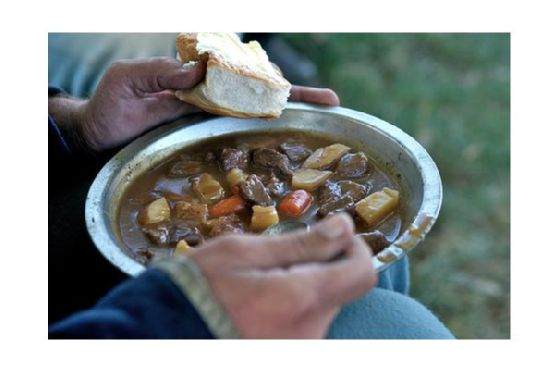
Venison Stew | Made by Meaghan Moineau

I was in the middle of a chilly Tuesday evening, the kind where you’re just craving something warm and hearty, and I found myself staring at a package of venison stew meat in my fridge. You know those days, right? The ones where you want comfort food without all the fuss? That was me. I didn’t want to wait forever for flavors to meld, and I certainly wasn’t in the mood for a culinary marathon. Enter this venison stew — it’s that perfect blend of savory goodness, with tender chunks of venison and veggies that practically hug you from the inside. It’s simple enough to throw together on a weeknight, but tastes like it’s been simmering all day.

Jump to Recipe

What You’ll Need

I love how this recipe doesn’t require a grocery cart full of fancy ingredients. Chances are, you’ve already got most of these at home, especially if you’re a fan of hearty stews!

  • Venison stew meat
  • 4 stalks celery
  • 1 can mushrooms
  • 1 green bell pepper
  • 1 cup flour plus 3 tbsp
  • 2 tablespoons beef bouillon
  • Water
  • Potatoes
  • Onion
  • Baby carrots

How to Make Venison Stew

  1. Begin by cutting all your veggies and the venison into 1-inch pieces. Grab a bowl and dredge the venison in a mix of flour, salt, and pepper until it’s nicely coated.
  2. Heat a splash of vegetable oil in a large pot over medium-high heat. Add the venison and let it brown on all sides. You’re looking for a nice, golden crust here — that’s flavor!
  3. Once browned, add the beef bouillon and enough water to cover the meat. Bring it to a boil, then reduce the heat and let it simmer for about 2 hours. This is where the magic happens, and the meat gets tender.
  4. After 2 hours, toss in all the veggies: carrots, celery, mushrooms, potatoes, and bell pepper. Let everything simmer together for another 30 minutes, until the veggies are nice and tender.
  5. Mix 3 tablespoons of flour with 1 cup of cold water. Stir it into the stew to thicken. Give it a few minutes, and you’ll see it transform into a rich, heartwarming dish.

Cook’s Notes

Okay, here’s the thing — patience really is a virtue with this stew. Letting the venison simmer for a full two hours ensures it’s melt-in-your-mouth tender. If you’re in a pinch, you can reduce the simmering time, but it won’t be as tender. As for storage, this stew actually tastes even better the next day. Just keep it in an airtight container in the fridge, and it’ll last for about 3 days. You can also freeze it for up to 3 months. Just make sure to let it cool completely before freezing.

Make It Your Own

  • Swap the venison for beef if that’s what you have on hand — just as delicious!
  • For a veggie twist, replace the meat with chickpeas and add extra mushrooms for a hearty vegetarian version.
  • Add a splash of red wine while simmering for an extra depth of flavor.
  • Throw in some parsnips or turnips if you’re in the mood for an earthy undertone.

If you try this, I’d love to hear how it turns out — drop a comment or tag me! It’s one of those dishes that just feels like a warm hug, and I hope it brings you as much comfort as it does me. Happy cooking!

Related update: Venison Stew

AJ Brown’s Absence Fuels Eagles Trade Talk | Analysis by Brian Moineau

Hook: The quiet that roars louder than a holdout

The current belief around the NFL is that A.J. Brown is not expected to attend the Eagles’ offseason program — and that absence, on Monday April 20, 2026, speaks louder than a press conference ever could. When one of your top playmakers doesn't show up for voluntary work while trade chatter swirls, it's less a single act than a chapter in an unfolding story: roster decisions, cap math, and a franchise deciding what kind of identity it wants next season.

A.J. Brown is not expected to attend the Eagles’ offseason program

This is the concrete moment: Eagles voluntary offseason workouts began on April 20, 2026, and reports from league insiders indicated A.J. Brown did not attend as he "awaits clarity" on his future with the team. Multiple outlets relayed the same core: Brown's absence is tied to ongoing trade discussions and the practical reality that nothing mandatory happens before June 1, the dollar-and-dead-cap hinge that often dictates whether teams move big contracts. (nfl.com)

The optics are obvious. Brown, a three-time Pro Bowler and one of the league’s premier boundary threats, has publicly expressed frustration with his role in the offense in recent seasons. That tension, combined with the Eagles' front office maneuvering and reported interest from other clubs (the Patriots have repeatedly been mentioned), turns a no-show into a high-stakes negotiation tactic — or a polite way of saying both sides need time and space to sort things out. (nfl.com)

Why the timing matters

Teams rarely trade star players without considering the salary-cap calendar. Trading Brown before June 1 would cost Philadelphia significant dead money against the 2026 cap; waiting can shift financial pain into the next league year. That creates a natural pause in talks until the calendar lines up with both roster flexibility and accounting sense. Meanwhile, Brown sitting out voluntary workouts is legally safe (those workouts are optional), but strategically powerful. (aol.com)

Also, the voluntary program is where offenses build chemistry, reintroduce schemes, and set expectations. A.J.’s absence pulls a thread: it forces coaches to prototype the offense without him, gives younger or newly-signed receivers more reps, and gives the front office leverage — or at least the illusion of it — when talking to suitors.

The human element: more than numbers

It’s easy to reduce this to trade chips and cap hits. But players are people with pride, career timelines, and workplaces they want to trust. A.J. Brown has been vocal about wanting a clearer role and more consistent usage. When a player of his caliber feels marginalized, sitting out is sometimes the last lever to get attention — from coaches, from management, and from the market.

That said, most of the reporting suggests neither side is burning bridges publicly. Coaches have largely said A.J. is still an Eagle, while front-office voices say they’re listening to the market. Those parallel narratives are standard: teams try to protect value, players try to protect status. The dance looks messy, but it’s familiar. (sports.yahoo.com)

What this means for the Eagles’ offense

  • The Eagles will start installing or refining offseason plans without Brown present, at least for voluntary work.
  • That creates an opportunity for DeVonta Smith, Jahan Dotson, John Metchie, and recent additions to carve out roles and for Nick Sirianni to test more diversified looks.
  • If Brown is traded, replacing his production is expensive in both draft capital and salary; the Eagles may pivot to a more committee-driven passing attack or lean harder on the run/pass balance.

In short, the offense is in a short-term state of adaptation: coaches must prepare both for "A.J. returns" and "A.J. leaves." That uncertainty is draining for scheming but clarifying for roster decisions. (si.com)

The trade market and narrative framing

Reports indicate conversations will likely pick back up on or before June 1, when the cap math becomes friendlier to a trade. The Patriots, among others, have been mentioned as interested parties in various outlets. Whether those talks actually produce a deal depends on valuation: is Philadelphia chasing draft capital and cap relief, or are they holding for a haul that justifies moving a centerpiece? (aol.com)

Media coverage also shapes the market. When national insiders like Tom Pelissero, Ian Rapoport, and Mike Garafolo report a player's absence and link it to trade clarity, other teams take notice and either kick tires or step back. For the Eagles, letting the rumor engine run may be a strategy to maximize return — or, conversely, an awkward stage on the way to reconciliation.

Possible scenarios to watch

  • Scenario A: Brown returns after talks stall; the team moves forward with repairs to the relationship and a renewed plan for the offense.
  • Scenario B: Brown is traded on or after June 1 for a high pick or a young asset, changing the Eagles' offseason priorities and draft strategy.
  • Scenario C: Talks leak and stall, leading to extended absence, which could affect team culture and preseason preparations.

Each path has roster, cap, and locker-room consequences. The one constant: the Eagles will have to balance short-term competitiveness with long-term roster architecture.

What fans should feel (and not panic about)

Emotions run high when a star player’s future is uncertain. But this is also the business of the NFL, where player movement and posturing are part of the landscape. Absences during voluntary work do not guarantee a trade — they do, however, sharpen the storylines that will define the rest of the offseason. Patience and critical reading of reports (date, source, and context matter) will help separate hype from real change.

What to watch next

  • Official statements from the Eagles (GM Howie Roseman, coach Nick Sirianni) and A.J. Brown.
  • Any resumed dialogue reported around June 1, when trade flexibility shifts.
  • Who takes the most snaps in the organized drills while Brown remains absent.

Final thoughts

This moment — a star not showing up for an optional program — is deceptively powerful. It compresses months of tension into a single, visible act and forces all parties to either clear the air or double down. Whether this becomes a pivot toward a trade or a reset within Philadelphia, it’s a reminder that NFL seasons are as much about management and relationships as they are about talent. The coming weeks will reveal whether A.J. Brown’s no-show becomes a headline or a footnote.

Sources


Related update: We recently published an article that expands on this topic: read the latest post.
Traditional Panzanella | Made by Meaghan Moineau

Picture this: It’s the kind of sweltering summer day where the thought of turning on the oven makes you break into a sweat. My garden was overgrown with tomatoes begging to be picked, and the loaf of Tuscan bread on the counter was a day away from becoming an even more petrified artifact of the kitchen. That’s when I remembered the glory of Panzanella. This Tuscan bread salad is not only a perfect way to beat the heat, but it’s also a deliciously resourceful way to use up what you might already have at home. The magic of it lies in its simplicity: juicy tomatoes, aromatic basil, and chewy-crunchy bread brought to life with a glug of olive oil and a tangy splash of vinegar. It’s a dish that’s as comforting as it is impressive, and trust me, the flavors are anything but humble.

Jump to Recipe

What You’ll Need

The beauty of Panzanella is its simplicity. Chances are you already have most of these ingredients cozying up in your kitchen:

  • Six slices of day-old Tuscan bread
  • Extra virgin olive oil
  • Fresh basil leaves
  • Red onion
  • Red wine vinegar
  • Salt and pepper
  • Tomatoes (as ripe as you can find, trust me!)

How to Make Traditional Panzanella

  1. First up, grab a large bowl and submerge your day-old bread in water. Let it lounge in its little pool for about 20 minutes. You’re aiming for soft, but not soggy.
  2. Once soaked, drain the bread and give it a good squeeze to get rid of all that water. Crumble the bread into a serving bowl; think large, rustic chunks rather than breadcrumbs.
  3. Now, scatter your chopped tomatoes, thinly sliced red onion, and fragrant basil leaves over the bread. The colors should already be making you smile.
  4. Dress the salad with a generous drizzle of extra virgin olive oil and a splash of red wine vinegar. Salt and pepper to taste, then toss everything together like you’re giving it a gentle hug.
  5. Give it a taste and adjust with more oil, salt, or vinegar as your taste buds demand. Let the Panzanella sit for 15 minutes to let the flavors mingle and serve it up at room temperature.

Cook’s Notes

So here’s the deal: Panzanella is all about that bread absorbing the tomato juices and dressing. Use the sturdiest day-old bread you can find for the best texture—soggy bread is a no-go. If you can, make this a bit ahead of time; the flavors only get better as they sit together. Store any leftovers in the fridge, but honestly, Panzanella is best on the day it’s made. If you need to refresh it the next day, add a bit more olive oil and vinegar to bring it back to life.

Make It Your Own

Here are a few ideas to switch things up while still keeping that classic Panzanella vibe:

  • Swap the red onion for thinly sliced shallots for a milder flavor.
  • Add cucumbers for extra crunch and freshness.
  • Throw in some capers for a briny kick that plays nicely with the tomatoes.
  • For a bit of protein, toss in some creamy mozzarella balls or crispy tofu.

If you try this, I’d love to hear how it turns out — drop a comment or tag me! Your kitchen stories make my day. Here’s to celebrating simple ingredients and the joy of letting them shine.

Related update: Traditional Panzanella

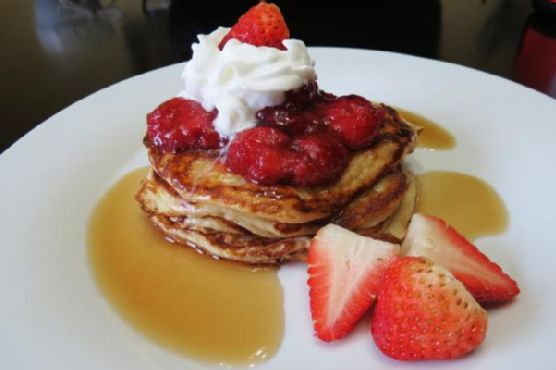
Strawberry Shortcake Pancakes | Made by Meaghan Moineau

It was one of those chaotic Tuesday mornings when everything seemed to be on fast forward. The email inbox was overflowing, the laundry was giving me side-eye, and breakfast needed to be something more inspiring than a bowl of cereal. Enter Strawberry Shortcake Pancakes. They’re like a breakfast dessert that feels a little indulgent but is grounded enough in wholesome ingredients to keep the weekday guilt at bay. These pancakes are the perfect blend of light and fluffy, with a burst of strawberry goodness that just screams “summer.” Whether you’re trying to impress your brunch guests or just need a pick-me-up to tackle the day, this dish has got you covered. Plus, it’s quick enough to throw together before that first Zoom call.

Jump to Recipe

What You’ll Need

You’d be surprised at how many of these ingredients are already sitting in your pantry, just waiting to be transformed into something fabulous.

  • Greek yogurt
  • Egg whites
  • Whole-wheat flour
  • Baking soda
  • Almond extract
  • Sugar
  • Salt
  • Dried freeze strawberries
  • Fresh strawberries
  • Sugar
  • Fat-free whip cream

How to Make Strawberry Shortcake Pancakes

  1. In a small bowl, mix together the Greek yogurt, egg whites, and a splash of almond extract. The aroma of the almond extract will make you want to dive right in, but resist—it’s worth the wait.
  2. In another bowl, whisk together the whole-wheat flour, baking soda, sugar, and salt. This mixture should feel light and airy, the foundation of pancake perfection.
  3. Combine the wet and dry ingredients, whisking until just mixed. You want a smooth batter, but don’t overdo it. Stir in the dried strawberries—these little gems will add an unexpected pop of flavor in every bite.
  4. In a small saucepan, cook the fresh strawberries with a teaspoon of sugar over medium heat. Stir occasionally until they’re thawed and juicy, about 5-7 minutes. The kitchen will start to smell like a strawberry field and you’ll feel like a domestic goddess.
  5. Meanwhile, heat a skillet over medium heat and lightly coat with cooking spray. Pour 1/4 cup of batter onto the skillet. Once you see bubbles forming on the surface, it’s time to flip—aim for about 1-2 minutes per side. Flatten the batter slightly with a spatula for even cooking.
  6. Top your stacks with that luscious strawberry sauce, a drizzle of maple syrup, and a generous dollop of fat-free whip cream. You’ve just created a masterpiece in about 20 minutes.

Cook’s Notes

Let’s get real: even a pro can end up with a few duds in the bunch. If your pancakes are sticking, lower the heat a notch. If you’re prepping for the week, these pancakes freeze like a dream. Just make sure they’re cool before you stack them between sheets of parchment paper and seal them up for the freezer. Need a quick breakfast fix later? Pop them in the toaster to reheat!

Make It Your Own

If you’re feeling adventurous, here are a few tweaks to personalize your pancakes:

  • Swap the almond extract with vanilla extract for a more classic flavor profile.
  • Make it tropical with dried mango instead of strawberries and top with coconut whip.
  • Add a handful of mini chocolate chips to the batter for a sweet surprise.
  • For a nutty twist, toss in some crushed almonds or walnuts for added crunch.

If you try this, I’d love to hear how it turns out—drop a comment or tag me in your pancake selfies! There’s nothing better than sharing a bit of kitchen magic. Enjoy!

Related update: Strawberry Shortcake Pancakes

Why I’m Done Buying Kindles Permanently | Analysis by Brian Moineau

I'm never buying another Kindle, and neither should you

I used to think a Kindle was the easiest way to carry a library in my pocket — until my device stopped being built for readers. "I'm never buying another Kindle, and neither should you" isn't just clickbait; it's the honest reaction of someone who’s watched a device I trusted become more about corporate control than quiet, private reading. Recent firmware changes, DRM tweaks, forced updates, and reports of devices becoming effectively useless have made me rethink the whole premise of buying into Amazon’s e-reader ecosystem. (androidauthority.com)

What changed: from thoughtful gadget to locked-down appliance

Kindles pioneered e-ink reading, long battery life, and a genuinely book-like experience. Over the last few years, though, Amazon has tightened the screws: new firmware has introduced stronger DRM, removed features some users relied on, and in certain cases left devices struggling after updates. The result feels less like thoughtful product stewardship and more like product control. (pocket-lint.com)

Forced updates and buggy firmware have bricked or destabilized multiple devices, according to user reports. When a device that once simply displayed text can suddenly fail because of an overzealous update, you stop seeing it as a durable tool and start seeing it as a service tethered to a corporation’s whims. (wired.com)

Why control matters for readers

Reading is a private, low-friction activity. We choose e-readers to remove distractions, extend battery life, and preserve a single-minded focus on the text. That expectation breaks down when:

  • The manufacturer can silently push updates that change functionality.
  • DRM prevents you from backing up the books you paid for.
  • Amazon can remove or alter access to features or formats without meaningful recourse. (pocket-lint.com)

When your books are tied to an ecosystem that can alter device behavior remotely, ownership becomes ambiguous. You may own the hardware, but you don't fully own the reading experience.

Alternatives that respect readers

Not every e-reader treats you like a license holder. Devices and ecosystems like Kobo and Android-based readers (Boox, etc.) prioritize open file formats, library integration, and — in many cases — local management of files. That means you can borrow from libraries, load ebooks directly, and keep local backups without jumping through Amazon-sized hoops. For people who value interoperability and control, these options are more appealing. (laptopmag.com)

Transitioning away from Kindle may involve a learning curve — Calibre and EPUB support are foreign to some Kindle-only users — but the trade-off is a system where your purchases and local files feel genuinely yours.

The DRM problem: more than inconvenience

Amazon’s recent firmware updates introduced stronger DRM layers that make backing up content harder and complicate transferring books between devices. That’s not just inconvenient; it’s a long-term risk. If support for older devices ends (as Amazon recently announced for devices from 2012 and earlier), users can lose features or compatibility overnight, increasing e-waste and effectively forcing upgrades. (pocket-lint.com)

If you value longevity and the ability to archive purchases locally, heavy-handed DRM is a red flag. It means your “library” may vanish into formats and servers you can’t control.

The human cost: frustration, lost time, and distrust

This isn’t abstract. Real readers report waking up to bricked devices, losing access to sideloaded books, or spending hours on support calls that don’t resolve the core problem. That friction chips away at trust. Once the relationship between buyer and device shifts toward paternalistic control, the emotional value of the product drops. People don’t just want features — they want reliability and respect for ownership. (reddit.com)

What Amazon could do (but hasn’t)

There are straightforward, reader-first moves Amazon could make:

  • Stop forced updates that can brick devices or remove core features without clear opt-in.
  • Provide a robust offline-side-load and backup path for purchased content.
  • Limit DRM to the minimum necessary and make archival/export tools available.
  • Offer clear, dated support timelines so buyers can make informed choices.

Until Amazon anchors its strategy around reader rights and device longevity, skepticism is rational.

Alternatives and practical next steps

If you’re fed up and thinking of switching, here’s a quick roadmap:

  • Try a Kobo if you want straightforward EPUB support and library integration.
  • Consider Android-based e-ink devices (Boox, Onyx) if you want apps and flexibility.
  • Use Calibre to manage local libraries and maintain backups of any DRM-free files.
  • When buying, prefer sellers that clearly state region and support policies to avoid warranty headaches. (laptopmag.com)

These options aren’t perfect, but they foreground user control over corporate convenience.

My take

I still love the idea of a dedicated e-reader: the tactile simplicity, the long battery life, the focus. But a device that can be subtly reshaped by the company behind it — sometimes to the detriment of the user — no longer earns my loyalty. For me, “I’m never buying another Kindle, and neither should you” captures a larger point: buy tools that respect your ownership, not products that treat you as a subscription to be managed.

Closing thoughts

We buy gadgets to make our lives richer, not to become pawns in product strategies. Reading should be low-friction, private, and durable. When a platform that once delivered that experience starts prioritizing control over readers, it’s time to look away and support alternatives that preserve the simple joy of turning a page.

Sources


Related update: We recently published an article that expands on this topic: read the latest post.



Related update: We recently published an article that expands on this topic: read the latest post.