Game 4 Picks: Wolves vs Spurs Betting Edge | Analysis by Brian Moineau

Sunday NBA Picks & Predictions: Moneyline Bet, Naz Reid Prop for Wolves vs Spurs – Action Network

The second round of the NBA playoffs heats up this Sunday, and if you landed on "Sunday NBA Picks & Predictions: Moneyline Bet, Naz Reid Prop for Wolves vs Spurs – Action Network" you know we’re talking leverage — where a smart moneyline pick and one prop can turn a tense Game 4 into a clean edge. The Spurs and Timberwolves enter Game 4 with narrative and matchup quirks that make one side juicier than the other, and Naz Reid’s role looms as a small-but-important swing factor.

Why Game 4 matters

Game 4 in a best‑of‑7 often tilts a series’ psychology. A team that grabs a 3‑1 lead often closes the door; a 2‑2 tie flips momentum entirely. San Antonio already used a blueprint to slow Minnesota in Game 3, and Minnesota’s coaching staff must decide whether to re‑establish an inside game or chase spacing. Those adjustments shape odds, moneyline prices, and player props — especially for an energetic role player like Naz Reid.

  • San Antonio pushed the pace and disrupted the Wolves’ interior rhythm in Game 3.
  • Minnesota still has the offensive depth (Edwards, Randle, Reid) to respond.
  • Coaching tweaks on rotations and matchups will quickly affect minutes and prop viability.

Transition: let’s look at the matchup levers that make the Action Network pick readable.

Matchup edges that matter

Matchups speak louder than box scores in playoff basketball. San Antonio’s length and perimeter defense consistently force opponents into tougher shots, while Minnesota’s size and spacing create paint opportunities when they commit to it.

  • Spurs strength: elite wing length and two‑way schemes that dare stars to beat them with one‑on‑one play.
  • Wolves strength: multiple finishers and a physical small‑ball frontcourt that can punish defensive mismatches.
  • X‑factor: rotations around Rudy Gobert (if available) and how often Naz Reid is used as a roll/pop scoring option.

Those dynamics help explain why a moneyline bet could be compelling on one side and why a Naz Reid prop — particularly a points, rebounds, or three‑pointer line — is attractive.

The betting angle: moneyline + Naz Reid prop

The Action Network piece pointed readers toward a moneyline bet and a Naz Reid prop as two high‑value plays for Game 4. Here’s the logic behind combining those markets.

  • Moneyline edge: if line movement or matchup data shows one team getting too much public love, the opposing moneyline can offer +EV (expected value). In this series, look for where bookmakers overreact to a single game result and underprice regression possibilities.
  • Naz Reid prop: Reid is a matchup weapon. When he sees more touches at the elbow or in short roll situations, his efficiency climbs. If San Antonio invites Minnesota to attack inside or leaves him less contested, his points/rebounds prop often looks too low.

Put simply: when a matchup increases Reid’s floor (more touches, favorable defender), and the market misprices the team outcome, those two bets can coexist as a correlated, smart ticket.

Transition: but numbers matter, so let’s ground this in recent evidence.

What recent performances suggest

Recent box scores and game notes show Reid impacting both scoring and rebounding in spurts. Game 1 and Game 3 offered contrasting looks — when the Wolves emphasize inside actions, Reid shines; when the Spurs limit paint touches, his opportunity shrinks.

  • Reid has delivered meaningful minutes and high‑efficiency scoring in games where Minnesota prioritized short rolls and offensive rebounds.
  • San Antonio’s defensive schemes have intermittently cut off passing lanes, forcing Minnesota into isolation scoring that reduces Reid’s opportunities.
  • Rotations matter: if the Wolves rest or reduce minutes for a primary big, Reid’s minutes and usage often rise.

So, before betting the prop, track the pregame injury report and any minute‑distribution clues from shootarounds. Those short signals often move the true value of a Reid prop.

How to size and time the bet

Betting is about edges and bankroll control, not heroics. If you like the Action Network framing, consider these practical steps.

  • Stagger stakes: smaller wager on the moneyline, slightly larger on the Reid prop if you confirm minutes and matchup cues.
  • Shop lines: different books will price Naz Reid’s PRA or points line differently. Find the softest number.
  • Lock in early if the projection aligns with your model; late movement can squeeze value or reveal sharp money.

Transition: finally, context beyond the box score.

Broader playoff context

Playoff basketball rarely mirrors the regular season. Coaches micromanage rotations, fouls change matchups, and usage patterns shift to exploit weaknesses. That’s why a prop tied to role (like a Reid stat line) can outperform simple team‑outcome bets: it’s micro‑efficient and responsive to how a coach plans to deploy a player in a single game.

  • Coaching adjustments often determine who plays 28 minutes vs. 35 minutes.
  • A single foul trouble incident can flip a role player’s usage overnight.
  • Prop markets sometimes lag tactical changes, which creates opportunities.

Things to watch in the final hour

  • Injury reports and any scratch news.
  • Line movement on the moneyline and public money percentages.
  • Pre‑game minute hints from beat reporters or official rotations.

Closing thoughts

My take: the Action Network’s combination of a moneyline bet and a Naz Reid prop is a compact way to play a game where both macro and micro factors matter. Use disciplined sizing, confirm minutes, and don’t overreach when the market tightens. In playoff series this close, a single player’s extra possession — or an extra defensive stop — becomes the difference between a smart bet and an avoidable loss.

Quick points to remember

  • Game‑level narratives (momentum, adjustments) are as important as raw stats.
  • Props tied to minutes and role (Reid) can offer edges when rotation news lags.
  • Shop lines and stagger stakes; preserve bankroll discipline.

Sources


Related update: We recently published an article that expands on this topic: read the latest post.
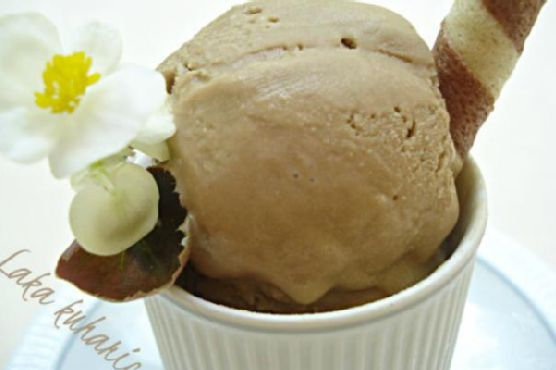

Home made coffee ice cream | Made by Meaghan Moineau

The other day, I found myself standing in my kitchen at 10 PM, staring longingly at the empty ice cream tub in my freezer. It was one of those evenings where you just need a little something sweet and comforting to wind down. I glanced over at my coffee maker, and a light bulb went off in my head. Why not combine my love of coffee with my undeniable ice cream addiction? And so, my homemade coffee ice cream was born. This recipe is worth the extra few steps because it’s creamy, full of java flavor, and doesn’t require anything fancy. Just a bit of time and patience, and you’ll be savoring the smoothest, most delightful treat you can imagine.

Jump to Recipe

What You’ll Need

This isn’t one of those ingredient lists that sends you on a wild goose chase. Chances are, you already have most of these goodies hanging out in your kitchen:

  • 2 cups of cream
  • 3/4 cup of sugar
  • 1 tablespoon of coffee granules
  • 1 cup of milk
  • 4 large egg yolks
  • 1 teaspoon of vanilla extract

How to Make Home made coffee ice cream

  1. In a medium, heavy saucepan, combine the cream, milk, sugar, and coffee granules. Bring the mixture to a gentle boil over medium heat, watching for those tiny bubbles at the edges and a heavenly coffee aroma, then remove from the heat and set aside.
  2. In a medium bowl, beat the egg yolks until they’re smooth and slightly frothy. Slowly whisk 1 cup of the hot cream mixture into the yolks, then stir in the vanilla extract.
  3. Pour the egg mixture back into the saucepan with the remaining hot cream mixture. Over low heat, cook the custard, stirring constantly with a wooden spoon or spatula until it thickens enough to coat the back of the spoon, about 4-5 minutes.
  4. Remove the custard from the heat and strain it through a fine mesh strainer into a clean bowl or container, catching any sneaky little bits of cooked egg. Press plastic wrap directly onto the surface to prevent a skin from forming.
  5. Chill the custard in the refrigerator for at least 2 hours to make it nice and cold. The anticipation will be worth it, trust me!
  6. Once chilled, pour the custard into your ice cream machine and churn according to the manufacturer’s instructions. The mixture will transform into a creamy, dreamy delight.
  7. Transfer the churned ice cream to a plastic container and pop it in the freezer for a few hours to firm up. When you’re ready to serve, let it sit out for 5-10 minutes to get to that perfect scoopable stage.

Cook’s Notes

There’s something magical about homemade ice cream, but it can be a bit tricky if you’re not careful. Always keep stirring the custard to prevent it from curdling. If you don’t have an ice cream maker, a bit of patience and elbow grease will do the trick—just freeze the mixture and stir it every 30 minutes until it’s frozen. Store the ice cream in an airtight container, and it should keep well for up to two weeks. That is, if you can resist finishing it off sooner!

Make It Your Own

Want to jazz things up a bit? Here are some simple swaps and additions:

  • For a mocha twist, melt 1/2 cup of chocolate chips into the cream mixture before boiling.
  • Add a teaspoon of cinnamon to the egg yolks for a spicy kick that pairs perfectly with the coffee.
  • Mix in crushed biscotti or chocolate-covered espresso beans during the last few minutes of churning for a crunchy surprise.
  • Swap the milk with almond milk for a nutty note that sings with the coffee flavor.

If you try this, I’d love to hear how it turns out—drop a comment or tag me! Enjoy every heavenly bite.

Related update: Home made coffee ice cream

Related update: Kahlua Tiramisu

Quadrasteer: Brilliant Innovation, Epic | Analysis by Brian Moineau

Hook: A clever idea that tripped on its own feet

When General Motors rolled out the Quadrasteer system on its full‑size pickups in the early 2000s, it looked like a brilliant answer to a real problem: make giant trucks handle like smaller vehicles while improving towing stability. The Quadrasteer system shaved feet off turning circles and made parking and trailer control measurably better — but despite those advantages it lasted only a few model years and then disappeared. What happened? Let’s unpack the idea, the execution, and why an innovative system that actually worked failed to stick. (en.wikipedia.org)

The Quadrasteer system: what it did and how it worked

Quadrasteer was a four‑wheel steering system developed by Delphi for GM and offered as an option on certain Chevrolet and GMC trucks and large SUVs from 2002 through 2005. Instead of the rear wheels being fixed, Quadrasteer allowed the rear axle to steer up to several degrees, controlled by an electric motor and sensors that linked rear wheel angle to steering input. The effect was dramatic: tighter low‑speed turning, improved maneuverability in parking and yards, and better trailer tracking at higher speeds. (en.wikipedia.org)

The engineering payoff was measurable. Some tests reported around a 20% reduction in turning radius and noticeably improved behavior when towing. Drivers found that a big SUV or pickup suddenly felt less like a cumbersome tool and more like a nimble machine for everyday driving. That combination of benefits made Quadrasteer look like a practical application of advanced chassis tech — not just showboating. (arstechnica.com)

Why Quadrasteer sounded like a winner — at first

  • The system solved real pain points for truck owners: tight parking, neighborhood maneuvering, and trailer sway/track.
  • It arrived when OEMs were experimenting with ways to add comfort and capability to light‑truck platforms.
  • Reviews and technical writeups praised its effectiveness and safety improvements during towing. (arstechnica.com)

Yet despite favorable reviews and solid engineering, Quadrasteer’s fate was decided in the market — not on the test track.

Why the Quadrasteer system failed to catch on

Several converging reasons explain why Quadrasteer was shelved after just a few years:

  1. Price and packaging.
    Quadrasteer carried a hefty option premium when new. Even after GM reduced the price (at one point to $2,000 and then lower discounts), the incremental cost made buyers pause — especially since many truck buyers prioritize payload, towing specs, or lower purchase price over a handling feature they might not fully understand. (autoweek.com)

  2. Poor dealer and OEM marketing.
    Experts and analysts later said dealers often failed to explain the system’s benefits. If customers didn’t grasp why a rear‑steering axle mattered for their daily life or towing tasks, they weren’t going to pay extra for it. The feature suffered from being technically credible but poorly communicated. (autoweek.com)

  3. Complexity and perceived reliability risks.
    A steerable rear axle added components, sensors, and calibration points. For a buyer thinking about decades of hard use, fishing trips, and heavy towing, additional complexity can equal potential future expense. Even though many Quadrasteer trucks have proven durable, the perception of repair difficulty and parts rarity haunted resale values and purchase decisions. (wardsauto.com)

  4. Timing and market readiness.
    In the early 2000s, the luxury pickup segment was still nascent. Customers weren’t used to paying a premium for handling enhancements the way they would later for tech and comfort packages. The truck market then favored brute capability and low‑end utility over subtle handling improvements. That cultural mismatch mattered. (drivingline.com)

Combined, these problems produced low take‑rates. GM sold only a few thousand Quadrasteer‑equipped vehicles each year; overall penetration remained tiny. With limited sales, spare‑parts economies of scale never developed, reinforcing concerns about cost and support — a vicious cycle. (autoweek.com)

Quadrasteer system: a lesson in technology adoption

Looking back, Quadrasteer reads like a classic case of “right idea, wrong moment, wrong go‑to‑market.” The system was technically impressive and delivered tangible benefits. However, adoption depends on more than engineering:

  • Timing: Customers needed to be in a mindset to pay for convenience and capability rather than just raw specs.
  • Pricing: The price premium must align with perceived value or be bundled effectively.
  • Education: Dealers and OEMs must translate engineering gains into real customer benefits.
  • Support: Long‑term parts and repair confidence influences purchase decisions for heavy‑use vehicles.

For every tech that survives, these nonengineering pieces must line up — and for Quadrasteer, they didn’t. (drivingline.com)

Quadrasteer system today and its legacy

Although GM discontinued the option after 2005, four‑wheel rear steering didn’t vanish from the automotive playbook. Newer implementations — particularly in electric platforms where electronic actuation is easier to package — have brought four‑wheel steering back to modern trucks and SUVs in different forms. In that sense, Quadrasteer was ahead of its time: a practical demonstration of the value of rear steering that the industry later rediscovered under different market conditions. (drivingline.com)

Key points to remember

  • Quadrasteer was an effective four‑wheel steering system offered by GM from 2002–2005 that improved turning radius and towing stability. (en.wikipedia.org)
  • The system failed commercially due to price, weak marketing, complexity concerns, and poor timing. (autoweek.com)
  • Its core ideas live on: modern four‑wheel‑steer systems on current vehicles owe something to the Quadrasteer experiment. (drivingline.com)

Final thoughts

Quadrasteer feels a little like a vintage gadget you find in a garage: brilliant engineering that didn’t get the audience it deserved. The lesson isn’t that automakers shouldn’t innovate — it’s that innovation must meet clear customer priorities, be priced appropriately, and be explained well. As trucks evolve and electrification reshapes architectures, the practical benefits Quadrasteer promised are easier to deliver and to sell. Maybe the market was simply waiting for better timing and simpler electronics.

Sources


Related update: We recently published an article that expands on this topic: read the latest post.

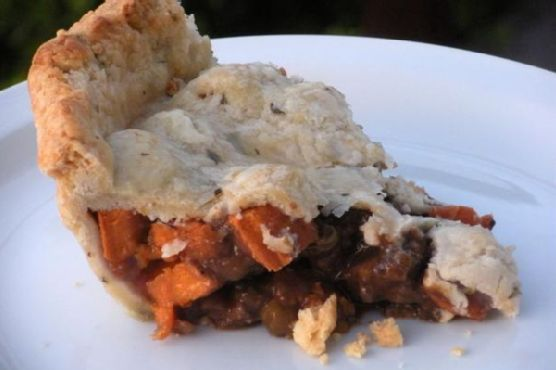
Lamb & Sweet Potato Pot Pie | Made by Meaghan Moineau

It was a Wednesday, smack in the middle of a busy week, when I found myself staring at a fridge full of mismatched leftovers and a craving for something hearty. A glimpse of sweet potatoes and a package of lamb sparked an idea — Lamb & Sweet Potato Pot Pie. It’s one of those meals that’s worth every step, filling the kitchen with cozy aromas and rewarding you with a golden, flaky crust. Plus, it’s a great way to transform humble ingredients into something that feels like a hug wrapped in pastry. If you’re in the mood for a little kitchen adventure with a comforting payoff, this recipe is just the ticket.

Jump to Recipe

What You’ll Need

Chances are you already have most of these ingredients in your pantry or fridge. Here’s what makes this pot pie special:

  • Lamb
  • Sweet potatoes
  • Bay leaf
  • Black pepper
  • Butter
  • Caraway seeds
  • Celery stalks
  • Cornstarch
  • Demi glace
  • Flour (used twice)
  • Fresh rosemary
  • Fresh thyme
  • Garlic
  • Ice water
  • Kosher salt
  • Lemon zest
  • Milk
  • Olive oil
  • Orange zest
  • Frozen peas
  • Crust
  • Red onion
  • Red wine
  • Shortening
  • Sugar
  • Water

How to Make Lamb & Sweet Potato Pot Pie

  1. Start with the crust. Combine the flour, sugar, fresh rosemary, fresh thyme, and salt in a large bowl. Add chilled butter and use a pastry blender to mix until it resembles coarse cornmeal.
  2. Integrate the shortening into your flour-butter mix until just combined. Gradually add ice water, mixing well after each tablespoon, until the dough begins to stick together.
  3. Divide the dough into two even balls, dust lightly with flour, and wrap in plastic. Let them chill in the fridge for at least an hour.
  4. For the lamb, toss it with salt, pepper, caraway seeds, garlic, and flour, and set aside for a bit.
  5. Swirl some olive oil in a deep, wide pan on medium heat. Add the lamb and cook it until just browned, then transfer to a plate.
  6. In the same pan, add a touch more oil if needed, and scrape up those flavorful drippings. Add the red onion and celery, cooking until they soften and turn translucent.
  7. Pour in the red wine and demi-glace, stirring well, then add the lamb back with the peas and bay leaf. Cover the pan, reduce to a simmer, and cook for about 15 minutes.
  8. Stir together water and cornstarch, pour into the lamb mixture, and mix well. Add in the sweet potatoes, cooking for another 5-7 minutes. Remove from heat and let cool completely. Remember to fish out that bay leaf!
  9. Roll the chilled dough on a floured surface for the bottom crust, place it in a 9-inch pie dish, and trim edges. Put it in the fridge to stay cool while you roll the top crust.
  10. Pour the cooled filling into the bottom crust. Top with the rolled-out dough for the top crust and trim the edges if necessary.
  11. Crimp the edges to seal, and chill the whole pie in the fridge. A quick chill in the freezer for about 2-4 minutes if the dough feels soft will also work wonders.
  12. Brush the top crust with milk just before baking. Bake in a preheated oven at 375 degrees for 45-50 minutes, until the crust is golden brown and fragrant.

Cook’s Notes

Always ensure your dough is well chilled to ensure a flaky crust. If it’s warm, it can become a soggy mess, so over-chilling is better than under-chilling. You can let the filling cool completely in the fridge before assembling to keep it manageable. This pot pie is a great candidate for make-ahead meals; assemble it in advance and bake it right before dinnertime. Leftovers stay tasty for up to 3 days when refrigerated.

Make It Your Own

  • Swap the lamb for chicken thighs for a lighter but equally delicious version.
  • Replace sweet potatoes with regular potatoes if that’s more your style.
  • Use vegetable broth instead of demi-glace for a different depth of flavor.
  • Add mushrooms to the filling for an earthier taste profile.

If you try this, I’d love to hear how it turns out — drop a comment or tag me on social media! It’s always a joy to see your spins on these recipes. Enjoy every flaky, savory bite!

Related update: Lamb & Sweet Potato Pot Pie

Related update: Swiss Chard Wraps

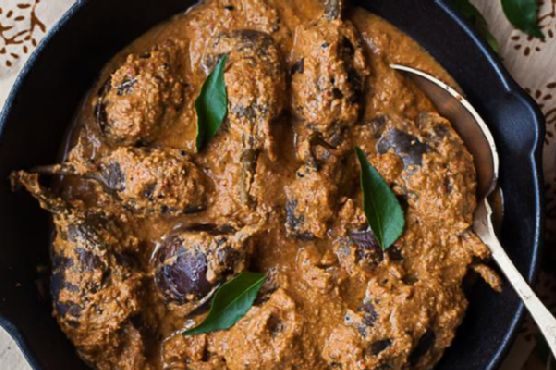
Hyderabadi baghara Baingan | Made by Meaghan Moineau

Picture this: it’s a bustling Tuesday evening and I’m standing in my kitchen, rifling through the pantry for dinner inspiration when I stumble upon a bunch of cute, little eggplants. A light bulb moment hits—Hyderabadi baghara Baingan! This dish is like a warm hug, perfect for when you’re craving something rich and tangy yet surprisingly easy to whip up. The eggplants soak up the spiced, nutty goodness, leaving you with a delicious meal that feels like it took hours, but really didn’t. Trust me, even on the busiest days, this is a dish that delivers on flavor with every bite.

Jump to Recipe

What You’ll Need

This isn’t one of those crazy ingredient lists that sends you to five different stores. Chances are you already have most of these at home.

  • 10-12 baby eggplants
  • 3-4 red Kashmiri chilies
  • Coconut
  • Coriander seeds
  • Cumin seeds
  • 8-10 curry leaves
  • Garlic
  • 1 piece of ginger
  • Tamarind, about a lime-sized ball
  • Oil
  • Onion
  • Salt
  • Nigella seeds
  • Sesame seeds
  • Turmeric
  • Jaggery
  • Peanuts
  • Cashews

How to Make Hyderabadi baghara Baingan

  1. First things first—wash those baby eggplants and pat them dry. You’re going to slit them lengthwise into fours, but keep the stems intact. This way, they hold together nicely in the dish.
  2. In a separate pan, heat a teaspoon of oil. Toss in the cumin seeds, peanuts, and cashews and fry them for a few seconds until fragrant.
  3. Add in the ginger, garlic, and chopped onion. Cook this down for about a minute until everything turns soft and golden.
  4. Sprinkle in the turmeric, coriander seeds, coconut, and Kashmiri red chilies. Keep frying till the mixture turns a lovely brown. Let this cool completely and then blend it into a fine paste with a little water.
  5. Now, in a thick-bottomed pan, heat some oil and fry the eggplants until they’re brown and tender. This is where they get all soft and lovely. Remove them and set aside.
  6. In the same oil, add the nigella seeds and let them crackle before stirring in those aromatic curry leaves. Fry for a few seconds to release their flavors.
  7. Add the ground paste you prepared, along with the tamarind pulp, salt, and jaggery. Mix it all up until it becomes a fragrant, bubbling sauce.
  8. Gently add the sautéed eggplants and about half a cup of water. Cover the pan and let everything simmer over low heat until the eggplants are cooked through and super soft.
  9. Serve this hot with rice or rotis, and savor each mouthful of that rich, tangy curry.

Cook’s Notes

Cooking Hyderabadi baghara Baingan is a breeze if you keep a few things in mind. First, ensure the eggplants are fresh and firm for the best taste. If you don’t have Kashmiri red chilies, substitute with any mild red chili for that vibrant color, but be mindful of the spice level. This dish is great the next day too as the flavors deepen overnight, so don’t hesitate to make it ahead of time. Store leftovers in an airtight container in the fridge for up to 3 days. Reheat gently, adding a splash of water if needed to loosen the sauce.

Make It Your Own

Looking to shake things up a bit? Here are a few ways to switch up this recipe:

  • Swap the eggplants for zucchini or baby bell peppers for a different twist.
  • For a nut-free version, omit the peanuts and cashews and add a tablespoon of almond butter to the paste for richness.
  • Dial up the heat by adding a green chili or two to the paste if you’re in the mood for something spicier.
  • For a heartier meal, toss in some boiled potatoes along with the eggplants.

If you try this, I’d love to hear how it turns out—drop a comment or tag me! Your feedback makes my day and helps fellow food lovers. Enjoy the cooking adventure!

Related update: Hyderabadi baghara Baingan

Related update: Lamb & Sweet Potato Pot Pie

Kerr Stays: Warriors Secure Coaching | Analysis by Brian Moineau

A familiar voice, one more chapter: Steve Kerr reportedly agrees to two-year contract to remain Warriors coach

The headline landed like a buzzer-beater: Steve Kerr reportedly agrees to two-year contract to remain Warriors coach — and for the Golden State locker room, that’s the kind of reassurance that reverberates. Kerr’s decision to stay extends his tenure one year past Stephen Curry’s current contract, and multiple reports say he explicitly didn’t want to leave Steph or Draymond Green behind. That combination of timing and loyalty matters more than it might at first glance.

The optics are simple but potent: Kerr, the architect of the Warriors’ modern identity, signing a two-year deal keeps continuity intact while leaving room for roster and cap maneuvering. Let’s unpack why this matters, what it means for the franchise’s next moves, and where Golden State goes from here.

Why Kerr staying matters now

  • Kerr is more than a coach; he’s a culture carrier. Since 2014 he’s shaped offensive principles, defensive accountability through Draymond Green, and the freedom Steph Curry needs to operate.
  • His new two-year window overlaps with Curry’s final guaranteed season under his current deal, putting Kerr in the rare position of being contracted beyond his superstar’s guaranteed term.
  • Reports emphasize Kerr’s emotional bond with Curry and Green — he “didn’t want to leave” them — which signals the decision was as much personal as professional.

This dynamic isn’t just sentimental. Coaching stability affects everything from free-agent interest to player retention, and it gives the front office clearer constraints for payroll planning. With a Hall of Fame coach locked in for two more years, the Warriors avoid one major source of offseason uncertainty.

The roster timeline and why the extra year matters

Golden State’s immediate puzzle: how to mend a team that missed meaningful playoff success this season while managing aging stars and a thinned salary cap. Kerr’s two-year deal extending a year past Curry’s contract creates a few practical implications.

  • It gives the Warriors a full season under Kerr while Curry finishes his current deal, allowing for one more run with that core in place.
  • If Curry signs a new deal after his current contract, Kerr is already onboard; if Curry departs after his guarantee ends, Kerr has time to help shepherd a transition.
  • For Draymond, who has leverage through a player option and long history with Kerr, the coach’s presence may influence whether he picks up that option or seeks a different path.

Put another way: Kerr’s extra year is both a safety valve and a pressure valve. It lets management plan with some certainty, but it also focuses decisions about extensions and trades with a referee on the sideline everybody trusts.

The competitive picture: rebuilding vs. recalibrating

Golden State faces a fork: rebuild around young assets or recalibrate the current core to chase one more title window. Kerr’s commitment nudges the needle toward recalibration.

  • Rebuild advocates might argue the team needs an aggressive reset: trade veterans for draft assets, reset the timeline, and hire a coach for the long haul.
  • Recalibration supporters point to Kerr’s ability to extract overperformance from aging rosters, his offensive scheming, and the value of continuity for player development (especially for younger pieces on the roster).

Kerr’s presence doesn’t decide the path — front office moves do — but it frames the conversation. A coach of his stature typically prefers to work with established stars rather than oversee a full teardown, and his willingness to remain suggests the Warriors will try one more creative run before going full rebuild.

Leadership and locker-room chemistry

One underrated element here is the relational glue between Kerr, Curry, and Draymond. Those personalities have shaped Golden State for a decade: Steph’s optimism, Draymond’s fire, Kerr’s steady edge. Reports that Kerr “didn’t want to leave Curry and Draymond Green” are revealing.

  • It shows Kerr values the human side of coaching — relationships that outlast contracts.
  • It reassures players who might otherwise see front-office churn as a sign to jump ship.
  • It signals to free agents that the franchise still values continuity, even while wrestling with salary constraints.

That chemistry helped deliver four titles. It won’t automatically buy another ring, but it makes the trials of the next two seasons feel less chaotic.

What the front office must do next

Keeping Kerr is only the first step. The Warriors’ leadership now faces concrete choices:

  1. Clarify Draymond Green’s situation: does he pick up his option, or does the team negotiate an extension? The answer affects cap space and lineups.
  2. Explore affordable upgrades: with limited flexibility, identify high-impact, low-cost additions (rookies, two-way players, or vets on short deals).
  3. Plan for Curry’s contract year: prepare contingencies if he wants to re-sign, restructure, or test free agency later.

Kerr’s two-year deal effectively buys the front office a focused timeline to answer these questions. That’s valuable — but it’s only useful if the front office acts sharply.

Steve Kerr reportedly agrees to two-year contract to remain Warriors coach — the broader NBA context

Across the league, coaching stability has become a competitive differentiator. Teams that change coaches frequently tend to suffer inconsistent play and culture. Conversely, stable coaching staffs can outmaneuver roster limitations. Kerr’s decision aligns the Warriors with franchises that prize continuity as a strategic advantage.

At the same time, Kerr’s time horizon is finite. Two years is long enough to attempt recalibration, but not a blank check. If the Warriors underperform again, the organization may face tougher choices: reorganize the roster, trade key veterans, or accept a longer rebuild.

My take

Keeping Steve Kerr feels like the right move. It honors the relationships that built a modern dynasty, provides the franchise with breathing room, and gives fans one more season to hope for a late-career surge from Curry and Draymond under a familiar voice. The risk is clear: if the next two seasons don’t show progress, sentiment won’t save the front office from hard decisions.

But for now, Golden State gets continuity and clarity. That’s worth something in a league where stability often equals opportunity.

Final thoughts

The Warriors are in a delicate moment: legacy in the rearview, relevance in the present, and a future that’s uncertain but not locked. Steve Kerr’s two-year agreement buys time and preserves the team’s identity. The rest — payroll moves, player choices, and a little bit of health and luck — will determine whether this chapter ends with another parade or sets up a complete rewrite.

Sources


Related update: We recently published an article that expands on this topic: read the latest post.


Related update: We recently published an article that expands on this topic: read the latest post.