Trump Questioned Extent Of Musk’s DOGE Cuts, Report Says – Forbes | Analysis by Brian Moineau

Trump Questioned Extent Of Musk’s DOGE Cuts, Report Says - Forbes | Analysis by Brian Moineau

Title: A Doge, a Billionaire, and a Former President Walk into a Bar: Musings on Government Efficiency and Cryptocurrency

In the latest twist of the ever-entertaining saga of Elon Musk and his favorite meme coin, DOGE, we find none other than former President Donald Trump raising an eyebrow at Musk's alleged cuts in the cryptocurrency realm. According to a recent Forbes article, Trump has questioned the extent of Musk's Dogecoin cuts, a move that seems to intersect with a broader narrative of fiscal responsibility—or lack thereof—within the U.S. government.

Government Efficiency: Reality or Mirage?

The Department of Government Efficiency proudly touts $175 billion in government savings achieved through federal layoffs and the cessation of certain federal contracts and grants. While these figures may sound impressive, they're met with skepticism by some who question the broader implications of such cuts. How do we balance fiscal responsibility with the need to support essential services and innovation?

The notion of government efficiency often brings to mind a classic conundrum: how much is too much when it comes to trimming the fat? In a world where technology is evolving at breakneck speed and the private sector, led by moguls like Musk, is outpacing traditional structures, it's crucial to consider the ripple effects of such cuts on innovation and the economy.

Elon Musk: The Unpredictable Tech Maverick

Speaking of innovation, let's talk about Elon Musk. Love him or loathe him, Musk is a force to be reckoned with. The Tesla and SpaceX CEO has a knack for making headlines, whether it's for launching rockets, revolutionizing the electric car industry, or, in this case, influencing the cryptocurrency market with a single tweet. His relationship with Dogecoin has been particularly intriguing, with his tweets often causing wild fluctuations in the coin's value.

But why Dogecoin? Originally started as a joke in 2013, Dogecoin has morphed into a legitimate player in the crypto world, thanks in part to Musk's unpredictable endorsements. His involvement raises questions about the influence of individual personalities on decentralized currencies—a topic that continues to spark debate among experts and enthusiasts alike.

Connecting the Dots: Government and Crypto

What do Trump's concerns over Musk's Dogecoin activities and the government's fiscal maneuvers have in common? At first glance, not much. However, they both underscore the tension between traditional structures and the new world order defined by rapid technological advancements and shifting economic paradigms.

Globally, we see countries grappling with similar issues. Take, for example, China's recent crackdown on cryptocurrencies, which highlights how governments are attempting to regulate an industry that was designed to operate outside their control. Meanwhile, the European Union is exploring a digital euro, reflecting a growing interest in integrating digital currency into traditional financial systems.

Final Thoughts: A Balancing Act

As we navigate these uncharted waters, the key lies in finding a balance. Governments must be judicious in their cost-cutting measures, ensuring they don't stifle innovation or hinder progress. Simultaneously, the private sector, led by disruptors like Musk, should be mindful of their influence and strive for a harmonious relationship with regulatory bodies.

In the end, whether it's through government efficiency initiatives or the unpredictable world of cryptocurrency, the goal should be to create a world where progress and responsibility go hand in hand. After all, in the dance between tradition and innovation, there's room for both to lead.

Read more about AI in Business
Read more about Latest Sports Trends

Read more about Technology Innovations

Apple Stock Falls After Trump Threatens Tariffs on Foreign-Made iPhones – Barron’s | Analysis by Brian Moineau

Apple Stock Falls After Trump Threatens Tariffs on Foreign-Made iPhones - Barron's | Analysis by Brian Moineau

The Tariff Tango: How Trump's Threats Danced with Apple's Stock

Alright, folks, let's dive into the fascinating world of international trade, politics, and technology, where iPhones are the stars, Trump is the director, and the stock market is the unpredictable audience.

Recently, Apple stock took a bit of a nosedive after former President Donald Trump floated the idea of imposing tariffs on foreign-made iPhones. Now, let's not pretend the stock market hasn't been on a rollercoaster ride over the past few years, but this particular twist in the tale has a few interesting layers.

Trump's Tariff Talk: The Sequel

Now, if you've been following the saga of Trump and tariffs, you know this isn't the first time he's flirted with the idea of imposing tariffs on products made overseas. His presidency was marked by a series of tariff threats and implementations, particularly targeting China, in an attempt to bring manufacturing back to the United States. Love him or hate him, Trump's tariff tactics were a central part of his economic strategy.

The latest chapter in this ongoing narrative seems to have come out of the blue. Even though Trump is no longer in office, his comments still carry weight—particularly when it involves a tech giant like Apple. The notion of tariffs on foreign-made iPhones is enough to send shivers down the spine of investors and consumers alike. After all, who wants to pay more for their gadgets?

The Global Web of iPhone Production

Apple's production strategy is a masterclass in globalization. The company has a sprawling supply chain that spans the globe, with key production facilities in China and other countries. This global tapestry is what allows Apple to produce iPhones at a scale and cost that keeps them competitive. Slapping tariffs on these devices would mean increased costs for Apple, which could trickle down to consumers in the form of higher prices.

And let's be honest, nobody wants to pay more for their iPhone, especially when they're already dropping a small fortune on the latest model with all the bells and whistles.

The Ripple Effect of Tariffs

The mention of tariffs doesn’t just affect Apple; it has a domino effect on the broader tech industry and the stock market. Investors, ever wary of uncertainty, tend to react swiftly to any disruptions in the production flow of major companies like Apple.

Moreover, tariffs are a double-edged sword. While they might incentivize companies to bring production back to the U.S., they can also lead to increased production costs and strained international relations. For instance, during Trump's presidency, the U.S.-China trade tensions led to a series of retaliatory tariffs that impacted various industries.

A World of Change

Outside the tech and trade bubble, it's fascinating to see how interconnected our world is. From the global supply chains that bring us our beloved tech gadgets to the political moves that can shake markets, everything is intertwined. Even as we navigate the complexities of international trade and politics, the bigger picture is how these developments push companies to innovate. For instance, Apple's recent investment in U.S. manufacturing facilities, such as the Austin, Texas plant, is a testament to the balancing act companies must perform.

Final Thoughts: The Dance Continues

In the grand scheme of things, Trump's tariff threats are just one more step in the ongoing dance of global trade. While Apple's stock may have taken a hit, the company has weathered storms before. With its massive cash reserves and innovative prowess, it's likely that Apple will adapt, just as it always has.

In a world that's constantly evolving, the only certainty is change. Whether it's tariffs, tech advancements, or political shifts, companies like Apple will continue to navigate the dance floor of global commerce. And as spectators, all we can do is watch, speculate, and maybe hold onto our wallets a little tighter the next time we upgrade our iPhones.

Read more about AI in Business

Read more about Latest Sports Trends

Read more about Technology Innovations

Trump’s crypto dinner cost over $1 million per seat, on average – NBC News | Analysis by Brian Moineau

Trump's crypto dinner cost over $1 million per seat, on average - NBC News | Analysis by Brian Moineau

Title: Crypto, Cuisine, and the Cost of Influence: A Million-Dollar Meal with Trump

In a world where blockchain is the new black and digital currencies are the latest gold rush, it seems everything has a price tag—even dinner with the former President. According to NBC News, this Thursday, more than 200 affluent, primarily anonymous crypto aficionados are set to gather in Washington, D.C., to break bread with none other than Donald Trump himself. And what's the price of admission to this exclusive soirée? A staggering $1 million per seat, on average. You read that right—enough to make even the most decadent of Michelin-starred meals look like mere hors d'oeuvres.

A Pricey Plate and Powerful Palate

The allure of dining with Trump, a polarizing figure who has remained a staple of American politics even after his presidency, is undeniable. Known for his business acumen and flair for the dramatic, Trump has always been a magnet for controversy and conversation. His ventures into the crypto world, however, are relatively nascent. Historically, Trump has been critical of cryptocurrencies, famously tweeting in 2019 that he is "not a fan of Bitcoin and other Cryptocurrencies" and warning of their volatile and unregulated nature.

Yet, as the old adage goes, money talks. And in this case, it seems to be speaking the language of blockchain. This dinner represents more than just a meal; it's a confluence of power, wealth, and the digital frontier—a chance for crypto tycoons to gain influence and for Trump to perhaps reassess his stance on digital currencies.

Cryptocurrency’s Continued Ascent

Cryptocurrencies have been steadily climbing the ladder of legitimacy. While still volatile, the crypto market has become a fixture in both the financial world and popular culture. From El Salvador's bold decision to adopt Bitcoin as legal tender to major corporations like Tesla and Square investing heavily in digital currencies, the crypto narrative is evolving rapidly.

Moreover, the recent rise of NFTs (Non-Fungible Tokens) has further cemented the cryptosphere's status as a transformative force. These unique digital assets have captured the imagination of artists and investors alike, with sales reaching astronomical figures. In a way, this million-dollar dinner mirrors the broader crypto trend: high stakes, high rewards, and high intrigue.

A Global Stage

This event also highlights the global nature of cryptocurrency. While the dinner is taking place in Washington, the implications are worldwide. Countries across the globe are grappling with how to regulate and integrate digital currencies into their economies. The European Union has been working on comprehensive crypto regulations, while China's recent crackdown on crypto mining has sent ripples through the market.

Final Thoughts: Bon Appétit à la Blockchain

In the end, the dinner is emblematic of the times we live in—where technology, wealth, and politics intertwine in increasingly complex ways. For Trump, this dinner is an opportunity to remain relevant in the ever-evolving political and financial landscape. For the crypto enthusiasts, it's a chance to influence a former leader and perhaps sway the narrative in their favor.

While the million-dollar price tag may raise eyebrows, it also underscores the value placed on access and influence in today's world. As the guests tuck into their lavish meal, one can't help but wonder: what will be the real outcome of this culinary convergence? Will it result in a change of heart for Trump or perhaps a new chapter in the saga of cryptocurrency?

Whatever the case, this dinner is sure to be a feast for both the stomach and the imagination. Bon appétit, indeed.

Read more about AI in Business
Read more about Latest Sports Trends

Read more about Technology Innovations

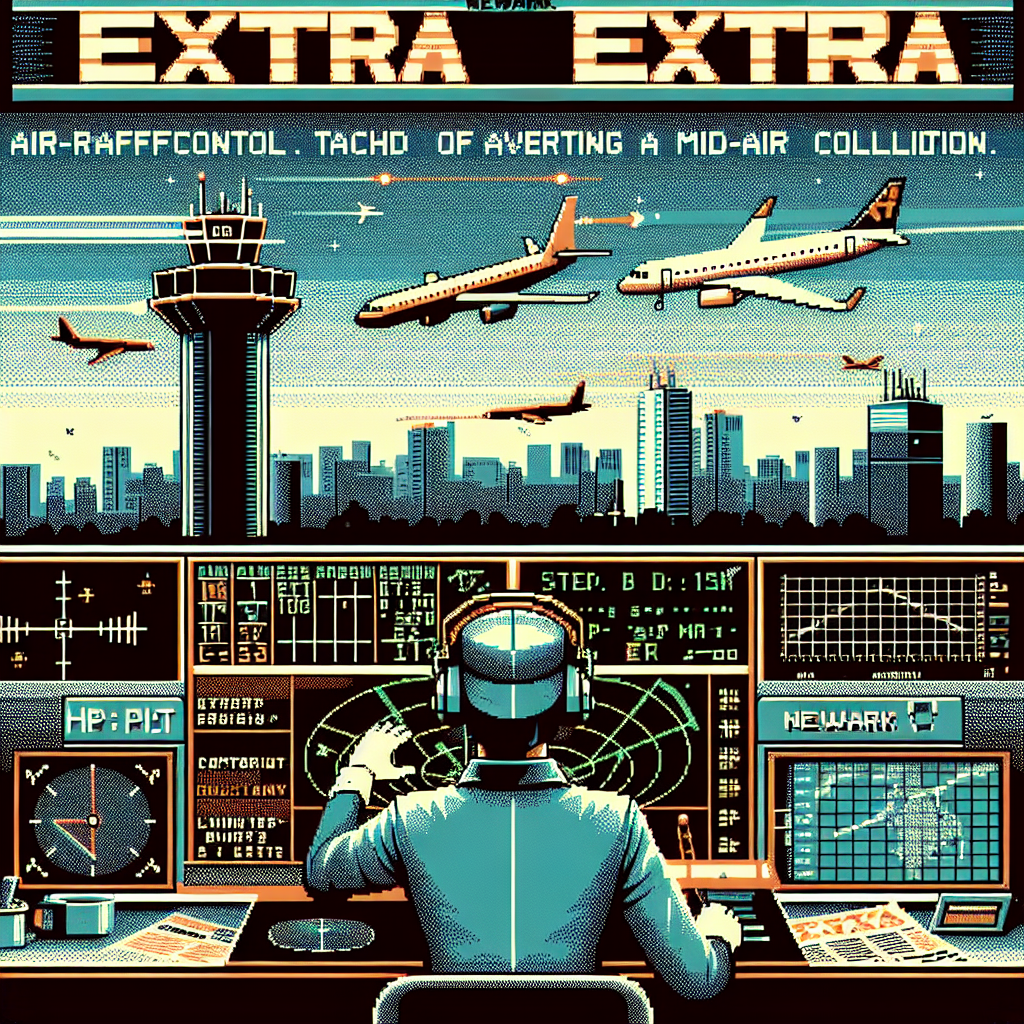
Extra Extra: A Newark air-traffic controller on averting a midair collision with seconds to spare – Gothamist | Analysis by Brian Moineau

Extra Extra: A Newark air-traffic controller on averting a midair collision with seconds to spare - Gothamist | Analysis by Brian Moineau

Navigating the Skies with a Steady Hand: The Unsung Heroes of Air Traffic Control

In a world where the hustle and bustle of daily life never seems to pause, there are a few unsung heroes who ensure that our skies remain safe. Recently, a Newark air-traffic controller's quick thinking and decisive action prevented a midair collision with mere seconds to spare. This nail-biting incident highlights the crucial role air-traffic controllers play in maintaining the safety of air travel, often working behind the scenes and away from the public eye.

Air-traffic controllers are akin to conductors of an unseen symphony, orchestrating the graceful ballet of aircraft that crisscross the sky. With a bird's-eye view and a voice that pilots rely on, these professionals must possess a keen sense of situational awareness, the ability to remain calm under pressure, and a penchant for multitasking—all while managing the lives of thousands of passengers.

The recent incident at Newark is a testament to the expertise and dedication of these controllers. But it's not just about averting disasters; it's about the everyday coordination that goes unnoticed yet ensures that flights take off, fly, and land safely. According to the Federal Aviation Administration, air-traffic controllers manage more than 5,000 aircraft at any given time in the United States alone. This staggering statistic underscores the complexity and importance of their work.

In other news, the day’s headlines are as diverse as they are intriguing. From a crackdown on ghost plates—those elusive license plates that evaded detection—to Styles P's inspiring health journey, and even a rather curious mention of Trump referencing a Hitler speech that, quite frankly, never happened, there is no shortage of captivating stories.

The ghost plate crackdown is a fascinating parallel to the air-traffic controller's role. Just as controllers ensure the skies are safe, law enforcement works tirelessly to keep our roads secure. The issue of ghost plates, which can be used to avoid tolls or mask illegal activities, highlights the ongoing challenge of adapting to new tricks and technologies that outpace regulation.

Meanwhile, Styles P's health journey is a reminder of the personal battles many face quietly. His openness about health and wellness brings to light the importance of self-care, something that resonates across fields, including air-traffic control, where stress management is key to maintaining peak performance.

As for the political landscape, Trump's curious reference to a non-existent Hitler speech is a stark reminder of the importance of fact-checking in an era of misinformation. It also draws an unexpected line to air-traffic control, where precision and accuracy are non-negotiable—a standard that could benefit discourse in other areas.

In the broader context, this Newark controller's heroic act serves as a metaphor for the countless individuals who perform critical tasks under the radar, ensuring the world operates smoothly. Whether it's preventing a collision or keeping our roads safe, these roles are vital and deserve recognition.

In closing, let us take a moment to appreciate the diligence and dedication of air-traffic controllers. Their work may often go unnoticed, but its impact is profound, reminding us all of the importance of staying calm, focused, and ready to act when it matters most. Safe travels, and may we all navigate our own skies with such grace and precision.

Read more about AI in Business

Read more about Latest Sports Trends

Read more about Technology Innovations

Trump’s ‘crypto council’ has ‘no juice’ as it stumbles out of the gate on key Capitol Hill vote: sources – New York Post | Analysis by Brian Moineau

Trump’s ‘crypto council’ has ‘no juice’ as it stumbles out of the gate on key Capitol Hill vote: sources - New York Post | Analysis by Brian Moineau

Title: The Crypto Conundrum: Trump’s ‘Crypto Council’ Faces Early Hurdles

In the ever-evolving world of digital currencies, the race to regulate and innovate is akin to a thrilling roller coaster ride—full of unexpected twists and turns. Recently, the New York Post highlighted the shaky start of Trump’s so-called "crypto council" as it navigated through Capitol Hill. The council, designed to spearhead crypto regulation, seems to be running out of steam right out of the gate, raising eyebrows and questions about its effectiveness.

The Stablecoin Standstill

At the heart of this issue is the inability to pass a stablecoin bill, a crucial stepping stone for broader digital coin regulation. Stablecoins, pegged to stable assets like the U.S. dollar, are considered the potential bridge between traditional finance and the crypto world. Without this legislative cornerstone, insiders argue that any comprehensive regulatory overhaul remains a distant dream—like trying to build a house without a foundation.

A Broader Context

This regulatory hiccup isn't happening in a vacuum. Globally, the crypto landscape is buzzing with activity. The European Union has already made strides with its Markets in Crypto-Assets (MiCA) regulation, aiming to create a harmonized framework across its member states. Meanwhile, China continues to clamp down on crypto activities, promoting its digital yuan as a state-controlled alternative.

In the U.S., the regulatory environment is increasingly fragmented, with different states adopting varied stances on cryptocurrency. For example, Wyoming has positioned itself as a crypto-friendly haven, while New York has imposed stringent regulations. This patchwork approach underscores the necessity for a cohesive national strategy, something the crypto council was presumably designed to address.

Trump and the Crypto Council

Former President Donald Trump, known for his outspoken views, has previously expressed skepticism about cryptocurrencies, calling Bitcoin a "scam" and emphasizing the need for strict regulation. This stance makes the formation of a "crypto council" under his influence somewhat paradoxical. Is it an attempt to control the narrative, or a genuine effort to engage with a burgeoning industry?

Trump’s entry into the crypto discourse adds another layer of complexity. His polarizing nature could either galvanize supporters or alienate crucial stakeholders, making consensus-building a Herculean task. The early missteps of the council might reflect not just logistical challenges, but also the difficulty of aligning diverse opinions under a controversial figurehead.

Drawing Parallels

Interestingly, the struggle for crypto regulation mirrors other global challenges requiring coordinated effort. Consider climate change, where nations must balance economic interests with environmental responsibilities. Similarly, the crypto world demands a careful blend of innovation and oversight, encouraging growth while safeguarding users.

Final Thoughts

As the crypto council stumbles through its early days, it's clear that the road to regulatory clarity is far from straightforward. This initial setback, however, might serve as a wake-up call, emphasizing the need for collaboration, transparency, and perhaps a touch of humility.

In the grand tapestry of the crypto saga, this chapter reminds us that innovation often outpaces regulation, challenging policymakers to keep up with the rapid pace of change. Whether Trump’s council can find its footing remains to be seen, but the journey to harmonize digital finance with traditional systems is a story that will continue to unfold, promising both challenges and opportunities.

Call to Action

As spectators of this digital revolution, we must stay informed and engaged, advocating for a regulatory environment that fosters innovation while protecting consumers. After all, in the world of crypto, the only constant is change.

Read more about AI in Business
Read more about Latest Sports Trends

Read more about Technology Innovations

Trump’s pro-crypto stance splits congress: Why & what next? – AMBCrypto | Analysis by Brian Moineau

Trump’s pro-crypto stance splits congress: Why & what next? - AMBCrypto | Analysis by Brian Moineau

Title: The Trump Card: Cryptocurrencies in Politics and the Great Divide in Congress

The cryptocurrency world is no stranger to controversy and intrigue, and the latest headline-grabbing news involves none other than Donald Trump. According to a recent article from AMBCrypto, Trump's pro-crypto stance has become a point of contention in Congress. With his team reportedly holding 80% of the TRUMP coin, lawmakers are raising eyebrows and questions: Is this a genuine push for innovation, or merely a power play dressed up in the guise of digital currency?

Crypto and Politics: Strange Bedfellows?


The fusion of politics and cryptocurrency isn't entirely new. Digital currencies have long been hailed by some as the financial revolution we've all been waiting for, offering decentralization and freedom from traditional financial institutions. However, the involvement of high-profile political figures, particularly ones as polarizing as Trump, introduces a whole new dynamic.

The concern among lawmakers seems to stem from the potential for manipulation and concentration of power. If a significant portion of a cryptocurrency is controlled by a single entity, it begs the question of whether true decentralization—and thus one of the core tenets of cryptocurrency—is being undermined. This is reminiscent of concerns in the tech industry, where a few major players hold substantial control over social media platforms, leading to debates about censorship and free speech.

Trump: The Unlikely Crypto Advocate


Donald Trump is a figure who has always managed to stay in the limelight, whether through his real estate ventures, reality TV show, or tumultuous presidency. His foray into the world of cryptocurrency might seem unexpected, particularly considering his past comments dismissing Bitcoin and other digital assets. However, Trump has a knack for leveraging the next big thing to his advantage, and perhaps he's seen the potential for cryptocurrency to bolster his influence and financial empire.

This isn't the first time a politician's involvement with cryptocurrency has raised questions. Earlier this year, Miami's mayor, Francis Suarez, made headlines for his enthusiastic embrace of Bitcoin, even proposing to pay city employees in the digital currency. Such moves have sparked debates about the role of cryptocurrency in governance and finance at large.

The Wider World of Crypto


While the U.S. grapples with these issues, other nations are forging their paths in the crypto realm. El Salvador, for instance, made Bitcoin legal tender in 2021, a move that was both applauded and criticized globally. The country's experiment has been watched closely as a potential blueprint for wider adoption of cryptocurrencies in national economies.

Similarly, China has taken a starkly different approach, implementing stringent regulations and outright bans on cryptocurrency mining and transactions. The global landscape is a patchwork of differing attitudes and policies, reflecting the complex and often contentious nature of digital currencies.

Final Thoughts


As Congress remains divided over Trump's pro-crypto stance, it's clear that cryptocurrencies are more than just a technological innovation—they're a political and economic force to be reckoned with. Whether this will lead to greater acceptance and integration of digital currencies into mainstream finance or result in increased regulation and oversight remains to be seen.

For now, the world watches with bated breath as the drama unfolds in the halls of Congress, with Trump once again at the center of a national debate. In the end, the future of cryptocurrency may be shaped as much by political maneuvering as by technological advancements. Let's just hope the digital revolution continues to prioritize transparency and equality, avoiding the pitfalls of centralized power that it initially set out to disrupt.

Read more about AI in Business

Read more about Latest Sports Trends

Read more about Technology Innovations

Opinion: Trump has made it (almost) impossible for Powell to cut interest rates – MarketWatch | Analysis by Brian Moineau

Opinion: Trump has made it (almost) impossible for Powell to cut interest rates - MarketWatch | Analysis by Brian Moineau

Title: The Unlikely Dance of Politics and Economics: Trump, Powell, and the Interest Rate Riddle

In the world of economics, the dance between politics and monetary policy often resembles a chaotic tango where partners step on each other's toes more frequently than they glide gracefully across the floor. One of the most recent and riveting performances in this ongoing saga is the complex dynamic between former President Donald Trump and Federal Reserve Chairman Jerome Powell. The MarketWatch article, "Opinion: Trump has made it (almost) impossible for Powell to cut interest rates," highlights this intricate relationship and its implications for the global economy.

Trump, a businessman-turned-politician known for his charismatic yet brash style, has always been a figure of controversy. His presidency was marked by a series of unprecedented moves, not the least of which was his frequent public criticism of the Federal Reserve and its chairman, Jerome Powell. Traditionally, the Fed operates independently of political pressures to ensure unbiased economic stewardship. However, Trump's vocal discontent with interest rate policies during his tenure has made it challenging for Powell to maneuver effectively, particularly in terms of cutting rates.

The heart of the matter lies in the Fed's independence, a cornerstone of its credibility with investors. Historically, bond investors have relied on the Fed's ability to make decisions free from political influence, akin to trusting an experienced captain to steer a ship through turbulent waters without interference from the passengers. Yet, as the MarketWatch article suggests, Trump's approach has shaken this trust, leading to concerns over future bond market stability. After all, few are eager to invest in a system where decisions might be swayed by political whims, much like few would volunteer to set fire to their money.

This situation is not just an isolated economic issue; it reflects broader global trends where political figures increasingly influence institutions traditionally designed to be independent. Take, for instance, the global rise of populist leaders who challenge established norms and institutions, creating ripple effects in financial markets worldwide. Whether it's Brexit's impact on the UK economy or political shifts in countries like Brazil and India, the interplay between political decision-making and economic policy is a recurring theme.

While Powell has maintained a steady hand despite the pressures, the broader implications of this Trump-induced challenge are worth considering. An independent central bank is not just a luxury; it's a necessity for maintaining economic stability and investor confidence. Without it, the economy risks becoming a vessel tossed about by the ever-changing winds of political fortune.

In reflecting on this dynamic, one cannot help but wonder about the future of economic policy-making in an increasingly politicized world. Trump may no longer reside in the White House, but the precedent set during his administration could influence how future leaders interact with economic institutions.

As we ponder these developments, it's clear that the relationship between politics and economics will continue to be a dance of complexity and unpredictability. In the end, the challenge for future policymakers, much like Powell, will be to navigate this dance with grace and determination, ensuring that economic decisions remain rooted in sound principles rather than political expediency.

Final Thought: In a world where political and economic landscapes are ever-evolving, maintaining the independence of institutions like the Federal Reserve is more crucial than ever. As citizens and investors, understanding this balance helps us appreciate the intricate dance between politics and economics, reminding us that while leaders may come and go, the principles of sound governance should remain steadfast.

Read more about AI in Business
Read more about Latest Sports Trends

Read more about Technology Innovations

Tech industry tried reducing AI’s pervasive bias. Now Trump wants to end its ‘woke AI’ efforts – AP News | Analysis by Brian Moineau

Tech industry tried reducing AI’s pervasive bias. Now Trump wants to end its ‘woke AI’ efforts – AP News | Analysis by Brian Moineau

Title: Navigating the Crossroads: AI, Bias, and the Quest for Balance

In a world where technology intertwines with every facet of our lives, the journey towards creating equitable AI systems has become a central narrative. Recently, the debate has taken a new turn with former President Donald Trump’s opposition to what he calls “woke AI” efforts, potentially shifting the tech industry’s direction. This development is reminiscent of a world on the brink of a technological crossroads, where the balance between innovation and ethics is more crucial than ever.

Artificial intelligence, once a fantastical concept, is now a tangible part of our everyday lives. From voice-activated assistants to personalized content recommendations, AI’s reach is extensive. However, the technology’s pervasive bias has been a point of contention, as highlighted in a recent article from AP News. The piece discusses how industry leaders, like Google, have made strides towards inclusivity by collaborating with experts, such as sociologist Ellis Monk, to ensure AI products serve a diverse global population. This drive for inclusivity isn’t just a moral imperative but also a business necessity in a world where nearly two-thirds of the population comprises people of color.

Yet, as with many progressive initiatives, resistance has emerged. Former President Trump’s call to end “woke AI” efforts reflects a broader cultural and political pushback against initiatives perceived as overly progressive or pandering to political correctness. This sentiment echoes a recurring theme in global politics, where technological advancements are scrutinized through the lenses of ideological belief.

The tech industry’s battle with bias isn’t new. As AI systems learn from vast datasets, they inadvertently mirror the prejudices embedded in those data. A well-documented example is the facial recognition technology that performs better on lighter skin tones than darker ones. This discrepancy has led to wrongful arrests and misidentifications, stirring public outcry and legislative scrutiny. It’s a reminder of the profound impact AI can have when it fails to account for diversity.

The significance of addressing AI bias extends beyond tech circles. In healthcare, biased algorithms can lead to disparities in treatment recommendations. In finance, they can affect loan approvals. The ripple effect of unaddressed bias in AI systems can perpetuate systemic inequalities, making the quest for fair AI not just a tech issue but a societal one.

Parallel to the tech world, the entertainment industry has faced similar reckonings. Hollywood, for instance, has been under pressure to diversify its storytelling and representation, recognizing the power of media to shape societal norms. The recent success of films like “Black Panther” and “Crazy Rich Asians” showcases the commercial viability of inclusivity, mirroring the tech industry’s realization that diversity drives innovation and growth.

Returning to Ellis Monk, his role in this narrative is crucial. As a sociologist and a voice for inclusivity, his contributions are a testament to the interdisciplinary approach needed to tackle AI bias. His work underscores the importance of blending social sciences with technological development to create systems that are not only efficient but also equitable.

As we stand at this technological crossroads, it’s essential to consider the broader implications of halting efforts to make AI more inclusive. While the debate over “woke AI” continues, it serves as a reminder of the delicate balance between innovation and ethics. The tech industry’s challenge is not just to create smarter systems but to ensure those systems work for everyone.

In conclusion, the journey towards inclusive AI is far from over. It requires a concerted effort from technologists, policymakers, and society at large to navigate the complexities of bias and ensure technology serves as a force for good. As we move forward, let us remember that the true measure of progress is not just in the sophistication of our technology but in its ability to uplift and empower all individuals, regardless of their background.

Read more about AI in Business

Read more about Latest Sports Trends

Read more about Technology Innovations


Related update: We recently published an article that expands on this topic: read the latest post.

Big Tech’s “Magnificent Seven” heads into earnings season reeling from Trump turbulence – AP News | Analysis by Brian Moineau

Big Tech’s “Magnificent Seven” heads into earnings season reeling from Trump turbulence - AP News | Analysis by Brian Moineau

Title: Tech Titans Tumble: Navigating Earnings Amid Presidential Turbulence

As the curtain rises on another quarterly earnings season for Big Tech, the industry’s elite—affectionately known as the “Magnificent Seven”—find themselves navigating stormy seas. The unexpected return of Donald Trump to the White House less than 100 days ago has stirred a pot of uncertainty, shaking the very foundations upon which these tech giants stand.

Trump’s political re-entry has reignited conversations around regulation, data privacy, and corporate responsibility. The tech behemoths, including the likes of Apple, Microsoft, and Alphabet, are now bracing for potential policy shifts that could impact everything from tax laws to content moderation standards. It’s a moment reminiscent of the challenges faced during Trump’s first tenure, where tech companies were frequently in the crosshairs for their handling of misinformation and political discourse.

A Magnificent Yet Muddled Seven

The “Magnificent Seven”—a term that conjures images of invincible gunslingers—now face a showdown of a different kind. These corporations are not just battling market expectations but are also contending with a political climate that’s as unpredictable as it is influential. It’s a stark reminder that even the most powerful companies are not immune to the winds of political change.

Take Meta, for instance, which has historically found itself at odds with Trump’s policies and rhetoric. With renewed scrutiny likely on the horizon, the company must carefully balance its platform policies with the free speech principles that Trump champions. Meanwhile, Amazon faces its own set of challenges, with antitrust discussions potentially gaining momentum under the new administration.

Connecting the Dots: Global Ripples

While the focus is firmly on Big Tech’s earnings, it’s essential to recognize the global context. The tech industry’s current quagmire is a microcosm of broader geopolitical tensions. Across the Atlantic, the European Union is ramping up its regulatory framework with the Digital Services Act and Digital Markets Act, aiming to curb the power of tech giants. This global regulatory push underscores the shifting landscape that these companies must navigate.

Moreover, the tech sector’s tribulations are not occurring in isolation. Industries worldwide are grappling with similar issues, from supply chain disruptions to evolving consumer expectations. The automotive industry, for instance, is undergoing a seismic shift towards electric vehicles, with companies like Tesla and Rivian feeling the pressure to innovate amidst regulatory changes and environmental concerns.

Trump’s Influence: A Double-Edged Sword

Donald Trump’s influence on the tech sector is undeniably profound. While his policies may pose challenges, they also offer opportunities for innovation and adaptation. His return has sparked debates about the role of tech in democracy, privacy, and national security. These discussions, though contentious, can drive positive change, encouraging tech companies to refine their strategies and reinforce their commitment to ethical practices.

In a world where tech and politics are inextricably linked, the “Magnificent Seven” must remain agile and resilient. This earnings season is a test not only of financial performance but also of their ability to navigate an ever-evolving landscape.

Final Thoughts

As we watch Big Tech’s earnings unfold, it’s crucial to remember that this is more than just a financial story. It’s a narrative about the intersection of technology, politics, and society. The challenges these companies face are emblematic of a world in flux, where innovation and regulation must find a delicate balance.

Ultimately, the resilience of the “Magnificent Seven” will be measured not just in dollars and cents but in their capacity to adapt, lead, and inspire in a rapidly changing world. Whether they emerge unscathed or not, this earnings season promises to be a defining moment in the saga of Big Tech.

Read more about AI in Business

Read more about Latest Sports Trends

Read more about Technology Innovations

Trump thinks tariffs can bring back the glory days of US manufacturing. Here’s why he’s wrong – The Conversation | Analysis by Brian Moineau

Trump thinks tariffs can bring back the glory days of US manufacturing. Here's why he's wrong - The Conversation | Analysis by Brian Moineau

Title: The Tariff Tango: Nostalgia vs. Reality in US Manufacturing

There’s an old saying that nostalgia isn’t what it used to be. Recently, this sentiment seems to ring especially true in the context of US manufacturing, as former President Donald Trump attempts to reignite the glory of American industry through the use of tariffs. However, as The Conversation highlights in an insightful piece, these actions are driven more by a longing for the past than by the current economic landscape.

A Rose-Tinted Vision of Manufacturing

Donald Trump has always had a flair for the dramatic, and his economic policies are no exception. His approach to reviving US manufacturing often involves imposing tariffs, with the hope that these will encourage domestic production and deter reliance on foreign imports. It’s a strategy that harks back to a time when American factories were bustling, and “Made in the USA” was a ubiquitous label.

However, the world has changed since those days. Global supply chains are complex and intertwined, and a blanket approach to tariffs can lead to unintended consequences, such as higher prices for consumers and retaliatory measures from other countries. The manufacturing sector today is driven by technology and automation, rather than sheer manpower, and this evolution requires a more nuanced strategy than simply looking to the past.

Global Context: A Shifting Landscape

It's not just the US grappling with these economic challenges. Across the Atlantic, the UK is navigating its post-Brexit reality, seeking to strike new trade deals while maintaining economic stability. Similarly, China is strategically positioning itself as a leader in high-tech manufacturing, leaving traditional manufacturing powerhouses like the US in need of innovation rather than nostalgia.

In the tech world, companies like Tesla are redefining manufacturing with their gigafactories, blending cutting-edge technology with production. This shift highlights the need for forward-thinking policies that embrace technological advancements rather than relying solely on tariffs to protect old industries.

A Walk Down Memory Lane with Trump

Donald Trump, known for his larger-than-life persona, often draws from his unique blend of business acumen and celebrity status. His tenure as president was characterized by bold claims and actions that resonated with a segment of the American population yearning for simpler times. Yet, his approach often overlooked the complexities of modern economics.

His nostalgic perspective on manufacturing is reminiscent of his campaign slogan, "Make America Great Again," which taps into a desire to return to an idealized past. However, as the adage goes, you can’t step into the same river twice. The economic landscape has shifted, and so must the strategies to navigate it.

Final Thoughts: Embracing the Future

As we consider the future of US manufacturing, it’s important to acknowledge the power of nostalgia while recognizing its limitations. Tariffs alone cannot turn back the clock to a bygone era of manufacturing dominance. Instead, investment in education, innovation, and sustainable practices will pave the way for a robust industrial future.

The conversation around tariffs and manufacturing is a reminder that while the past shapes us, it is the future that demands our creativity and courage. By embracing change and crafting policies that reflect the realities of today’s world, we can honor our history while building a brighter economic future.

In an ever-globalizing world, the true measure of progress lies in our ability to adapt and evolve. As we move forward, let’s do so with a clear-eyed vision and a commitment to both preserving and progressing the American dream.

Read more about AI in Business

Read more about Latest Sports Trends

Read more about Technology Innovations

Stock markets lurch on false Trump tariff pause report – Axios | Analysis by Brian Moineau

Stock markets lurch on false Trump tariff pause report - Axios | Analysis by Brian Moineau

Title: The Stock Market Tango: Dancing to the Tune of Fake News

Welcome to the world of stock markets, where the only constant is change—and sometimes confusion. In a recent twist, the stock market took a rollercoaster ride, all thanks to a report about a pause in Trump's tariffs that turned out to be as genuine as a three-dollar bill. According to Axios, this latest episode of "Market Mayhem" was sparked by a false report claiming a halt in tariffs, which the White House swiftly dismissed as "fake news" in a statement to CNBC.

The Anatomy of Market Volatility


Let's take a moment to dissect this. The stock market is a complex beast, influenced by a myriad of factors from economic indicators to geopolitical events. But perhaps one of its most peculiar quirks is its susceptibility to news—both real and imagined. This incident serves as a reminder of how the mere whisper of policy change can send traders into a frenzy, much like a cat spotting a laser pointer.

A Trump Card in the Market Game


Donald Trump, former President of the United States, has long been a polarizing figure, not just in politics but also in economics. His tenure was marked by a series of tariffs, particularly targeting China, which sent ripples through global markets. While some applauded these measures as necessary for protecting American industries, others criticized them for sparking trade wars and market instability. The recent false report of a tariff pause highlights how Trump's policies continue to cast a long shadow over market behavior, even after his presidency.

Global Connections: When Markets Sneezed


This isn't the first time markets have reacted dramatically to news. In fact, it's reminiscent of the "Taper Tantrum" of 2013, when mere hints of the Federal Reserve dialing back its bond-buying program sent shockwaves through financial markets worldwide. Similarly, in our interconnected global economy, a hiccup in one part of the world can trigger a sneeze everywhere else. This underscores the interconnectedness of modern markets and the importance of reliable information.

The Role of Media: A Double-Edged Sword


In today's digital age, the media wields significant power. With a single tweet or headline capable of moving markets, the responsibility for accuracy is immense. Yet, as this incident shows, misinformation can spread like wildfire, with the potential to cause real-world consequences. This calls to mind the age-old adage: trust, but verify. Investors and consumers alike must remain vigilant and discerning, sifting through the noise to find the truth.

Final Thoughts: Navigating the Noise


As we navigate the ever-changing landscape of global markets, it's crucial to maintain a level head and a healthy dose of skepticism. While the stock market's reaction to the false tariff pause report serves as a cautionary tale, it's also a testament to the dynamic nature of finance. In the end, markets will continue to ebb and flow, influenced by a complex web of factors. The key is to remain informed, adaptable, and perhaps most importantly, to take a deep breath and remember that not all headlines are what they seem.

In the words of Warren Buffett, "The stock market is designed to transfer money from the Active to the Patient." So, let's embrace the ride, stay patient, and keep our eyes on the long-term horizon. After all, in the world of stocks, it's often the tortoise, not the hare, that wins the race.

Read more about AI in Business

Read more about Latest Sports Trends

Read more about Technology Innovations

Global bank chiefs hold talks over Trump tariffs crisis – Sky News | Analysis by Brian Moineau

Global bank chiefs hold talks over Trump tariffs crisis - Sky News | Analysis by Brian Moineau

Global Bank Chiefs and the Trump Tariffs Tango: A Lighthearted Look at a Serious Situation

In a world where economic strategies often feel like a high-stakes poker game, the recent move by global bank chiefs to convene talks over the Trump tariffs crisis is akin to the players gathering in a huddle to reassess their game plan. As reported by Sky News, these financial powerhouses are seeking to navigate the turbulent waters stirred by the tariffs imposed during the Trump administration. But let's take a step back and add a sprinkle of levity to this heavy topic, shall we?

Picture this: A room filled with some of the world's most influential banking figures, all exchanging glances and furrowing brows as they discuss the implications of tariffs that have sent ripples through global markets. It's almost like the financial version of an Avengers movie, where each character brings their unique abilities and insights to save the day—or at least the economy.

The tariffs in question, introduced by former President Donald Trump, were initially aimed at protecting American industries by imposing taxes on imports. The rationale? To level the playing field for U.S. manufacturers. However, these tariffs have had far-reaching consequences, influencing global trade dynamics and prompting reactions from countries around the world. It’s almost like a game of international chess, where each move is carefully calculated and can lead to unexpected outcomes.

For instance, the European Union, China, and other trading partners have responded with their own tariffs, creating a complex web of economic tit-for-tat. This has not only affected industries but also raised concerns among global banks about the potential impact on international markets and economic stability. And here we are, witnessing a gathering of financial leaders trying to unravel this intricate tapestry.

Beyond the world of economics, the tariffs have sparked discussions reminiscent of the ongoing debate over globalization. Much like the climate change dialogues or the tech giants' data privacy controversies, tariffs touch on a larger narrative about national interests versus global cooperation. It's a reminder of how interconnected our world has become and how decisions in one part of the globe can resonate worldwide.

It's worth noting that Donald Trump, the man behind the tariff curtain, is no stranger to controversy. Whether you view him as a savvy businessman or a polarizing figure, his policies have undeniably shaped global discourse. Love him or loathe him, Trump has a knack for making headlines and keeping the world on its toes.

In a similar vein, the recent surge in popularity of electric vehicles (EVs) offers a parallel to the tariff situation. Just as Tesla and other EV manufacturers are redefining the automotive industry landscape, global banks are trying to redefine their strategies amidst the shifting sands of international trade policies. Both scenarios highlight the importance of adaptability and forward-thinking in an ever-changing world.

So, what's the takeaway from this financial tête-à-tête? Well, while the outcome of these talks remains to be seen, one thing is clear: In the grand theater of global economics, the players are constantly evolving, adapting, and strategizing to stay ahead. As spectators, all we can do is watch, speculate, and perhaps enjoy a popcorn or two as the drama unfolds.

In conclusion, while the topic of tariffs and global banking might sound daunting, it's a testament to the intricate dance of diplomacy and strategy that defines our modern world. And who knows, maybe one day this will make for a riveting plot in a blockbuster film. Until then, we’ll keep our eyes peeled, our minds open, and perhaps our wallets safe—just in case.

Read more about AI in Business

Read more about Latest Sports Trends

Read more about Technology Innovations

Market crash not part of Trump’s strategy, says top White House economic advisor – CNBC | Analysis by Brian Moineau

Market crash not part of Trump’s strategy, says top White House economic advisor - CNBC | Analysis by Brian Moineau

Title: Market Crash as an Economic Strategy? Debunking the Myths and Mirths of Political Narratives

In the ever-dynamic world of politics and economics, narratives can often take on a life of their own, especially when they are spun by high-profile figures like former President Donald Trump. Recently, a video shared by Trump on Truth Social suggested that a market crash was part of his economic strategy. This claim was swiftly refuted by Kevin Hassett, a top White House economic advisor, during an appearance on ABC's "This Week."

The Trumpian Twist

Donald Trump has never been one to shy away from bold statements that capture public attention. His recent assertion about orchestrating a market crash as part of a grand economic strategy is no exception. One might wonder if this is just another chapter in Trump's playbook of leveraging controversy to remain in the limelight. Throughout his political career, Trump has often utilized social media platforms to communicate directly with the public, sometimes bypassing traditional media filters. His use of Truth Social for this particular message seems to align with his penchant for direct engagement.

Kevin Hassett Steps In

Kevin Hassett, who served as the Chairman of the Council of Economic Advisers under Trump, stepped in to clarify the situation, emphasizing that a market crash was not, and never had been, part of any serious economic strategy. Hassett's rebuttal highlights a critical point often overlooked in political discourse: the difference between rhetoric and policy. While Trump’s statement may have been crafted to captivate his audience, Hassett’s counterpoints remind us of the pragmatic and often non-glamorous realities of economic governance.

A Broader Economic Context

This exchange takes place against the backdrop of a world still grappling with economic uncertainties. From inflation concerns in the United States to the ongoing global supply chain challenges exacerbated by geopolitical tensions, economic stability is a priority across the globe. The International Monetary Fund (IMF) has recently highlighted the need for coordinated international policies to weather these economic storms, reminding us that economic strategies cannot exist in a vacuum.

The Power of Narrative in Politics

Trump's statement—and the subsequent refutation by Hassett—illustrates the power of narrative in shaping public perception. In a world where information spreads at lightning speed, the ability to craft a compelling story can sometimes overshadow the complexities of policy-making. This dynamic is not unique to the United States; political figures worldwide have increasingly embraced narrative-driven approaches to galvanize support and influence public opinion.

Final Thoughts

In conclusion, while the idea of a market crash as an economic strategy might make for a sensational headline, it serves as a reminder of the importance of discerning fact from fiction in the political arena. As we navigate the complexities of the global economy, it's crucial to remain informed and critically engaged, recognizing that behind every bold claim lies a deeper story waiting to be uncovered. Whether you’re a seasoned economist or a curious observer, staying informed and questioning the narratives presented to us is essential in understanding the ever-evolving tapestry of global affairs.

References and Further Reading:

- [Kevin Hassett's Profile on ABC](https://abcnews.go.com)

- [The IMF on Global Economic Challenges](https://www.imf.org)

With a little humor and a lot of insight, we can appreciate the theater of politics while staying grounded in the realities that drive our world forward.

Read more about AI in Business

Read more about Latest Sports Trends

Read more about Technology Innovations

Wall Street sees Donald Trump ‘doesn’t care’ about the market, says Morgan Stanley’s Mike Wilson – Fortune | Analysis by Brian Moineau

Wall Street sees Donald Trump 'doesn't care' about the market, says Morgan Stanley's Mike Wilson - Fortune | Analysis by Brian Moineau

Title: Navigating the Market Waves: Wall Street's Perspective on Trump's Indifference and a Bullish Outlook

Ah, Wall Street and the White House—a relationship as old as time itself. Well, not quite, but it's a dance we've seen before. The latest choreography comes courtesy of Mike Wilson from Morgan Stanley, who recently shared insights suggesting that Wall Street perceives former President Donald Trump as somewhat indifferent to the market's whims. However, despite the headwinds caused by White House policies, Wilson remains bullish on U.S. stocks. Let's dive into this intricate dance, shall we?

Trump, the Market, and Wall Street's Concerns

Donald Trump, a name that sparks endless debates and discussions, doesn't seem to be losing any sleep over the stock market's day-to-day fluctuations. During his presidency, Trump was often vocal about the market's performance, frequently tying it to his administration's success. Fast forward to today, and Wall Street believes that Trump is less concerned about the market's immediate reactions. This perceived indifference might be unsettling for investors who are used to hanging on the administration's every word.

Yet, Wall Street is no stranger to navigating rocky waters. Historically, markets have ebbed and flowed through different administrations, policies, and global events. Trump's approach, whether intentional or not, might just be another wave in the ocean of market movements. As they say, the market is like a rollercoaster—it's thrilling, sometimes scary, but ultimately, it tends to go up over time.

Mike Wilson's Bullish Stance

Enter Mike Wilson, Morgan Stanley's Chief U.S. Equity Strategist, who remains optimistic about U.S. stocks. Wilson's bullish stance suggests that despite any challenges posed by current policies or political uncertainty, the market has the resilience to weather the storm. After all, the fundamentals of the U.S. economy—innovation, entrepreneurship, and a robust financial system—continue to drive long-term growth.

Wilson's outlook isn't just baseless optimism. It echoes sentiments from key market players who believe in the enduring strength of U.S. companies. For example, the rise of technology giants like Apple, Amazon, and Google showcases how innovation can propel market growth, even amid political turmoil.

Connecting the Dots: A Global Perspective

While we discuss Wall Street's dance with U.S. politics, it's essential to remember that the market doesn't exist in a vacuum. Global events often have a ripple effect, influencing investor sentiment and market performance. Take the ongoing technological rivalry between the U.S. and China, for instance. This geopolitical tension affects not only tech companies but also has broader implications for global trade and investment strategies.

Moreover, the post-pandemic recovery is another crucial factor. As economies worldwide strive to regain stability, investors are keenly observing policy decisions, vaccination progress, and consumer behavior. These elements collectively shape the market's trajectory, adding layers of complexity to Wilson's bullish outlook.

Final Thoughts: Riding the Market Waves

In conclusion, the interplay between Wall Street and the White House is a dynamic spectacle, with personalities like Donald Trump adding a unique flavor to the mix. While Trump's perceived indifference to the market might unsettle some, Mike Wilson's optimism offers a counterbalance, reminding us of the market's resilience and potential for growth.

As investors, it's vital to keep a broad perspective, considering both domestic policies and global developments. The market, much like life, is about navigating waves—sometimes choppy, sometimes calm, but always moving forward. So, here's to riding the market waves with optimism, strategy, and a dash of humor. After all, every twist and turn is just another step in the dance.

Read more about AI in Business

Read more about Latest Sports Trends

Read more about Technology Innovations

Trump finds unexpected ally in auto union leader over tariffs – CNBC | Analysis by Brian Moineau

Trump finds unexpected ally in auto union leader over tariffs - CNBC | Analysis by Brian Moineau

Title: Bridging the Political Chasm: Trump and UAW's Unlikely Tariff Tango

In a plot twist worthy of a Hollywood script, former President Donald Trump has found an unexpected ally in United Auto Workers (UAW) President Shawn Fain. The topic bringing these two unlikely partners together? Tariffs. Specifically, the 25% levies on automobiles and supporting parts that have been a hallmark of Trump's trade policies.

# From Rivalry to Rendezvous


To understand the significance of this alignment, we need to consider the broader tapestry of U.S. economic and political dynamics. Historically, labor unions like the UAW have leaned towards more left-leaning policies, often clashing with conservative agendas. So, when Shawn Fain, a staunch advocate for workers' rights, steps into the ring in support of Trump's tariffs, it raises eyebrows and questions alike.

This alliance is not just about shaking hands across the aisle; it represents a complex dance of interests. For Fain, the tariffs promise a boost to American manufacturing by making imported vehicles more expensive compared to their domestic counterparts. It's a strategy aimed at reviving the American auto industry and safeguarding union jobs from the relentless tide of globalization.

# The Global Ripple Effect


While this domestic drama unfolds, the world stage is not untouched. Similar patterns can be observed globally as countries grapple with balancing protectionist strategies and free trade. Take, for instance, the European Union's own struggles with tariffs in response to the U.S.'s moves, revealing a fragile web of international trade relations.

Moreover, this development in the auto sector coincides with a broader shift in global economies towards sustainability and innovation. As the industry pivots towards electric vehicles (EVs), tariffs could potentially redefine the competitive landscape. Companies like Tesla and Rivian are already capitalizing on this transition, and the tariffs may further accelerate the push for a stronger domestic EV market.

# A Closer Look at the Players


Delving deeper into the personas involved, Donald Trump is no stranger to controversy. Known for his bold and often polarizing tactics, his imposition of tariffs has been both lauded as a strategic move to bolster American industries and criticized as a catalyst for trade wars. His tenure saw a reimagining of foreign trade policies, often steering them towards a "America First" doctrine.

On the other side, Shawn Fain represents the voice of the workers. His tenure as UAW President has been marked by a commitment to protecting jobs and improving conditions for auto workers. By aligning with Trump on this issue, Fain is not just making a political statement but is also recalibrating the union's strategy to ensure its survival in a rapidly changing economic landscape.

# Final Thoughts


In the grand theater of politics and economics, alliances are as fluid as they are unpredictable. The unexpected partnership between Trump and Fain over auto tariffs is a testament to the complexities of modern-day policymaking. It serves as a reminder that common goals can often transcend ideological divides, bringing together the most unlikely of allies.

As the dust settles, the real question remains: will these tariffs achieve their intended effect of revitalizing American manufacturing, or will they merely serve as another chapter in the ever-evolving saga of global trade tensions? Only time will tell, but one thing is certain—where there's a wheel, there's a way.

Read more about AI in Business

Read more about Latest Sports Trends

Read more about Technology Innovations

US stocks drop after Trump says he won’t rule out a recession – CNN | Analysis by Brian Moineau

US stocks drop after Trump says he won’t rule out a recession - CNN | Analysis by Brian Moineau

**Navigating the Economic Seas: When Stocks Dip and Leaders Speak**

Ah, the stock market—a wondrous ocean of opportunity, tumult, and, occasionally, a bit of seasickness. On a recent Monday, investors awoke to a sharp decline in US stocks. The culprit? A Sunday interview with former President Donald Trump, who suggested the US might face “a period of transition” and didn’t rule out the possibility of a recession. When a former leader of the free world makes such statements, it’s like a lighthouse signaling rough seas ahead, and investors understandably adjust their sails.

Now, before we all start stockpiling canned goods and gold bars, let's take a broader look at what's going on. Economic transitions and market fluctuations are part and parcel of the financial landscape—like the ebb and flow of tides. Trump's comments, while impactful, are just one piece of a larger puzzle.

Firstly, let's address the elephant in the room: the "R" word—recession. It's not exactly a term that inspires confidence, but it's also not the apocalypse. Recessions are natural parts of economic cycles. Historically, they have been followed by periods of growth and recovery. For instance, the recession that followed the 2008 financial crisis led to a lengthy bull market that lasted over a decade.

Trump's remarks come at a time when the global economy is already dealing with several stressors. The ongoing ramifications of the COVID-19 pandemic, supply chain disruptions, and geopolitical tensions, like those between Russia and Ukraine, have all been contributing factors to economic uncertainty. These elements are reminding us that the world is an interconnected web, where a tug on one thread can ripple across the globe.

Additionally, let's look at the Federal Reserve's role in this equation. The Fed, under the leadership of Jerome Powell, has been navigating these choppy waters with monetary policy adjustments, such as interest rate hikes aimed at curbing inflation. While these moves are necessary, they are also part of why investors feel a bit queasy. Higher interest rates can mean higher borrowing costs, which can slow down economic growth—hence the recession fears.

But let's not forget the resilience of markets and economies. Remember when Brexit was supposed to herald the end of the world? Or when the US-China trade war seemed an insurmountable hurdle? Markets have a way of adapting, recalibrating, and ultimately, growing.

As for Trump, love him or loathe him, his words carry weight. His presidency was marked by significant economic events, including tax reforms and trade negotiations. While no longer in office, his commentary still resonates and stirs the financial seas.

So, what’s a savvy investor to do in times like these? Perhaps the best course of action is to stay informed but not be swayed by every headline. Diversification remains a timeless strategy, and keeping a long-term perspective can help weather the storms. As Warren Buffett wisely advises, "Be fearful when others are greedy, and greedy when others are fearful."

In closing, while the stock market may have experienced a dip, it’s important to keep our eyes on the horizon. Economic cycles come and go, but the human spirit of innovation and resilience remains steadfast. Whether it’s through green energy advances, technological breakthroughs, or global cooperation, the world has a way of righting itself, even when the seas are rough.

So, fellow sailors of the market, let’s adjust our sails, keep a steady hand on the tiller, and ride out the waves with optimism. After all, calm seas never made skilled sailors.

Read more about AI in Business

Read more about Latest Sports Trends

Read more about Technology Innovations

Will tariffs make the US money? And could Canada join the EU? – BBC.com | Analysis by Brian Moineau

Will tariffs make the US money? And could Canada join the EU? - BBC.com | Analysis by Brian Moineau

### Tariffs, Trade, and the Curious Question of Canada's EU Ambitions

In a world swirling with political maneuvers and economic strategies, tariffs have taken center stage, especially under the leadership of former President Donald Trump. Our trusted correspondents from London, New York, Beijing, and Mumbai have delved into your pressing questions about these tariffs and, intriguingly, whether Canada might ever consider joining the European Union. It’s a fascinating mix of economics, diplomacy, and a dash of the unexpected.

#### The Tariff Tango

First, let's waltz through the world of tariffs. For the uninitiated, tariffs are taxes imposed on imported goods, which can protect domestic industries from foreign competition or simply be a strategic move in the complex dance of international trade. Under Trump's administration, tariffs became a frequent tool, particularly in the U.S.-China trade war. The goal? To make American products more competitive and to pressure China into trade concessions.

But do tariffs actually make the U.S. money? In the short term, yes, they can increase government revenue as importers pay these taxes. However, the broader economic impact is murkier. Tariffs can lead to increased costs for consumers and businesses, as seen in various sectors from agriculture to tech. Moreover, retaliatory tariffs from other nations can harm U.S. exporters.

#### A Canadian Curveball

Now, onto the unexpected twist: Could Canada join the EU? While this might sound like a plot from a political thriller, it's a question worth entertaining. Geographically, Canada is nestled comfortably in North America, but politically and culturally, it shares much with European nations. The Comprehensive Economic and Trade Agreement (CETA) already creates strong economic ties between Canada and the EU, reducing tariffs and promoting trade.

However, full EU membership for Canada would be a Herculean task, involving complex negotiations and fundamental changes in its political and economic systems. It’s more of a whimsical notion than a feasible reality, akin to pondering if the UK might rejoin the EU post-Brexit. Yet, in a world where political landscapes shift rapidly, never say never.

#### Global Ripples

These topics don’t exist in isolation. The tariff discussions resonate amid ongoing global trade tensions. For instance, the U.S. and China are still navigating a rocky relationship, while the EU is dealing with its own challenges, from Brexit aftermath to economic recovery post-pandemic. Canada's role in all this is significant, serving as a bridge between North American and European markets.

Elsewhere, the rise of regional trade pacts like the Comprehensive and Progressive Agreement for Trans-Pacific Partnership (CPTPP) highlights a trend towards regionalism in trade. Countries are increasingly looking to strengthen ties with their neighbors, even as globalization faces its own set of challenges.

#### Final Thoughts

Tariffs are more than just taxes; they are tools of strategy and symbols of national policy. Whether they will make or lose money for the U.S. remains a layered question, but their impact is undeniably global. As for Canada’s hypothetical EU membership, it’s a delightful thought experiment that underscores the fluidity of international relations.

In the end, tariffs and trade policies reflect the ongoing quest for balance in a rapidly changing world. As nations continue to navigate these waters, the conversations and decisions made today will shape our economic futures for decades to come. So, keep asking questions, stay informed, and never underestimate the power of a good economic debate.

Read more about AI in Business

Read more about Latest Sports Trends

Read more about Technology Innovations

10-year Treasury yield slides as Trump tariffs take effect – CNBC | Analysis by Brian Moineau

10-year Treasury yield slides as Trump tariffs take effect - CNBC | Analysis by Brian Moineau

**Title: The Ripple Effects of Tariffs: A Lighthearted Dive into the 10-Year Treasury Yield Dip**

Ah, the world of economics—a place where news about Treasury yields can make headlines alongside pop stars and viral TikTok dances. Today, we're diving into a topic that might seem dry on the surface but is actually brimming with intrigue and global significance: the recent dip in the 10-year Treasury yield following President Donald Trump's tariffs taking effect on goods from Mexico and Canada.

**The Tariff Tango**

On a seemingly ordinary Tuesday, President Trump decided to spice things up by implementing a 25% tariff on goods from our neighbors to the north and south. This move, in true geopolitical fashion, sent ripples through the financial waters, notably causing the 10-year Treasury yield to slide. For those not fluent in econ-speak, Treasury yields are a bit like the mood ring of the economy—they reflect investor confidence, or lack thereof, in economic growth and stability.

Now, if you're wondering why these tariffs are such a big deal, let's take a step back. Tariffs are essentially taxes on imported goods, and while they might sound like a great way to encourage domestic production, they can also lead to higher prices for consumers and strained international relations. Think of it as a dance where one partner suddenly decides to change the choreography—everyone else has to adjust, and not everyone is happy about it.

**A Global Stage**

The impact of these tariffs isn't confined to the U.S., Mexico, and Canada. In today's interconnected world, economic changes can have far-reaching effects. For instance, consider how the European Union might react, given its own trade considerations with the U.S. or how China, already in a trade tussle with the U.S., might view these developments. It's a bit like a global game of Jenga, where every move has the potential to shift the entire structure.

Meanwhile, across the pond, the United Kingdom is navigating its post-Brexit reality, dealing with its own trade challenges. The timing of these tariffs adds another layer of complexity to an already intricate global economic tapestry.

**A Nod to Trump**

Love him or loathe him, Donald Trump has a knack for keeping things interesting. His approach to policy-making often resembles a reality TV show—unexpected twists, dramatic moments, and plenty of opinions. And while his methods may be unconventional, they undeniably keep the world engaged.

**Final Thoughts**

In the grand theater of global economics, every action has a reaction, and President Trump's tariffs are no exception. Whether these tariffs will achieve their intended goals or lead to further economic complications remains to be seen. But one thing is for sure: they have sparked conversations, debates, and plenty of speculation.

As we watch the 10-year Treasury yield's dance and the world's response to these tariffs, let's remember the interconnectedness that defines our modern era. In a world where the flutter of a butterfly's wings can cause a storm halfway across the globe, every economic decision is part of a larger story. So, keep an eye on those Treasury yields—they might just be telling us more than we realize.

Read more about AI in Business

Read more about Latest Sports Trends

Read more about Technology Innovations

As Trump eyes more tariffs, South Korea remains safe haven for GM and Hyundai – CNBC | Analysis by Brian Moineau

As Trump eyes more tariffs, South Korea remains safe haven for GM and Hyundai - CNBC | Analysis by Brian Moineau

**South Korea: The Unexpected Safe Haven in the Global Tariff Tango**

In the ever-evolving landscape of international trade, where tariffs are often wielded as political instruments, automakers have had to become nimble dancers, adeptly navigating the intricate steps of global economics. The recent CNBC article highlights how South Korea has emerged as an unlikely safe haven for automakers like Hyundai Motor and General Motors, who have found solace in its tariff-free export market to the U.S. This development is a fascinating twist in the ongoing saga of global trade dynamics, and it offers a refreshing perspective in a world often dominated by trade tensions.

### The Tariff Tango

To understand the significance of South Korea's role, it's essential to take a step back and look at the broader context. The global automotive industry has been on a rollercoaster ride in recent years, with tariffs and trade wars threatening to upend established supply chains. In 2018, President Donald Trump imposed tariffs on steel and aluminum imports, sparking fears of a full-blown trade war. Automakers, heavily reliant on global supply chains, were suddenly faced with the daunting challenge of navigating these turbulent waters.

Enter South Korea. While many countries found themselves at odds with the U.S. over trade policies, South Korea managed to emerge as a stable partner. This is largely due to the U.S.-Korea Free Trade Agreement (KORUS FTA), which has provided a framework for tariff-free trade between the two nations. For automakers like Hyundai and GM, this agreement has been a lifeline, allowing them to continue exporting vehicles to the U.S. without the burden of additional tariffs.

### A Broader Context

South Korea's role as a tariff-free haven is not just an isolated phenomenon; it mirrors a broader trend of nations seeking out strategic partnerships to weather the storm of global trade tensions. Japan, for instance, has been strengthening its trade relationships with the European Union and other Asian countries in response to similar pressures. Meanwhile, the European Union has been working to bolster its own trade agreements, such as the EU-Mercosur trade deal, to secure markets for its industries.

This strategic maneuvering highlights a key lesson in today's interconnected world: the importance of adaptability and foresight. Countries and companies that can anticipate and respond to shifting trade landscapes are better positioned to thrive.

### The Human Element

It's impossible to discuss these developments without acknowledging the human element behind the headlines. Former President Trump, a central figure in the global tariff saga, is known for his unconventional approach to trade negotiations. His policies have sparked both criticism and support, depending on one's perspective. Supporters argue that his tariffs were necessary to protect American industries and jobs, while critics contend that they have led to increased costs for consumers and strained international relationships.

Regardless of one's stance on Trump's trade policies, it's clear that they have forced countries and companies to rethink their strategies and adapt to a new reality. In this context, South Korea's emergence as a tariff-free haven is a testament to the power of diplomacy and strategic alliances.

### Final Thoughts

As we look to the future, the story of South Korea and the global auto industry serves as a reminder that in the complex dance of international trade, adaptability is key. While tariffs and trade wars may continue to make headlines, there will always be opportunities for those who can navigate the intricate steps of the global economy.

In the end, the dance goes on, and it's up to each nation and company to decide how they will move to the music. South Korea, it seems, has found its rhythm in this global tariff tango, and it may just inspire others to do the same.

Read more about AI in Business

Read more about Latest Sports Trends

Read more about Technology Innovations