Dimon: Market Complacency Raises Risk | Analysis by Brian Moineau

Markets are Too Calm — and That’s the Problem, Says Jamie Dimon

There’s a peculiar kind of silence in markets right now — one that sounds less like confidence and more like complacency. That was the blunt message from JPMorgan CEO Jamie Dimon in recent interviews and appearances: asset prices are high, credit spreads are tight, and investors seem to be shrugging off a long list of risks. When one of Wall Street’s most prominent risk-watchers warns that “people feel pretty good,” it’s worth listening.

What happened and why it matters

  • Jamie Dimon has repeatedly warned investors that markets are underestimating risk — from rising inflation to geopolitical flashpoints and stretched credit conditions.
  • His comments have come in public forums (investor days, conferences, TV interviews) over the past year as global headlines — tariffs, geopolitical clashes, and credit concerns — made rounds. Recent press coverage highlighted his concern that markets are acting complacently even after shocks such as renewed geopolitical tensions that lifted oil prices. (marketwatch.com)

Why this matters:

  • Complacency can mask the build-up of systemic risk: elevated valuations and narrow credit spreads mean there is less cushion when a real shock hits.
  • If inflation reaccelerates or a credit cycle worsens, central banks may have less room to respond without causing deeper market dislocations. Dimon explicitly flagged higher inflation risk and a potentially “worse than normal” credit cycle as threats. (benzinga.com)

The investor dilemma: optimism vs. realism

  • Markets have rallied and volatility has fallen — and with that recovery comes a tendency to treat downside scenarios as unlikely. That’s the classic optimism bias at work.
  • Dimon’s argument is the opposite: when valuations look rich and policy levers are constrained (big deficits, limited central-bank flexibility), the probability of a sharper correction or a prolonged tougher patch rises. (cnbc.com)

Practical implications:

  • Earnings expectations may still be too sanguine. If profits disappoint, equity multiples could compress. (cnbc.com)
  • Credit markets are deceptively calm. Narrow spreads don’t reflect borrower weakness or a future tightening in liquidity conditions. (benzinga.com)

Signs that Dimon’s warning isn’t just noise

  • Historical precedent: periods of sustained policy stimulus and low rates have pushed asset prices up before sharp corrections followed (think pre-2008 dynamics). Dimon has drawn attention to how many market participants today lack firsthand experience with a real credit cycle. (benzinga.com)
  • Market reactions to geopolitical events have been muted compared with price moves in commodities (e.g., oil spikes), suggesting investors are selectively ignoring channels that can feed into inflation. Recent coverage showed oil moving while stocks barely flinched. (marketwatch.com)

How investors (and policymakers) might respond

  • Reassess risk budgets:
    • Expect lower forward returns if valuations are high — adjust position sizing accordingly.
    • Stress-test portfolios for higher inflation, wider credit spreads, and slower growth.
  • Watch liquidity and credit indicators closely:
    • Monitor funding costs, loan defaults, covenant loosening, and secondary-market liquidity as early warning signs.
  • Factor geopolitics into scenario planning:
    • Energy shocks, trade disruptions, and cyber/terror risks can transmit rapidly into inflation and supply chain stress.
  • For policymakers: communicate limits. Central banks and fiscal authorities should be candid about trade-offs and constraints to avoid fostering false reassurance.

Quick wins for individual investors

  • Trim concentrated positions and rebalance toward diversified exposures.
  • Maintain a short list of high-quality, liquid assets to lean on if markets reprice.
  • Consider inflation-protected instruments or real assets as partial hedges if inflation risk appears underpriced.
  • Avoid chasing yield in low-quality credit just because spreads are narrow.

What the coverage shows (context)

  • MarketWatch highlighted Dimon’s recent comments noting the disconnect between oil moves and muted equity reactions after a geopolitical spike. (marketwatch.com)
  • CNBC and Bloomberg have traced Dimon’s warnings back through 2025, where he flagged tariffs, deficits, and complacent central banks as sources of risk. (cnbc.com)
  • Analysts and commentators pick up the framing that many market participants haven’t lived through a deep credit downturn and may underestimate how fast conditions can change. (benzinga.com)

My read of those sources: Dimon isn’t trying to be a constant Cassandra. He’s reminding an upbeat market that risk is asymmetric right now — upside may be limited while downside remains meaningful.

A few sharper questions worth watching

  • Will inflation settle back near policymakers’ targets, or will renewed energy or supply shocks re-accelerate prices?
  • How would central banks respond if inflation and growth diverged (stagflation)?
  • Are credit standards loosening quietly in leveraged lending or other pockets that could transmit losses rapidly?
  • How do fiscal dynamics (large deficits) limit policy options in a stress scenario?

Final thoughts

Complacency is seductive: calm markets feel good and reward short-term risk-taking. But markets don’t owe investors perpetually rising prices. Jamie Dimon’s warnings are a useful reality check — not a prediction of imminent doom, but a call to re-evaluate assumptions. For investors, that means humility, active risk management, and scenario planning for outcomes that the market currently underprices.

Sources


Related update: We recently published an article that expands on this topic: read the latest post.

China Retreats: Trouble for U.S | Analysis by Brian Moineau

Why China (and other foreign buyers) might be stepping back from U.S. Treasuries — and why it matters

It started as a whisper and has the markets leaning forward: reports say Beijing has told its banks to cut back on buying U.S. Treasuries. That’s not a casual portfolio shuffle — it’s a shot across the bow of a decades‑long relationship in which the world piled cash into the dollar and U.S. debt. If foreign demand softens, it changes how the U.S. finances itself, how yields move, and how policymakers think about risk.

Below I unpack the four reasons driving the reported pullback, why the reaction so far has been measured, and what to watch next.

The short, punchy version

  • Foreign holdings of U.S. Treasuries have been declining in recent months, and China’s reserves have fallen notably year‑over‑year.
  • Four main forces appear to be nudging China and others away: geopolitics and sanctions risk, U.S. fiscal trajectory, policy unpredictability, and better alternatives abroad.
  • A true “dollar break” would be dramatic — but incremental shifts can still push yields higher, the dollar lower, and borrowing costs up for Americans.
  • Watch official reserve flows, Japanese and European yields, and any formal guidance from Beijing or large sovereign custodians.

A quick scene setter

For decades the U.S. Treasury market has been the global safe harbor: deep, liquid, and reliable. That status rests on a mix of economic fundamentals and trust in U.S. institutions. But that foundation isn’t invulnerable. Since at least 2018, China’s Treasury holdings have trended down. Recent reports — including an Axios piece highlighting “4 reasons” investors may retreat — say Beijing has asked banks to limit Treasury exposure. Treasury International Capital (TIC) and monthly flow data show foreign net purchases ebbing and occasional outright reductions from major holders like China and Japan. (axios.com)

The four big reasons behind the pullback

  1. Geopolitical and sanction risk
  • The U.S. has weaponized financial channels in recent geopolitical actions (for example, freezing some Russian reserves in 2022). That sets a precedent: reserves parked in dollar assets could be subject to policy actions. For sovereigns that see strategic competition with Washington, that is a non‑trivial risk. Investors price the possibility that access or liquidity might be constrained during political crises. (axios.com)
  1. Rising U.S. deficits and debt dynamics
  • Larger deficits mean more new Treasury issuance. That raises questions about who will absorb supply and whether yields must rise to attract buyers. Persistent fiscal gaps can make some reserve managers uneasy about long-term real returns and currency dilution risk. News coverage and Treasury data show growing U.S. issuance and investor sensitivity to fiscal signals. (cmegroup.com)
  1. Policy unpredictability and political risk
  • Sudden policy moves — tariffs, trade brinkmanship, or concerns about a politicized Fed — create uncertainty for investors. When a government’s policy environment feels unstable, reserve managers may prefer to diversify into other currencies or assets perceived as less exposed to political swings. Axios flagged policy unpredictability as a key motive in recent reports. (axios.com)
  1. Attractive alternatives and portfolio diversification
  • Other safe assets (or yield opportunities) have become more attractive. Japan, in particular, has offered periods of higher yields, and other markets or assets (corporates, agencies, gold) have drawn flows. Central banks and bank portfolios are actively optimizing risk, liquidity, and yield — not just clinging to the dollar by default. Data from TIC and market reports show net shifts toward corporate and agency paper at times. (cmegroup.com)

Why markets haven't panicked (yet)

  • Scale matters. Even a sizable reduction by China would still leave it among the largest holders — and global Treasuries remain the deepest, most liquid bond market on earth. A true exodus would require coordinated moves by many holders and a large, rapid reduction in demand. Experts caution that such a breakdown would be dramatic and visible across currencies, interest rates, and capital flows — and we haven’t seen that. (axios.com)

  • Substitution vs. sale. Some flows are about slowing new purchases or reallocating new reserves — not wholesale dumping. That nuance matters: gradual diversification increases yields slowly and predictably; sudden selling spikes volatility.

  • Domestic demand and market structure. U.S. banks, mutual funds, and pensions absorb a lot of supply. Large, liquid domestic demand reservoirs blunt the impact of lower foreign purchases.

The likely near-term consequences

  • Slight upward pressure on U.S. yields: reduced foreign buying means the U.S. may need to offer higher yields to clear markets, all else equal.
  • A softer dollar: lower foreign demand for Treasuries often accompanies less dollar demand. That can help exporters, hurt importers, and change inflation dynamics.
  • Policy second-guessing: Treasury and Fed officials will be watching flows; perceptions of fiscal stress can feed into rate and funding debates.
  • Increased attention on reserve composition: expect more diversification (gold, other sovereign bonds, FX baskets) from central banks that see political or concentration risk.

What to watch next (fast signals)

  • Monthly TIC and Treasury holdings releases for major holders (China, Japan, UK, offshore custodial accounts).
  • Moves in 10‑year Treasury yield and net foreign purchases in the TIC flows.
  • Statements or rules from China’s state banks and the People’s Bank of China about reserve allocation.
  • Relative yields in Japan and Europe — attractive alternatives could accelerate reallocation.
  • FX flows and dollar index moves.

Different ways to read this moment

  • Defensive view: This is pragmatic reserve management. China is diversifying to reduce concentration and geopolitical risk — not trying to “break” the dollar. A gradual shift is manageable and expected. (cmegroup.com)

  • Structural risk view: Repeated politicization of finance and rising global tensions undermine the implicit guarantees that made dollar assets the unquestioned safe haven. Over time, this could erode the “exorbitant privilege” of the U.S. — raising capital costs and geopolitical friction. (wsj.com)

My take

We’re seeing a careful rebalancing, not a sudden divorce. Reports that China has told banks to limit new Treasury purchases are meaningful: they reflect a smarter, risk‑aware strategy by reserve managers facing geopolitical uncertainty and a crowded U.S. bond market. But the dollar and Treasuries have considerable structural advantages that aren’t going away overnight. The real risk is complacency — if U.S. fiscal policy and political volatility intensify, what’s now a managed reallocation could become a more disruptive trend.

Final thoughts

Treat this as a warning light, not an emergency siren. Investors, policymakers, and citizens should watch flows, yields, and diplomatic signals. If foreign buyers keep nudging toward diversity, the United States will pay a little more to borrow — and the broader global financial order will slowly adapt. That’s manageable, but it’s a structural shift worth tracking.

Sources

Markets Rally After Greenland Tariff | Analysis by Brian Moineau

Markets breathe again after the Greenland tariff scare

The opening bell felt less like routine and more like damage control. Stocks went from a rout to a rally in a matter of news cycles after President Donald Trump announced he would not move forward with a set of Europe-targeted tariffs that had been expected to start on February 1. Investors who had been braced for a fresh global trade shock exhaled — and bought the dip. (washingtonpost.com)

Why this mattered so fast

  • Tariff threats are different from ordinary headlines. They hit corporate margins, supply chains and the price of imports — and markets price those risks rapidly. When the president first threatened steep levies tied to his push over Greenland, U.S. indexes plunged and volatility spiked. (washingtonpost.com)
  • The reversal removed an immediate policy overhang: with the tariff threat off the table for now, traders rotated back into cyclical and tech names that had sold off on worries about trade-driven earnings pressure. The result: a sharp, visible rebound in major indices. (investing.com)
  • Wall Street’s sensitivity to abrupt trade-policy moves has been a recurring story — big policy swings can trigger outsized market moves, and sometimes the market’s reaction itself influences policy calibrations. (ft.com)

What happened, step by step

  • Late weekend posts and comments from the White House signaled potential tariffs on a group of European countries in response to their resistance to U.S. pressure over Greenland. Markets immediately priced in the risk. The Dow plunged hundreds of points and the S&P and Nasdaq also gave back significant ground. (washingtonpost.com)
  • As the diplomatic noise intensified — at Davos and in bilateral talks — investors watched for the administration’s next move. When the president announced he would not impose the planned tariffs beginning Feb. 1, major U.S. averages snapped higher within the trading day, recovering much of the prior losses. (investing.com)
  • Traders described these moves as a classic “risk-on” bounce once the policy threat was removed; commentators also noted how rapidly political headlines can be priced in (or out) by markets. (ft.com)

Market implications for investors

  • Short-term: volatility is likely to remain elevated around geopolitical or trade-related headlines. Fast reversals like this one can create opportunity — and risk — for traders who try to time headlines. (washingtonpost.com)
  • Medium-term: corporate planning (sourcing, pricing, guidance) becomes harder when tariffs are used as leverage in foreign-policy disputes. Even when tariffs don’t land, the threat alone can affect decisions and valuations. (ft.com)
  • Portfolio posture: diversification and a focus on fundamentals remain sensible for most long-term investors. For short-term participants, disciplined risk management is key when headline-driven moves dominate. (washingtonpost.com)

What the episode reveals about politics and markets

  • Markets can act as a check — not in a formal way, but practically. Large, rapid sell-offs increase political costs and pressure decision-makers to recalibrate. That dynamic appears to have played out here, with market reactions amplifying the consequences of the tariff threat. (ft.com)
  • At the same time, frequent policy flip-flops create a new baseline for volatility. Investors may grow used to headline swings, but “getting used to it” is not the same as being immune. Tail risks still exist and can surprise complacent portfolios. (washingtonpost.com)

Key takeaways

  • Major U.S. indices rebounded after the administration dropped planned Europe tariffs set for Feb. 1, turning a sell-off into a rally. (investing.com)
  • Tariff talk alone can move markets: the initial threat caused a sharp sell-off and a spike in volatility. (washingtonpost.com)
  • Even when a policy threat is withdrawn, the episode raises longer-term questions about unpredictability, supply-chain risk and how investors price political risk. (ft.com)

My take

This episode is a microcosm of modern market-politics interactions: headlines travel fast, markets react faster, and the political calculus sometimes shifts under the weight of market consequences. For investors, the practical lesson is simple and recurring — respect the headlines, but anchor decisions in company fundamentals and risk management. Short-term traders can profit from volatility, but only with a clear plan and limits.

Sources


Related update: We recently published an article that expands on this topic: read the latest post.


Related update: We recently published an article that expands on this topic: read the latest post.

Trumps 10% Card Rate Shakes Bank Stocks | Analysis by Brian Moineau

When a Truth Social Post Moves Markets: Credit-card Stocks Tumble After Trump’s 10% Pitch

It took a few sentences on Truth Social to send a jolt through Wall Street. On Jan. 10–12, 2026, shares of card-heavy lenders—Capital One among them—slid sharply after President Donald Trump called for a one‑year cap on credit‑card interest rates at 10%, saying he would “no longer let the American Public be ‘ripped off’ by Credit Card Companies.” The market reaction was immediate: card issuers and some big banks saw double‑digit intraday swings in premarket and regular trading as investors tried to price political risk into credit businesses. (cbsnews.com)

The scene in the trading pit

  • Capital One, which leans heavily on credit‑card interest, was among the hardest hit—dropping roughly 6–9% in early trading depending on the snapshot—while other card issuers and big banks also fell. Payment processors such as Visa and Mastercard slipped too, though their business models are less dependent on interest income. (rttnews.com)
  • Traders didn’t just react to the headline; they reacted to uncertainty: Would this be a voluntary squeeze, an executive action, or an actual law? Most analysts pointed out that a 10% cap would require congressional legislation to be enforceable and could be difficult to implement quickly. (politifact.com)

Why markets panicked (and why the panic might be overdone)

  • Credit cards are a high‑margin, unsecured loan product. Banks price risk into APRs; slicing those rates dramatically would compress profits and force repricing or pullback in lending to riskier customers. Analysts warned of a “material hit” to card economics if 10% became reality. (reuters.com)
  • But there’s a big legal and political gap between a president’s call on social media and an enforceable nationwide interest cap. An executive decree cannot rewrite federal usury rules or contractual APRs without Congress—or sweeping regulatory authority that doesn’t presently exist. That makes the proposal politically potent but legally fragile. (politifact.com)
  • Markets hate uncertainty. Even improbable policy moves can shave multiples from stock valuations when they threaten a core revenue stream. That’s why even companies like Visa and Mastercard dipped: a hit to consumer spending or card usage patterns could ripple into transaction volumes. (barrons.com)

Who wins and who loses if a 10% cap actually happened

  • Losers
    • Pure‑play card issuers and lenders with big portfolios of higher‑risk card balances (e.g., Capital One, Synchrony) would see margins squeezed and might exit segments of the market. (rttnews.com)
    • Rewards programs and cardholder perks could be reduced as banks seek to cut costs that were previously subsidized by interest income. (investopedia.com)
  • Winners (conditional)
    • Consumers who carry balances could see immediate relief in interest payments if the cap were enacted and applied broadly.
    • Payment networks could potentially benefit from increased transaction volumes if lower borrowing costs stimulated spending, though network revenue isn’t directly tied to APRs. Analysts are divided. (barrons.com)

The investor dilemma

  • Short term: stocks price in political risk fast. If you’re an investor, the selloff can create buying opportunities—especially if you think the cap is unlikely to pass or would be watered down. Some strategists flagged this as a dip to consider adding to core positions. (barrons.com)
  • Medium term: watch credit metrics. If a cap—or even credible legislative movement toward one—appears likely, expect a repricing of credit spreads, tightened underwriting, and lower return assumptions for card portfolios.
  • For conservative portfolios: prefer diversified banks with strong deposit franchises and diversified fee income over mono‑line card lenders. For risk seekers: sharp selloffs can be entry points if you accept policy risk and can hold through noise. (axios.com)

Context and background you should know

  • Credit card interest rates have been unusually high in recent years—average APRs have been around or above 20%—driven by higher Fed policy rates and the risk profile of revolving balances. That’s why the idea of a 10% cap resonates politically: it’s easy to sell to voters frustrated by the cost of everyday credit. (reuters.com)
  • The mechanics matter: imposing a blanket cap raises thorny questions about existing contracts, late fees, penalty APRs, and whether banks could offset lost interest with higher fees or reduced credit access. Policymakers and consumer advocates debate tradeoffs between lower rates and potential credit rationing for vulnerable borrowers. (reuters.com)

Angle for business and consumer readers

  • For business readers: policy headlines can create volatility—think through scenario planning, stress‑test margins under lower APR assumptions, and model customer credit migration or fee adjustments.
  • For consumers: a political promise is different from a law. While the headline offers hope, practical steps—improving credit scores, shopping for lower APR offers, and negotiating with issuers—remain the most reliable ways to lower your rate today. (washingtonpost.com)

My take

The episode is a textbook example of modern politics meeting modern markets: a high‑impact, low‑information social‑media policy push that forces quick repricing. The risk to banks is real if Congress moves, but the legal and logistical hurdles are substantial—so the smarter read for many investors is to separate near‑term market panic from long‑term structural risk. For consumers, the promise is attractive; for firms, it’s a reminder that political headlines are now a permanent driver of volatility.

Sources


Related update: We recently published an article that expands on this topic: read the latest post.

Related update: We recently published an article that expands on this topic: read the latest post.
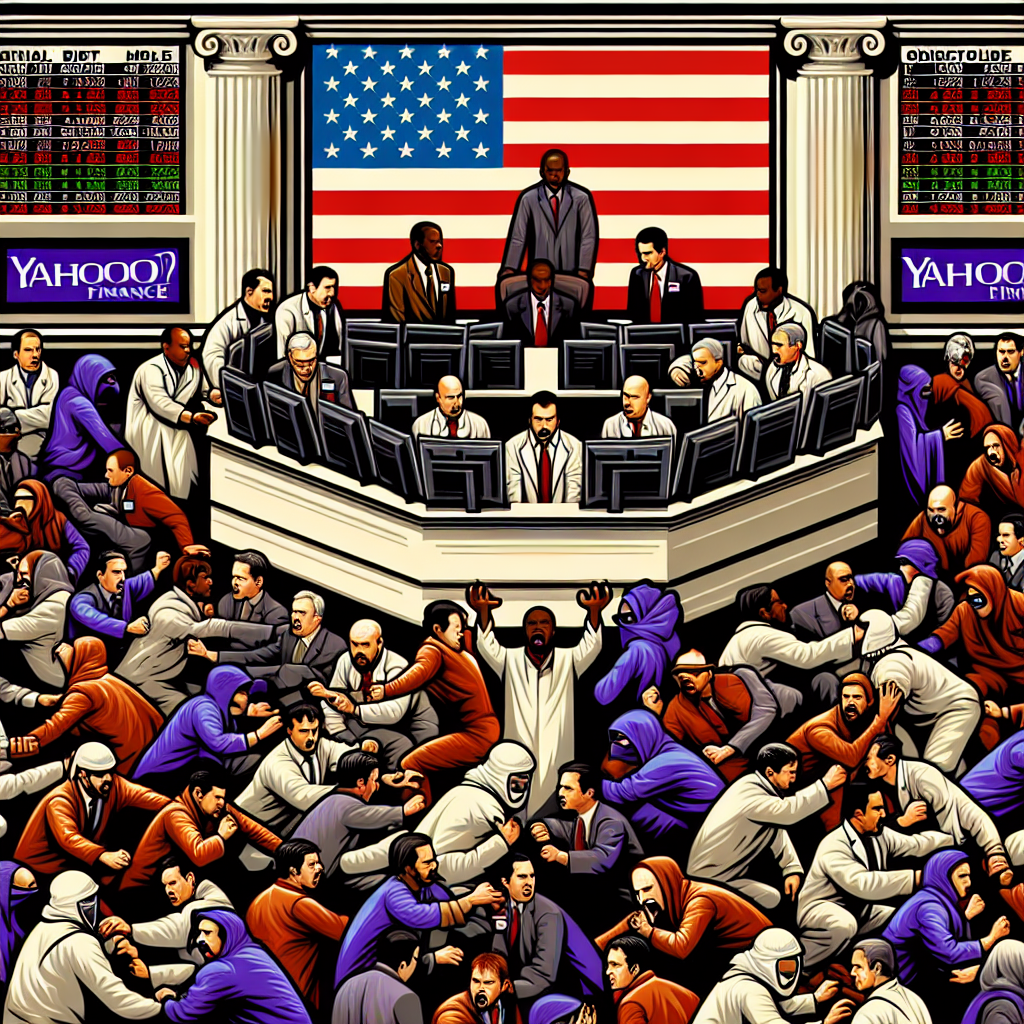
Rare Wall Street Hat Trick: Three Years | Analysis by Brian Moineau

A rare Wall Street hat trick: three straight years of double-digit gains

The bell just tolled on a rare market milestone. As the calendar flips to January 1, 2026, the S&P 500 has finished a third consecutive year of double-digit returns — a streak that, according to long-running market historians and strategists, has happened only a handful of times since the 1940s. That kind of sustained, high-single- to double-digit upside isn’t just a quirk of spreadsheets; it changes how investors, advisers, and policy makers talk about risk, valuation and the next trade.

Why this matters (and why it feels surreal)

  • Rarity: Three straight years of 10%+ gains for the S&P 500 is rare. Historical runs like this are memorable because they usually coincide with major technological shifts, easy monetary policy cycles, or distinctive macroeconomic backdrops.
  • Narrative shift: After bouts of recession concerns, higher rates, and geopolitical noise in prior years, markets have mounted a persistent rally — and narratives (AI, earnings resilience, Fed signals) have followed.
  • Investor psychology: When markets keep climbing, participants who sat out start to worry about missing out, while others question whether froth is forming. That tension shapes flows and volatility.

How we got here: the key drivers

  • AI and mega-cap leadership
    The AI investment cycle — and the companies providing the infrastructure (chips, cloud, software) — continued to dominate returns. Large-cap technology names, in particular, were disproportionate contributors to index performance.

  • Robust corporate earnings and profit margins
    Many companies surprised to the upside on revenue or margin performance, helping justify higher multiples despite earlier rate hikes and geopolitical uncertainty.

  • Disinflation and Fed dynamics
    Markets priced in eventual rate cuts and a more benign inflation path, which supported valuations. Optimism about easing monetary policy reduces the discount rate on future profits, lifting equity prices.

  • Resilient consumer and services activity
    Despite fears of slowdown, pockets of consumer spending and services output held up, undergirding revenues for many businesses.

A few historical lenses

  • Past streaks have been few, and outcomes vary. Some extended into four- or five-year runs; others faded. That history suggests both the power and the fragility of market momentum.
  • Analysts and strategists often point to valuation mean-reversion after long rallies: even if earnings rise, higher starting multiples can compress future returns.

What this means for different types of investors

  • Long-term buy-and-hold investors

    • Keep perspective: multi-year rallies can be followed by normal corrections. Rebalance to maintain target asset allocation.
    • Focus on fundamentals: earnings growth and quality still matter over decades.
  • Active traders and tactical allocators

    • Expect more two-way volatility: when markets reach crowded positioning, drawdowns can be sharp and swift.
    • Look beyond headline winners: leadership can rotate from mega-cap tech to cyclical or value sectors if macro or policy signals change.
  • Conservative or income-focused investors

    • Consider using market strength to harvest gains and lock in income via diversification (bonds, dividend growers, alternatives).
    • Keep cash ready for disciplined re-entry after pullbacks.

Risks that could break the streak

  • Policy shocks: surprises in Fed policy, fiscal policy changes, or tariff escalations can quickly change market sentiment.
  • Earnings disappointments: if corporate profit growth slows or margins compress, valuations may correct.
  • Concentration risk: when a few stocks drive a large share of gains, a stumble in those names can ripple across the index.
  • Geopolitics or systemic shocks: unexpected developments can spike volatility and trigger quick re-pricing.

A few practical takeaways for everyday investors

  • Rebalance: use gains to rebalance into underweighted areas instead of chasing the biggest winners.
  • Trim, don’t panic: partial profit-taking can protect gains while keeping upside exposure.
  • Maintain an emergency fund: market highs are not a substitute for liquidity needs.
  • Review fees and tax implications: a year like this invites tax planning and attention to portfolio drag from costs.

What strategists are saying

Market strategists and research shops acknowledge the rarity of a three‑peat and caution that the odds of another double-digit year are lower than the momentum suggests. Historical precedent points to a deceleration after multi-year, high-return streaks — though the path forward is shaped by many moving parts: Fed decisions, corporate earnings, and how AI monetizes over the next 12–24 months.

Closing thoughts

My take: a third straight year of double-digit gains is a fascinating moment — one that rewards sober celebration. It confirms the market’s capacity to extract value from technological shifts and resilient earnings, yet it also raises the price of admission. For most investors, the prudent response to this milestone is not breathless chasing, nor fearful selling, but disciplined planning: rebalance, mind risk concentrations, and keep a long-term lens. Markets climb walls of worry precisely because bad news is often already priced in — but walls eventually need maintenance. Expect that maintenance (volatility) and plan for it.

Sources

Keywords: US stocks, S&P 500, three consecutive years, double-digit gains, AI rally, market risks


Related update: We recently published an article that expands on this topic: read the latest post.


Related update: We recently published an article that expands on this topic: read the latest post.

S&P 500 Rally Extends to New Record | Analysis by Brian Moineau

A holiday-market high: Why the S&P 500 kept climbing after Christmas

The markets came back from their Christmas break like someone who just remembered they’d left the oven on — brisk, decisive, and not apologetic. On Friday, the S&P 500 notched another fresh record high and put Wall Street on pace for a winning week as traders returned to a thin, year‑end trading tape. The headline is simple; the story under it is a mix of momentum, rotating leadership, and the familiar tug-of-war over Fed policy and valuations.

What happened (quick snapshot)

  • The S&P 500 reached a new all‑time high on Friday, extending a year‑end rally that has left major U.S. indices near or at record territory. (Markets had been closed Thursday for the Christmas holiday.)
  • The index was pacing for weekly gains and coming off several recent record sessions earlier in the week.
  • Traders pointed to continued momentum, sector rotation away from frothy tech names into more moderately valued stocks, and continued investor focus on the Federal Reserve’s path for rate cuts and upcoming Fed minutes.

Why this felt different than a routine rally

  • Holiday trading is thin. With many market participants out, moves can look stronger than they are — a small flow of buying can lift indices. But thin volume alone doesn’t explain the recent run: earnings and economic signals have kept conviction alive.
  • Rotation, not just rally. While technology and AI leaders have driven much of the longer-term bull market, recent sessions showed money moving into financials, transports, healthcare, and small caps. That breadth matters: it makes a record close feel more durable than one dominated by just a few mega-cap winners.
  • The Fed narrative matters. Markets are digesting the timing and size of future rate cuts. Investors have rallied around the idea that easing is coming, but Fed votes and minutes have shown disagreements — which creates both fuel for gains and occasional bumps when expectations shift.

Market forces at play

  • Earnings season and corporate guidance: solid reports from large companies can keep the tape moving higher even when macro signals are mixed.
  • Rate-cut expectations: every hint that the Fed may ease later or slower than feared nudges valuations higher — particularly for growth names — but also prompts rotation if growth’s premium looks stretched.
  • Year-end positioning: portfolio flows, “window dressing,” and tax-related moves (like rebalancing) often amplify moves in late December. Traders returning after the holiday sometimes accelerate those flows.

Where the risks are now

  • Valuations: fresh highs make headlines, but they also raise questions about how much good news is already priced in. That’s especially true if earnings growth slows or if inflation proves stickier than hoped.
  • Fed uncertainty: minutes and Fed chair nominations are political and market events that can quickly change expectations for rates.
  • Thin liquidity: record closes during thin holiday trading can be less reliable indicators of the coming trend; early January often sees more decisive moves as liquidity returns.

Things investors should watch in the coming days

  • Fed minutes and any comments from policy makers about timing of cuts.
  • Earnings from a handful of market leaders that can either reinforce this rally or undermine it.
  • Breadth indicators (how many stocks are making new highs versus lows) — they tell whether the move is broad-based or top-heavy.
  • Volume and volatility as the New Year approaches: if volume stays low while prices pop, the chance of a sharper retracement rises.

A few quick takeaways

  • The fresh S&P 500 high is real, but context matters: the rally blends genuine earnings/rotation strength with holiday‑thin trading dynamics.
  • Broadening participation across sectors matters more than headline highs driven by a handful of megacaps.
  • Fed communications are the next big market catalyst; minutes and speeches can tilt the odds of continued gains.

My take

Record highs make for feel‑good headlines, and they deserve that moment of celebration. But markets rarely move in a straight line for long. Right now the picture looks constructive: earnings resilience, some rotation into traditionally undervalued areas, and still‑solid investor appetite. Still, the combination of thin holiday liquidity and an unresolved Fed story suggests prudence — for traders and long-term investors alike. Use the calm to check your exposures and risk tolerances; don’t confuse year‑end cheer with a free pass to ignore valuation and diversification.

Sources


Related update: We recently published an article that expands on this topic: read the latest post.

Bond Traders Challenge Fed Credibility | Analysis by Brian Moineau

When Bond Traders Ignore the Fed: A Dinner-Table Argument for Markets and Democracy

The financial world loves a paradox: the Federal Reserve cuts its policy rate, signaling easier money, yet long-term Treasury yields climb instead of falling. That’s exactly what’s happening now — and it’s touching off a heated debate that’s part market mechanics, part politics, and entirely consequential for anyone who pays a mortgage, runs a business, or watches Washington.

(finance.yahoo.com)

Why this feels like a grab for attention

  • The Fed has been easing from highs set in 2024, cutting the federal funds target by roughly 1.5 percentage points so far. Traders expect more cuts. Yet 10- and 30-year Treasury yields have moved higher, not lower. That mismatch is uncommon outside of certain episodes in the 1990s and has market strategists scratching their heads. (finance.yahoo.com)

  • The timing is politically charged: President Trump will soon be able to nominate Jerome Powell’s replacement, and market participants are already debating what a politically aligned Fed chair could mean for inflation, credibility, and long-term borrowing costs. Fear: a Fed that caves to pressure to ease too far could stoke inflation and push yields even higher. (finance.yahoo.com)

The competing explanations (pick your favorite)

  • A hopeful reading: Rising long-term yields reflect confidence. Investors expect stronger growth and lower recession risk, so they demand less duration protection — higher yields are a payoff for an economy that’s not collapsing. (finance.yahoo.com)

  • A structural adjustment view: Some say this is a return to pre-2008 market norms — less central-bank dominance, markets pricing in real macro variables (growth, fiscal stance, term premium) rather than simply shadowing policy rates. (finance.yahoo.com)

  • The bond vigilante scenario: Creditors are worried about a swelling U.S. debt burden and a politically compromised Fed. If traders think the central bank will prioritize short-term political goals over price stability, they’ll demand higher yields as compensation for future inflation or fiscal risk. That narrative has gained traction as talk of a political appointee to the Fed intensifies. (finance.yahoo.com)

What’s at stake for ordinary people

  • Mortgage rates and car loans are tied to long-term Treasury yields. If 10- and 30-year yields keep rising despite Fed cuts, borrowing costs for consumers may not fall the way policymakers (or politicians) promise. That matters for home affordability, corporate investment, and the pace of the economy. (finance.yahoo.com)

  • Fed credibility is monetary gold. If the public and markets lose faith that the Fed will fight inflation when needed — or that it can resist political pressure — the central bank’s ability to anchor expectations weakens. That can make inflation higher and more volatile over time, which is costlier than short-term stimulus. (reuters.com)

The investor dilemma

  • Short-term returns vs. long-term risks: Traders must choose whether to interpret rising yields as a buying opportunity (if growth stays firm) or a warning sign (if fiscal or political pressures push inflation and rates up). Both choices carry real pain if the signal is wrong. (finance.yahoo.com)

  • Pricing the unknown Fed nominee: Markets are trying to price not only macro data but also political risk — how dovish will the next chair be, and how independent? That uncertainty is adding a term premium to bonds that doesn’t move in lockstep with the Fed’s policy path. (reuters.com)

How policymakers and politicians look from here

  • For the Fed: this is a test of independence. Cuts are a tool; credibility is the asset that makes those tools work predictably. If markets perceive cuts as politically driven rather than data-driven, the policy channel frays. (finance.yahoo.com)

  • For the White House: pushing for lower long-term rates via political influence on the Fed is a high-risk play. Even if the administration succeeds in appointing a friendly chair, markets may still demand a premium for perceived fiscal looseness or higher inflation risk, undermining the intended effects. (finance.yahoo.com)

What to watch next

  • Moves in the 10-year and 30-year Treasury yields relative to Fed fund futures pricing. If yields keep diverging from the expected policy path, risk premia or fiscal concerns are probably doing the heavy lifting. (finance.yahoo.com)

  • Inflation data and the Fed’s language. Concrete signs of sticky inflation together with more politically charged rhetoric around appointments will deepen market uncertainty. (reuters.com)

  • Nomination news. Who the White House nominates and how markets and Treasury investors react will shape the credibility story. Early market pushback — as reported in recent investor outreach to the Treasury — already signals concern. (reuters.com)

Some practical thinking for readers

  • If you have a mortgage or plan to borrow, don’t count on big rate relief simply because the Fed is cutting short-term rates. Long-term yields matter. (finance.yahoo.com)

  • For investors: be mindful of duration risk and the possibility that a rising-term premium could pressure long-duration portfolios even as short-term rates fall. Diversification and scenario planning matter more when political risk enters the monetary policy mix. (finance.yahoo.com)

Final thoughts

We’re watching a classic tug-of-war between central-bank tools and market psychology. When bond traders “defy” the Fed, they’re not staging a conspiracy — they’re signalling uncertainty about growth, inflation, fiscal health, and yes, political influence. If the Fed wants the trust that makes policy moves effective, it needs to prove its independence; if politics tries to bend the central bank into short-term aims, the cost will likely show up where it hurts most: in the price of money for everyday Americans.

(finance.yahoo.com)

Sources


Related update: We recently published an article that expands on this topic: read the latest post.


Related update: We recently published an article that expands on this topic: read the latest post.


Related update: We recently published an article that expands on this topic: read the latest post.

Hidden Real Estate Gold: Industrial Lots | Analysis by Brian Moineau

The quiet land rush: industrial outdoor storage is stealing the spotlight

When someone says “real estate boom,” most of us picture gleaming warehouses, data centers or apartment towers. But there’s a quieter, dirt-under-your-nails story unfolding on paved and gravel lots across the U.S.: industrial outdoor storage (IOS). Once the domain of mom-and-pop operators and dusty truck yards, IOS is suddenly seeing explosive demand, sharp rent growth and major institutional attention — and it’s reshaping how investors and occupiers think about industrial land.

Why IOS matters now

  • IOS is simply land for things that live outside: containers, trucks, construction equipment, generators, bulk materials and fleet parking. Buildings — if present — typically occupy <25% of the site.
  • These parcels sit where movement matters: near highways, ports, intermodal nodes and data center construction sites. That adjacency makes them invaluable for staging and logistics.
  • Two forces collided to raise IOS’s profile: the ongoing industrial logistics reshuffle (e-commerce, fleet decentralization) and the data-center/A.I. construction boom. Data centers in particular need vast outdoor staging yards for generators, cooling equipment and construction fleets during buildouts.

Quick snapshot of the market

  • IOS rents have surged — Newmark reports rents rose roughly 123% since 2020, outpacing bulk warehouses by a wide margin. (Newmark’s “Lots to Gain” research is a useful primer.) (nmrk.com)
  • Vacancy is tight in many markets, and supply is constrained by zoning and land-use policies that often discourage industrial outdoor uses. That scarcity gives owners pricing power. (nmrk.com)
  • Institutional capital is moving in: private equity and large managers have formed JV’s and provided financing for IOS portfolios, turning what was once fragmented into investable, scalable pools of assets. Recent portfolio deals and credit commitments illustrate the shift. (danielkaufmanreal.estate)

The investor dilemma: high return, specific risks

  • Why investors are excited

    • Strong rent growth and low vacancy create attractive cash flows compared with many traditional industrial segments.
    • Many IOS assets are irreplaceable in the short-to-medium term because municipalities often restrict new IOS zoning.
    • Some markets show IOS rents that, when normalized per acre, rival bulk warehouse pricing — signaling potential revaluation upside. (nmrk.com)
  • What keeps cautious investors awake at night

    • Zoning and local politics: IOS is often labeled “non-productive” (low job density, limited tax generate), so expansion can be politically fraught. That’s both a supply limiter and a land-use risk. (nmrk.com)
    • Cyclical demand drivers: IOS benefits from spikes in trade, imports, construction and data center build cycles. If any of these cool materially (tariffs, weaker imports, slower AI/data-center rollouts), demand can ease. (globest.com)
    • Environmental and community pushback: stormwater, dust, visual blight and traffic impacts can invite stricter local controls or redevelopment pressure.
    • Standardization and liquidity: pricing and lease structures are still maturing. While institutional owners are professionalizing the sector, IOS is less homogeneous than a modern logistics park.

Where the value is concentrated

  • Inland logistics hubs (Phoenix, Memphis, Atlanta) have been leaders in rent growth; Southern California showed earlier strength but has seen more variability. Market-by-market performance diverges, so hyper-local analysis matters. (globest.com)
  • Sites close to ports, intermodal yards and major highway junctions command premiums — the same adjacency logic that drives warehouse economics, applied to land rather than buildings.

Practical takeaways for stakeholders

  • For investors

    • Treat IOS like a specialty industrial play: underwrite with conservative scenarios for zoning friction and cyclical demand swings.
    • Look for operators with platform capabilities — portfolio management, standardized leases, environmental controls and local permitting expertise.
    • Consider income-plus-value strategies: strong current cash flow today and limited-to-no new supply could yield outsized appreciation.
  • For occupiers (logistics firms, contractors, data-center developers)

    • Secure long-term yard capacity near critical nodes now; relocation costs and scarcity can be expensive later.
    • Negotiate site improvements and environmental protections into leases to reduce operating headaches and community pushback.
  • For municipalities and planners

    • Recognize IOS’s role in the logistics ecosystem but balance it with community concerns: permit management, stormwater controls and buffer zones can help make IOS less contentious.

A note on the data and narrative

This momentum is visible in market analytics and multiple industry reports: Newmark’s “Lots to Gain” research lays out national rent and vacancy trends, while trade coverage documents portfolio transactions and financing that signal institutionalization. Press consolidation, Yardi and market-specific deal reports corroborate the lift in rents and investor interest. (nmrk.com)

My take

IOS is one of those asset classes that looks boring until it outperforms. The category’s fundamentals — scarce, well-located land plus diversified, mission-critical demand — create an appealing combination. That said, it’s specialist investing: success will belong to owners who can navigate zoning, operationalize outdoor-land asset management and time exposure to cyclical infrastructure waves. Institutions will continue to professionalize the market, but the best returns are likely for those who pair local knowledge with the ability to scale.

Final thoughts

Industrial outdoor storage is no longer an afterthought. It’s a strategic piece of the industrial ecosystem, increasingly essential for logistics, construction and the buildout of digital infrastructure. For investors and occupiers, that means treating IOS with the same diligence long applied to warehouses — but with an added emphasis on land use, political risk and operational flexibility. In a market where dirt — literally — has become a scarce resource, those who see the value in the lot can find performance hiding in plain sight.

Sources

AI Winners Mask Weak Market Breadth | Analysis by Brian Moineau

November’s market mood: bright leaders, shaky foundation

Monday’s market tape told a familiar — and a little unsettling — story: the Nasdaq and S&P 500 quietly closed higher, lifted by a handful of AI and mega‑cap tech winners, while more than 300 S&P 500 stocks finished the day in the red. That kind of skew — a few names powering headline gains while many constituents lag — is the market’s current frisson: impressive on the surface, fragile underneath.

What happened (the quick read)

  • Major AI‑exposed names and cloud/semiconductor plays rallied and helped the indices eke out gains.
  • Stock futures slipped slightly the next session as investors digested valuation chatter, profit‑taking and mixed earnings signals.
  • Market breadth remained weak: hundreds of S&P 500 components fell even though the cap‑weighted indexes rose, highlighting concentrated leadership.

Why breadth matters

When a market rally is driven by a narrow group of stocks, the headline numbers can mask risk. A cap‑weighted index like the S&P 500 gives outsized influence to the largest companies, so the top handful of megacaps (the “Magnificent Seven” or similar groups) can lift the index even while most companies decline.

  • Narrow leadership raises volatility risk: if one or two leaders stumble, index performance can unwind quickly.
  • Weak breadth signals potential for rotation: sectors or mid‑caps that haven’t participated may suddenly correct further or rebound sharply if sentiment shifts.
  • Valuation sensitivity grows: when gains concentrate in richly valued AI/tech names, any hint of earnings disappointment, regulatory pressure, or slowing adoption can trigger swift re‑pricing.

The context you should keep in mind

  • AI enthusiasm has been a strong theme through 2025: big cloud deals, hyperscaler capex and continued demand for AI chips kept investor attention fixed on a small group of winners.
  • Many companies are still reporting solid earnings — a reason some strategists argue the rally isn’t just speculative. But even with good results, the market’s recovery is uneven.
  • Macro and policy noise (interest‑rate speculation, data delays from the U.S. government shutdown earlier in November, and geopolitical headlines) adds an extra layer of sensitivity to any cracks in leadership performance.

Market signals to watch this week

  • Earnings from big tech, chipmakers and cloud providers — these can either reinforce the narrow rally or expose cracks.
  • Breadth indicators: the number of advancing vs. declining S&P 500 stocks, and how many are above their 200‑day moving averages.
  • Volatility and flows: VIX moves and ETF flows into/out of mega‑cap tech versus broad market funds can show whether investors are rotating or doubling down.
  • Macro prints (jobs, Fed commentary) — still decisive for risk appetite and valuation multiples.

What investors can consider (practical framing)

  • Check exposure concentration: make sure your portfolio isn’t unknowingly overloaded with a few mega‑cap tech names.
  • Think in scenarios, not certainties: prepare for both continued AI momentum and for a re‑rating if sentiment shifts.
  • Revisit risk controls: position sizes and stop rules matter more when leadership is narrow and velocity of moves is high.
  • Look for quality breadth opportunities: beaten‑down cyclicals or small‑caps with improving fundamentals may offer better risk/reward if rotation arrives.

A snapshot: the narrative versus the reality

Narrative: “AI is lifting markets — buy the leaders.”
Reality: AI‑related leadership is real and powerful — but it hasn’t broadly lifted the market. That divergence means headline gains can be fragile if those leaders catch a cold.

My take

I find this market simultaneously thrilling and unnerving. The technology and AI stories driving gains are compelling — real revenue, real capex, and real productivity use cases — but markets priced on a handful of outcomes are brittle. For investors, nuance matters more than conviction right now: it’s a time to be thoughtful about concentration, to respect strong themes like AI without letting them blind you to poor breadth, and to balance optimism with risk management.

Sources


Related update: We recently published an article that expands on this topic: read the latest post.


Related update: We recently published an article that expands on this topic: read the latest post.

BNP Paribas Shares Plunge After Court | Analysis by Brian Moineau

BNP Paribas Shares Slump After Sudan Court Ruling: Implications for the Banking Sector

In the world of finance, few events shake investor confidence quite like a major court ruling. Recently, shares in BNP Paribas took a notable tumble following a Sudanese court decision that could have far-reaching implications for the bank and its operations. This ruling is not just a legal matter; it’s a potential opening for thousands of claims that could reverberate through the banking sector. Let’s dive into what this means for BNP Paribas and the broader financial landscape.

Context: The Background of the Case

The Sudanese court ruling stems from BNP Paribas’s involvement in providing banking services to the former Sudanese ruler, Omar al-Bashir. Al-Bashir, who was ousted in 2019 after years of unrest, has faced numerous allegations of human rights violations and corruption. The court’s decision has sparked concern among investors as it could pave the way for a flood of claims against the bank, not only in Sudan but potentially in other jurisdictions as well.

This isn’t the first time BNP Paribas has found itself in hot water; the bank has faced multiple legal challenges in the past, including hefty fines related to sanctions violations. The current ruling raises questions about the bank’s risk management strategies and its exposure to legal liabilities in politically unstable regions.

Key Takeaways

Court Ruling Implications: The Sudanese court’s decision could open the floodgates for thousands of claims against BNP Paribas for its past banking activities related to the former regime.

Investor Sentiment: Following the ruling, BNP Paribas shares experienced a significant drop, reflecting investor concerns over the potential financial repercussions and legal liabilities.

Broader Legal Ramifications: This case may set a precedent that could influence how banks operate in regions with complex political landscapes, heightening their legal risks.

Market Response: The immediate market reaction indicates that investors are wary about the bank’s future profitability and operational stability in light of possible legal challenges.

Risk Management Reevaluation: BNP Paribas may need to reassess its risk management protocols to navigate the potential surge in claims and avoid similar issues in the future.

Concluding Reflection

The Sudan court ruling is a stark reminder of the intricate relationship between banking operations and geopolitical realities. As BNP Paribas faces the potential fallout from this decision, it serves as a wake-up call for financial institutions globally. In an era where transparency and ethical governance are more crucial than ever, banks must tread carefully, especially in regions marked by instability and conflict. The coming months will be critical for BNP Paribas, as they navigate the legal landscape and work to restore investor confidence.

Sources

– “BNP Paribas shares slump after Sudan court ruling.” Financial Times. [Link](https://www.ft.com/content/your-article-link). – “Understanding the Legal Risks of Banking in Conflict Zones.” Harvard Business Review. [Link](https://hbr.org/understanding-the-legal-risks).

In this post, we examined the current challenges facing BNP Paribas following a significant Sudanese court ruling. As the situation evolves, it will be fascinating to monitor how the bank responds and what this means for the financial industry at large.


Related update: We recently published an article that expands on this topic: read the latest post.