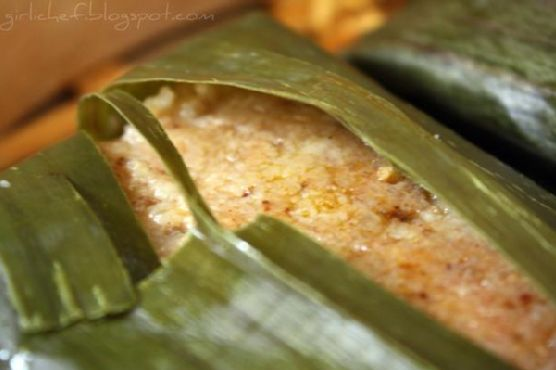
Salmon In Banana Leaf | Made by Meaghan Moineau

Salmon In Banana Leaf

Intro

One of my fondest childhood memories involves the warm, fragrant aroma of banana leaves wafting through our kitchen. My grandmother would prepare delectable dishes wrapped in these leaves, each one a little parcel of love and flavor. Her kitchen was a symphony of sounds and scents, with the sizzle of searing meat and the soothing, earthy smell of banana leaves blending together in perfect harmony. Today, I want to share a recipe that echoes those nostalgic memories while adding a modern twist: Salmon in Banana Leaf. This dish combines the rich, buttery texture of salmon with a medley of fragrant spices, all wrapped up in the comforting embrace of a banana leaf. Whether you’re new to this culinary technique or revisiting an old favorite, this recipe is sure to become a cherished part of your repertoire.

Why You’ll Love It

This recipe is a celebration of flavors and textures, bringing together a unique blend of ingredients that will tantalize your taste buds. The use of banana leaves not only infuses the salmon with a subtle, earthy aroma but also keeps it incredibly moist and tender. The marinade is a harmonious mix of sweet, spicy, and savory elements, creating a complex flavor profile that complements the natural richness of the salmon. Plus, the presentation is stunning, making it perfect for a dinner party or a special occasion. This dish is not only a feast for the palate but also a feast for the eyes.

Ingredients

  • Banana leaves
  • Cinnamon
  • Fennel seed
  • Fish sauce
  • Garlic
  • Ginger
  • Peach preserves
  • Red chiles
  • Rice
  • Rice wine vinegar
  • Salmon steaks
  • Scallions
  • Sesame oil
  • Soy sauce
  • Star anise
  • Tahini
  • Vegetable oil

Instructions

  1. Begin by mixing all of your marinade ingredients together and pouring it over the salmon in a big baggy or container. Marinate under refrigeration for at least half an hour or up to 2 hours.
  2. While the salmon is marinating, put all of your scented rice powder ingredients into a spice grinder and pulse until everything is coarsely ground. Remember, you want a few larger crumbles of rice for mouth-feel!
  3. Remove the salmon from the marinade (discarding any leftover marinade) and coat it with some of the scented rice powder on each side. You won’t use it all with just the 2 pieces of salmon. Save some for another time.
  4. Lay your banana leaves out flat. Place one salmon fillet in the center of each leaf. Fold one side over the salmon. Fold the opposite side over that, then both ends to make a little package.
  5. Place salmon packets in a steamer basket over boiling water.
  6. Put all of the marinade ingredients into a small sauce pot or alternately, a microwave-safe dish and bring to a heat. Whisk everything together, and it’s ready to serve.
  7. After 10-13 minutes, salmon will be finished. Flip the smooth side of the banana leaves up and make a slit through them to serve.
  8. Serve with Chinese noodles, corn, and the dipping sauce.

Tips

When working with banana leaves, it’s important to soften them slightly before use. You can do this by briefly passing them over an open flame or soaking them in hot water for a few minutes. This makes them more pliable and easier to wrap around the salmon.

Variations & Substitutions

If you can’t find banana leaves, parchment paper or aluminum foil can be used as an alternative wrapping. For a different flavor profile, try using orange marmalade instead of peach preserves, or swap out the fennel seed for coriander seeds. If you’d like a spicier kick, increase the amount of red chiles or add a splash of hot sauce to the marinade.

Storage

Leftover salmon can be stored in an airtight container in the refrigerator for up to 2 days. To reheat, steam the salmon in its banana leaf wrapping until warmed through, or gently heat in the oven at a low temperature. Avoid microwaving, as it can cause the salmon to become dry and rubbery.

FAQ

Can I use frozen salmon for this recipe?

Yes, you can use frozen salmon, but make sure to fully thaw it before marinating. This ensures that the marinade penetrates the fish effectively and that it cooks evenly.

What can I serve with Salmon in Banana Leaf?

This dish pairs beautifully with a variety of sides. Consider serving it with steamed jasmine rice, a fresh cucumber salad, or stir-fried vegetables. The dipping sauce also complements a range of accompaniments.

Is banana leaf edible?

While banana leaves are not typically consumed, they impart a lovely aroma and flavor to the food they encase. They are removed before eating, similar to the husks around tamales.

Nutrition

This dish is rich in omega-3 fatty acids and protein, thanks to the salmon. The use of spices and banana leaves adds flavor without additional calories, making it a heart-healthy and satisfying meal. For those watching their sodium intake, consider using a low-sodium soy sauce in the marinade.

Conclusion

Salmon in Banana Leaf is a dish that brings together the best of both tradition and innovation. It’s an opportunity to experiment with new flavors while paying homage to techniques that have been cherished for generations. Whether you’re sharing it with family or serving it at an elegant dinner party, this recipe is sure to impress and delight. So, gather your ingredients, embrace the process, and savor the delicious results. Happy cooking!

Related update: Salmon In Banana Leaf

Related update: Beef Braised In Red Wine
Healthy Mint Brownies | Made by Meaghan Moineau

Healthy Mint Brownies

Intro

There’s something magical about the combination of chocolate and mint. It always takes me back to my childhood when my grandmother and I would bake together during the chilly winter months. We’d bundle up, sip on hot cocoa, and indulge in decadent mint-flavored desserts. Those days were filled with laughter and warmth, and these Healthy Mint Brownies remind me of those cherished moments. Not only are these brownies a nostalgic nod to my past, but they also offer a healthier twist, making them a guilt-free indulgence for you and your loved ones.

Why You’ll Love It

These Healthy Mint Brownies are a delightful treat that you can enjoy without any guilt. They are packed with wholesome ingredients like black beans and avocado, providing a rich and fudgy texture. The mint filling adds a refreshing twist, while the chocolate layer on top brings everything together. Whether you’re baking for a special occasion or simply want a sweet treat, these brownies are sure to impress. They’re gluten-free, can be made sugar-free, and are perfect for anyone looking to enjoy a healthier dessert option.

Ingredients

  • 1/4 cup almond milk
  • 1/2 cup applesauce
  • 1 ripe avocado
  • 1 teaspoon baking powder
  • 1/2 teaspoon baking soda
  • 1/2 cup frozen blueberries
  • 1 teaspoon natural butter extract
  • 1 can (15 oz) black beans, drained and rinsed
  • 1/2 cup dark chocolate chunks
  • 1/3 cup cocoa powder
  • 3/4 cup coconut sugar
  • 1/2 cup dark chocolate, melted
  • 1-2 drops green natural food coloring
  • 1/4 cup grape seed oil
  • 2 tablespoons ground flax
  • 1/4 cup heavy cream or full-fat coconut milk
  • 1 tablespoon oil
  • 1 whole unsweetened jar pear, drained
  • 1 teaspoon peppermint extract
  • 1/4 teaspoon pink salt
  • 3/4 cup white rice flour
  • 1/4 cup white spelt flour
  • 1 teaspoon vanilla extract
  • 1/3 cup powdered xylitol

Instructions

  1. Combine the ground flax, applesauce, and almond milk together in a small bowl. Set aside to allow it to thicken.
  2. In a food processor, combine the frozen blueberries, pear, black beans, and grape seed oil. Pulse until the mixture becomes very smooth.
  3. Add the vanilla and butter extracts to the mixture in the processor and blend until fully combined.
  4. Transfer the contents from the processor into a medium-sized mixing bowl.
  5. Add the coconut sugar, cocoa powder, baking powder, baking soda, and pink salt to the mixture and mix well.
  6. Add the white rice flour and white spelt flour along with the dark chocolate chunks. Mix until just combined.
  7. Pour the batter into a prepared baking dish and bake at 350°F (175°C) for 44-45 minutes.
  8. Remove from the oven and allow to cool for at least 50 minutes. For faster cooling, place in the fridge for 20-30 minutes.
  9. While the brownies cool, prepare the mint filling. In a small bowl, combine the ripe avocado with heavy cream or full-fat coconut milk. Beat on high for about 5 minutes until fluffy and smooth.
  10. Add the powdered xylitol, peppermint extract, and green food coloring (if desired) to the avocado mixture and mix well.
  11. Once the mixture is perfectly fluffy and creamy, add the white spelt flour and mix until just combined.
  12. Spread the mint filling evenly over the cooled brownies and place in the fridge for 10 minutes to firm up.
  13. Melt the dark chocolate and mix with the oil. Stir to combine.
  14. Quickly pour the melted chocolate over the mint filling, spreading it evenly to cover the top.
  15. Return the brownies to the fridge for another 5 minutes until the chocolate is set.
  16. Cut the brownies with a sharp knife and serve chilled or at room temperature. Store any leftovers in an airtight container in the refrigerator.

Tips

To ensure the best texture and flavor, follow these tips:

  • Use ripe avocados for the creamiest filling.
  • Ensure the black beans are thoroughly drained and rinsed to avoid any bean flavor.
  • Work quickly when spreading the chocolate to achieve an even layer.

Variations & Substitutions

If you’re looking to switch things up a bit, here are some variations and substitutions:

  • You can use any kind of chocolate you like, but dark chocolate gives a wonderful flavor to the peppermint.
  • For those who are not concerned with gluten content, wheat or white flour works well. For wheat, decrease the amount by 1 tablespoon.
  • Feel free to adjust the level of peppermint extract according to your taste preferences.

Storage

Store any leftover brownies in an airtight container in the refrigerator. They will keep well for up to a week. These brownies can also be frozen for up to 3 months. To freeze, cut them into squares, wrap each piece in plastic wrap, and place them in a freezer-safe bag. Thaw in the refrigerator before serving.

FAQ

Can I use regular sugar instead of coconut sugar?

Yes, you can substitute coconut sugar with equal amounts of regular granulated sugar or another natural sweetener of your choice.

Is there a substitute for avocado in the mint filling?

If you don’t have avocado on hand, you can use softened cream cheese or Greek yogurt for a creamy texture, but it will alter the flavor slightly.

How do I make this recipe vegan?

To make these brownies vegan, use full-fat coconut milk instead of heavy cream and ensure your chocolate is dairy-free. The rest of the ingredients are already vegan-friendly.

Nutrition

These Healthy Mint Brownies are rich in fiber and healthy fats from the black beans and avocado. They are lower in sugar compared to traditional brownies, especially if you opt for sugar-free chocolate and powdered xylitol. While they are a healthier version, they still offer indulgent flavors, so enjoy them in moderation.

Conclusion

These Healthy Mint Brownies are a perfect blend of nostalgia and modern, healthy eating. They offer a delicious and guilt-free way to enjoy a classic flavor combination. Whether you’re looking to relive fond memories or create new ones with your family, these brownies are sure to become a beloved favorite. Enjoy baking, sharing, and most importantly, savoring each bite!

Related update: Healthy Mint Brownies

Related update: Buttermilk Pound Cake

Roasted Asparagus With Bacon and Feta Cheese | Made by Meaghan Moineau

Roasted Asparagus With Bacon and Feta Cheese

Intro

Growing up, Sunday dinners were a cherished tradition in our household. My grandmother, with her gentle hands and warm heart, always knew how to bring the family together with her culinary creations. One of my fondest memories was the way she transformed simple ingredients into something extraordinary. This recipe for Roasted Asparagus with Bacon and Feta Cheese is inspired by those Sunday gatherings, where laughter was abundant, and plates were always full. The combination of tender asparagus, crispy bacon, and creamy feta evokes a sense of nostalgia and warmth, reminiscent of those cherished family meals.

Why You’ll Love It

This dish is a delightful blend of flavors and textures that will have you coming back for more. The savory crispness of bacon paired with the tangy, creamy feta creates a perfect harmony with the fresh, roasted asparagus. It’s an easy-to-make side dish that elevates any meal, providing a gourmet touch without the fuss. Whether you are hosting a dinner party or simply want to treat yourself to something special, this recipe is sure to impress.

Ingredients

  • 1 bunch of asparagus, trimmed
  • 4 slices of bacon, cooked and crumbled
  • 1/4 cup of feta cheese, crumbled
  • 2 tablespoons of olive oil
  • Salt and pepper to taste

Instructions

  1. Preheat your oven to 450°F (230°C).
  2. Place the trimmed asparagus on a baking sheet lined with aluminum foil.
  3. Drizzle the asparagus with olive oil, ensuring each stalk is well-coated. Season with salt and pepper.
  4. Roast the asparagus in the preheated oven for about 8 to 10 minutes, or until they are tender and slightly caramelized.
  5. While the asparagus is roasting, cook the bacon in a skillet over medium heat until it is crisp. Transfer the bacon to a paper towel-lined plate to drain, then crumble it into small pieces.
  6. Once the asparagus is done, remove it from the oven and transfer it to a serving platter.
  7. Sprinkle the crumbled bacon over the asparagus, followed by the feta cheese.
  8. Serve immediately while warm.

Tips

For the best results, choose fresh, firm asparagus with vibrant green color and closed tips. If your asparagus is thick, consider peeling the lower half with a vegetable peeler to ensure even cooking. Be sure not to overcrowd the baking sheet to allow the asparagus to roast evenly.

Variations & Substitutions

If you’re looking to switch things up, try using goat cheese instead of feta for a creamier texture. For a vegetarian version, you can omit the bacon and add toasted pine nuts or sunflower seeds for a crunchy element. Feel free to experiment with different herbs like thyme or rosemary to add more depth of flavor.

Storage

Leftover roasted asparagus can be stored in an airtight container in the refrigerator for up to 3 days. To reheat, place it in a preheated oven at 350°F (175°C) for about 5 minutes, or until warmed through. Keep in mind that reheating might slightly alter the texture of the asparagus.

FAQ

Can I use frozen asparagus?

While fresh asparagus is recommended for the best texture and flavor, you can use frozen asparagus in a pinch. Be sure to thaw and pat it dry before roasting to avoid excess moisture affecting the roast.

What can I serve with this dish?

Roasted Asparagus with Bacon and Feta Cheese pairs beautifully with grilled meats such as chicken, steak, or fish. It also complements other side dishes like roasted potatoes or a fresh garden salad.

Is this dish keto-friendly?

Yes, this dish is low in carbohydrates and high in healthy fats, making it suitable for a keto diet. Just ensure that your bacon and feta are free from added sugars or fillers that might increase carb count.

Nutrition

This recipe is rich in fiber, vitamins, and minerals from the asparagus, as well as healthy fats and protein from the bacon and feta. It is a great low-carb, gluten-free option that fits well into a balanced diet.

Conclusion

Roasted Asparagus with Bacon and Feta Cheese is more than just a side dish; it’s a celebration of flavors that bring comfort and joy. Whether you’re reminiscing about family dinners or creating new memories, this dish is sure to become a favorite in your kitchen. Simple yet sophisticated, it’s a testament to the idea that sometimes the best meals are made with just a few quality ingredients. Enjoy this recipe as a reminder that love, like great food, is best shared around the table.

Related update: Roasted Asparagus With Bacon and Feta Cheese

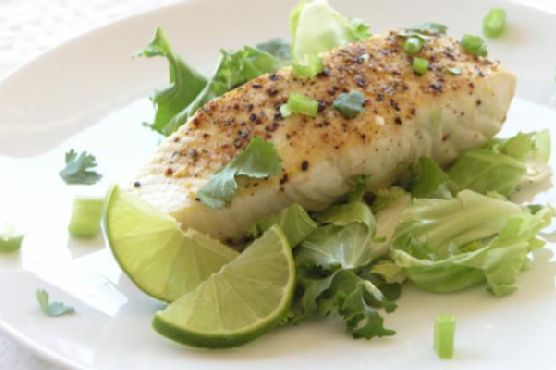
Cilantro Lime Halibut | Made by Meaghan Moineau

Cilantro Lime Halibut

Intro

There’s something magical about the aroma of lime and cilantro filling the kitchen. It takes me back to summer evenings spent by the sea with my family, sharing stories and laughter over a delicious meal. One of my fondest memories is a fishing trip with my grandfather where we caught fresh halibut, and he taught me how to cook it with his signature lime and cilantro twist. Today, I’m excited to share this Cilantro Lime Halibut recipe with you, a dish that combines fresh, zesty flavors with the rich taste of wild Pacific halibut. Whether you’re a seafood aficionado or just starting to explore fish dishes, this recipe is sure to become a favorite in your home.

Why You’ll Love It

This Cilantro Lime Halibut is not only delicious but also quick and easy to prepare, making it perfect for weeknight dinners or special occasions. The dish features a beautiful balance of flavors—a hint of citrus from the lime, aromatic freshness from the cilantro, and a subtle sweetness from the blood orange olive oil. Plus, it’s a healthy option packed with protein and essential nutrients. Whether you’re cooking for yourself or hosting a dinner party, this dish will impress with its simple yet sophisticated taste.

Ingredients

  • Chicken stock
  • Fresh cilantro
  • Green onions
  • Wild Pacific halibut filets
  • Lime (juice)
  • Another slug of blood orange olive oil
  • Mollie Stone’s blood orange olive oil
  • Dusting of garlic-pepper
  • Salt and pepper
  • White wine

Instructions

  1. Heat the oil in a large frying pan over medium heat.
  2. Coat the filets with garlic pepper on the flesh side.
  3. When the pan is heated, add the filet flesh side down to sear that side. Allow to cook for about 30 seconds.
  4. Flip the filets over with tongs.
  5. Add white wine to the pan and cover to steam. After about 2 minutes, much of the wine will have evaporated.
  6. Add the chicken stock gradually and allow the filets to steam for another couple of minutes.
  7. Add the lime juice. When bubbling and both filets are opaque all the way through, add the green onions to the pan and swirl in the sauce for a moment.
  8. Remove filets to beds of lettuce.
  9. Add a tsp of the Blood Orange Olive Oil, swirl the green onions in the sauce one more time, and then pour equal parts over the fish.
  10. Garnish with fresh cilantro and lime wedges. Sprinkle with salt and pepper to taste.
  11. Serve immediately.

Tips

For the best results, ensure your halibut filets are fresh. If possible, purchase them from a reputable fishmonger. When searing the fish, make sure the pan is hot enough before adding the filets, as this will give them a nice crust. If you don’t have blood orange olive oil, regular olive oil with a splash of orange juice can be a suitable substitute.

Variations & Substitutions

If you’re not a fan of halibut, this recipe works well with other white fish such as cod or haddock. You could also experiment with adding different herbs like parsley or dill for a different flavor profile. For a spicier kick, consider adding a pinch of red pepper flakes to the sauce.

Storage

Leftover Cilantro Lime Halibut can be stored in an airtight container in the refrigerator for up to two days. To reheat, place the fish in a pan over low heat until warmed through. Be careful not to overcook, as the fish can become dry.

FAQ

Can I use frozen halibut filets?

Yes, you can use frozen halibut filets. Just make sure to thaw them completely before cooking. Pat them dry with a paper towel to remove any excess moisture, which helps in achieving a good sear.

What can I serve with Cilantro Lime Halibut?

This dish pairs beautifully with a simple salad, steamed vegetables, or a light quinoa pilaf. The fresh flavors of the halibut complement a variety of sides, so feel free to get creative with your pairings.

Nutrition

Halibut is an excellent source of protein and is rich in omega-3 fatty acids, which are beneficial for heart health. This dish is also low in carbohydrates, making it suitable for those following a low-carb diet. The use of fresh lime and cilantro adds vitamins and antioxidants, contributing to a nutritious, balanced meal.

Conclusion

Our Cilantro Lime Halibut is a delightful dish that brings together the best of fresh seafood and vibrant flavors. It’s easy to prepare, healthy, and sure to please even the pickiest eaters. Whether you’re evoking seaside memories or creating new ones, this recipe is a wonderful way to bring a touch of elegance and flavor to your dining table. We hope you enjoy this recipe as much as we do and that it becomes a cherished part of your culinary repertoire.

Related update: Cilantro Lime Halibut

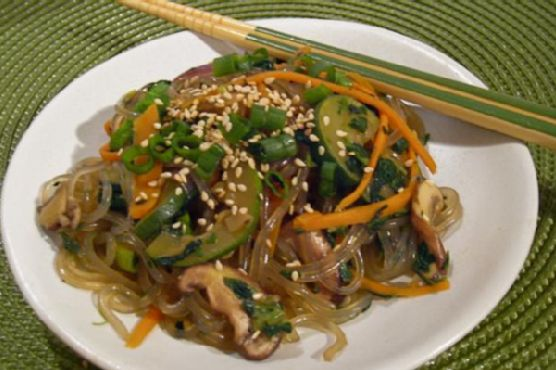
Chapchae (Korean Stir-Fried Noodles) | Made by Meaghan Moineau

Chapchae (Korean Stir-Fried Noodles)

Intro

Chapchae, a delightful Korean stir-fried noodle dish, has a special place in my heart. I remember the first time I tasted it was during a family trip to Seoul. The vibrant colors of the vegetables, the glossy sheen of the noodles, and the intoxicating aroma of sesame oil filled the air as we sat down at a local eatery. Each bite was a harmony of flavors and textures, and it instantly became a favorite. Inspired by that trip, I’ve recreated this dish at home many times, each instance bringing back fond memories of that culinary adventure.

Why You’ll Love It

Chapchae is a versatile dish that’s not only delicious but also a feast for the eyes. It’s perfect for any season, offering a balance of savory, sweet, and umami flavors that appeal to various palates. This dish is naturally gluten-free when using sweet potato vermicelli, making it a fantastic option for those with dietary restrictions. Additionally, chapchae is packed with vegetables, making it a nutritious choice for a quick lunch or a vibrant side dish.

Ingredients

  • 8 oz sweet potato vermicelli noodles
  • 1 sweet onion, thinly sliced
  • 2 cloves garlic, minced
  • 2 cups baby spinach
  • 1 carrot, julienned
  • 3 scallions, sliced
  • 1 cup mushrooms, sliced
  • 1 zucchini, julienned
  • 2 Tbsp olive oil
  • 2 Tbsp sesame oil, divided
  • 3 Tbsp soy sauce
  • 1 Tbsp sugar
  • Salt to taste

Instructions

  1. Cook the sweet potato vermicelli noodles according to the package directions. Once cooked, drain and set aside.
  2. In a large pan or wok over medium heat, heat the olive oil and 1 tablespoon of the sesame oil.
  3. Add the onion slices and minced garlic, sautéing for about 1 minute until fragrant.
  4. Add the rest of the vegetables: baby spinach, carrots, scallions, mushrooms, and zucchini. Cook for 4-5 minutes until the vegetables are half-cooked and still a bit crispy.
  5. Turn the heat to low and add the cooked noodles to the pan.
  6. Pour in the soy sauce, sugar, and the remaining sesame oil. Mix everything to combine and cook for another 2 minutes.
  7. Taste and add salt or more soy sauce if needed. For a sweeter dish, add a touch more sugar.
  8. If using, sprinkle sesame seeds over the top just before serving for an added nutty flavor and crunch.

Tips

For the best results, ensure that your vegetables are cut uniformly for even cooking. Don’t overcook them; chapchae is best with vegetables that retain a slight crunch. Also, feel free to adjust the seasoning according to your taste preferences. A dash of chili flakes can also add a nice kick if you enjoy a bit of heat.

Variations & Substitutions

Chapchae is incredibly adaptable. You can substitute the vegetables with whatever you have on hand, such as bell peppers or broccoli. For a protein boost, add tofu, beef strips, or chicken. If you prefer a lower-sodium option, use low-sodium soy sauce. For a vegetarian version, ensure your soy sauce is vegetarian-friendly and skip any meat additions.

Storage

Chapchae can be stored in an airtight container in the refrigerator for up to three days. Reheat gently on the stovetop or in the microwave, adding a splash of water or soy sauce to revitalize the noodles. Note that the noodles may absorb more sauce over time, so adjust the seasoning as needed when reheating.

FAQ

Can I make chapchae ahead of time?

Yes, chapchae can be prepared in advance. It’s an excellent dish for meal prep as the flavors meld beautifully over time. Just be sure to store it properly and give it a good stir before serving.

Is chapchae gluten-free?

Chapchae is naturally gluten-free when made with sweet potato vermicelli noodles, which are a common ingredient in Korean cuisine. However, make sure to check the labels on your soy sauce to ensure it’s gluten-free, or opt for tamari as an alternative.

Nutrition

Chapchae is a nutrient-rich dish thanks to its variety of vegetables. It’s high in fiber, vitamins, and minerals, and the sweet potato noodles provide a source of complex carbohydrates. The sesame oil and soy sauce contribute healthy fats and protein, respectively, making chapchae a well-rounded meal.

Conclusion

Chapchae is more than just a dish; it’s a delightful journey through flavors and textures that can transport you to the vibrant streets of Korea. Whether you’re making it for the first time or it’s been a staple on your menu, this recipe is sure to bring joy to your table. So grab your wok, gather your ingredients, and savor a bowl of this Korean classic. Enjoy every bite and perhaps, like me, you’ll find it becomes a cherished part of your culinary repertoire.

Related update: Chapchae (Korean Stir-Fried Noodles)

Related update: Cilantro Lime Halibut

HomeMade Hashbrowns with Spinach and Carrots | Made by Meaghan Moineau

Homemade Hashbrowns with Spinach and Carrots

Intro

There’s something incredibly comforting about a plate of crispy hashbrowns. They remind me of weekend breakfasts at my grandmother’s house, where the aroma of frying potatoes would gently wake us up. My grandmother had a knack for adding a little something extra to her hashbrowns, a touch of love that made them irresistible. Inspired by those mornings, I’ve crafted a recipe that not only hits the comfort spot but also packs a nutritious punch with the addition of fresh spinach and carrots. These Homemade Hashbrowns with Spinach and Carrots are a delightful twist on the classic, providing a burst of flavor and a boost of nutrients in every bite.

Why You’ll Love It

This recipe is perfect for those seeking a delicious, healthy meal that doesn’t compromise on taste. The combination of crispy potatoes with the fresh, earthy flavor of spinach and the subtle sweetness of carrots is truly magical. These hashbrowns are versatile and can be served as a hearty breakfast, a delicious side dish, or even a satisfying snack. They’re also vegetarian-friendly and can be easily adapted to suit a variety of dietary needs.

Ingredients

  • 2 large potatoes, grated
  • 1 cup fresh spinach leaves, finely chopped
  • 1 onion, finely chopped
  • 1 carrot, grated
  • 1/2 teaspoon red chili powder
  • 2 tablespoons cornflour
  • 1/2 teaspoon salt, plus more to taste
  • Oil for shallow frying

Instructions

  1. In a large bowl, combine grated potatoes, chopped spinach, chopped onion, and grated carrot.
  2. Add 1/2 teaspoon of salt to the mixture and mix well.
  3. Squeeze the vegetable mixture to remove all the excess moisture.
  4. Stir in the red chili powder and cornflour, mixing until well combined. Adjust salt by tasting the mixture.
  5. Form the mixture into small patties, ensuring they’re compact and hold together.
  6. Heat oil in a pan over medium-high heat for shallow frying.
  7. Gently place the patties in the hot pan, allowing them to brown on both sides for a few minutes.
  8. Lower the heat to medium and cook until the patties are cooked through and crispy.
  9. Remove from the pan and drain on paper towels before serving.

Tips

For the best results, make sure to thoroughly squeeze out any moisture from the vegetable mixture. This ensures your hashbrowns are crispy rather than soggy. Also, be patient while frying; allow each side to brown completely before flipping to achieve that perfect golden crust.

Variations & Substitutions

Feel free to experiment with other veggies such as zucchini or bell peppers for added flavor and nutrition. If you’re avoiding cornflour, you can substitute with all-purpose flour or rice flour. For a spicier kick, consider adding a pinch of cayenne pepper or some finely chopped jalapeños.

Storage

These hashbrowns can be stored in an airtight container in the refrigerator for up to 3 days. To reheat, simply place them in a hot oven or in a pan to restore their crispiness. They can also be frozen for up to a month; just make sure to thaw them thoroughly before reheating.

FAQ

Can I make these hashbrowns gluten-free?

Yes, you can easily make this recipe gluten-free by using a gluten-free flour alternative like rice flour or chickpea flour in place of cornflour.

How can I make these hashbrowns vegan?

This recipe is naturally vegan as it contains no animal products. Just be sure to use a vegetable-based oil for frying.

Can I bake these hashbrowns instead of frying?

Absolutely! To bake, preheat your oven to 400°F (200°C) and line a baking sheet with parchment paper. Arrange the patties on the sheet and bake for about 20-25 minutes, flipping halfway, until they are golden brown and crispy.

Nutrition

These hashbrowns are not only delicious but also nutritious, providing a healthy dose of vitamins and minerals from the spinach and carrots. They’re a great source of dietary fiber and contain a good balance of carbs and protein to fuel your day.

Conclusion

Homemade Hashbrowns with Spinach and Carrots are a versatile and delicious addition to any meal. Whether you serve them for breakfast, as a side dish, or a snack, they are sure to please. This recipe is a nod to the comforting meals of my childhood, with a modern twist that incorporates fresh, nutritious ingredients. I hope you enjoy making and sharing these hashbrowns as much as I do. Happy cooking!

Related update: HomeMade Hashbrowns with Spinach and Carrots

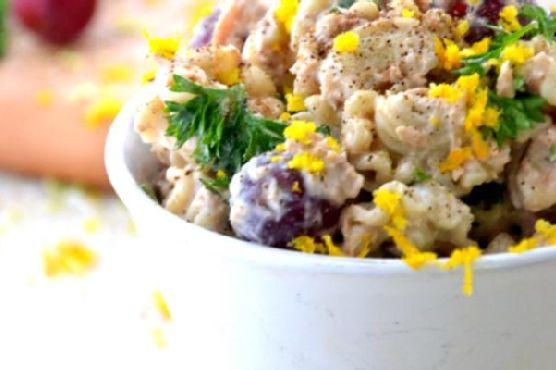
Easy Gluten Free Vegetarian Pasta Salad | Made by Meaghan Moineau

Easy Gluten Free Vegetarian Pasta Salad

Intro

There’s something incredibly heartwarming about the simplicity of a well-made pasta salad. Growing up, summer gatherings at my grandmother’s house were never complete without her famous pasta salad. As kids, we would run around the garden, while the adults chatted over glasses of iced tea, and I can still remember the excitement of finally sitting down to a big bowl of her refreshing creation. With my Easy Gluten Free Vegetarian Pasta Salad, I hope to bring a slice of that nostalgia to your table, offering a dish that’s not only delicious but also mindful of dietary choices.

Why You’ll Love It

This gluten-free vegetarian pasta salad is a delightful blend of flavors and textures that will surely become a staple in your home. Here’s why you’re going to love it:

  • Simple Ingredients: Made with everyday ingredients that are easy to find, this salad is as accessible as it is delicious.
  • Quick to Make: With minimal prep and cooking time, you can have this salad ready in under 30 minutes.
  • Diet-Friendly: Perfect for those following a gluten-free or vegetarian diet, ensuring everyone can enjoy a serving.
  • Versatile: Easily adaptable with various ingredients or substitutions to suit your taste and pantry.
  • Perfectly Balanced: The creamy yogurt dressing, sweet grapes, and zesty citrus create a harmonious flavor profile that’s both refreshing and satisfying.

Ingredients

  • 8 ounces gluten-free pasta
  • 1 cup plain Greek yogurt
  • Zest of one orange
  • 1/4 cup fresh orange juice
  • 2 tablespoons olive oil
  • 1 cup fresh grapes, halved
  • 1/4 cup fresh cilantro, chopped
  • 1 teaspoon sea salt
  • 1/2 teaspoon black pepper

Instructions

  1. Cook the gluten-free pasta according to the package directions. Once cooked, drain the pasta and set it aside to cool for about 10 minutes.
  2. In a large mixing bowl, combine the plain Greek yogurt, orange zest, fresh orange juice, and olive oil. Whisk these ingredients together until you have a smooth dressing.
  3. Add the cooled pasta to the bowl. Then, add the fresh grapes, chopped cilantro, sea salt, and black pepper.
  4. Gently toss all the ingredients together until the pasta is well coated with the dressing, and the ingredients are evenly distributed.
  5. Transfer the pasta salad to four serving bowls. Serve chilled for the best flavor.

Tips

To ensure you get the best results with your pasta salad, consider these helpful tips:

  • Cook Pasta Al Dente: This helps maintain a firmer texture, preventing the pasta from becoming mushy when mixed with the dressing.
  • Cool Pasta Properly: Letting the pasta cool before mixing it with the dressing ensures that the yogurt doesn’t become oily or lose its creaminess.
  • Fresh Ingredients: Use fresh grapes and cilantro for the best flavor and texture. Avoid canned or frozen substitutes.
  • Adjust Seasoning: Taste the salad before serving and adjust the salt and pepper according to your preference.

Variations & Substitutions

This pasta salad is quite versatile, and you can easily customize it to your liking:

  • Fruit Swap: Try using diced apples or pears instead of grapes for a different sweet crunch.
  • Herb Alternatives: If cilantro isn’t your favorite, fresh basil or parsley make excellent alternatives.
  • Dairy-Free Option: Substitute the Greek yogurt with a dairy-free yogurt to make this salad completely dairy-free.
  • Add Protein: For an extra boost, add some chickpeas or chopped nuts like almonds or walnuts.

Storage

This pasta salad stores well and can be made ahead of time. Here’s how to store it:

  • Store the pasta salad in an airtight container in the refrigerator for up to 3 days.
  • If making ahead, you might want to reserve some dressing to mix in just before serving to refresh the flavors.
  • For best results, allow the salad to come to room temperature for about 10 minutes before serving if it’s been chilled for a while.

FAQ

Can I use regular pasta instead of gluten-free pasta?

Absolutely! If you don’t need a gluten-free option, feel free to use your favorite regular pasta. The salad will be just as delicious.

How can I prevent the salad from becoming too dry?

To keep your salad moist and flavorful, ensure the pasta is not overcooked and that you have enough dressing to coat all ingredients. Reserving a bit of dressing to add just before serving can also help refresh the dish.

What can I serve with this pasta salad?

This salad is versatile and pairs well with a variety of dishes. Consider serving it alongside grilled vegetables, a light soup, or as part of a picnic spread with sandwiches and fresh fruit.

Nutrition

While exact nutritional values can vary based on the specific products used, a serving of this gluten-free vegetarian pasta salad is generally a healthy choice, offering a balance of carbohydrates, healthy fats, and proteins. The yogurt provides a good source of probiotics, and the fresh fruits and herbs add nutrients and antioxidants. Always consider portion sizes to align with your dietary needs.

Conclusion

This Easy Gluten Free Vegetarian Pasta Salad is more than just a dish; it’s a reminder of the joy that comes from simple, comforting meals shared with loved ones. Whether you’re looking to recreate a cherished family recipe with a modern twist or seeking a quick and healthy meal option, this salad is sure to please. Serve it at your next gathering, and watch as it becomes a favorite among your family and friends, just as it has in mine. Enjoy the vibrant flavors and the satisfaction of a meal well-made!

Related update: Easy Gluten Free Vegetarian Pasta Salad

Related update: Caramelized Tofu & Gala Apple Salad

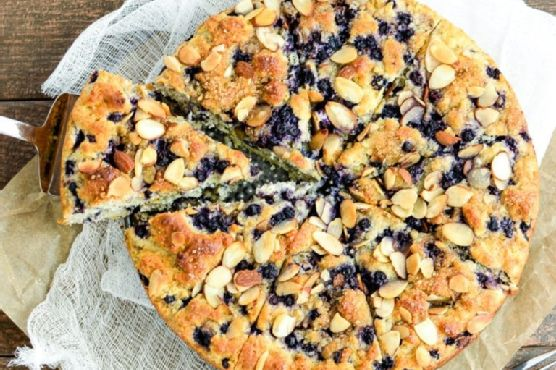
Gluten Free Almond Blueberry Coffee Cake | Made by Meaghan Moineau

Gluten Free Almond Blueberry Coffee Cake

Intro

There’s something incredibly special about the aroma of a freshly baked coffee cake wafting through the house. It takes me back to my childhood, when my grandmother would bake her famous blueberry coffee cake every Sunday morning. We’d gather around the kitchen table, the sun streaming through the windows, and savor each bite of that tender, sweet cake. Today, I’m thrilled to share a gluten-free version inspired by those cherished memories: Gluten Free Almond Blueberry Coffee Cake. It’s a delightful treat that’s sure to become a favorite in your home too.

Why You’ll Love It

This Gluten Free Almond Blueberry Coffee Cake is a perfect blend of flavors and textures. It’s moist and tender, with a hint of nuttiness from the almonds and a burst of juicy sweetness from the blueberries. Whether you’re gluten-free or not, this cake is sure to delight. It’s easy to make, and the ingredients are simple and wholesome. Plus, the rustic topping of turbinado sugar and almonds adds a delightful crunch that makes this cake truly special.

Ingredients

  • 2 cups gluten free flour
  • 1 cup frozen blueberries
  • 1 tablespoon gluten free flour
  • 1/2 cup canola oil
  • 1 large egg
  • 1/2 cup vanilla yogurt
  • 1/2 cup whole milk
  • 1 cup granulated sugar
  • 2 teaspoons baking powder
  • 1/2 teaspoon xanthan gum
  • 1/2 teaspoon fine sea salt
  • 1/4 cup raw turbinado sugar
  • 1/4 cup sliced almonds

Instructions

  1. Preheat your oven to 375 degrees F and spray a 9″ springform pan with nonstick spray. Set aside.
  2. In a large bowl, whisk together the egg, whole milk, vanilla yogurt, and canola oil. Set aside.
  3. In a separate medium bowl, whisk together 2 cups of the flour, granulated sugar, baking powder, xanthan gum, and fine sea salt.
  4. Add the dry ingredients to the wet and mix to combine until just moistened. Do not overmix.
  5. In a small bowl, combine 1 cup of the blueberries with the remaining 1 tablespoon flour. Fold the blueberries into the batter very gently until dispersed evenly. It is OK if they bleed just a little bit.
  6. Pour the batter into the prepared pan and flatten and even out with a spatula. Top with the remaining blueberries.
  7. In a small bowl, toss the turbinado sugar and almonds together. Sprinkle on top of the cake.
  8. Transfer the cake to the oven and bake for 30-35 minutes or until a toothpick comes out with just a few crumbs.
  9. Remove from heat and let cool in the pan for 15 minutes. Release the sides and transfer the cake to a wire rack to cool the rest of the way.
  10. Enjoy immediately or cover with plastic wrap and eat within 2 days.

Tips

For best results, make sure all your ingredients are at room temperature before beginning. This helps them to incorporate smoothly into the batter. Also, when folding in the blueberries, do so gently to avoid breaking them and turning your batter blue.

Variations & Substitutions

You can substitute the blueberries for other berries like raspberries or chopped strawberries. If you don’t have vanilla yogurt, plain yogurt with a splash of vanilla extract works just fine. For a dairy-free version, use almond milk and coconut yogurt.

Storage

This cake is best enjoyed fresh, but it can be stored in an airtight container at room temperature for up to 2 days. For longer storage, refrigerate it for up to 5 days or freeze for up to 3 months. Thaw overnight in the refrigerator and bring to room temperature before serving.

FAQ

Can I use fresh blueberries instead of frozen?

Yes, absolutely! If using fresh blueberries, there’s no need to coat them with flour. Just fold them into the batter gently and proceed with the recipe as directed.

What is xanthan gum and is it necessary?

Xanthan gum is a common additive in gluten-free baking that helps provide structure and elasticity. It mimics the binding effects of gluten, which is absent in gluten-free flours. For this recipe, it is recommended to maintain the texture of the cake.

Can I make this cake vegan?

To make this cake vegan, you can substitute the egg with a flax egg (1 tablespoon flaxseed meal mixed with 2.5 tablespoons water) and use plant-based milk and yogurt alternatives. Ensure all other ingredients, like your flour mix, are vegan-friendly.

Nutrition

This recipe makes approximately 8 servings. Each serving contains approximately:

  • Calories: 320
  • Carbohydrates: 45g
  • Protein: 5g
  • Fats: 15g
  • Fiber: 3g
  • Sugar: 20g

Please note that these values are approximate and can vary based on specific brands and measurements used.

Conclusion

This Gluten Free Almond Blueberry Coffee Cake is more than just a delightful treat; it’s a nod to cherished memories and a celebration of flavors and textures that everyone can enjoy. Whether you’re looking for a sweet addition to your brunch menu or a comforting afternoon snack, this cake is sure to impress. I hope you love this recipe as much as I do, and that it brings a touch of warmth and nostalgia to your kitchen.

Related update: Gluten Free Almond Blueberry Coffee Cake

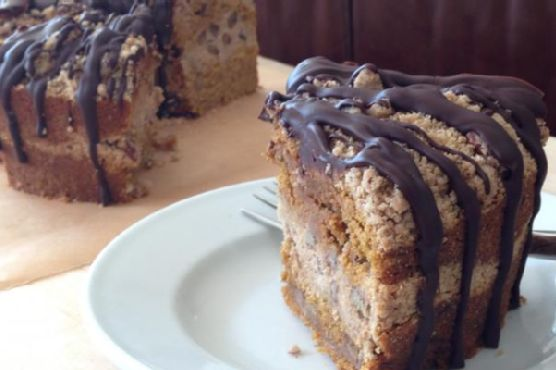
Pumpkin Pecan Streusel Cake – gluten free, soy free, vegan | Made by Meaghan Moineau

Pumpkin Pecan Streusel Cake – Gluten Free, Soy Free, Vegan

Intro

As the leaves begin to turn and the air grows crisp, there’s nothing quite like the smell of a freshly baked cake wafting through the house. This pumpkin pecan streusel cake transports me back to cozy autumn afternoons spent in my grandmother’s kitchen. I remember standing on a stool, barely tall enough to reach the counter, eagerly helping her mix ingredients while sneaking tastes of the batter. Those moments were filled with warmth and laughter, and every bite of this cake brings those cherished memories flooding back.

Why You’ll Love It

This Pumpkin Pecan Streusel Cake is an absolute delight for the senses. It’s rich in flavor, with the earthy sweetness of pumpkin paired beautifully with the nutty crunch of pecans. The streusel topping adds an irresistible texture contrast, making each bite a little piece of heaven. Plus, it’s completely gluten-free, soy-free, and vegan, so everyone can enjoy it. Whether you’re serving it to guests or indulging on a quiet afternoon, this cake is sure to become a seasonal favorite.

Ingredients

  • 1/2 teaspoon aluminum free baking soda
  • 1 teaspoon aluminum free baking powder
  • 1 tablespoon apple cider vinegar
  • 2 ripe bananas, mashed
  • 1 cup red brown rice flour
  • 1 cup light firmly packed brown sugar
  • 1/2 cup enjoy life brand chocolate chips
  • 1/2 teaspoon ground ginger
  • 1/2 teaspoon ground nutmeg
  • 1/2 teaspoon kosher salt
  • 1 cup gluten free oat flour
  • 1 cup pecans, chopped
  • 1 cup roasted pumpkin puree
  • 1/2 cup white rice flour
  • 1/2 cup sorghum flour
  • 1/2 cup earth balance soy free spread
  • 1/4 cup tapioca flour
  • 1/2 cup coconut yogurt

Instructions

  1. Preheat your oven to 350°F (175°C) and prepare a cake pan with parchment paper.
  2. In a small bowl, combine the flours, brown sugar, cinnamon, and kosher salt. Add the Earth Balance Soy Free Spread and work it into the mixture with your hands until it resembles coarse crumbs. Stir in the pecans and set aside.
  3. For the batter, measure your coconut yogurt and add the apple cider vinegar. Let it sit to curdle slightly.
  4. In a medium bowl, sift together the flours, baking powder, baking soda, cinnamon, ginger, nutmeg, and kosher salt.
  5. In the bowl of an electric mixer, beat together the Earth Balance spread and brown sugar until well combined. Add the mashed bananas, scraping down the sides as needed. Mix in the pumpkin puree and the coconut yogurt mixture on low speed.
  6. Gradually add the dry ingredients to the wet mixture until just combined. The batter should be thick. If it’s not, add 1/4 cup of white rice flour.
  7. Spread half of the batter in the prepared pan, sprinkle half of the streusel over it, then spread the remaining batter on top. Finish with the remaining streusel.
  8. Bake for 55-60 minutes, or until a toothpick comes out clean. Let the cake cool in the pan for 40 minutes.
  9. Gently remove the cake from the pan and refrigerate for about an hour before transferring to a platter.
  10. For the glaze, melt chocolate chips with Earth Balance spread over a saucepan with simmering water. Once smooth, let it cool slightly before drizzling over the cake.
  11. Serve chilled or at room temperature, and enjoy!

Tips

For the best results, ensure that all your ingredients are at room temperature before you start. This helps everything combine more smoothly. If you’re short on time, the cake can be made a day in advance and stored in the refrigerator.

Variations & Substitutions

Feel free to customize this cake to your tastes! You can swap out the pecans for walnuts or almonds if you prefer. If you’re not a fan of banana, applesauce makes a great substitute. To add a bit more spice, consider adding a pinch of cloves or allspice to the batter.

Storage

This cake keeps well in an airtight container in the refrigerator for up to five days. You can also freeze it for longer storage; just wrap it tightly in plastic wrap and then foil before freezing. Thaw in the refrigerator overnight before serving.

FAQ

Can I make this cake nut-free?

Yes, you can omit the pecans or replace them with sunflower seeds or another nut-free option. Just be sure to choose a nut-free chocolate chip brand as well.

What can I use instead of coconut yogurt?

If coconut yogurt isn’t available, you can use any non-dairy yogurt substitute. Soy yogurt or almond milk yogurt are great options.

Is there a way to make this cake sugar-free?

You can try using a sugar substitute like erythritol or monk fruit sweetener. Keep in mind that this may slightly alter the texture and taste of the cake.

Nutrition

While I haven’t calculated the exact nutritional content, this cake is relatively low in refined sugars and is full of wholesome ingredients like pumpkin and bananas. It’s a great source of fiber and healthy fats thanks to the pecans and coconut yogurt.

Conclusion

This Pumpkin Pecan Streusel Cake is more than just a dessert; it’s a celebration of fall flavors and a comforting reminder of cherished memories. Whether you’re sharing it with friends and family or savoring a slice on your own, this cake is sure to bring a smile to your face and warmth to your heart. Happy baking!

Related update: Pumpkin Pecan Streusel Cake – gluten free, soy free, vegan

Related update: 5 Minute Xocai Chocolate Mug Cake

Related update: Gluten Free Almond Blueberry Coffee Cake

Related update: Gooey Chocolate Buttermilk Sheet Cake

Lemon Mint Sorbet | Made by Meaghan Moineau

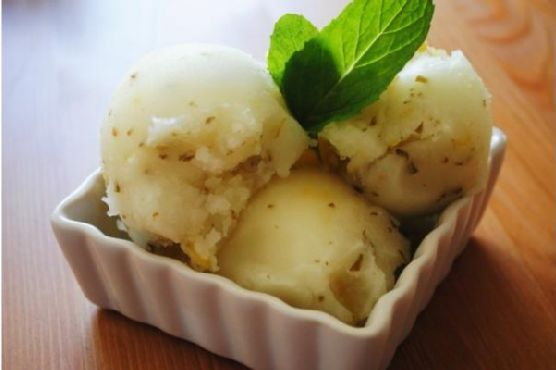
Lemon Mint Sorbet: A Refreshing Summer Delight

Introduction

There’s nothing quite like the invigorating taste of lemon mint sorbet on a warm summer’s day. Growing up, my grandmother used to make a similar chilled treat for us kids during hot afternoons. Her secret was always a touch of fresh mint from her garden, which added a burst of freshness to the already tangy lemon. This recipe is my homage to those delightful summer memories, with a modern twist of limoncello to elevate the flavor profile. Whether you’re hosting a summer gathering or just looking for a cool dessert to enjoy in the backyard, this Lemon Mint Sorbet is sure to become a favorite in your household.

Why You’ll Love It

This Lemon Mint Sorbet is a perfect balance of sweet, tart, and refreshing. It’s incredibly easy to make, requiring simple ingredients that pack a punch of flavor. The combination of lemon and mint is universally appealing and brings a touch of sophistication to any meal. Plus, this recipe is versatile, allowing you to adapt it to your personal taste preferences or dietary needs. It’s a naturally gluten-free dessert, and with just a minor tweak, it can be made alcohol-free as well. Whether you’re serving it as an elegant palate cleanser between courses or as a light dessert, this sorbet is a crowd-pleaser.

Ingredients

  • 2 cups water
  • 1 cup sugar
  • Zest of 2 lemons
  • 1 cup fresh mint leaves, packed
  • 1 cup fresh lemon juice
  • 2 tablespoons limoncello
  • 1/4 teaspoon kosher salt

Instructions

  1. Pour the water, sugar, and lemon zest into a pot over medium-high heat. Stir occasionally until the sugar has completely dissolved.
  2. Remove from heat and stir in the mint leaves. Set aside to allow the syrup to steep and absorb the mint flavor.
  3. In a separate bowl, whisk together the fresh lemon juice, limoncello, and kosher salt.
  4. Combine the lemon juice mixture with the minted simple syrup and allow it to cool completely.
  5. Chill the mixture in the refrigerator for at least 3 hours, or preferably overnight, to develop the flavors.
  6. Once chilled, pour the mixture into the frozen base of your ice cream maker. Cover with the lid and churn for 20-30 minutes, or until the mixture thickens to a sorbet consistency.
  7. Transfer the sorbet into a container and place it in the freezer for another hour or two, until it hardens to your desired texture.

Tips

For the best results, use freshly squeezed lemon juice and fresh mint leaves. The quality of these ingredients will directly affect the flavor of your sorbet. Also, make sure your ice cream maker base is fully frozen before you begin churning. This ensures that the sorbet achieves the right consistency. If you don’t have an ice cream maker, you can pour the mixture into a shallow container, freeze it, and stir it every 30 minutes until it reaches the desired texture.

Variations & Substitutions

If limoncello isn’t your thing, or if you’re making this for children, you can easily omit it from the recipe. The sorbet will be just as delicious with a pure lemon and mint flavor. If you prefer a sweeter sorbet, consider increasing the sugar to 1 1/4 cups. Conversely, if you like a more tart sorbet, reduce the sugar slightly. For a unique twist, try adding a splash of lime juice or a handful of basil leaves for a different herbal note.

Storage

Store any leftover sorbet in an airtight container in the freezer. It will keep well for up to two weeks. When you’re ready to serve it again, let it sit at room temperature for a few minutes to soften slightly for easier scooping.

FAQ

Can I make this sorbet without an ice cream maker?

Yes, you can! Pour the mixture into a shallow dish, such as a baking pan, and place it in the freezer. Stir the mixture every 30 minutes with a fork to break up ice crystals, continuing until it reaches the desired consistency.

What can I use instead of limoncello?

You can replace limoncello with an equal amount of additional lemon juice or water if you prefer an alcohol-free option. Alternatively, add a splash of any citrus-flavored liqueur of your choice.

How do I prevent ice crystals in my sorbet?

Ensure that the mixture is completely chilled before churning, and avoid opening the freezer frequently once the sorbet is setting. This helps maintain a consistent temperature, reducing the formation of ice crystals.

Nutrition

While exact nutritional information will vary based on your specific ingredients and serving sizes, a serving of this sorbet is generally low in calories and fat, making it a relatively healthy dessert option. It’s an excellent choice for those seeking a light, refreshing treat without overindulging.

Conclusion

Making Lemon Mint Sorbet is not only a nod to nostalgic summer days but also a celebration of fresh, vibrant flavors. With just a few simple ingredients, you can create a dessert that’s both elegant and refreshing. Whether you’re serving it at a dinner party or enjoying a quiet evening on the porch, this sorbet is sure to bring a smile to your face. So go ahead, embrace the simplicity of this delightful recipe, and create your own cherished summer memories.

Related update: Lemon Mint Sorbet

Related update: Oreo Hazelnut and Banana Cheesecake

Creamy Vegan Coleslaw Dressed with Avocado | Made by Meaghan Moineau

Creamy Vegan Coleslaw Dressed with Avocado

Intro

There’s something magical about the simple act of tossing together fresh vegetables and a creamy dressing to create a dish that is both vibrant and satisfying. This Creamy Vegan Coleslaw Dressed with Avocado transports me back to sunny summer picnics with my family, where the air was filled with laughter and the scent of fresh-cut grass. My grandmother would always bring her version of coleslaw, a recipe that was passed down through generations and lovingly tweaked over time. This vegan adaptation maintains the spirit of her creation while offering a modern twist that everyone can enjoy.

Why You’ll Love It

This coleslaw is a delightful blend of textures and flavors, offering a creamy, tangy, and slightly sweet profile that complements any meal. It’s perfect for those looking to enjoy a classic side dish without the dairy, making it suitable for vegans and those with dietary restrictions. The use of avocado in the dressing provides a rich creaminess that is both indulgent and wholesome. Whether you’re serving it at a family barbecue or enjoying it as a light lunch, this coleslaw is sure to be a hit.

Ingredients

  • 1 ripe avocado
  • 1 cup shredded carrot
  • 1 teaspoon celery seed
  • 2 tablespoons cider vinegar
  • 1 tablespoon coconut sugar
  • 1 tablespoon Dijon mustard
  • 2 tablespoons fresh chives, chopped
  • 4 cups shredded green cabbage
  • 1 teaspoon ground cumin
  • Juice of 1 lemon
  • 2 tablespoons nutritional yeast
  • 1 poblano pepper, finely chopped
  • Black fresh sea-salt, to taste

Instructions

  1. In a large bowl, toss together the shredded cabbage, carrot, and poblano pepper.
  2. In a small food processor, combine the avocado, cider vinegar, coconut sugar, Dijon mustard, lemon juice, nutritional yeast, celery seed, ground cumin, and fresh sea-salt. Pulse until well blended to form a smooth dressing.
  3. Pour the dressing over the vegetable mixture and toss until everything is well coated.
  4. Garnish with chopped fresh chives before serving.

Tips

To ensure your coleslaw stays crisp and fresh, make sure to toss it just before serving. If you’re preparing it in advance, keep the dressing and the vegetables separate until you’re ready to enjoy. This will prevent the vegetables from becoming soggy.

Variations & Substitutions

Feel free to get creative with this recipe by adding your favorite vegetables or spices. You can substitute the poblano pepper with bell peppers for a milder flavor or add some red cabbage for a pop of color. If you’re not a fan of coconut sugar, maple syrup can be used as an alternative sweetener. For a spicier kick, consider adding a pinch of cayenne pepper to the dressing.

Storage

This coleslaw is best enjoyed fresh, but it can be stored in an airtight container in the refrigerator for up to 2 days. Keep in mind that the avocado dressing might darken slightly due to oxidation, but it will still taste delicious.

FAQ

Can I use a different type of cabbage?

Absolutely! While green cabbage is traditional for coleslaw, you can use red cabbage or a combination of both for added color and nutrition.

Is there a substitute for nutritional yeast?

Nutritional yeast adds a cheesy, umami flavor to the dressing. If you don’t have it on hand, you can skip it, but the taste will be slightly different. Alternatively, a small amount of miso paste could be used for a similar savory depth.

What if I don’t have a food processor?

If you don’t have a food processor, you can mash the avocado by hand and whisk the dressing ingredients together until smooth. It might take a bit more elbow grease, but the results will still be delicious!

Nutrition

This creamy vegan coleslaw is not only delicious but also packed with nutrients. Avocado provides healthy fats and fiber, while cabbage and carrots offer a good dose of vitamins and antioxidants. The use of nutritional yeast adds a boost of B vitamins, making this dish both flavorful and nourishing.

Conclusion

This Creamy Vegan Coleslaw Dressed with Avocado is a testament to how traditional recipes can be reimagined to suit modern tastes and dietary needs. It’s a simple, yet flavorful dish that brings a touch of nostalgia while embracing the vibrant flavors of fresh ingredients. Whether you’re a long-time coleslaw lover or trying it for the first time, this recipe is sure to become a staple in your kitchen. Enjoy this delightful dish with friends and family, and create new memories around the table.

Related update: Creamy Vegan Coleslaw Dressed with Avocado

Related update: Quick and Easy Caprese Salad

Gluten Free Dairy Free Sugar Free Chinese Chicken Salad | Made by Meaghan Moineau

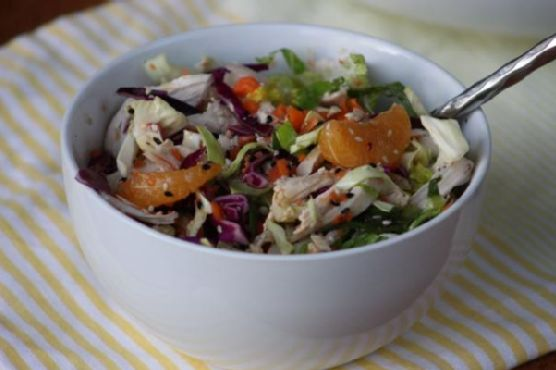
Gluten Free Dairy Free Sugar Free Chinese Chicken Salad

Intro

Growing up, family gatherings were always incomplete without a large, colorful bowl of Chinese Chicken Salad gracing the table. It was my grandmother’s specialty, a dish she crafted with love, and one that brought everyone together. As dietary needs evolved within our family, I took it upon myself to recreate this beloved dish to suit our new preferences. This Gluten Free Dairy Free Sugar Free Chinese Chicken Salad maintains the vibrant flavors and textures of the original while meeting modern dietary requirements. With every bite, it brings back memories of those joyful family gatherings, and now, I hope it brings joy to your table as well.

Why You’ll Love It

This salad is a harmonious blend of fresh, crisp vegetables and juicy chicken, dressed in a tangy, sesame-infused vinaigrette. It’s not only gluten-free and dairy-free but also sugar-free, making it perfect for those with dietary restrictions. The combination of textures from the crunchy cabbage and carrots, alongside the tender chicken and juicy mandarins, creates a satisfying meal that is both nourishing and delicious. Plus, it’s easy to prepare and perfect for meal prep!

Ingredients

  • 1/2 cup apple cider vinegar
  • 1 teaspoon black pepper
  • 1 tablespoon black sesame seeds
  • 2 large carrots, peeled and grated
  • 1/3 cup extra virgin olive oil
  • 1/2 head green cabbage, finely sliced
  • 1 teaspoon kosher salt
  • 2 fresh satsuma mandarins, peeled and pith removed
  • 1/2 head red cabbage, finely sliced
  • 2 bone-in chicken breasts, roasted and shredded
  • 3 romaine lettuce hearts, ends removed and finely sliced
  • 4 scallions, ends trimmed and finely sliced
  • 2 tablespoons sesame oil
  • Juice of 1 mandarin (cut crosswise and squeeze into a jar over a strainer)
  • 1 tablespoon white sesame seeds
  • 1/4 cup xylitol

Instructions

  1. Prepare the vegetables: Finely slice the red and green cabbage. Remove ends and finely slice the romaine lettuce. Trim ends of scallions and finely slice both the white and green parts. Peel and grate the carrots or use a mini food processor to finely chop them.
  2. Peel the satsuma mandarins and remove the pith from the slices for a cleaner taste.
  3. In a large bowl, combine the sliced cabbages, romaine lettuce, scallions, and carrots. Add the shredded chicken to the bowl.
  4. In a separate small jar, combine the apple cider vinegar, extra virgin olive oil, sesame oil, mandarin juice, kosher salt, black pepper, and xylitol. Shake well until the dressing is emulsified.
  5. Pour the dressing over the salad ingredients and toss to combine thoroughly, ensuring the dressing is evenly distributed.
  6. Garnish the salad with black and white sesame seeds as well as the peeled mandarin slices.
  7. Serve immediately or refrigerate for up to 2 hours before serving to allow the flavors to meld together.

Tips

For the best results, use fresh, organic vegetables to ensure maximum flavor and nutrition. If you prefer your chicken warm, add it to the salad just before serving. This salad can be made ahead of time; simply store the dressing separately and combine just before serving to keep the vegetables crisp.

Variations & Substitutions

Feel free to customize this salad to suit your tastes. You can substitute the bone-in chicken breasts with boneless skinless chicken thighs for a richer flavor. If you don’t have xylitol, stevia or monk fruit sweetener can be used as alternatives. For a nutty twist, add a handful of toasted almonds or cashews.

Storage

Store the salad and dressing separately in the refrigerator. The salad can be kept for up to 2 days, while the dressing can last up to a week. Combine them just before serving for optimal freshness and texture.

FAQ

Can I make this salad vegetarian?

Yes, you can make this salad vegetarian by omitting the chicken and adding more vegetables or plant-based protein like tofu or chickpeas.

Is it necessary to use both black and white sesame seeds?

Using both black and white sesame seeds adds visual appeal and a slight difference in flavor, but you can use just one type if that’s what you have on hand.

What can I use instead of mandarin juice?

If mandarins are not available, you can substitute with orange juice or even lemon juice for a different citrus flavor.

Nutrition

This salad is packed with nutrients, including vitamins C and K from the cabbages and mandarins, healthy fats from the olive oil and sesame oil, and protein from the chicken. It’s a balanced meal that’s low in calories, making it ideal for a light lunch or dinner.

Conclusion

Our Gluten Free Dairy Free Sugar Free Chinese Chicken Salad is the perfect dish for those looking to enjoy a nutritious, satisfying meal without compromising on flavor. Whether you’re catering to dietary restrictions or simply seeking a healthier option, this salad will not disappoint. Try it for your next gathering or as a delicious meal prep option, and enjoy a taste of nostalgia with every bite.

Related update: Gluten Free Dairy Free Sugar Free Chinese Chicken Salad

Related update: Pulled Pork Sandwich with Mango BBQ sauce

Related update: Acorn Squash Biscuits with Sage & Gruyere

Oven Roasted Pears With Blackberry Sauce | Made by Meaghan Moineau

Oven Roasted Pears With Blackberry Sauce

Introduction

There’s something magical about the combination of ripe pears and vibrant blackberries, especially when they come together in a warm, comforting dish like Oven Roasted Pears With Blackberry Sauce. This recipe takes me back to my grandmother’s cozy kitchen, where I spent countless afternoons learning the art of dessert making. I vividly remember the sweet, fruity aroma that filled the air each time we roasted pears together, and the way she would tell stories of her childhood as we waited for the dessert to finish. Today, I am thrilled to share this cherished recipe with you, hoping it brings as much joy and warmth to your home as it does to mine.

Why You’ll Love It

This dish is a celebration of flavors and textures. The tender, caramelized pears contrast beautifully with the tangy blackberry sauce, while the crisp meringue kisses add a playful crunch. It’s an elegant dessert that’s surprisingly easy to prepare, making it perfect for both special occasions and casual gatherings. Whether you’re a seasoned cook or a beginner, you’ll appreciate the straightforward steps and the impressive, restaurant-quality result.

Ingredients

  • 4 ripe pears
  • 4 tablespoons unsalted butter
  • 3 1/2 cups fresh blackberries
  • 1/4 cup powdered sugar
  • Juice from 1 lemon
  • 1/2 cup granulated sugar
  • 2 tablespoons confectioners’ sugar
  • 2 ounces bittersweet chocolate
  • 1/4 teaspoon cream of tartar
  • 3 large egg whites

Instructions

  1. Pre-heat the oven to 450 degrees Fahrenheit.
  2. Prepare the pears: Peel, core, and quarter the pears. Melt the butter in a large casserole or baking dish. Add the pears and cook over high heat for about ten minutes or until the pears are golden brown, stirring regularly to ensure even coloring.
  3. Roast the pears: Transfer the dish to the oven and roast for 7-10 minutes until the pears are easily pierced with a knife. Remove the pears from the oven, transfer to a bowl, and let them cool to room temperature.
  4. Prepare the blackberry sauce: Wash and dry the blackberries. Reserve 1/2 cup for garnish. In a food processor, puree the remaining blackberries with powdered sugar and lemon juice. Pour the puree into a bowl and set aside.
  5. Pre-heat the oven to 275 degrees Fahrenheit.
  6. Prepare the meringue kisses: Line a sheet pan with a silpat mat or parchment paper sprayed with cooking spray. In a food processor, blitz the granulated sugar into a fine powder. Transfer to a bowl. Add confectioners’ sugar and chocolate to the processor, and process until the chocolate is finely flecked.
  7. Beat the egg whites: In a mixing bowl, beat the egg whites on low speed until frothy. Add cream of tartar, increase speed to high, and beat until stiff peaks form. Gradually add superfine sugar and continue beating for two minutes.
  8. Pipe the meringues: Fill a pastry bag fitted with a star tip with the egg white mixture. Pipe out meringue kisses onto the lined baking sheet, creating a small point on top with a quick pull away of the bag.
  9. Dry the meringues: Bake for 1.5 hours until the meringues are hard to the touch. Remove from the oven and let cool to room temperature.
  10. Plate and serve: Spoon blackberry sauce into a serving dish, add pear quarters, and arrange meringue kisses on top. Garnish with whole blackberries.

Tips

  • Choose firm, ripe pears for the best texture and sweetness.
  • Use a salad spinner to quickly dry the blackberries after washing.
  • Ensure the egg whites are at room temperature for optimal meringue volume.

Variations & Substitutions

You can experiment with different fruits and flavors to make this dish your own. Try using apples instead of pears or adding a splash of vanilla extract to the blackberry sauce for a unique twist. If bittersweet chocolate isn’t your favorite, feel free to substitute with dark or semi-sweet chocolate.

Storage

Store leftover pears and blackberry sauce in an airtight container in the refrigerator for up to three days. Meringue kisses should be kept in a dry, airtight container at room temperature to maintain their crispness.

FAQ

Can I make this dessert ahead of time?

Yes! You can prepare the pears and blackberry sauce a day in advance. Simply store them in the refrigerator and assemble the dessert just before serving. The meringue kisses can be made several days ahead and stored in an airtight container.

What if I don’t have a pastry bag?

No worries! You can use a plastic sandwich bag with a corner cut off as a makeshift pastry bag. It will work just fine for piping the meringue kisses.

Is this dessert suitable for a gluten-free diet?

Absolutely! This recipe does not contain any gluten, making it a delicious and elegant option for those following a gluten-free diet.

Nutrition

While this dessert is indulgent, it offers a good balance of fruit and light meringue. Each serving contains a modest amount of calories and is a delightful way to enjoy a sweet treat without overindulging.

Conclusion

Oven Roasted Pears With Blackberry Sauce is not just a dessert; it’s an experience that brings together flavors, textures, and memories. It’s a dish that can transform an ordinary meal into a memorable occasion. I hope this recipe becomes a beloved addition to your culinary repertoire, just as it is in my family. Enjoy the warmth and delight it brings to your table!

Related update: Oven Roasted Pears With Blackberry Sauce

Related update: Fresh Tomato Mozzarella Side Salad

Curious George’s Gluten-Free Banana Nut Bread | Made by Meaghan Moineau

Curious George’s Gluten-Free Banana Nut Bread

Intro

Welcome to my kitchen! Today, we’re diving into a recipe that’s as delightful as it sounds: Curious George’s Gluten-Free Banana Nut Bread. I remember as a child, curling up with a Curious George book while the warm, comforting aroma of banana bread wafted through the house. It’s one of those cherished memories that I hold dear. The smell, the taste, and the joy of a simple slice of banana bread brings such warmth and nostalgia. I’m thrilled to share this gluten-free version with you, perfect for those who need or choose to avoid gluten without sacrificing flavor or texture.

Why You’ll Love It

This banana nut bread is a game-changer for several reasons. First, it’s gluten-free, making it accessible to those with dietary restrictions while still being incredibly moist and flavorful. The combination of very browned bananas and a touch of lemon juice adds a tangy sweetness that’s simply irresistible. Plus, the ground walnuts offer a delightful crunch that compliments the soft, tender bread. Whether you’re enjoying it as a breakfast treat, a snack, or a dessert, this banana bread is sure to become a household favorite.

Ingredients

  • 1/4 cup shortening
  • 1/4 cup unsalted butter
  • 1 cup canned raw dried sugar
  • 3 very browned bananas, mashed
  • 1 tablespoon lemon juice
  • 2 large eggs
  • 2 cups gluten-free flour
  • 1 teaspoon baking powder
  • 1/2 teaspoon salt
  • 1 cup ground walnuts

Instructions

  1. Preheat your oven to 350°F (175°C). Grease a loaf pan and set aside.
  2. In a medium bowl, combine the gluten-free flour, baking powder, and salt. Set aside.
  3. In a large bowl, cream together the shortening, unsalted butter, and canned raw dried sugar until the mixture is light and fluffy.
  4. Add the mashed bananas, lemon juice, and eggs to the creamed mixture. Beat until all the ingredients are well incorporated.
  5. Gradually add the dry ingredients to the wet mixture, beating slowly until just combined.
  6. If using, spread the ground walnuts on a cookie sheet and toast in the oven for about 4 minutes, checking every minute, until they are slightly browned.
  7. Fold the toasted walnuts into the batter, stirring gently to distribute evenly.
  8. Pour the batter into the prepared loaf pan and flatten the top slightly with a spatula.
  9. Bake for 75 to 90 minutes or until the top is golden brown and the bread gives a little under your touch.
  10. Let the bread cool in the pan for about 10 minutes before transferring it to a wire rack to cool completely.

Tips

Here are some helpful tips to ensure your banana nut bread turns out perfectly every time:

  • Use very ripe bananas; the riper they are, the more natural sweetness they provide.
  • Check the bread around the 75-minute mark to avoid over-baking. A toothpick inserted in the center should come out clean.
  • Allow the bread to cool completely before slicing to prevent it from crumbling.

Variations & Substitutions

If you want to put your own twist on this classic recipe, consider these variations and substitutions:

  • Nut-Free Option: Omit the walnuts or replace them with chocolate chips for a sweet alternative.
  • Dairy-Free: Substitute the butter with a dairy-free alternative like coconut oil or a vegan butter spread.
  • Sugar Substitute: Use coconut sugar or a sugar substitute like erythritol for a lower glycemic index.

Storage

To keep your banana nut bread fresh, wrap it tightly in plastic wrap or store it in an airtight container. It can be kept at room temperature for up to 3 days. For longer storage, refrigerate it for up to a week or freeze it for up to 3 months. If freezing, slice the bread first for easy, single-serving portions.

FAQ

Can I use regular flour instead of gluten-free flour?

Yes, you can substitute regular all-purpose flour in equal amounts if you don’t need a gluten-free option. Just make sure to monitor the baking time, as it might vary slightly.

What can I use instead of butter?

If you’re looking for a dairy-free alternative, you can replace the butter with coconut oil or a vegan butter substitute. This will still give you a moist and delicious bread.

Nutrition

While I don’t have the exact nutrition breakdown for this recipe, it does contain healthy fats from walnuts and bananas, which are rich in potassium. Using a gluten-free flour blend ensures that those with gluten sensitivities can also enjoy a slice without concerns. As always, moderation is key!

Conclusion

There you have it—Curious George’s Gluten-Free Banana Nut Bread, a delightful and nostalgic treat that’s perfect for any occasion. Whether you’re enjoying a slice with a cup of coffee in the morning or as a cozy evening snack, this bread is sure to bring warmth and joy to your home. I hope this recipe becomes a beloved staple in your kitchen, just as it has in mine. Happy baking!

Related update: Curious George’s Gluten-Free Banana Nut Bread

Related update: Oven Roasted Pears With Blackberry Sauce

Related update: Chocolate Orange Madeleines

Related update: Butternut Squash Frittata

Strawberry Basil Italian Ice | Made by Meaghan Moineau

Strawberry Basil Italian Ice

Intro

There’s something magical about the first taste of summer. For me, that taste has always been a mouthful of frosty, refreshing Italian ice. Growing up, my family would often visit a quaint little stand at the end of our street where the owner, an Italian immigrant named Giuseppe, crafted the most delightful ices in a rainbow of flavors. My favorite was always the strawberry basil—a combination so unexpected yet wonderfully refreshing. Today, I’m thrilled to share my own take on this classic summer treat, blending the sweetness of ripe strawberries with the aromatic hint of basil. It’s a nostalgic nod to those sun-drenched afternoons of my childhood.

Why You’ll Love It

This Strawberry Basil Italian Ice is not just a treat for your taste buds, but a delightful experience for all your senses. Here’s why you’ll fall in love with this recipe:

  • Refreshing and Light: Perfect for hot summer days when you crave something cool and invigorating.
  • Simple Ingredients: You’ll only need four basic ingredients, making it as easy as it is delicious.
  • Natural and Homemade: Free from artificial flavors and colors, this recipe is all about pure, fresh flavors.
  • Versatile: Can be served as a palate cleanser or a sweet treat at the end of a meal.

Ingredients

  • 1 cup fresh basil leaves
  • Juice of 1 lemon
  • 1 cup simple syrup (recipe below)
  • 2 cups fresh strawberries, hulled and halved

Instructions

  1. To make the simple syrup, combine one cup of water and one cup of sugar in a small saucepan or microwave-safe bowl. Heat until the sugar has completely dissolved. Allow it to cool slightly before using.
  2. Place the basil leaves, lemon juice, simple syrup, and strawberries in a blender.
  3. Puree the mixture until smooth and fully combined.
  4. Pour the mixture into 1 large container, or divide it evenly among 6 small dishes.
  5. Freeze for several hours or until fully set.
  6. When ready to serve, remove the container from the freezer and let it sit for about 10 minutes.
  7. Use a spoon to shave away the ice, creating a fluffy, snow-like texture. Enjoy!

Tips

  • For Best Flavor: Use ripe, in-season strawberries for the sweetest, most flavorful ice.
  • Blending: If your blender struggles with the mixture, add a splash of water to help it along.
  • Serving: Use chilled bowls or cups to keep your Italian ice frozen longer while serving.

Variations & Substitutions

Feel free to get creative with this recipe:

  • Different Herbs: Swap basil with mint for a more classic combination, or try adding a hint of rosemary for an earthy flavor.
  • Fruity Twists: Add a handful of raspberries or blueberries for an extra layer of flavor.
  • Sugar Alternatives: Use honey or agave syrup in place of the simple syrup for a different sweetness profile.

Storage

Store any leftover Italian ice in the freezer for up to one week. Be sure to cover it tightly with plastic wrap or a lid to prevent ice crystals from forming. When ready to enjoy again, let it thaw for a few minutes and then shave it with a spoon as before.

FAQ

Can I use frozen strawberries instead of fresh?

Yes, you can use frozen strawberries if fresh ones are not available. Just allow them to thaw slightly before blending to make it easier on your blender.

What if I don’t have a blender?

If you don’t have a blender, you can use a food processor instead. The key is to ensure the mixture is smooth and well blended to achieve the perfect texture.

Nutrition

Each serving of Strawberry Basil Italian Ice is approximately 100 calories, with most of the energy coming from the natural sugars in the strawberries and the simple syrup. It is a fat-free and gluten-free treat, perfect for those looking for a light and refreshing dessert.

Conclusion

This Strawberry Basil Italian Ice is a beautifully simple yet sophisticated treat that captures the essence of summer. Whether you’re reminiscing about childhood adventures or creating new memories, this recipe is sure to bring a smile to your face. Gather your ingredients, fire up that blender, and let this delightful dessert transport you to a sunlit afternoon, no matter where you are. Enjoy every refreshing spoonful!

Related update: Strawberry Basil Italian Ice

Eggplant Curry | Made by Meaghan Moineau

Eggplant Curry: A Comforting Classic

Intro

There’s something truly heartwarming about a dish that brings back fond memories of family dinners and cozy evenings at home. For me, Eggplant Curry is that dish. I remember the first time my grandmother made it for us during a chilly autumn evening. The aroma of spices wafting through the house was irresistible, and the warmth of the curry was the perfect antidote to the crisp air outside. We gathered around the table, bowls in hand, ready to dive into this comforting meal. Today, I’m excited to share this beloved recipe with you, hoping it brings the same comfort and joy to your home.

Why You’ll Love It

This Eggplant Curry is a delicious blend of flavors and textures that is sure to become a staple in your recipe collection. The creamy coconut milk perfectly balances the heat from the spices, while the eggplant absorbs all the wonderful flavors, becoming tender and flavorful. It’s a versatile dish that can be adjusted to suit various dietary preferences and spice levels, making it a hit with everyone at the table. Plus, it’s an excellent way to incorporate more vegetables into your diet without sacrificing taste.

Ingredients

  • 1 1/2 cups coconut milk
  • 2 large eggplants, diced
  • 2 yellow onions, chopped
  • 4 cloves garlic, minced
  • 1 tablespoon fresh ginger, grated
  • 2 cups diced heirloom tomatoes
  • 1 tablespoon ground cumin
  • 1 tablespoon ground coriander
  • 1 teaspoon turmeric
  • 1/2 teaspoon cayenne pepper
  • 1/2 teaspoon crushed red pepper flakes
  • Salt to taste
  • 1 cup Greek yogurt, plus more for serving

Instructions

  1. Heat about 1/2 cup of the coconut milk over medium heat in a large skillet. Sauté the onions and garlic in the coconut milk until soft and beginning to brown, about 12 minutes.
  2. Place the diced eggplants and heirloom tomatoes into a 6-quart or larger crockpot.
  3. In a bowl, combine the cumin, coriander, turmeric, cayenne pepper, crushed red pepper flakes, and salt. Stir them together.
  4. Pour the remaining coconut milk, spices, and ginger into the crockpot. Once the onion and garlic mixture is done sautéing, add it to the crockpot and mix everything thoroughly.
  5. Turn the crockpot on high and allow the curry to cook for 6 to 8 hours, stirring periodically.
  6. About 30 minutes before serving, add the Greek yogurt to the curry and mix well. Allow it to cook for an additional 30 minutes.
  7. Prepare quinoa according to package directions (typically a 2:1 water to quinoa ratio; simmer for about 30 minutes).
  8. Serve the curry over quinoa and add a dollop of Greek yogurt on top.

Tips

For best results, select firm and glossy eggplants. They should feel heavy for their size. If you prefer a milder curry, reduce the amount of cayenne pepper and crushed red pepper flakes. For a creamier texture, you can add a bit more coconut milk or yogurt.

Variations & Substitutions

If you’re looking to change things up, you can easily substitute the eggplants with other vegetables like zucchini or bell peppers. For a vegan version, replace the Greek yogurt with a plant-based alternative. You can also experiment with different types of tomatoes, such as cherry or plum, to vary the taste and texture of the curry.

Storage

Store leftover curry in an airtight container in the refrigerator for up to 4 days. To reheat, place it in a saucepan over medium heat and stir occasionally until heated through. Alternatively, it can be frozen for up to 3 months. Thaw overnight in the refrigerator before reheating.

FAQ

Can I make this curry on the stovetop instead of a crockpot?

Yes, you can make this curry on the stovetop. Use a large pot or Dutch oven, follow the same sautéing steps, then cover and let it simmer on low heat for about 1 to 1.5 hours, stirring occasionally.

Is there a way to make this curry less spicy?

Absolutely! To reduce the spiciness, decrease the amount of cayenne pepper and crushed red pepper flakes. You can also add more coconut milk or yogurt to mellow the heat.

Nutrition

This Eggplant Curry is not only delicious but also nutritious. It’s packed with fiber from the eggplants and tomatoes, and the spices like turmeric and ginger offer anti-inflammatory benefits. The use of Greek yogurt adds a healthy dose of protein and probiotics, making it a well-rounded meal.

Conclusion

Eggplant Curry is a delightful dish that combines the richness of coconut milk with the vibrant flavors of Indian spices. It’s a recipe that warms the heart and soul, much like it did for me during those cherished family dinners. Whether you’re a seasoned cook or new to curry-making, this recipe is simple to follow and yields a satisfying, comforting meal. I hope it becomes a treasured recipe in your home, bringing warmth and joy to your table. Enjoy!

Related update: Eggplant Curry

Mashed Sweet Potatoes | Made by Meaghan Moineau

Mashed Sweet Potatoes

Intro

There’s something undeniably comforting about a warm bowl of mashed sweet potatoes. For me, it evokes memories of family gatherings during the fall, where the air was crisp, and the leaves painted the landscape in shades of gold and crimson. I remember standing on a stool in my grandmother’s kitchen, peeking over the countertop as she worked her magic with sweet potatoes. The aroma of spices and the sweet notes of maple syrup filled the air, wrapping us all in a blanket of warmth and nostalgia. It’s this treasured memory that inspires this recipe, a dish that I hope will bring the same joy and warmth to your home as it has to mine.

Why You’ll Love It

This mashed sweet potatoes recipe is a delightful twist on a classic side dish. Here’s why you’ll fall in love with it:

  • Rich and Creamy: The addition of cream and butter makes these sweet potatoes irresistibly smooth and luxurious.
  • Flavorful Spices: A blend of cinnamon, cardamom, and cayenne pepper adds a comforting warmth with a hint of spice.
  • Perfectly Sweet: Brown sugar and maple syrup enhance the natural sweetness of the potatoes without overpowering them.
  • Versatile: Suitable for any meal, these mashed sweet potatoes are perfect for holiday feasts or as a comforting weeknight side.

Ingredients

  • 5 large sweet potatoes, peeled and chopped
  • 2 tablespoons brown sugar
  • 1/4 cup butter
  • 1 teaspoon ground cardamom
  • 1/4 teaspoon cayenne pepper
  • 1 teaspoon ground cinnamon
  • 1/3 cup cream
  • 1 teaspoon kosher salt, or to taste
  • 2 tablespoons maple syrup
  • Zest of 1 orange
  • 1 teaspoon vanilla extract

Instructions

  1. Begin by boiling the sweet potatoes in a large pot of salted water until they are tender, about 20-25 minutes. Drain them well and return them to the pot.
  2. Mash the sweet potatoes until they are well broken up, or use an electric mixer for a smoother texture.
  3. In a small bowl, mix together the cinnamon, cayenne pepper, cardamom, orange zest, and brown sugar. Set aside.
  4. Add the butter, cream, vanilla, and maple syrup to the mashed sweet potatoes. Mix well to combine.
  5. Sprinkle in the cinnamon-sugar mixture, stirring until all the ingredients are well incorporated and the mixture is smooth.
  6. Season with kosher salt to taste, adjusting as needed.
  7. Serve warm and enjoy!

Tips

For the best results, use fresh sweet potatoes and ensure they are all similar in size for even cooking. When mashing, aim for a texture that suits your preference, whether it be slightly chunky or completely smooth. Don’t hesitate to adjust the seasoning according to your taste—sweet potatoes can handle a bit of experimentation!

Variations & Substitutions

This recipe is highly adaptable to suit your taste preferences:

  • Dairy-Free Option: Substitute the butter with a plant-based alternative and use coconut milk instead of cream for a dairy-free version.
  • Extra Spice: If you love a bit more heat, increase the amount of cayenne pepper.
  • Nutty Twist: Add a handful of toasted pecans or walnuts for a crunchy texture.
  • Less Sweet: Reduce the amount of brown sugar and maple syrup if you prefer a more savory dish.

Storage

Store any leftovers in an airtight container in the refrigerator for up to 3 days. To reheat, simply microwave or warm on the stovetop, adding a splash of cream or milk if needed to restore the creamy texture.

FAQ

Can I make this recipe ahead of time?

Absolutely! You can prepare the mashed sweet potatoes a day in advance. Simply reheat them on the stovetop over low heat, stirring occasionally, and add a little extra cream or milk to bring back their smooth consistency.

What can I serve with mashed sweet potatoes?

Mashed sweet potatoes are incredibly versatile and pair well with a variety of main courses. They’re a fantastic side for roasted turkey, glazed ham, or even a hearty lentil loaf for a vegetarian option.

Nutrition

This recipe is not only delicious but also provides a good source of vitamins A and C, thanks to the sweet potatoes. The addition of spices and orange zest offers antioxidants, making this dish a nutritious choice for any meal.

Conclusion

Mashed sweet potatoes are more than just a side dish; they’re a celebration of flavors and memories, a dish that embodies warmth and comfort. Whether you’re serving them at a festive holiday table or alongside a simple weeknight dinner, these mashed sweet potatoes are sure to delight everyone at the table. I hope this recipe brings as much joy to your home as it has to mine, creating new memories and cherished moments. Enjoy every flavorful bite!

Related update: Mashed Sweet Potatoes

Watching What I Eat: Peanut Butter Banana Oat Breakfast Cookies with Carob / Chocolate Chips | Made by Meaghan Moineau

Watching What I Eat: Peanut Butter Banana Oat Breakfast Cookies with Carob / Chocolate Chips

Intro

There’s something truly special about waking up to the aroma of freshly baked cookies wafting through the house. It takes me back to my childhood when weekend mornings were spent in the kitchen with my grandmother, mixing batter and eagerly awaiting the first batch to emerge from the oven. These Peanut Butter Banana Oat Breakfast Cookies are a delightful tribute to those cherished mornings, infused with the comforting flavors of creamy peanut butter and ripe bananas, with a modern twist of carob or chocolate chips for a hint of indulgence.

Why You’ll Love It

These breakfast cookies are not only delicious but also nutritious, making them the perfect start to your day. They are packed with wholesome ingredients like oats and bananas, providing a boost of energy and essential nutrients. Whether you’re rushing out the door or enjoying a leisurely morning, these cookies are a convenient and satisfying choice. Plus, they are incredibly easy to make, allowing even the busiest of us to enjoy a homemade treat.

Ingredients

  • 2 ripe bananas, mashed
  • 1/2 cup butter flavor shortening
  • 1 cup creamy peanut butter
  • 1/2 cup unsweetened applesauce
  • 1 teaspoon vanilla extract
  • 1/4 cup vanilla protein powder
  • 2 cups oatmeal
  • 1/2 cup nuts, chopped (optional)
  • 1/2 cup carob or chocolate chips (optional)

Instructions

  1. Preheat your oven to 350 degrees Fahrenheit (175 degrees Celsius).
  2. In a large bowl, mix the mashed bananas and peanut butter until completely combined.
  3. Add the applesauce, vanilla protein powder, and vanilla extract, then mix again until well combined.
  4. Stir in the oatmeal and nuts into the banana mixture until combined. If you want the carob or chocolate chips mixed throughout, add them now.
  5. Let the dough rest for 10 minutes to allow the oats to absorb some moisture.
  6. Drop spoonfuls of cookie dough onto a parchment paper-lined cookie sheet, flattening each into a circle. If you prefer, add the carob or chocolate chips on top now.
  7. Bake the cookies for 20-30 minutes, depending on your preference for a softer or firmer texture, until golden brown and done.
  8. Remove from the oven and let the cookies rest on the cookie sheet for 5 minutes before transferring them to a cooling rack.
  9. Optional: Use a pizza cutter or sharp knife to score the tops of the cookies while they are still warm for traditional fork tong marks.
  10. Once completely cool, store the cookies in a covered container and enjoy them with a cup of tea or your favorite morning beverage.

Tips

To ensure your cookies have the best texture, use ripe bananas as they mash easily and add natural sweetness. If you prefer a nut-free version, simply omit the nuts and consider adding sunflower seeds for a similar crunch. Adjust the baking time to find your perfect cookie texture, whether that’s soft and chewy or crispy and golden.

Variations & Substitutions

You can easily switch up this recipe based on your dietary preferences or available ingredients. Substitute the butter flavor shortening with coconut oil for a dairy-free version. For a nutty twist, swap creamy peanut butter with almond or cashew butter. If you’re short on vanilla protein powder, you can use an equal amount of almond flour or omit it entirely for a slightly different texture.

Storage

These breakfast cookies store beautifully, making them perfect for meal prep. Keep them in an airtight container at room temperature for up to 5 days or in the refrigerator for up to a week. For longer storage, freeze the cookies in a single layer on a baking sheet, then transfer them to an airtight container or freezer bag. They can be frozen for up to 3 months; simply thaw at room temperature or warm them in the oven before serving.

FAQ

Can I make these cookies gluten-free?

Yes, you can easily make these cookies gluten-free by using certified gluten-free oats. Ensure all other ingredients, especially the vanilla extract and protein powder, are also gluten-free.

What can I use instead of bananas?

If you don’t have bananas on hand or prefer not to use them, try substituting with an equal amount of pumpkin puree or sweet potato puree. Keep in mind that this will slightly alter the flavor and texture of the cookies.

Are these cookies suitable for vegans?

To make these cookies vegan, you can replace the butter flavor shortening with coconut oil and ensure your chocolate chips are dairy-free. Additionally, check that the protein powder is plant-based.

Nutrition

Each cookie is a powerhouse of nutrients, offering a good source of protein, healthy fats, and fiber. Bananas and oats provide essential vitamins and minerals, while the optional nuts add an extra boost of heart-healthy fats. Enjoy these cookies as part of a balanced breakfast or snack to keep you fueled throughout the day.

Conclusion

These Peanut Butter Banana Oat Breakfast Cookies are more than just a delicious treat; they are a delightful reminder of the joy found in simple, homemade pleasures. Whether you’re reminiscing about childhood memories or creating new ones with your loved ones, these cookies are sure to bring warmth and happiness to your morning routine. So, gather your ingredients, preheat your oven, and indulge in the comforting goodness of these wholesome breakfast cookies!

Related update: Watching What I Eat: Peanut Butter Banana Oat Breakfast Cookies with Carob / Chocolate Chips

Related update: Cheesy Potato Corn Scones

Lavender Tea With Lemon French Macarons | Made by Meaghan Moineau

Lavender Tea With Lemon French Macarons

Intro

There’s something undeniably magical about French macarons. These delicate, airy confections have an exquisite texture that melts in your mouth. I remember the first time I tasted a macaron; it was a crisp autumn afternoon in Paris, and I was sitting in a quaint little café, watching the world go by. The macaron was lavender with a hint of lemon, and it was love at first bite. Ever since that day, I’ve been on a mission to recreate that perfect macaron, and I’m thrilled to share my Lavender Tea with Lemon French Macarons recipe with you.

Why You’ll Love It

This recipe captures the essence of a sunny afternoon spent in a fragrant, blooming garden. The floral notes of the lavender pair beautifully with the zesty lemon, creating a macaron that’s both refreshing and indulgent. Whether you’re hosting a tea party or simply treating yourself to a moment of bliss, these macarons are sure to impress.

Ingredients

  • 1 cup almond flour
  • 1/4 teaspoon cream of tartar
  • 3 large egg whites
  • 1 tablespoon dried lavender
  • 1 tablespoon lemon zest
  • 1 3/4 cup powdered sugar
  • 1/4 cup white sugar
  • Yellow food coloring

Instructions

  1. Pulse the almond flour and powdered sugar until blended, then sift twice to ensure all larger pieces of almond are separated out and the flour is blended well. Add the lemon zest and lavender to the flour mixture and set aside.
  2. Pulse the white sugar in a processor until very fine.
  3. In the large bowl of a standing mixer or by hand, start whipping the egg whites until foamy. Add a pinch of cream of tartar, and whip until soft peaks form.
  4. Reduce speed to low and add the fine white sugar one tablespoon at a time. When fully incorporated, increase speed to medium and then to high, and whip until stiff peaks form. Timing varies on this, and this is where practice makes perfect. Add your food coloring gel when almost completely done whipping.
  5. Sift 1/3 of the flour mixture into the egg whites and fold in completely. Repeat until all the flour is incorporated. You want to fold in until the batter is smooth, but still light.
  6. Spoon into a pastry bag fitted with a large tip. Pipe 1-inch rounds onto parchment-lined baking sheets, pulling the tip to the side to avoid leaving a peak mark.
  7. Tap the pan somewhat assertively on the counter to remove any trapped air and help the batter settle. Let sit for 30 minutes to 2 hours, until a shell forms on the top and a finger pressed lightly doesn’t leave a mark.
  8. Preheat your oven to around 300°F. Bake macarons in the fully preheated oven for 5 minutes, turn the pan, and bake for around 8 more minutes, or until the feet of the macaron are a bit sturdier than soft.
  9. Cool on sheets for two minutes, then remove to a rack to cool completely.
  10. Fill with prepared lemon curd and refrigerate to harden. Serve at room temperature with tea.

Tips

  • Ensure that all your mixing bowls and utensils are clean and dry before starting. Any grease or moisture can prevent the egg whites from whipping properly.
  • Practice makes perfect. Macarons can be finicky, so don’t be discouraged if your first batch isn’t perfect. Keep trying, and you’ll get the hang of it!
  • Use a silicone baking mat or parchment paper to prevent the macarons from sticking to the baking sheet.

Variations & Substitutions

If you’re looking to switch things up, consider these variations:

  • Flavor Variations: Swap the lemon zest and lavender for other flavors like orange zest and vanilla, or raspberry and rose.
  • Nut-Free Option: Substitute the almond flour with sunflower seed flour for a nut-free version.
  • Color Customization: Use different food coloring gels to create macarons in a rainbow of colors.

Storage

Macarons are best enjoyed fresh, but they can be stored in an airtight container in the refrigerator for up to 5 days. For longer storage, you can freeze them for up to a month. Just be sure to thaw them at room temperature before serving.

FAQ

Why are my macarons cracked?

Cracked macarons can be caused by under-mixing the batter or not allowing the shells to dry properly before baking. Make sure you fold the batter until it flows like lava, and let the shells rest until they form a skin on top.

How do I know when my egg whites are whipped enough?

The egg whites should be whipped until they form stiff peaks. When you lift the whisk, the peaks should stand straight up without drooping. Be careful not to over-whip, as this can cause the macarons to become dry.

Can I use liquid food coloring?

It’s best to use gel food coloring, as liquid food coloring can alter the consistency of the batter and affect the final texture of the macarons.

Nutrition

While these macarons are a delightful treat, it’s important to enjoy them in moderation. Each macaron is approximately 100 calories, with most of the calories coming from sugar and fat. They are naturally gluten-free, making them a great option for those with gluten sensitivities.

Conclusion

Baking macarons is both an art and a science, and it requires patience and practice. But once you master the technique, you’ll be able to create these delightful confections with ease. The combination of lavender and lemon in this recipe offers a unique twist on classic macarons, bringing a touch of elegance to any occasion. So, put on your apron, brew a pot of your favorite tea, and indulge in the simple pleasure of homemade macarons. Bon appétit!

Related update: Lavender Tea With Lemon French Macarons

Related update: Three Ingredient Frozen Pina Colada

Related update: Vegan Dirty Chai Pudding

Moosewood Lentil Soup | Made by Meaghan Moineau

Moosewood Lentil Soup

Intro

There’s something magical about a bowl of lentil soup that takes me back to my childhood kitchen. Growing up, I spent countless chilly afternoons watching my grandmother stir a pot of hearty lentil soup, her kitchen filled with the comforting aroma of simmering vegetables and spices. This Moosewood Lentil Soup is a tribute to those treasured memories, and it’s sure to become a staple in your home too. With its rich flavors and nourishing ingredients, it’s a dish that warms the heart and soul.

Why You’ll Love It

This Moosewood Lentil Soup is more than just a bowl of soup; it’s a culinary hug. Here’s why you’ll fall in love with it:

  • Hearty and Nutritious: Packed with protein-rich lentils and a medley of vegetables, it’s a complete meal in itself.
  • Flavorful: The combination of dried herbs, garlic, and a touch of red wine vinegar creates a depth of flavor that’s both comforting and sophisticated.
  • Customizable: Easily adapt the recipe to suit your taste buds or dietary preferences.
  • Easy to Prepare: With simple ingredients and straightforward steps, it’s perfect for both novice cooks and experienced chefs.

Ingredients

  • 1 cup lentils
  • 4 cups water
  • 2 tablespoons grapeseed oil (or butter)
  • 1 large onion, chopped
  • 2 celery stalks, chopped
  • 2 carrots, chopped
  • 3 cloves garlic, minced
  • 1 teaspoon salt
  • 1/2 teaspoon black pepper
  • 1 teaspoon dried herbs (such as thyme or oregano)
  • 2 tablespoons red wine vinegar
  • 1 tablespoon fresh lemon juice
  • 1 tablespoon brown sugar
  • 1 cup tomatoes, chopped
  • Optional garnishes: minced scallions or parsley

Instructions

  1. Place the lentils and water in a soup pot or Dutch oven.
  2. Bring to a boil, lower the heat to a simmer, and let cook until the lentils are mushy, about 45 minutes.
  3. Add more water as needed, until the soup reaches your preferred consistency.
  4. In a medium-sized skillet, heat the grapeseed oil or melt the butter.
  5. Add the onion, celery, and carrots, and sauté over medium heat for about 10 minutes.
  6. Add the garlic, salt, pepper, and herbs of your choice, and sauté for about 5 minutes longer.
  7. Transfer the sautéed vegetables to the lentils.
  8. Stir in the red wine vinegar, fresh lemon juice, and brown sugar.
  9. Taste and adjust the seasonings as needed.
  10. Simmer for at least 15 minutes longer.
  11. Serve hot, with a drizzle of vinegar on top of each serving and a sprinkling of minced scallions or parsley, if desired.

Tips

  • Soak the Lentils: For quicker cooking, soak the lentils in water for a few hours beforehand.
  • Experiment with Herbs: Try different herbs such as rosemary, basil, or bay leaves to create new flavor profiles.
  • Use Fresh Ingredients: Fresh lemon juice and herbs can significantly enhance the taste of the soup.

Variations & Substitutions

This soup is incredibly versatile. Here are some ways to make it your own:

  • Vegetables: Swap out or add vegetables like potatoes, spinach, or bell peppers for added nutrition and flavor.
  • Protein: For a heartier version, add cooked sausage, bacon, or diced tofu.
  • Lentils: Use red or green lentils instead of brown for a different texture and color.

Storage

This Moosewood Lentil Soup stores beautifully, making it perfect for meal prep:

  • Refrigerator: Store in an airtight container for up to 4 days.
  • Freezer: Freeze for up to 3 months. Thaw overnight in the refrigerator before reheating.
  • Reheat: Gently reheat on the stove over low heat, adding a splash of water if it thickens too much.

FAQ

Can I make this soup in a slow cooker?

Yes, you can! Simply add all the ingredients except the vinegar, lemon juice, and brown sugar to a slow cooker. Cook on low for 6-8 hours or on high for 3-4 hours. Stir in the remaining ingredients before serving.

What can I use instead of red wine vinegar?

If you don’t have red wine vinegar, you can use apple cider vinegar or balsamic vinegar as a substitute. Each will add its unique twist to the soup flavor.

Is this soup gluten-free?

Yes, this Moosewood Lentil Soup is naturally gluten-free as it contains no wheat-based ingredients. Just be sure that any additional garnishes or side breads are also gluten-free if needed.

Nutrition

This soup is not only delicious but also packed with nutrients:

  • Calories: Approximately 250 per serving
  • Protein: 12g
  • Fiber: 15g
  • Vitamins: Rich in Vitamins A and C from the carrots and tomatoes

Conclusion

There you have it—Moosewood Lentil Soup, a dish that’s as nutritious as it is comforting. Whether you’re seeking a hearty meal to warm up a cold evening or a delicious way to incorporate more plant-based protein into your diet, this soup is sure to satisfy. I hope this recipe brings warmth and joy to your table, just as it has to mine. Enjoy!

Related update: Moosewood Lentil Soup

Related update: Crabby Corn Chowder