Pear Salad With Walnuts and Blue Cheese | Made by Meaghan Moineau

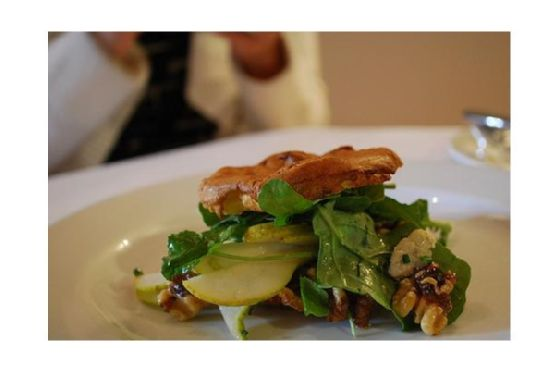
Pear Salad With Walnuts and Blue Cheese

Intro

There’s something inherently magical about the crispness of autumn, the way the air turns cooler, and the leaves transform into a symphony of warm hues. As a child, this season always meant family gatherings where we would indulge in hearty meals that celebrated the bounty of the harvest. One dish that has always stood out in my memory is my grandmother’s pear salad. It was a delightful mix of sweet and savory, with juicy pears, crunchy walnuts, and the bold flavor of blue cheese. This salad was more than just food; it was a celebration of the season’s best offerings, a dish that brought everyone together, and left you feeling warm and content. Today, I’m thrilled to share this beloved recipe with you, hoping it brings the same warmth to your table as it has to ours.

Why You’ll Love It

This pear salad with walnuts and blue cheese is a perfect blend of flavors and textures. Here’s why you’ll fall in love with it:

  • Balance of Flavors: The sweetness of pears complements the tangy blue cheese, while the walnuts add a savory crunch.
  • Healthy and Nourishing: Packed with vitamins, antioxidants, and healthy fats, this salad is as nutritious as it is delicious.
  • Quick and Easy: With minimal prep time, this salad is perfect for a quick meal or a stunning appetizer.
  • Visually Stunning: The vibrant colors of the salad leaves, pears, and cheese make this dish as beautiful as it is tasty.

Ingredients

  • 4 ripe pears
  • 1 cup crumbled blue cheese
  • 1/4 cup finely chopped chives
  • 6 cups mixed salad leaves (such as curly endive)
  • 2 tablespoons lemon juice
  • 3 tablespoons safflower oil
  • 1 tablespoon walnut oil
  • 1 cup walnuts, toasted and roughly chopped

Instructions

  1. Prepare the pears by cutting the base so they stand straight. This not only makes for an appealing presentation but also ensures the pear remains stable in the bowl.
  2. Arrange one pear and a generous handful of mixed salad leaves in individual serving bowls.
  3. Add a scattering of chopped celery to each bowl for added crunch.
  4. In a separate bowl, whisk together the lemon juice, safflower oil, and walnut oil to create the dressing. Drizzle the dressing over each salad.
  5. Finish by sprinkling the crumbled blue cheese and toasted walnuts evenly over each salad.
  6. Serve immediately and enjoy the delightful flavors of autumn.

Tips

For the best experience, ensure your pears are ripe but still firm to the touch. This will give you the perfect balance of sweetness and crunch. Toasting the walnuts enhances their flavor, so don’t skip this step! If you prefer a milder cheese, consider using gorgonzola instead of blue cheese.

Variations & Substitutions

  • Cheese: Swap blue cheese for feta or goat cheese for a different flavor profile.
  • Nuts: Pecans or almonds can be used as alternatives to walnuts for some variety.
  • Extra Add-ins: Add dried cranberries or pomegranate seeds for a touch of sweetness and color.
  • Dressing: A honey-mustard vinaigrette can be a delightful alternative to the walnut oil dressing.

Storage

This salad is best enjoyed fresh. However, if you need to prepare it in advance, keep the dressing separate and add it just before serving to prevent the salad leaves from wilting. Store any leftovers in an airtight container in the refrigerator for up to a day.

FAQ

Can I use canned pears instead of fresh ones?

While fresh pears offer the best texture and flavor, you can use canned pears in a pinch. Just ensure they are well-drained and not overly sweetened.

What can I use if I’m allergic to nuts?

If you have a nut allergy, try substituting the walnuts with sunflower seeds or pumpkin seeds for an added crunch without the risk.

How can I make this salad vegan?

To make this salad vegan, simply omit the cheese or use a vegan cheese alternative. Ensure the dressing is also free from animal products, perhaps using a balsamic vinaigrette instead.

Nutrition

Each serving of this pear salad is approximately 250 calories, with 18 grams of healthy fats, 5 grams of protein, and 20 grams of carbohydrates. It is a good source of fiber, vitamin C, and antioxidants, making it a nutritious choice for any meal.

Conclusion

This pear salad with walnuts and blue cheese is a tribute to the flavors of fall, a dish that is as nourishing as it is delectable. Whether you’re serving it as a starter at a dinner party or enjoying it as a light lunch, it’s sure to impress with its complex flavors and beautiful presentation. I hope this recipe becomes a staple in your home, just as it has in mine, creating new memories and bringing joy to your dining table.

Related update: Pear Salad With Walnuts and Blue Cheese

Related update: Japanese Gyoza Pot Stickers

Related update: Thai Cucumber Salad (By Roz)

Wild Blueberry Lemon Muffins | Made by Meaghan Moineau

Wild Blueberry Lemon Muffins

Intro

There’s something inexplicably comforting about the aroma of freshly baked muffins wafting through the house. It takes me back to Sunday mornings in my grandmother’s cozy kitchen, where the sun would gently stream through the lace curtains, casting delicate patterns on the worn wooden table. Those mornings were filled with the chatter of family and the irresistible scent of golden-brown muffins cooling on the counter. Today, I’m thrilled to share a recipe that captures that warmth and nostalgia: Wild Blueberry Lemon Muffins. These muffins combine the tartness of lemons with the sweet burst of wild blueberries, creating a delightful treat that’s perfect for breakfast, brunch, or any moment in between.

Why You’ll Love It

These Wild Blueberry Lemon Muffins are the embodiment of simple pleasures. Each bite offers a perfect balance of sweetness and tartness, with the wild blueberries providing juicy pops of flavor. The muffins are moist, tender, and crowned with a tangy lemon glaze that elevates them from ordinary to extraordinary. Whether you’re hosting a brunch or looking for a delightful weekday breakfast, these muffins are sure to impress. Plus, they’re incredibly easy to make, requiring just a few staple ingredients and minimal effort.

Ingredients

  • 2 cups all-purpose flour
  • 2 teaspoons baking powder
  • 1/4 teaspoon salt
  • 1/2 cup unsalted butter, softened
  • 1 cup granulated sugar, plus 1/8 cup for lemon zest
  • 1 large egg
  • 1 cup buttermilk
  • 1 teaspoon vanilla extract
  • 1 tablespoon fresh lemon juice
  • 1 tablespoon lemon zest
  • 1 cup canned wild blueberries, drained
  • 1 cup powdered sugar

Instructions

  1. Preheat your oven to 375°F (190°C). Line 16 muffin cups with paper liners.
  2. Mash 1/8 cup of sugar with the lemon zest in a small bowl until the sugar is moistened and fragrant.
  3. In a medium-sized bowl, whisk together the flour, baking powder, and salt. Set aside.
  4. Using an electric mixer, beat 1 cup of sugar and the softened butter together in a large bowl until light and fluffy.
  5. Add the egg to the butter mixture, beating well after each addition.
  6. Mix in the buttermilk, vanilla extract, and lemon sugar gradually, ensuring each ingredient is fully incorporated.
  7. Slowly add the flour mixture to the wet ingredients, mixing until the batter is smooth and free of lumps.
  8. Fold in the wild blueberries gently with a large spatula, being careful not to crush them.
  9. Divide the batter equally among the prepared muffin tins, filling each about 3/4 full.
  10. Bake for about 35 minutes, or until a cake tester inserted into the center of a muffin comes out clean.
  11. Allow the muffins to cool in the pan for a few minutes before transferring them to a wire rack.
  12. Prepare the lemon glaze by combining the lemon juice, remaining lemon zest, and powdered sugar in a small bowl.
  13. Spoon about 1 tablespoon of glaze over each muffin, letting it drip down the sides.

Tips

For the best muffins, ensure your butter is at room temperature before you start. This allows it to incorporate more air, resulting in fluffier muffins. Also, when folding in the blueberries, do so gently to avoid breaking them and turning your batter purple. Finally, don’t skip the glaze—it’s what ties everything together with a delightful zing!

Variations & Substitutions

If you can’t find canned wild blueberries, fresh or frozen ones will work just as well. Just make sure to pat them dry if using frozen to avoid excess moisture. For a dairy-free version, substitute the buttermilk with almond milk mixed with a splash of lemon juice. You can also try adding a handful of chopped nuts, like almonds or walnuts, for some extra texture.

Storage

These muffins are best enjoyed fresh, but they can be stored in an airtight container at room temperature for up to three days. If you want to keep them longer, they freeze beautifully. Just wrap each muffin individually in plastic wrap and place them in a resealable plastic bag. They can be frozen for up to two months. To enjoy, simply thaw at room temperature or warm them in the oven for a few minutes.

FAQ

Can I use regular blueberries instead of wild blueberries?

Absolutely! Regular blueberries can be used as a substitute if wild blueberries aren’t available. Keep in mind that wild blueberries tend to be smaller and more intensely flavored, so you might notice a slight difference in taste and texture with regular blueberries.

How can I make my muffins rise higher?

To achieve higher rising muffins, make sure your baking powder is fresh. Additionally, starting with a higher oven temperature for the first 5 minutes of baking can create a burst of steam, which helps the muffins rise. Then, reduce the temperature to the specified 375°F for the remainder of the baking time.

Can I make these muffins gluten-free?

Yes, you can make these muffins gluten-free by using a gluten-free all-purpose flour blend. Ensure the blend contains xanthan gum or a similar binding agent, which helps mimic the texture of traditional flour.

Nutrition

Each muffin is approximately 210 calories, with 8g of fat, 32g of carbohydrates, and 2g of protein. The nutritional content can vary slightly based on ingredient brands and portion sizes.

Conclusion

These Wild Blueberry Lemon Muffins are more than just a treat; they’re a little piece of nostalgia wrapped in a paper liner. With their sunny lemon flavor and sweet blueberries, they’re sure to brighten any day. Whether you enjoy them with a cup of tea or as a grab-and-go breakfast, these muffins are a delightful reminder of the simple joys in life. I hope this recipe brings as much joy to your kitchen as it has to mine. Happy baking!

Related update: Wild Blueberry Lemon Muffins

Guacamole | Made by Meaghan Moineau

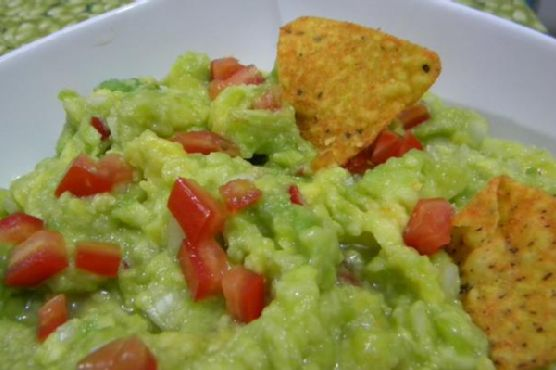
The Best Homemade Guacamole

Intro

There’s nothing quite like the taste of fresh guacamole. I remember the first time I tried it at a family gathering when I was a child. The creamy texture combined with a hint of spice and citrusy notes was unlike anything I’d tasted before. My uncle, who had just returned from a trip to Mexico, made a batch for us, and since then, guacamole has been a staple at all our family gatherings. Today, I’ll share with you my take on this classic recipe, inspired by that nostalgic experience.

Why You’ll Love It

This guacamole recipe is perfect for any occasion. Whether you’re hosting a party, enjoying a quiet night in, or looking for a healthy snack, this guacamole will be your go-to. The creamy texture of the avocados paired with the freshness of herbs like cilantro, basil, and oregano creates a perfect balance of flavors. Plus, it’s quick and easy to make!

Ingredients

  • 3 ripe Haas avocados
  • 1/4 cup finely chopped onion
  • 1 jalapeño pepper, seeded and minced
  • 2 tablespoons fresh cilantro, chopped
  • 1/2 teaspoon salt
  • 1/4 teaspoon black pepper
  • 2 tablespoons fresh lime juice
  • 1 tablespoon fresh basil, chopped
  • 1 tablespoon fresh oregano, chopped

Instructions

  1. Cut the avocados in half lengthwise. Remove the pit by driving a chef’s knife into it and twisting gently to loosen.
  2. Scoop the avocado flesh out of the skin and into a mixing bowl.
  3. Using a fork, mash the avocado to your desired consistency.
  4. Add the chopped onion, jalapeño, cilantro, basil, and oregano to the mashed avocado.
  5. Mix until all the ingredients are well incorporated.
  6. Season the guacamole with salt, black pepper, and lime juice to taste.
  7. Serve immediately or chill for a more pronounced flavor.
  8. If not serving immediately, store in the refrigerator with plastic film wrap pressed onto the surface of the guacamole to prevent browning.

Tips

When choosing avocados, look for ones that are slightly soft to the touch but not mushy. A ripe avocado will yield gently to pressure. To prevent the guacamole from turning brown, ensure the plastic wrap is touching the entire surface of the guacamole. This minimizes air contact, which causes oxidation.

Variations & Substitutions

Feel free to customize your guacamole. For a spicier kick, leave the seeds in the jalapeño or add a dash of cayenne pepper. If you’re not a fan of cilantro, you can omit it or replace it with parsley. For a twist, try adding diced tomatoes or roasted corn for extra texture and flavor.

Storage

Store leftover guacamole in an airtight container in the refrigerator. Press a piece of plastic wrap directly onto the surface before sealing to keep it fresh for up to two days. Remember, the sooner you enjoy it, the better it tastes!

FAQ

Can I make guacamole in advance?

Yes, you can prepare guacamole a few hours in advance. Just make sure to store it with plastic wrap pressed against the surface to prevent browning. The lime juice also helps preserve its vibrant color.

What can I serve with guacamole?

Guacamole is incredibly versatile. Serve it with tortilla chips, as a topping for tacos, or alongside grilled chicken or fish. It’s also a great addition to sandwiches and burgers for an extra burst of flavor.

Nutrition

Avocados are packed with healthy fats, fiber, and essential nutrients. This guacamole recipe is not only delicious but also offers a good source of vitamins C, E, K, and B-6, as well as potassium and folate. Enjoy it as a healthy snack or as part of a balanced meal.

Conclusion

Whether you’re a long-time fan of guacamole or trying it for the first time, this recipe is sure to become a favorite. Its simplicity and freshness make it a standout dish that’s perfect for any occasion. So gather your ingredients and enjoy a taste of this classic, nostalgic treat. Remember, the best dishes are those shared with family and friends. Happy guacamole making!

Related update: Guacamole

Coconut Israeli Couscous Studded With Pomegranate | Made by Meaghan Moineau

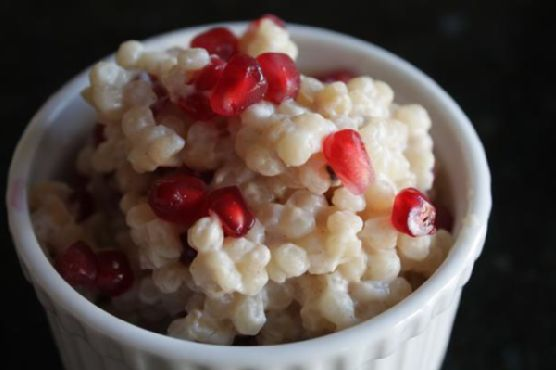
Coconut Israeli Couscous Studded With Pomegranate

Intro

Growing up, I remember the sweet scent of cinnamon and coconut wafting through our kitchen during family gatherings. These were the times when my grandmother would prepare her famous coconut couscous, a dish so comforting and aromatic that it became a family tradition. It wasn’t just a meal; it was a vessel of memories, filled with laughter and warmth. Today’s recipe, Coconut Israeli Couscous Studded with Pomegranate, is a tribute to those cherished moments. It’s a dish that combines the creamy texture of coconut milk with the delightful surprise of pomegranate seeds, creating a symphony of flavors that will dance on your palate.

Why You’ll Love It

This recipe is a beautiful fusion of flavors and textures. The soft, chewy Israeli couscous absorbs the rich, creamy coconut milk, while the pomegranate seeds add a burst of freshness and color. The subtle hint of cardamom and cinnamon brings warmth and depth, making this dish a perfect addition to any meal. Whether you’re looking for a unique side dish or a comforting main course, you’ll fall in love with this coconut couscous.

Ingredients

  • 1 cup milk
  • 1 can (13.5 oz) unsweetened coconut milk
  • 3 green cardamom pods
  • 1/2 teaspoon ground cinnamon
  • 2 tablespoons sugar
  • 1 cup Israeli couscous
  • Seeds from half a pomegranate

Instructions

  1. Smash the cardamom pods open with the flat side of your knife, just like you would with a garlic clove.
  2. In a saucepan, combine the milk, coconut milk, and cardamom. Place over low heat and bring to just below a boil, stirring occasionally. It should become slightly foamy.
  3. Strain out the cardamom pods since the shells are not so pleasant to eat.
  4. Add the Israeli couscous to the saucepan and simmer on low for 10-12 minutes, until all the liquid is absorbed. The couscous should be tender but still have some chew to it.
  5. Stir in the ground cinnamon, sugar, and pomegranate seeds. Mix well to combine.

Tips

For best results, use fresh pomegranate seeds. They add a delightful crunch and freshness to the dish. If you find the couscous is absorbing the liquid too quickly, feel free to add a bit more milk to ensure it cooks evenly. Always taste and adjust the sweetness to your preference.

Variations & Substitutions

If you don’t have pomegranate seeds on hand, or if you’re not a fan, you can easily substitute them with raisins or dried cranberries. Both options will add a lovely sweetness and chewy texture. For a nutty twist, sprinkle some toasted almonds or pistachios on top before serving.

Storage

Store any leftover couscous in an airtight container in the refrigerator for up to 3 days. To reheat, simply add a splash of milk to the couscous and heat it gently on the stovetop, stirring occasionally.

FAQ

Can I use regular couscous instead of Israeli couscous?

Yes, you can use regular couscous, but be aware that the cooking time will be shorter, and the texture will be different. Israeli couscous is larger and chewier, which makes it an excellent choice for this creamy dish.

Is there a substitute for coconut milk?

If you’re not a fan of coconut milk or have an allergy, you can use almond milk or cashew milk as an alternative. Keep in mind, though, that the coconut flavor is integral to the dish’s profile, so the result will be slightly different.

How can I make this dish vegan?

To make this recipe vegan, replace the regular milk with a plant-based milk of your choice, such as almond or oat milk. The rest of the ingredients are already plant-based, making this a simple adjustment.

Nutrition

While I don’t have an exact nutritional breakdown for this dish, it’s worth noting that coconut milk adds healthy fats, and pomegranate seeds are rich in antioxidants. This dish offers a good balance of carbohydrates, fats, and a touch of sweetness.

Conclusion

Coconut Israeli Couscous Studded with Pomegranate is more than just a meal; it’s an experience. Each bite is a trip down memory lane, bringing warmth and joy to your table. Easy to prepare yet rich in flavor, this dish is perfect for both special occasions and simple family dinners. Enjoy the comforting taste and let it create new memories for you and your loved ones. Happy cooking!

Related update: Coconut Israeli Couscous Studded With Pomegranate

Related update: Osso Buco

Tomato Cutlets | Made by Meaghan Moineau

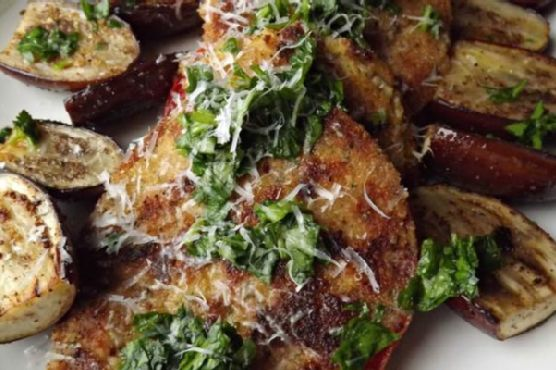
Tomato Cutlets: A Savory Delight

Intro

Growing up, summers were synonymous with the sweet aroma of fresh tomatoes ripening on the vine in my grandmother’s garden. I vividly recall the warmth of the sun on my face as I plucked those vibrant, juicy beefsteak tomatoes, their fragrance wafting through the air, promising a delectable treat. One of my cherished memories is watching my grandmother transform these garden-fresh tomatoes into golden, crispy cutlets. Today, I am excited to share this cherished family recipe with you, bringing a taste of those sun-drenched summer days into your kitchen.

Why You’ll Love It

This Tomato Cutlets recipe is a delightful fusion of crispy textures and savory flavors, perfect for a light lunch or an elegant appetizer. Whether you’re a seasoned cook or a kitchen novice, you’ll appreciate the simplicity and versatility of this dish. The combination of fresh ingredients and easy preparation makes it a go-to recipe for any occasion. Plus, it’s a great way to enjoy the seasonal bounty of tomatoes and eggplants.

Ingredients

  • 2 baby eggplants, halved
  • 2 large beefsteak tomatoes, sliced
  • 1 cup Italian bread crumbs
  • 2 eggs, beaten
  • Juice of 1 lemon
  • 2 tablespoons olive oil
  • 2 tablespoons Italian fresh parsley, chopped
  • Salt and pepper to taste
  • 1/4 cup fresh Romano cheese, grated

Instructions

  1. Prepare your ingredients by slicing the beefsteak tomatoes and beating the eggs in a shallow bowl. Place the Italian bread crumbs in another shallow dish.
  2. Dip each tomato slice into the egg wash and then coat it with the bread crumbs. Repeat this process if you have extra egg wash and bread crumbs for a thicker crust.
  3. Heat a large frying pan over medium heat and add the olive oil. Once the oil is hot, carefully place the prepared tomato slices in the pan.
  4. Cook the tomato slices for about 3-4 minutes on each side, or until they achieve a nice golden color. Gently flip them halfway through cooking.
  5. After removing the tomato slices from the pan, add the halved baby eggplants. Sprinkle them with salt and pepper to taste.
  6. Sauté the eggplants on one side until they are golden, about 3-4 minutes, then turn and sauté the other side.
  7. Plate the tomato cutlets and eggplants, and finish with a garnish of chopped parsley, a squeeze of lemon juice, and a generous sprinkle of grated Romano cheese.

Tips

For the best results, use ripe, firm beefsteak tomatoes. The firmer the fruit, the better it will hold up during cooking. Additionally, ensure the oil is hot before frying to achieve that perfect golden crust. If you find the cutlets are browning too quickly, adjust the heat to medium-low to ensure even cooking.

Variations & Substitutions

If you prefer a gluten-free version, substitute the Italian bread crumbs with gluten-free bread crumbs. For a vegan twist, replace the eggs with a plant-based egg substitute or a mixture of water and flour to help the bread crumbs adhere to the tomatoes. You can also experiment with spices in the bread crumbs, such as garlic powder or paprika, for an extra kick of flavor.

Storage

These Tomato Cutlets are best enjoyed fresh to maintain their crispy texture. However, if you have leftovers, store them in an airtight container in the refrigerator for up to 2 days. Reheat them in a preheated oven at 350°F (175°C) for about 10 minutes to regain some of their crispiness.

FAQ

Can I use other types of tomatoes for this recipe?

Yes, you can use other types of tomatoes, such as Roma or heirloom. However, beefsteak tomatoes are preferred for their size and firm texture, which hold up well during frying.

What can I serve with Tomato Cutlets?

Tomato Cutlets pair beautifully with a fresh green salad or a side of pasta. They also make a great topping for a sandwich or a burger for a unique twist.

Can I prepare the cutlets in advance?

You can prepare the tomatoes and eggplants ahead of time and store them separately in the refrigerator. When you’re ready to serve, simply fry them up fresh for the best texture and flavor.

Nutrition

While specific nutritional values will vary based on portion sizes and exact brands used, these Tomato Cutlets are generally a good source of Vitamin C from the tomatoes and healthy fats from the olive oil. Using fresh ingredients ensures a wholesome and delicious dish without unnecessary additives.

Conclusion

There’s something magical about turning simple, fresh ingredients into a dish that delights the senses. These Tomato Cutlets not only bring a taste of summer to your table but also provide a comforting, nostalgic culinary experience. Whether you’re preparing them for family, friends, or simply treating yourself, this recipe is sure to become a beloved staple in your kitchen. Enjoy the warm, crispy goodness and the nostalgic flavors of this timeless dish.

Related update: Tomato Cutlets

Related update: Square Deviled Eggs

Banana Blueberry Pancakes | Made by Meaghan Moineau

Banana Blueberry Pancakes

Intro

There’s something incredibly comforting about the aroma of pancakes sizzling on a Sunday morning. Growing up, weekends were a special time in our household, and my mom’s banana blueberry pancakes were a tradition that never failed to bring the family together. As a child, I would eagerly help mash the bananas, my little hands sticky with sweet fruit, while my mom expertly flipped each pancake to golden perfection. Those mornings, filled with laughter and the sweet scent of pancakes, remain some of my fondest memories. I’m thrilled to share this beloved recipe with you, hoping it will create equally delicious memories in your home.

Why You’ll Love It

These banana blueberry pancakes are a delightful blend of natural sweetness and fruity goodness, offering a wholesome start to your day. The combination of ripe bananas and juicy blueberries creates a flavor explosion with every bite, while coconut flour adds a subtle nuttiness and a gluten-free twist. Whether you’re looking for a hearty breakfast or a comforting brunch option, these pancakes are sure to please. Plus, they are easy to make, requiring simple ingredients and minimal preparation time, making them perfect for both busy mornings and leisurely weekend brunches.

Ingredients

  • 4 whole eggs
  • 1 cup water
  • 2 tablespoons liquid coconut oil
  • ½ cup coconut flour
  • 1 teaspoon cream of tartar
  • 1 teaspoon ground cinnamon
  • 2 ripe bananas, mashed
  • 1 cup frozen blueberries

Instructions

  1. Beat the eggs for 1 minute in a medium-sized bowl until they are light and frothy.
  2. Add the water, coconut oil, and coconut flour to the eggs. Whisk together until the mixture is smooth and well combined.
  3. Allow the batter to sit for 5 minutes to let the coconut flour absorb the liquid and expand.
  4. Stir in the cream of tartar, ground cinnamon, and mashed bananas. Whisk until the batter is smooth.
  5. Gently fold in the frozen blueberries using a spatula, ensuring they are evenly distributed throughout the batter.
  6. Heat a little oil, butter, or a combination of both in a skillet over medium to low heat.
  7. Ladle about 1/2 cup of batter for each pancake onto the skillet, spreading it out to form a circle.
  8. Cook the pancakes for about 5 minutes on one side, or until bubbles form on the surface and the edges are set.
  9. Carefully flip the pancakes and cook the other side until golden brown and cooked through.
  10. Repeat the process with the remaining batter to make approximately 8 pancakes.
  11. Serve the pancakes warm, drizzled with maple syrup, and enjoy!

Tips

For the perfect pancakes, make sure your skillet is well-heated before you start cooking. This ensures a nice, even browning. If the batter seems too thick after resting, you can add a little more water, a tablespoon at a time, until you reach your desired consistency. Be gentle when folding in the blueberries to avoid breaking them and turning your batter blue!

Variations & Substitutions

If you’re looking to switch things up, consider adding a handful of chopped nuts, such as walnuts or pecans, for added crunch. You can also substitute the coconut flour with almond flour if you prefer, though the texture might be slightly different. For a vegan version, replace the eggs with a flaxseed egg substitute and use a plant-based oil.

Storage

These pancakes store well in the refrigerator for up to 3 days. Simply place them in an airtight container. To reheat, warm them in a skillet over low heat or in the microwave. You can also freeze the pancakes for up to 2 months. Separate each pancake with parchment paper and store them in a freezer-safe container or bag.

FAQ

Can I use fresh blueberries instead of frozen?

Absolutely! Fresh blueberries work just as well in this recipe. Just be sure to rinse and dry them thoroughly before folding them into the batter.

What can I use if I don’t have cream of tartar?

If you don’t have cream of tartar on hand, you can substitute it with 1 1/2 teaspoons of baking powder. This will help the pancakes rise and achieve a fluffy texture.

Are these pancakes gluten-free?

Yes, these banana blueberry pancakes are gluten-free, thanks to the use of coconut flour. Just ensure that all your ingredients, including baking powder, are certified gluten-free if you have a severe allergy or sensitivity.

Nutrition

Each pancake is packed with nutrients and flavor. While the exact nutrition will vary based on the ingredients and portion sizes, these pancakes are a good source of protein from the eggs, healthy fats from the coconut oil, and fiber from the coconut flour and blueberries. Plus, they’re naturally sweetened with bananas, making them a healthier choice for breakfast.

Conclusion

Banana blueberry pancakes are more than just a meal; they’re a hug on a plate, a reminder of cozy mornings and cherished family traditions. Whether you’re making them for a special occasion or just to brighten up a weekday morning, these pancakes are sure to be a hit. I hope this recipe brings as much joy to your kitchen as it does to mine. Happy cooking!

Related update: Banana Blueberry Pancakes

Paneer jalfrezi | Made by Meaghan Moineau

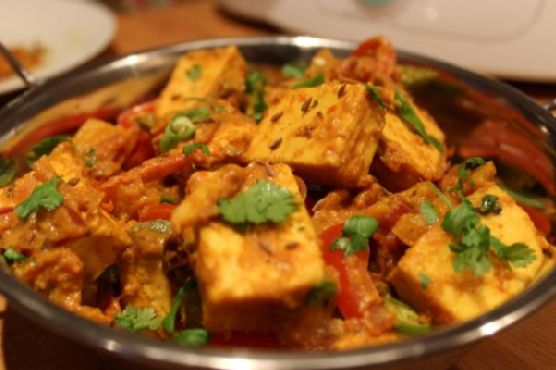
Paneer Jalfrezi: A Flavorful Journey to Spice and Comfort

Intro

Paneer Jalfrezi is more than just a dish; it’s a vibrant tapestry of flavors that brings together the essence of Indian cooking. This dish takes me back to my childhood, where Sunday lunch was a family affair, and the aroma of spices would fill the house. My grandmother would stand at the stove, her hands moving expertly, creating magic in the form of Paneer Jalfrezi. It was the first “grown-up” dish I learned to cook, and every time I make it, I’m transported back to those cozy afternoons filled with laughter and love.

Why You’ll Love It

Paneer Jalfrezi is a delightful combination of fresh vegetables and soft paneer, enveloped in a symphony of spices. Here’s why this dish will win you over:

  • Quick and Easy: Ready in under 30 minutes, it’s perfect for a weeknight dinner.
  • Customizable Heat: Adjust the level of spiciness according to your preference.
  • Vegetarian Delight: A protein-rich meal that satisfies both vegetarians and non-vegetarians alike.
  • Rich in Flavor: The dish boasts a perfect balance of tangy, sweet, and spicy notes.

Ingredients

  • 200g paneer, cubed
  • 2 tbsp oil, divided
  • 1 tsp cumin seeds
  • 3 medium tomatoes, 2 roughly chopped and 1 cut into strips
  • 1 large onion, half roughly chopped and half sliced
  • 1 red bell pepper, sliced
  • 1 green bell pepper, sliced
  • 1/2 tsp turmeric powder
  • 1 tsp chilli powder
  • 2-3 green chillies, chopped
  • 2-3 Kashmiri red dried chillies
  • 1 inch ginger, finely sliced
  • 1 tsp garam masala
  • 1/2 tsp sugar
  • 1 tsp vinegar
  • Fresh coriander leaves for garnish
  • Salt to taste

Instructions

  1. Roughly chop half an onion and 2 tomatoes.
  2. Heat 1 tbsp oil in a non-stick pan. Add the onions and fry until lightly brown.
  3. Add the tomatoes and cook for 2-3 minutes until soft. Remove from heat, let cool, and blend into a puree.
  4. In the same pan, heat 1 tbsp oil on medium heat. Add cumin seeds and let them sputter.
  5. Add the Kashmiri red chillies and sliced ginger, frying for 30-45 seconds.
  6. Add turmeric powder, sliced onions, bell peppers, chilli powder, salt, and two-thirds of the chopped green chillies. Fry for 3-4 minutes.
  7. Add the paneer cubes and cook on low heat for 5 minutes.
  8. Add the tomato puree, garam masala, and sugar. Simmer for 2 minutes.
  9. Stir in the tomato strips and toss well.
  10. Finish with vinegar and garnish with remaining green chillies and fresh coriander.

Tips

Here are some tips to ensure your Paneer Jalfrezi turns out perfect every time:

  • Use fresh, firm paneer for the best texture.
  • If you prefer a creamier texture, add a splash of cream before serving.
  • For a smokier flavor, lightly char the bell peppers before adding them to the dish.

Variations & Substitutions

Feel free to experiment with this Paneer Jalfrezi recipe:

  • Vegan Option: Substitute paneer with firm tofu for a vegan version.
  • Extra Veggies: Add mushrooms or zucchini for added nutrition and texture.
  • Spice Level: Adjust the number of chillies to increase or decrease the heat.

Storage

Store any leftovers in an airtight container in the refrigerator for up to 3 days. Reheat gently on the stove or in the microwave, adding a splash of water to maintain moisture.

FAQ

Can I make Paneer Jalfrezi ahead of time?

Yes, you can prepare the dish a day in advance. The flavors deepen overnight, making it even more delicious the next day. Just be sure to store it properly in the refrigerator.

What can I serve with Paneer Jalfrezi?

Paneer Jalfrezi pairs beautifully with naan, roti, or steamed basmati rice. A side of yogurt or raita helps balance the heat of the dish.

Is Paneer Jalfrezi spicy?

It can be spicy due to the chillies, but you can easily adjust the spice level to your liking by adding more or fewer chillies.

Nutrition

This dish is a good source of protein, thanks to the paneer, and is rich in vitamins from the fresh vegetables. It’s a wholesome and satisfying meal that fits well into a balanced diet. For those watching their calorie intake, use less oil or opt for low-fat paneer.

Conclusion

Paneer Jalfrezi is a dish that celebrates the vibrant flavors of Indian cuisine. It’s a comforting meal that brings warmth to the table and joy to the heart. Whether you’re a seasoned cook or a beginner, this recipe is a delightful journey into the world of spices and flavors. I hope it becomes as cherished in your home as it is in mine. Enjoy every bite of your delicious creation!

Related update: Paneer jalfrezi

Related update: Mediterranean eggplants

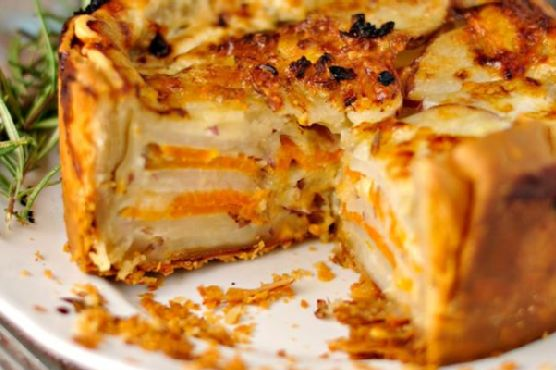
Root Vegetable Rosemary Gratin | Made by Meaghan Moineau

Root Vegetable Rosemary Gratin

Intro

As the crisp chill of autumn settles in, there’s nothing quite like the comfort of a warm, bubbling gratin fresh out of the oven. I fondly remember Sunday afternoons spent in my grandmother’s kitchen, the air filled with the earthy aroma of root vegetables and herbs. She would tell stories of how her own mother taught her the art of crafting the perfect gratin. Today, I’m excited to share this recipe for Root Vegetable Rosemary Gratin, a dish that combines the rustic flavors of red potatoes, sweet potatoes, carrots, and turnips with a fragrant hint of rosemary. This dish is perfect for cozy family dinners or as a stunning side dish for your holiday table.

Why You’ll Love It

This Root Vegetable Rosemary Gratin is a celebration of the season’s best produce. The combination of red potatoes, sweet potatoes, carrots, and turnips creates a symphony of flavors and textures, while the rosemary adds a touch of aromatic elegance. The creamy, cheesy layers are enveloped in a flaky pie crust, making each bite a delight. If you’re looking for a dish that’s both comforting and impressive, this gratin is sure to become a favorite.

Ingredients

  • 2 refrigerated piecrusts
  • 2 tablespoons fresh rosemary, chopped
  • 1 teaspoon ground black pepper
  • 2 cups shredded Gruyère cheese
  • 2 red potatoes, peeled and thinly sliced
  • 2 sweet potatoes, peeled and thinly sliced
  • 2 carrots, peeled and thinly sliced
  • 2 turnips, peeled and thinly sliced
  • 1 teaspoon kosher salt
  • 1 cup heavy cream
  • 1 garlic clove, minced

Instructions

  1. Preheat your oven to 450°F (232°C).
  2. On a lightly floured surface, unroll the piecrusts. Sprinkle with rosemary, pepper, and 1/2 cup of Gruyère cheese over one piecrust. Top with the remaining piecrust and roll into a 13-inch circle.
  3. Press the piecrust on the bottom and up the sides of a 9-inch springform pan. Fold the edges under and chill in the refrigerator.
  4. Meanwhile, peel and thinly slice the red potatoes, sweet potatoes, carrots, and turnips.
  5. Layer one-third each of the red potatoes, sweet potatoes, carrots, turnips, and salt in the prepared crust. Sprinkle with 1/2 cup of cheese.
  6. Repeat the layers twice, pressing them down slightly to fit. This will be a tight fit, but it ensures that every layer cooks evenly.
  7. In a microwave-safe cup, microwave the cream and garlic at high for 45 seconds. Pour the warm mixture over the layered potatoes in the pan.
  8. Sprinkle with the remaining 1 cup of cheese.
  9. Cover the pan with heavy-duty aluminum foil and place it on a baking sheet to catch any drips.
  10. Bake for 1 hour. Remove the foil and continue baking for an additional 25 minutes, or until the potatoes are tender and the crust is a deep, golden brown.
  11. Let the gratin stand for 10 to 15 minutes. Carefully transfer it to a serving plate and remove the sides of the pan. If desired, use a long knife or narrow spatula to slide the gratin off the bottom of the pan.

Tips

To ensure your gratin is perfectly cooked, use a mandoline slicer for even, thin slices of vegetables. This will help them cook evenly and thoroughly. Also, be sure to pack the layers tightly in the pan to prevent air pockets, which can cause uneven cooking.

Variations & Substitutions

If you prefer a different cheese, feel free to substitute Gruyère with aged cheddar or fontina. For a vegan version, replace the heavy cream with coconut milk and use a vegan cheese substitute. You can also experiment with different herbs, such as thyme or sage, to add a unique flavor twist.

Storage

Your Root Vegetable Rosemary Gratin can be stored in the refrigerator for up to 3 days. Make sure it’s covered tightly with plastic wrap or stored in an airtight container. To reheat, place in a 350°F (175°C) oven until warmed through, about 20 minutes.

FAQ

Can I make this gratin in advance?

Yes, you can prepare the gratin a day in advance. Follow all the steps up to baking, then cover and store it in the refrigerator. When you’re ready to bake, let it sit at room temperature for about 30 minutes before placing it in the oven.

What can I serve with this gratin?

This gratin pairs beautifully with roasted meats such as chicken, beef, or pork. It’s also delightful alongside a fresh green salad or steamed green beans for a lighter accompaniment.

Nutrition

This gratin is a rich and indulgent dish, perfect for special occasions. Each serving contains approximately 350 calories, 20g of fat, 30g of carbohydrates, and 12g of protein. Keep in mind, these values can vary based on the exact ingredients and portion sizes you use.

Conclusion

Root Vegetable Rosemary Gratin is a dish that brings warmth and nostalgia to the table. It’s a testament to the beauty of simple ingredients coming together to create something truly special. Whether you’re crafting a comforting dinner for your family or impressing guests with a holiday spread, this gratin is sure to be a hit. I hope it brings as much joy to your home as it has to mine. Enjoy!

Related update: Root Vegetable Rosemary Gratin

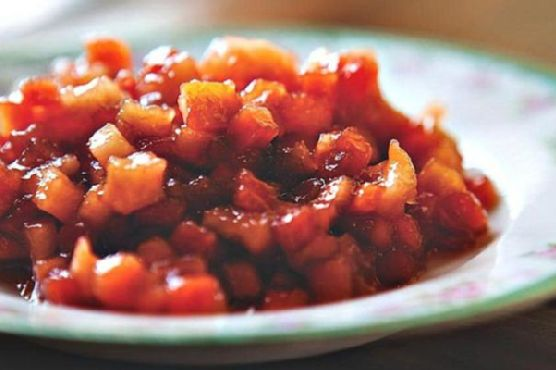
Fall Fruit Compote | Made by Meaghan Moineau

Fall Fruit Compote

Intro

There’s something magical about fall—the crisp air, the vibrant colors, and the comforting aroma of spices and fruits mingling together. Growing up, fall was always my favorite season. I remember sitting in my grandmother’s cozy kitchen, the windows fogging up as she cooked her famous fruit compote. The sweet and tangy smell would waft through the house, inviting everyone to gather around the table. Her secret? A touch of apple cider vinegar that added just the right amount of zing. Now, I carry on her tradition with my own version of this delightful Fall Fruit Compote, and I can’t wait to share it with you!

Why You’ll Love It

This Fall Fruit Compote is a hug in a bowl. Whether you’re serving it up as a side dish, a topping for potato latkes, or simply enjoying it on its own, this recipe is sure to warm your heart and soul. Here’s why you’ll absolutely love it:

  • Easy to Make: With just a few simple steps, you can have this delicious compote ready in no time.
  • Versatile: Serve it warm or cold, with breakfast or dessert—it complements any meal!
  • Full of Fall Flavors: The combination of apples, pears, and cinnamon captures the essence of autumn in every bite.
  • Customizable: Easily adjust the sweetness or tweak the spices to suit your taste.

Ingredients

  • 1 tablespoon butter
  • 2 cups diced honeycrisp apples
  • 1 cup diced pears
  • 1/2 cup dried cherries
  • 1 tablespoon apple cider vinegar
  • 1 cup apple juice, plus more as needed
  • 1/4 cup brown sugar
  • 1 cinnamon stick

Instructions

  1. Melt the butter in a medium saucepan over high heat.
  2. Add the diced apples, pears, cherries, vinegar, apple juice, brown sugar, and cinnamon stick.
  3. Cook for 5 minutes, stirring occasionally.
  4. Lower the heat to medium and cook for a few minutes more, until the fruit is tender and the liquid has boiled away.
  5. If necessary, add a bit more apple juice to keep the fruit from scorching.
  6. Remove the cinnamon stick and serve warm, ideally with potato latkes or your favorite dish.

Tips

Here are a few tips to ensure your compote turns out perfectly:

  • Choose the Right Apples: Honeycrisp apples are ideal for this recipe as they hold their shape well and add a natural sweetness.
  • Monitor the Liquid: Keep an eye on the liquid level to prevent the fruit from burning. Add more apple juice as needed.
  • Adjust Sweetness: Feel free to add more or less brown sugar based on your preference.

Variations & Substitutions

One of the best things about this compote is its adaptability. Here are some variations and substitutions you might consider:

  • Fruit Variations: Swap out the pears for peaches or add cranberries for a tart twist.
  • Sugar Alternatives: Use maple syrup or honey instead of brown sugar for a different sweetness profile.
  • Spice It Up: Add a pinch of nutmeg or cloves for extra warmth.

Storage

This delicious compote can be stored in an airtight container in the refrigerator for up to a week. Reheat gently on the stove or in the microwave before serving. You can also freeze it for up to three months—just thaw and warm it before enjoying.

FAQ

Can I use fresh cherries instead of dried?

Yes, fresh cherries can be used, though they will add more moisture to the compote. You might need to reduce the amount of apple juice slightly to compensate.

Is there a way to make this recipe vegan?

Absolutely! Simply substitute the butter with a plant-based alternative, such as coconut oil or vegan butter, and you’re good to go.

Can I make this compote in advance?

Definitely! This compote tastes even better the next day, as the flavors have more time to meld together. Just store it in the fridge and reheat when you’re ready to serve.

Nutrition

This Fall Fruit Compote is not only delicious but also packed with nutrients. Apples and pears are high in fiber and vitamin C, while cherries add antioxidants. While it does include sugar, you can easily adjust the amount to fit your dietary needs.

Conclusion

There you have it—a warm, comforting dish that captures the essence of fall in every bite. Whether you’re gathering with family or simply indulging in a cozy night at home, this Fall Fruit Compote is sure to be a hit. I hope it brings as much joy to your table as it does to mine. Happy cooking!

Related update: Fall Fruit Compote

Related update: Zabaglione with Roasted Plums

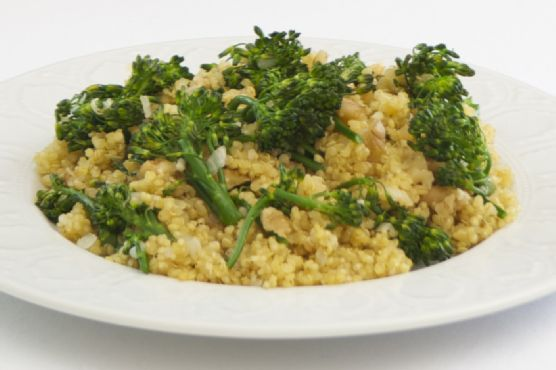
Broccolini Quinoa Pilaf | Made by Meaghan Moineau

Broccolini Quinoa Pilaf

Intro

There’s something incredibly comforting about dishes that marry simplicity with wholesome flavors. Growing up, my grandmother’s kitchen was a haven of delightful aromas and hearty meals. One of my all-time favorites was her pilaf, a dish that brought the family together around the dining table. Inspired by those cherished memories, I’ve crafted a modern twist on a classic with this Broccolini Quinoa Pilaf. It’s a recipe that not only pays homage to my grandmother’s culinary legacy but also brings a fresh, nutritious element to the table.

Why You’ll Love It

This Broccolini Quinoa Pilaf is a delightful fusion of textures and flavors. You’ll love how the nutty quinoa pairs with the tender-crisp broccolini, creating a satisfying bite with every forkful. The addition of garlic and onions offers a savory depth, while the walnuts add a pleasant crunch. It’s a dish that’s not only nutritious but also visually appealing, perfect for a weeknight dinner or a special gathering.

Ingredients

  • 1 bunch broccolini, trimmed
  • 1 garlic clove, minced
  • 2 tablespoons olive oil
  • 1 medium onion, diced
  • 1 cup quinoa, rinsed
  • 2 cups vegetable broth
  • 1/2 cup walnuts, roughly chopped
  • Salt and pepper, to taste

Instructions

  1. In a large pan with a lid, heat olive oil over medium-high heat.
  2. Add onions and cook for 1 minute.
  3. Add garlic and cook until onions are translucent and garlic is fragrant.
  4. Add quinoa to the pan, stir to combine.
  5. Slowly add in the broth and bring to a boil.
  6. Cover and reduce heat to low, cook for 15 minutes.
  7. In the last 2-3 minutes of cooking, add in broccolini on top of the quinoa (do not stir) and cover.
  8. Uncover and toss broccolini and quinoa together.
  9. Season to taste with salt and pepper. Add walnuts and serve hot.

Tips

For the best results, ensure that you rinse the quinoa well before cooking to remove any bitterness. Also, make sure to monitor the broccolini and add it in the last few minutes to maintain its vibrant color and crispness. If you like a bit of heat, consider adding a pinch of red pepper flakes along with the garlic.

Variations & Substitutions

This recipe is incredibly versatile. You can substitute broccolini with regular broccoli or even asparagus based on what’s available. If you’re looking for a protein boost, consider adding chickpeas or grilled chicken. For a nut-free version, you can replace walnuts with pumpkin seeds or omit them altogether.

Storage

Store any leftovers in an airtight container in the refrigerator for up to 3 days. This pilaf reheats well, making it a great option for meal prep. Simply warm it up on the stove or in the microwave, adding a splash of broth or water to bring back its moisture.

FAQ

Can I use frozen broccolini?

Yes, you can use frozen broccolini if fresh is not available. Just be sure to thaw and drain it well before adding it to the pilaf to avoid excess moisture.

Is this dish suitable for a gluten-free diet?

Absolutely! Quinoa is naturally gluten-free, making this pilaf a perfect option for those following a gluten-free diet.

What can I serve with Broccolini Quinoa Pilaf?

This pilaf pairs wonderfully with grilled proteins like chicken, fish, or tofu. You can also serve it alongside a fresh salad for a complete and balanced meal.

Nutrition

This Broccolini Quinoa Pilaf is a nutritious dish that offers a good balance of macronutrients. It’s high in protein and fiber thanks to the quinoa and broccolini, while the walnuts provide healthy fats. It’s a great option for those looking to enjoy a wholesome and satisfying meal.

Conclusion

Broccolini Quinoa Pilaf is more than just a meal; it’s a connection to memories of family gatherings and love shared over a table. It’s a dish that brings warmth, nourishment, and a touch of nostalgia with every bite. Whether you’re making it for a busy weeknight or a leisurely weekend dinner, this recipe is sure to become a beloved staple in your culinary repertoire. Enjoy!

Related update: Broccolini Quinoa Pilaf

Related update: Fall Fruit Compote

Related update: Skillet Chili Mac

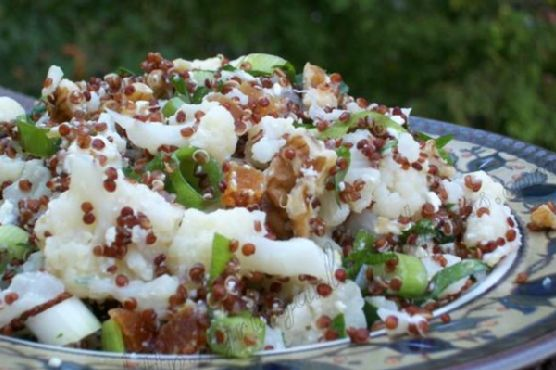
Red Quinoa and Roasted Cauliflower Salad | Made by Meaghan Moineau

Red Quinoa and Roasted Cauliflower Salad

Intro

There’s something magical about the aroma of roasted cauliflower wafting through the kitchen. It transports me back to my grandmother’s cozy home, where the warmth of her cooking would fill every corner. She had a knack for taking simple ingredients and transforming them into something extraordinary. Inspired by her love for hearty, wholesome meals, I’ve created this Red Quinoa and Roasted Cauliflower Salad. It’s a dish that combines textures and flavors beautifully, making it a family favorite.

Why You’ll Love It

This salad is a delightful medley of nutty quinoa, sweet and chewy dried apricots, crunchy walnuts, and tangy feta cheese. The roasted cauliflower adds a savory depth, while the fresh green onions and parsley bring a burst of freshness. It’s a versatile dish that can be served warm or cold, making it perfect for any season. Whether you’re looking for a nutritious lunch, a side dish for dinner, or a potluck star, this salad fits the bill. Plus, it’s packed with protein, fiber, and healthy fats, ensuring you feel satisfied and nourished.

Ingredients

  • 1 head of cauliflower
  • 1 cup red quinoa
  • 1/2 cup walnuts, chopped
  • 1/2 cup dried apricots, chopped
  • 1/2 cup feta cheese, crumbled
  • 4 green onions, sliced
  • 1/4 cup fresh parsley, chopped
  • Salt and pepper to taste
  • Juice of 1/2 a lemon
  • 2 tablespoons olive oil

Instructions

  1. Cook the quinoa according to package directions. Set aside to cool slightly.
  2. Preheat the oven to 400°F (200°C).
  3. Cut the head of cauliflower into florets.
  4. Toss the cauliflower florets with olive oil, salt, and pepper. Arrange them on a baking sheet in a single layer.
  5. Roast the cauliflower in the preheated oven for 20 minutes or until tender and golden brown.
  6. Meanwhile, crumble the feta cheese and prepare the remaining ingredients: chop the walnuts, dried apricots, green onions, and parsley.
  7. In a large bowl, combine the cooked quinoa, roasted cauliflower, walnuts, apricots, feta cheese, green onions, and parsley.
  8. Drizzle with extra virgin olive oil and the juice from half a lemon. Toss to combine.
  9. Season with additional salt and pepper to taste.
  10. Serve immediately warm or chill in the refrigerator and serve cold.

Tips

For the best results, ensure your cauliflower florets are evenly coated in olive oil and spread out on the baking sheet to roast evenly. You can toast the walnuts for an extra layer of flavor. Simply place them in a dry skillet over medium heat, stirring frequently until fragrant. Be careful not to burn them! Finally, if you’re serving the salad cold, allow the flavors to meld by refrigerating it for at least an hour before serving.

Variations & Substitutions

This salad is highly adaptable to your preferences or dietary needs. You can swap the red quinoa for white or black quinoa, or even use farro or barley for a different grain base. If you’re not a fan of walnuts, try using almonds or pecans instead. For a vegan version, omit the feta cheese or replace it with a plant-based alternative. You can also add more veggies, like roasted cherry tomatoes or bell peppers, for extra color and nutrients.

Storage

This salad stores beautifully, making it an excellent option for meal prep. Place the salad in an airtight container and refrigerate for up to 4 days. If you’ve dressed the salad, the flavors will intensify over time, which many find delicious. However, if you prefer a fresher taste, consider storing the dressing separately and mixing it in just before serving.

FAQ

Can I make this salad ahead of time?

Absolutely! This salad is ideal for making ahead. Prepare all the components and combine them just before serving. This will keep the flavors vibrant and the textures perfect.

Is there a way to add more protein to this salad?

Yes, you can add grilled chicken, chickpeas, or tofu for additional protein. These options complement the existing flavors well and make the salad more filling.

What can I serve with this salad?

This salad is quite versatile and pairs well with grilled meats, such as chicken or fish. It’s also a great side dish for a barbecue or a potluck.

Nutrition

This Red Quinoa and Roasted Cauliflower Salad is not only delicious but also nutritious. It’s rich in plant-based protein from quinoa, healthy fats from walnuts and olive oil, and fiber from the cauliflower and dried apricots. It’s a well-rounded meal that will keep you energized and satisfied.

Conclusion

Whether you’re reminiscing about family meals or creating new memories, this Red Quinoa and Roasted Cauliflower Salad is a dish that brings people together. Its harmonious blend of flavors and textures makes it a standout choice for any occasion. I hope this recipe becomes a staple in your kitchen, just as it is in mine. Enjoy the journey of cooking and savor every bite!

Related update: Red Quinoa and Roasted Cauliflower Salad

Related update: Hush Puppies

Related update: Amaranth and Roast Veggie Salad

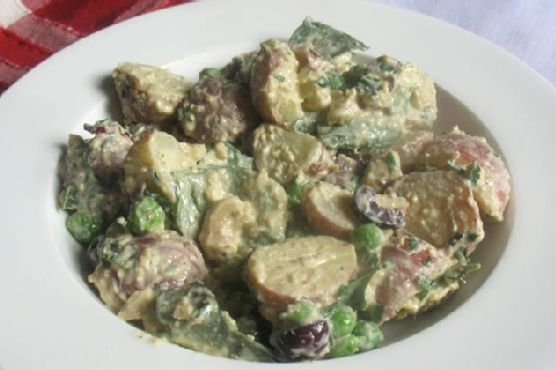
Creamy Potato Salad with Cashew Dressing and Fresh Basil | Made by Meaghan Moineau

Creamy Potato Salad with Cashew Dressing and Fresh Basil

Intro

There’s something deeply comforting about a bowl of potato salad. For me, it evokes memories of summer picnics with my family, where the air was filled with laughter and the smell of blooming flowers. My grandmother used to make her signature potato salad, which was a staple at every family gathering. Over the years, I’ve experimented with different variations, and today’s recipe combines those nostalgic flavors with a modern twist: a creamy cashew dressing, fresh basil, and vibrant vegetables. It’s a dish that bridges the gap between my childhood memories and my current culinary adventures.

Why You’ll Love It

This Creamy Potato Salad with Cashew Dressing and Fresh Basil is a delightful fusion of flavors and textures that offers something for everyone. It’s creamy yet light, thanks to the velvety cashew dressing, and it’s packed with fresh, vibrant ingredients. The combination of baby potatoes and fresh herbs creates a refreshing taste, while the addition of peas and kalamata olives adds a subtle complexity. Whether you’re looking for a side dish for your next barbecue or a comforting meal on its own, this potato salad is sure to please.

Ingredients

  • 1 cup almond milk
  • 2 pounds baby potatoes
  • 1 cup fresh basil leaves
  • 1/4 cup fresh chives, chopped
  • 1/4 cup fresh mint leaves, chopped
  • 1/4 cup trimmed fresh parsley, chopped
  • 1 cup fresh peas
  • 1/4 teaspoon black fresh ground pepper
  • 1 tablespoon dijon honey mustard
  • Juice of one lemon
  • 1/2 cup kalamata olives, pitted and sliced (optional)
  • 2 tablespoons nutritional yeast
  • 1/4 cup olive oil
  • 1 cup raw cashews, soaked for at least 2 hours
  • 2 tablespoons rice vinegar
  • 1 teaspoon sea salt
  • 1 tablespoon dijon grain mustard

Instructions

  1. Bring the baby potatoes to a boil in a large pot of water. Reduce the heat to medium and cook until they are fork-tender, about 10 to 12 minutes. Do not overcook.
  2. Drain the potatoes well and let them cool for 10 minutes or longer. Transfer them to a large bowl along with the peas, basil leaves, and olives if using.
  3. To make the dressing, combine the soaked cashews, almond milk, olive oil, rice vinegar, nutritional yeast, dijon honey mustard, dijon grain mustard, lemon juice, sea salt, and black pepper in a small blender or food processor. Pulse until smooth. If the dressing is too thick, add a bit more olive oil or almond milk.
  4. Taste the dressing for seasoning and adjust the nutritional yeast, salt, and pepper to taste.
  5. Toss the potatoes with the dressing until they are well coated.
  6. Garnish with fresh chives, mint, and parsley before serving.

Tips

For the best results, use baby potatoes as they have a creamy texture and cook evenly. Be sure to soak the raw cashews beforehand, as this will ensure the dressing is smooth and velvety. If you’re short on time, you can use frozen peas, but fresh peas will provide a firmer texture and sweeter flavor.

Variations & Substitutions

If you prefer a spicier flavor, consider adding a pinch of cayenne pepper or red pepper flakes to the dressing. You can also substitute the almond milk with another plant-based milk of your choice, such as oat or soy milk. For a more Mediterranean twist, add sun-dried tomatoes or artichoke hearts to the salad.

Storage

This potato salad can be stored in an airtight container in the refrigerator for up to 3 days. The flavors will meld together over time, making it even more delicious the next day. However, it’s best enjoyed fresh to maintain the vibrant texture of the herbs and peas.

FAQ

Can I make this salad ahead of time?

Yes, you can prepare the salad a day in advance. Simply store the potatoes and dressing separately and combine them just before serving to keep the potatoes from absorbing too much moisture and becoming mushy.

Is this salad suitable for vegans?

Absolutely! This salad is entirely plant-based, making it a wonderful option for vegans and anyone looking to incorporate more plant-based meals into their diet.

Can I use regular mustard instead of dijon?

While dijon mustard adds a specific tangy flavor, you can substitute it with regular mustard in a pinch. Keep in mind that the overall taste might differ slightly.

Nutrition

This salad is not just delicious but also packed with nutrients. It’s rich in healthy fats from the cashews and olive oil, vitamins from the fresh herbs and peas, and fiber from the potatoes. It’s a wholesome dish that satisfies both your taste buds and nutritional needs.

Conclusion

This Creamy Potato Salad with Cashew Dressing and Fresh Basil is more than just a side dish; it’s a testament to the power of fresh, wholesome ingredients coming together to create something truly special. Whether you’re reminiscing about family gatherings or simply looking for a new favorite recipe, this salad promises to be a delightful addition to your culinary repertoire. Gather your ingredients, channel your inner chef, and enjoy the comforting flavors of this vibrant potato salad.

Related update: Creamy Potato Salad with Cashew Dressing and Fresh Basil

Related update: Red Quinoa and Roasted Cauliflower Salad

Rustic Brie Toasts with Wild Mushroom, Cranberry and Shallot | Made by Meaghan Moineau

Rustic Brie Toasts with Wild Mushroom, Cranberry, and Shallot

Intro

There’s something remarkably comforting about the scent of earthy mushrooms mingling with the crisp sweetness of cranberries and the savory richness of melted brie. This recipe for Rustic Brie Toasts with Wild Mushroom, Cranberry, and Shallot captures the essence of autumn in every bite. I remember my grandmother preparing something similar during our family gatherings in the fall. She’d gather us around her long wooden table, the fireplace crackling in the background, and serve these toasty delights as a warm-up to our festive meals. The aroma alone would draw us in, and the first bite was always a revelation of flavors. These toasts are a nod to those cherished moments and are perfect for sharing new memories with loved ones.

Why You’ll Love It

This recipe is a perfect blend of savory and sweet, offering a gourmet twist on the classic toast. The combination of creamy brie with the nuttiness of wild mushrooms and the tartness of cranberries creates a complex flavor profile that’s sure to impress. Not only are these toasts a breeze to make, but they also serve as an elegant appetizer for any occasion. Whether you’re hosting a dinner party or enjoying a quiet night by the fireplace, these toasts will elevate your dining experience.

Ingredients

  • Diced wild mushrooms
  • Diced shallot
  • 1/4 cup dried cranberries (juice sweetened if possible)
  • Fresh thyme
  • Rustic baguette
  • Olive oil
  • Wedge of beautiful brie cheese
  • Salt and pepper

Instructions

  1. Start by preheating your oven to 350 degrees Fahrenheit.
  2. While the oven is preheating, heat the olive oil in a sauté pan over medium heat.
  3. Add the diced shallot, wild mushrooms, cranberries, and a few sprigs of fresh thyme to the pan.
  4. Sauté the mixture for a few minutes until the shallot begins to wilt and the mushrooms are tender.
  5. Season with salt and pepper to taste and set aside to cool.
  6. Slice a rustic baguette into 12 pieces.
  7. Place a slice of brie on each piece of bread.
  8. Top each toast with a spoonful of the cranberry, mushroom, and shallot mixture.
  9. Arrange the toasts on an oiled cookie sheet.
  10. Bake the toasts for 15 minutes or until the brie just begins to melt.
  11. Remove from oven and serve warm. Enjoy!

Tips

  • For a more intense flavor, allow the mushroom mixture to marinate for an hour before assembling the toasts.
  • Use a sharp knife or serrated bread knife to ensure clean slices of baguette.
  • Consider using a mix of wild mushrooms for a more complex flavor profile.

Variations & Substitutions

If you prefer a different cheese, camembert can be a lovely substitute for brie, offering a similar creamy texture. For those who enjoy a bit of heat, consider adding a pinch of red pepper flakes to the mushroom mixture. If you’re avoiding gluten, opt for gluten-free bread or crackers.

Storage

While these toasts are best enjoyed fresh, any leftovers can be stored in an airtight container in the refrigerator for up to two days. To reheat, place them back in the oven at a low temperature until warmed through. Avoid microwaving, as this can make the bread soggy.

FAQ

Can I prepare the mushroom mixture in advance?

Yes, you can prepare the mushroom mixture a day in advance. Store it in an airtight container in the refrigerator and assemble the toasts just before baking.

What type of cranberries should I use?

For this recipe, juice-sweetened dried cranberries add just the right amount of sweetness. However, you can use regular dried cranberries if you prefer.

Is there a way to make this recipe vegan?

Absolutely! Replace the brie with a vegan cheese alternative and use olive oil or vegan butter for sautéing.

Nutrition

This appetizer is a delightful treat but remember that it is rich and indulgent. Each toast provides a balance of carbohydrates from the baguette, healthy fats from the olive oil and cheese, and a touch of sweetness from the cranberries. Consume in moderation as part of a balanced diet.

Conclusion

Rustic Brie Toasts with Wild Mushroom, Cranberry, and Shallot are a wonderful way to celebrate the flavors of the season. They’re simple to prepare, yet sophisticated enough to make any occasion feel special. Whether you’re rekindling old traditions or starting new ones, these toasts are sure to bring warmth and joy to your table. Enjoy them with a glass of your favorite wine or a mug of hot cider for a truly cozy experience. Bon appétit!

Related update: Rustic Brie Toasts with Wild Mushroom, Cranberry and Shallot

Related update: Roasted Red Pepper & Tomato Salsa

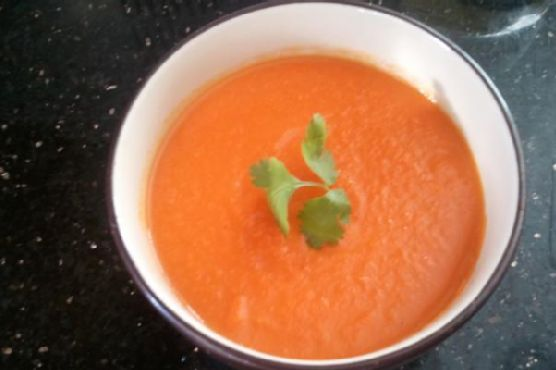
Carrot and Coriander Soup | Made by Meaghan Moineau

Carrot and Coriander Soup

Intro

There’s something undeniably comforting about a warm bowl of soup that not only satiates hunger but also soothes the soul. Growing up, I remember visiting my grandmother’s house on crisp autumn afternoons, where the inviting aroma of her signature carrot and coriander soup would welcome us at the door. It was more than just a meal; it was a hug in a bowl, filled with love and warmth that transcended generations. Today, I want to share this beloved recipe with you, so you can bring a bit of that warmth into your home too.

Why You’ll Love It

This carrot and coriander soup is not just a simple recipe; it’s an experience. Here’s why you’ll adore it:

  • Flavor-packed: The natural sweetness of carrots combines beautifully with the citrusy hint of orange juice and the earthy warmth of coriander.
  • Healthy: Packed with vitamins and antioxidants, this soup is as nourishing as it is delicious.
  • Easy to make: With just a handful of ingredients and simple steps, you’ll have a stunning soup on your table in no time.
  • Versatile: Perfect as a starter, side, or even as a light main dish.

Ingredients

  • 6 large carrots, peeled and roughly chopped
  • 1 large onion, chopped
  • 2 tablespoons olive oil
  • 1 teaspoon ground coriander
  • 1/2 cup fresh orange juice
  • 4 cups water
  • Salt, to taste
  • Pepper, to taste
  • Fresh coriander, for garnish

Instructions

  1. In a deep pot, heat the olive oil over medium heat. Add the chopped onions and sauté until they are soft and translucent.
  2. Stir in the carrots, allowing them to cook and soften slightly, about 5 minutes.
  3. Add the water, salt, and pepper. Cover the pot and let it simmer until the carrots are fully cooked and tender, about 20-25 minutes.
  4. Stir in the orange juice and ground coriander, letting it cook for an additional 2 minutes to blend the flavors.
  5. Carefully puree the soup in a blender until smooth and creamy. Adjust seasoning if necessary.
  6. Garnish with fresh coriander and serve the soup hot.

Tips

  • For an extra creamy texture, add a splash of coconut milk or cream before blending.
  • Use fresh coriander for garnish to add a pop of color and fresh flavor.
  • Always be cautious when blending hot liquids; allow the soup to cool slightly before blending, and do it in batches if necessary.

Variations & Substitutions

  • Spicy Kick: Add a pinch of cayenne pepper or a dash of hot sauce for a spicy version.
  • Herbal Twist: Try adding thyme or rosemary for an herbal aroma.
  • Low-Carb Option: Substitute half of the carrots with cauliflower for a lower-carb alternative.

Storage

This soup stores wonderfully, making it a great make-ahead option. Allow the soup to cool completely before transferring it to an airtight container. It can be stored in the refrigerator for up to 5 days. For longer storage, freeze the soup for up to 3 months. When ready to enjoy, simply thaw and reheat gently on the stove.

FAQ

Can I use vegetable broth instead of water?

Absolutely! Using vegetable broth will add more depth of flavor to the soup. Just be mindful of the salt content, as broth can be saltier than water.

Is this soup vegan?

Yes, this carrot and coriander soup is naturally vegan as long as you use olive oil for sautéing the onions. It’s a delightful plant-based option that everyone can enjoy.

How can I thicken the soup if needed?

If you prefer a thicker consistency, you can add a small potato when cooking the carrots. The potato will blend into the soup, adding body and creaminess without altering the flavor.

Nutrition

This wholesome soup is low in calories and high in nutrients. Carrots are an excellent source of beta-carotene, fiber, vitamin K1, and antioxidants. The addition of orange juice provides a boost of vitamin C. Overall, it’s a heartwarming dish that’s both nutritious and delightful.

Conclusion

Carrot and coriander soup is a classic recipe that brings warmth and joy to any table. Whether you’re looking to recreate a nostalgic family recipe or simply want to enjoy a healthy, delicious meal, this soup is sure to become a favorite in your household. Gather your ingredients, follow the simple steps, and indulge in the comforting flavors of this delightful soup. Bon appétit!

Related update: Carrot and Coriander Soup

Related update: Asian Salmon Burgers With Tangy Ginger Lime Sauce

Related update: Mashed Potatoes with Garlic, Sage & Goat Cheese

Related update: Baked Scallops With Parma Ham

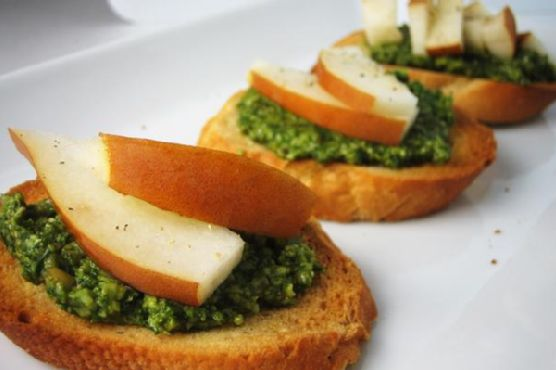
Pear and Pesto Crostini | Made by Meaghan Moineau

Pear and Pesto Crostini

Intro

There’s something magical about the combination of pear and pesto that instantly transports me back to my grandmother’s kitchen. I remember sitting at her rustic wooden table, eagerly watching as she prepared a variety of appetizers for our family gatherings. The distinct aroma of fresh basil and the nutty scent of roasted pine nuts would fill the air, creating an inviting atmosphere that welcomed everyone. Among all her creations, the Pear and Pesto Crostini stood out, a perfect blend of savory and sweet, crispy and creamy. Today, I’m excited to share this cherished family recipe with you.

Why You’ll Love It

This Pear and Pesto Crostini is not just a delightful appetizer; it’s a conversation starter. The crispiness of the French bread, the fragrant and nutty pesto, paired with the tender sweetness of the bosc pear, make for a symphony of flavors and textures in every bite. It’s elegant enough for a holiday party, yet simple enough to whip up for a casual weekend snack. Plus, it’s a great way to impress your guests with minimal effort!

Ingredients

  • French bread
  • Fresh basil leaves
  • 1 garlic clove
  • Pine nuts
  • Pecorino Romano cheese
  • Your best olive oil
  • Salt and pepper to taste
  • 1 Bosc pear

Instructions

  1. Preheat your oven to 400 degrees Fahrenheit.
  2. Slice the French loaf into 1/2-inch-thick slices.
  3. Brush or spray the slices with olive oil and place them on a baking sheet.
  4. Toast the bread in the oven for 10-15 minutes, or until the edges are a deep golden brown. Remove from the oven and set aside.
  5. While the bread is toasting, make your pesto. In a food processor, combine basil leaves, garlic clove, pine nuts, and Pecorino Romano cheese. Pulse until the mixture is coarse in texture, resembling coarse sand.
  6. Add in the olive oil and process until fully incorporated. Taste and adjust with salt and pepper if needed.
  7. Scrape the pesto into a serving bowl or dish and set aside. You should have about 3/4 cup of pesto.
  8. Slice the Bosc pear thinly, and when ready to serve, top each toasted bread slice with a generous spread of pesto and a slice of pear.

Tips

  • For the best results, use high-quality olive oil, as it significantly enhances the flavor of the pesto.
  • To prevent your pears from browning, you can toss them with a little lemon juice before placing them on the crostini.
  • If you’re making these for a party, you can prepare the components ahead of time and assemble just before serving.

Variations & Substitutions

If you’re in the mood for a twist, consider swapping the Pecorino Romano for Parmesan cheese, which offers a slightly milder taste. You can also experiment with different nuts — walnuts or almonds can be a delightful substitute for pine nuts. For a touch of sweetness, drizzle a bit of honey over the top right before serving. Lastly, if pears are out of season, feel free to use apples or figs as an alternative fruit topping.

Storage

If you have leftovers (though they tend to disappear quickly!), store the components separately. Keep the toasted bread in an airtight container at room temperature for up to two days. The pesto can be stored in the refrigerator for up to a week. Just give it a stir before using it again. Unfortunately, sliced pears do not store well, so it’s best to slice them fresh as needed.

FAQ

Can I make the pesto in advance?

Yes, absolutely! The pesto can be made up to a week in advance and stored in an airtight container in the refrigerator. Just give it a good stir before using it, as the oil may separate over time.

What type of bread works best for crostini?

French bread is a classic choice due to its crusty exterior and soft interior, which toasts up perfectly. However, a baguette or ciabatta can also be used if you prefer a slightly different texture.

Is there a nut-free version of this recipe?

Definitely! You can omit the pine nuts entirely from the pesto, or substitute them with sunflower seeds for a nut-free version. The pesto will still be deliciously flavorful!

Nutrition

While I don’t have the exact nutritional breakdown, this appetizer is fairly light, especially if you’re mindful of the amount of olive oil used. The pears add a natural sweetness and a dose of fiber, while the pesto offers healthy fats from the olive oil and pine nuts. It’s a wonderful choice for those looking to indulge without guilt.

Conclusion

Whether you’re hosting a dinner party or looking for a delicious way to enjoy a quiet evening at home, this Pear and Pesto Crostini will not disappoint. It’s a testament to the power of simple, high-quality ingredients coming together to create something truly special. I hope this recipe brings as much joy to your table as it has to mine over the years. Enjoy every bite!

Related update: Pear and Pesto Crostini

Related update: Rustic Brie Toasts with Wild Mushroom, Cranberry and Shallot

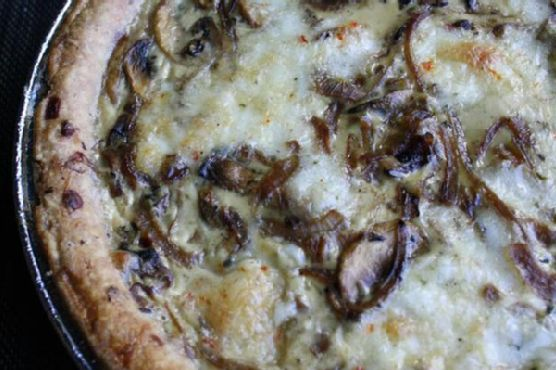
Caramelised Onion and Mushroom Quiche | Made by Meaghan Moineau

Caramelised Onion and Mushroom Quiche

Intro

As the autumn leaves began to fall and the air turned crisp, my grandmother would always bake her famous Caramelised Onion and Mushroom Quiche. The aroma of caramelized onions and earthy mushrooms wafting through the house signaled the start of cozy family gatherings. This quiche was more than just a dish; it was a tradition, a warm embrace on a chilly day. Today, I’m excited to share this beloved recipe with you, hoping it brings as much warmth and joy to your home as it has to mine.

Why You’ll Love It

This Caramelised Onion and Mushroom Quiche is a delightful blend of rich flavors and textures. The sweetness of the caramelized onions complements the savory mushrooms, all enveloped in a creamy, cheesy filling. It’s the perfect dish for brunch, a light lunch, or a comforting dinner. Not only is it delicious, but it’s also incredibly easy to make, making it a great choice for both novice cooks and seasoned chefs alike.

Ingredients

  • One nine-inch pie shell
  • 2 tablespoons olive oil
  • 2 large white onions, thinly sliced
  • 2 cloves garlic, minced
  • 1/2 teaspoon dried chilli flakes
  • 8 ounces mushrooms, sliced
  • 1 teaspoon dried thyme
  • 3 large eggs
  • 1 cup half and half cream
  • 1 cup grated havarti cheese
  • Salt and pepper to taste

Instructions

  1. Preheat your oven to 400°F (200°C). Dock the pie shell with a fork and bake for 10 to 15 minutes until it is lightly golden.
  2. While the pie shell is baking, heat the olive oil in a large skillet over high heat. Add the onions, garlic, and chilli flakes. Cook until the onions are caramelized, about ten minutes.
  3. Add the mushrooms to the skillet and continue to cook on high until the mushrooms are also caramelized, about five minutes.
  4. Remove the skillet from the heat and stir in the thyme, salt, and pepper. Set aside to cool slightly.
  5. In a large bowl, beat the eggs together with the cream and half of the grated cheese.
  6. Stir the onion and mushroom mixture into the egg mixture and mix well.
  7. Place the pre-baked pie shell on a cookie tray to catch any potential overflow. Pour the filling into the pie shell.
  8. Sprinkle the remaining cheese on top of the filling.
  9. Reduce the oven temperature to 375°F (190°C) and bake the quiche until the filling is set and the top is golden, about 25-30 minutes.
  10. Allow the quiche to cool for a few minutes before serving. Enjoy it warm from the oven.

Tips

To ensure your quiche bakes evenly, consider using a pie crust shield or tin foil to protect the edges from over-browning. Allow the quiche to cool slightly before slicing to help it set completely. Pair it with a simple green salad or a warm cup of soup for a complete meal.

Variations & Substitutions

Feel free to experiment with this recipe by adding your favorite vegetables such as spinach or bell peppers. For a different flavor profile, swap out the havarti cheese with gruyère or cheddar. If you prefer a spicier dish, increase the amount of chilli flakes or add a dash of hot sauce to the egg mixture.

Storage

Store any leftover quiche in an airtight container in the refrigerator for up to three days. To reheat, place slices in a preheated oven at 350°F (175°C) until warmed through. You can also freeze the quiche for up to a month. Be sure to wrap it tightly in plastic wrap and foil before freezing.

FAQ

Can I use a homemade pie crust?

Absolutely! A homemade pie crust can add an extra layer of flavor and flakiness. Just be sure to blind bake it as instructed to prevent a soggy bottom.

Can I make this quiche ahead of time?

Yes, this quiche can be made a day ahead. Simply prepare and bake it as directed, then store it in the refrigerator. Reheat in the oven before serving for a fresh-from-the-oven taste.

Is this quiche gluten-free?

To make this quiche gluten-free, substitute the regular pie shell with a gluten-free pie crust. Ensure all other ingredients are certified gluten-free as well.

Nutrition

This quiche is a good source of protein and calcium, thanks to the eggs and cheese. It contains approximately 300 calories per serving, making it a satisfying yet moderate choice. For a lighter version, consider using milk instead of half and half cream and reducing the cheese by half.

Conclusion

Whether you’re hosting a brunch or seeking a comforting meal on a chilly evening, this Caramelised Onion and Mushroom Quiche is sure to delight. The combination of caramelized onions and mushrooms, nestled in a creamy, cheesy filling, is both comforting and indulgent. I hope this recipe becomes a cherished favorite in your home, just as it is in mine. Happy cooking!

Related update: Caramelised Onion and Mushroom Quiche

Asparagus and Pea Soup: Real Convenience Food | Made by Meaghan Moineau

Asparagus and Pea Soup: Real Convenience Food

Intro

Growing up, one of my fondest memories was gathering around the kitchen table with my family for a bowl of my grandmother’s homemade soup. The aroma of fresh vegetables simmering on the stove was a comforting promise of warmth and nourishment. Fast forward to today, I find myself reaching for those same comforts, but with the ease and simplicity that modern life demands. This Asparagus and Pea Soup is the perfect blend of nostalgia and convenience. It’s a recipe that brings back those cherished memories while fitting seamlessly into a busy lifestyle.

Why You’ll Love It

This Asparagus and Pea Soup is not just a treat for your taste buds but also a boon for your schedule. It’s quick to prepare, requiring minimal ingredients and time, yet it’s packed with flavor and nutrition. Whether you’re looking for a light lunch, a starter for a dinner party, or a comforting evening meal, this soup fits the bill. The vibrant color and fresh taste make it a dish you’ll return to time and again.

Ingredients

  • 1 bag of frozen asparagus
  • 2 tablespoons extra virgin olive oil (EVOO)
  • 2 cloves of garlic, chopped
  • 1 onion, chopped
  • 1 cup frozen peas
  • 4 cups low sodium vegetable broth
  • Salt and pepper to taste
  • Pinch of red pepper flakes (optional)
  • Chives, for garnish
  • Creme fraiche, sour cream, or Greek yogurt, for serving

Instructions

  1. Chop the garlic and onions.
  2. In a large pot, heat the EVOO over medium heat. Add the chopped onions and sauté for a few minutes until they start to become translucent.
  3. Add the garlic to the pot and continue to cook for another couple of minutes.
  4. Add the whole bag of frozen asparagus to the pot and pour in the vegetable broth until everything is covered.
  5. Season with salt, pepper, and a pinch of red pepper flakes if you’re using them.
  6. Simmer the mixture until the asparagus is bright green and tender. If the asparagus is thawed, this will only take a couple of minutes.
  7. Turn off the heat and use an immersion blender to puree the soup until smooth.
  8. Add the frozen peas to the soup. The residual heat will thaw them quickly. Puree again until the soup reaches your desired thickness.
  9. Serve hot, topped with chives and a dollop of creme fraiche, sour cream, or Greek yogurt.

Tips

To ensure the best flavor, be sure not to overcook the asparagus. As soon as it turns bright green and tender, it’s ready to be blended. If you don’t have an immersion blender, you can carefully transfer the soup to a regular blender in batches. Just be sure to let it cool slightly before blending to avoid any accidents.

Variations & Substitutions

Feel free to experiment with this recipe by adding other green vegetables such as spinach or kale. If you prefer a richer taste, substitute a portion of the vegetable broth with coconut milk or cream. For a more robust flavor, try roasting the asparagus before adding it to the soup. You can also add a handful of fresh herbs like basil or mint for an extra burst of flavor.

Storage

This soup stores beautifully, making it ideal for meal prep. Store any leftovers in an airtight container in the refrigerator for up to three days. For longer storage, freeze the soup in individual portions for up to three months. When ready to eat, thaw in the refrigerator overnight and reheat on the stove.

FAQ

Can I use fresh asparagus instead of frozen?

Absolutely! Fresh asparagus will work wonderfully in this recipe. Just be sure to trim the ends and cut them into smaller pieces before adding them to the pot. The cooking time may be slightly reduced, so keep an eye on the color and tenderness of the asparagus.

Is there a way to make this soup vegan?

Yes, this soup is naturally vegan as long as you choose to garnish it with a plant-based option like coconut yogurt or a drizzle of olive oil instead of creme fraiche or sour cream.

What can I serve with this soup?

This soup pairs well with crusty bread or a simple side salad. If you’re looking for something more substantial, try serving it with a grilled cheese sandwich or a quinoa salad.

Nutrition

This Asparagus and Pea Soup is a nutritious choice, providing a good source of fiber, vitamins A and C from the asparagus, and protein from the peas. The vegetable broth keeps it light and low in calories, while the optional toppings add a touch of indulgence without going overboard.

Conclusion

With its vibrant color and refreshing taste, Asparagus and Pea Soup is a delightful way to enjoy the flavors of spring year-round. Whether you’re reminiscing about comforting family meals or creating new traditions of your own, this recipe is sure to find a place in your culinary repertoire. So grab that bag of frozen asparagus and get ready to savor simplicity at its finest. Enjoy!

Related update: Asparagus and Pea Soup: Real Convenience Food

Related update: Pear and Pesto Crostini

Related update: Carrot and Coriander Soup

Traditional Panzanella | Made by Meaghan Moineau

Traditional Panzanella: A Taste of Tuscan Summer

Intro

Ah, Panzanella! This delightful Tuscan salad offers a bite of sun-drenched summer days and leisurely family gatherings. My first encounter with this classic dish was at my grandmother’s kitchen table in Italy, where every meal was an event, and every dish told a story. As a child, I eagerly watched her transform day-old bread and the ripest tomatoes from her garden into a flavorful masterpiece. The aroma of fresh basil mingling with olive oil and vinegar still transports me back to those cherished summer afternoons. Now, I invite you to experience the simple joys and deep flavors of this traditional Panzanella recipe, a dish that captures the essence of Tuscany in every bite.

Why You’ll Love It

Why will you love this Traditional Panzanella? Let me count the ways:

  • Simple Ingredients: This recipe calls for just a handful of ingredients, most of which you may already have in your pantry.
  • Quick and Easy: With minimal preparation and no cooking required, it’s a perfect dish for busy days.
  • Refreshing and Flavorful: The combination of juicy tomatoes, fragrant basil, and tangy vinegar is refreshing and full of flavor.
  • Sustainable: It’s a great way to use up day-old bread, preventing waste and creating something delicious.
  • Versatile: Easily adaptable to suit your taste preferences or dietary needs.

Ingredients

  • 6 slices of day-old Tuscan bread
  • 1/4 cup extra virgin olive oil
  • 1 cup fresh basil leaves, chopped
  • 1 red onion, thinly sliced
  • 2 tablespoons red wine vinegar
  • Salt and pepper, to taste
  • 4 ripe tomatoes, diced

Instructions

  1. In a large bowl, combine the bread with enough water to cover and let it stand for at least 20 minutes or until it’s soft.
  2. Drain the bread and squeeze out as much water as you can. Crumble the bread into a serving bowl.
  3. Scatter the diced tomatoes, sliced onions, and chopped basil over the crumbled bread.
  4. Dress the Panzanella with extra virgin olive oil and red wine vinegar. Season with salt and pepper and toss well to combine.
  5. Taste and adjust the seasoning with more olive oil, salt, or vinegar as needed.
  6. Leave the Panzanella to stand for about 15 minutes to allow the flavors to meld. Serve at room temperature.

Tips

For the best Panzanella, use high-quality ingredients. Opt for the freshest tomatoes you can find, and don’t skimp on the olive oil—it’s integral to the salad’s flavor. If your bread is very hard, allow it to soak a bit longer until it’s sufficiently softened. Lastly, Panzanella is best when served at room temperature, allowing the flavors to fully develop.

Variations & Substitutions

Panzanella is a wonderfully adaptable dish. Here are a few ideas to make it your own:

  • Add Protein: For a heartier salad, add some fresh mozzarella, grilled chicken, or canned tuna.
  • Vegetable Variations: Include cucumbers, bell peppers, or even olives for added crunch and flavor.
  • Herb Alternatives: If basil isn’t your favorite, try parsley or mint for a different herbal note.
  • Different Breads: While traditional Panzanella uses Tuscan bread, any crusty bread like ciabatta or a baguette will work.

Storage

Panzanella is best enjoyed fresh, but if you have leftovers, store them in an airtight container in the refrigerator for up to one day. Keep in mind that the bread will continue to absorb moisture and flavors, so you may need to refresh the salad with a bit more olive oil or vinegar before serving.

FAQ

Can I use fresh bread instead of day-old bread?

While you can use fresh bread, day-old or slightly stale bread is preferred as it holds up better to the dressing and maintains a pleasant texture. If using fresh bread, you might consider toasting it lightly first.

Can I make Panzanella ahead of time?

Panzanella is best made shortly before serving, as this allows the bread to soak up the flavors without becoming too soggy. However, you can prepare the vegetables and dressing a few hours in advance and combine them with the bread just before serving.

What kind of vinegar should I use?

Red wine vinegar is traditional for Panzanella, lending a tangy depth to the dish. However, feel free to experiment with other vinegars like balsamic or apple cider for a unique twist.

Nutrition

This traditional Panzanella is a nutritious addition to any meal. Rich in vitamins A and C from the tomatoes and basil, and healthy fats from the olive oil, it’s a wholesome and satisfying choice. The dish is naturally vegan and can be gluten-free if made with gluten-free bread.

Conclusion

Traditional Panzanella is more than just a salad; it’s a celebration of summer flavors and culinary heritage. With its simple preparation and fresh, vibrant ingredients, it’s no wonder this dish has been cherished across generations. Whether you’re hosting a garden party or enjoying a quiet family dinner, Panzanella brings a touch of Tuscany to your table. I hope this recipe finds a special place in your home, creating new memories as it has for me. Buon appetito!

Related update: Traditional Panzanella

Related update: Avocado Chicken Salad

Gluten Free Quinoa and Corn Flour Crepes | Made by Meaghan Moineau

Gluten Free Quinoa and Corn Flour Crepes

Intro

Crepes have always held a special place in my heart. Growing up, Sundays were reserved for family brunches where my grandmother would whip up her famous crepes. We would gather around the kitchen, eagerly waiting for our turn to enjoy those golden, delicate pancakes. As I grew older and my dietary needs changed, I sought to recreate those cherished moments with a gluten-free twist. Enter the Gluten Free Quinoa and Corn Flour Crepes, a modern take on a timeless classic. These crepes are not only a nod to my past but also a delicious new memory in the making.

Why You’ll Love It

Our Gluten Free Quinoa and Corn Flour Crepes are a delightful blend of tradition and innovation. Here’s why you’ll fall head over heels for them:

  • Gluten-Free Goodness: Made with quinoa and corn flour, these crepes cater to those with gluten sensitivities without compromising on taste or texture.
  • Nutrient-Rich: Packed with proteins and fiber, they make for a wholesome breakfast or snack.
  • Versatile: Fill them with sweet or savory fillings, and they become the perfect canvas for any meal.
  • Easy to Make: With simple ingredients and straightforward steps, they’re perfect for beginner cooks and seasoned chefs alike.

Ingredients

  • 2 tablespoons virgin coconut oil, melted
  • 1 cup corn flour
  • 2 tablespoons ground flax seeds
  • 1 tablespoon maple syrup
  • 1 cup quinoa flour
  • 2 1/2 cups hemp milk, plus more if needed
  • 1/2 teaspoon sea salt
  • 1/4 cup tapioca flour
  • 1/4 teaspoon xanthan gum

Instructions

  1. Whisk the corn flour, quinoa flour, tapioca flour, sea salt, and xanthan gum together in a large bowl.
  2. In a separate bowl, mix the hemp milk, ground flax seeds, maple syrup, and melted coconut oil.
  3. Combine the wet ingredients with the dry ingredients, mixing gently. If the batter is too thick, add more hemp milk, a few tablespoons at a time, until you achieve a pourable consistency.
  4. Allow the batter to rest in the refrigerator for at least 30 minutes. This step is crucial for the dry ingredients to fully absorb the liquids, ensuring smooth and pliable crepes.
  5. Heat a nonstick skillet over medium heat and add a small amount of coconut oil.
  6. Pour about 1/2 cup of batter into the skillet, swirling the pan to spread the batter into a thin layer. Quickly fill any holes with additional batter.
  7. Cook until the top of the crepe looks dry, about 1 minute. Gently loosen the edges with a spatula and flip the crepe, cooking the other side for 30 to 60 seconds.
  8. Transfer the cooked crepe to a plate and keep warm. You can fill the crepe while it’s still in the pan with your choice of fillings.
  9. Repeat the process, adding more coconut oil as needed, until all the batter is used.

Tips

  • Rest the Batter: Allowing the batter to rest is key. This helps to achieve the right texture and prevents the crepes from breaking.
  • Adjust Consistency: The batter should be thin enough to spread easily. Don’t hesitate to add more hemp milk if needed.
  • Perfect Flip: Practice makes perfect! Use your fingers or a spatula to flip the crepes gently.

Variations & Substitutions

  • Flour Alternatives: If you don’t have quinoa flour, you can substitute it with almond flour or buckwheat flour for a different flavor profile.
  • Filling Ideas: Enjoy them with nut butter and bananas for a sweet treat, or try smoked salmon and cream cheese for a savory option.
  • Milk Options: Substitute hemp milk with almond milk or coconut milk for a different taste.

Storage

To store leftover crepes, place them in an airtight container, separating each crepe with parchment paper to prevent sticking. They can be refrigerated for up to three days. To reheat, simply warm them in a skillet over low heat until heated through.

FAQ

Can I make the batter ahead of time?

Yes, you can prepare the batter up to a day in advance. Store it in the refrigerator and give it a good stir before using. You may need to adjust the consistency with a little more hemp milk if it’s thickened overnight.

What if my crepes keep sticking to the pan?

Ensure your skillet is well-heated and use a good nonstick pan. Adding a small amount of coconut oil before each crepe can also help prevent sticking.

Nutrition

Each serving of these gluten-free crepes is not only delicious but also packed with nutrients. You’ll find a good source of protein, fiber, and healthy fats, making them a balanced choice for any meal.

Conclusion

Whether you’re reminiscing about cherished family gatherings or creating new traditions, these Gluten Free Quinoa and Corn Flour Crepes are a delightful addition to any meal. With their delicate texture and versatile nature, they’ll quickly become a staple in your kitchen. So go ahead, give them a try and watch as they bring joy to your table, one crepe at a time.

Related update: Gluten Free Quinoa and Corn Flour Crepes

Related update: Spicy Coconut French Toast

OREO Cookie Balls – Snowman | Made by Meaghan Moineau

OREO Cookie Balls – Snowman

Intro

As the first snowflakes start to fall, there’s a certain magic that fills the air. Growing up, my siblings and I would rush outside, our noses turning rosy as we built snowmen in the front yard. Those chilly afternoons always ended with us huddled around the kitchen table, indulging in sweet treats that our mom had prepared. One of our favorite snowy day indulgences was her OREO Cookie Balls—transformed into adorable snowmen. These delightful bites encapsulate the joy of winter and the warmth of family gatherings.

Why You’ll Love It

These OREO Cookie Balls are the perfect combination of rich, chocolatey goodness and creamy decadence, all encased in a fun, wintry theme. They’re incredibly easy to make, requiring minimal ingredients, and are an absolute hit at any holiday gathering. Whether you’re hosting a festive party or simply enjoying a cozy night in, these snowman-themed treats will bring smiles to all.

Ingredients

  • 1 package of OREO Cookies
  • 8 oz cream cheese, softened
  • 16 oz Baker’s chocolate, melted
  • Rolo chocolate candy
  • Black gel icing
  • Orange gel icing
  • Additional supplies to decorate snowmen (e.g., mini chocolate chips, pretzel sticks)

Instructions

  1. Take the entire package of OREO Cookies, including the filling, and crush them in a large gallon ziplock bag until you have fine crumbs.
  2. Empty the cookie crumbs into a large mixing bowl.
  3. Add the softened cream cheese to the bowl.
  4. Mix well on medium speed until fully combined and smooth.
  5. Use a 1-inch cookie scoop to portion out the mixture, then roll into balls using the palms of your hands.
  6. Place the cookie balls on a cookie sheet and freeze for about 10 minutes to firm up.
  7. Melt the Baker’s chocolate according to the package instructions.
  8. Dip each cookie ball into the melted chocolate, ensuring it is fully coated, and then place on a wax paper-covered cookie sheet.
  9. Decorate with Rolo candies for hats, and use black and orange gel icing to create eyes and noses. Additional supplies can be used for further decoration, such as mini chocolate chips for buttons or pretzel sticks for arms.
  10. Place the decorated cookie balls in the refrigerator for an hour to harden completely.

Tips

For the best results, ensure your cream cheese is thoroughly softened before mixing. This will help achieve a smooth, homogeneous mixture. When dipping the cookie balls in chocolate, use a fork to lift them out, allowing excess chocolate to drip off for a cleaner finish.

Variations & Substitutions

Feel free to get creative with the decorations! You can use colored sprinkles or edible glitter for added festive flair. If you’re not a fan of Baker’s chocolate, white chocolate can also be used for a different flavor profile. Vegan cream cheese and chocolate alternatives can turn this recipe into a plant-based delight.

Storage

Store these OREO Cookie Balls in an airtight container in the refrigerator for up to a week. If you’d like to make them ahead of time, they can also be frozen for up to a month. Just be sure to thaw them in the refrigerator before serving.

FAQ

Can I use a different type of cookie instead of OREOs?

While OREOs provide the classic taste and texture, you can experiment with other sandwich cookies for different flavors. Just ensure they’re similar in composition for best results.

Is it necessary to freeze the cookie balls before dipping them in chocolate?

Freezing helps the balls hold their shape and makes them easier to dip in chocolate. This step is important for achieving a smooth coating.

How can I make these treats gluten-free?

Simply substitute the OREO Cookies with a gluten-free sandwich cookie option. Ensure all other ingredients, like the chocolate and cream cheese, are also certified gluten-free.

Nutrition

While these treats are indulgent, it’s good to savor them in moderation. Each snowman OREO Cookie Ball is approximately 120 calories, with the majority coming from healthy fats and carbohydrates. Enjoy as a festive treat alongside a balanced diet.

Conclusion

OREO Cookie Balls – Snowman are a whimsical and delicious addition to any winter celebration. They capture the joy of the season and are perfect for sharing with loved ones. Whether you’re reminiscing about childhood snow days or creating new memories with your own family, these treats will warm your heart and delight your taste buds. Gather your ingredients, invite the kids to help with the decorating, and enjoy the magic of creating these sweet little snowmen together!

Related update: OREO Cookie Balls – Snowman

Related update: Valentine Hearts