
It was one of those rainy afternoons when the only thing that could rival the soothing sound of raindrops was the comfort of a warm, spicy dish. I found myself staring at a bunch of baby eggplants in my kitchen, and that’s when the craving hit me—Hyderabadi baghara Baingan. It’s the kind of dish that feels like a warm hug, rich in flavor yet deceptively simple to make. This recipe is a lifesaver on days when you want to impress without spending hours in the kitchen. The combination of spices and the texture of the eggplants creates a symphony of flavors that dance around your taste buds. Trust me, this is one recipe you’ll find yourself going back to, rain or shine. Jump to Recipe
What You’ll Need
The ingredient list is delightfully short and sweet. Chances are you already have most of this in your pantry, which means fewer trips to the grocery store.
- Baby eggplants – 10-12
- Red Kashmiri chilies – 3-4
- Coconut
- Coriander seeds
- Cumin seeds
- Curry leaves – 8-10
- Garlic
- Ginger – 1 piece
- Tamarind – a lime-sized ball
- Oil
- Onion
- Salt
- Nigella seeds
- Sesame seeds
- Turmeric
- Jaggery
- Peanuts
- Cashew nuts
How to Make Hyderabadi baghara Baingan
- First, wash the baby eggplants and pat them dry. Carefully slit each one lengthwise into four sections, ensuring the stems are still intact. This gives the dish its signature look where the eggplants remain joined at the stem.
- In a pan, heat a teaspoon of oil and toss in the cumin seeds, peanuts, and cashew nuts. Sauté for a few seconds until you can smell their toasty aroma.
- Add in the ginger, garlic, and chopped onion. Sauté for about a minute until the onion becomes translucent and the mixture is fragrant.
- Now, add the turmeric, coriander seeds, coconut, and red Kashmiri chilies. Fry this mixture until it turns a rich brown color. Your kitchen will smell absolutely divine!
- Allow this aromatic mixture to cool completely before blending it into a fine paste, adding just a little water to get the right consistency. Set the paste aside.
- Heat some oil in a thick-bottomed pan. Fry the eggplants until they are brown and tender. Remove them carefully and set aside.
- In the same oil, add the nigella seeds and let them crackle. Toss in the curry leaves and fry briefly for a few seconds.
- Stir in the prepared ground paste, tamarind pulp, salt, and jaggery. Mix everything well before adding the fried eggplants back to the pan.
- Add half a cup of water, cover, and let it cook over low heat until the eggplants are thoroughly cooked and soft. This should take a few minutes.
- Serve this delectable curry hot, paired perfectly with either rice or rotis.
Cook’s Notes
This dish is all about balancing flavors. The tanginess from the tamarind and the sweetness from the jaggery complement the spicy, nutty base perfectly. Be sure not to rush the roasting of the spices and nuts; it’s this step that builds the foundation of the dish’s flavor. If you’re preparing it ahead of time, the curry can be stored in the refrigerator for up to three days. Simply reheat it gently on the stove before serving. And the best part? The flavors intensify overnight, making for even tastier leftovers!
Make It Your Own
- For a nuttier flavor, swap peanuts for almonds. Just make sure to toast them lightly for that extra crunch.
- Not a fan of eggplants? Use zucchini as an alternative, though they cook faster, so keep an eye on them.
- Add a handful of raisins for an unexpected pop of sweetness that complements the spices beautifully.
- If you want to up the spice level, include some green chilies along with the red ones for a fiery kick.
If you try this, I’d love to hear how it turns out — drop a comment or tag me! Nothing makes me happier than seeing different takes on my favorite recipes. Enjoy cooking and savor every bite!
Related update: Hyderabadi baghara Baingan
Related update: Chorizo and egg bake
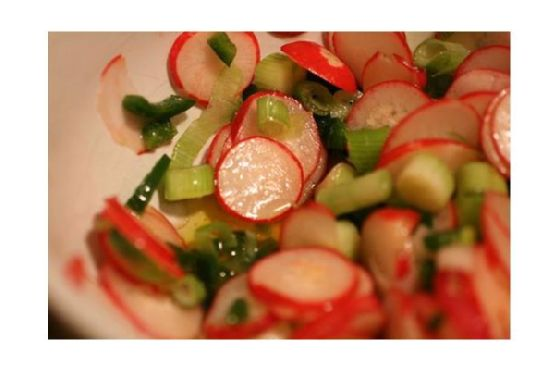
Picture this: it’s midweek, and I’ve just wrapped up a marathon day of work calls and last-minute errands. The fridge is looking a bit sparse, and my energy levels are even lower. I need something quick and bright to lift my spirits and keep me from calling for takeout. Enter my Radish and Watercress Salad. This dish is like a little burst of sunshine — crisp, peppery, and so darn easy to throw together that it almost feels like cheating. It’s the kind of salad that makes you feel like you’ve got your life together, even when you really don’t. It’s refreshing and light, yet robust in flavor, making it the perfect pick-me-up any day of the week.
Jump to Recipe
What You’ll Need
This recipe is all about fresh, vibrant flavors, and chances are, you’ve got most of these ingredients hanging around already. Here’s what you’ll need:
- Salt
- Garlic powder
- Dijon mustard — the kickstarter of flavor here
- Red wine vinegar — for that tangy bite
- Olive oil
- Lemon juice
- Watercress — peppery and fresh, the star of the salad
- Red radishes — crisp and colorful
How to Make Radish and Watercress Salad
- In a screw-top jar, combine a pinch of salt and a sprinkle of garlic powder. Add in the Dijon mustard, red wine vinegar, olive oil, and a dash of lemon juice. Secure the lid and give it a vigorous shake until everything is well blended and the dressing looks smooth and slightly thickened.
- Rinse the watercress thoroughly under cool, running water. Pat it dry with a clean kitchen towel or paper towels — no one likes a soggy salad, right?
- Thinly slice the red radishes. You want them to be thin enough to be translucent but still have a good crunch.
- In a large salad bowl, toss the watercress and sliced radishes together. Pour your freshly shaken dressing over the top, and toss again gently until everything is evenly coated.
Cook’s Notes
This salad is as straightforward as it gets, but a few tips can make it even better. When shaking the dressing, make sure the jar is sealed tight, or you’ll end up with a vinegar-scented kitchen. If you’re making this ahead, keep the dressing and salad separate until just before serving to prevent the greens from wilting. Leftovers can be stored in the fridge for a day, but honestly, this salad is best enjoyed fresh. The peppery bite of the watercress and the crunch of the radishes are what make it sing.
Make It Your Own
- Swap the watercress for arugula if you want a slightly milder peppery flavor.
- Add sliced almonds or walnuts for some extra crunch and protein.
- Throw in some crumbled feta or goat cheese for a creamy contrast.
- Mix in some thinly sliced cucumbers or avocados for additional freshness and creaminess.
If you try this, I’d love to hear how it turns out — drop a comment or tag me! Your midweek dinner game is about to get a whole lot brighter and a little bit fancier. Happy cooking!
Related update: Radish and Watercress Salad

It was one of those frantic weeknights when the thought of cooking anything complicated felt like a Herculean task. The kids were hungry, my partner was stuck in traffic, and the fridge looked like it had been raided by a group of snack-hungry gremlins. That’s when I spotted the package of rice paper hiding behind the milk. In a flash, I knew what to do. These Vegetarian Spring Rolls with Garlic Lime Sauce were going to be our savior. They’re colorful, crunchy, and somehow manage to make you look like a culinary genius with minimal effort. Perfect for a quick dinner fix or when you want to impress without breaking a sweat.
Jump to Recipe
What You’ll Need
The beauty of this recipe is its simplicity — chances are, you already have most of these ingredients lurking around.
- Rice paper
- Butter leaf lettuce
- Carrots
- Jicama
- Red bell pepper
- Yellow bell pepper
- Thai basil
- Ginger
- Garlic
- Lime
- Hoisin sauce
- Sriracha
How to Make Vegetarian Spring Rolls With Garlic Lime Sauce
- First, julienne the red and yellow bell peppers, carrots, jicama, and Thai basil. Aim for strips about 1/8 inch thick and 2 inches long, like colorful little matchsticks.
- Fill a round pie pan or shallow plate with warm water. Delicately dip one piece of rice paper in the water, ensuring both sides are soaked — but no need to drown them!
- Carefully lay the rice paper on a flat, flour towel cloth. Wait about ten seconds for it to soften — it should feel silky and pliable.
- Gently peel the rice paper off the cloth and place half a butter leaf lettuce on top. Discard the ribbing to keep things smooth and easy to roll.
- Add a delicate layer of each vegetable on top of the lettuce, finishing with a sprinkle of Thai Basil. It’s like art — have fun with it!
- To roll: start at one end, fold the edge toward the middle, and repeat with the parallel side. Give it a little 90-degree turn and roll it snugly, like wrapping up a little gift.
- Cut each roll diagonally and arrange them on a serving platter, so they look all fancy and inviting.
- For the Garlic Lime Hoisin Sauce, use a mortar and pestle to crush the garlic and ginger together until fragrant. The aroma should make you smile.
- Whisk in fresh lime juice and a modest splash of Sriracha for that zingy, spicy kick. Finally, add the hoisin sauce and whisk until combined. Taste and adjust as needed.
Cook’s Notes
Rolling these can be a bit of a learning curve, but once you get the hang of it, you’re golden. Rice paper can be temperamental, so if it tears, just keep going — a little imperfection never hurt anyone. If you want to prep these in advance, keep the veggies prepped in the fridge and roll them just before serving to keep everything fresh. Leftover rolls can be stored in an airtight container in the fridge for a day, but the rice paper will lose some of its magic over time. The sauce, however, can be made days ahead and will only get better as the flavors mingle.
Make It Your Own
- Swap the jicama for cucumber for a refreshing twist.
- Replace Thai basil with cilantro if that’s more your vibe.
- For a protein boost, add slices of crispy tofu or tempeh.
- Feeling nutty? Toss in some crushed peanuts for extra crunch.
If you try this, I’d love to hear how it turns out — drop a comment or tag me! Whether it’s a weeknight fix or a dinner party appetizer, these spring rolls are sure to brighten your table and your tastebuds. Enjoy!
Related update: Vegetarian Spring Rolls With Garlic Lime Sauce
Related update: Easy To Make Spring Rolls

Picture this: it’s a lazy Saturday morning, and I’ve got the whole day stretched out ahead of me. No rush, no plans, just that perfect kind of weekend vibe that begs for a cozy breakfast. Enter: my Simple Whole Wheat Crepes. The first time I whipped these up, I was honestly just trying to avoid a trip to the grocery store. But now, they’ve become a staple. Quick to make, with a texture that’s both tender and slightly nutty, these crepes are fancy enough for brunch but easy enough for a weekday breakfast with the kiddos.
Jump to Recipe
What You’ll Need
These crepes come together with ingredients you probably already have lurking in your fridge and pantry. No need for a special trip to the store—unless you’re out of eggs, in which case, let’s talk.
- 2 tablespoons butter, melted
- 2 eggs
- 1 tablespoon maple syrup
- 1 ½ cups milk
- ½ teaspoon sea salt
- 1 cup white whole wheat flour
How to Make Simple Whole Wheat Crepes
- In your blender, combine the melted butter, eggs, maple syrup, milk, sea salt, and flour. Blend until the mixture is smooth and the batter is thin.
- Let the batter sit for at least 30 minutes. This is the perfect moment to sip your coffee slowly, or, if you’re me, lose yourself in a podcast.
- When ready to cook, heat your crêpe pan over medium heat. If you don’t have a crêpe pan, an electric crêpe maker works perfectly too. Either way, it’s all about that golden brown finish!
- Pour a small amount of batter onto the hot surface, swirling it around to evenly coat the pan. Cook until the edges start to lift and lightly brown, about 1 to 2 minutes.
- Flip the crêpe and cook for another 30 seconds to a minute until done to your liking. Repeat with the remaining batter, keeping finished crêpes warm in a low oven, if needed.
Cook’s Notes
Here’s a little secret: letting the batter rest is where the magic happens. This rest time allows the flour to fully hydrate and gives the gluten a chance to relax, resulting in the tenderest crepes. If you’re super organized or just love a breakfast shortcut, mix the batter the night before and let it hang out in the fridge. Just give it a quick stir before cooking. Store leftover crepes in an airtight container in the fridge for up to three days. You can also freeze them by placing wax paper between each crepe to prevent sticking, and pop them in a zip-top bag.
Make It Your Own
- Sweet Twist: Add a teaspoon of vanilla extract and a sprinkle of cinnamon to the batter for a warm, cozy flavor.
- Savory Spin: Omit the maple syrup and add chopped fresh herbs like chives or parsley to the batter.
- Gluten-Free Option: Swap the white whole wheat flour for a gluten-free flour blend. Just make sure it’s one meant for baking!
- Dairy-Free Delight: Use almond milk or another plant-based milk, and substitute the butter with coconut oil or a dairy-free butter substitute.
If you try this, I’d love to hear how it turns out—drop a comment or tag me! Let’s keep the breakfast magic alive, one crepe at a time. 🥞💛
Related update: Simple Whole Wheat Crepes
Related update: Coconut Flour Pancakes with Blueberry Honey Compote
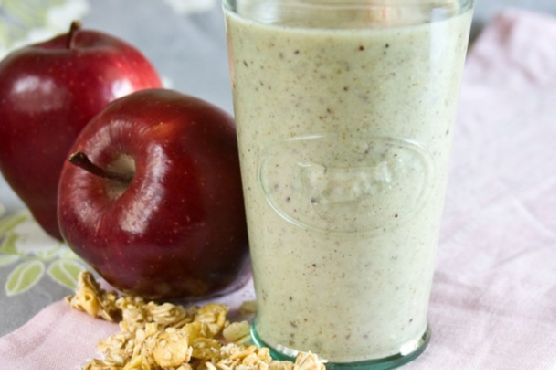
So, there I was, staring into my pantry on a crisp fall morning, craving something that screamed “autumn vibes” without going full-on pumpkin spice. That’s when the Apple Pie Smoothie idea hit me. It’s the kind of breakfast that makes you feel like you’ve done something right for the day—comforting, nostalgic, and just a little bit fancy without actually being a lot of work. This smoothie is like having dessert for breakfast, but it’s secretly healthy and totally acceptable to sip with your morning emails or after-school snack time. Seriously, you can whip this up in minutes and feel like an absolute genius for skipping the sad cereal route. Trust me, once you try it, you’ll wonder why apple pie wasn’t always a smoothie.
Jump to Recipe
What You’ll Need
This smoothie is all about cozy flavors that are probably hanging out in your kitchen already. No wild goose chases required—just simple, delicious ingredients.
- Red Delicious apple
- Apple sauce
- Fat free vanilla yogurt
- Milk
- Unsalted almond butter
- Maple syrup
- Grain granola
- Ground cinnamon
- Honey
- Ice cubes
How to Make Apple Pie Smoothie
- Start by slicing your red delicious apple into manageable pieces. Don’t worry about making them perfect—you’re blending them anyway!
- In your trusty blender, toss in the apple slices along with a generous scoop of apple sauce. This gives that extra apple pie oomph.
- Add a dollop of fat free vanilla yogurt to the mix. It’ll make the smoothie creamy and dreamy.
- Pour in a splash of milk. You know your blender best, so just enough to get things moving smoothly.
- Scoop in a tablespoon of unsalted almond butter. It adds a subtle nuttiness that works magic with apples.
- Drizzle in some maple syrup. It’s like the sweet whisper of an autumn forest.
- Sprinkle a dash of grain granola for extra texture and yum factor.
- Throw in a pinch of ground cinnamon. It’s the little spice that could, bringing all the flavors together.
- Add a touch of honey if you’re feeling like a little extra sweetness in your life.
- Finally, top it off with a handful of ice cubes for that refreshing chill.
- Blend everything on high until it’s as smooth as you want your morning to be. Give it a taste and adjust for sweetness if needed.
- Pour into your favorite glass, maybe add a sprinkle more of cinnamon or granola on top, and enjoy immediately!
Cook’s Notes
If you’re planning ahead, you can slice your apple the night before and store it in the fridge, soaked in a little lemon water to prevent browning. Just drain before you blend! This smoothie is best enjoyed fresh, but if you have leftovers (which is rare), store them in an airtight container in the fridge for up to a day. Give it a good shake before sipping, as it might separate a bit.
Make It Your Own
- Swap the red delicious apple for a Granny Smith if you prefer a tarter taste.
- Use almond milk or oat milk if you’re looking for a dairy-free option.
- Add a scoop of protein powder to make it a post-workout treat.
- Throw in a handful of spinach for a hidden veggie boost. The color changes, but the taste stays amazing!
If you try this, I’d love to hear how it turns out—drop a comment or tag me on your smoothie selfies! Happy sipping!
Related update: Apple Pie Smoothie
Related update: Simple Whole Wheat Crepes
Related update: Skinny Green Monster Smoothie
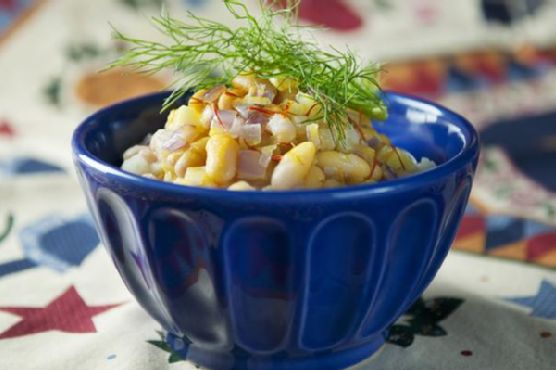
I found myself in the kitchen on one of those unexpectedly chilly evenings, the kind that sneaks up on you after a week of golden autumn days. As I rummaged through the pantry, I came across a can of cannellini beans tucked away behind the lentils – a forgotten gem in my usual dinner rotation. The scene was set: I had a craving for something warm and comforting, yet light enough not to tip into winter stews. A quick glance in the fridge revealed a bulb of fennel and a red onion that had been waiting patiently for their moment to shine. In no time, I whipped up this Cannellini Bean Side Dish with Fennel, Red Onion, and Saffron. It’s a dish that’s as fragrant as it is colorful, and blissfully easy to pull together. It’s perfect for a weeknight, yet elegant enough to grace a dinner party table.
Jump to Recipe
What You’ll Need
The magic of this dish is that it leans heavily on pantry staples, with just a few fresh ingredients to elevate the flavors. Chances are you already have most of this on hand!
- Cannellini beans – cooked and ready to go
- Extra virgin olive oil – for a rich, flavorful base
- Fennel – adds a lovely anise flavor
- Flat parsley – for a fresh, herby finish
- Red onion – brings sweetness and color
- Saffron threads – a pinch of luxury
- Black salt and pepper – to season
- Vegetable broth – to adjust consistency
- Water – for soaking the saffron
How to Make Cannellini Bean Side Dish With Fennel, Red Onion, and Saffron
- Start by combining the saffron threads with a few tablespoons of boiling water in a small, heat-proof bowl or measuring cup. Let this steep for about 5 minutes. You’ll notice the water turning a lovely golden hue.
- In a large nonstick skillet, heat the extra virgin olive oil over medium heat. Toss in the fennel and red onion, and cook them, stirring occasionally, until they’re tender and the kitchen smells like heaven – about 5 minutes.
- Add the cannellini beans and the saffron water to the skillet. Stir everything together until the beans are coated with that gorgeous saffron color.
- Season to taste with black salt and freshly cracked pepper. If the mixture starts to look a bit dry, splash in some vegetable broth or the liquid from the beans until you achieve the consistency you like.
- Finish by sprinkling freshly chopped flat parsley or fennel fronds over the top. Serve immediately while it’s still gloriously warm.
Cook’s Notes
This dish is forgiving and flexible, which is part of its charm. If you don’t have saffron, don’t panic – just add a pinch of turmeric for a hint of color. Store any leftovers in an airtight container in the fridge for up to three days. To reheat, simply add a splash of broth or water to loosen everything back up. This dish is also perfect for making ahead; the flavors deepen as they sit, so it tastes even better the next day.
Make It Your Own
Here are a few ways to switch things up and make this dish your own:
- Swap the cannellini beans for chickpeas or butter beans for a different texture.
- Replace the fennel with celery if you prefer a milder flavor.
- For a protein boost, add crispy tofu cubes or cooked shredded chicken towards the end of cooking.
- Sprinkle some crumbled feta or goat cheese on top for a creamy finish.
If you try this, I’d love to hear how it turns out — drop a comment or tag me! There’s nothing better than seeing a little corner of my kitchen magic make its way into another home. Enjoy!
Related update: Cannellini Bean Side Dish With Fennel, Red Onion, and Saffron
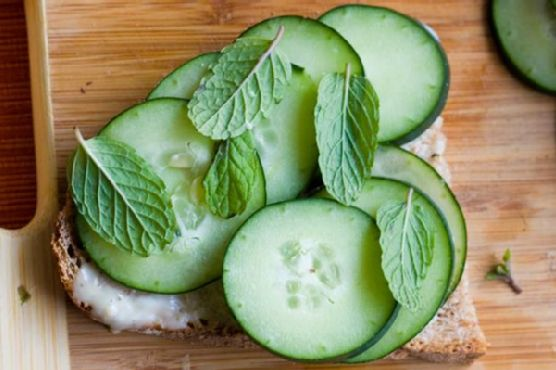
It was one of those gloriously lazy Sunday afternoons when the sun was streaming through the kitchen window, painting everything in a warm, golden hue. I found myself craving something simple yet sophisticated to nibble on while sipping a freshly brewed pot of Earl Grey. That’s when the idea of Cucumber Mint Tea Sandwiches popped into my head. These little bites are like a garden party in your mouth — refreshing, slightly spicy, and with a hint of sweet earthiness. They’re perfect for when you want to impress your friends but also fit perfectly into a no-fuss, no-mess vibe. Trust me, once you try these, they’ll become your go-to for every casual gathering or solo indulgence.
Jump to Recipe
What You’ll Need
Honestly, you probably have most of these ingredients lounging in your pantry or fridge already. And if not, they’re super easy to find on your next grocery run.
- Bread (your choice – think classy yet sturdy)
- Cucumber (cool, crisp, and refreshing)
- Wasabi Maple Spread (the secret zing)
- Black pepper grinder (for that fresh, subtle heat)
- Fresh mint leaves (fragrant and cooling)
- Fresh dill (herbaceous and bright)
- Vegenaise (creamy and delightful)
- Maple syrup (just a touch of sweetness)
- Wasabi powder (for that kick)
How to Make Cucumber Mint Tea Sandwiches
- Start by whipping together the wasabi maple spread. Combine vegenaise, a dash of maple syrup, and a sprinkle of wasabi powder until it’s smooth and slightly spicy.
- Thinly slice the cucumber. You can go for thick, crunchy slices if you’re feeling bold, or thin, silky ones for a more delicate bite. Either way, they should be refreshingly crisp.
- Gather your fresh mint leaves and dill. Rinse them under cold water and pat them dry with a clean kitchen towel. You want them to be fresh and vibrant.
- Spread a very thin layer of your wasabi maple spread on all the inside surfaces of the bread slices. It’s all about that flavor balance, not overpowering.
- Layer your cucumber slices neatly on top of the spread. Feel free to overlap them slightly. It’s like building a little cucumber brick wall.
- Add a layer of mint and dill. You can mix them up in each sandwich or go half mint, half dill if you like to keep your flavors organized.
- Grind some fresh black pepper over the top of the herbs and cucumbers. This will tie all the flavors together beautifully.
- Close each sandwich with another piece of bread and gently press down. Then, slice them into charming quarter cubes or triangles. Presentation is key!
- Plate the sandwiches, and if you’re feeling fancy, sprinkle a few edible flowers around for a pop of color and whimsy.
Cook’s Notes
These sandwiches are meant to be a fresh and light snack, so fresh ingredients are key. Make sure your cucumber is firm and your herbs are not wilting. Want to make them a few hours ahead? No problem! Just cover the platter with a slightly damp paper towel and wrap tightly with plastic wrap to keep everything moist and fresh. Leftovers (if you have any, which I doubt) can be stored in an airtight container in the fridge for up to a day — but they’re best fresh.
Make It Your Own
- Swap out the bread for a whole grain or seed variety for extra texture and flavor.
- Replace the wasabi maple spread with a spicy sun-dried tomato spread for a Mediterranean twist.
- Add a layer of thinly sliced radishes for an extra peppery crunch.
- Sprinkle a dash of red pepper flakes inside for those who love an extra spicy kick.
If you try this, I’d love to hear how it turns out — drop a comment or tag me in your tea-time creations! Happy sandwich making!
Related update: Cucumber Mint Tea Sandwiches
Related update: Vegetarian Spring Rolls With Garlic Lime Sauce

Last Tuesday, I found myself staring into the fridge at 7 PM, wondering what on earth I could whip up for a little evening gathering with friends. You know those days when you just need a recipe that’s not only impressive but also stress-free? That’s when I stumbled upon the forgotten block of *blue cheese* nestled next to a jar of *fig jam*. A brainwave hit me: Blue Cheese Tartlets with Fig Jam and Walnuts! These beauties are the perfect blend of savory and sweet, and trust me, they’re much easier to make than you’d think. Each bite is a little symphony of flavors and textures. Plus, they’re great for making ahead and pop in the oven the moment your guests ring the doorbell.
Jump to Recipe
What You’ll Need
The ingredient list for these tartlets is refreshingly simple. Chances are you already have most of these in your pantry:
- Blue cheese
- Butter
- Flour
- Fig jam
- Walnuts
- Orange zest
- (Optional) Fresh thyme leaves
How to Make Blue Cheese Tartlets With Fig Jam and Walnuts
- Preheat your oven to 350°F (175°C). Lightly grease the cups of your mini muffin pans unless they’re non-stick. No one wants a sticky situation!
- In a medium bowl, cream together the *blue cheese* and *butter*. The mixture should be smooth and creamy, with that unmistakable aroma of rich cheese.
- Add the flour to the bowl and use your hands to bring the dough together. It might take a little coaxing, but be patient — the dough will reward you with a tender crust.
- Divide the dough into 30 pieces and roll them into balls. If you prefer a more delicate shell, go for 36 pieces.
- Using lightly floured fingers, press each dough ball against the sides of the mini tart pan until the dough rises slightly above the rim. This ensures that lovely shell shape.
- Bake the shells for 15 minutes, until they are golden brown and smell like heaven. Let them cool in the pans for about 5 minutes, then transfer to a wire rack to finish cooling completely.
- Once cooled, spoon a dollop of *fig jam* into each tartlet shell. Top with a sprinkle of toasted *walnuts*, a touch of *orange zest*, and a few thyme leaves if you like.
Cook’s Notes
These tartlets are surprisingly versatile. You can prepare the tartlet shells ahead of time and store them in an airtight container. If you’re planning a party, they freeze beautifully — just bake frozen shells for 8 minutes at 325°F before filling them. Pro tip: when pressing the dough into the pan, keep a small bowl of flour nearby to dust your fingers and prevent sticking. And if you’re cooking for a big crowd, consider doubling the recipe because they disappear fast!
Make It Your Own
- Swap the blue cheese for *goat cheese* if you prefer something milder.
- Replace *fig jam* with a spicy *pepper jelly* for a kick.
- Use *pecans* or *hazelnuts* instead of walnuts for a different nutty flavor.
- Add a thin slice of prosciutto to each tartlet for a touch of saltiness.
If you try this, I’d love to hear how it turns out — drop a comment or tag me! These tartlets are really something special and I hope they bring a bit of joy to your kitchen and your taste buds. Enjoy every bite!
Related update: Blue Cheese Tartlets With Fig Jam and Walnuts
Related update: Cucumber Mint Tea Sandwiches
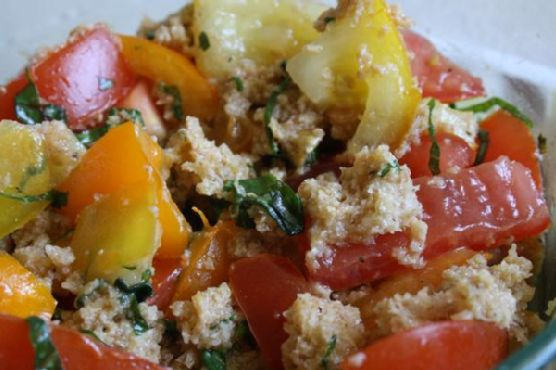
Picture this: It’s the kind of sweltering summer day where the thought of turning on the oven makes you break into a sweat. My garden was overgrown with tomatoes begging to be picked, and the loaf of Tuscan bread on the counter was a day away from becoming an even more petrified artifact of the kitchen. That’s when I remembered the glory of Panzanella. This Tuscan bread salad is not only a perfect way to beat the heat, but it’s also a deliciously resourceful way to use up what you might already have at home. The magic of it lies in its simplicity: juicy tomatoes, aromatic basil, and chewy-crunchy bread brought to life with a glug of olive oil and a tangy splash of vinegar. It’s a dish that’s as comforting as it is impressive, and trust me, the flavors are anything but humble.
Jump to Recipe
What You’ll Need
The beauty of Panzanella is its simplicity. Chances are you already have most of these ingredients cozying up in your kitchen:
- Six slices of day-old Tuscan bread
- Extra virgin olive oil
- Fresh basil leaves
- Red onion
- Red wine vinegar
- Salt and pepper
- Tomatoes (as ripe as you can find, trust me!)
How to Make Traditional Panzanella
- First up, grab a large bowl and submerge your day-old bread in water. Let it lounge in its little pool for about 20 minutes. You’re aiming for soft, but not soggy.
- Once soaked, drain the bread and give it a good squeeze to get rid of all that water. Crumble the bread into a serving bowl; think large, rustic chunks rather than breadcrumbs.
- Now, scatter your chopped tomatoes, thinly sliced red onion, and fragrant basil leaves over the bread. The colors should already be making you smile.
- Dress the salad with a generous drizzle of extra virgin olive oil and a splash of red wine vinegar. Salt and pepper to taste, then toss everything together like you’re giving it a gentle hug.
- Give it a taste and adjust with more oil, salt, or vinegar as your taste buds demand. Let the Panzanella sit for 15 minutes to let the flavors mingle and serve it up at room temperature.
Cook’s Notes
So here’s the deal: Panzanella is all about that bread absorbing the tomato juices and dressing. Use the sturdiest day-old bread you can find for the best texture—soggy bread is a no-go. If you can, make this a bit ahead of time; the flavors only get better as they sit together. Store any leftovers in the fridge, but honestly, Panzanella is best on the day it’s made. If you need to refresh it the next day, add a bit more olive oil and vinegar to bring it back to life.
Make It Your Own
Here are a few ideas to switch things up while still keeping that classic Panzanella vibe:
- Swap the red onion for thinly sliced shallots for a milder flavor.
- Add cucumbers for extra crunch and freshness.
- Throw in some capers for a briny kick that plays nicely with the tomatoes.
- For a bit of protein, toss in some creamy mozzarella balls or crispy tofu.
If you try this, I’d love to hear how it turns out — drop a comment or tag me! Your kitchen stories make my day. Here’s to celebrating simple ingredients and the joy of letting them shine.
Related update: Traditional Panzanella
Related update: Radish and Watercress Salad

It was one of those chaotic Tuesday mornings when everything seemed to be on fast forward. The email inbox was overflowing, the laundry was giving me side-eye, and breakfast needed to be something more inspiring than a bowl of cereal. Enter Strawberry Shortcake Pancakes. They’re like a breakfast dessert that feels a little indulgent but is grounded enough in wholesome ingredients to keep the weekday guilt at bay. These pancakes are the perfect blend of light and fluffy, with a burst of strawberry goodness that just screams “summer.” Whether you’re trying to impress your brunch guests or just need a pick-me-up to tackle the day, this dish has got you covered. Plus, it’s quick enough to throw together before that first Zoom call.
Jump to Recipe
What You’ll Need
You’d be surprised at how many of these ingredients are already sitting in your pantry, just waiting to be transformed into something fabulous.
- Greek yogurt
- Egg whites
- Whole-wheat flour
- Baking soda
- Almond extract
- Sugar
- Salt
- Dried freeze strawberries
- Fresh strawberries
- Sugar
- Fat-free whip cream
How to Make Strawberry Shortcake Pancakes
- In a small bowl, mix together the Greek yogurt, egg whites, and a splash of almond extract. The aroma of the almond extract will make you want to dive right in, but resist—it’s worth the wait.
- In another bowl, whisk together the whole-wheat flour, baking soda, sugar, and salt. This mixture should feel light and airy, the foundation of pancake perfection.
- Combine the wet and dry ingredients, whisking until just mixed. You want a smooth batter, but don’t overdo it. Stir in the dried strawberries—these little gems will add an unexpected pop of flavor in every bite.
- In a small saucepan, cook the fresh strawberries with a teaspoon of sugar over medium heat. Stir occasionally until they’re thawed and juicy, about 5-7 minutes. The kitchen will start to smell like a strawberry field and you’ll feel like a domestic goddess.
- Meanwhile, heat a skillet over medium heat and lightly coat with cooking spray. Pour 1/4 cup of batter onto the skillet. Once you see bubbles forming on the surface, it’s time to flip—aim for about 1-2 minutes per side. Flatten the batter slightly with a spatula for even cooking.
- Top your stacks with that luscious strawberry sauce, a drizzle of maple syrup, and a generous dollop of fat-free whip cream. You’ve just created a masterpiece in about 20 minutes.
Cook’s Notes
Let’s get real: even a pro can end up with a few duds in the bunch. If your pancakes are sticking, lower the heat a notch. If you’re prepping for the week, these pancakes freeze like a dream. Just make sure they’re cool before you stack them between sheets of parchment paper and seal them up for the freezer. Need a quick breakfast fix later? Pop them in the toaster to reheat!
Make It Your Own
If you’re feeling adventurous, here are a few tweaks to personalize your pancakes:
- Swap the almond extract with vanilla extract for a more classic flavor profile.
- Make it tropical with dried mango instead of strawberries and top with coconut whip.
- Add a handful of mini chocolate chips to the batter for a sweet surprise.
- For a nutty twist, toss in some crushed almonds or walnuts for added crunch.
If you try this, I’d love to hear how it turns out—drop a comment or tag me in your pancake selfies! There’s nothing better than sharing a bit of kitchen magic. Enjoy!
Related update: Strawberry Shortcake Pancakes
Related update: Chicken with Grape Tomatoes and Mushrooms
Related update: Apple Pie Smoothie
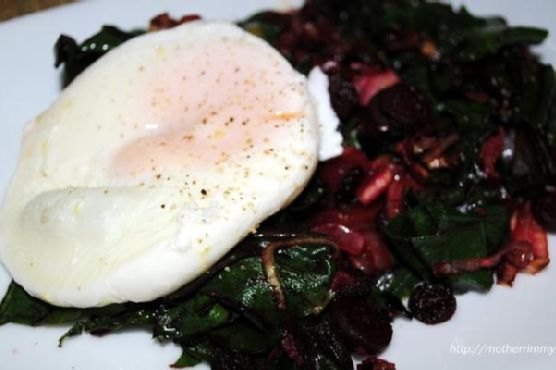
Picture this: it’s a lazy Sunday morning, and the sun’s rays are just starting to peek through your kitchen window. You’re in the mood for something special, something that feels like a treat but won’t have you slaving away in the kitchen. Enter my Beet Greens and Poached Eggs recipe. It’s one of those dishes that looks impressive but is surprisingly easy to whip up. The combination of fresh, vibrant beet greens and perfectly poached eggs is both comforting and elegant — a win-win! Plus, it’s a great way to use up those pesky beet greens that always seem to end up forgotten in the fridge. Whether you’re treating yourself or impressing a loved one, this dish will hit the spot.
Jump to Recipe
What You’ll Need
We’re keeping this simple and fresh. Chances are, you already have most of these on hand, and if not, they’re worth the grocery run.
- Eggs – go for the freshest ones you can find.
- Vinegar – just a splash for the poaching water.
- Water – enough to fill a skillet for poaching.
- Coconut oil – gives the greens a lovely depth.
- Leek – thinly sliced for a subtle oniony flavor.
- Baby beet greens – the star of the show, chopped.
- Garlic – minced for that irresistible aroma.
- Lemon (juice) – for a bright hit of acidity.
- Shredded Parmesan cheese – because cheese makes everything better.
How to Make Beet Greens and Poached Eggs
- Heat a small skillet over medium-low heat and add about 2 inches of water. Wait until tiny bubbles start to gently rise to the surface. This is your cue to add a pinch of salt and a splash of vinegar.
- Carefully crack the eggs into the water, one at a time, slowly sliding each into its own corner of the pan. Cover the skillet and allow to simmer gently for 8 to 10 minutes. You’re aiming for whites that are set with yolks still runny — that’s the magic moment.
- While the eggs are poaching, heat a large nonstick skillet over medium heat and add the coconut oil. Once the oil has melted and filled the kitchen with its nutty aroma, toss in the sliced leeks and beets.
- Cook the leeks and beets for about 5 to 8 minutes, stirring occasionally, until they’re tender and their natural sweetness is coaxed out.
- Add the minced garlic, letting it do its aromatic dance for about a minute before introducing the chopped baby beet greens. Stir everything together for another two minutes, then remove from heat. Toss in a splash of lemon juice and keep stirring gently until the greens are just wilted.
- Divide the greens mixture between two plates. When the eggs are ready, carefully lift them out with a slotted spoon, letting the excess water drain away, and place one egg on each pile of greens.
- Finish each plate with a tablespoon of shredded Parmesan cheese, letting it melt slightly from the heat of the eggs. Serve immediately and enjoy the glorious marriage of flavors and textures.
Cook’s Notes
A few quick tips to make your cooking experience smoother than a perfectly poached egg. When poaching, don’t rush the process. Patience is key, and those few extra minutes will make all the difference. If your skillet lid doesn’t fit perfectly, that’s okay — just do your best to cover the pan. As for leftovers, good luck having any! But if you do, store the greens and eggs separately in the fridge and reheat gently. The greens are quite forgiving, but reheating poached eggs is a delicate dance — a quick dip in hot water can do the trick if needed.
Make It Your Own
This dish is a canvas ripe for personalization. Here are some variations to get you started:
- Switch up the greens: Try swapping beet greens for Swiss chard or spinach for a slightly different flavor profile.
- Add some heat: Sprinkle a pinch of red pepper flakes over the greens for a little kick.
- Mix up the cheese: Replace Parmesan with crumbled feta for a tangy twist.
- Protein boost: Top with crispy bacon bits or slices of smoked salmon for added texture and flavor.
If you give this recipe a try, I’d love to hear how it turns out for you! Drop a comment below or tag me in your kitchen adventures. Happy cooking, friends!
Related update: Beet Greens and Poached Eggs
Related update: Strawberry Shortcake Pancakes
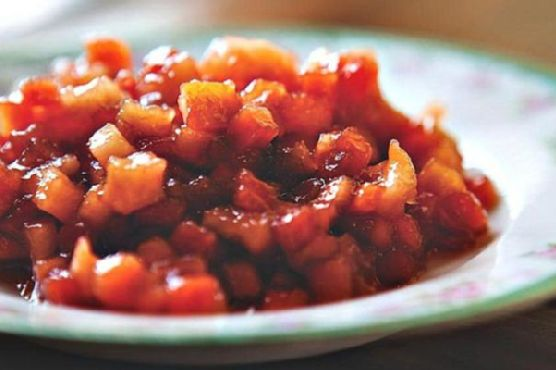
Picture this: It’s a crisp Saturday morning in late October, and the air smells like fallen leaves and the promise of something delicious bubbling on the stove. I’d just come back from the local farmers’ market with a basket full of honeycrisp apples and ripe pears, when I had this sudden inspiration to make something that feels like a warm hug for your taste buds. That’s how this Fall Fruit Compote came to life! It’s the perfect combination of sweet and tangy with a hint of spice from the cinnamon, making it a cozy companion for just about any dish. Whether you’re spooning it over pancakes, pairing it with savory potato latkes, or just nibbling it straight from the jar (guilty as charged), this compote is a must-try for the season.
Jump to Recipe
What You’ll Need
This recipe is all about embracing the flavors of fall, with ingredients that are probably hanging out in your pantry already or easy to snag at the store.
- Butter – for that rich, dreamy base
- Diced honeycrisp apples – sweet and crispy, the star of this show
- Diced pears – a soft, juicy partner for the apples
- Dried cherries – they add a pop of color and tartness
- Apple cider vinegar – just a splash to bring out the flavors
- Apple juice – keeps everything juicy and flavorful
- Brown sugar – for a deep, molasses-y sweetness
- Cinnamon stick – the essential fall spice
How to Make Fall Fruit Compote
- Melt the butter in a medium saucepan over high heat until it starts to bubble and sizzle. You want that nutty aroma to fill the air.
- Toss in the diced apples, pears, and dried cherries, followed by the apple cider vinegar, apple juice, brown sugar, and cinnamon stick. Give it all a good stir to make sure everyone’s getting along in the pot.
- Cook this fruit medley for about 5 minutes. The apples and pears should start to soften, and the cherries will begin plumping up.
- Lower the heat to medium. Let it cook for a few minutes more, keeping a watchful eye as the liquid reduces and the fruit becomes tender. Stir occasionally to prevent sticking.
- If the mixture looks like it’s drying out too quickly, trickle in a bit more apple juice. You want the fruit tender and the liquid mostly gone, leaving a thick, syrupy goodness.
Cook’s Notes
Alright, here’s the scoop on perfecting this compote. First off, keep an eye on your heat levels. It’s easy for the sugars to burn if the heat’s too high, especially towards the end when the liquid is nearly evaporated. If you’re making this ahead, know that it keeps wonderfully in the fridge for up to a week. Just pop it in a jar or airtight container. When you’re ready for a warm serving, a quick zap in the microwave or a gentle reheat on the stove works like a charm. And remember, if you find yourself with leftovers (rare, but it happens), this compote is a dream swirled into yogurt or spread over toast.
Make It Your Own
Get creative and switch things up with these ideas:
- Swap the dried cherries for dried cranberries for a tarter twist.
- Add a splash of bourbon or rum for a grown-up, boozy version.
- For a spicier kick, throw in a pinch of ground ginger or nutmeg with the cinnamon.
- Use maple syrup instead of brown sugar for a different layer of sweetness.
If you try this, I’d love to hear how it turns out — drop a comment or tag me! Enjoy the cozy vibes, and happy cooking! 🍎🍐
Related update: Fall Fruit Compote
Related update: Ginger Cookies- gluten free, soy free, vegan
Related update: Dandelion pesto

I remember that evening vividly. It was a Wednesday, and the kind of humid that makes your hair curl up at the edges. I was standing in my kitchen, staring at the half-empty fridge, and wondering what on earth I could throw together without making a trip to the grocery store. That’s when I spotted the zucchini and eggplant I’d been meaning to use. The idea clicked like a lightbulb switching on—vegetarian ratatouille! It’s the kind of dish that feels like a warm hug at the end of a long day: rustic, hearty, and packed with seasonal veggies. Plus, it’s surprisingly simple, with most ingredients already hanging out in the pantry or crisper drawer. Let’s dive in!
Jump to Recipe
What You’ll Need
This recipe is blessedly straightforward. Chances are, you already have most of these in your kitchen. Here’s what you’ll gather:
- 1 eggplant, diced
- 2 zucchinis, sliced
- 1 yellow squash, sliced
- 3 large tomatoes, chopped
- 1 red bell pepper, diced
- 1 orange bell pepper, diced
- 1 onion, finely chopped
- 3 cloves of garlic, minced
- A handful of fresh basil leaves, torn
- 1 tsp thyme
- 1 tsp dried oregano
- 2 tbsp extra virgin olive oil
- Sea salt, to taste
How to Make Vegetarian Ratatouille
- Heat the extra virgin olive oil in a large saucepan over medium-low heat. Toss in the chopped onion and minced garlic. Sauté until the onions turn translucent and the garlic is fragrant, about 5 minutes.
- Add the chopped tomatoes to the pan and give it a good stir, letting them meld with the onion and garlic for about 2 minutes.
- Add the diced eggplant, zucchini, yellow squash, and both bell peppers to the pan. Stir everything together and lower the heat to low.
- Sprinkle in the thyme, dried oregano, and sea salt. Stir to coat all the veggies in the herby goodness.
- Cover the saucepan and let it all simmer for about 30 minutes, stirring occasionally. You’ll know it’s ready when the eggplant is tender and the flavors have melded beautifully.
- Finish it off with those fresh torn basil leaves right before serving, for a burst of fresh flavor.
Cook’s Notes
Here’s the thing about ratatouille — it’s a forgiving dish. You can let it simmer a bit longer if you prefer your veggies softer, just keep an eye on the moisture level. If it starts to dry out, add a splash of water or stock. Store any leftovers in an airtight container in the fridge, and they’ll be even more flavorful the next day. Just reheat on the stove over low heat or enjoy it cold as a salad topping — it’s surprisingly versatile. If you’re planning ahead, you can chop the veggies the night before and store them in the fridge, so you just have to toss them in the pan when you’re ready.
Make It Your Own
Feeling adventurous or just need a change? Here are a few ways to mix things up:
- Add some heat: Throw in a pinch of red pepper flakes when adding the spices for a little kick.
- Protein punch: Toss in a can of drained chickpeas with the tomatoes for extra protein and heartiness.
- Herb swap: If you’re out of fresh basil, a touch of fresh parsley or even cilantro can give it a unique twist.
- Cheesy finish: Sprinkle some crumbled feta or grated Parmesan on top when serving for a tangy finish.
If you try this, I’d love to hear how it turns out — drop a comment or tag me! Whether you stick to the basics or put your own spin on it, I hope this ratatouille brings a little warmth and simplicity to your table. Enjoy!
Related update: Vegetarian Ratatouille
Related update: Fall Fruit Compote
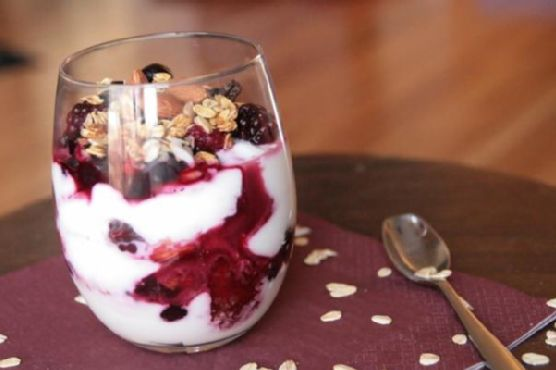
It was one of those mornings where everything seemed to go wrong. I woke up late, the cat knocked over my coffee, and I realized we were out of milk. You know those days, right? But hey, sometimes the universe gives you lemons so you can find a creative and tasty solution. On this particular day, I discovered my savior: Mixed Berry Yogurt with Almonds. It’s the kind of dish that feels luxurious without much effort—perfect for those hectic mornings or even as a healthy dessert when you want something a bit more special. The best part? It’s quick, comforting, and feels like a little scoop of joy.
Jump to Recipe
What You’ll Need
You might already have most of these ingredients nestled in your pantry and freezer, which is a huge win in my book.
- 1 cup frozen mixed berries
- 1/2 cup whole oats
- 1 cup plain Greek yogurt
- 1/4 cup whole almonds
How to Make Mixed Berry Yogurt with Almonds
- Start by toasting the almonds in a dry skillet over medium heat. Shake the skillet occasionally until they turn golden and fragrant. This should take about 3-5 minutes. Keep an eye on them; they can go from perfect to burnt in no time!
- While the almonds are toasting, scoop the Greek yogurt into a bowl or glass cup. I love using a clear glass because it shows off the layers and makes me feel like an artist.
- Evenly sprinkle the oats over the yogurt. If you want them a bit softer, you can let them sit for a minute or two to soak up some of the yogurt’s moisture.
- Microwave the frozen berries for about 30 seconds to thaw them slightly, then layer them over the oats. The warmth from the berries will start to melt into the yogurt, creating a beautiful marbled effect.
- Finally, top it all off with those perfectly toasted almonds. The crunchiness will be a lovely contrast to the creamy yogurt and juicy berries.
Cook’s Notes
This dish is super flexible, so you can tweak it based on what you have. If you want to prepare it in advance, layer the yogurt and oats first and keep the berries and almonds separate until you’re ready to serve. Leftovers can be stored in an airtight container in the fridge for up to two days, but I recommend keeping the almonds separate to maintain their crunch.
Watch out for the almond toasting process—they toast quickly and can easily burn if you’re not paying attention. Trust me, I’ve been there. If you want to make it even quicker in the morning, toast the almonds the night before!
Make It Your Own
- Swap the Greek yogurt for a creamier vanilla yogurt if you’re serving this as a dessert.
- Layer in a drizzle of maple syrup over the yogurt for an extra touch of sweetness.
- Try using walnuts or pecans if you’re out of almonds, toasting them just the same for that essential crunch.
- If berries aren’t your thing, this works beautifully with sliced peaches, bananas, or even a medley of whatever fruits you have hanging out in your fridge.
If you try this, I’d love to hear how it turns out—drop a comment or tag me! There’s nothing quite like seeing your take on these tasty creations. Enjoy every spoonful!
Related update: Mixed Berry Yogurt with Almonds
Related update: Beet Greens and Poached Eggs

Ever have one of those mornings where you wake up and just know you need something a little extra special to kickstart the day? That was me last Sunday. As I gazed out my window at the crunchy, golden leaves piling up in my yard, it hit me—I needed something cozy and autumnal. You know, the kind of dish that feels like a hug. Enter: Baked Apple Pancake. It’s the ultimate lazy morning treat, perfect for when you want something indulgent but deceptively easy. Think of it as a fluffier, fruitier version of your favorite pancake, but baked to perfection in the oven. It’s the kind of recipe that makes you look like a kitchen pro, even if you just rolled out of bed.
Jump to Recipe
What You’ll Need
This ingredient list is blissfully simple, and chances are you already have most of it sitting in your pantry. Just a few fresh additions, and you’re ready to go!
- 1 whole apple, sliced thin
- 2 tablespoons butter
- 1 tablespoon cinnamon
- 2 whole eggs
- 1/2 cup all-purpose flour
- 1/2 cup milk
- 1/4 cup nuts and raisins
- 1/4 teaspoon salt
- 1 tablespoon sugar
How to Make Baked Apple Pancake
- First things first, preheat your oven to a toasty 450°F. You want that oven nice and hot!
- Grab a skillet and melt 2 tablespoons of butter over medium heat. Add your apple slices to the pan and sauté until they’re tender and just starting to caramelize—think fragrant and golden.
- Sprinkle in the sugar, cinnamon, nuts, and raisins. Stir gently to coat the apples in this sweet and spicy goodness. Once everything is mixed, take it off the heat and set it aside.
- In a separate bowl, beat those eggs until they’re light and frothy. Slowly, because we’re not in a rush, add the flour and salt. Blend until smooth. Beat in the melted butter and milk until your batter is silky.
- Spray your skillet with a generous layer of Pam, then pour the apple filling you set aside back into the skillet. Top this with your batter, spreading it evenly.
- Pop it into the oven and bake for 15 minutes. You’ll want to watch as the edges start to rise and turn a delicious golden brown.
- Reduce the oven temperature to 350°F and let it bake for another five to ten minutes. The pancake should puff up slightly and set in the middle.
- Once baked, remove from the oven and let it cool for just a minute. Cut the pancake into four hearty pieces and serve with your favorite topping. Maple syrup, whipped cream, or even a dollop of yogurt would be heavenly!
Cook’s Notes
This recipe comes from a note marked “good!” by Barbara Michel, and I’ve made a couple of tweaks to honor her enthusiasm.
- If you’re planning to make this ahead of time, you can sauté the apples and set them aside in the fridge. Just bring them back to room temperature before assembling the dish.
- Leftovers (if there are any!) are delightful warmed up the next day. Just pop them in the microwave for a quick reheat.
- Avoid overmixing the batter; it should be smooth, but overmixing can make it dense.
Make It Your Own
Here are a few fun tweaks to shake things up if you feel like experimenting.
- Swap the apple for pear slices and add a touch of ginger for a spiced twist.
- Substitute the nuts and raisins for dried cranberries and pecans for a seasonal flair.
- If you’re feeling indulgent, drizzle the top with a caramel sauce right before serving.
- For a citrus kick, add some orange zest to the batter.
If you try this, I’d love to hear how it turns out—drop a comment or tag me! Whether you stick to the classic or put your own spin on it, I hope this baked apple pancake brings a little extra warmth to your morning. Enjoy every bite!
Related update: Baked Apple Pancake
Related update: Mixed Berry Yogurt with Almonds
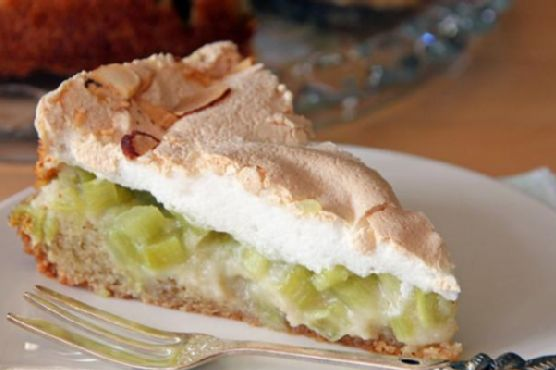
It was one of those indecisive spring days, warm enough in the sun to consider a picnic, but with a breeze that still held a whisper of winter. The rhubarb in my garden had just started to show its rosy stalks, and I felt the irresistible urge to bake something that straddled the seasons just as beautifully. Enter the German Rhubarb Cake with Meringue. It’s the kind of bake that’s both a showstopper and a comfort food, with its tart rhubarb base and fluffy, cloud-like meringue topping. I promise, it’s simpler than it looks, and you probably have most of the ingredients already lounging in your pantry.
Jump to Recipe
What You’ll Need
Trust me, the ingredient list might seem a tad long, but it’s mostly the usual suspects in your kitchen. Plus, the bold flavors that rhubarb and almonds bring to the party are well worth it!
- Rhubarb – Fresh and tart, the star of our cake!
- Sugar – For sweetening everything up.
- Vanilla extract
- Salt
- Eggs – We’ll use both yolks and whites, no waste here!
- Flour
- Roasted almonds
- Baking powder
- Egg whites
- Almonds
How to Make German Rhubarb Cake with Meringue
- First things first, preheat your oven to 350°F convection. It’s the secret to getting that perfect bake.
- Grease a round 26 cm (9 1/2 inch) springform pan. We don’t want any sticking mishaps later!
- Wash, dry, and peel your rhubarb. Slice it into small pieces, sprinkle with 2 tablespoons of sugar, and let it sit for at least half an hour. This draws out the excess water, keeping our cake from getting soggy.
- Once that’s done, give the rhubarb a good pat dry. Prepping well now means a tastier cake later.
- In your trusty kitchen machine, beat together the butter, sugar, and vanilla extract until the mixture is fluffy and the sugar is dissolved. It should look creamy and pale.
- Crack in the eggs, one at a time, mixing well after each addition. We want a silky smooth batter here.
- In a separate bowl, sift together the flour, ground almonds, salt, and baking powder. Slowly incorporate this into the egg mixture. Be gentle; we don’t want to over-mix.
- Pour the dough into your prepared springform pan, smoothing the top. Layer on the rhubarb pieces evenly.
- Pop it in the oven for 25 minutes. Your kitchen will start to smell heavenly about halfway through.
- While the cake is baking, it’s time to whip up the meringue topping. Beat the egg whites until stiff peaks form, then gradually add in the sugar until your meringue is glossy.
- Spread the meringue over the baked cake and decorate with almond slices.
- Return it to the oven for 15 more minutes. Check after 5 minutes and cover with foil if the meringue is getting too toasty.
- Let the cake cool completely before you attempt the big reveal from the springform pan. Patience, my friend, is key!
Cook’s Notes
This cake is a dream to make ahead. Once cooled, it keeps well at room temperature for a day or two, though the meringue might soften a bit. For longer storage, refrigerate it—just let it come back to room temp before serving for the best texture. A common mistake is skipping the step where you let the sugared rhubarb sit. Don’t rush it! Draining the rhubarb is essential for avoiding a watery cake base. Also, if you’re worried about your meringue browning too quickly, keep that aluminum foil close at hand.
Make It Your Own
- Squeeze in some citrus: Add lemon zest to the cake batter for a zingy twist.
- Swap the nuts: Use pistachios instead of almonds for a delightful green contrast and rich flavor.
- Go berry: Sub half the rhubarb with strawberries for a classic combo.
- Spice it up: Add a pinch of cinnamon to the cake batter for a warm, spicy note.
If you give this German Rhubarb Cake with Meringue a spin, I’d love to hear how it turns out! Drop a comment or tag me in your culinary masterpieces. Happy baking! 🌟
Related update: German Rhubarb Cake with Meringue
Related update: Cheesecake with cranberries

It was one of those unpredictable Tuesday evenings when the craving for something sweet and comforting hit me like a freight train. I rummaged through my pantry, hoping for inspiration, when my eyes landed on that lonely can of pineapple chunks. It instantly sparked the memory of a gluten-free, dairy-free noodle kugel I had whipped up on a similar night of culinary chaos. This dish is not just a savior for your midweek dessert dilemmas; it’s a luxurious treat that feels indulgent yet light. Plus, it’s a crowd-pleaser that accommodates almost every dietary restriction. So, here it is, an irresistible Noodle Kugel with Pineapple that will have you dreaming about your next slice before you’ve even finished the first.
Jump to Recipe
What You’ll Need
Good news: you likely already have most of these ingredients hiding in your kitchen! This kugel is proof that a few pantry staples can transform into something magical.
- Gluten-free spiral rice pasta
- Canned pineapple chunks (make sure to drain them!)
- Unsweetened vanilla coconut milk or coconut creamer
- Sunflower oil
- Egg yolks
- Xylitol (or regular sugar if you prefer)
- Evaporated cane sugar
- Ground cinnamon
- Ground nutmeg
- Kosher salt
- Cupcake liners
- Earth Balance soy-free margarine
- Red brown rice flour
How to Make Noodle Kugel with Pineapple-Gluten free, Dairy Free
- Preheat your oven to 350 degrees F. It’s about to get cozy in here!
- Fill a medium stockpot with water and set it over high heat. Once boiling, add 2 tablespoons of kosher salt. Toss in the gluten-free spiral rice pasta and stir well to prevent any sticking. Keep stirring occasionally and let it cook for 8-10 minutes. The pasta should have a slight bite to it.
- Once cooked, let the pasta sit in the hot water for a few minutes. Then, transfer it to a large glass or heatproof bowl. This will give it some time to cool off while you prep the other ingredients.
- In the meantime, grab another bowl and mix together the unsweetened vanilla coconut milk, coconut creamer, drained pineapple chunks, xylitol, evaporated cane sugar, a dash of ground cinnamon, ground nutmeg, and sunflower oil. Combine everything well. Trust your intuition and taste it—it should be sweet and spiced just right.
- Add the egg yolks to your mixture and stir until everything is creamy and well combined. The color will be warm and golden.
- Line two cupcake pans with cupcake liners. Fill each liner with the noodle mixture using a dry 1/4 cup measuring spoon, mounding it generously over the top. If some look dry, pour any remaining liquid evenly over them.
- Sprinkle a small amount of crumble over each kugel (about 1/2 teaspoon per kugel). It’s your chance to unleash your inner artist!
- Place the pans in the oven and bake for 40-45 minutes. The kugels should be golden, with a hint of crust on the edges. Allow them to cool for about 10 minutes before removing them from the pans. You can take the liners off before serving if you prefer an elegant presentation.
- Serve your noodle kugel hot or warm. There’s something magical about that first warm bite!
Cook’s Notes
- The key to a perfectly textured kugel is in the pasta. Make sure you don’t overcook it. Slightly al dente is the goal since it will continue cooking while baking.
- If you find yourself with leftovers, they store beautifully in an airtight container in the fridge for about 3 days. Reheat them in the oven to maintain that lovely texture.
- Don’t be shy with the spices. Cinnamon and nutmeg are what give this dish its comforting warmth. Feel free to adjust according to your taste.
Make It Your Own
- Swap the canned pineapple for fresh diced apples or pears for a different fruity twist.
- Replace the sunflower oil with coconut oil for a richer, tropical vibe.
- If you’re out of ground nutmeg, try using pumpkin pie spice for an autumnal flair.
- Add a handful of raisins or dried cranberries to the mixture for a burst of sweetness in every bite.
If you try this, I’d love to hear how it turns out—drop a comment or tag me! Remember, this kugel isn’t just a recipe; it’s a chance to bring warmth and sweetness to the everyday hustle. Happy baking!
Related update: Noodle Kugel with Pineapple-Gluten free, Dairy Free
Related update: German Rhubarb Cake with Meringue

I remember the evening perfectly. It was one of those chilly Tuesday nights when you feel like you’ve barely survived the day and the only thing that could possibly make it better is a big bowl of something soul-warming. I opened my fridge and, like a miracle, the ingredients for this Kale and Chickpea Soup with Lemon seemed to jump out at me. The magic of this soup is in its simplicity. It’s the kind of dish that feels like a hug in a bowl, yet it’s deceptively easy to throw together. A few fresh ingredients, a touch of blending, and you’ve got yourself a soup that’s both nourishing and comforting. Plus, it’s the perfect excuse to use that crusty bread you’ve been meaning to finish.
Jump to Recipe
What You’ll Need
I bet you’ve got most of these lying around already. This list is all about those everyday heroes that transform humble into heartwarming.
- 2 banana shallots
- 1 bay leaf
- 2 cans chickpeas, drained and rinsed
- 2 stalks of celery
- 1/2 teaspoon of chilli flakes
- 1 loaf of crusty bread
- 1 garlic clove
- Lemon (juice of half, plus slices for garnish)
- 1 bunch of kale, stems removed, roughly chopped
- 2 tablespoons of olive oil
- Parmesan cheese, for topping
- 1 sprig of rosemary
- Salt, to taste
- 1.5 liters of stock (vegetable or chicken)
How to Make Kale and Chickpea Soup with Lemon
- Set a Dutch oven or large saucepan over medium heat and pour in the olive oil. Let it warm slightly until it shimmers.
- Finely dice the banana shallots and toss them in, stirring to coat them in the oil. Let them sizzle and become translucent.
- Slice the celery stalks horizontally into long strips, then chop them into small pieces. Add these to the shallots, stirring occasionally.
- Finely chop the rosemary leaves and add them to the pan, along with the bay leaf and chilli flakes. Wait for the fragrance to hit you – it’s a good sign.
- Smash the garlic clove using the flat of your knife and your palm, then toss it in whole. No need to fuss over chopping here.
- Rinse and drain the chickpeas and add them to the pan along with the kale. Stir everything together until it’s all coated nicely.
- Pour in the hot stock and bring it all to a gentle boil, then reduce the heat and let it simmer for about 20 minutes, until the kale is beautifully tender.
- Squeeze in the juice of half a lemon, stirring to blend. Taste and adjust the seasoning with more lemon or salt, depending on your stock.
- Using either a stick blender in the pan or in batches in a regular blender, blitz the soup to your desired texture. I like to set aside a ladleful or two before blending so there are still some chickpeas and kale for texture.
- Serve hot, with a couple of lemon slices floating on top of each bowl, and pass around the parmesan cheese for everyone to sprinkle to their heart’s content. Pair with toasted crusty bread for dipping.
Cook’s Notes
Okay, here’s the lowdown. If you’re planning ahead, this soup is a fantastic make-ahead option. It actually tastes even better the next day once the flavors have had time to marry. Just store it in an airtight container in the fridge for up to three days. Reheat gently on the stove, adding a splash of water if it’s thickened up too much. You can also freeze this soup for up to three months, though I’d recommend freezing before adding the lemon juice to prevent bitterness. Defrost it overnight in the fridge and add the lemon after reheating.
Watch your salt! If your stock is already salted, you might want to wait until the end of cooking to adjust the seasoning. It’s always easier to add than to take away.
Make It Your Own
The beauty of this soup is its flexibility. Here are a few of my favorite variations:
- Swap the chickpeas for white beans: Cannellini or Great Northern beans work beautifully here, offering a creamier texture.
- Add protein with chicken: Shredded rotisserie chicken stirred in at the end makes this a heartier meal.
- Spice it up with chorizo: Cook some diced chorizo in the pan before the shallots and let the spicy oil enrich the soup.
- Go green with spinach or Swiss chard: If kale isn’t your thing, these leafy greens make a great substitute.
If you try this, I’d love to hear how it turns out — drop a comment or tag me! Your feedback is the best part of sharing recipes. Happy cooking!
Related update: Kale and Chickpea Soup with Lemon
Related update: One Soup, Two Ways: Chunky Vegetables and Cream Of Vegetables

It was one of those evenings when I stared blankly into my fridge, wondering what could possibly come together in 30 minutes or less. A couple of beefsteak tomatoes were teetering on the edge of being too ripe, alongside a baby eggplant that seemed to whisper, “Use me or lose me.” That’s when the idea of Tomato Cutlets hit me—a dish that feels both unexpected and comforting. It’s the kind of meal where crispy meets juicy, with just the right amount of tang from a squeeze of lemon. And the best part? You probably have most of the ingredients already lounging in your pantry or fridge, waiting to shine.
Jump to Recipe
What You’ll Need
Alright, let’s dive into the good stuff. You’ll find this ingredient list both accessible and forgiving. If you cook often, chances are you already have most of this hanging around.
- 2 beefsteak tomatoes, sliced into thick rounds
- 1 baby eggplant, halved
- 1 cup Italian bread crumbs
- 2 eggs, beaten
- Juice of 1 lemon
- 2 tablespoons olive oil
- 1/4 cup fresh Italian parsley, chopped
- Salt and freshly ground pepper to taste
- 1/4 cup grated fresh Romano cheese
How to Make Tomato Cutlets
- Start by setting up your breading station. In one bowl, have your beaten eggs ready. In another, spread out the Italian bread crumbs. This is where the magic begins.
- Dip each tomato slice into the egg wash, letting any excess drip off, and then press it into the bread crumbs. If you’ve got extra egg wash and crumbs, feel free to double-dip for an extra crunchy coating.
- Heat the olive oil in a large frying pan over medium heat. Once it shimmers, carefully place the breaded tomato slices into the pan. You should hear a satisfying sizzle.
- Cook the tomatoes for about 3-4 minutes on each side, until they’re golden and fragrant. Flip gently to keep the breading intact.
- Next, nestle the halved eggplant into the pan. Sprinkle with salt and pepper. Sauté for about 3-4 minutes on each side, aiming for a beautiful golden color.
- Once everything is cooked to perfection, transfer the tomatoes and eggplant to a serving plate. Drizzle with fresh lemon juice, scatter with chopped parsley, and finish with a generous sprinkle of Romano cheese.
Cook’s Notes
Here’s what I’ve learned along the way: When breading, don’t rush. Let the egg wash and crumbs work their coating magic. If you’re running low on egg wash or crumbs, just whisk another egg or toss in more crumbs—it’s not an exact science. As for the frying, medium heat is your friend; too hot, and the crumbs burn before the tomatoes are ready.
Got leftovers? Store them in an airtight container in the fridge, and they’ll last a couple of days. To reheat, a quick stint in the oven will bring back some of that initial crispiness. If you like to plan ahead, you can prep the breaded tomatoes and store them in the fridge for up to a day before frying.
Make It Your Own
Feel free to get creative with these cutlets. Here are a few ideas:
- Swap the tomatoes for zucchini slices for a different take on the cutlet vibe.
- Add a little kick by mixing red pepper flakes into the bread crumbs.
- Try using panko instead of regular bread crumbs for extra crunch.
- Replace Romano with Parmesan if that’s what you have on hand—it’s all about using what you’ve got.
If you try this, I’d love to hear how it turns out—drop a comment or tag me! Your kitchen adventures are what make this fun. Happy cooking!
Related update: Tomato Cutlets

It was one of those blustering autumn afternoons where the wind insisted on swirling the golden leaves into a frenzy just outside my kitchen window. I found myself craving something warm and cozy — the kind of comfort that wraps around you like a favorite sweater. My pantry was my savior, holding a treasure trove of humble ingredients that quickly turned into a hearty Tomato and Lentil Soup. This dish is my weeknight hero; it’s simple, comforting, and comes together faster than the kids can finish their homework. Plus, the aroma of simmering garlic and onions is enough to gather everyone around the kitchen, eagerly waiting for their bowls.
Jump to Recipe
What You’ll Need
This recipe is a celebration of pantry staples. Chances are, you already have most of these tucked away in your kitchen:
- 2 tablespoons of olive oil
- 1 large onion, chopped
- 2 cloves of garlic, minced
- 2 carrots, diced
- 1 can (14 oz) canned tomatoes
- 1 bay leaf
- 4 cups of water
- 1 cup of lentils
- Salt to taste
- Fresh parsley, chopped
How to Make Tomato and Lentil Soup
- Start by heating the olive oil in a large pot over medium heat. Toss in the chopped onion and garlic, letting them sizzle and fill your kitchen with their tantalizing smell. Sauté for about 5 minutes, stirring occasionally, until the onions are soft and translucent.
- Add the diced carrots to the mix. Continue to sauté for another 2 minutes. You’ll know it’s time to move on when the carrots start to soften and their edges look a bit golden.
- Pour in the canned tomatoes and add the bay leaf. Give everything a good stir, then add the water. Crank up the heat and bring it all to a rolling boil.
- Once boiling, stir in the lentils. Sprinkle in some salt, keeping in mind you can adjust later if needed. Lower the heat to a simmer and let the soup cook for 5 minutes, just until the lentils are tender but still holding their shape.
- Before serving, remove the bay leaf and give the soup a taste. Adjust the salt if necessary, and sprinkle generously with chopped parsley for a fresh, vibrant finish.
Cook’s Notes
Let’s talk about some soup wisdom I’ve gathered along the way. First off, don’t rush the onion and garlic sautéing — it lays the groundwork for all the flavors to come alive. If you have leftover soup, it stores beautifully in the fridge for up to 3 days. Reheat it gently on the stove or in the microwave, adding a splash more water if it’s too thick for your liking. You can even make it a day ahead to allow the flavors to meld more deeply.
Make It Your Own
Let’s shake things up a bit! Here are a few ideas to customize your soup:
- Swap the lentils for chickpeas for a creamier texture.
- If you like a bit of heat, add a pinch of red pepper flakes when sautéing the onions.
- For a richer flavor, use vegetable broth instead of water.
- Boost the earthiness by adding a handful of chopped spinach or kale in the last couple of minutes of cooking.
If you try this Tomato and Lentil Soup, I’d love to hear how it turns out — drop a comment or tag me! There’s something so satisfying about turning simple ingredients into something that feels like a warm hug in a bowl. Enjoy every spoonful!
Related update: Tomato and lentil soup
Related update: Kale and Chickpea Soup with Lemon