
Imagine this: it’s midweek, and your brain is fried from a day full of emails and Zoom calls. You open the fridge, and there it is, an avocado teetering on the edge of overripeness and a couple of oranges sitting pretty but untouched. Suddenly, inspiration strikes—why not combine these beauties into a refreshing salad that screams “spring” without actually requiring a season change? This Avocado and Orange Salad, dressed with a zingy Orange-Ginger Dressing, is like a mini-vacation for your taste buds. It’s quick, colorful, and destined to make you fall in love with simple ingredients all over again. Jump to Recipe
What You’ll Need
The beauty of this ingredient list is how effortlessly it combines pantry staples with fresh produce to create something magical.
- Avocados – Perfectly ripe.
- Oranges – Sweet and juicy.
- Green onions – For a hint of sharpness.
- Orange juice – Freshly squeezed, for that extra punch.
- Lemon (juice) – To add a bit of zing.
- Fresh ginger paste – Trust me, it’s worth it.
- Agave syrup – For a touch of sweetness.
- Olive oil – Smooth and lush.
- Salt and pepper – To taste.
How to Make Avocado and Orange Salad With Orange-Ginger Dressing
- Begin by slicing your avocados and oranges. Let them overlap on a platter as if they’re chatting at a party.
- Don’t waste that orange carcass! Squeeze its juice over your arranged slices, letting it mingle and soften the edges of the avocado.
- Sprinkle green onions artfully over the top, like confetti, and add a pinch of salt to awaken those flavors.
- Cover the platter with cling film, tucking it into the fridge, so the salad chills out while you prepare the dressing.
- In a blender, combine orange juice, lemon juice, fresh ginger paste, agave syrup, and olive oil. Blend until the mixture is smooth and the ginger’s aroma wafts up deliciously.
- Season the dressing with salt and pepper, tasting it to find your perfect balance of sweet, spicy, and tangy.
- Just before serving, unveil your masterpiece from the fridge and drizzle the dressing generously over the salad.
Cook’s Notes
Here’s the lowdown on making this salad work like a charm:
- Make sure your avocados are ripe but firm enough to hold their shape when sliced.
- If you’re making this ahead, keep the dressing separate until just before serving to prevent the avocados from getting too mushy.
- Leftovers? Unlikely. But if you do have some, store them in an airtight container and consume within a day for best results.
- Be cautious with the salt. Remember, you can always add more, but you can’t take it out!
Make It Your Own
This salad is versatile enough to play with, so go ahead and shake things up:
- Swap the oranges for grapefruit slices if you’re after a slightly more tart flavor.
- Add some toasted almonds or walnuts for a crunchy contrast.
- For a spicy kick, sprinkle in some red pepper flakes to the dressing.
- Try a honey drizzle in place of agave if that’s more your style.
If you try this, I’d love to hear how it turns out—drop a comment or tag me! There’s nothing better than seeing your creations light up someone else’s table. Happy cooking!
Related update: Gluten Free Dairy Free Sugar Free Chinese Chicken Salad
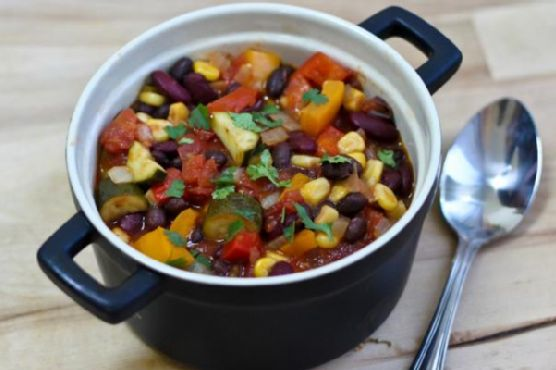
Last Tuesday, I found myself staring into the abyss that is my refrigerator, wondering what on earth I could whip up for dinner. You know those nights when you just can’t muster the energy to make anything extravagant but still crave something warm and satisfying? That’s when Smokey Rainbow Chili came to the rescue. Packed with colorful veggies and a kick of spice, this dish not only brightens up your plate but also your soul. Perfect for a chilly evening or when you need a bit of comfort without the fuss. It’s like a cozy blanket in a bowl, making it totally worth the little effort it takes to make.
Jump to Recipe
What You’ll Need
I bet you already have most of these tucked away in your pantry, just waiting to be transformed into something magical. Here’s what you’ll need:
- 2 tablespoons of olive oil
- 1 medium zucchini, diced
- 1 large red bell pepper, diced
- 1 large orange bell pepper, diced
- 1 diced fresh jalapeno pepper
- 4 cloves of garlic, minced
- 1 large onion, chopped
- 1 can (14.5 ounces) of stewed tomatoes with liquid
- 1 can (6 ounces) of tomato paste
- 1 can (15 ounces) of black beans, drained and rinsed
- 1 can (15 ounces) of whole kernel corn, drained
- 1 can (15 ounces) of red kidney beans, drained and rinsed
- 1 tablespoon of smoked paprika
- 2 tablespoons of chili powder
- 1 teaspoon of dried oregano
- 1/2 teaspoon of black ground pepper
- 1/4 teaspoon of cayenne pepper (or more if you’re feeling brave!)
How to Make Smokey Rainbow Chili
- In a large pot, heat the olive oil over medium-high heat. You want it shimmering, not smoking.
- Add the zucchini, red bell pepper, orange bell pepper, jalapeno, garlic, and onion. Cook them for about 5 minutes or until they’re just tender and the kitchen smells like heaven.
- Pour in the stewed tomatoes with their liquid and stir in the tomato paste until it dissolves evenly, giving you a beautiful, rich base.
- Add the black beans, corn, and kidney beans, mixing them well into the tomatoey goodness.
- Sprinkle in the smoked paprika, chili powder, oregano, black pepper, and cayenne. Each stir should reveal a little rainbow of color and promise of flavor.
- Bring the pot to a boil. Keep an eye out for those bubbling edges that signal it’s time to turn the heat down.
- Reduce the heat to low and let it simmer for about an hour, stirring occasionally. If your veggie chunks are on the larger side, you might want to let it simmer a bit longer until they’re perfectly tender.
Cook’s Notes
Here’s the deal: the longer you let this chili simmer, the deeper the flavors get, so if you’ve got the time, let it do its thing. But if you’re in a rush, 30 minutes of simmering can still do wonders. Just taste as you go and adjust the seasoning to your liking. If you like your chili super thick, reduce the simmering time or add a bit less liquid from the tomatoes.
Got leftovers? This chili tastes even better the next day. Just pop it in the fridge for up to 3 days, or freeze it for a rainy day. When reheating, you might need to add a splash of water or broth to get it back to the perfect consistency.
Make It Your Own
- Want some meat in there? Brown a pound of ground beef or turkey, and add it in after sauteing the veggies.
- For a vegan protein boost, throw in some crispy tofu cubes once the chili is done simmering.
- Craving more heat? Add an extra jalapeno or a splash of hot sauce to dial up the fire.
- If you’re a fan of smoky flavors, double up on the smoked paprika or add a drop of liquid smoke.
If you try this, I’d love to hear how it turns out — drop a comment or tag me! My DMs are open for all your kitchen triumphs and tribulations. Happy cooking, friends!
Related update: Roast Chicken with Apples and Rosemary
Related update: Vietnamese Beef-Noodle Soup With Asian Greens, Okay Vietnamese/japanese
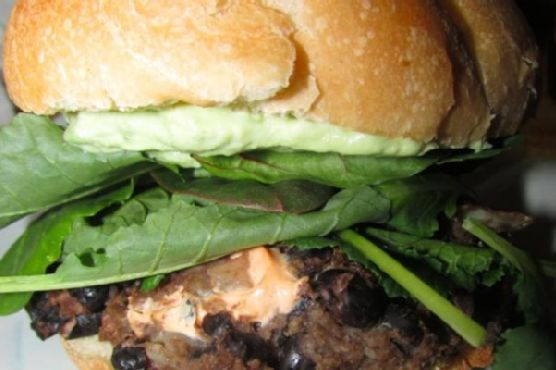
Last Tuesday was one of those days where time slipped through my fingers like sand, and suddenly it was dinnertime, and I had no plan. I stared into the fridge, hoping for inspiration to magically appear, and then my eyes landed on a can of black beans. Instantly, I knew it was time to whip up one of my lifesavers: Chipotle Cheese Stuffed Black Bean Burgers with Avocado Creme. These beauties are my go-to when I need something quick but still wanna impress myself (and anyone else lucky enough to be around). They're packed with flavor, and honestly, who can resist anything stuffed with cheese? Plus, they're vegetarian-friendly and can be made with stuff you're likely to have on hand. They're savory, slightly spicy, and the creamy avocado topping just brings it all home.
Jump to Recipe
What You'll Need
Chances are you already have most of this list tucked away in your pantry or fridge. Here's what you'll need to get these burgers sizzling:
- Canned black beans
- Yellow diced onion
- Diced mushrooms
- Egg
- Panko bread crumbs
- Cumin
- Chipotle chili powder
- Salt and pepper
- Wild olive oil
- Approx cream cheese spread
- Hamburger buns
- Cheese
- Spinach and tomato (optional)
- Avocado
- Sour cream
- Lime juice
- Sea salt
How to Make Chipotle Cheese Stuffed Black Bean Burgers with Avocado Creme
- Start by swirling a bit of olive oil in a skillet over medium heat. Toss in the diced mushrooms and onions. Sauté until they're softened and the aroma fills your kitchen, seasoning with a pinch of salt and pepper as you go.
- Drain the black beans and pour them into a medium bowl. Use a fork to mash them up; aim for a texture that's mostly smooth with some chunks left for interest.
- Mix in those sautéed mushrooms and onions, followed by the egg and bread crumbs. This is where it all starts coming together.
- Spice things up by adding cumin and a generous pinch of chipotle chili powder. Stir until everything is well combined, and take a moment to admire your handiwork.
- Now for the fun part: roll the mixture into burger patties. Whether you go for sliders or full-size is up to you. Create a little indent in the center of each and spoon in some cream cheese spread. Carefully mold the burger around the cheese, sealing it inside like a treasure.
- Heat a second swirl of olive oil in your skillet over medium heat. Cook the burgers two at a time, searing each side to a delicious golden brown, about 4 minutes on each side. If you're feeling cheesy, add sliced cheese on top now and cover the skillet to let it melt perfectly.
- While the burgers are sizzling, make your avocado creme. In a food processor or blender, combine avocado, sour cream, lime juice, and sea salt. Blend until smooth, tasting along the way to adjust the lime or sour cream to your liking.
- To serve, place each hot, cooked burger on an open toasted bun, top with optional spinach and tomato, and finish with a generous scoop of avocado creme before sandwiching it all with the top bun. Dig in while it's warm!
Cook's Notes
One of the best things about these burgers is how flexible they are. You can make the patties ahead of time and store them in the fridge for a day or two, or freeze them for up to a month. Just be sure to thaw completely before cooking. If you find your patties are falling apart, try adding a bit more bread crumbs to bind them better.
Leftovers, if you have any, are great for lunch the next day. Simply reheat in a skillet or microwave and enjoy them as they are, or get creative and crumble them into a salad or wrap.
Make It Your Own
- Swap the cream cheese for goat cheese for a tangier filling.
- For a vegan version, replace the egg with a flaxseed egg and use vegan cream cheese and cheese.
- If you’re not a fan of mushrooms, substitute them with finely chopped bell peppers.
- Add some chopped jalapeños to the mix for an extra spicy kick.
If you try this, I'd love to hear how it turns out — drop a comment or tag me! I always enjoy seeing the twists and tweaks you come up with. Happy cooking!

The other day, I found myself staring aimlessly into my pantry, contemplating the eternal question: "What's for dinner?" It was one of those never-ending Tuesdays, and I needed a dinner that was like a warm hug — something quick, cozy, and just a bit zesty to shake off the day's blues. That's when Azteca Soup became my savior. With a refrigerator already stocked with fresh vegetables and a trusty can of tomatoes, it felt like the universe was nudging me toward this comforting bowl of delight. This soup is like a fiesta in a bowl; it’s rich, tangy, and just spicy enough to dance on your taste buds without setting off fire alarms. It’s easy enough to whip up on a weeknight, but impressive enough to make you feel like a kitchen goddess (or god, no discrimination here).
Jump to Recipe
What You'll Need
You might be surprised at how many of these ingredients are already in your kitchen. This list is all about bold flavors and easy pantry staples.
- Olive oil – for that luscious sauté start.
- 2 cloves garlic, minced
- 1 onion, chopped
- 1 jalapeno pepper, seeded and diced
- 2 celery stalks, chopped
- 1 can tomatoes, with juice reserved
- 1 teaspoon chili powder
- 1 teaspoon cumin
- 1 cup fresh corn kernels
- 2 tablespoons basil in ribbons
- 3 cups vegetable stock
- 2 tablespoons lime juice
- 1 avocado, diced
- Nacho chips
- Sour cream, for serving
- Basil shreds, for garnish
How to Make Azteca Soup
- In a medium saucepan, heat a splash of olive oil over medium heat. Toss in the garlic, onions, jalapeno pepper, and celery. Sauté until everything softens and becomes fragrant, about 5 minutes.
- Add the canned tomatoes, including the reserved juice, along with the chili powder and cumin. Cook this mixture down for about 10 minutes, stirring often. You'll know it's right when the tomatoes start breaking down, and the kitchen smells irresistible.
- Stir in the fresh corn and basil ribbons, followed by the vegetable stock. Bring it all to a gentle boil, then reduce the heat to a simmer. Let it bubble away for 15 minutes, letting all those flavors meld.
- Once done, remove the soup from heat. Stir in the fresh lime juice and diced avocado. The lime adds a bright kick, while the avocado brings a creamy contrast.
- Break a handful of nacho chips into each serving bowl. Ladle the hot soup on top, then add a generous dollop of sour cream. Scatter a few basil shreds and perch a nacho chip on top for good measure.
- Serve immediately to enjoy the full spectrum of flavors and textures. This makes enough for six people, whether it’s for a full lunch or a hearty starter.
Cook's Notes
Let's talk about a couple of things to keep in mind. First, sautéing your veggies just right is key — don't rush this step; it builds the flavor base. If you're making this ahead, the soup itself stores well in the fridge for a couple of days; just hold off on adding the avocado and chips until you're ready to serve. The avocado tends to go brown, and nobody wants soggy chips. Reheat gently, and add the fresh ingredients and garnishes once it's hot and ready to serve.
Make It Your Own
Here are some fun ways to tweak this soup to match your mood or pantry:
- Swap the chicken for crispy tofu: If you're in the mood for some protein, toss in some tofu cubes, pan-fried to crisp perfection.
- Heat lovers' edition: Throw in an extra jalapeno or a dash of hot sauce for an extra spicy kick.
- Cheese, please: Mix in a handful of shredded cheddar or jack cheese right before serving for a gooey, melty twist.
- Herbal touch: Substitute the basil with cilantro for a different but equally vibrant herbal note.
If you try this, I'd love to hear how it turns out — drop a comment or tag me! Sharing your kitchen adventures makes my day. I hope this Azteca Soup brings as much joy to your table as it does to mine. Happy cooking!
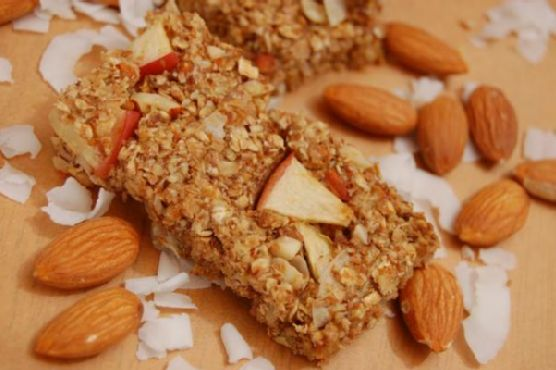
It was one of those late-summer afternoons, the kind where the sun hangs a little lower in the sky and you can just feel fall whispering from around the corner. I found myself digging through the pantry, looking for something to munch on that wouldn’t make me feel guilty later. You know that feeling, right? When you’re just done with salads but not quite ready to dive into pumpkin-everything? That’s when I decided to whip up these Homemade Apple Almond Granola Bars. They’re the perfect transition snack — hearty enough to curb hunger, sweet enough to feel indulgent, but packed with ingredients that say, “Hey, I’m still being healthy!”
Jump to Recipe
What You’ll Need
I love this recipe because you likely already have most of the ingredients lounging in your kitchen. Trust me, it’s all pretty basic, but with a few key players that make these bars special.
- 2 cups rolled oats
- 1/4 cup ground flax seed
- 1/4 cup oat bran
- 1/4 cup wheat bran
- 1/2 teaspoon salt
- 1 teaspoon baking powder
- 1 teaspoon cinnamon
- 1/2 cup sugar substitute
- 1/4 cup unsweetened coconut
- 1 cup non-fat milk
- 2 tablespoons sweet honey
- 1 large egg
- 1 teaspoon vanilla extract
- 1 large apple, chopped
- 1/2 cup sliced almonds
How to Make Homemade Apple Almond Granola Bars
- First things first, preheat your oven to 350°F. Grab a 9×13 pan and give it a good spray with non-stick cooking spray. You don’t want any sticking drama later.
- In a big mixing bowl, stir together the oats, ground flax seed, oat bran, wheat bran, salt, baking powder, cinnamon, sugar substitute, and coconut. This mixture should look sandy and smell like a cozy cinnamon dream.
- Pour in the milk, honey, egg, and vanilla extract. Stir until everything is nice and combined. The mixture will be wet but not soupy.
- Fold in the chopped apple and sliced almonds. You want those chunks to be well distributed so every bar gets a piece of the action.
- Press the mixture evenly into your prepared pan. Make sure it’s packed tightly, so the bars hold together after baking.
- Bake for 15-20 minutes. You’ll know they’re done when the edges are just starting to brown and the kitchen smells like heaven.
- Let the bars cool in the pan for about 10 minutes. Then cut them into your desired bar size. Be careful, they’ll still be warm!
- Finally, let them cool completely before removing from the pan. This helps them set up nicely.
Cook’s Notes
These granola bars are super forgiving. If your apple is more tart, it pairs beautifully with the sweet honey. The bars are pretty adaptable — you can tweak them based on what you have on hand. Store them in an airtight container, and they’ll stay fresh for about a week, perfect for tucking into lunch boxes or grabbing on your way out the door. If you’re making them ahead, they freeze well too. Just wrap each bar individually and pull one out when you need a quick snack.
Make It Your Own
- Pumpkin Spice Swap: Trade the cinnamon for an equal amount of pumpkin spice to usher in those autumn vibes.
- Nutty Buddy: Swap almonds for pecans or walnuts. They add a different crunch and flavor.
- Chunky Monkey: Throw in some mini chocolate chips or dried banana pieces for a sweeter treat.
- Berry Burst: Substitute the apple with dried cranberries or raisins for a fruity twist.
If you try this, I’d love to hear how it turns out — drop a comment or tag me! Whether you stick to the script or put your own spin on it, these bars are bound to become a favorite. Happy snacking!
Related update: Homemade Apple Almond Granola Bars
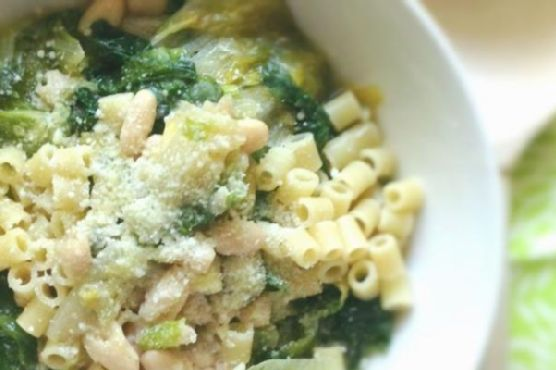
Picture this: it’s a dreary Tuesday evening, and the rain won’t let up. You’re standing in the kitchen, craving something warm and comforting but also something that won’t require an entire evening of chopping, stirring, and watching the pot. That’s when this Escarole & Beans recipe becomes your best friend. This dish is like a cozy blanket in a bowl—hearty, savory, and surprisingly simple to whip up. A few pantry staples, a quick simmer, and voila: you’re transported to a place where the rain feels less dreary and dinner feels a little more special. And trust me, the addition of escarole gives it just the right touch of freshness and bite.
Jump to Recipe
What You’ll Need
This dish thrives on simplicity, using ingredients you probably already have, with a couple of stars that elevate it from your typical pantry meal.
- 8 oz of ditilini pasta
- 3 diced garlic cloves
- 3 tablespoons of olive oil
- 1 can of cannellini beans, with its juice
- 1 cup of vegetable broth
- Salt & pepper to taste
- 1 head of escarole, washed and chopped
- 1 teaspoon of crushed red pepper flakes
- Freshly grated parmesan cheese for garnish
How to Make Escarole & Beans
- Start by cooking the ditilini pasta according to the package directions. You want it al dente, so it holds up in the broth later.
- In a large pot, heat the olive oil over medium heat. Add the diced garlic and sauté just until it starts to turn golden and fragrant—don’t let it burn!
- Pour in the cannellini beans, juice and all. Add a sprinkle of salt, a crack of black pepper, and the crushed red pepper flakes. Stir it all together and let it heat through for a few minutes.
- Stir in the vegetable broth. Let the mixture simmer gently for about 10 minutes. You’ll notice the edges start to bubble, and it smells heavenly.
- Toss in the chopped escarole and cover the pot with a lid. You’re aiming to wilt the escarole, not stew it, so check every couple of minutes and give it a stir until it’s just wilted.
- Once the escarole is tender but still vibrant, turn off the heat. Taste and adjust the seasoning if needed—sometimes it just needs that little extra pinch of salt.
- To serve, spoon some pasta into each bowl and ladle the escarole and bean mixture over top. Don’t skimp on the broth—it’s the best part! Finish with a generous sprinkle of parmesan cheese.
Cook’s Notes
This dish is all about balance. The escarole should be wilted but not mushy, and the pasta al dente. If you’re making it ahead, you might want to store the pasta and the bean mixture separately, so the pasta doesn’t soak up all the broth and get soggy. Just combine them when you’re ready to eat.
- If you’re not a fan of spicy, you can reduce or even omit the crushed red pepper flakes. It’s still delicious without the heat!
- Leftovers can be stored in an airtight container in the fridge for up to three days. Reheat gently on the stove, adding a splash of water or broth if it’s too thick.
Make It Your Own
- Swap out the escarole for kale or spinach if that’s what you have on hand or prefer. Both hold up beautifully in the broth.
- If you’re looking for a heartier meal, add some Italian sausage to the pot when you sauté the garlic. Cook it through before proceeding with the recipe.
- For a vegetarian twist with a protein kick, throw in some crispy tofu cubes just before serving.
- Fancy a change from pasta? Try serving the beans and escarole over a slice of crusty, toasted sourdough bread for a rustic feel.
If you try this, I’d love to hear how it turns out—drop a comment or tag me! Cooking is all about sharing the love, after all. Bon appétit!
Related update: Escarole & Beans
Related update: Philly Cheesesteak Grilled Wraps

It was one of those sticky summer afternoons, the kind where even the shade feels warm and inviting. I had a couple of peaches lounging on the counter, looking like they might start a protest if not eaten soon. That’s when inspiration struck! I wanted something refreshing but also satisfying, and that’s how this Fresh Peach With Goat Cheese Side Salad came to life. It’s such a delightful surprise: juicy peaches balanced by creamy goat cheese, accented with fragrant basil and a hint of honey sweetness. Plus, it only takes a few minutes to whip up, making it perfect for a spontaneous lunch or a quick dinner side.
Jump to Recipe
What You’ll Need
I bet you have most of these hanging around your kitchen. Here’s what you need for this bite of sunshine:
- 4 ripe peaches – the juicier, the better
- 1 tablespoon of honey – for that sweet, sticky goodness
- Pinch of salt – to make all the flavors sing
- 1/2 cup of crumbled goat cheese – creamy and tangy
- A handful of fresh basil leaves – torn for maximum aroma
How to Make Fresh Peach With Goat Cheese Side Salad
- Halve and pit the peaches, then slice them into wedges. Place these sun-drenched beauties into a large mixing bowl.
- Drizzle the honey over the peach slices. Use your hands to gently toss them until they’re evenly coated. Feel free to sneak a taste here; it’s irresistible!
- Sprinkle a pinch of salt over the honeyed peaches. This simple move really brightens up the flavors, trust me.
- Now for the aromatic part: gently fold in the torn basil leaves. The smell is going to be like a mini vacation.
- Finally, crumble the goat cheese over the top and give it one last gentle toss. The cheese should cling lovingly to the peaches.
Cook’s Notes
Here’s a little secret: no need to be too precise with this salad. It’s all about the balance of sweet and tangy meeting fresh and creamy. If you don’t have ripe peaches, you might need a bit more honey to bring out their sweetness. This salad doesn’t keep well, so aim to enjoy it right away. But if you have leftovers, they’ll still be tasty for a day if stored in the fridge — just expect the basil to do a little wilting dance.
Make It Your Own
Looking to customize this salad? Here are some fun tweaks:
- Swap the peaches for nectarines or even grilled apricots for a smoky twist.
- Try using a soft blue cheese instead of goat cheese if you’re feeling adventurous.
- For a nutty crunch, add a handful of toasted pistachios or sliced almonds.
- If basil isn’t your thing, mint leaves could bring a refreshing coolness instead.
If you try this, I’d love to hear how it turns out — drop a comment or tag me! I hope this salad brings a burst of sunshine to your table as it did mine. Enjoy every juicy, creamy bite!
Related update: Fresh Peach With Goat Cheese Side Salad
Related update: Roasted Brussels Sprouts With Red Onions and Pancetta
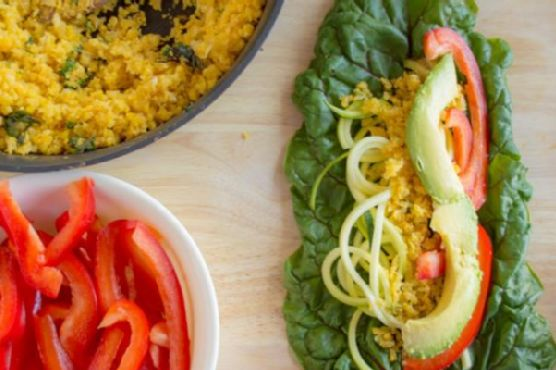
Picture this: It’s a Wednesday evening, you’re staring blankly into your fridge, mentally calculating the time it takes to defrost a chicken breast versus the desire to just order takeout. Sound familiar? That’s when I stumbled upon the beauty of Swiss Chard Wraps. The first time I made these, I had a surplus of swiss chard and exactly zero motivation to cook anything I couldn’t make in less than 30 minutes. These wraps are fresh, flavorful, and unexpectedly satisfying, and they completely saved dinner that night. They’re packed with vibrant veggies and a spicy kick, and the best part is — they’re ridiculously easy to put together. Plus, they feel like a little bit of a kitchen adventure. Curious yet?
Jump to Recipe
What You’ll Need
Okay, here’s the best part. You likely have most of these ingredients on hand, and if not, they’re easy to grab. Plus, they’re all about that fresh, vibrant taste!
- Dried swiss chard leaves
- Orange cauliflower
- Olive oil
- Garlic
- Salt
- Fresh basil
- Zucchini
- Red bell pepper
- Avocado
- Trader Joe’s spicy peanut vinaigrette
How to Make Swiss Chard Wraps
- Chop off the stems of the swiss chard right where they meet the leaf. I like to leave a little bit of the stem attached to give the wraps some backbone, but you do you.
- Take that orange cauliflower, chop it into small pieces, and pulse in a food processor until it resembles rice. Florets and stalks are both fair game.
- Heat some olive oil in a sauté pan over medium-high heat. Once it’s shimmering, toss in the garlic and let it sizzle for a minute or two until you smell that glorious aroma and see it start to brown.
- Add your cauliflower rice to the pan and cook for about 2-3 minutes. You’ll know it’s done when it turns a vibrant yellow-orange. Sprinkle in a pinch of salt and some chopped basil, then give it a good stir.
- If you have a spiralizer, use Blade B to create zucchini noodles. No spiralizer? No problem. Just use a vegetable peeler to make ribbons.
- To assemble the wraps, lay a large swiss chard leaf flat. Add some sautéed cauliflower, zucchini noodles, red bell pepper slices, and avocado down the center along the stalk.
- Drizzle everything with a bit of spicy peanut vinaigrette and wrap it up tightly. Take a moment to admire your handiwork before diving in.
- These wraps are fantastic as a side dish to your favorite protein or even as a light main course. Enjoy them right away for the best experience!
Cook’s Notes
These wraps are freshest when made and eaten right away, but if you’re looking to prep ahead, you can make the cauliflower rice and chop the veggies in advance. Store them separately and assemble the wraps when you’re ready to eat. Leftovers? Pop them in an airtight container and refrigerate. They’ll keep for a day, but trust me, they’ll be long gone before you know it. If you’re watching the salt, taste as you go, especially if your vinaigrette is already salty.
Make It Your Own
Get creative with these wraps! Here are a few ways to mix things up:
- Swap the avocado for hummus for a creamy, Mediterranean twist.
- Use crispy tofu instead of the spicy peanut vinaigrette for a protein-packed version.
- Throw in some shredded carrots for an extra crunch.
- Experiment with different herbs — mint or cilantro can add new dimensions of flavor.
If you try this, I’d love to hear how it turns out — drop a comment or tag me! These wraps are a staple in my kitchen now, and I hope they become one in yours, too. Happy wrapping!
Related update: Swiss Chard Wraps
Related update: Fresh Peach With Goat Cheese Side Salad
Related update: Escarole & Beans

Picture this: it’s a bustling Tuesday evening and I’m standing in my kitchen, rifling through the pantry for dinner inspiration when I stumble upon a bunch of cute, little eggplants. A light bulb moment hits—Hyderabadi baghara Baingan! This dish is like a warm hug, perfect for when you’re craving something rich and tangy yet surprisingly easy to whip up. The eggplants soak up the spiced, nutty goodness, leaving you with a delicious meal that feels like it took hours, but really didn’t. Trust me, even on the busiest days, this is a dish that delivers on flavor with every bite.
Jump to Recipe
What You’ll Need
This isn’t one of those crazy ingredient lists that sends you to five different stores. Chances are you already have most of these at home.
- 10-12 baby eggplants
- 3-4 red Kashmiri chilies
- Coconut
- Coriander seeds
- Cumin seeds
- 8-10 curry leaves
- Garlic
- 1 piece of ginger
- Tamarind, about a lime-sized ball
- Oil
- Onion
- Salt
- Nigella seeds
- Sesame seeds
- Turmeric
- Jaggery
- Peanuts
- Cashews
How to Make Hyderabadi baghara Baingan
- First things first—wash those baby eggplants and pat them dry. You’re going to slit them lengthwise into fours, but keep the stems intact. This way, they hold together nicely in the dish.
- In a separate pan, heat a teaspoon of oil. Toss in the cumin seeds, peanuts, and cashews and fry them for a few seconds until fragrant.
- Add in the ginger, garlic, and chopped onion. Cook this down for about a minute until everything turns soft and golden.
- Sprinkle in the turmeric, coriander seeds, coconut, and Kashmiri red chilies. Keep frying till the mixture turns a lovely brown. Let this cool completely and then blend it into a fine paste with a little water.
- Now, in a thick-bottomed pan, heat some oil and fry the eggplants until they’re brown and tender. This is where they get all soft and lovely. Remove them and set aside.
- In the same oil, add the nigella seeds and let them crackle before stirring in those aromatic curry leaves. Fry for a few seconds to release their flavors.
- Add the ground paste you prepared, along with the tamarind pulp, salt, and jaggery. Mix it all up until it becomes a fragrant, bubbling sauce.
- Gently add the sautéed eggplants and about half a cup of water. Cover the pan and let everything simmer over low heat until the eggplants are cooked through and super soft.
- Serve this hot with rice or rotis, and savor each mouthful of that rich, tangy curry.
Cook’s Notes
Cooking Hyderabadi baghara Baingan is a breeze if you keep a few things in mind. First, ensure the eggplants are fresh and firm for the best taste. If you don’t have Kashmiri red chilies, substitute with any mild red chili for that vibrant color, but be mindful of the spice level. This dish is great the next day too as the flavors deepen overnight, so don’t hesitate to make it ahead of time. Store leftovers in an airtight container in the fridge for up to 3 days. Reheat gently, adding a splash of water if needed to loosen the sauce.
Make It Your Own
Looking to shake things up a bit? Here are a few ways to switch up this recipe:
- Swap the eggplants for zucchini or baby bell peppers for a different twist.
- For a nut-free version, omit the peanuts and cashews and add a tablespoon of almond butter to the paste for richness.
- Dial up the heat by adding a green chili or two to the paste if you’re in the mood for something spicier.
- For a heartier meal, toss in some boiled potatoes along with the eggplants.
If you try this, I’d love to hear how it turns out—drop a comment or tag me! Your feedback makes my day and helps fellow food lovers. Enjoy the cooking adventure!
Related update: Hyderabadi baghara Baingan
Related update: Lamb & Sweet Potato Pot Pie

Ever have one of those days where you open the fridge, and it feels like a barren wasteland of half-used vegetables and random leftovers? Last Tuesday was precisely that for me. I had a craving for something comforting yet quick, and the idea of ordering takeout for the third time that week wasn’t sitting well with my wallet—or my waistline. That’s when I remembered my go-to Easy Vegetable Fried Rice. It’s one of those recipes that feels like a kitchen miracle, turning odds and ends into something spectacularly satisfying. Plus, it’s quicker than waiting for delivery and way more rewarding.
Jump to Recipe
What You’ll Need
This recipe’s magic lies in its versatility and simplicity. Chances are you already have most of these ingredients lurking in your kitchen:
- Broccoli – The more the merrier!
- Butter – Because everything’s better with it.
- Carrots – Sweet and crunchy.
- Cooked rice – Preferably a day old, but fresh works too.
- Egg – For that authentic fried rice finish.
- Garlic – Minced, for a punch of flavor.
- Ginger – Freshly grated, if possible.
- Green beans – Snappy and fresh.
- Peas – Sweet, lovely little peas.
- Soy sauce – This is your salt and savory magic.
- Sesame oil – For that nutty, toasted aroma.
- Sugar – Just a touch for balance.
How to Make Easy Vegetable Fried Rice
- Start by bringing a pot of water to a boil. Toss in the green beans and broccoli. Let them blanch for about two minutes, then drain them immediately to keep that vibrant color. If you’re using frozen veggies, ease off the package instructions by three minutes—no one likes mushy veggies.
- In a large pan or wok, heat your sesame oil over medium heat. Toss in the garlic and ginger. Stir them around for about a minute until your kitchen smells irresistibly fragrant.
- Add the carrots and give them a quick stir for one to two minutes—just enough to soften them a bit but still keep that crunch.
- Now, add the rice. The key here is using rice that’s a day old, but if you’re in a pinch, fresh rice works too. Pour in your soy sauce; adjust based on how salty you like it.
- While the rice warms up, beat the egg in a small bowl. Push the rice to the sides of the pan, creating a little space in the middle. Pour in the egg and scramble it right there, blending it in with the rice once it’s almost cooked.
- Throw in the blanched broccoli, peas, and any other veggies you fancy. Sprinkle in the sugar and stir everything together for a couple of minutes.
- Add the butter and let it melt through the rice mixture. This is where the magic happens—let the rice sit and sizzle just a bit to get those delightful crispy bits.
- Give it one last toss before serving. Dive in and enjoy your homemade fried rice!
Cook’s Notes
Fried rice is forgiving, but a few things can elevate your dish from good to great. First, cold, day-old rice is ideal since it’s less sticky and more likely to fry up nicely. If using fresh rice, spread it out on a baking sheet to cool and dry a bit. Feel free to adjust the soy sauce to your taste—every brand varies in saltiness. If you’re making this ahead of time, store it in an airtight container in the fridge for a couple of days. Reheat in a pan for the best texture, adding a splash of water if it seems dry.
Make It Your Own
- For protein, swap the egg for crispy tofu cubes. Just pan-fry them before adding the garlic and ginger.
- Add a kick by tossing in a teaspoon of chili paste or Sriracha along with the soy sauce.
- Switch out the green beans for snap peas for an even sweeter crunch.
- For a nutty twist, sprinkle toasted sesame seeds over the top before serving.
If you try this, I’d love to hear how it turns out—drop a comment or tag me on your social media adventures! Enjoy every spoonful of your kitchen creativity.
Related update: Easy Vegetable Fried Rice
Related update: Hyderabadi baghara Baingan

Picture this: It’s a chilly Wednesday evening, and I’ve got exactly 15 minutes before my friends show up for our weekly Wine & Whine night. The fridge is looking a bit sparse, but I spot some leftover brie from last weekend and a carton of raspberries that are starting to look a tad too ripe. As I rummage through my pantry, I stumble upon a forgotten stash of phyllo shells. A lightbulb moment strikes—why not whip up some White Chocolate Raspberry Brie Cups? They’re quick, ooze class with minimal effort, and the combination of creamy, tangy, and sweet is an absolute game-changer. Trust me, these little bites are what every Wednesday evening dreams of becoming.
Jump to Recipe
What You’ll Need
You might already have most of these on hand, which means fewer trips to the store—score!
- Brie – The creamy heart of our cups.
- Athens phyllo shells – Crunchy, flaky, ready-to-go lifesavers.
- Raspberries – Fresh and slightly tart.
- Raspberry preserves – For that extra berry punch.
- White chocolate – The sweet base to balance it all out.
How to Make White Chocolate Raspberry Brie Cups
- Preheat your oven to 350 degrees. This gives us just enough time to assemble everything.
- Line a baking sheet with parchment paper. This helps prevent any sticky messes and makes cleanup a breeze.
- Place 1 teaspoon of white chocolate in the bottom of each phyllo shell. The chocolate will melt into a sweet, gooey foundation.
- Top with chunks of brie. Go generous here—the brie should be the star of the show.
- Add about 1/2 teaspoon of raspberry preserves on top of the cheese. This layer should start to glisten.
- Bake for 8 minutes, or until the corners of the phyllo shells turn golden and the cheese is bubbling away.
- Carefully remove from the oven and top with a small dollop of extra raspberry jam. Trust me, it’s worth it.
- Place back in the oven for just 1 more minute to let the jam settle.
- Finally, crown each cup with a fresh raspberry. Serve them hot—the contrast of temperatures is divine.
Cook’s Notes
Don’t overstuff the shells; they need some space to breathe and bake properly. If you’re prepping for a party, you can assemble these up to a day in advance. Just cover and refrigerate them, then bake right before serving. These cups are best enjoyed fresh, but if you have leftovers (unlikely!), store them in an airtight container in the fridge. Pop them back in a warm oven for a few minutes to re-crisp.
Make It Your Own
- Swap the brie for camembert if you’re feeling adventurous—another creamy delight.
- Try a darker chocolate for a less sweet, more sophisticated bite.
- Substitute the raspberry preserves with apricot jam for a surprise twist.
- Add a thin slice of prosciutto under the brie for a savory kick.
If you try this, I’d love to hear how it turns out—drop a comment or tag me! Wine & Whine nights are my favorite, and I hope these cups make yours special too.
Related update: White Chocolate Raspberry Brie Cups

Okay, so picture this: It’s a chilly Tuesday morning, and I had exactly five minutes before my first Zoom call of the day. My stomach was growling louder than my cat, and I needed a breakfast solution that was quick, comforting, and wouldn’t leave me feeling like I scarfed down a bowl of sugar cubes. Enter Peaches And Cream Oatmeal! It’s that perfect hug-in-a-bowl for mornings when time seems to slip through your fingers like sand. Honestly, it’s like eating dessert for breakfast, but without the guilt trip. And the best part? In just a few minutes, with ingredients you likely have on hand, you can whip up something that tastes like you’ve been slaving over the stove. Spoiler: You haven’t.
Jump to Recipe
What You’ll Need
This is one of those recipes where you’ll likely find most of the ingredients already hanging out in your kitchen. It’s delightfully simple, and trust me, you’re gonna love what these basics can turn into.
- Frozen peaches
- Cooking oats
- Non-fat milk
- Low fat cream cheese
- Agave
- Cinnamon
How to Make Peaches And Cream Oatmeal
- Start by microwaving the frozen peaches for about 30 seconds. You want them to be just soft enough to break apart easily with a spoon but still holding their shape.
- Add in the cooking oats, non-fat milk, a dollop of low fat cream cheese, a drizzle of agave, and a sprinkle of cinnamon. The combination of creamy and sweet with a hint of spice will make your kitchen smell divine.
- Pop it all in the microwave for about a minute. Keep an eye out as the edges will start to bubble, and the cream cheese will melt into a luscious swirl.
- Once done, give it a good stir. You want everything to meld together into a creamy, peachy paradise. Enjoy it while it’s warm and watch your morning instantly get better.
Cook’s Notes
Here’s the deal: This oatmeal is extremely forgiving, so don’t stress if you don’t measure everything exactly. I find it’s best eaten right away while it’s warm, but if you do have leftovers, they can be stored in an airtight container in the fridge for a day or two. Just add a splash of milk before reheating to bring it back to its creamy self.
If you don’t have agave, honey or maple syrup work just as well. And if you prefer your oatmeal a bit thicker, you can reduce the milk slightly or add more oats. The cream cheese gives it that dreamy, creamy texture, so feel free to adjust according to your taste buds’ desire.
Make It Your Own
- Berry Delight: Swap the peaches for a mix of berries. Frozen blueberries or raspberries can add a nice tart kick.
- Nutty Crunch: Toss in some chopped almonds or walnuts for a bit of texture and extra protein.
- Vegan Vibes: Use almond or oat milk and vegan cream cheese to keep it plant-based.
- Spice It Up: Add a pinch of nutmeg or ginger along with the cinnamon for a warm, spiced flavor.
If you try this, I’d love to hear how it turns out — drop a comment or tag me! Your mornings deserve a little bit of peachy comfort, and I can’t wait for you to try it. Enjoy! 🍑❤️
Related update: Peaches And Cream Oatmeal
Related update: Crawfish Cake Sliders
Related update: Blueberry, Chocolate & Cocao Superfood Pancakes - Gluten-Free/Paleo/Vegan
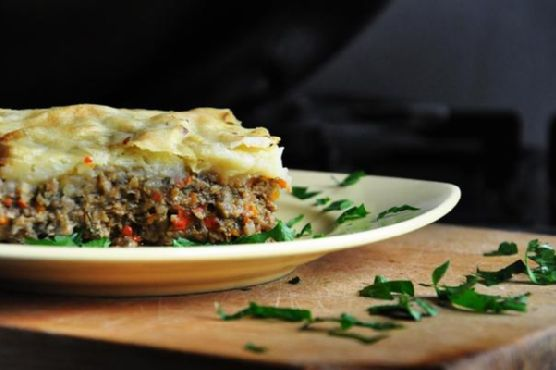
It was one of those crisp autumn evenings when the wind manages to sneak its way through every little crack in the window, and the leaves rustle just a bit too loudly. I was in my kitchen, fervently searching for something comforting yet uncomplicated enough to soothe the chill that had settled in my bones. And there it was—my answer in the form of a hearty, soul-warming Vegetarian Mushroom Shepherd’s Pie. It’s the kind of dish that’s a hug on a plate, warmly satisfying yet light enough that you won’t be falling asleep on the couch afterward. Trust me, this is a dish you’ll want to keep in your back pocket for those moments when you’re craving something cozy without all the fuss.
Jump to Recipe
What You’ll Need
It’s likely that you’ve got most of these ingredients chilling in your pantry or fridge right now. It’s a simple list, but when combined, the flavors really come alive.
- Red skin potatoes
- Soy granules
- Mushrooms
- Carrot
- Red bell pepper
- Diced onions
- Dill
- Parsley
- Dry eggs (or your favorite egg substitute)
- Sea salt
- Ground pepper
- Sweet paprika
- Dry thyme
- Unrefined sunflower oil
How to Make Vegetarian Mushroom Shepherd’s Pie
- Peel the red skin potatoes and place them into a large pot filled with water. Bring to a boil and let them bubble away until they’re tender and ready to be mashed.
- Once the potatoes are perfectly soft, drain and mash them. Let the mash cool while you get everything else ready—it should be smooth and slightly fluffy.
- Chop the mushrooms, carrot, and red bell pepper into manageable pieces, then add them into your food processor. Pulse until everything’s finely chopped and well mixed, creating a delightful, aromatic medley.
- In a large skillet, heat a splash of sunflower oil over medium heat until shimmering. Add the vegetable mixture, along with diced onions, chopped dill, parsley, soy granules, dry eggs, sea salt, ground pepper, sweet paprika, and dry thyme. Sauté for about 10 minutes until the mixture is fragrant, and the kitchen smells like comfort personified.
- Prepare a casserole dish by lining it with parchment paper. Divide the mashed potatoes into two portions, spreading the first half evenly as a base layer in the dish.
- Spoon the savory mushroom filling over the potato layer, ensuring it’s even and packed full of flavor.
- Spread the remaining mashed potatoes over the top of the filling, smoothing it out with a spatula like you’re icing a cake.
- Preheat your oven to 390°F (200°C). Slide your casserole into the oven and let it bake for 40 minutes until the top is golden and slightly crisp.
- Resist the urge to dive in immediately! Let it cool for at least half an hour to allow the flavors to settle and intensify.
Cook’s Notes
While this dish is pretty forgiving, a few tips can make it even better. If you’re tight on time, peel and chop the potatoes the night before and store them in water in the fridge. This way, they’ll be ready to go when you are. When mashing the potatoes, aim for smoothness, but a few lumps add a lovely rustic touch. Also, this pie is at its best when cooled slightly, so patience is key. Leftovers can be stored in an airtight container in the fridge for up to three days, and they reheat beautifully—just pop them back in the oven until they’re warmed through.
Make It Your Own
Feel free to tweak this recipe according to what’s in your fridge or what you’re craving:
- Swap the soy granules with cooked lentils for a different texture and earthy flavor.
- Use sweet potatoes instead of red skin potatoes for a sweeter topping that pairs beautifully with the savory filling.
- Add a sprinkle of cheese on top for a golden, melty finish—vegan cheese works just as well!
- Incorporate some corn or peas into the filling for an extra pop of color and sweetness.
If you try this, I’d love to hear how it turns out—drop a comment or tag me on social! I’m always excited to see your unique spins on this cozy classic.
Related update: Vegetarian Mushroom Shepherd’s Pie
Related update: Lamb In Red Mole Sauce
Related update: White Chocolate Raspberry Brie Cups

Oh, the joys of summer! Last week, I found myself standing in the kitchen, windows wide open, a warm breeze sneaking in with the scent of freshly cut grass. It was the kind of day that begged for something cool, creamy, and refreshing. That’s when it hit me—I needed tzadziki in my life, like, immediately. This is the kind of dish that doesn’t just fill your belly; it feels like a mini-vacation to the Mediterranean. It’s quick and straightforward but has that “made from scratch” vibe that’ll make you feel like a kitchen wizard. Seriously, if you’re looking for something to dollop on just about anything, tzadziki is your go-to. Jump to Recipe
What You’ll Need
You might already have most of these on hand, especially if you’re a fan of Greek cooking. Here’s what you’ll need:
- Cucumbers – The crunchy base of our dip.
- Sea salt – To draw out that extra moisture from the cuke.
- Yogurt – The creamy heart of the tzadziki.
- Sour cream – Adds a little tang and extra creaminess.
- Olive oil – Just a drizzle for richness.
- Vinegar – A splash to brighten up the flavors.
- Garlic – Because what’s tzadziki without garlic?
- White pepper – For a subtle heat that doesn’t overpower.
- Fresh dried dill – The herb that ties it all together.
How to Make Tzadziki
- Start by lightly salting the cucumbers. This isn’t just seasoning; it’ll help draw out the water. Let them sit for about 5 minutes.
- Once they’ve had a good cry, take small handfuls of the cucumbers and squeeze out as much water as you can. You’ll be surprised how much comes out!
- In a bowl, mix the yogurt, sour cream, olive oil, vinegar, garlic, and white pepper. You’re looking for a smooth, creamy blend here.
- Add the drained cucumbers and dill to your creamy mixture. Give it a good stir until everything’s well combined.
- Taste and adjust the seasoning. It might need a pinch more salt or a dash of vinegar to suit your taste.
- Chill the tzadziki in the fridge for at least two hours. This is where the magic happens as the flavors meld together.
Cook’s Notes
Ah, the art of tzadziki making! It’s all about getting those cucumbers nice and dry, so don’t skimp on the squeezing. Trust me, the less water, the creamier your dip. And while you’re at it, make sure you let it chill long enough. The flavors need time to develop, and patience is key here. Planning ahead? Make it the day before your gathering, and it’ll be even better! Store any leftovers in an airtight container in the fridge, and they’ll last a good three days. Just give it a stir before serving because the water might separate a bit.
Make It Your Own
- Spicy Kick – Add a pinch of cayenne pepper for a hint of heat.
- Herb Swaps – Try mint or parsley instead of dill for a different herbal note.
- Extra Creamy – Use full-fat Greek yogurt for an even richer texture.
- Vegan Twist – Swap the yogurt and sour cream for coconut yogurt to make it vegan-friendly.
If you give this a whirl, I’d absolutely love to hear how it turns out for you. Drop a comment or tag me in your creations. Happy dipping!
Related update: Tzadziki
Related update: Hummus with roasted orange peppers
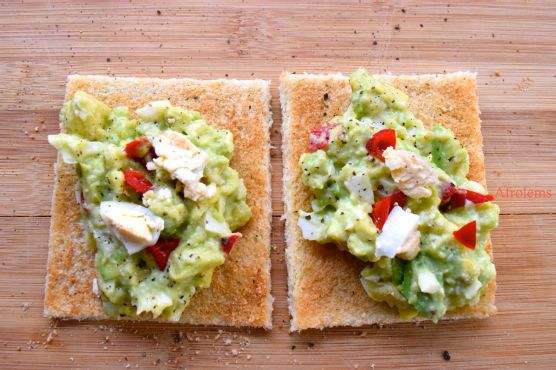
There’s something about a Saturday morning when I’m craving something simple yet satisfying, and this avocado egg salad hits just the right spot. Last week, I found myself staring into the fridge, half-awake and in dire need of coffee, when I realized I had everything I needed for a quick, hearty brunch. This recipe is a lifesaver for lazy mornings or when you just need something nourishing but don’t want to spend an hour in the kitchen. With creamy avocado and the perfect hint of spice from the scotch bonnet pepper, it’s a fresh take on a classic. Plus, you can have it ready in under 30 minutes. Trust me, you’ll want to keep coming back to this one.
Jump to Recipe
What You’ll Need
Chances are you already have most of this in your pantry or fridge, making it a breeze to whip up without a grocery run.
- 4 large eggs
- 1 ripe avocado pear
- 1 lemon
- 1/2 teaspoon black pepper
- 1 small seasoning cube
- 1 small scotch bonnet pepper
- 4 slices of whole wheat bread
How to Make Avocado Egg Salad
- Boil your eggs in a pot of water for about 10 minutes until they’re hard-boiled. Once cooked, immerse them in cold water to cool. This makes peeling a breeze.
- While the eggs cool, peel your avocado and mash it in a large bowl until smooth but with a few chunks for texture.
- Cut your lemon in half and squirt the juice over the mashed avocado. This keeps it from browning and adds a nice tangy kick.
- Once the eggs are cool, peel and chop them into bite-sized pieces, then add them to the avocado mixture.
- In a small bowl, mix the black pepper, crumbled seasoning cube, and finely chopped scotch bonnet pepper. Adjust pepper to taste if you’re not into too much heat.
- Add the spice mixture to your avocado and egg and gently combine until everything is well mixed.
- Toast your whole wheat bread until crisp and golden. The aroma alone will make your mouth water.
- Roll over the toasted bread with a rolling pin, cut the edges off for a neat presentation, and serve with a generous helping of the avocado egg salad on top.
Cook’s Notes
Here are a few nuggets of wisdom to keep in mind while making this dish:
- If your avocados are slightly underripe, you can microwave them for 30 seconds to soften.
- Scotch bonnet peppers pack a punch, so handle them carefully if you’re not a heat enthusiast. You can always start with half and add more to taste.
- This salad can be made a few hours ahead of time. Just cover it tightly with plastic wrap to keep the avocado from browning.
- Leftovers can be stored in an airtight container in the fridge for a day, although it’s best enjoyed fresh.
Make It Your Own
- Swap the whole wheat bread for a crusty baguette or sourdough for a different texture.
- Replace the scotch bonnet with jalapeños if you prefer a milder heat.
- Add a handful of cherry tomatoes, halved, for a burst of freshness.
- Mix in a spoonful of Greek yogurt for a creamier texture and a hint of tang.
If you try this, I’d love to hear how it turns out — drop a comment or tag me! Enjoy your meal, and remember, the best recipes are those you make your own.
Related update: Avocado Egg Salad

It was one of those weeks where I was juggling a dozen things—work deadlines, a last-minute school project, and the usual life chaos. That’s when I stumbled upon the idea of making soup, a comforting pause in a hectic day. But I wanted something versatile enough to please everyone’s different tastes at home. Enter: One Soup, Two Ways. This recipe is like a choose-your-own-adventure book from my childhood, letting you decide between a comforting chunky vegetable soup or a smooth, creamy version. Perfect for when you want a warm hug in a bowl or to impress your family and friends without breaking a sweat. Plus, it’s one of those recipes where I bet you already have most of the ingredients lying around, so no emergency grocery runs are needed.
Jump to Recipe
What You’ll Need
You might be amazed at how these pantry staples transform into something delicious and heartwarming!
- Olive oil
- Garlic (because everything good starts with garlic, right?)
- Onion
- Carrots
- Celery
- Salt
- Canned tomato puree
- Canned corn
- Chicken broth
- Canned beans
- Dried herbs like thyme
- Whole cooking cream (for the creamy version)
- Turmeric
How to Make One Soup, Two Ways: Chunky Vegetables and Cream Of Vegetables
- Heat a drizzle of olive oil over medium-low heat in a soup pot that’s big enough to hold all the goodness you’re about to create.
- Sauté the garlic, onions, carrots, and celery in the pot. You want that garlic to get fragrant and the onions to turn translucent while the carrots and celery soften up, about 10 minutes.
- Sprinkle in the salt, give it a good stir, and cover the pot to let those veggies sweat it out.
- Pour in the tomato puree and canned corn, stirring them in well. Let that mixture cook for a few minutes until the tomato puree deepens in color.
- Add the chicken broth and turn the heat to high. Bring it all to a rolling boil, which infuses the flavors beautifully.
- Stir in the canned beans and dried herbs, feeling free to add a pinch more if you’re feeling adventurous. Let it simmer for a few more minutes.
- Here’s where you choose your path: For chunky soup, simply ladle it into bowls. For the creamy version, remove the pot from heat, stir in the whole cooking cream, and use an immersion blender to blend until smooth and velvety.
- Sprinkle turmeric over both versions for a pop of color and a hint of earthiness. It’s like the finishing touch that makes everything special.
Cook’s Notes
- This soup is a great “clean out the fridge” meal. Toss in any leftover veggies you’ve got on hand.
- Store leftovers in the fridge, in an airtight container, for up to 3 days. Reheat on the stove over low heat until warmed through.
- If you want to make it ahead, just stop before adding the cream and blend. The chunky version freezes like a charm!
Make It Your Own
- Swap out the chicken broth for vegetable broth to keep it vegetarian-friendly.
- Use crispy tofu instead of beans for a plant-based protein option.
- Add a dash of hot sauce or chili flakes for a spicy kick.
- Incorporate some cooked pasta or rice for a heartier meal.
If you try this, I’d love to hear how it turns out—drop a comment or tag me! Whether you’re slurping the chunky version or savoring the creaminess, enjoy every spoonful. Happy cooking!
Related update: One Soup, Two Ways: Chunky Vegetables and Cream Of Vegetables
Related update: Instant Pot Chicken Thighs
Related update: French Onion Marsala Soup
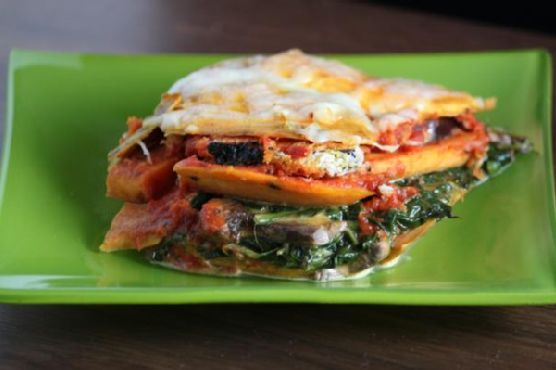
So there I was, staring at my pantry on a chilly Tuesday evening, fingers drumming impatiently on the counter. You know those nights when you crave something cheesy and delightful but also want to sneak in some veggies? Yeah, that was me. Enter: How Sweet It Is Sweet Potato Lasagne. This baby is the answer to those midweek blues — a marriage of hearty, comforting layers with a hint of spice and a whole lot of veggies. It’s one of those dishes that sounds fancy but is surprisingly straightforward. You get to play around with flavors a little, and honestly, who doesn’t like the idea of lasagne that feels a little healthier but still indulgent?
Jump to Recipe
What You’ll Need
So, here’s the kicker with this recipe: chances are you already have most of what you need right at home. A few staples, a couple of fresh picks, and voilà!
- Sweet Potatoes – the star of the show, sliced into 1/4 inch pieces.
- Baby Portabella Mushrooms – because mushrooms are the unsung heroes of any good veggie lasagne.
- Dry curry powder – gives our dish a lovely kick.
- Dried basil leaves – for that aromatic pop.
- Eggplants – sliced just like the sweet potatoes, they add a lovely texture.
- Frozen spinach – convenience meets nutrition.
- Heavy cream – for when you want things creamy, not watery.
- Monterey jack & cheddar cheese mix – because, cheese.
- Jalapeños – optional, but a little spice never hurt anyone.
- Marinara sauce – your favorite brand or homemade, up to you.
- Salt & pepper – always necessary.
- Vegetable cooking oil – canola or your oil of choice.
How to Make How Sweet It Is Sweet Potato Lasagne
- Start by slicing your sweet potatoes into 1/4 inch thick slices. Boil them until they’re just about tender but still a tad firm, around 10 minutes. You don’t want them too mushy.
- Mix together the dry curry powder and olive oil. Rub this aromatic mixture onto your semi-cooked sweet potatoes and let them marinate for at least 10 minutes, soaking in all that spicy goodness.
- Next, slice your eggplants just like the sweet potatoes. Rub them with a mix of olive oil, dried basil, and a pinch of salt and pepper. Let these beauties marinate for at least 15 minutes.
- Heat up some vegetable oil in a pan. Sauté your frozen spinach and baby portabella mushrooms for about 3-5 minutes, until fragrant and slightly softened.
- Add in the jalapeños (if you’re feeling adventurous) and season with salt and pepper. Turn the heat down and stir in some heavy cream and about half of your cheese mix until it’s creamy, but not runny.
- It’s time to assemble the masterpiece! In a baking dish, layer in this order: sweet potatoes, spinach/mushroom mix, eggplants, and a generous pour of marinara sauce. Repeat with sweet potatoes, spinach/mushroom mix, and eggplants.
- Sprinkle the remaining cheese mix on top like you’re raining down cheesy love.
- Bake at 350-375°F for about 35-45 minutes. You’ll know it’s ready when the cheese is bubbly and you can easily pierce through all the layers with a fork.
- Let it rest for a few minutes before serving to let everything meld together. Then, devour with passion!
Cook’s Notes
Let’s talk leftovers. This lasagne is a delight even the next day. Store it in an airtight container in the fridge for up to 3 days, and when you’re ready to reheat, just pop it in the oven at a low temperature until warm.
A word of caution: don’t overcook the sweet potatoes. We want them to hold their shape and add a bit of bite to the lasagne. If you’re prepping ahead, you can have your veggies sliced and marinated in advance, making assembly a breeze when you’re ready to bake.
Make It Your Own
This recipe is your canvas, so paint away:
- Swap the eggplants for zucchini if you prefer a lighter bite.
- Use crispy tofu instead of mushrooms for extra protein.
- Add a layer of ricotta cheese for extra creaminess.
- If curry isn’t your thing, try using smoked paprika for a different flavor profile.
So, if you give this sweet potato lasagne a spin, I’d love to hear how it turns out. Drop a comment or tag me! I’m always ready to chat about all things delicious. Enjoy every cheesy, veggie-packed bite! 🧡
Related update: How Sweet It Is Sweet Potato Lasagne

It was one of those chilly evenings when I found myself standing in front of the fridge, staring at a lonely head of cauliflower. It was one of those days when you crave something warm and cozy but can’t muster the energy for an elaborate meal. That’s when it hit me: Curried Cauliflower Gratin. It’s the perfect union of creamy, spicy, and crispy. This dish is like a comforting hug on a plate, yet it’s surprisingly easy to put together. Plus, it turns the humble cauliflower into something extraordinary, making it a weeknight favorite. Trust me, your taste buds will thank you later.
Jump to Recipe
What You’ll Need
You probably have most of these ingredients in your pantry already. The magic comes from how they all come together to elevate a simple vegetable.
- Cauliflower – the star of the show!
- Canned coconut milk
- Peanut oil
- Shallot
- Fresh ginger
- Garlic
- Curry powder
- Ground cumin
- Ground cardamom
- Ground nutmeg
- Cinnamon
- Flour
- Kosher salt
- Unsalted butter
- Breadcrumbs
- Cumin seeds
- Fresh garnish: cilantro
How to Make Curried Cauliflower Gratin
- Preheat your oven to 400°F. Grease an 8×8-inch baking dish with a bit of butter and set it aside. This will help with easy cleanup later and ensure nothing sticks.
- Steam the whole cauliflower until it’s tender but still holds its shape, about 15 minutes. Once done, let it cool a bit and then slice horizontally into thick slabs.
- In a saucepan over medium heat, warm the peanut oil. Toss in the ginger, shallot, and garlic, and sauté them until they’re soft and aromatic, around 3 to 4 minutes. Your kitchen should start smelling amazing about now!
- Add in the dry spices: curry powder, cumin, cardamom, nutmeg, and cinnamon. Sauté these for another 3 minutes until the spices are fragrant and toasty.
- Sprinkle the flour over the spice mixture and stir it in, cooking for about 2 minutes. This forms the base of your sauce.
- Slowly whisk in the coconut milk and salt. Keep stirring until the mixture simmers and thickens, about 3 to 5 minutes. You’ll want it to be creamy but not too thick.
- Arrange a layer of cauliflower slices in your prepared baking dish. Pour about half of your curry cream over this layer. Repeat with remaining cauliflower and curry cream.
- In a small bowl, mix the breadcrumbs and cumin seeds. Sprinkle this over the top of the dish, then drizzle with melted butter for that crispy finish.
- Bake in the preheated oven for 25 to 30 minutes. You’ll know it’s done when the top is golden brown and the edges are bubbly.
- Once out of the oven, sprinkle with fresh cilantro for an extra pop of color and flavor. Serve warm and dig in!
Cook’s Notes
This dish is pretty forgiving, so feel free to adjust the spice levels to your liking. If you want a bit more heat, you could add a pinch of cayenne or chili flakes with the other spices. Leftovers can be stored in an airtight container in the fridge for up to three days. Reheat in the oven to bring back the crispiness rather than using the microwave, which can make it soggy. You can also make the curry cream a day ahead. Just keep it refrigerated and assemble the dish when you’re ready to bake.
Make It Your Own
- Swap the cauliflower for broccoli if you want a different flavor profile or if that’s what you have on hand.
- For a nut-free version, replace the peanut oil with olive oil.
- If you’re not a fan of coconut milk, heavy cream can be used as a substitute, though it will change the flavor slightly.
- Add a layer of sautéed mushrooms between the cauliflower slices for an earthy twist.
If you try this, I’d love to hear how it turns out — drop a comment or tag me! I’m always excited to see how you make these recipes your own. Happy cooking!
Related update: Curried Cauliflower Gratin

It was one of those evenings where the day had slipped away faster than expected. I glanced at the clock and realized it was nearly dinner time. My mind immediately went to Bibimbab, a dish that’s like a warm hug after a long day — comforting, flavorful, and surprisingly easy to throw together. Sure, it looks impressive with its vibrant array of veggies, tender beef, and that perfectly runny egg on top, but the secret is, it’s pretty forgiving. Accidentally overcooked your rice? No worries. Want to swap out the beef for something else? Go for it. It’s a dish that’s as flexible as your pantry, which makes it perfect for those impromptu weeknight dinners. Plus, the way the rich sesame oil blends with the spicy gochujang is just magic.
Jump to Recipe
What You’ll Need
Chances are you already have most of this in your kitchen. Here’s the rundown:
- Carrots
- Cooked white rice
- Eggs
- English cucumber
- Garlic clove
- Gochugaru (red pepper flakes)
- Gochujang (red pepper paste)
- Olive oil
- Sesame oil
- Sesame seeds
- Soy sauce
- Fresh spinach
- Sandwich steaks (thinly sliced beef)
How to Make Bibimbab (Korean Rice w Vegetables & Beef)
- First, cook your rice according to the package directions. If you’re using leftover rice, even better — it’s one less thing to worry about.
- While the rice is cooking, slice your vegetables into matchstick pieces. This will help them cook quickly and evenly. Set them aside.
- In a large non-stick pan, bring 2 cups of water to a boil. Add the fresh spinach and cook, stirring constantly until it’s wilted. This should take about a minute. Drain the spinach, cool it off, and then squeeze it dry into a small ball. It’s amazing how much water spinach holds!
- Wipe out your skillet and heat 1 teaspoon of olive oil over medium-high heat. Add the carrots and cook until they’re soft, about 3 minutes. Toss in the garlic and cook until it’s fragrant, about another minute. Your kitchen should smell amazing by now.
- Next, add cucumber slices mixed with gochugaru for a little kick. Combine your spinach with soy sauce and set it aside until serving.
- Using the same pan (because who likes doing more dishes?), add the thinly sliced beef and cook until it’s browned and tender. This should only take a few minutes.
- Wipe the pan down with a napkin, then heat another teaspoon of olive oil over medium-high. Crack in the eggs and cook them until the whites are set, but the yolks are still deliciously runny — about 5 minutes should do the trick.
- Divide the cooked rice among four bowls. Top each bowl with the sautéed vegetables, beef, and that glorious egg. Drizzle with sesame oil, sprinkle with sesame seeds, and finish with a dollop of gochujang or a splash of Sriracha for an extra kick.
Cook’s Notes
Transforming a few simple ingredients into Bibimbab is like a little kitchen magic trick. Here are a few notes to keep in mind:
- Don’t have all the ingredients? That’s okay! Bibimbab is super flexible. Use whatever veggies you have on hand.
- Gochujang is crucial for authentic flavor, but if you’re in a pinch, Sriracha makes a decent stand-in.
- This dish is best fresh, but you can store leftovers in the fridge for up to 2 days. Just know that the egg won’t be as lovely reheated.
- To make it ahead, prep all the components except for the eggs. Assemble and fry the eggs just before serving.
Make It Your Own
Here are a few fun variations to consider:
- Swap the beef for crispy tofu if you’re going for a vegetarian vibe.
- Use quinoa or brown rice instead of white rice for a whole-grain alternative.
- Add some kimchi for extra tang and spice.
- Try using some zucchini instead of cucumber for a slightly different texture.
If you try this, I’d love to hear how it turns out — drop a comment or tag me! Whether you stick to the classic or put your own spin on it, Bibimbab is all about bringing joy to your table. Enjoy every bite!
Related update: Bibimbab (Korean Rice w Vegetables & Beef)
Related update: Coconut and Whole Wheat Chicken Tenders

It was one of those chilly fall afternoons when the idea of a cozy dinner just felt right. I had spent the morning raking leaves, my nose cold, my fingers tingling, and all I could think about was something warm and comforting for dinner. My mind wandered to sweet potatoes, with their vibrant orange hue and naturally sweet flavor. And that’s how this Sweet Potato Casserole came to be. It’s the perfect blend of creamy, sweet, and crunchy, thanks to a delightful pecan topping that just makes it irresistible. Whether you’re preparing for a family gathering or simply want to treat yourself to a homemade delight, this casserole is bound to bring warmth and smiles to the table.
Jump to Recipe
What You’ll Need
This dish is a breeze to make, and chances are you already have most of these ingredients tucked away in your pantry or fridge. Here’s what you’ll need:
- 5 sweet potatoes (or you can use cooked yams)
- 2 eggs
- 1 teaspoon ground cinnamon
- 1 cup heavy cream
- Sugared pecans (make these the day before for best results)
- 1/2 teaspoon salt
- 1/2 cup unsalted butter
- 2 teaspoons vanilla extract
- 1 cup white sugar
How to Make The BEST Sweet Potato Casserole
- Preheat your oven to 350°F (175°C). Prepare a 9 x 13 glass baking dish with a light coat of butter or cooking spray.
- In a medium-sized mixing bowl, place your cooked sweet potatoes. Add the salt, butter, eggs, vanilla extract, ground cinnamon, white sugar, and heavy cream. Mix thoroughly for about a minute until smooth and well-combined.
- Take your sugared pecans and place them in a blender or food processor. Chop them until they’re small and easy to sprinkle, but be careful not to turn them into dust!
- Spoon the sweet potato mixture into the prepared baking dish, spreading it out evenly. Then, cover the top with your finely chopped sugared pecans, making sure every inch is covered.
- Bake in the preheated oven for 30 minutes or until the topping is lightly browned and the edges start to bubble slightly. Let it cool for a few minutes before serving to allow the casserole to set.
Cook’s Notes
Here’s a little secret: if you boil your sweet potatoes rather than bake them, they become super easy to mash, and the flavor remains delightfully sweet. If you’re running short on time, you can even prep the sweet potatoes and pecans a day ahead. Just keep them in airtight containers in the fridge. When it comes to leftovers, they can be stored in the fridge for up to three days and reheated in the oven at 325°F (160°C) for about 15 minutes. Avoid the microwave, as it tends to make the topping less crunchy.
Make It Your Own
- Nut swap: If pecans aren’t your thing, try using chopped walnuts or almonds for a slightly different texture and flavor.
- Spice it up: Add a pinch of nutmeg or cloves to the sweet potato mixture for an extra layer of warmth and spice.
- Go dairy-free: Swap the heavy cream with coconut milk and use a plant-based butter alternative. Still totally delicious!
- Add a twist: Mix in a handful of shredded coconut to the pecan topping for a tropical touch.
If you try this, I’d love to hear how it turns out — drop a comment or tag me on social media! Let your kitchen adventures begin!
Related update: The BEST Sweet Potato Casserole
Related update: Curried Cauliflower Gratin