
S&P Dips as ADP Flags Cooling Jobs Market | Analysis by Brian Moineau

S&P slips, ADP signals softer jobs market — live market mood

The mood on Wall Street this week felt like a weather shift: one moment clear, the next a heavy cloud of caution rolling in. The S&P 500 nudged lower as investors processed the latest ADP private-payrolls read — a number that, while not catastrophic, reinforced the view that the labor market is cooling. That subtle shift is enough to make traders rethink risk, tech valuations and how fast the Fed might move next.

What happened (quick snapshot)

  • ADP’s October private-payrolls report showed a modest gain of about 42,000 jobs on November 5, 2025, a bounce after a couple of weak months but still a far cry from the pace seen earlier in the year.
  • The S&P 500 slipped on the news while the Nasdaq and Dow showed mixed action as investors weighed weaker labor momentum against pockets of resilience.
  • Markets are especially sensitive right now because official BLS data has been disrupted; traders are leaning on ADP and other indicators for clues about employment and inflation.

Why this matters right now

  • The labor market is the primary lever for the Fed: brisk hiring and rising wages give the Fed room to keep rates high; cooling labor reduces near-term inflation pressure and increases the odds of rate cuts or a slower path higher.
  • ADP is not the BLS. It’s a private-sample indicator that often points the way but can diverge from the official jobs number. With some government data delayed in recent weeks, ADP’s read carries outsized influence.
  • Even modest “slack” in hiring can hurt high-valuation sectors (think tech) and tilt flows toward defensive parts of the market.

Market context and background

  • Through 2025 the U.S. labor market has been on a gradual softening trend: monthly hiring has slowed from the heady gains of prior years, and several reports have shown layoffs rising in certain sectors (notably tech and professional services).
  • ADP’s October report (released November 5, 2025) showed a limited rebound with gains concentrated in education, healthcare and trade/transportation — while professional services, information and leisure/hospitality continued to lose jobs.
  • Investors are also watching broader signals: corporate earnings, layoffs data from firms, and other real‑time indicators that can confirm whether hiring weakness is broad-based.

Market movers (how the indexes reacted)

  • S&P 500: slipped as traders priced in slower growth and a slightly stronger chance of policy easing later rather than sooner.
  • Nasdaq: sensitive to growth and earnings momentum, it underperformed at times as soft hiring raises questions about tech demand and valuations.
  • Dow: tended to be steadier, benefiting from more defensive and cyclical names that are less dependent on expansionary sentiment.

A few takeaways for investors and traders

  • ADP matters now because other official data streams are constrained. Treat it as a directional signal, not gospel.
  • A modest slowdown in private payrolls is not the same as a recession signal — but it does change the probabilities on Fed timing and equity valuations.
  • Sector rotation is alive: less tolerance for richly priced growth names, more interest in value, dividends and beaten-down cyclical names if data deteriorates further.

My take

This is classic “data-driven caution.” The October ADP print is neither a dramatic shock nor a reassurance that everything’s fine. It sits in the middle: enough to make markets re-price risk modestly and to keep central-bank watchers glued to the next data points. In that environment, patience matters. Traders will jump on any fresh signal — another payroll read, CPI or corporate guidance — so expect continued intraday swings and heightened sensitivity to headlines.

Final thoughts

Markets are living through a transition: from a hot labor market that justified higher valuations to a more uncertain one where the Fed’s next move is less obvious. That middle ground often brings volatility and opportunity. For long-term investors, the best move is rarely to panic but to reassess portfolio tilt and ensure allocations reflect both risk tolerance and the new economic backdrop.

Sources


Related update: We recently published an article that expands on this topic: read the latest post.


Related update: We recently published an article that expands on this topic: read the latest post.

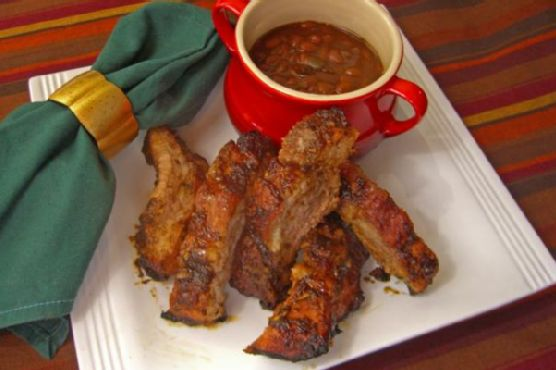
Barbecued Baby Back Pork Ribs and Bush’s Grillin’ Beans | Made by Meaghan Moineau

Barbecued Baby Back Pork Ribs and Bush’s Grillin’ Beans

Intro

Summertime barbecues hold a special place in my heart, evoking memories of family gatherings filled with laughter, the scent of smoky grills, and the anticipation of delicious food. Growing up, weekends meant one thing: a feast in the backyard. My dad would take charge of the grill, perfecting his signature barbecued baby back pork ribs, while my mom prepared her famous side of Bush’s Grillin’ Beans. These two dishes, when paired together, created a symphony of flavors that left everyone craving more. Today, I’m excited to share this cherished recipe with you, hoping it becomes a staple at your family gatherings as well.

Why You’ll Love It

This recipe for Barbecued Baby Back Pork Ribs and Bush’s Grillin’ Beans is a guaranteed crowd-pleaser. The ribs are marinated to perfection, resulting in a tender, juicy, and flavorful bite every time. The combination of spices and the tangy glaze provides a delightful contrast that complements the sweet and savory beans. Whether you’re hosting a large gathering or enjoying a quiet dinner with loved ones, this dish is sure to impress with its irresistible aroma and mouth-watering taste.

Ingredients

  • Rack of baby back pork ribs
  • Cooked black peppercorns
  • Brown sugar
  • Cider vinegar
  • Dried coriander
  • Garlic
  • Green onions
  • Ketchup
  • Molasses
  • Orange zest
  • Soy sauce

Instructions

  1. Before marinating the ribs, remove the white membrane on the underside of the ribs. Start the removal with a sharp knife, then use a paper towel to grab it and simply pull it off.
  2. In a bowl, combine cooked black peppercorns, brown sugar, cider vinegar, dried coriander, minced garlic, and soy sauce to create the marinade.
  3. Place the ribs in a large dish and pour the marinade over them. Make sure the ribs are thoroughly coated. Cover and refrigerate for at least 4 hours, preferably overnight for maximum flavor.
  4. Preheat your grill to medium heat. Remove the ribs from the marinade and let them come to room temperature while the grill heats.
  5. Place the ribs on the grill and cook for about 30-40 minutes, turning occasionally, until they are tender and have a nice char.
  6. While the ribs are grilling, prepare the glaze by mixing ketchup, molasses, and orange zest in a small saucepan over low heat. Stir until well combined and heated through.
  7. Once the ribs are cooked, brush them generously with the glaze and grill for an additional 5 minutes on each side.
  8. Remove the ribs from the grill and let them rest for a few minutes before slicing.
  9. Serve the ribs hot, garnished with chopped green onions, alongside a warm serving of Bush’s Grillin’ Beans.

Tips

For the best results, marinate the ribs overnight to ensure they absorb all the rich flavors. When grilling, keep a close eye on the ribs to prevent burning, and use a meat thermometer to ensure they reach an internal temperature of 145°F. Letting the ribs rest before slicing will keep them juicy and tender.

Variations & Substitutions

Feel free to experiment with the marinade by adding your favorite spices or herbs, such as smoked paprika or thyme. If you prefer a spicier kick, consider adding a dash of cayenne pepper. For a different side dish, try pairing the ribs with coleslaw or corn on the cob instead of beans.

Storage

Leftover ribs can be stored in an airtight container in the refrigerator for up to 4 days. To reheat, wrap the ribs in aluminum foil and warm them in a preheated oven at 300°F until heated through. The beans can also be stored in the refrigerator for up to 3 days and reheated on the stovetop or in the microwave.

FAQ

How do I remove the membrane from the ribs?

Use a sharp knife to gently lift one end of the white membrane on the underside of the ribs. Once you have a good grip, use a paper towel to grab the membrane and pull it off in one clean motion.

Can I cook these ribs in the oven instead of the grill?

Yes, you can bake the marinated ribs in a preheated oven at 300°F for about 2.5 to 3 hours, or until tender. Apply the glaze during the last 20 minutes of cooking.

What type of beans are best for this recipe?

I recommend using Bush’s Grillin’ Beans, which come in a variety of flavors such as Bourbon and Brown Sugar or Southern Pit Barbecue, to complement the ribs perfectly.

Nutrition

The nutritional information will vary based on portion sizes and specific ingredients used, but a typical serving of ribs with beans is a hearty meal packed with protein and flavor. Be mindful of the sugar content if adjusting the glaze to suit dietary preferences.

Conclusion

Barbecued Baby Back Pork Ribs and Bush’s Grillin’ Beans are more than just a dish; they’re a celebration of flavor and tradition. Whether you’re reminiscing about family gatherings or creating new memories, this recipe is sure to delight and satisfy. Gather your loved ones, fire up the grill, and enjoy the simple pleasures of a meal made with love. Happy grilling!

Related update: Barbecued Baby Back Pork Ribs and Bush’s Grillin’ Beans

Related update: Smoky Chicken Tacos

Prep Like a Pro for GO Wild Area 2025 | Analysis by Brian Moineau

GO Wild Area 2025: Global — How to Prep Like a Pro

The clock is ticking: GO Wild Area 2025: Global lands on November 15 and 16, 2025, and if you want to make the most of the eight-hour windows each day (10:00 a.m. to 6:00 p.m. local time), a little planning now will pay off big. Whether you’re chasing new debuts, hunting shinies, or just want a smooth, stress-free event day, here’s a friendly, practical guide to help you optimize your time, inventory, and fun.

Why this event matters right now

  • GO Wild Area events pack concentrated, time-limited content — new Pokémon, special bonuses, and community meetups — into a single weekend.
  • Wild Area 2025 introduces debut Pokémon (Impidimp, Morgrem, Grimmsnarl) and several first-time shinies and features, plus “mighty” Pokémon encounters and GO Safari Balls that change catch dynamics.
  • Niantic and local partners are also running in-person Community Celebrations in selected cities on November 15–16, so there are real-world benefits to being prepared.

What to know (quick facts)

  • Dates: November 15 and 16, 2025.
  • Time: 10:00 a.m. to 6:00 p.m. local time each day.
  • Featured debuts: Impidimp family (Impidimp, Morgrem, Grimmsnarl) and new shinies; Shadow Darkrai appears in activities tied to the larger Wild Area rollout.
  • Event mechanics: hourly-changing spawn habitats, mighty Pokémon, event-specific GO Safari Balls, increased raid/encounter activity, and local meetups in several cities.

Smart prep: what to do in the days before

  • Clear bag and Pokémon storage now.
    • Free up space for lots of catches: prioritize Great/Ultra Balls, then clear excess Potions/Revives and evolution items you won’t use.
    • Be ruthless about transfers — you’ll thank yourself mid-event.
  • Stock up on essential items.
    • Great and Ultra Balls are the priority. Incense, Star Pieces, Lucky Eggs, and Raid Passes are close behind.
    • If shiny-hunting, make sure you have extra Incubators (for any event egg mechanics) and enough PokéStop spins planned to earn balls.
  • Manage Rare Candy and resources.
    • Convert Rare Candy into legendaries or use them where they’ll help during raid bursts. Don’t hoard too many unassigned candies.
  • Prep your friends list and trading plans.
    • Coordinate with friends for trades and rerolls to secure better IVs or trading bonuses. Set meetups if you plan to trade in person.
  • Plan battery and data solutions.
    • Bring battery packs and cables; consider offline maps or a portable hotspot if data might get spotty in crowded areas.
  • Check local Community Celebrations.
    • If you want an in-person experience, see if a city near you is hosting one (events in Long Beach, Houston, Denver, Guadalajara were listed by Niantic). Mark travel time and arrival windows.

The night before

  • Clear egg slots and hatch anything in progress.
  • Open and send gifts to top up PokéBalls from friend interactions.
  • Turn off unnecessary background apps and enable battery saver.
  • Pre-set playlists, snacks, and layers of clothing for outdoor comfort.
  • Charge phone(s) and battery bank(s) to 100%.

Event-day strategy: play smarter, not just harder

  • Start with a game plan.
    • Decide whether you’re prioritizing shiny hunting, raids, mighty Pokémon, or social time. Focus your early hours on the highest-value objective when you’re fresh.
  • Use hourly habitat changes to your advantage.
    • If a specific habitat or spawn pool contains a target, concentrate on it while it’s active instead of wandering.
  • Conserve and rotate items.
    • Use Razz/Berry choices wisely on rare or shiny-seeming encounters. For large raid windows, shift resources to revives/potions just enough to support the raid spree without overflowing your bag.
  • Coordinate raid queues and trade windows with friends.
    • Remote raid passes help if friends are spread out; local meetups make trades and rerolls easier and cheaper.
  • Handle mighty Pokémon encounters thoughtfully.
    • Use GO Safari Balls and learn the catch flow — these encounters can be rare and are worth special attention.
  • Make captures count for research.
    • Prioritize field and special research tasks that intersect with the Pokémon you’re encountering; complete high-yield tasks early.

Inventory checklist (printable mental list)

  • Great Balls and Ultra Balls — LOTS.
  • Incense, Star Pieces, Lucky Eggs.
  • Raid Passes (regular and remote if you use them).
  • A few Potions/Revives (not a full stockpile).
  • Extra Incubators if you plan egg hatching.
  • Battery bank + charging cables.
  • Comfortable shoes, weather-appropriate clothing, water, and snacks.
  • Portable phone stand or grip if you prefer hands-free catching.

Troubleshooting common pain points

  • If you run out of balls: open/send gifts, spin nearby PokéStops whenever possible, and conserve by switching to Great Balls if you were using Ultra for low-priority encounters.
  • If storage fills mid-event: prioritize keeping event-relevant Pokémon and transfer nonessential duplicates. Use Pokémon HOME or other storage options for collections you don’t want to lose.
  • If battery dies: keep a charged battery bank in a safe, accessible place; manage screen brightness and battery saver features.

Local meetup tips

  • Arrive early to find the best meeting spots and take advantage of communal bonuses.
  • Bring physical cash if vendors are present (some local celebrations sell swag or food).
  • Be mindful of crowd safety, respect local guidelines, and follow event staff instructions.

My take

GO Wild Area weekends are a rush — a delightful chaos of new spawns, shiny possibilities, and community energy. The biggest wins come from simple prep: clear storage, stock balls and utility items, coordinate with friends, and prioritize your goals. Treat the event like a sprint: pick a few main objectives, keep your inventory nimble, and let the rest be bonus.

Sources


Related update: We recently published an article that expands on this topic: read the latest post.


Related update: We recently published an article that expands on this topic: read the latest post.


Related update: We recently published an article that expands on this topic: read the latest post.

Risotto With Fresh Peas | Made by Meaghan Moineau

Risotto With Fresh Peas: A Creamy, Comforting Delight

Intro

There’s something undeniably comforting about a warm bowl of risotto, especially when it’s made with fresh, vibrant peas. I vividly recall spending weekends in my grandmother’s kitchen, where the scent of simmering onions and garlic would fill the air as she prepared her signature risotto. It was a dish that brought our family together, and every bite seemed to tell a story of love and tradition. Today, I’m excited to share this beloved recipe with you, hoping it brings as much joy to your table as it has to mine.

Why You’ll Love It

This risotto with fresh peas is more than just a meal; it’s an experience. The creamy texture of the arborio rice, the subtle sweetness of the peas, and the richness of Parmesan cheese create a symphony of flavors that are both luxurious and comforting. Whether you’re making it for a special occasion or a simple weeknight dinner, this dish is sure to impress. Plus, it’s a fantastic way to incorporate more vegetables into your diet while indulging in a bit of decadence.

Ingredients

  • Chicken stock
  • Butter
  • Extra virgin olive oil
  • Onions
  • Garlic cloves
  • Arborio rice
  • Dry white wine
  • Peas
  • Parmesan cheese
  • Bay leaf
  • Salt and pepper

Instructions

  1. Melt butter in a heavy large saucepan over medium heat, then add extra virgin olive oil, bay leaf, and onions. Season with salt and pepper.
  2. Cook until onions are translucent, then add minced garlic. Sauté until tender, roughly 8 minutes.
  3. Stir in the arborio rice and toast it for a few minutes, ensuring each grain is coated.
  4. Add the dry white wine and cook until the liquid is absorbed, stirring often, about 2 minutes.
  5. Add 1 cup of hot chicken broth at a time, allowing the liquid to be absorbed before adding more. Stir often. This should be done over medium-low heat and will take about 28 minutes.
  6. Continue adding 1 cup of chicken broth roughly every 3 minutes, cooking the rice until it’s tender and the mixture is creamy.
  7. Stir in the fresh peas, Parmesan cheese, and additional salt and pepper to taste. Cook until the mixture has absorbed all the liquid and doubled in size.
  8. Let cool slightly before serving. Be warned: it might not last long, as it’s irresistibly delicious!

Tips

For the best results, use high-quality ingredients. Fresh peas will give a burst of flavor and color, while freshly grated Parmesan will melt beautifully into the risotto. Make sure to keep stirring; this is key to achieving that creamy texture. If you find your risotto is drying out, a splash of broth or water will help bring it back to life.

Variations & Substitutions

If you’re looking to switch things up, consider these variations. For a vegetarian version, substitute vegetable stock for chicken stock. Add a handful of sautéed mushrooms for an earthy depth, or stir in some cooked shrimp for a seafood twist. If you’re a fan of herbs, a sprinkle of fresh thyme or basil can add a delightful aromatic note.

Storage

Store any leftover risotto in an airtight container in the refrigerator for up to 3 days. To reheat, add a splash of chicken stock or water to loosen the texture and warm gently over the stove or in the microwave. While risotto is best enjoyed fresh, these storage tips will help maintain its wonderful flavor and texture.

FAQ

Can I use frozen peas instead of fresh peas?

Absolutely! If fresh peas are not available, frozen peas are a perfect substitute. Just be sure to thaw them before adding to the risotto to ensure even cooking.

What can I use instead of arborio rice?

For the classic creamy texture, arborio rice is ideal due to its high starch content. However, you can also use other short-grain rice varieties like carnaroli or vialone nano, which will yield similar results.

Is it necessary to use wine in the recipe?

While wine adds a lovely depth of flavor, you can skip it if preferred or replace it with additional broth. The dish will still be delicious!

Nutrition

While exact nutritional values can vary based on ingredients and portion sizes, this risotto is a well-balanced dish. It offers carbohydrates from the rice, protein from the cheese and stock, and vitamins from the peas. Using olive oil and moderate amounts of cheese keeps it relatively heart-healthy.

Conclusion

This risotto with fresh peas is a dish that embodies comfort and sophistication in every bite. Whether you’re crafting it for a family dinner or a special gathering, it’s sure to become a favorite. It’s a reminder of the joy and warmth that comes from sharing a homemade meal with loved ones. I hope this recipe finds a cherished place in your culinary repertoire, just as it has in mine.

Related update: Risotto With Fresh Peas

Related update: Barbecued Baby Back Pork Ribs and Bush's Grillin' Beans

Mediterranean eggplants | Made by Meaghan Moineau

Mediterranean Eggplants: A Flavorful Journey

Intro

Ah, the flavors of the Mediterranean! They remind me of warm summer evenings spent on my grandmother’s porch, the sun setting over the sea, and the air filled with the scent of grilled vegetables. One of my fondest memories is her Mediterranean eggplants, a dish that perfectly captures the essence of a region that celebrates simplicity and bold flavors. Today, I’m thrilled to share this recipe with you, hoping it brings a touch of Mediterranean warmth to your home.

Why You’ll Love It

This Mediterranean eggplant recipe is a delightful blend of savory and creamy textures, punctuated by the nutty crunch of almonds. It’s a dish that’s as aromatic as it is delicious. The combination of feta and mozzarella cheeses adds a rich, tangy depth, while the fresh dill brings a hint of freshness. Whether you’re a seasoned cook or a beginner in the kitchen, you’ll find this recipe straightforward and immensely satisfying.

Ingredients

  • 2 large eggplants
  • 100g fresh sausage, without the casing
  • 1 egg
  • 100g feta cheese, crumbled
  • 100g mozzarella cheese, shredded
  • 50g almonds, chopped
  • 1 tablespoon bread crumbs
  • 2 tablespoons olive oil
  • 1 teaspoon pepper
  • Fresh dill for garnish

Instructions

  1. Preheat your oven to 230°C (450°F).
  2. Wash the eggplants thoroughly. Cut off the stems and then halve them lengthwise.
  3. Scoop out the middle of each eggplant half, creating a cavity for the filling.
  4. In a bowl, mix together the sausage meat, egg, feta cheese, mozzarella cheese, chopped almonds, and pepper until well combined.
  5. Using a spoon, stuff each eggplant half generously with the sausage and cheese mixture.
  6. Sprinkle approximately one tablespoon of breadcrumbs over each stuffed eggplant half and drizzle with olive oil.
  7. Place the stuffed eggplants on a baking sheet lined with parchment paper.
  8. Bake in the preheated oven for 25 minutes or until the eggplants are tender and the tops are golden brown.
  9. Serve hot, garnished with freshly chopped dill, chives, or basil.

Tips

For the best results, choose eggplants that are firm and glossy. If your eggplants are particularly large, you may need to adjust the baking time slightly. To avoid a soggy texture, ensure your stuffing mixture is not too wet by draining excess moisture from the ingredients before mixing.

Variations & Substitutions

If you’re looking for a vegetarian option, you can substitute the sausage with cooked quinoa or lentils. For a nut-free version, simply omit the almonds or replace them with sunflower seeds. Feel free to experiment with different herbs like oregano or parsley to suit your taste preferences.

Storage

These stuffed eggplants can be stored in an airtight container in the refrigerator for up to 3 days. To reheat, place them in an oven preheated to 180°C (350°F) until warmed through. Avoid microwaving to maintain the texture of the eggplants.

FAQ

Can I prepare the stuffing in advance?

Yes, you can prepare the stuffing mixture a day ahead. Store it in an airtight container in the refrigerator and use it when you’re ready to stuff the eggplants.

What side dishes go well with this dish?

This Mediterranean eggplant pairs beautifully with a simple green salad or a side of couscous. You might also enjoy it with a slice of crusty bread to soak up the juices.

Is this dish suitable for freezing?

While it is possible to freeze the stuffed eggplants, it is best enjoyed fresh. Freezing may alter the texture of the eggplants. If you do freeze, thaw them thoroughly and reheat in the oven for the best results.

Nutrition

This dish is a nutritious choice, packed with protein from the eggs and sausage, healthy fats from the olive oil and almonds, and fiber from the eggplants. It’s a balanced meal that fits well into a Mediterranean diet, known for its heart-healthy benefits.

Conclusion

These Mediterranean eggplants are more than just a meal; they’re a journey to the sun-drenched coasts of the Mediterranean. I hope this recipe brings as much joy to your table as it has to mine. Whether you’re cooking for family, friends, or just yourself, savor each bite and let the flavors transport you to a place where food is celebrated and shared with love. Bon appétit!

Related update: Mediterranean eggplants

Related update: Risotto With Fresh Peas

Anthropic’s Faster Path to Profitability | Analysis by Brian Moineau

Anthropic’s Fast Track to Profit: Why the AI Arms Race Just Got More Interesting

Introduction hook

The AI duel between Anthropic and OpenAI has never been just about which chatbot is cleverer — it’s about who can build a durable business model around increasingly expensive models and cloud infrastructure. Recent reporting suggests Anthropic may reach profitability years sooner than OpenAI, and that gap matters for investors, product teams, and regulators alike.

Why this matters now

  • Large language models are expensive to train and serve. Companies that convert heavy compute into steady enterprise revenue faster stand a better chance of surviving the next downturn.
  • The strategic choices — enterprise-first pricing, code-generation focus, and tighter cost control — can materially change how fast an AI company reaches break-even.
  • If Anthropic truly expects to break even sooner, that influences funding dynamics, partner negotiations (cloud credits, hardware deals), and the wider market’s expectations for AI valuations.

Where the reporting comes from

Several outlets have summarized internal projections and investor presentations that suggest Anthropic’s path to profitability is steeper (i.e., faster) than OpenAI’s. Those reports emphasize Anthropic’s enterprise-heavy revenue mix and a business model less committed to massive investments in specialized data centers and multimedia model expansion — both of which are major cost drivers for rivals.

What Anthropic seems to be doing differently

  • Enterprise-first revenue mix
    • A higher share of revenue from enterprise API and product contracts means larger, stickier deals and lower customer acquisition costs per dollar of revenue.
  • Focused product set (coding and business workflows)
    • Tools like Claude Code and tailored business assistants are high-value use cases with clear ROI, making enterprise adoption faster and monetization easier.
  • Operational restraint on capital-intensive bets
    • Reports suggest Anthropic has avoided or delayed very large commitments to custom data centers and massive multimodal infrastructure — at least relative to some peers.
  • Pricing and margins
    • Prioritizing profitable API pricing and enterprise SLAs can lift gross margins quicker than consumer subscription-led growth.

The investor dilemma

  • For investors who value near-term cash generation, Anthropic’s path looks favorable: lower relative cash burn and earlier break-even are compelling.
  • For long-term growth investors, OpenAI’s aggressive capitalization on consumer adoption and potential scale advantages remain attractive, especially if those scale advantages translate to superior model performance or moat.
  • The real comparison isn’t just “who profits first” but “who captures the more valuable long-term economic position” — faster profitability reduces funding risk; broader adoption may create durable platform effects.

A few caveats to keep in mind

  • Projections are projections. Internal documents and pitch decks are optimistic by nature; execution risk is real.
  • Annualized revenue run-rates can be misleading (extrapolating one month’s revenue out to a year inflates confidence).
  • Market dynamics remain volatile: enterprise budgets, regulation, and compute prices (NVIDIA GPUs and cloud pricing) can swing outcomes materially.
  • Competitive responses (pricing, new models from other players, or strategic partnerships) could alter both companies’ trajectories.

What this could mean for customers and partners

  • Enterprise buyers: more choice and potentially better pricing/terms as competition for enterprise AI deals intensifies.
  • Cloud providers: negotiating leverage changes — Anthropic’s efficiency could mean smaller cloud commitments, while OpenAI’s larger infrastructure bets are very attractive to cloud partners seeking volume.
  • Developers and startups: access to multiple high-quality models and pricing tiers may accelerate embedding AI into software, with potentially better cost predictability.

A pragmatic view of the likely scenarios

  • Best-case for Anthropic: continued enterprise traction, stable margins, and steady reduction in net cash burn — profitability in the reported timeframe.
  • Best-case for OpenAI: continued consumer momentum and scale advantages justify higher spend; longer horizon to profitability but with a much larger revenue base when it arrives.
  • Wildcards: a sudden drop/increase in GPU supply costs, a major regulatory intervention, or a breakthrough that dramatically changes model efficiency.

Essential points to remember

  • Profitability timelines are only one axis; scale, product stickiness, and moat matter too.
  • Anthropic’s more conservative, enterprise-focused approach reduces short-term risk and could make it an attractive partner for regulated industries.
  • OpenAI’s strategy is higher-risk, higher-reward: if scale translates to superior capabilities and market dominance, the payoff could be massive — but it comes with bigger funding and execution risk.

Notable implications for the AI industry

  • A faster-profitable Anthropic could shift investor appetite toward companies that prioritize sustainable economics over headline-grabbing scale.
  • Customers may demand clearer unit economics (cost per query, latency, reliability) as they embed LLMs into mission-critical systems.
  • Competition should lower costs for end users, but also increase pressure to demonstrate real ROI from AI projects.

A condensed takeaway

  • Anthropic appears to be threading the needle between strong revenue growth and tighter cost control, aiming to convert AI innovation into a profitable business sooner than some rivals. That positioning matters not just for investors, but for the entire ecosystem that’s banking on AI to transform workflows and software.

Final thoughts

My take: this isn’t just a two-horse race about model features. It’s a financial and strategic test of how to scale compute-hungry technology into a reliable, profitable business. Anthropic’s apparent playbook — enterprise-first, efficiency-conscious, and product-focused — is a sensible path when compute costs and customer ROI matter. But success will come down to execution, customer retention, and how the cost curve for LLMs evolves. Expect more twists: funding moves, pricing experiments, and possibly quicker optimization breakthroughs that change today’s arithmetic.

Meta description (SEO-friendly)

Anthropic’s latest financial roadmap suggests it could reach profitability years sooner than OpenAI. Explore what that means for investors, enterprise customers, and the broader AI market — from revenue mix and compute costs to strategic trade-offs and industry implications.

Sources


Related update: We recently published an article that expands on this topic: read the latest post.


Related update: We recently published an article that expands on this topic: read the latest post.