
ChatGPT‑5.1 Crushes Grok 4.1 in Showdown | Analysis by Brian Moineau

One crushed the other: my take on ChatGPT‑5.1 vs Grok 4.1

The headline pretty much says it: after Tom’s Guide ran nine side‑by‑side prompts, one model didn’t just win — it dominated. If you’ve been following the weekly AI cage matches, this one matters because it shows where conversational AI is leaning: toward personality, interpretive depth, and emotional nuance.

Why this comparison matters

  • Both ChatGPT‑5.1 and Grok 4.1 are among the most-talked‑about chatbots today.
  • These are not incremental updates — they represent competing design philosophies: OpenAI’s emphasis on clarity, safety, and utility versus Grok’s (xAI/X) emphasis on boldness, candid tone, and contextual flair.
  • A nine‑prompt shootout lets us see strengths and tradeoffs across categories that people actually care about: reasoning, creativity, humor, emotional support, and real‑world planning.

What the test looked at

Tom’s Guide used nine prompts spanning:

  • Logic and trick questions
  • Metaphors and explanations for kids
  • Creative writing and storytelling
  • Code generation and technical clarity
  • Real‑world planning (travel iteneraries)
  • Emotional intelligence and supportive messaging

The prompts were chosen to surface not just correctness but voice, subtext, and usefulness in everyday scenarios.

The short verdict

  • Winner: Grok 4.1.
  • Why: Grok took seven of the nine rounds, excelling at subtext, emotional tone, humor, and evocative creative writing. It was willing to call out trick questions, use more conversational slang when appropriate, and deliver answers that felt more human and expressive.
  • ChatGPT‑5.1 wasn’t bad — it tended to be cleaner, more concise, and better at tightly constrained tasks (e.g., some concise metaphors and clean code), but it often felt more reserved compared with Grok’s bolder personality.

Highlights from the head‑to‑head

  • Reasoning and trick questions
    • Grok flagged the classic “all but 9” puzzle as a trick and contextualized it; that extra metacognitive move won points for interpretive understanding.
  • Creative writing and atmosphere
    • Grok built more tension and sensory detail in short fiction prompts; ChatGPT‑5.1 favored tighter structure and punchlines.
  • Emotional support and tone
    • Grok used colloquial, authentic phrasing that resonated like a friend’s message — not “toxic‑positivity” but genuine validation. ChatGPT’s responses were supportive but more formal.
  • Practical planning
    • ChatGPT‑5.1 sometimes won when the brief demanded balance, brevity, and modular practicality (e.g., family travel planning where flexibility matters).

What this tells us about AI design choices

  • Personality vs. polish: Grok’s strength is personality. When human connection, subtext, or theatrical flair matters, personality wins. ChatGPT’s strength is polish: clarity, brevity, and predictability.
  • Use‑case matters: If you want an assistant that’s a precise tool for structured tasks, the steadier, cleaner responses will be preferable. If your use case benefits from creative risk, humor, or raw empathy, a bolder voice can be more effective.
  • The “best” model is context dependent: For developers, businesses, or educators, the ideal choice may combine the two approaches — or prefer one depending on brand voice and safety requirements.

Practical takeaways for users and creators

  • Pick by outcome, not brand:
    • Need crisp instructions, safe defaults, or conservative language? Lean toward the model that favors clarity.
    • Want story mood, candid emotional replies, or punchy humor? Try the model that leans into personality.
  • Prompt intentionally:
    • Ask for tone guidance (“use friendly, informal language”) if you want to dial personality up or down.
    • For critical tasks, request step‑by‑step reasoning and ask the model to show its work.
  • Expect tradeoffs:
    • Richer personality can sometimes risk more controversial phrasing or speculation; cleaner responses may omit color that helps engagement.

My take

Grok winning this set isn’t an accident — it reflects a deliberate design that prioritizes human‑style conversational cues: naming trick questions, leaning into idiomatic phrasing, and using vivid details. That approach pays off in tasks where the goal is connection or storytelling.

But ChatGPT‑5.1’s steadiness is a strength, not a weakness. There are many contexts — code reviews, step‑by‑step tutorials, or corporate communications — where a measured, concise voice is preferable. The two models illustrate how “better” in AI is multidimensional: better for creativity, better for clarity, better for empathy — pick the axis that matters to you.

What to watch next

  • Will developers offer hybrid flows that combine Grok‑style flair with ChatGPT’s stricter guardrails? That would be powerful.
  • How will safety teams manage the balance between expressive personality and factual accuracy?
  • Expect more apples‑to‑apples tests from independent outlets — these comparisons shape user adoption and product decisions.

Final thoughts

This Tom’s Guide test is a useful snapshot: Grok 4.1 crushed ChatGPT‑5.1 in this particular set of nine, especially when tone, subtext, and emotional authenticity were decisive. But the broader lesson is that the “winner” depends on what you need. The race isn’t only about raw capability anymore — it’s about the kind of conversational partner you want.

Sources


Related update: We recently published an article that expands on this topic: read the latest post.
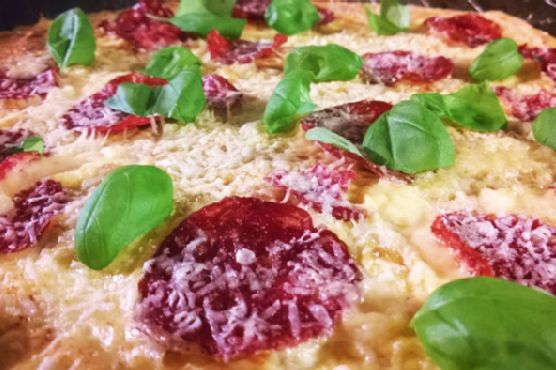

Pittata – Pizza Frittata | Made by Meaghan Moineau

Pittata – Pizza Frittata: A Delicious Twist on Classic Breakfast

Intro

Growing up, Sunday mornings were a sacred time in our household. The aroma of freshly brewed coffee mingled with the sounds of sizzling bacon, creating a comforting symphony that signaled the start of a leisurely day. My mother, with her extraordinary culinary skills, would whisk together the most delightful dishes, but there was one that always stood out – the pittata. A clever blend of pizza and frittata, this dish was the embodiment of indulgence and creativity. Today, I’m thrilled to share this cherished recipe with you, bringing a piece of my family tradition to your kitchen.

Why You’ll Love It

The pittata is a versatile dish that combines the best of two worlds: the savory satisfaction of pizza and the fluffy, protein-packed delight of a frittata. It’s perfect for breakfast, brunch, or even a light dinner, offering a filling meal that’s both quick to prepare and utterly delicious. Whether you’re hosting a gathering or simply looking to treat yourself, this dish is sure to impress with its simple ingredients and depth of flavor.

Ingredients

  • 6 large eggs
  • 1/4 cup fresh basil, chopped
  • 1/4 cup milk (optional)
  • 1/2 cup grated parmesan cheese
  • 1/4 cup sliced pepperoni
  • 1/2 cup shredded mozzarella cheese
  • Salt and pepper to taste
  • Cooking fat (e.g., olive oil, butter)

Instructions

  1. Preheat your oven to ~450°F (230°C), using the top heat setting only.
  2. On the stove, heat your choice of cooking fat in a large oven-safe skillet over medium heat.
  3. In a bowl, beat the eggs with milk, salt, pepper, and any herbs or spices you desire.
  4. Add any additional ingredients (except cheese) to the skillet. For this recipe, we keep it simple, but feel free to include cooked or quick-cooking vegetables like bell peppers.
  5. Pour the egg mixture into the skillet, tilting it to evenly distribute around any add-ins.
  6. Distribute the shredded mozzarella cheese and pepperoni slices over the egg mixture.
  7. Allow the eggs to cook on the stove until the edges are set, leaving the center slightly jiggly.
  8. Generously top with parmesan cheese.
  9. Transfer the skillet to the preheated oven and bake until the eggs are puffed, browned, and the center is firm.
  10. Remove from the oven and let the pittata cool for a couple of minutes before slicing into wedges.

Tips

For the best results, ensure that your skillet is well-greased to prevent sticking. Keep an eye on the pittata as it bakes; it can go from perfectly puffed to overcooked quickly. Use a toothpick to check that the center is set if you’re unsure. Lastly, let it rest slightly before serving; this makes cutting it into neat wedges much easier.

Variations & Substitutions

One of the joys of a pittata is its adaptability. Feel free to experiment with different herbs, spices, or cheeses. Swap pepperoni for sausage, or go vegetarian with mushrooms and spinach. For a dairy-free option, skip the milk and use a plant-based cheese alternative. The possibilities are endless, ensuring every pittata is a unique creation.

Storage

Store any leftover pittata in an airtight container in the refrigerator for up to three days. To reheat, warm it in the oven or a skillet over low heat until heated through, or microwave individual slices for about 30 seconds. For longer storage, freeze individual portions and reheat directly from frozen for a quick and easy meal.

FAQ

Can I make the pittata ahead of time?

Yes, you can prepare the pittata a day in advance. Simply follow the instructions until baking, then cover and refrigerate the skillet. When ready to bake, allow it to come to room temperature before placing it in the oven.

What can I serve with pittata?

Pittata pairs beautifully with a simple green salad, fresh fruit, or crusty bread. For a heartier meal, consider serving it with roasted potatoes or a side of bacon or sausage.

Is there a way to make it spicier?

For a spicier kick, add crushed red pepper flakes, diced jalapeños, or a splash of your favorite hot sauce to the egg mixture before cooking.

Nutrition

While the exact nutritional content will vary with portion sizes and specific ingredients used, a typical slice of pittata (1/6 of the whole) provides approximately 200 calories, 15g of protein, and 15g of fat, making it a hearty, satisfying dish that’s also relatively low in carbohydrates.

Conclusion

The pittata is more than just a meal; it’s a nod to creativity and the joy of cooking. Whether you’re reliving cherished memories or creating new ones, this dish is sure to become a staple in your recipe repertoire. I hope you find as much comfort and joy in making and sharing this dish as I have over the years. Bon appétit!

Related update: Pittata – Pizza Frittata

Related update: Mixed Berry Yogurt with Almonds

Why Chevy’s Corvette Went Flat‑Plane | Analysis by Brian Moineau

Why Chevy Went Flat‑Plane: The Corvette’s V8 That Screams Like an Exotic

There’s a moment you can’t forget the first time you hear a flat‑plane V8 alive at full song: a high, urgent wail that feels less “American V8” and more “race car from Italy.” That’s exactly what Chevrolet chased with the LT6 in the C8 Z06 — a 5.5‑liter V8 built to rev, breathe, and sound like nothing else in the Corvette family. But the change wasn’t just about noise and showmanship. It was a careful engineering choice that traded old-school torque curves and a burbly soundtrack for low rotating mass, cleaner breathing, higher revs, and — yes — a distinctive personality.

The moment that mattered

  • The LT6 is a purpose‑built, naturally aspirated 5.5L V8 with a flat‑plane crank, dual overhead cams, titanium rods, and a racing‑level dry sump system.
  • Chevrolet’s aim: make a production, naturally aspirated V8 that can reliably rev into the 8,000s and deliver peak power at very high rpm — something cross‑plane street V8s struggle to do without heavy compromise.
  • The result: 670 hp at around 8,400 rpm and a redline in the neighborhood of 8,600 rpm (GM figures), and an exhaust that sounds more exotic than its lineage.

What a flat‑plane crank actually does

  • Different journal layout: a flat‑plane crank spaces its rod journals 180° apart in one plane (think two 4‑cylinder engines sharing a crank), versus the 90° stagger of a traditional cross‑plane V8.
  • Alternating firing order: the firing alternates bank to bank, which evens out intake/exhaust pulses and helps the engine “breathe” with less internal interference.
  • Lower rotational inertia: flat‑plane cranks can be made lighter and require smaller counterweights, which helps the engine accelerate in rpm faster and sustain higher revs.
  • Distinctive sound: the alternating banks and equal‑length header pulses create a higher‑pitched, exotic‑style wail that’s immediately recognizable.

The tradeoffs Chevrolet accepted — and fixed

  • More vibration: flat‑plane V8s are inherently less naturally balanced than cross‑plane V8s, producing stronger secondary vibrations and lateral shaking.
  • How Chevy mitigated it:
    • Radical weight reduction in reciprocating parts: forged aluminum pistons, forged titanium connecting rods, and a lightweight harmonic balancer.
    • Short stroke and oversquare bore (large bore, short stroke) to reduce piston speeds and secondary vibration at high rpm.
    • Sophisticated engine mounts, NVH tuning, and chassis-level solutions borrowed from racing development to keep the car civilized in everyday driving.
    • An advanced oiling system (multiple scavenge stages/dry sump) and a race‑derived valvetrain for reliability at sustained high rpm.

Why it mattered for performance

  • Rev capability: lower rotating mass and optimized breathing let the LT6 stay healthy at very high engine speeds, where horsepower is won.
  • Better volumetric efficiency: alternating bank pulses allow cleaner intake and exhaust flow strategies (including variable intake tuning) so the engine can develop torque farther up the rev range.
  • Race development benefits: the LT6 architecture was honed in the C8.R race program, accelerating learning for durability and packaging for a production car.
  • Packaging and weight penalty balance: while the flat‑plane design posed new NVH and packaging challenges, the payoff in peak power and engine character was judged worth it for a track‑focused Z‑model.

Notes on the exhaust and sonic design

  • Engineering the exhaust for a flat‑plane V8 is more than bolting on pipes. The LT6 uses equal‑length headers and a purposely tuned mid‑mounted/center exit exhaust layout to shape the sound and manage pulse interactions.
  • Chevy’s approach avoided X‑pipes that would damp the exotic note; instead they tuned the routing and mufflers so the sound is dramatic yet controllable, projecting into the cabin in a satisfying way.

What this means for Corvette buyers and enthusiasts

  • If you want raw, high‑revving, naturally aspirated V8 character with race‑car breathing and exotic sound, the LT6 Z06 delivers it.
  • If you prefer low‑down torque and the traditional burble of the classic American cross‑plane V8, the standard Stingray and its LT2 will feel more familiar.
  • The LT6 represents a deliberate pivot: use advanced materials and race‑derived engineering to get the best out of a flat‑plane design while minimizing the compromises that once confined those cranks to small‑production exotics.

Highlights to remember

  • The LT6’s flat‑plane crank reduces rotating mass and allows very high revs.
  • Alternating bank firing improves breathing and helps extract power at high rpm.
  • Engineering countermeasures (light internals, short stroke, race oiling, mounts, NVH tuning) tame vibration and make the concept viable for production.

My take

Chevy’s decision to fit the Z06 with a flat‑plane crank wasn’t a fashion statement — it was a performance-first engineering gambit. By leaning into lightweight components, race‑proven oiling and valvetrain tech, and carefully tuned exhaust and mounts, Chevrolet turned a historically exotic idea into a viable production solution. The LT6 is thrilling because it’s uncompromising where it counts: it revs hard, breathes freely, and sounds alive. For the enthusiast who wants a naturally aspirated V8 that behaves like a race engine on the street, that tradeoff — more NVH complexity for raw, rev‑happy performance — is exactly the point.

A few final thoughts

The shift to a flat‑plane crank in the Corvette Z06 is a reminder that automotive progress isn’t always about downsizing or electrification. Sometimes it’s about revisiting old ideas with new materials and systems and extracting performance in a visceral, memorable way. The LT6 showcases how race tech can be adapted to production with dramatic results — and gives the Corvette a voice that turns heads in a different register.

Sources


Related update: We recently published an article that expands on this topic: read the latest post.


Related update: We recently published an article that expands on this topic: read the latest post.

Related update: We recently published an article that expands on this topic: read the latest post.

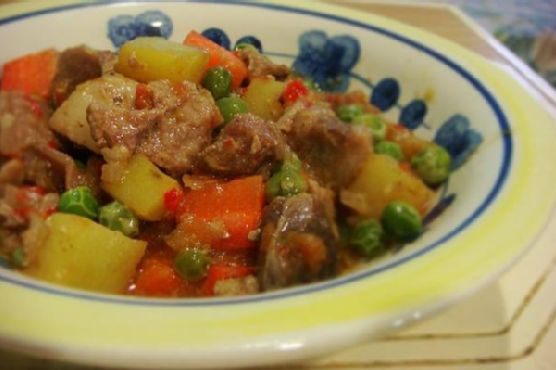
Pork Menudo | Made by Meaghan Moineau

Pork Menudo: A Filipino Comfort Dish

Intro

Pork Menudo has always held a special place at our family dinners. I remember my grandmother making it every Sunday, the aroma wafting through the house even before we reached the doorstep. She would prepare it with such care, adding a pinch of nostalgia to every bite. This dish is a quintessential part of Filipino cuisine, embodying the warmth and comfort of home. It’s a recipe that’s been passed down through generations, each adding their own twist. Today, I’m excited to share this beloved recipe with you, hoping it brings the same joy and comfort to your table.

Why You’ll Love It

There are so many reasons to fall in love with Pork Menudo. First, it’s a hearty and filling dish that’s perfect for any occasion, from casual family dinners to festive celebrations. The combination of savory pork, sweet raisins, and rich liver creates a symphony of flavors that dance on your taste buds. Additionally, it’s a versatile recipe that can be easily adapted to suit your preferences or dietary needs. Plus, the ingredients are simple and readily available, making it an accessible dish for home cooks of all skill levels.

Ingredients

  • 1 red bell pepper, diced
  • 2 tablespoons butter
  • 1 cup diced carrots
  • 1 chorizo, sliced
  • 1 cup cooked garbanzo beans
  • 4 cloves garlic, minced
  • 2 tablespoons oil
  • 1 onion, chopped
  • 1 cup frozen green peas
  • 1 bell pepper, diced
  • 1/2 pound pork livers, chopped
  • 1 pound pork cubes
  • 2 cups diced potatoes
  • 1/4 cup raisins
  • Salt, to taste
  • 2 tomatoes, chopped

Instructions

  1. Heat your wok or big kawali. Make sure it’s hot before you put oil.
  2. Fry the potatoes until half-cooked. Set aside.
  3. On the same pan, add butter and garlic. Do not burn the garlic.
  4. Add the pork, tomatoes, onions, and bell pepper. Add salt and pepper to taste. You can also add 1 pork cube for a richer flavor.
  5. Reduce to low heat. Juices will eventually come out from the vegetables so no need to add water.
  6. Cover, stirring occasionally. Simmer until pork is tender or until the liquid has almost dried up leaving a thick sauce.
  7. Add the liver, cover for about 5 minutes. I’m adding the liver at a later part because we don’t want to overcook it. Liver cooks fast and can be tough if overdone.
  8. Add the potatoes, carrots, green peas, and raisins (and the rest of the ingredients, if any).
  9. Simmer for 15 more minutes stirring occasionally.
  10. Serve with steamed rice.

Tips

For the best Pork Menudo, use fresh pork and liver to ensure the meat retains its flavor and tenderness. When frying the potatoes, ensure they are golden brown to add texture. Don’t rush the simmering process; allowing the pork to cook slowly ensures it absorbs all the rich flavors. Lastly, taste and adjust the seasoning as needed to suit your palate.

Variations & Substitutions

If you’re not a fan of liver, you can substitute it with chicken gizzards or simply omit it. For a vegetarian twist, replace the pork with tofu and add more vegetables like zucchini or eggplant. You can also swap the raisins for dried apricots if you prefer a different kind of sweetness. If you want a spicier kick, include a chopped chili pepper.

Storage

Pork Menudo can be stored in an airtight container in the refrigerator for up to 3 days. To reheat, simply place it in a pot over low heat until warmed through. You can also freeze it for up to a month, but be sure to allow it to cool completely before freezing to maintain the texture and flavor.

FAQ

Can I make Pork Menudo in advance?

Yes, Pork Menudo is a great make-ahead dish. In fact, it often tastes better the next day as the flavors have more time to meld together. Simply store it in the fridge and reheat before serving.

What can I serve with Pork Menudo?

Pork Menudo is traditionally served with steamed white rice, but you can pair it with garlic fried rice for an extra flavor boost. For a complete meal, serve it alongside a fresh green salad or pickled vegetables.

Nutrition

This recipe serves approximately 4 people. Each serving contains roughly 400 calories, 20g of fat, 30g of carbohydrates, and 25g of protein. It’s a hearty dish that provides a good balance of macronutrients.

Conclusion

Pork Menudo is more than just a dish; it’s a culinary embrace, a reminder of home, and a celebration of Filipino culture. Whether you’re enjoying it for the first time or it’s been a staple in your kitchen for years, I hope this recipe brings warmth and satisfaction to your dining experience. Gather your loved ones, serve it with a smile, and enjoy every mouthful of this delicious, comforting dish. Happy cooking!

Related update: Pork Menudo

Related update: Pittata - Pizza Frittata

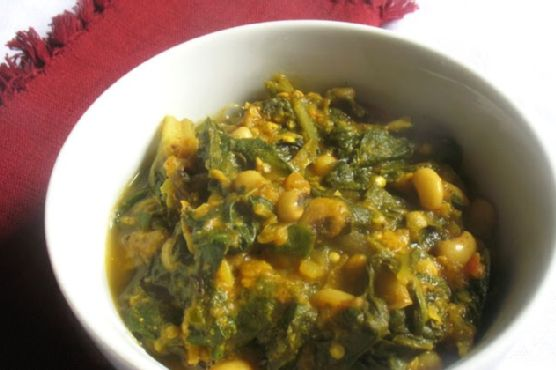
Spicy Black-Eyed Pea Curry with Swiss Chard and Roasted Eggplant | Made by Meaghan Moineau

Spicy Black-Eyed Pea Curry with Swiss Chard and Roasted Eggplant

Intro

There’s a certain magic that happens in the kitchen when the aroma of spices fills the air, reminiscent of home-cooked meals that warm the heart and soul. I remember the first time I encountered black-eyed peas in a dish. It was at a family gathering during the holidays, where each dish had its own story and tradition. My grandmother, with her gentle hands and warm smile, would serve a spicy black-eyed pea curry that quickly became the centerpiece of our gatherings. Her secret? A generous helping of roasted eggplant and leafy greens that made the dish as hearty as it was flavorful. Inspired by those cherished moments, I’ve recreated this Spicy Black-Eyed Pea Curry with Swiss Chard and Roasted Eggplant, a dish that’s both comforting and nourishing, perfect for sharing with loved ones.

Why You’ll Love It

This curry is a delightful fusion of flavors and textures. The creamy black-eyed peas intertwine with the smoky, tender roasted eggplant, while the Swiss chard adds a burst of color and nutrition. The medley of spices, including curry powder, garam masala, and cumin, creates a rich, aromatic base that elevates the humble ingredients into a memorable meal. Whether you’re a seasoned cook or a beginner looking to explore new flavors, this recipe is both accessible and rewarding. It’s a versatile dish that can be enjoyed on its own or paired with rice or bread for a complete meal.

Ingredients

  • 1 cup cooked dried black-eyed peas
  • 1 tablespoon curry powder
  • 1 teaspoon garam masala
  • 1 eggplant, preferably Italian globe
  • 1 teaspoon ground coriander
  • 1 teaspoon ground cumin
  • 1/2 teaspoon ground mustard powder
  • Juice of 1 lemon
  • 2 tablespoons olive oil
  • 2-3 red or green chilies, finely chopped
  • Sea salt to taste
  • 2 shallots, finely chopped
  • 2 cups Swiss chard, trimmed and chopped
  • 1 large tomato, chopped
  • 1/2 cup water, plus more as needed

Instructions

  1. Rinse the black-eyed peas and soak them in several inches of water for 6 hours or overnight. Drain and rinse again. Transfer to a large saucepan, cover with fresh water, and bring to a boil. Reduce heat to medium-low, cover, and simmer for 40 to 60 minutes until the peas are tender but not falling apart. Drain and set aside.
  2. To prepare the eggplant, cut off the stem and bottom edge, then halve it lengthwise. Score the flesh into a diagonal pattern, being careful not to cut through the skin. Sprinkle with salt and let it sit for 40 minutes. Rinse and squeeze out excess water.
  3. Brush the eggplant with olive oil and place it in a roasting pan. Bake in a preheated 400°F oven until the flesh appears collapsed and wrinkly, about 30-40 minutes. Remove from heat, let cool for 10 minutes, then scoop out the flesh. If too watery, drain using a strainer. Set aside.
  4. In the same saucepan used for the black-eyed peas, heat the olive oil over medium heat. Add shallots and chilies, sautéing for 2-3 minutes.
  5. Add curry powder, garam masala, ground coriander, cumin, and mustard powder. Stir for another minute until fragrant.
  6. Add the chopped tomato and cook for a few more minutes. Then, add the roasted eggplant and cooked black-eyed peas, stirring frequently.
  7. Pour a few tablespoons of water into the pan. Gradually add Swiss chard, allowing it to wilt before adding more. Add more water as necessary to maintain desired consistency.
  8. Stir in the lemon juice and salt to taste. Remove from heat, cover, and let the curry sit for a few minutes before serving.

Tips

For best results, ensure the black-eyed peas are cooked perfectly tender but not mushy. The eggplant’s roasting time may vary depending on its size; keep an eye on it to achieve the desired texture. Adjust the level of spice by adding more or fewer chilies, based on your heat preference.

Variations & Substitutions

Feel free to experiment with different greens such as spinach or kale if Swiss chard is unavailable. For an added protein boost, consider tossing in some cooked chickpeas. If you prefer a milder curry, use less curry powder and add a dollop of coconut milk for creaminess.

Storage

Store any leftovers in an airtight container in the refrigerator for up to 3 days. This curry also freezes well; simply thaw and reheat on the stove over low heat, adding a splash of water if needed to reach the desired consistency.

FAQ

Can I use canned black-eyed peas for this recipe?

Yes, you can use canned black-eyed peas if you’re short on time. Just be sure to rinse and drain them thoroughly before adding them to the dish.

What other vegetables can I add to this curry?

Feel free to add other vegetables such as bell peppers, zucchini, or carrots. Just be sure to adjust the cooking time accordingly so that all the vegetables are tender.

Is this recipe vegan?

Yes, this Spicy Black-Eyed Pea Curry with Swiss Chard and Roasted Eggplant is entirely vegan, making it a delicious choice for those following a plant-based diet.

Nutrition

This curry is a nutritious powerhouse, rich in fiber, vitamins, and minerals. Black-eyed peas are an excellent source of protein and iron, while Swiss chard provides vitamins A, C, and K. Eggplant adds antioxidants and dietary fiber, making this dish both wholesome and satisfying.

Conclusion

Embark on a culinary adventure with this Spicy Black-Eyed Pea Curry with Swiss Chard and Roasted Eggplant. It’s a dish that brings warmth to the table and joy to those who share it. Whether you’re reminiscing about childhood memories or creating new ones, this curry is sure to become a beloved staple in your kitchen. Enjoy the rich tapestry of flavors and the simplicity of ingredients that come together in this heartwarming meal. Happy cooking!

Related update: Spicy Black-Eyed Pea Curry with Swiss Chard and Roasted Eggplant

Related update: Pork Menudo

Benavidez Dominates Yarde, Targets Ramirez | Analysis by Brian Moineau

David Benavidez pulverizes Anthony Yarde in Riyadh and immediately sets his sights on Zurdo Ramirez

An electric night in Riyadh ended with David “The Monster” Benavidez reminding the boxing world why he’s one of the sport’s most dangerous punchers — and why his plans don’t stop at light heavyweight. In a seventh-round TKO, Benavidez dismantled Anthony Yarde to retain the WBC light-heavyweight crown, then announced a blockbuster move up to cruiserweight to challenge Gilberto “Zurdo” Ramirez. The result was clinical, the post-fight declaration bold, and boxing’s landscape just tilted again.

Quick hits from the night

  • Location: ANB Arena, Riyadh, Saudi Arabia.
  • Result: David Benavidez defeated Anthony Yarde by TKO (7th round).
  • Stakes: Benavidez retained the WBC light-heavyweight title.
  • Immediate announcement: Benavidez said he’ll move up to cruiserweight to face Gilberto “Zurdo” Ramirez on May 2 (reported as being aimed for Las Vegas).
  • Why it matters: Benavidez not only defended his belt but telegraphed ambitions to be a three-division titlist — a storyline that reshapes match-making at 175 and 200+ pounds.

How the fight played out

Benavidez paced himself early, using range and feints to measure Yarde. Once he turned the pressure up, the bout became a textbook display of his strengths: tireless forward momentum, volume punching, and sudden, brutal bursts that left Yarde on the back foot. As the rounds progressed, Benavidez moved from probing jabs to waves of combinations that tested Yarde’s chin and resolve.

The referee stepped in late in round seven after Benavidez had Yarde trapped and unloading. There was controversy in the round — Benavidez landed while Yarde took a knee and was penalized a point — but that did little to change the trajectory. When the stoppage came it felt inevitable: Benavidez had broken the British challenger down with relentless work rate and accuracy.

Why this matters beyond one result

  • Benavidez cemented his status as a top light-heavyweight and a genuine threat to the division’s elite — especially Dmitry Bivol, who holds multiple titles at 175. Benavidez’s size, speed and finishing ability make him a stylistic problem for most top light-heavyweights.
  • The announced jump to fight Gilberto “Zurdo” Ramirez at cruiserweight changes the narrative. If that matchup happens, Benavidez would be testing his power and frame against bigger men, pursuing multi-division legacy. That’s an attention-grabbing, high-reward — and high-risk — career move.
  • For Anthony Yarde, the loss raises questions about taking another elite-level step. He showed heart and moments of effectiveness, but again came undone against sustained pressure from a volume puncher. Yarde’s future at the top level may hinge on how he adjusts to that style or whether he chooses different matchups.
  • Promoters and networks will now juggle bigger picture options: Benavidez vs. Bivol, Benavidez vs. Artur Beterbiev, or Benavidez moving up to Ramirez. Each path has different commercial and sporting implications.

What the numbers and performances suggest

  • Benavidez is undefeated and now has multiple stoppages at light-heavyweight since moving up. His work rate and punch output stood out: not just landing power shots, but chaining combinations that accumulated damage.
  • Yarde remained dangerous in spots — single big shots and flashes of countering ability — but he struggled to consistently create separation or sustain offense against Benavidez’s pressure.
  • The immediate claim that May 2 would host Benavidez vs. Ramirez is significant but still needs contracts and confirmation from both camps and sanctioning bodies. Announcements from a fighter or promoter are one thing; finalized, signed purses and dates are another. The likely stage (Las Vegas) and the involvement of Golden Boy (Ramirez’s promoter) were reported in the aftermath.

Three main takeaways

  • Benavidez is not just a big light-heavy — he’s a relentless pressure fighter with finishing instincts who has arrived as a marquee champion at 175.
  • The proposed move to fight Gilberto “Zurdo” Ramirez could vault Benavidez into a rarefied legacy conversation — if he succeeds against bigger opposition.
  • Matchmaking and title unification at light-heavy could pivot depending on Benavidez’s next move: stay and chase Bivol/Beterbiev, or chase history by moving up.

My take

There’s something unapologetically cinematic about Benavidez’s trajectory: a powerful, aggressive fighter who keeps stepping into progressively bigger rooms. The Yarde win was both a statement and an audition — it said: I’m the kind of champion who doesn’t just keep belts, he seeks harder enemies. Moving to challenge Ramirez at cruiserweight is risky and smart at the same time; risk because size and style differences at 200+ pounds are real, smart because the reward — multi-division status and mainstream buzz — can be enormous.

If Benavidez wants to be remembered as one of the era’s true threats, he has to keep choosing the hardest questions. Tonight he answered one decisively. The next one — against Ramirez or another big name — will tell us whether he’s a two-weight terror or a generational force.

Sources


Related update: We recently published an article that expands on this topic: read the latest post.


Related update: We recently published an article that expands on this topic: read the latest post.