
Jaguars Poised to Top Seahawks in Week 18 | Analysis by Brian Moineau

The door is open for the Jaguars to finish the year at No. 1

The NFL’s regular season is the kind of tightrope act that rewards momentum and punishes complacency. With Week 18 looming, Mike Florio’s PFT power rankings still list the Seattle Seahawks at No. 1 — but the narrative crackles: Jacksonville sits within arm’s reach, and one weekend of football could flip the whole script. If you like drama, this is peak NFL scheduling.

Why this moment feels electric

  • Seattle has been the storybook top dog all season — steady, defensively stout and riding the kind of late-season form that convinces voters and opponents alike.
  • The Jaguars have been on a tear, piling up wins and look every bit like a legitimate title contender. Their climb into the top-five of most national rankings is no accident.
  • Week 18 is uniquely volatile: teams fight for seeds, playoff positioning, or just to finish strong. When records are close and stakes are high, power rankings are more than opinion — they’re a snapshot of how the league’s balance of power could shift in 72 hours.

These are the ingredients that make the “Jags could end the year at No. 1” line more than media clickbait. It’s a real possibility amplified by matchups, health, and momentum.

What the outlets are saying

  • PFT/NBC Sports kept Seattle at No. 1 entering Week 18 but explicitly noted the continuing opportunity for Sam Darnold and the Seahawks to lock up the top seed — which implies the pecking order is still fluid. (nbcsports.com)
  • NFL.com’s Week 18 power rankings place Jacksonville among the top teams and highlight the jaguars’ sustained recent surge — a seven-game win streak and effective two-way play that make them dangerous in any postseason scenario. (nfl.com)
  • Local coverage and team angles (e.g., Jaguars media) emphasize confidence and the concrete gains Jacksonville has made this season, underscoring that the team’s ascent is built on results, not hype. (jaguars.com)

How Jacksonville could realistically finish No. 1

  • Win and get help: The simplest path is to play like the team they’ve become — win their Week 18 game and let higher-ranked rivals slip. Week 18 produces the weird, wonderful results that turn “ifs” into headlines.
  • Tiebreakers and seeding craziness: Power ranking status isn’t identical to playoff seeding, but perception follows results. A decisive Week 18 win by Jacksonville — especially over a quality opponent — would sway both public opinion and ranking panels.
  • Momentum matters: Beyond polls and seeding, finishing the regular season at No. 1 gives a psychological edge heading into January. Teams that look and feel dominant at the end of December often carry that identity into the postseason.

What Seattle brings to the table

  • Proven consistency: Seattle’s defense and roster construction have kept them at the top of lists all month. They’ve earned respect across national outlets for a reason. Losing the No. 1 moniker won’t happen without them ceding it on the field. (nbcsports.com)
  • Control of their destiny (depending on matchup): If the Seahawks win the game that matters in Week 18, they hold the narrative — and the top spot remains theirs.

Matchup and storyline watchlist for Week 18

  • Which contenders are playing for seeds versus resting players? Teams that have everything to gain will chase wins; teams with nothing to gain may sit starters, altering the landscape.
  • Injuries and health reports that surface late in the week can swing both real outcomes and perception-driven rankings.
  • Margin and dominance matter: A one-score squeaker looks different in the next morning’s power rankings than a blowout win.

A quick digest for casual fans

  • Yes, Seattle is the No. 1 team in many rankings today.
  • Yes, Jacksonville is very much in striking distance.
  • Week 18’s results are likely to change both playoff seeding and the national conversation — making the Jaguars’ potential climb to No. 1 feel plausible rather than fanciful.

Final thoughts

Power rankings are part snapshot, part narrative — and that’s why they’re fun. They tell us not just who the “best” teams are today, but who has momentum, identity and the narrative momentum that can carry into January. Right now the Seahawks wear the crown; but the Jaguars’ surge has opened the door. If Week 18 delivers the right mix of wins, blowouts and stumbles, Jacksonville could walk through it.

Enjoy the chaos — Week 18 is the NFL’s last, most theatrical act before postseason lights hit full strength.

Sources


Related update: We recently published an article that expands on this topic: read the latest post.

Related update: We recently published an article that expands on this topic: read the latest post.

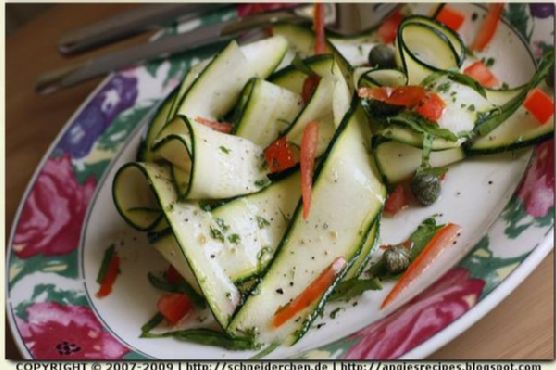
Zucchini Ribbon Caper Salad | Made by Meaghan Moineau

Zucchini Ribbon Caper Salad

Intro

There’s something inherently magical about the simplicity of summer salads. Growing up, my grandmother’s garden was a vibrant tapestry of colors and textures, where we spent countless summer afternoons. Among her many garden treasures, zucchini was always in abundance, and she had a knack for turning it into the most delightful dishes. This Zucchini Ribbon Caper Salad is a tribute to those cherished moments—filled with fresh, crisp flavors reminiscent of sunny days spent in her backyard.

Why You’ll Love It

This Zucchini Ribbon Caper Salad is a symphony of flavors and textures that will captivate your taste buds. The crispness of the zucchini ribbons, the savory burst from the capers, and the aromatic dance of garlic and lemon zest create a dish that is both refreshing and satisfying. It’s an elegant addition to any meal, and its simplicity is matched only by its deliciousness. Perfect as a light appetizer or a side dish, this salad will become a staple in your culinary repertoire.

Ingredients

  • 2 medium zucchinis, thinly sliced into ribbons
  • 2 tablespoons capers
  • 1 clove garlic, minced
  • Zest of 1 lemon
  • 2 tablespoons olive oil
  • Salt and pepper to taste
  • 1 medium tomato, julienned
  • Dried parsley, for garnish

Instructions

  1. In a large bowl, toss the zucchini strips with the olive oil, lemon zest, lemon juice, garlic, salt, and pepper.
  2. Set aside and allow the mixture to marinate for 30 minutes. This step allows the flavors to meld beautifully and the zucchini to soften slightly.
  3. Divide the marinated zucchini between 2-3 plates.
  4. Top each serving with capers and julienned tomato.
  5. Drizzle any extra dressing over the salad, if desired.
  6. To garnish, sprinkle a pinch of dried parsley over each plate before serving.

Tips

For the best results, use fresh, firm zucchinis and a high-quality olive oil to enhance the flavor. A vegetable peeler or mandoline slicer works wonders for creating perfect zucchini ribbons. Remember to taste the salad before serving to ensure the seasoning is just right—sometimes a little extra lemon juice or a pinch of salt can make all the difference.

Variations & Substitutions

This salad is incredibly versatile, and you can easily adapt it to suit your tastes or what you have on hand:

  • Herbs: Fresh basil or mint can add a delightful twist to this salad. Simply chop and sprinkle over before serving.
  • Cheese: Add a sprinkle of feta or goat cheese for a creamy contrast to the crisp zucchini.
  • Olives: Substitute capers with chopped olives for a different kind of briny bite.

Storage

While this salad is best enjoyed fresh, you can store leftovers in an airtight container in the refrigerator for up to 2 days. Note that the zucchini may become more tender as it sits, but the flavors will continue to develop, making it even more delicious.

FAQ

Can I make this salad ahead of time?

Yes, you can prepare the salad up to a day in advance. Just keep the zucchini marinating in the refrigerator and add the capers and tomato just before serving to maintain their fresh texture.

What can I serve with this salad?

This salad pairs beautifully with grilled chicken, fish, or even a simple pasta dish. It’s also a lovely addition to a summer picnic or barbecue spread.

Is this salad vegan?

Yes, this Zucchini Ribbon Caper Salad is naturally vegan, making it a great choice for those following a plant-based diet.

Nutrition

This salad is not only delicious but also packed with nutrients. Zucchini is a low-calorie vegetable high in antioxidants, vitamin A, and fiber. The olive oil provides healthy fats, while the lemon and garlic contribute additional vitamins and immune-boosting properties.

Conclusion

Our Zucchini Ribbon Caper Salad is more than just a dish—it’s a celebration of fresh, vibrant flavors that bring a touch of brightness to any meal. Whether you’re looking to reminisce about summer days gone by or simply want to enjoy a nutritious, delightful salad, this recipe is sure to please. Gather your ingredients, embrace the simplicity, and savor the taste of summer with every bite. Enjoy!

Related update: Zucchini Ribbon Caper Salad

Related update: Mashed Potatoes with Garlic, Sage & Goat Cheese

Related update: Pizza bites with pumpkin

Related update: Traditional Panzanella

Trump Threatens Lawsuit Against Fed Chair | Analysis by Brian Moineau

When a President Threatens to Sue the Fed Chair: What "gross incompetence" Actually Means

A microphone, a press conference and a blistering critique — this time aimed squarely at Federal Reserve Chair Jerome Powell. At a December 29, 2025 appearance at Mar-a-Lago, former President Donald Trump accused Powell of “gross incompetence” over the costly renovation of the Fed’s headquarters and said he might sue. It’s a dramatic headline that taps into deeper questions about the independence of the central bank, the limits of presidential power, and what — if anything — can legally stick when a president levels personal and political allegations at the Fed’s leader.

Quick takeaways

  • -The threat to sue Powell centers on the Federal Reserve’s renovation project and allegations of mismanagement and excessive cost.
  • -It is unclear what specific legal claims could be brought; suing a sitting Fed chair for policy decisions or project management raises thorny jurisdictional, standing and sovereign immunity issues.
  • -Beyond legalities, the move is a political signal: it ratchets up pressure on an independent institution and could affect market and public perceptions of Fed independence.
  • -Any actual attempt to remove or litigate against a Fed chair would be unprecedented and face steep constitutional and statutory barriers.

Why this matters now

The Fed is not a typical executive agency. It’s designed to be insulated from short-term political pressure so its decisions on interest rates and financial stability remain focused on long-term economic health. Trump’s remarks follow months of public frustration about the pace of rate cuts and vocal complaints about project costs — amplified by social media and press events. Threatening legal action against the Fed’s chair therefore isn’t just personal invective; it’s a direct challenge to the norms that protect central-bank decision-making.

The immediate facts and competing figures

  • Trump criticized the Fed renovation as wildly over budget, at times citing figures as high as $4 billion. Fed officials and reporting indicate more modest — though still substantial — estimates (around $2.5 billion for the recent projects). (washingtonpost.com)
  • The comment came alongside familiar complaints about “too late” rate decisions and public demands for aggressive rate cuts, a recurring theme in Trump’s critiques of Powell. (cnbc.com)

Could a lawsuit actually work?

Short answer: very unlikely. Here’s why, in plain terms.

  • -Standing: To sue in federal court you must show concrete injury. It’s unclear how the president (or the federal government) would claim specific, legally cognizable harm from Powell’s renovation decisions that couldn’t be addressed inside the government.
  • -Sovereign immunity: The Federal Reserve Board and its officials are government actors. Claims for discretionary policy choices or allegedly poor management often run into immunity doctrines that shield officials from suit for policy-driven actions.
  • -Separation of powers and institutional design: The Fed has statutory independence for monetary policy. Courts are cautious about stepping into disputes that would effectively let one branch micromanage the central bank’s internal choices.
  • -Precedent: There is no modern precedent for a president suing the sitting chair of the Federal Reserve for incompetence. Removal of a Fed chair is tightly constrained and not a matter ordinarily resolved by litigation. (cnbc.com)

Put another way: calling someone incompetent in a speech is one thing; proving a legally cognizable claim that survives immunity and jurisdictional hurdles is another.

Politics, optics and markets

  • -Political signaling: Threats to sue or fire Powell operate as political pressure — a way to rally supporters and put opponents on the defensive. Whether they change Fed policy is a different question.
  • -Market reaction: Markets hate uncertainty. Attacks on Fed independence can increase volatility in Treasury yields, stocks and currency markets if investors fear politicized monetary policy. So far, markets have largely treated rhetorical attacks as noise, but sustained pressure could shift expectations about future policy or appointments. (cnbc.com)
  • -Institutional norms: Repeated public assaults on an independent regulator can erode norms even if they fail in court. That slow erosion matters for long-term credibility and the Fed’s ability to anchor inflation expectations.

What to watch next

  • -Any formal legal filing: If a lawsuit is actually filed, watch the complaint for the precise legal theory (e.g., breach of statute, ultra vires acts, fraud, or false testimony). That will reveal whether the attempt targets conduct (documents, contract awards) or policy choices.
  • -Congressional responses: Congress can compel documents, hold hearings, or consider statutory changes — all of which can be more consequential than a headline threat.
  • -Succession announcements: Trump has said he may announce a replacement for Powell; an actual nomination would shift the focus from litigation to confirmation politics. (reuters.com)

My take

Rhetoric aside, this episode looks less like a plausible legal strategy and more like a political lever. Attacking the Fed chair’s competence grabs headlines and mobilizes a base frustrated with borrowing costs and housing prices. But the legal path for a president to vindicate such complaints is narrow and uncertain. If the goal is policy change, nomination power and congressional oversight are the paths with real force — not lawsuits that are likely to be dismissed on procedural grounds.

That doesn’t mean the allegation is harmless. Repeated public attacks on the Fed chip away at trusted guardrails meant to keep monetary policy steady through political storms. Even unsuccessful threats can raise market anxiety and make the Fed’s job harder. For investors, policymakers and citizens, the more important question is whether political leaders will respect the borders that keep economic policy stable — or keep trying to redraw them for short-term advantage.

Sources


Related update: We recently published an article that expands on this topic: read the latest post.


Related update: We recently published an article that expands on this topic: read the latest post.


Related update: We recently published an article that expands on this topic: read the latest post.

Related update: We recently published an article that expands on this topic: read the latest post.

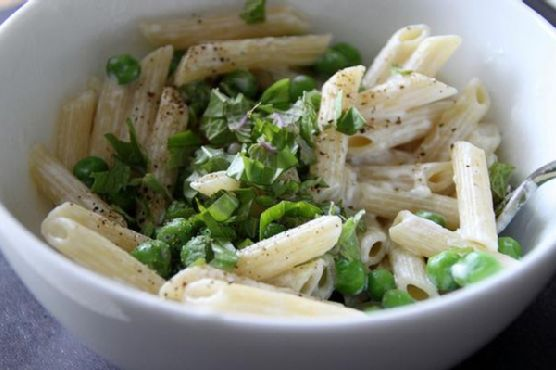
Penne with Goat Cheese and Basil | Made by Meaghan Moineau

Penne with Goat Cheese and Basil

Intro

There’s a certain magic in the simplicity of pasta dishes. Growing up, summer evenings were often capped with a family dinner on our patio, where the fragrant aroma of fresh basil mingled with the earthy scent of cooling evening air. My grandmother would make her signature Penne with Goat Cheese and Basil, a dish that encapsulated the essence of those warm nights. Today, I’m sharing this beloved recipe with you. It’s a dish that’s not only easy to prepare but also rich in flavor and comfort, reminiscent of those cherished family gatherings.

Why You’ll Love It

This Penne with Goat Cheese and Basil recipe is a celebration of flavors and textures. The creamy, slightly tangy goat cheese coats the pasta beautifully, while the fresh basil adds a burst of aromatic freshness. It’s a perfect balance of richness from the cheese and the light, herbaceous notes of basil. Plus, this dish requires minimal ingredients and is quick to prepare, making it an ideal option for both busy weeknights and leisurely weekend meals. Whether you’re a seasoned cook or a beginner in the kitchen, you’ll find this recipe both rewarding and satisfying.

Ingredients

  • Penne pasta
  • Basil leaves
  • Goat cheese
  • Olive oil
  • Salt and pepper

Instructions

  1. Cook the penne pasta according to the package directions until al dente. Drain and set aside.
  2. While the pasta is cooking, arrange the basil leaves in a stack. Roll them tightly like a cigar, then slice crosswise to create thin strips. This technique is known as chiffonade.
  3. In a large bowl, toss the cooked penne with olive oil and crumbled goat cheese. Allow it to cool for a few minutes, letting the cheese melt slightly and coat the pasta.
  4. Add the chiffonade basil to the pasta along with a generous pinch of salt and freshly ground pepper. Toss everything together until well combined.
  5. Serve immediately, garnished with additional basil or a drizzle of olive oil if desired.

Tips

For the best results, use fresh goat cheese and basil. The quality of these ingredients will significantly impact the flavor of the dish. When cooking the pasta, make sure to salt the water generously to enhance the overall taste. If you prefer a creamy texture, reserve a little pasta water before draining and add it to the mixture while tossing the ingredients together.

Variations & Substitutions

This recipe is incredibly versatile. For a heartier version, you can add grilled chicken or roasted vegetables such as cherry tomatoes or zucchini. If goat cheese isn’t your favorite, feta cheese is a great substitute that also pairs well with basil. For a vegan alternative, try using a plant-based cheese and olive oil-based pesto for added flavor.

Storage

Leftovers of Penne with Goat Cheese and Basil can be stored in an airtight container in the refrigerator for up to three days. To reheat, gently warm in a skillet over low heat, adding a splash of olive oil or water to loosen the sauce. Note that the basil may darken slightly, but the flavor will remain delightful.

FAQ

Can I use dried basil instead of fresh basil?

While fresh basil provides the best flavor and aroma, you can use dried basil in a pinch. Use about one-third of the amount specified for fresh basil, as dried herbs are more concentrated in flavor. However, the dish will lack the same vibrant freshness that fresh basil offers.

Is this dish suitable for meal prep?

Yes, Penne with Goat Cheese and Basil is a great option for meal prep. Prepare the dish as instructed and store it in individual portions. It’s best enjoyed fresh, but it can still be a convenient and tasty option for packed lunches.

Nutrition

This dish is a good source of protein and calcium from the goat cheese, and the olive oil provides healthy fats. The basil adds vitamins and minerals, while the pasta offers carbohydrates for energy. For a lighter version, consider using whole grain or gluten-free pasta.

Conclusion

Penne with Goat Cheese and Basil is more than just a meal; it’s a comforting embrace of flavors that evoke cherished memories and new culinary adventures. Whether you’re recreating a nostalgic dish or trying it for the first time, this recipe promises a delightful experience. Gather your loved ones, savor each bite, and let the simple elegance of this dish bring a touch of warmth to your table.

Related update: Penne with Goat Cheese and Basil

Related update: How to Make the Best Chili

How to make the World’s Greatest Lasagna Roll Ups | Made by Meaghan Moineau

How to Make the World’s Greatest Lasagna Roll Ups

Intro

Lasagna Roll Ups hold a special place in my heart. As a child, I vividly remember gathering in my grandmother’s cozy kitchen, the aroma of rich tomato sauce and melted cheese wafting through the air. We’d all take turns rolling the tender noodles around creamy ricotta filling, giggling as we sneaked bits of cheese into our mouths. This recipe for the World’s Greatest Lasagna Roll Ups is a tribute to those cherished memories, combining classic flavors with a fun twist. Let’s embark on this delicious journey together!

Why You’ll Love It

These Lasagna Roll Ups are not only incredibly tasty but also incredibly simple to make. With all the flavors of traditional lasagna wrapped up in a convenient roll, they’re perfect for portion control and easy serving. Whether you’re preparing a family dinner or entertaining guests, these roll ups are sure to impress. Plus, they’re customizable to suit various dietary preferences and are kid-friendly too!

Ingredients

  • 1 can tomato sauce
  • 1 tablespoon dried basil
  • 1 egg
  • 2 tablespoons extra virgin olive oil
  • 1 can fire roasted diced tomatoes
  • 1/4 cup fresh parsley, chopped
  • 3 cloves garlic, minced
  • 1 pound lean ground beef
  • 1/2 teaspoon black ground pepper
  • 1/2 pound Italian sausage
  • 1 tablespoon Italian seasoning
  • 12 lasagna noodles
  • 2 cups mozzarella cheese, sliced
  • 1 onion, chopped
  • 1/2 cup Parmesan Reggiano, grated
  • 2 cups ricotta cheese
  • 1 teaspoon salt
  • 1 can tomato paste
  • 1/2 cup water

Instructions

  1. In a large saucepan over medium heat, brown the lean ground beef and Italian sausage.
  2. In a separate pan on medium heat, add 2 tablespoons of olive oil and sauté the onion, garlic, Italian seasoning, and basil for about 6-8 minutes or until the onion becomes translucent.
  3. Add the sautéed mixture to the meat. Stir in the fire roasted diced tomatoes, tomato sauce, tomato paste, water, black pepper, and 2 tablespoons of fresh parsley. Simmer uncovered for 1 hour to let the flavors meld.
  4. Bring a large pot of salted water to a boil. Cook lasagna noodles for 8-10 minutes, then drain and rinse with cold water to stop cooking.
  5. In a small mixing bowl, combine the remaining parsley, ricotta cheese, egg, and 1/2 teaspoon salt. Mix well to incorporate.
  6. Preheat oven to 375°F (190°C).
  7. Spread some of the meat sauce on the bottom of a 9 x 13-inch glass baking dish.
  8. Lay a lasagna noodle on a flat surface and spread with the ricotta mixture. Sprinkle with Parmesan Reggiano cheese and gently roll the noodle.
  9. Place the roll ups seam side down in the prepared baking dish. Cover each with a little more meat sauce and top with slices of mozzarella cheese.
  10. Cover the dish with foil and bake in the preheated oven for 20 minutes. Remove the foil and bake for an additional 10 minutes until the cheese is bubbly and slightly golden.
  11. Allow the roll ups to cool for 10 minutes before serving.

Tips

For perfectly cooked noodles, ensure you don’t over-boil them. They should be al dente to prevent them from becoming mushy during baking. Additionally, letting the lasagna roll ups rest after baking helps the ingredients set, making them easier to serve.

Variations & Substitutions

Feel free to experiment with different proteins such as turkey or chicken for a lighter version. For a vegetarian option, swap out the meat for sautéed mushrooms and zucchini. You can also use gluten-free lasagna noodles if you’re catering to dietary restrictions.

Storage

Leftover lasagna roll ups can be stored in an airtight container in the refrigerator for up to 3 days. They can also be frozen for up to a month. To reheat, simply thaw (if frozen) and warm in the oven at 350°F (175°C) until heated through.

FAQ

Can I make these lasagna roll ups ahead of time?

Absolutely! You can prepare the roll ups and store them in the refrigerator for up to 24 hours before baking. This makes them a great option for meal prep or entertaining guests.

What can I serve with lasagna roll ups?

These roll ups pair wonderfully with a simple green salad and garlic bread. You can also serve them with roasted vegetables for a complete and satisfying meal.

Nutrition

Each serving of lasagna roll ups is rich in protein and provides a good source of calcium and iron. For those watching their calorie intake, consider using lower-fat cheeses and leaner cuts of meat.

Conclusion

There you have it! Whether you’re recreating a beloved family tradition or starting a new one of your own, these World’s Greatest Lasagna Roll Ups are sure to become a household favorite. Packed with flavor and fun to make, they bring a delightful twist to a classic dish. I hope this recipe brings as much joy to your table as it has to mine. Happy cooking!

Related update: How to make the World’s Greatest Lasagna Roll Ups

Related update: Penne with Goat Cheese and Basil

Rename Your Gmail Without Losing Data | Analysis by Brian Moineau

Change the address, keep the files: Gmail may finally let you rename yourself online

You created that cringe-worthy Gmail handle in middle school. Maybe it was "cooldude123" or "princess_of_pop". For years the only fix was brutal: create a new account, forward mail, rebuild subscriptions, and slowly migrate your life. Now Google appears to be rolling out a long-requested escape hatch — the ability to change your @gmail.com address while keeping the same account and all the files tied to it.

What to know right away

  • Google’s help documentation (first seen in a Hindi-language support page) indicates users will be able to replace their existing @gmail.com address with a new @gmail.com address without losing emails, Drive files, Photos, purchases, subscriptions or YouTube channels. (techcrunch.com)
  • The old address becomes an alias that continues to receive mail and can still be used to sign in — so you don't lose continuity. (nasdaq.com)
  • There are limits and caveats: you can change the address only once every 12 months and at most three times (i.e., up to four addresses in total). Some managed (work/school) accounts will need admin approval. (nasdaq.com)

Why this matters more than it sounds

An email address is more than a username — it’s your digital identity across services. For most people the original Gmail handle is used as:

  • The login for Google services (Drive, Photos, YouTube, Play Store, Android devices).
  • The account recovery and notification contact.
  • The primary identifier in countless third‑party services that use “Sign in with Google.”

Until now, changing that identity forced a painful migration: new account, lost history, broken linkages. Letting users rename their primary address while keeping everything in place reduces friction and preserves years of digital baggage (the good and the awkward). It’s the kind of small-but-impactful quality-of-life change that consumers ask for for years but companies often resist because of identity, security and technical complexity.

How it looks to work (based on leaked/updated help docs and reporting)

  • Go to Google Account > Personal info > Email > Google Account email (once the feature reaches your account).
  • Choose a new @gmail.com address; Google verifies availability and confirms the change.
  • Your old address is retained as an alias; mail to either address lands in the same inbox.
  • You can sign in with either address, and all your existing data remains attached to your account. (techcrunch.com)

The catches and potential pitfalls

  • Limit frequency: only one change per 12 months and a maximum of three changes. That protects against abuse but also means you should pick carefully.
  • Third‑party logins: sites that use “Sign in with Google” may still reference the old email. You may need to update the email on those services manually, and in some cases, re-link accounts if they don’t recognize the new address. (forbes.com)
  • Device quirks: Chromebooks and some Android integrations tied to a specific Google account could require re‑signing or manual fixes (back up local data first if you use a managed Chromebook). Google’s documentation and early reporting specifically warn about possible device sign‑in loops. (nasdaq.com)
  • Alias permanence: Google’s docs suggest the old address remains tied to your account as an alias and can’t be released for reuse by others — good for continuity, less ideal if you wanted the address freed up. (nasdaq.com)
  • Rolling rollout: the change was initially spotted on a Hindi support page and is being rolled out gradually; not everyone will see it yet and Google had not published a broad announcement at the time of reporting. Expect regional and phased availability. (techcrunch.com)

A short timeline and context

  • For years, Google’s policy was simple: personal @gmail.com addresses could not be changed. Workspace (business/education) accounts have had more flexible options, but personal accounts were effectively permanent.
  • In late December 2025, tech reporters spotted updated Google help documentation — initially in Hindi — stating the company is “gradually rolling out” the ability to change a Gmail address. That triggered widespread reporting across outlets including The Verge, TechCrunch and Mashable. (theverge.com)

Who should (and shouldn’t) consider changing their address

  • Good candidates:

    • People with visibly unprofessional or embarrassing handles who want a cleaner public identity.
    • Users who want to update names after marriage, transition, or other life changes.
    • Anyone who wants to consolidate fewer accounts without losing history.
  • Be cautious if:

    • You rely heavily on "Sign in with Google" across many third‑party services and can’t afford temporary access issues.
    • You have Chromebooks or devices with complex enterprise profiles; test and back up first.
    • You expect to reclaim the old address for a new account — Google appears to keep the alias tied to your account.

My take

This is the kind of user-first tweak that should’ve arrived years ago. It scratches an itch we all felt when our teenage selves created forever addresses. Google is doing the sensible thing: preserving data continuity and minimizing friction while adding reasonable guardrails to prevent abuse. The phased rollout is expected — the underlying complexity of reassigning the account identity across product surfaces is significant. If you’re tempted to rename your account, wait until the option appears, read Google’s in‑product guidance carefully, and back up any device data that’s locally stored before you commit.

What to watch next

  • Google’s official English support pages and blog for a formal rollout notice and detailed step‑by‑step instructions.
  • Reports from early adopters about real‑world behavior on Chromebooks and third‑party sign‑ins.
  • Clarifications on whether aliases can ever be released for reuse and precise behavior for Workspace-managed accounts.

Sources

Final thought

If this rolls out to everyone as described, millions will finally be able to retire their old internet personas without losing the stuff that matters — the photos, receipts, and weird long‑forgotten email threads we all cling to. Pick a new name you won’t regret, because Google’s watchful guardrails mean this won't be something you can do every month.


Related update: We recently published an article that expands on this topic: read the latest post.

Related update: We recently published an article that expands on this topic: read the latest post.

Packers’ Week 18: Rest or Play to Prep | Analysis by Brian Moineau

Banged up and bracing for the playoffs: what the Packers should do in Week 18

Introduction

The last game of the regular season usually carries either celebration or heartbreak. For the 2025 Green Bay Packers, Week 18 is instead a logistical puzzle: their playoff fate is set (No. 7 seed), but the roster looks like it’s been through a war. Do you rest stars and prioritize health, or play enough to fix glaring problems before a hostile playoff road trip? That tension — between protection and preparation — will shape the next seven days in Green Bay.

Where we are and why it matters

  • The Packers clinched a playoff berth but will enter as the NFC’s No. 7 seed, which means an immediate road game in the wild-card round.
  • A string of recent injuries and a three-game slide have left the roster thin: season-ending injuries (including Achilles and ankle losses), concussions, and multiple players exiting the most recent game. That makes the Week 18 decision more complicated than a simple “rest everyone” approach.
  • Coach Matt LaFleur and staff have signaled discussions are ongoing; nothing is decided. The memory of last season’s finale — when starters suffered injuries that affected postseason availability — is very much on the staff’s mind.

What the practical choices look like

  • Rest the primary starters who are healthy enough to sit.

    • Pros: Reduces risk of new injuries to top contributors (QB, key defenders, lead RB), gives time to recover nagging issues.
    • Cons: With a 53-man roster and many hurt players already, resting too many starters could force inexperienced backups into key roles and upset team rhythm heading into a hostile playoff matchup.
  • Play to correct schematic and assignment issues.

    • Pros: Fixes mental mistakes and alignment problems that showed up recently — especially on run defense — and helps build game-time sharpness before a road playoff game.
    • Cons: Increased injury risk; may not be worth it for players with obvious long-term value.
  • A hybrid approach: rest the most injury-prone or fragile starters, play others to keep timing intact.

    • Pros: Balances health management with necessary prep; allows coaches to evaluate depth and tweak assignments.
    • Cons: Hard to pull off cleanly on a shorthanded roster; some “rested” players may still need limited reps to stay in rhythm.

Key factors the Packers must weigh

  • Medical clearance and concussion protocol timelines for Jordan Love and other injured starters.
  • The severity and timing of season-ending injuries already sustained — those change what the team can realistically rest.
  • Depth chart reality: the Packers are not a 90-man roster in Week 18; they have limited active bodies. If backups would be thrown into critical snaps, the risk shifts.
  • The opponent and matchup context: Minnesota’s tendencies and whether Week 18 looks like a realistic dress rehearsal for the likely playoff matchup.
  • Psychological and momentum considerations: a team that plays crisp, confident football can carry that energy. Conversely, resting everyone can leave players cold or disrupt continuity.

What I’d expect the Packers to do

  • Protect the most critical long-term assets (e.g., starters with lingering injuries or concussion concerns) — let them rest if medical staff advises.
  • Keep enough veterans on the field to work out schematic breakdowns and get the defense’s fundamentals — especially to shore up run defense and assignment discipline.
  • Use targeted reps for players who need timing (quarterback-room backups practicing with starters in situ, special-teams drills for core units).
  • Lean on the depth chart to give younger players meaningful snaps, but avoid risking premium players for vanity reps.

A few smart management moves

  • Turn Week 18 into a prioritized rehearsal: run the basic, high-frequency plays the team will rely on in the playoffs rather than trying to invent or fix everything at once.
  • Emphasize communication and assignment fundamentals in walkthroughs and practice — many of the recent problems were mental errors, not lack of effort.
  • Schedule minute-by-minute medical evaluations and clear communication with players so decisions are transparent going into gameday.
  • Prepare contingency plans for short yardage, red zone and special teams scenarios so backups aren’t surprised if thrust into the game.

Things to watch during Week 18

  • Official injury reports and any updates to Jordan Love’s concussion status.
  • Who actually gets a game-day rest designation and who plays limited snaps.
  • Whether the coaching staff simplifies play-calls to protect players from overthinking and reduce the chance of mistakes.
  • How the run defense responds if starters play — that was an acute problem recently and could decide whether the unit feels playoff-ready.

What this means for playoff outlook

  • Resting judiciously could preserve the roster’s top talents for the wild-card game, but doing too much may leave the team ill-prepared for an aggressive, physical playoff opponent.
  • Conversely, playing too many starters in a bid to “fix” problems risks new injuries that would be much costlier in a single-elimination setting.
  • The ideal result is a middle path: maintain health while fixing the most glaring, fixable issues and giving key backups a chance to prove they can handle emergency roles.

A few quick takeaways

  • The Packers are stuck between risk and reward: protecting star players versus maintaining competitive sharpness.
  • Medical clearance — especially for the quarterback — will drive much of the Week 18 plan.
  • Given a thin roster, expect a blended strategy: rest where necessary, but play enough veterans to clean up assignment mistakes and stabilize the team’s identity heading into the playoffs.

Final thoughts

This is one of those coaching dilemmas that reveals organizational priorities. Do you prioritize long-term availability over short-term readiness? The smart move is rarely binary. With memories of last season’s finale still fresh and key players banged up, Green Bay’s staff should optimize for availability of their top contributors while using Week 18 as a focused rehearsal: address the defensive misalignments, shore up the run defense principles, and give select backups meaningful reps. If they can find that balance, the Packers will have increased their odds of surviving the first road hurdle — and that’s what matters when you’re the No. 7 seed.

Sources


Related update: We recently published an article that expands on this topic: read the latest post.


Related update: We recently published an article that expands on this topic: read the latest post.

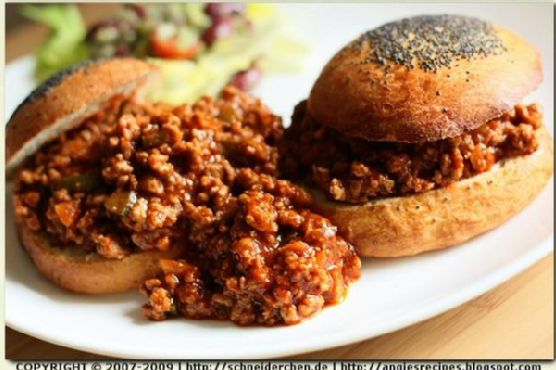
All American Sloppy Joes | Made by Meaghan Moineau

All American Sloppy Joes

Intro

Growing up, there was nothing quite like the excitement of Sloppy Joe night in our household. The rich, tangy aroma of the slow-simmering sauce would fill the kitchen, drawing us in like a magnetic force. My mom would always serve them with a side of her famous homemade coleslaw and a cold glass of lemonade. It was a meal that brought the family together at the table, where laughter and stories were shared between messy bites. There’s something wonderfully nostalgic about Sloppy Joes; they remind us of simpler times, when the most pressing matter was how to keep the filling from spilling out of the bun.

Why You’ll Love It

If you’re in search of a meal that’s both heartwarming and ridiculously simple to prepare, look no further. These All American Sloppy Joes are the epitome of comfort food. With minimal ingredients and a quick preparation time, they’re perfect for busy weeknights or casual gatherings. The combination of savory and tangy flavors, with just a hint of spice, makes this dish appealing to both kids and adults alike. Plus, they’re an excellent way to feed a crowd without breaking the bank.

Ingredients

  • 2 tablespoons olive oil
  • 2 garlic cloves, minced
  • 2 shallots, finely chopped
  • 1 green bell pepper, diced
  • Salt and black pepper, to taste
  • 1 1/2 pounds ground beef
  • 1 cup tomato sauce
  • 1/2 cup American barbecue sauce
  • 2 tablespoons Worcestershire sauce
  • 1 teaspoon hot sauce (optional for extra heat)
  • 6 split burger buns

Instructions

  1. Heat the olive oil in a large skillet over medium heat.
  2. Add the minced garlic, shallots, and diced green bell pepper. Stir until fragrant and tender, about 3 minutes.
  3. Season the vegetables with salt and black pepper.
  4. Add the ground beef to the skillet. Stir and cook for about 5 minutes, until the meat is no longer pink and fully cooked.
  5. Add the tomato sauce, barbecue sauce, Worcestershire sauce, and hot sauce into the skillet. Stir to combine thoroughly.
  6. Reduce heat and simmer the mixture until it thickens, about 10 minutes.
  7. To serve, spoon the sloppy meat onto the toasted, buttered bun bottoms and cover with the bun tops. Enjoy with your favorite side dish or pickles.

Tips

For the best Sloppy Joes, use fresh, high-quality ground beef with a good balance of fat to keep the mixture juicy. Don’t rush the simmering process; giving the sauce time to thicken will enhance the flavors. Toasting the buns adds a delightful crunch that complements the softness of the filling.

Variations & Substitutions

If you prefer a healthier version, you can substitute ground turkey or chicken for the beef. For a vegetarian option, use lentils or a plant-based ground meat substitute. Add a dash of smoked paprika or cumin for an extra layer of flavor. You can also incorporate additional vegetables like mushrooms or carrots to bulk up the filling.

Storage

Leftover Sloppy Joe mixture can be stored in an airtight container in the refrigerator for up to 3 days. Reheat in a skillet over medium heat, adding a splash of water if the mixture becomes too thick. You can also freeze the mixture for up to 3 months; just thaw it overnight in the fridge before reheating.

FAQ

Can I make Sloppy Joes ahead of time?

Yes, Sloppy Joes are a great make-ahead meal. You can prepare the meat mixture a day in advance and store it in the refrigerator. Reheat it on the stove before serving for a quick and easy meal.

What are some good side dishes to serve with Sloppy Joes?

Sloppy Joes pair wonderfully with classic sides like coleslaw, potato salad, or corn on the cob. For something a little different, try serving them with sweet potato fries or a fresh green salad.

How can I make the Sloppy Joes spicier?

If you like a bit more heat, feel free to increase the hot sauce or add some chopped jalapeños to the mixture. A sprinkle of red pepper flakes can also kick up the spice level to your liking.

Nutrition

While the exact nutritional content will vary based on specific ingredients and portion sizes, on average, a serving of Sloppy Joes can provide approximately 400-500 calories, with a good balance of protein, carbohydrates, and fats. To make it a more balanced meal, consider adding a side of vegetables or a fresh salad.

Conclusion

All American Sloppy Joes are a timeless classic that brings warmth and joy to any meal. Whether you’re feeding a hungry family or hosting a casual get-together, this dish is sure to please. With its rich flavors and easy preparation, it’s a recipe that you’ll return to time and time again. Enjoy the taste of nostalgia and savor the moments shared over these deliciously messy sandwiches!

Related update: All American Sloppy Joes

Related update: How to make the World’s Greatest Lasagna Roll Ups

T‑Mobile Tacks $3 Monthly for Apple TV | Analysis by Brian Moineau

Don’t forget: T‑Mobile’s “Apple TV On Us” will cost $3 a month starting January 1, 2026

You might have assumed your carrier perk would quietly stay free forever. If you’re on certain T‑Mobile postpaid plans and have been enjoying Apple TV “On Us,” don’t be surprised to see a new line on your bill next year: the benefit will no longer be entirely free — it becomes a $3/month charge on January 1, 2026.

Here’s what’s changing, why it matters, and what you can do about it.

What’s happening (quick snapshot)

  • T‑Mobile is ending the fully free Apple TV “On Us” benefit for most eligible plans. Effective January 1, 2026, customers who previously received Apple TV at no charge will see a $3/month fee.
  • T‑Mobile will continue to apply a $9.99/month discount toward Apple TV for qualifying plans; after Apple raised Apple TV+ to $12.99/month, subscribers will pay the remaining $3.
  • The change affects customers on plans such as Experience More, Experience Beyond, Go5G Plus / Next, Magenta MAX, Magenta Plus, ONE Plus, and similar tiers.
  • T‑Mobile still appears to offer a six‑month trial for some customers, and subscribers can manage or cancel the add‑on in T‑Life or via their T‑Mobile account. (t-mobile.com)

Why T‑Mobile is doing this

  • Apple increased Apple TV+’s price from $9.99 to $12.99 (U.S.) in 2025. That $3 hike is the direct reason the “On Us” perk can’t remain truly free unless T‑Mobile absorbs the full increase. (reuters.com)
  • Carriers regularly reassess bundled perks to protect margins as third‑party services raise prices or as promotional windows end. T‑Mobile is keeping a substantial discount — it’s just passing some of the recent Apple price increase through to customers. (appleinsider.com)

Who this affects

  • Current T‑Mobile postpaid customers on qualifying plans who redeemed Apple TV “On Us” or receive it as a plan benefit.
  • Customers billed for Apple TV through T‑Mobile (not via Apple directly): their bill will reflect the $12.99 price or the $9.99 discount plus the $3 customer share starting Jan 1, 2026.
  • People who have the Apple TV subscription through Apple directly aren’t managed by T‑Mobile’s billing unless they choose to redeem the carrier offer. If you redeem T‑Mobile’s $3 offer, your Apple‑billed subscription may be paused and T‑Mobile’s billing will take over. (t-mobile.com)

Practical steps to avoid surprises

  • Check your T‑Mobile messages and the T‑Life app for account notices that mention “Apple TV just $3/month” or a price‑change notification. T‑Mobile has been sending texts to affected customers. (androidauthority.com)
  • If you don’t want to pay $3/month, cancel the T‑Mobile–managed Apple TV subscription before January 1, 2026. Manage it in T‑Life or via your T‑Mobile ID. (t-mobile.com)
  • Compare alternatives: Apple still offers free trials (often three months for device purchases), Apple One bundles may make sense if you use multiple Apple services, and Apple’s new Apple TV + Peacock bundle (or other streaming bundles) can be more economical depending on which services you use. (tomsguide.com)

The bigger picture for carrier perks

  • This is part of a wider pattern: carriers trim or restructure perks when content partners raise prices or change promotional strategies. What felt like a permanent “freebie” can be temporary. (mactrast.com)
  • For customers, it’s a reminder to treat carrier‑bundled streaming perks like subscriptions: set a calendar reminder before the trial or promotional period ends, and review whether the perk still delivers value.

My take

T‑Mobile’s move is pragmatic — it preserves a meaningful discount ($9.99 off the new $12.99 price) while shifting a small portion of the cost to customers. For users who casually watch Apple TV originals, $3/month is a modest fee to keep the service. But for budget‑minded subscribers who only used the perk because it was free, that three dollars is an inflection point: keep it, switch to a trial, or cancel and reallocate that money to another streaming option.

If you’ve forgotten you had the perk, treat this as a friendly billing nudge: check your account, decide whether you want Apple TV after January 1, 2026, and act before the charge appears.

Sources


Related update: We recently published an article that expands on this topic: read the latest post.


Related update: We recently published an article that expands on this topic: read the latest post.

Perfect fish cakes | Made by Meaghan Moineau

Perfect Fish Cakes: A Hearty Homestyle Delight

Intro

There’s something about the aroma of fish cakes sizzling in a pan that instantly transports me back to my grandmother’s cozy kitchen. Every Sunday, she would whip up her famous fish cakes, and the entire family would gather around the table, eagerly waiting for the first bite. These tender, golden-brown cakes were more than just a meal; they were a tradition, a warm embrace on a plate. Today, I’m thrilled to share my version of her beloved recipe with you. These perfect fish cakes are easy to make, delightfully crispy on the outside, and melt-in-your-mouth tender on the inside. Whether you’re looking to recreate a nostalgic favorite or try something new, these fish cakes are sure to become a cherished addition to your recipe collection.

Why You’ll Love It

This recipe is a celebration of simple, fresh ingredients coming together to create something truly special. Here’s why you’ll love it:

  • Easy to prepare: With straightforward steps and minimal prep time, you can have these delicious fish cakes ready in no time.
  • Full of flavor: The combination of fresh herbs, zesty lemon, and a creamy homemade sauce makes these fish cakes incredibly flavorful.
  • Perfect for any occasion: Whether you’re serving them as a weeknight dinner or a party appetizer, these fish cakes are versatile and always impressive.
  • Nostalgic comfort food: These fish cakes bring a touch of home-cooked comfort to your table, reminiscent of cozy family gatherings and cherished memories.

Ingredients

  • 2 tablespoons mayonnaise
  • 1 tablespoon salted capers, rinsed and chopped
  • 1 tablespoon creamed horseradish
  • 1 tablespoon Dijon mustard
  • 1 shallot, finely chopped
  • 2 tablespoons parsley, chopped
  • 400g cod fillets
  • 2 bay leaves
  • 300ml milk
  • 300ml water
  • 400g potatoes, peeled and chopped
  • Salt, to taste
  • Zest of 1 lemon
  • 2 tablespoons fresh parsley, chopped
  • 2 tablespoons chives, finely chopped
  • Freshly ground pepper, to taste
  • Flour, for dusting
  • 1 large egg, beaten
  • 100g breadcrumbs
  • Sunflower oil, for frying
  • Lemon wedges, to serve

Instructions

  1. In a small bowl, mix together the mayonnaise, salted capers, creamed horseradish, Dijon mustard, shallot, and chopped parsley. Set aside.
  2. Place the cod fillets and bay leaves in a frying pan. Pour over the milk and water. Cover, bring to a boil, then lower the heat and simmer for 4 minutes. Remove from heat and let stand, covered, for 10 minutes to gently finish cooking the fish.
  3. Lift the fish out of the milk with a slotted spoon and place on a plate to cool. Discard the bay leaves.
  4. Meanwhile, in a separate pot, cook the potatoes in salted water for 10 minutes or until tender but not broken up. Drain and return them to the hot pan on the lowest heat, letting them dry out for 1 minute. Mash with a fork until light and fluffy.
  5. Remove potatoes from heat and stir in 1 tablespoon of the sauce, lemon zest, fresh parsley, pepper, and chives. Set aside.
  6. Drain any excess liquid from the fish, then flake it into large chunks and add to the mashed potatoes. Gently mix together with your hands until just combined, being careful not to break up the fish too much. Allow to cool.
  7. On a lightly floured board, shape the mixture into 4-6 cakes, each about 2.5 cm thick. Dip each cake in beaten egg, then coat with breadcrumbs.
  8. Transfer the cakes to a plate, cover, and chill for at least 30 minutes or up to a day ahead.
  9. Heat sunflower oil in a pan over medium heat. Fry the fish cakes for about 5 minutes on each side or until crisp and golden.
  10. Serve with the remaining sauce (add a squeeze of lemon zest to taste) and lemon wedges.

Tips

  • For extra crispiness, double-coat the fish cakes by repeating the egg and breadcrumb steps.
  • Ensure the oil is hot enough before frying to achieve the perfect golden crust.
  • Don’t overcrowd the pan while frying; work in batches if necessary.

Variations & Substitutions

Feel free to get creative with this recipe:

  • Fish: While cod is classic, you can also use haddock, salmon, or any firm white fish you prefer.
  • Herbs: Swap parsley and chives for dill or coriander for a different flavor profile.
  • Gluten-Free: Use gluten-free flour and breadcrumbs to accommodate dietary restrictions.

Storage

These fish cakes can be made ahead and stored in the refrigerator for up to 24 hours before frying. After cooking, store leftovers in an airtight container in the fridge for up to 3 days. To reheat, place them in a preheated oven at 180°C (350°F) for about 10 minutes or until heated through. These fish cakes also freeze well; just freeze before frying for up to 3 months.

FAQ

Can I use canned fish for this recipe?

Yes, you can use canned fish, such as salmon or tuna, as a convenient alternative. Just make sure to drain it well before mixing it with the potatoes.

What can I serve with these fish cakes?

These fish cakes pair beautifully with a fresh green salad, steamed vegetables, or a side of tartar sauce. For a heartier meal, serve them with rice or mashed potatoes.

How do I prevent the fish cakes from falling apart?

Ensuring the mixture is cool and not over-mixed will help the fish cakes hold their shape. Chilling them before frying also helps them maintain their form while cooking.

Nutrition

Each serving of these fish cakes is approximately 350 calories, with 15g fat, 35g carbohydrates, and 20g protein. They are a great source of omega-3 fatty acids, essential vitamins, and minerals.

Conclusion

These perfect fish cakes are more than just a meal; they are a tribute to cherished memories and the joy of sharing good food with loved ones. With their crispy exterior and tender, flavorful interior, they are sure to become a favorite in your home. I hope this recipe brings as much warmth and happiness to your table as it has to mine. Enjoy every bite!

Related update: Perfect fish cakes

Related update: All American Sloppy Joes

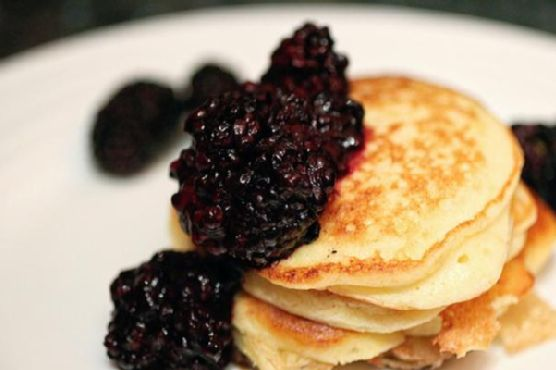
Meyer Lemon Ricotta Pancakes with Blackberry Compote | Made by Meaghan Moineau

Meyer Lemon Ricotta Pancakes with Blackberry Compote

Intro

There’s something magical about Sunday mornings that calls for a special breakfast. As a child, I remember waking up to the soothing aroma of my grandmother’s pancakes wafting through the house. Those mornings were filled with warmth and laughter, as we gathered around the table, eagerly awaiting the first stack. Inspired by those cherished memories, I’ve crafted this recipe for Meyer Lemon Ricotta Pancakes with Blackberry Compote. Combining the tangy sweetness of Meyer lemons and the richness of ricotta, these pancakes are a delightful twist on a classic favorite.

Why You’ll Love It

This recipe is a delightful blend of flavors and textures. The pancakes are light and fluffy, thanks to the whipped egg whites, and have a subtle lemony aroma that pairs perfectly with the sweet-tart blackberry compote. The addition of ricotta makes these pancakes incredibly moist and tender. Whether you’re cooking a special breakfast for family or hosting a brunch for friends, these pancakes are sure to impress.

Ingredients

  • 1 cup all-purpose flour
  • 1 cup fresh blackberries
  • 2 tablespoons butter
  • 3 large eggs, separated
  • 2 tablespoons granulated sugar
  • 1 tablespoon Meyer lemon zest, divided
  • 1/4 cup Meyer lemon juice
  • 1 cup ricotta cheese
  • 1/4 teaspoon salt
  • 1/4 cup water

Instructions

  1. In a small saucepan over medium heat, add the blackberries, 1/2 tablespoon of Meyer lemon zest, 1 tablespoon of sugar, and water. Stir to combine and cook until the water starts to thicken and the berries lose their shape, stirring occasionally. This should take about 10 minutes. Remove from the heat and set aside.
  2. In a medium bowl, whisk together the ricotta cheese, the remaining Meyer lemon zest, lemon juice, 1 tablespoon of sugar, and egg yolks. Gradually stir in the flour until just combined.
  3. Using a stand or hand mixer, whisk the egg whites with a pinch of salt until stiff peaks are formed.
  4. Take a large spoonful of the egg whites and stir it into the batter. With the remaining egg whites, fold in half, slowly turning the bowl while you fold. It is fine if there are some white streaks left in the batter before you add the second half. Fold in the remaining egg whites and set the batter aside while you heat up a griddle or non-stick pan on medium heat.
  5. Add some butter to the pre-heated pan, and swirl to coat. Add about a 1/4 cup of batter and cook until bubbles start to form on the top and the edges begin to brown slightly. Flip the pancakes and cook for an additional minute. Remove and keep warm, while you repeat with the remaining batter.
  6. Serve the pancakes with the blackberry compote and, if you like, a little pure maple syrup.

Tips

For the fluffiest pancakes, be gentle when folding in the egg whites—this helps maintain the airy texture. If Meyer lemons are unavailable, regular lemons can be used, though the flavor will be slightly more tart. Ensure your pan is adequately heated before adding the batter; this helps achieve that perfect golden brown finish.

Variations & Substitutions

Feel free to experiment with other fruit compotes such as raspberry or strawberry, or even a mix of berries for a more complex flavor. If you’re looking for a gluten-free option, substitute the all-purpose flour with a gluten-free flour blend. You can also replace the ricotta with Greek yogurt for a slightly tangier taste.

Storage

These pancakes are best enjoyed fresh, but can be stored in an airtight container in the refrigerator for up to two days. The blackberry compote can be made in advance and kept in the refrigerator for up to a week. To reheat pancakes, simply place them in a toaster or warm them in the oven.

FAQ

Can I use frozen blackberries for the compote?

Yes, frozen blackberries can be used if fresh ones are not available. Just be sure to thaw them first and adjust the cooking time as they may release more water than fresh berries.

What can I use instead of ricotta cheese?

If you don’t have ricotta on hand, cottage cheese can be a great substitute. Just blend it first to achieve a smoother texture similar to ricotta.

Nutrition

These pancakes are a delicious treat, rich in protein thanks to the ricotta and eggs. While they do contain sugar, the amount is moderate, and they can be enjoyed as part of a balanced diet. If you’re watching your sugar intake, consider reducing the sugar in the compote or using a sugar substitute.

Conclusion

Meyer Lemon Ricotta Pancakes with Blackberry Compote are more than just a meal; they’re an experience. Each bite is a reminder of simpler times, where mornings were slow and family gathered around the breakfast table. Whether you’re reminiscing about the past or creating new memories, these pancakes are the perfect start to any day. Enjoy the delicate balance of flavors and the joy that comes with sharing them with loved ones.

Related update: Meyer Lemon Ricotta Pancakes with Blackberry Compote

Related update: Warm Lemon Poppy Seed Cake With Chocolate Ganache Center

Purdy’s Five-TD Night Puts Niners Near 1 | Analysis by Brian Moineau

Night of the Purdy Party: How Brock Put the 49ers One Win From the 1-Seed

There are nights when a quarterback doesn’t just play — he takes over the script. On Sunday Night Football, Brock Purdy did exactly that. After a shaky first throw, he rallied to account for five touchdowns (three passing, two rushing) and guided the San Francisco 49ers to a 42-38 win over the Chicago Bears, setting up a winner-take-all Week 18 clash with the Seattle Seahawks for the NFC’s top seed.

This wasn’t tidy. It wasn’t pretty. It was electric, messy, and magnificent — the kind of primetime game that reminds you why football is an emotional sport. Purdy’s performance didn’t just win a game; it extended momentum, ratcheted expectations, and made the 49ers’ late-season narrative impossible to ignore.

Why this game matters beyond the scoreboard

  • The 49ers improved to 12-4 and now control the path to the NFC’s No. 1 seed — beat Seattle in Week 18 and they finish with home-field advantage and a first-round bye.
  • Purdy’s five-touchdown output marked his second straight game with that many TDs, a rare streak that puts him in historical company.
  • The game showcased both San Francisco’s offensive fireworks and defensive vulnerabilities — a reminder that the 49ers’ ceiling is sky-high but not without risk.

What Purdy showed under pressure

Early in the game Purdy’s first pass went the wrong way — a pick-six — and it felt like a potential saboteur for the night. Instead, he flipped the script.

  • Poise: Purdy repeatedly converted third downs and escaped from pressure to keep drives alive. Those off-schedule plays defined the late-game push.
  • Dual-threat explosiveness: He finished with 303 passing yards and two rushing TDs, becoming the first 49ers QB to have 300+ yards, three pass TDs and two rushing TDs in a single game (team research highlighted after the win). That versatility turns play-calling from a plan into a problem for defenses.
  • Clutch: The decisive 38-yard touchdown to Jauan Jennings with 2:15 left was a clean, aggressive strike — the kind of throw that separates good games from signature wins.

Head coach Kyle Shanahan’s postgame praise calling Purdy an “assassin” and saying he was “playing as good as it gets” wasn’t hyperbole. The game mattered in context: it followed a stretch where Purdy had elevated his play and now heads into a season-deciding showdown carrying real momentum.

The big-picture 49ers: offense humming, defense raising questions

This was a team win, but it wasn’t without blemishes.

  • Offense: Christian McCaffrey returned with a huge night (140 rushing yards and a TD), the receiving corps made key plays, and even backup tight end Jake Tonges stepped up in George Kittle’s absence. The attack looked balanced and explosive.
  • Defense: Allowing 38 points to a Bears team led by rookie quarterback Caleb Williams spotlighted persistent coverage and pressure issues. San Francisco’s defense made enough key plays late, but this unit will need steadier work against Seattle’s attack next week.
  • Health and toughness: The 49ers took hits in the trenches and showed resilience; Purdy escaped a few dangerous moments that could have swung the game had things gone differently.

In short: an offense capable of torching any defense, paired with a defense that can be flaky in stretches. That combination makes them thrilling but also fragile.

Moments that mattered

  • The pick-six early could have derailed the Niners; instead Purdy’s response set the tone for the rest of the night.
  • Purdy’s 3rd-and-long completions and late scramble to keep the final drive alive were game-defining.
  • The 38-yard TD to Jennings with 2:15 left — the dagger that ultimately separated the two clubs.

A look ahead: what the Week 18 showdown will decide

  • If the 49ers beat the Seahawks in Week 18 (Saturday night), they clinch the NFC West, snag the No. 1 seed, secure a first-round bye, and earn home-field advantage — potentially all the way to the Super Bowl if they keep winning.
  • The margin for error is razor-thin: Purdy’s recent run gives San Francisco offensive confidence, but the defense must clean up mismatches against Seattle’s weapons.

A few quick stat nuggets

  • Purdy: 24-of-33, 303 passing yards, 3 passing TDs, 1 INT, plus 6 rushes for 28 yards and 2 rushing TDs (game totals as reported after the matchup).
  • The 49ers reached 12-4 and have the opportunity to clinch the NFC’s top seed with a win next week.
  • Purdy became one of the few quarterbacks in the Super Bowl era to record five offensive TDs in back-to-back games, a feat last done by Russell Wilson in 2020.

My take

This was a defining primetime moment for Brock Purdy and the 49ers’ offense. Purdy’s growth from mid-round prospect to an elite manager-of-chaos has been rapid and intoxicating to watch. The offense is dialed in; the defense is worrisome but still capable of clutch plays. If San Francisco can patch the defensive holes and Purdy keeps producing at this level, they won’t be a one-week wonder — they’ll be the team everyone has to beat in January.

If you’re a 49ers fan, savor the Purdy magic but don’t get complacent. If you’re watching the NFC playoff picture, keep an eye on Levi’s Stadium — the 49ers controlling the 1-seed would completely reshape postseason paths.

Sources


Related update: We recently published an article that expands on this topic: read the latest post.


Related update: We recently published an article that expands on this topic: read the latest post.

Shiffrin’s Fifth Straight Slalom Triumph | Analysis by Brian Moineau

Mikaela Shiffrin’s night in Semmering: five-from-five and a reminder that dominance still has edges

There are performances that look effortless on paper and fights that reveal a champion’s guts. Sunday night in Semmering gave us both. Mikaela Shiffrin — the skier who has made technical alpine racing look like a science — added another headline to an already absurd résumé, but this win came with grit, complaint and a reminder that even the best can be pushed to the limit. (fis-ski.com)

Why this race mattered

  • Shiffrin won the Semmering slalom to make it five wins from five slalom starts this 2025–26 season — a perfect start in the discipline that keeps the “Mother of Slalom” label feeling earned. (fis-ski.com)
  • It was career World Cup victory number 106 for Shiffrin, and her sixth consecutive slalom win counting the final race of last season — milestones that stack up into historical territory. (reuters.com)
  • The race was not a stroll: tricky snow, course debates and a razor-thin margin of 0.09 seconds to Camille Rast made this one of the tougher tests she’s faced this season. (fis-ski.com)

The night unfolded like this

The first run felt chaotic. Softer, breaking snow left the lower section especially treacherous and the field visibly frustrated; many racers struggled and race officials even tweaked the course before the second run after skier input. Shiffrin herself called the piste “pretty rotten” and later said parts of the course were “past the limit.” (fis-ski.com)

Shiffrin came out for run two with a different tone — more urgency, fresher aggression. Where the first descent left her fourth and 0.54 seconds behind the leader, her second run was a strategic, full‑throttle masterclass: crisp, snappy turns and one fewer mistake than her nearest rival. That was enough to claw back the deficit and edge ahead by 0.09 seconds for the win. (fis-ski.com)

Camille Rast pushed hard all night and nearly nudged Shiffrin off the top; Lara Colturi continued her breakout season with another podium for Albania, and the race felt like a microcosm of the shifting slalom guard — brilliance from Shiffrin, but not uncontested. (fis-ski.com)

What this says about Shiffrin right now

  • Consistency and adaptability: Winning five slaloms from five starts is about more than speed — it’s judgment, recovery and the ability to read conditions and opponents. This Semmering win highlighted all three when it counted. (fis-ski.com)
  • Experience under pressure: Several rivals matched or even outskied her at points, but Shiffrin’s race management and capacity to deliver when it mattered turned a tense night into another victory. (reuters.com)
  • The narrative is changing around the field: younger names like Lara Colturi are no longer surprises but real threats; Camille Rast’s form shows that margins are getting thinner. That’s good for the sport and makes future matchups more compelling. (fis-ski.com)

The controversy and safety question

This wasn’t just a drama about timing. Skiers criticized the condition of the piste — Shiffrin included — saying parts of the course were beyond acceptable limits and that the snow was breaking down early in the start list. Officials adjusted the course, but the episode revived conversation about athlete safety, course setting and how organizers should respond in night races when temperature swings can wreck the surface. Those debates will likely follow into the next events. (fis-ski.com)

What to watch next

  • Kranjska Gora on 4 January will be the first slalom after the New Year and the next chance to measure whether this perfect slalom run continues. The pressure is accumulating on competitors to find a way past Shiffrin — and on organisers to deliver fair, safe racing. (fis-ski.com)
  • The duel between established dominance (Shiffrin) and rising stars (Colturi, Rast) will be the storyline to follow; the slalom podium is tightening into a true battlefield. (snowindustrynews.com)

My take

Shiffrin’s win in Semmering felt like a hallmark of greatness: not the effortless triumph that becomes a comfortable stat, but a teeth‑gritted, high‑stakes reply to adversity. That’s compelling sport. The race also underlined an important tension for alpine skiing in 2025–26 — the thrill of elite performance versus the real need for consistent, athlete‑first course management. If we get more nights like Semmering, we’ll get drama and historic numbers, but we’ll also have to keep asking where the safety line is drawn.

Sources


Related update: We recently published an article that expands on this topic: read the latest post.


Related update: We recently published an article that expands on this topic: read the latest post.

Upside-Down Blueberry Puffs Brunch | Made by Meaghan Moineau

Upside-Down Blueberry Puffs Brunch

Intro

There’s something magical about a lazy Sunday brunch at home, where the air is filled with the aroma of freshly baked delights. Growing up, my grandmother would often whip up her famous Upside-Down Blueberry Puffs for our family brunches. The anticipation would build as the delectable scent wafted through the house, drawing everyone to the kitchen. These delightful puffs are a cherished family recipe that I’m excited to share with you today. I hope they bring as much joy to your table as they have to mine over the years.

Why You’ll Love It

This Upside-Down Blueberry Puffs recipe is a delightful fusion of simplicity and indulgence. With a tender, buttery crumb and the sweet tang of blueberries, these puffs are the perfect addition to any brunch spread. You’ll love how the blueberries caramelize at the bottom, creating a juicy, flavorful topping once the puffs are flipped. Not only are they delicious, but they are also visually stunning, sure to impress your family and guests alike. Plus, they’re surprisingly easy to make, which means you can enjoy a gourmet brunch experience with minimal effort.

Ingredients

  • 1 teaspoon baking powder
  • 1 cup blueberries, plus 6 extra for topping
  • 1/2 cup butter, softened
  • 1 teaspoon butter vanilla bakery emulsion
  • 1/4 teaspoon cream of tartar
  • 2 large eggs, separated
  • 1 1/2 cups all-purpose flour
  • 1/2 cup milk
  • 1/4 teaspoon salt
  • 3/4 cup sugar

Instructions

  1. Preheat your oven to 375 degrees Fahrenheit.
  2. Wash the blueberries and gently pat them dry.
  3. Spray six 6-ounce custard cups with baking spray and divide the blueberries among the cups, reserving 6 berries to top the cakes later.
  4. In a mixing bowl, combine the flour, salt, and baking powder, then set aside.
  5. Beat the egg whites until foamy, then add the cream of tartar and continue beating until stiff peaks form. Set the beaten egg whites aside.
  6. In a separate bowl, cream the butter, gradually adding the sugar and continuing to cream until light and fluffy.
  7. Add the egg yolks and butter vanilla bakery emulsion to the creamed mixture and mix until well blended.
  8. Alternately add the flour mixture and milk to the butter mixture, beating until well combined. The batter will be thick.
  9. Gently fold the beaten egg whites into the batter until fully incorporated.
  10. Spoon the batter into the prepared custard cups over the blueberries, filling no more than 3/4 full.
  11. Place the custard cups on a baking sheet and bake for 30 minutes, or until a toothpick inserted near the center of the cakes comes out clean.
  12. Turn out the cakes directly from the oven onto wire racks and allow them to cool slightly. Serve warm or at room temperature, optionally with whipped cream or ice cream topped with a blueberry.

Tips

To ensure your Upside-Down Blueberry Puffs turn out perfectly, consider these tips:

  • Use fresh, ripe blueberries for the best flavor. If fresh blueberries are unavailable, you can substitute with frozen ones, but make sure to thaw and drain them first.
  • When beating the egg whites, make sure your bowl and beaters are completely clean and dry to achieve stiff peaks.
  • Let the butter soften at room temperature before creaming to achieve a smooth, creamy texture.

Variations & Substitutions

Feel free to customize this recipe to suit your taste or dietary needs:

  • Fruit Substitution: Swap out the blueberries for other berries like raspberries or blackberries for a different flavor profile.
  • Gluten-Free Option: Use a 1:1 gluten-free flour blend in place of all-purpose flour.
  • Dairy-Free Version: Substitute the butter with a dairy-free margarine and the milk with almond or oat milk.

Storage

If you have any leftovers, store the Upside-Down Blueberry Puffs in an airtight container at room temperature for up to two days. For longer storage, cover them and place in the refrigerator for up to a week. Reheat them in the oven at a low temperature to enjoy them warm again.

FAQ

Can I make these puffs ahead of time?

Yes, you can prepare the batter and divide the blueberries into the custard cups the night before. Store them in the refrigerator and bake fresh in the morning for a warm brunch treat.

What can I serve with these puffs?

These puffs pair beautifully with a side of crispy bacon, a fresh fruit salad, or a simple arugula salad with a lemon vinaigrette to balance the sweetness.

Can I use frozen blueberries?

Yes, you can use frozen blueberries if fresh ones are not available. Make sure to thaw and drain them well before using to prevent excess moisture in the batter.

Nutrition

Each serving of Upside-Down Blueberry Puffs contains approximately:

  • Calories: 250
  • Fat: 12g
  • Carbohydrates: 32g
  • Protein: 4g
  • Sugar: 15g
  • Fiber: 1g

Conclusion

Upside-Down Blueberry Puffs are a delightful way to start your day with a touch of nostalgia and a burst of flavor. Whether you’re hosting a brunch or simply treating yourself to a special breakfast, these puffs are sure to become a favorite in your household. Easy to make and even easier to enjoy, they offer a perfect balance of sweetness and texture. I hope this recipe brings as much warmth and joy to your home as it has to mine. Happy baking!

Related update: Upside-Down Blueberry Puffs Brunch

Star Tribune Plant Closure Ends Local Era | Analysis by Brian Moineau

End of an era: the Star Tribune shuts its Minneapolis printing plant

There’s a particular sound and smell to a morning newspaper — the whirr of presses, the crinkle of fresh pages, the ink-scented air in a loading bay. This December, that sensory thread that tied generations of Minneapolis readers to their daily paper was cut. The Minnesota Star Tribune announced it will close its Heritage printing facility in Minneapolis and move production to a Gannett-operated plant in Des Moines, ending local printing that traces back 158 years.

Why this matters

  • The closure is more than a cost-cutting move; it marks a shifting relationship between newsrooms and their communities.
  • About 125 workers face layoffs, and the change reshapes how and when news physically reaches readers.
  • The decision reflects long-term declines in print circulation and the economics of modern news publishing, but it also raises questions about local control, local jobs, and the symbolism of a city losing a part of its media infrastructure.

What happened

  • In September 2025 the Star Tribune announced the Heritage printing plant in Minneapolis would close at year’s end and that printing would be outsourced to Des Moines. (startribune.com)
  • The company said the plant was operating at roughly 18% capacity, that moving production would save “several million dollars” annually, and that print subscribers should not experience delivery interruptions. (startribune.com)
  • State filings and later local reporting indicated the number of affected workers may be higher than early estimates, with updated WARN notices showing additional job losses tied to the closure. (patch.com)

The human side: workers and rituals

There’s a reason these stories hit hardest when they’re about presses and parking lots. Printing plants are workplaces with long memories — multi-generational jobs, early-morning rituals, a culture all their own. Workers laid off from specialized roles like press operators and maintenance technicians face an uncertain market; their skills don’t always transfer easily to other industries.

Local reporters who’ve covered the plant described the closure as “an end of an era” — not just an operational change but the loss of a neighborhood landmark where the city’s news was literally produced. Editors and production staff will also adapt: earlier deadlines, different workflows, and the psychological shift of no longer seeing the physical paper roll off the presses down the street. (startribune.com)

The broader context: why newspapers outsource printing

  • Print circulation has been declining for decades; production facilities increasingly run well below capacity.
  • Outsourcing to shared-print facilities is a common consolidation strategy to reduce overhead while preserving print editions.
  • The tradeoff is local jobs and control over production timing; outsourcing often means earlier editorial deadlines and potential delays for late-breaking coverage in print. (startribune.com)

What this means for readers and local journalism

  • Readers may see digital-first delivery for late-night developments, since physical production will be farther away and print deadlines earlier.
  • Cost savings can free money for digital investments — but only if savings are actually reinvested in reporting capacity rather than serving short-term financial targets.
  • The symbolic loss — a physical newsroom and press in the city — can weaken civic ties. Local infrastructure matters: producing news in a community strengthens accountability and presence in ways remote production does not.

Lessons from other closures

  • Other newspapers that consolidated printing often preserved daily print availability while shrinking local staffing and logistics. The result frequently includes a leaner local footprint and increased reliance on digital platforms for breaking coverage. (gxpress.net)
  • Labor and community responses vary. Some communities mobilize to demand reinvestment in local journalism; others accept the shift as inevitable and work to preserve coverage via nonprofit or alternative news models.

Things to watch next

  • How the Star Tribune allocates the projected savings: staffing, reporting budgets, or only operational balance sheets.
  • Whether delivery times or print quality change and how subscribers react.
  • Local economic ripple effects from job losses and the future use (or sale) of the Heritage plant property.

Key takeaways

  • The Star Tribune’s printing shift ends 158 years of locally printed newspapers in the Twin Cities and closes a long-standing Minneapolis facility. (startribune.com)
  • About 125 workers were initially reported affected; state filings later suggested higher figures as the timeline for layoffs became clearer. (patch.com)
  • The move is financially driven by steep capacity underuse and declining print readership; it saves money but costs local jobs and local production presence. (startribune.com)

My take

Change in the news business has long been incremental; this felt abrupt because it carries visible, local consequences. Outsourcing printing makes economic sense in an industry under pressure, yet each consolidation chips away at the ecosystem that supports robust local reporting. If savings result in stronger investigative work, more local beats, and better digital storytelling, the decision could be framed as pragmatic reinvention. If the savings simply shore up short-term balance sheets while newsroom capacity erodes, the community loses twice: jobs now, and scrutiny later.

A city loses more than a building when its presses stop rolling — it loses a place where stories were made tangible. That makes it all the more important for news organizations, civic leaders, and residents to pay attention to whether the next chapter strengthens the local journalism the community still needs.

Sources


Related update: We recently published an article that expands on this topic: read the latest post.

Bourbon Street Beignets | Made by Meaghan Moineau

Bourbon Street Beignets: A Taste of New Orleans

Intro

There’s something magical about the first bite of a warm beignet, dusted with a generous layer of powdered sugar. My first encounter with these delightful pastries was on a humid summer evening in New Orleans. The air was filled with the lively sounds of jazz, and the sweet aroma of these golden bites wafted through the streets. Every bite took me back to that bustling corner of the French Quarter, where laughter mingled with the sounds of trumpets and saxophones. Today, I’m thrilled to share with you a recipe that brings a piece of Bourbon Street right into your kitchen.

Why You’ll Love It

This Bourbon Street Beignets recipe is a love letter to New Orleans’ vibrant culinary scene. You’ll love the simplicity and authenticity of this recipe, which captures the essence of traditional beignets found in the heart of the French Quarter. The light, airy texture paired with the delicate sweetness of powdered sugar is an unbeatable combination. Plus, making these at home is a delightful way to bring a touch of Southern charm to your dessert table.

Ingredients

  • 1 egg
  • 3 1/2 cups flour, divided
  • 1 cup heavy cream
  • Vegetable oil, for frying
  • Powdered sugar, for dusting
  • 1/2 teaspoon salt
  • 2 tablespoons shortening
  • 1/4 cup sugar
  • 1 cup hot water
  • 1 package (or 2 1/4 teaspoons) active dry yeast

Instructions

  1. Dissolve the yeast in warm water according to package instructions and set aside.
  2. In a large bowl, combine sugar, shortening, salt, and hot water. Stir until the shortening is melted and the sugar is dissolved. Allow the mixture to cool to lukewarm.
  3. Add the heavy cream, egg, 3 cups of flour, and the yeast mixture to the sugar-shortening mix.
  4. Attach the bowl to a stand mixer with a dough hook. Turn to speed “2” and mix for 2 minutes.
  5. Add the remaining flour, 1/2 cup at a time, mixing until the dough clings to the hook and cleans the sides of the bowl, about 5 minutes longer.
  6. Place the dough on a lightly floured board and roll into a 10×24 inch rectangle.
  7. Using a sharp knife, cut the dough into 2-inch squares.
  8. In a large heavy saucepan or deep fat fryer, heat the oil to 360 degrees Fahrenheit.
  9. Fry the doughnuts, turning to brown on both sides, about 3 minutes.
  10. Drain on absorbent towels and sprinkle generously with powdered sugar while warm.

Tips

For the best results, ensure your water is warm but not too hot when dissolving the yeast, as excessively hot water can kill the yeast. When frying, maintain a consistent oil temperature to achieve that perfect golden brown color. A candy thermometer can be a helpful tool to ensure the oil stays at the right temperature.

Variations & Substitutions

If you’re feeling adventurous, try adding a splash of vanilla extract or a hint of nutmeg to the dough for additional depth of flavor. For a gluten-free version, substitute the all-purpose flour with a gluten-free flour blend, keeping in mind that the texture might vary slightly. You can also experiment with different toppings; a drizzle of chocolate or caramel sauce can add a decadent twist.

Storage

Beignets are best enjoyed fresh and warm, but if you have leftovers, store them in an airtight container at room temperature for up to 2 days. To reheat, pop them in a preheated oven at 350 degrees Fahrenheit for a few minutes until warmed through. Avoid the microwave, as it can make them tough.

FAQ

Can I make the dough ahead of time?

Yes, you can prepare the dough ahead of time. Once the dough is mixed and kneaded, cover it tightly with plastic wrap and store it in the refrigerator for up to 24 hours. Allow it to come to room temperature before rolling and cutting.

Why are my beignets greasy?

Greasy beignets are often a result of oil that’s not hot enough. Make sure your oil is at 360 degrees Fahrenheit before frying. If the temperature drops too low, the beignets will absorb more oil instead of cooking quickly on the outside.

Can I freeze beignets?

Yes, you can freeze beignets. After frying, allow them to cool completely, then place them in a single layer on a baking sheet and freeze until solid. Transfer to a freezer-safe bag or container. To reheat, bake in a preheated oven at 350 degrees Fahrenheit until heated through.

Nutrition

While beignets are a treat to be savored, it’s worth noting that they are an indulgent dessert. High in carbohydrates and sugar, they are best enjoyed in moderation. Pairing them with a cup of coffee can create a balanced experience, reminiscent of a New Orleans café.

Conclusion

Making Bourbon Street Beignets at home is a delightful adventure that brings the spirit of New Orleans right to your kitchen. With their crisp exterior and soft, airy center, these beignets are sure to become a family favorite. Whether you’re reminiscing about a past visit to the French Quarter or simply looking to enjoy a taste of the South, this recipe is your ticket to a sweet escape. So go ahead, dust off that powdered sugar, and let the good times roll!

Related update: Bourbon Street Beignets

Vegetarian Ratatouille | Made by Meaghan Moineau

Vegetarian Ratatouille: A Classic French Delight

Intro

Ah, ratatouille! This classic French dish transports me back to my grandmother’s kitchen, where the air was always filled with the comforting aroma of roasted vegetables and fresh herbs. As a child, I would spend summer afternoons on her porch, watching her expertly dice eggplants and zucchini, her hands moving with the rhythm of someone who had perfected the art of cooking over decades. The vibrant colors of the vegetables were as captivating as the dish itself, and the first bite was always a revelation: a warm, hearty medley of flavors that seemed to capture the very essence of summer.

This vegetarian ratatouille recipe is my tribute to those cherished memories. It’s a simple yet flavorful dish that combines fresh vegetables and herbs in a way that epitomizes rustic French cooking. Whether you’re a seasoned chef or a beginner in the kitchen, this recipe is sure to delight your senses and become a cherished addition to your culinary repertoire.

Why You’ll Love It

  • Healthy and Nutritious: Packed with fresh vegetables and herbs, this dish is a nutritious powerhouse that’s perfect for any meal.
  • Easy to Make: With simple ingredients and straightforward instructions, this ratatouille is accessible for cooks of all skill levels.
  • Versatile: Enjoy it as a main dish, a side, or even a topping for pasta or rice.
  • Seasonal Delight: Make the most of summer’s bounty with this recipe that showcases fresh produce at its best.
  • Make-Ahead Friendly: Its flavors deepen over time, making it ideal for meal prep or next-day leftovers.

Ingredients

  • 1 eggplant, diced
  • 1 zucchini, sliced
  • 1 yellow squash, sliced
  • 2 tomatoes, chopped
  • 1 red bell pepper, chopped
  • 1 orange bell pepper, chopped
  • 1 onion, diced
  • 2 cloves garlic, minced
  • Fresh basil leaves, torn
  • 1 teaspoon thyme
  • 1 teaspoon dried oregano
  • 3 tablespoons extra virgin olive oil
  • Sea salt, to taste

Instructions

  1. In a large saucepan over medium-low heat, warm the extra virgin olive oil.
  2. Add the diced onion and minced garlic. Sauté until the onions are translucent, stirring occasionally to prevent sticking.
  3. Stir in the chopped tomatoes and let them cook for about 5 minutes, allowing their juices to release.
  4. Add the diced eggplant, sliced zucchini, yellow squash, and chopped bell peppers to the saucepan.
  5. Sprinkle in the thyme, dried oregano, and sea salt. Stir to combine all the ingredients.
  6. Reduce the heat to low and cover the pan. Let the mixture simmer for about 30 minutes, stirring occasionally, until the eggplant is tender and the flavors have melded together.
  7. Remove from heat and stir in the fresh basil leaves just before serving.
  8. Taste and adjust the seasoning if necessary. Serve warm and enjoy!

Tips

For the best flavor, use fresh, ripe vegetables. If possible, visit your local farmer’s market for ingredients. Cut your vegetables uniformly to ensure even cooking, and be patient with the simmering process to allow the flavors to fully develop. Remember, the key to a good ratatouille is in its simplicity and the quality of its ingredients.

Variations & Substitutions

Feel free to experiment with this recipe by adding or substituting vegetables based on what’s in season or your personal preferences. Mushrooms and carrots can add depth and sweetness. If you prefer a bit of heat, consider adding a pinch of red pepper flakes. For a protein boost, toss in some chickpeas or serve the ratatouille over quinoa.

Storage

Ratatouille stores beautifully. Once cooled, transfer it to an airtight container and refrigerate for up to 5 days. Reheat gently on the stovetop or in the microwave. It can also be frozen for up to 3 months. Thaw in the refrigerator overnight and reheat before serving.

FAQ

Can I make ratatouille ahead of time?

Absolutely! Ratatouille is one of those dishes that tastes even better the next day as the flavors continue to meld. It’s perfect for meal prep or an easy make-ahead option for a gathering.

What should I serve with ratatouille?

Ratatouille is versatile and can be served with a variety of accompaniments. It pairs well with crusty bread, rice, or pasta. You can also serve it as a side dish with grilled fish or chicken for a more substantial meal.

Is ratatouille vegan?

Yes, this ratatouille recipe is completely vegan, making it a great option for those following a plant-based diet. It’s naturally gluten-free as well, accommodating a range of dietary needs.

Nutrition

This dish is not only delicious but also a health-conscious choice. It’s low in calories and rich in vitamins, antioxidants, and fiber. The combination of fresh vegetables provides a wealth of nutrients, while the olive oil adds healthy fats that are beneficial for heart health.

Conclusion

Incorporating this vegetarian ratatouille into your culinary repertoire is like inviting a touch of Provence into your home. It’s a dish that’s not only steeped in tradition but also vibrant with the colors and flavors of fresh produce. Whether you’re savoring it on a warm summer evening or cozying up with it on a cooler day, ratatouille is a celebration of simplicity and flavor. So, gather your ingredients, embrace the art of slow cooking, and enjoy making a dish that’s as delightful to prepare as it is to eat. Bon appétit!

Related update: Vegetarian Ratatouille

Relive Arsenal’s 90-Minute Brighton Win | Analysis by Brian Moineau

Watch the full 90 minutes: Arsenal’s win over Brighton replayed and why it matters

There’s something quietly addictive about watching a full match replay — the little patterns, the substitutions that change momentum, the missed chances that keep you gritting your teeth. Arsenal’s recent 2-1 victory over Brighton at the Emirates is one of those games worth soaking up in full. If you missed it live or just want to relive the tension from start to finish, the club has published the full 90 minutes — and it’s a great way to understand how Arteta’s team are shaping up this season.

What to look for in the full match replay

  • Team shape and control
    • Early passages show Arsenal’s intent to dominate possession and pin Brighton back through quick transitions and wide overloads.
  • Key moments that decided the match
    • Martin Ødegaard’s opener and a second-half own goal that ultimately separated the sides are best appreciated in context — the build-up play, pressing triggers and delivery into the box.
  • Defensive resilience and goalkeeper saves
    • Arsenal’s defending under pressure late on and the intervention from David Raya highlight how small margins mattered.
  • Substitute impact and game management
    • Watching substitutions unfold in real time reveals how Arteta managed the game clock and personnel to close out the win.

Why this match matters for Arsenal’s season

  • Momentum and league position
    • The win pushed Arsenal back to the top of the Premier League table, reinforcing their title credentials and providing a confidence boost at a demanding stage of the campaign. (See match coverage.) (reuters.com)
  • Squad depth and resilience
    • With injuries and hectic scheduling, full-match replays let you see which squad players can step up and how the core starters are coping when forced to do more of the heavy lifting. (arsenal.com)
  • Tactical lessons
    • Watching every minute helps fans and analysts spot recurring patterns — pressing triggers, how Arsenal create overloads on the flanks, and how they deal with counter-attacks — which are often lost in highlights packages.

Highlights that don’t feel like highlights when you watch them live

  • Ødegaard’s finish
    • The strike that opened the scoring is cleaner and more clinical when you see the space he was afforded and the movement that created it.
  • The own goal off a corner
    • An own goal can feel like a fluke on replay, but the replay shows the pressure from the corner routine and why Brighton’s defender ended up turning it into his own net.
  • Brighton’s late reply
    • Diego Gómez’s goal and the tense final minutes are best appreciated in sequence — how Arsenal reacted, what chances Brighton worked and how the tempo shifted.

A fan’s checklist for watching the replay

  • Watch the opening 15 minutes twice: first for general flow, then to study movement and pressing.
  • Note player combinations (e.g., Saka/Ødegaard interplay) in different phases: build-up, final third, and transition.
  • Time substitutions and their immediate effects — who changes the rhythm?
  • Observe set-piece defending and attacking: corners and free-kicks often decide tight games.

Things the replay quietly confirms

  • Arsenal’s attacking ideas are producing chances consistently, but finishing still requires ruthlessness.
  • Defensive discipline matters: small lapses invite Brighton’s dangerous counters.
  • Game management from the bench is evolving; substitutes are becoming a strategic tool, not just fresh legs.

A few takeaways from watching everything

  • Winning tight games is a hallmark of title contenders; Arsenal showed the composure to do that here.
  • Individual quality (like Ødegaard) plus collective structure (pressing, set-piece routines) makes the difference.
  • Full-match replays remain one of the best learning tools for fans who want more than highlight reels.

Final thoughts

If you want to really understand how Arsenal are building their season, skip the 30-second clips for 90 minutes of context. The full replay doesn’t just show the goals — it reveals the patterns, the stresses and the little moments of craft that add up to a result. Whether you’re studying tactics or just savouring the feels of a home win, press play and enjoy the kind of granular storytelling only a full match replay can provide.

Sources


Related update: We recently published an article that expands on this topic: read the latest post.


Related update: We recently published an article that expands on this topic: read the latest post.

Social Security 2026: Payments Arrive | Analysis by Brian Moineau

When your 2026 Social Security check will hit your account — and why the dates matter

You open your bank app, hold your breath, and wait for that familiar deposit. For millions of Americans, Social Security checks aren’t just a convenience — they’re a predictable, often essential part of monthly budgeting. Good news: the Social Security Administration (SSA) has a steady, predictable schedule for 2026. If you were born on the 1st through the 10th of any month, your benefit will arrive on the second Wednesday of every month.

Below I’ll unpack the calendar, why some people get paid on different days, and a few practical tips to make the schedule work for you.

Quick snapshot you can remember

  • Those born on the 1st–10th: payment arrives the second Wednesday of each month.
  • Those born on the 11th–20th: payment arrives the third Wednesday of each month.
  • Those born on the 21st–31st: payment arrives the fourth Wednesday of each month.
  • Exceptions: people who first received Social Security before May 1997 (and some who receive both Social Security and SSI) generally get Social Security on the 3rd of the month; SSI benefits are typically paid on the 1st (or the prior business day if the 1st falls on a weekend/holiday).

(These are the official rules the SSA uses for the 2026 calendar.) (ssa.gov)

Why the schedule looks like this

  • Historically, Social Security payments were issued on the 1st of each month. In 1997 the SSA changed the schedule to spread deposits across the month and reduce processing and banking congestion.
  • The birthday-based Wednesday schedule simplifies processing: three main payment windows each month (second, third, fourth Wednesday) cover nearly all retirement, disability, and survivor beneficiaries. (ssa.gov)

What to watch for in January 2026 and holidays

  • Because of the COLA timing and New Year’s Day, some SSI and early-January payments are adjusted. For example, SSI’s January payment is often issued at the end of December when January 1 falls on a holiday. The SSA also applies the 2026 cost-of-living adjustment (COLA) starting with January 2026 benefits. (ssa.gov)

Practical tips for beneficiaries

  • Check your birth-date group and mark the corresponding Wednesday each month on your calendar so you know when to expect funds.
  • If you get both Social Security and SSI, note that SSI usually arrives on the 1st and Social Security may follow the 3rd-of-the-month rule if you started benefits before May 1997. Plan for those separate dates. (archive.ph)
  • Sign up for a my Social Security account at ssa.gov/myaccount to see personalized notices, COLA letters, and to confirm direct deposit info — especially useful if you travel or worry about mailed notices. (ssa.gov)
  • If a scheduled date falls on a weekend or federal holiday, payments are generally issued on the prior business day. That means you may sometimes see your money a day or two earlier. (money.com)

A few calendar specifics (examples from 2026)

  • January 2026 deposits (typical pattern): Jan. 14 (born 1–10), Jan. 21 (born 11–20), Jan. 28 (born 21–31). SSI payments tied to January may appear Dec. 31, 2025, because Jan. 1 is a holiday. (archive.ph)

Why this still matters beyond convenience

  • For many retirees, survivors, and disabled beneficiaries, Social Security is a primary income source. Knowing exact deposit timing helps with rent/mortgage planning, prescription and medical bills, and avoiding late fees.
  • The 2026 2.8% COLA gives beneficiaries a modest bump, but timing matters: if a payment date shifts because of holidays you may need short-term adjustments to cash flow even with the increase. (ssa.gov)

My take

The SSA’s schedule may sound bureaucratic, but it’s quietly practical: spreading payments across three Wednesdays reduces bottlenecks and keeps deposits predictable. If you rely on these funds, a little calendar work now — marking your “your Wednesday” and setting up online alerts — can remove a lot of month-to-month stress.

Sources


Related update: We recently published an article that expands on this topic: read the latest post.

Blast Of Color Mexican Stuffed Bell Peppers | Made by Meaghan Moineau

Blast Of Color Mexican Stuffed Bell Peppers

Intro

Welcome to a vibrant culinary journey where every bite is a delightful explosion of flavors! Our Blast Of Color Mexican Stuffed Bell Peppers are not just a feast for the palate but also a joy for the eyes. These stuffed peppers are a wonderful medley of hearty ingredients and bold spices, reminiscent of family gatherings where food was the centerpiece of laughter and love.

I remember the first time I had stuffed bell peppers at my grandmother’s house. The kitchen was filled with the warm, inviting smell of roasted peppers mingling with spices, and the table was surrounded by family eagerly awaiting the meal. Today, I bring you a modern twist to that classic memory with a Mexican flair, perfect for any occasion.

Why You’ll Love It

This recipe is not only delicious but also packed with nutrients, making it a perfect meal for both busy weeknights and leisurely weekends. Here’s why you’ll fall in love with these stuffed peppers:

  • Colorful and Nutritious: Each bell pepper is a rainbow of ingredients, offering a punch of vitamins and minerals.
  • Flavorful and Satisfying: The combination of rotisserie chicken, black beans, and fire-roasted green chiles creates a satisfying and savory filling.
  • Easy to Prepare: With just a few simple steps, you can create a meal that looks gourmet but comes together quickly.
  • Customizable: Easily tweak the ingredients to suit your taste or dietary needs.

Ingredients

  • 4 large bell peppers
  • 1 cup black beans, drained and rinsed
  • 2 cups rotisserie chicken breast, shredded
  • 1/2 cup fire roasted green diced chiles
  • 1 tablespoon chili seasoning
  • 1 cup cooked brown rice
  • 1 cup frozen corn kernels, thawed
  • 3 cloves garlic, minced
  • 1 cup low-fat shredded cheddar cheese, divided
  • 1/2 cup red onion, diced
  • 1 roma tomato, diced
  • 2 tablespoons sour light cream

Instructions

  1. Preheat your oven to 400 degrees Fahrenheit.
  2. In a large bowl, combine the cooked brown rice, shredded chicken, thawed corn, diced roma tomato, diced red onion, black beans, 1/2 cup of cheddar cheese, minced garlic, fire roasted green chiles, and chili seasoning.
  3. Line a baking dish with foil and spray it lightly with cooking spray to prevent sticking.
  4. Prepare the bell peppers by cutting off the tops and removing the seeds and membranes inside.
  5. Stuff each bell pepper with the chicken mixture, pressing it firmly into the pepper and mounding it slightly over the top.
  6. Top each stuffed pepper with 1/2 tablespoon of the remaining cheddar cheese.
  7. Place the stuffed peppers in the prepared baking dish and bake in the preheated oven for 30 to 40 minutes, or until the peppers are just tender.
  8. Once out of the oven, top each pepper with 1/2 tablespoon of sour cream before serving.

Tips

  • For uniform cooking, try to select bell peppers that are similar in size and shape.
  • If you prefer softer peppers, you can pre-cook them in the microwave for a couple of minutes before stuffing.
  • To add a bit more spice, consider adding a dash of cayenne pepper to the filling mixture.

Variations & Substitutions

One of the best things about this recipe is its versatility. Here are some variations and substitutions you might consider:

  • Vegetarian Option: Omit the chicken and increase the amount of black beans or add cooked quinoa for a plant-based version.
  • Cheese Choices: Swap the cheddar cheese for pepper jack or Monterey Jack for a different flavor profile.
  • Low Carb: Substitute cauliflower rice for the brown rice to reduce the carbohydrate content.

Storage

These stuffed peppers can be stored in an airtight container in the refrigerator for up to 3 days. To reheat, place them in a preheated oven at 350 degrees for about 10-15 minutes or until warmed through. Alternatively, you can use a microwave for a quicker option.

FAQ

Can I freeze stuffed bell peppers?

Yes, you can freeze these peppers! Once baked, allow them to cool completely, then wrap each pepper individually in plastic wrap and place them in a freezer-safe bag. They can be frozen for up to 3 months. To reheat, thaw them overnight in the refrigerator and bake as directed in the storage section.

What can I serve with stuffed bell peppers?

These stuffed peppers are a meal on their own, but you can serve them with a side salad, guacamole, or tortilla chips for added texture and flavor. A refreshing glass of iced tea or a citrusy margarita would also complement the meal nicely.

Nutrition

Each serving of these colorful stuffed peppers is not only packed with flavor but also with nutrition. Here’s a quick overview:

  • Calories: Approximately 280 per stuffed pepper
  • Protein: 25g
  • Carbohydrates: 35g
  • Fat: 7g
  • Fiber: 8g

Conclusion

Our Blast Of Color Mexican Stuffed Bell Peppers are more than just a meal; they are a celebration of flavors and memories. Whether you’re looking to impress at a dinner party or simply want a comforting meal for your family, these peppers are sure to be a hit. We hope this recipe brings as much joy to your table as it has to ours. Happy cooking!

Related update: Blast Of Color Mexican Stuffed Bell Peppers

Related update: Perfect fish cakes