
Ditch Smart TVs: Best Dumb TV Options | Analysis by Brian Moineau

Sick of smart TVs? Here are your best options

You’re not alone. If the idea of a TV that spies on your viewing habits, nags you with ads, or slows to a crawl after a few years sounds terrible, welcome to the club. Smart TVs are brilliant when they work, but they also bundle an always-on computer — complete with telemetry, bloatware, and vendor lock-in — right into your living room. The good news: you don’t have to live with it. Here’s a friendly, practical guide to escaping the smart-TV treadmill without sacrificing picture quality.

Why “dumb” TVs are suddenly a thing again

Over the last decade, manufacturers jammed internet-capable software into every screen. That convenience came with trade-offs:

  • Privacy concerns from telemetry, voice assistants, and ad targeting.
  • Software that ages faster than the hardware — manufacturers often stop updating TV OSes after a few years.
  • Preinstalled apps, ads, and sluggish interfaces that degrade the experience.
  • Repair and longevity problems when a TV’s software becomes a liability.

Ars Technica recently put this tension into sharp focus and asked a simple question: how can you get a great display without the smart-TV strings attached? The answers fall into a few practical categories — each with pros and cons depending on your budget, technical comfort, and tolerance for tinkering. (arstechnica.com)

Choices that work (and what to expect)

1. Buy a genuinely non-smart TV (yes, they still exist)

  • What it is: A basic television that lacks an internet-capable OS.
  • Pros: No telemetry, no ads, simpler UI, sometimes cheaper.
  • Cons: Fewer models available; often lower-tier panels or fewer modern features (HDR, HDMI 2.1) at the same price points.
  • Who this fits: Minimalists, people who watch via antenna/cable or dedicated devices and want a no-friction display.

2. Buy a smart TV and never connect it to the internet

  • What it is: A modern TV with excellent panel tech whose network functions you never enable.
  • Pros: Access to high-quality displays (brightness, color, HDR, HDMI 2.1), longevity of hardware, and you can still use external devices for streaming.
  • Cons: Some TVs force-sign-in screens or firmware checks on boot; internal apps remain dormant but present.
  • Practical tip: Disable Wi‑Fi, don’t plug an Ethernet cable in, and set up your streaming box, game console, or antenna to handle content. Many reviewers say this gives the best balance of picture tech and privacy. (howtogeek.com)

3. Buy a smart TV but strip or lock down its software

  • What it is: Use privacy settings, remove (or hide) accounts, block telemetry, or use router-level DNS/firewall blocks for tracking domains.
  • Pros: Keeps built-in features if you occasionally want them; maintains a single remote experience.
  • Cons: Not foolproof — firmware updates can re-enable things, and it takes technical know-how to manage network-level blocks.
  • Who this fits: Tech-savvy buyers who want the convenience but refuse to be tracked.

4. Use an external streaming box or stick (Roku, Apple TV, Fire TV, Chromecast)

  • What it is: Pair any display with a small, replaceable streaming device.
  • Pros: External devices are updated more regularly, are easier to replace, and centralize streaming under platforms you control. Swap them when they age or you don’t like them.
  • Cons: More boxes/remotes to manage; the external device vendor may still have tracking (so pick one whose privacy stance you like).
  • Note: This is the most future-proof approach — upgrade the streamer, not the display. (arstechnica.com)

5. Consider projectors, computer monitors, or commercial signage

  • What it is: Alternatives that can function as TV displays without consumer smart features.
  • Projectors:
    • Pros: Huge screen for the price; many models remain “dumb.”
    • Cons: Require dark rooms, careful placement, and usually external audio.
  • Computer monitors:
    • Pros: Great pixel density, low latency for gaming.
    • Cons: Cheaper 4K monitors often lack TV features (tuner, speakers).
  • Digital signage displays:
    • Pros: Built for long uptime and durability.
    • Cons: More expensive and sometimes not optimized for home viewing.
  • Who this fits: Home theater enthusiasts, gamers, or anyone willing to accept trade-offs for a non-smart display. (arstechnica.com)

Shopping tips — what to look for when you want a dumb experience

  • Prioritize the panel: contrast ratio, peak brightness (for HDR), color gamut, and refresh rate (for gaming).
  • Count HDMI ports and check HDMI version (HDMI 2.1 matters for modern consoles).
  • If you buy new, read the manual or spec sheet to confirm whether Wi‑Fi or smart features can be completely disabled.
  • Consider warranty and supported hours (especially for signage displays or commercial panels).
  • If buying used, local classifieds or refurb sellers can be gold mines — but test the unit and ask about network features.

Privacy and network-level tricks to keep smart features quiet

  • Put the TV on its own VLAN or guest network and block outbound connections you don’t want (router-level DNS filtering or Pi-hole).
  • Disable automatic firmware updates unless you need a patch.
  • Avoid signing into vendor accounts on the TV; use an external device for services and log in there.
  • Regularly audit permissions for voice assistants or external microphones/cameras.

Alternatives and trade-offs summarized

  • Best for ease: Smart TV kept offline or with an external streamer.
  • Best for minimalism: New non-smart TV (if you can find a good one).
  • Best for picture tech: Modern smart TV used as if it were dumb (disable networking).
  • Best for scale: Projector + external streamer for big-screen enthusiasts.
  • Best for longevity: Commercial signage displays for durability, but watch energy/noise and cost.

What reviewers and testing labs say

Writers and reviewers agree that the simplest, most future-proof choice is to decouple software from hardware: buy the best display you can afford and route streaming through a separate, replaceable device. That way, you update the part that ages fastest (the software/streamer) without tossing the whole screen. Tom’s Guide, How-To Geek, and other outlets echo that trade-off between display quality and embedded software, and Ars Technica’s recent guide lays out the practical options for avoiding smart-TV pitfalls. (tomsguide.com)

What many folks forget: a cheap workaround is often the most durable. Want Netflix and none of the spying? Plug in a streaming stick and never connect the TV itself to the internet.

A few recommended scenarios

  • You want the best picture and low effort: buy a modern TV, keep its network off, and plug in a Roku/Apple TV/Chromecast.
  • You want a pure, simple display: hunt for a non-smart TV model or a refurbished commercial panel.
  • You want a cinematic, big-screen feel: consider a projector with an external streamer and a soundbar.
  • You’re privacy-focused and comfy with networking: block the TV’s telemetry at the router level.

Quick checklist before you buy

  • Does the TV allow disabling Wi‑Fi/Ethernet in settings?
  • Are firmware updates optional or forced?
  • How many HDMI ports and what version?
  • Does the TV have a microphone/camera that can’t be physically disabled?
  • If used, can you test network features before committing?

Parting thoughts

My take: “Dumb” TVs aren’t just nostalgia — they’re a sensible reaction to an ecosystem that too often prioritizes ads and data over user experience. The cleanest, most sustainable path for most people is to buy the best display you can and separate the software with a dedicated streamer. That gives you high-quality picture tech, the ability to swap streaming platforms as they evolve, and a lot more control over privacy without sacrificing convenience.

If you’re truly allergic to anything smart, used markets and budget non-smart models still exist — but be ready to trade some modern features for that peace of mind. Ultimately, the smart move is to choose the approach that keeps upgrades modular: replace the brains, not the TV.

Useful takeaways

  • Keeping a TV offline and using an external streamer is the most practical way to avoid smart-TV tracking without sacrificing modern display tech.
  • Pure non-smart TVs are rare but still available; consider them if you want zero network features.
  • Projectors, monitors, and commercial panels are valid alternatives with unique trade-offs.
  • Network-level blocking and privacy hygiene can significantly reduce telemetry even if you keep smart features available.

Sources


Related update: We recently published an article that expands on this topic: read the latest post.


Related update: We recently published an article that expands on this topic: read the latest post.

Chicken Lo Mein | Made by Meaghan Moineau

Chicken Lo Mein: A Delightful Homemade Classic

Intro

Growing up, one of my fondest memories is gathering around the kitchen table with my family every Friday night for our traditional takeout meal. Among the array of dishes, chicken lo mein was always the first to disappear. The way the flavors melded together in a harmonious blend of savory and slightly sweet was pure magic. Eventually, I set out to recreate this beloved dish at home, giving it my own twist while keeping it true to the flavors I cherished. Today, I’m excited to share with you this recipe for Chicken Lo Mein, a delightful dish that has become a staple in my home, brimming with vibrant vegetables and succulent chicken. Let’s dive into how you can bring this classic into your own kitchen.

Why You’ll Love It

This Chicken Lo Mein recipe is a perfect balance of taste and simplicity, making it an ideal choice for both busy weeknights and weekend feasts. Here are some reasons you’ll fall in love with this dish:

  • Quick and Easy: From start to finish, this dish comes together in just about 20 minutes, making it a lifesaver on hectic days.
  • Flavorful: The aromatic combination of ginger and garlic sets the stage for a deliciously savory dish that’s complemented by the gentle sweetness of sautéed vegetables.
  • Customizable: This recipe is highly adaptable to whatever you have on hand or prefer, making it perfect for using up leftover vegetables or trying new ingredients.
  • Healthier Takeout: With low sodium options and fresh ingredients, you can enjoy a meal that’s not only tasty but also better for you.

Ingredients

  • 1 tablespoon peanut oil
  • 1 tablespoon fresh ginger, minced
  • 2 cloves garlic, minced
  • 1 pound skinless boneless chicken breast, thinly sliced
  • 1 large carrot, julienned
  • 1 cup mushrooms, sliced
  • 1 cup bok choy, chopped
  • 1 cup bean sprouts
  • 4 scallions, sliced
  • 1 cup low sodium chicken broth
  • 2 tablespoons low sodium soy sauce
  • 8 ounces cooked spaghetti

Instructions

  1. In a large nonstick skillet, heat the peanut oil over medium heat.
  2. Add the minced ginger and garlic, cooking for about 1 minute until fragrant.
  3. Increase the heat to medium-high and add the sliced chicken and julienned carrot to the skillet. Cook, stirring occasionally, until the chicken is lightly browned, about 2-3 minutes.
  4. Add the sliced mushrooms, chopped bok choy, bean sprouts, and scallions to the skillet. Cook, stirring constantly, until the carrot is tender-crisp and the vegetables are just beginning to soften, about 3 minutes.
  5. Pour in the chicken broth and soy sauce, stirring well to combine with the chicken and vegetables.
  6. Finally, stir in the cooked spaghetti, tossing everything together to ensure the noodles are well-coated and heated through, about 1 minute.
  7. Serve immediately, garnished with extra scallions if desired.

Tips

  • Prep in Advance: Have all your ingredients chopped and ready to go before you start cooking. This will make the process seamless and stress-free.
  • Cooking Noodles: Cook the spaghetti just until al dente, as it will continue to cook a bit when you toss it with the hot ingredients.
  • High Heat: Stir-frying typically requires high heat. Make sure your pan is hot enough to quickly sear the chicken and vegetables.

Variations & Substitutions

This Chicken Lo Mein is wonderfully flexible. Here are some ideas to make it your own:

  • Vegetable Swaps: Feel free to add or substitute with bell peppers, snap peas, or broccoli for more variety.
  • Protein Options: You can replace the chicken with shrimp, beef, or tofu for a different protein source.
  • Noodle Alternatives: Try using rice noodles, udon, or whole wheat spaghetti for a different texture or dietary preference.

Storage

Leftover Chicken Lo Mein can be stored in an airtight container in the refrigerator for up to 3 days. To reheat, simply warm it in a skillet over medium heat, adding a splash of broth or water to loosen the noodles if necessary. Avoid microwaving as it can make the chicken rubbery and the noodles mushy.

FAQ

Can I make this dish vegetarian?

Absolutely! To make a vegetarian version, simply omit the chicken and replace the chicken broth with vegetable broth. You can add more vegetables or use tofu as a protein substitute.

What can I serve with Chicken Lo Mein?

Chicken Lo Mein is a complete meal on its own, but you can complement it with a side of egg rolls, dumplings, or a simple Asian cucumber salad for added freshness.

Is it okay to use pre-cooked chicken?

Yes, you can use pre-cooked chicken if you have leftovers or want to save time. Simply add the cooked chicken towards the end of the cooking process when you add the noodles to avoid overcooking.

Nutrition

While nutritional values can vary, a typical serving of Chicken Lo Mein is a good source of protein and provides essential vitamins and minerals from the vegetables. Opting for low sodium broth and soy sauce helps keep the sodium content in check, making this a healthier alternative to traditional takeout.

Conclusion

This Chicken Lo Mein recipe is a wonderful way to savor the delicious flavors of a beloved takeout dish while making it at home with wholesome ingredients. It’s quick, easy, and packed with flavor, ensuring it becomes a favorite in your kitchen just as it has in mine. So gather your ingredients, fire up the skillet, and enjoy the comforting taste of homemade Chicken Lo Mein. Whether it’s for a family dinner or a solo meal indulgence, this dish promises satisfaction in every bite.

Related update: Chicken Lo Mein

Related update: Indian Butter Chicken

Prada, Kolhapuri Deal Sparks IP Debate | Analysis by Brian Moineau

A luxury sandal, a centuries‑old craft, and the price of inspiration

Prada's decision to sell a limited run of "Made in India" Kolhapuri‑style sandals for about $930 has reignited a conversation the fashion world keeps circling back to: where does inspiration end and appropriation begin? What started this year as a pair of tan leather sandals on a Milan runway—briefly billed as simply "leather footwear"—became a flashpoint after Indian artisans and commentators pointed out the clear resemblance to Kolhapuri chappals, the handmade sandals from Maharashtra and Karnataka. Prada has since acknowledged the Indian roots of the design and struck a deal to make 2,000 pairs in collaboration with state‑backed artisan bodies, with plans to sell them globally in February 2026. (feeds.bbci.co.uk)

Quick takeaways

  • Prada showcased sandals in Milan that closely resembled traditional Kolhapuri chappals, prompting accusations of cultural appropriation. (feeds.bbci.co.uk)
  • The brand responded by acknowledging the inspiration and signing agreements with two Indian, state‑backed leather development corporations to produce a limited run made in India — 2,000 pairs priced at roughly €800–€930 each — for global sale in February 2026. (reuters.com)
  • The collaboration promises artisan training, short residencies at Prada's academy, and an investment Prada says will run into "several million euros," but questions remain about profit sharing, pricing parity, and long‑term benefits for the craftspeople. (reuters.com)

Why this matters beyond a single product drop

Kolhapuri chappals are not a trendy motif invented last season. They have a long cultural history, a specific geographic origin (GI protection in India since 2019), and are made by artisans from marginalised communities who rely on this craft for livelihoods. When a global luxury house reproduces that aesthetic and ships it out of context—then prices it at nearly 100 times the local market value—voices in India rightly asked for attribution, accountability and a share of the upside. The debate touches on:

  • Cultural heritage and intellectual property: designs tied to communities and places raise questions about recognition and rights. (dw.com)
  • Economic fairness: local Kolhapuri chappals sell for a few dollars in India; Prada’s versions are priced like collectible luxury items. That gap fuels the sense of extraction. (livemint.com)
  • The power dynamics of taste: global brands can amplify or erase origin stories depending on how they choose to tell them. (feeds.bbci.co.uk)

What Prada has done — and what's still missing

The facts Prada and its critics are pointing to are straightforward:

  • Prada publicly acknowledged the Indian inspiration after the backlash and entered talks with local bodies. (feeds.bbci.co.uk)
  • It signed memoranda of understanding with two government‑linked leather industry corporations in Maharashtra and Karnataka to produce 2,000 pairs locally and to run training programs and exchanges. Prada says the project spans three years and includes artisan residencies in Italy. (reuters.com)
  • The launch is slated for February 2026 across 40 Prada stores and online, with each pair priced around €800–€930 (about $930). (reuters.com)

But several sticky issues remain:

  • Profit sharing and pricing: early reporting indicates artisans are being paid better for production work, yet initial agreements reportedly do not include a formal profit‑sharing clause. That leaves open whether artisans will see long‑term revenue proportional to the value their craft helps create. (timesofindia.indiatimes.com)
  • Attribution vs. agency: attribution alone—acknowledging that a design was inspired by Kolhapuri chappals—is not the same as centring the artisans’ perspectives or ceding decision‑making power about how their craft is represented and sold. (dw.com)
  • Scale and authenticity: producing luxury variants for a global market can raise interest and demand, but it can also shift the meaning of a craft and price out local buyers unless carefully managed. (livemint.com)

A timeline to keep in mind

  • June 2025: Prada presented sandals during Milan Fashion Week that reminded many observers of Kolhapuri chappals; social media outcry and industry criticism followed. (feeds.bbci.co.uk)
  • July–December 2025: Prada acknowledged the Indian inspiration and entered talks with Indian artisan bodies and the Maharashtra Chamber of Commerce. Reporting over late 2025 shows the company formalising agreements and planning the limited run and training programs. (feeds.bbci.co.uk)
  • February 2026: Planned global sale of the 2,000 "Made in India" sandals through 40 Prada stores and Prada.com. (reuters.com)

(Those are the dates reported by news outlets; some implementation details and legal agreements may be updated as the project proceeds.)

The broader industry lesson

Big fashion houses will continue to find inspiration in global crafts; the issue is governance. Brands can handle cultural sources in ways that either replicate extractive patterns or help sustain cultural economies. Meaningful models often include:

  • Co‑design and co‑ownership models that give artisans a seat at the table.
  • Transparent, long‑term revenue arrangements (royalties, profit‑shares, co‑brands).
  • Capacity building that respects local production rhythms and markets, not just upscale retooling for export. (timesofindia.indiatimes.com)

Prada’s announced training programs and residencies are notable steps — they could be transformative if implemented with clear, enforceable commitments to artisans’ economic rights and community representation. Without legally binding profit‑share or co‑ownership terms, though, such initiatives risk being framed as goodwill optics rather than structural change. (timesofindia.indiatimes.com)

My take

This moment is a test case. The optics of a heritage craft going from village markets to luxury boutiques—priced at hundreds of times its local value—will always make people uneasy. What matters is whether this ends as a story of appropriation amended with PR, or as a genuine transfer of value and visibility to the communities who stewarded the craft for generations. Prada’s move toward collaboration is better than silence or denial, but the proof will be in published, enforceable terms: transparent payments, profit‑sharing, design credit, and meaningful decision‑making by artisans and their organisations.

If brands want to borrow cultural capital, they must be prepared to share economic capital and power too. That’s not just ethical—it's smart business for a future in which consumers increasingly expect provenance, fairness, and traceability.

Final thoughts

Heritage crafts entering the global luxury ecosystem can create opportunity, but only when reciprocity is institutionalised rather than optional. We should watch the Prada‑Kolhapuri rollout closely between now and February 2026: will the partnership deliver durable income, training that translates into demand for local makers, and formal obligations to share value? If the answer is yes, this could be a model; if not, it will be another reminder that apology and attribution without structural change aren’t enough.

Sources

(Where paywalls or regional access apply, I prioritized reporting from Reuters and BBC for clarity and accessibility.)

Breakfast Biscuits and Gravy | Made by Meaghan Moineau

Breakfast Biscuits and Gravy: A Comforting Start to Your Day

Intro

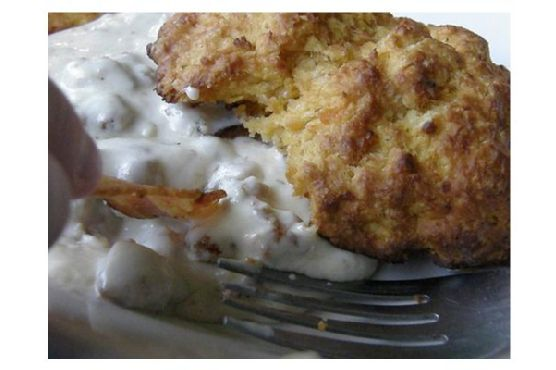
There’s something inherently comforting about starting your day with a plate of warm biscuits and savory gravy. My fondest childhood memories are of Sunday mornings at my grandmother’s house. The aroma of freshly baked biscuits and sizzling sausage would fill the air, inviting us to gather around the kitchen table. Her biscuits were always perfectly fluffy, and her gravy was rich and creamy, a recipe passed down through generations. Today, I want to share this cherished recipe with you, so you can create your own cozy mornings filled with love and deliciousness.

Why You’ll Love It

This Breakfast Biscuits and Gravy recipe is a heartwarming dish that’s perfect for leisurely weekends or whenever you need a little extra comfort in the morning. The biscuits are buttery and tender, providing the perfect base for the flavorful sausage gravy. With a balance of spices and a touch of fresh sage, the gravy is just the right amount of savory to complement the biscuits. Plus, this meal comes together with simple ingredients you likely already have in your pantry, making it an easy choice for a homemade breakfast.

Ingredients

  • 2 cups unbleached flour
  • 1 tablespoon baking powder
  • 1 teaspoon salt
  • 6 tablespoons unsalted butter, cold and cut into pieces
  • 1 cup plain yogurt
  • 1/4 cup whole milk
  • 1 pound pork sausage
  • Fresh sage leaves, finely chopped
  • 1/4 teaspoon ground allspice
  • 1/2 teaspoon paprika
  • Black salt and pepper, to taste

Instructions

  1. Preheat your oven to 425°F (220°C). Line a baking sheet with parchment paper for easy cleanup.
  2. Make the biscuits: Sift the flour, baking powder, and salt together into a large bowl. Using two knives or a pastry blender, cut in the butter until the mixture resembles coarse crumbs with pieces ranging from cornmeal to the size of small peas. Alternatively, you can use a food processor for this step.
  3. With a fork, gradually mix in the yogurt and then the milk until the dough is soft and slightly sticky. Be careful not to overwork the dough.
  4. Turn the dough out onto a lightly floured surface and knead it briefly until it holds together. Roll it out to about 1 1/4 inches thick and cut into round biscuits using a 2-inch cutter.
  5. Place the biscuits on the prepared baking sheet and bake in the preheated oven for 12-15 minutes or until golden brown.
  6. Prepare the sausage: In a large bowl, mix together the pork sausage, chopped sage leaves, ground allspice, paprika, black salt, and pepper using your fingers until well combined.
  7. To test the seasoning, fry a small patty of the sausage mixture and taste it. Adjust the seasoning as needed.
  8. Form the mixture into patties and cook them in a large heavy or nonstick skillet over medium-high heat for about 8 minutes per side, until they are crisp and browned on the outside and cooked through inside.
  9. Transfer the sausage patties to a warmed platter to keep them warm.
  10. Serve the warm biscuits topped with sausage patties and a generous serving of gravy.

Tips

For the best biscuits, make sure your butter is cold and handle the dough as little as possible to keep it tender. If you don’t have a biscuit cutter, a glass with a thin edge will work in a pinch. For a richer gravy, you can add a splash of cream or more butter.

Variations & Substitutions

If you’re looking to add a twist to this classic, try these variations:

  • Use turkey or chicken sausage for a lighter option.
  • Add a pinch of cayenne pepper to the sausage mixture for a bit of heat.
  • Substitute Greek yogurt for plain yogurt for a tangier flavor.

Storage

Store any leftover biscuits in an airtight container at room temperature for up to two days. The sausage patties can be refrigerated for up to three days or frozen for up to two months. To reheat, warm them in the oven or on the stovetop until heated through.

FAQ

Can I make the biscuits ahead of time?

Yes! You can prepare the biscuit dough, cut them into shapes, and freeze them on a baking sheet. Once frozen, transfer them to a ziplock bag and store in the freezer for up to a month. Bake directly from frozen, adding a few extra minutes to the baking time.

What can I use if I don’t have fresh sage?

If you don’t have fresh sage, you can substitute with half the amount of dried sage, as it’s more concentrated in flavor. Alternatively, try using rosemary or thyme for a different herbaceous note.

Nutrition

While this dish is indulgent and rich, it provides a hearty start to your day. Each serving offers a balance of carbohydrates and protein, perfect for keeping you satisfied through the morning. For a lighter version, consider making smaller biscuits and using leaner sausage.

Conclusion

There’s nothing quite like the satisfaction of a homemade breakfast, especially when it involves such a beloved classic as Biscuits and Gravy. With this recipe, you’ll bring a taste of nostalgia and warmth to your kitchen, creating memories that may become a tradition of your own. Whether it’s a leisurely weekend brunch or a special family gathering, this dish is sure to become a favorite in your home. Enjoy!

Related update: Breakfast Biscuits and Gravy

Related update: Chicken Lo Mein

Lamb & Sweet Potato Pot Pie | Made by Meaghan Moineau

Lamb & Sweet Potato Pot Pie

Intro

There’s something uniquely comforting about a homemade pot pie, with its flaky crust and savory filling. Growing up, my grandmother’s kitchen was filled with the aroma of her famous lamb pot pie, a dish she lovingly prepared every Sunday. The laughter of family mingling with the smell of sweet potatoes and fresh herbs was the highlight of my childhood weekends. Today, I’m thrilled to share my own version of this classic recipe, adding a sweet twist with sweet potatoes and a fragrant blend of spices. Whether you’re a seasoned cook or new to the kitchen, this Lamb & Sweet Potato Pot Pie is sure to become a family favorite.

Why You’ll Love It

This pot pie brings together tender lamb, sweet potatoes, and a medley of herbs and spices, all wrapped in a buttery, flaky crust. It’s a complete meal in itself, offering a delightful mix of textures and flavors. The sweet potatoes add a unique sweetness that balances the savory richness of the lamb, while the herbs and spices provide a fragrant depth. Perfect for a cozy family dinner or a special occasion, this pot pie is both heartwarming and satisfying.

Ingredients

  • 1 bay leaf
  • Black pepper, to taste
  • 1/2 cup butter, chilled
  • 1 teaspoon caraway seeds
  • 2 celery stalks, chopped
  • 2 tablespoons cornstarch
  • 1/2 cup demi glace
  • 2 1/2 cups flour
  • 1 tablespoon fresh rosemary, chopped
  • 1 tablespoon fresh thyme, chopped
  • 3 cloves garlic, minced
  • 1/4 cup ice water
  • 1 teaspoon kosher salt
  • 1 1/2 pounds lamb, cut into cubes
  • 1 teaspoon lemon zest
  • 1/4 cup milk
  • Olive oil, as needed
  • 1 teaspoon orange zest
  • 1 cup frozen peas
  • Prepared pie crust (bottom and top)
  • 1 red onion, diced
  • 1/2 cup red wine
  • Salt, to taste
  • 1/4 cup shortening
  • 1 tablespoon sugar
  • 2 sweet potatoes, peeled and diced
  • 1/2 cup water

Instructions

  1. Start with the crust. In a large bowl, combine flour, sugar, rosemary, thyme, and salt. Add chilled butter and use a pastry blender to mix until the mixture resembles coarse cornmeal.
  2. Add shortening and continue to combine until evenly distributed. Slowly add ice water by tablespoons, mixing well after each addition until the dough begins to stick together.
  3. Place the dough on a flat surface and divide into two even pieces. Roll into balls, dust lightly with flour, and wrap in plastic. Refrigerate for at least an hour.
  4. Toss lamb with salt, pepper, caraway seeds, garlic, and flour. Set aside.
  5. As the dough chills, heat olive oil in a wide, deep pan. When sizzling, add lamb pieces and cook on medium heat until just browned. Scoop onto a separate plate.
  6. If necessary, add more olive oil to the same pan. Scrape up all the drippings, then add onion and celery, cooking until they soften and become translucent.
  7. Pour in wine and demi glace, stirring well. Return lamb to the pan, followed by peas and the bay leaf. Cover, reduce to a simmer, and cook for about 15 minutes.
  8. Combine water and cornstarch, then pour into the lamb and vegetables. Mix well. Add sweet potatoes and cook for another 5-7 minutes. Remove from heat and allow to cool completely. Remove bay leaf.
  9. Once the filling has cooled, roll one ball of chilled dough on a floured surface for the bottom crust layer. Fit into a 9-inch pie dish and trim edges.
  10. Place in the fridge and roll the second piece of dough for the top. Remove the bottom crust layer from the fridge, pour in the filling, and top with the second layer. Trim edges if necessary, and roll the top crust edge over the bottom crust.
  11. Chill in the fridge or freezer for a quick chill (2-4 minutes) if the dough feels soft.
  12. Before baking, brush milk over the top crust. Bake in a preheated oven at 375°F for 45-50 minutes or until golden brown.
  13. For advance preparation, let the filling cool completely in the fridge before assembling the pie. Chill the assembled pie until ready to bake. This continuous chilling method ensures a flaky crust.

Tips

To ensure the perfect crust, always keep your ingredients cold. If the dough starts to warm up, give it a quick chill in the fridge or freezer. When rolling out the dough, use a light touch to avoid overworking it, which can lead to a tough crust. Pre-chill your pie dish to help the bottom crust bake evenly and avoid sogginess.

Variations & Substitutions

Feel free to experiment with different vegetables based on the season or your preferences. Carrots, parsnips, or mushrooms can be delightful additions. If you prefer a different protein, beef or chicken can be used in place of lamb. For a vegetarian version, omit the meat and add more vegetables, adjusting the seasoning as needed.

Storage

Store any leftovers in an airtight container in the refrigerator for up to 3 days. To reheat, cover with aluminum foil and warm in a preheated oven at 350°F until heated through. You can also freeze the unbaked pie after assembling. Wrap tightly in plastic wrap and aluminum foil, and freeze for up to 3 months. When ready to bake, add an extra 10-15 minutes to the cooking time.

FAQ

Can I make the crust ahead of time?

Yes, you can prepare the crust up to 2 days in advance. Keep it wrapped in plastic in the refrigerator until you’re ready to assemble the pie.

What if I don’t have demi glace?

If you don’t have demi glace, you can use beef or chicken stock as a substitute. Just reduce the quantity slightly to account for the liquid difference.

Can I use a store-bought crust?

Absolutely! A store-bought crust can save time and still deliver delicious results. Just make sure to keep it chilled until you’re ready to use it.

Nutrition

This pot pie is a hearty dish rich in protein from the lamb and packed with vitamins from the sweet potatoes and other vegetables. It’s a wholesome meal that provides a balance of carbohydrates, fats, and protein. For a lighter version, consider reducing the amount of butter or using a lower-fat milk for the crust.

Conclusion

Our Lamb & Sweet Potato Pot Pie is more than just a meal; it’s a comforting embrace that brings warmth and joy to any table. With its rich flavors and delightful textures, it’s perfect for gatherings or a satisfying family dinner. I hope this recipe becomes a cherished part of your culinary repertoire, just as it has been in my family. Enjoy every bite and the memories it brings!

Related update: Lamb & Sweet Potato Pot Pie

Related update: Breakfast Biscuits and Gravy

FSOC Reset: Deregulation for Growth | Analysis by Brian Moineau

A watchdog reborn for growth: What Scott Bessent’s FSOC reset means for markets and regulators

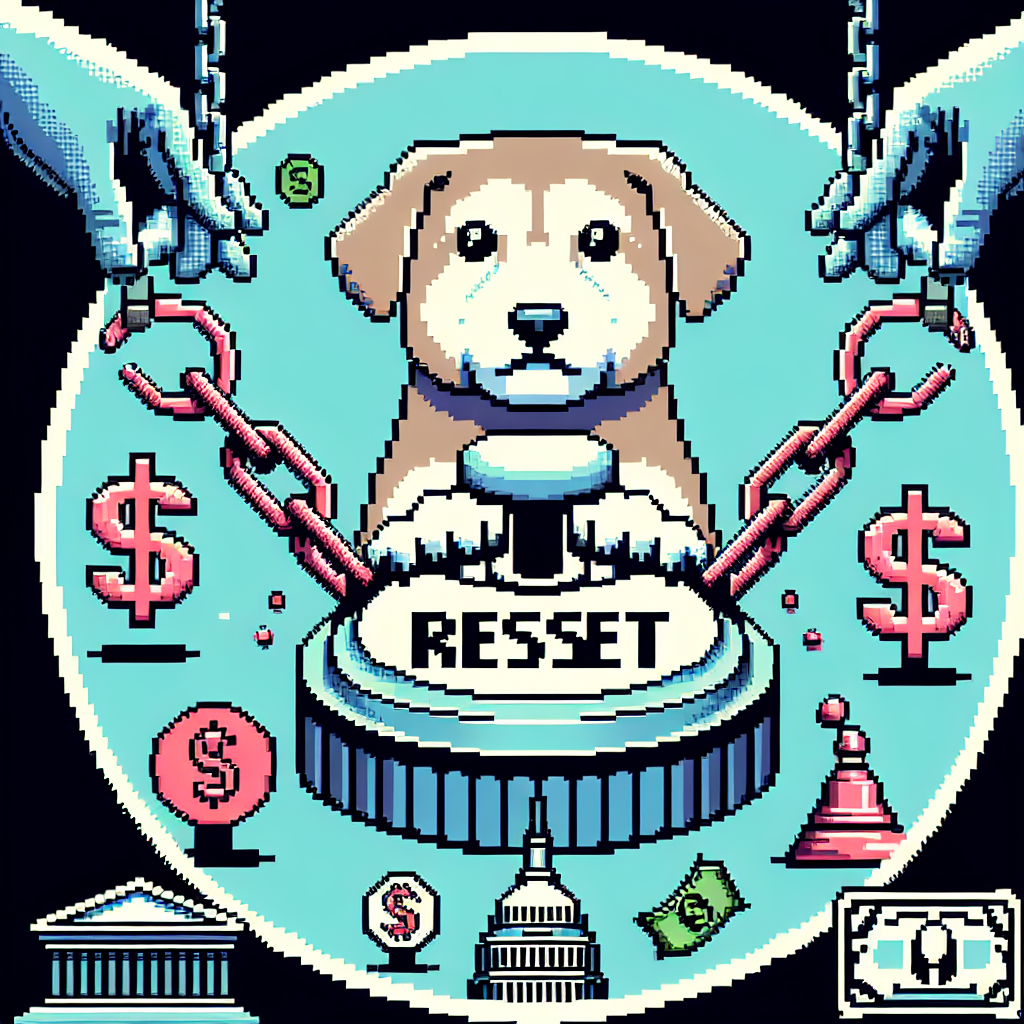
A policy about protecting the financial system just got a makeover. When Treasury Secretary Scott Bessent told the Financial Stability Oversight Council (FSOC) to stop thinking “prophylactically” and start hunting for rules that choke growth, the room changed from risk-management to rule‑rewriting. That pivot — part managerial, part ideological — will ripple across banks, fintech, investors and anyone who cares how Washington balances safety and dynamism.

Quick takeaways

  • Bessent has directed FSOC to prioritize economic growth and target regulations that impose “undue burdens,” signaling a clear deregulatory tilt.
  • The council will form working groups on market resilience, household resilience, and the effects of artificial intelligence on finance.
  • Supporters say loosening unnecessary rules can revive credit flow and innovation; critics warn that weakening post‑2008 safeguards risks rekindling systemic vulnerabilities.
  • Practical effects will depend on how FSOC’s new priorities influence independent regulators (Fed, SEC, OCC, CFPB) and whether Congress or courts push back.

Why this matters now

FSOC was born from the 2008 crisis under the Dodd‑Frank framework to sniff out risks that cross institutions or markets. For nearly two decades the accepted default for many regulators has been: better safe than sorry — build buffers, tighten oversight, and prevent contagion before it starts.

Bessent is asking the council to change the default. In a letter accompanying FSOC’s annual report (December 11, 2025), he framed overregulation as a stability risk in its own right — arguing that rules that slow growth, limit credit or choke technological adoption can produce stagnation that undermines resilience. He wants FSOC to spotlight where rules are excessive or duplicative and to shepherd work that reduces those burdens, including in emerging areas such as AI. (politico.com)

That’s a big philosophical and operational shift. Instead of primarily preventing tail risks (a “prophylactic” posture), FSOC will add an explicit mission: identify regulatory frictions that constrain growth and recommend easing them.

What the new FSOC playbook looks like

  • Recenter mission: Treat economic growth and household well‑being as core inputs to stability, not as tradeoffs. (home.treasury.gov)
  • Working groups: Create specialized teams for market resilience, household financial resilience (credit, housing), and AI’s role in finance. These groups will evaluate where policy might be recalibrated. (reuters.com)
  • “Undue burden” lens: Systematically review rules for duplication, cost‑benefit imbalance, or barriers to innovation — and highlight candidates for rollback or harmonization. (apnews.com)

What's at stake — the upside and the downside

  • Upside:

    • Faster capital flow and potential credit expansion if unnecessary frictions are removed.
    • More rapid adoption of financial technology (including AI) that could improve services and lower costs.
    • Reduced compliance costs for smaller banks and nonbank financial firms that often bear disproportionate burdens. (mpamag.com)
  • Downside:

    • Diminished guardrails could increase systemic risk if stress scenarios are underestimated or regulations that prevented contagion are untethered. Critics point to recent corporate bankruptcies and market stress as reasons to be cautious. (apnews.com)
    • FSOC’s influence is largely convening and coordinating; it cannot unilaterally rewrite rules. The real test will be whether independent agencies adopt the new tone or resist.
    • Political and legal pushback is likely from consumer‑protection advocates, some Democrats in Congress, and watchdog groups who argue loosened rules will favor financial firms at consumers’ expense. (politico.com)

How markets and stakeholders will likely respond

  • Big banks and fintech: Encouraged. They’ll press for reduced compliance burdens and clearer pathways for novel products (AI models, alternative credit scoring).
  • Regional/community banks: Mixed. Lower compliance costs could help, but loosening supervision can also allow larger firms to expand risky products that affect smaller lenders indirectly.
  • Consumer advocates and progressive lawmakers: Vocal opposition, emphasizing consumer protections, transparency, and stress‑test rigor.
  • Investors: Watchful. Market participants tend to welcome pro‑growth signals but will price in increased tail‑risk if oversight is perceived as weakened.

The real constraint: FSOC’s powers and the regulatory ecosystem

FSOC chairs and convenes — it doesn’t replace independent regulators. The Fed, SEC, OCC and CFPB set and enforce many of the rules Bessent has in mind. That means:

  • FSOC can recommend, coordinate, and spotlight problem areas; it can’t, by itself, decree deregulation.
  • The policy route will often run through agency rulemakings, litigation, and Congress — all places where the deregulatory push can be slowed, shaped, or blocked. (reuters.com)

Put simply: this is a strategic reorientation more than an instant policy rewrite. Its potency depends on persuasion and leverage across the regulatory web.

My take

There’s a reasonable middle path here. Financial rules that are genuinely duplicative or outdated deserve scrutiny — especially where technology has changed how services are delivered. Yet dismantling prophylactic measures wholesale risks repeating a painful lesson: stability is often the fruit of constraints that look costly in calm times.

The best outcome would be surgical reform: use FSOC’s platform to clean up inefficiencies, increase transparency, and direct agencies to modernize rules — while preserving the stress‑testing, capital, and resolution tools that limit contagion. The danger is rhetorical: calling prophylaxis “burdensome” can become a pretext for rolling back protections that matter when markets turn.

Final thoughts

Bessent’s reset reframes a central policy debate: is stability best secured primarily by stricter rules or by stronger growth? The answer isn’t binary. Markets thrive when rules are sensible, targeted, and adapted to new technologies — but don’t disappear when they make mistakes. Over the coming months expect vigorous fights over concrete rulemakings, not just rhetoric. How FSOC translates this new mission into action will tell us whether this shift produces smarter regulation — or just a lighter touch at the expense of resilience.

Sources


Related update: We recently published an article that expands on this topic: read the latest post.

Related update: We recently published an article that expands on this topic: read the latest post.