Cyber Monday Extensions: Score Deals Now | Analysis by Brian Moineau

Just when you thought Black Friday was good…now Cyber Monday keeps giving

If your inbox and social feeds felt like a bargain bazaar over the weekend, breathe easy: the best retailers kept the lights on. Cyber Monday may have officially passed, but an army of “extended” deals rolled into Tuesday (and beyond), meaning you can still snag deep discounts on tech, home, fashion and more — without camping in front of a site at midnight.

Retailers treated Cyber Monday like the start of a weeklong shopping sprint. That means if you hesitated, there’s still time to scope out — and score — things you actually want (or gifts you’ll pretend you’d planned on all along).

Why these extensions happen and why you should care

  • Retailers split holiday promotions across several shopping events to keep momentum and capture late buyers.
  • Inventory and algorithmic repricing often let good deals hang on after the official date — especially on big retailers like Amazon, Wayfair, Best Buy and department stores.
  • For shoppers, that translates into second-chance discounts on laptops, TVs, kitchen appliances, sneakers, and beauty bestsellers — sometimes at near-Black-Friday levels.

Put simply: patience and quick comparisons still win. A “still-on” Cyber Monday offer can be your ticket to a high-ticket item with smaller regret.

What categories are still worth checking

  • Tech
    • Laptops, headphones, TVs and smart home gear frequently see extended markdowns.
    • Look for Nike-level markdowns on midrange and premium models (Apple, Samsung, Bose, Sony).
  • Home and furniture
    • Wayfair, Home Depot and mattress brands often keep clearance and doorbuster pricing going for a few extra days.
  • Fashion and beauty
    • Department stores and beauty retailers extend sitewide or category sales; limited-stock items (sizes, shades) go fast.
  • Travel and subscriptions
    • Airlines, cruises and streaming platforms occasionally extend promotional fares and trial pricing through the week.
  • Kitchen and small appliances
    • High-ticket blenders, espresso machines and air fryers are often restocked and repriced for the extended window.

Where to look first (smart shopping order)

  1. Check the retailer’s front page or “Cyber” landing page for explicit end dates.
  2. Search the specific item you want — “extended sale” or “clearance” filters reveal lingering bargains.
  3. Compare the item on two or three sites (price trackers and quick searches help).
  4. Factor shipping, returns and warranty into your total cost — a slightly higher price with free returns can be the safer play.
  5. Use browser coupons, cash-back extensions, and store credit offers to squeeze more value.

Deals worth prioritizing right now

  • Big-screen TVs and OLEDs: retailers commonly hold back some TV inventory with meaningful discounts for late shoppers.
  • Headphones and earbuds from household brands: often deeply discounted as part of bundle deals.
  • Large home purchases (furniture, mattresses): extended sales frequently include floor models and overstock items.
  • Beauty tools (hair stylers, skincare devices): high-ticket items marked down for seasonal promotions and gift sets.
  • Smart home devices and robot vacuums: solid savings, especially on popular models that were doorbusters.

(These are categories where multiple outlets — from mainstream outlets to niche publications — reported continued savings across platforms during the extended Cyber Monday pushes.)

How to avoid buyer’s remorse

  • Set a hard price ceiling before you click “buy.” If a deal doesn’t beat your ceiling, it’s not a deal.
  • Watch for promo expiration language and coupon exclusions — some “extended” prices are only valid while supplies last.
  • Beware of “comps”: a product shown at a higher crossed-out price isn’t always the real benchmark; check past prices on price-tracking sites.
  • Consider warranty/return windows for electronics and large furniture; post-holiday returns and exchanges get busy.

Shopping etiquette for the late-December sprint

  • If you’re purchasing gifts, double-check delivery estimates — extended deals don’t always mean extended shipping speed.
  • Buy from retailers with clear return policies to avoid holiday headaches.
  • Keep digital receipts and order confirmations for easier tracking and price-matching later if needed.

Late-stage winners: real-world examples

Over the latest Cyber Monday wave, outlets such as the New York Post, Forbes and major shopping editors highlighted:

  • Discounts on major-brand electronics and headphones.
  • Furniture and home accessory markdowns from Wayfair and big-box sellers.
  • Beauty gift sets and hair tools holding their price throughout the extended window. These patterns tell a consistent story: retailers want to capture straggler shoppers, and they're willing to keep attractive discounts live for a short extension. (See Sources below for roundups and live updates.)

My take

If you missed the Cyber Monday frenzy, don’t panic. The smart move is to prioritize what you really want (or need), compare quickly, and use any store-level protections to your advantage. Some of the best savings show up in the first couple of days after Cyber Monday — so act deliberately but decisively.

If you’re hunting a high-ticket item (TV, laptop, major appliance), treat the remainder of the week like your last chance: check prices, confirm return policies, and pull the trigger when the total deal beats your price ceiling.

Final thoughts

Retailers kept the sale energy alive for a reason: shoppers kept clicking. For buyers, that means better odds of finding exactly what you wanted without the drama of the holiday weekend. Shop smart, protect yourself with returns and warranties, and enjoy the rare pleasure of getting a real deal…after the crowds have thinned.

Sources

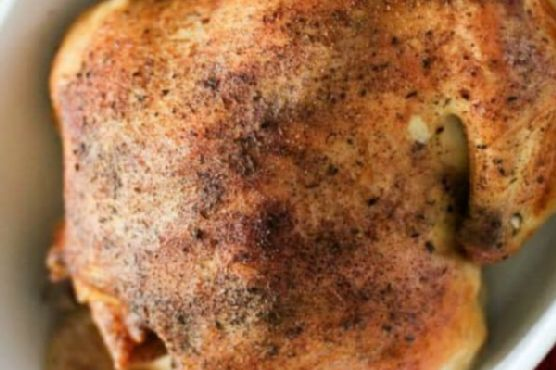
Easy Slow Cooker Whole Chicken With Rosemary | Made by Meaghan Moineau

Easy Slow Cooker Whole Chicken With Rosemary

Intro

The enticing aroma of rosemary and lemon wafting through my grandmother’s kitchen is a memory that I carry fondly in my heart. Every Sunday, she would prepare a feast that brought the whole family together, and her rosemary-infused whole chicken was always the star of the show. Today, I’m excited to share a simplified version of that beloved recipe with you, designed to be effortlessly prepared in a slow cooker. Whether you’re a seasoned cook or a kitchen novice, this recipe will fill your home with warmth and nostalgia, just as it did in my childhood.

Why You’ll Love It

This Easy Slow Cooker Whole Chicken with Rosemary is a game-changer for busy weeknights or leisurely weekends. You’ll love how the slow cooker does all the hard work, infusing the chicken with the rich flavors of rosemary and lemon. The result is an incredibly juicy and tender chicken, with crispy skin that is sure to impress your family and friends. Plus, the preparation is minimal, leaving you with more time to enjoy the things that matter most.

Ingredients

  • 1 whole chicken
  • 2 tablespoons extra virgin olive oil
  • 2 lemons, halved
  • 1 onion, quartered
  • 1 teaspoon paprika
  • 1/2 teaspoon freshly ground pepper
  • 2 teaspoons dried rosemary, divided
  • 1 teaspoon salt
  • 2 tablespoons unsalted butter, melted
  • 1/2 cup water

Instructions

  1. Combine all seasonings in a small bowl, reserving half of the rosemary.
  2. Baste the chicken with unsalted butter and olive oil, ensuring even coverage.
  3. Cover the chicken thoroughly with the seasoning mix.
  4. Add half of the onion, half of the lemons, and half of the rosemary to the inner cavity of the chicken.
  5. Roll up three small lemon-sized balls of foil and place them in the bottom of the slow cooker to act as a rack.
  6. Place the remaining lemon halves, onion quarters, and water into the bottom of the slow cooker.
  7. Place the chicken on top of the foil balls, breast side up.
  8. Add the remaining rosemary over the top of the chicken.
  9. Cover and cook on low for 7-8 hours, or on high for 4-5 hours, until the chicken is cooked through and tender.

Tips

For best results, allow the chicken to rest for at least 10 minutes before carving. This will help the juices redistribute throughout the meat, keeping it moist and flavorful. If you prefer crispier skin, you can place the cooked chicken under a broiler for a few minutes. Just be sure to keep an eye on it to avoid burning.

Variations & Substitutions

If rosemary isn’t your favorite herb, you can easily substitute it with thyme or oregano. For an extra layer of flavor, try adding whole garlic cloves to the cavity of the chicken. If you prefer a spicier dish, a pinch of red pepper flakes in the seasoning mix will do the trick. You can also swap out the lemons for oranges for a sweeter citrus note.

Storage

Leftover chicken can be stored in an airtight container in the refrigerator for up to 3 days. For longer storage, you can freeze the chicken for up to 3 months. When reheating, be sure to heat thoroughly to maintain safety and taste.

FAQ

Can I use a frozen chicken for this recipe?

While it is possible to use a frozen chicken, it is recommended to thaw the chicken completely before cooking in the slow cooker. This ensures even cooking and reduces the risk of bacterial growth.

What can I serve with this chicken?

This dish pairs beautifully with roasted vegetables, a fresh green salad, or creamy mashed potatoes. For a complete meal, consider serving it with a side of crusty bread to soak up the delicious juices.

How do I know when the chicken is fully cooked?

The chicken is done when the internal temperature reaches 165°F (75°C). You can check this using a meat thermometer, inserting it into the thickest part of the breast without touching bone.

Nutrition

While this recipe is deliciously comforting, it is also a healthy option. Rich in protein and low in carbohydrates, it fits well into a balanced diet. The use of olive oil and herbs provides beneficial antioxidants and healthy fats.

Conclusion

There’s nothing quite like the simplicity and comfort of a home-cooked meal, and this Easy Slow Cooker Whole Chicken with Rosemary is a testament to that. It’s a recipe that brings people together, evoking warm memories and creating new ones with every bite. I hope this dish becomes a cherished part of your culinary repertoire, just as it has been in my family. Happy cooking!

Related update: Easy Slow Cooker Whole Chicken With Rosemary

Related update: Yogurt Marinated Lamb Skewers

Depleted Suns Roll On, Habits Carry Win | Analysis by Brian Moineau

The Suns’ Habits Win Games — Even When They’re Depleted

There’s something satisfying about watching a team make the ordinary look inevitable. Monday’s 125–108 win in Los Angeles wasn’t the most glamorous Suns victory — Devin Booker left early with a groin issue — but it was one of the most revealing. Phoenix didn’t just survive without its star; it imposed a style of play and a set of habits that turned the Lakers’ mistakes into a blowout. The bigger message: the Suns will keep rolling teams that don’t match their energy, regardless of who’s available.

Why this mattered beyond one box score

  • The Suns beat the Lakers on December 1, 2025, 125–108, snapping L.A.’s seven-game win streak. Despite Booker exiting late in the first quarter, Phoenix never let the game slip. (espn.com)
  • This was more than “next man up” theatrics. It was the result of identity: relentless pressure, transition scoring, and an insistence on competing for every loose ball and turnover. Those aren’t cliches — they’re repeatable habits that win games. (sports.yahoo.com)

The habits that decided the game

  • Defensive disruption
    The Suns forced 22 turnovers and turned those into fast-break points. When an opponent hands you extra possessions, you don’t need your superstar to capitalize — you need a system that punishes mistakes. Phoenix’s defense did exactly that, converting turnovers into a 28–2 fast-break advantage that swung the game. (sports.yahoo.com)

  • Unselfish scoring from role players
    Dillon Brooks exploded for 33 points and Collin Gillespie poured in a career night (including an eight-3s barrage reported in game recaps). When bench pieces and role players shoot with confidence and purpose, the team doesn’t miss the absent star as much. That’s depth, and it’s habit-driven: shots are earned within the flow of the offense, not hoarded. (espn.com)

  • Pace and physicality
    Phoenix attacked in transition and played with urgency on loose balls and on defense. They swamped the Lakers physically — a deliberate choice that strains teams who hope to win with half-measures. When one team wants every 50/50 ball more, it often wins the second-chance battle and the momentum swings. (sports.yahoo.com)

  • Readiness even when depleted
    Losing Booker two minutes before the end of the first quarter would derail most teams’ game plans. The Suns adapted. That adaptability is a habit cultivated in practice and coaching: role clarity, situational preparation, and the expectation that everyone will step up. (espn.com)

Why the Lakers’ performance amplified the point

Los Angeles had been riding a seven-game streak and looked like a team with rhythm. But Phoenix forced turnovers, rushed the Lakers out of comfort, and turned what may have looked like a tight matchup into a decisive win. Credit to the Suns’ game plan — and a reminder that a team’s baseline effort and habits can neutralize star talent on any given night.

What this suggests about the Suns going forward

  • The Suns’ ceiling is no longer just about health; it’s about consistency. When they play with the same tenacity and structure they showed against L.A., they become hard to beat — even for teams with top-level stars.
  • Opponents can’t simply game-plan for Devin Booker and dismiss the rest. Phoenix’s depth and the culture to exploit turnovers mean teams must respect every rotation player.
  • Short-term bumps (injuries, nights when a starter is off) matter less for Phoenix if the habits stay intact. That’s the kind of repeatable resilience coaches dream about.

A few illustrative numbers

  • Forced 22 Lakers turnovers, a key driver of the scoring swing. (espn.com)
  • Suns finished with a large fast-break advantage (reported as a 28–2 swing in transition scoring in some recaps). (sports.yahoo.com)
  • Dillon Brooks led the Suns with 33 points; Collin Gillespie added a big scoring night off the bench. Devin Booker scored 11 before exiting. (espn.com)

My take

This wasn’t a fluke. It was a demonstration of culture over circumstance. Phoenix has built — or re-found — a set of habits that allow the roster to function when the luxury of having every star available isn’t guaranteed. That’s more valuable than any single highlight reel. If the Suns keep treating fundamentals as non-negotiable, they’ll keep pressuring teams to show up ready to match their energy. When opponents don’t, the result will look a lot like Monday night.

Sources


Related update: We recently published an article that expands on this topic: read the latest post.


Related update: We recently published an article that expands on this topic: read the latest post.

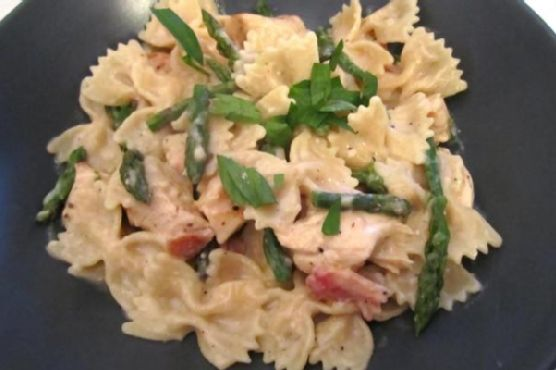
Chicken Farfalle with Low-Fat Alfredo Sauce | Made by Meaghan Moineau

Chicken Farfalle with Low-Fat Alfredo Sauce

Intro

There’s something magical about the aroma of a homemade meal wafting through the kitchen. I remember the first time I attempted to make a pasta dish from scratch. It was a rainy Sunday afternoon, and I was determined to recreate a dish I had once enjoyed at a small Italian bistro. With a little experimentation and a lot of love, I came up with this delightful Chicken Farfalle with Low-Fat Alfredo Sauce. It’s a recipe that has since become a family favorite, bringing a sense of warmth and nostalgia to our dining table.

Why You’ll Love It

This Chicken Farfalle with Low-Fat Alfredo Sauce is a lighter take on a classic comfort dish. You’ll love it because it’s:

  • Healthier: By using skim milk and a moderate amount of butter, we cut down on the calories without compromising on flavor.
  • Rich and Creamy: The sauce is delightfully rich, thanks to the addition of Parmesan cheese and a hint of white wine.
  • Versatile: You can easily adapt it to suit your tastes and dietary needs.
  • Quick and Easy: Perfect for a weeknight dinner, this recipe comes together in just about 30 minutes.

Ingredients

  • 2 boneless chicken breasts
  • 8 oz farfalle pasta
  • 2 tablespoons butter
  • 2 tablespoons flour
  • 2 cups skim milk
  • 1 teaspoon salt
  • 1/2 teaspoon black pepper
  • 1 teaspoon garlic powder
  • 1 lemon, juiced
  • 1/4 cup white wine
  • 1/2 cup grated Parmesan cheese

Instructions

  1. Season the boneless chicken breasts with salt and pepper. In a skillet, heat a little olive oil over medium heat. Sauté the chicken until fully cooked, about 6-7 minutes per side. Remove from skillet and set aside to rest.
  2. Meanwhile, bring a large pot of salted water to a boil. Cook the farfalle pasta according to package instructions until al dente. Drain and set aside.
  3. In a saucepan over medium heat, melt the butter. Add the flour and stir to form a roux, cooking for about 1 minute.
  4. Gradually whisk in the skim milk, ensuring there are no lumps. Add the salt, pepper, garlic powder, lemon juice, and white wine. Bring the mixture to a boil, whisking constantly.
  5. Reduce the heat and let the sauce simmer for about 5 minutes, allowing it to thicken. Stir in the Parmesan cheese until melted and smooth.
  6. Cut the cooked chicken into bite-sized pieces. In a large sauté pan, combine the pasta, chicken, and the Alfredo sauce. Toss everything together over medium heat until well combined.
  7. Serve hot, garnished with extra Parmesan cheese and a sprinkle of black pepper, if desired.

Tips

  • Whisking is Key: To achieve a smooth sauce, whisk continuously when adding the milk to the roux.
  • Adjust Seasoning: Taste your sauce before combining it with pasta and chicken. Adjust salt, pepper, or lemon juice to your liking.
  • Extra Sauce: This recipe makes more sauce than needed, which is perfect for those who love a creamy dish. Store any leftover sauce for future use!

Variations & Substitutions

There are several ways to tailor this dish to your preferences:

  • Vegetarian Option: Replace the chicken with sautéed mushrooms or roasted vegetables for a vegetarian twist.
  • Dairy-Free: Use a plant-based milk and nutritional yeast in place of Parmesan for a dairy-free version.
  • Gluten-Free: Opt for gluten-free pasta and use a gluten-free flour blend for the sauce.

Storage

Leftover Chicken Farfalle can be stored in an airtight container in the refrigerator for up to 3 days. To reheat, gently warm in a saucepan over low heat, adding a splash of milk if the sauce has thickened too much.

FAQ

Can I use a different type of pasta?

Absolutely! While farfalle is a fun and visually appealing choice, feel free to use any pasta you have on hand—penne, fettuccine, or even spaghetti would work beautifully.

What can I use instead of white wine?

If you prefer not to use wine, you can substitute it with chicken broth or simply omit it. The wine adds depth to the sauce, but the dish will still be delicious without it.

How can I make my sauce thicker?

If your sauce isn’t as thick as you’d like, let it simmer a bit longer, or add a slurry made from 1 teaspoon of cornstarch mixed with water. Add it gradually until the desired consistency is reached.

Nutrition

This recipe is a lighter version of traditional Alfredo pasta, but nutritional values can vary based on the exact ingredients and quantities used. On average, a serving provides approximately:

  • Calories: 450
  • Protein: 30g
  • Carbohydrates: 50g
  • Fat: 15g

Conclusion

Chicken Farfalle with Low-Fat Alfredo Sauce is a comforting dish that brings a touch of Italy to your home. Whether you’re hosting a dinner party or enjoying a quiet night in, this recipe is sure to impress. The creamy sauce paired with tender chicken and perfectly cooked pasta makes it a meal worth savoring. Enjoy the process of making it, and don’t forget to share the love—and maybe a little extra sauce—with those around you!

Related update: Chicken Farfalle with Low-Fat Alfredo Sauce

Related update: Easy Slow Cooker Whole Chicken With Rosemary

Brown Sugar Sponge Cookie with Chocolate Covered Caramels | Made by Meaghan Moineau

Brown Sugar Sponge Cookie with Chocolate Covered Caramels

Intro

There’s something magical about the aroma of freshly baked cookies wafting through the house, evoking cherished memories of childhood. I remember my grandmother’s kitchen, a place filled with love, laughter, and the sweet scent of her famous cookies. One of my fondest memories is helping her bake her signature brown sugar sponge cookies, each topped with a chocolate-covered caramel that melted just perfectly in the oven. Today, I’m thrilled to share this beloved recipe with you all, hoping it brings as much joy to your home as it did to mine.

Why You’ll Love It

This recipe combines the light, airy texture of a sponge cookie with the irresistible decadence of chocolate-covered caramels. The result is a delightful treat that’s both sophisticated and comforting. These cookies are perfect for a cozy afternoon with a cup of tea or as a sweet surprise in a lunchbox. Not only are they delicious, but they’re also simple to make, requiring just a handful of ingredients that you likely already have in your pantry.

Ingredients

  • 1 cup all-purpose flour
  • 1 teaspoon baking powder
  • 1 cup dark brown sugar
  • 4 large eggs, separated
  • 1 teaspoon lemon zest
  • 1/4 teaspoon salt
  • 1 teaspoon vanilla extract
  • 25 Rolos, unwrapped

Instructions

  1. Preheat the oven to 375°F (190°C). Line baking sheets with parchment paper and spray with nonstick cooking spray.
  2. In the bowl of a stand mixer on medium speed, beat the egg whites until foamy. Add the baking powder, salt, and sugar, and continue beating on medium speed until stiff peaks form.
  3. In another bowl, combine egg yolks, vanilla, and lemon zest. Beat with a fork until thoroughly mixed.
  4. Fold the yolks into the egg white mixture just until combined. Be careful not to deflate the egg whites.
  5. Sift the flour over the egg mixture and fold in until the batter is smooth and light.
  6. Drop about 2 teaspoons of batter for each cookie about 2 inches apart onto the prepared baking sheets.
  7. Top each cookie with a Rolo in the center and press down lightly.
  8. Bake for 12 minutes or until golden. Cool on the sheets for 5 minutes, then move to racks to cool completely.

Tips

To ensure your cookies have the perfect texture, make sure to sift the flour before adding it to the egg mixture. This helps keep the batter light and airy. Also, be gentle when folding the ingredients together to avoid deflating the egg whites, which are key to the cookie’s sponge-like texture.

Variations & Substitutions

If you’re looking to switch things up, consider using different flavored caramels or chocolates as toppings. You could also try adding a pinch of cinnamon or nutmeg to the batter for a warm, spiced flavor. For a nutty twist, sprinkle chopped nuts over the cookies before baking.

Storage

These cookies are best enjoyed fresh but can be stored in an airtight container at room temperature for up to three days. If you want to keep them longer, freezing is an option. Place the cookies in a single layer in a freezer-safe container, separating layers with parchment paper to prevent sticking. Thaw at room temperature before serving.

FAQ

Can I make these cookies without a stand mixer?

Yes, you can use a hand mixer or even whisk the egg whites by hand, although it will take more time and effort to achieve stiff peaks. Just be patient and make sure the egg whites are properly beaten before proceeding with the recipe.

What can I do if I don’t have lemon zest?

If you don’t have lemon zest, you can substitute with a small amount of lemon extract or even a bit of orange zest for a different citrus note. Alternatively, you can leave it out altogether; the cookies will still be delicious.

How do I know when the cookies are done?

The cookies are done when they are golden brown on the edges and feel set to the touch. They should easily lift off the parchment paper without sticking. Be careful not to overbake them, as this can make them dry.

Nutrition

While these cookies are a delightful treat, they should be enjoyed in moderation. Each cookie contains approximately 100 calories, 5g of fat, 13g of carbohydrates, and 1g of protein. Keep these in mind if you’re monitoring your daily intake.

Conclusion

These brown sugar sponge cookies with chocolate-covered caramels are more than just a sweet treat—they’re a little piece of nostalgia wrapped up in a delicious package. Perfect for sharing with loved ones or enjoying as a personal indulgence, they bring warmth and joy with every bite. I hope this recipe becomes a cherished tradition in your home, just as it has in mine. Happy baking!

Related update: Brown Sugar Sponge Cookie with Chocolate Covered Caramels

Related update: Lemon Squares

Michigan’s Rise Shakes Up AP Top 25 | Analysis by Brian Moineau

Michigan’s rise, rivalries revived: Why the AP poll shake-up matters

A week ago Michigan was quietly climbing; now it’s standing tall at No. 3 in the AP Top 25. That leap — fueled by a dominant Players Era Championship run that included a 40-point drubbing of No. 12 Gonzaga — isn’t just a blip on the board. It’s the kind of statement that reshuffles narratives, wakes up rival fanbases, and forces the rest of college basketball to take notice.

What happened (the short version)

  • Michigan moved up to No. 3 in the Dec. 1, 2025 Associated Press Top 25 poll after sweeping the Players Era Championship in Las Vegas.
  • Purdue and Arizona remain No. 1 and No. 2, respectively; Michigan collected 15 first-place votes.
  • In the same poll, Michigan State rose into the top 10 (No. 7) and Iowa State climbed to No. 10 following strong early-season showings.
  • Several other teams shifted around after early-season tournaments (Houston dropped, Vanderbilt jumped, USC debuted).

Why this jump matters

  • Momentum and perception: Early-season tournaments like the Players Era give teams a national stage. Michigan didn’t just win — it dominated marquee opponents. Voters rewarded that dominance by vaulting the Wolverines into elite company.
  • Rivalry fuel: Michigan State’s re-entry into the top 10 adds heat to a Michigan-Michigan State season that already had regional bragging rights and bigger implications for conference pecking order and recruiting narratives.
  • Depth of the field: With Purdue and Arizona holding the top two spots, Michigan’s rise highlights that the 2025–26 season looks like a multi-team chase rather than a two-team race. The poll reflects that balance: lots of movement, lots of contenders.
  • Tournament-proofing: Non-conference tournament wins (and lopsided ones) build a résumé that can protect teams in March evaluation — the kind of performance that matters when the committee weighs quality wins and neutral-site success.

What to watch next

  • Can Michigan sustain this level on the road and in Big Ten play? Early-season tournaments are useful, but the grind of league play exposes depth, matchups, and coaching adjustments.
  • How will Michigan State’s defense and physicality translate across the Big Ten? The Spartans’ jump suggests they’re more than a local pulse — they could be a league-circuit breaker.
  • Iowa State’s climb into the top 10 is a reminder that the Big 12 will be competitive; their style and tempo could give marquee teams trouble.
  • How voters react to any slip-ups: early-season polls swing quickly. A loss to an unranked team or an underwhelming conference start can erase weeks of momentum.

Early-season takeaways

  • Michigan’s players and coaching staff are delivering in high-leverage moments; star performances in neutral-site games have real poll power.
  • The Big Ten and Big 12 depth is keeping the national picture fluid — multiple top-10 entrants from those leagues mean fewer “easy” non-conference resumes.
  • Purdue and Arizona still command respect at the top, but the gap is not insurmountable. Voters are open to rewarding clear, dominant showings.

My take

There’s something energizing about a mid-season narrative reset. Michigan’s leap to No. 3 feels both earned and revealing — earned because the wins were emphatic, revealing because it shows how quickly perception can change when a team seizes a national stage. For fans, it’s validation; for opponents, a target. The real story will be whether Michigan can convert this early acclaim into consistency through the slog of conference play. If it can, we might be watching a team that uses the Players Era as the launching pad for a deep run.

Sources


Related update: We recently published an article that expands on this topic: read the latest post.


Related update: We recently published an article that expands on this topic: read the latest post.

Targets Black Friday Tote Backlash | Analysis by Brian Moineau

A free swag bag, long lines, and a whole lot of disappointment

You could smell the coffee (or the cheap energy drinks) from a block away: shoppers camping out before dawn, bleary-eyed and optimistic, clutching thermoses and playlists to pass the time. Target’s promise of a “limited‑edition iridescent holiday tote filled with festive goodies” pulled a crowd — some arrived as early as 3 a.m. — but when the first bags were opened, a surprising number of customers felt shortchanged. The viral fallout began almost immediately. (businessinsider.com)

Why people turned up so early

  • Scarcity marketing works. Target offered the first 100 customers at each store a free tote and sprinkled a small number of “golden bags” with higher‑value prizes (headphones, gift cards, small appliances). That promise — and the social‑media hype around being “one of the first” — drove lines long before opening time. (businessinsider.com)
  • Black Friday remains a narrative: for many shoppers the ritual of lining up, swapping stories, and scoring a surprise feels like part of the holiday season, even if the payoff is uncertain. Reddit threads show both glee and eye rolls about the tradition. (reddit.com)

What was actually inside the tote

For many recipients, the tote’s contents were underwhelming: fun‑size candy, a sample‑size shampoo, a deck of Uno cards, and small cosmetic or drink samples. A minority of bags contained the advertised higher‑value items, but those were rare — roughly 10 per store. Videos and posts from disappointed shoppers quickly circulated, calling the contents “chintzy” and “diabolical.” (businessinsider.com)

The social‑media reaction and why it mattered

  • Viral contrast. Lowe’s concurrent giveaway (a five‑gallon “pride of the DIY” bucket with tools, mugs, and high‑value “golden tickets”) was shared with glee online, making Target’s freebies look especially small by comparison. Social feeds amplified the contrast and framed Target’s effort as when marketing tone didn’t match reality. (businessinsider.com)
  • Expectation vs. reality. Many critics pointed out that Target’s wording — “filled with festive goodies” — created an image that didn’t line up with sample‑sized items. Even when the rules disclosed that only a fraction of bags contained valuable prizes, the visual and emotional promise of a “swag” item carried weight. (businessinsider.com)
  • Employee and community perspectives. Target employees and longtime shoppers on forums warned that social hype often inflates expectations; others defended the promotion as a harmless gimmick that did its job (drove traffic). The conversation shows how promotions can split audiences into those who play for the thrill and those who expect real value. (reddit.com)

What this episode says about retail marketing right now

  • Scarcity can be a double‑edged sword. Limited offers bring attention and foot traffic, but if the brand promise is perceived as misleading, the net effect can be reputational damage. Target clearly drove people into stores — but some left with social‑media grievances that turned a marketing win into a PR headache. (businessinsider.com)
  • The visual economy matters. In the age of TikTok and Instagram, what people see (the beautifully staged “golden bag” winners) often matters more than the fine print. Brands need to manage both the spectacle and the grounded expectations of a wide customer base. (businessinsider.com)
  • Promotions don’t live in a vacuum. Competitors’ campaigns, employee sentiment, and online communities will contextualize — and sometimes roast — whatever you put out. A “fun” giveaway next door can make your “fun” giveaway look stingy by comparison. (news.designrush.com)

A few practical takeaways for retailers

  • Be explicit in creative and collateral. If only 10% of bags contain big prizes, say that prominently — and show examples of normal contents so expectations are aligned.
  • Design for shareability, not just scarcity. If you want the social feed to celebrate the promo, make the “ordinary” gift feel Instagrammable too — size, packaging, or at least one clearly desirable sample.
  • Prepare employees. Staff on the ground should be equipped with talking points and contingency plans for angry customers who feel misled; that’s where reputational damage really spreads. (reddit.com)

My take

Target likely succeeded in one primary objective: getting people into stores. The gamble of scarcity marketing paid off in attention and traffic. The lesson — and the missed opportunity — is that attention can quickly turn into criticism if promotional language and on‑the‑ground reality don’t match. In an era when one TikTok clip can define a campaign, brands should either lean fully into the spectacle (with visible, tangible value for most participants) or frame promotions as playful gambles where the odds and typical contents are unmistakable.

Closing thoughts

Promotions are cultural moments now. They’re not just transactions; they’re narratives that get shared, compared, and joked about. For shoppers who camped out before dawn, the tote may have felt like a small holiday disappointment. For Target, the campaign was a data point: scarcity moves people, but brand trust is fragile — especially when the internet gets to be the referee.

Sources

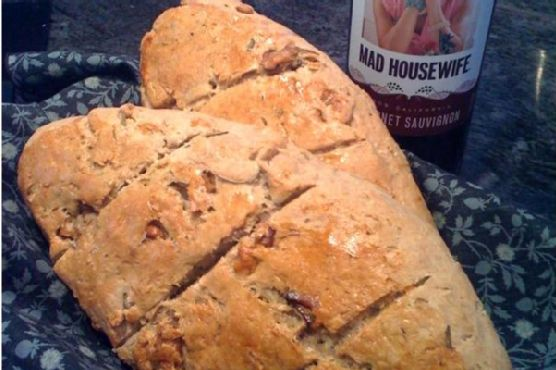
Rosemary Walnut Bread | Made by Meaghan Moineau

Rosemary Walnut Bread

Intro

There’s something magical about the smell of freshly baked bread wafting through the house, especially when it’s infused with fragrant rosemary and the earthy notes of walnuts. This Rosemary Walnut Bread is more than just a recipe; it’s a journey back to simpler times, evoking memories of baking with my grandmother in her cozy kitchen. I remember the way she would hum softly while kneading the dough, her hands rhythmic and steady, as if she were weaving a story into the bread. This recipe carries the essence of those cherished moments and brings warmth and comfort to any table.

Why You’ll Love It

You’ll fall head over heels for this Rosemary Walnut Bread for many reasons:

  • Flavorful Fusion: The combination of rosemary and walnuts offers a delightful contrast of flavors, creating a unique and sophisticated taste.
  • Texture Heaven: The bread boasts a perfect balance between a crunchy crust and a soft, fluffy interior.
  • Versatile Delight: Whether you enjoy it as a standalone snack, a savory sandwich base, or paired with your favorite soup, this bread is incredibly versatile.
  • Homemade Goodness: Baking your own bread is a rewarding experience, providing a sense of accomplishment and the joy of nurturing loved ones with homemade fare.

Ingredients

  • Cream cheese
  • Dry yeast
  • Eggs
  • Flour
  • Honey
  • Lemon zest
  • Milk
  • Olive oil
  • Rosemary
  • Salt
  • Walnuts

Instructions

  1. In a large mixing bowl, combine cream cheese, dry yeast, eggs, and milk. Let the mixture stand for 5 minutes to activate the yeast.
  2. Stir in two cups of flour. Cover the bowl with plastic wrap and place it in a warm spot (about 85 degrees Fahrenheit) for 15 minutes to allow the dough to rise slightly.
  3. Add the remaining flour, walnuts, lemon zest, rosemary, and 2 eggs. Mix until the dough begins to stick together.
  4. Transfer the dough to a floured surface and knead for about 10 minutes until it becomes smooth and elastic.
  5. Rub the top of the dough with olive oil and place it in an oiled bowl. Cover with a damp cloth and let it rise in a warm area for about 1 hour until doubled in size.
  6. Return the dough to the floured surface and divide it into two equal portions. Shape each portion into a leaf-shaped loaf.
  7. Make three diagonal slashes, each about 1/4 inch deep, on the top of each loaf. Brush with the remaining beaten egg.
  8. Allow the loaves to rise for another 30 minutes.
  9. Preheat your oven to 375 degrees Fahrenheit and bake the loaves for 40 minutes until they are golden brown.
  10. Let the bread stand for at least 20 minutes before slicing, if you can resist the tempting aroma!

Tips

  • For best results, ensure that all your ingredients are at room temperature before you start mixing.
  • Use fresh rosemary for a more vibrant flavor; dried rosemary can be used in a pinch, but it won’t offer the same fresh taste.
  • If you don’t have a warm spot for rising, preheat your oven to the lowest setting, then turn it off and let the dough rise inside.

Variations & Substitutions

This Rosemary Walnut Bread is a versatile recipe that can be adapted to suit various tastes and dietary needs:

  • Nut Substitution: Swap walnuts with pecans or almonds for a different nutty flavor.
  • Herb Variations: Experiment with different herbs like thyme or sage for a unique twist on the original recipe.
  • Gluten-Free Version: Use a gluten-free flour blend to make this bread suitable for those with gluten sensitivities.

Storage

To keep your Rosemary Walnut Bread fresh, store it in an airtight container or wrap it in plastic wrap at room temperature for up to 3 days. For longer storage, you can freeze the bread for up to 3 months. Simply wrap it tightly in aluminum foil or freezer wrap and place it in a resealable freezer bag. When ready to use, thaw the bread at room temperature and reheat it in the oven for a few minutes to regain its crusty texture.

FAQ

Can I use instant yeast instead of dry yeast?

Yes, you can use instant yeast as a substitute for dry yeast. Simply add it directly to the dry ingredients and proceed with the recipe. There’s no need to let it stand for 5 minutes as you would with dry yeast.

What can I serve with Rosemary Walnut Bread?

This bread pairs beautifully with a variety of dishes. Enjoy it with a bowl of hearty soup, as a base for your favorite sandwich, or simply toasted with a slather of butter or cream cheese.

How do I know when the bread is fully baked?

To check if the bread is done, tap the bottom of the loaf; it should sound hollow. Additionally, the crust should be a lovely golden brown color. If you have a kitchen thermometer, the internal temperature should be around 190-200 degrees Fahrenheit.

Nutrition

Each slice of Rosemary Walnut Bread is a delightful balance of taste and nutrition, offering healthy fats from walnuts, fiber from whole wheat flour (if used), and the aromatic benefits of rosemary. However, it’s important to enjoy in moderation as part of a balanced diet.

Conclusion

Baking Rosemary Walnut Bread is more than just creating a delicious treat; it’s about embracing the joy of homemade goodness and sharing moments of love and warmth with family and friends. Whether you’re an experienced baker or just starting, this recipe invites you to slow down, enjoy the process, and savor the delightful results. So, tie on your apron, gather your ingredients, and let’s bake some memories together.

Related update: Rosemary Walnut Bread

K‑Shaped Recovery: Winners and Losers | Analysis by Brian Moineau

Why everyone’s talking about the “K‑shaped” economy — and why it should make you think twice

You’ve probably heard the phrase “K‑shaped recovery” a few times lately — and not just from economists. It’s showing up in corporate earnings calls, news headlines, and even at kitchen‑table conversations. The image is simple: a K, with one arm shooting up and the other slumping down. But the real story behind that picture is messy, emotional, and getting more relevant to daily life than many of us expected.

What the K really means

  • The upper arm of the K represents higher‑income households: incomes, asset values and spending are rising for people who own lots of stocks, real estate or high‑paying jobs tied to tech and finance.
  • The lower arm represents lower‑ and middle‑income households: wage growth is weak, price pressure (rent, groceries, energy) bites harder, and many people have less ability to spend or save.
  • The result: headline GDP and stock indices can look healthy while large swaths of Americans feel stuck or squeezed.

This isn’t a new concept — economists used “K‑shaped” during the pandemic to describe divergent recoveries. What’s changed is how sharply the split has re‑emerged in 2025 as asset prices and AI‑sector gains lift wealth at the top while pay and hiring cool off for lower‑wage workers.

How we got here: context that matters

  • Pandemic-era policies, huge fiscal responses, shifting labor markets and record‑high tech valuations created a period where asset owners got a disproportionate share of the gains.
  • In 2023–24 some lower‑wage workers saw real wage improvements, narrowing the gap briefly — but that momentum faded in 2025 as inflation‑adjusted wage growth slowed more for the bottom quartile than for the top.
  • The AI boom and heavy corporate investment in data centers and infrastructure have powered big gains for a few companies (and their shareholders) without producing broad wage gains or mass hiring in many sectors.
  • Consumer spending overall continues, but a growing share comes from higher‑income households; lower‑income spending lags, which reshuffles which businesses win and which struggle.

Who’s winning and who’s losing

  • Winners:
    • Households that own stocks and other financial assets. The stock market and gains tied to the AI winners have boosted wealth for the top slice of Americans.
    • Companies that sell premium goods and services to affluent buyers. Luxury retail and high‑end travel show resilience even when mass‑market demand softens.
  • Losers:
    • Lower‑wage workers in retail, hospitality and entry‑level services where hiring and pay growth have cooled.
    • Businesses that rely on broad, volume‑based spending by younger and lower‑income consumers (certain fast‑casual restaurants, budget retailers, travel tailored to younger demographics).

Why this pattern matters beyond headlines

  • Fragile consumer demand: If lower‑ and middle‑income households pull back sharply, overall spending — and corporate revenue — could fall, potentially causing a feedback loop that hits hiring and investment.
  • Policy risks: If policymakers respond by cutting rates or changing tax rules to stoke growth, the effects may again flow unevenly and could widen the gap unless targeted measures accompany them.
  • Social and political consequences: Persistent divergence heightens concerns about affordability, social mobility and the role of public policy in redistributing opportunity.

Signals to watch next

  • Wage growth by income quartile (are lower‑income wages improving or stagnating?)
  • Consumer spending breakdowns by income (is spending concentration at the top growing?)
  • Hiring trends in low‑wage industries (is employment cooling or recovering?)
  • Corporate capex in AI and how much of that translates into broader hiring
  • Stock market concentration vs. household participation (who holds the gains?)

A few practical takeaways

  • For workers: Skills and mobility matter. Sectors tied to AI, cloud infrastructure, health care and trade‑sensitive manufacturing may offer different pathways than retail or entry‑level hospitality.
  • For savers and investors: Recognize concentration risk. Heavy reliance on a handful of tech winners can be rewarding — and risky — if broader demand softens.
  • For businesses: Reassess customer segmentation. Firms that depended on volume from younger or lower‑income consumers may need to tweak pricing, value propositions, or product mix.
  • For policymakers: Monitoring and targeted supports (training, childcare, housing affordability) will be essential to prevent a K‑shaped boom from calcifying into longer‑term inequality.

A few numbers that make it real

  • Bank of America card data (October 2025) showed higher‑income households’ spending grew noticeably faster than lower‑income households (roughly 2.7% vs. 0.7% year‑over‑year in October).
  • Federal Reserve data has long shown stock ownership is heavily concentrated; recent analyses report that the top 10% of households own the vast majority of equities, which amplifies asset‑price gains for the wealthy.
    (These figures help explain why stock rallies lift the top arm of the K much more than they lift the bottom.)

My take

We’re living in an economy that can look simultaneously strong and fragile — strong for people whose wealth is tied to rising assets and fragile for those whose day‑to‑day living depends on wages and price stability. The “K” is a useful shorthand, but it’s not destiny. Policy choices, corporate strategies, and investment in people’s skills and safety nets will decide whether that divergence narrows or becomes structural. If you care about sustainable growth that doesn’t leave large groups behind, pay attention to the signals above — and to how policies shift in the next year.

Sources


Related update: We recently published an article that expands on this topic: read the latest post.


Related update: We recently published an article that expands on this topic: read the latest post.

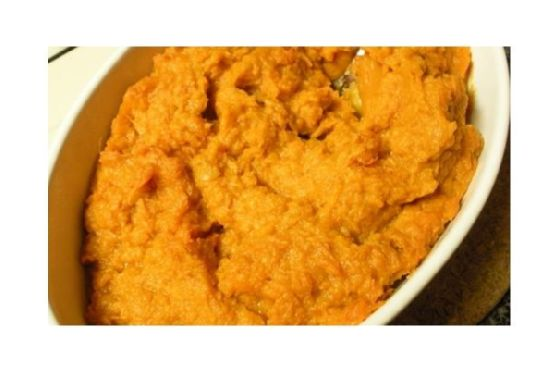
Mashed Sweet Potatoes | Made by Meaghan Moineau

Mashed Sweet Potatoes

Intro

There’s something uniquely comforting about a warm dish of mashed sweet potatoes. This recipe takes me back to my grandmother’s kitchen, where the sweet aroma of spices filled the air during the holiday season. As a child, I would watch her expertly blend the ingredients with her wooden spoon, creating a side dish that was both simple and divine. Today, I’m excited to share this family favorite with you, adding a modern twist that enhances the classic flavors without losing its nostalgic essence.

Why You’ll Love It

This mashed sweet potato recipe is a delightful blend of sweet and spicy, creamy and smooth. It’s packed with flavor thanks to a unique blend of spices, including cinnamon, cardamom, and a hint of cayenne pepper that gives it just the right amount of kick. The addition of maple syrup and orange zest elevates the natural sweetness of the potatoes, making it a perfect side dish for any occasion. Whether you’re serving it at a festive gathering or a simple weeknight dinner, these mashed sweet potatoes are sure to become a staple in your recipe collection.

Ingredients

  • 4 large sweet potatoes, peeled and cubed
  • 2 tablespoons brown sugar
  • 3 tablespoons butter
  • 1/2 teaspoon ground cardamom
  • 1/4 teaspoon cayenne pepper
  • 1 teaspoon ground cinnamon
  • 1/4 cup cream
  • 1 teaspoon kosher salt
  • 2 tablespoons maple syrup
  • 1 tablespoon orange zest
  • 1 teaspoon vanilla extract

Instructions

  1. Place the peeled and cubed sweet potatoes in a large pot of boiling water. Cook until they are tender, about 20 minutes. Drain and return them to the pot.
  2. Mash the sweet potatoes until they are well broken up. If you prefer a smoother consistency, you can use an electric mixer.
  3. In a small bowl, mix together the cinnamon, cayenne pepper, cardamom, orange zest, and brown sugar. Set aside.
  4. Add the butter, cream, vanilla extract, and maple syrup to the mashed sweet potatoes. Mix well until fully combined.
  5. Incorporate the cinnamon sugar mixture into the sweet potatoes, stirring until smooth and well blended.
  6. Season with kosher salt to taste. Serve warm and enjoy!

Tips

For the best texture, make sure your sweet potatoes are cooked until they are very tender. This will make mashing much easier and result in a creamier consistency. When mashing, avoid overworking the potatoes as this can make them gummy. If you’re using an electric mixer, use it on a low setting.

Variations & Substitutions

If you’re looking to make this dish vegan, simply swap out the butter and cream for your favorite plant-based alternatives. Coconut cream and vegan butter work particularly well. For a different flavor profile, try adding a splash of bourbon or a handful of toasted pecans for extra crunch.

Storage

Store any leftover mashed sweet potatoes in an airtight container in the refrigerator for up to four days. Reheat them gently on the stovetop or in the microwave, adding a splash of cream or milk to restore their creamy consistency. These mashed sweet potatoes also freeze well for up to two months; just make sure to thaw them overnight in the refrigerator before reheating.

FAQ

Can I make mashed sweet potatoes ahead of time?

Yes, this dish can be prepared a day in advance. Simply follow the instructions and store the mashed sweet potatoes in the refrigerator. Reheat them on the stove or in the oven before serving, adding a little extra cream or milk to maintain their texture.

What can I serve with mashed sweet potatoes?

Mashed sweet potatoes are a versatile side dish that pairs well with a variety of main courses. They’re perfect alongside roasted turkey, glazed ham, or grilled chicken. For a vegetarian option, consider serving them with a hearty lentil stew or a fresh salad.

Nutrition

This recipe is not only delicious but also provides a good dose of vitamins and minerals. Sweet potatoes are rich in vitamin A, vitamin C, and potassium, making them a nutritious addition to your meal. Each serving of this dish contains approximately 200 calories, 8 grams of fat, and 30 grams of carbohydrates.

Conclusion

These mashed sweet potatoes are not just a side dish; they’re a tradition, a comfort food, and a crowd-pleaser. With their rich flavor and creamy texture, they are sure to become a beloved part of your culinary repertoire. Whether you’re preparing them for a special holiday meal or a cozy family dinner, they promise warmth and satisfaction in every bite. I hope you enjoy this recipe as much as my family has over the years!

Related update: Mashed Sweet Potatoes

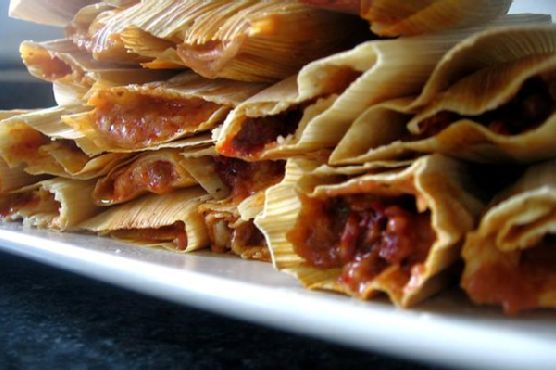
Beef, Poblano & Cheese Tamales | Made by Meaghan Moineau

Beef, Poblano & Cheese Tamales

Intro

There’s something incredibly comforting about the process of making tamales. I remember watching my grandmother in her cozy kitchen, the sun filtering through the lace curtains, as she expertly spread masa on corn husks. I would sit on a stool, mesmerized by her swift, skilled hands and the fragrant aroma that filled the room. Now, every time I make tamales, I feel her warmth guiding me, bringing a piece of my childhood into my home.

Why You’ll Love It

This recipe for Beef, Poblano & Cheese Tamales is a beautiful blend of rich flavors and comforting textures. The tender beef combined with the smoky poblano peppers and creamy cheese creates a savory filling that is simply irresistible. Making tamales at home allows you to control the ingredients, and this combination is sure to become a family favorite.

Ingredients

  • Dried corn husks
  • Dried California chili pods
  • Ground beef
  • Shredded mozzarella cheese
  • Diced poblano pepper
  • Garlic
  • Olive oil
  • Goya seasoning
  • Salt
  • Chili powder

Instructions

  1. In a large bowl, soak the corn husks in hot water until they are pliable.
  2. In a large saucepan, bring 4 cups of water to a boil. Remove any string-like particles from the chili pods before adding them to the boiling water along with half a packet of Goya seasoning. Cover and boil for about 20 minutes.
  3. After boiling, blend the chili pods with 2 cups of the stock to create a chili sauce.
  4. Drain the remaining stock from the saucepan and return it to the stovetop over medium heat. Once the stock evaporates, add olive oil, onion, and beef, breaking apart the meat as it cooks.
  5. Add 1 packet of Goya seasoning and chili powder, cooking for 5 more minutes before adding the chili sauce. Cook for an additional 5 minutes.
  6. Add garlic and 2 teaspoons of salt. Stir in the poblano pepper if you haven’t already, then reduce heat to medium-low and cook for one hour, partially covering the pan for the last twenty minutes to reduce the sauce.
  7. In a large bowl, combine instant corn masa mix, water, baking powder, salt, and olive oil to create a spongy masa mix.
  8. To assemble the tamales, spread the masa thinly on the corn husks, leaving about 2 inches on the left-hand side. Add 2 tablespoons of meat mixture and a sparse amount of cheese before rolling the tamale.
  9. Use a double boiler or a metal colander placed in a large pot to cook the tamales. Ensure they are snug but not too tight to prevent unraveling.
  10. Boil 2 cups of water in the pot or enough to reach 1 inch in height. Once boiling, reduce the heat, add the tamales, cover with a towel, and cook for 30 minutes.

Tips

Be sure to soak the corn husks long enough to make them pliable. This will make it much easier to spread the masa and roll the tamales. Also, don’t overfill the tamales as this can cause them to burst during cooking.

Variations & Substitutions

If you prefer a spicier tamale, consider adding jalapeños or serrano peppers. For a vegetarian option, substitute the beef with sautéed mushrooms or beans, and use vegetable stock instead of beef stock. Feel free to experiment with different types of cheese for a unique flavor profile.

Storage

Once cooked, tamales can be stored in the refrigerator for up to 5 days. To freeze, wrap each tamale in foil and place them in a zip-top bag. They can be frozen for up to 3 months. To reheat, steam them again or microwave them wrapped in a damp paper towel.

FAQ

Can I prepare the tamale filling in advance?

Yes, the filling can be prepared a day or two in advance. Store it in an airtight container in the refrigerator until you’re ready to assemble the tamales.

Do I need a special pot to cook tamales?

While a tamale steamer is ideal, you can improvise with a metal colander placed inside a large pot. Just make sure to create enough steam by adding water to the pot and keep the lid covered tightly.

Nutrition

While nutritional content may vary based on specific ingredients and portions, each tamale typically contains around 250-300 calories, 12g of fat, 20g of carbohydrates, and 15g of protein.

Conclusion

Making Beef, Poblano & Cheese Tamales is more than just a culinary project; it’s an opportunity to connect with tradition and create memories with family and friends. Whether you’re an experienced cook or trying tamales for the first time, this recipe offers a delicious and rewarding experience. Enjoy the process and savor the flavors of this classic dish.

Related update: Beef, Poblano & Cheese Tamales

Related update: Chicken Farfalle with Low-Fat Alfredo Sauce

Shutout Spotlight: Defense Shines, Offense | Analysis by Brian Moineau

After the shutout: Why Seattle’s defense earned the headlines — and the offense earned the questions

There’s something delicious about a shutout. It tightens the jaw, raises the volume in the stands, and gives the defense a highlight reel that will live rent-free in Seahawks group chats for days. When Seattle posted its first shutout in a decade — an authoritative 26-0 beating of the Vikings — the scoreboard told one story, and the game tape told another more nuanced one. The defense? Dominant, opportunistic and disciplined. The offense? Uneven, occasionally stagnant, and full of “what ifs.” That’s exactly how The Seattle Times’ Bob Condotta framed his report card after the game. (seattletimes.com)

A quick refresher on what happened

  • The Seahawks blanked the Vikings 26-0, forcing multiple turnovers and taking full advantage of short fields. (seattlepi.com)
  • Seattle’s defense created the narrative: five takeaways, an interception returned for a long score, and historic stinginess that made the Vikings look out of sync. (seattlepi.com)
  • Meanwhile, the offense did enough to win but left room for doubt — drives stalled, inconsistent quarterback play at times, and a unit that didn’t exactly roar even when the defense handed it prime opportunities. Condotta’s grades reflected that split personality. (seattletimes.com)

What jumped out from Condotta’s report card

  • Defense: high marks. Condotta emphasized how Seattle’s defensive unit throttled Minnesota’s rhythm, forced turnovers and flipped field position repeatedly. That kind of game can mask offensive flaws — but not erase them. (seattletimes.com)
  • Special teams: earned an A. Punts downed inside the 20, consistent coverage and a big return set up scoring chances. Small margins, big impact. (seattletimes.com)
  • Offense: uneven grades. The offense manufactured points but didn’t sustain drives with consistency; there were missed opportunities, and at times the Vikings’ defense (or their quarterback situation) still looked more culpable than Seattle’s play calling was praiseworthy. (seattletimes.com)

Why the defense’s performance matters beyond one win

  • Turnover margin wins games. Five takeaways isn’t a fluke — it’s a recipe. When the defense can manufacture possessions and pin opponents deep, the margin for error shrinks for the offense. (seattlepi.com)
  • Confidence multiplier. Young defensive playmakers — like the linebacker who returned an interception for a touchdown — get a confidence boost that translates into more aggressive, confident play in subsequent weeks. Those plays change how opponents prepare. (seattlepi.com)
  • Complementary football. When special teams consistently flip field position and the defense forces turnovers, the offense can afford to be less explosive and still win. But that safety net can also hide problems that will resurface against better opponents. (seattletimes.com)

Where the offense needs to be honest

  • Lack of sustained drives. It’s one thing to score off short fields and another to rely on long, methodical drives. The latter is how playoff teams control tempo and conserve the defense. Condotta’s grades suggest the Seahawks didn’t do enough of the former. (seattletimes.com)
  • Pressure and protection. Sacks and tackles for loss sap rhythm. When linemen and protections wobble, the playbook shrinks and risk-taking increases — which leads to more punts and stalled series.
  • Play-calling balance. Running the ball to keep the defense honest and using play-action to open the field should be staples. Winning off turnovers is great, but relying on it every week is unsustainable. Critics in the postgame coverage noted that the offense wasn’t consistently imposing its will. (seattletimes.com)

Three big questions for the weeks ahead

  • Can the offense translate short-field chances into consistent touchdown drives against better defenses?
  • Will the offensive line settle its issues to give the QB time and establish a more reliable run game?
  • How repeatable was this defensive performance? Can the defense keep producing turnovers against higher-caliber offensive lines and quarterbacks?

What this game means in the bigger picture

This win matters: a shutout is a morale shot, a résumé booster for the defense and a public reminder that the Seahawks are a team that can dominate phases of the game. But Condotta’s grading makes a useful distinction — a great defensive night can paper over offensive problems for a game, maybe two. Over a season, sustainable offensive production is what separates teams that make noise in January from those that disappear. (seattletimes.com)

Final thoughts

A shutout is headline candy, and you should absolutely celebrate it. But if you watched the tape with a critical eye, you saw a team that leaned heavily on turnovers, special teams field position and a defense that refused to blink. That’s a championship-ish formula for a night — but not necessarily a season. If Seattle’s offense can tighten up protection, sustain drives and convert when the defense hands it the ball, this team’s ceiling is high. If not, the defense will keep bailing them out until it can’t. Either way, Condotta’s report card gave us a clear roadmap: praise where it’s due, and fix what’s exposed. (seattletimes.com)

Notes for the stat-minded reader

  • The shutout was Seattle’s first since 2015 and came with five takeaways — rare outcomes that heavily skew win probabilities in a single game. (seattlepi.com)

Sources


Related update: We recently published an article that expands on this topic: read the latest post.


Related update: We recently published an article that expands on this topic: read the latest post.

Jon Sumrall: New Era for Florida Gators | Analysis by Brian Moineau

New era in Gainesville: Jon Sumrall becomes Florida’s head coach

He’s not the flashy name some Gators fans hoped for, but Jon Sumrall arrives in Gainesville with momentum, a clear resume and an appetite to prove the doubters wrong. On November 30, 2025, the University of Florida officially announced Sumrall — 43 years old and coming off a highly successful stint at Tulane — as the program’s 31st head football coach. The hire closes a turbulent search that briefly targeted Lane Kiffin and signals Florida’s willingness to place a fast-rising, SEC-tested coach into the spotlight.

Why this matters right now

  • Florida is a program built on championship expectations, not patient rebuilding. The choice of Sumrall shows the athletic department wants a coach who can deliver culture change quickly.
  • Sumrall’s path — success at Troy and Tulane, plus prior SEC experience as an assistant — makes him a different kind of risk than a long-shot big-name hire or another retread.
  • The coaching market was chaotic: Florida pursued other options before landing Sumrall, and the hire came after Kiffin chose LSU. That context matters for how fans and boosters will receive the move.

What Jon Sumrall brings to Gainesville

  • Rapid turnarounds: Sumrall has a track record of turning programs around fast. He led Troy to back-to-back Sun Belt titles and repeated conference-title appearances at Tulane. That résumé matters for a program hungry to return to national contention.
  • Defensive identity with offensive urgency: Sumrall’s roots are defensive — a former linebacker at Kentucky and a longtime defensive coach — but he’s emphasized building complete staffs and recruiting playmakers on both sides. His first public comments at Florida stressed the need for an “explosive offense,” signaling he knows what Gator Nation expects.
  • Proven recruiter in the Southeast: He has deep recruiting ties across Florida, Georgia, Alabama and the Gulf South. For Florida — a talent-rich state where winning local recruiting battles is non-negotiable — that regional credibility is a big asset.
  • Player development and culture: Reports and the university’s announcement highlight Sumrall’s player-first leadership, attention to development, and emphasis on toughness and accountability.

The deal and timeline

  • Official announcement date: November 30, 2025. Florida’s release and multiple national outlets reported the hire that day.
  • Contract details reported: Media outlets (AP, ESPN, ABC) reported a six-year deal averaging roughly $7.45 million per year (about $44.7 million total, incentives included). Sumrall will remain with Tulane through their postseason commitments (American Athletic Conference title game and any College Football Playoff appearance), per the reports.

The immediate challenges ahead

  • Staff building: Sumrall must assemble coordinators and assistants who can win over recruits and quickly install schemes that fit the personnel. Florida fans will watch the offensive coordinator hire closely — expectations for explosive offense are explicit.
  • Winning back trust: Some sections of Gator Nation preferred a bigger name and will see Sumrall as a consolation pick. Early gains on the field and clarity in recruiting approach will be essential to quiet skeptics.
  • Navigating the portal and NIL: Modern roster management demands more than traditional coaching chops. The reports indicate Florida is also adding front-office expertise (e.g., linking Dave Caldwell to a GM-like role) to help with roster construction and NIL strategy — a sign that the program knows the challenge is institutional, not just one man on the sideline.
  • Recruiting battles in-state: Florida must fend off SEC rivals in the state’s talent-rich landscape. Sumrall’s regional ties help, but results and relationships will be the real test.

How this compares to recent hires

  • Different from a flash hire: Unlike pursuing a marquee offensive figure, Florida chose a rising, process-driven leader who’s succeeded by building programs rather than relying on star-level name recognition.
  • Similarities to successful quick-turn coaches: Sumrall’s swift success at Troy and Tulane mirrors coaches who’ve quickly moved up the ladder by creating durable, winning cultures — the kind of profile athletic directors covet when they want sustainable success, not just one-season sparks.

Quick snapshots for fans and recruits

  • What fans should expect first year:
    • Immediate staff turnover and aggressive recruiting pushes in December–January.
    • Attempt to retain top in-state prospects while adding portal targets that fit Sumrall’s identity.
    • A focus on defensive toughness combined with attempts to upgrade offensive playmaking.
  • What recruits and transfers will hear:
    • A coach who sells development, winning culture and an SEC pedigree in recruiting relationships.

Short checklist for the next 90 days

  1. Announce the coaching staff (especially offensive coordinator).
  2. Secure commitments from priority in-state recruits and portal targets.
  3. Communicate a clear messaging/NIL plan to players and families.
  4. Lock in spring practice plans and a timeline for culture rollout.

My take

This hire feels like a pragmatic, high-upside move. Jon Sumrall is not a guaranteed national champion overnight, and the Gators didn’t land the splash many wanted — but the model he represents (rapid program fixes, defensive roots, regional recruiting bonafides) fits a school that can afford to be both patient and demanding. If Florida gives Sumrall the resources and a stable front office structure, he has the background to make the program competitive again — and quickly. The early staff hires and recruiting fallout will tell us how bold the administration is willing to be.

Sources


Related update: We recently published an article that expands on this topic: read the latest post.


Related update: We recently published an article that expands on this topic: read the latest post.

Classic Pumpkin Pie | Made by Meaghan Moineau

Classic Pumpkin Pie

Intro

There’s something magical about the aroma of a freshly baked pumpkin pie wafting through the house on a crisp autumn day. As a child, the anticipation of dessert was just as thrilling as the feast itself. I remember eagerly watching my grandmother whip up her famous pumpkin pie, her hands working with the kind of practiced ease that comes from years of tradition. She would always let me have the first slice, topped generously with a dollop of whipped cream. This classic pumpkin pie recipe is a tribute to those cherished memories and a way to bring a touch of that nostalgia to your own table.

Why You’ll Love It

This classic pumpkin pie is the epitome of comfort and tradition. Here’s why it deserves a spot at your next gathering:

  • Simplicity: With a handful of ingredients and straightforward instructions, this pie is as easy to make as it is delicious.
  • Flavor: The perfect blend of spices – cinnamon, ginger, and nutmeg – evokes the essence of fall and enhances the natural sweetness of the pumpkin.
  • Texture: The smooth, creamy filling contrasts beautifully with the flaky pie crust, making each bite a delight.
  • Nostalgia: Its traditional taste brings back fond memories and creates new ones with every slice shared.

Ingredients

  • 1 can (15 oz) canned pumpkin
  • 2 large eggs
  • 1 tsp ground cinnamon
  • 1/2 tsp ground ginger
  • 1/4 tsp ground nutmeg
  • 1/2 tsp salt
  • 1 can (14 oz) sweetened condensed milk
  • 1 unbaked pie crust (9-inch)
  • Whipped cream for garnish

Instructions

  1. Preheat your oven to 425 degrees F (220 degrees C).
  2. In a medium bowl, whisk together the canned pumpkin, sweetened condensed milk, eggs, ground cinnamon, ground ginger, ground nutmeg, and salt until the mixture is smooth and well combined.
  3. Pour the pumpkin mixture into the unbaked pie crust, spreading it evenly.
  4. Place the pie on the center rack of the oven and bake for 15 minutes.
  5. Reduce the oven temperature to 350 degrees F (175 degrees C) and continue baking for an additional 35 to 40 minutes, or until a knife inserted 1 inch from the crust comes out clean.
  6. Remove the pie from the oven and let it cool on a wire rack. This will help the pie set properly.
  7. Once cooled, garnish with a generous dollop of whipped cream before serving. Enjoy!

Tips

For the best results, make sure your ingredients are at room temperature before you begin. This helps the pie bake evenly. If you find the edges of your crust browning too quickly, cover them with strips of aluminum foil partway through baking. To ensure a smooth filling, don’t rush the whisking process – a good mix ensures that all the flavors meld together perfectly.

Variations & Substitutions

If you’re looking to switch things up or accommodate dietary restrictions, consider these variations:

  • Crust: Try a graham cracker crust for a different texture and flavor profile.
  • Spices: Add a pinch of ground cloves or a dash of vanilla extract for an extra layer of flavor.
  • Dairy-Free: Substitute the sweetened condensed milk with a coconut milk or almond milk version for a dairy-free alternative.
  • Sweetener: If you prefer less sugar, use unsweetened condensed milk and add sweetener to taste.

Storage

To store your classic pumpkin pie, cover it loosely with plastic wrap or aluminum foil and refrigerate. It will keep well in the fridge for up to four days. If you plan to freeze it, wrap the pie securely in plastic wrap and then in aluminum foil for extra protection. It can be frozen for up to a month. When ready to enjoy, thaw it in the refrigerator overnight.

FAQ

Can I make the pie filling ahead of time?

Yes, you can prepare the filling up to two days in advance. Store it in an airtight container in the refrigerator until you’re ready to bake.

What should I do if my pie cracks during cooling?

If your pie develops cracks, don’t worry! This can happen as the pie cools and contracts. Simply cover any cracks with whipped cream or a sprinkle of cinnamon sugar for a beautiful presentation.

How can I tell if my pumpkin pie is done?

The pie is done when the filling is set around the edges but still has a slight jiggle in the center. The knife test (inserting a knife 1 inch from the crust) is a reliable method; if it comes out clean, your pie is ready.

Nutrition

This classic pumpkin pie is not only a treat for the taste buds but also a modestly nutritious option for dessert. Pumpkin is a great source of fiber and vitamin A. However, due to the sweetened condensed milk and pie crust, it is also relatively high in sugar and calories. Enjoy it in moderation as part of a balanced diet.

Conclusion

This classic pumpkin pie recipe is more than just a dessert; it’s a slice of tradition, a taste of nostalgia, and a wonderful way to celebrate the season. Whether you’re serving it at a festive holiday gathering or enjoying a quiet slice with a cup of coffee, this pie is sure to bring warmth and joy to your table. I hope it becomes a cherished addition to your recipe collection, just as it has been in mine.

Related update: Classic Pumpkin Pie

Related update: Brown Sugar Sponge Cookie with Chocolate Covered Caramels

Related update: Blackberry Pie With Lemon Verbena Whip Cream

Rivalry Chaos Reshapes AP Top 25 | Analysis by Brian Moineau

Chaos, Comebacks, and Championship Breath-Holders

An AP-style projected Top 25 after a wild weekend of rivalry upsets, Iron Bowl drama, and a Big Ten statement.

College football served another reminder: we’re in the thick of the season where rivalries, momentum swings, and one-off performances can rewrite the playoff conversation overnight. Alabama survived a late scare in the Iron Bowl, Texas stunned Texas A&M to hand the Aggies their first loss, and Ohio State’s blowout of Michigan made a loud case for playoff positioning. Here’s a digestible look at what matters, why it matters, and how the projected AP Top 25 shifts because of it.

Weekend highlights that actually changed the map

  • Alabama edged Auburn in a tense Iron Bowl that left more questions than answers for both teams — Alabama’s résumé remains strong but the Scarlet Tide didn’t exactly reassure skeptics.
  • Texas beat Texas A&M, handing the Aggies their first loss and knocking A&M down the rankings — the Longhorns reinsert themselves as spoilers in the SEC picture.
  • Ohio State rolled Michigan in a performance that reinforced its No. 1 credentials and likely tightened the committee’s trust heading into conference title weekend.
  • Across the country, other results shuffled teams around the bubble and the Power 5 pecking order, making this the kind of late-November weekend the AP poll voters live for.

Why these results matter more than a single Saturday score

  • Rivalry games carry outsized weight — beating a top rival affects a team’s résumé, perception, and regional momentum in ways a neutral win doesn’t. Texas beating A&M not only dropped the Aggies in the standings but also altered who gets a clear path to the SEC title and the narrative around A&M’s November mettle.
  • Alabama’s Iron Bowl scare exposes vulnerability. Close wins against good opponents keep you in the Top 10, but they don’t build the kind of résumé the playoff committee sews up late in the season. If Alabama’s win looked shaky, it invites skepticism when compared to dominant conference leaders.
  • Ohio State’s blowout of Michigan isn’t just style points — it’s a statement. A dominant rivalry win boosts perceived strength of schedule and shows readiness for one-and-done playoff scenarios.

What moved in the projected AP Top 25 (themes, not a full list)

  • Teams that won their rivalry and conference-deciding games mostly climbed or held steady.
  • Texas A&M fell after its first loss; Texas rose and reentered critical conversation as an upset-capable team.
  • Ohio State’s performance consolidated its spot at or near the top of the poll.
  • Alabama remains a top-10 team but its mortal vulnerabilities mean voters are more likely to slot it below undefeated conference frontrunners.
  • Several one-loss or late-blooming squads (including Group of Five leaders) nudged into the conversation thanks to big signature wins elsewhere.

Snapshot: who benefits and who’s hurt

  • Benefit: Ohio State — a clinical win over Michigan cements trust.
  • Benefit: Texas — a rivalry victory that flips a season narrative and sinks a rival.
  • Hurt: Texas A&M — first loss means tumble and fewer “safe” votes.
  • Hurt (perception-wise): Alabama — wins, yes, but not the kind that quiets playoff skeptics.

The bigger picture: conference races and playoff implications

  • The Big Ten title game and SEC shuffle are now even more consequential: an Ohio State win would likely leave it at the top or very close to it; an Alabama hiccup and A&M’s tumble make the SEC landscape messy and open for a team with a strong late resume to seize a slot.
  • Voters and the committee aren’t just tracking wins — they care about how teams win. Dominant performances vs. nail-biters will be processed differently in early December.
  • For bubble teams and Group of Five contenders, conference championships and signature matchups are now must-win moments to avoid being passed over.

Conversation starters for fans and voters

  • Does a narrow Iron Bowl win against a good Auburn team still deserve top-10 placement?
  • How much should one rivalry loss (Texas A&M) impact a team’s final ranking, especially if their overall résumé is otherwise strong?
  • Are voters valuing Ohio State’s blowout differently because it came against an arch-rival, and should they?

My take

College football’s late season always rewards drama. This weekend’s results didn’t produce a single, clean narrative — they produced competing storylines. Ohio State looked like a juggernaut; Texas rewrote its rivalry history for the year; Alabama and A&M reminded us both are vulnerable. The AP Top 25 — and the College Football Playoff committee — now have to balance outcomes, quality of wins, and how teams performed under pressure. Expect the rankings to remain fluid through conference title weekend.

Parting thought

When rivalry weekends produce upsets and uneasy victories, the polls follow the storylines not just the box scores. That’s what makes late-November college football equal parts maddening and magnificent — every game can tilt the national conversation.

Sources


Related update: We recently published an article that expands on this topic: read the latest post.


Related update: We recently published an article that expands on this topic: read the latest post.

Curry Leaves Potato Chips | Made by Meaghan Moineau

Curry Leaves Potato Chips

Intro

There’s something magical about the aroma of freshly fried snacks wafting through the house, a nostalgic scent that takes me back to my grandmother’s kitchen. I recall afternoons spent by her side, watching her deft hands transform humble ingredients into delightful treats. Among her many specialties, one stood out – her irresistible Curry Leaves Potato Chips. This recipe, a cherished family heirloom, combines the earthy goodness of potatoes with the aromatic punch of curry leaves, creating a snack that’s both comforting and exciting. Today, I’m excited to share this beloved recipe with you, hoping it brings the same warmth and joy to your home as it does to mine.

Why You’ll Love It

These Curry Leaves Potato Chips are a perfect blend of simplicity and flavor. They come together with minimal ingredients and effort, yet deliver a taste that’s anything but ordinary. The crispy, golden potatoes are seasoned to perfection with a hint of heat from the chili powder, while the fried curry leaves add an aromatic twist that elevates this snack to gourmet status. Whether you’re looking for a quick bite during movie night or a unique appetizer for a gathering, these chips are sure to impress both you and your guests.

Ingredients

  • Potatoes, peeled
  • Plain chili powder
  • Curry leaves
  • Salt
  • Oil for frying

Instructions

  1. Start by wiping or patting the peeled potatoes dry with a clean kitchen towel. This is crucial to ensure that the chips turn out crispy.
  2. Slice the potatoes thinly and evenly for consistent cooking. A mandoline slicer can be particularly useful here.
  3. In a large mixing bowl, toss the potato slices with a dash of chili powder and salt, making sure each slice is well-coated.
  4. Heat oil in a deep pan or fryer over medium heat. To check if the oil is ready, drop a small piece of potato into it; it should sizzle immediately.
  5. Fry the potato slices in batches, ensuring they are not overcrowded, which helps them cook evenly and become crunchy.
  6. Once the chips are golden and crispy, remove them with a slotted spoon and place them on a paper towel-lined plate to drain excess oil.
  7. In the same oil, carefully fry the curry leaves until they are crispy. This should only take a few seconds.
  8. Scoop out the fried curry leaves and generously sprinkle them over the potato chips.
  9. Gently crush the curry leaves over the chips and toss everything together to distribute the flavors evenly.

Tips

For the best results, ensure that the potato slices are as dry as possible before frying. This prevents the oil from splattering and helps achieve that coveted crunch. Adjust the amount of chili powder to suit your heat preference, and feel free to experiment with additional spices like garlic powder or paprika for a personalized touch.

Variations & Substitutions

If you’re looking to switch things up, consider using sweet potatoes instead of regular potatoes for a naturally sweeter chip that pairs beautifully with the savory curry leaves. Alternatively, you can substitute the curry leaves with rosemary or thyme for a different herbaceous note. For those avoiding fried foods, try baking the potato slices in the oven at 400°F (200°C) until crispy, though the texture will differ slightly from the fried version.

Storage

Store any leftover chips in an airtight container at room temperature. They should remain crispy for up to three days. If they begin to lose their crunch, a quick reheat in the oven at 350°F (175°C) can help restore their original texture.

FAQ

Can I use a different type of potato for this recipe?

Yes, you can. While russet potatoes are ideal for their starch content, which contributes to crispiness, you can experiment with other varieties like Yukon gold or red potatoes. Keep in mind that the texture and flavor may vary slightly.

How can I make this recipe healthier?

To make a healthier version, consider air-frying or baking the potato slices instead of deep-frying. You can also reduce the amount of salt and chili powder used, or substitute them with low-sodium and less spicy alternatives.

Nutrition

The nutritional value of these chips will depend on the amount of oil absorbed during frying, but generally, they are a source of carbohydrates from the potatoes, with added vitamins and minerals from the curry leaves. If you’re mindful of your oil intake, consider opting for a heart-healthy oil like olive or avocado oil.

Conclusion

Curry Leaves Potato Chips are more than just a snack; they’re a culinary journey that brings together flavors and memories from the past. As you savor each crispy bite, I hope you feel the same sense of nostalgia and joy that this recipe has brought to my family for generations. So, gather your loved ones, share the chips, and create new memories around this delightful and aromatic treat. Happy cooking!

Related update: Curry Leaves Potato Chips

Related update: Mashed Sweet Potatoes

Jambalaya Stew | Made by Meaghan Moineau

Jambalaya Stew

Intro

There’s something magical about a hearty bowl of Jambalaya Stew that instantly transports me back to my grandmother’s warm, bustling kitchen. Growing up, I spent countless Sunday afternoons at her house, enveloped in the comforting aromas of her cooking. Her Jambalaya was always the star of the show, a rich blend of spices and flavors that brought the whole family together. It was a dish that whispered stories of cultural heritage, love, and tradition. Today, I’m thrilled to share my version of this classic dish with you, hoping it brings as much warmth and joy to your table as it has to mine.

Why You’ll Love It

This Jambalaya Stew is a delightful symphony of flavors and textures that will make your taste buds dance with joy. It’s a one-pot wonder that’s perfect for any occasion, whether you’re hosting a casual family dinner or a festive gathering with friends. The stew is packed with vibrant vegetables, succulent shrimp, and flavorful sausage, all simmering in a savory broth that’s seasoned to perfection. Plus, it’s incredibly easy to make and highly adaptable to suit your taste preferences. Trust me, one spoonful and you’ll be hooked!

Ingredients

  • 2 cooked Italian sweet chicken sausage links, sliced
  • 1 can (14.5 oz) diced tomatoes
  • 1 onion, chopped
  • 1 yellow bell pepper, chopped
  • 1 green bell pepper, chopped
  • 2 stalks celery, chopped
  • 4 cups low sodium chicken broth
  • 1 cup brown rice
  • 3 cloves garlic, minced
  • 2 teaspoons Cajun seasoning
  • 1 tablespoon hot sauce (or to taste)
  • 1 teaspoon dried oregano
  • 1 teaspoon dried thyme
  • 1 pound raw shrimp, peeled and deveined

Instructions

  1. Add all ingredients except the shrimp to a large pot on the stove.
  2. Mix thoroughly to combine all flavors and ingredients.
  3. Bring the mixture to a boil over medium-high heat.
  4. Reduce heat to medium-low, cover, and let it simmer.
  5. Cook for about 35 minutes, or until the vegetables are tender and the rice is fluffy.
  6. Add the shrimp to the pot and re-cover.
  7. Continue to cook for another 6 minutes, or until the shrimp are tender and cooked through.
  8. If desired, season with additional salt, black pepper, and hot sauce to taste.
  9. Serve hot and enjoy!

Tips

For the best results, use fresh, high-quality shrimp and sausage. You can also prepare the vegetables ahead of time to make the cooking process even smoother. If you prefer a spicier stew, feel free to increase the amount of Cajun seasoning or hot sauce. Don’t forget to taste and adjust the seasonings before serving!

Variations & Substitutions

This recipe is wonderfully versatile. If you’re not a fan of shrimp, you can substitute it with chicken or add extra sausage for a heartier dish. You can also switch up the vegetables based on what you have on hand; zucchini or carrots would make excellent additions. For a vegetarian version, simply omit the shrimp and sausage and use vegetable broth instead of chicken broth. The beauty of Jambalaya is that it welcomes creativity and personal touches.

Storage

Leftovers can be stored in an airtight container in the refrigerator for up to 3 days. To reheat, simply warm the stew in a pot over medium heat until heated through. If you plan to freeze the stew, it’s best to do so without the shrimp, as they can become rubbery when reheated. Freeze the stew in a sturdy container for up to 3 months and add fresh shrimp when you’re ready to serve.

FAQ

Can I make this recipe ahead of time?

Yes, you can prepare the Jambalaya Stew ahead of time! Cook it as directed, then cool and store it in the refrigerator. Reheat on the stove just before serving. It’s a great make-ahead meal for busy weeknights or meal prep.

What should I serve with Jambalaya Stew?

Jambalaya Stew is a complete meal on its own, but you can serve it with a side of crusty bread or a simple green salad for a balanced meal. Cornbread or garlic bread also pair wonderfully with the stew.

Nutrition

While I don’t have exact nutritional information, this Jambalaya Stew is packed with protein from the shrimp and sausage, fiber from the vegetables and brown rice, and a host of vitamins and minerals. It’s a wholesome, satisfying dish that can fit into a balanced diet.

Conclusion

Jambalaya Stew is more than just a meal; it’s a celebration of flavors and a nod to cherished culinary traditions. Whether you’re new to cooking or a seasoned chef, this recipe is sure to become a favorite in your household. So gather your ingredients, invite your loved ones over, and dive into a bowl of warmth and comfort. Here’s to creating delicious memories one spoonful at a time!

Related update: Jambalaya Stew

Related update: Beef, Poblano & Cheese Tamales

Brazils Elite Burned Out by Packed | Analysis by Brian Moineau

A final of the century — that felt like a slog

There was a promise built into the billing: Flamengo vs Palmeiras, Copa Libertadores final in Lima — football fireworks, raw passion, South America's biggest club prize decided by two of Brazil's best. What we got instead was a war of attrition. Flamengo lifted the trophy after Danilo’s header, but the headlines aren’t just about the winner — they’re about two teams (and a whole league) running on fumes.

Why the game felt tired, not thrilling

  • Flamengo and Palmeiras are the elite of Brazilian club football right now — they have carried the Libertadores for years between them. That dominance is impressive, but it comes at a cost: players piling up minutes across club, continental and international windows with barely a pause.
  • The final in Lima (a 1–0 win for Flamengo thanks to Danilo’s 67th-minute header) was scrappy: few real chances, plenty of fouls and a sense that both sides were conserving energy rather than risking everything to entertain. The spectacle that some expected — a “final of the century” — never quite arrived. (espn.com)

The scheduling problem in plain English

  • Many Flamengo and Palmeiras players were part of national-team squads during recent FIFA windows, then returned to crucial domestic matches almost immediately. Travel, recovery and preparation time evaporated. The result: foggy legs and frayed minds on a neutral pitch in Lima. (espn.com)
  • Club success breeds more fixtures: domestic title chases, Libertadores knockout rounds, Super Cups, and the intercontinental calendar (which can send winners to the FIFA Club World Cup or intercontinental friendlies). For the two giants, the season can be a treadmill with barely any breaks. (espn.com)

Moments from the match that screamed fatigue

  • The decisive moment itself was a set-piece — a header from a defender — not a flowing, counter-attacking move. Set pieces can win finals, but when open-play chances are scarce, it often signals a midfield that's been ground down. (reuters.com)
  • The match saw a high foul count and flashpoints (including a near red-card incident) — classic signs of players stopping the game because they’re not at their sharpest. When reading body language, that added to the feeling this was about survival, not expression. (aljazeera.com)

Bigger picture: what this says about South American football

  • Brazil’s clubs have been supremely successful in the Libertadores recently, but dominance masked a structural strain: a calendar that asks too much of the same core of players. The sport’s commercial and sporting incentives (titles, prize money, global exposure) reward success — which then produces the very fixture congestion that saps performance.
  • Fans want drama and artistry. Coaches want competitive squads and rotation. Medical teams plead for rest. Right now, the incentives line up to produce more matches and fewer meaningful, high-quality 90 minutes. That tension is the heart of the problem. (espn.com)

What could help (realistically)

  • Smarter spacing of international windows and a more player-friendly calendar. That’s easier said than done — FIFA, national associations and confederations need to coordinate, and commercial interests push against calendar reform.
  • Deeper squad planning and rotation strategies at clubs, though financial realities mean not every team can stock a high-quality bench.
  • Tournament planners could consider timing and travel load when choosing neutral venues and match dates — the spectacle suffers if players are spent before kickoff.

A few quick takeaways

  • Flamengo earned the trophy and deserved credit for seeing out the match; Danilo’s header was the decisive moment. (reuters.com)
  • The final felt attritional because top Brazilian players are being overused across club, continental and international commitments. (espn.com)
  • The pattern of fixture congestion threatens the quality of big matches unless stakeholders — clubs, leagues, confederations and FIFA — take steps to rebalance the calendar. (espn.com)

My take

There’s something poetic about a defender rising to head a trophy-winning goal in a grinding final. But poetry shouldn’t be the default because the rest of the show is spent catching breath. South American club football is richer for having giants like Flamengo and Palmeiras — they bring rivalry, talent and storylines. Still, if we want the Libertadores to be remembered for moments of genius rather than tired resilience, the game needs a little more breathing room. Give the players time, and the spectacle will follow.

Sources


Related update: We recently published an article that expands on this topic: read the latest post.


Related update: We recently published an article that expands on this topic: read the latest post.