Clingan and Hansen Shine at Rising Stars | Analysis by Brian Moineau

Two Trail Blazers Stood Tall at All‑Star Weekend

The Rising Stars Challenge at the 2026 NBA All‑Star Weekend wasn’t just another playground for prospects — it was a stage where Portland’s young frontcourt made a case. Watching Donovan Clingan and Yang Hansen trade highlights felt like a snapshot of a team that’s quietly building a new identity: physical, hungry, and not afraid to show personality on a national stage.

Setting the scene

  • Event: Castrol Rising Stars Challenge during NBA All‑Star Weekend, Feb 13–15, 2026 (Intuit Dome, Inglewood, CA).
  • Format: Mini‑tournament — two semis (race to 40) and a final (first to 25), with NBA rookies/sophomores and a G League team mixed across squads.
  • Portland representation: Donovan Clingan (Team Melo) and Yang Hansen (Team Austin, representing Rip City Remix / G League).

This wasn’t a conventional box‑score night for the Blazers’ bigs so much as a collection of memorable moments — pump‑fakes, pull‑up threes, and a defensive presence that still has opponents guessing.

What jumped out

  • Clingan’s physicality and confidence. He opened things aggressively — winning the tip, scoring the first seven points for Team Melo in the semi, and finishing the semi with nine points. He carried that energy into the final, hitting two early threes and finishing as a presence on defense even when the offense dried up. (Blazer’s Edge)(blazersedge.com)
  • Hansen’s poise and versatility. The 7‑footer (and G‑League standout) came off the bench and immediately changed the flow: a made three, a classic three‑point play, and a highlight drive where he sold a shoulder fake on Clingan before gliding to the rim. He shot efficiently (80% in the semi) and played every minute after checking in. (Blazer’s Edge, ClutchPoints)(blazersedge.com)
  • The human moment that matters. Hansen faking out Clingan and finishing at the rim is the kind of play that does more than move the scoreboard — it gives fans and teammates something to tweet about, laugh about, and remember. It’s chemistry in public. (ClutchPoints)(clutchpoints.com)
  • Results and context. Team Melo advanced from the semis 40–34 (Clingan and Reed Sheppard led with nine apiece), but Team Vince ultimately won the tournament. Still, both Portland players left a national mark — notching minutes, highlights, and useful tape that matters for how teams and fans perceive them. (NBA.com, LA Times, Blazer’s Edge)(nba.com)

Why this matters for Portland

  • Validation of frontcourt investment. Portland has invested draft capital and development time in size and rim protection. Seeing two recent bigs perform — in different contexts (Clingan in the NBA rookie/sophomore mix, Hansen representing the G League) — suggests the frontcourt pipeline is producing tangible returns.
  • Developmental signals. Hansen’s efficiency and comfort with multiple actions (three, drive, free throws) hint at a high upside if coached and given reps. Clingan’s willingness to step out and attempt threes shows a modern center’s toolkit, even if it wasn’t all falling on this stage.
  • Fan and locker‑room momentum. Small moments — a smirk after a highlight, a teammate sold on a move — translate into confidence that carries back to regular‑season minutes.

Quick stat snapshot

  • Donovan Clingan: semi — 9 points, 2 rebounds, 1 block; final — early 6 points (two threes), ended with limited counting numbers but notable defensive contest on the final play. (Blazer’s Edge)(blazersedge.com)
  • Yang Hansen: semi (Team Austin) — 10 points, 2 rebounds, 80% shooting in his minutes; key plays included a three and a three‑point play after a drive. (Blazer’s Edge, NBA summary)(blazersedge.com)

My take

All‑Star exhibitions can be silly, but they’re also a rare live audition with a national audience and simpler scouting tape. Clingan looks like a menacing, modern rim protector who’s learning to stretch the floor; Hansen looks like a fast‑rising two‑way project with legitimate touch and instincts. For Portland fans wondering how the team’s long‑term blueprint will take shape, these two moments — one a pump‑fake‑and‑drive, the other a contested block and early threes — are part of the same story: a team leaning into size, versatility, and a new generation of identity.

Final thoughts

The Rising Stars Challenge wasn’t the definitive answer to everything about the Blazers’ future, but it was an encouraging footnote. Both Donovan Clingan and Yang Hansen left Inglewood with more than highlights — they left with momentum. If the season ahead is about growth, those little flashes at All‑Star Weekend become the kindling.

Sources


Related update: We recently published an article that expands on this topic: read the latest post.


Gingerbread Pancakes | Made by Meaghan Moineau

Gingerbread Pancakes: A Cozy Breakfast Delight

Intro

There’s something undeniably comforting about the aroma of freshly made pancakes wafting through the house on a chilly morning. One of my fondest childhood memories involves waking up to the scent of gingerbread pancakes sizzling on the griddle, a special treat my grandmother would make during the holiday season. The warmth of the spices combined with the sweetness of molasses created a breakfast experience that was nothing short of magical. Today, I’m thrilled to share this beloved recipe with you, so you can create your own cozy memories with these delightful gingerbread pancakes.

Why You’ll Love It

Gingerbread pancakes are the perfect blend of sweet and spice, making them an irresistible breakfast option. Here are a few reasons why you’ll love them:

  • Warm Spices: The combination of ground ginger and cinnamon brings a comforting warmth to each bite.
  • Easy to Make: With simple ingredients and straightforward instructions, these pancakes come together quickly, perfect for a relaxed weekend morning.
  • Holiday Vibes: The flavor profile of these pancakes is reminiscent of classic holiday gingerbread, making them a festive choice for any morning.
  • Kid-Friendly: The sweet and slightly spicy flavor is appealing to kids, and they’ll love helping out in the kitchen.

Ingredients

  • 2 cups all-purpose flour
  • 2 teaspoons baking powder
  • 1/2 teaspoon baking soda
  • 1/2 teaspoon salt
  • 1 teaspoon ground cinnamon
  • 1 teaspoon ground ginger
  • 1/4 cup unsalted butter, melted
  • 1/2 cup molasses
  • 1 1/2 cups milk
  • 2 large eggs
  • 1/2 cup raisins (optional)

Instructions

  1. In a large mixing bowl, sift together the flour, baking powder, baking soda, salt, ground cinnamon, and ground ginger.
  2. In a separate bowl, combine the molasses, milk, and eggs, whisking until well mixed.
  3. Stir the melted butter into the wet ingredients.
  4. Add the molasses mixture to the dry ingredients, stirring only until the batter is moistened. Be careful not to overmix.
  5. Gently fold in the raisins if using.
  6. Heat a griddle or skillet over medium heat or to 375 degrees Fahrenheit. Lightly grease the surface with shortening.
  7. Test the griddle’s readiness by sprinkling a few drops of water on it. It should bubble and skitter rapidly.
  8. For each pancake, pour a scant 1/4 cup of batter onto the hot griddle.
  9. Cook the pancakes until they are puffed and dry around the edges, then turn and cook the other side until golden brown.
  10. Serve hot with your favorite toppings, such as maple syrup or a dusting of powdered sugar.

Tips

Here are some helpful tips to ensure your gingerbread pancakes turn out perfectly every time:

  • Room Temperature Ingredients: Make sure your eggs and milk are at room temperature for a smoother batter.
  • Don’t Overmix: Stir the batter just until the dry ingredients are moistened to keep the pancakes light and fluffy.
  • Temperature Check: Keep the griddle at the right temperature to avoid burning the pancakes. Adjust as needed.

Variations & Substitutions

Feel free to customize these pancakes to suit your taste or dietary needs:

  • Gluten-Free: Substitute the all-purpose flour with your favorite gluten-free flour blend.
  • Vegan Option: Use plant-based milk and replace the eggs with flaxseed meal or applesauce.
  • Nutty Twist: Add chopped nuts like pecans or walnuts for extra texture and flavor.

Storage

Store any leftover pancakes in an airtight container in the refrigerator for up to 3 days. To reheat, simply pop them in the toaster or microwave. You can also freeze them for up to 2 months. Separate the pancakes with parchment paper and store them in a freezer-safe bag. Reheat directly from frozen in the toaster or oven.

FAQ

Can I make the batter ahead of time?

Yes, you can prepare the batter the night before and store it in the refrigerator. Give it a gentle stir before cooking, as the ingredients may settle overnight.

What toppings go well with gingerbread pancakes?

These pancakes are delicious with a drizzle of maple syrup, a dollop of whipped cream, or a sprinkle of powdered sugar. You can also try topping them with fresh fruit or a smear of apple butter for a seasonal touch.

Nutrition

These gingerbread pancakes are a treat, so it’s okay to enjoy them in moderation. Here’s a general nutritional breakdown per serving (based on a recipe yielding approximately 12 pancakes):

  • Calories: 180
  • Total Fat: 6g
  • Saturated Fat: 3.5g
  • Cholesterol: 50mg
  • Sodium: 250mg
  • Total Carbohydrates: 28g
  • Dietary Fiber: 1g
  • Sugars: 9g
  • Protein: 4g

Conclusion

Gingerbread pancakes are more than just a breakfast; they’re an experience that brings warmth and joy to any morning. Whether you’re making them for a special occasion or just to brighten up a regular day, these pancakes are sure to become a family favorite. So, gather your ingredients, fire up the griddle, and enjoy a taste of nostalgia with every delicious bite. Happy cooking!

Related update: Gingerbread Pancakes

Related update: HomeMade Hashbrowns with Spinach and Carrots

Oreo Hazelnut and Banana Cheesecake | Made by Meaghan Moineau

Oreo Hazelnut and Banana Cheesecake

Intro

There’s something truly magical about the combination of Oreo cookies, hazelnut, and bananas nestled in a creamy cheesecake. This Oreo Hazelnut and Banana Cheesecake is not just a dessert; it’s a nostalgic journey back to my childhood when my grandmother would surprise us with her homemade banana cakes, always topped with a sprinkle of something crunchy. I remember sitting at the kitchen table, the sweet aroma wrapping around me like a warm hug. Today, I recreate those cherished memories with a modern twist, using beloved Oreos and a hint of Nutella, to bring comfort and joy to your table.

Why You’ll Love It

This cheesecake is a delightful fusion of flavors and textures that will captivate your taste buds. Here are a few reasons why you’ll adore this dessert:

  • It’s no-bake, making it perfect for warm days or when you want a fuss-free dessert.
  • The creamy texture, combined with the crunch of Oreo cookies, offers a satisfying mouthfeel.
  • The hazelnut spread adds a rich, nutty flavor that perfectly complements the sweetness of the bananas.
  • It’s a show-stopping dessert that’s sure to impress your family and friends.

Ingredients

  • Skinless bananas
  • Butter
  • Cream cheese
  • Gelatin powder
  • Lemon juice
  • Milk
  • Nutella
  • Oreo cookies
  • Water
  • Fresh whipping cream

Instructions

  1. Mix crushed Oreo cookies with butter and press them firmly into a 9-inch cake pan. Put in the refrigerator and chill until firm.
  2. Whisk fresh whipping cream until soft peaks form, then set aside.
  3. Put gelatin and water in a bowl and soak for a while. Then place the bowl in a double boiler and heat until the gelatin dissolves. Set aside.
  4. Beat cream cheese at medium speed with 3 tablespoons of fresh milk until smooth. Add in hazelnut spread, continue to beat for about 1 minute.
  5. Mash bananas and mix well with 1/2 tablespoon lemon juice, then add into the cream cheese mixture, mix well again and transfer to a large bowl.
  6. Add whipped cream to the cream cheese mixture with a hand whisk, mix well and add dissolved gelatin into it.
  7. Lastly, fold in 20g crushed Oreo cookies with a rubber spatula.
  8. Pour cream cheese mixture into the prepared cake pan and refrigerate for at least 4 hours or overnight.
  9. Remove the chilled cheesecake from the cake pan and sprinkle extra crushed Oreo biscuits over it before serving.

Tips

To ensure your cheesecake is a smashing success, consider these tips:

  • Make sure your cream cheese is at room temperature for a smoother texture.
  • Whisk the whipping cream until it forms soft peaks to ensure it blends well with the cream cheese mixture.
  • Chill the cheesecake for at least 4 hours to set it properly, but overnight is best for a firmer texture.
  • Use a springform pan for easy removal and a clean presentation.

Variations & Substitutions

Feel free to customize this cheesecake to suit your preferences or dietary needs:

  • Swap out the Nutella for another nut butter, like almond or peanut butter, for a different flavor profile.
  • Use gluten-free Oreo cookies if you’re catering to those with gluten sensitivities.
  • Try adding a tablespoon of instant coffee to the cream cheese mixture for a mocha twist.

Storage

This cheesecake can be stored in an airtight container in the refrigerator for up to 5 days. If you need to store it longer, consider freezing individual slices wrapped in plastic wrap and placed in a freezer-safe container for up to 2 months. To serve, thaw the slices in the refrigerator overnight.

FAQ

Can I make this cheesecake without gelatin?

Yes, you can substitute gelatin with agar-agar for a vegetarian version. Be sure to follow the package instructions for proper usage as it sets differently than gelatin.

What if I don’t have a double boiler?

If you don’t have a double boiler, you can use a heatproof bowl set over a pot of simmering water. Just be sure the bowl doesn’t touch the water to gently dissolve the gelatin.

Can I use frozen bananas?

It’s best to use fresh bananas for this cheesecake as frozen bananas can release excess moisture, which might alter the texture of the cheesecake.

Nutrition

Nutritional information can vary based on the specific ingredients used, but a typical slice of this cheesecake (based on 12 servings) provides approximately:

  • Calories: 350
  • Fat: 22g
  • Carbohydrates: 32g
  • Protein: 6g

Conclusion

This Oreo Hazelnut and Banana Cheesecake is more than just a dessert; it’s a celebration of flavors and memories. Whether you’re serving it for a special occasion or as a sweet ending to a family meal, it’s sure to become a favorite in your dessert repertoire. I hope this recipe brings warmth and joy to your home, just as it does to mine. Enjoy every delicious bite!

Related update: Oreo Hazelnut and Banana Cheesecake

Chandler Smith’s Four‑Wide Daytona Shot | Analysis by Brian Moineau

Chandler Smith Pulled Off One of Daytona’s Wildest Finishes — One Day After Missing the 500

There are few things in NASCAR that feel as electric as a superspeedway photo finish. Then there was Friday at Daytona: Chandler Smith — fresh off failing to make the Daytona 500 the previous day — ripped through a four‑wide melee on the final drag to the line and stole the NASCAR Craftsman Truck Series season opener in a finish that felt like something out of a movie.

This wasn’t luck. It was timing, teamwork, and the kind of boldness that separates a headline moment from a "what if." Let’s unpack why that last lap mattered, how Smith got there, and what it might mean for his season.

What happened — the finish in plain English

  • On the final lap of the Fresh From Florida 250 at Daytona International Speedway, John Hunter Nemechek led the pack out of Turn 4.
  • As the leaders jockeyed three‑wide, Gio Ruggiero made an aggressive outside run. Nemechek tried to block, which opened the inside just enough.
  • Chandler Smith, running sixth entering Turn 3 of the final circuit, grabbed a huge push from teammate Ty Majeski and sliced into the open bottom lane.
  • Smith completed a four‑wide pass and beat Ruggiero to the line by 0.044 seconds. The top five were separated by just 0.069 seconds — pure superspeedway chaos. (motorsport.com)

Why the timing made this so juicy

  • One day after missing the Daytona 500, Smith showed how quickly fortunes can flip in NASCAR. The sting of a DNQ turned into a spotlight moment 24 hours later — the kind of narrative motorsport fans eat up. (motorsport.com)
  • Superspeedway racing rewards collaboration and split‑second decisions. Majeski’s push was the unsung engine of the win; Smith acknowledged that publicly, and it underscores how much drafting partnerships still matter. (nascar.com)
  • Daytona’s unpredictability — spins, late cautions, and fuel gambles — compressed opportunity into those final laps. When packs stay intact, the line is thin and the payoff for a courageous seam‑cut is massive. (motorsport.com)

A little context on Smith and the field

  • Chandler Smith drives the No. 38 Ford F‑150 for Front Row Motorsports in the Truck Series and has been building momentum in recent seasons. The Daytona win is his eighth Truck Series victory and his first at the season opener at Daytona. (frontstretch.com)
  • The race was sprinkled with big names and storylines: Tony Stewart made an anticipated on‑track return but crashed in Stage 2, Cleetus McFarland and Travis Pastrana made headlines, and multiple drivers — including Carson Hocevar — had dramatic spins and tire issues that shaped the late strategy. (motorsport.com)
  • The event featured a record‑like flurry of lead changes and tight margins — the kind of race that makes Daytona nights feel unpredictable and theater‑like. (nascar.com)

Why this win matters beyond the trophy

  • Momentum and media narratives: Turning a DNQ into a Daytona victory in roughly 24 hours is the kind of story that elevates a driver’s profile. Sponsors, teams, and fans notice how a driver responds to setbacks — Smith answered big. (motorsport.com)
  • Team chemistry: Smith’s shout‑out to Ty Majeski underlines how collaboration inside a stable (even across teams) can decide wins. That dynamic is especially important at superspeedways where one push can change everything. (nascar.com)
  • Superspeedway cred: Daytona (and Talladega) have a way of crowning drivers who can adapt to chaos. A Daytona win is a rare, headline‑ready achievement that can define a season’s narrative even before the schedule fills out. (frontstretch.com)

Moments that stood out

  • The four‑wide pass itself — a gutsy, borderline reckless seam that worked because Smith had commitment, momentum, and the lane to do it. That image alone will live on in highlight reels.
  • The narrow margins — with five trucks separated by hundredths of a second — reinforced how little separates victory from second place at these tracks. (motorsport.com)
  • Smith’s reaction — gratitude, faith, and an immediate shout‑out to his crew and teammates — gave the win the human element it deserved. It wasn’t just a highlight clip; it was a team win. (motorsport.com)

What to watch next

  • How Front Row Motorsports leverages this momentum in the Trucks and whether Smith’s Cup‑attempts (and the heartbreak of missing the 500) will inform a renewed focus on Truck Series championship ambitions. (roundtable.io)
  • Whether drafting alliances form around Smith or if rival teams will adjust strategies to cut off his late‑race pushes at future superspeedways. The way Majeski and Smith connected on that finish will be studied by competitors. (nascar.com)
  • If Daytona becomes a season‑defining moment or merely a headline: consistency across the rest of the schedule will tell us which it is.

Quick takeaways

  • Smith turned a Daytona 500 miss into a Daytona triumph in about 24 hours — a dramatic emotional reversal that fuels narratives and momentum. (motorsport.com)
  • The four‑wide last‑lap pass highlighted the decisive value of drafting partners and split‑second lane decisions at superspeedways. (nascar.com)
  • Daytona remains a place where tiny margins and bold moves produce unforgettable finishes — and this one will be replayed for a long time. (frontstretch.com)

Final thoughts

There’s a rare, cinematic quality when the sport’s risk‑reward calculus pays off in a moment like Smith’s finish. Against a backdrop of heartbreak (missing the 500) and high drama (spins, big‑name entries, and late cautions), Chandler Smith and his team executed a perfectly messy kind of victory: raw, team‑driven, and impossibly close. Whether this becomes the springboard to a championship run or remains a singular Daytona night, it’s a reminder why superspeedway racing still makes even veteran fans hold their breath.

Sources


Related update: We recently published an article that expands on this topic: read the latest post.

Death Stranding 2 PC Launch on March 19 | Analysis by Brian Moineau

Arrival on the beach: Death Stranding 2 heads to PC on March 19, 2026

A Kojima headline that actually tells you something — and fast. Kojima Productions has officially confirmed that Death Stranding 2: On the Beach will land on Windows on March 19, 2026, bringing Hideo Kojima’s sprawling, uncanny delivery simulator to PC with a slate of PC-first upgrades and the usual Kojima flourish. Pre-orders went live February 12, 2026 on Steam and the Epic Games Store, and the port is being handled by Nixxes Software.

Why this matters beyond another port

Death Stranding 2 already had a high-profile PS5 launch in 2025, but PC releases for Kojima projects have historically widened the audience and given players new ways to experience his cinematic design. This is one of the quicker turnarounds we’ve seen for a PlayStation-to-PC sequel — and it’s arriving with technical options that make the most sense for PC players: uncapped framerates, upscaling and frame-generation support (NVIDIA, AMD, Intel), plus extended ultrawide resolutions.

That combination makes this more than "the same game on another platform." For many players, it will be the definitive way to experience On the Beach: higher refresh rates, 32:9 super-ultrawide support, and PC audio options like Dolby/DTS/Windows Sonic can change pacing and immersion in both walks across burned landscapes and tense combat encounters.

What’s new for PC (and what to expect)

  • Release date: March 19, 2026 (Windows).
  • Pre-orders: Opened February 12, 2026 on Steam and Epic Games Store.
  • Port developer: Nixxes Software (Sony-owned studio known for PlayStation-to-PC ports).
  • Performance features:
    • Uncapped framerates for gameplay (cinematics locked at 60 FPS).
    • Support for NVIDIA, AMD, and Intel upscalers and FrameGen.
    • Ultrawide and super-ultrawide monitor support (21:9 and 32:9) — cutscenes included for 21:9 on PS5 and both 21:9/32:9 on PC.
  • Input & audio:
    • Full mouse + keyboard support and DualSense controller integration.
    • 3D audio support via Dolby Access, DTS Sound Unbound, or Windows Sonic for Headphones.
  • Cross-content and account features:
    • PlayStation account sign-in for trophies, friends list overlay, and exclusive backpack patches / PS-inspired suit.
  • New modes:
    • Kojima Productions promised "new modes and features" that will arrive on both PC and PS5 at launch; specifics will be revealed closer to release.

A quick look at the developer and port team

  • Kojima Productions continues to build its auteur brand around cinematic, narrative-driven, genre-bending games. Hideo Kojima remains the creative force and public face.
  • Nixxes Software is handling the PC build — they’ve become Sony’s primary studio for PC ports, with mixed public reception on some launches but a solid technical pedigree for enabling high-end PC features.

What this means for different players

  • PC enthusiasts with ultrawide monitors and high-refresh rigs will likely see the biggest improvements in visual and performance fidelity.
  • Players who prefer controllers or want PlayStation-connected features can still expect DualSense integration and PlayStation account rewards.
  • Fans who didn’t play the PS5 release now have a compelling reason to jump in without buying new hardware — and those who did may revisit the game to chase performance or cosmetic pre-order extras.

A few practical notes

  • Cinematics remain locked at 60 FPS, so expect buttery gameplay but cinematic sequences capped — a common design choice to preserve directors’ timing.
  • Pre-order incentives include cosmetic items (Quokka hologram, various skeletons) and a Digital Deluxe option with extra bonuses.
  • If you want the same PC experience as the reveal, check system requirements when Steam/Epic store pages go live; the PlayStation Blog announcement recommends upscaling and FrameGen-capable hardware for the best upgrades.

What to watch between now and March 19

  • Detailed system requirements and storefront pages (Steam / Epic).
  • Specifics on the promised new modes and features that will ship on both PC and PS5.
  • Early reviews and PC launch-day technical impressions, especially given Nixxes’ mixed history on past ports.

Key points to remember

  • Death Stranding 2: On the Beach arrives on PC March 19, 2026.
  • Major PC features: uncapped framerates, upscaling/frame generation, ultrawide support to 32:9, DualSense and mouse/keyboard, 3D audio.
  • Port by Nixxes Software; pre-orders opened February 12, 2026 with cosmetic bonuses.

My take

Kojima’s work is built to be experienced — and offering serious PC options makes sense for a game that trades on atmosphere, slow-burn tension, and environmental spectacle. The technical additions are the kind of polish that can transform player experience: ultrawide vistas, unlocked framerates while traversing the ruins of Australia, and FrameGen-assisted smoothing could make long deliveries feel elegant rather than sluggish. The real wildcard will be whether the new modes add meaningful replay value or simply extend the experience cosmetically. Either way, March 19 gives PC players a clear date to clear shelf space and maybe buy a better chair for those long walks across Timefall-scarred landscapes.

Sources


Related update: We recently published an article that expands on this topic: read the latest post.


Related update: We recently published an article that expands on this topic: read the latest post.


Related update: We recently published an article that expands on this topic: read the latest post.
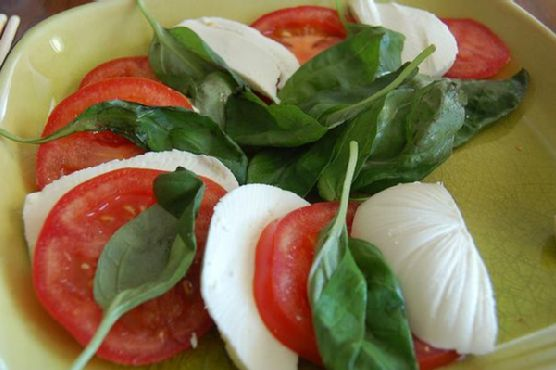
Quick and Easy Caprese Salad | Made by Meaghan Moineau

Quick and Easy Caprese Salad

Intro

There’s something magical about the simplicity of a Caprese Salad. This dish takes me back to sunny summer days spent in my grandmother’s garden, where the aroma of fresh basil and ripe tomatoes filled the air. Grandma always had a knack for turning the simplest ingredients into a feast. It was in her kitchen that I learned the art of balancing flavors and the importance of fresh ingredients. Today, I’m sharing this delightful Quick and Easy Caprese Salad recipe that embodies the essence of those cherished moments, perfect for a light lunch or a beautiful appetizer at your next dinner party.

Why You’ll Love It

This Caprese Salad is a celebration of simplicity and freshness. It’s not only quick and easy to prepare but also incredibly delicious. The combination of juicy tomatoes, creamy mozzarella, and fragrant basil, all enhanced by a drizzle of olive oil and balsamic vinegar, creates a harmony of flavors that is both refreshing and satisfying. Whether you’re a busy professional or a home cook looking for a quick dish, this salad is perfect for you. It’s a versatile recipe that can adapt to different tastes and occasions, making it a staple in any kitchen.

Ingredients

  • 2 tablespoons balsamic vinegar
  • Fresh basil leaves
  • 8 ounces fresh mozzarella cheese
  • 2 tablespoons olive oil
  • 1 bell pepper (optional for added crunch)
  • Salt, to taste
  • 4 ripe tomatoes

Instructions

  1. Start by slicing the mozzarella cheese into 1/4 inch thick slices. Try to keep them even for a more uniform presentation.
  2. Cut the tomatoes into 1/4 inch slices. If your tomatoes are particularly juicy, you might want to drain them slightly on a paper towel.
  3. Arrange the slices of mozzarella and tomatoes alternately on a large platter, slightly overlapping them for a beautiful display.
  4. Take fresh basil leaves, and sprinkle them generously over the arranged slices. You can tear them into smaller pieces for a more rustic look.
  5. Drizzle the olive oil evenly over the salad, followed by the balsamic vinegar. Adjust the quantities if you prefer a more pronounced flavor.
  6. Season the salad with salt to taste. Freshly ground black pepper can also be added if desired.
  7. Optional: Thinly slice the bell pepper and add it to the salad for extra color and crunch.
  8. Serve immediately and enjoy your Quick and Easy Caprese Salad!

Tips

To elevate your Caprese Salad, use the freshest ingredients you can find. Opt for vine-ripened tomatoes and high-quality mozzarella for the best flavor. If you have the time, make your own balsamic reduction by simmering the vinegar until it thickens; this can add a rich, sweet dimension to the salad. Lastly, don’t shy away from experimenting with different types of tomatoes, such as heirloom varieties, to add visual interest and a depth of flavor.

Variations & Substitutions

This Caprese Salad is versatile and can be customized to your liking. If you want a twist on the traditional recipe, consider adding sliced avocados for creaminess or a sprinkle of pine nuts for a nutty crunch. For a different flavor profile, try using flavored olive oils, such as garlic-infused or lemon-infused varieties. If you’re avoiding dairy, substitute the mozzarella with a plant-based cheese alternative. Feel free to mix and match ingredients based on your dietary preferences or what’s in season.

Storage

While this salad is best enjoyed fresh, you can store any leftovers in an airtight container in the refrigerator for up to 1 day. Keep in mind that the tomatoes may release some moisture, which can affect the texture of the salad. To refresh it, you may want to add a little more olive oil and balsamic vinegar before serving.

FAQ

Can I make this salad ahead of time?

Yes, you can prepare the ingredients in advance by slicing the tomatoes and mozzarella and storing them separately. Assemble the salad just before serving to ensure it stays fresh and vibrant.

What type of mozzarella should I use?

For the best results, use fresh mozzarella, often sold in a brine or vacuum-sealed packages. Its creamy texture and mild flavor are perfect for a Caprese Salad.

Is there a way to make this salad more filling?

To make the Caprese Salad more substantial, you can add grilled chicken or shrimp. Serving it alongside crusty bread or over a bed of mixed greens can also turn it into a more complete meal.

Nutrition

This Quick and Easy Caprese Salad is not only delicious but also nutritious. It’s packed with vitamins and minerals from the tomatoes and basil, healthy fats from the olive oil, and protein from the mozzarella. A serving size is approximately 250 calories, making it a light yet satisfying option for any meal.

Conclusion

The Quick and Easy Caprese Salad is a tribute to the beauty of fresh, simple ingredients. It’s a dish that brings people together, evoking memories of shared meals and laughter. Whether you’re enjoying it as a light lunch or as part of a larger spread, this salad is sure to impress with its vibrant flavors and elegant presentation. I hope you find as much joy in making and sharing this recipe as I do. Bon appétit!

Related update: Quick and Easy Caprese Salad

Related update: Roasted red peppers and tomatoes salad

$10M Push for People-First AI | Analysis by Brian Moineau

A $10 Million Vote for People-First AI

The headline is crisp: the MacArthur Foundation is committing $10 million in aligned grants to the new Humanity AI effort — a philanthropic push that sits inside a much larger, $500 million coalition aiming to steer artificial intelligence toward public benefit. That money is more than a donation; it’s a signal. It says: the future of AI should be designed with people and communities in mind, not simply optimized for speed, scale, or shareholder returns.

Why this matters right now

We’re living through a rapid pivot: AI is no longer a niche research topic. It’s reshaping how people learn, how news is reported, how work gets organized, and how public decisions are made. That pace has created a glaring mismatch — powerful technologies rising faster than institutions, norms, or public understanding. Philanthropy’s new role here is pragmatic: fund research, build civic infrastructure, and support the institutions that translate technical advances into accountable public outcomes.

  • The $10 million from MacArthur is aimed at organizations working on democracy, education, arts and culture, labor and the economy, and security.
  • The broader Humanity AI coalition plans to direct roughly $500 million over five years, pooling resources across foundations to amplify impact and avoid duplicate efforts.

What the grants will fund (the practical pieces)

The initial MacArthur-aligned grants are deliberately diverse: universities, research centers, journalism networks, and civil-society groups. Expect funding to do things like:

  • Scale investigations into AI and national security.
  • Support public-interest journalism that holds AI systems and companies accountable.
  • Build tools and infrastructure for civil-society groups to use and audit AI.
  • Convene economists, policymakers, and labor experts to measure and prepare for AI’s workforce effects.
  • Create global forums that connect social science with technical development.

These are practical investments in the civic plumbing needed to make AI responsive to human values, not just technically impressive.

The larger context: philanthropy as a counterweight

Tech companies and venture capital continue to drive the research and deployment of large-scale AI models. That private momentum brings enormous benefits — and risks: concentration of power, opaque decision-making, cultural capture of creativity, and economic dislocation. A coordinated philanthropic effort does a few things well:

  • It funds independent research and watchdogs that companies and markets don’t naturally prioritize.
  • It supports public-facing education and debate so citizens and policymakers can participate knowledgeably.
  • It enables cross-disciplinary work (law, social science, journalism, the arts) that pure engineering teams rarely fund internally.

In short: philanthropy can nudge the ecosystem toward systems that are legible, accountable, and distributed.

Notable early recipients and what they signal

Several organizations receiving initial grants illuminate the strategy:

  • AI Now Institute — resources to scale work on AI and national security.
  • Brookings Institution’s AI initiative — support for policy-bridging research.
  • Pulitzer Center — funding to grow an AI Accountability Network for journalism.
  • Human Rights Data Analysis Group — building civil-society AI infrastructure.

These groups aren’t trying to beat companies at model-building. They’re shaping the social, legal, and civic frameworks needed to govern those models.

A few tough questions this effort faces

  • Coordination vs. independence: pooled efforts can avoid duplication, but philanthropies must protect grantee independence to ensure credible critique.
  • Speed vs. deliberation: AI moves fast. Can multi-year grant cycles and convenings keep pace with emergent harms?
  • Global reach: many harms and benefits are transnational. How will funding balance U.S.-centric priorities with global inclusivity?
  • Measuring success: outcomes like "better governance" or "safer deployment" are hard to measure, complicating evaluation.

Funding is an important lever — but it can’t substitute for good public policy and democratic oversight.

What this means for stakeholders

  • For policymakers: expect richer, evidence-based briefs and cross-disciplinary coalitions pushing for clearer rules and standards.
  • For journalists and civil-society groups: more resources to investigate, explain, and counter opaque AI systems.
  • For educators and labor advocates: funding and research to help design equitable integration of AI into classrooms and workplaces.
  • For the public: clearer communication and tools to engage in debates that will shape the rules governing AI.

How this fits into the broader timeline

This announcement is part of a wave of recent philanthropic attention to AI governance. Unlike earlier eras when foundations might have funded isolated tech projects, the Humanity AI coalition signals a coordinated, sustained investment across cultural, economic, democratic, and security domains — an acknowledgement that AI’s societal consequences are broad and interconnected.

What to watch next

  • The pooled Humanity AI fund’s grant-making priorities and application processes (timelines and transparency will be important).
  • Early outputs from grantees: policy proposals, investigative reporting, civic tools, and educational pilots.
  • Coordination with government and international bodies working on AI norms and regulation.

Key points to remember

  • MacArthur’s $10 million is strategically targeted to organizations that can shape AI governance, public understanding, and civic infrastructure.
  • Humanity AI represents a larger, collaborative philanthropic push (about $500 million over five years) to make AI development more people-centered.
  • The real leverage is in funding independent research, journalism, and civic tools — functions that markets alone poorly provide.
  • Success will depend on speed, global inclusion, measurable outcomes, and preserving independent critique.

My take

Investing in the institutions that translate technical advances into accountable social practice is a smart, necessary move. Technology companies are incentivized to move fast; funders like MacArthur can invest in pause—space for scrutiny, public education, and inclusive policymaking. That pause isn’t anti-innovation; it’s a buffer that lets societies choose what kinds of innovation they want.

If Humanity AI and its grantees keep their focus on measurable civic outcomes and maintain independence, this could be a turning point: philanthropy helping create the norms, tools, and institutions that ensure AI augments human flourishing rather than undermines it.

Sources


Related update: We recently published an article that expands on this topic: read the latest post.

Easy Baked Pork Chop | Made by Meaghan Moineau

Easy Baked Pork Chop

Intro

There’s something truly comforting about a family recipe, and this Easy Baked Pork Chop dish has been a staple in my family for generations. I remember the first time my grandmother taught me how to prepare it. I was just a little girl, barely able to see over the kitchen counter, peering with wide eyes as she expertly mixed the marinade. The aroma that filled the kitchen was unforgettable, and the taste was even better. Now, I’m thrilled to share this beloved recipe with you, hoping it brings as much joy to your kitchen as it has to ours.

Why You’ll Love It

This Easy Baked Pork Chop recipe is a must-try for several reasons. It’s incredibly simple, requiring just a handful of ingredients that you likely already have in your pantry. The preparation is quick, making it a perfect weeknight meal. Despite its simplicity, the flavors are rich and satisfying, offering a perfect balance of savory and tangy notes. Whether you’re cooking for your family or hosting friends, this dish is sure to impress without the stress.

Ingredients

  • Ketchup
  • Lemon juice
  • Cut pork chops
  • Soy sauce
  • Vegetable oil
  • Worcestershire sauce

Instructions

  1. Preheat your oven to 350°F (175°C).
  2. In a small bowl, mix together soy sauce, Worcestershire sauce, ketchup, vegetable oil, and lemon juice.
  3. Rinse your pork chops and place them in a glass baking dish.
  4. Pour half of the mixture over the top of the pork chops.
  5. Bake for 30 minutes.
  6. Remove from oven, turn over the pork chops, and cover with the remaining mixture.
  7. Bake for an additional 30 minutes.
  8. Serve with a side of salad, mashed potatoes, and bread for a complete meal.

Tips

To ensure your pork chops are tender and juicy, avoid overbaking them. Use a meat thermometer to check that the internal temperature reaches 145°F (63°C). Allow the chops to rest for a few minutes before serving to retain their juices.

Variations & Substitutions

Feel free to experiment with this recipe. You can substitute honey or brown sugar for a hint of sweetness in the marinade. For a spicier kick, add a pinch of red pepper flakes or a dash of hot sauce. If you prefer a different protein, this marinade works beautifully with chicken breasts or thighs.

Storage

Store any leftover pork chops in an airtight container in the refrigerator for up to 3 days. To reheat, place them in a preheated oven at 350°F (175°C) until warmed through, or use a microwave for a quicker option.

FAQ

Can I use bone-in pork chops for this recipe?

Yes, bone-in pork chops will work beautifully. They often have more flavor and can remain juicier during cooking. Just be sure to adjust the cooking time slightly to ensure they cook through.

Can I marinate the pork chops overnight?

Absolutely! For even more flavor, you can marinate the pork chops in the mixture overnight in the refrigerator. Just cover the baking dish with plastic wrap or transfer the ingredients to a resealable plastic bag.

What can I serve with baked pork chops?

This dish pairs well with a variety of sides such as roasted vegetables, a fresh garden salad, or classic mashed potatoes. Adding a crusty loaf of bread can make it a hearty meal.

Nutrition

If you’re mindful of your dietary intake, here’s a rough nutritional breakdown per serving: approximately 250 calories, 12g of fat, 4g of carbohydrates, and 30g of protein. These values may vary based on the size and type of pork chops used.

Conclusion

This Easy Baked Pork Chop recipe is more than just a meal; it’s a piece of family history that I’m excited to share with you. It’s a dish that brings warmth, comfort, and flavorful joy to any table. Whether you’re a seasoned cook or a kitchen novice, this recipe is sure to become a favorite in your home, just as it has been in ours. Enjoy!

Related update: Easy Baked Pork Chop

Related update: 3 Cheese Ravioli

Lemon Mint Sorbet | Made by Meaghan Moineau

Lemon Mint Sorbet: A Refreshing Summer Delight

Introduction

There’s nothing quite like the invigorating taste of lemon mint sorbet on a warm summer’s day. Growing up, my grandmother used to make a similar chilled treat for us kids during hot afternoons. Her secret was always a touch of fresh mint from her garden, which added a burst of freshness to the already tangy lemon. This recipe is my homage to those delightful summer memories, with a modern twist of limoncello to elevate the flavor profile. Whether you’re hosting a summer gathering or just looking for a cool dessert to enjoy in the backyard, this Lemon Mint Sorbet is sure to become a favorite in your household.

Why You’ll Love It

This Lemon Mint Sorbet is a perfect balance of sweet, tart, and refreshing. It’s incredibly easy to make, requiring simple ingredients that pack a punch of flavor. The combination of lemon and mint is universally appealing and brings a touch of sophistication to any meal. Plus, this recipe is versatile, allowing you to adapt it to your personal taste preferences or dietary needs. It’s a naturally gluten-free dessert, and with just a minor tweak, it can be made alcohol-free as well. Whether you’re serving it as an elegant palate cleanser between courses or as a light dessert, this sorbet is a crowd-pleaser.

Ingredients

  • 2 cups water
  • 1 cup sugar
  • Zest of 2 lemons
  • 1 cup fresh mint leaves, packed
  • 1 cup fresh lemon juice
  • 2 tablespoons limoncello
  • 1/4 teaspoon kosher salt

Instructions

  1. Pour the water, sugar, and lemon zest into a pot over medium-high heat. Stir occasionally until the sugar has completely dissolved.
  2. Remove from heat and stir in the mint leaves. Set aside to allow the syrup to steep and absorb the mint flavor.
  3. In a separate bowl, whisk together the fresh lemon juice, limoncello, and kosher salt.
  4. Combine the lemon juice mixture with the minted simple syrup and allow it to cool completely.
  5. Chill the mixture in the refrigerator for at least 3 hours, or preferably overnight, to develop the flavors.
  6. Once chilled, pour the mixture into the frozen base of your ice cream maker. Cover with the lid and churn for 20-30 minutes, or until the mixture thickens to a sorbet consistency.
  7. Transfer the sorbet into a container and place it in the freezer for another hour or two, until it hardens to your desired texture.

Tips

For the best results, use freshly squeezed lemon juice and fresh mint leaves. The quality of these ingredients will directly affect the flavor of your sorbet. Also, make sure your ice cream maker base is fully frozen before you begin churning. This ensures that the sorbet achieves the right consistency. If you don’t have an ice cream maker, you can pour the mixture into a shallow container, freeze it, and stir it every 30 minutes until it reaches the desired texture.

Variations & Substitutions

If limoncello isn’t your thing, or if you’re making this for children, you can easily omit it from the recipe. The sorbet will be just as delicious with a pure lemon and mint flavor. If you prefer a sweeter sorbet, consider increasing the sugar to 1 1/4 cups. Conversely, if you like a more tart sorbet, reduce the sugar slightly. For a unique twist, try adding a splash of lime juice or a handful of basil leaves for a different herbal note.

Storage

Store any leftover sorbet in an airtight container in the freezer. It will keep well for up to two weeks. When you’re ready to serve it again, let it sit at room temperature for a few minutes to soften slightly for easier scooping.

FAQ

Can I make this sorbet without an ice cream maker?

Yes, you can! Pour the mixture into a shallow dish, such as a baking pan, and place it in the freezer. Stir the mixture every 30 minutes with a fork to break up ice crystals, continuing until it reaches the desired consistency.

What can I use instead of limoncello?

You can replace limoncello with an equal amount of additional lemon juice or water if you prefer an alcohol-free option. Alternatively, add a splash of any citrus-flavored liqueur of your choice.

How do I prevent ice crystals in my sorbet?

Ensure that the mixture is completely chilled before churning, and avoid opening the freezer frequently once the sorbet is setting. This helps maintain a consistent temperature, reducing the formation of ice crystals.

Nutrition

While exact nutritional information will vary based on your specific ingredients and serving sizes, a serving of this sorbet is generally low in calories and fat, making it a relatively healthy dessert option. It’s an excellent choice for those seeking a light, refreshing treat without overindulging.

Conclusion

Making Lemon Mint Sorbet is not only a nod to nostalgic summer days but also a celebration of fresh, vibrant flavors. With just a few simple ingredients, you can create a dessert that’s both elegant and refreshing. Whether you’re serving it at a dinner party or enjoying a quiet evening on the porch, this sorbet is sure to bring a smile to your face. So go ahead, embrace the simplicity of this delightful recipe, and create your own cherished summer memories.

Related update: Lemon Mint Sorbet

Related update: Oreo Hazelnut and Banana Cheesecake

Leon Infected Again: Requiems Dark Return | Analysis by Brian Moineau

Leon’s Old Wounds, New Threats: What the Requiem State of Play Trailer Means for Resident Evil Fans

If there’s one thing Resident Evil does better than most long-running franchises, it’s knitting nostalgia into fresh dread — and Capcom’s latest State of Play trailer for Resident Evil: Requiem leans hard on that needle. The new footage gives us a clear, unnerving update: Leon S. Kennedy — the franchise’s perennial action hero — is once again showing signs of infection. That revelation lands like a gut-punch for fans who’ve followed Leon from rookie cop to grizzled veteran, and it raises some deliciously awful questions about how Capcom will balance legacy characters with a new protagonist and a creeping new horror.

Why this trailer matters right now

  • The trailer debuted during Sony’s State of Play and highlights several story beats tying Requiem back to Raccoon City and the T‑Virus fallout. (psu.com)
  • A close-up in the trailer shows bruise-like marks and necrotic discoloration on Leon’s hands and neck — visual cues that strongly imply a lingering or resurgent infection tied to the Raccoon City incident. Multiple outlets and fans have paused and analyzed that moment. (nintendowire.com)
  • The footage also teases a returning face from RE2-era lore (widely read as Sherry Birkin) and resurrects classic monster vibes — including creatures that resemble early-stage Lickers — giving the game a mix of character callbacks and creature design callbacks. (gamesradar.com)

If you’ve kept an eye on Requiem’s breadcrumbs — leaks, PlayStation Store art slips, and producer comments — the trailer reads as both confirmation and escalation: Leon is present, he’s deteriorating, and Capcom is intentionally threading the old world into this new mystery. (pcgamer.com)

Setting the scene: where Requiem sits in the timeline

  • Requiem takes place roughly 30 years after the Raccoon City disaster (the 1998 bombing), placing returning characters like Leon in their mid-to-late 50s and in a world shaped by decades of Umbrella fallout. (ew.com)
  • The game follows Grace Ashcroft — introduced as an FBI analyst with family ties back to previous Outbreak-era events — and alternates sections that emphasize classic survival horror (Grace) and more combat-forward encounters (Leon). The trailer underscores that duality. (ew.com)

Notable moments from the trailer

  • Leon removes a glove to reveal dark, bruise-like marks and a steadily worsening condition; a voice on the radio urges urgency, implying a ticking-clock prognosis. Fans and press interpret this as a syndrome tied to residual T‑Virus mutation. (techtimes.com)
  • A glimpse of a blonde figure with a familiar silhouette and voice hints at Sherry Birkin’s return — an emotional through-line for players who remember her arc across multiple entries. Capcom hasn’t formally confirmed, but the trailer’s cues push that reading. (nintendowire.com)
  • Monster design callbacks: shots in the trailer show creatures that evoke early Licker concepts and other mutated forms, suggesting Capcom is mining classic assets and unused concept art to enrich the horror. (gamesradar.com)

What this could mean for Leon’s story (theories and honest bets)

  • Slow-burn infection angle: the trailer explicitly references “residual T‑Virus” behavior in files fans have frozen-frame–analyzed. This suggests the story may explore long-term consequences of early exposure rather than a sudden new bite — a tragic arc for Leon that ties him thematically to the franchise’s legacy of contagion. (techtimes.com)
  • Redemption or sacrifice beats: narratively, a veteran hero with a terminal, fast-progressing condition is a classic device to raise stakes and force hard choices. Expect scenes that put Leon’s experience and agency in tension with Grace’s investigation. (psu.com)
  • Aging as narrative fuel: Capcom has been playing with returning characters before (cameos and playable sections in recent RE titles). Leon’s deterioration could be a way to keep him integral while allowing the new protagonist — and the series’ horror beats — to take center stage. (pcgamer.com)

What I’m watching for on release day

  • How the game explains the mechanics of Leon’s infection (medical files? a lost vaccine? a new strain?). The trailer hints at in-game documentation that may be used to pace exposition. (techtimes.com)
  • Whether Leon remains playable through the story or if his sections are limited; marketing and leaked artwork hinted at a significant role, but Capcom has said not to over-expect cameos. Gameplay structure will determine whether Leon’s arc feels earned. (pcgamer.com)
  • How the game balances old monsters and new threats — are Licker-esque enemies fan service or central to the game’s horror framework? Early footage suggests they’ll be more than eye candy. (gamesradar.com)

Quick takeaways

  • Leon’s infection is real and visually signaled in the State of Play trailer; it looks deliberate and story‑heavy rather than incidental. (techtimes.com)
  • Requiem leans on Raccoon City nostalgia (RPD, classic creature types, returning characters) while introducing a new protagonist to anchor the horror. (psu.com)
  • Capcom appears to be mixing fan service with fresh narrative stakes: legacy characters return with consequences, not just cameos. (pcgamer.com)

My take

This trailer does something smart: it makes you ache for Leon. By showing him vulnerable and compromised rather than simply digging up the same heroic beats, Requiem promises a tonal shift toward regret, inevitability, and the moral gray of living with a past you can’t fully outrun. If Capcom follows through — using Leon’s condition to deepen the plot rather than as a mere twist — Requiem could be the franchise’s best act of legacy-building since the remakes. If they don’t, there’s a risk the emotional setup will feel cheapened by action beats or cameo overload.

Either way, whether you come for the scares or the callbacks, the trailer proves Capcom isn’t content with safe nostalgia: they’re trying to complicate it.

Final thoughts

Resident Evil: Requiem’s State of Play trailer strikes a careful balance: it gives fans the warmth of return while adding an uncomfortable chill. Leon’s infection turns a familiar face into a story question — and that’s exactly the kind of slow-burn horror the series has been flirting with again. February 27, 2026 (the game’s release date) suddenly feels like it can’t arrive soon enough. (psu.com)

Sources


Related update: We recently published an article that expands on this topic: read the latest post.

Related update: We recently published an article that expands on this topic: read the latest post.


Related update: We recently published an article that expands on this topic: read the latest post.

Helmet Memorial Sparks Olympic Ban | Analysis by Brian Moineau

A helmet, a rule, and a rupture: what happened when remembrance met Olympic neutrality

The image was simple and heartbreaking: a skeleton racer’s helmet covered with portraits of teammates and fellow Ukrainian athletes killed in the war with Russia. For Vladyslav Heraskevych, it was not a political banner but a personal memorial — a way to carry the names of friends onto the ice. For Olympic officials, it was a breach of the Games’ rules on demonstrations and athlete expression. The standoff ended with Heraskevych barred from the men’s skeleton event at the 2026 Winter Olympics, and with a debate that won’t disappear with the races.

Why this matters right now

  • This wasn’t a slogan or a flag; the helmet displayed faces — people who died amid a war that remains very much alive.
  • The dispute put the International Olympic Committee’s (IOC) rules on athlete expression — especially Rule 50 (no political demonstrations on the field of play) — under intense scrutiny.
  • The episode presses on a hard question: where do remembrance and political expression intersect at an event that insists on being neutral?

The short version of events

  • Vladyslav Heraskevych, a Ukrainian skeleton racer and medal contender, brought a “helmet of memory” to the Milano–Cortina 2026 Games. The helmet carried portraits of Ukrainian athletes and children who died during the conflict with Russia.
  • The IOC and event organizers told him it violated their rules on demonstrations at Olympic venues. They offered a compromise (a black armband), which Heraskevych rejected.
  • The International Bobsleigh and Skeleton Federation (IBSF) withdrew him from the starting list; he was not allowed to compete. Appeals and wider protests followed, but the decision stood.
  • The case quickly drew political statements from Ukrainian leaders and public debate globally about whether honoring the dead counts as political speech.

What the rules actually say (and why interpretation matters)

  • Rule 50 of the Olympic Charter is the headline: it prohibits “demonstration or political, religious or racial propaganda” in Olympic sites and during competition. The IOC has long used that to limit political messaging during events.
  • But Rule 50 is not always applied the same way. Tributes, moments of silence, or black armbands have been permitted in some past cases, which is why many observers — and Heraskevych himself — saw his helmet as a non-political act of remembrance.
  • The sticking point for officials was likely context: the portraits referenced deaths tied to a present, ongoing war. In an intensely fraught geopolitical moment, the IOC judged the images crossed from private mourning into a public reminder of a political reality.

Reactions and ripples

  • Many in Ukraine — including President Volodymyr Zelenskyy — called the ban unfair and said it played into Russia’s hands by silencing a symbol of Ukraine’s suffering.
  • Some athletes and commentators argued the IOC should be sensitive to human loss at Olympic events and allow discrete, dignified tributes.
  • Others warned that allowing overt war-related symbols on the field of play risks politicizing a competition that aims to be a neutral meeting ground for nations.

Broader implications

  • Athlete expression is evolving. Social media, wearable art, and on-field gestures make simple black-and-white rules harder to enforce consistently.
  • The decision will likely set a precedent: organizers now have a recent, high-profile example of enforcing strict limits on political expression at the Games. Future athletes who want to make statements — even memorial ones — may face clearer pushback.
  • The episode also highlights unevenness: some symbolic acts have been allowed in other moments; enforcement can look discretionary and fuel perceptions of bias.

What to watch next

  • Will the IOC clarify its guidelines on tributes versus political demonstrations, or double down on strict enforcement?
  • How will national committees and sports federations advise athletes planning symbolic gestures at global events?
  • Will public pressure (from fans, fellow athletes, and governments) prompt any retroactive reassessments or policy tweaks before future Games?

Key takeaways

  • The Heraskevych helmet controversy split a simple human act of mourning from the Olympics’ insistence on political neutrality.
  • Rule 50’s application remains subjective, especially when symbolism evokes active conflicts.
  • The case exposes a growing friction: athletes want to use high-visibility moments to speak to real-world suffering, while institutions aim to preserve a nonpolitical arena.

My take

Sport has always been a mirror for the world that surrounds it. That mirror can comfort, prophesy, and provoke. Heraskevych’s helmet was a raw, human attempt to bring names into a space where those names might otherwise be forgotten. The IOC’s role in preserving competitive neutrality is understandable, but so is the instinct to honor the dead in a way that acknowledges cause and context. If the Olympic movement wants both neutrality and moral relevance, it needs clearer, fairer rules about remembrance — and a framework that treats similar acts consistently, regardless of who they memorialize.

Sources


Related update: We recently published an article that expands on this topic: read the latest post.


Related update: We recently published an article that expands on this topic: read the latest post.

Cherry Coke Float Cupcakes With Chocolate Shell | Made by Meaghan Moineau

Cherry Coke Float Cupcakes With Chocolate Shell

Intro

There’s something undeniably nostalgic about the combination of cherries and cola. It takes me back to those summer afternoons at the local diner, sipping on a Cherry Coke while friends gathered around, sharing stories and laughter. When I first thought of combining this classic drink with the timeless joy of a cupcake, I knew I was onto something special. These Cherry Coke Float Cupcakes, with their delightful chocolate shell, encapsulate that feeling of playful indulgence and bring back those cherished memories with every bite.

Why You’ll Love It

These cupcakes are more than just a treat; they’re an experience. The fizzy sweetness of Coca-Cola, the richness of cocoa, and the surprise of biting into a cherry hidden within are complemented by a decadent chocolate shell. The result is a cupcake that’s both familiar and exciting, perfect for parties, family gatherings, or simply a sweet indulgence at the end of a long day.

Ingredients

  • 1 3/4 cups all-purpose flour
  • 3/4 cup unsweetened cocoa powder
  • 1 1/2 cups sugar
  • 1 teaspoon baking soda
  • 1/2 teaspoon salt
  • 1 cup Coca-Cola
  • 1/2 cup buttermilk
  • 1/2 cup unsalted butter, melted
  • 1 teaspoon vanilla extract
  • 1 large egg
  • 24 maraschino cherries, plus syrup
  • Ice-cream chocolate shell

Instructions

  1. Preheat your oven to 350°F (175°C) and line a cupcake pan with cupcake liners.
  2. In a large bowl, combine the flour, cocoa powder, sugar, baking soda, and salt.
  3. In another bowl, blend the Coca-Cola, buttermilk, melted butter, vanilla extract, and egg.
  4. Pour the liquid ingredients into the dry ingredients.
  5. Stir well with a wooden spoon until everything is blended smoothly.
  6. Spoon the batter into the cupcake liners, about two-thirds full.
  7. Push one maraschino cherry into the center of each cupcake.
  8. Bake for 15 minutes or until a cake tester comes out clean.
  9. Let the cupcakes cool completely on a wire rack.
  10. Once cooled, frost each cupcake with whipped cream.
  11. Drizzle the ice-cream chocolate shell over the whipped cream.
  12. Top each cupcake with a maraschino cherry.

Tips

For the perfect cupcakes, make sure your ingredients are at room temperature before mixing. This ensures they combine more easily and evenly. When adding the cherries, make sure they’re well-drained to prevent the batter from becoming too moist. And remember, the key to a smooth chocolate shell is to be generous with the drizzle and allow it to set completely before serving.

Variations & Substitutions

If you want to mix things up, try using cherry cola instead of regular Coca-Cola for an extra burst of cherry flavor. You can also substitute the cocoa powder for a dark chocolate version for a richer taste. For a dairy-free option, replace the buttermilk with almond milk and the butter with coconut oil. If you prefer a less sweet frosting, a simple cream cheese frosting pairs wonderfully with the cherry and cola flavors.

Storage

These cupcakes are best enjoyed fresh, but they can be stored in an airtight container in the refrigerator for up to three days. If you plan to keep them longer, consider freezing them without the whipped cream and chocolate shell. When you’re ready to serve, thaw them in the refrigerator and add the toppings fresh.

FAQ

Can I make these cupcakes in advance?

Yes, you can make the cupcakes a day or two in advance. Store them in an airtight container at room temperature, and top with whipped cream and chocolate shell just before serving.

Can I use fresh cherries instead of maraschino cherries?

Absolutely! Fresh cherries can add a wonderful natural flavor. Just make sure to pit them before use, and consider cooking them slightly to soften, as they won’t have the syrupy texture of maraschino cherries.

What type of chocolate shell should I use?

Any ice-cream chocolate shell will work, but I recommend one made with real chocolate for the best flavor. You can find these in the ice cream toppings section of most grocery stores.

Nutrition

While these cupcakes are a treat, they’re surprisingly balanced for a dessert. Each cupcake provides a modest serving of indulgence, with the combination of chocolate, cola, and cherries offering a delightful array of flavors without being overly heavy. Remember, moderation is key when enjoying sweets as part of a balanced diet.

Conclusion

Cherry Coke Float Cupcakes with Chocolate Shell are a delightful fusion of classic flavors that are sure to impress. Whether you’re reminiscing about the good old days or creating new memories, these cupcakes are the perfect way to celebrate life’s sweet moments. I hope you enjoy baking and savoring them as much as I do!

Related update: Cherry Coke Float Cupcakes With Chocolate Shell

Related update: Lemon Mint Sorbet

Wildlight Layoffs Expose Live‑Service | Analysis by Brian Moineau

A sudden silence at Wildlight: what Highguard’s layoffs reveal about live-service risk

Highguard burst onto the scene at the end of 2025 with a flashy Game Awards reveal and a free-to-play launch on January 26, 2026. Its debut numbers looked promising — nearly 100,000 concurrent Steam players at peak — but enthusiasm cratered in days. Then, on February 11–12, 2026, a former level designer posted on LinkedIn that he and “most of the team” at Wildlight Entertainment were laid off. Wildlight later acknowledged cuts while saying a “core group” would remain to support the game. The speed and scale of this turn deserve a closer look.

What happened (briefly)

  • On February 11–12, 2026, multiple Wildlight staffers (including level designer Alex Graner) posted on LinkedIn that they had been let go, with Graner saying “most of the team at Wildlight” was affected.
  • Wildlight published a statement confirming it had “parted ways with a number of our team members” but that a core team would continue to support and develop Highguard.
  • The studio’s move comes roughly two weeks after Highguard’s January 26 launch, following a rapid decline from a high of nearly 97–100k concurrent Steam players to only a few thousand daily active players. (theverge.com)

Why this landed so hard

  • Live-service economics are unforgiving.
    • A live-service shooter needs a steady, engaged player base and continuous content updates to justify operating costs. When daily users fall rapidly after launch, revenue forecasts and ongoing staffing plans can collapse almost overnight.
  • Hype doesn’t equal retention.
    • Highguard’s launch hype got people in the door, but early impressions and retention metrics matter far more for long-term survival. Mixed reviews and sharp drop-offs in concurrent players signal trouble for monetization and future roadmaps. (theverge.com)
  • Timing amplifies the optics.
    • Laying off a substantial portion of a studio just 16 days after launch looks — and feels — like a project being mothballed. Even with a retained “core group,” the community and the press see this as a near-death sentence for ongoing development. (theverge.com)

Broader context: not an isolated pattern

  • The games industry has seen multiple high-profile post-launch pivots and layoffs in recent years, especially for costly live-service projects.
  • Studios are squeezed by rising development costs, aggressive expectations for rapid live content, and the challenge of converting initial player spikes into steady revenue streams.
  • Investors and publishers increasingly respond quickly when retention and monetization underperform projections — which can trigger rapid staffing changes. (theverge.com)

What this means for players and for the team

  • For players:
    • The game remains available, and Wildlight says a core team will continue support — but future content, larger updates, and new features are now more uncertain.
    • Expect slower update cadence and fewer ambitious roadmap promises until the studio stabilizes.
  • For former staff:
    • Public posts from affected developers highlight frustration and disappointment over unreleased content and abruptly curtailed projects. Their skills are in demand, but layoffs still produce career and emotional turbulence. (gameinformer.com)

Lessons for studios and players

  • For studios:
    • Plan for retention from day one — not just peak launch marketing. Early monetization strategies and a defensible roadmap matter more than hype.
    • Be conservative with staffing tied to speculative post-launch revenue until retention signals are validated.
    • Transparent, humane communication with staff and community can blunt some of the reputational fallout when cuts are necessary.
  • For players:
    • A flashy reveal and high launch numbers aren’t guarantees of longevity. Follow retention and review trends, not just peak concurrent stats.
    • If you care about a game’s long-term future, early community engagement and constructive feedback can help — but studios ultimately need reliable revenue to power sustained updates.

Quick takeaways

  • Wildlight confirmed layoffs in mid-February 2026 after multiple staffers posted they’d been let go; the cuts come about two weeks after Highguard’s January 26 launch. (gameinformer.com)
  • Highguard’s steep drop from a near-100k launch peak to a few thousand concurrent players undermined the live-service model that would fund ongoing development. (theverge.com)
  • The studio retains a “core group” to keep the game alive, but the scale and ambition of future updates are now constrained. (gameinformer.com)

My take

It’s painful to see talented teams lose jobs so quickly after launch. Highguard’s story is a reminder that the live-service era rewards more than spectacle — it rewards stickiness. Hype gets attention; retention pays the bills. Studios launching ambitious multiplayer services need realistic, staged plans that can weather the inevitable drop-off after opening weekend. For players who want healthy long-term games, that means supporting titles not just at launch but in the weeks and months after, and for studios it means designing for realistic growth curves rather than betting everything on a single spike.

Sources


Related update: We recently published an article that expands on this topic: read the latest post.

Japanese Gyoza Pot Stickers | Made by Meaghan Moineau

Japanese Gyoza Pot Stickers

Intro

There’s something incredibly comforting about making Japanese gyoza pot stickers from scratch. I remember watching my grandmother skillfully pleating each one with love, her hands moving in a rhythm that seemed like second nature. The aroma of sizzling gyoza filled the kitchen, creating an irresistible invitation to gather around the table. These pot stickers are not just a dish; they’re a cherished family tradition that brings back memories of warmth and togetherness.

Why You’ll Love It

These Japanese gyoza pot stickers are a delightful combination of flavors and textures. The crispy exterior contrasts beautifully with the juicy filling, offering a bite that’s bursting with umami goodness. They’re versatile enough to be a main dish, appetizer, or snack, and they pair wonderfully with a tangy dipping sauce. Whether you’re hosting a dinner party or preparing a cozy meal for yourself, these gyoza are sure to impress.

Ingredients

  • 1/4 teaspoon black pepper
  • 2 cups cabbage, chopped finely
  • 1 teaspoon chili sesame oil
  • 1/4 cup dried mushrooms, soaked in warm water
  • 2 teaspoons ginger root, grated
  • 3 to 4 green onions, chopped
  • 1/2 pound ground beef
  • 2 tablespoons salad oil
  • 1 tablespoon sesame oil
  • 2 tablespoons Kikkoman soy sauce
  • 1 tablespoon cooking wine
  • 1 package gyoza wrappers

Instructions

  1. Chop the cabbage finely, place it in a colander, and pour boiling water over it. Allow it to cool to the touch, then squeeze the cabbage well to remove excess water.
  2. In a medium bowl, combine the cabbage, chopped green onions, chopped mushrooms, and grated ginger.
  3. In another bowl, mix the ground beef, cooking wine, soy sauce, sesame oil, and black pepper, then combine with the vegetable mixture. Mix well to ensure even distribution of ingredients.
  4. Place about 1 teaspoon of filling in the center of each gyoza wrapper. Fold the wrapper in half and pleat the edge to seal. If the edges won’t stick, dampen the inside edge with a little water before pleating.
  5. Heat 2 tablespoons of salad oil in a pan. Arrange the gyoza in the pan, ensuring they are not touching.
  6. At the edge of the pan, pour in a little water, up to 1/4 of the depth of the pot stickers. Cover the pan, reduce the heat to low, and simmer until the water has evaporated, leaving the gyoza crispy on the bottom.

Tips

For perfectly pleated gyoza, practice makes perfect! Don’t be discouraged if your first few attempts aren’t as neat as you’d like. Ensuring the filling is well-drained will help you achieve the desired texture. Also, use a non-stick pan to prevent the gyoza from sticking and breaking apart.

Variations & Substitutions

Feel free to experiment with different fillings based on your preferences. You can substitute ground pork, chicken, or even tofu for the beef. Add a dash of chili flakes for extra heat, or incorporate finely chopped shrimp for a seafood twist. Vegetarians can omit the meat entirely and increase the mushroom and cabbage quantities.

Storage

Leftover gyoza can be stored in an airtight container in the refrigerator for up to two days. To reheat, simply pan-fry them again until they’re warmed through and crispy. You can also freeze uncooked gyoza in a single layer on a baking sheet before transferring them to a freezer-safe bag. They can be cooked directly from frozen, just add a few extra minutes to the cooking time.

FAQ

Can I use pre-made coleslaw mix instead of chopping cabbage?

Yes, using pre-made coleslaw mix can save you time and effort, and it works well in this recipe. Just make sure to still squeeze out any excess water to prevent soggy filling.

What dipping sauce pairs well with gyoza?

A simple dipping sauce of soy sauce, rice vinegar, and a touch of chili oil or sesame oil complements gyoza perfectly. You can adjust the proportions based on your taste preference for a balance of tangy, savory, and spicy flavors.

How can I tell when the gyoza are done cooking?

The gyoza are done when the water has evaporated and the bottoms are golden brown and crispy. If you’re unsure, you can cut one gyoza open to check that the filling is cooked through.

Nutrition

This recipe is a balanced dish offering protein from the meat, fiber from the vegetables, and healthy fats from the sesame oil. Each serving of gyoza (about 5 pieces) is approximately 250 calories, with 10 grams of protein and 15 grams of carbohydrates, making it a moderate choice for a meal or snack.

Conclusion

Making Japanese gyoza pot stickers is a rewarding culinary adventure that connects you with rich traditions and flavors. As you share them with loved ones, you’ll be creating your memories around this beloved dish. Whether you’re a seasoned cook or trying gyoza for the first time, this recipe promises to bring joy and satisfaction to your table. Enjoy the process, and savor every delicious bite!

Related update: Japanese Gyoza Pot Stickers

Miso Eggplant Gratin | Made by Meaghan Moineau

Miso Eggplant Gratin: A Comforting Twist on a Classic Dish

Intro

Growing up, my grandmother’s gratin was a staple at family gatherings. The aroma of baked goodness would fill the house, bringing everyone together. Now, as an adult, I love to experiment with new flavors while still honoring those cherished moments from my childhood. This Miso Eggplant Gratin is a fusion of tradition and innovation, combining the creamy richness of a classic gratin with the savory umami of miso. It’s a dish that bridges the past and present, inviting you to create new memories around the dinner table.

Why You’ll Love It

This Miso Eggplant Gratin is a delightful combination of creamy, savory, and slightly sweet flavors. The miso-tofu sauce adds a unique depth, transforming the humble eggplant into a gourmet experience. Here are a few reasons why you’ll adore this dish:

  • Unique Flavor: The miso-tofu sauce offers a delightful twist, providing a rich umami taste that’s both comforting and exotic.
  • Comforting Texture: The creamy gratin is beautifully offset by the tender eggplant and the golden-brown cheese topping.
  • Versatile: Perfect as a main course or a side dish, this gratin is sure to impress at any dinner table.

Ingredients

  • Butter
  • Granulated chicken stock powder
  • Cornstarch
  • Eggplant
  • Flour
  • Garlic
  • Heavy cream
  • Milk
  • Miso
  • Parmesan cheese
  • Salt and pepper
  • Tofu
  • Vegetable oil

Instructions

  1. Preheat your oven to 450°F (232°C).
  2. Cut the eggplant into bite-sized pieces and soak in water for 5 minutes. Drain them well and pat dry.
  3. Heat the vegetable oil in a pan over medium heat. Add the eggplant pieces and brown them on both sides. Season with garlic, salt, and pepper, then set aside.
  4. To prepare the miso-tofu sauce, drain the tofu in a sieve.
  5. Sift together the flour and cornstarch in a microwavable bowl. Slowly add the milk to the flour mixture.
  6. Microwave on medium for 2 1/2 minutes. Whisk the mixture until it forms a smooth paste.
  7. Add the butter, chicken stock powder, and heavy cream to the mixture. Stir thoroughly.
  8. While the mixture is still hot, stir in the miso and crumble the tofu into the sauce. Mix until you achieve a thick paste-like consistency.
  9. Pour half of the tofu-miso sauce into a casserole dish, cover with cooked eggplant, and sprinkle half of the parmesan cheese on top.
  10. Pour the remaining sauce over the eggplant and top with the rest of the cheese.
  11. Bake for 20 minutes until the gratin is bubbling and golden brown.
  12. Serve warm with rice.

Tips

  • Prep Ahead: You can prepare the miso-tofu sauce a day in advance to save time on the day of serving.
  • Even Slices: Consistent eggplant sizes ensure even cooking, so take your time when chopping.
  • Cheese Options: For a more intense flavor, consider using a mix of parmesan and gruyère.

Variations & Substitutions

This recipe is incredibly flexible, allowing you to make it your own:

  • Vegetarian Version: Replace chicken stock powder with vegetable stock powder for a vegetarian-friendly dish.
  • Vegan Version: Use a vegan butter substitute and skip the parmesan cheese or use a plant-based cheese alternative.
  • Protein Boost: Add sliced mushrooms or cooked lentils for extra protein and texture.

Storage

Leftover Miso Eggplant Gratin can be stored in an airtight container in the refrigerator for up to 3 days. Reheat it in the oven at 350°F (175°C) until warmed through. For longer storage, freeze the gratin for up to a month, though note that the texture may change slightly upon thawing.

FAQ

Can I use a different type of miso?

Yes, you can use white, yellow, or red miso depending on your flavor preference. White miso is milder and slightly sweeter, while red miso offers a deeper, more robust flavor.

Is there a substitute for eggplant in this recipe?

While eggplant is the star of this dish, you can use zucchini or mushrooms as a substitute. Both have a similar texture and will soak up the flavors nicely.

Can I make this dish gluten-free?

Absolutely! Substitute the flour with a gluten-free all-purpose flour blend and ensure that the miso paste used is gluten-free as well.

Nutrition

While exact nutrition can vary based on specific brands and quantities used, a serving of this Miso Eggplant Gratin is approximately 250 calories, with 15g of fat, 20g of carbohydrates, and 8g of protein. It’s a deliciously balanced dish that offers a hearty portion of vegetables.

Conclusion

This Miso Eggplant Gratin is more than just a meal; it’s an experience that brings warmth and comfort to your table. Whether you’re sharing it with loved ones or enjoying it solo, it’s a dish that promises satisfaction with every bite. I hope it becomes a beloved recipe in your kitchen, just as it has in mine. Happy cooking!

Related update: Miso Eggplant Gratin

Related update: Easy Baked Pork Chop

iPhone 17e: Affordable Game-Changer | Analysis by Brian Moineau

Apple’s classic playbook, but cheaper: why the iPhone 17e could be a real game-changer

Apple has a knack for two moves: make something feel essential, then make it feel reachable. If the latest reports are right, that familiar choreography is about to play out again — with an iPhone that keeps price pressure front and center while quietly adding the features that actually matter to most users.

A quick hook

Imagine getting the performance and ecosystem perks you care about (speed, accessories, reliable connectivity) without the sticker shock of a flagship. That’s the bet behind the rumored iPhone 17e: modest on paper, meaningful in everyday use — and priced to widen the funnel.

Why this matters now

  • Apple just reported another blockbuster quarter and is sitting on an installed base north of 2.5 billion active devices. That scale lets incremental changes have outsized effects.
  • Component costs — especially memory — are rising, which puts pressure on margins across the industry. Apple can either pass those costs to buyers or absorb them strategically.
  • Rivals are fragmenting: Google’s Pixel “a” line and mid-tier Samsung models are focusing on value. Apple’s answer appears to be a product that’s genuinely more capable at its price point, not merely a stripped-down option.

What the 17e reportedly brings (and why it matters)

  • A19 chip: faster performance that narrows the gap with the premium line — real-world responsiveness improves across apps and gaming.
  • MagSafe support: not a gimmick. MagSafe unlocks an entire accessory ecosystem (car mounts, chargers, wallets) that enhances convenience and makes the phone feel newer than just “one more model.”
  • New in-house modem and connectivity chips (C1X/N1): better, more consistent wireless performance and lower total cost of ownership for enterprise and international buyers.
  • No price increase: reports peg the starting price at $599 — a psychological and marketable threshold that signals affordability without undercutting perceived value. (thestreet.com)

The strategic play: classic Apple, tweaked for affordability

Apple’s playbook has often been to introduce a high-end product that defines desirability, then cascade features downward over time. The 17e feels like a flipped version of that strategy: push premium connectivity and accessory compatibility into the affordable tier to convert holdouts who keep older phones because “new ones are too expensive.”

That does three things for Apple:

  • Expands the addressable market in price-sensitive segments and emerging markets.
  • Keeps users inside the Apple ecosystem (accessories, services, app purchases).
  • Lets Apple absorb some margin pressure now, betting on scale and services revenue to offset component cost inflation. (thestreet.com)

What to watch (risks and limits)

  • Incremental upgrades: If the 17e is mainly a chipset and MagSafe update without display or camera leaps, it may disappoint buyers used to headline specs.
  • Margin pressure: Apple could be taking near-term margin hits to protect market share; if memory costs stay high, that strategy isn’t forever.
  • Timing and market reaction: An aggressive value play could pressure rivals — or it could shift perception that Apple’s best value comes in “e” models rather than top-tier devices, subtly changing brand dynamics.

How this could reshape buying decisions

  • For upgrade-averse users: A real alternative to “my phone still works fine” — enough value at $599 to tip the scales.
  • For enterprise buyers: Lower upfront costs with better connectivity and long Apple support lifecycles improves total cost of ownership.
  • For accessory makers and retailers: MagSafe at a lower price point could revive accessory purchases and spur a new cycle of add-ons.

My take

Apple pulling this move would be classic: keep the core premium brand intact while using a well-priced, capable model to grab incremental market share. It’s smart defensive strategy — not a dramatic reinvention — but it’s precisely the kind of product-level nuance that alters ecosystem economics: more active devices, more accessory spend, more services subscribers. If the price holds at $599 and the device truly matches the rumored connectivity and MagSafe upgrades, expect a quiet but meaningful reshaping of the iPhone lineup’s value ladder.

What to expect next

  • An official reveal or event window tied to spring updates (rumors point to mid/late February announcements and iOS developer betas soon after). (techradar.com)
  • Coverage focused less on flashy hardware headlines and more on real-world use cases: battery life, MagSafe ecosystem activity, and carrier/enterprise promotions.
  • Short-term investor chatter about margins, but medium-term effects that favor ecosystem monetization.

Final thoughts

This isn’t a headline-grabbing revolution. It’s a tactical, high-leverage move: give more of what people actually use, at a price that invites them in. If Apple executes, the 17e could quietly become the model that nudges millions toward an iPhone upgrade — and that’s a different kind of game-changer.

Sources

Airo Trains Bring 2026 Cascades Upgrade | Analysis by Brian Moineau

A new ride for the Pacific Northwest: Amtrak’s Airo trains arrive in 2026

Imagine settling into a comfy seat, the Cascades rolling by outside panoramic windows, your phone quietly charging at a USB port while onboard Wi‑Fi handles the heavy lifting. That image is about to become routine for travelers between Eugene, Portland, Seattle and Vancouver, B.C. — Amtrak’s sleek new Airo trainsets are set to debut on the Amtrak Cascades line in 2026.

This post sketches what the Airo rollout means for Cascades riders, why the timing matters, and what to watch for as the Pacific Northwest becomes the first region to get these next‑generation trains.

Why this feels like an inflection point

  • The Cascades corridor is one of the country’s most scenic and increasingly busy regional routes. Riders have long wanted more comfort, reliability, and amenities that match modern expectations.
  • Airo is part of a wider Amtrak fleet modernization program — 83 trainsets are planned nationwide — funded in part by the federal Infrastructure Investment and Jobs Act.
  • The Cascades is slated to be the first route to receive Airo trainsets; eight Cascades trainsets and two new locomotives are expected to arrive and enter service during 2026. That makes the Pacific Northwest a testing ground of sorts for how modern equipment changes everyday travel.

What makes the Airo trains different

  • Modern interiors designed for comfort:
    • Panoramic windows and more table seating ideal for the scenic I‑5 corridor.
    • Ergonomic seats, larger tray tables, water bottle holders, and seatback tablet holders.
  • Better connectivity and convenience:
    • Individual power outlets and USB ports at seats; onboard 5G/Wi‑Fi to keep passengers connected.
    • Digital information screens showing speed, stops and connections.
  • Accessibility and hygiene upgrades:
    • Automated boarding steps to help at mixed‑height platforms.
    • Touchless restroom controls and updated restroom layouts.
  • Food and regional identity:
    • Redesigned café cars with Northwest‑inspired menu items, self‑service options, and alcohol service.
    • New Cascades liveries: evergreen, cream and mocha with Cascade Range graphics (Mount Hood and Mount Rainier).
  • Environmental and performance improvements:
    • Engines and systems built to reduce particulate emissions in diesel mode (Amtrak cites up to 90% lower particulate emissions in some modes).
    • Top technical speed is 125 mph, though on Cascades where tracks are shared with freight, operating speeds will remain limited by track conditions and rules (often 79 mph without significant track upgrades).

Why Cascades first — and what that means for riders

  • Manufacturing and testing sequencing: Siemens-built trainsets for the Cascades were among the first to roll off production lines and undergo testing (including in Pueblo and on the Northeast Corridor), so the region will see the earliest revenue service.
  • Maintenance facilities and readiness: Seattle and other cities have seen investment in new or upgraded maintenance yards so the new equipment can be supported locally — a practical necessity before full deployment.
  • Real-world constraints: Even with Airo’s 125 mph capability, actual running speeds depend on track upgrades, signaling, and agreements with freight railroads. So riders should expect a smoother, more comfortable journey more than dramatic time savings immediately — unless parallel infrastructure projects accelerate.

How this affects typical Cascades trips

  • Commuters and day‑trippers: More reliable equipment and better onboard amenities make train travel a more attractive alternative to driving or flying between Portland and Seattle.
  • Tourists and leisure travelers: Panoramic windows and more table seating enhance the scenic experience, making the Cascades a stronger tourism draw.
  • Cyclists and multi‑modal travelers: Local Cascades policies already support bike riders (reserved bike rack spaces on trains). Airo’s redesigned baggage/café layouts may change how easy it is to bring bikes — check the Cascades bike policy when booking.
  • Cross‑border travel to Vancouver, B.C.: Resumption and reliability of international trips will depend on border policies and schedules, but the new trains should improve the travel experience when service runs.

What to watch between now and rollout

  • Service announcements and exact entry‑into‑service dates from Amtrak and Amtrak Cascades (trainsets must complete testing and inspections).
  • Local station and yard upgrades that could affect schedules or temporary disruptions.
  • Any updates from Amtrak’s inspector reports about facility readiness; fleet rollout plans sometimes shift as facilities are completed and crews are trained.
  • Ticketing and reservation changes as Airo capacity comes online — new seating maps, café offerings, or bike reservation rules could appear.

Key points to remember

  • The Airo fleet is scheduled to begin service on Amtrak Cascades in 2026, with eight Cascades trainsets planned that year.
  • Riders should expect improved comfort, connectivity, and regional food options rather than large immediate speed gains on the Cascades corridor.
  • Long‑term benefits are substantial: environmental improvements, more consistent equipment, and a model for expanding modern train service nationwide.

My take

This is a feel‑good moment for Pacific Northwest travelers: a tangible upgrade to the daily experience of rail travel, not just a branding refresh. The Airo trains bring amenities passengers expect in 2026 — better connectivity, cleaner operations, and interior design that respects both commuter and scenic‑route needs. But the full promise — faster trips and transformative service growth — still hinges on track, signaling, and freight‑rail negotiations. For now, expect a nicer, more modern ride that makes the Cascades corridor more competitive with driving and flying.

Sources


Related update: We recently published an article that expands on this topic: read the latest post.

Baked Rigatoni | Made by Meaghan Moineau

Baked Rigatoni: A Comforting Classic

Intro

There’s something incredibly soothing about a warm, cheesy pasta dish fresh out of the oven. For me, baked rigatoni isn’t just food; it’s a cherished memory. Growing up, my grandmother would make this delightful dish every Sunday. The smell of pasta sauce mingling with melted mozzarella would fill the house, drawing everyone to the kitchen. I remember sitting at the table, eagerly watching as she pulled the bubbling casserole from the oven, the cheese golden and inviting. Today, I’m excited to share this nostalgic recipe with you, hoping it brings the same warmth and comfort to your home as it did to mine.

Why You’ll Love It

Baked Rigatoni is the epitome of comfort food. It’s hearty, satisfying, and incredibly easy to prepare. Whether you’re cooking for a family dinner or preparing a meal for a crowd, this dish is a guaranteed hit. You’ll love how the flavors of the tomatoes, broccoli, and pasta sauce meld together beautifully. The addition of mozzarella cheese creates a gooey, cheesy top that’s irresistible to both adults and kids alike. Plus, it’s easily adaptable for those with dietary preferences or restrictions.

Ingredients

  • 1 package frozen broccoli flowerets
  • 1 teaspoon dried basil
  • 1 teaspoon fennel seeds
  • 1 jar pasta sauce
  • 1 pound rigatoni
  • 6 oz. shredded mozzarella cheese, divided
  • 1 can diced ready-cut tomatoes
  • 1 package frozen vegetable burger crumbles

Instructions

  1. Preheat your oven to 400°F (200°C).
  2. Cook the rigatoni according to the package directions until al dente. Drain and set aside.
  3. In a large 9×13-inch baking dish, combine the cooked pasta, pasta sauce, diced tomatoes, frozen broccoli, burger crumbles, dried basil, fennel seeds, and 4 oz. of the shredded mozzarella cheese.
  4. Mix everything together until well combined, ensuring the pasta is evenly coated with sauce.
  5. Sprinkle the remaining 2 oz. of mozzarella cheese over the top of the pasta mixture.
  6. Bake in the preheated oven for about 20 minutes, or until the cheese is melted and the dish is heated through.
  7. Remove from the oven and let it cool slightly before serving. Enjoy your hearty and delicious baked rigatoni!

Tips

Here are a few tips to ensure your Baked Rigatoni turns out perfectly every time:

  • Don’t overcook the pasta. It should be slightly firm as it will continue to cook in the oven.
  • Feel free to adjust the amount of cheese according to your preference. If you’re a cheese lover, add extra mozzarella or even some Parmesan for added flavor.
  • Using a high-quality pasta sauce can make a significant difference in the overall taste of the dish.

Variations & Substitutions

Baked Rigatoni is a versatile dish that can be customized to suit your tastes:

  • Protein Swap: Substitute the vegetable burger crumbles with cooked ground beef, chicken, or turkey for a meatier version.
  • Vegetable Additions: Consider adding other vegetables like bell peppers, mushrooms, or spinach for added nutrition and flavor.
  • Cheese Options: Experiment with different cheeses such as cheddar, gouda, or ricotta for a unique twist.
  • Gluten-Free: Use gluten-free pasta to make this recipe suitable for those with gluten intolerance.
  • Vegan: Use vegan cheese and ensure your pasta sauce is vegan-friendly to make this dish entirely plant-based.

Storage

Baked Rigatoni can be stored in the refrigerator for up to 3-4 days. Simply cover the baking dish with plastic wrap or transfer leftovers to an airtight container. To reheat, place the desired portion in the oven at 350°F (175°C) until heated through, or microwave it for a quicker option.

FAQ

Can I prepare Baked Rigatoni ahead of time?

Absolutely! You can assemble the dish, cover it tightly, and refrigerate for up to 24 hours before baking. This makes it a great option for meal prep or when you’re expecting guests.

Can I freeze Baked Rigatoni?

Yes, you can freeze Baked Rigatoni. After baking, allow it to cool completely, then wrap it tightly with aluminum foil or plastic wrap and place it in a freezer-safe container. It can be frozen for up to 2 months. To reheat, thaw in the refrigerator overnight and bake at 350°F (175°C) until heated through.

Nutrition

While the nutritional content can vary based on specific brands and quantities, a typical serving of Baked Rigatoni made with the ingredients listed above is estimated to provide:

  • Calories: Approximately 400-500 per serving
  • Protein: 20-25 grams
  • Carbohydrates: 60-70 grams
  • Fat: 10-15 grams
  • Fiber: 5-8 grams

This dish is not only filling but also offers a good source of protein and fiber, making it a balanced meal option.

Conclusion

Baked Rigatoni is more than just a meal; it’s a tradition, a comforting embrace on a plate. Whether you’re revisiting old memories or creating new ones, this dish is sure to become a staple in your home. With its simple preparation and delicious flavors, it’s a recipe you’ll turn to time and time again. Gather your loved ones, serve it hot from the oven, and relish the joy that comes with sharing a meal together. Happy cooking!

Related update: Baked Rigatoni

Related update: Miso Eggplant Gratin

Moon Factory Plan: Musk’s AI Space Gamble | Analysis by Brian Moineau

Moonshots and Mutinies: Elon Musk Wants a Lunar Factory to Launch AI Satellites

The headline sounds like science fiction: build a factory on the Moon, assemble AI satellites there, then fling them into orbit with a giant catapult. But this is exactly the vision Elon Musk sketched for xAI at a recent all‑hands meeting — a talk first reported by The New York Times and covered by TechCrunch and other outlets. The timing is notable: co‑founders departing, a major reorg, and a SpaceX‑xAI merger that some expect will lead to a blockbuster IPO later this year. The result is a mix of bravado, engineering fantasy, strategic logic, and regulatory questions — the kind of story that forces you to ask whether this is grand strategy or grandstanding.

Why this matters now

  • xAI is freshly merged into Elon Musk’s space and social empire, amplifying ambitions and tightening the spotlight.
  • Several of xAI’s original co‑founders have recently left, raising questions about execution and culture during a pivotal scaling phase.
  • Musk’s moon plan reframes the debate about where the future of compute will live — on Earth, in orbit, or on the lunar surface — and what would be required to get there.

The pitch in plain language

According to reporting summarized by TechCrunch, Musk told xAI employees that:

  • xAI will need a lunar manufacturing facility to build AI satellites.
  • The proposed lunar facility would include a mass driver — an electromagnetic catapult — to launch satellites into space.
  • The rationale is raw compute scale: the Moon (and space in general) offers a way to access vast energy and cooling potential that Earth datacenters can’t match.

Those comments came during an all‑hands that coincided with a flurry of departures by co‑founders such as Tony Wu and Jimmy Ba, and as the merged entity prepares for a possible IPO. TechCrunch later published the full 45‑minute all‑hands video, which adds context to the public reporting.

Why a lunar factory sounds plausible (on paper)

  • Energy and cooling: Space (and the lunar surface) offers unique opportunities, e.g., direct access to sunlight for massive solar farms and passive cooling in shaded regions — appealing for power‑hungry AI clusters.
  • Vertical integration: Musk’s conglomerate already spans rockets (SpaceX), social/data platforms (X), and energy/transport (Tesla, Starlink synergies). Adding lunar manufacturing could be pitched as the next step in controlling a full stack of data, transport, and infrastructure.
  • Proprietary data and differentiation: A moon‑based platform could, in theory, enable data flows and sensors unavailable to competitors — feeding a unique “world model” that Musk has described as the long‑term objective.

The big, practical hurdles

  • Engineering scale: Building habitable factories, reliable lunar construction techniques, and a functional mass driver are orders of magnitude harder than launching satellites from Earth. Cost, time, and risk are enormous.
  • Legal and geopolitical limits: The 1967 Outer Space Treaty bars national appropriation of celestial bodies. U.S. law allows companies to extract resources they mine, but the legal landscape for permanent facilities and mass industrial activity is contested internationally.
  • Talent and timing: Key technical leaders exiting during a reorg makes execution riskier. Ambitious long‑horizon projects don’t mesh easily with the short timelines and accountability of public markets and IPO cycles.
  • Environmental and safety concerns: Unproven large‑scale lunar manufacturing and mass drivers raise questions about space debris, lunar environment stewardship, and collision risk for satellites and crewed missions.

What investors and competitors see

  • Investors may cheer the vision’s upside: unique assets and defensible moats that could justify sky‑high valuations if achieved.
  • Shorter time‑horizon stakeholders (public markets, customers, partners) will want tangible milestones: product roadmaps, revenue paths, and credible technical milestones long before any lunar steel is laid.
  • Competitors are watching the tech stack: if the Moon pitch is an attempt to lock in energy, data, and unique sensors, rivals will adapt via orbital compute, international partnerships, or legal/policy pressure.

A few scenarios to watch

  • Near term (months): continued reorg and talent churn at xAI; more public messaging to frame the Moon idea as long‑term strategy rather than an immediate product pivot.
  • Medium term (1–3 years): concrete engineering programs announced — prototypes for orbital data centers, power projects, or lunar robotics partnerships — which would signal movement from concept to execution.
  • Long term (decades): if the idea survives technical, legal, and funding hurdles, it could reshape where large AI clusters live — and who controls the data those clusters consume.

Notes on credibility and context

  • TechCrunch’s coverage and the publicly posted all‑hands video are non‑paywalled, accessible records of the pitch and surrounding company changes.
  • Reporting across outlets (The Verge, Financial Times, TechCrunch) shows consistent core claims: Musk pitched lunar infrastructure as part of xAI’s future while several co‑founders departed.
  • Some outlets add detail or editorial framing (e.g., energy scale ambitions, concerns about deepfakes on X), which are relevant to the company’s near term optics but separate from the moon manufacturing claim itself.

What this says about Musk’s strategy

  • Moon plans are less a literal product roadmap than a narrative lever: they signal scale, ambition, and an integrated multi‑domain approach that stokes investor enthusiasm.
  • The vision ties disparate pieces of Musk’s empire into a single storyline: rockets, satellites, social data, and energy converge into a proprietary vertical. That’s strategically coherent — if technically audacious.
  • For employees and early leaders, the shift from a scrappy startup to a multi‑domain industrial ambition means differing skill sets and appetites for risk — which helps explain departures amid reorganization.

My take

There’s a productive tension here between audacity and accountability. Big visions — even wildly improbable ones — have a role in attracting capital and talent. But the moment you promise lunar factories and mass drivers, you invite intense scrutiny: technical feasibility, timelines, legal permission, and human capital. The most useful question for xAI and its stakeholders is not whether the Moon is “possible” in a vacuum; it’s whether the company can credibly deliver meaningful intermediate milestones that justify investment and retain top talent while the moonshot remains decades away.

Final thoughts

Ambition keeps technology moving forward, but execution makes it real. Musk’s lunar pitch is headline‑grabbing and strategically provocative; whether it becomes a blueprint or a branding exercise depends on the hard, incremental work that follows: prototypes, partnerships, regulatory clarity, and, crucially, people who stay to build it.

Sources


Related update: We recently published an article that expands on this topic: read the latest post.


Related update: We recently published an article that expands on this topic: read the latest post.

Siew Mai | Made by Meaghan Moineau

Siew Mai Recipe: A Delightful Dim Sum Treat

Intro

Growing up, weekends meant one thing: dim sum with the family. We would gather around a bustling table, eagerly awaiting the arrival of steaming baskets of our favorite dumplings. Among them, Siew Mai was always a standout. These flavorful pork dumplings, adorned with vibrant toppings, were a family favorite. Now, I’m excited to share this treasured recipe with you, bringing the joy of dim sum into your home.

Why You’ll Love It

Siew Mai, also known as Shumai, offers a delightful combination of flavors and textures that will captivate your taste buds. The juicy pork filling, coupled with the subtle crunch of water chestnuts and a burst of umami from mushrooms, creates a harmonious blend. Whether you’re a dim sum aficionado or a first-timer, these dumplings are sure to become a beloved addition to your culinary repertoire.

Ingredients

  • Wonton wrappers
  • 700g fatty pork
  • 2 tablespoons corn starch
  • 1 teaspoon salt
  • 1 teaspoon white ground pepper
  • 1/2 teaspoon sugar
  • 1 teaspoon Worcestershire sauce or Maggie Seasoning Sauce
  • 2 tablespoons Shaoxing Huatiao wine
  • 2 tablespoons sesame oil
  • 80g canned water chestnuts
  • 4 large Chinese mushrooms
  • 1 small carrot
  • Cooked whole shrimp
  • Raw glutinous rice
  • Shallots
  • Ginger
  • Cooking oil
  • Dried shrimps
  • Cooked dried scallops
  • Light soy sauce
  • Oyster sauce
  • 2 lap cheongs (Chinese sausages)
  • Water

Instructions

  1. To prepare the pork filling, mince 700g of pork and place it in a large mixing bowl. Add 2 tablespoons of corn starch, 1 teaspoon of salt, 1 teaspoon of white ground pepper, 1/2 teaspoon of sugar, 1 teaspoon of Worcestershire sauce, 2 tablespoons of Shaoxing Huatiao wine, and 2 tablespoons of sesame oil.
  2. Roughly chop 80g of water chestnuts and 4 large Chinese mushrooms into fine pieces. Add them to the pork mixture and mix well to combine.
  3. Finely dice a small carrot. Set aside the pork mixture and diced carrots for garnishing.
  4. For the glutinous rice filling, soak 2 lap cheongs in boiling water until the skin separates. Remove the skin and dice the meat.
  5. In a large saucepan, pan-fry the diced lap cheong until golden red. Follow instructions to prepare the glutinous rice as per Glutinous Rice in Lotus Leaf. Add fried lap cheong pieces and set aside to cool.
  6. To wrap the dumplings, place a wonton wrapper on a flat surface. Add a teaspoon of filling in the center, wet the edges with water, and fold the wrapper around the filling tightly.
  7. Top each pork Siew Mai with a shrimp and diced carrot. Add more lap cheong pieces to the glutinous rice Siew Mai if desired.
  8. Place dumplings in a steamer lined with baking paper. Steam over boiling water for 14-15 minutes or until cooked. Serve hot.

Tips

For the best texture, ensure that the pork is fatty, as this keeps the dumplings juicy. When wrapping, make sure the dumplings are tightly sealed to prevent them from falling apart during steaming.

Variations & Substitutions

If you prefer a different protein, ground chicken or turkey can be used instead of pork. For a vegetarian option, substitute the meat filling with a mixture of finely chopped vegetables like cabbage, mushrooms, and tofu. Feel free to experiment with different toppings, such as salmon roe or salted egg yolk, to enhance the visual appeal and taste.

Storage

Uncooked Siew Mai can be frozen for up to three months. To prevent them from sticking, dust a container with flour before placing the dumplings inside. When ready to serve, steam directly from the freezer for an additional 2-3 minutes.

FAQ

Can I make Siew Mai ahead of time?

Yes, you can prepare the fillings a day in advance and store them in the refrigerator. Assemble the dumplings just before steaming for the freshest taste.

What can I serve with Siew Mai?

Siew Mai pairs beautifully with a variety of dipping sauces, such as soy sauce, chili oil, or a simple vinegar and ginger dip. Serve them alongside other dim sum favorites for a complete meal.

Is there a gluten-free option?

To make this recipe gluten-free, use gluten-free wonton wrappers and replace soy sauce with a gluten-free alternative. Ensure all other ingredients are verified gluten-free.

Nutrition

While exact nutrition will vary based on specific ingredients and quantities used, Siew Mai is generally a good source of protein and provides essential vitamins and minerals from the vegetables and shrimp. For a healthier option, use lean pork or substitute with chicken.

Conclusion

Siew Mai is more than just a dumpling; it’s a celebration of flavors and a connection to cherished memories of family gatherings. Whether you’re reminiscing about past dim sum experiences or creating new ones, this recipe is sure to bring warmth and joy to your table. Happy cooking!

Related update: Siew Mai

Related update: Baked Rigatoni