
NSA Uses Anthropic Despite Pentagon Rift | Analysis by Brian Moineau

When national security meets corporate feud: why the government's cybersecurity needs are outweighing the Pentagon's feud with Anthropic

The government's cybersecurity needs are outweighing the Pentagon's feud with Anthropic — and that blunt contradiction is the headline worth unpacking. On April 19–20, 2026 reporting from Axios (later echoed by other outlets) revealed the National Security Agency was using Anthropic’s powerful Mythos Preview model even though the Defense Department has labeled the company a “supply chain risk.” That tension — between institutional caution and operational necessity — is reshaping how Washington balances security policy, procurement politics, and the raw utility of frontier AI.

Quick orientation: what happened and why it matters

  • Anthropic released Mythos as a highly capable model the company has warned is too risky for broad public release.
  • The Pentagon formally designated Anthropic a supply-chain risk in March 2026 after a dispute over the company’s refusal to accede to certain DoD demands about use cases.
  • Despite that designation, the NSA reportedly obtained access to Mythos Preview and began using it for cybersecurity or other internal purposes.
  • The White House has engaged Anthropic executives in recent days, indicating broader government interest despite official friction.

This story matters because it’s not just about one company and one label. It’s about how agencies on the front lines of national defense and intelligence make pragmatic choices when capabilities matter more than policy purity.

Main implications to keep in mind

  • Capability trumps policy when the threat is immediate.
  • Inter-agency dynamics (NSA vs. Pentagon leadership) can produce mixed signals.
  • The blacklisting debate is as much about governance and ethics as it is about tactical advantage.

The technical draw: why Mythos is irresistible

Anthropic has positioned Mythos as a leap forward in generative AI safety and capability. Reported strengths include exceptional code reasoning and the ability to rapidly uncover software vulnerabilities — the exact skills defenders and red teams prize.

When agencies face sophisticated adversaries that probe networks and exploit zero-days, tools that can speed vulnerability discovery, triage alerts, and automate defensive playbooks become invaluable. For the NSA, that kind of edge can mean the difference between containing an intrusion and losing critical data. So even if the Pentagon leadership calls Anthropic a supply-chain risk, an operational unit focused on cryptologic and cyber missions may still adopt whatever works.

The policy paradox: blacklist on paper, use in practice

Blacklists and risk designations serve several purposes: they send political signals, protect supply chains, and set procurement guardrails. But policy instruments can collide with on-the-ground needs.

  • The Pentagon’s March 2026 designation of Anthropic as a supply-chain risk was intended to pressure vendors and enforce safeguards around military applications.
  • Yet the intelligence community often operates with different trade-offs and handling authorities. Agencies like the NSA sometimes have statutory missions and classified workflows that permit selective compromises.
  • The result: a public posture of restriction paired with private, controlled use of the very tools deemed risky.

This dichotomy erodes policy clarity. If agencies pick and choose when to honor a blacklist, the designation becomes less a categorical ban and more a political lever, which complicates accountability and oversight.

The governance problem: safety, trust, and oversight

There are three governance threads tangled in this episode.

  • Safety: Anthropic itself has argued for restrained release of Mythos to avoid misuse. That position complicates both commercial access and government requests.
  • Trust: The Pentagon’s designation reflects concerns about supply-chain exposure, potential backdoors, or policy noncompliance. But selective internal use by agencies like NSA suggests trust — or at least a pragmatic tolerance — where it counts.
  • Oversight: When tools cross into classified use, congressional and public oversight gets harder. The public debate about blacklists assumes consistent enforcement; inconsistent use invites questions about who decides, and on what basis.

If the government wants both capability and principled procurement, it must build transparent exception processes, rigorous evaluation pipelines, and clear accountability for when and why exceptions are made.

The broader strategic picture

This episode signals a few larger shifts.

  • Governments will prioritize operational advantage when national security is at stake, even if that undercuts broader policy goals.
  • Tech vendors will find themselves squeezed between safety commitments to the public and demands from powerful government clients. That squeeze creates legal, ethical, and commercial headaches.
  • Rivalry between agencies can produce mixed communications to the public and vendors, muddying incentives and making consistent policy harder.

Meanwhile, industry players will watch closely. Companies that refuse broad concessions to military use may gain moral credibility but also risk losing contracts or facing political pushback. Conversely, vendors that comply might secure market access but face internal and external criticism.

What comes next

Expect three near-term developments:

  • More interagency conversations and possible carve-outs that formalize how classified units can access restricted models under strict controls.
  • Legal and oversight pressure: Congress and watchdogs will likely push for clarity about who authorized use and how risks are mitigated.
  • Vendor positioning: Anthropic and peers will continue to shape narratives about safe deployment, arguing for guarded, auditable access rather than unrestricted use.

Taken together, these moves will determine whether the current patchwork becomes a managed exception regime or a repeating source of controversy.

My take

This story captures a pragmatic truth about modern defense: tools that materially improve defense or intelligence tasks will get used. Policy labels like “blacklist” matter — but they don’t always override mission imperatives. That tension isn’t new, but it’s sharper now because generative AI can rapidly amplify both benefit and harm.

If Washington wants consistent, ethical governance of transformative AI, it needs rules that recognize operational realities. That means formal exception pathways, rigorous red-team testing, and public-accountability mechanisms that survive classification. Otherwise, we’ll keep seeing public edicts that drift into private exceptions — and public trust will erode one exception at a time.

Things to watch

  • Official statements from the Pentagon, NSA, and Anthropic clarifying scope and safeguards.
  • Congressional inquiries or hearings on the use of restricted AI models by intelligence agencies.
  • Any published guidelines for controlled access to dangerous models across federal agencies.

Sources


Related update: We recently published an article that expands on this topic: read the latest post.


Related update: We recently published an article that expands on this topic: read the latest post.

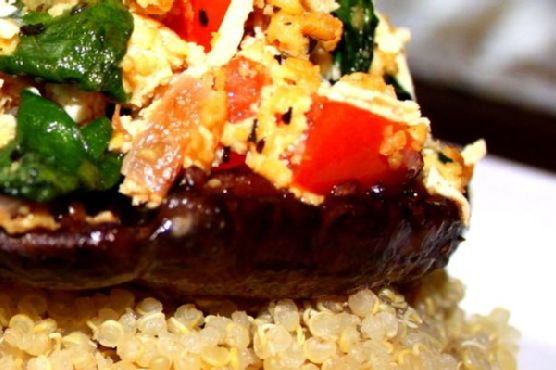
Vegan Stuffed Portobello Mushroom over Quinoa | Made by Meaghan Moineau

Picture this: It’s a Tuesday evening, and I’m staring into my fridge, hunting for inspiration. It’s been a chaotic day with back-to-back meetings and a toddler who thinks naptime is optional. I need something quick, something comforting. My eyes land on a pack of portobello mushrooms and a forgotten block of tofu in the freezer. A lightbulb moment! Vegan Stuffed Portobello Mushrooms over Quinoa. It’s not only going to save dinner but also my sanity. This dish is a godsend on nights like these. It’s hearty, packed with flavor, and gives me that little victory dance moment because it feels way fancier than the effort it demands.

Jump to Recipe

What You’ll Need

This recipe is a pantry hero — chances are, you already have most of this on hand.

  • Cooked quinoa
  • Large portobello mushrooms
  • Frozen tofu
  • Diced tomato
  • Fresh spinach
  • Red diced onion
  • Garlic
  • Dried oregano
  • Dried basil
  • Nutritional yeast
  • Lemon juice
  • Daiya vegan mozzarella “cheese”
  • Olive oil
  • Balsamic vinaigrette
  • Salt and pepper

How to Make Vegan Stuffed Portobello Mushroom over Quinoa

  1. Start off by cooking your quinoa according to package instructions and set it aside. This will be your bed of deliciousness.
  2. Thaw the tofu, then drain and squeeze out all that excess water. You want it as dry as possible to soak up all the flavors.
  3. Gently brush off any dirt from the portobello mushrooms and remove the stems. Set them aside for stuffing.
  4. Whip up a quick marinade for the mushrooms: mix together 3 tablespoons of olive oil, 3 tablespoons of balsamic vinaigrette, and season it with salt and pepper. Taste as you go — you want a balance of tangy and salty.
  5. In a pan, heat 3 tablespoons of olive oil over medium heat. Add diced onions, minced garlic, a pinch of dried oregano, and basil. Cook until the onions are soft and fragrant.
  6. Now, crumble the tofu with your hands directly into the pan. Stir it around, letting it cook on medium heat for about 15 to 20 minutes. This step fills your kitchen with a mouthwatering aroma.
  7. Add nutritional yeast, fresh spinach, diced tomato, and a splash of lemon juice to the tofu. Stir everything together, cooking for just another minute, then set aside.
  8. Dip each mushroom cap into the marinade, ensuring it’s nicely coated, and place them top side down on a baking pan.
  9. Stuff each mushroom with the tofu and veggie mixture. This is where the magic happens — don’t be shy, pack them full!
  10. Top it all off with a generous sprinkle of vegan mozzarella cheese. Because why not?
  11. Preheat your oven to 370 degrees Fahrenheit. Once it’s ready, bake the stuffed mushrooms for 15 to 20 minutes, until the cheese is melty and bubbly.
  12. Serve your glorious stuffed mushrooms over a fluffy bed of quinoa and take a moment to admire your creation.

Cook’s Notes

Here are a few nuggets of wisdom to keep this dish a breeze. The marinade is key — don’t skimp on it; it infuses the mushrooms with so much flavor. Cooking the tofu until it’s golden and crispy is another must-do for an added texture contrast. If you’re planning ahead, you can stuff the mushrooms in advance, then bake them right before serving. Leftovers keep well for a couple of days in the fridge, and they reheat beautifully in the oven.

Make It Your Own

Here are some fun swaps and additions to keep things interesting:

  • Swap the frozen tofu for crispy baked chickpeas for a different texture.
  • Add a sprinkle of pine nuts on top before baking for a nutty crunch.
  • Use zucchini ribbons instead of spinach if you’re in the mood for something a bit different.
  • For a spicy kick, mix some sriracha or your favorite hot sauce into the tofu mixture.

If you try this, I’d love to hear how it turns out — drop a comment or tag me! Cooking for you is like sharing a piece of my heart, and I hope you feel that love in every bite.

Related update: Venison Stew

Windows 11 KB5083826 Strengthens WinRE | Analysis by Brian Moineau

When recovery matters: Microsoft released Windows 11 KB5083826 update for OS recovery – Neowin

Microsoft released Windows 11 KB5083826 update for OS recovery – Neowin — and while that headline sounds like tech press routine, what landed in mid‑April 2026 matters more than you might think. This Safe OS dynamic update targets the Windows Recovery Environment (WinRE) for recent Windows 11 branches (24H2 and 25H2), patching behind‑the‑scenes plumbing that only shows its value when things go wrong.

Updates that improve recovery rarely make splashy headlines. Yet when your PC won’t boot, WinRE is the last lifeline. KB5083826 is one of the April 2026 dynamic updates Microsoft pushed to repair and harden that lifeline across supported Windows 11 versions.

Why this update arrived and what it changes

  • Microsoft has shipped a series of Safe OS (WinRE) and Setup dynamic updates this year to address issues with recovery, reset, and setup flows.
  • KB5083826 is a Safe OS Dynamic Update aimed at Windows 11 versions 24H2 and 25H2. It brings fixes and stability work for WinRE — the recovery environment used for Reset, Startup Repair, Command Prompt, and other rescue tools.
  • These updates don’t add user‑facing features. Instead, they repair the code that runs before the full OS boots — precisely the place where earlier updates have occasionally caused failures or device lockouts.

Put simply: this update is about ensuring that when Windows needs to fix itself, the toolkit actually works. That’s the sort of maintenance that saves hours of frustration for IT teams and ordinary users alike.

The broader context — why WinRE updates matter now

Over the past year Microsoft has repeatedly released emergency and dynamic updates for recovery and setup components after several incidents where recovery tools misbehaved following cumulative changes. Those incidents revealed how easy it is for a security or quality update to inadvertently impact recovery drivers, input devices in WinRE, or the setup path used during repairs.

  • Administrators reported recovery tools losing keyboard/mouse support or failing to launch after certain October/November 2025 updates.
  • Microsoft responded with targeted Safe OS/Setup dynamic updates and documentation on release‑health pages to help IT pros track fixes and known issues.

So KB5083826 is part of a continuing effort: not a one‑off, but a steady hardening of the recovery surface. That’s reassuring — but it also highlights how fragile preboot and setup paths can be when many moving parts (drivers, secure boot, OEM tooling) interact.

What users and IT admins should know

  • This is a Safe OS dynamic update: it installs into the WinRE image and is applied where and when the recovery environment is used. Expect it to be small and focused.
  • You may see KB5083826 referenced in Windows Update logs or deployment systems as a WinRE/Safe OS update for 24H2/25H2 devices.
  • For managed environments, verify your update tooling (WSUS, Intune, Configuration Manager) picks up the dynamic update as needed; Microsoft’s release pages list availability and guidance for enterprise deployment.
  • If you had prior issues with recovery tools (unresponsive Reset, missing input support in WinRE, or failed Startup Repair), apply the update and test recovery scenarios on a small set of machines before broad rollout.

Transitioning from patch notes to action: if you administer Windows fleets, add WinRE tests to your validation checklist after dynamic updates. For home users, ensure Windows Update installs the offered updates and keep a recent full image or backup, because recovery tools are insurance — but backups are the real safety net.

A closer look at Microsoft’s approach

Microsoft’s use of Safe OS and Setup dynamic updates is pragmatic. Instead of waiting for monthly cumulative updates to fix preboot problems, the company can push small targeted fixes to the recovery image itself. That lowers the wait time for fixes that matter when systems won’t boot.

However, this approach comes with responsibilities:

  • It requires solid telemetry and rapid testing across hardware variations. WinRE interacts closely with firmware and vendor drivers, which can vary wildly across PCs.
  • It raises the bar for validation by enterprises: administrators should simulate recovery flows (boot to WinRE, run Reset, use Startup Repair, check input devices) after dynamic updates, not just rely on normal boot testing.

In short, the model is better for faster fixes, but it forces better validation discipline.

A few practical tips

  • If you’ve experienced recovery issues: check Windows Update history for recent Safe OS or Setup updates (you may see KB5083826 or similar entries). Then, test WinRE functionality (keyboard, mouse, Reset, Command Prompt).
  • Create and verify a bootable recovery or installation USB periodically. Dynamic updates to WinRE don’t replace the value of a tested external rescue media.
  • For enterprises: include recovery flow checks in your update ring testing, and consult Microsoft’s release‑health pages for known issues and guidance.

What this means for the average user

Most people will never notice KB5083826 beyond a line in their update history. But when their PC refuses to boot or Reset fails, this kind of update is the difference between a quick self‑repair and a full reinstall.

That invisible work — tightening the bolts on the rescue toolbox — keeps the whole platform resilient. And in a world where firmware, drivers, and security updates interact in complex ways, those invisible fixes are quietly important.

Final thoughts

Updates like KB5083826 aren’t glamorous, but they’re the kind of maintenance that matters when your system is at its most vulnerable. Microsoft’s continued focus on Safe OS and Setup dynamic updates shows they’ve learned the hard lesson: recovery tooling must be treated with the same care as the running OS. For IT pros and vigilant users alike, the practical takeaway is simple — keep systems patched and validate recovery paths. When the inevitable issue arrives, you’ll be glad the rescue tools actually work.

Sources


Related update: We recently published an article that expands on this topic: read the latest post.

Beet Greens and Poached Eggs | Made by Meaghan Moineau

Picture this: it’s a lazy Sunday morning, and the sun’s rays are just starting to peek through your kitchen window. You’re in the mood for something special, something that feels like a treat but won’t have you slaving away in the kitchen. Enter my Beet Greens and Poached Eggs recipe. It’s one of those dishes that looks impressive but is surprisingly easy to whip up. The combination of fresh, vibrant beet greens and perfectly poached eggs is both comforting and elegant — a win-win! Plus, it’s a great way to use up those pesky beet greens that always seem to end up forgotten in the fridge. Whether you’re treating yourself or impressing a loved one, this dish will hit the spot.

Jump to Recipe

What You’ll Need

We’re keeping this simple and fresh. Chances are, you already have most of these on hand, and if not, they’re worth the grocery run.

  • Eggs – go for the freshest ones you can find.
  • Vinegar – just a splash for the poaching water.
  • Water – enough to fill a skillet for poaching.
  • Coconut oil – gives the greens a lovely depth.
  • Leek – thinly sliced for a subtle oniony flavor.
  • Baby beet greens – the star of the show, chopped.
  • Garlic – minced for that irresistible aroma.
  • Lemon (juice) – for a bright hit of acidity.
  • Shredded Parmesan cheese – because cheese makes everything better.

How to Make Beet Greens and Poached Eggs

  1. Heat a small skillet over medium-low heat and add about 2 inches of water. Wait until tiny bubbles start to gently rise to the surface. This is your cue to add a pinch of salt and a splash of vinegar.
  2. Carefully crack the eggs into the water, one at a time, slowly sliding each into its own corner of the pan. Cover the skillet and allow to simmer gently for 8 to 10 minutes. You’re aiming for whites that are set with yolks still runny — that’s the magic moment.
  3. While the eggs are poaching, heat a large nonstick skillet over medium heat and add the coconut oil. Once the oil has melted and filled the kitchen with its nutty aroma, toss in the sliced leeks and beets.
  4. Cook the leeks and beets for about 5 to 8 minutes, stirring occasionally, until they’re tender and their natural sweetness is coaxed out.
  5. Add the minced garlic, letting it do its aromatic dance for about a minute before introducing the chopped baby beet greens. Stir everything together for another two minutes, then remove from heat. Toss in a splash of lemon juice and keep stirring gently until the greens are just wilted.
  6. Divide the greens mixture between two plates. When the eggs are ready, carefully lift them out with a slotted spoon, letting the excess water drain away, and place one egg on each pile of greens.
  7. Finish each plate with a tablespoon of shredded Parmesan cheese, letting it melt slightly from the heat of the eggs. Serve immediately and enjoy the glorious marriage of flavors and textures.

Cook’s Notes

A few quick tips to make your cooking experience smoother than a perfectly poached egg. When poaching, don’t rush the process. Patience is key, and those few extra minutes will make all the difference. If your skillet lid doesn’t fit perfectly, that’s okay — just do your best to cover the pan. As for leftovers, good luck having any! But if you do, store the greens and eggs separately in the fridge and reheat gently. The greens are quite forgiving, but reheating poached eggs is a delicate dance — a quick dip in hot water can do the trick if needed.

Make It Your Own

This dish is a canvas ripe for personalization. Here are some variations to get you started:

  • Switch up the greens: Try swapping beet greens for Swiss chard or spinach for a slightly different flavor profile.
  • Add some heat: Sprinkle a pinch of red pepper flakes over the greens for a little kick.
  • Mix up the cheese: Replace Parmesan with crumbled feta for a tangy twist.
  • Protein boost: Top with crispy bacon bits or slices of smoked salmon for added texture and flavor.

If you give this recipe a try, I’d love to hear how it turns out for you! Drop a comment below or tag me in your kitchen adventures. Happy cooking, friends!

Related update: Beet Greens and Poached Eggs

Related update: Strawberry Shortcake Pancakes

Fall Fruit Compote | Made by Meaghan Moineau

Picture this: It’s a crisp Saturday morning in late October, and the air smells like fallen leaves and the promise of something delicious bubbling on the stove. I’d just come back from the local farmers’ market with a basket full of honeycrisp apples and ripe pears, when I had this sudden inspiration to make something that feels like a warm hug for your taste buds. That’s how this Fall Fruit Compote came to life! It’s the perfect combination of sweet and tangy with a hint of spice from the cinnamon, making it a cozy companion for just about any dish. Whether you’re spooning it over pancakes, pairing it with savory potato latkes, or just nibbling it straight from the jar (guilty as charged), this compote is a must-try for the season.

Jump to Recipe

What You’ll Need

This recipe is all about embracing the flavors of fall, with ingredients that are probably hanging out in your pantry already or easy to snag at the store.

  • Butter – for that rich, dreamy base
  • Diced honeycrisp apples – sweet and crispy, the star of this show
  • Diced pears – a soft, juicy partner for the apples
  • Dried cherries – they add a pop of color and tartness
  • Apple cider vinegar – just a splash to bring out the flavors
  • Apple juice – keeps everything juicy and flavorful
  • Brown sugar – for a deep, molasses-y sweetness
  • Cinnamon stick – the essential fall spice

How to Make Fall Fruit Compote

  1. Melt the butter in a medium saucepan over high heat until it starts to bubble and sizzle. You want that nutty aroma to fill the air.
  2. Toss in the diced apples, pears, and dried cherries, followed by the apple cider vinegar, apple juice, brown sugar, and cinnamon stick. Give it all a good stir to make sure everyone’s getting along in the pot.
  3. Cook this fruit medley for about 5 minutes. The apples and pears should start to soften, and the cherries will begin plumping up.
  4. Lower the heat to medium. Let it cook for a few minutes more, keeping a watchful eye as the liquid reduces and the fruit becomes tender. Stir occasionally to prevent sticking.
  5. If the mixture looks like it’s drying out too quickly, trickle in a bit more apple juice. You want the fruit tender and the liquid mostly gone, leaving a thick, syrupy goodness.

Cook’s Notes

Alright, here’s the scoop on perfecting this compote. First off, keep an eye on your heat levels. It’s easy for the sugars to burn if the heat’s too high, especially towards the end when the liquid is nearly evaporated. If you’re making this ahead, know that it keeps wonderfully in the fridge for up to a week. Just pop it in a jar or airtight container. When you’re ready for a warm serving, a quick zap in the microwave or a gentle reheat on the stove works like a charm. And remember, if you find yourself with leftovers (rare, but it happens), this compote is a dream swirled into yogurt or spread over toast.

Make It Your Own

Get creative and switch things up with these ideas:

  • Swap the dried cherries for dried cranberries for a tarter twist.
  • Add a splash of bourbon or rum for a grown-up, boozy version.
  • For a spicier kick, throw in a pinch of ground ginger or nutmeg with the cinnamon.
  • Use maple syrup instead of brown sugar for a different layer of sweetness.

If you try this, I’d love to hear how it turns out — drop a comment or tag me! Enjoy the cozy vibes, and happy cooking! 🍎🍐

Related update: Fall Fruit Compote

Related update: Ginger Cookies- gluten free, soy free, vegan

From SF Classic to Bay Area Powerhouse | Analysis by Brian Moineau

How Original Joe’s grew from a San Francisco classic into a Bay Area restaurant empire, with Walnut Creek emerging as its latest hit

Original Joe’s is that kind of place you tell friends about the moment you smell the garlic and hear the clink of leather booths: warm, unapologetically retro, and stubbornly delicious. How Original Joe’s grew from a San Francisco classic into a Bay Area restaurant empire, with Walnut Creek emerging as its latest hit, is a story of heritage, careful expansion, and a family willing to bet big on local taste — even when the math looked risky.

The Duggan family didn’t invent the classic Italian-American diner in San Francisco, but they’ve become its most visible steward. Their choices over the last decade transformed a single-city institution into a multi-location operation that still reads as authentic. The Walnut Creek chapter, after fits and starts, is proof that a historic brand can scale without losing its soul.

Why the story matters

  • It’s a textbook example of preserving identity while pursuing growth.
  • It shows how legacy restaurants can tap suburban demand without becoming a caricature.
  • It offers a lens on Bay Area dining today: people want familiarity, theater, and big portions — often all at once.

The roots: a San Francisco original

Original Joe’s began in 1937 as a modest counter in San Francisco’s Tenderloin. Over decades it became synonymous with what many locals call “Joe’s Special” — egg-scramble comfort food, hearty steaks, red-sauce plates and cocktails served in rooms that feel like family basements made elegant.

Rather than chase trends, the restaurant doubled down on its DNA: open kitchens, leather booths, and the exact portion sizes that keep late-night customers and long-time regulars coming back. That fidelity to a recognizable experience turned the brand into cultural capital — something the Duggans could leverage.

The expansion dilemma: preserve or proliferate?

Growth often forces a brand to choose between dilution and authenticity. Original Joe’s faced a particularly tricky version of that question: expand and risk losing the old-guard charm, or stay small and miss a wave of regional opportunity.

The Duggan siblings opted for controlled expansion. They re-opened and refreshed historic locations, kept family leadership close to operations, and maintained menu staples while allowing limited innovation. The result was growth that looked deliberate rather than opportunistic.

Transitioning from a single iconic site to a regional presence required more than a good recipe. It required investment in operations, design, and — crucially — an ability to read neighborhood rhythms beyond San Francisco.

Walnut Creek: the gamble that paid attention

Walnut Creek wasn’t chosen at random. As suburbs like Walnut Creek revitalize downtown cores and malls, they attract diners craving full-service experiences they used to travel to the city for. Original Joe’s spent years planning the move into the East Bay, renovating a large space at Broadway Plaza to create a 300-seat destination that could handle both lunch crowds and weekend waits.

The Walnut Creek opening wasn’t drama-free — early setbacks like a kitchen fire briefly shuttered the new spot — but the reopening confirmed a truth: the appetite for nostalgia-forward, reliably executed comfort food extends beyond city limits. The Walnut Creek location, with its busy patios and long waits, quickly became the chain’s latest hit.

What they got right

  • Location sizing: a larger footprint let Joe’s host big parties and high-volume service without sacrificing the theatricality of the open kitchen.
  • Design that honors the past: new sites echo the San Francisco original with booths and vintage touches, which helps guests feel they’re part of the story.
  • Family leadership: having ownership tightly involved in operations kept the menu and service consistent.
  • Patient timing: years of planning and capital investment rather than rushed franchising avoided brand erosion.

What to watch next

Original Joe’s has proven it can transplant itself successfully, but scaling beyond the Bay Area poses new tests. Can the brand sustain quality while increasing speed and volume? Will new neighborhoods accept a retro Italian-American script, or will tastes shift toward lighter, faster formats? Their next moves will show whether this is a regional empire in the making or a carefully managed cluster of beloved outposts.

Lessons for other legacy restaurants

  • Preserve a core signature experience; it’s what people pay to revisit.
  • Invest in the guest experience, not just square footage. Design and theater matter.
  • Expand where demand is proven and demographics match the brand’s audience.
  • Expect hiccups. How you handle them — transparently, quickly, and with service recovery — defines long-term reputation.

A few data-backed notes

  • Original Joe’s traces back to 1937 and grew under the Duggan family’s stewardship in recent decades. (Original Joe’s official history documents this lineage.)
  • The Walnut Creek location opened after multiple planning years and major renovation, becoming the brand’s first East Bay outpost in 2025. (Local coverage and the city announcement documented the timeline.)
  • Early operational setbacks, including a brief closure due to a kitchen fire days after the grand opening, delayed a continuous run but didn’t stop the location from becoming popular after reopening. (Local news outlets covered the incident and reopening.)

My take

This story isn’t just about a menu or a storefront. It’s about cultural continuity: a family-owned restaurant recognizing that authenticity can scale when you invest in design, people, and timing. Walnut Creek’s love affair with Original Joe’s shows that modern diners still crave the comfort of classics done well. For restaurateurs, the lesson is clear: guard what makes you beloved, but be brave enough to go where the diners are.

Sources