Cranberry-Orange Pistachio Chip Cookies | Made by Meaghan Moineau

It was one of those chilly October afternoons where the air feels crisp and the leaves are doing that magical thing they do—turning into a vibrant sea of reds, oranges, and yellows. I was craving something cozy but with a twist, something that fit the season without being a pumpkin-flavored cliché. That’s when the idea for Cranberry-Orange Pistachio Chip Cookies came to me. These cookies are the perfect blend of tart cranberries and zesty orange, with the unexpected crunch of pistachios and creamy white chocolate morsels. They’re a little bit fancy, but still easy enough to whip up on a whim. I promise, once you try them, you’ll want to make them part of your regular cookie rotation.

Jump to Recipe

What You’ll Need

I bet you already have most of these ingredients lounging in your pantry, just waiting to be transformed into something wonderful.

  • 2 1/4 cups all-purpose flour
  • 1 teaspoon baking soda
  • 1/2 teaspoon salt
  • 1 cup (2 sticks) butter, softened
  • 3/4 cup granulated sugar
  • 3/4 cup packed brown sugar
  • 1 teaspoon vanilla extract
  • 2 large eggs
  • 2 cups white nestlé® toll house® premier morsels
  • 1 cup chopped pistachios
  • 1 cup dried craisins
  • 1/2 cup chopped candied orange peel

How to Make Cranberry-Orange Pistachio Chip Cookies

  1. Preheat your oven to 375°F (190°C). The anticipation starts now as the kitchen warms up and gets ready for some cookie magic.
  2. In a small bowl, whisk together the flour, baking soda, and salt. This is your dry mix—it’s the base that holds all the other goodies together.
  3. In a large bowl, beat the butter, granulated sugar, brown sugar, and vanilla extract until creamy. You want it smooth and luscious, like frosting but thicker.
  4. Add the eggs one at a time, beating well after each addition. The batter will start to look pale and fluffy.
  5. Gradually beat in the flour mixture. Go slow here; you don’t want a flour storm in your kitchen.
  6. Fold in those beautiful white morsels, pistachios, dried cranberries, and orange peel. This is where the magic happens—the cookies are getting their personality.
  7. Drop rounded tablespoonfuls of dough onto parchment-lined baking sheets. Space them out, they need room to spread their deliciousness.
  8. Bake for 9 to 11 minutes or until golden brown. You’ll know they’re ready by the dreamy aroma and the slight browning at the edges.
  9. Cool on the baking sheets for a couple of minutes before moving to wire racks. This is the hardest part—waiting for them to cool completely.

Cook’s Notes

These cookies are a bit of a showstopper, but they’re really straightforward. A few tips:

  • Use the freshest pistachios you can find; their flavor really shines here.
  • If you don’t have candied orange peel, you can make your own or use fresh zest in a pinch—just a little extra sugar will balance the tartness.
  • These cookies are perfect for making ahead. You can freeze the dough balls, then bake as needed for a fresh cookie fix.
  • Leftovers will stay delicious in an airtight container for about a week, but honestly, they’ll probably disappear way before then.

Make It Your Own

Want to tweak these cookies to better suit your taste buds or pantry stash? Here are some ideas:

  • Swap the pistachios for almonds or walnuts if you prefer a different nutty note.
  • Try semi-sweet chocolate chips instead of white morsels for a deeper chocolate experience.
  • If dried craisins aren’t your thing, swap them out for dried cherries or even chopped dried apricots.
  • Add a hit of spice with a teaspoon of ground cinnamon or cardamom for a warm, cozy vibe.

If you try this, I’d love to hear how it turns out—drop a comment or tag me! Happy baking, and may your kitchen be filled with the sweet scent of these glorious cookies.

Related update: Cranberry-Orange Pistachio Chip Cookies

Related update: Fat Free Gingerbread Cookies

Flores Subpoenas Pull 25 NFL Teams | Analysis by Brian Moineau

TL;DR

  • Brian Flores’ legal team subpoenaed 25 of the NFL’s 32 clubs and issued more than 1,000 discovery requests, pulling about four-fifths of the league into potential document and chat production tied to his race discrimination suit. [1]
  • The requests reportedly include a 24-year lookback, converting this into a long‑horizon paper-and-messages hunt well beyond the six teams named in the complaint. [1]
  • The real fight in 2026 isn’t email; it’s whether iMessage, WhatsApp, Slack, and Teams data survive preservation and production battles, because candid hiring chatter often moved off email after 2015. [6][10]

What the source said

ESPN reported that Flores’ counsel served subpoenas on 25 teams and sent more than 1,000 discovery requests in federal court, seeking communications, interview files, and policy documents on hiring practices that he says reflect systemic bias. The requests aim at “sham” interview evidence and Rooney Rule compliance trails from coaches’ slates to reference notes. The matter sits in the Southern District of New York with discovery disputes active, and the filing did not publicly identify which 25 clubs were subpoenaed. [1][2]

Why it matters

Since the NFL adopted the Rooney Rule in 2003, clubs have had to document certain interview steps, but those artifacts rarely see daylight; court‑ordered production could reveal how decision paths formed over two decades. For Black coordinators and position coaches, that means scorecards, finalist lists, and notes that show if “fit” correlated with predetermined choices. [3]

Owners, presidents, and general managers now face broad nonparty discovery risk across phone, cloud, and chat repositories. Even when courts narrow scope, long‑tail PR damage can follow—as it did in 2021 when leaked Washington Football Team materials led to Jon Gruden’s resignation after emails became public. [5]

Original analysis

Scope math and posture

  • Breadth: 25 of 32 clubs were subpoenaed—78.1% of the league. If you include the six defendant teams also named in filings, up to 31 clubs could be touched, or 96.9% of the NFL’s membership. 25 ÷ 32 ≈ 78.1%; (25 + 6) ÷ 32 ≈ 96.9%. [1]
  • Timeframe: A 24‑year lookback implies 25 clubs × 24 seasons = 600 club‑years of potentially responsive hiring material, even before you count the defendant teams. [1]
  • Posture: The case proceeds in S.D.N.Y. before Judge Valerie Caproni, who previously split claims between court and arbitration and is now refereeing discovery scope and burden fights. [2]

Back‑of‑envelope cost signal: Processing data to get it into review commonly runs tens to low hundreds of dollars per gigabyte before attorneys read a single message; $25–$125/GB is a published range, which scales fast across phones, laptops, and chat exports for dozens of custodians. The dollar figure is secondary to the institutional risk that candid strings surface in public filings or hearings. [4]

A simple 2×2 for where “smoking guns” live

  • Record type (structured vs. unstructured) × Custody (corporate vs. personal) creates four buckets:
    • Structured/corporate: applicant tracking systems, HRIS fields, and calendar invites from 2010–2024; low heat, high completeness.
    • Structured/personal: rare, e.g., interview scorecards saved in a coach’s personal Google Drive; moderate heat, tricky custody.
    • Unstructured/corporate: email threads and Slack/Teams channels created after 2016; high heat, improved admin logs.
    • Unstructured/personal: iMessage/WhatsApp/Signal on BYOD devices from executives and scouts; very high heat, highest spoliation risk if auto‑delete or “disappearing” settings were active. [6][7][10]

Historical analogue (what it predicts)

In October 2021, New York Times reporting on leaked emails tied to the Washington investigation triggered Jon Gruden’s resignation from the Raiders; those messages were collateral to another probe and not the centerpiece of a hiring lawsuit. When discovery spans most teams in 2026–2027, analogous reputational shrapnel becomes more likely even if the court narrows scope. Expect at least one unflattering exchange about “preselected” candidates to surface once exhibits become public. [5]

Contrarian read

Conventional wisdom says judges will prune the asks as a fishing expedition and the league will settle quickly to stop leaks. That overlooks coordination frictions: 25 nonparty clubs each have distinct counsel, archives, and risk tolerances, which complicates any global off‑ramp. It also misreads incentives in 2026, when validating documented interview processes offers the league a reason to litigate proportionality and preserve the narrative that Rooney Rule steps reflect genuine consideration. [1][2]

Named‑stakeholder breakdown

  • Judge Valerie Caproni (S.D.N.Y.): She will decide what portions of the 24‑year scope survive, which custodians matter, and whether mobile/chat data must be imaged and produced; those orders will set national headlines. [2]
  • NFL headquarters: Park Avenue lawyers must coordinate objections, search terms, and rolling productions across 25 nonparties, where a single email chain can sink months of DEI messaging. [1]
  • Giants, Broncos, Texans: As defendants named in Flores’ 2022 complaint, their 2019–2022 HC and coordinator searches face the closest scrutiny and earliest deadlines. [2]
  • Minnesota Vikings: Flores served as defensive coordinator in 2023, creating added sensitivity around any interview files or communications that reference his candidacies and evaluations. [1]
  • Black coordinator pipeline: QB, DC, and OC candidates interviewed between 2010 and 2024 could gain empirical artifacts—finalist slates, rubric scores—to contest “fit” narratives that often lack auditable evidence. [3]

What others are missing

The most consequential fight is over collaboration and mobile data, not email. In 2023, a federal court sanctioned Google for auto‑deleting Chats in a DOJ antitrust case, signaling that ephemeral or “history off” settings won’t shield candid business communications from discovery or sanctions. The FTC’s Model Second Request and modern ESI protocols explicitly press for Slack/Teams/WhatsApp data and mobile collections, which means clubs that failed to lock down BYOD phones when litigation was reasonably anticipated face real spoliation exposure. That is where interview‑theater vs. substantive‑consideration evidence will likely appear. [6][10][7]

What to watch next

  1. By August 30, 2026, Judge Caproni will narrow—but not quash—the nonparty subpoenas, compelling at least interview notes, finalist slates, and job descriptions from 2010–2024 for a subset of custodians.
  2. By December 31, 2026, at least one internal club communication about a head‑coach interview will appear in a public filing or hearing exhibit and trigger either an internal review or formal discipline announced by a team or the league.
  3. By November 15, 2026, at least one motion for sanctions alleging spoliation of chat or text messages (iMessage, WhatsApp, Slack, or Teams) will be filed on the public docket in S.D.N.Y. in this case.

Sources

[1] ESPN — Report on Flores’ subpoenas to 25 teams and 1,000+ discovery requests; anchors breadth, timeframe, and nonparty scope.
[2] Reuters — Coverage of Judge Valerie Caproni’s rulings in Flores v. NFL; establishes S.D.N.Y. posture and discovery/arbitration context.
[3] NFL Operations (Rooney Rule overview) — Documents the rule’s 2003 adoption and interview‑process intent; frames what records clubs likely kept.
[4] ComplexDiscovery ESI Pricing Survey (2023–2024) — Benchmarks eDiscovery processing costs in the $25–$125/GB range; supports cost math.
[5] New York Times (Oct. 11, 2021, Jon Gruden emails/resignation) — Historical analogue for collateral disclosure risk from unrelated probes.
[6] U.S. v. Google LLC (N.D. Cal. 2023, Chat spoliation order) — Demonstrates courts’ intolerance for ephemeral messaging deletions; pertinent to Slack/Chat/iMessage disputes.
[7] The Sedona Conference, Commentary on Ephemeral Messaging (2023) — Best‑practice guidance on preserving mobile and chat data; informs sanctions risk.
[10] FTC, Model Second Request (2021 update) — Explicitly addresses collaboration tools and mobile collections; maps to civil discovery expectations.


Related update: We recently published an article that expands on this topic: read the latest post.


Related update: We recently published an article that expands on this topic: read the latest post.


Related update: We recently published an article that expands on this topic: read the latest post.


Related update: We recently published an article that expands on this topic: read the latest post.

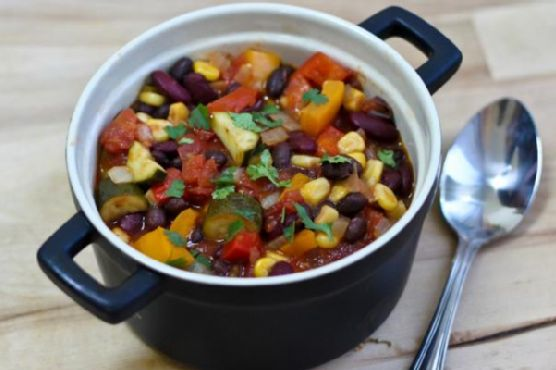
Smokey Rainbow Chili | Made by Meaghan Moineau

Last Tuesday, I found myself staring into the abyss that is my refrigerator, wondering what on earth I could whip up for dinner. You know those nights when you just can’t muster the energy to make anything extravagant but still crave something warm and satisfying? That’s when Smokey Rainbow Chili came to the rescue. Packed with colorful veggies and a kick of spice, this dish not only brightens up your plate but also your soul. Perfect for a chilly evening or when you need a bit of comfort without the fuss. It’s like a cozy blanket in a bowl, making it totally worth the little effort it takes to make.

Jump to Recipe

What You’ll Need

I bet you already have most of these tucked away in your pantry, just waiting to be transformed into something magical. Here’s what you’ll need:

  • 2 tablespoons of olive oil
  • 1 medium zucchini, diced
  • 1 large red bell pepper, diced
  • 1 large orange bell pepper, diced
  • 1 diced fresh jalapeno pepper
  • 4 cloves of garlic, minced
  • 1 large onion, chopped
  • 1 can (14.5 ounces) of stewed tomatoes with liquid
  • 1 can (6 ounces) of tomato paste
  • 1 can (15 ounces) of black beans, drained and rinsed
  • 1 can (15 ounces) of whole kernel corn, drained
  • 1 can (15 ounces) of red kidney beans, drained and rinsed
  • 1 tablespoon of smoked paprika
  • 2 tablespoons of chili powder
  • 1 teaspoon of dried oregano
  • 1/2 teaspoon of black ground pepper
  • 1/4 teaspoon of cayenne pepper (or more if you’re feeling brave!)

How to Make Smokey Rainbow Chili

  1. In a large pot, heat the olive oil over medium-high heat. You want it shimmering, not smoking.
  2. Add the zucchini, red bell pepper, orange bell pepper, jalapeno, garlic, and onion. Cook them for about 5 minutes or until they’re just tender and the kitchen smells like heaven.
  3. Pour in the stewed tomatoes with their liquid and stir in the tomato paste until it dissolves evenly, giving you a beautiful, rich base.
  4. Add the black beans, corn, and kidney beans, mixing them well into the tomatoey goodness.
  5. Sprinkle in the smoked paprika, chili powder, oregano, black pepper, and cayenne. Each stir should reveal a little rainbow of color and promise of flavor.
  6. Bring the pot to a boil. Keep an eye out for those bubbling edges that signal it’s time to turn the heat down.
  7. Reduce the heat to low and let it simmer for about an hour, stirring occasionally. If your veggie chunks are on the larger side, you might want to let it simmer a bit longer until they’re perfectly tender.

Cook’s Notes

Here’s the deal: the longer you let this chili simmer, the deeper the flavors get, so if you’ve got the time, let it do its thing. But if you’re in a rush, 30 minutes of simmering can still do wonders. Just taste as you go and adjust the seasoning to your liking. If you like your chili super thick, reduce the simmering time or add a bit less liquid from the tomatoes.

Got leftovers? This chili tastes even better the next day. Just pop it in the fridge for up to 3 days, or freeze it for a rainy day. When reheating, you might need to add a splash of water or broth to get it back to the perfect consistency.

Make It Your Own

  • Want some meat in there? Brown a pound of ground beef or turkey, and add it in after sauteing the veggies.
  • For a vegan protein boost, throw in some crispy tofu cubes once the chili is done simmering.
  • Craving more heat? Add an extra jalapeno or a splash of hot sauce to dial up the fire.
  • If you’re a fan of smoky flavors, double up on the smoked paprika or add a drop of liquid smoke.

If you try this, I’d love to hear how it turns out — drop a comment or tag me! My DMs are open for all your kitchen triumphs and tribulations. Happy cooking, friends!

Related update: Roast Chicken with Apples and Rosemary

Related update: Vietnamese Beef-Noodle Soup With Asian Greens, Okay Vietnamese/japanese

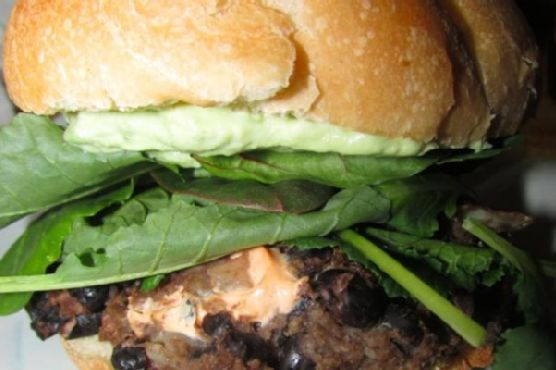
Chipotle Cheese Stuffed Black Bean Burgers with Avocado Creme | Made by Meaghan Moineau

Last Tuesday was one of those days where time slipped through my fingers like sand, and suddenly it was dinnertime, and I had no plan. I stared into the fridge, hoping for inspiration to magically appear, and then my eyes landed on a can of black beans. Instantly, I knew it was time to whip up one of my lifesavers: Chipotle Cheese Stuffed Black Bean Burgers with Avocado Creme. These beauties are my go-to when I need something quick but still wanna impress myself (and anyone else lucky enough to be around). They're packed with flavor, and honestly, who can resist anything stuffed with cheese? Plus, they're vegetarian-friendly and can be made with stuff you're likely to have on hand. They're savory, slightly spicy, and the creamy avocado topping just brings it all home.

Jump to Recipe

What You'll Need

Chances are you already have most of this list tucked away in your pantry or fridge. Here's what you'll need to get these burgers sizzling:

  • Canned black beans
  • Yellow diced onion
  • Diced mushrooms
  • Egg
  • Panko bread crumbs
  • Cumin
  • Chipotle chili powder
  • Salt and pepper
  • Wild olive oil
  • Approx cream cheese spread
  • Hamburger buns
  • Cheese
  • Spinach and tomato (optional)
  • Avocado
  • Sour cream
  • Lime juice
  • Sea salt

How to Make Chipotle Cheese Stuffed Black Bean Burgers with Avocado Creme

  1. Start by swirling a bit of olive oil in a skillet over medium heat. Toss in the diced mushrooms and onions. Sauté until they're softened and the aroma fills your kitchen, seasoning with a pinch of salt and pepper as you go.
  2. Drain the black beans and pour them into a medium bowl. Use a fork to mash them up; aim for a texture that's mostly smooth with some chunks left for interest.
  3. Mix in those sautéed mushrooms and onions, followed by the egg and bread crumbs. This is where it all starts coming together.
  4. Spice things up by adding cumin and a generous pinch of chipotle chili powder. Stir until everything is well combined, and take a moment to admire your handiwork.
  5. Now for the fun part: roll the mixture into burger patties. Whether you go for sliders or full-size is up to you. Create a little indent in the center of each and spoon in some cream cheese spread. Carefully mold the burger around the cheese, sealing it inside like a treasure.
  6. Heat a second swirl of olive oil in your skillet over medium heat. Cook the burgers two at a time, searing each side to a delicious golden brown, about 4 minutes on each side. If you're feeling cheesy, add sliced cheese on top now and cover the skillet to let it melt perfectly.
  7. While the burgers are sizzling, make your avocado creme. In a food processor or blender, combine avocado, sour cream, lime juice, and sea salt. Blend until smooth, tasting along the way to adjust the lime or sour cream to your liking.
  8. To serve, place each hot, cooked burger on an open toasted bun, top with optional spinach and tomato, and finish with a generous scoop of avocado creme before sandwiching it all with the top bun. Dig in while it's warm!

Cook's Notes

One of the best things about these burgers is how flexible they are. You can make the patties ahead of time and store them in the fridge for a day or two, or freeze them for up to a month. Just be sure to thaw completely before cooking. If you find your patties are falling apart, try adding a bit more bread crumbs to bind them better.

Leftovers, if you have any, are great for lunch the next day. Simply reheat in a skillet or microwave and enjoy them as they are, or get creative and crumble them into a salad or wrap.

Make It Your Own

  • Swap the cream cheese for goat cheese for a tangier filling.
  • For a vegan version, replace the egg with a flaxseed egg and use vegan cream cheese and cheese.
  • If you’re not a fan of mushrooms, substitute them with finely chopped bell peppers.
  • Add some chopped jalapeños to the mix for an extra spicy kick.

If you try this, I'd love to hear how it turns out — drop a comment or tag me! I always enjoy seeing the twists and tweaks you come up with. Happy cooking!