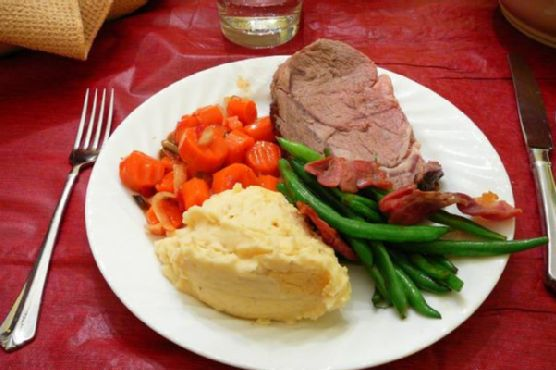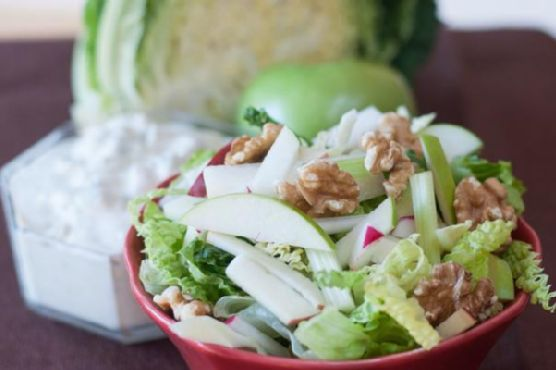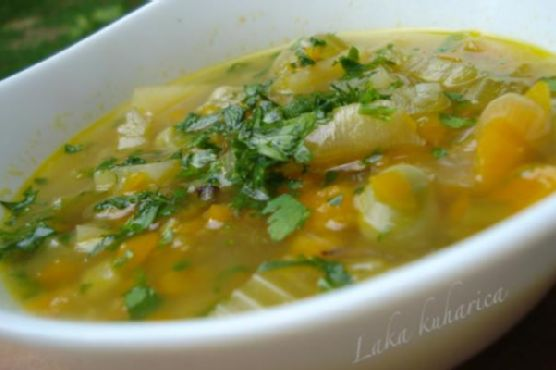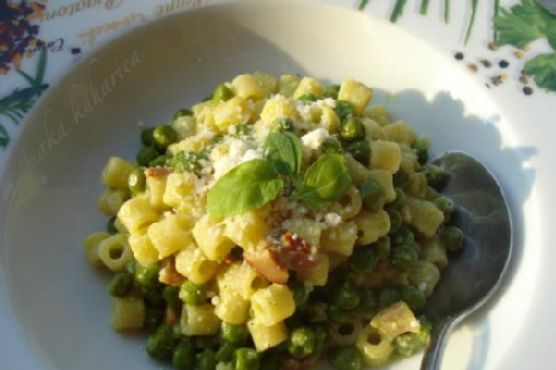
Macaroni and Cheese Gratin | Made by Meaghan Moineau

Macaroni and Cheese Gratin

Intro

There’s something magical about the comforting embrace of macaroni and cheese. It’s a dish that transcends age, a warm hug on a plate for both the young and the old. I remember spending countless afternoons in my grandmother’s kitchen, the air filled with the tantalizing aroma of bubbling cheese and freshly baked bread crumbs. She always let me sprinkle the breadcrumbs on top, a task I took to with glee. This Macaroni and Cheese Gratin recipe has been passed down through generations in my family, and today, I’m thrilled to share it with you.

Why You’ll Love It

This Macaroni and Cheese Gratin is the epitome of comfort food, with a crispy, herbed breadcrumb topping that contrasts beautifully with the creamy, cheesy pasta beneath. It’s perfect for family gatherings, potlucks, or a cozy night in. The blend of cheddar and gruyere provides a rich, tangy flavor, while a hint of nutmeg and pepper sauce adds warmth and depth. You’ll love how the top gets golden and crunchy, making every bite a delightful experience.

Ingredients

  • 2 cups herbed bread crumbs
  • 4 tablespoons butter, divided
  • 2 cups grated cheddar cheese
  • 1 pound elbow macaroni
  • 1/4 cup all-purpose flour
  • 1 cup grated gruyere cheese
  • 4 cups milk
  • 1/4 teaspoon freshly grated nutmeg
  • 1/2 cup grated parmesan cheese
  • 2 tablespoons chopped fresh parsley
  • 1 teaspoon pepper sauce
  • Salt, to taste

Instructions

  1. Bring a large pot of water to a boil. Add a generous pinch of salt, then add the elbow macaroni. Cook until just shy of al dente, since the macaroni will continue to cook in the oven. Drain and set aside.
  2. In another pot, melt two tablespoons of butter over medium heat. Add the flour and stir with a whisk or wooden spoon for a couple of minutes to cook the raw flavor out of the flour.
  3. Gradually whisk in the milk, 1/2 cup at a time, allowing the mixture to thicken before adding more. Once all the milk is incorporated, reduce the heat to low and continue to cook, stirring constantly, until the sauce thickens.
  4. Stir in the grated cheddar, gruyere, and parmesan cheeses until melted and smooth. Add the nutmeg, pepper sauce, and salt to taste. Remove from heat and set aside.
  5. Return the drained macaroni to its pot and pour the cheese sauce over it. Stir gently with a wooden spoon to combine.
  6. Spoon the macaroni mixture into individual gratin dishes or a large buttered baking dish. Feel free to add a few tomato slices here and there, pressing them gently into the surface.
  7. To make the topping, melt the remaining two tablespoons of butter and mix it with the herbed bread crumbs until well combined.
  8. Sprinkle the breadcrumb mixture evenly over the macaroni and cheese. Do not smooth out the top; leave a few peaks for extra crispiness.
  9. Bake in a preheated oven at 375°F (190°C) for 20-25 minutes, or until the top is golden brown and the cheese is bubbly.
  10. Garnish with chopped fresh parsley before serving.

Tips

For best results, use high-quality cheeses for a richer flavor. Feel free to make the cheese sauce ahead of time and store it in the refrigerator. When ready to bake, simply reheat the sauce gently and combine with the pasta.

Variations & Substitutions

Feel free to experiment with different types of cheese. A combination of sharp cheddar and smoked gouda can add a delightful twist. For a gluten-free version, use gluten-free pasta and flour. You can also add cooked bacon or diced ham to the macaroni for a meatier version.

Storage

Store any leftovers in an airtight container in the refrigerator for up to 3 days. To reheat, place in a preheated oven at 350°F (175°C) until warmed through. You can also freeze the gratin before baking; just ensure it’s well-covered. When ready to enjoy, bake directly from frozen, adding an extra 10-15 minutes to the cooking time.

FAQ

Can I make this dish ahead of time?

Yes, you can assemble the gratin up to a day in advance and refrigerate. Just add the breadcrumb topping right before baking.

What can I use instead of gruyere cheese?

If you can’t find gruyere, you can substitute it with Swiss cheese or even a mild provolone for a similar texture and flavor.

Nutrition

While I don’t have exact nutritional information for this dish, keep in mind that it’s a rich and indulgent treat. Moderation is key, and pairing it with a light salad can help balance out the meal.

Conclusion

This Macaroni and Cheese Gratin is more than just a meal; it’s a celebration of cheesy, comforting goodness that brings people together. Whether you’re sharing it with loved ones or savoring it solo, know that each bite is a testament to the timeless joy of home-cooked comfort food. Enjoy!

Related update: Macaroni and Cheese Gratin

Smoked Salmon and Mascarpone Calzone | Made by Meaghan Moineau

Smoked Salmon and Mascarpone Calzone

Intro

There’s something truly magical about the aroma of freshly baked calzones wafting through the kitchen. It instantly transports me back to my childhood, where Sunday afternoons were reserved for family cooking sessions. My grandmother, with her deft hands and infectious laughter, would guide us through the art of making the perfect calzone, each one stuffed with her secret ingredient—love. Today, I’m sharing a modern twist on this nostalgic favorite: the Smoked Salmon and Mascarpone Calzone. It’s a delightful fusion of creamy mascarpone, savory smoked salmon, and the delicate flavor of fresh chives and leeks, all encased in a perfectly golden crust.

Why You’ll Love It

This Smoked Salmon and Mascarpone Calzone is not just a dish; it’s an experience. Whether you’re a fan of traditional Italian cuisine or looking to try something new, this recipe offers a unique blend of flavors and textures that will captivate your taste buds. The richness of the mascarpone complements the smokiness of the salmon perfectly, while the leeks add a subtle sweetness that ties everything together. Plus, making calzones is a fun activity for the whole family, reminiscent of those cherished childhood memories.

Ingredients

  • Black pepper
  • Egg white
  • Extra virgin olive oil
  • Fresh chives
  • Kosher salt
  • Leek
  • Mascarpone
  • Pizza dough
  • Smoked salmon

Instructions

  1. Preheat your oven to 450°F and place the top rack in the lower third of your oven. Line a baking sheet with parchment paper for easier cleanup.
  2. Wash and pat dry the leek. Slice the leek lengthwise, then cut each half into long, very thin strips. Cut the strips into short pieces, about 2 inches long. Set aside.
  3. Divide the dough into two equal parts, and roll out each into a 10-inch circle. Gently spread a thin layer of mascarpone on the surface of the dough, leaving at least a 1-inch crust.
  4. In a small bowl, break up the smoked salmon using your fingers until it is fluffy. You want the filling of the calzone to be pretty even, or it will fall apart as you eat it.
  5. Divide the salmon between the two crusts, arranging it only on one side of the crust (in a half-moon shape), again leaving at least a 1-inch crust. Sprinkle the chives and leeks over the salmon, then lightly salt and pepper. Finally, drizzle with about 1 tsp of olive oil.
  6. Fold each calzone in half, making sure that the crusts line up. Using the tines of a fork, gently press down the edge all the way around the rounded side of the calzone to seal it. Make sure you get a tight seal; this will help the calzone puff up during baking.
  7. Brush the tops of each calzone with egg white. Bake at 450°F for about 15 minutes, or until golden brown and delicious.

Tips

Here are a few tips to ensure your calzones turn out perfectly:

  • Make sure your oven is fully preheated before baking to achieve the best crust.
  • If you’re short on time, store-bought pizza dough works just as well as homemade.
  • Ensure the seal is tight to prevent any filling from leaking out during baking.

Variations & Substitutions

This recipe is wonderfully versatile. Here are some variations and substitutions you can try:

  • Swap the smoked salmon for smoked trout or cooked shrimp for a different seafood twist.
  • Replace mascarpone with cream cheese for a tangier flavor.
  • Add capers or dill for an extra burst of flavor.

Storage

To store your calzones, allow them to cool completely, then wrap them tightly in foil or place them in an airtight container. They can be refrigerated for up to 3 days. To reheat, simply place them in an oven preheated to 350°F for 10-12 minutes or until warmed through.

FAQ

Can I make the calzone dough ahead of time?

Yes, you can make the dough ahead of time. Simply prepare the dough according to your recipe, then wrap it tightly in plastic wrap and store it in the refrigerator for up to 24 hours. Allow it to come to room temperature before rolling it out.

What can I serve with these calzones?

These calzones pair beautifully with a fresh green salad or a side of roasted vegetables. You can also serve them with a simple tomato sauce or a lemon-dill sauce for dipping.

Nutrition

While the exact nutritional content may vary depending on the specific brands and quantities used, each calzone is a good source of protein and healthy fats, thanks to the smoked salmon and mascarpone. For those watching their sodium intake, you may wish to use less kosher salt.

Conclusion

The Smoked Salmon and Mascarpone Calzone is more than just a meal; it’s a touchstone to cherished memories and a versatile recipe that can be adapted to suit any palate. Whether you’re making it for a special occasion or a casual family dinner, this calzone promises to deliver warmth, comfort, and plenty of flavor. Gather your loved ones, roll up your sleeves, and enjoy the delightful experience of making and sharing this delicious dish.

Related update: Smoked Salmon and Mascarpone Calzone

Parmesan Mashed Potatoes | Made by Meaghan Moineau

Parmesan Mashed Potatoes

Intro

There’s nothing quite like the comforting embrace of a bowl of mashed potatoes. Growing up, my grandmother’s kitchen was always filled with the intoxicating aroma of buttery potatoes during the holiday season. She had a special way of incorporating Parmesan that made her mashed potatoes the highlight of every meal. I’ve tried to capture that beloved family tradition in this recipe. Whether you’re gathered around the table with family or enjoying a cozy dinner for two, these Parmesan Mashed Potatoes are sure to bring warmth and joy to your meal.

Why You’ll Love It

This recipe takes a classic comfort food and elevates it with the rich, savory flavor of Parmesan cheese. The creaminess of the potatoes is perfectly complemented by the nutty and salty notes of the cheese, making it a dish that’s both simple and sophisticated. It’s easy to prepare, yet impressive enough to serve at a dinner party. Plus, it’s versatile enough to accompany a variety of main courses, from roasted chicken to grilled steak. You’ll love how these mashed potatoes turn any meal into a special occasion.

Ingredients

  • 4 pounds russet potatoes, peeled and cubed
  • 1 cup heavy cream
  • 1/2 cup unsalted butter
  • 1 cup grated Parmesan cheese
  • Salt and freshly ground black pepper, to taste

Instructions

  1. Place potatoes in a medium pot and cover with cold water.
  2. Bring to a boil, then reduce the heat to a simmer.
  3. Add a generous pinch of salt and continue to simmer until the potatoes are fork-tender, about 20 minutes.
  4. Meanwhile, heat the cream, butter, salt, and pepper in a medium saucepan over medium heat until steaming hot, about 6 minutes.
  5. When the potatoes are done, drain them and return them to the pot to dry slightly.
  6. Optional: Run potatoes through a food mill or potato ricer back into the pot for extra smoothness.
  7. Add the potatoes to the cream and butter mixture.
  8. Stir in the Parmesan cheese and taste for seasoning.

Tips

For the best texture, use russet potatoes as they are high in starch and yield a fluffier mash. Make sure to heat the cream and butter before adding them to the potatoes; this helps the potatoes absorb the liquid better, resulting in a creamier texture. If you prefer, you can leave the skins on for a more rustic feel, but be sure to scrub them well.

Variations & Substitutions

If you’re looking to change things up, consider adding roasted garlic for a deeper flavor. You can also substitute the Parmesan with Pecorino Romano for a slightly sharper taste. For a lighter version, you can use half-and-half in place of heavy cream. If you prefer a vegan option, use plant-based butter and cream, and nutritional yeast instead of Parmesan.

Storage

Store any leftover mashed potatoes in an airtight container in the refrigerator for up to 3 days. To reheat, place them in a saucepan over low heat, adding a splash of cream or milk to restore their creamy consistency. Stir frequently to prevent sticking.

FAQ

Can I make these mashed potatoes ahead of time?

Yes, you can prepare the mashed potatoes up to 2 days in advance. Store them in the refrigerator and reheat gently on the stovetop or in the oven before serving. Add a bit more cream or butter if needed to restore their creamy texture.

Can I freeze Parmesan Mashed Potatoes?

While it is possible to freeze mashed potatoes, the texture can change upon thawing. If you choose to freeze them, place them in a freezer-safe container for up to 1 month. Thaw in the refrigerator and reheat slowly, adding additional cream or butter as necessary.

Nutrition

Each serving of Parmesan Mashed Potatoes is approximately 250 calories. It contains about 15 grams of fat, 20 grams of carbohydrates, and 6 grams of protein. This dish is a source of calcium and vitamin C, thanks to the potatoes and Parmesan cheese.

Conclusion

These Parmesan Mashed Potatoes are a delightful twist on a classic dish that’s sure to be a hit with family and friends. Whether you’re making them for a special holiday meal or a cozy weeknight dinner, they bring a touch of elegance and warmth to the table. So, gather your loved ones, serve a generous helping, and enjoy the smiles that follow!

Related update: Parmesan Mashed Potatoes

Chicken Stew For The Soul | Made by Meaghan Moineau

Chicken Stew For The Soul

Intro

There’s something magical about a simmering pot of chicken stew, its enticing aroma wafting through the kitchen, enveloping you in warmth and comfort. This Chicken Stew For The Soul is a recipe that has been passed down through generations in my family. I remember spending weekends at my grandmother’s house, eagerly helping her gather ingredients from her lush garden. The anticipation of tasting the rich, flavorful stew made the wait worthwhile. This recipe is not just a dish; it’s a culinary hug, a reminder of love and family gatherings.

Why You’ll Love It

This Chicken Stew for the Soul is everything you want in a comforting meal. It’s aromatic, thanks to a blend of spices like cardamoms and cinnamon, and creamy with the addition of coconut milk. The stew is perfect for gatherings, offering a hearty meal that warms both the heart and the stomach. It’s easy to make, yet feels like a special treat every time. Whether you’re cooking for yourself or for loved ones, this stew is sure to bring smiles all around.

Ingredients

  • Cardamoms
  • Chicken
  • Cinnamon stick, broken
  • Coconut milk
  • Curry leaves
  • Fresh coriander
  • Garam masala
  • Ginger garlic paste
  • Green chillies
  • Red ground chilli
  • Ground coriander
  • Ground turmeric
  • Lemon (juice)
  • Onion
  • Potatoes
  • Salt

Instructions

  1. Slice the onions, slit the chillies, cube the potatoes, and keep aside.
  2. Heat oil in a heavy-bottomed pan or pressure cooker, splutter mustard seeds.
  3. Add the whole spices and stir till you begin to get the aroma of the spices.
  4. Add sliced onions, curry leaves, and green chillies and sauté.
  5. Stir in the ground coriander and add the marinated chicken. Stir so that the chicken is covered well in the sautéed mixture.
  6. Cover and let it cook. When it is half done, add the cubed potatoes.
  7. When the chicken is almost done, add the garam masala, salt, and coconut milk and stir.
  8. When done, turn off the heat and garnish with chopped fresh coriander.
  9. Remember, the most important ingredient is love. Stir it with lots of love for the family and friends who will partake of the meal.
  10. Serve hot chicken stew with freshly made appams.

Tips

– For the best flavors, marinate the chicken with ginger-garlic paste, salt, and a squeeze of lemon juice for at least 30 minutes before cooking.
– If using a pressure cooker, be cautious with the cooking time to avoid overcooking the chicken and potatoes.
– Adjust the spice level according to your taste by varying the amount of green chillies and red ground chilli.

Variations & Substitutions

You can swap chicken with lamb for a richer taste, though it will require a longer cooking time. For a vegetarian version, use a mix of hearty vegetables like carrots and beans, or add chickpeas for protein. If coconut milk is unavailable, you can substitute it with heavy cream, though it will alter the flavor slightly.

Storage

Leftover chicken stew can be stored in an airtight container in the refrigerator for up to 3 days. To reheat, gently simmer the stew on the stove to ensure even heating without drying out the chicken.

FAQ

Can I freeze chicken stew?

Yes, you can freeze chicken stew for up to 3 months. Allow it to cool completely before transferring to a freezer-safe container. Thaw overnight in the refrigerator before reheating.

What can I serve with chicken stew?

Chicken stew pairs beautifully with freshly made appams, rice, or even a warm crusty bread to soak up the savory sauce.

Nutrition

While the exact nutritional content can vary, this chicken stew is a well-balanced meal offering protein from the chicken, healthy fats from coconut milk, and a range of vitamins and minerals from the spices and vegetables. It’s hearty yet healthy, making it a perfect choice for a nourishing family meal.

Conclusion

Chicken Stew For The Soul is more than just a recipe; it’s a heartfelt tradition that brings warmth and joy to any table. Whether shared with family on a cozy evening or enjoyed solo as a comforting indulgence, this stew is a testament to the power of good food to nurture the soul. I hope you enjoy making and savoring this dish as much as we do in our family. Bon appétit!

Related update: Chicken Stew For The Soul

Related update: Pork with Blueberry Sauce

Related update: Moosewood Lentil Soup

Corn Chowder with Potatoes, Poblanos, and Smoked Gouda | Made by Meaghan Moineau

Corn Chowder with Potatoes, Poblanos, and Smoked Gouda

Introduction

There’s something incredibly comforting about a warm bowl of chowder on a chilly evening. This Corn Chowder with Potatoes, Poblanos, and Smoked Gouda is a family favorite that takes me back to my grandmother’s kitchen. I remember sitting at her table, my feet barely touching the ground, as she ladled steaming bowls of this creamy soup. The aroma of smoked gouda mingled with sweet corn filled the room, and a hint of spice from the poblanos added a delightful twist. It was the kind of meal that brought everyone together, with laughter and stories flowing as freely as the chowder itself.

Why You’ll Love It

This chowder is the epitome of comfort food. It’s creamy, rich, and bursting with flavor, thanks to the combination of smoked gouda and poblano chiles. The potatoes add a hearty texture, while the fresh corn brings a hint of sweetness that perfectly balances the dish. Whether you’re serving it as a starter or the main course, this chowder is sure to warm you up from the inside out.

Ingredients

  • 1 bay leaf
  • Chives, chopped for garnish
  • 4 cups fresh corn kernels
  • 1 teaspoon fresh thyme leaves
  • 1 cup smoked gouda cheese, shredded, divided
  • 1 cup half-and-half
  • 1 onion, diced
  • 1 can (4 oz) diced poblano chiles
  • 4 cups potatoes, peeled and diced
  • Salt, to taste
  • 2 tablespoons unsalted butter
  • 4 cups water

Instructions

  1. In a large sauté pan, melt the butter over medium heat and sauté the onion for about 10 minutes, or until lightly browned.
  2. Transfer the onion to a 7-quart slow cooker and add the potatoes, bay leaf, thyme, and water.
  3. Cover and cook on LOW for about 4 hours, or until the potatoes are tender.
  4. Mash some of the potatoes against the inside of the cooker or use a handheld immersion blender to puree a small amount of potato and thicken the soup slightly.
  5. Add the corn, chiles, half-and-half, and 1 cup of the smoked gouda. Add salt to taste and continue cooking for 20 to 30 minutes, or just until all the ingredients are hot.
  6. Ladle the soup into bowls and garnish each bowl with the remaining gouda and chopped chives.

Tips

For the best flavor, use fresh corn when it’s in season. If fresh corn isn’t available, frozen corn is a good substitute. Be sure to adjust the salt according to your taste preferences, especially if you’re using canned chiles that may already contain salt.

Variations & Substitutions

If you’re looking to add a bit more heat, consider using fresh jalapeños in place of or in addition to the poblano chiles. For a vegetarian version, replace the half-and-half with coconut milk for a slight tropical twist. You can also substitute sharp cheddar for the smoked gouda if you prefer a more traditional cheesy flavor.

Storage

This chowder stores beautifully. Let it cool to room temperature and transfer it to an airtight container. It will keep in the refrigerator for up to 3 days. You can also freeze it for up to 2 months. Be sure to reheat slowly over low heat to maintain the creamy texture.

FAQ

Can I make this chowder on the stovetop instead of a slow cooker?

Absolutely! Simply follow the same steps using a large pot on the stovetop. Bring the mixture to a simmer and cook until the potatoes are tender, then proceed with the recipe as directed.

Can I use a different type of cheese?

Yes, you can substitute any cheese that melts well. Cheddar, Monterey Jack, or even Pepper Jack would work great if you want to add more spice.

How can I make this chowder dairy-free?

You can substitute the half-and-half with full-fat coconut milk for a creamy, dairy-free option. Use a dairy-free cheese alternative to replace the smoked gouda.

Nutrition

While I don’t have the exact nutritional breakdown, this chowder is a hearty meal that combines the benefits of vegetables like corn and potatoes with the rich flavors of cheese and cream. Adjust the ingredients to suit your dietary needs, and enjoy it as part of a balanced diet.

Conclusion

There’s nothing like a bowl of Corn Chowder with Potatoes, Poblanos, and Smoked Gouda to bring back fond memories and create new ones. Whether you’re sharing it with family or savoring a bowl on your own, this chowder is a celebration of warmth, flavor, and togetherness. I hope this recipe brings as much joy to your table as it has to mine. Enjoy!

Related update: Corn Chowder with Potatoes, Poblanos, and Smoked Gouda

Related update: Huli-Huli Chicken

Grandma Inez’s Pineapple Pie | Made by Meaghan Moineau

Grandma Inez’s Pineapple Pie

Intro

There’s something uniquely comforting about a family recipe that’s been passed down through generations. One of my fondest memories is sitting in my grandmother Inez’s kitchen, watching her skillfully craft her famous pineapple pie. The sweet aroma of pineapples mingling with the buttery crust would fill the air, signaling the beginning of a much-anticipated family gathering. Grandma Inez had a magical way of making everyone feel loved and cherished, and her cooking was no exception. Today, I’m thrilled to share her delightful pineapple pie recipe with you, hoping it brings as much joy to your home as it has to ours over the years.

Why You’ll Love It

This pineapple pie stands out for its perfect balance of sweetness and tang, wrapped in a flaky, buttery crust. The creamy pineapple filling is both refreshing and indulgent, while the light, airy meringue topping adds an elegant touch. It’s a versatile dessert that’s perfect for any occasion, from cozy family dinners to festive celebrations. Plus, it’s surprisingly easy to make, even if you’re not an experienced baker.

Ingredients

  • 1 cup sugar
  • 1/2 cup butter, softened
  • 2 egg yolks
  • 2 tablespoons cornstarch
  • 1 teaspoon vanilla extract
  • 1 cup water
  • 1 can (20 oz) crushed pineapple in juice
  • 1 pre-baked 9-inch pie crust
  • 3 egg whites
  • 1/4 teaspoon cream of tartar
  • 1/4 teaspoon salt
  • 1/4 cup sugar
  • 1/2 teaspoon vanilla extract

Instructions

  1. In a medium saucepan, cream together 1 cup of sugar, butter, and egg yolks using a hand-held electric mixer until smooth and well combined.
  2. Blend in the cornstarch and 1 teaspoon of vanilla extract until fully incorporated.
  3. Add the water and the crushed pineapple along with its juice to the mixture. Blend once more until all ingredients are well mixed.
  4. Transfer the saucepan to the stove and cook over medium heat. Stir the mixture constantly until it thickens to a pudding-like consistency.
  5. Pour the pineapple filling into the pre-baked pie crust, spreading it evenly. Allow it to cool completely.
  6. For the meringue, whip the egg whites in a clean, grease-free bowl until they begin to get foamy.
  7. Add the cream of tartar and salt, then continue to whip the egg whites. Gradually add 1/4 cup of sugar and 1/2 teaspoon of vanilla extract, whipping until the meringue reaches soft peak stage and is smooth and glossy.
  8. Spread the meringue over the cooled pie, ensuring it touches the edges of the crust to seal it.
  9. Bake the pie in a preheated oven at 400°F for just a few minutes, until the meringue is lightly browned.
  10. Allow the pie to cool before serving. Store any leftovers in the refrigerator.

Tips

For the best results, make sure all your ingredients are at room temperature before you start. This will help the components blend together more smoothly. When making the meringue, ensure that your mixing bowl and beaters are completely clean and dry, as any grease or moisture can prevent the egg whites from whipping properly. Finally, when spreading the meringue over the pie, create decorative peaks using the back of a spoon for a stunning presentation.

Variations & Substitutions

If you’re looking to experiment with flavors, consider adding a splash of rum or coconut extract to the filling for a tropical twist. For a slightly different texture, try using fresh pineapple instead of canned. Just make sure to chop it finely and adjust the sweetness if necessary. If you’re avoiding dairy, substitute the butter with a plant-based alternative. Similarly, a gluten-free pie crust can be used for those with dietary restrictions.

Storage

Grandma Inez’s pineapple pie is best enjoyed fresh, but it can be stored in the refrigerator for up to three days. Make sure to cover it with plastic wrap or store it in an airtight container to keep the meringue from absorbing fridge odors. Freezing is not recommended as it can affect the texture of the meringue and filling.

FAQ

Can I use fresh pineapple instead of canned?

Yes, you can use fresh pineapple if you prefer. Just make sure to chop it finely and consider adjusting the sugar content based on the sweetness of the fruit. Keep in mind that fresh pineapple may release more liquid, so you might need to cook the filling a bit longer to achieve the desired thickness.

How can I ensure my meringue doesn’t weep?

To prevent your meringue from weeping, make sure you spread it over the hot filling. This helps the bottom of the meringue cook slightly, which can reduce weeping. Additionally, ensure your mixing bowl is free from any grease and your egg whites are at room temperature before beating.

Can I make this pie ahead of time?

While the pie is best enjoyed the day it’s made, you can prepare the filling and bake the pie crust a day in advance. Store them separately and assemble the pie with fresh meringue on the day you plan to serve it for the best texture and flavor.

Nutrition

Each slice of Grandma Inez’s pineapple pie (based on 8 servings) approximately contains:

  • Calories: 310
  • Carbohydrates: 45g
  • Protein: 4g
  • Fat: 14g
  • Saturated Fat: 8g
  • Cholesterol: 80mg
  • Sodium: 180mg
  • Sugar: 30g

Conclusion

Grandma Inez’s pineapple pie is more than just a dessert; it’s a cherished family tradition that brings warmth and joy to any gathering. With its delightful blend of flavors and textures, it’s sure to become a favorite in your home as well. Whether you’re making it for the first time or the hundredth, this pie promises to deliver a slice of sunshine in every bite. Enjoy the process, savor the memories, and most importantly, share it with those you love.

Related update: Grandma Inez’s Pineapple Pie

Related update: Gluten And Dairy Free Peanut Butter Cups

Crisp Winter Salad with Maple Gorgonzola Dressing | Made by Meaghan Moineau

Crisp Winter Salad with Maple Gorgonzola Dressing

Intro

As the leaves begin to fall and the air turns crisp, I’m reminded of cozy family gatherings in my childhood home. My mother would always prepare a fresh, vibrant salad that seemed to mirror the beauty of the winter landscape outside. Her secret? A delightful blend of crunchy vegetables and a rich, creamy dressing that brought warmth to our hearts and smiles to our faces. This Crisp Winter Salad with Maple Gorgonzola Dressing is an homage to those cherished memories and a testament to the joy of sharing simple yet luxurious meals with loved ones.

Why You’ll Love It

This salad is a symphony of flavors and textures, perfect for those chilly months when you crave something fresh yet comforting. The crunchy vegetables provide a satisfying bite, while the maple gorgonzola dressing offers a creamy and tangy contrast. It’s a versatile dish that can be served as a starter, a side, or even a light main course. Whether you’re hosting a festive gathering or enjoying a quiet meal at home, this salad is sure to impress.

Ingredients

  • Broccoli stems, thinly sliced
  • Celery, thinly sliced
  • Cider vinegar
  • Dijon mustard
  • Gorgonzola cheese, crumbled
  • Jicama, julienned
  • Kosher salt
  • Low fat sour cream
  • Maple syrup
  • Olive oil
  • Radishes, thinly sliced
  • Red green apple, thinly sliced
  • Romaine lettuce, chopped
  • Savoy cabbage, shredded
  • Walnuts, toasted
  • White pepper

Instructions

  1. In a large bowl, combine the broccoli stems, celery, jicama, radishes, apple, romaine lettuce, and savoy cabbage. Toss gently to mix.
  2. In a medium bowl, whisk together the low fat sour cream, olive oil, cider vinegar, dijon mustard, maple syrup, kosher salt, and white pepper until smooth.
  3. Gently stir in the gorgonzola cheese, using a fork to combine without mashing the cheese—ensure there are visible chunks in the dressing.
  4. Add the toasted walnuts to the salad mixture, then pour the dressing over the top. Toss everything together until well coated.
  5. Serve immediately or refrigerate for up to an hour to allow the flavors to meld.

Tips

For the best results, use fresh, high-quality ingredients. Ensure your vegetables are crisp and your gorgonzola is flavorful and creamy. Toasting the walnuts enhances their flavor and adds a delightful crunch to the salad. Feel free to adjust the amount of maple syrup in the dressing to suit your taste for sweetness.

Variations & Substitutions

If gorgonzola isn’t your favorite, try substituting it with feta or blue cheese for a different flavor profile. For a vegan version, swap the sour cream with a plant-based alternative and omit the cheese altogether. Add some grilled chicken or roasted chickpeas for extra protein, making this salad a more substantial meal.

Storage

This salad is best enjoyed fresh, but you can store leftovers in an airtight container in the refrigerator for up to two days. If you plan to store the salad, keep the dressing separate and toss it just before serving to maintain the crunchiness of the vegetables.

FAQ

Can I make the dressing ahead of time?

Yes, you can prepare the dressing up to two days in advance. Store it in a sealed container in the refrigerator and give it a good stir before using.

What can I serve with this salad?

This salad pairs beautifully with roasted meats or grilled seafood. It also works well alongside hearty soups or stews, adding a fresh contrast to warm, rich dishes.

Can I use a different type of lettuce?

Absolutely! While romaine offers a nice crunch, you can use mixed greens, arugula, or even spinach for a different texture and flavor.

Nutrition

This salad is packed with nutritious ingredients. The array of vegetables provides fiber, vitamins, and minerals, while the walnuts add healthy fats. The dressing, although creamy, is made with low fat sour cream and olive oil, making it a healthier choice compared to traditional creamy dressings.

Conclusion

Our Crisp Winter Salad with Maple Gorgonzola Dressing is a delightful addition to any meal, bringing together the best of winter’s bounty. It’s a dish that not only nourishes the body but also warms the soul, reminding us of the simple joys of good food and cherished company. Whether you’re gathering around the table with family or treating yourself to a solo feast, this salad promises to deliver comfort and joy with every bite. Enjoy!

Related update: Crisp Winter Salad with Maple Gorgonzola Dressing

Monastery soup | Made by Meaghan Moineau

Monastery Soup: A Simple, Soul-Warming Delight

Intro

There’s something incredibly comforting about a bowl of hot soup, especially when it has a rich history and a story to tell. Monastery Soup is one such dish, with roots deeply embedded in the traditions of monastic cooking. I remember visiting a serene monastery nestled in the hills during my travels in Europe. The air was crisp, and the architecture, simplistic yet awe-inspiring. After a long day of exploration, I was offered a bowl of this humble soup by one of the monks. It was a moment of pure bliss, where the warmth of the soup matched the warmth in my heart. That moment has stayed with me, and today, I want to share this memory and recipe with you.

Why You’ll Love It

Monastery Soup is not just food; it’s an experience. Here’s why you’ll fall in love with this delightful dish:

  • Simplicity: With just a few wholesome ingredients, this soup is easy to prepare yet incredibly nourishing.
  • Heartiness: Packed with vegetables and beans, it’s a meal in itself, perfect for a satisfying lunch or dinner.
  • Customizable: You can easily adjust the ingredients to suit your taste or dietary needs.
  • Comforting: The aroma alone is enough to lift your spirits on a cold day.

Ingredients

  • 2 tablespoons sunflower oil
  • 2 medium potatoes, diced
  • 1 large onion, chopped
  • 3 cloves garlic, minced
  • 2 carrots, sliced
  • 1 leek, sliced
  • 2 stalks celery, chopped
  • 1 cup broad beans
  • 4 cups vegetable stock
  • Fresh parsley, chopped
  • Salt and pepper to taste

Instructions

  1. Heat the sunflower oil in a large pan over medium heat.
  2. Add the diced potatoes, chopped onion, and minced garlic. Sauté, covered, for about 10 minutes until the onions are translucent and the potatoes start to soften.
  3. Stir in the sliced carrots, leek, and chopped celery. Continue to sauté for another 5 minutes, allowing the vegetables to become tender.
  4. Add the broad beans and pour in the vegetable stock. Stir well, cover the pan, and let it simmer gently for another 10 minutes, or until the potatoes and broad beans are soft.
  5. Season with freshly chopped parsley, salt, and pepper according to your taste.
  6. Serve hot with crusty bread for a complete meal.

Tips

  • For a creamier texture, blend a portion of the soup and mix it back in.
  • Use fresh, seasonal vegetables for the best flavor.
  • Adjust the amount of garlic according to your preference for a more robust flavor.

Variations & Substitutions

Monastery Soup is wonderfully adaptable. Here are some variations you might want to try:

  • Vegetables: Swap out the potatoes for sweet potatoes or add some zucchini for a different taste.
  • Beans: If you don’t have broad beans, try using chickpeas or lentils instead.
  • Herbs: Experiment with adding thyme or rosemary for an aromatic twist.

Storage

Monastery Soup stores well, making it perfect for meal prep:

  • Refrigerate: Store in an airtight container for up to 4 days.
  • Freeze: You can freeze the soup for up to 3 months. Thaw in the refrigerator overnight before reheating.

FAQ

Can I make this soup in advance?

Absolutely! This soup tastes even better the next day as the flavors have more time to meld together. Simply reheat on the stove over low heat until warmed through.

Is Monastery Soup vegan?

Yes, as long as you use vegetable stock and avoid any animal-based additives, this soup remains vegan-friendly.

What can I serve with Monastery Soup?

A slice of crusty bread or a fresh green salad makes a perfect accompaniment to this hearty soup.

Nutrition

This soup is not only delicious but also nutritious. It’s packed with fiber from the vegetables and beans, and provides a good source of vitamins and minerals. It’s a guilt-free comfort food that’s perfect for any diet.

Conclusion

Monastery Soup is more than just a meal; it’s a bowl of comfort that carries with it a sense of history and tranquility. Whether you’re enjoying it on a cool evening or sharing it with loved ones, it’s a dish that warms both the body and soul. I hope this recipe brings as much joy to your kitchen as it does to mine. May it become a cherished part of your culinary repertoire, as it has become a staple in my own home.

Related update: Monastery soup

Related update: Corn Chowder with Potatoes, Poblanos, and Smoked Gouda

Cheesy Potato Corn Scones | Made by Meaghan Moineau

Cheesy Potato Corn Scones

Intro

There’s something undeniably comforting about the aroma of freshly baked scones wafting through the kitchen. It instantly takes me back to my grandmother’s cozy farmhouse, where every Sunday morning, she would whip up a batch of her famous scones. Her secret ingredient? Love, of course, but also a touch of creativity that transformed simple ingredients into something extraordinary. Today, I’m sharing a delightful twist on the classic scone recipe—Cheesy Potato Corn Scones. This recipe captures the essence of those cherished mornings with a modern, cheesy twist that will have you reaching for seconds.

Why You’ll Love It

These Cheesy Potato Corn Scones are a perfect blend of savory flavors and soft textures, making them an irresistible treat for any occasion. Whether you’re hosting a brunch, looking for a satisfying snack, or simply want to enjoy a warm, cheesy delight, these scones have got you covered. The addition of potato flakes gives them a unique lightness, while the cheddar cheese and cornmeal provide a rich, hearty flavor. Plus, they’re easy to make and guaranteed to impress your family and friends!

Ingredients

  • 1 cup water
  • 1/2 cup potato flakes
  • 1/3 cup diced unsalted butter
  • 1 1/2 cups all-purpose flour
  • 1/2 cup yellow cornmeal
  • 1 cup shredded cheddar cheese, divided
  • 1 tablespoon baking powder
  • 1 teaspoon salt
  • 1 tablespoon poppy seeds
  • 3/4 cup milk

Instructions

  1. Preheat your oven to 400°F (200°C). Lightly grease a baking sheet and set aside.
  2. In a small saucepan, bring the water just to a simmer; remove from heat.
  3. Stir in the potato flakes until they are moistened.
  4. Add the diced butter to the potato mixture and stir until it is fully incorporated.
  5. In a large bowl, combine the flour, cornmeal, 3/4 cup of the cheddar cheese, baking powder, salt, and poppy seeds.
  6. Stir in the potato mixture and milk until just combined.
  7. With floured hands, gently knead and fold the dough for five to six strokes, or until it comes together in one mass.
  8. Pat the dough lightly to flatten it into a 9-inch circle on the prepared baking sheet.
  9. Using a pizza cutter or a floured knife, cut the dough into eight wedges (do not separate).
  10. Sprinkle the edges with the remaining cheese.
  11. Bake in the preheated oven for about 25 minutes or until lightly browned.
  12. Gently pull or cut the scones to separate. Serve warm and enjoy!

Tips

For the best results, use cold butter and work quickly to keep it from melting before baking. If you notice the dough is too sticky while kneading, feel free to add a little more flour, a tablespoon at a time. Additionally, using freshly grated cheddar cheese will enhance the flavor and melt beautifully in the scones.

Variations & Substitutions

If you want to experiment with flavors, consider adding chopped fresh herbs like chives or rosemary to the dough. For a spicy kick, try mixing in some diced jalapeños. If you’re looking for a gluten-free option, substitute the all-purpose flour with a 1:1 gluten-free flour blend. You can also use any other type of cheese you prefer, such as mozzarella or gouda, to change up the taste.

Storage

These scones are best enjoyed fresh out of the oven, but they can be stored in an airtight container at room temperature for up to two days. To reheat, simply place them in a 350°F (175°C) oven for 5-10 minutes. For longer storage, freeze the scones in a single layer and then transfer them to a resealable freezer bag. They can be reheated straight from the freezer in the oven at 350°F (175°C) for about 15 minutes.

FAQ

Can I make the dough ahead of time?

Yes, you can prepare the dough up to a day in advance. Wrap it tightly in plastic wrap and store it in the refrigerator. When you’re ready to bake, simply shape, cut, and bake the scones as instructed.

Can I use real potatoes instead of potato flakes?

While potato flakes are convenient and help create a fluffy texture, you can use mashed potatoes as a substitute. Just ensure they are smooth and not too wet, and adjust the flour accordingly if the dough becomes too sticky.

Nutrition

Each serving of these Cheesy Potato Corn Scones is approximately 220 calories, with 12g of fat, 22g of carbohydrates, and 6g of protein. They are a delightful indulgence, offering a comforting balance of flavors and textures.

Conclusion

These Cheesy Potato Corn Scones are a testament to the magic that happens when simple ingredients come together with a touch of love and creativity. Whether you’re savoring them with a morning coffee, serving them at a brunch gathering, or enjoying them as a cozy snack, they are sure to bring warmth and joy to your table. I hope this recipe becomes a cherished addition to your collection, just as it has in mine. Happy baking!

Related update: Cheesy Potato Corn Scones

Creamy Cauliflower Chowder | Made by Meaghan Moineau

Creamy Cauliflower Chowder

Intro

There’s something magical about a bowl of steaming chowder on a chilly day. It transports me back to my grandmother’s kitchen, where the aroma of her cooking filled the air, bringing warmth and comfort. Her creamy cauliflower chowder was a family favorite, an irresistible blend of flavors that nourished both body and soul. Today, I’m sharing my version of this classic recipe with you, in hopes that it becomes a staple in your home as well.

Why You’ll Love It

This creamy cauliflower chowder is the epitome of comfort food. It’s rich, flavorful, and incredibly satisfying. Whether you’re looking for a hearty lunch or a cozy dinner, this chowder will not disappoint. Here are a few reasons why you’ll fall in love with it:

  • Simple Ingredients: With everyday ingredients you probably already have in your kitchen, this chowder is easy to whip up on a whim.
  • Rich and Creamy: The combination of cauliflower, cheddar, and parmesan creates a velvety texture that’s hard to resist.
  • Customizable: You can easily adjust the flavors and toppings to suit your preferences.
  • Comforting and Satisfying: It’s perfect for those days when you need a little extra warmth and comfort.

Ingredients

  • 2 tablespoons butter
  • 1 head cauliflower, chopped
  • 1 cup cheddar cheese, shredded
  • 2 teaspoons chicken bouillon
  • 1/2 cup cooked bacon, crumbled
  • 1/2 cup croutons
  • 2 tablespoons flour
  • 3 cloves garlic, minced
  • 1 teaspoon ground mustard
  • 4 cups milk, divided
  • 1 onion, chopped
  • 1/2 teaspoon paprika
  • 1/2 cup parmesan cheese, grated
  • Salt, to taste

Instructions

  1. Add butter, garlic, onion, and cauliflower to a large pot and sauté for 5 minutes until the cauliflower starts to brown.
  2. Add flour, chicken bouillon, ground mustard, paprika, and salt. Mix well to combine.
  3. Pour in 2 cups of milk and stir until everything is well incorporated. Reduce heat and bring the mixture to a boil, simmering for about 10 minutes until the cauliflower is soft.
  4. Carefully transfer the mixture to a blender and blend until smooth. (Alternatively, use an immersion blender directly in the pot.)
  5. Transfer the blended mixture back to the pot and add the remaining milk. Stir well to combine.
  6. Add parmesan cheese and cheddar cheese, stirring continuously until the cheese is melted and the chowder is heated through.
  7. Serve the chowder in bowls, topped with crumbled bacon, croutons, and extra cheese if desired.

Tips

  • Blending: Always let the mixture cool slightly before blending to avoid any accidents.
  • Consistency: If you prefer a thicker chowder, reduce the amount of milk or add a bit more flour.
  • Toppings: Don’t be shy with the toppings; they add wonderful texture and flavor.

Variations & Substitutions

This chowder is highly adaptable to your taste and dietary needs:

  • Vegetarian Version: Use vegetable bouillon instead of chicken bouillon and skip the bacon.
  • Dairy-Free: Substitute the milk with almond or oat milk, and use nutritional yeast instead of cheese.
  • Spicy Twist: Add a pinch of cayenne pepper or a few dashes of hot sauce for some heat.

Storage

Store any leftover chowder in an airtight container in the refrigerator for up to 3 days. To reheat, simply warm it in a pot over medium heat, stirring occasionally. If the chowder thickens too much, add a splash of milk or water to reach your desired consistency.

FAQ

Can I freeze creamy cauliflower chowder?

Yes, you can freeze this chowder. Allow it to cool completely before transferring to a freezer-safe container. Freeze for up to 3 months. Thaw in the refrigerator overnight before reheating.

How can I make this chowder gluten-free?

To make this chowder gluten-free, simply replace the flour with a gluten-free all-purpose flour blend or cornstarch. This will help maintain the creamy texture without the gluten.

What can I serve with this cauliflower chowder?

This chowder pairs wonderfully with a fresh green salad or a slice of crusty bread for dipping. You could also serve it in a bread bowl for a fun and hearty presentation.

Nutrition

This creamy cauliflower chowder is a rich source of calcium and vitamins. Cauliflower is low in calories but high in fiber, vitamin C, and other essential nutrients. Keep in mind that the cheese and bacon add richness and indulgence, so enjoy this dish as a delightful treat!

Conclusion

There you have it, a delightful creamy cauliflower chowder that’s sure to warm your heart and soul. Whether you’re making it for a cozy family dinner or a special occasion, this chowder is sure to impress. I hope it brings as much joy to your table as it has to mine. Enjoy every spoonful!

Related update: Creamy Cauliflower Chowder

Related update: Monastery soup

Beef Pot Pies with Irish Cheddar Crust | Made by Meaghan Moineau

Beef Pot Pies with Irish Cheddar Crust

Intro

There’s something incredibly heartwarming about the aroma of a savory pot pie wafting through the house, especially on a cool, crisp evening. The first time I made Beef Pot Pies with Irish Cheddar Crust, I was transported back to my grandmother’s kitchen, where the warmth from her oven seemed to envelop us in a comforting embrace. Her stories of growing up in Ireland, where cheddar cheese was a staple in many family dishes, always fascinated me. Now, I cherish the tradition of baking these pies, filling my home with both a sense of nostalgia and the promise of a delicious meal.

Why You’ll Love It

This recipe combines the hearty richness of beef stew with the indulgence of a buttery, cheesy crust. The Irish cheddar adds a sharp, tangy flavor to the dough, perfectly complementing the savory filling. You’ll love how the tender beef melts in your mouth, contrasted by the flaky, golden crust. Whether you’re preparing a cozy family dinner or impressing guests with a classic dish, these pot pies are sure to delight.

Ingredients

  • Unsalted butter
  • Shredded sharp cheddar cheese
  • Flour
  • Sugar
  • Salt
  • Dry mustard
  • Cayenne pepper
  • Ice water
  • Vegetable oil
  • Beef chuck meat
  • Salt & pepper
  • Onion
  • Carrots
  • Garlic
  • Fresh thyme
  • Fresh marjoram
  • Flour
  • Canned beef broth
  • Water
  • Dijon mustard
  • Fresh parsley
  • Egg

Instructions

  1. Place the cut-up butter pieces in the freezer for 15 minutes to chill.
  2. Meanwhile, in the work bowl of a food processor, combine flour, sugar, dry mustard, salt, and cayenne pepper. Pulse to combine.
  3. After the butter has chilled, scatter the pieces over the flour mixture (still in the food processor), along with the cheddar. Pulse about 10 times.
  4. Sprinkle half the ice water over the dough, pulse about 3 times, repeat with remaining water, pulsing 3 more times. Pinch the dough to check if it sticks together; if not, add a tablespoon or two more ice water, until it comes together.
  5. Dump the mix in a large bowl and press it together to form the dough. Divide dough in half, shaping each into a 4-inch disk. Wrap each piece in plastic wrap and refrigerate at least an hour.
  6. Begin the filling: Pat the meat dry with paper towels and season with salt & pepper.
  7. Heat 2 teaspoons of oil in a large skillet over medium-high heat until just smoking. Add the meat in a single layer and cook, without stirring, until the meat browns well on the underside, anywhere between 5-10 minutes.
  8. Stir the meat and cook another couple of minutes, until it loses the raw color. Remove to a plate and set aside.
  9. Reduce heat to medium, add the remaining 2 teaspoons of oil, and the onions and carrots. Sauté until softened and starting to brown, stirring occasionally, around 5 minutes.
  10. Add the garlic, thyme, and marjoram, and cook until very fragrant, about a minute. Stir in flour, cook and stir about a minute.
  11. Slowly add in the beef broth and water, then the meat, along with any juices left on the plate. Bring to a simmer, then reduce the heat to low, to med-low. Cover and cook, stirring occasionally, until the meat is just becoming tender, around 45 minutes.
  12. Remove from heat, add in the Dijon and parsley. Adjust seasoning with salt & pepper. Set aside to cool.

Tips

For the best results, ensure your butter is very cold before incorporating it into the dough. This helps create a flaky texture in the crust. When browning the meat, patience is key—avoid stirring too soon to allow a flavorful crust to form.

Variations & Substitutions

Feel free to experiment with different types of cheese in the crust—an aged Gouda or a sharp Swiss would provide a delightful twist. For a vegetarian version, substitute the beef with hearty mushrooms and swap the beef broth for vegetable stock. You can also add peas or potatoes to the filling for additional texture and flavor.

Storage

These pot pies can be made ahead and stored in the refrigerator for up to three days. To freeze, wrap the unbaked pies tightly in plastic wrap and aluminum foil, and store for up to two months. When ready to bake, simply add a few extra minutes to the baking time.

FAQ

Can I make the dough by hand if I don’t have a food processor?

Yes, you can make the dough by hand. Use a pastry cutter or your fingertips to work the butter and cheese into the flour mixture until it resembles coarse crumbs. Gradually add the ice water, mixing until the dough comes together.

What can I serve with these pot pies?

These pot pies are quite filling on their own, but a light side salad or some roasted vegetables can complement them beautifully. A glass of red wine or a robust ale pairs wonderfully with the rich flavors of the dish.

Can I use store-bought pie dough?

While homemade dough provides a unique flavor and texture, you can certainly use store-bought pie dough for convenience. Just be sure to add some shredded cheddar to the dough if you want to keep the cheesy crust element.

Nutrition

While I don’t have specific nutritional information for this recipe, it’s worth noting that these pot pies are an indulgence, combining buttery crusts and rich beef filling. Moderation is key, and you can always tailor the recipe to your dietary needs by adjusting the salt or using leaner cuts of beef.

Conclusion

Beef Pot Pies with Irish Cheddar Crust are more than just a meal; they’re a connection to cherished memories and a testament to the comforting power of homemade food. Whether you’re new to baking or a seasoned cook, this recipe invites you to enjoy the process and savor the results. Gather your loved ones, share a story or two, and enjoy the warmth and goodness these pot pies bring to your table.

Related update: Beef Pot Pies with Irish Cheddar Crust

Related update: Kung Po Chicken

Pasta with Peas and Italian Sausage | Made by Meaghan Moineau

Pasta with Peas and Italian Sausage

Intro

There’s something incredibly comforting about a hearty pasta dish, especially one that brings back memories of family gatherings around a bustling kitchen. For me, Pasta with Peas and Italian Sausage is not just a recipe; it’s a treasured memory of Sunday dinners at my grandmother’s house, where the aroma of sizzling sausages and simmering tomatoes would fill the air, coaxing everyone to the table. This simple yet flavorful dish has always been a favorite, and I’m thrilled to share it with you. Whether you’re cooking for a large family dinner or a cozy night in, this pasta dish is sure to bring warmth and joy to your table.

Why You’ll Love It

This Pasta with Peas and Italian Sausage recipe is more than just a meal—it’s a celebration of flavors and textures. You’ll love how the sweetness of the peas perfectly complements the savory Italian sausage, while the farfalle pasta catches every bit of the rich tomato sauce. It’s a dish that comes together effortlessly, making it perfect for busy weeknights or leisurely weekends. With its vibrant colors and mouth-watering aroma, this pasta is sure to become a staple in your home.

Ingredients

  • 1 tablespoon olive oil
  • 4 Italian sweet sausages, casings removed
  • 1 cup frozen peas
  • 1 can (14 oz) canned tomatoes, chopped
  • 1/2 cup Pomi strained tomato sauce
  • 12 oz farfalle pasta
  • 2 tablespoons butter
  • Salt and pepper to taste

Instructions

  1. Begin by cooking the farfalle pasta according to the package directions until al dente. Drain and set aside.
  2. In a very large skillet, heat the olive oil over medium heat. Add the sausage meat and sauté until it is slightly browned all over.
  3. Add the frozen peas, canned tomatoes, and Pomi strained tomato sauce to the skillet. Stir well to combine.
  4. Season the mixture with salt and pepper to taste. Lower the heat to medium and let it cook for another 10 to 15 minutes, allowing the flavors to meld together.
  5. Once the sauce is ready, add the cooked pasta to the skillet along with the butter. Toss everything together until the pasta is well coated in the sauce.
  6. Serve hot, garnished with freshly grated parmesan cheese if desired.

Tips

For the best results, use high-quality Italian sausages, as they bring a rich flavor to the dish. If you prefer a spicier kick, you can use hot Italian sausages instead of sweet ones. Also, don’t be afraid to adjust the amount of peas to suit your taste; their sweetness balances the savory elements beautifully. Lastly, remember to reserve a bit of pasta water before draining, just in case you need to loosen the sauce a little when tossing it with the pasta.

Variations & Substitutions

This recipe is quite versatile, allowing for plenty of creative variations. If you’re looking for a vegetarian option, simply omit the sausage and add more peas or other vegetables like bell peppers or zucchini. You can also substitute the farfalle pasta with any other pasta shape you have on hand, such as penne or rigatoni. For a creamier sauce, consider adding a splash of heavy cream or a dollop of ricotta cheese just before serving.

Storage

Leftovers can be stored in an airtight container in the refrigerator for up to 3 days. To reheat, simply warm the pasta in a skillet over medium heat, adding a splash of water or broth to loosen the sauce if needed. This dish is also freezer-friendly; just be sure to let it cool completely before transferring it to a freezer-safe container. It can be frozen for up to 2 months. Thaw overnight in the refrigerator before reheating.

FAQ

Can I use fresh peas instead of frozen?

Absolutely! Fresh peas can be a delightful addition. Simply blanch them in boiling water for a few minutes before adding them to the sauce. This will ensure they remain tender and vibrant.

What can I use instead of Pomi strained tomato sauce?

If you don’t have Pomi strained tomato sauce, you can use any high-quality tomato puree or passata. The key is to ensure it’s a smooth, rich tomato sauce to complement the chunky canned tomatoes.

Is this dish spicy?

This recipe is not inherently spicy, as it uses sweet Italian sausage. However, you can adjust the spice level by using hot Italian sausage or adding a pinch of red pepper flakes to the sauce for an extra kick.

Nutrition

This hearty pasta dish is packed with protein from the sausages and peas, providing a satisfying and balanced meal. The tomatoes add a dose of vitamin C, while the pasta offers plenty of energy-boosting carbohydrates. As always, moderation is key, especially if you’re watching your calorie intake.

Conclusion

Pasta with Peas and Italian Sausage is a dish that embodies comfort and nostalgia, bringing together simple ingredients to create something truly special. Whether you’re reconnecting with family traditions or starting new ones, this recipe is sure to become a beloved favorite. I hope it brings as much joy and warmth to your home as it has to mine. Happy cooking!

Related update: Pasta with Peas and Italian Sausage

Colcannon | Made by Meaghan Moineau

Colcannon: A Delicious Irish Classic

Intro

There’s a special place in my heart for colcannon, a traditional Irish dish that brings back fond memories of family gatherings at my grandmother’s house. I remember sitting at her rustic wooden table, watching as she expertly combined simple ingredients to create a meal that was both hearty and comforting. The creamy potatoes, the vibrant green of the cabbage, and the subtle hint of green onions all melded together to create a dish that was beloved by everyone at the table. As the comforting aroma filled the kitchen, it was clear that colcannon was more than just food; it was a tradition, a connection to our roots, and a testament to the warmth of home-cooked meals.

Why You’ll Love It

Colcannon is not just a dish; it’s an experience. This Irish classic is perfect for cozy dinners and festive occasions alike. You’ll love it for its simplicity, its rich and creamy texture, and its ability to bring people together around the table. Plus, it’s a wonderful way to introduce more greens into your meal in a deliciously sneaky way. Whether you’re Irish or just a fan of hearty comfort food, colcannon is sure to become a favorite in your household.

Ingredients

  • 2 rashers bacon (optional)
  • Butter
  • Cabbage
  • Stems green onions
  • Milk
  • Parsley
  • Pepper
  • Potatoes
  • Salt

Instructions

  1. Cut into the top of the cabbage and hollow it out, leaving 3-4 outside leaves intact, reserving the hollowed-out portion.
  2. Plunge the hollowed-out head into a large amount of boiling water; simmer for 5 minutes or until tender-crisp. It must hold its shape.
  3. Cool quickly in cold water; invert and drain.
  4. Chop reserved cabbage pieces, measure 1 1/2 cups.
  5. Stir fry in butter along with green onions until tender. Set aside.
  6. Boil and mash potatoes, adding milk and seasonings.
  7. Stir in the sautéed mixture and parsley.

Tips

For the creamiest colcannon, make sure to use starchy potatoes like Russets or Yukon Golds. Don’t rush the mashing process—take your time to achieve that perfect, smooth texture. If you want an extra layer of flavor, consider frying the bacon until crispy and crumbling it over the top just before serving.

Variations & Substitutions

If you’re looking to add a twist to traditional colcannon, consider these variations:

  • Dairy-Free: Substitute the butter and milk with plant-based alternatives like olive oil and almond milk.
  • Veggie Boost: Add a handful of chopped kale or spinach for added nutrition and a pop of color.
  • Herb Twist: Incorporate fresh herbs like thyme or chives for an aromatic touch.

Storage

Colcannon stores well in the refrigerator for up to three days. Simply place it in an airtight container to keep it fresh. To reheat, you can use the stove or microwave, adding a splash of milk to restore its creamy consistency. Unfortunately, freezing is not recommended as it can change the texture of the potatoes.

FAQ

Can I make colcannon in advance?

Absolutely! Colcannon can be made a day ahead and stored in the refrigerator. Simply reheat it gently and add a bit of extra milk or butter to freshen it up before serving.

What can I serve with colcannon?

Colcannon pairs beautifully with roasted meats like lamb or beef. It’s also a great side dish for corned beef, especially during St. Patrick’s Day celebrations.

Nutrition

This dish is rich in vitamins and minerals thanks to the cabbage and potatoes. It’s also a good source of dietary fiber and can be made more nutritious by adding extra greens. For those watching their fat intake, using reduced-fat milk and a smaller amount of butter can help lighten the dish.

Conclusion

Colcannon is more than just a recipe; it’s a comforting, nostalgic dish that brings a touch of Irish tradition to your table. Whether you’re enjoying it as a side dish or the star of the meal, colcannon is sure to delight with its creamy texture and savory flavors. So gather your loved ones, share a story or two, and enjoy this delightful dish that’s steeped in history and warmth.

Related update: Colcannon

Mardi Gras Shrimp Étouffée | Made by Meaghan Moineau

Mardi Gras Shrimp Étouffée

Intro

The vibrant celebration of Mardi Gras has always held a special place in my heart. Growing up in Louisiana, the anticipation of the parades, the music, and the lively colors filled the air with excitement. Yet, what truly made the experience unforgettable was gathering around the table with my family to enjoy a warm, hearty bowl of Shrimp Étouffée. The aroma of the simmering roux, mingling with the fresh seafood and spices, was enough to bring everyone into the kitchen, eagerly awaiting their first bite. Today, I’m thrilled to share this cherished recipe with you, hoping it brings the same joy and warmth to your home as it has to mine.

Why You’ll Love It

This Shrimp Étouffée is a celebration in a bowl. It combines the rich flavors of the Gulf Coast with a touch of spice, creating a dish that is both comforting and exciting. Whether you’re looking to bring a taste of Mardi Gras into your kitchen or simply want a cozy meal to share with loved ones, this recipe is sure to become a favorite. The silky roux, the succulent shrimp, and the aromatic vegetables come together harmoniously, offering a culinary experience that is both satisfying and delightful.

Ingredients

  • 1/2 cup butter
  • 1/2 cup flour
  • 2 green bell peppers, diced
  • 3 celery stalks, diced
  • 1 large yellow onion, diced
  • 3 garlic cloves, minced
  • 1 teaspoon dried thyme
  • 2 tablespoons tomato paste
  • 1 tablespoon Worcestershire sauce
  • 1 tablespoon creole seasoning
  • 4 cups chicken broth
  • 1 pound shrimp, peeled and deveined
  • 1 tablespoon butter
  • 2 scallions, sliced
  • 1 fresh tomato, diced
  • Cooked rice, for serving

Instructions

  1. Heat up a heavy pot over low heat. Add in the butter and cook for about 10-12 minutes until it turns a light golden brown. Stir occasionally to prevent burning.
  2. Whisk in the flour until smooth and continue cooking over low heat for about 8 minutes. The mixture should resemble a slightly loose peanut butter when ready.
  3. Add in the diced bell peppers, celery, and onion. Stir to coat the veggies with the roux and cook for another 10-15 minutes until the vegetables are softened.
  4. Stir in the minced garlic and dried thyme, cooking for about a minute until the garlic is fragrant.
  5. Add the tomato paste, Worcestershire sauce, creole seasoning, and chicken broth. Simmer on low for 30-40 minutes, stirring occasionally, until the sauce is slightly thickened.
  6. Stir in the shrimp, turn off the heat, and cover the pot with a lid. Allow the shrimp to cook in the residual heat for about 5-8 minutes, or until cooked through.
  7. Stir in a tablespoon of butter just before serving.
  8. Serve the Shrimp Étouffée over cooked rice and garnish with sliced scallions and fresh diced tomato.

Tips

Creating the perfect roux is key to this dish, so be patient and keep the heat low to avoid burning. Stir consistently and take your time. If you’re new to making roux, consider practicing with smaller batches to build confidence. Additionally, fresh ingredients make a difference, so opt for fresh shrimp and vegetables when possible.

Variations & Substitutions

If you’re looking to mix things up, consider using crab or crawfish instead of shrimp for a different take on this classic dish. For a spicier kick, add some cayenne pepper or hot sauce to taste. If you’re unable to find creole seasoning, you can make your own by combining paprika, garlic powder, onion powder, black pepper, white pepper, cayenne pepper, dried oregano, and dried thyme.

Storage

Store any leftovers in an airtight container in the refrigerator for up to 3 days. To reheat, warm gently on the stove over low heat, adding a splash of chicken broth if needed to loosen the sauce. Unfortunately, this dish doesn’t freeze well due to the delicate texture of the shrimp, so it’s best enjoyed fresh.

FAQ

Can I make this dish ahead of time?

Yes, you can prepare the sauce ahead of time and store it in the refrigerator. When ready to serve, simply reheat the sauce and add the shrimp just before serving to ensure they’re perfectly cooked.

Is this recipe gluten-free?

As written, this recipe is not gluten-free due to the flour used in the roux. However, you can substitute the flour with a gluten-free alternative such as rice flour or a gluten-free all-purpose blend to make it suitable for a gluten-free diet.

Nutrition

This Shrimp Étouffée is a hearty dish that’s rich in flavor and nutrients. While exact nutritional values can vary depending on the specific ingredients used, it is a good source of protein from the shrimp and vitamins from the vegetables. For those watching their calorie intake, consider reducing the amount of butter or serving it over cauliflower rice for a lighter option.

Conclusion

There’s something truly magical about gathering around the table to enjoy a dish that’s as rich in history and culture as it is in flavor. This Mardi Gras Shrimp Étouffée is more than just a meal; it’s an experience, a piece of New Orleans brought to life in your kitchen. Whether you’re celebrating Mardi Gras or simply craving a taste of the South, I hope this recipe brings joy and warmth to your home, just as it has to mine for many years. Bon appétit!

Related update: Mardi Gras Shrimp Étouffée

Related update: Soy Ginger Glazed Sea Scallops With Stir Fry Vegetables

Neoguri (Spicy Seafood Ramen) | Made by Meaghan Moineau

Neoguri (Spicy Seafood Ramen) Recipe

Intro

When I was a child, my family would often gather around the kitchen table on chilly evenings, excitedly waiting for a steaming bowl of my grandmother’s homemade ramen. The rich, savory aroma would fill the room, making our mouths water in anticipation. My grandmother, originally from a small coastal town in Korea, had a knack for turning simple ingredients into a feast for the senses. Among her creations, her spicy seafood ramen was legendary—the perfect blend of heat, umami, and comfort. Even now, the taste of spicy seafood ramen takes me back to those cherished family memories, and I’m thrilled to share a version of this recipe with you today. Let’s dive into creating a delicious bowl of Neoguri (Spicy Seafood Ramen) that warms the heart and soul.

Why You’ll Love It

This Neoguri (Spicy Seafood Ramen) recipe is more than just a quick meal; it’s a culinary experience. Here’s why you’ll adore it:

  • Quick and Easy: With just a few ingredients and simple steps, you can whip up a satisfying meal in under 20 minutes.
  • Rich in Flavor: The combination of spicy broth, seafood, and umami-packed seaweed creates a depth of flavor that’s hard to beat.
  • Customizable: This recipe is versatile and can be adjusted to suit your taste preferences or dietary needs.
  • Comforting: Perfect for a cozy night in, this ramen is sure to warm you up from the inside out.

Ingredients

  • 1 egg
  • 1 cup mussels (fresh or frozen)
  • 1 pack Neoguri ramen
  • 1 green scallion
  • 1 sheet seaweed (gim)

Instructions

  1. Bring a pot of water to a boil. Add mussels and sauce packets from the Neoguri ramen package into the boiling water. Allow it to boil for about 5 minutes to cook the mussels and deepen the broth. If using fresh mussels, wait until they open and discard any that remain closed.
  2. Include the noodles in the boiling pot and cook for 2 to 3 minutes, or until they reach your desired texture.
  3. In a small bowl, beat the egg. Gradually add the beaten egg into the pot while stirring the noodles in a circular motion for even, flaky egg drops. For a poached egg, carefully add the egg off to the side of the pot.
  4. While the noodles are cooking, thinly slice the green scallion and gim (seaweed) sheet.
  5. Transfer the cooked ramen to a serving bowl and garnish with the sliced scallions and seaweed. Serve hot and enjoy!

Tips

  • For extra heat, add a dash of chili flakes or Sriracha to the broth.
  • If you prefer a milder flavor, use only half of the Neoguri ramen sauce packet.
  • Ensure mussels are thoroughly cleaned and de-bearded before cooking to avoid any grit in your broth.
  • Use a high-quality seaweed sheet for the best flavor and texture.

Variations & Substitutions

This recipe is wonderfully adaptable. Here are some ideas to make it your own:

  • Vegetarian Option: Skip the mussels and add tofu or mushrooms for a protein boost while keeping it vegetarian.
  • Extra Veggies: Add sliced carrots, bok choy, or bean sprouts for added nutrients and texture.
  • Seafood Mix: Use a mix of seafood like shrimp, clams, and squid along with the mussels for a more diverse taste.
  • Noodle Swap: If you can’t find Neoguri ramen, any instant ramen with a spicy flavor profile will work in a pinch.

Storage

For the best taste and texture, it’s best to enjoy Neoguri (Spicy Seafood Ramen) fresh. However, if you have leftovers, store them in an airtight container in the refrigerator for up to two days. When reheating, add a splash of water or broth to loosen the noodles and ensure even warming. Be cautious, as the seafood flavor may intensify over time.

FAQ

Can I use frozen mussels instead of fresh?

Yes, frozen mussels are a convenient option and work well in this recipe. Just make sure to thaw them before adding them to the boiling water.

Is it possible to make this ramen less spicy?

Absolutely! You can control the spice level by using only half of the sauce packet or adding more water to dilute the broth. Adjust the spice to your preference.

Nutrition

This Neoguri (Spicy Seafood Ramen) offers a balanced meal with protein from mussels and egg, carbohydrates from noodles, and nutrients from scallions and seaweed. Mussels are a great source of omega-3 fatty acids, while seaweed provides iodine, an essential mineral. Adjust portion sizes to fit your dietary needs.

Conclusion

There’s something incredibly comforting about a bowl of steaming Neoguri (Spicy Seafood Ramen). It’s more than just a meal; it’s a connection to cherished memories and a celebration of flavors. This recipe brings warmth and satisfaction to any table, from its spicy seafood broth to the tender noodles and vibrant garnishes. I hope this dish becomes a beloved staple in your kitchen, just as it has been in mine. Enjoy the delightful complexity of flavors with each spoonful and share the joy with others around you. Happy cooking!

Related update: Neoguri (Spicy Seafood Ramen)

Related update: Turkey BLT with Creamy Dijon Mustard

Ditalini with peas | Made by Meaghan Moineau

Ditalini with Peas: A Cozy Italian Classic

Intro

Growing up, Sundays at my grandmother’s house were a time of laughter, family, and, most importantly, the comforting aroma of her hearty Italian cooking. Among the delightful array of dishes she would prepare, Ditalini with Peas was my absolute favorite. This simple yet flavorful pasta dish, dotted with sweet peas and enriched with creamy ricotta, brings back fond memories of sitting at her rustic kitchen table, eagerly awaiting my bowl of goodness. Today, I am thrilled to share this cherished recipe with you, hoping it brings warmth and joy to your family meals just as it has to mine.

Why You’ll Love It

This Ditalini with Peas recipe is a beautiful blend of flavors and textures that makes it irresistible. You’ll love it because:

  • Simple Ingredients: You don’t need a long list of fancy ingredients to create something delicious.
  • Quick and Easy: Perfect for a weeknight dinner, this dish comes together in under 30 minutes.
  • Family-Friendly: Its mild flavors and creamy texture make it a hit with both kids and adults.
  • Customizable: Easily adaptable to suit dietary preferences or ingredient availability.

Ingredients

  • Coarse sea salt
  • Ditalini pasta
  • Freshly ground black pepper
  • Ham, diced
  • 2 tablespoons olive oil
  • 1 medium onion, finely chopped
  • Pancetta, diced
  • Parmesan or Grana Padano cheese, grated
  • Ricotta cheese
  • 1 teaspoon turmeric in 2 ladles of water
  • 1 cup peas (fresh or frozen)

Instructions

  1. In a large sauté pan, place the chopped onion in cold olive oil. Soften the onion without letting it color by adding a teaspoon of water occasionally. Cook until the onion becomes wilted and opaque, about 10 minutes.
  2. Add the peas to the pan and pour in enough water to just cover them. Season with coarse sea salt and freshly ground black pepper. Cook until the peas are tender, approximately 5 to 15 minutes for fresh peas, depending on their freshness and size, or 10 minutes for frozen peas.
  3. Just before the peas are fully cooked, add the diced pancetta and ham. Stir everything together and then turn off the heat.
  4. Stir in the turmeric water and incorporate the ricotta cheese by sieving it through a colander. Allow the ricotta to melt into the cooking liquids, creating a golden sauce. Keep the mixture warm until the pasta is ready.
  5. Meanwhile, cook the ditalini pasta according to the manufacturer’s instructions. Drain the pasta, reserving some of the cooking water.
  6. Immediately toss the cooked pasta in the sauté pan, ensuring it is thoroughly coated with the sauce. If the sauce seems dry, add a bit of the reserved pasta cooking water to loosen it.
  7. Serve immediately, topped with grated Parmesan or Grana Padano cheese.

Tips

  • Use fresh peas: If possible, try to use fresh peas for the best texture and flavor. However, frozen peas work well too.
  • Adjust seasoning: Taste the sauce before serving and adjust the salt and pepper to your preference.
  • Don’t overcook the pasta: Ditalini should be cooked al dente to avoid a mushy texture when mixed with the sauce.

Variations & Substitutions

This Ditalini with Peas recipe is versatile! Here are some variations and substitutions you might enjoy:

  • Vegetarian Option: Omit the pancetta and ham for a meat-free version. Add sliced mushrooms or sun-dried tomatoes for extra flavor.
  • Spicy Twist: Add a pinch of red pepper flakes or a dash of hot sauce for a subtle kick.
  • Cheese Lovers: For an extra cheesy version, mix in some mozzarella or fontina cheese before serving.
  • Gluten-Free: Use your favorite gluten-free pasta instead of traditional ditalini.

Storage

Leftover Ditalini with Peas can be stored in an airtight container in the refrigerator for up to three days. To reheat, add a splash of water or broth to loosen the sauce before microwaving or warming on the stove. For best results, avoid freezing as the texture of the pasta and peas may change.

FAQ

Can I make this dish in advance?

Yes, you can prepare the sauce in advance and store it in the refrigerator for up to two days. When ready to serve, cook the pasta and toss it with the reheated sauce.

What can I use instead of ditalini pasta?

Any small pasta shape, such as macaroni or orzo, can be used as a substitute for ditalini in this recipe. Choose a pasta type that will hold the sauce well.

How can I make this dish more flavorful?

For added depth of flavor, try using chicken or vegetable broth instead of water when cooking the peas. You can also add a splash of white wine to the onion and olive oil mixture for a more robust taste.

Nutrition

This dish is a comforting blend of carbohydrates, protein, and fats. With its moderate portion of cheese and meats, it’s a satisfying meal that can be part of a balanced diet. To lighten it up, consider using low-fat ricotta and reducing the amount of cheese.

Conclusion

Ditalini with Peas is a heartwarming dish that brings people together around the table, much like it did in my grandmother’s kitchen. Its simplicity and rich flavors make it a timeless classic perfect for any occasion. I hope you enjoy making and sharing this recipe with your loved ones, creating your own cherished memories along the way. Buon appetito!

Related update: Ditalini with peas

Related update: Neoguri (Spicy Seafood Ramen)

Related update: Colcannon

Authentic Bolognese Sauce | Made by Meaghan Moineau

Authentic Bolognese Sauce

Intro

There’s something deeply comforting about a simmering pot of Bolognese sauce on the stove, its rich aromas filling the kitchen and evoking memories of family dinners. Growing up, weekends were synonymous with my grandmother’s Bolognese—an authentic recipe passed down through generations. I fondly recall sitting at the kitchen table, my eyes barely peeking over the edge, watching her expertly chop vegetables and stir the sauce with love and dedication. Today, I’m thrilled to share this cherished recipe with you, hoping it brings warmth to your table and creates new memories with your loved ones.

Why You’ll Love It

This Authentic Bolognese Sauce is a labor of love, but it’s worth every minute of simmering. Here’s why you’ll adore making and eating this classic Italian sauce:

  • Rich Flavor: The combination of pancetta, beef, and aromatic vegetables creates a depth of flavor that is both hearty and inviting.
  • Versatile: While traditionally served with tagliatelle, this sauce pairs beautifully with any pasta, lasagna, or even as a topping for polenta.
  • Family Tradition: It’s a recipe that invites you to slow down, enjoy the cooking process, and share a meal steeped in cultural heritage.

Ingredients

  • 1 carrot, diced
  • 1 celery stalk, diced
  • 1/2 cup dry white wine
  • 2 garlic cloves, minced
  • 1 pound regular ground beef
  • 2 tablespoons olive oil
  • 1 diced onion
  • 4 ounces pancetta, diced
  • 1/2 teaspoon pepper
  • 1 teaspoon salt
  • 2 tablespoons tomato paste
  • 1 cup whole milk

Instructions

  1. In a large skillet, heat the olive oil over medium heat.
  2. Add the pancetta, onion, carrot, celery, and garlic. Cook until the vegetables are soft, about 10-15 minutes, stirring occasionally.
  3. Add the ground beef to the skillet. Cook until it is no longer pink, breaking it up with a wooden spoon as it cooks.
  4. Stir in the dry white wine, allowing it to simmer for about 2 minutes.
  5. Add the whole milk and tomato paste, stirring well to combine.
  6. Season with salt and pepper to taste.
  7. Reduce the heat to low and let the sauce simmer uncovered for 1 hour, or until most of the liquid has been absorbed, stirring occasionally.
  8. Once the sauce has thickened, taste and adjust seasoning if necessary before serving.

Tips

  • Take your time: This sauce benefits from a slow simmer, allowing the flavors to meld beautifully. Resist the urge to rush.
  • Quality ingredients: Use the best quality ingredients you can find, especially when it comes to the wine and beef.
  • Stir occasionally: Make sure to stir the sauce every now and then to prevent it from sticking to the bottom of the skillet.

Variations & Substitutions

While this recipe strives to stay true to its authentic roots, there are always ways to make it your own:

  • Vegetarian Bolognese: Substitute the beef and pancetta with lentils and mushrooms for a hearty vegetarian version.
  • Different Meats: Feel free to use a mix of ground pork and beef for a slightly different flavor profile.
  • Herbs and Spices: Add a bay leaf or a pinch of nutmeg for additional depth.

Storage

Allow the Bolognese sauce to cool completely before storing. Transfer it to an airtight container and refrigerate for up to 3 days. For longer storage, freeze the sauce in airtight containers or freezer bags for up to 3 months. Thaw in the refrigerator overnight before reheating.

FAQ

Can I make this sauce ahead of time?

Absolutely! In fact, Bolognese sauce often tastes even better the next day as the flavors have time to develop further. Simply reheat gently on the stove before serving.

What type of pasta pairs best with Bolognese sauce?

Traditionally, Bolognese sauce is served with tagliatelle, a wide, flat pasta that holds the sauce beautifully. However, it also pairs well with pappardelle, fettuccine, or any pasta you have on hand.

Can I use red wine instead of white?

While white wine is traditional in Bolognese, red wine can be used for a slightly different, richer flavor. Just ensure it’s a dry variety to maintain the sauce’s balance.

Nutrition

This recipe serves approximately 6 people. Each serving contains:

  • Calories: 320
  • Protein: 20g
  • Carbohydrates: 12g
  • Fat: 22g
  • Fiber: 2g

Conclusion

Authentic Bolognese Sauce is more than just a meal—it’s a celebration of tradition, flavor, and the joy of cooking. Whether you’re recreating cherished family memories or crafting new ones, this dish brings warmth and togetherness to any table. I hope this recipe becomes a beloved staple in your home, infusing your kitchen with the same love and care my grandmother infused into hers. Buon appetito!

Related update: Authentic Bolognese Sauce

Related update: Chimichurri Skirt Steak with Grilled Asparagus

Related update: Walnut Pesto

Kunna (A Delicious Chinioti Dish, Punjab, Pakistan) | Made by Meaghan Moineau

Kunna: A Delicious Chinioti Dish from Punjab, Pakistan

Intro

There’s something magical about the aroma of traditional dishes wafting through the house, especially during family gatherings. I vividly remember visiting my grandmother’s place in Chiniot as a child. The entire family would come together, sharing stories and laughter, while the comforting scent of Kunna cooking in an earthenware pot would fill the air. This dish, rich in flavor and history, has always been a staple at our family dinners, bringing with it a sense of warmth and togetherness. Today, I’m thrilled to share this beloved recipe with you, hoping it brings the same joy to your table as it has to ours over the years.

Why You’ll Love It

Kunna is not just a dish; it’s an experience. The slow-cooked mutton, infused with aromatic spices, creates a flavor profile that is both rich and satisfying. It’s perfect for those who appreciate traditional cooking methods and the depth of flavor they bring. This dish is hearty, comforting, and sure to impress your guests, making it ideal for special occasions or a cozy family meal.

Ingredients

  • 1 garlic pod
  • 1 ginger pod
  • Oil
  • 2 onions
  • Spices:
    • 1 teaspoon paprika powder
    • 1 teaspoon garam masala
    • Caraway seeds
  • 1 teaspoon wheat flour
  • 1 kg mutton
  • 1/4 cup water

Instructions

  1. In a large earthenware pot (Handi Matti ki) or any metallic pot, add the mutton, garlic, and ginger. Cook for 1-3 minutes to let the flavors infuse.
  2. Add 1/4 cup of water, onions, and the spices except for the wheat flour, caraway seeds, and garam masala. Cook on low heat until the meat is tender.
  3. Once the meat is tender, add oil and stir-fry to enhance the flavors.
  4. Mix the wheat flour in 1/4 cup of water and add it to the pot. Cook on low flame for an additional 10-15 minutes to thicken the sauce.
  5. Finally, sprinkle the caraway seeds and garam masala over the dish and let it simmer for 5-10 minutes.
  6. Your delicious Kunna is ready! Serve it with Naan, Roti (Pakistani Bread), or fried rice for a complete meal.

Tips

For the best results, use fresh mutton and ensure it is of high quality. Cooking in an earthenware pot can enhance the flavor, but if unavailable, a heavy-bottomed metallic pot works just fine. Always cook on low heat to ensure the meat becomes tender and absorbs the spices fully.

Variations & Substitutions

If you prefer a milder flavor, adjust the amount of paprika powder. For those who enjoy a bit of heat, consider adding a pinch of red chili flakes. You can substitute mutton with beef or chicken, but the cooking time may vary. For a vegetarian version, replace the meat with hearty vegetables like eggplants or potatoes.

Storage

Kunna can be stored in an airtight container in the refrigerator for up to 3 days. Reheat it on the stove over low heat, adding a splash of water if needed to maintain the desired consistency.

FAQ

Can I use a slow cooker for this recipe?

Yes, a slow cooker can be used to make Kunna. Follow the same instructions, but instead of cooking on the stove, transfer everything to a slow cooker and cook on low for 6-8 hours or until the meat is tender.

What can I serve with Kunna?

Kunna pairs wonderfully with traditional Pakistani breads like Naan or Roti. It can also be served with steamed or fried rice for a more filling meal.

Is there a vegetarian version of Kunna?

While Kunna is traditionally made with mutton, you can create a vegetarian version by using hearty vegetables such as eggplants or potatoes. The spices and cooking method remain the same.

Nutrition

The nutritional content of Kunna will vary based on the specific ingredients and portion sizes used. Generally, mutton is a good source of protein and iron, while the spices contribute antioxidants and other health benefits. Be mindful of portion sizes if you’re watching your calorie intake.

Conclusion

Kunna is more than just a meal; it’s a culinary tradition that has been passed down through generations. Its rich flavors and comforting aroma make it a favorite in many households. Whether you’re making it for a special occasion or simply to enjoy a taste of Punjab, this dish is sure to delight your taste buds and warm your heart. I hope this recipe brings as much joy to your family as it has to mine. Happy cooking!

Related update: Kunna (A Delicious Chinioti Dish, Punjab, Pakistan)

Related update: Authentic Bolognese Sauce

Lemon and Strawberry Loaf | Made by Meaghan Moineau

Lemon and Strawberry Loaf

Intro

There’s something truly magical about the aroma of freshly baked goods wafting through the house. It takes me back to my childhood, spending weekends at my grandmother’s house. I would watch her bake, my tiny hands eagerly helping sprinkle flour on the countertop. One of my favorite recipes from those days is this delightful Lemon and Strawberry Loaf. Not only is it a beautiful marriage of tangy and sweet, but it also brings back warm memories of those precious moments spent baking alongside my grandmother.

Why You’ll Love It

This Lemon and Strawberry Loaf is a delightful treat for any occasion. The tartness of the lemon perfectly complements the sweetness of the strawberries, creating a balanced flavor profile that is both refreshing and comforting. The addition of dessicated coconut adds a subtle nuttiness and texture that elevates the loaf to a new level. Whether you’re enjoying a slice with your morning coffee or serving it as a dessert at a dinner party, this loaf is sure to impress.

Ingredients

  • 125g butter, softened
  • 200g sugar
  • 2 eggs
  • 250g self-raising flour
  • 50g dessicated coconut
  • 150ml natural yoghurt
  • 1 lemon, juice and rind
  • 150g fresh strawberries, chopped

Instructions

  1. Preheat the oven to 180°C (350°F).
  2. Line a 23cm x 12cm loaf tin with baking paper.
  3. In a mixing bowl, beat the butter and sugar until pale and creamy.
  4. Add the eggs, one at a time, beating well after each addition.
  5. Mix in the lemon rind and juice.
  6. Using a rubber spatula, stir in the flour, dessicated coconut, yoghurt, and strawberries until just combined.
  7. Pour the mixture into the prepared loaf tin and smooth the top with the spatula.
  8. Bake for 50-60 minutes or until a skewer inserted in the center comes out clean.
  9. Allow the loaf to cool in the tin for 10 minutes, then turn out onto a wire rack to cool completely.

Tips

To ensure your loaf is moist and fluffy, make sure all your ingredients are at room temperature before you begin. This helps them blend together more smoothly. Additionally, be careful not to overmix the batter, as this can result in a dense loaf. When folding in the strawberries, do so gently to avoid crushing them and turning the batter pink.

Variations & Substitutions

If you’re feeling adventurous, there are several ways you can tweak this recipe to suit your taste. You could substitute the strawberries with raspberries or blueberries for a different berry flavor. For a dairy-free version, replace the butter with a dairy-free spread and the yoghurt with a coconut-based alternative. You can also add a handful of chopped nuts, like almonds or walnuts, for some extra crunch.

Storage

This Lemon and Strawberry Loaf is best enjoyed fresh, but it can be stored for later enjoyment as well. Keep the loaf in an airtight container at room temperature for up to three days. If you’d like to store it for longer, wrap it tightly in plastic wrap and store it in the refrigerator for up to a week. For even longer storage, you can freeze the loaf for up to three months. Simply slice it before freezing so you can defrost individual pieces as needed.

FAQ

Can I use frozen strawberries instead of fresh?

Yes, you can use frozen strawberries if fresh ones are not available. Just be sure to thaw them completely and drain any excess liquid before adding them to the batter to prevent it from becoming too runny.

What can I use if I don’t have self-raising flour?

If you don’t have self-raising flour, you can make your own by combining 2 cups of all-purpose flour with 3 teaspoons of baking powder and 1/2 teaspoon of salt. This will give you the same effect as self-raising flour.

Can I make this loaf gluten-free?

Absolutely! You can substitute the self-raising flour with a gluten-free flour blend. Just make sure it includes a binding agent like xanthan gum to help maintain the structure of the loaf.

Nutrition

This loaf is not only delicious but also contains some nutritional benefits. The strawberries provide a good source of vitamin C and antioxidants, while the lemon juice offers an additional boost of vitamin C. The inclusion of natural yoghurt adds a dose of protein and calcium.

Conclusion

Baking this Lemon and Strawberry Loaf brings a piece of nostalgia into the modern kitchen. It’s a simple recipe that delivers a burst of flavor and warmth with every bite. Whether you’re baking it for a special occasion, as a sweet treat for your family, or simply to enjoy a moment of peace with a slice of homemade goodness, this loaf is sure to become a beloved addition to your recipe collection. Happy baking!

Related update: Lemon and Strawberry Loaf

Baked Chicken Thighs with Satay Sauce and Tomato Salad | Made by Meaghan Moineau

Baked Chicken Thighs with Satay Sauce and Tomato Salad

Intro

There’s something incredibly comforting about the aroma of spices wafting through the kitchen, taking me back to my childhood when family gatherings were centered around food. My grandmother had a knack for transforming simple ingredients into a feast, and her love for cooking was infectious. It was during one of those warm summer afternoons, with the sun streaming through the kitchen window, that I first tasted the magic of satay sauce. Today’s recipe for Baked Chicken Thighs with Satay Sauce and Tomato Salad is a tribute to those cherished moments, combining the rich flavors of the East with a fresh, vibrant salad that sings of summer.

Why You’ll Love It

This recipe is both a feast for the senses and a breeze to prepare. You’ll love the way the creamy satay sauce clings to the juicy chicken thighs, each bite offering a perfect balance of savory and spicy. The accompanying tomato salad provides a crisp, refreshing contrast, making this dish a perfect harmony of flavors and textures. Whether you’re cooking for family, hosting a dinner party, or simply treating yourself, this recipe will undoubtedly become a favorite.

Ingredients

  • 4-6 chicken thighs
  • Salt and pepper to taste
  • Cayenne pepper to taste
  • 2 tablespoons light soy sauce
  • 1 tablespoon apple cider vinegar
  • 2 tablespoons peanut butter
  • 1 teaspoon sesame oil
  • 4 tablespoons satay sauce
  • 1/4 cup chopped walnuts
  • 1 tablespoon grated ginger
  • 2 cloves garlic, minced
  • 1/4 cup water
  • 1 tablespoon smooth peanut butter
  • 1 tablespoon honey
  • 2 cups diced tomatoes
  • 1/4 cup celery leaves, chopped
  • 1 tablespoon mirin
  • 2 tablespoons olive oil

Instructions

  1. In a large bowl, combine the soy sauce, apple cider vinegar, peanut butter, sesame oil, satay sauce, chopped walnuts, grated ginger, minced garlic, water, smooth peanut butter, and honey. Mix until smooth.
  2. Add the chicken thighs to the bowl, ensuring they are evenly coated with the marinade. Season with salt, pepper, and a pinch of cayenne pepper to taste.
  3. Cover the bowl and let the chicken marinate for at least 15 minutes. For best results, refrigerate and marinate overnight.
  4. Preheat your oven to 180°C (356°F).
  5. Lay the chicken thighs on a baking rack placed over a baking pan. Cover the pan with foil to keep the moisture in.
  6. Bake in the preheated oven for 45 minutes to one hour, or until the chicken is fully cooked and the juices run clear.
  7. While the chicken is baking, prepare the tomato salad by combining the diced tomatoes, celery leaves, mirin, and olive oil in a bowl. Toss gently to combine.
  8. Once the chicken is done, serve warm with the tomato salad on the side. Enjoy!

Tips

To enhance the flavors, consider toasting the walnuts lightly before adding them to the marinade. This will bring out their natural oils and add an extra depth to the sauce. Additionally, if you prefer a spicier kick, increase the amount of cayenne pepper or add a dash of chili flakes to the marinade.

Variations & Substitutions

If you prefer, you can substitute chicken thighs with chicken breasts, though they may require a slightly shorter cooking time to prevent drying out. For a nut-free version, replace peanut butter with sunflower seed butter and omit the walnuts. The tomato salad can also be varied by adding cucumbers or avocados for extra creaminess.

Storage

Leftover chicken thighs can be stored in an airtight container in the refrigerator for up to 3 days. Reheat in the oven at 160°C (320°F) until warmed through. The tomato salad is best consumed fresh but can be stored separately in the fridge for up to 1 day.

FAQ

Can I make this recipe in advance?

Absolutely! You can marinate the chicken up to a day in advance, which will only deepen the flavors. Prepare the tomato salad just before serving to ensure it remains fresh and crisp.

Is this recipe gluten-free?

To make this recipe gluten-free, ensure you use gluten-free soy sauce. All other ingredients are naturally gluten-free.

Can I use store-bought satay sauce?

Yes, store-bought satay sauce works perfectly in this recipe. However, if you have the time and ingredients, making your own can add a personal touch and allow you to adjust the flavors to your liking.

Nutrition

This dish provides a balanced meal with protein from the chicken and healthy fats from peanut butter and walnuts. The tomato salad offers a good dose of vitamins and antioxidants, making this not only a delicious but also a nutritious option for lunch or dinner.

Conclusion

Baked Chicken Thighs with Satay Sauce and Tomato Salad is more than just a meal; it’s a celebration of flavors that tells a story of tradition and innovation. It’s a dish that invites you to share in the joy of cooking and savor the warmth of home-cooked goodness. I hope this recipe brings as much joy to your table as it does to mine. Happy cooking!

Related update: Baked Chicken Thighs with Satay Sauce and Tomato Salad

Related update: Three-Cup Chicken