Louisville’s Nasty Bounce-Back Win | Analysis by Brian Moineau

Nasty and Necessary: Louisville Closes the Yum! with a Statement Win over Syracuse

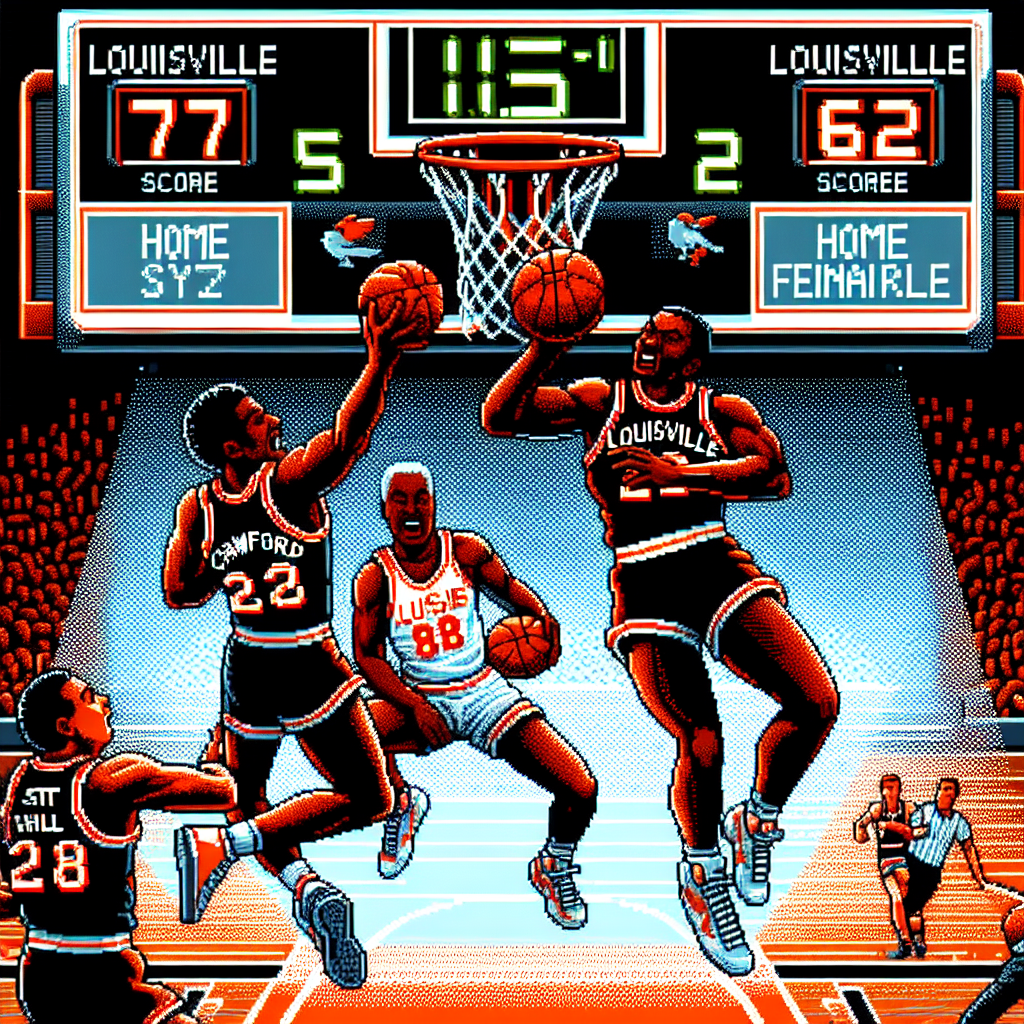
Pat Kelsey used the word “nasty” like he’d found it in a drawer labeled “Things Louisville Has Been Missing” and decided to bring it back into fashion. The result: a 77-62 win over Syracuse in the Cardinals’ regular-season home finale that felt less like punctuation and more like a paragraph break — a clear reset before the chaos of conference tournament time.

The hook: why “nasty” matters

“Nasty” in basketball isn’t just physicality. It’s the scratch-and-claw mentality on defense, the willingness to finish through contact, the gritty plays that don’t show up in highlight reels but swing momentum. Kelsey’s one-word prescription felt like a conscious correction: Louisville hasn’t always been that team this season, but on Tuesday night they were. They defended, they rebounded, they shared the ball, and they protected the home floor when it mattered.

Quick context

  • Final score: Louisville 77, Syracuse 62.
  • Game: Final regular-season home game of the 2025–26 season at the KFC Yum! Center.
  • Why it mattered: After a stretch of uneven results, the Cards needed a confident finish at home heading into the postseason. The win also kept Louisville’s conference résumé intact and gave fans something to cheer about before tournament play.

(Reporting from WDRB and player/coach quotes published after the game provide the basis for this recap and perspective.) (wdrb.com)

What happened — a readable recap

  • Louisville set the tone early with aggressive defense and better execution on offense. Instead of letting Syracuse’s zone create confusion, the Cards attacked the seams, moved the ball, and got looks inside and out.
  • The first half featured strong rebounding and physicality from Louisville, allowing them to build a lead and dictate pace. Syracuse made runs, but Louisville’s toughness repeatedly answered.
  • Down the stretch the Cardinals mixed smart shot selection with assertive drives that forced Syracuse to clamp up, leading to easier baskets and free throws. The 15-point final margin reflected a game where Louisville owned the second half.

Standouts and storyline players

  • Guards who hit timely shots and attacked closeouts helped break Syracuse’s rhythm. Multiple box-score contributors stepped up when the team needed finishing and ball movement. (Postgame quotes and game notes highlighted McKneely’s contributions and other role players who provided lift.) (wlky.com)
  • Pat Kelsey’s coaching: beyond the “nasty” soundbite, the adjustments and motivational tone mattered. The team looked like one that bought into a single-game identity: play tougher than the opponent and the rest follows. (wdrb.com)

What this win tells us about Louisville

  • The Cards can still be a dangerous, physical team. When they commit to that identity they limit the kinds of runs that have cost them in recent weeks.
  • Depth and buy-in are real assets. This wasn’t just star scoring; it was a group performance in which role players help create winning margins.
  • Momentum is fragile — but this game gives Louisville something concrete to carry into the ACC tournament: a confidence-building home finish and a reminder of the style that wins low-possession, grind-it-out conference games.

Three takeaways for fans and bettors

  • Defense first matters: Louisville’s win underscores that when the Cards defend the paint and rebound, they’re difficult to beat.
  • “Nasty” is repeatable when coached: Kelsey’s message — and the team’s response — shows attitude can be a game plan, not just a phrase.
  • Depth wins late: look for bench contributors to be a decisive factor in tournament matchups where every extra possession counts.

My take

This felt like the kind of win that repairs confidence. The scoreline is tidy, but the more important metric is tone: Louisville reclaimed an edge. If the Cards can reproduce the defensive intensity and the willingness to finish through contact, they’ll be tough to handle in the weeks ahead. Keep an eye on how they sustain the “nasty” mentality under tournament pressure — that will tell us whether this was a momentary surge or the start of something steadier.

Sources

Arsenal Blow Lead in Stunning Wolves Draw | Analysis by Brian Moineau

When a Two-Goal Cushion Isn’t Enough: Wolves 2-2 Arsenal and the Title Squeeze

Arsenal arrived at Molineux on February 18, 2026, seemingly in control. Two early blows — Bukayo Saka’s crisp header in the fifth minute and Piero Hincapié’s first goal for the club — had the Gunners cruising toward a crucial three points and, temporarily, a seven-point lead at the top of the Premier League. Instead, they left with a flat feeling and a 2-2 draw after Hugo Bueno’s thunderbolt and a stoppage-time finish from 19-year-old Tom Edozie. What looked like control turned into damage limitation — and the title race suddenly felt a lot more fragile.

Why this result matters

  • It denied Arsenal the chance to open a comfortable gap at the top (they were eyeing a seven-point cushion).
  • It showcased issues that have crept into Arsenal’s season: late-game concentration, defensive calm under pressure, and a tetchy mentality when the margin is small.
  • For Wolves, rock-bottom at the time, this was a galvanizing point — a reminder that league position isn’t destiny and that momentum can flip quickly.

The game in three acts

  • Early control (0–60 minutes)

    • Arsenal’s opener was textbook: quick transition, Declan Rice’s cross, Bukayo Saka’s finish. The early goal set the tone and seemed to allow Mikel Arteta’s side to settle into possession-based control.
    • Hincapié’s second, just after the hour mark, looked to put the result beyond doubt — a composed finish that rewarded Arsenal’s probing play.
  • The momentum swing

    • Hugo Bueno’s strike (61') was a reminder that football is cruelly episodic. A brilliant, swerving left-foot curler from distance suddenly made the game competitive and injected belief into a Wolves side that had been coiled for moments like this.
  • Stoppage-time drama

    • Tom Edozie’s debut goal — a scrappy, opportunistic finish compounded by a defensive mix-up — completed a sensational turnaround. Wolves celebrated like title-chasers; Arsenal left stunned.

Tactical reading: where it went wrong for Arsenal

  • Game management lapse

    • After going 2-0 up, Arsenal’s tempo and focus dipped. Instead of steadying the ship through controlled possession and smart restarts, the team allowed Wolves to find rhythm quickly after the pull-back.
  • Defensive vulnerability to resets and second balls

    • Wolves’ goals came from moments that punished slack moments and loose positioning rather than high-quality sustained attacks. Arsenal looked susceptible to set-piece transitions and rebounds in the box.
  • Substitution choices and timing

    • The game underlined the fine margins of substitutions: a hurried change following a head injury and a late reshuffle coincided with the chaos that led to the equaliser. Fine margins in personnel and timing turned costly.

The title picture: ripple effects

  • Points are points: a draw instead of three feels like two lost points. In a title fight, squandered advantages compound quickly.
  • Psychological swing: instead of tightening the race, Arsenal handed rivals fresh belief. Manchester City (and any chasing sides) now know the leaders can wobble.
  • Momentum matters as much as math: late-season runs are often decided by composure in moments like the 94th minute. Arsenal’s results in the coming fixtures will reveal whether this was an anomaly or the start of a trend.

Players and moments to remember

  • Bukayo Saka: a perfect early finish and a reminder of his importance in decisive moments.
  • Piero Hincapié: his first for the club gave Arsenal breathing room and signaled his offensive threat from defense.
  • Hugo Bueno: a contender for “goal of the game” — a 61st-minute strike that changed the tempo.
  • Tom Edozie: dream debut timing. The kind of late impact that lifts teams and twists title narratives.

What this shows about Arsenal’s growth curve

Arsenal have built a young, dynamic side that pressures opponents and plays with clear identity. But identity alone doesn’t conquer tight end-of-season tests. The Molineux draw is an instructive snapshot: top teams need not just creative structure but also game management, match-wearing discipline, and the cold-blooded ability to close out games. This draw should sharpen, not shatter, their focus — provided the squad and staff treat it as a learning moment rather than a repeatable script.

Closing thoughts

Football is a long story told in many short paragraphs — this was one of those dramatic asides. Arsenal’s result at Wolves doesn’t doom their title chances, but it does remind us how quickly narrative can swing. For Arsenal, the immediate task is clear: translate identity into iron-clad results under pressure. For Wolves, the lesson is to believe — and to keep producing those moments where the game decides to tilt.

Sources


Related update: We recently published an article that expands on this topic: read the latest post.


Related update: We recently published an article that expands on this topic: read the latest post.

Capitals Rally to Topple Islanders 4-1 | Analysis by Brian Moineau

Capitals 4, Islanders 1 — When “biggest game of the season” actually feels that big

There’s something delicious about a team answering the noise. On Monday night at Capital One Arena the Washington Capitals faced the New York Islanders in what every local outlet and fan chat had already labeled “the biggest game of the season.” The hype felt earned: two Metro Division rivals separated by four points in the standings, both jockeying for position before the Olympic break. The final score — Capitals 4, Islanders 1 — tells a tidy story, but the way Washington manufactured it says more about identity, depth and momentum than a box score ever could.

Why this mattered more than one scoreboard

  • Both clubs were tight in the Metropolitan Division standings; a home win meant Washington cut the gap and put real pressure on an Islander club that had been playing well.
  • The Caps did it without their top two goalies available, relying on Clay Stevenson — in only his third NHL appearance — to steady the ship.
  • It wasn’t pretty for 60 minutes, but the result was the kind you accept when the playoff picture is on the line: two points and a nudge toward relevance.

What happened, in plain terms

  • Mathew Barzal punished a Tom Wilson turnover late in the first to give the Islanders a 1-0 lead.
  • Early in the second the Caps flipped the script: Martin Fehérváry scored on a give-and-go with Wilson, and 31 seconds later Anthony Beauvillier jammed one home to put Washington up.
  • Nic Dowd added a fortunate — but timely — third in the third period when his pass intended for Alex Ovechkin deflected in, and John Carlson iced it with an empty-netter.
  • Clay Stevenson made 29 saves and looked composed. David Rittich stopped 20 for the Isles.
  • Nic Dowd’s goal came in his 500th game with the franchise, and Ovechkin recorded an assist that moved a franchise-only points metric into rare territory.

(Recaps and box scores from NHL.com and ESPN confirm the sequence and outcomes.) (nhl.com)

Three reasons this win matters beyond the scoreboard

  • Momentum before the Olympics: NHL teams often treat the pre-Olympic stretch as a sprint; winning a divisional “measuring stick” game gives Washington psychological lift and tangible ground in the Metro race. RMNB framed it exactly that way — a huge intra-division victory that reshapes the short-term landscape. (russianmachineneverbreaks.com)
  • Depth showing up: With Logan Thompson and Charlie Lindgren sidelined, Stevenson’s calm performance removed a major worry. When a team can absorb injuries to prime goalies and still get two points, it bodes well as the grind intensifies. Multiple outlets noted Stevenson’s poise and the team’s ability to protect him. (espn.com)
  • Special teams and small margins still matter: Washington’s power play remains a sore point — commentators and analysts keep pointing out how many potential points that unit has cost the Caps this season. But even with a sputtering man advantage, Washington found ways to manufacture offense at even strength and get timely bounces. RMNB’s postgame bluntly called out the Caps’ power-play woes while celebrating the win’s impact. (russianmachineneverbreaks.com)

Standout moments and human color

  • Fehérváry’s goal had an emotional subtext: he scored just days after becoming a father, and the “dad-strength” narrative leapt straight from the crowd to social timelines. RMNB leaned into the storytelling element — newly minted fatherhood and a goal to match. (russianmachineneverbreaks.com)
  • Nic Dowd’s 500th-game bounce: sometimes hockey gives you moments you can’t script. Dowd’s goal — courtesy of an Islanders’ own-unlucky deflection — doubled as a feel-good marker in a veteran’s milestone night. ESPN and the AP noted the milestone alongside the goal. (espn.com)
  • Clay Stevenson’s calmness under pressure: thrust into the spotlight with two goalies out, Stevenson didn’t melt. Multiple recaps highlighted how his steady 29-save night turned a potentially nervy situation into a confidence-building performance. (nhl.com)

What this game doesn’t fix

  • The power play still needs help. Washington’s special teams slowness is a recurring theme; wins like this paper over the weakness briefly, but the math of standings over a full season eventually punishes those inefficiencies.
  • Aesthetic consistency. RMNB and others called the game “not the prettiest win.” That’s a fair description: sloppy zone exits, neutral-zone turnovers (a costly Wilson turnover started the Isles’ only goal), and defensive pinch timing that could have opened bigger holes if not for Stevenson’s saves. (russianmachineneverbreaks.com)

The bigger picture for both clubs

  • Capitals: This feels like a get-right stretch. A three-game winning streak and a resilient performance without top netminders suggests Washington can keep chipping at the Metro cluster. If they can fix special teams and maintain consistency, the team can quietly climb into a meaningful playoff position after the Olympic break. (espn.com)
  • Islanders: Losing two straight after a little winning streak is a reminder that momentum is fragile. They still sit ahead in the standings, but goaltending rotation choices (Rittich getting starts over Ilya Sorokin in some spots) and an inability to prevent quick concession moments (two goals in 31 seconds) are issues to iron out. (nhl.com)

My take

This was the kind of win that feels essential even when it isn’t pretty. Washington didn’t dazzle; they answered. That’s a hallmark of teams that turn close seasons into meaningful ones. The Caps showed depth (Stevenson), veteran grit (Dowd, Carlson), and the kind of timely bounces that define NHL runs. If they can pair nights like this with improved special-teams play and fewer sloppy turnovers, they’ll be more than a feel-good story — they’ll be a force in a crowded division.

Sources


Related update: We recently published an article that expands on this topic: read the latest post.


Related update: We recently published an article that expands on this topic: read the latest post.

Stanford Rally Stuns No. 14 North Carolina | Analysis by Brian Moineau

Upsets, Runs and a Freshman Breakout: Stanford 95, North Carolina 90

There are games that feel like a yard-by-yard slog and then there are those where momentum flips so fast you can almost hear the rim rattling from coast to coast. Wednesday night at Maples Pavilion was the latter. Stanford rallied from a double-digit deficit and knocked off No. 14 North Carolina 95–90 on January 14, 2026 — a high-octane, three-heavy affair that left both teams with plenty to chew on.

Why this game mattered

  • North Carolina arrived with Top-15 respectability and national expectations; Stanford wanted to prove last season’s upset wasn’t a fluke.
  • The result further highlighted defensive concerns for the Tar Heels (particularly perimeter defense and late-game stops).
  • For Stanford, the win underscored the rise of a freshman who can carry an offense and the potency of a modern perimeter attack.

What stood out

  • Ebuka Okorie’s emergence
    • The Stanford freshman exploded for a career-high 36 points and added nine assists. He created off the dribble, got to the line, and kept the Cardinal offense humming when UNC clamped down early. His 36 points set a freshman record for Stanford in a single game and felt like the difference-maker on the final run.
  • Heat check: Stanford’s 3-point barrage
    • Stanford drained 16 three-pointers on the night — an enormous number against a program that usually takes pride in defending the arc. That barrage erased North Carolina’s cushion and proved decisive down the stretch.
  • North Carolina’s collapse from the perimeter
    • The Tar Heels made only six threes and went nearly four minutes without a field goal during the decisive stretch. Carolina’s inability to close out on shooters and its struggles at the free-throw line (20-of-32) turned a game they led for large stretches into a nail-biter they ultimately lost.
  • Late-game poise and clutch shooting
    • Jeremy Dent-Smith hit the go-ahead triple with about a minute left, and Ryan Agarwal’s follow-up three effectively sealed the deal. Stanford found the right shooters in the right moments; UNC could not respond.

Game flow snapshot

  • First half: North Carolina built an early 12-point lead behind Henri Veesaar and Caleb Wilson, taking advantage of transition opportunities and efficient looks.
  • Second half: UNC extended that advantage to 12 early on, but Stanford chipped away — led by Okorie’s creativity and a hot perimeter stroke from Agarwal and Dent-Smith.
  • Final minutes: A 7–0 Stanford run, timely threes, and steady free-throw shooting closed out a classic conference upset.

Breaking down the matchups

  • Backcourt battle
    • Caleb Wilson and Henri Veesaar combined for 52 points for UNC, but point production alone couldn’t compensate for team defensive lapses. Okorie’s dual threat — scoring and playmaking — forced UNC to alter its rotations and defensive matchups.
  • Perimeter defense vs. modern spacing
    • Stanford’s success underlined a broader truth: if you don’t respect the three-point line, you’re asking to be burned. UNC’s missing closeouts and the sheer volume of Stanford’s catch-and-shoot opportunities created a mismatch the Tar Heels couldn’t overcome.
  • Rebounding and transition
    • While not the headline, control of the glass and rebounding position in late possessions shaped the final possessions — Stanford got the offensive rebounds and extra chances that kept pressure on UNC’s defense.

Implications for both teams

  • For Stanford
    • This win builds confidence for a team that is starting to brand itself as a dangerous ACC opponent when its shooters are hot and Okorie is in rhythm. That combination — a dynamic freshman and multiple reliable shooters — gives Stanford staying power in close games.
  • For North Carolina
    • The Tar Heels need to address defensive fundamentals: closeouts, rotation communication, and late-game defensive discipline. Free-throw consistency is another nagging issue; making more of those 32 attempts would have swung the scoreboard margin in their favor.

What to watch next

  • Can Okorie sustain this level of play against top defenses? Consistency from a freshman is rare, but if he keeps creating, Stanford turns into a real problem for opponents.
  • Will UNC tighten perimeter defense and correct late-game lapse patterns? The schedule doesn’t get much kinder; immediate adjustments will be required to avoid a skid.
  • Three-point volume: Are we seeing an outlier night or a shift in Stanford’s identity toward “let it fly” when shooters are hot?

My take

This was college basketball in one concentrated blast: star-making performance, momentum swings, and the sort of late-game drama that keeps fans awake. Stanford didn’t just outscore North Carolina — they exposed a set of tactical vulnerabilities (closeouts, late rotations, and free-throw execution) that any smart opponent will exploit. For Carolina, the talent is there — Wilson and Veesaar proved that — but elite teams find ways to stop the bleeding when shots stop falling.

Stanford’s victory feels less like a lucky night and more like a statement: when your freshman can orchestrate and your shooters heat up, even blue-blood programs are beatable.

Sources


Related update: We recently published an article that expands on this topic: read the latest post.

DeBoer’s Rose Bowl Call Sparks Toughness | Analysis by Brian Moineau

What in the world was Kalen DeBoer thinking on that fourth-down call?

The image is burned in a lot of minds: Alabama lined up to punt from its own 34 on fourth-and-1 in the Rose Bowl, Ty Simpson under center after a timeout, a Wildcat-style shovel pass called — and it fails. Indiana gets a short field, scores, and the game spirals into a 38-3 rout. Curt Cignetti, Indiana’s coach, didn’t just celebrate his team; he took a not-so-subtle jab at Alabama’s identity: this is how you break a program’s will — you run and run until the armor cracks.

Let’s unpack what happened, why the decision landed so badly, and what it might mean for Alabama’s direction under Kalen DeBoer.

The setup: context that matters

  • This was the College Football Playoff quarterfinal at the Rose Bowl — the stage is huge and mistakes are amplified.
  • Alabama trailed 3-0 at the time. Traditionally, teams would punt in that spot, flip field position, and trust a defense built on physicality to handle the opponent.
  • DeBoer’s Alabama this season has been noticeably aggressive on fourth down, gambling often and converting at an impressive clip during the year. That aggressive identity carried into the playoff.
  • Curt Cignetti watched the whole sequence and afterward highlighted the old-school, grind-it-out way to beat Alabama: run the ball, wear them down, break their will. He pointed to the running game as the decisive factor in Indiana’s dominance. (archive.vn)

The call itself and why it stung

  • Fourth-and-1 at your own 34 is textbook punt territory: even if you convert, you gain a sliver of field position at enormous risk.
  • DeBoer dialed a Wildcat shovel pass after lining up in punt formation (with timeouts and a change of formation). The play is creative and has worked for Alabama on other fourth-down gambles this season — but the Rose Bowl felt like a time for prudence. (si.com)
  • When the gamble failed, Indiana had a short field and turned it into points. Momentum swung hard, and the game never recovered.

Why the call felt worse than a standard failed gamble:

  • It took the ball out of the realm of conservative, historically “Alabama” football (punt/defend/rush).
  • It looked, to many observers, like a calculated risk with nothing to gain but pride; the downside was immediate and game-altering.
  • DeBoer’s own acknowledgement after the game — “when you fall short, it was the wrong decision” — softened none of the sting. He defended his aggressiveness as belief in his offense and defense, but admitted it backfired. (archive.vn)

Curt Cignetti’s jab and what it signals

  • Cignetti praised his team’s physical approach and explicitly contrasted it with what Alabama did: run, wear opponents down, and break wills. His postgame comment — that breaking a team’s will by running the ball is the way to win — landed like a challenge and a coach’s confidence. (archive.vn)
  • That comment wasn’t just trash talk. It underscored a theme from the game: Indiana’s toughness on the line and commitment to a grinding identity neutralized Alabama’s creative-but-risky tendencies.

The bigger picture: identity, hiring, and the future

  • DeBoer came in as a modern, more “UP-tempo / West Coast / analytics-friendly” type compared to the Nick Saban era. That shift in identity has produced big wins but also moments that test fan patience and program expectations. (washingtonpost.com)
  • Goodman’s column framed the fourth-down call as “emblematic” of a larger concern: has Alabama moved away from the kind of physical, field-position-first football that defined its dynasty? And is that change worth it if the program loses some of its traditional edge? (archive.vn)
  • One game doesn’t rewrite a coach’s legacy. But playoff losses — especially self-inflicted-looking ones — raise legitimate questions about decision-making in high-leverage moments and whether a new identity is fully rooted.

Why the reaction is so visceral

  • Alabama’s brand is expectations. When the Tide isn’t simply better, every unconventional call is scrutinized through the lens of a program used to being “the standard.”
  • Fans and columnists aren’t just mad at one play; the shovel pass is shorthand for perceived hubris at a moment that demanded restraint.
  • Cignetti’s critique amplified that feeling because it came from the coach who controlled the game plan that exposed Alabama’s flaws. That kind of postgame message cuts deep and sticks in the narrative.

What this means moving forward

  • Expect DeBoer (and his staff) to revisit situational decision thresholds. Coaches who gamble must calibrate risk according to stage and opponent.
  • The offense will still be creative — that’s part of DeBoer’s appeal — but there will be pressure to demonstrate a tougher, more conservative baseline in short-yardage, field-position-sensitive spots.
  • For Indiana, Cignetti’s comments are a statement of identity: physical, relentless, and unapologetically old-school in execution. That identity beat Alabama on a big stage. (crimsonquarry.com)

A quick summary for the short-attention fan

  • The fourth-down shovel pass was a high-variance play that backfired in a moment where conservative play was eminently defensible.
  • Curt Cignetti used it as a teaching point: wear teams down, and you’ll win the fourth quarter.
  • The fallout is less about a single coach’s ego and more about how identity, roster construction, and situational discipline must align at a program with Alabama’s standards.

Final thoughts

Football loves drama; coaches love choices that define them. DeBoer’s aggressiveness delivered wins this season but met its limit in Pasadena. The shovel pass will be replayed, debated, memeified — and then it will do what big coaching moments do: force adjustments. If Alabama wants to reconcile modern creativity with the time-honored “punt-and-pummel” ethos its fans revere, it’ll take more than a press conference apology. It’ll take a roster and a game plan that can absorb and justify those gambles on the sport’s biggest stages.

Notes worth remembering

  • One play rarely costs a whole program its soul, but one play can expose where the program still needs tempering.
  • Cignetti’s line about “breaking their will” is a useful lens: championships are often won in the trenches, not by flash alone. (archive.vn)

Sources


Related update: We recently published an article that expands on this topic: read the latest post.


Related update: We recently published an article that expands on this topic: read the latest post.

Sweden Dominates; Canada Clinches Top Spot | Analysis by Brian Moineau

A night of high drama at the World Juniors: Sweden rolls, Canada clears the way

The puck barely left the ice Wednesday night as two of the tournament favorites—Sweden and Canada—put on clinical offensive displays that reshaped group play at the 2026 IIHF World Junior Championship. Sweden’s balanced attack handed the United States a 6-3 loss and finished Group A unbeaten, while Canada leaned on timing and a red-hot Cole Beaudoin to outscore Finland 7-4 and claim first in Group B. If you like speed, finishing and a little junior-level chaos, this was hockey served hot.

Why this matters now

  • These games weren’t just group-stage box scores — they set seeding and momentum for the knockout rounds. Sweden’s statement win hands them real control in Group A; Canada’s late goals and depth scoring show a team built for the push toward a medal.
  • The World Juniors is where top prospects test themselves under bright lights. Performances here can lift a player’s draft stock and reveal which teams have systems tough enough to survive a seven-game tournament.

What stood out

  • Sweden’s two-headed scoring attack: Lucas Pettersson and Eddie Genborg each netted a pair of goals, giving Sweden reliable finishers at key moments. That kind of finishing from the top end makes a team hard to slow down.
  • Special teams and short-handed impact: Sweden converted on the power play and even struck short-handed—small margins that widened the gap and exposed lapses in U.S. discipline.
  • Canada’s depth production: Cole Beaudoin finished with three points and the Beaudoin–O’Reilly–Desnoyers line provided momentum swings. Multiple contributors (Brady Martin scored twice, Zayne Parekh and Sam O’Reilly each had multi-point nights) underline Canada’s offensive depth.
  • Goaltending and timing: Love Harenstram made 28 saves for Sweden in a game where timely saves didn’t steal the outcome but kept the gap manageable. Conversely, netminding inconsistencies and a few defensive miscues cost the U.S. chances to stay close.

Game snapshots

  • Sweden 6, United States 3

    • Sweden controlled the tempo after an early deflection gave them a 1-0 lead. Genborg struck twice on the power play and Pettersson added a short-handed dagger — a momentum killer that turned the game in Sweden’s favor. Jack Berglund’s three assists and some young draft-eligible names setting up plays showed Sweden’s mix of experience and emerging talent. The U.S. battled but could not sustain a full 60-minute effort. (NHL.com recap)
  • Canada 7, Finland 4

    • A wild first period gave way to Canada settling into effective chance creation and finished opportunities. Beaudoin scored twice and assisted once, and Brady Martin added a two-goal night. Finland kept pace at times — Roope Vesterinen and Lasse Boelius chipped in offensively — but Canada’s finishing and a clutch third-period goal margin carried them to top spot in Group B. (NHL.com recap)

Bigger-picture implications

  • Sweden looks like a legitimate gold-medal threat. Unbeaten in group play and with finishers who can convert special-team chances, they’ve staked a claim as a team to fear in the quarters and beyond.
  • Canada’s balance matters. Tournament hockey rewards teams that can roll multiple lines and still produce. Their depth scoring reduces the pressure on any single star and helps when matchups get tighter in elimination rounds.
  • The U.S. and Finland both have tools to correct course, but the margin for error shrinks in knockout hockey. Discipline and consistency — especially on special teams and defensive-zone coverage — will be critical if either wants to climb the bracket.

Headlines players to watch next

  • Lucas Pettersson (Sweden) — timely scoring and a knack for finishing from dangerous areas.
  • Eddie Genborg (Sweden) — power-play presence; two-goal nights change games.
  • Cole Beaudoin (Canada) — multi-point performances and a reliable scorer on the more physical Canadian forecheck.
  • Jack Berglund (Sweden) — playmaking that fuels the top line’s momentum.

My take

The World Juniors keeps delivering the best mix of raw talent and meaningful hockey. Sweden’s 6-3 win over the U.S. felt like more than a group-stage result — it was a reminder that tournament depth and special-teams execution beat sporadic heroics. Canada’s 7-4 victory showed that when a team spreads offense across lines, it becomes very hard to shut down. This tournament still has twists ahead, but after these results, teams that marry discipline with finishing will be the ones lifting trophies.

Sources


Related update: We recently published an article that expands on this topic: read the latest post.


Related update: We recently published an article that expands on this topic: read the latest post.

Jaguars Poised to Top Seahawks in Week 18 | Analysis by Brian Moineau

The door is open for the Jaguars to finish the year at No. 1

The NFL’s regular season is the kind of tightrope act that rewards momentum and punishes complacency. With Week 18 looming, Mike Florio’s PFT power rankings still list the Seattle Seahawks at No. 1 — but the narrative crackles: Jacksonville sits within arm’s reach, and one weekend of football could flip the whole script. If you like drama, this is peak NFL scheduling.

Why this moment feels electric

  • Seattle has been the storybook top dog all season — steady, defensively stout and riding the kind of late-season form that convinces voters and opponents alike.
  • The Jaguars have been on a tear, piling up wins and look every bit like a legitimate title contender. Their climb into the top-five of most national rankings is no accident.
  • Week 18 is uniquely volatile: teams fight for seeds, playoff positioning, or just to finish strong. When records are close and stakes are high, power rankings are more than opinion — they’re a snapshot of how the league’s balance of power could shift in 72 hours.

These are the ingredients that make the “Jags could end the year at No. 1” line more than media clickbait. It’s a real possibility amplified by matchups, health, and momentum.

What the outlets are saying

  • PFT/NBC Sports kept Seattle at No. 1 entering Week 18 but explicitly noted the continuing opportunity for Sam Darnold and the Seahawks to lock up the top seed — which implies the pecking order is still fluid. (nbcsports.com)
  • NFL.com’s Week 18 power rankings place Jacksonville among the top teams and highlight the jaguars’ sustained recent surge — a seven-game win streak and effective two-way play that make them dangerous in any postseason scenario. (nfl.com)
  • Local coverage and team angles (e.g., Jaguars media) emphasize confidence and the concrete gains Jacksonville has made this season, underscoring that the team’s ascent is built on results, not hype. (jaguars.com)

How Jacksonville could realistically finish No. 1

  • Win and get help: The simplest path is to play like the team they’ve become — win their Week 18 game and let higher-ranked rivals slip. Week 18 produces the weird, wonderful results that turn “ifs” into headlines.
  • Tiebreakers and seeding craziness: Power ranking status isn’t identical to playoff seeding, but perception follows results. A decisive Week 18 win by Jacksonville — especially over a quality opponent — would sway both public opinion and ranking panels.
  • Momentum matters: Beyond polls and seeding, finishing the regular season at No. 1 gives a psychological edge heading into January. Teams that look and feel dominant at the end of December often carry that identity into the postseason.

What Seattle brings to the table

  • Proven consistency: Seattle’s defense and roster construction have kept them at the top of lists all month. They’ve earned respect across national outlets for a reason. Losing the No. 1 moniker won’t happen without them ceding it on the field. (nbcsports.com)
  • Control of their destiny (depending on matchup): If the Seahawks win the game that matters in Week 18, they hold the narrative — and the top spot remains theirs.

Matchup and storyline watchlist for Week 18

  • Which contenders are playing for seeds versus resting players? Teams that have everything to gain will chase wins; teams with nothing to gain may sit starters, altering the landscape.
  • Injuries and health reports that surface late in the week can swing both real outcomes and perception-driven rankings.
  • Margin and dominance matter: A one-score squeaker looks different in the next morning’s power rankings than a blowout win.

A quick digest for casual fans

  • Yes, Seattle is the No. 1 team in many rankings today.
  • Yes, Jacksonville is very much in striking distance.
  • Week 18’s results are likely to change both playoff seeding and the national conversation — making the Jaguars’ potential climb to No. 1 feel plausible rather than fanciful.

Final thoughts

Power rankings are part snapshot, part narrative — and that’s why they’re fun. They tell us not just who the “best” teams are today, but who has momentum, identity and the narrative momentum that can carry into January. Right now the Seahawks wear the crown; but the Jaguars’ surge has opened the door. If Week 18 delivers the right mix of wins, blowouts and stumbles, Jacksonville could walk through it.

Enjoy the chaos — Week 18 is the NFL’s last, most theatrical act before postseason lights hit full strength.

Sources


Related update: We recently published an article that expands on this topic: read the latest post.


Related update: We recently published an article that expands on this topic: read the latest post.

Relive Arsenal’s 90-Minute Brighton Win | Analysis by Brian Moineau

Watch the full 90 minutes: Arsenal’s win over Brighton replayed and why it matters

There’s something quietly addictive about watching a full match replay — the little patterns, the substitutions that change momentum, the missed chances that keep you gritting your teeth. Arsenal’s recent 2-1 victory over Brighton at the Emirates is one of those games worth soaking up in full. If you missed it live or just want to relive the tension from start to finish, the club has published the full 90 minutes — and it’s a great way to understand how Arteta’s team are shaping up this season.

What to look for in the full match replay

  • Team shape and control
    • Early passages show Arsenal’s intent to dominate possession and pin Brighton back through quick transitions and wide overloads.
  • Key moments that decided the match
    • Martin Ødegaard’s opener and a second-half own goal that ultimately separated the sides are best appreciated in context — the build-up play, pressing triggers and delivery into the box.
  • Defensive resilience and goalkeeper saves
    • Arsenal’s defending under pressure late on and the intervention from David Raya highlight how small margins mattered.
  • Substitute impact and game management
    • Watching substitutions unfold in real time reveals how Arteta managed the game clock and personnel to close out the win.

Why this match matters for Arsenal’s season

  • Momentum and league position
    • The win pushed Arsenal back to the top of the Premier League table, reinforcing their title credentials and providing a confidence boost at a demanding stage of the campaign. (See match coverage.) (reuters.com)
  • Squad depth and resilience
    • With injuries and hectic scheduling, full-match replays let you see which squad players can step up and how the core starters are coping when forced to do more of the heavy lifting. (arsenal.com)
  • Tactical lessons
    • Watching every minute helps fans and analysts spot recurring patterns — pressing triggers, how Arsenal create overloads on the flanks, and how they deal with counter-attacks — which are often lost in highlights packages.

Highlights that don’t feel like highlights when you watch them live

  • Ødegaard’s finish
    • The strike that opened the scoring is cleaner and more clinical when you see the space he was afforded and the movement that created it.
  • The own goal off a corner
    • An own goal can feel like a fluke on replay, but the replay shows the pressure from the corner routine and why Brighton’s defender ended up turning it into his own net.
  • Brighton’s late reply
    • Diego Gómez’s goal and the tense final minutes are best appreciated in sequence — how Arsenal reacted, what chances Brighton worked and how the tempo shifted.

A fan’s checklist for watching the replay

  • Watch the opening 15 minutes twice: first for general flow, then to study movement and pressing.
  • Note player combinations (e.g., Saka/Ødegaard interplay) in different phases: build-up, final third, and transition.
  • Time substitutions and their immediate effects — who changes the rhythm?
  • Observe set-piece defending and attacking: corners and free-kicks often decide tight games.

Things the replay quietly confirms

  • Arsenal’s attacking ideas are producing chances consistently, but finishing still requires ruthlessness.
  • Defensive discipline matters: small lapses invite Brighton’s dangerous counters.
  • Game management from the bench is evolving; substitutes are becoming a strategic tool, not just fresh legs.

A few takeaways from watching everything

  • Winning tight games is a hallmark of title contenders; Arsenal showed the composure to do that here.
  • Individual quality (like Ødegaard) plus collective structure (pressing, set-piece routines) makes the difference.
  • Full-match replays remain one of the best learning tools for fans who want more than highlight reels.

Final thoughts

If you want to really understand how Arsenal are building their season, skip the 30-second clips for 90 minutes of context. The full replay doesn’t just show the goals — it reveals the patterns, the stresses and the little moments of craft that add up to a result. Whether you’re studying tactics or just savouring the feels of a home win, press play and enjoy the kind of granular storytelling only a full match replay can provide.

Sources


Related update: We recently published an article that expands on this topic: read the latest post.


Related update: We recently published an article that expands on this topic: read the latest post.

Darnold’s Homecoming: From Setback | Analysis by Brian Moineau

Sam Darnold Goes Back to Carolina — and It Feels Different This Time

There’s something poetic about a quarterback walking back into a stadium where he once had to re-find himself. For Sam Darnold, returning to Bank of America Stadium isn’t a trip down memory lane so much as a checkpoint on a journey that’s gone from “what if” to “why not.” Once the Panthers’ stop on a rocky early-career path, Carolina helped reshape him into the player who’s now a two-time Pro Bowler and a legitimate NFC contender with the Seattle Seahawks.

Why this visit matters

  • It’s more than nostalgia. It’s a concrete example of how short chapters can change a career arc.
  • Darnold’s story reframes the “bust-to-breakout” narrative into something cleaner: development, patience, and context.
  • The contrast between his two stints in Carolina (a starter-in-waiting role in 2021–22) and his current form shows what coaching, learning behind a veteran, and a little momentum can do for a quarterback’s confidence.

A quick timeline that matters

  • 2018: Darnold is drafted No. 3 overall by the New York Jets and struggles early in his career.
  • 2021–2022: Traded to the Carolina Panthers. He starts games, battles injuries, and finishes strong late in 2022 — a small stretch that mattered more than it looked at the time.
  • 2023: Spends a season in San Francisco as Brock Purdy’s backup, learning in a strong offensive system.
  • 2024: Breakout year with the Minnesota Vikings — strong statistics, a Pro Bowl nod, and widespread recognition as an improved quarterback.
  • 2025: Signs with the Seahawks and returns to Carolina as an established starter, playoff-bound and riding the momentum built over the previous seasons.

How Carolina “paved the way”

Darnold’s comments before the Seahawks’ December 26, 2025 game capture the essence of what those Carolina years meant to him: being around good teammates, weathering adversity, learning the offense, and coming through injury to finish the season on an upswing. That late-2022 stretch — where he helped the Panthers go 4-2 down the stretch and posted multiple games with a passer rating over 100 — became a kind of quiet audition. It didn’t solve everything overnight, but it seeded belief.

Three practical ways Carolina helped:

  • Rebuilding mental resilience: The Panthers stint forced Darnold to cope with setbacks and rebuild confidence in-game.
  • Learning from teammates and coaches: Exposure to different systems and veteran players gave him new tools to add to his repertoire.
  • Creating momentum: Playing well late in the 2022 season opened the door for the next steps — a learning season in San Francisco and the breakout year in Minnesota.

The bigger picture: player development and second chances

Darnold’s arc is a useful case study about NFL careers that aren’t linear. Talent alone rarely tells the whole story; context, coaching, scheme fit, health, and timing all matter. Teams (and players) who are patient and intentional about development can turn perceived “busts” into reliable starters. For Darnold, the time in Carolina didn’t instantly rewrite his narrative — it supplied the pieces he later used to build it.

  • Players can rebrand their careers with incremental wins and learning opportunities.
  • Backup years (like his time in San Francisco) can be less about sitting on the bench and more about refining decision-making.
  • Short hot stretches — the kind Darnold had in Carolina — matter because they provide evidence that a player can win when given the right support.

What to watch when Darnold plays in Carolina

  • Poise under pressure: Does he show the same command and decisiveness that powered his 2024 season?
  • Pocket movement and quick reads: Those were hallmarks of his improvement in Minnesota and will be critical against Carolina’s schemes.
  • Leadership cues: How he interacts with teammates on and off the field shows whether the growth is sustained beyond stats.

Things that make this narrative compelling for Seahawks fans

  • Darnold’s success is also a win for Seattle’s offensive staff and the broader rebuild: they signed a quarterback who’s earned momentum and now must prove it again in a new environment.
  • If the Seahawks keep winning with Darnold at the helm, his road through Carolina will look less like a detour and more like a necessary milepost.
  • The human element — friendships, locker room lessons, and hard-earned confidence — is what converts raw talent into consistent performance.

My take

Sam Darnold’s return to Carolina reads like one of those sports stories you don’t notice until it’s fully formed: a player who kept working, learned from imperfect opportunities, and used them as leverage for a genuine career revival. The Seahawks’ decision to bank on him wasn’t just about stats from one breakout year — it was betting on a player who’s shown the capacity to grow. Whether he cements a long-term legacy in Seattle or continues evolving, that trip back to Bank of America Stadium is a reminder that development often happens in unexpected places.

Sources


Related update: We recently published an article that expands on this topic: read the latest post.


Related update: We recently published an article that expands on this topic: read the latest post.

Cowboys Late Push: Building Something | Analysis by Brian Moineau

Closing the Year with Purpose: The Cowboys’ Unexpected Summer of Hope

There’s a particular kind of stubborn optimism in football — the kind that refuses to let the season end quietly even when the playoffs are out of reach. After the Dallas Cowboys were officially eliminated from playoff contention in late December 2025, head coach Brian Schottenheimer didn’t send the veterans home early or pivot fully into audition mode. Instead he doubled down on one message: they’re still building something special.

This is not the self-delusion of an owner desperate for headlines or a coach covering for mistakes. It’s a deliberate cultural stance, a claim about identity and process when the scoreboard stings the most.

Why Schottenheimer’s stance matters

  • It reframes the end of a disappointing season as an investment period rather than an admission of failure.
  • The approach protects the delicate balance between player development, veteran stewardship, and organizational continuity.
  • It gives the franchise a narrative heading into 2026: learning, accountability, and sustained standards.

Schottenheimer has been clear: this is year one of a project. That matters for teams that want to avoid the “blow-it-up” cycle and instead create long-term winning habits.

What Schottenheimer actually said

  • He emphasized the immediate focus — “playing the Commanders” and taking each game seriously.
  • He stressed that players still want to play, want to win, and care about one another.
  • He framed culture as intact: practice effort, locker-room cohesion and accountability remain, even if the win-loss column doesn’t show it yet.
  • He acknowledged coaching and execution need fixing, calling out that the record shows “we’re not playing good enough football” and “I’m not coaching good enough football,” while insisting culture is not the problem. (DallasCowboys.com)

This mix of accountability and faith in the locker room is a classic leadership posture — own the failures, but insist on the foundations that will allow you to fix them.

The practical choices behind the rhetoric

  • Managing veterans: Schottenheimer signaled cautious handling of veteran stars (like Dak Prescott) when games get out of hand, balancing player health with momentum-building.
  • Division focus: He pointed out the realistic chance to “go potentially 5‑1 in the division,” reframing the remaining slate into a tangible target that matters to fans and players.
  • Play and practice standards: He highlighted that the team continues to practice and prepare hard — the kind of consistency that helps teams rebound faster in Year Two.

These are not poetic platitudes — they’re operational decisions that shape roster usage, coaching priorities in the offseason, and how the front office evaluates progress.

The broader context

  • This was Schottenheimer’s first year as head coach, a season with notable roster moves and upheavals (including high-profile trades earlier in 2025) and uneven results on defense and offense.
  • Owner Jerry Jones has been publicly intent on “competing now,” which adds pressure to turn culture into wins quickly.
  • Despite the misses, Dallas still landed notable individual recognition (e.g., Pro Bowl nods), underscoring that talent exists even if synergy didn’t consistently follow.

Taken together, the season reads like a classic transitional campaign: flashes of high-level play, recurrent structural issues (especially on defense), and a coach trying to install a long-term identity while under immediate-results pressure.

Nuggets for fans and skeptics

  • This stance isn’t an excuse: Schottenheimer explicitly took coaching responsibility where due. That kind of candor can buy credibility if next season shows measurable improvement.
  • Culture alone won’t win games. The Cowboys will need tangible fixes — schematics, personnel, situational coaching — to translate the “special” rhetoric into wins.
  • The remaining games of the 2025 season were being framed as momentum-building opportunities, not consolation prizes. That matters when evaluating offseason momentum and front-office decisions.

What to watch in 2026

  • Coaching adjustments: Will Schottenheimer change his staff or scheme emphases to stop the defensive slide?
  • Roster moves: Will the front office prioritize pass rush and secondary help to address persistent defensive shortcomings?
  • Player development: Can young and new pieces (and veteran leaders) convert late-season effort into early-season cohesion next year?

If the organization truly believes this is a sustainable build, those are the levers they’ll pull.

A short verdict

You can be skeptical — and you should be. “We’re building something special” is a bold claim from a first-year coach whose team missed the postseason. But there’s credibility in Schottenheimer’s blend of ownership and optimism: he admitted coaching shortcomings, praised the locker-room culture, and set practical goals for the remaining games. If Dallas converts that cultural bedrock into clearer strategic fixes (especially on defense), the phrase won’t sound like wishful thinking next fall.

Final thoughts

Good culture is necessary and messy stuff is inevitable. The true test for the Cowboys will be whether the lessons of 2025 produce measurable change in 2026. Fans don’t just want hope — they want progress. For now, Schottenheimer has given the locker room a direction and the franchise a baseline: finish strong, protect the core, and turn culture into consistent execution. That’s a start worth watching.

Sources


Related update: We recently published an article that expands on this topic: read the latest post.

Rivalry Chaos Reshapes AP Top 25 | Analysis by Brian Moineau

Chaos, Comebacks, and Championship Breath-Holders

An AP-style projected Top 25 after a wild weekend of rivalry upsets, Iron Bowl drama, and a Big Ten statement.

College football served another reminder: we’re in the thick of the season where rivalries, momentum swings, and one-off performances can rewrite the playoff conversation overnight. Alabama survived a late scare in the Iron Bowl, Texas stunned Texas A&M to hand the Aggies their first loss, and Ohio State’s blowout of Michigan made a loud case for playoff positioning. Here’s a digestible look at what matters, why it matters, and how the projected AP Top 25 shifts because of it.

Weekend highlights that actually changed the map

  • Alabama edged Auburn in a tense Iron Bowl that left more questions than answers for both teams — Alabama’s résumé remains strong but the Scarlet Tide didn’t exactly reassure skeptics.
  • Texas beat Texas A&M, handing the Aggies their first loss and knocking A&M down the rankings — the Longhorns reinsert themselves as spoilers in the SEC picture.
  • Ohio State rolled Michigan in a performance that reinforced its No. 1 credentials and likely tightened the committee’s trust heading into conference title weekend.
  • Across the country, other results shuffled teams around the bubble and the Power 5 pecking order, making this the kind of late-November weekend the AP poll voters live for.

Why these results matter more than a single Saturday score

  • Rivalry games carry outsized weight — beating a top rival affects a team’s résumé, perception, and regional momentum in ways a neutral win doesn’t. Texas beating A&M not only dropped the Aggies in the standings but also altered who gets a clear path to the SEC title and the narrative around A&M’s November mettle.
  • Alabama’s Iron Bowl scare exposes vulnerability. Close wins against good opponents keep you in the Top 10, but they don’t build the kind of résumé the playoff committee sews up late in the season. If Alabama’s win looked shaky, it invites skepticism when compared to dominant conference leaders.
  • Ohio State’s blowout of Michigan isn’t just style points — it’s a statement. A dominant rivalry win boosts perceived strength of schedule and shows readiness for one-and-done playoff scenarios.

What moved in the projected AP Top 25 (themes, not a full list)

  • Teams that won their rivalry and conference-deciding games mostly climbed or held steady.
  • Texas A&M fell after its first loss; Texas rose and reentered critical conversation as an upset-capable team.
  • Ohio State’s performance consolidated its spot at or near the top of the poll.
  • Alabama remains a top-10 team but its mortal vulnerabilities mean voters are more likely to slot it below undefeated conference frontrunners.
  • Several one-loss or late-blooming squads (including Group of Five leaders) nudged into the conversation thanks to big signature wins elsewhere.

Snapshot: who benefits and who’s hurt

  • Benefit: Ohio State — a clinical win over Michigan cements trust.
  • Benefit: Texas — a rivalry victory that flips a season narrative and sinks a rival.
  • Hurt: Texas A&M — first loss means tumble and fewer “safe” votes.
  • Hurt (perception-wise): Alabama — wins, yes, but not the kind that quiets playoff skeptics.

The bigger picture: conference races and playoff implications

  • The Big Ten title game and SEC shuffle are now even more consequential: an Ohio State win would likely leave it at the top or very close to it; an Alabama hiccup and A&M’s tumble make the SEC landscape messy and open for a team with a strong late resume to seize a slot.
  • Voters and the committee aren’t just tracking wins — they care about how teams win. Dominant performances vs. nail-biters will be processed differently in early December.
  • For bubble teams and Group of Five contenders, conference championships and signature matchups are now must-win moments to avoid being passed over.

Conversation starters for fans and voters

  • Does a narrow Iron Bowl win against a good Auburn team still deserve top-10 placement?
  • How much should one rivalry loss (Texas A&M) impact a team’s final ranking, especially if their overall résumé is otherwise strong?
  • Are voters valuing Ohio State’s blowout differently because it came against an arch-rival, and should they?

My take

College football’s late season always rewards drama. This weekend’s results didn’t produce a single, clean narrative — they produced competing storylines. Ohio State looked like a juggernaut; Texas rewrote its rivalry history for the year; Alabama and A&M reminded us both are vulnerable. The AP Top 25 — and the College Football Playoff committee — now have to balance outcomes, quality of wins, and how teams performed under pressure. Expect the rankings to remain fluid through conference title weekend.

Parting thought

When rivalry weekends produce upsets and uneasy victories, the polls follow the storylines not just the box scores. That’s what makes late-November college football equal parts maddening and magnificent — every game can tilt the national conversation.

Sources


Related update: We recently published an article that expands on this topic: read the latest post.


Related update: We recently published an article that expands on this topic: read the latest post.

Manning’s Return Sparks Texas Rally | Analysis by Brian Moineau

Arch Manning’s comeback and a 75-yard first-play reminder that momentum loves drama

AUSTIN — If you like theater, Saturday’s Texas-Vanderbilt tilt wrote itself with bold strokes: Arch Manning, fresh off concussion protocol, steps back under center and uncorks a 75-yard touchdown to Ryan Wingo on the very first play. The Longhorns raced to a seemingly comfortable 34-10 lead, only to watch the Commodores stage a furious fourth-quarter push that made the closing minutes feel like a playoff game — and an onside kick bounce that decided everything.

This wasn’t just a win. It was a mood swing, a test of Texas’ resilience, and a reminder that college football flips faster than you can blink. Manning finished with 328 yards and three touchdown passes, but the story is as much about recovery, momentum, and the thin margin between confident control and late-game chaos.

Key takeaways

  • Arch Manning returned from concussion protocol and delivered a high-impact performance: 328 passing yards and three touchdown passes, including a 75-yard bomb to Ryan Wingo on the first play.
  • Texas built a big fourth-quarter cushion (34-10) but nearly squandered it as Vanderbilt rallied behind dynamic plays from Diego Pavia and Eli Stowers.
  • The Commodores’ comeback fell short after an onside kick rolled out of bounds — a reminder that even the best surges need a little luck.
  • The win keeps Texas’ résumé intact as they chase postseason positioning, but the late wobble exposes areas (closing out games, defensive consistency) that still need work.

The hook play: why one throw changed the day

That first-play 75-yard touchdown felt like a message. Not just to Vanderbilt, but to anyone still wondering whether Manning’s concussion layover had left him rusty. He didn’t just return — he ripped the game open. There’s psychological power in an opening-play score: it forces the opponent to answer immediately, energizes your crowd, and lets your offense operate with a bit more swagger.

But football isn’t a movie with a tidy first-act triumph. The middle act left Texas with a 24-point lead and all the veneer of control — and the final act nearly turned it into a horror show. Vanderbilt’s late barrage showed why teams don’t celebrate until the clock reads zero. Momentum can be contagious, and Pavia’s arm and legs sparked a late life that made Royal-Memorial Stadium sweat.

Arch Manning, recovery, and the quarterback narrative

Manning’s season has been a roller coaster: preseason hype, flashes of elite play, inconsistency, and now a concussion scare. Returning and playing well immediately is a positive sign for Texas and for Manning’s draft-season narrative. It also underscores how teams manage injury risk and the thin line coaches walk between caution and competitiveness.

That said, a single game shouldn’t erase the season’s ups and downs. What Texas got Sunday was a blend of encouraging poise and a reminder of the team’s vulnerability when an opponent refuses to quit.

What the late Vanderbilt rally says about both teams

  • Vanderbilt: The Commodores proved they can strike quickly and hang around against top opponents. Diego Pavia’s ability to create big plays (long TD runs and throws) makes Vanderbilt dangerous in every comeback scenario. A resilient team that doesn’t panic is a team to watch down the stretch.
  • Texas: Offensively potent and able to build blowout leads, but the defense’s late surrender of big plays is worrisome. Coaches will love the win but cringe at the scoreboard’s wobble. Closing games cleanly is as much a coaching and discipline issue as it is talent-based.

Bigger-picture implications

  • Polls and postseason hopes: A top-25 Texas win over a top-10 Vanderbilt matters in November. It keeps momentum in the Longhorns’ favor for conference positioning and resume-building.
  • Player stock-watch: Arch Manning regained some narrative shine; a timely performance after an injury boosts his profile. Ryan Wingo’s explosive playmaking also reaffirms him as a go-to vertical threat.
  • Coaching adjustments: Sarkisian’s team showed offensive firepower but will need to tighten late-game execution and defensive containment to avoid future scares.

Short reflection

There’s something poetic about sports’ unpredictability: two plays can feel like seasons. For Texas, this was a small but meaningful test passed — mostly. For neutral fans, it was the kind of roller-coaster that keeps college football intoxicating. Manning’s performance today is a plot twist, not the final chapter. The Longhorns won a high-stakes November game, but the way the lead evaporated is a useful nudge toward humility for a team with bigger goals.

Sources

Mariners and Blue Jays Clash in ALCS Game | Analysis by Brian Moineau

Swing, Swing: Mariners Pitchers vs. Blue Jays Hitters in Game 3 of the ALCS

Baseball is a game of numbers and narratives, where every pitch tells a story and each swing can change the course of a season. As the Seattle Mariners and Toronto Blue Jays clashed in Game 3 of the American League Championship Series (ALCS), fans were treated to an electrifying showdown between two teams known for their aggressive play styles.

Context: A Battle of Aggression

The ALCS has been a rollercoaster ride for both the Mariners and the Blue Jays. Each team entered the series with their unique strengths. The Mariners boasted a pitching staff that thrives on precision and power, while the Blue Jays showcased a dynamic lineup capable of making big plays at the plate. As both teams continued their postseason journeys, the stakes couldn’t have been higher.

In the first two games of the series, we witnessed the Mariners’ pitchers dominate the Blue Jays’ hitters, leveraging their ability to control the zone and capitalize on mistakes. Conversely, Toronto’s offense—known for its aggressive swings—was eager to break out and assert their dominance. Game 3 promised to be a crucial moment, as both teams sought to gain momentum and inch closer to the World Series.

Key Takeaways from Game 3

Pitching Precision vs. Hitting Aggression: Mariners’ pitchers continued to showcase their ability to locate pitches effectively, making it difficult for Blue Jays hitters to settle into a rhythm. The Mariners’ strategy of working the edges of the strike zone paid dividends, minimizing hard contact.

Home Runs and Missed Opportunities: While the Blue Jays had their chances, their aggressive approach led to several strikeouts, particularly against Mariners’ ace pitchers. A few missed opportunities left fans wondering if they could have capitalized better on their scoring chances.

Defensive Highlights: In addition to the pitching duel, both teams displayed exceptional defensive skills. Key plays in the field prevented runs from scoring and added to the drama of the game, reminding us that baseball is as much about defense as it is about offense.

Momentum Swings: The game showcased the ever-changing momentum typical of playoff baseball. Just when it seemed the Mariners had an advantage, the Blue Jays would rally, only to be thwarted by clutch pitching. This ebb and flow kept fans on the edge of their seats.

The Importance of Game 3: Winning Game 3 in a best-of-seven series is often seen as a pivotal moment. With both teams looking to establish dominance, the outcome set the tone for the remainder of the series, making every pitch and swing all the more significant.

Conclusion: The Thrill of the Game

As the dust settled on Game 3 of the ALCS, one thing was clear: the battle between the Mariners’ pitchers and Blue Jays’ hitters was a testament to the beauty of baseball. With both teams displaying their strengths and weaknesses, the series is shaping up to be an unforgettable chapter in postseason history.

As fans, we can only sit back, savor the drama, and hope for more thrilling moments in the games to come.

Sources

– [Lookout Landing: Swing, swing: Mariners pitchers vs. Blue Jays hitters](https://www.lookoutlanding.com) (Please replace with the actual URL from the source)

*Note: The URL provided is a placeholder. Be sure to verify and use the actual link from the Lookout Landing article.*


Related update: We recently published an article that expands on this topic: read the latest post.


Related update: We recently published an article that expands on this topic: read the latest post.

Trump and GOP’s tax bill would sell off USPS’s brand-new EVs – The Washington Post | Analysis by Brian Moineau

Trump and GOP’s tax bill would sell off USPS’s brand-new EVs - The Washington Post | Analysis by Brian Moineau

Charging Forward or Shifting Gears? The USPS's Electric Vehicle Journey

In a world increasingly driven by sustainable choices and environmental consciousness, the buzz around electric vehicles (EVs) has intensified. From Tesla's pioneering electric roadsters to massive shifts in public transport systems, the global narrative is clear: the road ahead is electric. Yet, amidst this transformation, a curious subplot unfolds in the United States regarding the Postal Service's venture into EVs.

A recent article from The Washington Post highlights a surprising twist in U.S. policy—a proposal tucked within former President Donald Trump's tax and immigration package that aims to reverse the Postal Service's significant investment in electric vehicles. This move, if enacted, would see billions of dollars in EV investments undone, effectively selling off the USPS's fleet of brand-new electric vehicles.

The Context: Trump and the GOP's Stance

Donald Trump, a figure who continues to evoke polarizing views across the political spectrum, has always maintained a complex relationship with environmental policies. During his presidency, Trump's administration rolled back numerous environmental regulations, citing economic burdens and a preference for energy independence. His latest package, which includes this proposal, seems to echo that sentiment by prioritizing short-term fiscal strategies over long-term sustainability goals.

The GOP's backing of this proposal highlights a broader debate within the party over the balance between economic pragmatism and environmental progress. While some members advocate for renewable energy and technological advancements, others remain skeptical, wary of the costs and potential disruptions to traditional industries.

The Bigger Picture: Global EV Momentum

Globally, the momentum for electric vehicles is undeniable. Countries like Norway have set ambitious targets, with EVs making up more than half of all new car sales. China, too, is racing ahead with significant investments in EV infrastructure and production. The European Union has committed to reducing greenhouse gas emissions by shifting to electric transport. In this context, the USPS's initial move towards EVs was seen as a step in the right direction, aligning the United States with global trends.

However, the proposed rollback raises questions about America's role in this global movement. While the private sector, led by companies like Rivian and GM, continues to push forward, government initiatives like the USPS's EV investment are crucial for comprehensive national progress.

Lessons from the Past and Future Possibilities

Looking back, the history of technological advancement is rife with stories of resistance and eventual acceptance. The automobile itself, once a disruptor to horse-drawn carriages, faced skepticism and regulatory hurdles. Similarly, as we stand on the brink of an electric revolution, resistance is not unexpected.

Yet, the path forward requires not just technological readiness but also political will and public support. The USPS's electric vehicle initiative was not just about modernizing a fleet; it was a statement of intent, a nod to environmental responsibility, and a step towards reducing the carbon footprint of a national institution.

Final Thoughts

In the end, whether the USPS will charge forward with its electric ambitions or shift gears due to political maneuvers remains to be seen. The proposal to sell off the EV fleet serves as a reminder of the delicate dance between progress and politics—a dance that often determines the pace of innovation.

As the world watches and waits, one thing is clear: the conversation about sustainability, technology, and governance is far from over. It’s a conversation that requires voices from all corners, advocating for a future where our actions today define the landscapes of tomorrow. The road ahead may be winding, but the destination—an environmentally responsible future—remains a worthwhile pursuit.

Read more about AI in Business

Read more about Latest Sports Trends

Read more about Technology Innovations