
Tales of Berseria Remaster: Dark Revival | Analysis by Brian Moineau

Go with the FLOW: Why Tales of Berseria Remastered Is the Remaster We Didn’t Know We Needed

The announcement landed like a surprise spell: Bandai Namco has revealed Tales of Berseria Remastered for modern platforms, with a worldwide release set for February 27, 2026. If you were hoping the next remaster would be Xillia 2, well—so were a lot of fans—but Berseria’s turn feels both bold and smart. Let’s talk about why this darker, more emotionally raw entry is the perfect candidate to ride the current wave of Tales remasters.

Why this matters right now

  • Tales remasters have been rolling out as part of Bandai Namco’s effort to preserve and reintroduce classic entries to new hardware and audiences.
  • Series producer comments earlier in 2025 explain the remaster order isn’t strictly chronological — some titles are easier to bring back because source assets are available, while others require digging for missing code. That context explains why Berseria, originally released in 2016 (Western release 2017), makes sense as the next pick. (gamesradar.com)

A hook worth stealing from Velvet

Berseria stands apart in the Tales franchise for leaning into a darker tone and a protagonist driven by grief and vengeance: Velvet Crowe. That contrast—emotionally raw storytelling paired with the series’ signature fast-paced Liberation-LMBS combat—gives the remaster a strong narrative and mechanical hook. It’s not just nostalgia; it’s a chance to revisit a game that still holds up narratively and to experience its systems with modern conveniences.

What’s actually new in the remaster

  • Release date: February 27, 2026 (February 26 in Japan). Platforms: PS5, Xbox Series X|S, Nintendo Switch, and PC (Steam). Price: around $39.99 / £34.99 depending on region. (bandainamcoent.com)
  • Quality-of-life (QoL) additions confirmed:
    • Early access to the Grade Shop.
    • Destination/map icons to reduce aimless wandering.
    • Toggle encounters to skip random battles.
    • Inclusion of DLC from the original release (costumes, items, extras). (bandainamcoent.com)
  • Platform-specific expectations: Switch will likely be capped at 30 fps like other recent Switch ports, while PS5 and current-gen platforms may offer higher fidelity or performance options. Push Square’s coverage hints at 4K/60fps on PS5, though experience may vary by platform. (pushsquare.com)

What this decision signals about Bandai Namco’s remaster strategy

  • Pragmatism over chronology: The remaster project is driven by what’s technically feasible. Older titles with fragmented source data (especially entries originally on PS3 or earlier) are harder to restore. That’s why the release cadence can feel unpredictable. Expect more surprises rather than a straight chronological march. (gamesradar.com)
  • A mix of fan service and accessibility: Berseria is already available on PS4 and PC, but remastering it for current-gen consoles and Switch broadens the audience (and cleans up QoL for modern expectations). Bandai Namco is packaging nostalgia with convenience. (bandainamcoent.com)

Who wins (and who waits)

  • Winners:
    • Newcomers who’ve heard Berseria’s reputation but never played it on a modern platform.
    • Returning fans who want a cleaner, more convenient experience with DLC and QoL baked in.
  • Still waiting:
    • Fans hungry specifically for Xillia 2 or other PS3-era titles that have been teased but remain “in progress.” The remaster project’s technical realities mean those entries may take longer. (gamesradar.com)

Notes on performance and expectations

  • Don’t expect identical experiences across platforms. The Switch port historically trends toward conservative performance targets (30 fps) while PS5/Xbox may offer higher resolutions and smoother frame rates.
  • The remaster promises the usual QoL updates players now expect from modern JRPG releases—small changes that often have outsized impact on playability (maps, toggles, early access shops).

What this means for the Tales series’ future

Berseria’s remaster reinforces a twofold thesis: first, there’s still appetite for well-crafted JRPGs from the 2010s; second, the technical messiness behind older projects will shape which games get love first. Expect Bandai Namco to keep balancing fan demand, technical feasibility, and commercial sense. For fans, that means celebrating the wins (Berseria) while exercising patience for the trickier restorations (certain PS3-era gems).

A few quick takeaways

  • Tales of Berseria Remastered launches February 27, 2026 for PS5, Xbox Series X|S, Nintendo Switch, and PC. Price around $39.99 in North America. (bandainamcoent.com)
  • The remaster includes QoL improvements (map icons, encounter toggles), DLC, and early Grade Shop access. (bandainamcoent.com)
  • Bandai Namco’s remaster roadmap is influenced by source-code availability and technical feasibility, which explains the non-linear release order. (gamesradar.com)

Final thoughts

If you’re a Tales fan, Berseria’s remaster is a nice bridge between the old and the new: fidelity upgrades, modern conveniences, and a story that still bites. If you were holding out for Xillia 2, keep your faith—Bandai Namco has said it’s “still in progress” elsewhere—but don’t let that keep you from enjoying what’s next. Velvet’s path is one of vengeance and catharsis; playing Berseria Remastered might just remind us why the series’ emotional swings and combat FLOW are worth preserving.

Sources


Related update: We recently published an article that expands on this topic: read the latest post.
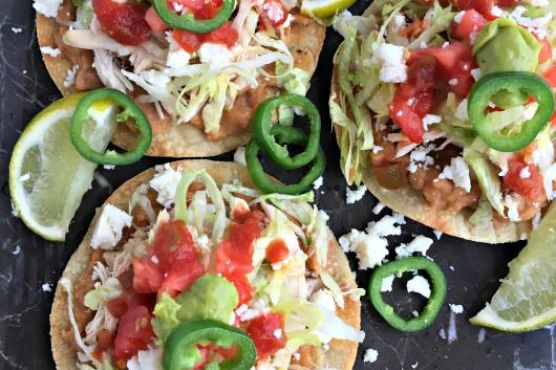


Related update: We recently published an article that expands on this topic: read the latest post.

Rotisserie Chicken and Bean Tostadas | Made by Meaghan Moineau

Rotisserie Chicken and Bean Tostadas

Intro

Every summer, my family would gather in my grandmother’s backyard for a weekend barbecue. The air was always filled with the sound of laughter and the mouthwatering aroma of her famous tostadas sizzling on the grill. These weren’t just any tostadas; they were a medley of flavors that united us all. Today, I’m excited to share a version of this beloved recipe with you: Rotisserie Chicken and Bean Tostadas. This dish not only reminds me of those cherished family moments but also provides a quick and delicious meal that can be whipped up on a busy weeknight.

Why You’ll Love It

These Rotisserie Chicken and Bean Tostadas are a delightful twist on a classic Mexican favorite. They’re perfect for when you want something delicious, yet easy to prepare. The combination of crunchy corn tortillas, creamy refried beans, savory chicken, and fresh toppings creates a symphony of textures and flavors. Plus, the use of a store-bought rotisserie chicken means minimal cooking time, allowing you more moments to savor and less time in the kitchen.

Ingredients

  • Shredded rotisserie chicken
  • Corn tortillas
  • Canned refried beans
  • Diced tomato
  • Jalapeño
  • Shredded iceberg lettuce
  • Cotija cheese
  • Lime
  • Guacamole
  • Salsa

Instructions

  1. Preheat your oven to 350 degrees Fahrenheit.
  2. Place the corn tortillas on a cookie sheet and bake them for 16-17 minutes, or until the edges brown and curl.
  3. Allow the cooked tortillas to cool at room temperature.
  4. To build the tostadas, start by spreading 1-2 tablespoons of refried beans on each tortilla.
  5. Top each tortilla with a handful of shredded rotisserie chicken, shredded iceberg lettuce, diced tomato, and guacamole.
  6. Drizzle each tostada with the juice of one lime wedge.
  7. Sprinkle generously with cotija cheese.
  8. Drizzle with salsa and garnish with slices of jalapeño.
  9. Serve the tostadas open-faced. This recipe makes 6 tostadas, with a serving size of 2 tostadas per person.

Tips

For the crispiest tostadas, make sure your tortillas are spaced apart on the baking sheet to allow for even browning. Additionally, if you prefer a more intense lime flavor, consider zesting some lime over the tostadas for an extra zing. Lastly, for a bit of smoky flavor, lightly grill the tortillas before baking them.

Variations & Substitutions

If you’re looking to switch things up, there are plenty of ways to customize these tostadas. Try using flour tortillas for a softer base or swap the rotisserie chicken with grilled shrimp for a seafood twist. For those who prefer a vegetarian option, substitute the chicken with sautéed mushrooms or grilled vegetables. If cotija cheese is unavailable, feta or queso fresco work as excellent alternatives.

Storage

While these tostadas are best enjoyed fresh, any leftovers can be stored. Keep the toppings and toasted tortillas separate to prevent sogginess. Store the tortillas in an airtight container at room temperature and refrigerate the toppings in separate containers. Reheat the tortillas in the oven for a few minutes before assembling your tostadas again.

FAQ

Can I make the tostadas ahead of time?

Yes, you can prepare the individual components ahead of time. Bake the tortillas and store them in an airtight container. Prepare the toppings and store them in the fridge. Assemble the tostadas just before serving for the best texture and flavor.

What can I serve with these tostadas?

These tostadas pair well with a side of Mexican rice or a refreshing bean salad. If you’re hosting a party, consider serving them alongside a platter of chips, salsa, and guacamole for a complete Mexican-inspired feast.

Nutrition

Each serving of two tostadas is an excellent source of protein and fiber, thanks to the chicken and beans. The fresh vegetables add a boost of vitamins, while the cheese provides calcium. For a lighter version, you can reduce the amount of cheese and guacamole used.

Conclusion

Rotisserie Chicken and Bean Tostadas offer a delicious journey through flavors and textures, reminiscent of cherished family gatherings. Whether you’re making them for a weeknight dinner or a festive occasion, they promise to bring joy and satisfaction to the table. I hope this recipe becomes a part of your family’s cherished memories, just as it has been for mine. Enjoy every crunchy, flavorful bite!

Related update: Rotisserie Chicken and Bean Tostadas

Related update: Marinated Flat Iron Steak

WhatsApp Adds Native Multi‑Account Support | Analysis by Brian Moineau

Finally: WhatsApp will let you run more than one account on the same iPhone

Imagine juggling personal texts, customer messages, and that group chat you can’t quit — all inside the same WhatsApp app, without awkward workarounds. Meta has quietly started rolling out a TestFlight beta that does exactly that: native multi-account support for iPhone users. For anyone tired of switching devices or installing a second app, this could be the small change that makes daily messaging a lot less messy.

Why this matters right now

  • iPhone users have long relied on hacks — a separate WhatsApp Business app, cloning apps on Android, or carrying two devices — to run multiple WhatsApp numbers.
  • Meta is testing a native solution in the WhatsApp beta for iOS via TestFlight, which signals the feature is moving from code hints into real-world use.
  • The beta currently supports up to two accounts that live inside a single app, with separate chat histories, backups, and notification settings.

What the TestFlight beta actually does

  • Adds an "Account List" section to Settings (or a quick button near your profile QR code) so you can add and switch accounts from inside the app. (9to5mac.com)
  • Lets you add:
    • A brand-new number (never registered on WhatsApp),
    • An account already used elsewhere (including WhatsApp Business), or
    • A “companion” account by scanning a QR code from another phone. (9to5mac.com)
  • Keeps each account’s chats, backups, notification tones, and privacy settings separate — so your work alerts won’t clutter your personal DMs. (macrumors.com)
  • Shows which account a notification belongs to, to reduce confusion when messages arrive. (macrumors.com)

A few usability notes from the beta reports

  • The testing build is limited to a subset of TestFlight users; there’s no official public release date yet. (9to5mac.com)
  • Switching is designed to be fast: quick taps or holds on the Settings tab let you toggle accounts without logging in and out. (macrumors.com)
  • The feature appears to respect App Lock (Face ID/Touch ID/passcode) so protected accounts stay secure when switching. (macrumors.com)

Why Meta is likely doing this now

  • Platform parity and convenience: Instagram and Facebook already let users manage multiple accounts, and bringing parity to WhatsApp removes friction for people who use multiple identities (personal, freelance, business). (macrumors.com)
  • Growing multi-SIM and eSIM use: many people have more than one number linked to their single iPhone, so native multi-account support meets a real user need.
  • Product simplification: reducing the need for WhatsApp Business as a workaround means fewer apps to manage and better retention inside the primary WhatsApp experience.

Possible wrinkles and open questions

  • How many accounts will the final public release support? The beta is capped at two, but that could change.
  • How will backups interact with iCloud storage limits and account-specific encryption? Reports say backups stay separate, but details on storage and restore flows could affect adoption. (9to5mac.com)
  • Enterprise and compliance: businesses that rely on integrations or multi-user tools may need updated workflows if account linking behaves differently than existing companion modes.

What this means for different users

  • For freelancers and solopreneurs: less app-hopping and cleaner separation between client and personal chats.
  • For small business owners: easier management without forcing a switch to WhatsApp Business (though Business still has specialized tools).
  • For families and power users: clearer notification boundaries and fewer accidental replies from the wrong account.

A few practical tips for testers

  • If you’re on TestFlight and see the Account List, try adding a second account and test notifications so you understand which account receives what.
  • Test backups and restores for each account separately to confirm iCloud behavior matches your expectations.
  • Use App Lock for any account with sensitive chats to keep switching secure.

My take

This is one of those unglamorous but impactful product moves: not new technology, but a quality-of-life improvement that changes how people actually use the app every day. If Meta executes the final release cleanly — clear notification labels, reliable backups, and straightforward account management — this will quickly feel indispensable for anyone who juggles more than one WhatsApp number on an iPhone.

Sources

Chicken Suya | Made by Meaghan Moineau

Deliciously Spiced Chicken Suya: A Taste of West Africa

Intro

Chicken Suya is a delightful and spicy grilled chicken recipe originating from West Africa, particularly Nigeria. This dish holds a special place in my heart, as it reminds me of warm summer evenings in Lagos, where the aroma of sizzling suya from roadside vendors filled the air. As a child, my family and I would often take strolls through the bustling city streets, stopping to indulge in this delectable treat. The succulent, spicy flavor of Chicken Suya has been a cherished part of my culinary journey, and I’m thrilled to share this recipe with you.

Why You’ll Love It

There are countless reasons to fall in love with Chicken Suya. Here are just a few:

  • Bold Flavors: The suya spice blend is a powerhouse of taste, combining ground peanuts, ginger, garlic, and chili powder to create a savory and slightly spicy profile that is utterly irresistible.
  • Simple Ingredients: Despite its complex flavor, Chicken Suya requires only a handful of ingredients that you likely already have in your pantry.
  • Versatile Dish: This dish can serve as a main course, appetizer, or even a snack. It’s perfect for gatherings, barbecues, or a cozy night in.
  • Healthy and Satisfying: Grilling the chicken keeps it lean, while the spices provide a burst of nutrition and taste.

Ingredients

  • 2-3 tablespoons suya spice
  • 1 whole chicken, cut into parts
  • 1 teaspoon chili powder
  • 2 tablespoons groundnut oil (or any cooking oil)
  • 2 seasoning cubes
  • 1 onion, sliced
  • 2 tomatoes, sliced
  • Salt to taste

Instructions

  1. Preheat your oven to 500°F (260°C).
  2. Wash the chicken pieces thoroughly and pat them dry with a paper towel.
  3. In a large bowl, combine the suya spice, chili powder, seasoning cubes, and salt. Mix well.
  4. Add the chicken to the bowl, ensuring that each piece is generously coated with the spice mixture.
  5. Drizzle the groundnut oil over the seasoned chicken and give it a good mix to ensure even distribution.
  6. Arrange the chicken pieces on a baking sheet lined with aluminum foil.
  7. Place the baking sheet in the preheated oven and grill for 40 minutes. Be sure to check the chicken occasionally, flipping it to ensure it cooks evenly on both sides.
  8. Once the chicken is cooked through and has a beautiful char, remove it from the oven.
  9. Serve hot, garnished with sliced onions, tomatoes, and an extra sprinkle of suya spice for added flavor.

Tips

  • For an authentic taste, try using a grill instead of an oven. The smoky flavor from the charcoal enhances the suya’s taste.
  • If you prefer a milder heat, adjust the amount of chili powder to suit your taste.
  • Rest the chicken for a few minutes after grilling to allow the juices to redistribute, ensuring a moist and flavorful bite.

Variations & Substitutions

If you’re looking to shake things up, consider these variations:

  • Protein Swap: While chicken is traditional, you can use beef, goat meat, or even tofu for a vegetarian option.
  • Nut-Free: If you have a peanut allergy, substitute the suya spice with a nut-free spice blend.
  • Additional Veggies: Add bell peppers or mushrooms to the grill for an extra layer of flavor and texture.

Storage

Leftover Chicken Suya can be stored in an airtight container in the refrigerator for up to 3 days. To reheat, place the chicken in a preheated oven at 350°F (175°C) for about 10 minutes or until warmed through. You can also freeze the cooked chicken for up to 2 months. Thaw overnight in the refrigerator before reheating.

FAQ

Can I prepare the suya spice blend at home?

Absolutely! To make your own suya spice blend, you can combine roasted peanuts, ground ginger, garlic powder, onion powder, paprika, and chili powder. Blend them together until you reach a fine consistency. Store in an airtight jar for future use.

How can I make my Chicken Suya extra crispy?

For an extra crispy texture, finish the grilled chicken under the broiler for a few minutes. Keep a close eye on it to prevent burning, and you’ll achieve a delightful crunch.

Nutrition

Chicken Suya is a nutritious option rich in protein and flavor. While exact nutritional values depend on portion sizes, a typical serving provides:

  • Calories: Approximately 250-300 per serving
  • Protein: 25-30g
  • Fat: 15-20g
  • Carbohydrates: 5-10g

It’s a great choice for those looking to maintain a balanced diet without sacrificing taste.

Conclusion

Chicken Suya is more than just a meal; it’s a culinary experience that transports you to the vibrant streets of West Africa. With its bold flavors and tantalizing aroma, it’s sure to become a favorite in your household. Whether you’re hosting a gathering or enjoying a quiet dinner at home, this dish promises to deliver satisfaction with every bite. I hope you enjoy making and eating this Chicken Suya as much as I do. Bon appétit!

Related update: Chicken Suya

Related update: Rotisserie Chicken and Bean Tostadas

The Perfect Butter Beans Stew | Made by Meaghan Moineau

The Perfect Butter Beans Stew

Intro

Welcome to a cozy corner of my kitchen, where the aroma of simmering stews fills the air and warms the soul. Today, I’m thrilled to share with you a recipe that holds a special place in my heart: The Perfect Butter Beans Stew. This dish is more than just a meal; it’s a comforting embrace on a chilly day, a nostalgic reminder of family gatherings and heartwarming stories shared around the dinner table.

When I was a child, my grandmother’s kitchen was the heartbeat of our home. I remember watching her effortlessly create magic in her pots, her hands moving deftly, her eyes alight with joy. The butter beans stew was a family favorite, a recipe passed down through generations, each iteration lovingly tweaked and perfected. Today, I’m excited to pass this cherished recipe on to you, hoping it will bring the same warmth and joy to your home as it has to mine.

Why You’ll Love It

This butter beans stew is a celebration of simple, wholesome ingredients coming together to create a symphony of flavors. Here’s why you’ll love it:

  • Hearty and Nutritious: Packed with protein-rich butter beans and a medley of aromatic spices, this stew is both satisfying and nourishing.
  • Simple Ingredients: You’ll find most of these ingredients in your pantry, making it an accessible dish for any day of the week.
  • Versatile: Enjoy it as a standalone meal, or serve it as a side dish with your favorite protein.
  • Comforting: Perfect for those colder months when you crave a warm, home-cooked meal.

Ingredients

  • 1 cup dry lima beans, soaked overnight
  • 2 diced onions
  • 3 garlic cloves, minced
  • 1 teaspoon dry tarragon
  • 1 tablespoon canned fresh tarragon
  • 2 teaspoons sweet paprika
  • 2 bay leaves
  • 3 tablespoons unrefined sunflower oil
  • 1 teaspoon ground pepper
  • Salt to taste

Instructions

For the full step-by-step instructions, including tips and techniques to perfect this dish, please visit my blog at http://gourmandelle.com/the-perfect-butter-beans-stew/.

Tips

  • Soak the Beans: Don’t skip soaking the butter beans overnight. This step ensures they cook evenly and reach the perfect, tender texture.
  • Season Generously: Don’t be shy with the spices. The tarragon and paprika are key to developing the stew’s rich, savory flavor.
  • Simmer Slowly: Allow the stew to simmer on low heat. This slow cooking process melds the flavors beautifully.

Variations & Substitutions

Feel free to customize this stew to suit your taste preferences or dietary needs:

  • Vegetarian Option: For a vegetarian version, replace the unrefined sunflower oil with olive oil, and enhance the flavor with vegetable broth instead of water.
  • Spicy Kick: Add a pinch of chili flakes or a dash of hot sauce if you prefer your stews with a bit of heat.
  • Herb Variations: Swap the tarragon with rosemary or thyme for a different herbaceous note.

Storage

This butter beans stew stores beautifully, making it a perfect make-ahead meal:

  • Refrigerator: Store in an airtight container in the fridge for up to 4 days.
  • Freezer: For longer storage, freeze the stew in individual portions. It will keep well for up to 3 months.
  • Reheating: Reheat gently on the stove over low heat, adding a splash of water or broth if needed to adjust the consistency.

FAQ

Can I use canned beans instead of dried?

Yes, you can use canned butter beans as a convenient alternative. Simply rinse and drain them before adding them to the stew. Keep in mind that the cooking time will be reduced since canned beans are pre-cooked.

What can I serve with butter beans stew?

This stew pairs wonderfully with crusty bread, rice, or quinoa. A fresh green salad or roasted vegetables also complement the rich flavors of the stew beautifully.

Nutrition

This butter beans stew is a nutritious powerhouse, offering a good balance of protein, fiber, and essential vitamins. While the exact nutrition will vary based on portion size, here’s a rough estimate per serving:

  • Calories: Approximately 250-300 calories
  • Protein: 12-15 grams
  • Fiber: 8-10 grams
  • Fat: 10 grams

Conclusion

The Perfect Butter Beans Stew is more than a recipe; it’s a culinary journey back to simpler times, filled with warmth and love. As you savor each spoonful, may it bring you the same comfort and joy it has brought my family for generations. I hope this stew becomes a staple in your kitchen, weaving its way into your cherished food memories. Thank you for joining me on this delicious adventure. Happy cooking!

Related update: The Perfect Butter Beans Stew

Related update: Chicken Suya

Kiffin Frenzy: Eight Power Four Openings | Analysis by Brian Moineau

Coaching chaos and the Kiffin question: who lands the biggest Power Four jobs?

Start with this: college football’s coaching carousel isn’t a sideshow anymore — it’s the main event. From Baton Rouge to Palo Alto, eight marquee openings (LSU, Florida, Auburn, Penn State, Arkansas, UCLA, Oklahoma State, Stanford) have created a scramble for top names, and no one has attracted more attention lately than Lane Kiffin. The intel flowing out of team insiders, media trackers and recruiting networks paints a picture that’s equal parts strategy, theater and ego management.

Quick snapshot of where things stand

  • Lane Kiffin is the most-talked-about name — linked to LSU and Florida while still under contract at Ole Miss and in the middle of a historic season there.
  • Several programs have leaned toward “known commodities” (coaches with Power Four experience) while others are seriously courting dynamic Group-of-Five and coordinator candidates.
  • Some searches feel chaotic (LSU), others are unusually procedural and focused (Auburn), and a few have emerging favorites that weren’t household names six months ago.

What the Kiffin drama means for the carousel

Lane Kiffin’s name acts like a magnet across the market. That does three things:

  • Concentrates interest: Multiple top openings list the same handful of names, which creates bottlenecks. Programs pursuing Kiffin (or other high-profile targets) must have backup plans ready.
  • Drives urgency: Schools that want to get ahead of rivals are accelerating interviews and courting candidates earlier than usual — sometimes before the regular season ends.
  • Raises pay and leverage stakes: Ole Miss appears prepared to spend to keep Kiffin. When one school signals willingness to match or escalate offers, it changes expectations across the board.

Those dynamics help explain why insiders are reporting campus family visits, private flights, and public denials all in the same weekend. It’s messy by design.

The eight openings — a quick tour of intel and fit

  • LSU
    • Picture: A circus of voices and political influence, with resources and expectations sky-high.
    • What programs want: Someone who can recruit elite talent in-state, win big games immediately, and navigate booster/AD/political pressures.
  • Florida
    • Picture: Desperate for stability and a cultural reset after recent turnover.
    • What programs want: A leader who can revive recruiting in Florida and restore an identity on both sides of the ball.
  • Auburn
    • Picture: The search has a small, sensible list and strong local ties shaping the process.
    • What programs want: A connector who can unite boosters, high-school pipelines and the roster.
  • Penn State
    • Picture: Murkier, with coordinator and veteran head-coach names floating in rumor threads.
    • What programs want: Proven head-coaching credibility and continuity without a long rebuild.
  • Arkansas
    • Picture: Quietly aggressive — chasing a mix of up-and-comers and proven assistants.
    • What programs want: A coach who can recruit the region and compete in the gauntlet of the SEC West.
  • UCLA
    • Picture: Looking beyond obvious choices; some Group-of-Five names are gaining traction.
    • What programs want: Recruiting and scheme versatility to win in the Pac-12/Big Ten environment.
  • Oklahoma State
    • Picture: Searching for an offensive identity; a couple of rising coordinators and creative head coaches on their radar.
    • What programs want: A modern offensive mind who can keep the Cowboys competitive in the Big 12.
  • Stanford
    • Picture: Different constraints — academic profile, resources and a unique institutional culture.
    • What programs want: A coach who respects the academic mission while rebuilding competitiveness.

Themes that matter beyond the headlines

  • Bottlenecked candidate lists: When five or six schools chase the same half-dozen coaches, very few will move — so athletic directors must balance star-chasing with realistic fits.
  • Money isn’t the only currency: Institutional fit, family factors, and program-control clauses often tip the scale; recruits and staff also influence decisions in real time.
  • Risk vs. upside calculus: Some ADs prefer an experienced, stable hire; others chase upside — a younger, innovative coach who might reset the program quickly (and riskier).
  • Domino effect: One hire (or refusal) cascades. When a prominent coach accepts or declines, a chain of second- and third-order moves usually follows within days.

Emerging surprises and sleepers

  • Group-of-Five coaches and coordinators are no longer viewed as automatic downgrades — several are legitimately under consideration for Power Four jobs because of record, system fit and recruiting promise.
  • Interim or internal candidates (assistant promoted to interim head coach) are getting legitimate looks where a program values continuity or internal morale.

Search strategies for athletic directors in this cycle

  • Keep contingency plans ready: Don’t let a top target stall your timeline.
  • Manage messaging carefully: Public denials are part of the game — but clarity with staff and players matters more.
  • Protect recruiting momentum: Coaching vacancies that last too long risk damaging next year’s classes.
  • Prioritize fit over flash: The most glamorous hire isn’t always the one that stabilizes a program.

What to watch next (short list)

  • Kiffin’s decision timeline and whether Ole Miss actually follows through on reported matching offers.
  • Any formal interviews or official visits at LSU and Florida that confirm serious pursuit.
  • A hub of movement after bowl season — expect multiple hires to drop in rapid succession, triggering follow-ups across the Power Four.

My take

This coaching carousel is a reminder that college football is storytelling as much as sport. Athletic departments are juggling reputation, recruiting pipelines, donor expectations and the public theater of “who’s next.” The smart hire will be the one that balances immediate scoreboard needs with long-term cultural fit — and can keep the program steady when the spotlight fades. Lane Kiffin’s situation is the perfect microcosm: great short-term upside for any suitor, complicated long-term calculus for both coach and program.

Final thoughts

If you love the drama, this is peak season: names, flights, denials and leaks. If you care about program-building, pay attention to fit and continuity. Once the initial wave of hires settles, the real test begins — measuring who can turn quick fixes into sustained success.

Sources


Related update: We recently published an article that expands on this topic: read the latest post.


Related update: We recently published an article that expands on this topic: read the latest post.

Can Nvidia Reclaim the AI Throne Today? | Analysis by Brian Moineau

Nvidia lost its throne — for now. Can it get it back?

Everyone loves a story with a king, a challenger and a battlefield you can see from space. In 2023–2024, Nvidia played the role of that king in markets: GPUs, AI training, data-center megadeals, and a market-cap narrative few could touch. But by the time earnings rolled around this year, the tone was different. Nvidia still powers much of today's generative-AI engine, yet investor attention has tilted toward other names — Broadcom, AMD and software-heavy infrastructure plays — leaving Nvidia “no longer the most popular AI trade,” as headlines put it.

This piece sketches why that cooling happened, what Nvidia still has working in its favor, and what it would take to reclaim the crown.

What changed — the short version

  • Valuation fatigue: Nvidia’s meteoric run priced near-perfection into the stock. When guidance or growth showed any sign of slowing, traders rotated.
  • Competition and alternatives: AMD’s data-center push and Broadcom’s optics and networking play offer investors different ways to access AI growth without Nvidia’s valuation premium.
  • Geopolitics and China exposure: U.S. export controls constrained parts of Nvidia’s China business, introducing a real — and visible — revenue loss.
  • Sector rotation: Investors hunting “safer” or differentiated AI exposures leaned into companies with recurring software or networking revenues rather than pure GPU plays.

Why this matters now (context and background)

  • Nvidia’s GPUs are still the backbone of most large-scale training and inference installations, and the company’s ecosystems (CUDA, software stacks, partnerships) are deep and sticky.
  • But markets aren’t just about fundamentals; they’re about narratives and expectations. Nvidia’s story became "priced for perfection," so anything less than blowout guidance could send the stock elsewhere.
  • Meanwhile, rivals aren’t just knockoffs. AMD’s MI-series accelerators and Broadcom’s move into AI networking, accelerators and integrated solutions give cloud builders and enterprises credible alternatives — and different margin/growth profiles that some investors prefer.

Signals that Nvidia can still fight back

  • Enduring technical lead: For many high-end training tasks and advanced models, Nvidia GPUs remain best-in-class. That technical moat is hard to erode overnight.
  • Software and ecosystem lock-in: CUDA, cuDNN and Nvidia’s software stack create switching friction that favours long-term share retention.
  • Strong demand backdrop: Large cloud providers and hyperscalers continue to expand AI capacity; when demand is this structural, winners keep winning.
  • Product cadence: Nvidia’s roadmap (new architectures and system products) can reset expectations if they deliver step-change performance or cost advantages.

What Nvidia needs to do to reclaim investor excitement

  • Deliver consistent, credible guidance: Beats matter, but so does proof that growth is sustainable beyond a quarter.
  • Reduce geopolitical uncertainty: Either by restoring China access (if policy allows) or by clearly articulating alternative growth paths that offset China headwinds.
  • Show margin resiliency and diversification: Investors will be more comfortable if Nvidia demonstrates it can grow without relying solely on hyper-growth multiples tied to a single product category.
  • Highlight software/revenues or recurring services: Anything that lowers the volatility of revenue expectations helps the valuation story.

The investor dilemma

  • Are you buying the market-share leader (Nvidia) at a premium and trusting the moat, or picking up cheaper, differentiated exposures (Broadcom, AMD, others) that might capture the next leg of AI spend?
  • Long-term believers value Nvidia’s platform and ecosystem advantages. Traders looking for near-term performance or lower multiples have legitimate reasons to favor alternatives.

A few takeaway scenarios

  • If Nvidia continues to post strong, unambiguous growth and guides confidently, institutional flows could reconcentrate and sentiment would likely flip back in its favor.
  • If rivals close the performance or ecosystem gap while Nvidia’s growth or guidance softens, the market could keep reallocating capital away from a single-name concentration risk.
  • Geopolitics — especially U.S.–China tech policy — is a wildcard. A policy easing that restores a sizable portion of China demand would be materially positive; further restrictions could accelerate diversification away from Nvidia.

My take

Nvidia didn’t lose because its tech failed — it lost some of the market’s patience. High expectations breed higher sensitivity to any hint of deceleration, and investors naturally explore alternatives that seem to offer similar upside with different risk profiles. That said, Nvidia’s combination of chips, software and customer relationships is still a heavyweight advantage. Reclaiming the crown isn’t impossible; it requires predictable execution, transparent guidance and progress on the geopolitical front. Long-term investors who believe AI is a multi-decade structural shift still have a clear reason to watch Nvidia closely — but the era of unquestioned dominance is over. The next chapter will be about execution, diversification and whether the market’s narrative can rewrite itself.

Useful signals to watch next

  • Quarterly revenue and data-center trends versus guidance.
  • Market-share updates in GPUs and any measurable gain by competitors.
  • Announcements tying Nvidia hardware to recurring software or cloud offerings.
  • Changes in U.S. export policy or meaningful alternative China channels.
  • Large hyperscaler capex patterns and disclosed vendor choices.

Where I leaned for this view

  • Coverage of Nvidia’s recent earnings and the market reaction — showing why the “priced-for-perfection” narrative matters.
  • Reporting on export constraints and the macro/geopolitical context that undercut some growth expectations.
  • Analysis of the competitive landscape (AMD, Broadcom and cloud providers) and how investors rotate among different ways to access AI upside.

Sources


Related update: We recently published an article that expands on this topic: read the latest post.
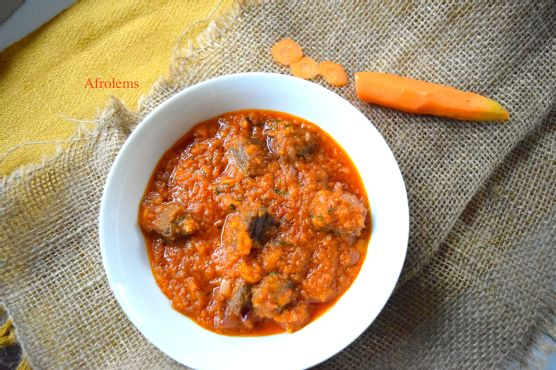
Beef Carrot Stew | Made by Meaghan Moineau

Beef Carrot Stew

Intro

There’s something incredibly comforting about a hearty stew, and this Beef Carrot Stew is no exception. I remember the first time I learned to make this dish; it was a chilly afternoon at my grandmother’s house. The kitchen was filled with the warm, inviting aroma of stewing beef and spices. She called it her “magic stew” because it had the power to bring the whole family together, no matter how busy we were. Now, every time I make it, I’m transported back to those cozy afternoons filled with laughter and love. This recipe has become a cherished staple in my home, and I’m excited to share it with you.

Why You’ll Love It

This Beef Carrot Stew is a delightful fusion of flavors and textures that will warm your soul. Here’s why you’ll fall in love with it:

  • Rich & Flavorful: The blend of spices, garlic, and ginger infuses the stew with a depth of flavor that’s both comforting and tantalizing.
  • Nutritious: Packed with the goodness of carrots and beef, it’s a wholesome meal that nourishes your body.
  • Versatile: Pairs beautifully with a variety of sides like rice, yam, plantain, or pasta, making it a perfect fit for any meal.
  • Easy to Make: With simple steps and easily accessible ingredients, you can whip up this stew with minimal fuss.

Ingredients

  • Scent leaves
  • Cooked beef
  • Carrots
  • Curry
  • Garlic
  • Ginger
  • Seasoning cubes
  • Bulb of onion
  • Cooking spoons of blended tatashe-pepper mix
  • Cooking spoons of vegetable oil

Instructions

  1. Scrape, wash, and boil your carrots until they are soft. Place them in a blender without water and grind until completely shredded.
  2. In a pot, heat up your vegetable oil and fry the onions, garlic, and ginger until they are fragrant.
  3. Add the tatashe-pepper mix and the cooked beef to the pot. Allow the mixture to simmer on low heat for about 10-15 minutes.
  4. Season the stew with curry, seasoning cubes, and any other preferred spices. Stir well to combine.
  5. Add the shredded carrots to the pot, stirring them in. Let the stew simmer on low heat for another 3-5 minutes.
  6. Finally, add the chopped scent leaves, stir them in, and serve the stew hot with your choice of rice, yam, plantain, pasta, or any other accompaniment.

Tips

  • Fresh Ingredients: Use fresh garlic, ginger, and scent leaves for the best flavor.
  • Simmer Time: Allowing the stew to simmer slowly helps develop the rich flavors.
  • Consistent Slicing: Ensure the carrots are evenly shredded for a uniform texture.
  • Tasting: Taste the stew during cooking and adjust the seasoning as necessary.

Variations & Substitutions

If you want to switch things up, consider these variations and substitutions:

  • Protein Swap: Substitute beef with chicken or tofu for a different protein profile.
  • Vegetable Additions: Add potatoes or bell peppers for extra bulk and flavor.
  • Spice Level: Adjust the amount of tatashe-pepper mix for more or less heat.
  • Herb Alternatives: If scent leaves are unavailable, basil or cilantro can be used as alternatives.

Storage

Store any leftovers in an airtight container in the refrigerator for up to 3 days. To reheat, warm the stew gently on the stove over low heat, adding a splash of water if needed to loosen the consistency.

FAQ

Can I make this stew ahead of time?

Absolutely! This stew can be made a day ahead and stored in the fridge. In fact, the flavors often deepen and become even more delicious after resting overnight.

Is this stew freezer-friendly?

Yes, you can freeze Beef Carrot Stew for up to three months. Ensure it is fully cooled before transferring it to a freezer-safe container. Thaw it in the refrigerator overnight before reheating.

What can I serve with this stew?

This stew pairs wonderfully with a variety of side dishes. Serve it with steamed rice, boiled yams, fried plantains, or even crusty bread to soak up the flavorful sauce.

Nutrition

This Beef Carrot Stew is not only delicious but also nutritious. Rich in protein from the beef and packed with vitamins from the carrots and scent leaves, it’s a meal that supports both your taste buds and your health goals. For a more detailed nutritional breakdown, consider using a recipe nutrition calculator with the specific brands and quantities you use.

Conclusion

Beef Carrot Stew is more than just a meal; it’s a comforting dish that brings warmth and joy to any occasion. Whether you’re sharing it with family on a quiet evening or serving it to friends at a lively gathering, this stew is sure to impress with its rich flavors and hearty ingredients. I hope this recipe becomes a beloved part of your culinary repertoire, just as it has in mine. Happy cooking!

Related update: Beef Carrot Stew

Related update: The Perfect Butter Beans Stew

Main Street Under Siege by Affordability | Analysis by Brian Moineau

The squeeze on Main Street: why mom-and-pop shops are hunkering down

There’s a quiet panic in small-business towns across the country. Shop owners are trimming hours, delaying hires, and staring at spreadsheet scenarios that all end the same way — build cash, avoid risk, survive the next shock. The affordability crisis isn’t just about rising grocery bills; it’s a compound threat hitting mom-and-pop shops from every direction: higher import costs, rising payroll and health‑care bills, scarce affordable credit, and employees who are one rent check away from distraction. This is what happens when the cost-of-living crisis collides with a fragile small-business ecosystem.

Why this feels different right now

  • Import and input costs have jumped for many small manufacturers and retailers, driven by tariffs and higher shipping costs that squeeze margins. Owners who used to pass only a fraction of price increases onto customers are now forced to choose between less profit and fewer sales. (finance.yahoo.com)
  • Lending is available in some forms, but often expensive. Small-term business loans show average rates that are higher than they have been in recent memory, pricing out growth and forcing owners to hoard cash rather than invest. (finance.yahoo.com)
  • Payroll and healthcare remain stickier costs. With wages and benefits rising, labor-intensive small businesses—cafés, shops, local manufacturers—face a double bind: pay more to retain staff or risk turnover and service disruption. (finance.yahoo.com)
  • The workforce itself is stressed. When employees are worried about housing, groceries, or medical bills they bring that anxiety to work; productivity and customer service suffer. Business owners report distracted staff and a loss of morale that is hard to quantify but easy to feel at the register. (finance.yahoo.com)

Signals from the data and policy landscape

  • Banks reported a modest uptick in demand for business loans in late 2024, but lending standards have tightened, and smaller borrowers often see higher effective rates or find themselves steered away from underwriting entirely. That mismatch leaves many Main Street businesses underserved. (reuters.com)
  • The Small Business Administration (SBA) has increased small-dollar backing in recent years, which has helped some entrepreneurs access capital. But access remains uneven, and policy shifts or agency reorganizations can change the terrain quickly for small lenders and borrowers. (apnews.com)

What owners are doing (and why it matters)

  • Hunkering down: owners are building cash reserves, delaying capital expenditures, and cutting discretionary spending. That preserves survival but stalls growth and job creation. (finance.yahoo.com)
  • Shrinking payrolls: some have reduced staff or hours to manage labor costs. That reduces overhead but can also reduce revenue and community vibrancy. (finance.yahoo.com)
  • Seeking alternate revenue: pop-up events, online channels, and partnerships can help, but not every business can pivot easily—especially manufacturers and service providers tied to local demand. (finance.yahoo.com)
  • Shopping for credit carefully: owners are comparing SBA-backed options, community lenders, and commercial banks, but smaller, mission-driven loans are still scarce in some regions. (sba.gov)

A few human stories that put numbers in perspective

Across different reports, small-business owners say the same thing: uncertainty makes planning impossible. A Massachusetts manufacturer that recently laid off staff described an environment where tariffs and shifting trade policy dent demand overnight, forcing quick cuts and a focus on cash preservation rather than investment. Those individual decisions ripple through local economies—less payroll, fewer local purchases, and a community that slowly tightens its belt. (finance.yahoo.com)

What would help Main Street (practical levers)

  • Expand small-dollar lending and streamline access. More predictable, affordable credit for loans under six figures helps owners bridge seasonal gaps and invest in productivity. SBA programs and community lenders can play a role but need scale and stability. (apnews.com)
  • Targeted relief for input-cost shocks. Temporary tax credits, tariff adjustments, or subsidized logistics support could blunt abrupt cost spikes for small manufacturers who lack hedging tools used by larger firms. (finance.yahoo.com)
  • Workforce support that stabilizes employees’ lives. Expanding access to childcare, emergency savings, and affordable health-care options reduces the non‑work distractions that hit productivity and retention. (finance.yahoo.com)
  • Predictable policy environment. Businesses need fewer policy surprises—clearer trade and regulatory signals allow owners to plan hiring and capital expenditures with confidence. (finance.yahoo.com)

A short set of takeaways for readers

  • Main Street is resilient but not invincible: small businesses are conserving cash and deferring growth while facing multiple cost pressures. (finance.yahoo.com)
  • Credit exists but is uneven: SBA efforts have expanded small-dollar lending, yet many owners still pay high effective rates or face tighter underwriting. (apnews.com)
  • The workforce crisis is an affordability crisis: stressed employees reduce productivity, and that compounds business stress. (finance.yahoo.com)

My take

This moment feels like a stress test for the local economy. Policies and markets have nudged mom-and-pop shops into a defensive crouch—and defense is a valid short-term strategy. But if we leave Main Street in that posture too long, we risk losing the entrepreneurial engine that drives jobs and community identity. The right mix of predictable policy, targeted support for credit and inputs, and investments that stabilize workers’ lives could flip a lot of these businesses back from “survive” to “grow.”

Sources


Related update: We recently published an article that expands on this topic: read the latest post.


Related update: We recently published an article that expands on this topic: read the latest post.

Chocolate Pavlova with Winter Fruit | Made by Meaghan Moineau

Chocolate Pavlova with Winter Fruit

Introduction

There’s something magical about a pavlova, with its crisp exterior and soft, marshmallow-like center. This Chocolate Pavlova with Winter Fruit is a delightful twist on a classic dessert that’s both elegant and rustic. I remember the first time I made it for a family gathering during the holidays. The house was filled with the warmth of laughter and the aroma of cocoa. My grandmother, a stickler for traditional pavlova, was dubious at first, but after her first bite, she nodded approvingly and asked for seconds. That moment, her approval, made this recipe a cherished family favorite.

Why You’ll Love It

This chocolate pavlova is a showstopper! It’s perfect for impressing guests at any gathering or for a cozy night in. The combination of rich chocolate and the tartness of winter fruits creates a harmonious balance of flavors. The meringue is light and airy, yet decadently chocolatey, making it an indulgent treat without being too heavy. Plus, it’s naturally gluten-free, making it suitable for a variety of dietary needs.

Ingredients

  • 6 large egg whites, room temperature
  • 1/4 teaspoon cream of tartar
  • 1 cup granulated sugar
  • 1 tablespoon dutch process cocoa powder
  • 1 teaspoon tapioca starch
  • 1 teaspoon vanilla bean paste
  • 1 teaspoon white vinegar
  • 2 ounces dark 70% chocolate, finely chopped
  • 1 cup heavy cream
  • 2 tablespoons confectioner’s sugar
  • 1 teaspoon vanilla extract
  • Assorted fresh winter fruit (e.g., pomegranate seeds, kiwi, clementines)

Instructions

  1. Preheat the oven to 225°F convection or 250°F conventional. Line a rimmed baking sheet with a Silpat or parchment paper.
  2. In the bowl of a stand mixer fitted with a whisk attachment, whip the egg whites, vanilla bean paste, and cream of tartar until soft peaks begin to form.
  3. Sift together the sugar, cocoa powder, and tapioca starch. With the motor running at low speed, add the sugar mixture 1 tablespoon at a time to the egg whites.
  4. Add the vinegar and dark chocolate. Whip until fully incorporated and the egg whites hold a stiff peak (the whip attachment will have a sturdy egg white tail when removed).
  5. Scoop the mixture onto the prepared baking sheet. Shape into a 9- to 10-inch circle with a slightly higher edge.
  6. Bake for 1 hour and 15 minutes, then turn off the oven and allow the pavlova to cool completely in the oven with the door slightly ajar.
  7. Just before serving, whip the heavy cream with confectioner’s sugar and vanilla extract until soft peaks form.
  8. Spoon the whipped cream onto the pavlova and top with fresh winter fruit.

Tips

For the fluffiest meringue, ensure your mixing bowl and whisk are clean and free from any grease. Use room temperature egg whites for better volume. When adding sugar, do so gradually to avoid deflating the meringue. Baking the pavlova slowly at a low temperature is key to achieving the perfect texture.

Variations & Substitutions

You can play around with different flavors by adding a pinch of cinnamon or nutmeg to the meringue. For a fruit topping, consider using berries, mango, or passion fruit in the summer months. If you don’t have tapioca starch, cornstarch is an adequate substitute. For a dairy-free version, use coconut cream in place of heavy cream.

Storage

The pavlova is best enjoyed the day it is assembled. However, the meringue base can be made a day in advance and stored in an airtight container at room temperature. Once topped with cream and fruit, it should be consumed within a few hours, as the moisture can soften the meringue.

FAQ

Can I make this recipe ahead of time?

Absolutely! You can prepare the meringue base a day in advance and store it in an airtight container. Assemble with cream and fruit just before serving for optimal texture.

What can I do if my pavlova cracks?

Cracks are common and often add to the rustic charm of a pavlova. If you find the cracks too large, you can use whipped cream as a delicious “glue” to hold pieces together. It will still taste wonderful!

Nutrition

This pavlova is relatively low in calories compared to other desserts, thanks to its light meringue base. The fresh fruit topping adds natural sweetness and vital nutrients. However, as with all treats, moderation is key, especially for those watching their sugar intake.

Conclusion

This Chocolate Pavlova with Winter Fruit is a delightful dessert that brings joy and indulgence to any occasion. Its beautiful presentation and delicious flavors make it a memorable addition to your dessert repertoire. Whether you’re making it for a holiday feast or a simple family dinner, it’s sure to impress and bring smiles to the table. Enjoy this recipe and create sweet memories with your loved ones!

Related update: Chocolate Pavlova with Winter Fruit

Creamy White Chili | Made by Meaghan Moineau

Creamy White Chili: A Hearty Bowl of Comfort

Intro

There’s something uniquely comforting about a steaming bowl of chili, especially when it carries with it memories of family gatherings and cozy winter evenings. My journey with this Creamy White Chili began years ago, in my grandmother’s bustling kitchen. She would often prepare this dish during the chilly months, its rich aroma filling the house as we eagerly awaited dinnertime. The combination of tender chicken, creamy beans, and a hint of spice was always the ultimate comfort food, sparking laughter and conversation around the table. It is this warmth and nostalgia that I hope to share with you through this recipe.

Why You’ll Love It

This Creamy White Chili is a delightful twist on the traditional red chili recipes you may be accustomed to. Here are a few reasons why you’ll fall in love with this dish:

  • Rich and Creamy: The addition of heavy whipping cream and sour cream creates a luscious texture that’s incredibly satisfying.
  • Flavorful and Spicy: The combination of cumin, oregano, and green chilies provides a depth of flavor with just the right amount of heat.
  • Quick and Simple: With minimal prep time and easy-to-find ingredients, this recipe is perfect for a weeknight dinner or a cozy weekend meal.
  • Family-Friendly: Kids and adults alike will enjoy this comforting bowl of chili, making it a great option for family meals.

Ingredients

  • 1 tablespoon olive oil
  • 1 pound chicken, diced
  • 1 onion, chopped
  • 2 cloves garlic, minced
  • 2 cups canned chicken broth
  • 2 cans (15 ounces each) great northern beans, drained and rinsed
  • 1 can (4 ounces) green chilies, diced
  • 1 teaspoon cumin
  • 1 teaspoon oregano
  • Salt and black pepper to taste
  • 1 cup sour cream
  • 1/2 cup heavy whipping cream
  • 1 cup shredded cheddar cheese

Instructions

  1. In a heavy saucepan, heat the olive oil over medium heat. Add the diced chicken, chopped onion, and minced garlic. Sauté until the chicken is cooked through and the onion is translucent, about 8-10 minutes.
  2. Stir in the chicken broth, great northern beans, and diced green chilies. Add the cumin, oregano, salt, and black pepper. Bring the mixture to a simmer.
  3. Reduce the heat to low and let it simmer for 20 minutes, allowing the flavors to meld together.
  4. Remove the saucepan from the heat and stir in the sour cream and heavy whipping cream until well combined.
  5. Ladle the chili into bowls and top with shredded cheddar cheese. Serve hot and enjoy!

Tips

  • Prepping Ingredients: To save time, prepare all your ingredients before you start cooking. Dice the chicken, chop the onion, and mince the garlic ahead of time.
  • Sautéing Perfectly: Ensure the chicken is cooked thoroughly but remains tender by keeping an eye on the heat and stirring frequently.
  • Adjusting Spice Levels: If you prefer a milder chili, reduce the amount of green chilies or use a milder variety.

Variations & Substitutions

Feel free to get creative with this recipe by trying these variations and substitutions:

  • Meat Substitutions: Substitute the chicken with turkey or beef for a different flavor profile.
  • Vegetarian Version: Omit the chicken and use vegetable broth to create a vegetarian-friendly chili.
  • Add Some Veggies: Incorporate additional vegetables such as bell peppers or corn for added texture and nutrition.
  • Cheesy Twist: Experiment with different cheeses, such as Monterey Jack or Pepper Jack, for a unique taste.

Storage

This Creamy White Chili stores well, making it a perfect make-ahead meal:

  • Refrigeration: Store leftover chili in an airtight container in the refrigerator for up to 3 days. Reheat gently on the stovetop or in the microwave before serving.
  • Freezing: For longer storage, freeze the chili in a freezer-safe container for up to 2 months. Thaw in the refrigerator overnight and reheat before enjoying.

FAQ

Can I use fresh chilies instead of canned green chilies?

Yes, you can use fresh green chilies if you prefer. Simply roast or sauté them before adding to the chili for a similar flavor profile.

How can I make this chili spicier?

If you love a bit more heat, consider adding a pinch of cayenne pepper or a few dashes of hot sauce to the chili while it simmers.

Is it possible to make this dish dairy-free?

Yes, you can make a dairy-free version by using coconut cream instead of heavy whipping cream and a dairy-free cheese alternative. Just keep in mind that the flavor may vary slightly.

Nutrition

While I don’t have exact nutritional information for this recipe, it’s important to note that this chili is a hearty dish rich in protein and calcium, thanks to the chicken and cheese. Adjust portion sizes and ingredients to meet your dietary needs.

Conclusion

Making Creamy White Chili is like wrapping yourself in a warm, comforting blanket on a cold day. From the rich, creamy texture to the delightful hint of spice, it’s a dish that brings both warmth and joy to the table. Whether you’re cooking for family, friends, or simply treating yourself, this recipe is sure to become a cherished favorite. I hope this dish brings as much happiness and nostalgia to your home as it does to mine. Enjoy every spoonful!

Related update: Creamy White Chili

Related update: Beef Carrot Stew

Fast-Track U.S. Visas for World Cup Fans | Analysis by Brian Moineau

A fast lane to the stands: U.S. to prioritize visa interviews for World Cup ticket holders

The hook: If you bought a World Cup 2026 ticket and were worried about getting a U.S. visa in time, there’s a new promise on the table — one that could turn a year-long wait into a matter of weeks.

The story in a sentence:
The Biden administration’s successor announced a “FIFA Pass” priority scheduling system that will let official World Cup ticket holders get expedited visa interview appointments at U.S. consulates worldwide. Secretary of State Marco Rubio said the State Department has deployed hundreds of extra consular officers and in many places cut appointment waits from roughly a year to a few months.

Why this matters right now

  • The 2026 FIFA World Cup is massive: 48 teams, 104 matches across the U.S., Mexico and Canada, and millions of international fans expected. That scale creates an unprecedented surge in visitor visa demand for U.S. posts.
  • Long consulate backlogs have been a real barrier. In some countries — especially high-demand soccer nations — visa interview waits had stretched to six months or more, in some reporting even a year.
  • For travelers who need a nonimmigrant visitor visa (B-1/B-2), the bottleneck isn’t the ticket; it’s getting an interview scheduled. The new priority system addresses scheduling speed, not the underlying vetting or approval standard.

What the administration announced

  • The program is called the FIFA Priority Appointment Scheduling System, or “FIFA PASS.”
  • Ticket holders who purchased through FIFA will be able to request prioritized appointment slots through a FIFA portal that coordinates with the State Department.
  • The State Department says it has posted more than 400 additional consular officers globally to handle the surge and, in many places, doubled embassy consular staff.
  • Rubio’s reported numbers: about 80% of the world can now get a visa appointment in under 60 days; in countries like Brazil and Argentina, waits that used to be over a year have been reduced to under two months. (He emphasized that the program expedites scheduling only — approvals still require the same vetting.)

What this does — and doesn’t — fix

  • Helps with timing: The primary practical benefit is getting interviews scheduled sooner so applicants can be processed in time for travel.
  • Does not guarantee entry: A ticket gets you ahead in the queue, not a guaranteed visa or admission at the border. Consular officers and Customs and Border Protection still apply standard rules and discretion.
  • Might ease logistics for host cities and airlines: Faster scheduling helps planners estimate arrivals and reduce last-minute no-shows or strain on city services.
  • Could raise equity questions: The program prioritizes ticket holders who purchased through FIFA — reasonable for event logistics, but it creates a privileged lane for attendees vs. other legitimate travelers from the same countries.

How fans should act (practical steps)

  • Don’t wait. If you have tickets and need a U.S. visa, apply as soon as possible once the FIFA PASS portal or guidance is available. Rubio urged applicants to act early because the pass speeds the appointment but not the underlying approval.
  • Keep documentation tidy: bring your ticket purchase confirmations, travel itinerary, proof of ties to your home country, and other standard visa evidence to the interview.
  • Understand timelines: the administration reported many appointment waits cut to 6–8 weeks or under 60 days in most places — plan travel and lodging with realistic margins.
  • Remember the limits: priority scheduling is not an exemption from security screening, inadmissibility laws, or CBP inspection at entry.

Broader context and politics

  • Mega-events prompt special procedures. Governments regularly carve out streamlined channels — special entry lanes, liaison teams, and temporary staffing boosts — for major sporting or diplomatic gatherings.
  • The announcement sits at the intersection of two themes: promoting mass international tourism (economic boost, diplomacy, soft power) and maintaining immigration/ border controls. Politically, it lets an administration showcase hospitality while insisting on secure vetting.
  • The optics matter: global fans see this as welcome facilitation; critics may view it as a politically timed favor to a major international organizer. Regardless, it’s a pragmatic fix to a predictable capacity problem.

What could go wrong

  • Demand could still outstrip the surge capacity in particular cities or nations, producing localized backlogs.
  • Operational hiccups between FIFA’s portal and State Department systems could create confusion for applicants.
  • Political flare-ups (e.g., decisions to reassign matches or disputes about host cities) could create new timelines or travel complications for ticket holders.

My take

This feels like sensible event management: prioritize scheduling bottlenecks for a once-in-a-generation tournament while keeping security screening intact. For fans, the real win is predictability — knowing you can get an interview in time. For planners, it reduces a major logistical unknown. The caveat is that good communication and flawless execution are essential; a “fast lane” that still leaves people waiting is worse than none at all.

Where to watch for updates

  • Official FIFA communications about ticket-holder benefits and how to use the FIFA PASS portal.
  • The U.S. State Department’s visa pages for country-specific appointment availability and guidance.
  • Announcements from U.S. consulates in high-demand countries (Brazil, Argentina, India, etc.) about local appointment capacity.

Sources


Related update: We recently published an article that expands on this topic: read the latest post.


Related update: We recently published an article that expands on this topic: read the latest post.


Related update: We recently published an article that expands on this topic: read the latest post.


Related update: We recently published an article that expands on this topic: read the latest post.
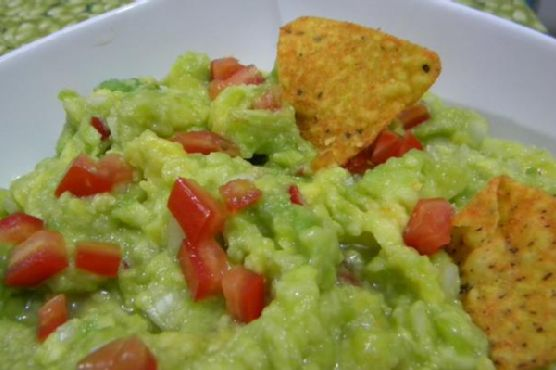
Josh Jacobs’ Knee Intact, Week-to-Week | Analysis by Brian Moineau

Positive update for Packers’ Josh Jacobs: structurally intact, week-to-week

There’s a collective sigh of relief going around Green Bay today. After leaving the Packers’ win over the New York Giants with a left-knee injury, running back Josh Jacobs avoided the worst-case scenario: tests show the knee is structurally intact and he won’t require surgery. That doesn’t mean he’s back immediately — the team is calling him week-to-week — but this is the kind of injury update that turns alarm into cautious optimism. (nbcsports.com)

What happened and why this matters

  • Jacobs left the Nov. 16, 2025 game in the second quarter after taking a hard hit and grabbing his left knee. He had seven carries for 40 yards before exiting. The Packers won the game, but his status immediately became the storyline to watch. (nbcsports.com)
  • Follow-up imaging and evaluations the next day indicated there was no structural damage and surgery is not needed. The team labeled him week-to-week; that means he could miss the Week 12 matchup against the Minnesota Vikings but isn’t facing a long-term absence. (nbcsports.com)
  • Coach Matt LaFleur described the injury as a contusion in later comments and emphasized swelling management as the immediate issue — a common path for players who avoid ligament or meniscus tears. (nbcsports.com)

Why this is a relief for the Packers

  • Josh Jacobs is the engine of Green Bay’s running game. In 2025 he’s been productive, piling up carries, yards, and — importantly — 11 rushing touchdowns before this injury. Losing him long-term would have been a major blow to offensive balance. (nbcsports.com)
  • The Packers have usable depth (Emanuel Wilson, Chris Brooks, practice-squad options like Pierre Strong Jr.), and Wilson stepped up immediately with a touchdown when Jacobs left. Still, backup production is rarely a perfect match for an elite starter’s consistency. (nbc26.com)
  • From a playoff and strategic standpoint, having Jacobs available even later in the season — or after a short week-to-week recovery — preserves Green Bay’s ability to run between the tackles, control the clock, and take pressure off Jordan Love. (espn.com)

How the timeline might play out

  • Short-term: focus is on reducing swelling and monitoring response to rest/treatment. That’s why the club is using the “week-to-week” label rather than an exact return date. (nbcsports.com)
  • Week 12 (Vikings at Lambeau): Jacobs is considered a long shot for that game; Emanuel Wilson would likely handle early-down duties if Jacobs can’t go. (nbcsports.com)
  • Medium-term: with no surgery required and no structural damage, the expected path is conservative: rehab and a graduated return to practice and then game action. No season-ending prognosis was reported. (espn.com)

Notes on player durability and team implications

  • Jacobs has carried a heavy load in recent seasons and has a track record of production and durability. That history makes this update especially encouraging — teams are often more optimistic about short recoveries when a player has a resilient track record. (espn.com)
  • The Packers’ depth chart will be under a microscope while Jacobs is out. Offensive game plans may tilt more toward play-action and passing to minimize exposure, or lean into Emanuel Wilson’s skill set if he’s asked to handle more snaps. (reuters.com)

Quick hits you can scan

My take

This is one of those NFL updates that balances relief with realism. Structurally intact knees and no surgery are great news — they remove the worst-case scenarios and keep a key piece available for the stretch run. At the same time, “week-to-week” is deliberately vague because swelling and reaction to treatment ultimately determine how quickly a player can return to contact. For the Packers, the next 7–10 days matter: how Jacobs responds in rehab will set the tone for whether Green Bay can keep rolling with its preferred identity or needs to lean on depth pieces for a few games.

Sources


Related update: We recently published an article that expands on this topic: read the latest post.

Guacamole | Made by Meaghan Moineau

The Best Homemade Guacamole

Intro

There’s nothing quite like the taste of fresh guacamole. I remember the first time I tried it at a family gathering when I was a child. The creamy texture combined with a hint of spice and citrusy notes was unlike anything I’d tasted before. My uncle, who had just returned from a trip to Mexico, made a batch for us, and since then, guacamole has been a staple at all our family gatherings. Today, I’ll share with you my take on this classic recipe, inspired by that nostalgic experience.

Why You’ll Love It

This guacamole recipe is perfect for any occasion. Whether you’re hosting a party, enjoying a quiet night in, or looking for a healthy snack, this guacamole will be your go-to. The creamy texture of the avocados paired with the freshness of herbs like cilantro, basil, and oregano creates a perfect balance of flavors. Plus, it’s quick and easy to make!

Ingredients

  • 3 ripe Haas avocados
  • 1/4 cup finely chopped onion
  • 1 jalapeño pepper, seeded and minced
  • 2 tablespoons fresh cilantro, chopped
  • 1/2 teaspoon salt
  • 1/4 teaspoon black pepper
  • 2 tablespoons fresh lime juice
  • 1 tablespoon fresh basil, chopped
  • 1 tablespoon fresh oregano, chopped

Instructions

  1. Cut the avocados in half lengthwise. Remove the pit by driving a chef’s knife into it and twisting gently to loosen.
  2. Scoop the avocado flesh out of the skin and into a mixing bowl.
  3. Using a fork, mash the avocado to your desired consistency.
  4. Add the chopped onion, jalapeño, cilantro, basil, and oregano to the mashed avocado.
  5. Mix until all the ingredients are well incorporated.
  6. Season the guacamole with salt, black pepper, and lime juice to taste.
  7. Serve immediately or chill for a more pronounced flavor.
  8. If not serving immediately, store in the refrigerator with plastic film wrap pressed onto the surface of the guacamole to prevent browning.

Tips

When choosing avocados, look for ones that are slightly soft to the touch but not mushy. A ripe avocado will yield gently to pressure. To prevent the guacamole from turning brown, ensure the plastic wrap is touching the entire surface of the guacamole. This minimizes air contact, which causes oxidation.

Variations & Substitutions

Feel free to customize your guacamole. For a spicier kick, leave the seeds in the jalapeño or add a dash of cayenne pepper. If you’re not a fan of cilantro, you can omit it or replace it with parsley. For a twist, try adding diced tomatoes or roasted corn for extra texture and flavor.

Storage

Store leftover guacamole in an airtight container in the refrigerator. Press a piece of plastic wrap directly onto the surface before sealing to keep it fresh for up to two days. Remember, the sooner you enjoy it, the better it tastes!

FAQ

Can I make guacamole in advance?

Yes, you can prepare guacamole a few hours in advance. Just make sure to store it with plastic wrap pressed against the surface to prevent browning. The lime juice also helps preserve its vibrant color.

What can I serve with guacamole?

Guacamole is incredibly versatile. Serve it with tortilla chips, as a topping for tacos, or alongside grilled chicken or fish. It’s also a great addition to sandwiches and burgers for an extra burst of flavor.

Nutrition

Avocados are packed with healthy fats, fiber, and essential nutrients. This guacamole recipe is not only delicious but also offers a good source of vitamins C, E, K, and B-6, as well as potassium and folate. Enjoy it as a healthy snack or as part of a balanced meal.

Conclusion

Whether you’re a long-time fan of guacamole or trying it for the first time, this recipe is sure to become a favorite. Its simplicity and freshness make it a standout dish that’s perfect for any occasion. So gather your ingredients and enjoy a taste of this classic, nostalgic treat. Remember, the best dishes are those shared with family and friends. Happy guacamole making!

Related update: Guacamole

Slow Cooker Kahlua Pork with Sweet Chili Pineapple Sauce | Made by Meaghan Moineau

Slow Cooker Kahlua Pork with Sweet Chili Pineapple Sauce

Intro

There’s something magical about the aroma of a slow-cooked meal wafting through the house, especially when it’s a dish that has been a family favorite for generations. I can still vividly recall the Sunday afternoons at my grandmother’s house, where family gatherings were synonymous with her signature Kahlua Pork. As kids, we would eagerly await the moment when the tender, flavorful pork would be served, accompanied by the sweet and tangy pineapple sauce. This recipe is my homage to those cherished memories, with a modern twist that brings the flavors to life in a convenient slow-cooker format.

Why You’ll Love It

This Slow Cooker Kahlua Pork with Sweet Chili Pineapple Sauce is the perfect blend of savory and sweet, with a hint of smokiness that makes it irresistible. It’s incredibly easy to prepare, requiring minimal effort but delivering maximum flavor. The slow cooker does all the hard work, breaking down the pork until it’s melt-in-your-mouth tender. The sweet chili pineapple sauce adds a zesty kick that perfectly complements the richness of the pork. Whether you’re hosting a gathering or just want a comforting meal for the family, this dish is sure to become a staple in your home.

Ingredients

  • 4 lbs pork butt
  • 2 tablespoons liquid smoke
  • 1 tablespoon regular sea salt
  • 1 cup pineapple juice
  • 1/4 cup rice vinegar
  • 1/4 cup honey
  • 2 tablespoons garlic chili sauce
  • 2 tablespoons hoisin sauce

Instructions

  1. Place the pork, fat side up, in the slow cooker.
  2. Using a fork, pierce the roast all over and pour the liquid smoke over it to coat.
  3. Sprinkle the sea salt evenly over the roast and cover.
  4. Cook on low for 10 hours, until the meat begins to fall apart when shredded with a fork.
  5. In a small saucepan, whisk together the pineapple juice, rice vinegar, honey, chili sauce, and hoisin sauce.
  6. Bring the mixture to a boil and cook the sauce until reduced by half, stirring frequently with a heat-resistant spatula.
  7. Set aside the sauce once reduced.
  8. When the roast is done, transfer to a cutting board and shred the meat using two forks.
  9. Return the shredded meat back to the slow cooker and serve immediately with the sauce.

Tips

For best results, choose a pork butt with good marbling, as the fat will render down during cooking, keeping the meat juicy and flavorful. If you prefer a bit of spice, feel free to adjust the amount of garlic chili sauce to your liking. Keep an eye on the sauce as it reduces to ensure it doesn’t burn, and remember to stir frequently.

Variations & Substitutions

If you’re looking for a different flavor profile, you can substitute the hoisin sauce with soy sauce for a less sweet, more savory sauce. For a tropical twist, try adding crushed pineapples to the sauce during the reduction process. Vegetarians can swap the pork for jackfruit, which mimics the texture of shredded meat and absorbs flavors beautifully.

Storage

Leftovers can be stored in an airtight container in the refrigerator for up to 4 days. Reheat gently on the stovetop or in the microwave, adding a splash of water or pineapple juice to keep the meat moist. You can also freeze the pork and sauce in separate containers for up to 3 months. Thaw in the refrigerator overnight before reheating.

FAQ

Can I use a different cut of pork?

Yes, you can use pork shoulder or pork loin as alternatives. However, keep in mind that pork loin is leaner and may not be as tender as pork butt or shoulder. Adjust the cooking time accordingly and monitor the tenderness of the meat.

What can I serve with this dish?

This Kahlua Pork pairs wonderfully with steamed rice or a side of roasted vegetables. For a complete Hawaiian-inspired meal, consider serving it with macaroni salad and coleslaw.

Is there a way to make it in the oven?

Absolutely! Preheat your oven to 325°F (165°C). Follow the preparation steps and place the pork in a roasting pan. Cover tightly with foil and bake for 5-6 hours, until the pork is tender and easily shredded.

Nutrition

This dish is a source of protein and offers a delightful balance of sweet and savory flavors. The sauce contains natural sweetness from honey and pineapple juice, making it more nutrient-dense than sugar-laden alternatives. If you’re watching your sodium intake, consider using a reduced-sodium soy sauce in place of hoisin sauce.

Conclusion

This Slow Cooker Kahlua Pork with Sweet Chili Pineapple Sauce is a testament to the power of simple ingredients and traditional cooking methods. It’s a dish that brings people together, creating a sense of warmth and nostalgia with every bite. Whether it’s for a special occasion or a cozy family dinner, this recipe is sure to become a beloved fixture in your culinary repertoire. Enjoy the flavors, and may it bring as much joy to your table as it has to mine!

Related update: Slow Cooker Kahlua Pork with Sweet Chili Pineapple Sauce

Related update: Creamy White Chili

Youngs Grit Topples Newtons Panthers Mark | Analysis by Brian Moineau

When pain meets purpose: Bryce Young breaks Cam Newton’s Panthers passing record

A scene you could almost script: Bryce Young limps off the field in the first quarter, waves off the cart like he’s saying, “I’ll be back,” and then returns to carve up a defense for the biggest passing game in Panthers history. On November 16, 2025, Young did exactly that — finishing with 448 passing yards and three touchdowns in a 30–27 overtime win at Atlanta — and in the process nudged Cam Newton’s long-standing single-game mark to second place. (nbcsports.com)

Why this game feels bigger than the box score

  • It wasn’t just a statistical day. The image of Young refusing the cart and pushing through pain frames the performance as grit, not just talent. Young later called it “pain’s an accurate way to sum it up,” reminding fans this was a fight as much as a clinic. (nbcsports.com)
  • Records gain meaning from the names they replace. Cam Newton is an icon in Carolina — a former MVP and Super Bowl starter — so breaking one of his franchise peaks isn’t just trivia; it’s a symbolic moment in Panthers history. Young acknowledged that, saying he’s “definitely honored.” (panthers.com)
  • Context matters: this performance followed a poor outing the week prior, making the bounceback even more compelling. It also helped power a fourth-quarter/overtime comeback and added another late-game-winning drive to Young’s ledger. (sports.yahoo.com)

How the game unfolded (the good, the tense, the clutch)

  • Early scare: Young exited briefly in the first quarter with an ankle issue, waved away the cart — a now-iconic sign he intended to keep playing — and returned after being evaluated. That moment set the tone: this day was going to require toughness. (nbcsports.com)
  • Passing explosion: Young completed 31 of 45 attempts for 448 yards and three TDs, spreading the ball to nine different receivers and using both star targets and role players to sustain drives. The passing total eclipsed Cam Newton’s 432-yard game from 2011 to become the franchise single-game record. (panthers.com)
  • Finish: The overtime sequence included a 54-yard pass to Tommy Tremble that set up the game-winning field goal — a classic late-game deliverable that underscored Young’s composure under pressure. (reuters.com)

What this says about Bryce Young and the Panthers

  • Resilience is a trait, not a headline. Young’s willingness to downplay individual accolades (“individual awards, that’s not what I’m after”) while visibly pushing through injury highlights a blend of team-first attitude and competitive ferocity. (panthers.com)
  • Evolution as a quarterback. Through 2023–25, Young has built a reputation for late-game heroics. This performance isn’t an outlier so much as a peak moment in a trajectory that increasingly favors clutch decision-making and playmaking. (panthers.com)
  • The offense around him is coming alive. Nine targets catching passes, a 100-yard scrimmage day from Rico Dowdle, and multiple receivers contributing big plays show that Young’s day was supported by a balanced, collaborative attack. That’s more sustainable than a lone superstar outing. (panthers.com)

Things to watch next

  • The ankle report: Young visibly battled the ankle during the game. Short-term updates matter for the Panthers’ upcoming stretch — monitor official injury reports and follow-up imaging or coach comments. (nbcsports.com)
  • Consistency versus peaks: Can Young turn this career day into a springboard for steady production rather than episodic brilliance? That’ll determine whether this record becomes a sign of a rising elite or a memorable outlier.
  • Division implications: The win moved Carolina closer in the NFC South race. If Young can keep delivering late-game wins, the Panthers could be a dangerous, if unpredictable, division threat. (nfl.com)

A few quick takeaways

  • Young’s 448 passing yards is now the Panthers’ single-game record, surpassing Cam Newton’s 432-yard mark. (panthers.com)
  • He played through an ankle issue that briefly took him to the locker room but didn’t keep him off the field. (nbcsports.com)
  • The performance combined pure yardage with clutch plays — a 54-yard pass in OT set up the game-winning field goal. (reuters.com)

My take

Moments like this are why football hooks people beyond the Xs and Os. The visual of Young waving off a cart reads like a one-line summary of his season: talented, stubborn, and willing to earn every yard. Records will get broken and names shuffled on leaderboards, but what stays with you are the moments that reveal character. This wasn’t just an arm showing out; it was a player choosing to stand with his teammates when the noise and the pain got loud. Whether that converts to long-term success will depend on health, consistency, and how the Panthers build around him — but for now, Young gave Carolina a memory and a new bit of franchise lore.

Sources


Related update: We recently published an article that expands on this topic: read the latest post.

Osso Buco | Made by Meaghan Moineau

Osso Buco: A Timeless Italian Classic

Intro

There’s something magical about the aroma of a slowly simmering pot of osso buco. It takes me back to my grandmother’s kitchen, where the warmth and comfort of her delicious meals enveloped us like a loving embrace. She would often prepare osso buco on special Sundays, filling the house with the tantalizing scent of veal shanks melding with fresh herbs and zesty lemon. Those cherished family gatherings, filled with laughter and stories, remain etched in my heart. Today, I’m excited to share this classic Italian recipe with you, hoping it becomes a beloved favorite in your home just as it is in mine.

Why You’ll Love It

Osso buco is not just a dish; it’s an experience. This traditional Italian stew is a beautiful blend of flavors and textures that will transport you to the heart of Italy. The slow-cooked veal shanks become incredibly tender, with the marrow adding a rich depth to the sauce. The citrusy hint of lemon rind and the fresh burst of parsley elevate the dish, making it a perfect balance of hearty and fresh. Whether you’re hosting a dinner party or enjoying a cozy night in, this dish is sure to impress and satisfy.

Ingredients

  • 4 veal shanks
  • 1/4 cup fresh parsley, chopped
  • Rind of 1 lemon, grated
  • 1/2 cup flour, for dredging
  • 1 bell pepper, chopped
  • 2 tablespoons olive oil
  • 2 cloves garlic, minced
  • 1 onion, finely chopped
  • 2 cups chicken stock
  • 1 cup dry white wine
  • 1 cup tomato sauce

Instructions

  1. Dredge the veal shanks in seasoned flour, shaking off any excess.
  2. Heat the olive oil in a large, deep pan over medium heat. Add the veal shanks and sauté until they are lightly browned on all sides. Remove and set aside.
  3. In the same pan, add the garlic and onion. Sauté until the onion is translucent, about 5 minutes.
  4. Return the veal shanks to the pan. Pour the boiling chicken stock, white wine, and tomato sauce over the meat.
  5. Cover the pan and let it simmer on low heat for about 1 1/2 hours, or until the meat is tender and falling off the bone.
  6. Just before serving, stir in the chopped parsley and grated lemon rind.
  7. Serve the osso buco over a bed of saffron rice, allowing the sauce to soak into the grains.

Tips

For the best results, use high-quality veal shanks with a good amount of marrow. This will enhance the flavor of the dish. Be patient while simmering the osso buco; the longer it cooks, the more tender the meat will become. Make sure to taste the sauce and adjust the seasoning as needed, adding salt and pepper to your preference.

Variations & Substitutions

If veal isn’t to your taste or is unavailable, you can substitute with beef shanks. They offer a similar texture and richness. For a different flavor profile, consider adding a splash of balsamic vinegar or a teaspoon of rosemary. If you prefer a thicker sauce, mix a tablespoon of cornstarch with cold water and stir it into the sauce towards the end of cooking.

Storage

Osso buco keeps well and can be refrigerated in an airtight container for up to three days. To reheat, gently warm it on the stovetop over low heat or in the microwave. This dish also freezes beautifully. Simply allow it to cool completely before transferring to a freezer-safe container. It will keep in the freezer for up to three months. Thaw overnight in the refrigerator before reheating.

FAQ

Can I prepare osso buco in advance?

Absolutely! In fact, osso buco often tastes even better the next day as the flavors have more time to meld together. You can prepare it a day ahead and store it in the refrigerator. Simply reheat before serving.

What should I serve with osso buco?

Osso buco is traditionally served with risotto alla Milanese, a saffron-infused risotto. However, you can also pair it with creamy mashed potatoes, polenta, or a simple crusty bread to soak up the delicious sauce.

Nutrition

This dish is rich in protein and provides a good amount of iron and zinc, thanks to the veal. While it is a hearty dish with some fat content, you can balance it with a side of vegetables or a fresh salad. The use of fresh herbs and lemon also adds vitamin C and antioxidants, contributing to a well-rounded meal.

Conclusion

Osso buco is a dish that brings people together, fostering a sense of warmth and community. With its rich flavors and comforting presence, it’s a meal that turns ordinary occasions into special ones. Whether it’s a Sunday family dinner or a festive gathering, this Italian classic is sure to leave a lasting impression. I hope this recipe becomes as cherished in your culinary repertoire as it is in mine. Enjoy the journey of creating and savoring this timeless dish, and may it fill your home with love and delicious memories.

Related update: Osso Buco

Related update: Slow Cooker Kahlua Pork with Sweet Chili Pineapple Sauce

NFL’s Madrid Moment: Commanders vs | Analysis by Brian Moineau

NFL lands in Madrid: a Sunday that felt bigger than a game

The sun was low over the Santiago Bernabéu on a crisp November morning, thousands of fans chanting in Spanish and English, and two teams stepping onto a patch of turf that suddenly felt like the middle of a global experiment. When the Washington Commanders and Miami Dolphins met on Sunday, it wasn’t just Week 11 of the NFL season — it was the league’s first regular-season touchdown in Spain, a deliberate nudge in the NFL’s long-running effort to become truly international.

This wasn’t merely an export of an American spectacle. It was a cultural exchange, a marketing play, and a test run for how NFL game day fits into a city built around soccer. There were team practices at local facilities, community appearances, and obviously — a stadium usually reserved for fútbol reconfigured for helmets and pads. The ritual of pregame chants, tailgates and last-minute play calls felt familiar, and yet everything had a different echo in Madrid.

Why this matters beyond the scoreboard

  • The NFL is stretching into a new market. Spain becomes the sixth country (outside the U.S.) to host a regular-season NFL game, following the U.K., Mexico, Germany, Canada and another prior host. That’s not just a stat — it’s the league testing whether its product can grow new, sustainable fanbases and commercial relationships in southern Europe.
  • Local context changes the vibe. The Bernabéu is a cathedral of soccer; converting it for American football invites local fans and tourists who might not otherwise get a live NFL experience. That can seed long-term interest and sponsorship opportunities tied to European brands.
  • Teams treat international weeks as both culture trips and competitive disruptions. Travel, altered routines, and sightseeing can either loosen a locker room in a positive way or introduce fatigue and distractions. How teams manage that — from practice timing to media obligations — can affect performance.

Scenes from Madrid: more than sightseeing

Pre-game coverage emphasized community engagement as much as film study. The Commanders and Dolphins organized meet-and-greets, youth clinics and public practices — gestures that feel mandatory when bringing a foreign sport into town, but also genuinely smart for local outreach. Players swapped stories with fans, local radio interviewed coaches, and Spanish-language activations were everywhere, from stadium banners to in-arena announcements. The NFL branded it “Únete al show” (Join the show), and Madrid — a city that lives for event spectacle — obliged.

On the field, storylines were intimate and quirky. Marcus Mariota, starting for the Commanders while Jayden Daniels recovered, and Tua Tagovailoa for Miami carry personal narratives that make for great international storytelling. Small connections — like both quarterbacks having ties to Hawaii’s football scene — translate well to human-interest pieces that resonate across cultures.

The operational tightrope: tourism, TV windows, and timing

  • Kickoff timing: A 9:30 a.m. ET start is early for U.S. viewers but conveniently aligned with local prime time in Madrid. That tradeoff matters — the NFL wants European crowds without alienating domestic TV revenue.
  • Stadium adaptation: Converting the Bernabéu’s pitch layout, locker rooms, sightlines and broadcast rigs takes coordination. The venue’s renovations and global profile helped, but the practicalities are always a challenge when switching sports that expect different sightlines and turf conditions.
  • Local activation vs. player focus: Appearances sell the game abroad, but they eat into prep time. Teams must balance commercial and community commitments with ensuring players are rested and ready.

What this trip could mean for the NFL’s Europe strategy

Spain’s inclusion shows the NFL is willing to experiment beyond established markets like London and Frankfurt. Madrid offers:

  • A large, passionate sports audience and tourism base.
  • A gateway to Spanish-speaking markets and corporate partners across Europe and Latin America.
  • New broadcast and streaming partnerships as the league encourages viewers to adopt NFL+ and other products.

If Madrid sells out, produces strong local engagement, and draws European broadcast numbers that validate the window choices, expect the NFL to return — and possibly consider Spain as a periodic host or even a permanent fixture in a rotating international slate.

Highlights and human moments

  • Players clutching maps and snapping photos of Madrid’s plazas, as if grateful to be tourists and professionals at once.
  • Local fans learning the cadence of NFL chants and bringing a soccer-like intensity to cheering sections.
  • Coaches and staff adapting to small but meaningful differences: pregame food options, travel itineraries, and even how to schedule practice times around heat and light.

Those human moments are what turn a stunt into a sustainable event. If players and fans alike walk away remembering more than the final score, the league’s investment pays off.

Takeaways from Madrid

  • International games are no longer novelty acts; they’re strategic growth plays for the NFL.
  • Successful events marry spectacle with local sensitivity — language, timing, and community programming matter.
  • For teams, international weeks are both an opportunity to bond and a risk to routine — how they manage it can influence outcomes.
  • Spain’s hosting signals the league’s intent to cultivate fans across southern Europe and Spanish-speaking markets.

My take

Madrid felt like both a kickoff and a conversation. The NFL brought an American institution to a city that knows how to put on a show, and the result was more pleasing than a mere marketing tick box. The real test will be follow-through: return visits, youth programs, broadcast growth, and Spanish-speaking content that sustains interest between games. If the league keeps building respectful local ties — not just stadium promotions — Spain could become a meaningful part of the NFL’s international footprint.

But one game won’t make history permanent. The NFL won’t convert Spain overnight; it’ll take seasons of thoughtful presence. Still, this felt like a good first chapter — loud, colorful, and distinctly Madrid.

Final thoughts

International games are a mirror: they reflect the NFL’s strengths (spectacle, personality, production) and its vulnerabilities (scheduling compromises, cultural distance). Madrid showed those dynamics plainly. If the league continues to learn from each stop — prioritizing local fans, optimizing TV windows, and protecting player prep — these games can evolve from glitzy exhibitions into genuine pillars of global fandom.

Sources


Related update: We recently published an article that expands on this topic: read the latest post.


Related update: We recently published an article that expands on this topic: read the latest post.

Coconut Israeli Couscous Studded With Pomegranate | Made by Meaghan Moineau

Coconut Israeli Couscous Studded With Pomegranate

Intro

Growing up, I remember the sweet scent of cinnamon and coconut wafting through our kitchen during family gatherings. These were the times when my grandmother would prepare her famous coconut couscous, a dish so comforting and aromatic that it became a family tradition. It wasn’t just a meal; it was a vessel of memories, filled with laughter and warmth. Today’s recipe, Coconut Israeli Couscous Studded with Pomegranate, is a tribute to those cherished moments. It’s a dish that combines the creamy texture of coconut milk with the delightful surprise of pomegranate seeds, creating a symphony of flavors that will dance on your palate.

Why You’ll Love It

This recipe is a beautiful fusion of flavors and textures. The soft, chewy Israeli couscous absorbs the rich, creamy coconut milk, while the pomegranate seeds add a burst of freshness and color. The subtle hint of cardamom and cinnamon brings warmth and depth, making this dish a perfect addition to any meal. Whether you’re looking for a unique side dish or a comforting main course, you’ll fall in love with this coconut couscous.

Ingredients

  • 1 cup milk
  • 1 can (13.5 oz) unsweetened coconut milk
  • 3 green cardamom pods
  • 1/2 teaspoon ground cinnamon
  • 2 tablespoons sugar
  • 1 cup Israeli couscous
  • Seeds from half a pomegranate

Instructions

  1. Smash the cardamom pods open with the flat side of your knife, just like you would with a garlic clove.
  2. In a saucepan, combine the milk, coconut milk, and cardamom. Place over low heat and bring to just below a boil, stirring occasionally. It should become slightly foamy.
  3. Strain out the cardamom pods since the shells are not so pleasant to eat.
  4. Add the Israeli couscous to the saucepan and simmer on low for 10-12 minutes, until all the liquid is absorbed. The couscous should be tender but still have some chew to it.
  5. Stir in the ground cinnamon, sugar, and pomegranate seeds. Mix well to combine.

Tips

For best results, use fresh pomegranate seeds. They add a delightful crunch and freshness to the dish. If you find the couscous is absorbing the liquid too quickly, feel free to add a bit more milk to ensure it cooks evenly. Always taste and adjust the sweetness to your preference.

Variations & Substitutions

If you don’t have pomegranate seeds on hand, or if you’re not a fan, you can easily substitute them with raisins or dried cranberries. Both options will add a lovely sweetness and chewy texture. For a nutty twist, sprinkle some toasted almonds or pistachios on top before serving.

Storage

Store any leftover couscous in an airtight container in the refrigerator for up to 3 days. To reheat, simply add a splash of milk to the couscous and heat it gently on the stovetop, stirring occasionally.

FAQ

Can I use regular couscous instead of Israeli couscous?

Yes, you can use regular couscous, but be aware that the cooking time will be shorter, and the texture will be different. Israeli couscous is larger and chewier, which makes it an excellent choice for this creamy dish.

Is there a substitute for coconut milk?

If you’re not a fan of coconut milk or have an allergy, you can use almond milk or cashew milk as an alternative. Keep in mind, though, that the coconut flavor is integral to the dish’s profile, so the result will be slightly different.

How can I make this dish vegan?

To make this recipe vegan, replace the regular milk with a plant-based milk of your choice, such as almond or oat milk. The rest of the ingredients are already plant-based, making this a simple adjustment.

Nutrition

While I don’t have an exact nutritional breakdown for this dish, it’s worth noting that coconut milk adds healthy fats, and pomegranate seeds are rich in antioxidants. This dish offers a good balance of carbohydrates, fats, and a touch of sweetness.

Conclusion

Coconut Israeli Couscous Studded with Pomegranate is more than just a meal; it’s an experience. Each bite is a trip down memory lane, bringing warmth and joy to your table. Easy to prepare yet rich in flavor, this dish is perfect for both special occasions and simple family dinners. Enjoy the comforting taste and let it create new memories for you and your loved ones. Happy cooking!

Related update: Coconut Israeli Couscous Studded With Pomegranate

Related update: Osso Buco

When Google Drive and Workspace Glitch | Analysis by Brian Moineau

When Google Stumbles: What Happened When Drive, Docs and Sheets Glitched

A mid-day scramble. Students frantic over unsaved essays. Teams stuck at a meeting because a shared slide wouldn’t load. On Wednesday, November 12, 2025, thousands of users around the world discovered what many of us have been trained not to think about: what happens when the cloud hiccups.

This wasn’t a mysterious one-off. Reports spiked on outage trackers, Google acknowledged an incident on its Workspace status dashboard, and social feeds filled with the familiar mix of annoyance and resigned humor. Here’s a quick, readable walk-through of what happened, why it matters, and what you can do when the tools you rely on take an unscheduled break.

Quick summary

  • The incident began around 09:00 PDT (17:00 UTC) on November 12, 2025 and affected Google Drive, Docs, Sheets (and related Workspace apps).
  • Thousands of user reports—peaking in the low thousands on platforms like Downdetector—described connection failures, SSL errors (ERR_SSL_PROTOCOL_ERROR), and difficulty accessing files.
  • Google posted updates on the Workspace Status Dashboard saying engineers were investigating and later reported mitigation and restoration steps.
  • By late afternoon/evening the bulk of reports had fallen as services came back, but the outage lasted several hours for many users.

Why this felt so disruptive

  • Google Workspace is deeply embedded in how people work and study: documents, slide decks, spreadsheets and collaboration are frequently accessed in real time. A partial or full outage pauses workflows.
  • The error many users saw—SSL/secure-connection failures—reads like a network problem even when the root cause is on the service side, which makes troubleshooting confusing for non-technical users.
  • Even short outages can cascade: scheduled meetings stall, automated workflows fail, and those “I’ll just grab it from Drive” moments turn into tense attempts to recover local copies.

A concise timeline

  • Nov 12, 2025 ~09:00 PDT: Users begin reporting access issues for Google Drive, Docs and Sheets.
  • Early afternoon: Downdetector and other services register a spike—several thousand reports at the peak.
  • Google posts an incident on the Google Workspace Status Dashboard: “We are investigating access issues…” and notes symptoms including SSL errors.
  • Over the afternoon: Google updates the dashboard as engineers identify and mitigate the problem; user reports decline as services are restored.

(Sources below include Google’s official incident page and independent outage trackers.)

What users reported and how Google responded

  • User reports described inability to open files, “Error making file offline,” and secure-connection messages in browsers and mobile apps.
  • Downdetector-style trackers captured the volume and geography of complaints in near real time, which amplified the sense of a broad outage.
  • Google’s Workspace Status Dashboard confirmed the issue, described the symptoms, and provided ongoing status updates while its engineers worked on mitigation. At one point Google suggested routine troubleshooting (like rebooting routers or trying mobile access) as possible temporary workarounds for some users.

Practical tips for when cloud services fail

  • Don’t panic — look for official signals:
    • Check Google Workspace’s Status Dashboard for verified updates.
    • Consult outage aggregators (Downdetector, StatusGator) to see if others are affected.
  • Workarounds while services are down:
    • Use local copies: if you have Drive for Desktop, check whether local sync copies exist.
    • Try mobile vs. desktop; sometimes authentication or routing differences let one platform work while another doesn’t.
    • If you’re on a team: switch to phone or another messaging platform to coordinate while Docs/Slides are unavailable.
  • Longer-term resilience:
    • Keep important files mirrored offline (periodic exports, local backups).
    • For critical workflows, consider multi-cloud or multi-format backups (e.g., export important Google Docs to .docx or PDF periodically).
    • Educate teams on outage protocols—who to contact, where to find status updates, and temporary communication plans.

What this outage says about cloud dependence

We love the instant collaboration cloud services enable. But every incident like this is a reminder that “always available” is a design goal, not a guarantee. Large providers generally have strong redundancy and rapid incident response, yet software, configuration or certificate issues can still ripple across millions of users.

The good news: major providers are transparent about incidents, and community signals (social media, Downdetector) help surface problems quickly. The practical lesson is not to distrust the cloud, but to plan for its rare failures—so one outage doesn’t become a full-blown crisis for your work or class.

My take

Outages are uncomfortable but useful wake-up calls. They refocus attention on simple, often neglected practices: keep local copies of mission-critical work, agree on fallback communication channels, and treat status dashboards as a standard bookmark for admin teams. The cloud makes life easier most of the time—when it trips, a little preparedness keeps you moving.

Sources


Related update: We recently published an article that expands on this topic: read the latest post.


Related update: We recently published an article that expands on this topic: read the latest post.


Related update: We recently published an article that expands on this topic: read the latest post.


Related update: We recently published an article that expands on this topic: read the latest post.