
Bond Traders Challenge Fed Credibility | Analysis by Brian Moineau

When Bond Traders Ignore the Fed: A Dinner-Table Argument for Markets and Democracy

The financial world loves a paradox: the Federal Reserve cuts its policy rate, signaling easier money, yet long-term Treasury yields climb instead of falling. That’s exactly what’s happening now — and it’s touching off a heated debate that’s part market mechanics, part politics, and entirely consequential for anyone who pays a mortgage, runs a business, or watches Washington.

(finance.yahoo.com)

Why this feels like a grab for attention

  • The Fed has been easing from highs set in 2024, cutting the federal funds target by roughly 1.5 percentage points so far. Traders expect more cuts. Yet 10- and 30-year Treasury yields have moved higher, not lower. That mismatch is uncommon outside of certain episodes in the 1990s and has market strategists scratching their heads. (finance.yahoo.com)

  • The timing is politically charged: President Trump will soon be able to nominate Jerome Powell’s replacement, and market participants are already debating what a politically aligned Fed chair could mean for inflation, credibility, and long-term borrowing costs. Fear: a Fed that caves to pressure to ease too far could stoke inflation and push yields even higher. (finance.yahoo.com)

The competing explanations (pick your favorite)

  • A hopeful reading: Rising long-term yields reflect confidence. Investors expect stronger growth and lower recession risk, so they demand less duration protection — higher yields are a payoff for an economy that’s not collapsing. (finance.yahoo.com)

  • A structural adjustment view: Some say this is a return to pre-2008 market norms — less central-bank dominance, markets pricing in real macro variables (growth, fiscal stance, term premium) rather than simply shadowing policy rates. (finance.yahoo.com)

  • The bond vigilante scenario: Creditors are worried about a swelling U.S. debt burden and a politically compromised Fed. If traders think the central bank will prioritize short-term political goals over price stability, they’ll demand higher yields as compensation for future inflation or fiscal risk. That narrative has gained traction as talk of a political appointee to the Fed intensifies. (finance.yahoo.com)

What’s at stake for ordinary people

  • Mortgage rates and car loans are tied to long-term Treasury yields. If 10- and 30-year yields keep rising despite Fed cuts, borrowing costs for consumers may not fall the way policymakers (or politicians) promise. That matters for home affordability, corporate investment, and the pace of the economy. (finance.yahoo.com)

  • Fed credibility is monetary gold. If the public and markets lose faith that the Fed will fight inflation when needed — or that it can resist political pressure — the central bank’s ability to anchor expectations weakens. That can make inflation higher and more volatile over time, which is costlier than short-term stimulus. (reuters.com)

The investor dilemma

  • Short-term returns vs. long-term risks: Traders must choose whether to interpret rising yields as a buying opportunity (if growth stays firm) or a warning sign (if fiscal or political pressures push inflation and rates up). Both choices carry real pain if the signal is wrong. (finance.yahoo.com)

  • Pricing the unknown Fed nominee: Markets are trying to price not only macro data but also political risk — how dovish will the next chair be, and how independent? That uncertainty is adding a term premium to bonds that doesn’t move in lockstep with the Fed’s policy path. (reuters.com)

How policymakers and politicians look from here

  • For the Fed: this is a test of independence. Cuts are a tool; credibility is the asset that makes those tools work predictably. If markets perceive cuts as politically driven rather than data-driven, the policy channel frays. (finance.yahoo.com)

  • For the White House: pushing for lower long-term rates via political influence on the Fed is a high-risk play. Even if the administration succeeds in appointing a friendly chair, markets may still demand a premium for perceived fiscal looseness or higher inflation risk, undermining the intended effects. (finance.yahoo.com)

What to watch next

  • Moves in the 10-year and 30-year Treasury yields relative to Fed fund futures pricing. If yields keep diverging from the expected policy path, risk premia or fiscal concerns are probably doing the heavy lifting. (finance.yahoo.com)

  • Inflation data and the Fed’s language. Concrete signs of sticky inflation together with more politically charged rhetoric around appointments will deepen market uncertainty. (reuters.com)

  • Nomination news. Who the White House nominates and how markets and Treasury investors react will shape the credibility story. Early market pushback — as reported in recent investor outreach to the Treasury — already signals concern. (reuters.com)

Some practical thinking for readers

  • If you have a mortgage or plan to borrow, don’t count on big rate relief simply because the Fed is cutting short-term rates. Long-term yields matter. (finance.yahoo.com)

  • For investors: be mindful of duration risk and the possibility that a rising-term premium could pressure long-duration portfolios even as short-term rates fall. Diversification and scenario planning matter more when political risk enters the monetary policy mix. (finance.yahoo.com)

Final thoughts

We’re watching a classic tug-of-war between central-bank tools and market psychology. When bond traders “defy” the Fed, they’re not staging a conspiracy — they’re signalling uncertainty about growth, inflation, fiscal health, and yes, political influence. If the Fed wants the trust that makes policy moves effective, it needs to prove its independence; if politics tries to bend the central bank into short-term aims, the cost will likely show up where it hurts most: in the price of money for everyday Americans.

(finance.yahoo.com)

Sources


Related update: We recently published an article that expands on this topic: read the latest post.


Related update: We recently published an article that expands on this topic: read the latest post.


Related update: We recently published an article that expands on this topic: read the latest post.

Arame Edamame Cucumber Salad | Made by Meaghan Moineau

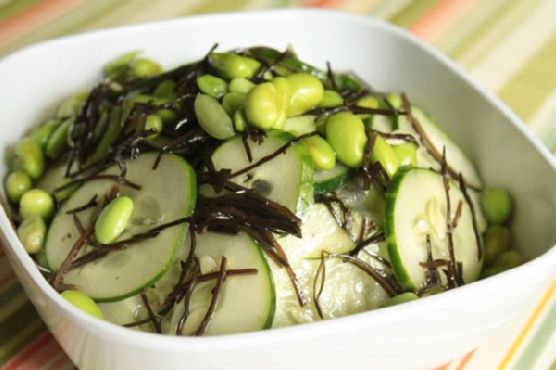
Arame Edamame Cucumber Salad

Intro

There’s something magical about revisiting childhood flavors, those that transport us back to simpler times and cherished memories. For me, that magic is encapsulated in the crisp, refreshing taste of cucumbers. Growing up, my grandmother would prepare a cucumber salad every summer, using fresh vegetables from her garden. I remember sitting on her porch, the sun casting warm rays on our faces as we savored each bite. Inspired by those days, I’ve created an Arame Edamame Cucumber Salad that combines the nostalgia of my grandmother’s recipe with vibrant, Asian-inspired flavors.

Why You’ll Love It

This Arame Edamame Cucumber Salad is not only delicious but also incredibly nutritious. It’s packed with protein-rich edamame, the unique flavor of arame, and the cool crunch of cucumber. The dressing, a delightful mix of olive oil, rice vinegar, sesame oil, and soy sauce, adds a tangy and savory finish. Whether you’re looking for a light lunch or a side dish that will impress family and friends, this salad is a versatile choice. Plus, it’s vegan, gluten-free, and can be prepared in under 20 minutes.

Ingredients

  • 1 cucumber, finely sliced
  • 1 cup edamame, shelled
  • 1 tablespoon extra virgin olive oil
  • 1 tablespoon rice vinegar
  • 1 teaspoon sesame oil
  • 1 tablespoon soy sauce
  • 1/4 cup arame

Instructions

  1. Add 2 cups of water to the arame and let it soak for 5 minutes. After soaking, drain and set aside.
  2. Bring a pot of salted water to a boil and add the edamame. Boil for roughly 5 minutes or until tender. Drain and cool.
  3. Finely slice the cucumber. For best results, use a mandolin to achieve uniform slices.
  4. In a small jar, combine the extra virgin olive oil, rice vinegar, sesame oil, and soy sauce. Cover the jar and shake well to create the dressing.
  5. In a large bowl, combine the cucumber, edamame, and arame. Pour the dressing over the mixture and toss to coat evenly.

Tips

For a salad that’s truly refreshing, ensure your cucumbers are chilled before slicing. If you’re in a hurry, you can soak the arame in warm water to speed up the process. When preparing the dressing, feel free to adjust the soy sauce to taste, especially if you prefer a less salty flavor.

Variations & Substitutions

If you’re looking to add a bit of spice to your salad, consider adding a pinch of red pepper flakes to the dressing. You can also substitute tamari for soy sauce for a gluten-free option. For an added crunch, sprinkle toasted sesame seeds or sliced almonds over the salad just before serving.

Storage

This salad is best enjoyed fresh, but it can be stored in an airtight container in the refrigerator for up to 2 days. If you’re planning to make it ahead of time, consider keeping the dressing separate and combining it with the salad just before serving to maintain the crispness of the cucumber.

FAQ

Can I use frozen edamame for this salad?

Absolutely! Frozen edamame works perfectly in this recipe. Just make sure to boil it until tender and then cool before adding to the salad.

What is arame, and where can I find it?

Arame is a type of seaweed commonly used in Japanese cuisine. It has a mild, slightly sweet flavor and is typically sold dried. You can find it in health food stores or Asian markets, or you can order it online.

Is there a substitute for arame if I can’t find it?

If you can’t find arame, you can substitute it with another type of seaweed such as wakame or hijiki. Just be sure to adjust the soaking time according to the type of seaweed you’re using.

Nutrition

This salad is a nutritious powerhouse. It’s high in protein, thanks to the edamame, and low in calories. The seaweed adds a dose of iodine and other essential minerals, while the cucumber provides hydration and fiber. The oils in the dressing offer healthy fats, making this salad a balanced and wholesome choice.

Conclusion

The Arame Edamame Cucumber Salad is a delightful fusion of flavors and textures that celebrates both tradition and innovation. It’s a simple yet elegant dish that brings together the best of fresh, healthy ingredients. Whether you’re reminiscing about summer days on the porch or simply looking for a new go-to salad, this recipe is sure to become a favorite. Enjoy every crisp, delicious bite!

Related update: Arame Edamame Cucumber Salad

$30 AI Smart Glasses Bring Instant | Analysis by Brian Moineau

A $30 Pair of AI Smart Glasses? Why Everyone’s Talking About Amazon’s Holiday Deal

Imagine handing someone a pair of glasses that can answer questions, take calls, and — yes — translate a conversation in real time, all for less than the price of a dinner out. That’s the hook behind a recent Amazon deal: the Mnvoeq AI Smart Glasses dropped to about $30, and shoppers are excited — especially about one line in TheStreet’s coverage: “The translation feature is fast and accurate.”

Why this feels like a holiday-morning tech moment

We’re in the middle of a broader wearables moment. Companies from Meta to niche brands have been pushing smart glasses as the next everyday device — not just flashy prototypes but tools for travel, hands-free work, and accessibility. Historically, the barrier has been price and polish: premium options with polished AI features cost hundreds. Seeing translation-capable glasses appear at a $30 price point feels like the beginning of democratisation — or, depending on how you look at it, a test of how much capability you can cram into a budget product.

What the deal actually offers

  • Product: Mnvoeq AI Smart Glasses (as featured in TheStreet’s deals coverage).
  • Price point in the article: $30 (advertised as 50% off a $60 regular price).
  • Noted strengths: hands-free calling, Bluetooth integration, built-in speakers and mic, and a real-time translation feature described by at least one shopper as “fast and accurate.”
  • Reality check: budget smart glasses often trade build quality, battery life, and the depth of on-device AI for affordability. The translation claim is promising, but performance can vary by language pair, background noise, and whether the work is cloud-assisted or purely on-device.

What “fast and accurate” translation usually means (and what to watch for)

  • Fast: near real-time speech-to-speech or speech-to-text turnaround with low latency. Many modern translation stacks stream audio to the cloud, process it, and return results quickly — but that requires reliable connectivity.
  • Accurate: correct grammar and context-aware phrasing. Accuracy tends to be higher for common language pairs (like English–Spanish) and can drop with rare languages, heavy accents, or idiomatic speech.
  • Caveats for budget wearables:
    • Microphone quality and ambient noise suppression matter more than the translation model itself.
    • If translation is done in the cloud, performance hinges on network speed and the vendor’s translation tech.
    • Firmware and app support determine how polished the user experience is (how you switch languages, whether you get transcripts, etc.).

Why this deal matters beyond the price tag

  • Accessibility: affordable translation helps travelers, families, and people connecting across languages — lowering a real-world communication barrier.
  • Experimentation: low-cost devices let more people experiment with wearable AI, which speeds feedback and iteration for the category.
  • Market pressure: when inexpensive models add features like real-time translation, it nudges larger players to improve value or add features to premium devices.

Who should buy — and who should hold off

  • Good fit:
    • Gift-givers looking for a fun, tech-forward stocking stuffer.
    • Tinkerers who enjoy testing emerging gadgets and don’t expect flagship performance.
    • Travelers on a tight budget who want a taste of hands-free translation.
  • Probably skip if:
    • You need reliable, professional-grade translation (interpreters, business-critical use).
    • You care deeply about long battery life, premium audio, or camera quality.
    • You want long-term software updates and strong customer support (those are rarer on bargain wearables).

My take

A $30 smart-glasses deal is headline-grabbing for good reason. The line about translation being “fast and accurate” is enticing — and for casual use it may well be true. But buyers should treat this as a delightful experiment more than a replacement for professional translation services or high-end wearables. If you’re gifting it, frame it as a novelty that can genuinely be useful; if you’re buying for daily, mission-critical use, test it thoroughly (and check return policies).

Final thoughts

Wearables are moving fast from novelty to utility, and cheap AI-enabled glasses are part of that shift. Deals like this one make the tech accessible and spark curiosity — and that’s how mainstream adoption begins. Expect some trade-offs at this price, but also a surprising number of delightful moments (like having a quick translation on the fly) that make the device feel like a glimpse of the near future.

Sources


Related update: We recently published an article that expands on this topic: read the latest post.


Related update: We recently published an article that expands on this topic: read the latest post.

Spiced Apple Cider | Made by Meaghan Moineau

Spiced Apple Cider: A Cozy Autumn Indulgence

Intro

There’s something truly magical about the crisp air of autumn. It takes me back to my childhood days spent at my grandparents’ orchard, where the scent of freshly picked apples mingled with the earthy aroma of fallen leaves. Each visit concluded with a warm mug of spiced apple cider, lovingly prepared by my grandmother. This delightful drink was more than just a beverage; it was a hug in a mug, a symbol of comfort and warmth. Today, I’m sharing a recipe for Spiced Apple Cider that captures that nostalgic essence, perfect for cozy evenings by the fireplace or festive gatherings with loved ones.

Why You’ll Love It

Our Spiced Apple Cider is the epitome of fall in a cup. It’s a tantalizing blend of sweet and spicy flavors that will warm you from the inside out. Here’s why you’ll love it:

  • Easy to Make: With just a handful of ingredients and a few simple steps, you can enjoy a homemade cider that tastes like it simmered all day.
  • Versatile: Perfect for both intimate evenings and large gatherings, this cider can be easily scaled up or down.
  • Customizable: Personalize your cider with a splash of dark rum for an adult twist or keep it non-alcoholic for the whole family to enjoy.

Ingredients

  • 4 cups freshly apple juice
  • 2 cups water
  • 3 cinnamon sticks
  • 1 teaspoon allspice
  • 1 tablespoon freshly grated ginger
  • 1/4 cup maple syrup
  • 1/4 teaspoon ground nutmeg
  • 1 orange, sliced

Instructions

  1. In a large non-reactive pot, combine all the ingredients: apple juice, water, cinnamon sticks, allspice, ginger, maple syrup, nutmeg, and orange slices.
  2. Bring the mixture to a boil over medium-high heat.
  3. Once boiling, let it boil for about 5 minutes.
  4. Cover the pot, reduce the heat, and let it simmer for 30 to 40 minutes, allowing the flavors to meld together.
  5. Line a colander with cheesecloth and strain the cider to remove the solids.
  6. Serve warm. For an adult version, spike with dark rum if desired.

Tips

Here are some tips to ensure your Spiced Apple Cider is perfect every time:

  • Use Fresh Ingredients: Freshly grated ginger and freshly squeezed apple juice can make a significant difference in flavor.
  • Non-Reactive Pot: Using a non-reactive pot such as stainless steel or enamel-coated will prevent any metallic taste from leaching into the cider.
  • Simmer Time: The longer you let it simmer, the more intense the flavors will become. Just be sure not to boil it for too long, or you’ll lose some of the fresh apple flavors.

Variations & Substitutions

The beauty of this Spiced Apple Cider is its versatility:

  • Sugar Substitute: Replace maple syrup with honey or brown sugar for a different sweetness profile.
  • Spice Mix: Add cloves or cardamom for an extra layer of spice.
  • Fruit Infusion: Add cranberries or sliced pears to the simmering cider for additional fruitiness.

Storage

Leftover Spiced Apple Cider can be stored in an airtight container in the refrigerator for up to 5 days. Reheat gently on the stove or in the microwave before serving. For longer storage, consider freezing the cider in a freezable container, leaving room at the top for expansion.

FAQ

Can I make this cider ahead of time?

Absolutely! This cider can be made a day or two in advance and stored in the refrigerator. The flavors will continue to meld, making it even more delicious. Simply reheat before serving.

Is it possible to make this cider in a slow cooker?

Yes, you can easily adapt this recipe for a slow cooker. Combine all the ingredients in the cooker and cook on low for 4-6 hours. Strain and serve as directed.

What can I use as a non-alcoholic substitute for rum?

If you prefer a non-alcoholic version, consider adding a splash of vanilla extract for a warm, aromatic note that complements the spices beautifully.

Nutrition

While the exact nutritional content can vary based on the specific ingredients used, a typical serving of Spiced Apple Cider (without rum) contains approximately:

  • Calories: 120
  • Sugars: 28g
  • Vitamin C: 10% of the Daily Value

Conclusion

Whether you’re reminiscing about fond childhood memories or creating new traditions with your family, this Spiced Apple Cider is sure to become a cherished favorite. With its warm, inviting aroma and rich, comforting taste, it embodies the spirit of autumn. So, wrap yourself in a cozy blanket, pour a steaming mug of cider, and savor the simple pleasures of the season. Enjoy!

Related update: Spiced Apple Cider

Japanese Mabo Tofu With Eggplant | Made by Meaghan Moineau

Japanese Mabo Tofu With Eggplant

Intro

There’s something deeply comforting about a dish that brings back memories of family gatherings and laughter-filled kitchens. For me, Japanese Mabo Tofu with Eggplant is one such dish. I remember my grandmother preparing this delightful recipe when we’d visit her during summer vacations. The aroma of sizzling garlic and ginger, the vibrant colors of the eggplant and tofu, and the rich umami flavors of the sauce would fill her cozy kitchen, creating an atmosphere of warmth and love. This dish is not just food; it’s a cherished memory that I am thrilled to share with you now.

Why You’ll Love It

This Japanese Mabo Tofu with Eggplant is the perfect blend of savory, spicy, and sweet flavors. It’s a quick and easy meal that is both satisfying and nourishing, ideal for busy weeknights. The combination of soft tofu, tender eggplant, and flavorful ground beef makes it a delightful dish that will please even the pickiest eaters. Plus, it’s a wonderful way to introduce Japanese cuisine to your family and friends.

Ingredients

  • Japanese rice (such as Nishiki rice)
  • 1 eggplant
  • 1 onion
  • Fresh ginger
  • 2 garlic cloves
  • Ground beef
  • Spring onions
  • Oil
  • Sesame oil
  • Soy sauce
  • Cooking sake
  • Sugar
  • Water
  • Red to-ban-jan

Instructions

  1. Cook the rice according to the directions on the package. I personally prefer using Nishiki rice for its texture and flavor.
  2. Slice the eggplant lengthwise into four strips, then slice horizontally into quarters. Set aside.
  3. In a pan over medium/high heat, add 2 tablespoons of oil, minced garlic, grated ginger, chopped onions, and half of the sliced spring onions. Cook for 3 to 4 minutes, until the onions become translucent and fragrant.
  4. Add the ground beef, seasoning it with a pinch of salt and pepper. Cook until the meat is browned and fully cooked through.
  5. Stir in the red to-ban-jan, mixing well to incorporate its flavors with the beef.
  6. Add the sesame oil and eggplant to the pan. Cook for 5 to 7 minutes, or until the eggplant strips are soft and cooked through.
  7. Gently add the tofu, breaking it up delicately while mixing it in with the beef and eggplant.
  8. Pour in the sake, sugar, water, and 4 tablespoons of soy sauce. Stir and cook for a couple more minutes to let the flavors meld together.
  9. Finally, add the remaining 2 tablespoons of soy sauce and the rest of the spring onions. Stir to combine, then turn off the heat.
  10. Serve the Mabo Tofu over the freshly cooked rice and enjoy!

Tips

To enhance the dish’s flavor, consider using high-quality soy sauce and fresh, in-season eggplant. If you prefer a spicier kick, feel free to increase the amount of red to-ban-jan. Remember to handle the tofu gently to keep its texture intact while mixing.

Variations & Substitutions

If you’re looking to make the dish vegetarian, you can substitute the ground beef with mushrooms or plant-based meat alternatives. For a gluten-free version, use gluten-free soy sauce. You can also experiment by adding other vegetables like bell peppers or zucchini for extra nutrition and color.

Storage

Leftover Mabo Tofu can be stored in an airtight container in the refrigerator for up to 3 days. When reheating, add a splash of water to the pan to help restore its saucy consistency. This dish is also suitable for freezing, although the texture of the tofu may change slightly upon thawing.

FAQ

Can I make this dish ahead of time?

Yes, you can prepare the Mabo Tofu ahead of time. It’s a great dish to make in advance as the flavors deepen and improve after sitting. Simply reheat on the stove or in the microwave before serving.

What is red to-ban-jan, and where can I find it?

Red to-ban-jan is a spicy bean paste commonly used in Chinese and Japanese cooking. It adds a rich, spicy flavor to dishes. You can find it in most Asian grocery stores or online.

Can I use silken tofu for this recipe?

While silken tofu can be used, it is more delicate and may break apart more easily. For best results, use firm or extra-firm tofu to maintain its shape during cooking.

Nutrition

This dish is rich in protein from the beef and tofu, and it provides a good source of vitamins and minerals from the eggplant and onions. It’s a well-balanced meal that offers both flavor and nutrition, ideal for satisfying your taste buds and nutritional needs.

Conclusion

Japanese Mabo Tofu with Eggplant is not just a dish; it’s a heartfelt experience brimming with flavors and memories. Whether you’re a seasoned cook or a beginner, this recipe is approachable and rewarding, offering a taste of Japanese home cooking that you and your loved ones will cherish. I hope this dish brings warmth and joy to your table, just as it has to mine over the years. Enjoy every bite!

Related update: Japanese Mabo Tofu With Eggplant

Related update: Linguine with Prawns, Fresh Tomatoes and Spinach

Why Nintendo Ditched Nindies Name | Analysis by Brian Moineau

Why Nintendo quietly retired "Nindies" — and what it says about the company

Do you remember the cheerfully cursed portmanteau “Nindies”? For a few years — from the Wii U / 3DS era through early Switch days — Nintendo happily used the term to bundle and promote independent games on its platforms. It felt like a warm, community-friendly label: part Nintendo, part indie, lots of goodwill. Then, almost as quietly as it arrived, it was gone.

Former Nintendo of America PR staffers Kit Ellis and Krysta Yang recently unpacked why the company shelved the word. Their answer is wonderfully anti-romantic: lawyers. But that dry explanation reveals a lot about Nintendo’s priorities, how it protects its brand, and how corporate caution can shape even beloved cultural shorthand.

Why "Nindies" died (short and human)

  • Legal teams at Nintendo pushed back because combining “Nintendo” with another word can dilute a trademark and complicate future legal defenses.
  • Internally the PDR/PR teams loved the term — t‑shirts, logos, goodwill — and even fought for it. But legal won out.
  • This wasn’t about developers or community dislike; it was a trademark-and-brand-protection decision. As Krysta put it, you can’t cut the Nintendo name in half and tack it onto something else without creating risks.

That explanation comes from a conversation on the Kit & Krysta podcast and was reported by outlets covering the discussion. (nintendoeverything.com)

A little context: the “Nindies” moment

  • The term gained traction during a period when Nintendo was making a visible, strategic push to court indie developers — think Nindies Showcase events, Nintendo Minute segments, and pages that highlighted small studios releasing on Nintendo platforms.
  • “Nindies” captured a particular era: Nintendo trying to sell joy, quirky creativity, and first‑party charm alongside smaller, passionate teams that fit the company’s family-friendly image.
  • Over time, Nintendo’s external messaging became more buttoned-up and protective of how its IP and brand were used — hence the end of catchy mashups.

The Nindies showcases (for example, Nintendo Minute and various showcase videos) show how public-facing and embraced the initiative was before the legal caution took hold. (mynintendonews.com)

Why legal teams hate mashups (and why they’re right)

  • Trademark law is fundamentally about distinctiveness. If a brand becomes a generic term — think “aspirin” or “escalator” historically — the owner can lose exclusive rights.
  • Combining the Nintendo name with other words risks normalizing casual use of the brand and makes it harder to demonstrate that the trademark is being used as a source identifier rather than a generic descriptor.
  • For a company like Nintendo, with decades of IP and a culture of tightly controlled messaging, avoiding any shorthand that nudges the name toward genericness is a prudent long-term strategy.

Krysta and Kit used the old “Wiimote” example to show how Nintendo has long pushed back against sloppy brand slang. Legal sees these small slips and treats them as potential future headaches. (nintendoeverything.com)

What this meant for indie devs and the community

  • Surface-level effect: fans lost a cute label. That matters to culture — names stick and form identity.
  • Practical effect: none of the indie devs had anything against it — Nintendo didn’t kill “Nindies” because of an anti‑indie stance, but because of IP stewardship.
  • Indirect effect: Nintendo’s strict brand hygiene can make it harder for playful, fan‑forward language to take root officially. Communities still use “Nindie” or “Nindies” informally, but the company keeps corporate messaging formal.

So while the public face shifted away from the label, Nintendo’s appetite for indie content remained. The brand decision simply reframed how that relationship was talked about.

The bigger pattern: Nintendo’s language rules

  • Nintendo historically insists on precise phrasing in press and product copy (e.g., “the [Game Name] game”) to avoid turning products into generic nouns.
  • This consistency is part style guide and part legal defense — preventing dilution across countless markets and languages.
  • The company’s caution explains lots of otherwise odd choices in communications and why some nicknames never make it into official channels. (gamesradar.com)

A takeaway for creators and fans

  • If you’re an indie developer, know that Nintendo’s legal posture isn’t a rejection — it’s protection. The platform still offers opportunities; you just won’t see Nintendo‑branded portmanteaus on billboards.
  • If you’re a fan, branding choices matter more than they seem. Names shape discoverability, community identity, and how a company defends its culture in court and commerce.

My take

There’s a small melancholy in the death of “Nindies” — it was a fun, human label that signaled a particular moment in gaming culture. But there’s also logic: Nintendo is guarding a century‑spanning brand and a catalogue that other companies could exploit if the name became casual shorthand. In a world where language leaks value (and lawsuits can hinge on the tiniest precedent), this is an understandable, if slightly joyless, call.

At the end of the day, indie games still find an audience on Nintendo platforms. The era that produced “Nindies” helped change perceptions and open doors. The term may be retired in official memos, but the legacy of that push — more indie attention, more variety on Nintendo systems — is very much alive.

Sources


Related update: We recently published an article that expands on this topic: read the latest post.


Related update: We recently published an article that expands on this topic: read the latest post.


Related update: We recently published an article that expands on this topic: read the latest post.


Related update: We recently published an article that expands on this topic: read the latest post.