
When Awards Become Ads: Gamings Fade | Analysis by Brian Moineau

The Game Awards are losing their shine — and that matters more than the viewership

There’s a strange feeling watching the biggest night of gaming while also feeling like you’re trapped inside a very expensive ad break. The Game Awards still pulls massive numbers — announcements trend, trailers light up Twitter, and stream counts climb every year — but increasingly the ceremony feels less like a celebration of creators and more like a packaged hour-and-a-half of marketing punctuated by a handful of awards.

This isn’t nostalgia for a purer past so much as an observation about priorities: flashy reveals and celebrity cameos get time and airtime; the people who actually make games rarely do.

Why the glow is dimming

  • The ceremony’s format and pacing reward spectacle.
    • Big reveals, music performances, and celebrity presenters generate headlines and clicks. They also fill the runtime while the acceptance speeches and developer moments get a shotgun blast of airtime. Reporters and devs have noted winners being cut off or rushed to make room for trailers and commercials. (theverge.com)
  • Marketing dollars shape what the show emphasizes.
    • The event functions as an enormous marketing platform where publishers debut trailers to captive millions. That commercial value naturally pushes awards and earnest developer recognition to the margins. (videogameschronicle.com)
  • Credibility and community goodwill are being stretched thin.
    • Programs meant to spotlight diverse, emerging talent — like the Future Class — have reportedly been paused or under-resourced, leaving participants feeling tokenized rather than supported. Meanwhile, the show’s handling of industry-wide crises (mass layoffs, worker concerns, geopolitical issues) has attracted criticism for silence or inconsistency. (theverge.com)
  • Popularity ≠ trust.
    • Streaming numbers can climb (and they do), but popularity doesn’t negate feeling sidelined. For many developers, being trotted onstage for 30 seconds between trailers isn’t a win — it’s performative recognition. (en.wikipedia.org)

A brief history so this makes sense

  • Geoff Keighley founded The Game Awards in 2014 as a producer-hosted ceremony intended to honor both creators and players while providing a platform for announcements.
  • Over the past decade the show grew into one of gaming’s main cultural touchpoints: huge livestream numbers, major reveals, and celebrity moments.
  • That growth brought attention — and with it commercial opportunity. As ad-sensitive and trailer-hungry content increased, the balance between honoring craft and selling products began shifting. (theverge.com)

The cost of the imbalance

  • Developers lose meaningful recognition.
    • When acceptance speeches are slotted for 20–30 seconds, the work and stories behind a game get flattened into 140-character headlines. That diminishes the ritual of recognition the awards are supposed to provide. (windowscentral.com)
  • Important industry conversations get sidelined.
    • The show’s reluctance or inconsistency in addressing labor issues and other systemic problems sends a message: spectacle over substance. That erodes trust, especially among workers the industry depends on. (theverge.com)
  • Audiences get a distorted picture of game development.
    • When trailers and celebrity moments dominate, viewers — especially casual ones — are reminded that gaming is about releases and marketing, not the long, collaborative craftsmanship behind games.

Could the show be different? What a better balance might look like

  • Give winners room to breathe.
    • More time for developer acceptance speeches and short profiles would humanize creators and their process.
  • Limit commercial blocks during award segments.
    • If trailers are essential, structure the show so awards remain a core throughline, not an intermission for ads.
  • Reinvest in initiatives like Future Class.
    • Turn programs for emerging creators into sustained mentorship and networking resources, with transparency and measurable outcomes.
  • Add editorial accountability.
    • Publish selection and programming rationale: how nominees are chosen, why certain awards are brief, and what trade-offs go into the show's structure.

Quick takeaways

  • The Game Awards remain huge in reach but are losing esteem among creators because spectacle often drowns recognition.
  • Commercial incentives — reveals, trailers, celebrity moments — warp airtime and priorities.
  • Meaningful, sustained support for developers (especially emergent or underrepresented creators) would rebuild credibility.
  • Popularity alone isn’t a substitute for trust. The awards must manage both if they want to keep their cultural authority.

My take

I love the idea of a single night where the industry’s creative work is given a spotlight. But magic fades when the spotlight looks like a billboard. The Game Awards still has the muscle to be meaningful: it can drive sales, shine attention on small teams, and uplift careers. If it truly wants to be the industry’s stage rather than its podium for marketing, it needs to stop treating awards as an interruption and start treating developers as the show’s heartbeat.

There’s room for trailers and spectacle — those are fun and important — but not at the expense of the people who make games. If the ceremony can rebalance airtime and resources toward real recognition (and meaningful programs that survive beyond a press cycle), the glitter will feel earned again.

Sources


Related update: We recently published an article that expands on this topic: read the latest post.

Related update: We recently published an article that expands on this topic: read the latest post.


Related update: We recently published an article that expands on this topic: read the latest post.
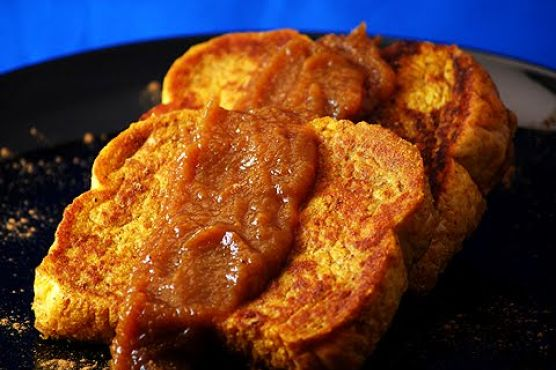
Pumpkin French Toast | Made by Meaghan Moineau

Pumpkin French Toast: A Cozy Autumn Breakfast Delight

Intro

There’s something magical about the crispness of fall mornings that calls for a breakfast as comforting as it is delicious. Growing up, I remember the aroma of spices filling our kitchen as my grandmother prepared her famous pumpkin French toast on chilly weekends. The warmth of cinnamon and nutmeg, combined with the sweetness of maple syrup, made those mornings unforgettable. This recipe is a tribute to those cherished memories, bringing the essence of autumn to your breakfast table.

Why You’ll Love It

This Pumpkin French Toast is more than just a breakfast; it’s an experience. The perfect blend of spices and pumpkin puree gives it that quintessential fall flavor, while the crispy exterior and fluffy interior provide a satisfying texture. Whether you’re hosting a brunch or treating yourself to a relaxed morning meal, this recipe is sure to impress. Plus, it’s easy to make and fills your home with an irresistible aroma.

Ingredients

  • Bread (preferably thick slices like brioche or challah)
  • 1/4 cup brown sugar
  • 1 teaspoon cinnamon
  • 4 eggs
  • 1/2 cup maple syrup
  • 1 cup milk
  • 1/4 teaspoon nutmeg
  • 1 teaspoon pumpkin pie spice
  • 1/2 cup pumpkin puree
  • 1 teaspoon vanilla extract

Instructions

  1. In a shallow dish, whisk together the eggs, milk, pumpkin puree, vanilla extract, brown sugar, cinnamon, nutmeg, and pumpkin pie spice until well combined.
  2. Preheat your griddle or skillet to 350 degrees Fahrenheit.
  3. Dip each slice of bread into the egg mixture, ensuring both sides are evenly coated. Allow the bread to soak for a few seconds for maximum flavor absorption.
  4. Place the coated bread slices onto the preheated griddle. Cook each side for 2-3 minutes, or until they are golden brown and cooked through.
  5. Serve the French toast hot, topped with butter and a generous drizzle of maple syrup. For an extra touch, spread some pumpkin butter on top.

Tips

For the best results, use day-old bread, as it absorbs the egg mixture more effectively without becoming overly soggy. If you’re using fresh bread, consider toasting it lightly before dipping. Be sure to adjust the cooking time according to the thickness of your bread slices to ensure even cooking.

Variations & Substitutions

You can easily customize this recipe to suit your tastes or dietary needs. Use almond milk or coconut milk for a dairy-free option, and swap out the brown sugar for coconut sugar or a sugar substitute if desired. Add a handful of chopped nuts or dried cranberries for a delightful texture contrast. For a gluten-free version, use your favorite gluten-free bread.

Storage

Leftover French toast can be stored in an airtight container in the refrigerator for up to 3 days. To reheat, simply place it in a toaster or oven at a low temperature until warmed through. You can also freeze the cooked French toast by laying slices flat on a baking sheet to freeze individually before transferring them to a freezer-safe bag or container. Reheat from frozen using a toaster or oven.

FAQ

Can I make the egg mixture ahead of time?

Yes, you can prepare the egg mixture up to a day in advance. Store it in the refrigerator in a covered container, and give it a good whisk before using it to ensure the spices are evenly distributed.

What kind of bread works best for this recipe?

Thick slices of bread like brioche, challah, or Texas toast are ideal for French toast as they hold up well to the egg mixture and cook evenly. However, feel free to use any bread you have on hand, just keep in mind that the texture may vary.

Can I use canned pumpkin pie filling instead of pumpkin puree?

It’s best to use pumpkin puree for this recipe as pumpkin pie filling contains added sugars and spices that could alter the flavor balance. If pumpkin puree is not available, you can adjust the spices in the recipe to account for the additional flavors in the pie filling.

Nutrition

This recipe is a delightful indulgence, providing a cozy start to your day. While the exact nutritional content will vary based on the type of bread used and toppings added, a serving made with regular bread and maple syrup typically contains around 250-300 calories, with healthy doses of vitamin A from the pumpkin puree.

Conclusion

Pumpkin French Toast is the perfect way to celebrate the flavors of fall. Its rich and comforting taste brings warmth to any morning, making it a favorite for family gatherings and lazy weekends alike. Whether you enjoy it with a cup of hot coffee or a glass of cider, this dish is sure to become a beloved part of your autumn traditions. Give it a try and let the nostalgic aroma of spices transport you to your own cherished memories!

Related update: Pumpkin French Toast

Related update: Banana Blueberry Pancakes

Google Maps Auto-Saves Your Parked Car | Analysis by Brian Moineau

A small update that will save millions of minutes: Google Maps now saves where you parked — on iPhone first

You know that tiny moment of panic after a concert or grocery run: you step out of the car, the lot looks the same from every angle, and your brain suddenly forgets which row, level, or light pole you claimed. Google just smoothed that friction — quietly, neatly, and in a way that will actually matter to everyday drivers.

Google Maps on iPhone can now automatically detect when your drive ends and drop a parked-car pin for you. No manual saving, no photo-taking, no mental note needed. The pin expires or disappears when you start driving again. For people who spend any part of their life hunting for a parked car, that’s a tiny UX miracle. (tomsguide.com)

Why this feels bigger than it sounds

  • It replaces a repetitive microtask (save parking spot) with an invisible one. People hate extra steps. Removing them increases satisfaction and adoption.
  • The feature works when your phone connects to the car (USB, Bluetooth or CarPlay), so it fits with how most of us already use phones in cars. (tomsguide.com)
  • Google preserves privacy-friendly behavior: the pin goes away when you drive again and auto-removal limits clutter (the saved spot lasts up to 48 hours in initial reports). (the-sun.com)

This kind of seamless assistance is exactly the sort of small automation that moves a feature from “nice to have” to “I use it every time.”

A little context: parking features on phones aren’t new — but automation is

Both Apple Maps and Google Maps have supported manually saved parking locations for years. Apple’s iPhone has also long offered a parked-car marker when you disconnect from CarPlay or a car’s Bluetooth, provided certain privacy/location settings are enabled. What’s new here is that Google’s parking save is automatic and, crucially, it’s rolling out first to iPhone users rather than Android. (support.apple.com)

That reversal — a Google feature debuting on iOS first — is notable in itself. It highlights how cross-platform product strategies and device ecosystems have evolved: developers target where the feature will have immediate impact and reach. For end users, that just means the convenience is arriving where they are, sooner. (tomsguide.com)

What drivers should know

  • How it triggers: your phone must be connected to the car via USB, Bluetooth, or Apple CarPlay while you drive. When you stop and disconnect, Maps will show a parking pin next time you open it. (tomsguide.com)
  • How long it stays: early reports suggest the pin persists up to 48 hours unless you start driving again. (the-sun.com)
  • Appearance: Google now supports custom car icons for parking, so instead of a default “P” you might see a colored car icon you previously selected. (tomsguide.com)
  • Android parity: Android already has parking reminders but requires manual removal of the icon in many cases; Google hasn’t committed to an Android timeline for automatic pin removal. (tomsguide.com)

Who benefits most

  • City drivers juggling street parking and multi-level garages.
  • Shoppers, concertgoers, and travelers who park in unfamiliar or large lots.
  • People who share cars or switch vehicles — automatic detection reduces human error.
  • Fleet drivers and gig workers who frequently stop and restart drives (though corporate device policies may affect behavior).

In short: anyone who’s ever spent extra minutes circling a lot will appreciate the time savings and stress reduction.

Potential privacy and edge-case considerations

  • Location settings and permissions still matter. If you’ve tightened up Location Services or “Significant Locations” settings on iPhone, the parked-car marker might not appear reliably. Apple’s Maps similarly depends on those system settings, which illustrates how platform privacy controls shape functionality. (support.apple.com)
  • Repeated parking at the same location (home/work) may not trigger a pin, by design, to avoid clutter and false positives. (support.apple.com)
  • Shared cars or phones could produce confusing markers if multiple users connect to the same vehicle. Expect a few kinks as the feature hits more users.

My take

This is the kind of product improvement that wins quietly: it doesn’t need a splashy headline, but it measurably improves daily life. Saving a few minutes and removing mild stress across millions of trips compounds into real user delight. Google shipped sensible defaults (auto-removal, limited lifetime) and leaned into existing behaviors (phone–car connections), which makes the feature more likely to “just work.”

I’d like to see Google confirm an Android rollout plan — especially because Android users often park across more device types and car setups — but as a practical matter, iPhone users will enjoy the convenience right away. (macrumors.com)

Quick practical tips

  • Check your phone’s location and Maps settings so the feature can run:
    • On iPhone: Settings > Privacy & Security > Location Services and System Services (Significant Locations). Also check Settings > Maps > Show Parked Location. (support.apple.com)
  • If you prefer not to have parked pins shown, disable the Maps parked-location option.
  • If you customize your “car icon” in Google Maps, watch for that icon to appear at your parking spot — small personalizations like that make the feature feel tailored to you. (tomsguide.com)

Final thoughts

Technology's biggest wins often come from reducing tiny frictions. A saved parking pin is not a paradigm shift, but it’s a thoughtful quality-of-life tweak that will quietly save time and frustration for a huge number of people. If you drive and carry a phone, expect fewer confused walks around parking lots and more time enjoying where you actually meant to be.

Sources


Related update: We recently published an article that expands on this topic: read the latest post.


Related update: We recently published an article that expands on this topic: read the latest post.


Related update: We recently published an article that expands on this topic: read the latest post.


Related update: We recently published an article that expands on this topic: read the latest post.

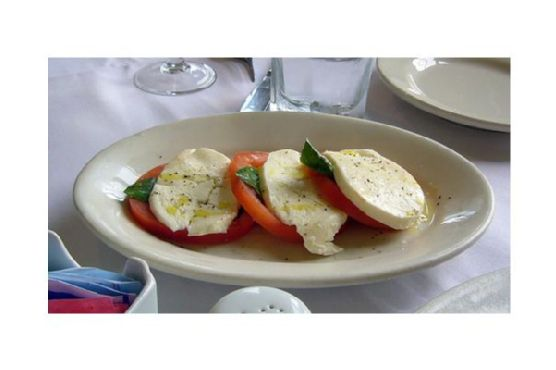
Italian Tomato and Mozzarella Caprese | Made by Meaghan Moineau

Italian Tomato and Mozzarella Caprese

Intro

There’s something truly magical about the simplicity of Italian cuisine. The first time I tasted a Caprese salad was during a family trip to the Amalfi Coast. We were dining al fresco at a quaint little restaurant with views of the sparkling Mediterranean Sea. The sun was setting, casting a golden hue over everything, and the air was rich with the scent of fresh basil and ripe tomatoes. Every bite of that Caprese was an explosion of freshness and flavor, and I’ve been in love with this dish ever since.

Why You’ll Love It

The Italian Tomato and Mozzarella Caprese is a celebration of fresh, high-quality ingredients. It’s a dish that requires minimal preparation but delivers maximum flavor. This easy-to-make salad is perfect for any occasion, whether you’re hosting a summer barbecue, looking for a quick appetizer, or simply craving a taste of Italy. The combination of juicy vine-ripened tomatoes, creamy mozzarella, and fragrant basil, all drizzled with balsamic vinegar and olive oil, is nothing short of divine.

Ingredients

  • Fluid balsamic vinegar
  • Black pepper
  • Fresh basil leaves
  • Kosher salt
  • Olive oil
  • Dry sprinkle of oregano leaves
  • Fresh whole-milk mozzarella
  • Vine-ripened tomatoes

Instructions

  1. On a large platter, arrange sliced tomatoes and drizzle with balsamic vinegar.
  2. Place one basil leaf on top of each tomato slice.
  3. Slice mozzarella and place on top of basil leaves.
  4. Sprinkle oregano, salt, and black pepper on cheese and drizzle with the olive oil.

This recipe yields 4 servings.

Tips

To make the most of your Caprese salad, ensure that your ingredients are as fresh as possible. Look for bright red, firm tomatoes and fresh mozzarella that is soft and slightly springy to the touch. Use high-quality olive oil and balsamic vinegar to enhance the flavors. Remember, the key to a perfect Caprese is balance, so adjust the seasoning to your taste.

Variations & Substitutions

While the classic Caprese is delightful on its own, there are several ways you can mix things up:

  • Avocado: Add slices of ripe avocado for a creamy twist.
  • Pesto: Drizzle a little pesto over the top for an extra burst of basil flavor.
  • Prosciutto: For a heartier salad, add thin slices of prosciutto.
  • Buffalo Mozzarella: Substitute traditional mozzarella with buffalo mozzarella for a richer taste.

Storage

Caprese salad is best enjoyed fresh. However, if you have leftovers, store them in an airtight container in the refrigerator for up to 24 hours. Note that the tomatoes may release some juice, which can affect the texture of the salad. It’s a dish that shines in its freshness, so try to prepare only as much as you plan to eat.

FAQ

Can I make Caprese salad ahead of time?

While it’s best to assemble the salad just before serving, you can prepare the individual components a few hours ahead. Slice the tomatoes and mozzarella and store them separately in the refrigerator. Assemble the salad when you’re ready to serve.

What can I serve with Caprese salad?

Caprese salad is wonderfully versatile and can be served alongside grilled meats, pasta dishes, or crusty bread. It’s also a great addition to a charcuterie board.

Is Caprese salad healthy?

Yes, Caprese salad is a healthy choice. It’s packed with nutrients from the tomatoes and basil, and the mozzarella provides protein and calcium. Just be mindful of the olive oil and cheese if you’re watching your calorie intake.

Nutrition

Each serving of Caprese salad contains approximately:

  • Calories: 250
  • Protein: 12g
  • Fat: 20g
  • Carbohydrates: 8g
  • Fiber: 2g
  • Sugar: 6g

Conclusion

The Italian Tomato and Mozzarella Caprese is more than just a salad; it’s a tribute to the beauty of simple, fresh ingredients. Whether you’re reminiscing about a past Italian getaway or just looking to bring a taste of Italy to your table, this Caprese salad is sure to delight your taste buds. Enjoy each layer, each flavor, and let it transport you to a sun-drenched terrace overlooking the Mediterranean. Buon appetito!

Related update: Italian Tomato and Mozzarella Caprese

Related update: Arame Edamame Cucumber Salad

Related update: Agedashi Tofu

5-Minute Rocky Road Fudge | Made by Meaghan Moineau

5-Minute Rocky Road Fudge: A Sweet Shortcut to Delight

Intro

There are few things in life as comforting as a bite of homemade fudge. The rich creaminess of chocolate combined with the nutty crunch of walnuts and the whimsical chew of mini-marshmallows creates a symphony of flavors and textures that can transport you to another time. When I was a child, my grandmother used to make a big batch of rocky road fudge every Christmas. The aroma would fill her cozy kitchen, mingling with the scent of pine from the tree, and the sound of laughter from family gathered around. Today, I’m excited to share a quicker version of this beloved treat—a recipe that takes just five minutes to prepare, yet captures all the nostalgia and warmth of those fond memories.

Why You’ll Love It

Not only does this rocky road fudge recipe bring the classic flavors you love, but it’s also incredibly easy to make. Here’s why you’ll fall head over heels for this quick confection:

  • Time-Saving: With just five minutes of prep time, this fudge is perfect for last-minute dessert needs or a quick treat.
  • Minimal Ingredients: You’ll only need a handful of pantry staples to whip this up.
  • No Stove Required: The microwave does all the heavy lifting, making this a convenient recipe that anyone can make.
  • Perfect for Gifting: Cut into squares, this fudge makes a delightful homemade gift, ideal for holidays or special occasions.

Ingredients

  • Semi-sweet chocolate chips
  • Canned sweetened condensed milk
  • Vanilla extract
  • Salt
  • Mini-marshmallows
  • Walnuts

Instructions

  1. Line a 13×9-inch pan with foil, lightly spray with cooking spray. Set aside.
  2. In a large, microwave-safe bowl, add chocolate chips and condensed milk. Microwave for about 40 seconds, or until the chips are just melted when you stir them. If needed, continue to microwave in 15-second increments until melted. Do not overcook.
  3. Immediately stir in vanilla and salt.
  4. Fold in the marshmallows and walnuts quickly.
  5. Spread and press fudge into the prepared pan swiftly. Refrigerate until completely cooled before cutting into squares.

Tips

To ensure that your fudge turns out perfectly every time, consider these helpful tips:

  • Microwave Caution: Be careful not to overcook the chocolate, as it can seize and become grainy. Stirring frequently helps prevent this.
  • Quick Mixing: Work swiftly when adding the marshmallows and nuts to prevent them from melting too much.
  • Even Spreading: Use a spatula to evenly spread the fudge in the pan, applying gentle pressure to ensure a smooth surface.

Variations & Substitutions

This rocky road fudge is incredibly versatile. Here are some fun ways to switch it up:

  • Nut Alternatives: Swap walnuts for pecans, almonds, or even a mix of your favorite nuts.
  • Chocolate Twist: Try using dark chocolate or milk chocolate chips for a different flavor profile.
  • Add-Ins: For added texture, consider including dried fruit like cranberries or raisins.
  • Vegan Option: Use vegan chocolate chips and a plant-based condensed milk alternative.

Storage

Store your rocky road fudge in an airtight container to maintain freshness. It will keep well in the refrigerator for up to two weeks. If you prefer a softer texture, you can also store it at room temperature for about a week. For long-term storage, consider freezing individual squares wrapped in parchment paper for up to three months. Thaw in the refrigerator before enjoying.

FAQ

Can I make this fudge without nuts?

Absolutely! If you have a nut allergy or simply prefer a nut-free version, you can omit the walnuts. The fudge will still be deliciously rich and satisfying.

How do I prevent the chocolate from seizing?

To prevent seizing, ensure that no water comes into contact with the chocolate. Use a dry, microwave-safe bowl and stir gently. Overheating can also cause seizing, so heat the mixture in short increments.

Is it okay to use flavored chocolate chips?

Yes, flavored chocolate chips, like mint or caramel, can add a unique twist to the traditional rocky road flavor. Experiment to find your favorite combination!

Nutrition

While this fudge is a treat, it’s always beneficial to be mindful of portion sizes. Each square of fudge (assuming 24 squares per batch) contains approximately:

  • Calories: 150
  • Fat: 8g
  • Carbohydrates: 20g
  • Protein: 2g

Remember, moderation is key, especially with such a rich and indulgent dessert.

Conclusion

Our 5-Minute Rocky Road Fudge is a delightful nod to a classic recipe, wrapped in the convenience of modern-day cooking. Whether you’re recreating cherished memories or building new ones, this recipe is sure to become a staple in your dessert repertoire. Easy to make and even easier to enjoy, it’s the perfect blend of tradition and simplicity. Gather your ingredients, take a trip down memory lane, and indulge in the sweet satisfaction of homemade fudge, all in just five minutes.

Related update: 5-Minute Rocky Road Fudge

Related update: Vanilla Cream Cakes, Easy and Fluffy Holiday Cakes

Bevacqua vs. Yormark: Notre Dame Fallout | Analysis by Brian Moineau

Notre Dame’s Public Meltdown and the Cost of Burning Bridges

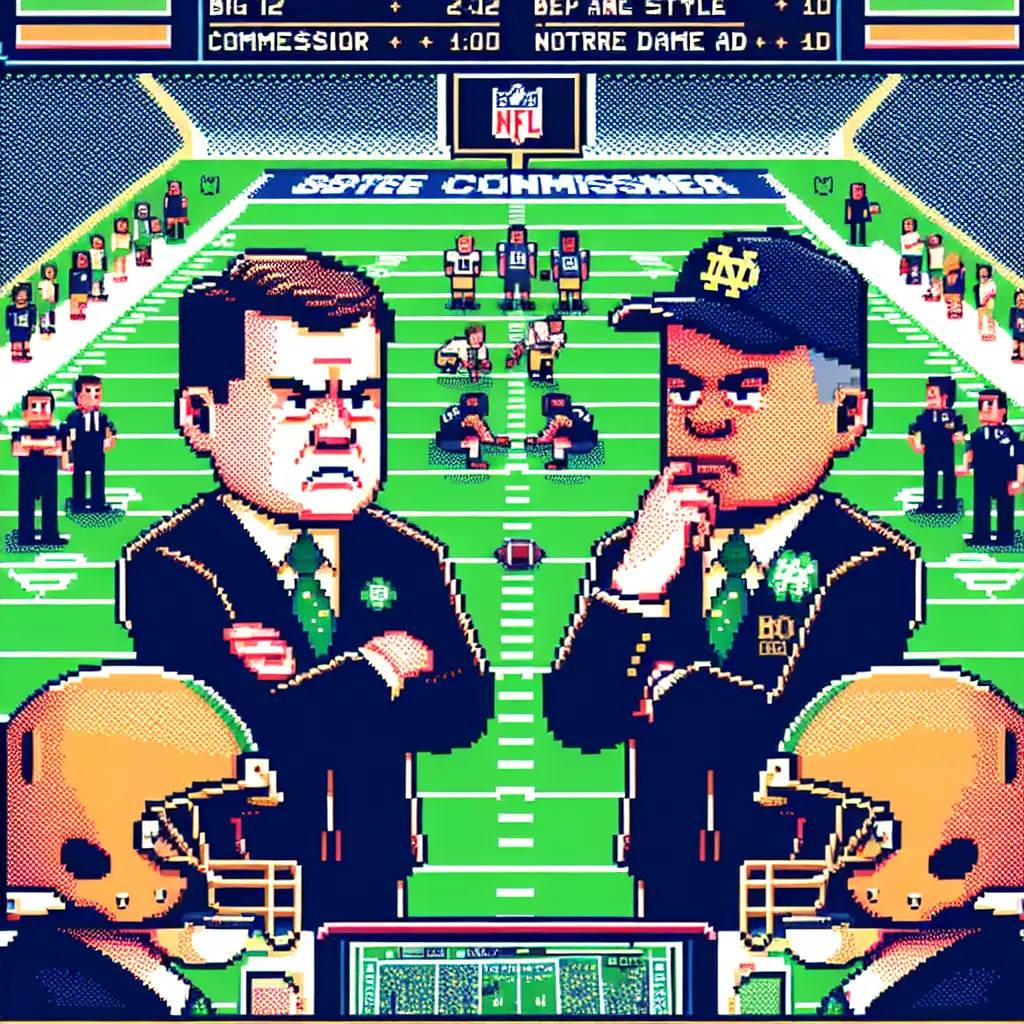
The college-football offseason rarely delivers on drama like a rivalry game — yet here we are: Notre Dame’s athletic director, Pete Bevacqua, publicly calling out the ACC after the Fighting Irish were left out of the 2025 College Football Playoff, and Big 12 commissioner Brett Yormark answering back by calling Bevacqua’s actions “egregious.” The exchange is more than headline fodder. It’s a study in modern power dynamics in college sports: brand protection, conference alliances, and the long memory of favors.

Why this row matters more than just pride

  • Notre Dame is unique: football independent in practice but tied to the ACC in most sports and scheduling agreements. Its network of relationships matters more than ever in an expanded 12-team playoff world.
  • Public finger-pointing isn’t just awkward — it can cost future scheduling, revenue, and political capital when the sport’s power players make decisions about expansion, access, and TV money.
  • Brett Yormark’s rebuke highlights an important theme: institutions that benefit from alliances don’t always get to publicly scold their partners without consequences.

What happened (plain and simple)

  • After the CFP selection favored Miami over Notre Dame (Miami had the head-to-head win), Pete Bevacqua publicly criticized the ACC, accusing it of undermining Notre Dame’s case by pushing Miami in league messaging and social media.
  • Notre Dame officials also signaled the relationship with the ACC had been “strained,” and Bevacqua suggested the league’s actions did “permanent damage.”
  • At the Sports Business Journal Intercollegiate Athletics Forum, Big 12 commissioner Brett Yormark called Bevacqua’s conduct “egregious” and “totally out of bounds,” noting the ACC had “saved” Notre Dame during the COVID-19 season in 2020 by giving them a full conference schedule and access to the conference championship.
  • The episode opened talk of potential reprisals from other athletic directors (scheduling aversion), and renewed speculation about where Notre Dame fits in the evolving conference landscape. (bleacherreport.com)

A closer look at the players and incentives

  • Pete Bevacqua (Notre Dame AD)

    • Incentives: Protect Notre Dame’s brand, fight for access to the playoff and its financial upside, and signal to fans and donors that the program will push back.
    • Risk: Alienating conference allies, compromising behind-the-scenes relationships that matter for scheduling and future political support.
  • Jim Phillips (ACC commissioner)

    • Incentives: Advocate for all ACC members and preserve the league’s credibility when promoting its teams.
    • Risk: Accusations of favoritism, even if the league was acting within normal advocacy duties.
  • Brett Yormark (Big 12 commissioner)

    • Incentives: Defend conference solidarity and discourage public feuds that could destabilize the broader system.
    • Risk: Appearing partisan or discouraging legitimate transparency about selection processes.

Bigger context: governance, memory, and leverage

  • College sports is a relationship economy. Conferences and independents trade scheduling, revenue sharing, and access. Publicly criticizing a partner is not just emotional — it’s strategic malpractice if you need that partner again.
  • Yormark’s point about the 2020 season is a reminder: favors are remembered. The ACC allowed Notre Dame a 10-game conference slate in COVID-impacted 2020; that accommodation had long-term competitive consequences and built goodwill.
  • The CFP’s expanded format and the myriad memorandums and understandings that govern access mean that political capital and perceived fairness matter almost as much as wins and losses.

Key takeaways

  • Publicly calling out a partner rarely wins loyalty; it often costs leverage.
  • Short-term PR satisfaction (rallying the fanbase) can come with long-term strategic losses (fewer high-quality opponents, strained negotiations).
  • Transparency in selection criteria is crucial — but the way institutions air grievances matters just as much as the grievance itself.
  • The Notre Dame–ACC–CFP spat is a microcosm of college sports’ transition: bigger stakes, more politics, and less room for emotional outbursts without consequences.

My take

Bevacqua’s frustration is understandable — missing the CFP stings, and athletic directors are tasked with fiercely protecting institutional interests. But stewardship in college athletics requires a balance between defending your program and preserving the relationships that make future success possible. Publicly accusing a conference partner of undermining you burns trust. Yormark’s rebuke isn’t just rhetorical theater; it’s a reminder that in the post-expansion era, relationships are currency. Notre Dame’s leadership needed a different channel: a private, strategic response that preserved options rather than narrowed them.

Sources


Related update: We recently published an article that expands on this topic: read the latest post.


Related update: We recently published an article that expands on this topic: read the latest post.