Ben Ogden Breaks 50‑Year U.S. Drought | Analysis by Brian Moineau

A silver sprint that rewrites 50 years of U.S. cross‑country history

Ben Ogden stood on the snow, chest heaving, medal around his neck — and for a moment the neat, long drought of American men on the Olympic cross‑country podium felt like something that could be folded up and put away. Ogden, a 25‑year‑old Vermonter, skied powerful and smart in the men's sprint classic at the 2026 Milan‑Cortina Winter Olympics, finishing just behind Norway’s Johannes Høsflot Klæbo and delivering the first Olympic medal for a U.S. man in cross‑country skiing since Bill Koch’s silver in 1976.

Why this medal matters

  • It ends a 50‑year silence for U.S. men in Olympic cross‑country skiing (Bill Koch, Innsbruck, 1976 → Ben Ogden, Milan‑Cortina, February 10, 2026).
  • It’s a symbolic bridge between two Vermont stories: Koch’s legacy and Ogden’s rise through local youth leagues and New England trails.
  • Beyond nostalgia, it signals real momentum: American skiers — men and women — are increasingly competitive in sprint formats on the world stage.

The race in a sentence

Ogden qualified second, moved through quarterfinals and semis with composure, and in the final put in a strong classic‑technique sprint (3:40.61) that left him 0.87 seconds behind Klæbo’s winning 3:39.74 — fast enough for silver and history.

Backstory and context

  • Ben Ogden grew up in Vermont’s tight cross‑country community, coming up through the Bill Koch Youth Ski League and training on the same trails that shaped previous generations.
  • The sprint event is short, tactical and brutal: racers blast through qualification time trials and then jockey through multiple head‑to‑head heats (quarters, semis, final). It rewards not only speed but positioning, recovery and razor‑sharp technique.
  • For much of the 20th century and into the 2000s the U.S. was an also‑ran in men’s Olympic cross‑country. The breakthrough of U.S. women in the 2010s (Jesse Diggins, Kikkan Randall) helped reset expectations; Ogden’s medal now continues that upward arc for the men.
  • Johannes H. Klæbo remains a benchmark: the Norwegian’s sprint dominance and tactical savvy make him the toughest rival to beat in any championship race.

What this could mean going forward

  • Increased visibility and investment: Olympic medals change narratives. Ogden’s silver can boost youth enrollment, sponsorship interest, and funding for U.S. cross‑country programs — especially in classic technique and sprint development.
  • A confidence ripple for teammates: American men like Gus Schumacher and J.C. Schoonmaker, and the women already competitive at global level, may race with a new belief that podiums are repeatable, not accidental.
  • Tactical evolution: American programs may lean more into sprint‑specific training — starts, explosive power, heat‑recovery protocols — while still keeping the aerobic base that the sport demands.

Quick highlights

  • Event: Men’s sprint classic, Tesero (Val di Fiemme), Milan‑Cortina 2026.
  • Medalists: Gold — Johannes H. Klæbo (NOR); Silver — Ben Ogden (USA); Bronze — Oskar Opstad Vike (NOR).
  • Ogden’s time: 3:40.61. Klæbo’s winning time: 3:39.74.
  • Historic note: First U.S. men’s cross‑country Olympic medal since Bill Koch’s 1976 silver.

A human moment

Ogden’s podium celebration — including a backflip he’d promised his 15‑year‑old self he would do if he ever made an Olympic podium — underlined that this was as much a personal milestone as a national one. There’s an intimate, almost poetic thread here: a Vermont kid who grew up tracing the trails of an earlier American medalist now stands where Koch once stood. For small skiing communities, that’s catnip — a reminder that elite sport still has room for neighborhood roots.

My take

This silver feels less like an isolated surprise and more like a punctuation mark on a sentence that’s been building for years: U.S. cross‑country skiing is no longer content with incremental improvement — it’s chasing podiums. Ogden’s medal should be treated as a beginning, not an endpoint. If leaders in U.S. Ski & Snowboard and grassroots programs capitalize on the moment with coaching resources and youth outreach, we may be looking at the start of a sustained American presence in sprint events for the next decade.

Sources


Related update: We recently published an article that expands on this topic: read the latest post.


Related update: We recently published an article that expands on this topic: read the latest post.

Strawberry Basil Italian Ice | Made by Meaghan Moineau

Strawberry Basil Italian Ice

Intro

Every summer, as the days grew longer and the sun felt warmer, my grandmother would make her famous Strawberry Basil Italian Ice. I remember the anticipation as we gathered around her, watching her blend the vibrant red strawberries with fresh basil leaves plucked from her garden. The sweet and tangy aroma that filled the kitchen was just the prelude to the delight that awaited us. As kids, we would impatiently peek into the freezer, waiting for that first taste of icy refreshment. This recipe isn’t just a treat—it’s a cherished memory that brings a piece of those sun-drenched afternoons into my home today.

Why You’ll Love It

Strawberry Basil Italian Ice is a refreshing and easy-to-make dessert that perfectly captures the essence of summer. The sweetness of ripe strawberries paired with the aromatic freshness of basil creates a delightful balance that is both invigorating and satisfying. Unlike many desserts, this one is light and guilt-free, making it an ideal choice for those warm days when you crave something sweet but not heavy. Plus, it’s a fun and simple recipe that even the kids can help with, creating new memories together in the kitchen.

Ingredients

  • 1 cup fresh basil leaves
  • Juice of 1 lemon
  • 1 cup simple syrup (see instructions)
  • 2 cups fresh strawberries, hulled

Instructions

  1. To make the simple syrup, combine one cup of water and one cup of sugar in a small saucepan or microwave-safe bowl. Heat until the sugar has completely dissolved, then let it cool a little.
  2. Place the basil leaves, lemon juice, simple syrup, and strawberries in a blender.
  3. Puree the mixture until smooth, ensuring no large chunks remain.
  4. Pour the mixture into 1 large container or 6 small dishes suitable for freezing.
  5. Freeze for several hours or until solid.
  6. When ready to serve, remove from the freezer and let sit for about 10 minutes to soften slightly.
  7. Use a spoon to shave the ice into servings. Enjoy immediately!

Tips

For the best results, use ripe and fragrant strawberries. The quality of the fruit greatly influences the flavor of the Italian ice. If your strawberries aren’t as sweet, you might want to adjust the sugar in the simple syrup. Also, taste the mixture before freezing to ensure it’s to your liking, adding more lemon juice or basil if desired.

Variations & Substitutions

If you’re feeling adventurous, consider adding a splash of balsamic vinegar for a sophisticated twist that enhances the strawberries’ natural sweetness. Alternatively, swap basil with mint for a different but equally refreshing flavor profile. For a lower sugar option, you can substitute part of the simple syrup with honey or agave nectar.

Storage

Store any leftover Italian ice in the freezer. Cover it tightly to prevent ice crystals from forming. It’s best enjoyed within a week for optimal flavor and texture. When ready to serve again, let it sit out for a few minutes to soften before shaving and serving.

FAQ

Can I make this recipe without a blender?

While a blender is the most efficient tool for achieving a smooth texture, you can also use a food processor. If neither is available, finely chop the basil and strawberries, then mix vigorously with the other ingredients, though the texture will be less smooth.

Can I use frozen strawberries?

Yes, you can use frozen strawberries if fresh ones are unavailable. Just be sure to thaw them before blending to ensure a smooth consistency.

Nutrition

This Strawberry Basil Italian Ice is a low-calorie dessert option, consisting mostly of natural ingredients. Each serving contains approximately 60-70 calories, depending on the size of your servings and the amount of simple syrup used. It’s a delightful treat for those monitoring their calorie intake while still wanting to indulge in a sweet, refreshing dessert.

Conclusion

Strawberry Basil Italian Ice is more than just a dessert; it’s a tribute to summer’s glory and the simple joys of life. Whether you’re recreating cherished memories or starting new traditions, this recipe is sure to bring smiles and satisfaction to your table. So, gather your loved ones, embrace the process, and savor the delicious results of this timeless treat. Enjoy!

Related update: Strawberry Basil Italian Ice

Related update: Gingerbread

China Retreats: Trouble for U.S | Analysis by Brian Moineau

Why China (and other foreign buyers) might be stepping back from U.S. Treasuries — and why it matters

It started as a whisper and has the markets leaning forward: reports say Beijing has told its banks to cut back on buying U.S. Treasuries. That’s not a casual portfolio shuffle — it’s a shot across the bow of a decades‑long relationship in which the world piled cash into the dollar and U.S. debt. If foreign demand softens, it changes how the U.S. finances itself, how yields move, and how policymakers think about risk.

Below I unpack the four reasons driving the reported pullback, why the reaction so far has been measured, and what to watch next.

The short, punchy version

  • Foreign holdings of U.S. Treasuries have been declining in recent months, and China’s reserves have fallen notably year‑over‑year.
  • Four main forces appear to be nudging China and others away: geopolitics and sanctions risk, U.S. fiscal trajectory, policy unpredictability, and better alternatives abroad.
  • A true “dollar break” would be dramatic — but incremental shifts can still push yields higher, the dollar lower, and borrowing costs up for Americans.
  • Watch official reserve flows, Japanese and European yields, and any formal guidance from Beijing or large sovereign custodians.

A quick scene setter

For decades the U.S. Treasury market has been the global safe harbor: deep, liquid, and reliable. That status rests on a mix of economic fundamentals and trust in U.S. institutions. But that foundation isn’t invulnerable. Since at least 2018, China’s Treasury holdings have trended down. Recent reports — including an Axios piece highlighting “4 reasons” investors may retreat — say Beijing has asked banks to limit Treasury exposure. Treasury International Capital (TIC) and monthly flow data show foreign net purchases ebbing and occasional outright reductions from major holders like China and Japan. (axios.com)

The four big reasons behind the pullback

  1. Geopolitical and sanction risk
  • The U.S. has weaponized financial channels in recent geopolitical actions (for example, freezing some Russian reserves in 2022). That sets a precedent: reserves parked in dollar assets could be subject to policy actions. For sovereigns that see strategic competition with Washington, that is a non‑trivial risk. Investors price the possibility that access or liquidity might be constrained during political crises. (axios.com)
  1. Rising U.S. deficits and debt dynamics
  • Larger deficits mean more new Treasury issuance. That raises questions about who will absorb supply and whether yields must rise to attract buyers. Persistent fiscal gaps can make some reserve managers uneasy about long-term real returns and currency dilution risk. News coverage and Treasury data show growing U.S. issuance and investor sensitivity to fiscal signals. (cmegroup.com)
  1. Policy unpredictability and political risk
  • Sudden policy moves — tariffs, trade brinkmanship, or concerns about a politicized Fed — create uncertainty for investors. When a government’s policy environment feels unstable, reserve managers may prefer to diversify into other currencies or assets perceived as less exposed to political swings. Axios flagged policy unpredictability as a key motive in recent reports. (axios.com)
  1. Attractive alternatives and portfolio diversification
  • Other safe assets (or yield opportunities) have become more attractive. Japan, in particular, has offered periods of higher yields, and other markets or assets (corporates, agencies, gold) have drawn flows. Central banks and bank portfolios are actively optimizing risk, liquidity, and yield — not just clinging to the dollar by default. Data from TIC and market reports show net shifts toward corporate and agency paper at times. (cmegroup.com)

Why markets haven't panicked (yet)

  • Scale matters. Even a sizable reduction by China would still leave it among the largest holders — and global Treasuries remain the deepest, most liquid bond market on earth. A true exodus would require coordinated moves by many holders and a large, rapid reduction in demand. Experts caution that such a breakdown would be dramatic and visible across currencies, interest rates, and capital flows — and we haven’t seen that. (axios.com)

  • Substitution vs. sale. Some flows are about slowing new purchases or reallocating new reserves — not wholesale dumping. That nuance matters: gradual diversification increases yields slowly and predictably; sudden selling spikes volatility.

  • Domestic demand and market structure. U.S. banks, mutual funds, and pensions absorb a lot of supply. Large, liquid domestic demand reservoirs blunt the impact of lower foreign purchases.

The likely near-term consequences

  • Slight upward pressure on U.S. yields: reduced foreign buying means the U.S. may need to offer higher yields to clear markets, all else equal.
  • A softer dollar: lower foreign demand for Treasuries often accompanies less dollar demand. That can help exporters, hurt importers, and change inflation dynamics.
  • Policy second-guessing: Treasury and Fed officials will be watching flows; perceptions of fiscal stress can feed into rate and funding debates.
  • Increased attention on reserve composition: expect more diversification (gold, other sovereign bonds, FX baskets) from central banks that see political or concentration risk.

What to watch next (fast signals)

  • Monthly TIC and Treasury holdings releases for major holders (China, Japan, UK, offshore custodial accounts).
  • Moves in 10‑year Treasury yield and net foreign purchases in the TIC flows.
  • Statements or rules from China’s state banks and the People’s Bank of China about reserve allocation.
  • Relative yields in Japan and Europe — attractive alternatives could accelerate reallocation.
  • FX flows and dollar index moves.

Different ways to read this moment

  • Defensive view: This is pragmatic reserve management. China is diversifying to reduce concentration and geopolitical risk — not trying to “break” the dollar. A gradual shift is manageable and expected. (cmegroup.com)

  • Structural risk view: Repeated politicization of finance and rising global tensions undermine the implicit guarantees that made dollar assets the unquestioned safe haven. Over time, this could erode the “exorbitant privilege” of the U.S. — raising capital costs and geopolitical friction. (wsj.com)

My take

We’re seeing a careful rebalancing, not a sudden divorce. Reports that China has told banks to limit new Treasury purchases are meaningful: they reflect a smarter, risk‑aware strategy by reserve managers facing geopolitical uncertainty and a crowded U.S. bond market. But the dollar and Treasuries have considerable structural advantages that aren’t going away overnight. The real risk is complacency — if U.S. fiscal policy and political volatility intensify, what’s now a managed reallocation could become a more disruptive trend.

Final thoughts

Treat this as a warning light, not an emergency siren. Investors, policymakers, and citizens should watch flows, yields, and diplomatic signals. If foreign buyers keep nudging toward diversity, the United States will pay a little more to borrow — and the broader global financial order will slowly adapt. That’s manageable, but it’s a structural shift worth tracking.

Sources

Pasta with Spicy Sausage & Rapini | Made by Meaghan Moineau

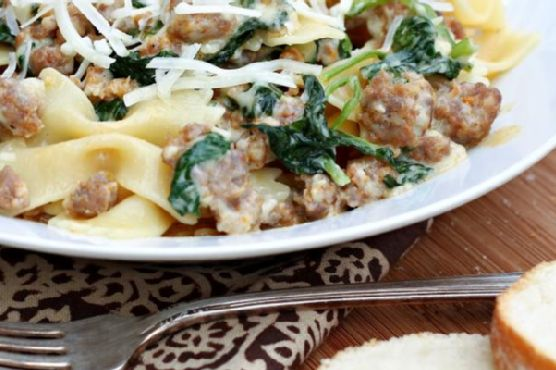
Pasta with Spicy Sausage & Rapini

Intro

There’s something undeniably comforting about a bowl of pasta, especially when it’s a family recipe that has been passed down through generations. I remember sitting at my grandmother’s kitchen table, watching her expertly toss pasta with vibrant greens and spicy sausage, the aroma of garlic wafting through the air. Her laughter would fill the room as she shared stories of her childhood in Italy, where food was not just sustenance but a celebration of life. This recipe for Pasta with Spicy Sausage & Rapini is my homage to those cherished memories, a dish rich in flavor and love.

Why You’ll Love It

This Pasta with Spicy Sausage & Rapini is a delicious blend of textures and flavors that will leave you craving more. The spicy sausage adds a kick that’s perfectly balanced by the creamy cheese sauce, while the rapini brings a touch of bitterness that rounds out the dish. It’s a hearty meal that’s simple to make yet impressive enough to serve to guests. Plus, it’s a great way to sneak in some greens, making it a family-friendly favorite.

Ingredients

  • 1 lb bow tie pasta
  • 2 tbsp olive oil
  • 1 lb Italian spicy sausage
  • 3 cloves garlic, minced
  • 2 cups rapini leaves, chopped
  • 1 cup chicken broth
  • 1/2 cup sour light cream
  • 1/2 cup milk
  • 1 cup shredded fontina cheese
  • 1/2 cup parmesan cheese, plus more for garnish
  • Salt and pepper to taste

Instructions

  1. Cook pasta according to package directions; drain and set aside.
  2. Meanwhile, heat olive oil in a large skillet over medium-high heat. Add garlic and cook for 1-2 minutes, or until fragrant.
  3. Remove sausage from casings, if necessary, and add to the pan. Cook the sausage, breaking it up as you go, until no longer pink.
  4. Add the rapini to the skillet and sauté until it begins to wilt, about one minute more.
  5. Transfer the sausage and rapini mixture to a plate and keep warm. Drain excess grease from the pan and return to stove over medium heat.
  6. Add the chicken broth to the skillet and bring to a simmer, scraping any browned bits from the bottom of the pan.
  7. Stir in the sour cream and milk. Add the cheeses and stir until melted and smooth.
  8. Return the sausage/rapini mixture to the skillet, along with the cooked pasta, and toss to coat.
  9. Garnish with additional Parmesan cheese, if desired, and serve immediately.

Tips

For the best results, cook the pasta until al dente, as it will continue to cook slightly when mixed with the sauce. If rapini is unavailable, broccoli rabe makes an excellent substitute. Be sure to drain any excess grease from the sausage to prevent the dish from becoming too oily. Lastly, fresh-grated Parmesan cheese adds a final touch of flavor that pre-grated varieties can’t replicate.

Variations & Substitutions

Feel free to experiment with this recipe to suit your taste. You can swap the spicy sausage for a milder version if you prefer less heat, or use a different type of pasta, like penne or rigatoni, for a change in texture. If you’re looking for a vegetarian option, omit the sausage and add more vegetables, such as mushrooms or bell peppers, to the mix. For a lactose-free version, substitute the dairy with lactose-free alternatives without sacrificing flavor.

Storage

This dish stores well in the refrigerator for up to three days. Be sure to let it cool completely before transferring it to an airtight container. When reheating, you may need to add a splash of milk or broth to restore the creamy consistency of the sauce.

FAQ

Can I make this dish in advance?

Yes, you can prepare the pasta and sauce separately in advance. When ready to serve, combine them in a skillet and heat until warmed through. This ensures the dish retains its fresh flavors and textures.

What can I use instead of rapini?

If rapini is hard to find, you can replace it with broccoli rabe, spinach, or kale. Each of these greens will bring a unique flavor profile to the dish, so feel free to experiment with your favorite!

Nutrition

While I don’t have exact nutritional information for this recipe, it’s a hearty meal that provides protein from the sausage and cheese, carbohydrates from the pasta, and vitamins from the rapini. To make it lighter, you can reduce the amount of cheese and use whole-grain or gluten-free pasta alternatives.

Conclusion

Pasta with Spicy Sausage & Rapini is more than just a meal; it’s a comforting embrace, a reminder of cherished family gatherings, and a celebration of simple yet bold flavors. Whether you’re making it for a weeknight dinner or a special occasion, this dish is sure to become a staple in your culinary repertoire. I hope it brings as much joy to your table as it does to mine. Buon appetito!

Related update: Pasta with Spicy Sausage & Rapini

Related update: Siew Mai

Classic French Onion Soup | Made by Meaghan Moineau

Classic French Onion Soup

Intro

Ah, the comforting allure of a steaming bowl of Classic French Onion Soup! This dish is more than just a meal; it’s a hug in a bowl, a testament to time-honored culinary tradition, and a beloved recipe that’s been passed down through generations. I still remember the first time I tasted this rich, savory soup. It was in my grandmother’s cozy kitchen, during a chilly winter evening. The aroma of caramelized onions mingling with the earthy scent of thyme filled the air, wrapping us in warmth and comfort. Every spoonful was a revelation, and I knew then that this was a dish I would cherish forever.

Why You’ll Love It

This Classic French Onion Soup is the epitome of simplicity and elegance. Its rich and deeply flavored broth, the sweetness of slow-cooked onions, and the delightful combination of crispy bread and melted Gruyere cheese create a symphony of flavors and textures. Here’s why it deserves a special place in your recipe repertoire:

  • Rich Flavor: The slow-cooked onions develop a deep, caramelized sweetness that blends perfectly with the savory beef broth.
  • Comforting: A warm, hearty bowl of this soup is perfect for cold, rainy days or as a cozy dinner option.
  • Impressive Yet Simple: Despite its luxurious taste, the recipe is straightforward, making it the perfect dish to impress guests with minimal effort.
  • Versatile: Easily adaptable with various herbs or cheese options to suit your taste.

Ingredients

  • 2 tablespoons salted butter
  • 4 large yellow onions, thinly sliced
  • 1 tablespoon flour
  • 1/2 cup sherry
  • 6 cups beef broth
  • 1 teaspoon fresh thyme
  • 2 tablespoons fresh parsley, chopped
  • 1 bay leaf
  • Salt and pepper to taste
  • 1 French crusty baguette, sliced
  • 2 cups shredded Gruyere cheese

Instructions

  1. Preheat your oven to 400°F (200°C).
  2. In a large Dutch oven, melt the butter over medium heat. Add the sliced onions to the pot and sprinkle them with flour. Stir well to coat the onions.
  3. Reduce the heat to medium-low and cook the onions for 45 minutes, stirring occasionally. If the onions are cooking too quickly, lower the heat further.
  4. Once the onions are tender and golden brown, deglaze the pan with the sherry, scraping up all the flavorful bits from the bottom.
  5. Pour the beef broth into the pot and bring the mixture to a boil over medium heat.
  6. Add the thyme, parsley, and bay leaf, and season with salt and pepper to taste. Reduce the heat and let the soup simmer for 15 minutes.
  7. While the soup is simmering, prepare the bread. Spray a cookie sheet with cooking spray. Butter the slices of French bread and bake them in the oven for 5-10 minutes until they are very dry. Set aside.
  8. Remove the herb stalks and bay leaf from the soup. Ladle soup portions into four oven-safe ramekins.
  9. Top each ramekin with a slice of the crusty French bread and generously sprinkle with Gruyere cheese.
  10. Place the ramekins on a cookie sheet and bake uncovered at 400°F (200°C) for 5-10 minutes, or until the cheese is bubbling.
  11. For an extra golden top, broil the soup for one more minute.
  12. Serve warm and enjoy the comforting flavors of this classic soup.

Tips

  • Onion Choice: Yellow onions are ideal for their balance of sweetness and flavor, but feel free to experiment with other varieties for a different taste.
  • Slow Cooking: Patience is key. Cooking the onions slowly is essential to developing their sweet, caramelized flavor.
  • Cheese: Gruyere is classic, but you can also try Swiss or Emmental for a variation.

Variations & Substitutions

  • Vegetarian Version: Substitute the beef broth with vegetable broth for a vegetarian-friendly option.
  • Wine Substitute: If you don’t have sherry, a dry white wine or even a splash of balsamic vinegar can work as a substitute.
  • Herb Alternatives: Experiment with rosemary or sage for a different herbal note.

Storage

Leftover French Onion Soup can be stored in an airtight container in the refrigerator for up to 3 days. Reheat it gently on the stovetop, adding a bit of water if necessary to achieve the desired consistency. The bread and cheese topping should be added fresh when reheating to maintain its texture and flavor.

FAQ

Can I make French Onion Soup in advance?

Absolutely! You can prepare the soup base a day in advance and store it in the refrigerator. When ready to serve, reheat the soup, prepare the bread and cheese topping, and finish it off in the oven.

What can I serve with French Onion Soup?

This soup is hearty enough to be a meal on its own, but it pairs beautifully with a light green salad or roasted vegetables for a well-rounded dinner. For an indulgent option, serve it alongside a steak or a roast chicken.

Nutrition

This soup is rich in flavor and makes for a satisfying meal. While it’s not a low-calorie dish, it provides a good source of protein and calcium from the beef broth and Gruyere cheese. The onions add a dose of antioxidants and dietary fiber.

Conclusion

If there’s one recipe that embodies comfort, elegance, and a touch of nostalgia, it’s Classic French Onion Soup. Whether you’re hosting a dinner party or simply looking to warm up on a chilly night, this dish promises to delight the senses and bring a smile to your face. I hope you find as much joy in making and sharing this recipe as I have over the years. Bon appétit!

Related update: Classic French Onion Soup

Related update: Pasta with Spicy Sausage & Rapini

Mitchell, Harden Lift Cavs to Road | Analysis by Brian Moineau

A thriller in Denver: Mitchell and Harden seal a statement road win for the Cavs

There are games that feel like a turning point — the kind that leave you buzzing on the flight home and convinced you just watched a team discover a new gear. Monday night’s 119-117 Cleveland win over the Denver Nuggets at Ball Arena was one of those games. Donovan Mitchell’s late composure and James Harden’s improbable step-back three turned what looked like another uphill battle into a punctuation mark on a long, successful road trip.

Hook: the scene in the final minute

With 32 seconds left, the Cavs trailed and the scoreboard read tension, not confidence. Harden — in just his second game with Cleveland — drilled a contested, step-back three to knot the game at 117. Then, with .9 seconds remaining, Mitchell drew a foul on Jamal Murray and calmly sank two free throws. Cue pandemonium: Cavaliers 119, Nuggets 117, and an exhale that felt like the whole roster owed it to the fans.

Why this mattered beyond two points

  • This wasn’t just another win on the road. It was the finish of a five-game Western road trip that Cleveland completed with grit and poise.
  • Harden’s arrival (acquired Feb. 4) has not been incremental — it’s reshaped Cleveland’s late-game profile and playmaking in a matter of nights.
  • Beating the reigning-champion-core Nuggets in Denver is no small feat; Nikola Jokic still posted a triple-double, but the Cavs answered with balanced star power and timely defense.

The context: what Kenny Atkinson meant when he said he “knew what Cleveland was up against”

Cavs coach Kenny Atkinson’s comment before the game underlined the obvious: Denver is heavy on experience, size and playoff toughness. Nikola Jokic is a walking mismatch, Jamal Murray can hit shots from anywhere, and the Nuggets have a playoff DNA that pushes opponents to the brink. Atkinson’s warning wasn’t fear — it was respect. He knew his team would have to absorb pressure, survive runs, and then impose its own late-game identity. That’s exactly what Cleveland did.

  • Cleveland leaned on Donovan Mitchell’s fearless creation: 32 points and 10 assists, including the free throws that decided the game. Mitchell is still the team’s engine.
  • Jarrett Allen was a force inside (22 points, 13 rebounds), providing finishing and rim protection against a tough matchup.
  • Harden brought spacing, craft and a veteran cold-bloodedness that altered the Nuggets’ end-of-game calculus.

Key observations from the game

  • Late-game duo work: Mitchell and Harden already look like a complementary clutch pairing — Mitchell creates and finishes, Harden spaces, rebounds and makes plays under pressure.
  • Depth and role clarity: Beyond the stars, guys like Jarrett Allen and the role players stepped up at crucial moments, which is crucial for playoff durability.
  • Defense still matters: Jokic still had a triple-double (22/14/11), but turnovers and missed outside shots by Denver opened the window for Cleveland’s comeback.
  • Coaching and adjustments: Atkinson’s game plan navigated Denver’s threats and kept the Cavs composed in the final possessions — a small coaching win that matters down the stretch of a season.

Memorable sequence (play-by-play feel)

  • Cavs claw back from an 11-point deficit in the fourth after methodical offense and strong interior play.
  • Allen’s lob dunk off Mitchell’s pass swung momentum and tightened the gap.
  • Harden’s step-back three with 32 seconds left — contested, improbable, and perfectly timed — tied the game.
  • Mitchell drew the foul with under a second remaining and hit both free throws. Jokic missed a buzzer-beating three. Final: 119-117.

What this suggests about Cleveland’s trajectory

This game isn’t a silver bullet, but it is the kind of chemistry-accelerator win that elevates belief. Harden’s addition was always about more than numbers — it was about late-game gravity and veteran instincts. When those traits combine with Mitchell’s explosiveness and Allen’s interior presence, the Cavs look like a multi-dimensional team capable of surviving hostile environments and closing out tight games. If they want to be taken seriously in the conference picture, wins like this are how they prove it.

My take

If you asked me which Cavs snapshot I’d frame from the last few nights, it’d be Harden stepping back with a hand in his face and Mitchell calmly sinking the pressure shots. The roster shifts this month were dramatic, but chemistry sometimes happens in a single play — and Cleveland got a handful of them in Denver. That’s the sort of game that can cement trust between new teammates, and between a team and its coach. Atkinson said he knew what they were up against; what he might not have known is how quickly this group would start answering that challenge.

Final thoughts

Wins like this do more than pad the standings. They teach a roster how to win together under duress. The Cavs leave Denver with a narrow road victory, renewed momentum, and a clearer sense of identity that could matter when the real stakes arrive in the spring.

Sources


Related update: We recently published an article that expands on this topic: read the latest post.


Related update: We recently published an article that expands on this topic: read the latest post.