
Cavs Assert Control, Halt Knicks Sweep | Analysis by Brian Moineau

Cavs snap the sweep: how Cleveland stifled the Knicks in a 109-94 statement win

There was a midweek hum at Rocket Mortgage FieldHouse — not the usual buzzy, frantic kind, but the calm confidence of a team that feels itself coming together. The Cleveland Cavaliers weren’t just trying to avoid an ugly statline; they were putting a stake in the ground. On Tuesday night, they did that and more, handing the New York Knicks a 109-94 loss and keeping their season series from ending in a sweep.

Why this mattered

  • The Cavs and Knicks sit shoulder to shoulder in the East standings, and these matchups carry tiebreaker implications and playoff-pacing significance.
  • Cleveland entered with momentum (winning form recently) and used this game to show they can control a heavyweight opponent when it counts.
  • For New York, the loss exposed offensive dryness and a nightmare third quarter that flipped the game.

Game snapshot

  • Final score: Cavaliers 109, Knicks 94 (Feb 24, 2026).
  • Cleveland led 60-54 at halftime, then turned the heat up in the third quarter, outscoring New York 23-11.
  • Donovan Mitchell led Cleveland with 23 points; James Harden added 20. Jarrett Allen finished with 19 points and 10 rebounds.
  • Jalen Brunson had 20 and Mikal Bridges 18 for the Knicks. Mitchell Robinson grabbed 15 rebounds.
  • The Knicks shot 35-of-86 overall (around 40.7%) and struggled from deep (10-of-37, 27%). Their third quarter was brutal: 3-of-24 from the field.

The turning points

  • Third-quarter suffocation: Cleveland held the Knicks to just three field goals in the period. That defensive spasm wasn’t accidental — it was a mix of active help, contesting perimeter shots, and closing driving lanes when Brunson tried to create.
  • Harden + Mitchell in late game flow: Both stars paced the offense through the stretch run. Harden’s ability to control tempo and Mitchell’s scoring on drives and pull-ups kept New York from mounting a comeback.
  • Jarrett Allen’s inside presence: Between scoring and rim protection/rebounding, Allen anchored the paint and limited second-chance opportunities that the Knicks often rely on.

What the numbers tell us

  • Knicks 3-point woes: 10/37 is a killer against a team that has been vulnerable defending the arc. Cleveland’s ability to contest and force tougher looks tilted the efficiency scale.
  • Run timing: Cleveland’s 13-2 burst late in the third into the fourth created a gap New York couldn’t close. When a team converts pressure into a decisive run at that moment, the psychological edge often follows the scoreboard.
  • Standings context: Both teams were 37-22 after the game, but New York would hold the head-to-head tiebreaker if they finished tied after taking two of three meetings. That detail adds late-season significance to the matchup outcomes.

Matchup takeaways

  • Cleveland’s defense showed up when it mattered. They took away New York’s rhythm in the third and prevented the Knicks from finding consistent clean looks.
  • The Cavs’ depth and two-headed scoring (Mitchell + Harden) allow offensive variety; when one draws attention, the other benefits.
  • New York’s late-game issues and cold shooting from three are worrisome signs for a team trying to secure a top-tier playoff seed. They need consistency from their creators and better contingency offense when threes aren’t falling.

What this means next

  • Both teams head to Milwaukee (Knicks Friday, Cavs Wednesday) for important matchups against a conference contender. How each responds on the road will hint at their resilience and playoff readiness.
  • For Cleveland, the win continues a hot stretch (they’d won eight of nine), reinforcing their belief they can be one of the East’s toughest outs down the stretch.
  • For New York, it’s a reminder that margin for error is small — especially in head-to-head series against direct rivals.

My take

This was a classic-leveling moment. The Cavs didn’t merely “escape” with a win; they asserted defensive control at a point in the game when the Knicks have often leaned on offense to stay afloat. Cleveland’s balance — interior toughness from Allen, shot creation from Harden and Mitchell, and timely stops — was the difference. The Knicks will live to play another day, but they can’t afford more quarters like that third if they truly want to run with the East’s elite.

Sources


Related update: We recently published an article that expands on this topic: read the latest post.

Related update: We recently published an article that expands on this topic: read the latest post.

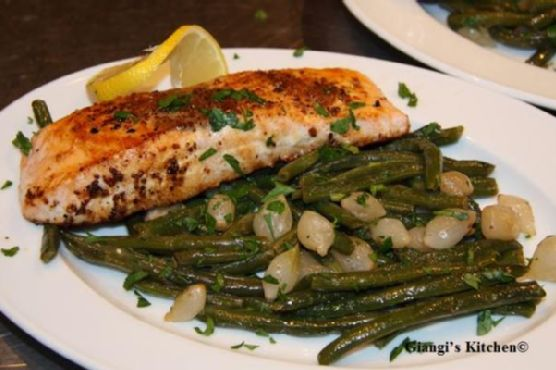
Green Beans with Pearl Onions and Salmon | Made by Meaghan Moineau

Green Beans with Pearl Onions and Salmon

Intro

As the cool breeze of autumn sets in, I often find myself reminiscing about family dinners at my grandmother’s house. Her kitchen, always filled with the comforting aroma of delicious home-cooked meals, was a sanctuary of love and laughter. One dish that stood out was her Green Beans with Pearl Onions and Salmon—a delightful medley that brought together the freshness of vegetables and the rich flavor of perfectly cooked salmon. Today, I’m sharing this cherished recipe with you, hoping it brings the same warmth and joy to your table as it does to mine.

Why You’ll Love It

This dish is a perfect blend of simplicity and elegance, making it ideal for both weeknight dinners and special occasions. You’ll love the way the tender green beans and sweet pearl onions complement the flaky, savory salmon. The addition of brown sugar adds a subtle sweetness that balances the dish beautifully. Moreover, it’s a healthy, one-pan meal that’s quick to prepare, leaving you with more time to enjoy with your loved ones.

Ingredients

  • 1 lb frozen green beans
  • 1 cup frozen pearl onions
  • 2 tablespoons olive oil
  • 1 tablespoon unsalted butter, plus 1 teaspoon
  • 1/4 cup chicken stock
  • 1 tablespoon brown sugar
  • Salt and pepper, to taste
  • 2 skinless salmon steaks

Instructions

  1. In a large pot, add some water, the frozen green beans, and frozen pearl onions. Cover and cook over medium heat until they are tender. Drain and set aside.
  2. In a large skillet over medium-high heat, melt 1 tablespoon of butter and the olive oil. Add the green beans and pearl onions and sauté for 1 minute.
  3. Add the chicken stock and cook for another minute until the stock is evaporated.
  4. Add 1 tablespoon of butter and the brown sugar; lower the heat to low and mix gently until slightly caramelized. Remove from the heat and keep warm.
  5. Return the skillet back to medium-high heat and melt the remaining teaspoon of butter in the center. Add the salmon, season with salt and pepper generously. Cook for 3-5 minutes until a golden crust is formed.
  6. Turn the salmon and cook for another 3 minutes.
  7. Place the green beans with pearl onions on the plate and top with the salmon. Serve immediately.

Tips

  • For perfectly cooked salmon, ensure your skillet is hot before adding the fish. This helps achieve a nice, crispy crust.
  • Do not overcrowd the pan when cooking salmon to ensure even cooking.
  • Adjust the seasoning according to your taste. A touch of lemon juice can also brighten the flavors.

Variations & Substitutions

Variations:

  • Add some crushed garlic to the green beans and onions for an extra layer of flavor.
  • Include some chopped fresh herbs like dill or parsley as a garnish for a fresh touch.

Substitutions:

  • If you prefer a different protein, chicken breast or shrimp would work well with this dish.
  • Feel free to use fresh green beans and onions if available, adjusting the cooking time accordingly.

Storage

Store any leftovers in an airtight container in the refrigerator for up to 2 days. Reheat gently in a skillet over low heat until warmed through. Avoid using the microwave as it can make the salmon rubbery.

FAQ

Can I use fresh green beans and onions instead of frozen?

Absolutely! Fresh green beans and onions can be used in place of frozen ones. Just be sure to adjust the cooking time, as fresh vegetables may take a bit longer to tenderize.

What should I do if I don’t have chicken stock?

If chicken stock is not available, you can substitute it with vegetable stock or even a bit of water with added salt for flavor. The goal is to deglaze the pan and add moisture to the dish.

How can I tell when the salmon is done?

Salmon is done when it flakes easily with a fork and the flesh is opaque. Be careful not to overcook it, as this can lead to dry, tough fish. The internal temperature should reach 145°F (63°C).

Nutrition

This dish is not only delicious but also nutritious. Salmon is a great source of omega-3 fatty acids and high-quality protein. The green beans and pearl onions provide fiber and essential vitamins, making it a balanced meal.

Conclusion

Green Beans with Pearl Onions and Salmon is a dish that beautifully combines flavors and textures, making it a standout meal in any household. It’s a recipe that brings a touch of nostalgia and comfort, perfect for sharing with family and friends. I hope this recipe finds a special place in your kitchen, just as it has in mine. Enjoy the warmth and joy of a cozy meal, and don’t forget to share your experience in the comments below!

Related update: Green Beans with Pearl Onions and Salmon

Harbaugh and Schoen: Building Trust | Analysis by Brian Moineau

Harbaugh and Schoen: Learning to “Agree to Agree” at the Combine

The NFL Scouting Combine is where prospects run, jump and answer the questions every scout already knows the answers to. This year, though, the real intrigue in Indianapolis wasn’t a 40-yard dash — it was the developing partnership between John Harbaugh and Joe Schoen. Their message was simple and oddly reassuring: they are figuring out how to work together, and they’re willing to “agree to agree.”

Below I pull apart what that phrase means for the New York Giants, why it matters going into the 2026 draft and free agency, and how this new leadership chemistry could shape the franchise’s near future.

Why the Combine mattered beyond prospects

  • The Combine gave Harbaugh and Schoen a public forum to show alignment after a high-profile coaching hire that altered the team’s power dynamics.
  • Harbaugh arrived with a clear identity shaped by 18 seasons in Baltimore; Schoen brings the front-office continuity and institutional knowledge of the Giants’ scouting and roster work.
  • Both men repeatedly emphasized collaboration — not a surrender of roles or a power struggle, but a practical, united front as the organization rebuilds around young QB Jaxson Dart and the No. 5 pick in the 2026 draft. (bigblueview.com)

The phrase that stole the headlines

“Agree to agree” isn’t slick PR — it’s a management philosophy with roots in Harbaugh’s time in Baltimore. It signals a few things:

  • A shared decision-making baseline where coach and GM align on player traits and organizational direction.
  • A willingness to avoid public infighting by finding collective clarity on priorities early.
  • Recognition that successful franchises marry coaching vision with roster construction, not a sole dictator making every call. (aol.com)

This approach won’t remove hard disagreements, but it sets a pattern: define the desired player profile together, then let scouts and evaluators find the best fits.

Five immediate takeaways from the Combine coverage

  • Harbaugh is taking a commanding role in organizational design. His contract and reporting lines (including the hire of Dawn Aponte in a senior operations role) indicate he’ll heavily influence how football operations are organized. (bigblueview.com)
  • Schoen is publicly upbeat and collaborative. He stressed that the structure on paper “doesn’t matter” compared with the work they’ll do together, even as the realities of decision-making evolve. (newsweek.com)
  • The leadership duo is aligning on player traits. Harbaugh and his staff have communicated the kinds of physical and mental attributes they want; Schoen’s scouting apparatus now has to translate that into draft targets. (aol.com)
  • The PR posture matters. With fans and media scrutinizing any perceived imbalance, both men used the Combine to project unity and blunt narratives of a power struggle. That’s important for locker-room stability and free-agent recruiting. (bigblueview.com)
  • Having multiple experienced play-callers and staffers isn’t a weakness if roles are clear. Harbaugh emphasized systems and role clarity to make sure collaboration among coaches becomes a strength, not a source of friction. (bigblueview.com)

What this means for the 2026 draft and offseason

  • Expect more coach input in the scouting process. Harbaugh wants the staff aligned on the “player we’re drafting” — that’s a head coach shaping evaluation criteria early. (aol.com)
  • The Giants’ top-5 pick will be evaluated not just by athletic upside but by fit within a Harbaugh system. Offensive linemen or playmakers who match the coaching staff’s traits will rise in importance.
  • Free agency conversations will likely be framed by a shared plan: plug immediate holes with veterans who fit the culture and athletic profile the coaches want, while keeping draft capital for foundational pieces.

What could go wrong — and how they can prevent it

  • Risk: Blurred accountability. If “agree to agree” becomes code for vague responsibility, decisions slow and mixed messages follow.
  • Fix: Clear decision gates. Define who has final say in specific domains (e.g., contract signings vs. draft day calls) and communicate them internally and to players.
  • Risk: Cultural clash between long-tenured scouts and a new coaching lens.
  • Fix: Joint evaluations, shared tape sessions, and concrete metrics that translate coach preferences into scout language.

My take

The soundbite “agree to agree” is a mature way to describe the messy work of collaborative leadership. For fans, it’s comforting to see both men choosing public unity over headline-grabbing tension. For the franchise, the real test will be whether that unity produces consistent drafts, coherent roster moves, and on-field improvement. If the Giants can convert talk into disciplined process — one where coach and GM blend vision with roster-building craft — this season’s Combine will look like the moment things started to click.

Where to watch next

  • Pay attention to how the Giants’ boardroom meetings translate into the pre-draft visit lists and pro days.
  • Watch early free-agent signings for players who clearly match Harbaugh’s stated preferences.
  • Track whether the scouting reports start using the same descriptors Harbaugh emphasized at the Combine — that’s where “agree to agree” becomes measurable.

Sources


Related update: We recently published an article that expands on this topic: read the latest post.


Related update: We recently published an article that expands on this topic: read the latest post.

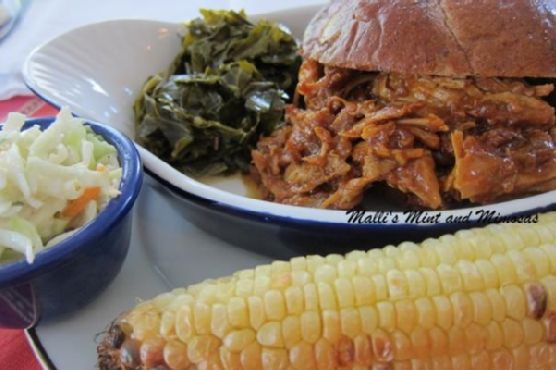
Pulled Pork Sandwich with Mango BBQ sauce | Made by Meaghan Moineau

Pulled Pork Sandwich with Mango BBQ Sauce

Intro

Welcome to a culinary journey that blends the rich, smoky essence of pulled pork with the luscious sweetness of mango BBQ sauce. This dish is not just a meal; it’s an experience that evokes memories of backyard barbecues and sunlit afternoons. I remember the first time I tasted a pulled pork sandwich; it was at a family reunion where my uncle, the family grill master, introduced us to this delightful creation. The aroma filled the air, and I couldn’t resist sneaking a taste before dinner. That first bite left a lasting impression, and I knew I had to recreate it in my kitchen.

Why You’ll Love It

This pulled pork sandwich is a crowd-pleaser, perfect for gathering with friends and family. The combination of tender, slow-cooked pork and the unique twist of mango-infused BBQ sauce makes it unforgettable. The spices create a depth of flavor that balances the sweetness of the mango, while the brioche rolls add a buttery finish. Whether you’re hosting a party or looking for a comforting meal, this sandwich will leave everyone asking for seconds.

Ingredients

  • 1 tablespoon apple cider vinegar
  • 2 pounds lean boneless pork shoulder
  • 4 split brioche rolls
  • 1 teaspoon cumin seeds
  • 2 tablespoons dark brown sugar
  • 1 teaspoon fennel seeds
  • 1 tablespoon ginger, finely chopped
  • 1 teaspoon kosher salt
  • 2 tablespoons fresh lime juice
  • 1 cup mango puree
  • 2 tablespoons molasses
  • 1 small onion, finely chopped
  • 1 tablespoon paprika
  • 1 serrano pepper, minced
  • 2 tablespoons vegetable oil
  • 2 tablespoons Worcestershire sauce

Instructions

  1. Combine the rub ingredients, in a small bowl and massage it into the pork shoulder until well coated. Set aside while you make the BBQ sauce. You could do this a day ahead and keep refrigerated until ready to use.
  2. In a large saucepan, warm the oil over low heat until hot and shimmering. Add the cumin and fennel; they should splutter upon contact – be careful!
  3. Once the spluttering subsides, add the onions, ginger, serrano pepper, and a little salt, to taste. Sauté until they soften but don’t let them get any color.
  4. Add the rest of the sauce ingredients: apple cider vinegar, brown sugar, lime juice, mango puree, molasses, paprika, and Worcestershire sauce.
  5. Simmer for about 5 minutes. Taste and season as needed.
  6. Add the pork shoulder to the saucepan, coating it with the sauce. Cover, and gently simmer until the pork falls apart easily, stirring and turning often, about 3 hours.
  7. Remove the pork from the saucepan and shred it using 2 forks. Return it to the sauce and stir to coat with the sauce.
  8. Put a generous spoonful of the pork inside a brioche bun, top with a few slices of pickle, and serve.
  9. Enjoy the swoons from your loved ones!

Tips

For the best results, use a meat thermometer to ensure your pork is cooked to perfection. Letting the pork shoulder rest in the fridge with the rub overnight enhances the flavors. If you’re short on time, you can use a pressure cooker to speed up the cooking process without sacrificing tenderness.

Variations & Substitutions

If you’re looking to switch things up, try substituting the mango puree with pineapple for a tropical twist. For a spicier kick, add more serrano peppers or a dash of hot sauce. Vegetarian? Substitute the pork with jackfruit for a plant-based alternative that still satisfies.

Storage

Leftover pulled pork can be stored in an airtight container in the refrigerator for up to 3 days. To freeze, portion the pork into freezer-safe bags or containers, leaving some room for expansion, and store for up to 3 months. Reheat gently on the stovetop or in the microwave with a splash of water to keep it moist.

FAQ

Can I make this recipe in advance?

Absolutely! The flavors deepen when the pork is allowed to sit in the fridge overnight, making it a great make-ahead dish for parties or busy weeknights.

What can I serve with these sandwiches?

These sandwiches pair perfectly with classic coleslaw, sweet potato fries, or a simple green salad. The tangy coleslaw adds a refreshing crunch that complements the rich flavors of the pork.

Can I use a different type of bun?

Definitely! While brioche rolls add a buttery richness, you can use any type of bun you prefer, such as ciabatta or whole wheat, to suit your taste and dietary preferences.

Nutrition

Each serving of Pulled Pork Sandwich with Mango BBQ Sauce provides approximately:

  • Calories: 510
  • Protein: 32g
  • Carbohydrates: 56g
  • Fat: 18g
  • Sodium: 780mg
  • Fiber: 2g

Conclusion

Creating a Pulled Pork Sandwich with Mango BBQ Sauce is not just about cooking; it’s about crafting an experience that brings joy to those around you. With its perfect blend of sweet, spicy, and savory flavors, this dish is sure to become a favorite at your table. So go ahead, indulge in this delicious sandwich, and create memories that will last a lifetime. Happy cooking!

Related update: Pulled Pork Sandwich with Mango BBQ sauce

Related update: Green Beans with Pearl Onions and Salmon

Julia Child’s Vichyssoise | Made by Meaghan Moineau

Julia Child’s Vichyssoise: A Timeless Classic for Every Season

Intro

There’s something incredibly comforting about a bowl of soup, particularly one that carries the rich history and culinary expertise of a legend like Julia Child. When I was a child, my grandmother would often make vichyssoise on Sunday afternoons, filling the kitchen with its soothing aroma. Sitting at the kitchen table, I would eagerly watch her every move, fascinated by how a few simple ingredients transformed into a luxurious dish. This soup not only warms the belly but also the heart, evoking memories of family gatherings and laughter. Today, I share with you the recipe for Julia Child’s Vichyssoise, a chilled soup that’s perfect for any season and situation.

Why You’ll Love It

Julia Child’s Vichyssoise is more than just a soup; it’s a culinary experience. Here’s why you’ll love making and eating it:

  • Simple Ingredients: This recipe uses basic, easily accessible ingredients, making it convenient for any home cook.
  • Rich and Creamy: The combination of leeks and potatoes creates a perfectly smooth and creamy texture.
  • Versatile: Whether served hot or cold, this soup is delightful in any weather.
  • Elegant Presentation: With a simple garnish of chives or parsley, it’s an impressive dish for entertaining.
  • Nostalgic Comfort: Each spoonful is a trip down memory lane for those who grew up with classic French cuisine.

Ingredients

  • White leeks
  • Diced baking potatoes (recommended)
  • Water
  • Salt
  • Sour crème fraîche
  • Fresh chives

Instructions

  1. Bring the leeks, potatoes, and water to the boil in a saucepan.
  2. Salt lightly, cover partially, and simmer for 20-30 minutes, or until the vegetables are tender.
  3. Puree the soup if you wish for a smoother texture.
  4. Taste and correct the seasoning as needed.
  5. Chill the soup thoroughly.
  6. Once chilled, stir in a little more crème fraîche if desired.
  7. Taste carefully again and correct the seasoning.
  8. Top each serving with a sprinkle of chives or parsley and a drizzle or dollop of crème fraîche.

Tips

To ensure your Vichyssoise is perfect every time, keep these tips in mind:

  • Use Fresh Ingredients: The flavor of your soup depends heavily on the freshness of your leeks and potatoes.
  • Chill Thoroughly: For the best flavor, make sure the soup is well chilled before serving.
  • Adjust Consistency: If the soup is too thick, you can thin it out with a bit more water or broth.

Variations & Substitutions

While Julia Child’s original recipe is a classic, there are endless ways to make it your own:

  • Herbs: Add fresh herbs like thyme or basil for an additional layer of flavor.
  • Dairy-Free: Substitute the crème fraîche with a plant-based cream to make the soup vegan-friendly.
  • Broth: Swap water for chicken or vegetable broth for a richer taste.

Storage

This soup is perfect for make-ahead meals. Store it in an airtight container in the fridge for up to three days. If you want to enjoy it later, freeze it for up to two months. Just be sure to thaw it in the fridge overnight before reheating.

FAQ

Can I use other types of potatoes?

Yes, absolutely! While baking potatoes are recommended for their texture, you can use any type of potatoes you have on hand. Just be aware that the texture and flavor may vary slightly.

Is it necessary to puree the soup?

Pureeing the soup is optional but recommended for a smooth, creamy texture. If you prefer a chunkier soup, you can skip this step.

How can I make this recipe vegetarian or vegan?

This recipe is naturally vegetarian if you use vegetable broth in place of water. To make it vegan, replace the crème fraîche with a non-dairy alternative. The rest of the ingredients are already plant-based.

Nutrition

Vichyssoise is a nutritious option, thanks to its vegetable-rich base. While precise nutritional values depend on the specific quantities and brands used, a serving typically contains around 150-200 calories, with a healthy amount of vitamins and minerals derived from the leeks and potatoes. For a lighter version, reduce or omit the crème fraîche.

Conclusion

Julia Child’s Vichyssoise is a testament to the beauty of simplicity in cooking. It’s a dish that transcends time and trends, offering a luxurious yet comforting experience with every spoonful. Whether you’re revisiting childhood memories or creating new ones, this recipe is sure to become a beloved staple in your home. So, gather your ingredients, channel your inner Julia Child, and savor the delight of homemade vichyssoise.

Related update: Julia Child’s Vichyssoise

Related update: Pulled Pork Sandwich with Mango BBQ sauce

Related update: Grilled Guacamole with Pistachios

Related update: Loaded Baked Potato Soup with Crispy-Fried Potato Skins

Gutekunst’s Indy Takeaway for Packers | Analysis by Brian Moineau

What Gutekunst Said in Indy — and What It Means for the Packers' Next Move

The NFL Scouting Combine is where drills meet diplomacy: prospects earn headlines with 40-yard dash times, and front-office leaders trade candid soundbites into a media frenzy. When Packers GM Brian Gutekunst took the podium in Indianapolis, he did what he usually does — guarded optimism with a clear blueprint. His comments touched on receivers, pass rush, special teams and the salary-cap landscape. For fans trying to read the tea leaves, Gutekunst’s tone in Indy felt like part reassurance, part challenge: the roster is close, but key upgrades remain necessary.

Quick hits from the podium

  • Gutekunst shrugged off clubhouse friction from Josh Jacobs’ public comments, emphasizing private conversations and Jacobs’ team-first mentality. (packers.com)
  • The GM still prefers developing in-house receivers rather than making a splash external addition — but he’s not blind to the need for a proven No. 1. (packers.com)
  • Health updates: Christian Watson’s ACL rehab is progressing; Romeo Doubs’ concussion history doesn’t appear to be a long-term red flag. (packers.com)
  • Pass-rush production and kicker reliability are explicit offseason priorities. Gutekunst said the pass rush “has to get better” and confirmed competition at kicker. (packers.com)
  • The higher-than-expected salary cap gives flexibility, but Gutekunst framed it as breathing room rather than a license to overspend. (packers.com)

Why the receiver conversation matters (and why Gutekunst sounded measured)

The optics were interesting: running back Josh Jacobs openly said the Packers need a “proven, No. 1” receiver, and that line quickly became the storyline out of Super Bowl week. Gutekunst’s response in Indy defused the drama without dismissing the issue. He reiterated that he’s had private conversations with Jacobs and believes the RB’s comments were rooted in a desire to win, not discord. At the same time, Gutekunst made his evaluation priorities clear: the front office would prefer one or more players on the current roster to step up rather than immediately flipping resources for an established star. That signals two things:

  • Gutekunst trusts the development pipeline and values internal continuity (drafted players getting opportunities). (packers.com)
  • The door remains open for external moves if the right high-value option appears — but not at the cost of destabilizing long-term roster construction. The GM’s posture is pragmatic, not reactionary. (packers.com)

From an SEO perspective: fans searching “Packers receiver need 2025”, “Gutekunst Combine receivers” or “Josh Jacobs comments” will find that Indy didn’t change Green Bay’s strategy — it clarified it.

Pass rush, the hidden keystone

If receivers are the high-profile ask, pass rush is the structural one. Gutekunst explicitly said producing more pressure is crucial if the Packers want to meet their stated championship aims. The Combine is the early-stage marketplace for edge talent, and Gutekunst’s remarks suggest he’s prepared to use draft capital or trades to upgrade that front. Expect the Packers to weigh:

  • Drafting edge help (possibly trading up if a premier rusher is available). (packers.com)
  • Prioritizing players with both size and versatility, fitting the defensive vision Jeff Hafley wants. (packers.com)

For fans, the implication is clear: look for moves that boost pressure generation next to improving coverage. A better pass rush feeds the secondary, masks rough patches at corner, and gives Jordan Love more clean pockets.

Roster depth, contracts, and the salary-cap reality

A surprise jump in the salary cap created headlines around the league. Gutekunst described the windfall as helpful breathing room but didn’t suggest Green Bay will suddenly behave differently in free agency. Key notes:

  • Jordan Love’s contract talks were expected to begin around combine-time, but formal extension rules limit when teams can complete deals. Gutekunst said initial conversations are part of the combine rhythm. (packers.com)
  • Several impending free-agent decisions — from offensive line starters to rotational players — will shape draft and signing priorities. Gutekunst framed the cap boost as flexibility, not a wholesale change in philosophy. (packers.com)

This is smart conservative management: keep flexible while targeting high-impact upgrades rather than overpaying for short-term fixes.

Special teams and other nitty-gritty areas Gutekunst flagged

Two specific small-market but high-leverage items rose in his talk:

  • Kicker Anders Carlson will face competition after a shaky rookie year; Gutekunst expects improvement but also competition. Kicking matters in close games — the Packers are addressing it. (packers.com)
  • Running back depth and role definition: Gutekunst wants a “bigger back” behind Aaron Jones for short-yardage and late-game scenarios, especially if AJ Dillon departs. That’s a targeted roster need that can influence mid-round draft choices or free-agent looks. (packers.com)

These are the kinds of small decisions that swing tight games; Gutekunst’s comments show he’s not ignoring them.

What to expect next — a short roadmap

  • Draft: Look for an emphasis on pass rush and depth — possibly a late-round developmental QB and an OL insurance piece. (packers.com)
  • Free agency/trades: Gutekunst will use the extra cap room judiciously. Big splashes are possible but not guaranteed; priority will be on fit and value. (packers.com)
  • Development: The staff will continue to create opportunities for younger receivers and defensive backs to earn roles — Gutekunst repeatedly credited opportunity as a driver of recent draft ROI. (packers.com)

Midseason checklist for skeptics and optimists

  • Skeptics: Watch for whether Green Bay actually adds a true No. 1 receiver or simply leans on roster development; whether pass-rush production measurably improves; and if kicking issues are resolved. (packers.com)
  • Optimists: Lean into the fact that the cap boost and internal depth give Gutekunst options; a few well-timed moves (edge rusher + reliable kicker) could convert a very good roster into a championship one. (packers.com)

My take

Gutekunst’s Combine appearance felt less like a reveal and more like a status report from a GM who believes the roster is close but incomplete. He balanced faith in homegrown talent with an honest acceptance that targeted upgrades matter — especially in pass rush and at the receiver position. If Green Bay can pair smart additions with the growth already visible on the roster, this offseason could be the bridge between contention and genuine title expectation.

Sources


Related update: We recently published an article that expands on this topic: read the latest post.


Related update: We recently published an article that expands on this topic: read the latest post.