Creamy Vegan Butternut Squash Mac and Cheese | Made by Meaghan Moineau

Creamy Vegan Butternut Squash Mac and Cheese

Intro

There’s something undeniably comforting about a warm bowl of mac and cheese. Growing up, it was always a staple at family gatherings, especially during the cooler months. I fondly remember my grandmother’s version, bubbling hot from the oven, the aroma filling the kitchen and drawing everyone in. As I’ve embraced a vegan lifestyle, I’ve created my own version of this classic dish that captures the same heartwarming essence. This Creamy Vegan Butternut Squash Mac and Cheese is a modern twist on tradition, offering a dairy-free alternative that’s just as creamy and delicious.

Why You’ll Love It

This recipe for Creamy Vegan Butternut Squash Mac and Cheese is sure to become a favorite in your household. Here’s why:

  • Rich and Creamy: The pureed butternut squash and vegan cheddar shreds create a velvety sauce that rivals any traditional mac and cheese.
  • Healthy Comfort Food: Packed with nutrients from the butternut squash and fortified nutritional yeast, this dish is as nourishing as it is comforting.
  • Kid-Friendly: Even the little ones will love this cheesy, comforting meal.
  • Simple Ingredients: Made with pantry staples, you can whip up this dish without a special trip to the grocery store.

Ingredients

  • 1 cup breadcrumbs
  • 2 cups pureed butternut squash
  • 8 ounces elbow macaroni
  • 1/4 cup nutritional yeast
  • 1/2 teaspoon black pepper
  • 1 teaspoon salt
  • 1 cup light soy milk
  • 2 tablespoons vegan buttery spread
  • 1 cup vegan cheddar shreds
  • 1/2 cup water

Instructions

  1. Preheat your oven to 350°F (175°C).
  2. Bring a large pot of salted water to a boil over medium heat. Add in the elbow macaroni and cook until the pasta is al dente, then drain.
  3. While the pasta is cooking, start preparing your sauce. In a medium saucepan, melt the vegan buttery spread over medium heat.
  4. Add the nutritional yeast to the melted butter and mix together to form a paste.
  5. Pour in the soy milk and whisk the ingredients together, ensuring the sauce is lump-free. Let it simmer for about 5 minutes, or until the sauce begins to thicken.
  6. Add the pureed butternut squash to the sauce, mixing thoroughly to ensure everything is well blended. The butternut squash also helps to thicken the sauce.
  7. Stir in the vegan cheddar shreds and let the mixture sit for 1 to 2 minutes, or until the sauce has a creamy, velvety smooth consistency. Remove the sauce from the heat and let it sit.
  8. Combine the drained pasta with the cheese sauce, stirring them together well.
  9. Pour the mac and cheese mixture into a greased 9×9-inch baking pan.
  10. Sprinkle the breadcrumbs over the macaroni and cheese.
  11. Bake in the preheated oven for 15 minutes, or until the cheese begins to bubble.
  12. Serve warm and enjoy this creamy vegan home-style comfort food!

Tips

For the best results, use freshly pureed butternut squash. You can roast the squash ahead of time and then blend it until smooth. This adds an extra depth of flavor to the dish. Additionally, ensure the pasta is cooked al dente, as it will continue to cook slightly while baking in the oven.

Variations & Substitutions

Feel free to get creative with this recipe! If you’re not a fan of soy milk, you can substitute it with almond milk or oat milk. For a gluten-free version, use gluten-free pasta and breadcrumbs. If you want to add some protein, consider adding cooked chickpeas or lentils to the mix.

Storage

This mac and cheese can be stored in an airtight container in the refrigerator for up to 3 days. To reheat, simply cover and bake in the oven at 350°F (175°C) until warmed through. You may need to add a splash of soy milk to loosen the sauce.

FAQ

Can I use a different type of squash?

Yes, you can substitute butternut squash with other types of squash, such as acorn or kabocha. Just ensure the squash is pureed to a smooth consistency.

Can I make this recipe ahead of time?

Absolutely! You can prepare the mac and cheese up to the baking step and store it in the refrigerator. When you’re ready to serve, simply bake it in the preheated oven until bubbly and heated through.

Nutrition

This Creamy Vegan Butternut Squash Mac and Cheese is a nutritious option, offering a good source of fiber, vitamins A and C, and calcium. The nutritional yeast adds a boost of B vitamins, making this dish both delicious and nourishing.

Conclusion

Whether you’re vegan or just looking to try something new, this Creamy Vegan Butternut Squash Mac and Cheese is a must-try. It’s a wholesome and delicious take on a classic comfort food that everyone can enjoy. Gather your loved ones around the table and share the warmth and joy of this delightful dish, just like my family did years ago. Bon appétit!

Related update: Creamy Vegan Butternut Squash Mac and Cheese

Related update: Asian Lettuce Wraps

Gold Medal Hug: Spotlight on Caregivers | Analysis by Brian Moineau

The hug that changed the narrative: what Elana Meyers Taylor’s embrace of her nanny tells us about caregiving

The image is simple and powerful: Elana Meyers Taylor, gold medal around her neck at the 2026 Winter Olympics, bends down and hugs the woman who helped raise her children while she chased a lifetime dream. The first person she hugged after standing on sport’s highest podium was her nanny. That moment—captured in photos and shared across social media—did more than warm hearts. It pulled a spotlight onto the invisible labor and complex logistics that make elite achievement possible.

Why that hug resonated

  • It interrupts the romantic myth of lone genius and replaces it with a truer story: success is a team sport.
  • It makes visible a caregiver who usually operates offstage, reminding viewers that parenting and elite performance often rely on paid and unpaid support.
  • It humanizes a champion who is also a mother of two children with special needs, showing the emotional and practical stakes behind every training run, flight, and night away from home.

Those reactions aren’t accidental. Commentators, parent advocates, and caregiving experts used the moment to sharpen a conversation that’s been quietly building: when public figures acknowledge their caregiving teams, it can reshape cultural expectations about work, family and who gets credit.

Context: Elana’s story and the caregiving reality

Elana Meyers Taylor’s gold was the culmination of a long career—five Olympics, multiple medals—and a life lived in public and private challenge: managing training, travel, injuries, and parenting two sons who are deaf and require specialized attention. She thanked a wide circle—her husband, her parents, and her nannies—then ran to hug Macy, the nanny who helps care for her children. That photo became shorthand for a larger truth: elite performance often rides on a scaffolding of care. (yahoo.com)

The moment also lands against stark statistics. Care.com’s 2026 Cost of Care Report finds nearly half of U.S. parents say they don’t have enough help, and many families spend roughly 20% of income on child care. The report lays bare the emotional and financial strain of piecing together childcare—something many working parents know intimately. When a world-champion athlete publicly credits her nanny, it validates an experience shared by millions: success frequently depends on paid caregivers and informal village networks. (care.com)

What this moment reveals about caregiving as infrastructure

  • Care is core, not peripheral. From elite sport to corporate leadership, caregiving enables participation and peak performance. Acknowledging that publicly helps destigmatize the practical choices parents make—hiring nannies, relying on relatives, or creating hybrid care plans.
  • Visibility can drive respect. When public figures name caregivers in their victory narratives, they shift how society values caregiving work—encouraging respect, fair wages, and professional recognition rather than secrecy or embarrassment.
  • The gap between gratitude and policy. A hug is symbolic and beautiful; policy change is the structural next step. Families still face unaffordable care, burnout, and career trade-offs. Visibility should be a step toward concrete supports—subsidies, employer benefits, and accessible care options—so gratitude doesn’t remain performative. (care.com)

Cultural ripple effects

  • Normalizing teamwork at home: When athletes and celebrities publicly credit caregivers, it validates building a “village” rather than hiding help. That can reduce shame around paid childcare and encourage parents to ask for the support they need.
  • Elevating caregiver professionalism: Spotlight moments can reframe nannies, family members, and childcare workers as skilled contributors to household stability and professional success—not just “help.”
  • Sparking public conversation: Images from stadiums and podiums travel fast. They can prompt news cycles, op-eds, parenting communities, and policymakers to reexamine caregiving’s social value—and to demand better supports. (yahoo.com)

Practical implications for families and employers

  • For parents: owning your caregiving network publicly (when comfortable and safe) can normalize the reality that no one does it all alone. It also opens conversations with employers about flexible schedules and caregiving benefits.
  • For employers: visible moments like this are a reminder that benefits matter—employer-subsidized childcare, flexible leave, and caregiver resources aren’t perks; they remove barriers that keep talented people from contributing their best.
  • For policymakers: the crisis in care is measurable and costly. Reports show measurable economic harm when caregiving is under-resourced; policy responses (tax credits, expanded subsidies, investment in childcare infrastructure) would reduce that drag. (care.com)

Takeaways worth keeping

  • Public gratitude matters—it humanizes success and makes caregiving visible.
  • Visibility alone isn’t enough; it should fuel respect, better pay and real policy fixes.
  • Caregiving is infrastructure: when it’s stable and affordable, more people can pursue demanding careers, including in sport and other high-performance fields.

My take

That hug on the podium was more than a touching image; it was a quiet rebuke to cultural stories that equate success with singular sacrifice. Elana Meyers Taylor’s embrace acknowledged a truth many parents live: achievement usually rests on a web of relationships, labor, and love. Let that image do more than make us feel good—let it nudge us toward practical change that honors and sustains the caregivers who make so much possible.

Sources


Related update: We recently published an article that expands on this topic: read the latest post.


Related update: We recently published an article that expands on this topic: read the latest post.

Lenders Balk at AI Data Center Financing | Analysis by Brian Moineau

Lenders said “no” to an AI data center. Why that matters.

When the financial engine behind a flashy AI project can’t convince banks to chip in, it’s not a small hiccup — it’s a flashing warning light. Last week, Blue Owl Capital’s attempt to line up roughly $4 billion of third‑party debt for a new data center in Lancaster, Pennsylvania — a build CoreWeave would occupy — failed to draw lender interest. The reason cited by at least one prospective lender: CoreWeave’s below‑investment‑grade credit profile and the growing unease around underwriting AI‑linked infrastructure with stretched balance sheets. The story isn’t just about one deal — it’s a snapshot of how credit markets are recalibrating around the AI boom.

Quick takeaways for readers scanning headlines

  • Blue Owl shopped approximately $4 billion of debt for a Lancaster, PA data center that CoreWeave is expected to occupy, but lenders largely passed.
  • CoreWeave carries a B+ issuer rating from S&P, which many lenders view as a material hurdle for financing large construction loans.
  • Blue Owl has provided roughly $500 million of bridge financing that runs through March 2026, but longer‑term debt partners remain elusive.
  • The episode highlights a broader tightening in credit appetite for capital‑intensive AI infrastructure that lacks investment‑grade tenant credit or explicit sponsor credit support.

The backstory you need

Over the past 18 months, an explosion of AI compute demand has driven a rush to build specialized data centers loaded with GPUs and networking hardware. Building that capacity is incredibly expensive — and developers have often relied on creative financing structures to spread risk: pre‑leasing to investment‑grade tenants, using big‑tech credit to securitize bonds, or tapping private‑credit syndicates.

Blue Owl made a name for itself by structuring large, bespoke financing deals tied to hyperscale projects — sometimes leaning on the strong credit of marquee partners. In Lancaster, the project was to be occupied by CoreWeave, a fast‑growing AI cloud provider backed commercially by Nvidia and others. But CoreWeave’s S&P issuer rating sits at B+ — below investment grade — and lenders told Business Insider they reviewed the deal and “passed.” Blue Owl says the project is under construction and “fully funded, on time, and on budget,” and disclosed about $500 million of bridge financing through March 2026 to cover near‑term needs. The challenge is finding permanent debt that’s comfortable carrying exposure to a below‑IG tenant and the concentrated, capital‑intensive nature of AI infrastructure.

Why lenders are getting picky

  • Credit ratings matter. For big construction debt, investment‑grade tenant credit or sponsor guarantees make it far easier for banks and institutional lenders to underwrite large exposures. A B+ issuer rating is often treated as “junk” territory for many conservative lenders.
  • AI is capital‑intensive and lumpy. The economics depend on long‑term take‑or‑pay contracts, utilization of expensive GPUs, and steady demand. Any wobble in customer concentration or equipment supply can compress cash flow quickly.
  • Market memory of recent stresses. Earlier struggles — like banks having a hard time placing tranches of other hyperscale financings — have made lenders more circumspect.
  • Private‑credit scrutiny. Blue Owl itself has faced pressure in parts of its business (including reports of halted redemptions in a private credit fund), which can color counterparties’ appetite to join its largest balance‑sheet exposures.

What this means for CoreWeave, Blue Owl, and the AI buildout

  • For CoreWeave: investor patience will hinge on cash‑flow visibility and an ability to diversify tenant concentration and lower leverage. The stock moved lower after the reporting, reflecting market discomfort.
  • For Blue Owl: the firm can still fund projects via sponsor equity or temporary bridge loans, but repeatedly failing to syndicate debt on marquee deals could hurt its reputation as a deal architect and raise questions about balance‑sheet exposure.
  • For the sector: expect more selectivity. Deals that once easily found buyers — because of hype around AI demand — will now require cleaner credit profiles, investment‑grade anchors, or explicit wrap/credit support from an investment‑grade counterparty.

The investor dilemma

Investors and lenders face a tradeoff: back high‑growth, strategically important AI infrastructure (and accept structurally higher credit risk), or demand tighter protections and wait for clearer proof that demand and margins are durable. That tradeoff is reshaping deal structures:

  • More bridge financing and sponsor equity up front.
  • Deals that rely on investment‑grade offtake guarantees (or partial guarantees).
  • Larger covenant packages, shorter tenors, and higher pricing for riskier borrowers.

My take

This episode is less a verdict on AI’s long‑term promise and more a reminder that capital markets separate technological excitement from credit tolerance. Building the AI cloud is still necessary and likely lucrative for some players — but lenders increasingly want either investment‑grade counterparties, explicit credit support, or much better margin of safety. That shift will favor well‑capitalized incumbents and force smaller, highly leveraged specialists to refine their capital plans or find partners willing to accept concentrated risk.

If Blue Owl or CoreWeave can secure an investment‑grade sponsor guarantee, diversify demand, or show stronger operating cash flows, the market will follow. Until then, expect increased creativity in financing — and more deals that stall at the lender pitch desk.

Sources

Final thoughts

The AI infrastructure race will keep building — but the capital that fuels it is asking tougher questions. Projects once sold on future demand will increasingly need present‑day creditworthiness, sponsor strength, or hybrid financing structures that bridge the gap. The lenders’ “pass” in Lancaster is a practical reset: hype isn’t a covenant, and tomorrow’s compute needs don’t pay today’s interest.


Related update: We recently published an article that expands on this topic: read the latest post.


Related update: We recently published an article that expands on this topic: read the latest post.

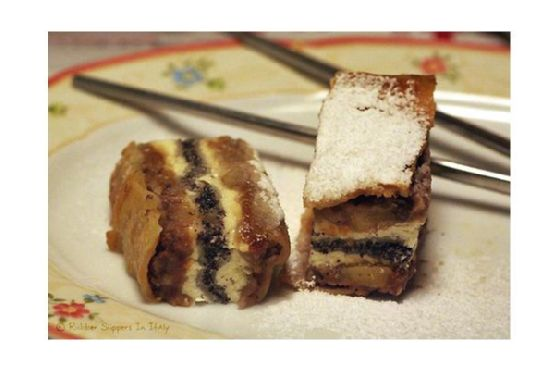
Layered Poppy Seed Pastries | Made by Meaghan Moineau

Layered Poppy Seed Pastries

Intro

There’s something truly magical about the smell of freshly baked pastries wafting through the house. It brings back memories of my grandmother’s kitchen, where she would whip up delightful treats that danced between the layers of sweet and savory. One of my fondest memories is of the layered poppy seed pastries she would make during the holiday season. The combination of buttery pastry, rich poppy seed filling, and a hint of lemon zest was a symphony of flavors that never failed to bring joy to our family gatherings. Today, I’m excited to share this treasured recipe with you, so you too can create cherished memories with your loved ones.

Why You’ll Love It

This recipe for Layered Poppy Seed Pastries is a celebration of texture and flavor. The delicate layers of pastry are both crisp and tender, providing the perfect vessel for the rich, nutty poppy seed filling. Here are a few reasons why you’ll fall in love with this recipe:

  • Traditional Charm: This recipe has been passed down through generations, capturing the essence of time-honored baking techniques.
  • Make-Ahead Friendly: These pastries can be prepared in advance and stored in the freezer, making them a convenient treat for any occasion.
  • Versatile Serving Options: Whether as a delightful breakfast, a sweet afternoon snack, or a gift for loved ones, these pastries are perfect for any time of day.

Ingredients

  • 1 packet dry yeast
  • 1 cup warm milk
  • 1 tablespoon sugar
  • 4 cups flour
  • 1 teaspoon baking powder
  • 1 teaspoon salt
  • 1 tablespoon lemon zest
  • 1 cup butter, cold and cut into pieces
  • 1 whole egg plus 1 egg yolk, beaten
  • 1 teaspoon vanilla extract
  • 1 can poppy seed filling
  • 1 cup ground walnuts
  • 1/4 cup sugar
  • Dash of sugar for yeast mixture
  • Water

Instructions

  1. In a small bowl, mix warm milk, sugar, and yeast until the yeast dissolves. Set aside to proof.
  2. In a large bowl, blend flour, baking powder, salt, and lemon zest. Add butter and mix until the mixture is crumbly.
  3. Beat the egg, egg yolk, and vanilla extract in a small bowl. Add to the flour mixture alternately with the milk mixture. Blend until the dough comes together.
  4. Transfer the dough to a floured board and divide it into 4 parts. Knead each part into a flat disc, then wrap in plastic wrap and refrigerate for 1 hour.
  5. Spoon the poppy seed filling into a pastry bag. In a small bowl, blend sugar and ground walnuts.
  6. Roll each disc of dough into a thin sheet large enough to fit into a 13×9-inch baking dish. Trim each sheet to fit the dish.
  7. Arrange one sheet of dough in the bottom of the baking dish. Pipe or spread half of the poppy seed filling evenly over the dough.
  8. Cover with a second sheet of dough and sprinkle with 1 cup of the walnut filling.
  9. Arrange a third sheet of dough on top and repeat with another layer of poppy seed filling.
  10. Top with the remaining sheet of dough. Cover with a kitchen towel and let stand for 30 minutes.
  11. Brush the top with the remaining egg yolk mixture. Bake at 350°F until golden brown, about 45 minutes.
  12. While hot, cut into 24 squares. Allow to cool in the pan.

Tips

  • Chill the Dough: Chilling the dough helps in handling and rolling it out more easily.
  • Even Layers: For a clean and professional look, try to spread the fillings as evenly as possible between the layers.
  • Bake Until Golden: Ensure the pastries are a lovely golden brown to guarantee a crispy texture.

Variations & Substitutions

Feel free to get creative with these pastries! Here are some ideas to switch things up:

  • Alternate Fillings: Swap the poppy seed filling for a sweet ricotta or fruit preserve for a different flavor profile.
  • Nuts: If walnuts aren’t your favorite, try using almonds or pecans instead.
  • Glaze: Drizzle a light lemon or vanilla glaze on top for added sweetness and decoration.

Storage

These pastries are perfect for making ahead and storing:

  • Room Temperature: Store in an airtight container for up to 3 days.
  • Freezer: Wrap each pastry in plastic wrap, then foil, and place in resealable plastic bags. They can be frozen for up to 3 months. Just defrost and enjoy!

FAQ

Can I make the dough in advance?

Yes, you can prepare the dough and keep it wrapped in the refrigerator for up to 24 hours before rolling it out and assembling the pastries.

What if I don’t have a pastry bag?

No worries! You can simply use a spoon to spread the poppy seed filling evenly over the dough layers.

Can I make these pastries gluten-free?

While I’ve not tested this recipe with gluten-free flour, a 1:1 gluten-free baking flour might work as a substitute. Just be aware that the texture may vary slightly.

Nutrition

This recipe yields 24 pastries. Each pastry contains approximately:

  • Calories: 180
  • Fat: 10g
  • Carbohydrates: 19g
  • Protein: 3g

Conclusion

There you have it, a delightful recipe for Layered Poppy Seed Pastries that is sure to become a favorite in your home. Whether you’re creating new traditions or celebrating old ones, these pastries are a testament to the joy of baking. I hope this recipe brings warmth and happiness to your table, just as it has to mine. Happy baking!

Related update: Layered Poppy Seed Pastries

Related update: Croissants With Sesame Seeds (Kifli)

Chattanooga Win, Southern Momentum Stalls | Analysis by Brian Moineau

When a Win Isn't the Wave We Expected

Two years after a surprising victory in Chattanooga, Tennessee, Volkswagen workers have just ratified their first United Auto Workers contract — a clear, emphatic win for those on the shop floor. But the larger story is less tidy than a parade of banners and confetti: what looked in 2024 like the beginning of a Southern labor renaissance has, so far, been a sputter rather than a surge. The Chattanooga pact proves unions can win in the South, but it also highlights how hard it is to convert a single historic triumph into a sweeping movement.

What happened in Chattanooga

  • Volkswagen Chattanooga workers voted to ratify their first UAW contract in February 2026, approving a deal that includes a lump-sum bonus, a 20% wage increase over the contract’s life (through February 2030), lower health-care premiums and added job-protection language. The ratification passed overwhelmingly. (nwpb.org)

  • The path to that contract was long: the plant had twice voted against unionization (2014, 2019) before joining the UAW in April 2024. Negotiations extended for many months before the tentative agreement was announced in early February 2026. (nwpb.org)

Why the win mattered — and still matters

  • Symbolic weight: A union victory at a foreign-owned Southern auto plant felt seismic. The South has been the key battleground because automakers shifted production there in return for generous incentives, historically keeping wages and organizing weak to protect their investments. A Chattanooga union was a crack in that model. (nwpb.org)

  • Tangible gains: The new contract raises pay to levels competitive with — or higher than — nonunion wages in the region, and it secures health-care and job protections that change workers’ day-to-day calculus about long-term security. Those are real effects for families in Chattanooga. (vpm.org)

The momentum question: why the spark didn’t become a prairie fire

Two years on, the broader campaign to unionize the South hasn’t produced the cascading victories many organizers hoped for. Several forces explain why:

  • Deep-pocketed countermeasures. State and corporate incentives — plus political opposition and targeted anti-union messaging — continue to raise the cost and complexity of organizing in Southern states. That infrastructure didn’t evaporate after Chattanooga voted to unionize. (theguardian.com)

  • Local variations matter. Automotive plants are not identical: ownership structure, workplace culture, local politics and existing pay/benefits differ widely. Volkswagen’s situation — with particular grievances among workers and a high-profile national UAW push — was a specific alignment that won once but is not easily replicated. (wlrn.org)

  • Time and fatigue. Organizing takes sustained effort. The UAW’s campaign invested heavily (including a multi-million dollar push to organize Southern plants) and saw big wins with the Big Three that energized members — yet translating that into dozens of successful drives requires years of patient groundwork. One landmark contract doesn’t automatically create the field infrastructure for dozens more. (nwpb.org)

  • Competing employer strategies. Nonunion automakers have raised pay and improved benefits in recent years to blunt the union pitch — an effective short-term deterrent. For example, some nonunion employers have announced significant wage increases to remain competitive for labor. (nwpb.org)

The implications for the labor movement

  • Proof of possibility: Chattanooga demonstrates that unions can win meaningful contracts in the South — including at foreign-owned plants — and that those contracts can offer substantial economic improvement. That evidence will help organizers and swing workers make the case on the ground. (vpm.org)

  • Organizing remains tactical: Future success will rely on tailored, long-term organizing, not just national headlines. Community ties, local legal strategies, and worker-to-worker trust-building matter more than media momentum. (theguardian.com)

  • Political and economic chess continues: States and companies that benefitted from Southern plant construction still have incentives to resist unionization. The fight will be as much about laws, incentives and political pressure as it is about shop-floor conversations. (apnews.com)

Lessons for organizers, workers and observers

  • Wins need follow-through: Ratifying a good contract is the start of a new phase — stewarding membership, demonstrating value to non-members, and building local capacity are critical next steps.

  • Local wins don’t universalize: Expect variation. What worked in Chattanooga won’t automatically work at every plant in Alabama, Georgia, or other Southern states.

  • Messaging matters: Demonstrating concrete improvements (pay, benefits, job security) — not abstract ideals — is the clearest way to persuade skeptical workers in regions where union ties are weak.

How workers see it

The contract’s terms — lump-sum bonuses, a 20% wage increase, lower health premiums and explicit plant-commitment language — are meaningful to many employees who had felt stuck despite the plant’s success. For them, this is a material improvement in daily life and future security. But some workers voiced the same mixed feeling: proud of the progress, yet aware that the broader movement must keep building if this is to become more than an isolated victory. (vpm.org)

My take

Chattanooga’s contract is an important, heartening win — a necessary proof point that organizing in the modern Southern auto industry can pay off. But single victories are not the same as structural change. The UAW and organizers have won a persuasive argument: unions can deliver. Turning persuasion into scale requires patience, local investment and political shifts that aren’t negotiated at the bargaining table alone.

If the UAW and allied movements want to convert this encouraging result into a lasting regional revival, they’ll need to translate headlines into long-term infrastructure: local leadership development, legal strategy to counter state resistance, and sustained organizing that addresses the everyday questions workers ask — not just the rallying cries.

Final thoughts

Historic votes and big numbers make for compelling stories, but real power accumulates slowly. Chattanooga’s workers did what organizers had long hoped for — they won a contract that changes lives. The next challenge is making sure that win becomes a stable step on a longer staircase, not an isolated summit.

Sources


Related update: We recently published an article that expands on this topic: read the latest post.

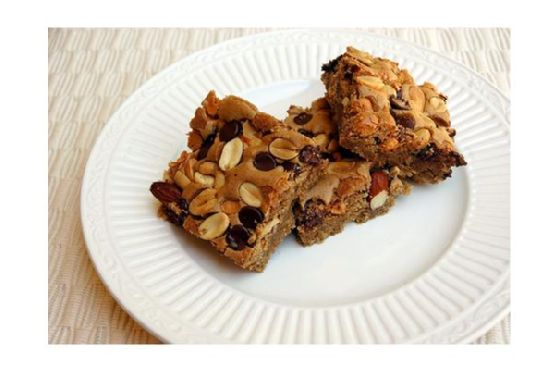
Peanut Butter Cookie Bars | Made by Meaghan Moineau

Peanut Butter Cookie Bars

Intro

There’s something incredibly nostalgic about the aroma of peanut butter wafting through the kitchen. It takes me back to my childhood, when my grandmother would bake her famous peanut butter cookies every holiday season. I remember watching her, apron-clad, as she skillfully mixed ingredients in her well-loved mixing bowl. Those moments spent in her cozy kitchen, with laughter in the air and flour on my cheeks, are some of my fondest memories. Inspired by her classic recipe, I’ve created these Peanut Butter Cookie Bars. They’re a delightful twist on the traditional cookie, combining all the peanut buttery goodness into a convenient bar form. Perfect for sharing at family gatherings or enjoying as a quiet afternoon treat, these bars are sure to become a new favorite in your home.

Why You’ll Love It

These Peanut Butter Cookie Bars are everything you love about peanut butter cookies, but in a simpler, more convenient form. Here’s why you’ll adore them:

  • Easy to make: With just a few simple steps, you can have these bars ready to bake in no time.
  • Perfectly chewy: The combination of rolled oats and chunky peanut butter gives these bars a chewy, satisfying texture.
  • Deliciously nostalgic: With every bite, you’ll be reminded of the classic peanut butter cookies you loved as a child.
  • Great for sharing: Cut them into bars and share with friends, family, or coworkers. They’ll thank you!

Ingredients

  • 1 teaspoon baking soda
  • 1/2 cup bran
  • 1 cup brown sugar
  • 1 cup butter, melted
  • 2 large eggs
  • 1/2 cup granulated sugar
  • 1 cup chunky peanut butter
  • 1 cup peanut butter candy pieces
  • 2 cups rolled oats
  • 1 teaspoon vanilla extract

Instructions

  1. Preheat your oven to 375°F (190°C).
  2. In a small bowl, combine the melted butter, brown sugar, granulated sugar, peanut butter, and eggs. Beat until smooth and well combined. Set aside.
  3. In a separate bowl, mix together the flour, bran, oats, and baking soda.
  4. Gradually stir the dry mixture into the wet butter mixture until fully incorporated.
  5. Press half of the dough mixture into each of two glass baking dishes.
  6. Sprinkle peanut butter candy pieces evenly across the top of the dough.
  7. Bake in the preheated oven for approximately 19 minutes, or until a toothpick inserted into the center comes out clean.
  8. Remove from oven and allow to cool on a wire rack.
  9. Cut into bars to serve. Enjoy!

Tips

  • For a richer flavor, use dark brown sugar instead of light brown sugar.
  • If you prefer a smoother texture, you can use creamy peanut butter instead of chunky.
  • Make sure to let the bars cool completely before cutting to ensure clean edges.

Variations & Substitutions

Feel free to customize these Peanut Butter Cookie Bars to suit your taste:

  • Nutty Addition: Add chopped peanuts or walnuts for extra crunch.
  • Chocolate Lovers: Mix in some chocolate chips or drizzle melted chocolate on top after baking.
  • Gluten-Free: Use gluten-free oats and substitute a gluten-free flour blend for the bran.

Storage

Store these cookie bars in an airtight container at room temperature for up to one week. For longer storage, freeze the bars in a single layer in a freezer-safe container for up to two months. Simply thaw at room temperature before serving.

FAQ

Can I use a different type of nut butter?

Yes, you can substitute almond butter or cashew butter for the peanut butter if you prefer. Keep in mind that this will alter the flavor slightly, but the bars will still be delicious.

What can I use instead of peanut butter candy pieces?

If you don’t have peanut butter candy pieces on hand, you can use mini peanut butter cups, chopped Reese’s cups, or even chocolate-covered peanuts as a substitute.

Nutrition

While these bars are a treat, you might be curious about their nutritional content. Each serving (1 bar) contains approximately:

  • Calories: 250
  • Fat: 12g
  • Carbohydrates: 30g
  • Protein: 5g
  • Sugar: 18g

Please note that nutritional values are approximate and may vary based on specific ingredients used.

Conclusion

These Peanut Butter Cookie Bars are a delectable treat that combines the classic flavor of peanut butter cookies with the convenience of a bar. Whether you’re sharing them with loved ones or indulging on your own, these bars are sure to satisfy your sweet tooth and bring a sense of nostalgia with every bite. I hope you enjoy making and eating them as much as I do!

Related update: Peanut Butter Cookie Bars

Related update: Layered Poppy Seed Pastries

Blackened Cajun Chicken | Made by Meaghan Moineau

Blackened Cajun Chicken Recipe

Intro

There’s a certain magic in the air when the sun sets and the grill is fired up, filling the backyard with inviting aromas. Growing up, my family would gather around the grill during warm summer evenings, eagerly anticipating the sizzle of my grandmother’s famous Blackened Cajun Chicken. She had a way of turning simple ingredients into a feast for the senses, and her recipe has been a treasured heirloom, passed down through generations. Today, I’m thrilled to share this delightful dish with you, blending rich spices and succulent chicken into a symphony of flavors that will transport you to the heart of Louisiana.

Why You’ll Love It

This Blackened Cajun Chicken is a culinary gem that promises to captivate your taste buds. Here’s why you’ll fall in love with it:

  • Flavor Explosion: A harmonious blend of spices creates a bold, smoky flavor profile that is both spicy and savory.
  • Easy to Prepare: With minimal prep time and straightforward instructions, it’s perfect for both weeknight dinners and special occasions.
  • Healthy Option: Grilling the chicken ensures a lean, protein-rich meal that’s packed with nutrients.
  • Versatile: This dish pairs well with various sides, from salads to roasted vegetables, making it a versatile addition to your meal repertoire.

Ingredients

  • 2 bay leaves
  • 1 tablespoon black pepper
  • 2 tablespoons brown sugar
  • 1 tablespoon cayenne pepper
  • 1 tablespoon dried rosemary
  • 1 tablespoon dried thyme
  • 1 tablespoon dry mustard
  • 1 tablespoon garlic powder
  • 1 tablespoon ground cumin
  • 1 tablespoon onion powder
  • 2 tablespoons paprika
  • 1 tablespoon salt
  • 2 whole chickens

Instructions

  1. In a bowl, combine the bay leaves, black pepper, brown sugar, cayenne pepper, dried rosemary, dried thyme, dry mustard, garlic powder, ground cumin, onion powder, paprika, and salt to create your seasoning mix.
  2. Rub half of the seasoning mixture onto the chickens, ensuring even coverage.
  3. Place the seasoned chickens in a 13- by 9- by 2-inch baking pan. Cover and refrigerate overnight to allow the flavors to meld.
  4. When ready to cook, preheat your grill to medium heat.
  5. Grill the chickens, covered, over medium coals. Turn the chickens once during cooking.
  6. Grill for 30 to 45 minutes or until the juices run clear and the chicken is cooked through.
  7. Let the chicken rest for a few minutes before carving and serving.

Tips

For the best results, allow the chicken to marinate overnight. This will help the spices penetrate the meat, resulting in a more flavorful dish. If you’re short on time, even a few hours of marinating can make a noticeable difference. Additionally, using a meat thermometer can ensure your chicken is perfectly cooked, with an internal temperature of 165°F (75°C).

Variations & Substitutions

This recipe is a great base for experimentation. If you prefer a milder flavor, reduce the amount of cayenne pepper. Alternatively, if you’re a heat seeker, feel free to add extra! For a smoky twist, consider using smoked paprika in place of regular paprika. You can also substitute chicken breasts or thighs if you prefer them over whole chickens; just adjust the grilling time accordingly.

Storage

Leftover Blackened Cajun Chicken can be stored in an airtight container in the refrigerator for up to 3 days. To reheat, place the chicken in a preheated oven at 350°F (175°C) until warmed through. This dish also freezes well; just ensure it’s wrapped tightly before placing it in the freezer. It can be stored frozen for up to 3 months.

FAQ

Can I cook this chicken in the oven instead of on the grill?

Absolutely! If you don’t have access to a grill or prefer to use your oven, you can bake the chicken at 375°F (190°C) for about 50-60 minutes. Be sure to use a meat thermometer to ensure it’s cooked through.

What sides pair well with Blackened Cajun Chicken?

This dish pairs beautifully with a variety of sides. Consider serving it with classic Southern sides like coleslaw, cornbread, or dirty rice. For a lighter option, a fresh garden salad or grilled vegetables would complement the chicken nicely.

Can I make this recipe spicier?

Yes, you can easily adjust the heat level to suit your taste. Increase the amount of cayenne pepper or add a pinch of crushed red pepper flakes for extra spice. Remember, it’s always best to start with a little and add more as desired!

Nutrition

This recipe yields 4 servings, and each serving is a great source of protein. The seasoning blend is low in calories, with the majority of nutritional content coming from the chicken itself. For those monitoring their intake, this dish is high in protein while being relatively low in carbohydrates and fats, making it a balanced meal option.

Conclusion

Blackened Cajun Chicken is more than just a dish; it’s a nostalgic journey to the heart of Southern cuisine, bringing warmth, flavor, and a touch of spice to your table. Whether you’re hosting a backyard barbecue or simply looking for an exciting new recipe to try, this dish is sure to be a hit. I hope this recipe brings as much joy to your home as it has to mine. Happy cooking!

Related update: Blackened Cajun Chicken

Related update: Creamy Vegan Butternut Squash Mac and Cheese

Bezos Not Buying Seahawks, Sale Looms | Analysis by Brian Moineau

The Seahawks are for sale — and Jeff Bezos isn’t buying them

You could feel it in the city air: confetti still in the gutters, fans wearing Super Bowl gear, and suddenly the franchise that Paul Allen saved in 1997 is officially on the market. The news has one obvious question trailing it everywhere — will a local billionaire swoop in and keep the team in familiar hands? Short answer, at least for now: not Jeff Bezos.

Why this feels like the end of an era (and the start of a new one)

  • The Paul G. Allen Estate has begun a formal sale process for the Seattle Seahawks, following Allen’s long-stated plan to eventually sell his sports holdings and funnel proceeds to philanthropy.
  • The timing — just after a Super Bowl victory — is dramatic. The team’s value is sky-high, ownership matters more than ever, and expectations from fans, civic leaders, and the NFL will shape how the sale unfolds.
  • Speculation raced immediately to familiar names tied to Seattle wealth and influence. Jeff Bezos — once a Seattle resident and a recent bidder (or at least an interested party) in other NFL ownership scenarios — was an obvious name to attach to the story. But one prominent media insider says he’s not pursuing a bid. (yardbarker.com)

What the “Bezos isn’t buying” update actually means

  • The reporting traces back to media insider Dylan Byers, who relayed that Bezos — who looked at the Washington Commanders sale in 2023 before stepping away — is not pursuing the Seahawks sale. That line quiets one of the louder rumors but doesn’t close the door on other potential deep-pocketed suitors. (yardbarker.com)
  • The Allen estate has engaged Allen & Company and Latham & Watkins to run the process. The NFL will need to approve any eventual buyer, and league approval can be both a speed bump and a gatekeeper for potential conflicts (media ownership, regional ties, league relationships). (spokesman.com)
  • Remember the broader context: NFL franchise prices have surged. The recent Commanders sale set a new floor above $6 billion, and valuations have only climbed since. The Seahawks — with a championship, a large market, and stable stadium lease — could attract a bidding range that surprises even veteran observers. (forbes.com)

The buyer puzzle — what teams, city, and fans should watch for

  • Financial firepower: Any credible offer will need multibillion-dollar capital, whether from a single billionaire or a consortium of investors.
  • Local optics and civic priorities: Seattleites care about the team staying in town. The Allen estate and the NFL will both factor in community ties, stadium lease terms (Lumen Field), and potential public reaction.
  • Conflicts and regulatory scrutiny: Potential buyers with ties to national media platforms, streaming rights, or technology companies can face closer league scrutiny — another reason some high-profile names (like Bezos) may opt out. (washingtonpost.com)
  • Philanthropic legacy: Because the proceeds are intended for charity, the estate’s mandate colors the process; it’s not merely a quick sale but a transfer intended to fuel philanthropy consistent with Paul Allen’s wishes. (fortune.com)

A practical timeline to watch:

  • The sale process was announced February 18, 2026; the estate expects the process to run through the 2026 offseason and will require NFL approval. Watch for an initial slate of bidders and then, several months later, a narrowed group and a finalist. (spokesman.com)

What this says about Bezos and billionaire ownership narratives

  • Bezos stepping back from a bid is not a moral judgment — it’s strategic. Buying an NFL franchise is a unique mix of emotional, civic, and business calculations. Previous interest (like in the Commanders) shows he’s willing to explore the option, but he’s also shown he’ll walk away if conditions aren’t right.
  • Fans’ reactions to billionaire owners are emotional and varied. Some want a civic steward with deep ties to the city; others prefer ownership groups that prioritize the bottom line, competitive roster-building, or community investment. The absence of a Bezos bid narrows one worry for many fans but opens speculation about who else will show up. (ca.sports.yahoo.com)

Things to keep an eye on next

  • Who officially enters the bidding (individuals and consortia).
  • How the estate prioritizes terms tied to philanthropy and community protections.
  • NFL signals on preferred ownership structures and any statements about keeping the team in Seattle.
  • Local reaction from civic leaders and season-ticket holders — their voice matters when a franchise’s location is considered.

Quick takeaways

  • The Seahawks are officially on the market as of February 18, 2026, per the Paul G. Allen Estate’s announcement. (spokesman.com)
  • Media insider reporting indicates Jeff Bezos is not pursuing a purchase of the Seahawks at this time. (yardbarker.com)
  • The sale will likely be complex and public, involving multi-billion-dollar valuations, NFL approval, and community scrutiny. (forbes.com)

My take

There’s a bittersweet poetry to this moment: a franchise saved by Paul Allen now cycles back into the market to fund the causes he cared about. Fans should brace for a months-long process full of rumor, namedropping, and armchair owners. But the practical part of me thinks a deal that keeps the team in Seattle and respects the philanthropic purpose behind the sale is the outcome most people — whether they cheer in the stands or work downtown — will quietly hope for.

Sources


Related update: We recently published an article that expands on this topic: read the latest post.


Related update: We recently published an article that expands on this topic: read the latest post.


Related update: We recently published an article that expands on this topic: read the latest post.


Related update: We recently published an article that expands on this topic: read the latest post.


Related update: We recently published an article that expands on this topic: read the latest post.

Tariff Surge Strains U.S. Midsize Firms | Analysis by Brian Moineau

Tariffs Hit Home: Why U.S. Midsize Firms Are Suddenly Paying the Price

A year ago tariffs were a political slogan. Now they're a line item on balance sheets. New analysis from the JPMorganChase Institute finds that monthly tariff payments by midsized U.S. companies have roughly tripled since early 2025 — and the cost isn’t vanishing overseas. Instead, it’s landing squarely on American businesses, their workers, and ultimately consumers. (jpmorganchase.com)

Why this matters right now

  • Midsize companies — those with roughly $10 million to $1 billion in revenue and under 500 employees — employ tens of millions of Americans and sit at the center of supply chains. A material cost shock for them ripples through local economies.
  • The analysis comes amid a larger policy shift that raised average tariff rates dramatically in 2024–2025 and set off debates about who bears the burden: foreign suppliers, U.S. firms, or American consumers. The evidence is increasingly squarely on the U.S. side. (jpmorganchase.com)

Key points for readers pressed for time

  • Tariff payments by midsize firms tripled on a monthly basis since early 2025. (jpmorganchase.com)
  • The additional burden has been absorbed in ways that harm domestic outcomes: higher consumer prices, compressed corporate margins, or cuts in hiring. (the-journal.com)
  • Some firms are shifting away from direct purchases from China, but it’s unclear whether that reflects true supply-chain reshoring or simple routing through third countries. (jpmorganchase.com)

The economic picture — beyond the headline

The JPMorganChase Institute used payments data to track how middle-market firms actually move money across borders. Their finding — a tripling of tariff outflows — is not just an accounting quirk. It reflects higher effective import taxes that many of these firms cannot easily avoid.

What that looks like on the ground:

  • Retailers and wholesalers, with thin margins, face an especially acute squeeze; some will add markup, passing costs to shoppers. (apnews.com)
  • Other firms will have to choose between accepting lower profits, cutting spending (including on hiring), or finding new suppliers. JPMorganChase’s data show some reduction in direct payments to China, but not enough to indicate a complete reorientation of sourcing. (jpmorganchase.com)

Why the distributional story matters: the policymakers who champion tariffs often frame them as taxes paid by foreign exporters. But multiple studies and payment-data analyses now point the opposite way — tariffs operate as a domestic cost that falls on U.S. businesses and consumers, with the burden concentrated on firms without the scale to absorb or dodge the charge. (apnews.com)

A few concrete numbers to anchor the debate

  • The JPMorganChase Institute previously estimated that tariffs under certain policy scenarios could cost midsize firms roughly $82 billion; the tripling in monthly outflows is a complementary sign of how quickly those costs can materialize. (axios.com)
  • Middle-market firms account for a large share of private-sector employment, so a change equal to a few percent of payroll can meaningfully affect hiring plans. (axios.com)

What firms are likely to do next

  • Pass-through: Where competition allows, retailers and distributors will raise prices. Expect higher consumer prices in affected categories.
  • Substitution: Some firms will seek suppliers in lower-tariff jurisdictions or route goods through third countries — a costly and imperfect fix that may increase lead times and complexity.
  • Absorb: Many midsize firms lack pricing power and will instead accept smaller margins, delay investments, or cut labor costs.
  • Hedge or pre-buy: Larger firms already stockpiled inventory during previous tariff surges; midsize firms can’t always do the same, which leaves them more exposed to sudden rate changes. (jpmorganchase.com)

Broader implications

  • Inflation and politics: Tariffs operate like a tax that can nudge consumer prices upward. Even modest price effects matter politically when households feel pocketbook pain.
  • Supply-chain strategy: The pattern of reduced direct payments to China suggests firms are adapting — but adaptation is slow and costly. Strategic decoupling from a major supplier nation isn’t instantaneous; it takes new contracts, quality checks, and often higher unit costs.
  • Policy design: If the goal is to strengthen U.S. manufacturing, tariffs can help some producers while hurting downstream businesses and consumers. That trade-off underlines why empirical analysis of who actually pays the tariff is crucial to policy debates. (jpmorganchase.com)

My take

Tariffs are a blunt instrument. The new JPMorganChase Institute evidence makes a clear pragmatic point: when you raise the price of imports sharply and quickly, the economic pain shows up inside the country — not neatly absorbed by foreign suppliers. For policymakers who want to protect or grow U.S. industry, that doesn’t mean tariffs are useless, but it does mean they’re incomplete. If the aim is durable domestic job creation and competitiveness, tariffs should be paired with targeted industrial policy: investment in skills, R&D, logistics, and incentives that help midsize firms scale rather than simply shifting costs onto consumers or employees.

Sources


Related update: We recently published an article that expands on this topic: read the latest post.

Easy Gluten Free Vegetarian Pasta Salad | Made by Meaghan Moineau

Easy Gluten Free Vegetarian Pasta Salad

Intro

There’s something incredibly heartwarming about the simplicity of a well-made pasta salad. Growing up, summer gatherings at my grandmother’s house were never complete without her famous pasta salad. As kids, we would run around the garden, while the adults chatted over glasses of iced tea, and I can still remember the excitement of finally sitting down to a big bowl of her refreshing creation. With my Easy Gluten Free Vegetarian Pasta Salad, I hope to bring a slice of that nostalgia to your table, offering a dish that’s not only delicious but also mindful of dietary choices.

Why You’ll Love It

This gluten-free vegetarian pasta salad is a delightful blend of flavors and textures that will surely become a staple in your home. Here’s why you’re going to love it:

  • Simple Ingredients: Made with everyday ingredients that are easy to find, this salad is as accessible as it is delicious.
  • Quick to Make: With minimal prep and cooking time, you can have this salad ready in under 30 minutes.
  • Diet-Friendly: Perfect for those following a gluten-free or vegetarian diet, ensuring everyone can enjoy a serving.
  • Versatile: Easily adaptable with various ingredients or substitutions to suit your taste and pantry.
  • Perfectly Balanced: The creamy yogurt dressing, sweet grapes, and zesty citrus create a harmonious flavor profile that’s both refreshing and satisfying.

Ingredients

  • 8 ounces gluten-free pasta
  • 1 cup plain Greek yogurt
  • Zest of one orange
  • 1/4 cup fresh orange juice
  • 2 tablespoons olive oil
  • 1 cup fresh grapes, halved
  • 1/4 cup fresh cilantro, chopped
  • 1 teaspoon sea salt
  • 1/2 teaspoon black pepper

Instructions

  1. Cook the gluten-free pasta according to the package directions. Once cooked, drain the pasta and set it aside to cool for about 10 minutes.
  2. In a large mixing bowl, combine the plain Greek yogurt, orange zest, fresh orange juice, and olive oil. Whisk these ingredients together until you have a smooth dressing.
  3. Add the cooled pasta to the bowl. Then, add the fresh grapes, chopped cilantro, sea salt, and black pepper.
  4. Gently toss all the ingredients together until the pasta is well coated with the dressing, and the ingredients are evenly distributed.
  5. Transfer the pasta salad to four serving bowls. Serve chilled for the best flavor.

Tips

To ensure you get the best results with your pasta salad, consider these helpful tips:

  • Cook Pasta Al Dente: This helps maintain a firmer texture, preventing the pasta from becoming mushy when mixed with the dressing.
  • Cool Pasta Properly: Letting the pasta cool before mixing it with the dressing ensures that the yogurt doesn’t become oily or lose its creaminess.
  • Fresh Ingredients: Use fresh grapes and cilantro for the best flavor and texture. Avoid canned or frozen substitutes.
  • Adjust Seasoning: Taste the salad before serving and adjust the salt and pepper according to your preference.

Variations & Substitutions

This pasta salad is quite versatile, and you can easily customize it to your liking:

  • Fruit Swap: Try using diced apples or pears instead of grapes for a different sweet crunch.
  • Herb Alternatives: If cilantro isn’t your favorite, fresh basil or parsley make excellent alternatives.
  • Dairy-Free Option: Substitute the Greek yogurt with a dairy-free yogurt to make this salad completely dairy-free.
  • Add Protein: For an extra boost, add some chickpeas or chopped nuts like almonds or walnuts.

Storage

This pasta salad stores well and can be made ahead of time. Here’s how to store it:

  • Store the pasta salad in an airtight container in the refrigerator for up to 3 days.
  • If making ahead, you might want to reserve some dressing to mix in just before serving to refresh the flavors.
  • For best results, allow the salad to come to room temperature for about 10 minutes before serving if it’s been chilled for a while.

FAQ

Can I use regular pasta instead of gluten-free pasta?

Absolutely! If you don’t need a gluten-free option, feel free to use your favorite regular pasta. The salad will be just as delicious.

How can I prevent the salad from becoming too dry?

To keep your salad moist and flavorful, ensure the pasta is not overcooked and that you have enough dressing to coat all ingredients. Reserving a bit of dressing to add just before serving can also help refresh the dish.

What can I serve with this pasta salad?

This salad is versatile and pairs well with a variety of dishes. Consider serving it alongside grilled vegetables, a light soup, or as part of a picnic spread with sandwiches and fresh fruit.

Nutrition

While exact nutritional values can vary based on the specific products used, a serving of this gluten-free vegetarian pasta salad is generally a healthy choice, offering a balance of carbohydrates, healthy fats, and proteins. The yogurt provides a good source of probiotics, and the fresh fruits and herbs add nutrients and antioxidants. Always consider portion sizes to align with your dietary needs.

Conclusion

This Easy Gluten Free Vegetarian Pasta Salad is more than just a dish; it’s a reminder of the joy that comes from simple, comforting meals shared with loved ones. Whether you’re looking to recreate a cherished family recipe with a modern twist or seeking a quick and healthy meal option, this salad is sure to please. Serve it at your next gathering, and watch as it becomes a favorite among your family and friends, just as it has in mine. Enjoy the vibrant flavors and the satisfaction of a meal well-made!

Related update: Easy Gluten Free Vegetarian Pasta Salad

Related update: Caramelized Tofu & Gala Apple Salad

Arsenal Blow Lead in Stunning Wolves Draw | Analysis by Brian Moineau

When a Two-Goal Cushion Isn’t Enough: Wolves 2-2 Arsenal and the Title Squeeze

Arsenal arrived at Molineux on February 18, 2026, seemingly in control. Two early blows — Bukayo Saka’s crisp header in the fifth minute and Piero Hincapié’s first goal for the club — had the Gunners cruising toward a crucial three points and, temporarily, a seven-point lead at the top of the Premier League. Instead, they left with a flat feeling and a 2-2 draw after Hugo Bueno’s thunderbolt and a stoppage-time finish from 19-year-old Tom Edozie. What looked like control turned into damage limitation — and the title race suddenly felt a lot more fragile.

Why this result matters

  • It denied Arsenal the chance to open a comfortable gap at the top (they were eyeing a seven-point cushion).
  • It showcased issues that have crept into Arsenal’s season: late-game concentration, defensive calm under pressure, and a tetchy mentality when the margin is small.
  • For Wolves, rock-bottom at the time, this was a galvanizing point — a reminder that league position isn’t destiny and that momentum can flip quickly.

The game in three acts

  • Early control (0–60 minutes)

    • Arsenal’s opener was textbook: quick transition, Declan Rice’s cross, Bukayo Saka’s finish. The early goal set the tone and seemed to allow Mikel Arteta’s side to settle into possession-based control.
    • Hincapié’s second, just after the hour mark, looked to put the result beyond doubt — a composed finish that rewarded Arsenal’s probing play.
  • The momentum swing

    • Hugo Bueno’s strike (61') was a reminder that football is cruelly episodic. A brilliant, swerving left-foot curler from distance suddenly made the game competitive and injected belief into a Wolves side that had been coiled for moments like this.
  • Stoppage-time drama

    • Tom Edozie’s debut goal — a scrappy, opportunistic finish compounded by a defensive mix-up — completed a sensational turnaround. Wolves celebrated like title-chasers; Arsenal left stunned.

Tactical reading: where it went wrong for Arsenal

  • Game management lapse

    • After going 2-0 up, Arsenal’s tempo and focus dipped. Instead of steadying the ship through controlled possession and smart restarts, the team allowed Wolves to find rhythm quickly after the pull-back.
  • Defensive vulnerability to resets and second balls

    • Wolves’ goals came from moments that punished slack moments and loose positioning rather than high-quality sustained attacks. Arsenal looked susceptible to set-piece transitions and rebounds in the box.
  • Substitution choices and timing

    • The game underlined the fine margins of substitutions: a hurried change following a head injury and a late reshuffle coincided with the chaos that led to the equaliser. Fine margins in personnel and timing turned costly.

The title picture: ripple effects

  • Points are points: a draw instead of three feels like two lost points. In a title fight, squandered advantages compound quickly.
  • Psychological swing: instead of tightening the race, Arsenal handed rivals fresh belief. Manchester City (and any chasing sides) now know the leaders can wobble.
  • Momentum matters as much as math: late-season runs are often decided by composure in moments like the 94th minute. Arsenal’s results in the coming fixtures will reveal whether this was an anomaly or the start of a trend.

Players and moments to remember

  • Bukayo Saka: a perfect early finish and a reminder of his importance in decisive moments.
  • Piero Hincapié: his first for the club gave Arsenal breathing room and signaled his offensive threat from defense.
  • Hugo Bueno: a contender for “goal of the game” — a 61st-minute strike that changed the tempo.
  • Tom Edozie: dream debut timing. The kind of late impact that lifts teams and twists title narratives.

What this shows about Arsenal’s growth curve

Arsenal have built a young, dynamic side that pressures opponents and plays with clear identity. But identity alone doesn’t conquer tight end-of-season tests. The Molineux draw is an instructive snapshot: top teams need not just creative structure but also game management, match-wearing discipline, and the cold-blooded ability to close out games. This draw should sharpen, not shatter, their focus — provided the squad and staff treat it as a learning moment rather than a repeatable script.

Closing thoughts

Football is a long story told in many short paragraphs — this was one of those dramatic asides. Arsenal’s result at Wolves doesn’t doom their title chances, but it does remind us how quickly narrative can swing. For Arsenal, the immediate task is clear: translate identity into iron-clad results under pressure. For Wolves, the lesson is to believe — and to keep producing those moments where the game decides to tilt.

Sources


Related update: We recently published an article that expands on this topic: read the latest post.


Related update: We recently published an article that expands on this topic: read the latest post.

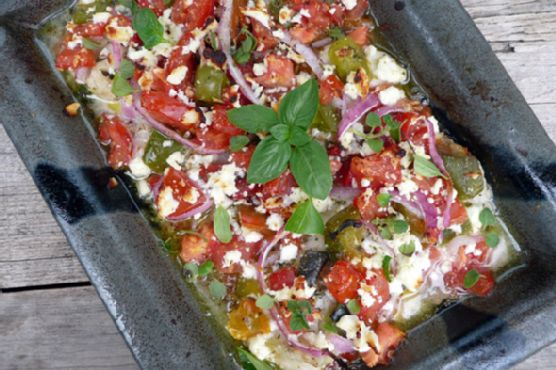
Greek-Style Baked Fish: Fresh, Simple, and Delicious | Made by Meaghan Moineau

Greek-Style Baked Fish: Fresh, Simple, and Delicious

Intro

The aroma of freshly baked fish mingling with herbs and spices transports me back to my grandmother’s kitchen in Athens. Every Sunday, our family gathered around a long wooden table, eagerly awaiting the unveiling of her signature dish: Greek-style baked fish. With its flaky texture, vibrant colors, and Mediterranean flavors, this dish was a celebration of simplicity and freshness. Today, I’m thrilled to share this cherished recipe with you, bringing a little piece of my heritage to your table.

Why You’ll Love It

This Greek-style baked fish recipe is a treasure trove of flavors and textures that will make your taste buds dance. Not only is it easy to prepare, but it’s also a healthy and nutritious meal that fits perfectly into a busy lifestyle. The combination of fresh vegetables, herbs, and tender fish creates a dish that’s both light and satisfying. Whether you’re looking for a quick weeknight dinner or an impressive dish for entertaining, this recipe is sure to become a family favorite.

Ingredients

  • Fish fillets
  • Red onion, sliced
  • Bell pepper, sliced
  • Tomato, chopped
  • Feta cheese, crumbled
  • Dried basil
  • Dried oregano
  • Olive oil
  • White wine
  • Salt & pepper
  • Lemon wedges
  • Fresh basil and/or oregano, for garnish
  • Cooked rice, for serving

Instructions

  1. Preheat the oven to 450 degrees F.
  2. Choose an oven-proof baking dish that your fish will fit in without overlapping and spray it with cooking spray.
  3. Lay the fish fillets in the baking pan in a single layer, season with salt and pepper.
  4. Top the fish with red onion and bell pepper.
  5. Sprinkle with dried basil and oregano, the tomato, and the feta cheese.
  6. Drizzle the white wine and olive oil over top.
  7. Grind some fresh pepper over the top.
  8. Bake uncovered for about 12 – 15 minutes or until the fish flakes easily with a fork.
  9. Squeeze the lemon wedges over the cooked fish, garnish with the fresh basil and/or oregano.
  10. Serve with hot cooked rice.

Tips

For the best results, use fresh fish fillets. If possible, visit your local fish market to find the freshest catch of the day. Don’t skimp on the herbs; they add a delightful aroma and flavor that make this dish truly special. If you’re using frozen fish, make sure it’s fully thawed and patted dry before cooking to ensure even baking.

Variations & Substitutions

This recipe is incredibly versatile. You can substitute the fish fillets with salmon or cod for a different twist. If you’re not a fan of feta cheese, try using goat cheese or ricotta for a milder taste. For a spicier kick, add a pinch of red pepper flakes before baking. Vegetarians can replace the fish with hearty vegetables like eggplant or zucchini for a delicious plant-based version.

Storage

Store any leftovers in an airtight container in the refrigerator for up to 3 days. To reheat, place the fish in a preheated oven at 350 degrees F until warmed through. Avoid microwaving, as it can make the fish rubbery. This dish is also great for meal prepping; simply prepare the ingredients ahead of time and bake when ready to serve.

FAQ

Can I use frozen fish for this recipe?

Yes, you can use frozen fish fillets. Just make sure they are completely thawed and patted dry before you start preparing the dish. This will help them cook evenly and maintain the right texture.

What type of white wine should I use?

Choose a dry white wine like Sauvignon Blanc or Pinot Grigio for this recipe. The acidity and flavor profile of these wines complement the dish’s ingredients without overpowering them.

Is there a non-alcoholic substitute for white wine?

If you prefer not to use wine, you can substitute it with an equal amount of chicken or vegetable broth. Add a splash of lemon juice for a hint of acidity that mimics the wine’s flavor.

Nutrition

This Greek-style baked fish is a nutritious meal packed with protein, healthy fats, and essential vitamins and minerals. Fish is an excellent source of omega-3 fatty acids, which are beneficial for heart health. The vegetables provide fiber and antioxidants, while olive oil adds a dose of healthy monounsaturated fats. Serve with brown rice for added fiber and a complete meal.

Conclusion

Infused with the flavors of the Mediterranean, this Greek-style baked fish is a simple yet exquisite dish that honors tradition while offering modern convenience. It’s a recipe that brings people together, creating lasting memories around the dining table. I hope this dish becomes as cherished in your home as it has been in mine. Bon appétit, or as we say in Greece, Kali Orexi!

Related update: Greek-Style Baked Fish: Fresh, Simple, and Delicious

Related update: Blackened Cajun Chicken

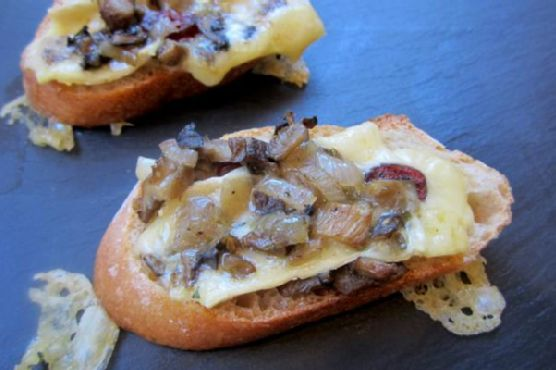
Rustic Brie Toasts with Wild Mushroom, Cranberry and Shallot | Made by Meaghan Moineau

Rustic Brie Toasts with Wild Mushroom, Cranberry, and Shallot

Intro

Growing up, my family always gathered around the kitchen on chilly autumn evenings, our home filled with the cozy aroma of freshly baked bread and warm, melted cheese. These moments are etched in my memory, and they inspire my love for creating comforting, rustic dishes that bring people together. Today, I’m excited to share a recipe that not only embodies that comfort but also highlights the beautiful flavors of the season: Rustic Brie Toasts with Wild Mushroom, Cranberry, and Shallot.

This recipe came to life during a trip to the farmers’ market, where the vibrant colors of fresh produce and the earthy scent of wild mushrooms inspired me to create something special. The combination of creamy brie, tangy cranberries, and savory mushrooms on a crunchy baguette makes for the perfect appetizer or snack to enjoy with loved ones.

Why You’ll Love It

  • Simple yet sophisticated: This dish is easy to prepare but offers a gourmet experience.
  • Seasonal flavors: It captures the essence of fall with its earthy and tangy components.
  • Perfect for gatherings: These toasts are ideal for a party appetizer or a cozy night in.

Ingredients

  • Diced wild mushrooms
  • Diced shallot
  • 1/4 cup dried cranberry (juice sweetened if possible)
  • Fresh thyme
  • Rustic baguette
  • Olive oil
  • Wedge of beautiful brie cheese
  • Salt and pepper

Instructions

  1. Start by pre-heating your oven to 350 degrees Fahrenheit.
  2. While the oven is pre-heating, heat the olive oil in a sauté pan over medium heat.
  3. Add the diced shallot, wild mushrooms, cranberries, and fresh thyme to the pan.
  4. Sauté for a few minutes until the shallot begins to wilt. Season with salt and pepper to taste.
  5. Set the sautéed mixture aside to cool slightly.
  6. Slice the rustic baguette into 12 pieces and place one slice of brie on each slice of bread.
  7. Top each piece with a spoonful of the cranberry, mushroom, and shallot mixture.
  8. Place the prepared toasts on an oiled cookie sheet.
  9. Bake in the oven for about 15 minutes or until the brie is just melted.
  10. Serve warm and enjoy the delightful blend of flavors.

Tips

  • For the best texture, use a crusty rustic baguette that can hold up to the toppings.
  • Feel free to prepare the mushroom mixture ahead of time and assemble the toasts just before baking.
  • When selecting a brie, choose one that is creamy and slightly firm for easy slicing.

Variations & Substitutions

  • If you prefer a sweeter flavor, drizzle a bit of honey over the toasts before baking.
  • Experiment with different herbs such as rosemary or sage for a unique twist.
  • If brie isn’t your favorite, try using camembert or goat cheese as an alternative.

Storage

These toasts are best enjoyed fresh from the oven. However, if you have leftovers, store them in an airtight container in the refrigerator for up to two days. To reheat, place them in a pre-heated oven at 350 degrees Fahrenheit for about 5 minutes or until warmed through.

FAQ

Can I use fresh cranberries instead of dried?

Yes, you can use fresh cranberries, but you may want to cook them down with a bit of sugar to balance their tartness.

What can I serve with these toasts?

These toasts pair beautifully with a light salad or a bowl of hearty soup, making for a complete and satisfying meal.

Are there any gluten-free options?

Absolutely! You can substitute the rustic baguette with your favorite gluten-free bread to accommodate dietary needs.

Nutrition

While I don’t have exact nutritional information, these toasts are a rich source of calcium from the brie and antioxidants from the cranberries. Keep in mind that they are a decadent treat, perfect for indulging in moderation.

Conclusion

Rustic Brie Toasts with Wild Mushroom, Cranberry, and Shallot are more than just a dish; they’re a way to bring warmth and togetherness to your table. Whether you’re sharing them at a festive gathering or enjoying them as a personal treat, they promise to deliver comfort and joy with every bite. I hope this recipe becomes a cherished favorite in your home, just as it has in mine. Happy cooking!

Related update: Rustic Brie Toasts with Wild Mushroom, Cranberry and Shallot

Historic Trick, Silver, and Outrage Sparks | Analysis by Brian Moineau

When a Historic Trick Isn’t Enough: The Mac Forehand Silver That Set Twitter Ablaze

An electric moment on the big air ramp — a nose-butter triple cork 2160, a trick the world had never officially seen landed in competition — and yet the scoreboard read “silver.” For a few feverish hours on February 17–18, 2026, social feeds filled with accusations, theories, and calls for an investigation. The drama wasn’t just about a medal; it was about what we expect judged sports to reward when history is made in a single airborne heartbeat.

The moment that broke the internet

  • Mac Forehand, 24, landed what commentators called a never-before-seen nose-butter triple cork 2160 in the men’s Olympic freeski big air final at Livigno Snow Park. The trick includes three flips and six full rotations — staggering in complexity and execution. (nbcconnecticut.com)
  • Forehand’s final-run score (98.25) vaulted him briefly into the lead and ultimately secured him the silver medal with a two-run total of 193.50; Norway’s Tormod Frostad answered with a 98.50 to take gold (199.50). (mediaite.com)
  • Social media users latched on to the narrative that a single judge (identified by some as Norwegian) swung the contest, and many demanded an investigation into judging bias. (mediaite.com)

Why fans felt robbed — and why that feeling spread so fast

  • Spectacle bias: A trick that “has never been done” naturally reads as definitive proof of superiority to casual viewers. Fans see novelty + clean landing = gold, and feel the scoreboard should follow. (sportscasting.com)
  • Lack of scoring literacy: Big air and other freestyle judged events use multiple criteria (difficulty, execution, amplitude, variety, and landing) and combine runs in specific ways (often averaging best scores). To an untrained eye, nuance looks like nitpicking. (nbcboston.com)
  • Narrative optics: When the athlete who attempted the historic trick is American and the gold goes to a Norwegian, national loyalties and conspiracy instincts amplify doubt — especially on fast-moving platforms like Twitter. (mediaite.com)

What the athlete actually said

Forehand himself put a plug in the “robbed” narrative. He called out the chorus of “I got robbed” hot takes common to judged sports and reminded people that those inside the sport — the athletes, coaches, and experts — have a clearer sense of what will score. His comments were pragmatic and grounded: judged events have layers of nuance, and outsiders’ instincts don’t always match technical scoring realities. (mediaite.com)

A quick primer on big air scoring (so the controversy makes more sense)

  • Most big air finals use the best-two-of-three format or an average of the top two scores, meaning one single jump — however historic — must be paired with another high-scoring run to win overall. (en.wikipedia.org)
  • Judges evaluate multiple elements: amplitude (height), technical difficulty (trick complexity), execution (how cleanly it’s landed), and variety across an athlete’s runs. A groundbreaking trick that sacrifices speed, height, or variety elsewhere may not be enough on its own. (nbcboston.com)
  • Small margins decide medals. In this case the difference between gold and silver was 1.75 points on a 200-point-style combined scale — tiny in absolute terms but huge in perception. (mediaite.com)

Lessons from the backlash

  • Social media speeds outrage, not understanding. Viral clips of single jumps lack the scoring context that explains outcomes.
  • Transparency matters. When judged sports clearly communicate how scores are built and why placements change with each run, it reduces the “robbery” narrative.
  • Respect athletes’ perspective. Competitors like Forehand are embedded in the sport’s rhythms and often accept judging verdicts even when the public gets emotional — and their calm can help diffuse conspiracy talk. (nbcconnecticut.com)

What this moment means for freeskiing

  • Progress is happening on the sport’s technical frontier. Landing a nose-butter triple cork 2160 is a milestone that will be replayed in highlight reels and studied by athletes for years. That advancement matters regardless of medal color. (nbcconnecticut.com)
  • Public debates over judging will keep resurfacing as tricks get more complex and margins stay razor-thin. The sport’s growth will depend on preserving both creative risk-taking and scoring credibility. (sportscasting.com)

Key takeaways

  • Historic tricks create headlines, but judged competitions reward a combination of runs and multiple scoring criteria. (en.wikipedia.org)
  • Outrage on social platforms often reflects emotion more than a full understanding of the rules. (mediaite.com)
  • Athletes like Mac Forehand, who acknowledge the sport’s complexity, can help steer the conversation back to performance and progression. (nbcconnecticut.com)

Final thoughts

There’s a raw joy in watching someone push the limits of what’s possible on skis. Mac Forehand’s nose-butter triple cork 2160 was that kind of moment — one that expands the sport’s language. The rowdy reaction online was predictable and, in a way, a tribute to how invested people are in Olympic outcomes. Still, outrage shouldn’t replace context. Judged sports are messy, incremental, and subjective by nature; they’re also where evolution happens. Today the trick becomes legend. Tomorrow someone else will top it — and the cycle continues, scoreboard and all.

Sources


Related update: We recently published an article that expands on this topic: read the latest post.


Related update: We recently published an article that expands on this topic: read the latest post.

Why Chrome’s Tiny Home Icon Matters | Analysis by Brian Moineau

A tiny icon, a surprising ripple: Chrome’s Home icon quietly changed on Android

It’s funny how a tiny symbol can feel like the end of the world — or the start of a fresh design language. In mid-February 2026 Google rolled Chrome 145 out to Android devices, and if you updated (or simply noticed), you might have seen a small but noticeable tweak: the Home icon in the address bar was redesigned. It’s just a house, right? But the new one drops the rounded corners, adds a visible door, and aligns the roof differently — and some people are already nostalgic for the old, softer mark.

This post looks at why this matters, what else is in Chrome 145, and why UI micro-changes like this land with more force than their pixel count suggests.

Why a little Home icon matters

  • Visual cues are anchors. The Home icon sits next to the omnibox where your eye naturally goes when you want to return to a start point. Changing that mark—even subtly—affects familiarity.
  • Consistency across platforms. The new house matches an icon style Chrome has used on desktop for a while, which suggests Google is nudging toward a unified Chrome look across form factors.
  • Perception of polish. Small changes telegraph intent: either a careful refinement or a UI team experimenting with tone. Users interpret those signals emotionally (comfortable, modern, robotic, cold), not just functionally.

What changed (and what didn’t)

  • The icon swap: The old Home icon had rounded corners and a softer silhouette. The Chrome 145 update replaces it with a sharper, squarer house with a visible door and a roof that sits flush with the side. The difference is subtle at typical phone-screen sizes, but visible when you look closely. (9to5google.com)
  • How to remove it: If you dislike the Home icon or want a slightly wider address bar, you can disable the homepage shortcut in Chrome’s Settings > Homepage (or set the Home action to a custom URL or New Tab). (9to5google.com)
  • Bigger picture of Chrome 145: Beyond the icon tweak, Chrome 145 for Android was released as a stable update that includes stability and performance fixes; the icon swap is the most visible user-facing change reported. Google’s Chrome Releases blog lists the rollout and version numbers. (chromereleases.googleblog.com)

A small change, bigger implications

  • Design language and platform parity
    • Matching desktop iconography hints at Google’s continued effort to harmonize Chrome’s visual language across desktop, Android, and other platforms. For people who use multiple devices, consistent icons reduce friction.
  • Accessibility and legibility tradeoffs
    • Sharper geometry can improve legibility on high-contrast displays and when icons are shown at small sizes. But some users prefer softer shapes because they feel friendlier—so any change risks alienating part of the audience.
  • User reaction cycle
    • Minor UI swaps are easy to notice and easy to mock online. The reaction usually follows a predictable arc: quick complaints and comparisons, then either acceptance or a request for a toggle. Google already exposes a way to hide the home icon, so power users have an escape hatch. (9to5google.com)

Quick tips for users

  • Don’t like the new Home icon? Disable the Home button in Chrome Settings > Homepage to reclaim address-bar space. (9to5google.com)
  • Want the address bar in a different place? Chrome has been gradually giving Android users more address-bar positioning options (bottom vs top) across recent updates — explore the long-press options or Settings if the placement matters to you. (theverge.com)
  • If you want to confirm your Chrome version after an update, check Chrome in your Android app list or the Play Store to see the version number (Chrome 145 began rolling out in late January/February 2026). (chromereleases.googleblog.com)

A few broader design lessons

  • Microcopy and micrographics matter. Tiny things—icons, labels, spacing—drive user trust and perceived care.
  • Test with the real world. What looks great on a desktop mockup can feel cramped or weird on a 6.8-inch phone held in one hand.
  • Give users control. Optional toggles (show/hide Home, move the bar, choose homepage) turn a forced change into a configurable preference, smoothing backlash.

My take

Design is negotiation: between brand voice, usability, platform consistency, and a noisy audience. This Home icon tweak is the kind of low-risk, high-visibility change that reveals how much weight users place on familiar pixels. It’s not a paradigm shift, but it’s a reminder that small interface elements are part of a larger conversation about how software communicates personality. For those who care — and many do — the option to hide the icon keeps everyone reasonably happy.

Sources


Related update: We recently published an article that expands on this topic: read the latest post.

Green Beans with Garlic Chips | Made by Meaghan Moineau

Green Beans with Garlic Chips

Intro

Welcome to a delightful culinary journey with our Green Beans with Garlic Chips recipe! This dish brings back cherished memories of family gatherings around the dinner table. I remember my grandmother preparing this recipe for special occasions, the aroma of garlic and onions wafting through the house, creating a warm and inviting atmosphere. It’s a simple yet elegant dish that has become a family favorite over the years. Now, I’m thrilled to share it with you, so you can create your own cherished memories with this flavorful side dish.

Why You’ll Love It

This Green Beans with Garlic Chips recipe is a delightful blend of simplicity and sophistication. You’ll love the contrasting textures of tender green beans and crispy garlic chips, while the combination of apple cider and white balsamic vinegar adds a tangy sweetness that perfectly complements the savory flavors. This dish is not only easy to prepare but also makes a stunning addition to any meal, whether it’s a weeknight dinner or a festive holiday feast.

Ingredients

  • 2 tablespoons olive oil
  • 4 garlic cloves, thinly sliced
  • 1 pound trimmed green beans
  • 2 tablespoons unsalted butter
  • 1 yellow onion, thinly sliced
  • Salt and pepper, to taste
  • 1 tablespoon apple cider vinegar
  • 1 tablespoon white balsamic vinegar

Instructions

  1. Heat the olive oil with the garlic in a heavy skillet over medium heat. Cook, stirring occasionally, until the garlic is golden. Remove the garlic from the skillet with a slotted spoon and transfer to a paper towel to drain.
  2. Add the unsalted butter to the oil in the skillet and heat over medium heat. Add the sliced onions, season with salt and pepper, and sauté until the onions are translucent and starting to turn golden, about 5-7 minutes.
  3. Add the trimmed green beans to the skillet and continue cooking, stirring occasionally, until the beans are tender but still crisp, about 8-10 minutes.
  4. Stir in the apple cider vinegar and white balsamic vinegar, and season with additional salt and pepper to taste.
  5. Transfer the beans to a serving dish and sprinkle with the crispy garlic chips before serving.

Tips

For the best flavor, choose fresh green beans that are bright in color and free from blemishes. When cooking the garlic, keep a close eye on it to prevent burning, as it can turn bitter quickly. If you prefer your beans with a bit more crunch, reduce the cooking time slightly. Lastly, be sure to taste and adjust the seasoning before serving to ensure the perfect balance of flavors.

Variations & Substitutions

If you’re looking to switch things up, consider adding a pinch of red pepper flakes for a spicy kick. You can also substitute shallots for the yellow onion for a milder flavor, or use sherry vinegar instead of white balsamic for a different tangy note. For a touch of sweetness, toss in a handful of toasted almonds or pine nuts just before serving.

Storage

Leftover Green Beans with Garlic Chips can be stored in an airtight container in the refrigerator for up to 3 days. To reheat, simply warm them in a skillet over medium heat until heated through. While the dish is best enjoyed fresh, the flavors will meld beautifully overnight, making it a great make-ahead option for busy days.

FAQ

Can I use frozen green beans for this recipe?

Yes, you can use frozen green beans if fresh ones aren’t available. Be sure to thaw and drain them well before adding to the skillet to avoid excess moisture, which can affect the texture of the dish.

What can I serve with Green Beans with Garlic Chips?

This dish pairs wonderfully with a variety of main courses. Try serving it alongside roasted chicken, grilled fish, or a hearty steak. It also complements vegetarian mains like mushroom risotto or lentil loaf beautifully.

How can I make this dish vegan?

To make this recipe vegan, simply replace the unsalted butter with your favorite plant-based butter or additional olive oil. The dish will retain its delicious flavor without any animal products.

Nutrition

This dish is not only delicious but also nutritious. Green beans are a great source of vitamins A, C, and K, as well as fiber and folate. Garlic adds an immune-boosting element, and the use of olive oil provides healthy monounsaturated fats. Overall, it’s a heart-healthy side dish that you can feel good about serving to your family.

Conclusion

Whether you’re preparing a cozy family meal or entertaining guests, Green Beans with Garlic Chips is a versatile and delightful choice. Its rich flavors, appealing textures, and simple preparation make it a go-to recipe in any kitchen. I hope you enjoy making and sharing this dish as much as I do. Let it be a part of your cherished culinary traditions, creating new memories with every bite. Enjoy!

Related update: Green Beans with Garlic Chips

Google I/O 2026: AI, Gemini, Android | Analysis by Brian Moineau

Google I/O 2026 is locked in for May 19–20 — and AI will take center stage

Mark your calendars: Google I/O 2026 will run May 19–20, 2026, at Shoreline Amphitheatre in Mountain View, California — with the full program also livestreamed online. The company says this year’s event will spotlight the “latest AI breakthroughs” and product updates across Gemini, Android and more. (blog.google)

Why this matters now

Google I/O has long been the place where Google sets the tone for the next year of software, developer tools, and sometimes hardware. After a string of AI-first announcements in recent years — from tighter assistant integrations to model-led creativity tools — this year looks like another inflection point where Gemini and Android take center stage. Expect the usual mix of big-keynote product visions, developer-focused sessions, and demos that preview what millions of users will actually see on their phones, laptops and services. (theverge.com)

Quick overview

  • Dates: May 19–20, 2026 (keynote typically opens the morning of May 19). (blog.google)
  • Location: Shoreline Amphitheatre, Mountain View, California — and livestreamed at io.google. (blog.google)
  • Focus: AI (Gemini), Android, Chrome/ChromeOS, developer tooling, and product integrations. (theverge.com)

What to watch for (the things that could actually move the needle)

  • Gemini’s next act
    Google has been rolling Gemini into search, Workspace and developer tools. At I/O, expect deeper product integrations and potentially new capabilities that make Gemini a core layer powering user-facing features rather than an experimental add-on. That could include richer multimodal features, better context-aware assistance, or tooling aimed squarely at developers. (theverge.com)

  • Android 17 and platform polish
    Android 17 is already in early beta; I/O is a natural point to show off consumer-facing features, APIs for OEMs and developers, and how Android will lean on AI (for privacy-preserving on-device processing, smarter sensors, or new UX paradigms). Expect demos that tie Android behavior to Gemini-style models. (tomsguide.com)

  • XR and cross-device threads
    Google has been hinting at Android XR and broader multi-device OS work (rumors around an “Aluminium OS” or simplified cross-device experiences keep resurfacing). I/O could be where the company ties AR/VR, wearables, phones and Chromebooks together with AI glue. Even a teaser for new hardware partnerships or SDKs would be strategically meaningful. (techradar.com)

  • Developer tools, ethics and controls
    As AI features proliferate, expect new SDKs, API changes, and discussion of responsible deployment — both to help developers build faster and to address the regulatory/ethical questions that follow model-driven products. I/O is as much about getting developers the tools as it is about dazzling headlines. (blog.google)

What I/O probably won’t do

  • Major surprise hardware spectacle
    I/O often teases hardware, but full product launches (a flagship Pixel phone, for example) are less predictable. This year’s framing on “breakthroughs” across software and AI suggests Google’s emphasis will be on models, APIs and services — though small hardware reveals or partner demos are possible. (theverge.com)

The bigger picture: why Google keeps pushing AI into everything

Google sits at the intersection of search, mobile OS, cloud, and major consumer apps. Stitching Gemini across those layers lets Google offer richer experiences (and retain user attention) while creating new developer hooks. That ambition creates friction with competitors and regulators, but it also shapes how products will evolve: less siloed apps, more assistant-driven flows, and a split between on-device models and cloud-scale capabilities. I/O is where those directions are explained and where developers get the tools to follow them. (theverge.com)

What to do if you care (practical next steps)

  • Save the dates: May 19–20, 2026. Register on io.google if you want livestream access or developer sessions. (blog.google)
  • Watch keynote timing on May 19 — that’s where the biggest product narratives will land. (tomsguide.com)
  • If you’re a developer or product person, keep an eye on new SDK announcements and privacy/usage docs — those determine how quickly you can adopt the new AI features. (blog.google)

Final thoughts

Google I/O 2026 looks like another step in the company’s long game: bake AI into the plumbing of products and hand developers the keys to build with it. Whether Gemini becomes the connective tissue users actually notice (and prefer) depends on execution — latency, privacy, and usefulness will decide adoption more than flashy demos. If you’re curious about where mainstream AI experiences are headed, May 19–20 is shaping up to be one of the clearest signals we’ll get this year. (theverge.com)

Sources

Roasted red peppers and tomatoes salad | Made by Meaghan Moineau

Roasted Red Peppers and Tomatoes Salad

Intro

There’s something magical about the aroma of roasted red peppers wafting through the kitchen. It instantly transports me back to summers spent at my grandmother’s house, where she would prepare the most delightful salads with freshly picked vegetables from her garden. The vibrant colors and rich flavors were a staple at family gatherings, and it’s a tradition I’ve lovingly carried on in my own home. This roasted red peppers and tomatoes salad is a true celebration of those cherished memories and a testament to the simple joys of wholesome cooking.

Why You’ll Love It

This salad is not just another side dish; it’s a symphony of flavors and textures that will captivate your senses. The sweetness of roasted red peppers pairs beautifully with the juicy tartness of ripe tomatoes. Add the mild sharpness of red onions and the briny pop of capers, and you’ve got a dish that’s as satisfying as it is refreshing. It’s a versatile recipe that works equally well as a light lunch, a side for grilled meats, or even a vibrant addition to a picnic spread. Not to mention, it’s incredibly easy to prepare, making it a perfect choice for both novice cooks and seasoned chefs.

Ingredients

  • 2 red bell peppers
  • 1 ripe tomato, thickly sliced
  • 1/2 red onion, thinly sliced
  • 2 tablespoons capers
  • 3 tablespoons olive oil
  • Coarse salt, to taste
  • Cracked black pepper, to taste
  • Fresh thyme, for garnish

Instructions

  1. Char the red bell peppers over a grill or gas flame, or on a cookie sheet under the broiler. Turn the peppers frequently as their skin blisters and chars on all sides.
  2. Transfer the charred peppers to a bowl and cover it to let them steam. This will make the skin easier to peel off.
  3. Once the peppers are cool to the touch, peel off the skin with your fingers, pull off the stems, then tear them open and remove and discard the seeds.
  4. Cut the peeled peppers into large pieces.
  5. Arrange the thickly sliced ripe tomato and large bell pepper pieces on a serving platter.
  6. Scatter the thinly sliced red onion and capers over the tomatoes and peppers.
  7. Drizzle the salad with olive oil and season to taste with coarse salt and cracked black pepper.
  8. Garnish with fresh thyme before serving.

Tips

To make peeling the peppers even easier, you can place them in a sealed plastic bag or a covered bowl after roasting. The trapped steam will help loosen the skin, making it more effortless to remove. Additionally, choosing ripe, firm tomatoes will ensure they hold their shape and add a burst of flavor to the salad.

Variations & Substitutions

Feel free to get creative with this salad. If you’re not a fan of capers, olives can be a great substitute, offering a similar briny kick. For a bit of creaminess, add slices of fresh mozzarella or sprinkle some crumbled feta over the top. Herbs like basil or parsley can replace thyme if you prefer a different aromatic note.

Storage

This salad is best enjoyed fresh, but if you have leftovers, store them in an airtight container in the refrigerator for up to two days. Keep in mind that the flavors will meld together over time, which can enhance the taste, but the texture of the tomatoes and peppers might become a bit softer.

FAQ

Can I use yellow or orange bell peppers instead?

Absolutely! Yellow or orange bell peppers can be used in place of red ones. They will add a slightly different sweetness and color to the salad, but the overall flavor will remain delicious.

Is this salad suitable for a vegan diet?

Yes, this salad is naturally vegan. It’s packed with plant-based goodness, and its vibrant ingredients make it a nutritious choice for anyone following a vegan lifestyle.

Nutrition

This salad is not only flavorful but also packed with nutrients. It’s rich in vitamins A and C from the bell peppers and tomatoes, while the olive oil provides healthy fats. It’s low in calories, making it a perfect choice for those looking to enjoy a healthy and satisfying meal.

Conclusion

This roasted red peppers and tomatoes salad is more than just a dish; it’s a nostalgic journey back to simpler times, where the focus was on fresh ingredients and bold flavors. Whether you’re hosting a family gathering or simply looking to enjoy a wholesome meal, this salad is sure to impress. It’s a tribute to the beauty of uncomplicated cooking and a reminder that the best recipes are often the ones passed down through generations. Enjoy this delightful salad and savor the moments it brings to your table.

Related update: Roasted red peppers and tomatoes salad

Related update: Green Beans with Garlic Chips

Related update: Easy Gluten Free Vegetarian Pasta Salad

Kale and Roasted Sweet Potato Soup with Chicken Sausage | Made by Meaghan Moineau

Kale and Roasted Sweet Potato Soup with Chicken Sausage

Intro

There’s something incredibly comforting about a warm bowl of soup on a chilly day. It reminds me of the afternoons spent in my grandmother’s kitchen, where the aroma of simmering vegetables and spices would fill the air, wrapping us in a cozy embrace. One of her favorites to make was a hearty soup with whatever vegetables were in season. Drawing inspiration from those cherished memories, I’ve crafted this Kale and Roasted Sweet Potato Soup with Chicken Sausage. It’s a dish that speaks to the soul and nourishes the body, perfect for family gatherings or a quiet evening at home.

Why You’ll Love It

This soup is a delightful blend of savory and sweet flavors, thanks to the roasted sweet potatoes and seasoned chicken sausage. It’s packed with nutritious kale and mushrooms, giving you a boost of vitamins and minerals. The spices add a subtle warmth, making each spoonful a delightful experience. Whether you’re looking for a quick weeknight meal or something special to share with guests, this soup is a versatile choice that’s both satisfying and comforting.

Ingredients

  • 2 large sweet potatoes, peeled and cubed
  • 1 yellow onion, diced
  • 1 bunch of kale, washed and chopped
  • 8 ounces mushrooms, sliced
  • 12 ounces chicken sausage, sliced
  • 4 cups chicken stock
  • 3 cloves garlic, minced
  • 1 teaspoon dried thyme
  • 1 teaspoon ground coriander
  • 1/2 teaspoon chili flakes (optional)
  • Sea salt, to taste
  • Black pepper, to taste
  • Olive oil

Instructions

  1. Preheat your oven to 400°F (200°C). Place the cubed sweet potatoes in a baking pan or dish. Season with sea salt and black pepper, then coat with olive oil. Bake for 20 to 25 minutes, until soft. Remove from oven and set aside.
  2. In a dutch oven over medium heat, warm some olive oil. Add the chicken sausage and cook until just browned.
  3. Add in the diced onion and sliced mushrooms. Cook for about 3 to 5 minutes, until softened.
  4. Stir in the minced garlic, dried thyme, ground coriander, a pinch of sea salt, and black pepper. Cook for about 1 minute, allowing the spices to become fragrant.
  5. Pour in the chicken stock and bring the mixture to a boil. Reduce the heat and let it simmer for about 5 to 10 minutes.
  6. Add in the roasted sweet potatoes and chopped kale. Push the kale down into the soup so it is submerged. Cook for about 3 to 5 minutes, until the kale is bright green and tender.
  7. Taste and adjust seasoning with more salt and pepper if needed. Serve hot and enjoy!

Tips

For the best flavor, choose high-quality chicken sausage and fresh kale. Be sure to season the sweet potatoes well before roasting to enhance their natural sweetness. If you prefer a thicker soup, you can mash some of the roasted sweet potatoes before adding them to the pot. Also, feel free to adjust the spice level by adding more or less chili flakes according to your preference.

Variations & Substitutions

If you’re looking to switch things up, try using turkey sausage or a plant-based sausage for a different protein option. You can also substitute spinach for kale if you prefer a milder green. For a more substantial meal, consider adding cooked quinoa or orzo to the soup. If you’re aiming for a vegetarian version, simply omit the sausage and use vegetable stock instead of chicken stock.

Storage

This soup stores beautifully and can be kept in an airtight container in the refrigerator for up to 3 days. For longer storage, freeze portions in airtight containers for up to 3 months. To reheat, simply thaw in the refrigerator overnight and warm on the stove over low heat.

FAQ

Can I make this soup ahead of time?

Absolutely! This soup is even more flavorful the next day as the ingredients have more time to meld together. Simply prepare it as per the instructions and store it in the refrigerator. Reheat gently on the stove before serving.

What can I serve with this soup?

This soup pairs wonderfully with crusty bread or a fresh green salad. For a heartier meal, consider serving it alongside a grilled cheese sandwich or a roasted vegetable platter.

Is this soup spicy?

The soup has a mild kick from the chili flakes, but it’s not overly spicy. You can adjust the spice level by varying the amount of chili flakes according to your taste preference.

Nutrition

This soup is a nutrient powerhouse packed with vitamins A and C from the sweet potatoes and kale. It’s also a good source of protein from the chicken sausage and provides fiber and antioxidants from the mushrooms. With its balanced blend of macronutrients and micronutrients, this soup is both nourishing and satisfying.

Conclusion

Warm, nourishing, and packed with flavor, this Kale and Roasted Sweet Potato Soup with Chicken Sausage is a bowl of comfort that’s perfect for any occasion. Whether you’re sharing it with loved ones or savoring a quiet moment alone, this soup is sure to bring a sense of warmth and satisfaction. Don’t forget to experiment with the variations and make it your own. Happy cooking!

Related update: Kale and Roasted Sweet Potato Soup with Chicken Sausage

Related update: Greek-Style Baked Fish: Fresh, Simple, and Delicious

Related update: Julia Child's Vichyssoise

Psilocybin Breakthrough: COMP360 Nears | Analysis by Brian Moineau

A potential first: COMP360 and the promise of a psilocybin medicine for severe depression

The headline landed with the particular mix of hope and caution that defines much of modern psychedelics reporting: Compass Pathways says its psilocybin candidate, COMP360, produced meaningful improvements for people with treatment‑resistant depression in two Phase 3 trials. If regulators agree, COMP360 could become the first approved psilocybin‑based medicine — and only the second psychedelic‑derived drug after Johnson & Johnson’s Spravato. That’s a big deal, but it’s also the start of another complicated conversation about efficacy, safety, access, and what “success” really means for people who have run out of options.

What matters most right now

  • Compass announced two positive Phase 3 readouts showing statistically significant improvements on the MADRS depression scale at Week 6. (statnews.com)
  • The trials show a rapid onset of effect (some patients reporting improvement by the day after dosing) and some durability through later follow‑up in at least one study arm. (ir.compasspathways.com)
  • Compass has requested an FDA meeting and intends to pursue a rolling NDA submission, targeting completion of the filing later in the year. (ir.compasspathways.com)

A little background that frames the excitement

  • Treatment‑resistant depression (TRD) generally means a patient hasn’t responded to two or more antidepressant treatments. TRD is common, debilitating, and costly — clinically and personally. Novel approaches that deliver rapid relief would be transformative.
  • COMP360 is a synthetic, proprietary formulation of psilocybin administered in a controlled, therapeutic context (dosing sessions plus psychological support). Compass has been running two parallel Phase 3 trials: COMP005 (single‑dose design) and COMP006 (two doses three weeks apart). (ir.compasspathways.com)
  • This program builds on prior Phase 2 work and growing evidence that classic psychedelics, paired with therapy, can produce meaningful changes in mood and cognition for some patients. But psychedelics aren’t a universal fix — and clinical trials face unique blinding and placebo challenges. (theguardian.com)

Reading the results with sensible optimism

What Compass reported is encouraging but not unequivocal. Here are the key technical points that shape how to interpret the news:

  • Statistically significant but modest mean differences: The primary endpoint in the most recent trial showed a mean MADRS difference of about -3.8 points (25 mg vs 1 mg) at Week 6 — statistically significant, and described by Compass as “clinically meaningful.” Context matters: group mean differences in depression trials can underestimate benefit for individual responders, but regulators weigh both average effect and responder/remission rates. (ir.compasspathways.com)
  • Rapid effects: Multiple reports emphasize a fast onset — some patients reporting improvement by the day after dosing — which is distinct from conventional antidepressants that typically take weeks. Rapid relief can be especially important in severe, suicidal, or highly incapacitating depression. (ir.compasspathways.com)
  • Durability and retreatment: Compass reported durability through Week 26 for many participants in COMP005 and suggested that a second dose helped some people who had not fully remitted by six weeks. Durability of benefit without frequent repeat dosing will be crucial for adoption and payer decisions. (ir.compasspathways.com)
  • Safety profile: Compass reports no unexpected safety findings and that adverse events were generally mild to moderate and transient. Still, the psychedelics space must remain alert to rare but serious psychiatric adverse events and to the challenges of scaling therapy‑intensive treatments safely. (ir.compasspathways.com)

How regulators and clinicians will look at this

  • Regulators want both robust statistical evidence and clinically meaningful benefits for patients. The FDA will review full datasets, not headlines — that includes remission and responder rates, subgroup analyses, safety signals, durability, and real‑world feasibility considerations. Compass has asked for a meeting and is planning a rolling NDA submission. (ir.compasspathways.com)
  • Clinicians and payers will ask: who benefits most? How durable is the effect? How many supervised sessions and trained therapists are required? What are the risks in real‑world settings? Answers to those questions will determine whether COMP360 becomes a narrowly used specialty treatment or a broadly accessible option. (statnews.com)

The access and implementation puzzle

Even if COMP360 wins approval, substantial obstacles remain before many patients benefit:

  • Delivery model: Psilocybin treatment, as tested, pairs drug administration with extended therapeutic support. That requires trained facilitators, clinic space, monitoring, and billing pathways — all of which add cost and complexity.
  • Workforce and training: There’s a practical shortage of clinicians trained to deliver psychedelic‑assisted therapy at scale. Building that workforce will take time, standardized curricula, and possibly new professional roles.
  • Cost and coverage: Payers will weigh the drug cost plus therapy sessions against clinical benefit and alternative treatments (including Spravato and standard antidepressants). Demonstrating durable remission and reduced overall health costs will strengthen the case for coverage.
  • Equity concerns: If early access remains primarily private or clinic‑based, underserved patients may be left behind, worsening disparities in mental‑health care. (washingtonpost.com)

Where COMP360 fits in the broader psychedelic landscape

  • COMP360 could be the first approved classic psilocybin medicine, which would be a regulatory milestone and likely accelerate investment and research across the field. But one approval doesn’t settle debates about indications, dosing strategies, or the therapeutic model. (statnews.com)
  • Other psychedelics (ketamine derivatives like Spravato, MDMA for PTSD, DMT trials) are advancing along parallel tracks. Each compound has a different pharmacology, therapeutic profile, and logistical footprint — meaning multiple psychedelic options could coexist, each suited to distinct patients and settings. (theguardian.com)

My take

This is a meaningful step. The consistency of two positive Phase 3 readouts moves COMP360 from hopeful experiment toward a plausible treatment option. The truly consequential questions now aren’t just whether regulators will approve COMP360, but who will be able to access it, how durable its benefits are in routine care, and whether health systems can deliver it safely and equitably. Hype is easy; the hard work is operationalizing evidence into care that reaches the people who need it most.

What to watch next

  • The FDA meeting and the timing/details of Compass’s NDA rolling submission. (ir.compasspathways.com)
  • Full trial publications or datasets showing remission and responder rates, subgroup analyses (e.g., by severity, comorbidity), and safety details beyond Week 6. (statnews.com)
  • Real‑world pilots and payer decisions that will reveal how accessible and sustainable psilocybin therapy can be outside trials.

Sources

Final note: these developments are unfolding quickly. The next weeks — regulatory meetings, full data disclosures, and peer‑reviewed publications — will be the best place to revisit whether COMP360’s promise holds up in the detailed numbers and in real‑world practice.