
Duke vs TCU: March Madness Clash Picks | Analysis by Brian Moineau

TCU vs Duke predictions, picks and odds for the March 21 game — a closer look

March Madness has a way of flattening storylines and amplifying matchups. The phrase TCU vs Duke predictions appears in every bracket-obsessed group chat this weekend, and for good reason: a confident Duke blueprint meets a scrappy, athletic TCU squad that’s not afraid to grind. The matchup on Saturday, March 21 carried more than seedlines — it carried styles, narratives and a clear favorite-versus-underdog tension that made the game irresistible to bettors and neutral fans alike.

Below I break down the matchup, explain where the betting edges were, highlight why the game played out the way it did, and offer a few concise takeaways you can hold on to for future tournament reads.

Why this matchup mattered

Duke arrived as a No. 1 seed with an offense built on pace, efficient spacing and multiple creators. Across the season the Blue Devils showed an ability to impose size and athleticism on opponents, and they entered the second round with defensive discipline that often forced teams into uncomfortable shots.

TCU — the No. 9 seed — punched its ticket with the kind of athletic, physical brand that can hang with top teams when matchups favor disruptors. Their first-round win (a 66–64 escape over Ohio State) showed they can execute in tight spots and flip momentum with relentless transition pressure and offensive rebounding.

So the core matchup question was straightforward: could TCU’s athleticism and disruption slow Duke’s ball-movement and depth? Or would Duke’s length and offensive firepower make the difference?

Game script and turning points

  • First half: The game unfolded like many college matchups where a gifted favorite slowly turns up the heat. Duke used length and ball movement to pry open looks, while TCU tried to survive with energy, fouls and timely threes. The half remained competitive, but Duke’s ability to hit high-percentage inside shots and limit turnovers created a steady foundation.

  • Second half: Duke pulled away by tightening defense and attacking mismatches inside. TCU began to struggle from the perimeter and paid for it when fouls and missed shots compounded — a classic tournament spiral for underdogs that can’t keep pace offensively.

  • Final: The scoreboard eventually reflected Duke’s control, with the Blue Devils converting advantages in bench depth and half-court offense into a comfortable margin.

(For context: TCU had beaten Ohio State in the first round thanks to a late Xavier Edmonds layup, while Duke entered following a dominant regular season that positioned them at the top of title odds.) (apnews.com)

The betting pregame lens

Oddsmakers and many models leaned toward Duke, and several practical reasons explain that tilt:

  • Size and matchup profile. Duke’s roster construction typically forces smaller, athletic teams to take less efficient perimeter shots or attack through traffic — both invite turnovers and offensive rebounds for the bigger team.

  • Sustainable offense. Duke ran more high-value sets and had multiple players who could create shots off the dribble or finish inside, making it easier to overcome cold stretches.

  • Depth. In tournament play, the second bench often determines whether a favorite can close out games. Duke’s depth gave them lineup flexibility and allowed them to keep pressure on for longer stretches.

That didn’t mean TCU had no path: their best angle was to push tempo, get to the rim, and manufacture fouls — making the free-throw line a revenue stream. Their first-round win suggested they had toughness; the question was whether it was enough to withstand Duke’s sustained offensive pressure. The broadcast schedule also showed the game as a marquee CBS window, which mattered for exposure but not for on-court outcomes. (tomsguide.com)

What the numbers suggested before tip-off

  • Spread and totals: Most pregame lines favored Duke by a sizeable margin, reflecting both team efficiency differentials and betting market lean. When favorites possess superior offensive and defensive SRS-type metrics, lines widen accordingly.

  • Tempo/efficiency matchup: TCU’s edge was transition and defensive activity; Duke’s edge was half-court execution and offensive rebounding. Models predicted a Duke advantage in points per possession, especially if TCU couldn’t consistently hit threes.

  • Intangibles: Tournament experience, coaching adjustments and foul trouble loomed large. A single key foul call or a run-of-play (momentum swing) often defines NCAA second-round contests. (theacc.com)

Why the final outcome matched expectations

In matchups like TCU vs Duke, the elimination of variance matters. Duke’s ability to convert open looks at a higher clip and to protect the paint made the difference. TCU’s best opportunities — pushing tempo and getting easy baskets — were minimized as Duke packed the lane and converted on the other end.

When an underdog’s outside shots stop falling, the onus shifts to creating off the bounce; against a bigger, disciplined defense, that’s a steeper climb. Add in foul trouble and bench minutes favoring the deeper roster, and you get a second-half separation that looks decisive on the scoreboard.

Transition and rebounding margins were the undercurrent here: Duke turned size into extra possessions and points, which gradually tilted the game from competitive to controlled.

What bettors and watchers should remember

  • Underdog formula: Athletic, disruptive teams can upset seeds when they force tempo and keep the favorite from setting high-value half-court actions. If those elements aren’t consistently happening, favorites with depth and clean shot profiles tend to win.

  • Bankroll humility: Tournament swings are sharp. Even smart lines are pierced by variance, so size your picks and trust models only as one input among scouting, matchup nuance, and live-game adjustments.

  • Value hunting: Look for markets that illuminate in-play edges — live point spreads and totals often shift meaningfully as foul trouble and shooting variance reveal themselves.

Key takeaways

  • Duke’s size, depth and half-court execution were the deciding factors in the matchup.
  • TCU’s path to an upset required sustained perimeter accuracy and transition scoring; when those cooled, the margin widened.
  • Betting markets accurately reflected the structural matchup advantage but tournament variance still rewards in-game agility.
  • For future second-round reads, prioritize defensive rebounding and offensive turnover margins — they tell you which team will control possessions.

My take

This game felt like a template for how a top seed asserts itself against a motivated midseed: hang around early, then widen the gap through a combination of matchup exploitation and depth. TCU showed grit — they earned their place — but Duke simply had more tools to tilt the margin over 40 minutes. For bracket-watchers, it’s a reminder that while upsets are the romantic heart of March, structural advantages usually win out when favorites play disciplined basketball.

Sources


Related update: We recently published an article that expands on this topic: read the latest post.

Related update: We recently published an article that expands on this topic: read the latest post.
San Francisco Cioppino | Made by Meaghan Moineau

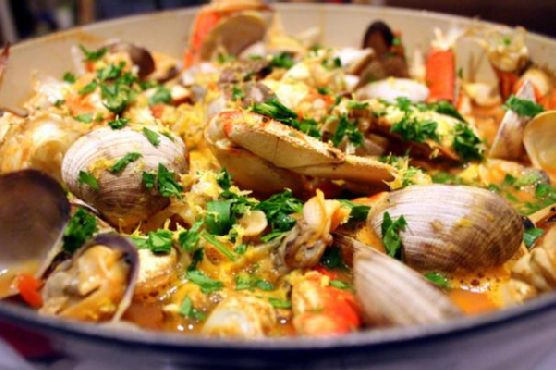
It was one of those foggy evenings in San Francisco where the mist hangs thick like a cozy, damp blanket. I was craving something that would bring all the warmth of the ocean into my little kitchen, something that felt like a tight hug for the soul. Enter: San Francisco Cioppino. This dish is not just a seafood stew; it’s a symphony of fresh catches and bold flavors that feel both hearty and impressively easy. You’ll find this cioppino is perfect for those nights you want to channel your inner fisherwoman without having to dive into the deep blue yourself. Trust me, it’s worth every delicious drop.

Jump to Recipe

What You’ll Need

You may be surprised to learn that despite sounding fancy, this ingredient list is mostly straightforward and filled with things you might already have. The key is in the freshness — it makes all the difference.

  • Fresh canned tomatoes
  • Clams
  • Dry white wine
  • Cooked freshly Dungeness crabs
  • White fresh fish
  • Fresh basil
  • Fresh parsley
  • Garlic
  • Black fresh ground pepper
  • Olive oil
  • Fresh oregano
  • Raw shrimp
  • Scallops
  • Tomato paste
  • Yellow onion

How to Make San Francisco Cioppino

  1. Start by prepping the star of the show: the crabs. Gently remove the legs and claws, then break the body in half, making sure to keep as much of the “crab butter” (the delightful yellow center) as you can. Set the crab pieces aside and press the crab butter through a sieve into a small bowl. Set aside.
  2. For the clams, place them in a pan and add 1 cup of dry white wine. Cover and steam over medium heat for about 5 minutes, until their shells open wide like they’re waving hello. Discard any clams that refuse to open, then strain the stock through a cheesecloth and keep the liquid gold that’s left.
  3. Now, in your trusty 8-quart saucepan, heat up some olive oil. Toss in the onions and garlic, letting them dance over medium heat until they’re soft but not brown — think of it as just waking them up.
  4. Stir in the fresh canned tomatoes, tomato paste, the rest of your wine, pepper, herbs, and that flavorful clam stock you reserved. Partially cover the pot and let it simmer for a solid 20 minutes, letting those flavors mingle and get cozy.
  5. Add in your seafood: the fish, scallops, shrimp, crab, and the sacred crab butter. Simmer for about 5 minutes, but resist the urge to stir, as you want the fish to stay whole and proud. Then, add the clams and heat for another scant minute.
  6. Top with fresh parsley and serve immediately from the pot while everything is still joyously warm and inviting.

Cook’s Notes

Here’s the deal: freshness is key with cioppino, especially with the seafood. If you can get it from the market the day of, do it. As for the wine, choose a decent dry white that you’d actually enjoy sipping — it makes a big difference. And remember, don’t stir the stew after adding the fish. You want those chunks intact for a beautiful presentation. Leftovers can be stored in the fridge for up to two days and gently reheated over low heat. If you’re making it ahead of time, keep the seafood separate until you’re ready to serve, and add it in the last 5-6 minutes of reheating.

Make It Your Own

Here’s where you can play around with this seaside classic:

  • Swap the white fish with salmon for a richer flavor.
  • Trade the scallops for mussels if you fancy a different texture.
  • Add a pinch of red pepper flakes for a bit of a kick.
  • Use a splash of Pernod instead of wine for a slight anise twist that pairs beautifully with seafood.

If you try this, I’d love to hear how it turns out — drop a comment or tag me! Let’s keep sharing those warm, delicious moments. 🌊🍅🍲

Related update: San Francisco Cioppino

Related update: Curry-Braised Chicken

When Oil Moves Markets, Fear Follows | Analysis by Brian Moineau

Markets on Edge: When Headlines Move Oil, and Oil Moves the Dow

The major indexes fell below their 200-day lines and November lows on Friday — a short, brutal sentence that captures how quickly optimism can evaporate when geopolitics and commodities collide. This week’s wild swings — a morning sell-off, a late-day rebound and a jittery follow-through — were driven by one dominant storyline: the war with Iran and its shockwaves through oil, yields and risk appetite. (apnews.com)

This post walks through what happened, why investors care (beyond the noise), and what to watch next. The tone is conversational because markets aren’t just numbers — they’re a story we’re all trying to read in real time.

Why the sell-off happened (and why stocks bounced later)

Markets hate uncertainty, and a war that threatens a chunk of global oil flows creates uncertainty by the barrel. Early in the session, headlines and spikes in crude sent the Dow tumbling — at points investors were staring at four-figure swings — as traders re-priced inflation risk and the possibility of higher-for-longer interest rates. Treasury yields jumped alongside oil, adding pressure to multiples and growth-sensitive stocks. (apnews.com)

Later, comments that hinted at a potential de-escalation — including public remarks interpreted as the conflict possibly “winding down” — prompted energy prices to retreat and a rapid relief rally across equities. The Dow staged a late-day bounce, erasing a chunk of the losses. That volatility is exactly why professional investors keep an eye on headlines as much as fundamentals during geopolitical shocks. (fortune.com)

The major indexes fell below their 200-day lines and November lows

  • This technical detail isn’t just chart-talk. Breaching the 200-day moving average or prior November lows can trigger automated selling, shift investor psychology from “buy the dip” to “preserve capital,” and invite extra scrutiny from trend-following funds.
  • When technical damage coincides with a fundamental shock (higher oil, war risk), the result is a faster and deeper drawdown than either factor would produce alone. (apnews.com)

Sector winners and losers — look where the pain and relief show up

  • Energy stocks surged earlier as crude spiked, then pared gains when oil fell back. Producers do well in elevated-price episodes, but they’re volatile and tied to geopolitical narratives.
  • Airlines and travel names were among the hardest hit; higher fuel and demand destruction are a toxic combo for them.
  • Big-cap tech and AI leaders helped cap losses on some days but can’t fully shield markets when macro risks dominate. (apnews.com)

The macro vectors that matter next

  • Oil trajectory. If crude remains structurally higher because of disrupted shipping lanes or sanctioned flows, inflation expectations and yields stay elevated — a headwind to multiples and consumer spending.
  • Fed reaction function. Higher inflation and sticky yields complicate any narrative about easing. Even a small upward repricing of terminal rates can dent valuations.
  • De-escalation credibility. Markets want to see concrete signs (diplomatic channels, localized ceasefires, secure tanker corridors) before they fully discount the risk premium baked into oil and stocks. Comments can move markets, but durable moves require facts. (fortune.com)

What investors can reasonably do now

  • Reassess time horizon. Volatility punishes short-term positioning. For long-term investors, a temporary technical breach may be an anxiety test, not a terminal event.
  • Trim outsized concentrations. If any single sector or position would cause outsized portfolio damage in a persistent oil-shock scenario, consider rebalancing.
  • Keep liquidity available. Volatile markets create opportunity; having dry powder matters whether you want to buy weakness or avoid being forced into sales.
  • Avoid headline-driven overtrading. Jumping in and out on every conflicting report is costly and emotionally exhausting; careful, pre-planned responses to big moves are more efficient. (apnews.com)

Longer view: is this a new regime or a replay?

There’s historical precedent for geopolitical shocks spooking markets briefly but leaving long-term trends intact — provided the energy shock is contained and inflation expectations don’t entrench at higher levels. The key difference this time is the modern plumbing of markets: algorithmic trading, passive flows, and instant social amplification mean moves can be faster and deeper. That raises the bar for how much evidence markets require before switching back from risk-off to risk-on. (apnews.com)

My take

We’re watching headline-driven volatility that can feel existential in the moment but often resolves into a clearer picture as facts arrive. That doesn’t make it easy — it’s precisely during these episodes that discipline, clarity on horizons, and a calm re-evaluation of risk matter most. If the conflict truly winds down and oil normalizes, today’s technical damage can be repaired. If not, investors should be prepared for a tougher slog for multiples and consumer spending.

Sources


Related update: We recently published an article that expands on this topic: read the latest post.


Related update: We recently published an article that expands on this topic: read the latest post.


Related update: We recently published an article that expands on this topic: read the latest post.

Hot Cross Buns | Made by Meaghan Moineau

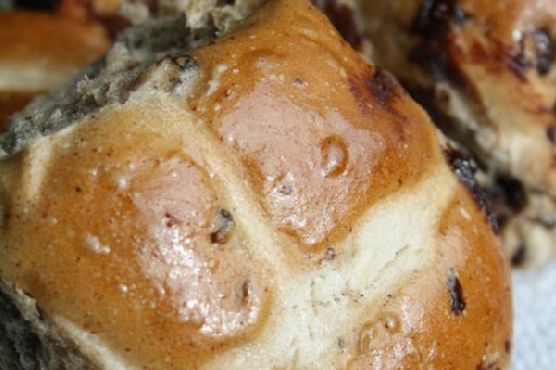
It was one of those unpredictable spring mornings where the sky couldn’t decide if it wanted to rain or shine. I found myself craving something that felt like a warm hug, something that would fill the house with the spicy sweet scent of comfort. Enter Hot Cross Buns. They’re perfect for those “in-between” days, bridging the gap between winter’s end and spring’s full bloom. What I adore about these buns is how deceptively simple they are to make; they sound fancy, but they’re actually pretty forgiving. You just mix, knead, roll, and bake. They’re like little pillows of happiness, complete with a sweet cross on top that’s practically begging to be photographed. Trust me, once you try them, these buns will become a regular request in your household.

Jump to Recipe

What You’ll Need

There’s a good chance you already have most of these ingredients lurking in your pantry. The combination of spices gives the buns their signature warmth, and the sour milk keeps them tender.

  • Flour
  • Sugar
  • Baking powder
  • Baking soda
  • Salt
  • Cinnamon
  • Nutmeg
  • Shortening
  • Raisins
  • Sour milk (or add a splash of vinegar or lemon juice to regular milk)

How to Make Hot Cross Buns

  1. Sift the flour once, then measure it out into a large bowl. Add the baking soda, baking powder, salt, sugar, and spices. Trust me, the double sifting might sound extra, but it makes the buns incredibly light.
  2. Cut in the shortening. You want to mix until the flour looks like coarse crumbs. This is your time to channel the patient, zen gardener within.
  3. Stir in the raisins. These little gems add pockets of sweetness in every bite.
  4. Add enough sour milk to create a stiff dough. You want it just moist enough to hold together without being sticky.
  5. Turn the dough onto a floured board and knead it slightly—just enough to bring it all together. Don’t overdo it!
  6. Roll the dough out to about 1/2 inch thickness. Use a 2-inch cutter to cut out your buns. It’s oddly satisfying, like cutting out cookies.
  7. Place the buns close together in a shallow pan. With a sharp knife, cut a cross into the top of each bun. This is where the magic happens.
  8. Brush the tops with a mixture of milk and sugar. This will give them a lovely gloss and help them brown beautifully.
  9. Bake in a hot oven at 475 degrees for 20 minutes. You’ll know they’re done when they’re golden and fragrant.
  10. Once out of the oven, brush them again with the milk and sugar solution. Fill the cross with plain frosting if desired. Serve them warm and watch them disappear.

Cook’s Notes

Here’s the scoop: these buns are best served warm, fresh out of the oven, but they do reheat well if you find yourself with leftovers (unlikely, but possible). Just pop them in the oven for a few minutes, wrapped in foil, to refresh them. You can make the dough ahead and keep it in the fridge overnight if you want to do the hard part in advance. Just be sure to let it come back to room temperature before rolling and cutting.

Make It Your Own

Feel free to play around with the recipe a bit. Here are some variations to consider:

  • Swap raisins for dried cranberries for a tart twist.
  • Add orange zest to the dough for a citrusy zing.
  • Replace the frosting with a cream cheese glaze for a tangy finish.
  • Throw in some chopped nuts if you’re in the mood for a bit of crunch.

If you try these Hot Cross Buns, I’d absolutely love to hear how they turn out for you! Drop a comment below or tag me on social media with your bun pics. Happy baking!

Related update: Hot Cross Buns

Related update: Xocai Oatmeal Dark Chocolate No-Bake Cookies

Boeuf Bourgignon | Made by Meaghan Moineau

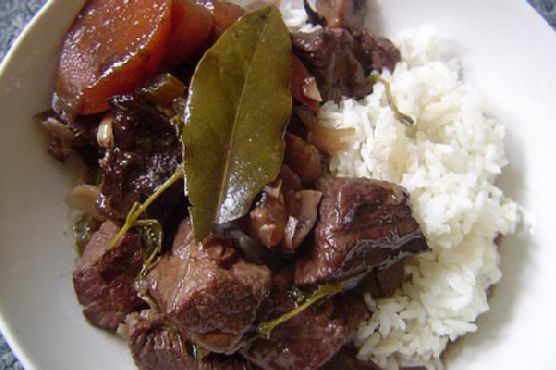
Picture this: It’s a chilly weekday evening, and I find myself staring into the abyss of my pantry, longing for something hearty, something that feels like a warm hug after a long day. My eyes land on a bottle of cognac, nestled between spices and canned goods, and a light bulb goes off. Boeuf Bourgignon. It’s one of those dishes that sounds fancy but is deceptively simple — perfect for a night when I want to impress myself (or my family) without breaking a sweat. This recipe is rich in flavor, comforting, and surprisingly doable. Trust me, once you’ve got a pot of this simmering on the stove, the cozy aroma alone will make you feel like a culinary genius.

Jump to Recipe

What You’ll Need

It’s amazing how such a luxurious meal can come together with things you probably already have. You might need a quick trip for beef stock or fresh herbs, but that’s about it.

  • Button mushrooms
  • Butter
  • Un-smoked bacon
  • Vegetable oil
  • Boneless well-trimmed beef chuck
  • Yellow onion
  • Shallots
  • Carrots
  • Black salt and pepper
  • Flour
  • Cognac
  • Beef stock
  • Unsweetened cocoa powder
  • Garlic cloves
  • Fresh thyme
  • Fresh flat-leaf parsley leaves
  • Tomato paste
  • Bay leaf

How to Make Boeuf Bourgignon

  1. Preheat your oven to 160°C (325°F). This is crucial for getting that low and slow cook that makes the beef melt-in-your-mouth tender.
  2. In a pan, sauté the button mushrooms in butter until they’re brown and soft. Set them aside. You’re going to love their nutty aroma.
  3. In a large, deep-bottomed pot, sauté the bacon in 1 tablespoon of oil over moderate heat for 2 to 3 minutes. You’re looking for a light brown color that brings out the bacon’s savory goodness.
  4. Remove the bacon with a slotted spoon and set it aside. Don’t clean the pan — that bacon fat is flavor gold.
  5. Reheat the pan until the fat is almost smoking, then sauté the beef in batches. Give the pieces space to brown properly on all sides, and resist the urge to stir too soon.
  6. Add your browned beef to the reserved bacon. Lower the heat to medium.
  7. In the same flavorful fat, add the onions, shallots, and carrots. Cook them until the carrots soften and the onions are translucent.
  8. Combine the cooked veggies with the beef and bacon. Pour out the excess fat, but don’t wipe the pot — every bit of flavor is needed.
  9. Return the beef mixture to the pot. Sprinkle on the flour and toss everything to coat. Stir until the flour has cooked and you see no white traces.
  10. Season with salt and pepper, then stir in the cognac and just enough beef stock to barely cover the meat.
  11. Add the garlic, thyme, parsley, tomato paste, and bay leaf. Bring everything to a simmer on the stove.
  12. Cover the pot and set it in the oven. Cook for 2 ½ to 3 hours, checking about an hour in to add the mushrooms and stir in the cocoa powder, which gives a subtle depth of flavor.
  13. The stew is ready when the meat is fork-soft and your kitchen smells like heaven.

Cook’s Notes

Don’t be shy with the cognac. It adds such a lovely depth, but if it’s not your thing, red wine works in a pinch. Be sure to use a heavy-bottomed pot or casserole dish that can transition from stovetop to oven seamlessly. If you make this ahead, it only gets better the next day — those flavors really come together after a night in the fridge. Reheat gently on the stove, adding a splash of water or stock to loosen things up if needed.

Make It Your Own

  • Swap the beef chuck for lamb shoulder for a different take on this classic stew.
  • If mushrooms aren’t your thing, try adding pearl onions instead — they’ll add a lovely sweetness.
  • Replace the bacon with pancetta for a slightly different, yet delicious, flavor profile.
  • Make it vegetarian by using hearty vegetables like potatoes and turnips. Replace beef stock with a veggie version, and skip the bacon.

If you try this, I’d love to hear how it turns out — drop a comment or tag me! Enjoy the cozy vibes and maybe a glass of wine while you’re at it. Cheers to the perfect night in!

Related update: Boeuf Bourgignon

Related update: San Francisco Cioppino

UCF vs UCLA: March Madness Upset Alert | Analysis by Brian Moineau

UCF vs UCLA predictions, picks and odds — a look at the March 20 matchup

Friday night’s first-round tilt between UCF and UCLA had the kind of March tension that turns casual viewers into bracket-doomers. Read our UCF vs UCLA predictions, picks and odds for their NCAA Tournament game on Friday, March 20 and you’ll see why: a matchup of contrasting styles, a few matchup advantages that matter, and a finish that left both teams and brackets breathing heavy.

Why this matchup mattered

UCF came in as a plucky 10-seed with athletic wings and the kind of press-and-transition offense that can flip a game on a single surge. UCLA, a 7-seed, offered length, shooting and interior size — more of a grind-it-out blueprint that can punish careless possessions.

The betting market treated UCLA as the favorite, but 7 vs. 10 is the classic “sleep on at your own peril” line. On neutral floors in March, small edges — offensive rebounding, turnover rate, free-throw performance late — decide games. That made this one an interesting spread-and-total puzzle for bettors and bracket-watchers alike. (reddit.com)

Key points that shaped pregame thinking:

  • UCLA’s frontcourt size and outside shooting could stretch UCF’s defense and make offensive rebounding a contest. (utsports.com)
  • UCF’s tempo and ability to force turnovers could create chaos if UCLA wasn’t disciplined with the ball. (reddit.com)

Quick takeaways before we dig in

  • UCLA’s size and shooting made them the safer spread play on paper.
  • UCF’s transition game and press created upset potential, especially if UCLA turned it over late.
  • The matchup favored the team that controlled tempo and cleaned the glass.

The tactical matchup that mattered

UCF’s identity is speed and disruption. They want to get the ball into the open court, attack closeouts and manufacture extra possessions through steals and offensive rebounds. That’s the easiest way for a mid-major 10-seed to make life miserable for a Power Five team on a neutral court.

UCLA counters with length — bigger wings and forwards who can contest drives, rebound on both ends and pop from deep. If the Bruins handled ball pressure and avoided quick turnovers, the floor leveled toward their methodical offense. A team like UCLA can turn a frantic UCF attack into a half-court slog, where size and shot selection decide the margin. (utsports.com)

Transition vs. structure was the story in the paint, too. UCF would try to run into gaps and finish early; UCLA would seek to slow it, grind possessions and cash late-clock looks. Whoever won the rebound battle would have an outsized influence on the final line.

From the betting perspective

Oddsmakers typically price a game like this with the favorite only a few points ahead — enough to reflect talent and size, but not so large that an upset feels impossible. Public money and tournament narratives can nudge lines late; if bettors suddenly favored a style mismatch, the spread can tighten or widen before tip.

Before the game, many models and handicappers leaned to UCLA to cover — not necessarily because UCF lacked talent, but because the Bruins’ two-way length and offensive efficiency on high-value shots (pick-and-roll finishes, post touches) created a subtle advantage. That made UCLA the default on spread boards while UCF remained the appealing underdog for contrarian bettors. (reddit.com)

How the game actually unfolded

This one delivered a tense finish worthy of bracket chatter. UCLA escaped with a 75–71 win — a four-point margin that lines up with the idea that seeds were close but style wins matter. The final minutes were a test of execution: free throws, turnovers and a few critical rebounds. It was the kind of game that validates both the spread and the upset narrative — UCLA covered, but UCF kept it dangerously close. (reddit.com)

Highlights that decided it:

  • UCLA’s ability to make enough shots late and avoid a turnover-driven collapse.
  • UCF’s resilience — they kept pace and forced contested shots late but couldn’t quite overtake the Bruins.

My pick explained

If I were writing this pick before tip, I’d have favored UCLA to cover by a small margin, leaning on:

  • Superior size on the front line to combat UCF’s small-ball rebounding runs.
  • Consistent perimeter shooting from UCLA’s guards and wings, which punishes over-aggression on defense.
  • Coaching and late-game discipline in close possessions.

That said, I’d have also highlighted a small same-game parlay or prop action for UCF: a player prop on steals/assists or bench scoring — a hedge for bettors who wanted exposure to the upset feel. The matchup was close enough that a modest hedge made sense. (utsports.com)

The lines and the lessons

  • Betting lesson: lines reflect more than records; matchup fit and rebound/turnover profiles often swing first-round outcomes.
  • Bracket lesson: 7/10 seeds are fertile upset territory. If you’ve got a 10-seed in your bracket, don’t blindly bench them — watch how they force tempo and attack the glass.
  • Coaching lesson: late-game discipline — secure free throws, smart timeouts, and limiting live-ball turnovers — wins these games.

Final thoughts

March games like UCLA vs UCF remind us why the tournament is both predictable and wildly chaotic. Talent and size often carry the day, but pace, pressure and a few timely plays make every game feel like a swing-state election: small margins, big consequences. UCLA’s victory fit the expected script, but UCF’s run-through-the-arc competitiveness was the exact reason 10-seeds keep bracket-makers awake.

If you’re filling out future brackets or sizing bets for tournament nights, lean into matchup research more than pure seed logic. Look at rebound rates, turnover tendencies, and how teams respond to pressure — those hidden edges turn favorites into vulnerable picks.

Sources


Related update: We recently published an article that expands on this topic: read the latest post.


Related update: We recently published an article that expands on this topic: read the latest post.