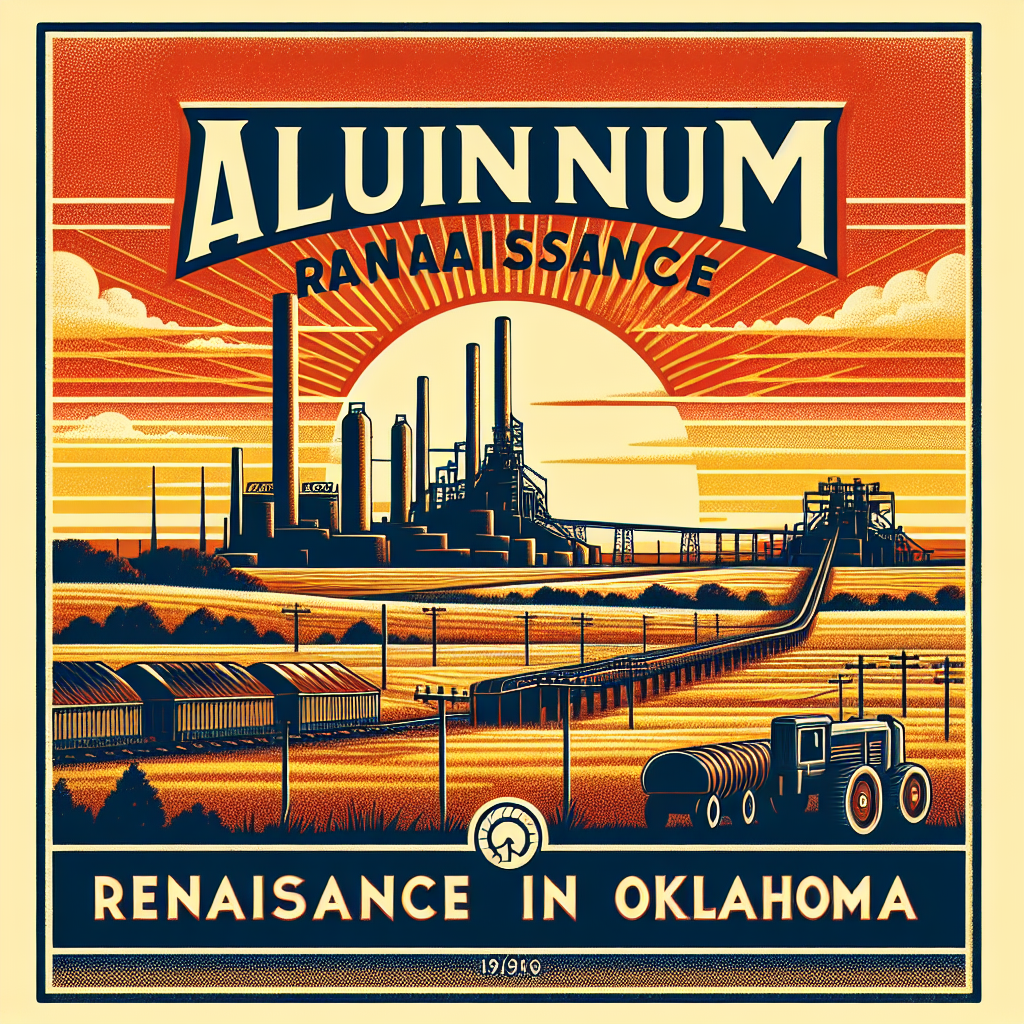
Oklahoma Sparks U.S. Aluminum Revival | Analysis by Brian Moineau

Oklahoma’s big bet: America’s first new aluminum smelter in nearly 50 years

Aluminum makers EGA, Century plan to break ground later this year on facility that would more than double U.S. smelting capacity — and if everything goes to plan, Oklahoma could become the unlikely epicenter of a revival in domestic primary aluminum. The deal announced in early 2026 centers on a joint development between Emirates Global Aluminium (EGA) and Century Aluminum to build a massive smelter at the Port of Inola that proponents say will cut import dependence and boost U.S. industrial resilience. (media.ega.ae)

Transitioning from a headline to the stakes: this is about jobs, power, and the changing logic of heavy industry in an era when supply chains and clean energy policies are reshaping where—and why—smelters get built.

Why Oklahoma — and why now?

For decades the U.S. primary-aluminum industry has been small relative to global production. Building a new greenfield smelter in America hasn’t happened at scale since the 1980s. Two trends converged to reopen the conversation.

  • Global geopolitics and trade frictions have made secure domestic supply chains a strategic priority for defense, aerospace and EV supply chains.
  • Industrial electrification and new low-emissions smelting technologies make large modern facilities both more defensible politically and more attractive economically when paired with competitive power contracts. (apnews.com)

Oklahoma offers a package that matters: available land at the Port of Inola, connectivity for downstream manufacturing, and a willingness from state leaders to incentivize big industrial projects. The state has committed to exploring tax and infrastructure support, and federal attention has followed as the project lines up with broader industrial and climate grant programs. (okcommerce.gov)

Aluminum makers EGA, Century plan to break ground later this year on facility that would more than double U.S. smelting capacity

This is the core: the partners expect the new plant to produce roughly 600,000–750,000 metric tons (estimates vary across announcements) of primary aluminum annually — a volume that would more than double current U.S. primary capacity and reshape domestic supply dynamics. The joint development agreement announced in January 2026 positions EGA as majority developer with Century taking a meaningful stake and Bechtel tapped for initial engineering work. Construction timing has been described as starting in 2026, with first metal targeted by the end of the decade. (aluminummarketupdate.crugroup.com)

  • Expected capacity: ~600k–750k tonnes per year. (apnews.com)
  • Ownership: EGA majority / Century minority partner (reported 60/40 in some filings). (d18rn0p25nwr6d.cloudfront.net)
  • Timeline: preparatory engineering now; construction slated to begin in late 2026; first production by end of 2029. (centuryaluminum.com)

The economics: power, scale, and incentives

A primary aluminum smelter is essentially a giant, continuous electrochemical operation. The two economic levers are scale and low-cost, reliable electricity.

  • Scale: Bigger smelters capture lower per-ton capital and operating costs — which helps when competing with low-cost producers abroad.
  • Power: Long-term, competitive power contracts (ideally clean or low-carbon electricity) are essential. Without them, the math for an American smelter rarely works. Many announcements emphasize securing a competitive long-term power arrangement before final investment decisions. (ima-api.org)

State incentives and federal grants also matter. Oklahoma has discussed tax and infrastructure packages; meanwhile federal industrial-decoupling and decarbonization funds have shown willingness to support projects that promise major emissions reductions relative to older plants. That alignment — state incentives, federal support and private capital — is what makes this project plausible now. (okcommerce.gov)

Environmental framing: cleaner primary aluminum?

Primary aluminum production is energy- and emissions-intensive. But companies and agencies involved in this project are highlighting modern, more efficient smelting technology and the opportunity to pair the facility with low-carbon power to cut lifecycle emissions.

  • The Department of Energy and other federal programs have signaled support for projects that reduce industrial emissions through electrification and efficiency. Project proponents claim the new facility would avoid a significant share of emissions versus older designs when built with cleaner power. (energy.gov)

That said, the environmental case hinges on the actual power mix secured and the emissions intensity of upstream inputs (notably alumina supply). Advocates argue the plant will be far cleaner than many global alternatives if it runs on low-carbon electricity; skeptics will watch power contracts and the lifecycle accounting closely.

What this could mean for supply chains and manufacturing

If the smelter reaches the planned scale, expect several downstream effects:

  • U.S. manufacturers (auto, aerospace, defense) could secure more domestically produced primary aluminum, reducing exposure to import disruptions.
  • An aluminum hub could attract fabricators, recyclers and component makers to the region, amplifying regional economic impact.
  • Prices and supply dynamics in North America would change — potentially tightening markets elsewhere while making American-sourced aluminum more available for “Buy American” procurement and critical-industries planning. (okcommerce.gov)

Risks and watchpoints

Not every big industrial announcement becomes reality. Key risks include:

  • Power contracts: Failure to secure competitive, long-term electricity undermines project economics.
  • Permitting & community concerns: Environmental reviews, water use and local opposition can delay timelines.
  • Capital and market shifts: Rising construction costs, commodity price swings, or changes in policy incentives could alter the investment calculus.
  • Supply of alumina and skilled labor: Integrating upstream inputs and hiring thousands of workers will be operational challenges. (ima-api.org)

Because of these variables, watch for concrete milestones: signed long-term power agreements, finalized state incentive packages, construction permits, and a final investment decision (FID). Those milestones, more than press releases, will determine whether the plant actually breaks ground and when.

What to expect next

Over the coming months expect preparatory engineering and permitting work to accelerate, while state legislators and federal agencies consider incentive packages and grant approvals. If the partners meet their public milestones, construction could indeed begin in late 2026 with ramped production by the end of the decade. Keep an eye on announcements from EGA, Century, Oklahoma commerce officials, and any long-term power agreements. (centuryaluminum.com)

My take

This project is a bold signal: industry, government, and foreign capital are willing to re-shore some of the most energy-intensive steps in critical-metals production — but only if the economics and politics line up. If it happens as planned, Oklahoma’s smelter would not just be an industrial boon for a single state; it would be a test case for how the U.S. can rebuild heavy supply chains while tightening emissions standards. However, the devil is in the details: power and permits, not press statements, will decide the outcome.

Sources


Related update: We recently published an article that expands on this topic: read the latest post.


Related update: We recently published an article that expands on this topic: read the latest post.
Stir Fried Cabbage and Tomatoes | Made by Meaghan Moineau

Last Tuesday, I found myself staring at a lonely cabbage and some tomatoes in my fridge, wondering how I was going to transform these humble ingredients into something more exciting than their usual salad gig. I was craving something warm, comforting, and surprisingly quick because, you know, not all weeknight dinners should feel like a marathon. That’s when I remembered my fail-safe stir fry trick. This Stir Fried Cabbage and Tomatoes dish is like a warm hug on a chilly day — it’s savory, a touch sweet, and comes together faster than you can decide what to watch on Netflix. Trust me, this is the kind of dish that makes you look like you’ve got your life together, even if it’s just dinner.

Jump to Recipe

What You’ll Need

Gathering ingredients for this recipe is almost as easy as making it. Most of them are probably sitting quietly in your kitchen, waiting for their moment to shine.

  • Beijing cabbage – coarsely shredded
  • Diced tomatoes – as fresh as you can get
  • Gloves garlic – because garlic is life
  • Salt
  • Sugar
  • Ketchup – yes, the condiment extraordinaire
  • Water

How to Make Stir Fried Cabbage and Tomatoes

  1. Start by giving your cabbage a good rinse and then coarsely shred it. You want the pieces to be bite-sized but not too tiny, allowing them to retain a slight crunch.
  2. Dice your tomatoes. The juicier, the better, as they’ll add a wonderful freshness to the dish.
  3. Heat a wok over medium-high heat, adding a splash of oil. When the oil shimmers, toss in the garlic. Sauté until golden and fragrant, about 30 seconds. Your kitchen should smell amazing already!
  4. Throw in the shredded cabbage. Stir-fry until it begins to soften. If it looks a bit dry, don’t hesitate to add a tablespoon or two of water to help it along.
  5. Now, add your diced tomatoes along with a pinch of salt, a dash of sugar, and a nice squirt of ketchup for that umami-rich depth. Pour in 2-3 tablespoons of water to create a light sauce.
  6. Stir everything together until well combined. The mixture should be juicy but not soupy. Cook until the tomatoes have broken down slightly and everything is melded together. This is when you taste and adjust seasoning if needed.
  7. Serve immediately. Your stir fry should be vibrant and steaming hot.

Cook’s Notes

This dish is all about balance. The sugar helps offset the acidity of the tomatoes and ketchup, so don’t skip it. If your cabbage feels too crunchy, just add a touch more water and give it a few more minutes — patience is key.

  • This stir fry doesn’t hold up beautifully as leftovers, so try to enjoy it fresh. But if you do have some left, store it in an airtight container in the fridge and reheat gently.
  • If you’re planning a dinner party, you can prep the cabbage and tomatoes ahead of time. Just keep them in separate containers in the fridge until you’re ready to cook.

Make It Your Own

  • Add protein: Toss in some sliced chicken or crispy tofu for a heartier version.
  • Switch up the veggies: Bell peppers or shredded carrots would be a lovely addition for some color and sweetness.
  • Spice it up: Introduce a bit of heat with a sliced chili or a dash of hot sauce if you like things spicy.
  • Herb it up: Finish with fresh cilantro or basil for an aromatic lift.

If you try this, I’d love to hear how it turns out — drop a comment or tag me! Cooking is all about experimenting and having fun, so make this stir fry your own and enjoy every bite.

Related update: Stir Fried Cabbage and Tomatoes

Related update: Tomato Cutlets

Alcaraz vs Sinner: Monte‑Carlo Final | Analysis by Brian Moineau

Mouthwatering clash in Monte-Carlo: How to watch Alcaraz vs Sinner for FREE: TV Channels for Monte-Carlo Masters Final

Carlos Alcaraz versus Jannik Sinner is the kind of headline that stops casual scrolls and makes tennis fans rearrange their Sunday plans. How to watch Alcaraz vs Sinner for FREE: TV Channels for Monte-Carlo Masters Final — that’s the exact question TechRadar answered leading into the April 12, 2026 final, and it’s worth revisiting both as a viewing guide and a snapshot of how premium tennis reaches different corners of the globe.

Both players arrived in Monte-Carlo carrying form, swagger and stakes: the title and the world No. 1 ranking were hovering over the match. If you were chasing a free or low-cost way to watch this blockbuster, here’s a readable guide to the main options, why broadcasters differ by territory, and what it means for fans going forward.

Quick preview of the matchup

  • Carlos Alcaraz: explosive, creative and relentless from the baseline; thrives on momentum shifts and athleticism.
  • Jannik Sinner: composed, powerful and blunter in pace; he mixes precision with a rising strategic maturity.

This was billed as “the world’s top two” — and the reality lived up to the billing. The final was played on April 12, 2026 in Monte-Carlo’s iconic setting. For those who missed it live, highlights and recaps are now widely available. (atptour.com)

Where to watch: core options and free routes

For fans asking “how to watch Alcaraz vs Sinner for FREE,” the answer depended on where you were. Broadcasters for Masters 1000 events vary by country, which opens and closes different free options.

  • United States

    • Primary rights holder: Tennis Channel. Access often comes through cable or subscription streaming bundles that carry Tennis Channel.
    • Free-ish routes: short free trials for services that include Tennis Channel (for example, Fubo or YouTube TV promotions at the time) were commonly highlighted as ways to watch without an extra long-term subscription. Note that trials are time-limited and availability changes. (techradar.com)
  • United Kingdom and Ireland

    • Sky Sports Tennis carried the match live, with streaming available on Sky’s NOW platform or the Sky Sports app for subscribers.
    • Occasionally matches are shown on free-to-air partners in special circumstances, but Sky was the main live home. (skysports.com)
  • Continental Europe

    • Local broadcasters varied: Rai in Italy, and a mix of national sports networks across Spain and other territories. Some networks offered short free streams or highlights on their websites and apps. (atptour.com)
  • Global stream

    • TennisTV and ATP digital platforms provided live streaming in many countries that lacked local TV rights — a direct paid option for fans who live outside key broadcast territories. (tennistv.com)

Transitioning from broadcaster lists to practical tips, here are the best tactics fans used to watch for free or near-free.

Tips that actually worked (and why)

  • Try official free trials — but check start/end dates.

    • Many streaming services offer limited-time trials. If a trial covers the match time, it’s a perfectly legal way to watch without an added ongoing subscription. However, always verify trial length and regional availability. (techradar.com)
  • Use local broadcaster catch-ups and highlights.

    • Even if live access isn’t free, national broadcasters often post extended highlights and condensed replays shortly after the match. These don’t substitute the live thrill, but they’re useful when you miss the game. (atptour.com)
  • Consider short-term subscriptions for big matches.

    • If you’re a casual viewer, a one-month subscription to a sports streaming service that carries Tennis Channel or Sky Sports can be cheaper than missing a major final.
  • Don’t rely on unofficial streams.

    • Unofficial streams are often low quality, illegal and risky for malware. Stick with official rights-holders or trial offers for safety and reliability.

Why broadcast rights feel complicated

Rights for ATP Masters 1000 events are parceled regionally. That fragmentation creates both opportunity and frustration: opportunity because fans in some territories enjoy free-to-air access; frustration because major matches can be behind paywalls in other places.

Moreover, streaming has shifted the landscape. Traditional cable bundles still dominate some markets, but direct-to-consumer streaming and the ATP’s own platforms add alternatives — and short-term trials give fans tactical, short-lived ways to watch marquee matches without a long-term commitment. (atptour.com)

Result snapshot and immediate aftermath

Jannik Sinner defeated Carlos Alcaraz 7–6(7–5), 6–3 to win the Monte-Carlo title and reclaim the ATP world No. 1 ranking on April 12, 2026. The match added another memorable chapter to their rivalry and produced highlights that circulated quickly across official ATP channels and broadcasters. (en.wikipedia.org)

What this means for fans going forward

  • Expect more tactical use of trials and short-term subscriptions around big events.
  • Keep an eye on ATP and local broadcasters for highlight packages if live is missed.
  • The rivalry between Alcaraz and Sinner will keep driving broadcast interest; rights-holders know marquee clashes sell viewership and will likely pursue wide distribution.

My take

This matchup reminded me why tennis still thrives on marquee rivalries: it’s less about the medium and more about the drama. Whether you watched via a trial, a paid stream, or caught the highlights later, the core experience — two contrasting styles colliding under pressure — was the draw. Broadcasters will keep shifting, but great tennis remains the constant.

Sources


Related update: We recently published an article that expands on this topic: read the latest post.


Related update: We recently published an article that expands on this topic: read the latest post.

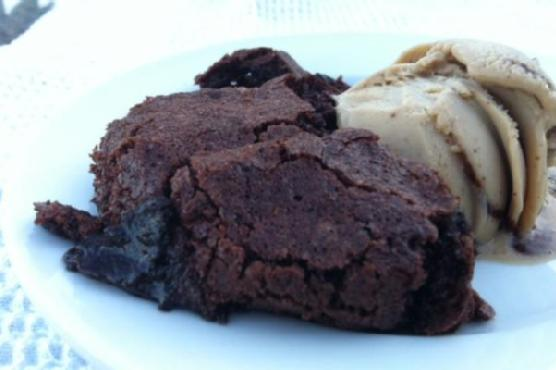
Brownie Cake gluten free, dairy free | Made by Meaghan Moineau

The other day, I found myself staring at a half-eaten bar of dark chocolate, a stray packet of espresso powder, and a whole lot of nothing for dessert. You know those moments when you just need something gooey and comforting but also want to keep it somewhat aligned with your food goals? Enter the Brownie Cake that’s both gluten-free and dairy-free yet decadently delicious. This isn’t just any dessert; it’s an easy weeknight indulgence that feels special enough for company but straightforward enough to whip up with pantry staples. The magic lies in its cake-like exterior giving way to a molten, pudding-like center. It’s the kind of dish that makes you feel like a kitchen wizard with minimal effort.

Jump to Recipe

What You’ll Need

This ingredient list is refreshingly simple, and chances are you already have most of these staples in your kitchen.

  • Earth Balance Soy Free Spread (for that buttery richness without the dairy)
  • Eggs (they give it that fluffy cake-like lift)
  • Cane Sugar (because, duh, brownies need sweetness)
  • Red Dark Chocolate (the star of the show)
  • Vanilla Paste (adds a luxurious depth)
  • Espresso Powder (just a touch for an extra kick)
  • White Gluten Free Flour Blend (the base that keeps it light and gluten-free)
  • Cocoa Powder (for that intense chocolate punch)
  • Coconut Oil (keeps everything moist and lovely)

How to Make Brownie Cake gluten free, dairy free

  1. Preheat your oven to 325°F. Trust me, this temperature is key to getting that perfect texture.
  2. Lightly spread coconut oil in a 9x12x2 inch deep oval baking dish. This ensures nothing sticks and makes for easy serving later.
  3. Grab a bowl, sift together your flour and cocoa powder, and set aside. This little step ensures no lumps and a smooth batter.
  4. In the bowl of an electric mixer, beat the eggs and sugar on medium-high for about 5 minutes. You’re aiming for a consistency that’s thick, pale yellow, and reminiscent of cake batter.
  5. Once your egg and sugar mixture is ready, lower the speed to low and add the vanilla paste and espresso powder. It’ll smell heavenly.
  6. Slowly incorporate the flour and cocoa powder mixture. A handy tip: throw a dish towel over the mixer to avoid cocoa dust everywhere.
  7. Add in the Earth Balance Spread and mix for another 10 seconds. Just enough to combine.
  8. Pour the brownie mixture into your prepared dish. Smooth the top, but don’t obsess over it.
  9. Place this dish into a bigger roasting pan. Carefully fill the roasting pan with very hot tap water, reaching about halfway up the side of your brownie dish. This water bath technique gives it that unique texture.
  10. Bake for exactly 65 minutes. Patience is a virtue here. The cake will be set on the outside but fabulously gooey on the inside.
  11. Allow it to cool for 20 minutes before serving. Serve warm for the best experience.

Cook’s Notes

This Brownie Cake is a dreamy blend of textures, but a few tips will ensure it’s perfect every time. Make sure your eggs are at room temperature before starting; this helps them whip up better and combine more smoothly with the sugar. If you’re making this in advance, store it in the fridge and reheat gently in the oven before serving. It keeps well for about 3 days, not that it’ll last that long once your family gets a taste.

Make It Your Own

  • Feeling nutty? Toss in a handful of chopped almonds or pecans for a delightful crunch.
  • If dark chocolate isn’t your thing, swap it for semi-sweet or even white chocolate chips.
  • Add a swirl of peanut butter into the batter before baking for a nutty flavor twist.
  • Infuse the batter with a teaspoon of orange zest for a zesty chocolate-orange experience.

If you try this Brownie Cake, I’d love to hear how it turns out — drop a comment or tag me with your creations! Happy baking, friends!

Related update: Brownie Cake gluten free, dairy free

Related update: Vanilla Coconut Snowball Cupcakes

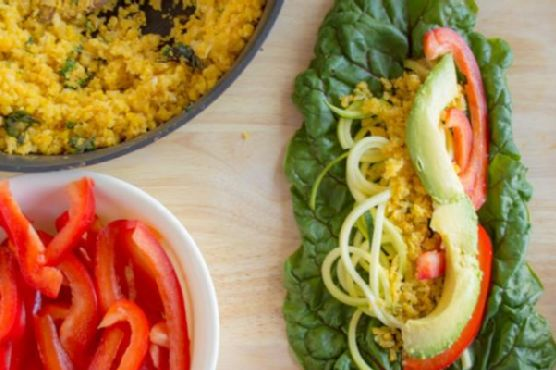
Swiss Chard Wraps | Made by Meaghan Moineau

So, the other day, I found myself staring at a lonely bunch of swiss chard in my fridge. You know that moment when you think, “I really should use up those greens before they wilt and vanish into the abyss”? Well, that was me. I wanted something fresh, colorful, and honestly, something quick because who has time on a Tuesday night? Enter, my Swiss Chard Wraps. They’re light, vibrant, and let’s be real, they’re just so satisfying to munch on. These wraps are perfect for those nights when you’re craving something fresh but comforting. Plus, they can totally impress your dinner guests without you breaking a sweat.

Jump to Recipe

What You’ll Need

Most of these ingredients are probably chilling in your kitchen right now — no wild goose chase required. Here’s what you need:

  • Dried swiss chard leaves
  • Orange cauliflower
  • Olive oil
  • Garlic
  • Salt
  • Fresh basil
  • Zucchini
  • Red bell pepper
  • Avocado
  • Trader Joe’s spicy peanut vinaigrette

How to Make Swiss Chard Wraps

  1. First things first, chop off the stems of the swiss chard where they meet the leaf. If you’re feeling adventurous, leave a bit of stem for that extra crunch and structure.
  2. Take your orange cauliflower, chop it up into small pieces and pulse in a food processor until it resembles rice. Trust me, this orange beauty gives the wraps a gorgeous color and subtle sweetness.
  3. Heat some olive oil in a sauté pan over medium-high heat. When the oil is shimmering, toss in the garlic. Let it sizzle for a minute or two, releasing that heavenly aroma, until it starts to brown.
  4. Add the cauliflower rice to the pan. Stir for about 2-3 minutes until it softens and takes on an even more vibrant yellow-orange hue. Season it with a pinch of salt and some fresh basil. Stir it around a bit more so all those flavors mingle.
  5. Now, spiralize the zucchini using Blade B to make noodles. Don’t worry if you don’t have a spiralizer. Just use a vegetable peeler to create ribbon-like strips.
  6. To assemble, lay a swiss chard leaf flat. Layer with the sautéed cauliflower, zucchini noodles, red bell pepper slices, and avocado. Drizzle a bit of that spicy peanut vinaigrette over the top.
  7. Roll it up snugly, and voila! Your wraps are ready to be devoured. Serve them with your favorite protein or just enjoy as is.

Cook’s Notes

These wraps are best when fresh, but if you’ve got leftovers, just pop them in an airtight container and refrigerate them. I’d recommend consuming them within a day to keep the veggies crisp. If you want to prep ahead, you can make the cauliflower rice and spiralize the zucchini a day in advance. Just keep them separated in the fridge and assemble when ready to eat.

Make It Your Own

  • Swap the orange cauliflower with purple or white cauliflower for a different hue and flavor profile.
  • Try replacing the Trader Joe’s spicy peanut vinaigrette with a tangy balsamic glaze for a sweeter note.
  • If you’re feeling like a protein boost, toss in some shredded chicken or crispy tofu.
  • For an extra crunch, sprinkle some toasted sesame seeds or chopped nuts over the veggies before wrapping.

Alrighty, that’s all from me! If you give these wraps a whirl, I’d love to hear how they turn out. Drop me a comment or tag me in your wrap-tastic creations! Enjoy every bite, my friends!

Related update: Swiss Chard Wraps

Rory’s Masters Lead Melts Into Chaos | Analysis by Brian Moineau

When the Victory Lap Vanishes: A Masters That Refused to Be Rory’s

This Masters is suddenly and surprisingly no longer Rory McIlroy’s victory lap — and for a few hours on Saturday at Augusta National the tournament felt more like a Greek tragedy than a coronation. McIlroy arrived at the weekend having carved out a six-shot lead, the kind of cushion that usually turns nerves into polite applause. Instead, a record day of scoring, shifting winds and the sudden brilliance of Cameron Young turned a planned triumph into a cliffhanger.

The arc of the third round rewrote expectations. By the time players packed up under the pines, the leaderboard had flattened and the narrative had flipped: a dominant, serene champion-in-waiting was suddenly one of several challengers, tied with Young and vulnerable heading into Sunday.

Saturday at Augusta: how a six-shot lead evaporated

It’s worth remembering how dominant McIlroy looked through 36 holes. He birdied and birdied again, taking control with a rhythm that made a repeat seem inevitable. Yet on Moving Day, everything that felt steady at 7 a.m. unspooled by dusk.

  • Conditions were unusually receptive; the course yielded record-low scoring for the third round.
  • Cameron Young unleashed a blistering 65 that climbed him from many shots back into a share of the lead.
  • McIlroy shot a 73, bogeys and the pressure of protecting a big lead adding up across Amen Corner and the back nine.

Put simply, Augusta served up a Saturday that punished complacency and rewarded aggression. Where McIlroy tried to keep the wheels on, Young and others attacked—and the tournament tightened.

The psychological swing matters as much as the scoreboard

Losing a six-shot lead in a single round isn’t just a change in numbers; it’s a change in the air. The aura around McIlroy shifted from inevitability to urgency. Suddenly he was no longer the storybook favorite strolling to the green jacket — he was a guy with work to do.

That psychological flip matters for two reasons:

  1. It removes the luxury of conservative golf. When you’re defending a huge lead, you can play with margin; when you’re tied, everything has consequence.
  2. It invites other players to sense vulnerability. Golfers like Young, who stormed up the leaderboard with uncompromising scoring, feed off that scent of opportunity.

So while McIlroy’s name still sat at the top at the end of Saturday, the feel of the week had changed. That intangible — the crowd energy, the mindset — can swing outcomes more than any putt.

Cameron Young’s Moving Day charge

Cameron Young didn’t just catch fire; he announced himself. His 7-under 65 on Saturday was a masterclass in aggressive, calculated golf: long, accurate tee shots, bold approach play, and a putter that refused to cool. Young’s run mirrored a recent trend of his strong play in premium events, and on a day when the course was yielding low scores, he seized the moment.

Young’s jump up the leaderboard also underlines a broader point about major-week momentum: form over history. McIlroy had history and aura; Young had steam and the cold efficiency of the moment. On a receptive Saturday, steam wins.

Why the Sunday showdown mattered beyond a green jacket

This wasn’t only about whether McIlroy would complete a story arc. The dynamics of this Masters told a larger tale about major-championship golf in the 2020s.

  • Parity: The field’s depth means large leads are no longer safe. A week’s arc can flip on one moving day.
  • Course set-up: Augusta’s ability to alternately punish and reward risk produced a third round that reminded everyone how mutable the tournament is.
  • Narrative stakes: For McIlroy, this week was more than a tournament — it was a test of whether last year’s victory could be a foundation or a one-off. The Saturday wobble converted that test into drama.

For viewers, that uncertainty was a gift. For McIlroy, it was a lesson in how quickly a victory lap can be interrupted.

What this means for Sunday

Heading into the final round, the practical math was simple: McIlroy still had all the tools — length, iron play and short-game chops — to win. Yet the way to do it had changed. Instead of protecting a cushion, he’d have to attack at the right moments and fend off a field brimming with confidence.

And then there’s the intangible: how a player responds to a public stumble. Some players recoil; others respond with focus sharpened by the sting. The best finals blend calculated boldness with patience, a mix McIlroy has shown before, but one that Sunday demanded in spades.

Highlights that shaped the week

  • McIlroy built the largest 36-hole lead in Masters history before Saturday’s collapse.
  • Cameron Young’s 65 put him in a share of the lead and made him a headline act.
  • The third round’s scoring average was historically low, which compressed the field and amplified volatility.

These facts helped create a Sunday field that was both crowded and combustible — perfect television, excruciating in competition.

Closing thoughts

My take: this Masters reminded us why the tournament resists scripts. One day you think a victory lap is in the works; the next, the lead is gone and the drama is real. That unpredictability is part of Augusta’s mystique. It punishes the complacent, rewards the bold, and turns every decision into a mini-epic.

Rory McIlroy’s week remains remarkable. Even after losing a six-shot lead, he entered Sunday tied for the lead — a testament to both his talent and to the strange, shifting theater that is major golf. Whether he redeems the moment or not, the story of this Masters will be told as much for the comeback attempts and the shots that nearly didn’t hold as for any single champion’s victory lap.

Things to remember

  • Big leads at majors are precious but fragile.
  • Moving Day at Augusta can produce seismic leaderboard changes.
  • The mental game often decides more than physical ability over a weekend.

Sources


Related update: We recently published an article that expands on this topic: read the latest post.


Related update: We recently published an article that expands on this topic: read the latest post.