Failed FPS Lives On as Preservation Win | Analysis by Brian Moineau

When a Failed Shooter Refuses to Die: Blindfire Lives On Because Games Are Art

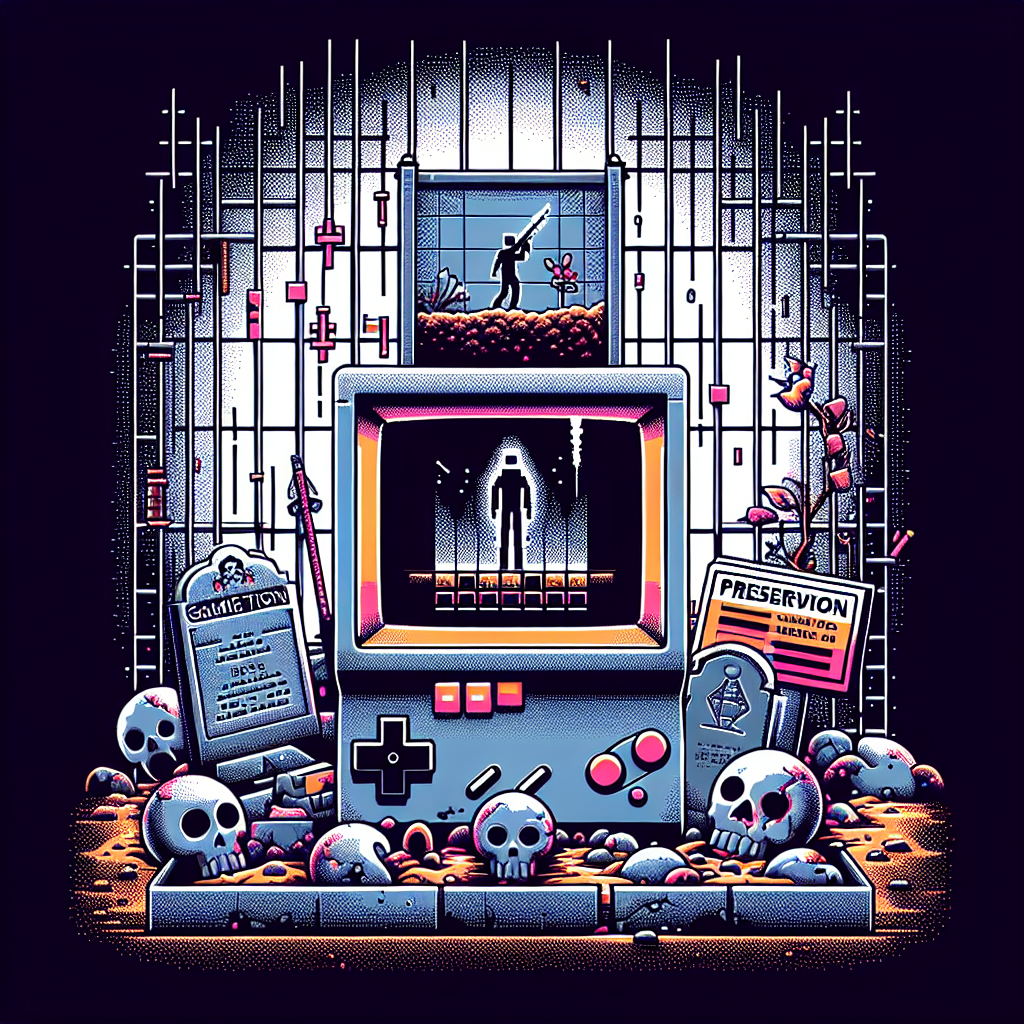
Blindfire is now free to play and will stick around for "years" so players can see what the studio created — and that simple choice tells us more about games, preservation, and the economics of live-service design than a typical shutdown story does.

The news landed quietly on May 7, 2026: Double Eleven rebranded the struggling FPS as Blindfire: Lights Out, pushed a final major update, and flipped the price to free. Crucially, the studio said it will keep the servers running for years because, as the team put it on the Steam page, they’re “proud of it” and want to preserve the work. That line — “games are art and deserve to be preserved” — is the headline-grabbing quote, but the decision behind it sits at the crossroads of creative pride, player goodwill, and the messy realities of maintaining online games.

Why this matters beyond a niche shooter

Most players have seen this pattern: an online game launches, fails to attract the numbers the publisher hoped for, and then quietly powers down. It’s jarring because, unlike single-player titles you can keep on a shelf, live multiplayer games often disappear entirely when servers go offline or licensing expires. Blindfire’s pivot — going free and remaining online despite its commercial struggles — feels like an act of preservation that acknowledges games as cultural artifacts, not just revenue streams.

That matters because digital ephemerality is real. When a server goes dark, so do the unique systems, player histories, and social experiences that made the game what it was. For some studios that inability to “archive” a multiplayer experience is an ethical sore point: games embody design choices, music, code, and community interactions that future devs, historians, and curious players will never see if everything is erased.

Blindfire: the short story

  • Released in October 2024 as an experimental online FPS built around darkness and detection.
  • Never carved out a big audience amid fierce competition and discoverability issues.
  • After a year without major patches, Double Eleven released a final update on May 7, 2026, renamed the game Blindfire: Lights Out, and made it free to download.
  • The studio committed to keeping servers running for “years” so people can play and researchers or fans can study the design. (kotaku.com)

Blindfire is now free to play and will stick around for 'years' so players can see what the studio created

That phrase — the official framing of the update — works as both marketing and manifesto. On one hand, free-to-play removes a price barrier that was likely limiting discovery. On the other, the “we’ll keep it online” pledge signals respect for the project’s lifespan beyond pure profit.

This approach isn’t unprecedented, but it’s rare. Some studios release server tools, set up private-server support, or open-source parts of a game so communities can continue running them. Double Eleven’s choice to keep the official servers live is different: it preserves the canonical experience under the developer’s own care.

The tension: stewardship versus sustainability

Keeping a game online is not free. Servers, matchmaking infrastructure, anti-cheat systems, and staff time all cost money. When a title is losing players and revenue, companies typically cut those costs. So why would a studio choose preservation over immediate bottom-line savings?

  • Reputation and goodwill. A public gesture to preserve a game can build trust and respect across the community and the wider industry.
  • Ethical and historical considerations. For teams proud of their work, shutting it down feels like erasing a creative statement.
  • Low-cost middle ground. Some server bills and maintenance can be scaled back; keeping simple, low-overhead servers running might be feasible for years with modest investment.
  • Future upside. A preserved title can become a historical curiosity, a case study, or even a source of renewed interest later on.

That last point is practical: the way communities rediscover old games — through streamers, nostalgia, or unexpected cultural moments — means that “dead” titles can sometimes be revived. A standing server makes any revival simpler.

Where this sits in the bigger preservation debate

Game preservation activists and archivists have long warned that more games are being lost every year, especially online-only experiences. The Blindfire case adds nuance: publishers can act as stewards, not just gatekeepers. It also highlights the need for industry standards around preservation: documentation, tooling for private servers, and clearer licensing for assets and code.

At the same time, the move raises questions. Will Double Eleven truly fund servers “for years,” or is this a temporary grace period? How will anti-cheat, matchmaking, and live services be maintained long-term? The answers matter for players who invest time and identity in these worlds.

Players and preservation: what this means for you

  • If you’re curious, now’s the perfect time to try Blindfire: Lights Out while the official servers remain active. Free access makes it easy to experiment without commitment. (kotaku.com)
  • If you value digital preservation, support initiatives that document live-service games: archival projects, fan wikis, and recordings of gameplay are all critical.
  • For developers, this is a reminder that the choices you make at the end of a project define its legacy — whether it’s open-sourcing tools, providing server-running instructions, or simply announcing a preservation plan.

My take

I’m glad Double Eleven chose to keep Blindfire alive. It’s a humane move in an industry that often treats projects like disposable experiments. Preserving a game acknowledges the labor and creativity behind it, and it keeps an honest record of what developers tried — successes and failures both.

That said, this can’t be the only pattern. Preservation needs systemic solutions: clearer laws around game archiving, industry norms for handing off server code, and funding for noncommercial archival efforts. Developer goodwill helps, but it’s fragile when balanced against quarterly budgets.

Sources

Broccoli and Cheese Phyllo Pie | Made by Meaghan Moineau

Last Tuesday, I found myself staring into the fridge, a little lost and a lot hungry, after a long day of work and an unexpected detour when my grocery bag tore open on the way home. There it was, my knight in shining armor: a half-eaten broccoflower and some leftover bacon from the weekend breakfast. Inspiration struck, and here we are with this Broccoli and Cheese Phyllo Pie. It’s surprisingly easy, deliciously comforting, and had the added bonus of making me feel like a culinary genius without breaking much of a sweat. Plus, who doesn’t love a dish wrapped in layers of flaky, buttery phyllo? Trust me, this is the kind of recipe that saves your night while winning you major points with anyone lucky enough to share it with you. Jump to Recipe

What You’ll Need

This pie is all about using what you likely already have mingling in your pantry and fridge. It’s unpretentious with a twist of sophistication, thanks to that golden, flaky phyllo.

  • 1 broccoflower
  • 5 large eggs
  • 4 slices of cooked bacon, chopped
  • 1 teaspoon salt
  • 2 tablespoons all-purpose flour
  • 1 cup milk
  • 1/2 cup mayonnaise
  • 3 green onions, chopped
  • 1/4 teaspoon cayenne pepper
  • 1/4 teaspoon black pepper
  • 2 cups shredded smoked cheddar cheese
  • 1 package of phyllo dough sheets (about 20 sheets)
  • Butter, melted (for brushing)

How to Make Broccoli and Cheese Phyllo Pie

  1. Begin by preheating your oven to 350°F (175°C). This ensures it’s ready to go once your pie is assembled.
  2. Place your broccoflower in a pot, cover with water, and let it cook for about 5 minutes. Drain it well and set it aside to cool.
  3. In a large bowl, combine your chopped bacon, green onions, and shredded cheese. Give it a good mix so the flavors can start mingling.
  4. In a separate medium bowl, whisk together the eggs, salt, cayenne, black pepper, flour, mayonnaise, and milk. An immersion blender will help achieve a silky smooth texture, especially since mayo can seize up in cold mixtures.
  5. Unroll your phyllo dough and keep it covered with a damp paper towel to prevent it from drying out while you work.
  6. Prep an 8-inch springform pan by greasing it with cooking spray or melted butter, ensuring nothing sticks.
  7. Working quickly, lay two sheets of phyllo in the pan and gently brush with butter. Repeat this process, rotating the pan with each addition, until about 3/4 of your roll is used, creating a thick, pastry ‘nest.’
  8. Now that your broccoflower is cool, roughly chop it and fold it into your bacon mixture. Pour this mixture into your phyllo nest and pat it down gently.
  9. Give your egg mixture a quick remix before pouring it over the broccoli mix. You’ll want to ensure it’s evenly distributed.
  10. Layer the remaining phyllo sheets on top, two at a time, buttering in between. Roll any overhanging edges to create a neat crust. Brush the top with butter for that golden finish.
  11. Bake in the preheated oven for about 1 hour and 15 minutes. Keep an eye on it and cover with foil after an hour if the phyllo browns too quickly.
  12. Once baked, allow the pie to rest for 15 minutes before slicing. This prevents a lava flow of filling escaping. Use a serrated knife to cut through the delicate layers.

Cook’s Notes

Phyllo can be a bit of a diva, so keep it under a damp towel to avoid dryness. The immersion blender trick keeps your mixture velvety and avoids those pesky mayo clumps. If you’re making this ahead of time, the assembled pie can sit in the fridge for a few hours before baking. Leftovers? Store them in the fridge and reheat in the oven to bring back that crispiness.

Make It Your Own

  • Vegetarian Delight: Swap the bacon for sautéed mushrooms or sun-dried tomatoes for a meatless version that’s still packed with umami.
  • Cheese Swaps: If you’re out of smoked cheddar, try using a sharp cheddar or Gruyère for a different but equally mouthwatering experience.
  • Spice It Up: Add a teaspoon of smoked paprika or a pinch of red pepper flakes for a pie with a little extra kick.
  • Mix Up the Greens: No broccoflower? Broccoli, cauliflower, or even a mix of both work just as well, each bringing a unique flavor to the pie.

If you try this, I’d love to hear how it turns out — drop a comment or tag me! Your kitchen victories brighten my day more than you know.

Related update: Broccoli and Cheese Phyllo Pie

Lakers Must Be Near Perfect vs Thunder | Analysis by Brian Moineau

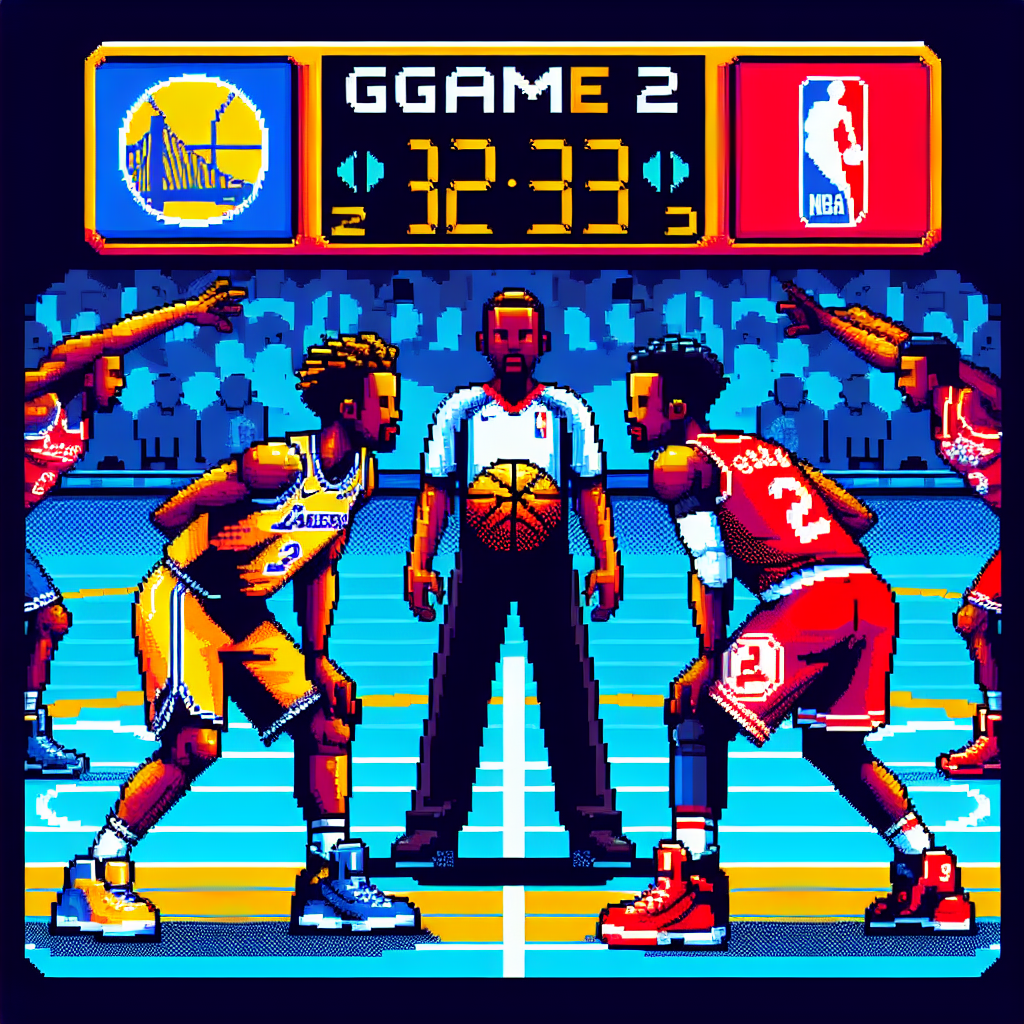
The Lakers understand their playoff dilemma. They need to be near their best to win, and the defending champ Thunder do not.

The line lands hard: The Lakers understand their playoff dilemma. They need to be near their best to win, and the defending champ Thunder do not. That sentence — blunt, honest, a little savage — is the lens through which Game 2 of Lakers-Thunder should be read. After a Game 1 in which Oklahoma City comfortably controlled tempo, shot well, and got timely contributions beyond its stars, Los Angeles faces the familiar playoff problem: it can’t rely on flashes from one superstar and hope the rest of the roster carries enough weight against a deep, confident champion.

This matters because playoff basketball punishes unevenness. The Thunder can absorb a clunker or two from a role player and still win; the Lakers, constrained by roster balance and matchup issues, must find a higher floor across quarters and rotations. Let’s break down three things to watch in Game 2 and why each will determine whether the Lakers can steal a win in Oklahoma City.

What to watch: can the Lakers fix their supporting cast night?

  • In Game 1, the Lakers got a big scoring night from a primary star, but the supporting cast was inconsistent. Austin Reaves’ 3-for-16 outing became emblematic — when bench creators and secondary scorers go cold, spacing vanishes and defenses shrink the paint.
  • The Lakers’ role players must do more than survive; they have to move the Thunder’s attention. That means crisp off-ball movement, better 3-point shots, and fewer turnovers leading to easy Thunder transition points.
  • Watch substitution windows. Coach JJ Redick will need to balance minutes so starters don’t tire chasing Oklahoma City’s pace. If LA’s bench can produce even 20–25* effective minutes, the team’s offensive variance drops and scoring becomes more reliable.

Transition: fixing the supporting cast ties directly into the next key issue — ball security.

What to watch: ball security and limiting easy Thunder possessions

  • The Thunder thrive on pace and scoring off turnovers. In Game 1, Oklahoma City turned LA miscues into quick points, and those transition baskets are the exact margin salt in a playoff wound.
  • The Lakers must protect the ball on entry passes and in break-the-press moments. Fewer turnovers means fewer fast breaks and fewer rhythm-restoring threes for OKC’s role wings.
  • LeBron (and other primary ball-handlers) should be deliberate in pick-and-roll reads and avoid risky passes into the teeth of the defense. That’s not glamorous, but it’s functional: it takes the Thunder’s edge away.

Transition: even with better ball control and bench production, matchup dynamics can tilt the series — especially paint control.

What to watch: winning the paint and rebounding battle

  • Oklahoma City’s size and switchable defensive pieces make paint scoring and defensive rebounds a critical battleground. If the Thunder control glass and convert second-chance points, LA’s margin for error evaporates.
  • Deandre Ayton’s presence on the glass is vital; he won’t need to out-score every opponent, but winning rebound opportunities and defending the rim matter a lot. On offense, getting Ayton touches near the rim forces help defenders to collapse, opening kick-outs to shooters.
  • The Lakers must box out aggressively and limit offensive rebounds for OKC. Fewer offensive rebounds not only deny second opportunities — they slow the Thunder’s momentum, which is essential for a team content to ride streaks rather than force plays.

Transition: beyond these three items are subtler, but no less decisive, strategic threads.

Matchups, foul calls, and momentum swings

Small details often create the swing. The Thunder are a championship-caliber team because they can manufacture offense in multiple ways: elite isolation play, secondary ball movement, and role shooters who hit timely threes. The Lakers’ margin for error is slender, so how referees call physicality and how both teams manage foul trouble — especially for key defenders — can flip momentum.

Look also at how OKC deploys its depth. In Game 1, wings and young guards popped in with efficient scoring bursts. If the Thunder get similar bench flavor in Game 2, LA will need consistent counters — whether that’s match-up switching, zone looks to disrupt rhythm, or more intentional double-team packages on primary creators.

Mid-series chess: adjustments to expect

  • Expect the Lakers to try and tighten passing lanes and shorten possessions. That may mean more isolations for LeBron and designed actions for Ayton to draw in help.
  • Expect the Thunder to continue riding balance — multiple scoring threats every quarter. Their model doesn’t require everyone to go off every night; they win by being more consistent across 48 minutes.
  • Watch the coaching adjustments. Mark Daigneault’s lineup construction and how he manages minutes are part of a bigger advantage: depth. Redick’s ability to in-game tweak rotations could be decisive.

Key takeaways

  • The Lakers need balanced production; one great night from a superstar won’t be enough against OKC’s depth.
  • Ball security and limiting transition points are essential to slow the Thunder’s rhythm.
  • Controlling the paint and the rebound margin will determine possession quality and second-chance scoring.

My take

The most compelling thing about this series is the conceptual contrast. The Thunder, as defending champs, can lean on structural advantages: depth, a roster built to generate consistent offense, and a style that tolerates variance from any single player. The Lakers are a team that, to win here, must elevate their baseline. That’s a lot to ask on the road in a hostile environment.

But basketball isn’t only about rosters; it’s about will and narrative. The Lakers have the experience and a superstar who can still tilt a game. If the supporting cast finds an early rhythm, if turnovers drop, and if the team fights for every rebound, Game 2 could be tighter than the playoff odds suggest. If not, expect the Thunder to continue imposing their identity: relentless, deep, and measurably harder to beat.

Sources

Lamb In Red Mole Sauce | Made by Meaghan Moineau

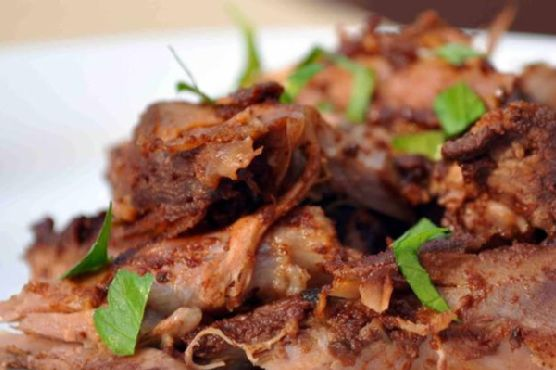
It was one of those days when the weather couldn’t make up its mind – gloomy clouds threatening rain one moment, only to break into streams of sunlight the next. I found myself aimlessly wandering the aisles of my favorite local grocer, craving something rich and warming. Lamb in Red Mole Sauce – that’s the dish that came to mind. It’s the kind of meal that feels like a cozy blanket after a long day but also carries a bit of flair, like you’ve spent hours crafting something special just for you (even if, honestly, the oven does most of the work). When you take that first bite and the tender lamb mingles with the smoky, spicy mole, it’s pure magic. Trust me, you’ll want to give this recipe a go, especially when you need a little pick-me-up that feels just a tad indulgent.

Jump to Recipe

What You’ll Need

This ingredient list is a little trip to flavor town with a Mexican twist. The beauty? You might already have most of these in your pantry, and the rest are definitely worth the hunt.

  • Dried chipotle peppers
  • Pasilla peppers
  • Plum tomatoes
  • Garlic
  • Oregano
  • Cinnamon
  • Sesame seeds
  • Pepper
  • Canola oil
  • Mexican chocolate
  • Salt
  • Tomato sauce
  • Lamb shoulder
  • Salt and pepper for seasoning

How to Make Lamb In Red Mole Sauce

  1. Begin by soaking the dried chipotle peppers in hot water until they soften up. Once soft, remove the seeds and stem. This is where the magic begins.
  2. In a blender, puree the softened chipotles, roasted pasilla peppers, plum tomatoes, and garlic until smooth. Set this flavor bomb aside for later.
  3. Grab a small skillet and toast the oregano, cinnamon, sesame seeds, and pepper until your kitchen smells like a spice market in Mexico – fragrant and irresistible.
  4. In a saucepan, heat some canola oil. Add the pureed vegetable mix, the freshly toasted spices, chocolate, salt, and tomato sauce. Stir everything together and let it simmer gently until the chocolate melts and the sauce is well blended. If it looks like it’s getting too thick, a splash of water will do the trick.
  5. Meanwhile, in a large skillet, heat more oil. Season the lamb shoulder liberally with salt and pepper. Sear it on all sides until a glorious brown crust forms. This step is where flavor meets texture.
  6. Place the browned lamb on a piece of heavy-duty aluminum foil. Pour the mole sauce over the top, making sure it’s nicely coated. Seal the foil tightly – doubling up is a smart move to keep all those juices in.
  7. Bake in the oven at 325°F for 3-4 hours. When you open that foil, the lamb should be so tender it practically falls off the bone. Succulent perfection.

Cook’s Notes

Cooking this dish is like an art, where patience is rewarded with flavors that are deep and layered. The sauce should be thick but pourable; add water if it gets too sturdy. If you’re making this ahead, you can prepare the mole sauce a day in advance and just warm it up when needed. As for leftovers, they keep well in the fridge for up to three days and taste even better the next day as the flavors meld. Just ensure you reheat gently to prevent the lamb from drying out.

Make It Your Own

While I adore the traditional flavors in this dish, there’s always room for a little personalization:

  • Swap the lamb for pork shoulder if that’s more your style, but keep the cooking time the same to ensure tenderness.
  • For a vegetarian twist, use large portobello mushrooms in place of lamb, adjusting the cooking time to just an hour.
  • If spicy isn’t your thing, sub the chipotle peppers with guajillo peppers for a milder kick.
  • Want to add a bit more crunch? Garnish with toasted pumpkin seeds and fresh cilantro before serving.

If you try this, I’d love to hear how it turns out—drop a comment or tag me! Whether you’re savoring it solo or sharing with friends, I hope this dish brings you as much joy as it’s brought me. Happy cooking!

Related update: Lamb In Red Mole Sauce

Related update: Broccoli and Cheese Phyllo Pie

Sims 4 May 12 Update: Key Highlights | Analysis by Brian Moineau

Early Look at The Sims 4 Update for May 12th, 2026 — what I loved from the livestream

If you missed the livestream, here’s an Early Look at The Sims 4 Update for May 12th, 2026 that breaks down the highlights, the surprises, and what this quality‑of‑life push means for everyday play. The Sims Team and the Sims Q&A Team walked viewers through a batch of base‑game improvements, fixes, and new base layers the community has been asking for — and they did it with that rare mix of polish and personality that keeps longstanding players coming back.

Below I’ll summarize the major bits shown on the stream, explain why they matter to different kinds of Simmers, and point out where you might want to be cautious before hitting “Update” on May 12, 2026.

What the livestream focused on

  • A focused Quality‑of‑Life update rather than a paid pack drop.
  • New “base layers” clothing items (undergarments and underlayers) that add customization and inclusivity.
  • Major infant and family interaction improvements plus 150+ bug fixes and tweaks.
  • A commitment from devs to keep listening to community feedback and follow up with detailed patch notes on May 12.

The official “Laundry List” preview and the livestream recaps make it clear: this update is designed to refine systems players use every day rather than add a single flashy feature. That’s welcome — it’s the sort of housekeeping that keeps a large, living game like The Sims 4 feeling responsive.

Why base layers matter

Base layers — camisoles, bras, binders, and other underclothes — sound small, but they open up customization and representation. They let players build outfits that match their vision without relying on third‑party content or awkward layering workarounds.

  • More realistic outfit combinations in Create‑a‑Sim.
  • Better compatibility for gender‑diverse styling (binders and similar items).
  • Less reliance on mods for basic needs.

Because these come as base‑game content, players who avoid mods get access to meaningful expression options right away. That moves the needle for inclusivity in a game whose joy often comes from customizing identity.

What the livestream showed about infants and families

The devs spent a generous portion of the stream on infant behavior and family systems. Expect more robust interactions between infants and caregivers, fixes to long‑standing bugs, and smoother transitions for growth stages.

  • Improved infant animations and feeding interaction flow.
  • Fixes for common issues that caused stuck scenarios or broken social actions.
  • Quality‑of‑life tweaks to make parenting less glitchy and more intuitive.

These changes matter because a lot of the community still plays family‑focused households. When baby routines feel natural, the whole life simulation experience becomes more satisfying.

The bug fixes: depth over flash

According to the previews, the May 12 update will roll out over 150 fixes. The livestream emphasized that many of these are community‑reported pain points.

  • Stability and performance patches for repetitive crash triggers.
  • Fixes for object interactions, routing, and social behaviors.
  • Specific issues called out by the community were prioritized.

That focus on user‑reported bugs is good governance for a live game; however, frequent updates have historically caused mod breakage for some players. The devs acknowledged this tension and recommended checking mod compatibility after the update.

Transitioning to caution: mod users and saves

If you use mods or heavily rely on custom content, exercise caution. Past updates have occasionally broken mods or required creators to update their packages.

  • Backup your saves before updating.
  • Disable mods and custom content if you want to boot the game safely the first time after patch day.
  • Watch modders’ compatibility posts and the EA Forums for early reports.

The livestream team reminded viewers they’ll post full patch notes on May 12, which should include more technical details and guidance for mod users. So, plan to read those notes before diving into play.

How the devs handled community questions

The Sims Q&A Team ran an approachable segment where they answered player questions live. They were transparent about what they could fix now versus what needs longer development, and they stressed ongoing listening and iterative fixes.

  • Clearer communication about timelines.
  • Openness to community feedback channels like Discord and the forums.
  • Willingness to follow up on issues that need deeper work.

This kind of direct dialogue matters because community trust hinges on follow‑through. The livestream wasn’t just show-and-tell; it was an exercise in rebuilding faith after past rocky patches.

Quick summary of what to expect on May 12, 2026

  • Base layers and undergarment options added to base game.
  • Infant and family system improvements.
  • 150+ fixes across gameplay, objects, and stability.
  • Full patch notes and guidance for mod users published on May 12.

These are practical upgrades that make everyday play smoother and more expressive — the kind of updates that, cumulatively, change the feel of the game more than a single large add‑on might.

My take

I appreciated the livestream’s tone: pragmatic, player‑focused, and candid about limits. The base layers and infant improvements are concrete wins for representation and gameplay. Still, the usual caveat applies — if you depend on mods, update cautiously and wait for creators’ thumbs‑up.

Overall, this Early Look at The Sims 4 Update for May 12th, 2026 feels like a healthy course correction — small investments in quality that should pay off in long‑term player satisfaction.

Further reading

  • Keep an eye on the official patch notes when they post on May 12 for the full technical breakdown.
  • If you use mods, monitor the EA Forums and major modding hubs for compatibility updates.

Sources