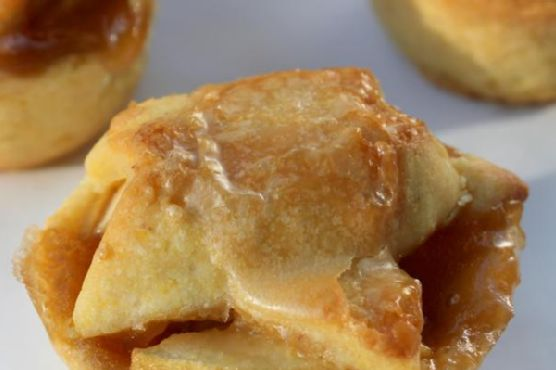
Brandy-Apple Mini Pies With Cornmeal Crust | Made by Meaghan Moineau

Okay, so picture this: It’s a chilly autumn afternoon, and I’ve just returned from the farmer’s market with a bag full of crisp, tart apples. I’m totally in the mood for some fall baking therapy, but I need something that doesn’t have me glued to the oven for hours. Enter these adorable Brandy-Apple Mini Pies with Cornmeal Crust. They’re the perfect mix of cozy and impressive, with a buttery, cornmeal crust that crumbles just right and a filling that’s sweet with a hint of boozy warmth. They’re just the ticket for a quick baking session that still feels special—plus, they make your whole kitchen smell like the best parts of fall. And the best part? They’re mini, so you can totally have more than one. Intrigued? Jump to Recipe

What You’ll Need

You’re in luck, because there’s a good chance you’ve got most of these goodies chilling in your pantry or fridge already. Here’s what you’ll need:

  • 1 cup all-purpose flour
  • 1/2 cup yellow cornmeal
  • 1/4 cup powdered sugar
  • 1/2 tsp salt
  • 1/4 cup vegetable shortening
  • 3-4 Tb. ice water
  • 3 cups green diced tart apples (like Granny Smith)
  • 1/2 cup unsalted butter
  • 2 Tb. brandy
  • 1/2 cup brown sugar
  • 1 tsp pumpkin pie spice
  • 1 Tb. sugar

How to Make Brandy-Apple Mini Pies With Cornmeal Crust

  1. Start by tossing the flour, cornmeal, powdered sugar, and salt into your food processor. Pulse it a couple of times to mix everything together.
  2. Cut the shortening into small cubes and add it to the processor. Pulse again until the mixture resembles coarse crumbs.
  3. Add 3 tablespoons of ice water and pulse until the dough starts to come together. If it looks a little dry, add another tablespoon of water.
  4. Lay out a sheet of plastic wrap and turn the dough onto it. Divide it into two pieces—one larger and one smaller, about 80/20 split.
  5. Shape each piece into a disk, wrap them snugly, and pop them into the fridge for at least 30 minutes.
  6. While the dough chills, peel and dice your apples. Preheat your oven to 425°F.
  7. In a small saucepan over medium heat, blend together the butter, brandy, brown sugar, pumpkin pie spice, and sugar. Stir until it simmers, then pour this sweet mixture over the apples, tossing to coat.
  8. Take the larger dough disk out of the fridge and roll it out on a well-floured surface to about 1/8 inch thick.
  9. Use a drinking glass with a 3-4 inch rim to cut out circles of dough. Press these into your muffin tins. Gather and re-roll the dough scraps to get 14-16 crusts.
  10. Fill each mini crust with a generous scoop of the apple mixture.
  11. Roll out the smaller dough piece and use a cute 2-3 inch cookie cutter to make tops. Place these over each pie and brush with any leftover syrup from the apple bowl.
  12. Bake for 15 minutes, then lower the oven temp to 350°F and bake an additional 15 minutes. If they look perfectly golden after the first 15, cover them with foil to prevent over-browning.
  13. Cool the pies completely in the muffin tin before attempting to remove them. Trust me, no one wants to see these beauties fall apart!

Cook’s Notes

Silicone muffin pans are your best friend here—they make getting the pies out a breeze. If you’re using metal pans, gently run a sharp knife around the edges, and oh-so-carefully ease each pie out into your hand one at a time. If you’re eyeing a full-size pie instead of minis, just double the apples and syrup. Roll out the dough into a bottom crust and top, bake at 425°F for 30 minutes, then 350°F for another 30.

Make It Your Own

  • Swap the brandy for a splash of bourbon or whiskey for a deeper, smokier flavor.
  • Try using pears instead of apples for a sweet, juicy twist.
  • Add a handful of chopped pecans to the apple mixture for some nutty crunch.
  • Sprinkle a little coarse sea salt on top before baking for that sweet-salty combo we all secretly obsess over.

If you give these mini pies a spin, I’d love to hear how they turn out for you! Drop a comment below or tag me in your delicious creations. Happy baking!

Related update: Brandy-Apple Mini Pies With Cornmeal Crust

Related update: Yogurt Cake

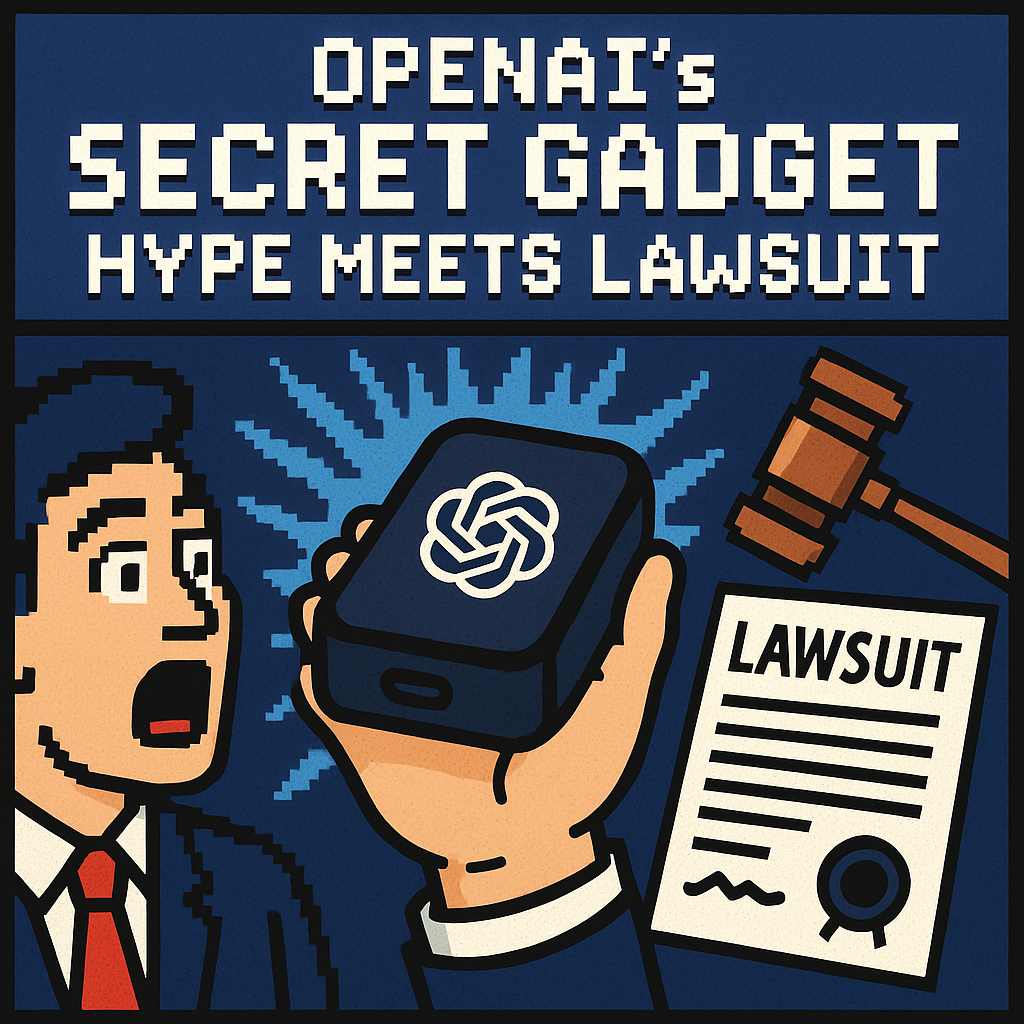
OpenAI’s Secret Gadget: Hype Meets Lawsuit | Analysis by Brian Moineau

TL;DR

  • OpenAI’s secret gadget sits at the collision of design theater and legal crossfire: Joanna Stern’s NBC News open letter spotlights the mystery while Apple’s July 2026 trade‑secrets suit turns the launch into a courtroom subplot. [1][3]
  • Competing leaks disagree on form factor—TechCrunch points to earbuds, while Bloomberg Law points to a screen‑free smart speaker; meanwhile, the only consumer AI hardware with real traction is Ray‑Ban Meta smart glasses, which topped 1 million units in 2024. [5][7][4]
  • The winning move isn’t “iPhone‑killer” hardware; it’s a low‑friction accessory that rides existing habits, avoids Humane‑style support fiascos, and pairs tightly with phones—before the courts can slow the party. [2][6]

What the source said

Joanna Stern’s NBC News column uses the conceit of an “open letter” to OpenAI’s unannounced device to frame three concrete questions: what it is, who it’s for, and why it matters amid scrutiny of OpenAI’s hardware ambitions. She cites the Jony Ive aura and the fact that a real object is in the works even as the company holds specs. Her tone mixes skepticism with affection for ambitious gadgets and reminds readers that shipping consumer hardware is brutal, even for a software‑first company. [1]

Why it matters

The stakeholders extend beyond OpenAI and any Ive‑led studio. Apple is suing over alleged trade‑secret theft; Qualcomm wants design‑win sockets if NPUs or modems are inside; and retailers like Best Buy act as gatekeepers for shelf space that can make or break holiday sell‑through. Each participant either gains a new revenue vector or absorbs costs from returns, legal delays, and a feature set that fails to map to daily habits. [2][3]

If OpenAI misreads the category, it risks Humane‑style blowback—devices dying within a year and refunds that torch trust. If it gets the fit right, it can earn durable voice presence in daily life without asking iOS or Android for front‑door access every time. That’s the prize: habitual access, not an industrial‑design trophy. [6]

Original analysis

OpenAI’s secret gadget: where it can win—and where it will bleed

Two conflicting, sourced threads point to very different launches. TechCrunch reports the first device “could be earbuds,” while Bloomberg Law says the debut will be a screen‑free, mobile smart speaker—an at‑home AI companion. Both imply voice‑first, screen‑optional UX and heavy reliance on cloud inference unless an on‑device NPU surprises us. Axios, by contrast, stakes the timeline: OpenAI is “on track” for a second‑half‑of‑2026 unveiling, which now competes with Apple’s active lawsuit clock. [5][7][2][3]

Here’s the consensus in one sentence: to control the assistant layer, OpenAI needs a phone replacement or a dedicated countertop gadget. Contrarian read: the safest path to habit is a humble accessory that piggybacks on phones and sunglasses people already wear. Consumer data backs this up: the only AI‑adjacent gadget with obvious momentum is Ray‑Ban Meta smart glasses, which crossed one million units in 2024 with a familiar brand, tight phone pairing, and “good enough” on‑device features plus cloud AI; bespoke “AI devices” like Humane’s Ai Pin imploded in under a year, leaving owners with bricked hardware and partial refunds. That’s not a UX quibble; that’s a trust‑and‑support lesson. [4][6]

A 2×2 to decode the options

  • Axis 1: Form factor

    • Body‑worn (earbuds, glasses)
    • Room‑placed (speaker, dock)
  • Axis 2: Compute location

    • On‑device NPU‑first
    • Cloud‑first with minimal edge compute

Place the contenders:

  • Ray‑Ban Meta: Body‑worn, partial on‑device, cloud assist. Proof that “ambient + accessory” can scale beyond novelty. [4]
  • OpenAI earbuds (rumored): Body‑worn, likely cloud‑first. Wins on habit (always with you), loses if Android/iOS power management and Bluetooth latency hobble responsiveness. [5]
  • OpenAI speaker (reported): Room‑placed, cloud‑first. Wins on mic array and far‑field reliability; risks Echo‑style appliance status unless it does something new. [7]
  • Apple/HomePod + Apple Intelligence: Room‑placed with deep OS hooks that hide seams; Apple’s distribution and default status are structural advantages.

Implication: OpenAI maximizes daily use odds by starting with body‑worn accessories that ride iPhone and Android. A room device can be lovely—but the Echo lesson looms: retention needs a daily anchor use case, not just better chitchat.

Named‑stakeholder breakdown

  • OpenAI: The launch is a three‑front campaign—industrial design, cloud cost economics, and litigation risk. A speaker ties them to the home and a services margin; earbuds tie them to your pocket and carrier politics. [2][7][3]
  • Apple: The trade‑secret case creates optionality—squeeze discovery, seek an injunction, or at least slow a rival while Apple embeds “Apple Intelligence” across accessories. Even without a win, time is advantage. [3]
  • Ive‑adjacent studio: If the product delights, the mystique resets the “AI gadget” narrative; if it stumbles, pin‑era skepticism hardens. Discovery risk also drags more eyes over design processes. [3]
  • Qualcomm: Axios signaled collaboration with OpenAI; a shipping device means sockets, reference designs, and a chance to prove NPUs can cut latency or boost battery for assistants. [2]
  • Meta: A hit for OpenAI in wearables would crowd Meta’s smart‑glasses runway; if OpenAI ships only a speaker, Meta keeps the mobility high ground. [4]

Historical analogue

  • 2016 AirPods showed how a tiny, accessory‑class device could become a daily ritual without replacing the phone.
  • 2014 Echo established that room devices win setup speed and reliable wake words but struggle to expand beyond timers and music without deep service hooks.
  • 2013 Google Glass proved that social acceptability and fashion matter as much as sensors and CPUs for face‑worn tech.

The contrarian wedge

Everyone is arguing about the object—earbuds or speaker—while the real moat is distribution plus delight. Meta built habit in under 12 months via Ray‑Ban stores, Instagram campaigns, and a fashion‑credible frame; Humane had neither, and it showed. OpenAI doesn’t own retail or an OS. Its best wedge is to become the most responsive voice AI inside accessories people already want to wear; if the first reveal is a room gadget, it must deliver genuinely proactive, multi‑step agency that saves visible time—think minutes per day—to justify a new box on the counter. Otherwise, it’s another pretty cylinder. [4][6]

What others are missing

Support and refunds will decide this category as much as the model weights. Engadget documented how Humane’s $700 Ai Pin shut down with a 10‑day sunset and limited refunds, leaving early adopters stranded and souring the exact audience OpenAI is courting. The lesson is operational, not just architectural: publish a clear warranty, promise an offline baseline that never bricks, and make the refund path explicit on day one. If OpenAI skimps here, the demo sizzle won’t matter once the first RMA hits Reddit. [6]

What to watch next

  1. By October 2026, OpenAI publicly clarifies the form factor (speaker vs. earbuds) with a working demo, not just renders. [2][5][7]
  2. By November 2026, at least one court filing in Apple v. OpenAI explicitly links—or fails to link—specific hardware components or supplier processes to alleged trade secrets, determining whether an injunction is plausible before year‑end. [3]
  3. By December 2026, if the device is room‑placed, major retailers list it for holiday preorders; if body‑worn, at least one U.S. carrier partnership appears to handle voice and app permissions cleanly. [2][4][5]

My take

Ship a thing people already wear. Earbuds or glasses beat a countertop monolith like Echo or HomePod for mobility and habit formation. If OpenAI leads with a speaker, it’s choosing controlled acoustics and easier marketing over the harder, more valuable challenge of being with me at the crosswalk, at the grocery shelf, and on the subway. The bet I’d back: a modest, beautiful accessory that pairs instantly, responds fast, and never bricks when servers hiccup.

Sources

  1. An open letter to OpenAI’s secret gadget — NBC News (https://www.nbcnews.com/tech/gadgets/joanna-stern-open-letter-openais-secret-gadget-rcna588052) — Frames the mystery and tone around an unannounced OpenAI device; stakes out consumer‑hardware skepticism.

  2. Exclusive: OpenAI aims to debut first device in 2026 — Axios (https://www.axios.com/2026/01/19/openai-device-2026-lehane-jony-ive) — Reports a second‑half‑of‑2026 target and hints at Qualcomm collaboration; anchors the timeline.

  3. Apple sues OpenAI over alleged trade secret theft — TechCrunch (https://techcrunch.com/2026/07/10/apple-sues-openai-over-alleged-trade-secret-theft/) — Details Apple’s July 2026 complaint and remedies sought; establishes legal headwinds.

  4. Meta’s Ray‑Ban smart glasses sold more than 1 million units last year — The Verge (https://www.theverge.com/meta/603674/meta-ray-ban-smart-glasses-sales) — Provides a hard sales number for 2024, showing accessory‑first momentum.

  5. OpenAI aims to ship its first device in 2026, and it could be earbuds — TechCrunch (https://techcrunch.com/2026/01/21/openai-aims-to-ship-its-first-device-in-2026-and-it-could-be-earbuds/) — Competes with the speaker narrative by flagging earbuds and “screen‑free” direction.

  6. All of Humane’s Ai Pins will stop working in 10 days — Engadget (https://www.engadget.com/ai/all-of-humanes-ai-pins-will-stop-working-in-10-days-225643798.html) — Documents a shutdown window and refund limits that poisoned early‑adopter trust.

  7. OpenAI’s First Device Will Be Speaker Built as AI Companion — Bloomberg Law (https://news.bloomberglaw.com/artificial-intelligence/openais-first-device-will-be-speaker-built-as-ai-companion-1) — Adds weight to the speaker rumor and the room‑placed launch angle.
Related update: We recently published an article that expands on this topic: read the latest post.

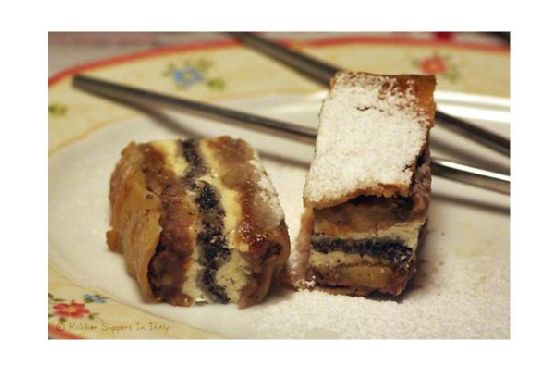
Layered Poppy Seed Pastries | Made by Meaghan Moineau

On a particularly rainy Tuesday afternoon, as the water danced against my kitchen window, I found myself craving something both cozy and indulgent. I rummaged through the pantry, hoping for inspiration, and there it was: a can of poppy seed filling. That was all it took to set me on the path toward creating these Layered Poppy Seed Pastries. They’re the perfect blend of buttery layers and rich filling, a treat that feels special but isn’t overly complex to prepare. If you’re like me and love bringing a bit of warmth and comfort on a dreary day, this recipe is a must-try. These pastries are like edible hugs — perfect for impressing friends or just treating yourself.

Jump to Recipe

What You’ll Need

You’d be surprised how many of these ingredients are likely sitting right in your pantry. This recipe doesn’t require anything too exotic, but a few key ingredients really make it shine. Here’s what you’ll need:

  • Warm milk – for activating the yeast
  • Dry packet yeast – to give our pastries that lovely rise
  • Flour – the backbone of our pastry
  • Baking powder – adds an extra lift
  • Salt and a dash of sugar
  • Lemon zest – for a hint of brightness
  • Butter – because what’s a pastry without it?
  • Whole egg plus an extra yolk for richness
  • Vanilla extract – just a splash!
  • Canned poppy seed filling – the star of the show
  • Ground walnuts – for that nutty crunch
  • Water – just a splash to bring it all together

How to Make Layered Poppy Seed Pastries

  1. Start by mixing the warm milk, dash of sugar, and yeast in a small bowl until the yeast dissolves. Let it sit while you prep the rest.
  2. In a large mixing bowl, blend the flour, baking powder, salt, and lemon zest. Add the butter and mix until you see a crumbly texture forming.
  3. In a separate bowl, beat the whole egg and extra yolk with vanilla. Alternate adding this mixture and the yeast mixture to the flour blend, mixing until you have a cohesive dough.
  4. Transfer your dough to a floured board. Divide it into four parts and knead each into a flat disc. Wrap these in plastic wrap and pop them into the fridge for an hour.
  5. While the dough chills, spoon your poppy seed filling into a pastry bag. Mix the sugar and ground walnuts in another bowl and set aside.
  6. Roll each disc into a thin sheet to fit a 13×9-inch baking dish. If you have any trimmings, save them for another pastry adventure.
  7. Start layering: Place one layer of dough in the baking dish, spread half the poppy seed filling, cover with another dough layer, and sprinkle with the walnut mixture. Repeat once more and top with the final dough layer.
  8. Let the assembled pastry sit covered with a kitchen towel for 30 minutes, allowing it to rest and rise slightly.
  9. Brush the top with the egg yolk mixture for a lovely golden finish. Bake at 350°F for around 45 minutes, or until the top is golden brown and the aroma fills your kitchen.
  10. Once baked, while still hot, cut the pastry into 24 squares. Let them cool in the pan, basking in the glory of your creation.

Cook’s Notes

Always make sure your milk is warm but not hot to the touch, as too much heat can kill the yeast. These pastries freeze beautifully; just wrap them in plastic and then foil, and pop them into a resealable plastic bag. They defrost well and maintain their crispness, tricking everyone into thinking they’re freshly baked. And here’s a tip: when serving, consider making a few extra for your neighbors or friends. Sharing these could easily brighten someone’s day!

Make It Your Own

  • Swap out the poppy seed filling with a thick apricot jam for a fruity twist.
  • Replace the walnuts with pecans for a sweeter, buttery nut flavor.
  • For a citrusy kick, add orange zest instead of lemon zest.
  • Want a hint of spice? Add a teaspoon of cinnamon to the walnut mixture.

If you try this, I’d love to hear how it turns out — drop a comment or tag me! These pastries are a rainy day favorite, and I hope they’ll become a part of your kitchen adventures too. Enjoy every flaky, delicious bite!

Related update: Layered Poppy Seed Pastries

Related update: Brandy-Apple Mini Pies With Cornmeal Crust

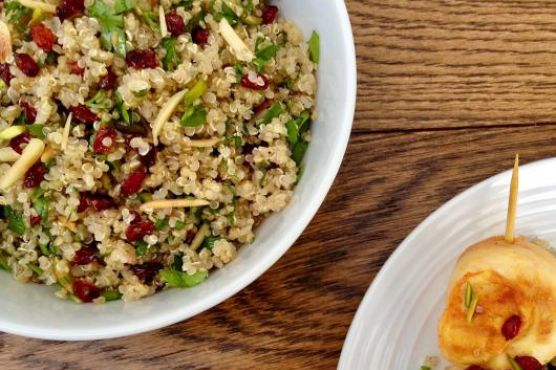
Quinoa Salad with Barberries & Nuts | Made by Meaghan Moineau

Picture this: It’s a Tuesday evening, and I’ve just emerged from a whirlwind day of meetings and errands. My energy is zapped, but my taste buds are clamoring for something a bit more exciting than my standard, last-minute pasta. I glance at my pantry, and there it is—a trusty bag of quinoa. This little grain (or seed, to be precise) is my go-to for nights like these when I want something nourishing yet packed with flavor. That’s where my Quinoa Salad with Barberries & Nuts comes into play. It’s a delightful dance of textures and tastes—fluffy quinoa, tangy barberries, and crunchy nuts, all mingling with fresh herbs. Bonus: It’s ready in a flash and makes me feel like a kitchen wizard every single time.

Jump to Recipe

What You’ll Need

Trust me, most of these ingredients are likely chilling in your pantry or fridge already. It’s the *bold* ones that make this dish pop, so don’t skip those!

  • Quinoa – the base of our salad
  • Water
  • Salt
  • Olive oil
  • Barberries – these little gems add a tart kick
  • Slivered almonds
  • Slivered pistachios
  • Coriander
  • Mint

How to Make Quinoa Salad with Barberries & Nuts

  1. Start by rinsing the quinoa thoroughly in a sieve under cold running water. This step is crucial to remove that pesky bitterness. Drain well.
  2. Next, pour boiling water over the drained quinoa in a medium saucepan. Add a good pinch of salt, give it a stir, and cook over medium-low heat. You’re looking for the quinoa to be tender but with a slight bite. Drain it again using the sieve.
  3. While your quinoa is doing its thing, pick over the barberries, rinse them gently in a sieve, and dry them on some kitchen paper. Easy peasy.
  4. Now, let’s get those nuts toasted. Heat a tablespoon of olive oil in a saucepan over medium heat. Toss in the almond slivers first until they’re a light golden hue—then add the pistachios.
  5. With the nuts nicely toasted, add the rest of your olive oil and throw in the rinsed barberries. Cook them just until they’re shiny and looking a bit puffed up, which is when they release their tangy aroma.
  6. Reserve a tablespoon of the barberry and nut mixture, along with a tablespoon of the chopped coriander and mint, for our final flourish.
  7. Mix the remaining nut and barberry blend with the quinoa and herbs. Pop it all back into the pot and place over low heat. Cover it up and let it cook for about ten minutes until it’s steaming and thoroughly heated.
  8. Finally, turn your quinoa creation into a serving dish. Fluff it up with a fork, add a drizzle of olive oil, and a twist of black pepper if you’re feeling it. Sprinkle with the reserved barberry-nut mix and herbs. Serve it up either as a main or a side—your choice!

Cook’s Notes

Here’s the thing about this salad: it’s super forgiving and versatile. If you’ve never worked with barberries before, you might find them at a specialty grocery store or online. They’re worth the hunt, trust me. When it comes to leftovers, this salad holds up well for up to three days in the fridge. Just be sure to store it in an airtight container. If you’re planning to make it ahead, keep the garnish separate and mix it in just before serving to maintain that fresh, crunchy vibe.

Make It Your Own

Customizing this salad is a breeze. Here are a few ideas to get you started:

  • Swap the barberries for dried cranberries or cherries if you prefer something sweeter.
  • Try adding crispy tofu to make it a more filling main dish.
  • Substitute the almonds and pistachios with hazelnuts and walnuts for a different nutty profile.
  • If you’re into greens, throw in a handful of arugula or baby spinach for extra color and nutrients.

If you try this, I’d love to hear how it turns out—drop a comment or tag me! Let’s get cooking and make the everyday extraordinary.

Related update: Quinoa Salad with Barberries & Nuts

Related update: Brussels Sprouts with Bacon and Shallots