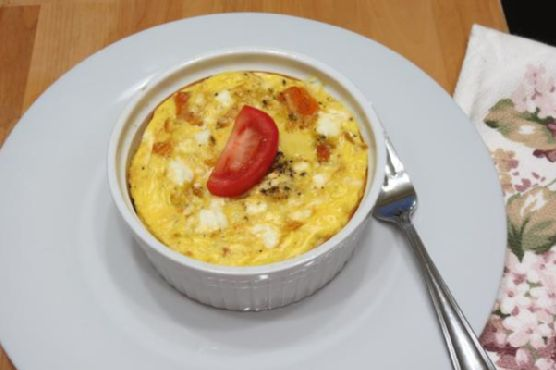
Fluffy frittata with spinach | Made by Meaghan Moineau

Fluffy Frittata with Spinach

Intro

There’s something magical about the aroma of a freshly made frittata wafting through the kitchen. It takes me back to Sunday mornings at my grandmother’s house, where the sizzle of garlic and the sight of her expertly whisked eggs made breakfast feel like an event. Among her many beloved recipes, her fluffy spinach frittata was always my favorite. Today, I’m excited to share a version of her classic dish that’s not only nostalgic but also incredibly easy to prepare. Whether you’re hosting a brunch or simply treating yourself to a hearty breakfast, this frittata is bound to become your new go-to recipe.

Why You’ll Love It

This fluffy spinach frittata is everything you want in a breakfast dish: quick to make, absolutely delicious, and packed with nutritious ingredients. The combination of fresh spinach and creamy ricotta cheese makes it light yet satisfying, while the hint of garlic and nutmeg adds depth to its flavor. Perfect for both novice and seasoned cooks, this frittata is a testament to the fact that simplicity often leads to the most delightful outcomes.

Ingredients

  • 4 large eggs, separated
  • 1 clove garlic, minced
  • 1/4 teaspoon ground pepper
  • 1/8 teaspoon nutmeg
  • 2 tablespoons olive oil
  • 1/4 cup grated parmesan cheese
  • 1/2 cup ricotta cheese
  • 1/2 teaspoon salt
  • 1 cup fresh spinach (or 1/2 cup dry frozen spinach, thawed and drained)

Instructions

  1. Preheat your oven to 200°C (392°F).
  2. In a medium oven-proof skillet, heat the olive oil over medium heat. Add the minced garlic and cook until softened and fragrant, about 1 minute.
  3. In a large glass or metal bowl, beat the egg whites until stiff peaks form. This will ensure your frittata turns out perfectly fluffy.
  4. In another bowl, beat the egg yolks and stir in the spinach and ricotta cheese. Season the mixture with salt, ground pepper, and nutmeg.
  5. Gently fold the beaten egg whites into the yolk mixture, taking care not to deflate the whites.
  6. Pour the egg mixture into the hot skillet with the garlic. Cook over medium heat until the edges are just set, approximately 2 minutes.
  7. Transfer the skillet to the preheated oven and bake until the frittata is golden and fluffy, about 15 minutes.
  8. Sprinkle the grated parmesan cheese over the top of the frittata and bake for an additional 2 minutes, or until the cheese is melted and bubbly.
  9. Remove from the oven and let it cool slightly before cutting into wedges. Serve immediately for best results.

Tips

For the fluffiest frittata, ensure that the egg whites are beaten to stiff peaks before folding them into the yolk mixture. When folding, use a gentle hand to maintain the airy texture. Preheating the oven and using an oven-proof skillet will help the frittata cook evenly and achieve a beautiful golden color.

Variations & Substitutions

If you’re looking to customize this frittata, consider adding sautéed mushrooms, sun-dried tomatoes, or bell peppers for added flavor and texture. For a bit of heat, a pinch of red pepper flakes can do wonders. If you’re out of fresh spinach, frozen spinach works well, just be sure to thaw and drain it thoroughly. Additionally, feta or goat cheese can be used in place of ricotta for a different cheese profile.

Storage

Leftover frittata can be stored in an airtight container in the refrigerator for up to 3 days. To reheat, place a slice in a skillet over low heat until warmed through, or use a microwave for a quicker option. While it can be frozen, note that the texture may change slightly upon thawing.

FAQ

Can I make this frittata ahead of time?

Yes, this frittata can be made a day in advance. Simply store it in the refrigerator and reheat it in the oven at a low temperature before serving to maintain its texture.

Is it possible to make this frittata dairy-free?

Definitely! You can substitute the ricotta cheese with a dairy-free cheese alternative and use nutritional yeast instead of parmesan for a similar cheesy flavor without the dairy.

Nutrition

This frittata is a great source of protein and packed with vitamins from the spinach. Each serving contains approximately 250 calories, 18 grams of protein, and 5 grams of carbohydrates. It’s a nutritious way to start your day!

Conclusion

This fluffy spinach frittata is a delightful dish that’s sure to become a staple in your breakfast or brunch repertoire. Its simplicity and versatility make it an ideal choice for any occasion. Whether you’re reminiscing about family breakfasts or creating new traditions, this frittata brings warmth and comfort to your table. I hope you enjoy making and sharing this recipe as much as I have over the years. Bon appétit!

Related update: Fluffy frittata with spinach

Related update: Overnight Oatmeal

Related update: BBQ Mac and Cheese

How to Make the Cheesiest Bowtie Mac and Cheese | Made by Meaghan Moineau

How to Make the Cheesiest Bowtie Mac and Cheese

Intro

Mac and cheese has always held a special place in my heart. Growing up, it was a staple at every family gathering, holiday, and cozy Sunday dinner. I remember the comforting aroma of cheese melting in the oven and the sight of my grandmother carefully crafting her signature dish with love. This recipe for the Cheesiest Bowtie Mac and Cheese is inspired by those cherished memories, adding a modern twist with a variety of cheeses and a unique pasta shape. It’s a dish that speaks of home, warmth, and togetherness, perfect for making new memories with your loved ones.

Why You’ll Love It

This Bowtie Mac and Cheese is a delightful twist on the classic comfort food. The bowtie pasta not only adds a fun shape but also perfectly cradles the rich, creamy cheese sauce. The combination of extra sharp cheddar and white extra sharp cheddar creates an intense cheesy flavor that will have you coming back for seconds. A hint of sour cream adds a tangy depth, while a sprinkle of fresh parsley brings a burst of freshness. It’s easy to prepare, making it ideal for busy weeknights or as a show-stopping side dish at your next gathering.

Ingredients

  • 1 pound bowtie pasta, cooked as directed
  • 2 cups extra sharp cheddar cheese, shredded
  • 2 cups white extra sharp cheddar cheese, shredded
  • Salt and pepper, to taste
  • 1 cup sour cream
  • 1/2 cup unsalted butter, melted
  • Fresh parsley, chopped (for garnish)

Instructions

  1. Preheat your oven to 350 degrees Fahrenheit.
  2. Cook the bowtie pasta according to the package instructions. Once cooked, drain and set aside.
  3. In a large mixing bowl, combine the cooked pasta, shredded cheddar cheeses, sour cream, melted butter, salt, and pepper. Stir until all ingredients are well combined.
  4. Transfer the mixture to a 9 x 13 prepared casserole dish. Sprinkle additional cheese on top, if desired.
  5. Bake in the preheated oven for 20 minutes, or until the cheese is bubbly and golden brown.
  6. Remove from the oven and let it cool for a few minutes. Garnish with fresh parsley before serving hot.

Tips

For the ultimate gooey texture, grate your cheese from a block rather than using pre-shredded cheese. This simple step makes a noticeable difference in both flavor and texture. Be sure to salt your pasta water generously—this is your first chance to season the pasta itself.

Variations & Substitutions

Feel free to experiment with different cheese combinations such as gruyère, fontina, or mozzarella for a unique twist. You can also add a bit of spice by incorporating a pinch of cayenne pepper or a few dashes of hot sauce into the cheese mixture. For a heartier version, consider adding cooked bacon bits or diced ham.

Storage

If you have leftovers, store them in an airtight container in the refrigerator for up to 3 days. To reheat, place a portion in a microwave-safe dish and warm on medium power until heated through. Alternatively, reheat in an oven at 300 degrees Fahrenheit for about 10-15 minutes.

FAQ

Can I make this recipe ahead of time?

Yes, you can prepare the mac and cheese up to the baking step. Simply cover and refrigerate it for up to 24 hours. When you’re ready to enjoy, bake it as directed, adding an extra 5-10 minutes to the baking time if needed.

Is it possible to make this dish gluten-free?

Absolutely! Just substitute the bowtie pasta with your favorite gluten-free pasta. Be sure to check the labels on your cheese and other ingredients to ensure they are also gluten-free.

What can I use instead of sour cream?

If you prefer, Greek yogurt is a great substitute for sour cream. It will maintain the creamy texture and add a similar tangy flavor.

Nutrition

While exact nutritional values will vary based on portion size and specific ingredients used, this dish is rich in protein and calcium from the cheese, providing a hearty and satisfying meal. For those mindful of their intake, consider using low-fat cheese and sour cream alternatives.

Conclusion

This Cheesiest Bowtie Mac and Cheese is more than just a dish—it’s a celebration of flavor and nostalgia. Whether you’re serving it as a comforting weeknight meal or a special side dish, it’s bound to become a beloved favorite in your household. Enjoy creating new memories as you share this cheesy delight with friends and family. Happy cooking!

Related update: How to Make the Cheesiest Bowtie Mac and Cheese

Gluten-Free Tres Leches Cake | Made by Meaghan Moineau

Gluten-Free Tres Leches Cake

Intro

Tres Leches Cake has always been a staple at our family gatherings, a tradition passed down through generations. I remember as a child, watching my grandmother skillfully blend the ingredients with a touch of love and a sprinkle of nostalgia. When the cake was served, the room would fill with a chorus of ‘oohs’ and ‘aahs’ as we indulged in its rich, creamy delight. This gluten-free version of the classic Tres Leches Cake offers the same indulgent experience, ensuring that everyone, including those with gluten sensitivities, can partake in this delectable tradition.

Why You’ll Love It

This Gluten-Free Tres Leches Cake is a delightful twist on the traditional recipe, maintaining the rich, creamy texture and flavor while being accessible to those with gluten sensitivities. The combination of sweetened condensed milk, evaporated milk, and half-and-half creates a luscious, melt-in-your-mouth experience. Topped with freshly whipped cream, strawberries, and mint leaves, this cake is perfect for any celebration or as a special treat.

Ingredients

  • 1 teaspoon baking powder
  • 1/2 cup butter, softened
  • 1 teaspoon cinnamon
  • 1/4 teaspoon cream of tartar
  • 6 large eggs, separated
  • 1 can evaporated milk
  • 1 cup half-and-half
  • 1/2 cup masa harina
  • 1/4 cup milk
  • 1 cup strawberries, sliced
  • Mint leaves, for garnish
  • 1 teaspoon orange zest
  • 1/4 teaspoon salt
  • 1/2 cup sorghum flour
  • 1 cup sugar, divided
  • 1 can sweetened condensed milk
  • 1 tablespoon vanilla extract
  • 1 teaspoon vanilla
  • 1 cup whipping cream
  • 1/2 teaspoon xanthan gum

Instructions

  1. Preheat oven to 350 degrees Fahrenheit. Generously butter a 13×9 inch baking dish.
  2. In a large bowl, beat 1/2 cup sugar, egg yolks, and butter until light and fluffy, about 5 minutes.
  3. Fold in the vanilla extract, orange zest, cinnamon, sorghum flour, masa harina, baking powder, xanthan gum, and milk.
  4. In another large bowl, beat egg whites to soft peaks, adding cream of tartar after about 20 seconds.
  5. Gradually add the remaining 1/2 cup sugar and continue beating until egg whites are glossy and firm, but not dry.
  6. Gently fold the egg whites into the cake mixture.
  7. Pour this batter into the prepared baking dish, spreading out evenly.
  8. Bake until the cake is golden and a toothpick inserted in the center comes out clean, about 25 minutes.
  9. Pierce cake all over with a toothpick.
  10. Whisk together the evaporated milk, sweetened condensed milk, and half-and-half, and pour evenly over the cake.
  11. Allow to cool for a bit, then cover and place in refrigerator for 4 hours, up to overnight.
  12. Before serving, place the whipping cream, 2 tablespoons sugar, and 1 teaspoon vanilla in a mixer bowl and whisk to stiff peaks, until nice and thick.
  13. Spread the whipped cream over the cake and top with strawberries and mint leaves.
  14. Allow to chill in the refrigerator until ready to serve.

Tips

For the best results, ensure all your ingredients are at room temperature before you begin. This helps in achieving a smooth batter and evenly whipped egg whites. When folding the egg whites into the batter, be gentle to maintain the airy texture. Make sure to pierce the cake thoroughly with a toothpick to allow the milk mixture to seep in evenly, ensuring every bite is moist and flavorful.

Variations & Substitutions

If you want to add a citrusy twist, try adding a bit more orange zest or even some lemon zest to the cake batter. For a dairy-free version, substitute coconut milk for the half-and-half and use a dairy-free whipping cream alternative. You can also try topping the cake with other fruits like mangoes or peaches for a tropical flair.

Storage

This cake is best enjoyed fresh, but it can be stored in the refrigerator for up to three days. Cover it tightly with plastic wrap or store it in an airtight container to maintain its moisture. The flavors tend to deepen with time, making it even more delicious the next day!

FAQ

Can I make this cake in advance?

Absolutely! This Gluten-Free Tres Leches Cake can be made a day ahead. In fact, allowing it to sit overnight in the refrigerator helps the flavors meld together beautifully. Just be sure to add the whipped cream and toppings just before serving for maximum freshness.

How do I ensure the cake doesn’t get soggy?

The key to avoiding a soggy cake is to ensure it’s properly baked before adding the milk mixture. A toothpick inserted should come out clean, indicating it’s done. When pouring the milk mixture, do so gradually and evenly, allowing the cake to absorb it without becoming too saturated.

Nutrition

While this cake is a treat and not necessarily a health food, it’s made with wholesome ingredients. Each serving provides a good source of calcium from the milk and cream, and the gluten-free flours offer a unique texture and flavor. Remember to enjoy it in moderation as part of a balanced diet.

Conclusion

This Gluten-Free Tres Leches Cake is a labor of love, bringing together rich flavors and textures that delight the senses. Whether you’re enjoying it as part of a special celebration or simply as a treat for yourself, it promises to be a memorable experience. I hope this recipe brings as much joy to your table as it has to mine, creating cherished memories with each indulgent bite.

Related update: Gluten-Free Tres Leches Cake

Related update: Tropical Ice Pops

Moosewood Lentil Soup | Made by Meaghan Moineau

Moosewood Lentil Soup

Intro

There’s something deeply comforting about a warm bowl of lentil soup on a chilly evening. The way the aroma fills the kitchen, the steam that rises from the pot, and the savory flavors that come together so perfectly—it’s like a culinary hug. This Moosewood Lentil Soup has been a staple in my family for generations. I remember the first time I tasted it; I was a child, visiting my grandmother’s home in upstate New York. It was one of those snowy afternoons, and the world outside was transformed into a winter wonderland. As I sat at her table, spoon in hand, I felt a warmth that extended beyond the soup. It was the warmth of love, family, and tradition. Today, I am thrilled to share this cherished recipe with you, hoping it brings the same joy and comfort to your home.

Why You’ll Love It

This Moosewood Lentil Soup is not only delicious but also incredibly nutritious and easy to make. The lentils provide a hearty base, packed with protein and fiber, while the vegetables bring a delightful crunch and color. It’s a versatile dish that suits both vegetarians and meat-lovers alike. Plus, it’s budget-friendly and made with simple ingredients that you probably already have in your pantry. Whether you’re looking for a wholesome weeknight dinner or a satisfying lunch, this soup is sure to please.

Ingredients

  • 1 cup lentils
  • 6 cups water
  • 2 tablespoons grapeseed oil (or butter)
  • 1 large onion, chopped
  • 2 stalks celery, diced
  • 3 carrots, sliced
  • 3 cloves garlic, minced
  • 1 teaspoon salt
  • 1/2 teaspoon black pepper
  • 1 teaspoon dried herbs (such as thyme or oregano)
  • 1 tablespoon brown sugar
  • 2 tablespoons fresh lemon juice
  • 1 tablespoon red wine vinegar
  • 1 can (14.5 ounces) tomatoes, crushed

Instructions

  1. Place lentils and water in a large soup pot or Dutch oven. Bring to a boil, then lower the heat to a simmer. Let cook until lentils are mushy, about 45 minutes. Add more water as needed to reach your desired consistency.
  2. While the lentils are cooking, heat oil or melt butter in a medium-sized skillet over medium heat. Add onion, celery, and carrots, and sauté for about 10 minutes until they begin to soften.
  3. Add garlic, salt, black pepper, and dried herbs of your choice. Continue to sauté for another 5 minutes until the garlic is fragrant.
  4. Transfer the vegetable mixture to the pot with the lentils. Stir in the crushed tomatoes, brown sugar, fresh lemon juice, and red wine vinegar.
  5. Taste the soup and adjust seasonings if necessary. Simmer for at least 15 minutes longer to allow the flavors to meld together.
  6. Serve hot, with a drizzle of red wine vinegar over each serving, and a sprinkling of minced scallions or parsley on top if desired.

Tips

To enhance the flavor, consider adding a bay leaf while the lentils cook. Remember to remove it before serving. If you prefer a smoother texture, you can blend a portion of the soup with an immersion blender. For a touch of spice, add a pinch of red pepper flakes or a dash of hot sauce.

Variations & Substitutions

This soup is highly adaptable. You can use any type of lentils: green, brown, or red. Each variety offers a slightly different texture. Feel free to swap grapeseed oil with olive oil or butter, and add other vegetables like bell peppers or zucchini for extra nutrition. If you’re not a fan of tomatoes, simply leave them out or replace them with roasted red peppers for a sweeter taste.

Storage

Store any leftover soup in an airtight container in the refrigerator for up to 5 days. It also freezes beautifully. Just pour the cooled soup into freezer-safe containers or bags and freeze for up to 3 months. To reheat, thaw in the refrigerator overnight and warm on the stove over low heat.

FAQ

Can I make this soup in a slow cooker?

Yes, absolutely! To make in a slow cooker, simply add all ingredients except for the fresh lemon juice and red wine vinegar to the cooker. Cook on low for 7-8 hours or high for 4-5 hours. Stir in lemon juice and vinegar before serving.

Can I add meat to this recipe?

Certainly! If you wish to add meat, cooked and crumbled sausage or shredded chicken make excellent additions. Simply cook the meat separately and add it to the soup during the final simmering stage.

Nutrition

A serving of this Moosewood Lentil Soup provides a rich source of protein, dietary fiber, and essential vitamins and minerals. It’s low in fat and calories, making it a heart-healthy option for any meal.

Conclusion

Whether you’re a seasoned cook or a beginner in the kitchen, this Moosewood Lentil Soup is a recipe that promises warmth, comfort, and satisfaction. Its rich flavors and wholesome ingredients make it a beloved dish that you’ll want to return to time and again. From my family’s table to yours, may this soup bring joy and nourishment to all who gather around your table.

Related update: Moosewood Lentil Soup

Related update: How to Make the Cheesiest Bowtie Mac and Cheese

Macaroni and Cheese Gratin | Made by Meaghan Moineau

Macaroni and Cheese Gratin

Intro

There’s something magical about the comforting embrace of macaroni and cheese. It’s a dish that transcends age, a warm hug on a plate for both the young and the old. I remember spending countless afternoons in my grandmother’s kitchen, the air filled with the tantalizing aroma of bubbling cheese and freshly baked bread crumbs. She always let me sprinkle the breadcrumbs on top, a task I took to with glee. This Macaroni and Cheese Gratin recipe has been passed down through generations in my family, and today, I’m thrilled to share it with you.

Why You’ll Love It

This Macaroni and Cheese Gratin is the epitome of comfort food, with a crispy, herbed breadcrumb topping that contrasts beautifully with the creamy, cheesy pasta beneath. It’s perfect for family gatherings, potlucks, or a cozy night in. The blend of cheddar and gruyere provides a rich, tangy flavor, while a hint of nutmeg and pepper sauce adds warmth and depth. You’ll love how the top gets golden and crunchy, making every bite a delightful experience.

Ingredients

  • 2 cups herbed bread crumbs
  • 4 tablespoons butter, divided
  • 2 cups grated cheddar cheese
  • 1 pound elbow macaroni
  • 1/4 cup all-purpose flour
  • 1 cup grated gruyere cheese
  • 4 cups milk
  • 1/4 teaspoon freshly grated nutmeg
  • 1/2 cup grated parmesan cheese
  • 2 tablespoons chopped fresh parsley
  • 1 teaspoon pepper sauce
  • Salt, to taste

Instructions

  1. Bring a large pot of water to a boil. Add a generous pinch of salt, then add the elbow macaroni. Cook until just shy of al dente, since the macaroni will continue to cook in the oven. Drain and set aside.
  2. In another pot, melt two tablespoons of butter over medium heat. Add the flour and stir with a whisk or wooden spoon for a couple of minutes to cook the raw flavor out of the flour.
  3. Gradually whisk in the milk, 1/2 cup at a time, allowing the mixture to thicken before adding more. Once all the milk is incorporated, reduce the heat to low and continue to cook, stirring constantly, until the sauce thickens.
  4. Stir in the grated cheddar, gruyere, and parmesan cheeses until melted and smooth. Add the nutmeg, pepper sauce, and salt to taste. Remove from heat and set aside.
  5. Return the drained macaroni to its pot and pour the cheese sauce over it. Stir gently with a wooden spoon to combine.
  6. Spoon the macaroni mixture into individual gratin dishes or a large buttered baking dish. Feel free to add a few tomato slices here and there, pressing them gently into the surface.
  7. To make the topping, melt the remaining two tablespoons of butter and mix it with the herbed bread crumbs until well combined.
  8. Sprinkle the breadcrumb mixture evenly over the macaroni and cheese. Do not smooth out the top; leave a few peaks for extra crispiness.
  9. Bake in a preheated oven at 375°F (190°C) for 20-25 minutes, or until the top is golden brown and the cheese is bubbly.
  10. Garnish with chopped fresh parsley before serving.

Tips

For best results, use high-quality cheeses for a richer flavor. Feel free to make the cheese sauce ahead of time and store it in the refrigerator. When ready to bake, simply reheat the sauce gently and combine with the pasta.

Variations & Substitutions

Feel free to experiment with different types of cheese. A combination of sharp cheddar and smoked gouda can add a delightful twist. For a gluten-free version, use gluten-free pasta and flour. You can also add cooked bacon or diced ham to the macaroni for a meatier version.

Storage

Store any leftovers in an airtight container in the refrigerator for up to 3 days. To reheat, place in a preheated oven at 350°F (175°C) until warmed through. You can also freeze the gratin before baking; just ensure it’s well-covered. When ready to enjoy, bake directly from frozen, adding an extra 10-15 minutes to the cooking time.

FAQ

Can I make this dish ahead of time?

Yes, you can assemble the gratin up to a day in advance and refrigerate. Just add the breadcrumb topping right before baking.

What can I use instead of gruyere cheese?

If you can’t find gruyere, you can substitute it with Swiss cheese or even a mild provolone for a similar texture and flavor.

Nutrition

While I don’t have exact nutritional information for this dish, keep in mind that it’s a rich and indulgent treat. Moderation is key, and pairing it with a light salad can help balance out the meal.

Conclusion

This Macaroni and Cheese Gratin is more than just a meal; it’s a celebration of cheesy, comforting goodness that brings people together. Whether you’re sharing it with loved ones or savoring it solo, know that each bite is a testament to the timeless joy of home-cooked comfort food. Enjoy!

Related update: Macaroni and Cheese Gratin

Warm Goat Cheese Salad | Made by Meaghan Moineau

Warm Goat Cheese Salad

Intro

There’s something inherently comforting about a warm goat cheese salad. The combination of creamy cheese, crunchy walnuts, and fresh greens creates a delightful medley of textures and flavors. This recipe, which I first encountered during a summer trip to the French countryside, brings back fond memories of leisurely lunches in sunlit gardens. One particular afternoon, after a long bike ride through picturesque villages, we stumbled upon a charming little bistro. There, I savored my first taste of a warm goat cheese salad, and it was love at first bite. Now, I’m thrilled to share this cherished recipe with you, so you can create your own unforgettable culinary moments.

Why You’ll Love It

This warm goat cheese salad is a perfect blend of flavors and textures, making it a standout dish for any occasion. Here’s why you’ll adore it:

  • Quick and Easy: Ready in just 20 minutes, it’s perfect for a speedy lunch or an elegant starter.
  • Healthy and Nutritious: Packed with wholesome ingredients like fresh greens, walnuts, and goat cheese, it’s a nutritious choice.
  • Versatile: Ideal for a light lunch, dinner starter, or even a sophisticated side dish.
  • Impressive Presentation: With its vibrant colors and artful arrangement, this salad is as beautiful as it is delicious.

Ingredients

  • Some bread crumbs
  • Fresh rounds of goat cheese
  • Grapes
  • Lemon juice
  • Olive oil
  • Pepper
  • Salad greens
  • Salt and pepper
  • Shallot
  • Walnut oil
  • Walnuts

Instructions

  1. Whisk together 3 tablespoons of walnut oil with lemon juice, minced shallot, salt, and pepper to make a vinaigrette.
  2. Coat each goat cheese round with walnut oil and then the bread crumbs, patting the crumbs to adhere.
  3. Combine the greens and the walnuts in a large bowl. Add in enough of the vinaigrette and toss well. Adjust the seasoning and divide among two serving plates.
  4. Heat a nonstick skillet over medium heat. Add in olive oil. When the oil is hot, add the goat cheese rounds.
  5. Cook until nicely browned, about 30 seconds. Turn and cook the other side. Do not allow it to burn or melt.
  6. Transfer the goat cheese to the plates, placing 2 or 3 atop each salad.
  7. Sprinkle the cheese with freshly ground pepper and garnish with grape wedges.

Tips

To ensure your salad turns out perfectly every time, consider these helpful tips:

  • Chill the Cheese: Keep the goat cheese rounds in the fridge until just before coating and cooking to help them hold their shape.
  • Use Fresh Ingredients: Fresh salad greens and grapes will enhance the taste and texture of the salad.
  • Adjust the Vinaigrette: Taste the vinaigrette and adjust the seasoning to suit your preference.

Variations & Substitutions

Feel free to customize the salad to your liking with these variations and substitutions:

  • Nuts: Swap walnuts for pecans or almonds for a different nutty flavor.
  • Cheese: Substitute the goat cheese with feta or blue cheese for a different taste profile.
  • Fruits: Add sliced apples or pears for additional sweetness and crunch.
  • Greens: Use arugula or spinach in place of mixed salad greens for a peppery or earthy flavor.

Storage

This salad is best enjoyed fresh, but if you have leftovers, store the components separately in airtight containers:

  • Greens and Walnuts: Store in the refrigerator for up to 2 days.
  • Goat Cheese: Can be stored in an airtight container in the fridge for up to 5 days.
  • Vinaigrette: Keep refrigerated and use within a week.

FAQ

Can I make this salad vegan?

Absolutely! You can replace the goat cheese with a vegan cheese alternative and use a vegan-friendly bread crumb option.

How can I make the salad more filling?

Consider adding grilled chicken or chickpeas to increase the protein content and make it more satiating.

Nutrition

This warm goat cheese salad is not only delicious but also nutritious, offering a good balance of healthy fats, protein, and vitamins. While exact nutritional values can vary, a typical serving provides:

  • Calories: Approximately 400 per serving
  • Protein: 12g
  • Fat: 30g (with healthy fats from olive and walnut oil)
  • Carbohydrates: 20g

Conclusion

Whether you’re seeking a quick lunch option or an elegant starter for a dinner party, this warm goat cheese salad is sure to impress. Its delightful combination of flavors and textures will surely become a favorite in your recipe repertoire. So, gather your ingredients and enjoy the comforting taste of a warm goat cheese salad, perhaps while dreaming of sunny afternoons in the French countryside.

Related update: Warm Goat Cheese Salad

Related update: Simple Squash Salad

Related update: Crab Cake Stuffed Shrimp

Crispy Pineapple Fritters | Made by Meaghan Moineau

Crispy Pineapple Fritters: A Delightful Treat for Any Occasion

Intro

There’s something magical about the smell of freshly fried fritters wafting through the kitchen, bringing back memories of sunlit afternoons at my grandmother’s house. She would whip up a batch of her famous pineapple fritters, and we’d gather around the kitchen table, eagerly awaiting the first bite. The crispy exterior, the sweet and juicy pineapple inside, and a dusting of powdered sugar on top made for an unforgettable treat. Today, I’m thrilled to share this beloved recipe with you, updated for a new generation while preserving that nostalgic charm.

Why You’ll Love It

These Crispy Pineapple Fritters are a perfect blend of sweet and savory, with a satisfying crunch that makes them irresistibly good. Whether you’re serving them as a snack, dessert, or even a breakfast treat, these fritters are sure to delight everyone at the table. They’re easy to make, require simple ingredients, and are wonderfully versatile, allowing you to add your favorite toppings or enjoy them just as they are.

Ingredients

  • Canned pineapple rings
  • Flour
  • Cornstarch
  • Egg
  • Baking powder
  • Salt
  • Milk
  • Panko breadcrumbs
  • Canola oil

Instructions

  1. Prepare the batter by combining the flour, cornstarch, baking powder, salt, egg, and milk in a shallow dish. Whisk with a fork to create a smooth, pancake-like batter.
  2. In another shallow dish, place the panko breadcrumbs.
  3. Pour about an inch of canola oil into a large skillet and preheat the oil over medium-high heat.
  4. Pat the pineapple rings as dry as possible between sheets of paper towels to ensure they fry up crispy.
  5. Dip each pineapple ring into the batter, tapping off any excess, then coat well in the panko crumbs.
  6. Immediately fry the coated rings in the hot oil until they’re golden brown on both sides, about 2-3 minutes per side.
  7. Remove the fritters from the oil and drain them on paper towels.
  8. Serve the fritters hot, warm, or at room temperature. Optional garnishes include powdered sugar, cinnamon sugar, ice cream, or whipped cream.

Tips

For the best results, ensure your oil is at the right temperature. You can test this by dropping a small piece of batter into the oil; if it sizzles and browns quickly, you’re ready to fry. Also, be sure not to overcrowd the skillet, as this can lower the oil temperature and result in soggy fritters.

Variations & Substitutions

If you’re looking to switch things up, try using fresh pineapple instead of canned for a slightly tangier flavor. You can also experiment with different coatings, such as crushed cereal or coconut flakes, for added texture. For a dairy-free version, substitute the milk with almond or coconut milk, and for a gluten-free option, use gluten-free flour and breadcrumbs.

Storage

To store any leftover fritters, let them cool completely, then place them in an airtight container. They can be kept in the refrigerator for up to three days. To reheat, simply pop them in the oven at 350°F (175°C) for about 10 minutes or until heated through. Avoid microwaving, as it can make them soggy.

FAQ

Can I make these fritters ahead of time?

Yes, you can prepare the batter and coat the pineapple rings in advance. Store them in the refrigerator until you’re ready to fry. However, for the crispiest texture, it’s best to fry them just before serving.

What can I serve with pineapple fritters?

Pineapple fritters pair wonderfully with a scoop of vanilla ice cream or a dollop of whipped cream. For a more decadent treat, try drizzling them with caramel or chocolate sauce.

Nutrition

While the exact nutritional content will depend on the specific ingredients and portion sizes used, a typical serving of crispy pineapple fritters provides a delightful combination of carbohydrates, a moderate amount of fat from the frying process, and the natural sugars found in pineapple. Enjoy them as an occasional treat as part of a balanced diet.

Conclusion

Crispy Pineapple Fritters are a delightful way to bring a touch of tropical sweetness to any occasion. With their crunchy coating and juicy center, they’re sure to become a favorite in your household as they have in mine. I hope this recipe brings you as much joy and as many cherished memories as it has brought to my family. Happy cooking!

Related update: Crispy Pineapple Fritters

Related update: Fluffy frittata with spinach

Smoked Salmon and Mascarpone Calzone | Made by Meaghan Moineau

Smoked Salmon and Mascarpone Calzone

Intro

There’s something truly magical about the aroma of freshly baked calzones wafting through the kitchen. It instantly transports me back to my childhood, where Sunday afternoons were reserved for family cooking sessions. My grandmother, with her deft hands and infectious laughter, would guide us through the art of making the perfect calzone, each one stuffed with her secret ingredient—love. Today, I’m sharing a modern twist on this nostalgic favorite: the Smoked Salmon and Mascarpone Calzone. It’s a delightful fusion of creamy mascarpone, savory smoked salmon, and the delicate flavor of fresh chives and leeks, all encased in a perfectly golden crust.

Why You’ll Love It

This Smoked Salmon and Mascarpone Calzone is not just a dish; it’s an experience. Whether you’re a fan of traditional Italian cuisine or looking to try something new, this recipe offers a unique blend of flavors and textures that will captivate your taste buds. The richness of the mascarpone complements the smokiness of the salmon perfectly, while the leeks add a subtle sweetness that ties everything together. Plus, making calzones is a fun activity for the whole family, reminiscent of those cherished childhood memories.

Ingredients

  • Black pepper
  • Egg white
  • Extra virgin olive oil
  • Fresh chives
  • Kosher salt
  • Leek
  • Mascarpone
  • Pizza dough
  • Smoked salmon

Instructions

  1. Preheat your oven to 450°F and place the top rack in the lower third of your oven. Line a baking sheet with parchment paper for easier cleanup.
  2. Wash and pat dry the leek. Slice the leek lengthwise, then cut each half into long, very thin strips. Cut the strips into short pieces, about 2 inches long. Set aside.
  3. Divide the dough into two equal parts, and roll out each into a 10-inch circle. Gently spread a thin layer of mascarpone on the surface of the dough, leaving at least a 1-inch crust.
  4. In a small bowl, break up the smoked salmon using your fingers until it is fluffy. You want the filling of the calzone to be pretty even, or it will fall apart as you eat it.
  5. Divide the salmon between the two crusts, arranging it only on one side of the crust (in a half-moon shape), again leaving at least a 1-inch crust. Sprinkle the chives and leeks over the salmon, then lightly salt and pepper. Finally, drizzle with about 1 tsp of olive oil.
  6. Fold each calzone in half, making sure that the crusts line up. Using the tines of a fork, gently press down the edge all the way around the rounded side of the calzone to seal it. Make sure you get a tight seal; this will help the calzone puff up during baking.
  7. Brush the tops of each calzone with egg white. Bake at 450°F for about 15 minutes, or until golden brown and delicious.

Tips

Here are a few tips to ensure your calzones turn out perfectly:

  • Make sure your oven is fully preheated before baking to achieve the best crust.
  • If you’re short on time, store-bought pizza dough works just as well as homemade.
  • Ensure the seal is tight to prevent any filling from leaking out during baking.

Variations & Substitutions

This recipe is wonderfully versatile. Here are some variations and substitutions you can try:

  • Swap the smoked salmon for smoked trout or cooked shrimp for a different seafood twist.
  • Replace mascarpone with cream cheese for a tangier flavor.
  • Add capers or dill for an extra burst of flavor.

Storage

To store your calzones, allow them to cool completely, then wrap them tightly in foil or place them in an airtight container. They can be refrigerated for up to 3 days. To reheat, simply place them in an oven preheated to 350°F for 10-12 minutes or until warmed through.

FAQ

Can I make the calzone dough ahead of time?

Yes, you can make the dough ahead of time. Simply prepare the dough according to your recipe, then wrap it tightly in plastic wrap and store it in the refrigerator for up to 24 hours. Allow it to come to room temperature before rolling it out.

What can I serve with these calzones?

These calzones pair beautifully with a fresh green salad or a side of roasted vegetables. You can also serve them with a simple tomato sauce or a lemon-dill sauce for dipping.

Nutrition

While the exact nutritional content may vary depending on the specific brands and quantities used, each calzone is a good source of protein and healthy fats, thanks to the smoked salmon and mascarpone. For those watching their sodium intake, you may wish to use less kosher salt.

Conclusion

The Smoked Salmon and Mascarpone Calzone is more than just a meal; it’s a touchstone to cherished memories and a versatile recipe that can be adapted to suit any palate. Whether you’re making it for a special occasion or a casual family dinner, this calzone promises to deliver warmth, comfort, and plenty of flavor. Gather your loved ones, roll up your sleeves, and enjoy the delightful experience of making and sharing this delicious dish.

Related update: Smoked Salmon and Mascarpone Calzone

Gluten And Dairy Free Peanut Butter Cups | Made by Meaghan Moineau

Gluten And Dairy Free Peanut Butter Cups

Intro

There’s something utterly comforting about the combination of chocolate and peanut butter, a pairing as timeless as a warm embrace on a chilly day. Growing up, I fondly remember my grandmother’s kitchen, a treasure trove of sweet aromas and delightful treats. She always had a stash of peanut butter cups tucked away in a tin, ready to be brought out during family gatherings. Over the years, I’ve embraced a gluten and dairy-free lifestyle, but my love for this classic treat remains unchanged. This recipe is my homage to those cherished moments with a modern twist, ensuring that everyone, regardless of dietary restrictions, can indulge in this nostalgic delight.

Why You’ll Love It

If you’re a fan of creamy, nutty flavors encased in rich, velvety chocolate, these gluten and dairy-free peanut butter cups will quickly become a staple in your dessert repertoire. They are simple to make, require minimal ingredients, and are free from gluten and dairy, making them accessible for those with dietary restrictions. More than just a treat, they are a delightful reminder that sometimes, the simplest things in life bring the most joy.

Ingredients

  • 1 cup Enjoy Life semi-sweet chocolate chips
  • 2 tablespoons non-hydrogenated shortening
  • 1/2 cup creamy peanut butter
  • 2 tablespoons agave nectar
  • 1/4 teaspoon salt

Instructions

  1. Line a mini muffin tin with paper liners or spray with cooking oil.
  2. In a small bowl, mix together the creamy peanut butter, agave nectar, and salt. Set aside.
  3. In a heatproof bowl, combine the chocolate chips and shortening. Set the bowl over a pot of simmering water, ensuring that the water does not touch the bottom of the bowl.
  4. Stir the chocolate and shortening gently until fully melted and smooth.
  5. Spoon 1 teaspoon of the melted chocolate into each of the prepared mini muffin cups.
  6. Top the chocolate with a scant teaspoon of the peanut butter mixture.
  7. Finish by topping each cup with another teaspoon of the melted chocolate.
  8. Refrigerate the peanut butter cups until they are set, about 1-2 hours.
  9. Store the set peanut butter cups in an airtight container in the refrigerator.

Tips

For the best results, ensure that the chocolate and shortening are melted gently. Avoid overheating, as this can cause the chocolate to seize. If you don’t have a double boiler, a heatproof bowl over a pot of simmering water works perfectly. Patience is a virtue when it comes to setting these cups, so resist the urge to peek too soon!

Variations & Substitutions

This recipe is wonderfully flexible. If you prefer a different nut butter, almond or cashew butter can be substituted for peanut butter. For a touch of texture, consider mixing in a handful of chopped nuts or seeds into the peanut butter filling. If agave nectar isn’t available, maple syrup or honey (if not strictly vegan) can be used as an alternative sweetener.

Storage

These peanut butter cups are best stored in an airtight container in the refrigerator. They’ll keep well for up to two weeks, making them a perfect make-ahead treat. For longer storage, you can freeze them and enjoy a quick indulgence straight from the freezer.

FAQ

Can I use a different type of chocolate?

Absolutely! While semi-sweet chocolate provides a balanced sweetness, you can opt for dark chocolate if you prefer a richer, more intense flavor. Just ensure it is dairy-free to keep the recipe compliant with dietary needs.

Is there a substitute for shortening?

If you don’t have non-hydrogenated shortening on hand, coconut oil can be a good alternative. It will help the chocolate set with a smooth texture, though it may impart a slight coconut flavor.

Nutrition

These peanut butter cups are rich in flavor and moderately indulgent, making them a treat best enjoyed in moderation. The use of natural ingredients like agave nectar and creamy peanut butter offers a slightly healthier twist on traditional versions, with healthy fats and a touch of protein. As always, it’s important to consider portion sizes to maintain a balanced diet.

Conclusion

Creating these gluten and dairy-free peanut butter cups is more than just a culinary exercise—it’s a way to rekindle the warmth of cherished memories while crafting new ones. Whether you’re preparing them for a family gathering or simply to satisfy a personal craving, their simplicity and rich flavor will undoubtedly make them a favorite. I hope this recipe brings as much joy to your kitchen as it has to mine, and that each bite transports you to your own happy memories of yesteryears.

Related update: Gluten And Dairy Free Peanut Butter Cups

Related update: Crispy Pineapple Fritters

Parmesan Mashed Potatoes | Made by Meaghan Moineau

Parmesan Mashed Potatoes

Intro

There’s nothing quite like the comforting embrace of a bowl of mashed potatoes. Growing up, my grandmother’s kitchen was always filled with the intoxicating aroma of buttery potatoes during the holiday season. She had a special way of incorporating Parmesan that made her mashed potatoes the highlight of every meal. I’ve tried to capture that beloved family tradition in this recipe. Whether you’re gathered around the table with family or enjoying a cozy dinner for two, these Parmesan Mashed Potatoes are sure to bring warmth and joy to your meal.

Why You’ll Love It

This recipe takes a classic comfort food and elevates it with the rich, savory flavor of Parmesan cheese. The creaminess of the potatoes is perfectly complemented by the nutty and salty notes of the cheese, making it a dish that’s both simple and sophisticated. It’s easy to prepare, yet impressive enough to serve at a dinner party. Plus, it’s versatile enough to accompany a variety of main courses, from roasted chicken to grilled steak. You’ll love how these mashed potatoes turn any meal into a special occasion.

Ingredients

  • 4 pounds russet potatoes, peeled and cubed
  • 1 cup heavy cream
  • 1/2 cup unsalted butter
  • 1 cup grated Parmesan cheese
  • Salt and freshly ground black pepper, to taste

Instructions

  1. Place potatoes in a medium pot and cover with cold water.
  2. Bring to a boil, then reduce the heat to a simmer.
  3. Add a generous pinch of salt and continue to simmer until the potatoes are fork-tender, about 20 minutes.
  4. Meanwhile, heat the cream, butter, salt, and pepper in a medium saucepan over medium heat until steaming hot, about 6 minutes.
  5. When the potatoes are done, drain them and return them to the pot to dry slightly.
  6. Optional: Run potatoes through a food mill or potato ricer back into the pot for extra smoothness.
  7. Add the potatoes to the cream and butter mixture.
  8. Stir in the Parmesan cheese and taste for seasoning.

Tips

For the best texture, use russet potatoes as they are high in starch and yield a fluffier mash. Make sure to heat the cream and butter before adding them to the potatoes; this helps the potatoes absorb the liquid better, resulting in a creamier texture. If you prefer, you can leave the skins on for a more rustic feel, but be sure to scrub them well.

Variations & Substitutions

If you’re looking to change things up, consider adding roasted garlic for a deeper flavor. You can also substitute the Parmesan with Pecorino Romano for a slightly sharper taste. For a lighter version, you can use half-and-half in place of heavy cream. If you prefer a vegan option, use plant-based butter and cream, and nutritional yeast instead of Parmesan.

Storage

Store any leftover mashed potatoes in an airtight container in the refrigerator for up to 3 days. To reheat, place them in a saucepan over low heat, adding a splash of cream or milk to restore their creamy consistency. Stir frequently to prevent sticking.

FAQ

Can I make these mashed potatoes ahead of time?

Yes, you can prepare the mashed potatoes up to 2 days in advance. Store them in the refrigerator and reheat gently on the stovetop or in the oven before serving. Add a bit more cream or butter if needed to restore their creamy texture.

Can I freeze Parmesan Mashed Potatoes?

While it is possible to freeze mashed potatoes, the texture can change upon thawing. If you choose to freeze them, place them in a freezer-safe container for up to 1 month. Thaw in the refrigerator and reheat slowly, adding additional cream or butter as necessary.

Nutrition

Each serving of Parmesan Mashed Potatoes is approximately 250 calories. It contains about 15 grams of fat, 20 grams of carbohydrates, and 6 grams of protein. This dish is a source of calcium and vitamin C, thanks to the potatoes and Parmesan cheese.

Conclusion

These Parmesan Mashed Potatoes are a delightful twist on a classic dish that’s sure to be a hit with family and friends. Whether you’re making them for a special holiday meal or a cozy weeknight dinner, they bring a touch of elegance and warmth to the table. So, gather your loved ones, serve a generous helping, and enjoy the smiles that follow!

Related update: Parmesan Mashed Potatoes

Pork with Blueberry Sauce | Made by Meaghan Moineau

Pork with Blueberry Sauce

Intro

There’s something uniquely satisfying about combining savory flavors with a touch of sweetness. It reminds me of summer evenings spent at my grandmother’s house, where she would always surprise us with her inventive dishes. One of my fondest memories is of her tangy pork chops served with a delightful fruit sauce that seemed to encapsulate the essence of the season. Inspired by those cherished moments, I’ve crafted this recipe for Pork with Blueberry Sauce. It’s a dish that promises to bring a burst of flavor to your dinner table, and I’m excited to share it with you.

Why You’ll Love It

This Pork with Blueberry Sauce is a symphony of flavors. The juicy pork chops are perfectly seasoned and seared to golden perfection, while the blueberry sauce provides a sweet and tangy counterpoint. The balsamic vinegar adds depth, and the lime zest gives it a zesty punch. Whether you’re hosting a dinner party or enjoying a quiet meal at home, this dish is sure to impress. Plus, it’s easy to make and requires just a few simple ingredients!

Ingredients

  • Pork chops
  • Salt and pepper
  • Canola oil
  • Fresh pint blueberries
  • Brown sugar
  • Balsamic vinegar
  • Red diced onion
  • Lime zest
  • Parsley, for garnish

Instructions

  1. Preheat the oven to 400 degrees Fahrenheit.
  2. In a nonreactive bowl, mash the blueberries with the brown sugar to your desired consistency and set aside.
  3. Heat a sauté pan over medium heat. Season the pork chops with salt and pepper on both sides.
  4. Add canola oil to the sauté pan. Brown the pork chops on both sides until golden and crispy, about 2-3 minutes on each side. Remove from the pan and place on a baking dish to finish cooking in the oven, if necessary. If the pork is thin, keep it warm aside until the sauce is ready.
  5. In the same pan, add the chopped red onion and sauté until translucent.
  6. Add the mashed blueberry-sugar mixture and balsamic vinegar. Cook until the sauce thickens, about 2-3 minutes.
  7. Add the lime zest and juice to the sauce, seasoning with salt and pepper to taste.
  8. If you placed the pork in the oven, remove it and place on serving plates. Serve the sauce on top and garnish with parsley or cilantro. Enjoy!

Tips

To get the perfect sear on your pork chops, make sure your pan is hot before adding the meat. This will help achieve a crispy exterior while keeping the inside juicy. Additionally, letting the pork rest after cooking allows the juices to redistribute, resulting in tender and flavorful meat.

Variations & Substitutions

If you’re looking to switch things up, you can substitute pork chops with chicken breasts or turkey cutlets. For a vegetarian version, consider using seared tofu or tempeh. You can also experiment with different fruits like raspberries or blackberries for the sauce, adjusting the sugar to taste.

Storage

Leftover pork with blueberry sauce can be stored in an airtight container in the refrigerator for up to 3 days. To reheat, gently warm it in a pan over medium-low heat, adding a splash of water if the sauce has thickened too much during storage.

FAQ

Can I use frozen blueberries for this recipe?

Yes, you can use frozen blueberries if fresh ones are not available. Just make sure to thaw them and drain any excess liquid before mashing them with the sugar.

What can I serve with Pork with Blueberry Sauce?

This dish pairs beautifully with a variety of sides. Consider serving it with creamy mashed potatoes, roasted vegetables, or a simple green salad to complement the flavors.

Nutrition

While the exact nutritional content can vary based on the specific ingredients and portion sizes used, this dish is a good source of protein from the pork and antioxidants from the blueberries. It’s a balanced meal that offers both nutrients and flavor.

Conclusion

This Pork with Blueberry Sauce is more than just a meal; it’s an experience that brings together the best of sweet and savory. Whether you’re cooking for your family or hosting guests, this dish is sure to delight everyone at the table. I hope it becomes a favorite in your home, just as it has in mine. Enjoy the journey of flavors and happy cooking!

Related update: Pork with Blueberry Sauce

Related update: Smoked Salmon and Mascarpone Calzone

Chicken Stew For The Soul | Made by Meaghan Moineau

Chicken Stew For The Soul

Intro

There’s something magical about a simmering pot of chicken stew, its enticing aroma wafting through the kitchen, enveloping you in warmth and comfort. This Chicken Stew For The Soul is a recipe that has been passed down through generations in my family. I remember spending weekends at my grandmother’s house, eagerly helping her gather ingredients from her lush garden. The anticipation of tasting the rich, flavorful stew made the wait worthwhile. This recipe is not just a dish; it’s a culinary hug, a reminder of love and family gatherings.

Why You’ll Love It

This Chicken Stew for the Soul is everything you want in a comforting meal. It’s aromatic, thanks to a blend of spices like cardamoms and cinnamon, and creamy with the addition of coconut milk. The stew is perfect for gatherings, offering a hearty meal that warms both the heart and the stomach. It’s easy to make, yet feels like a special treat every time. Whether you’re cooking for yourself or for loved ones, this stew is sure to bring smiles all around.

Ingredients

  • Cardamoms
  • Chicken
  • Cinnamon stick, broken
  • Coconut milk
  • Curry leaves
  • Fresh coriander
  • Garam masala
  • Ginger garlic paste
  • Green chillies
  • Red ground chilli
  • Ground coriander
  • Ground turmeric
  • Lemon (juice)
  • Onion
  • Potatoes
  • Salt

Instructions

  1. Slice the onions, slit the chillies, cube the potatoes, and keep aside.
  2. Heat oil in a heavy-bottomed pan or pressure cooker, splutter mustard seeds.
  3. Add the whole spices and stir till you begin to get the aroma of the spices.
  4. Add sliced onions, curry leaves, and green chillies and sauté.
  5. Stir in the ground coriander and add the marinated chicken. Stir so that the chicken is covered well in the sautéed mixture.
  6. Cover and let it cook. When it is half done, add the cubed potatoes.
  7. When the chicken is almost done, add the garam masala, salt, and coconut milk and stir.
  8. When done, turn off the heat and garnish with chopped fresh coriander.
  9. Remember, the most important ingredient is love. Stir it with lots of love for the family and friends who will partake of the meal.
  10. Serve hot chicken stew with freshly made appams.

Tips

– For the best flavors, marinate the chicken with ginger-garlic paste, salt, and a squeeze of lemon juice for at least 30 minutes before cooking.
– If using a pressure cooker, be cautious with the cooking time to avoid overcooking the chicken and potatoes.
– Adjust the spice level according to your taste by varying the amount of green chillies and red ground chilli.

Variations & Substitutions

You can swap chicken with lamb for a richer taste, though it will require a longer cooking time. For a vegetarian version, use a mix of hearty vegetables like carrots and beans, or add chickpeas for protein. If coconut milk is unavailable, you can substitute it with heavy cream, though it will alter the flavor slightly.

Storage

Leftover chicken stew can be stored in an airtight container in the refrigerator for up to 3 days. To reheat, gently simmer the stew on the stove to ensure even heating without drying out the chicken.

FAQ

Can I freeze chicken stew?

Yes, you can freeze chicken stew for up to 3 months. Allow it to cool completely before transferring to a freezer-safe container. Thaw overnight in the refrigerator before reheating.

What can I serve with chicken stew?

Chicken stew pairs beautifully with freshly made appams, rice, or even a warm crusty bread to soak up the savory sauce.

Nutrition

While the exact nutritional content can vary, this chicken stew is a well-balanced meal offering protein from the chicken, healthy fats from coconut milk, and a range of vitamins and minerals from the spices and vegetables. It’s hearty yet healthy, making it a perfect choice for a nourishing family meal.

Conclusion

Chicken Stew For The Soul is more than just a recipe; it’s a heartfelt tradition that brings warmth and joy to any table. Whether shared with family on a cozy evening or enjoyed solo as a comforting indulgence, this stew is a testament to the power of good food to nurture the soul. I hope you enjoy making and savoring this dish as much as we do in our family. Bon appétit!

Related update: Chicken Stew For The Soul

Related update: Pork with Blueberry Sauce

Related update: Moosewood Lentil Soup

Huli-Huli Chicken | Made by Meaghan Moineau

Huli-Huli Chicken Recipe: A Taste of Aloha

Intro

There’s something magical about the aroma of Huli-Huli Chicken wafting through the air. This Hawaiian classic takes me back to sun-drenched days on the island of Maui, where I first savored its sweet and savory flavors. On a family vacation, we stumbled upon a small roadside stand, drawn in by the tantalizing smell. With a warm smile, the vendor served us this succulent chicken, grilled to perfection, alongside juicy pineapple slices. This moment, filled with laughter and delicious food, is etched in my memory and has inspired me to recreate this beloved dish at home. Now, I’d love to share this recipe with you, bringing a bit of that island magic to your kitchen.

Why You’ll Love It

Huli-Huli Chicken is a dish that captures the essence of Hawaiian cuisine: vibrant, flavorful, and perfect for sharing. You will love this recipe because:

  • It’s easy to make and requires simple, fresh ingredients.
  • The marinade infuses the chicken with incredible flavor, making each bite a delightful experience.
  • Grilling adds a smoky char that enhances the sweetness of the sauce and pineapple.
  • It’s a crowd-pleaser, perfect for family dinners or summer cookouts.

Ingredients

  • 4 chicken drumsticks
  • 4 chicken thighs
  • 4 cloves garlic, smashed
  • 1 piece of ginger root, smashed
  • 1 tablespoon kosher salt
  • 1 fresh pineapple, sliced

Instructions

  1. Mix together the brine: water, sugar, salt, garlic, ginger, and thyme.
  2. Place the brine in a large resealable bag and add the chicken.
  3. Refrigerate for at least an hour, but not more than four hours.
  4. Put the sauce ingredients into a saucepan, stir, and simmer until the sauce thickens.
  5. Strain off the sauce and place it in a bowl.
  6. Remove the chicken from the brine and grill until medium brown and cooked through to the bone.
  7. Place the pineapple on the grill and lightly baste the chicken and pineapple with the sauce.
  8. Turn and baste 2-3 times every 2-3 minutes.
  9. Remove from grill and serve.

Tips

  • For the best flavor, don’t rush the marinating process. Allow the chicken to soak up the brine fully.
  • Use a meat thermometer to ensure the chicken is cooked through to a safe internal temperature of 165°F (74°C).
  • Keep the grill lid closed while cooking to maintain a consistent temperature.

Variations & Substitutions

Feel free to adapt this recipe to suit your taste:

  • Swap chicken thighs and drumsticks for boneless chicken breasts if you prefer leaner meat.
  • Add a dash of chili flakes to the sauce for a spicy kick.
  • If fresh pineapple isn’t available, canned pineapple rings can be used as a substitute.

Storage

Leftover Huli-Huli Chicken can be stored in an airtight container in the refrigerator for up to 3 days. To reheat, place the chicken in a preheated oven at 350°F (175°C) until warmed through. The grilled pineapple is best eaten fresh but can also be stored for a short period and reheated.

FAQ

Can I make Huli-Huli Chicken without a grill?

Absolutely! If you don’t have a grill, you can use a grill pan or an oven broiler. Cook the chicken in a preheated oven at 400°F (200°C) for about 25-30 minutes, turning and basting occasionally until cooked through.

What can I serve with Huli-Huli Chicken?

Huli-Huli Chicken pairs wonderfully with steamed rice, a side of coleslaw, or a fresh green salad. For a true Hawaiian experience, try serving it with macaroni salad and a slice of chilled watermelon.

Nutrition

While nutritional values can vary based on specific ingredients used, a serving of Huli-Huli Chicken (including a piece of pineapple) typically contains:

  • Calories: 250
  • Protein: 20g
  • Carbohydrates: 15g
  • Fat: 10g
  • Sodium: 400mg

Conclusion

Whether you’re reminiscing about a Hawaiian vacation or simply seeking a new recipe to delight your taste buds, Huli-Huli Chicken is sure to become a favorite. Its blend of sweet, savory, and smoky flavors captures the spirit of the islands and brings a touch of aloha to your table. I hope you enjoy making and sharing this dish as much as I do. Mahalo!

Related update: Huli-Huli Chicken

Related update: Chicken Stew For The Soul

Related update: Parmesan Mashed Potatoes

Corn Chowder with Potatoes, Poblanos, and Smoked Gouda | Made by Meaghan Moineau

Corn Chowder with Potatoes, Poblanos, and Smoked Gouda

Introduction

There’s something incredibly comforting about a warm bowl of chowder on a chilly evening. This Corn Chowder with Potatoes, Poblanos, and Smoked Gouda is a family favorite that takes me back to my grandmother’s kitchen. I remember sitting at her table, my feet barely touching the ground, as she ladled steaming bowls of this creamy soup. The aroma of smoked gouda mingled with sweet corn filled the room, and a hint of spice from the poblanos added a delightful twist. It was the kind of meal that brought everyone together, with laughter and stories flowing as freely as the chowder itself.

Why You’ll Love It

This chowder is the epitome of comfort food. It’s creamy, rich, and bursting with flavor, thanks to the combination of smoked gouda and poblano chiles. The potatoes add a hearty texture, while the fresh corn brings a hint of sweetness that perfectly balances the dish. Whether you’re serving it as a starter or the main course, this chowder is sure to warm you up from the inside out.

Ingredients

  • 1 bay leaf
  • Chives, chopped for garnish
  • 4 cups fresh corn kernels
  • 1 teaspoon fresh thyme leaves
  • 1 cup smoked gouda cheese, shredded, divided
  • 1 cup half-and-half
  • 1 onion, diced
  • 1 can (4 oz) diced poblano chiles
  • 4 cups potatoes, peeled and diced
  • Salt, to taste
  • 2 tablespoons unsalted butter
  • 4 cups water

Instructions

  1. In a large sauté pan, melt the butter over medium heat and sauté the onion for about 10 minutes, or until lightly browned.
  2. Transfer the onion to a 7-quart slow cooker and add the potatoes, bay leaf, thyme, and water.
  3. Cover and cook on LOW for about 4 hours, or until the potatoes are tender.
  4. Mash some of the potatoes against the inside of the cooker or use a handheld immersion blender to puree a small amount of potato and thicken the soup slightly.
  5. Add the corn, chiles, half-and-half, and 1 cup of the smoked gouda. Add salt to taste and continue cooking for 20 to 30 minutes, or just until all the ingredients are hot.
  6. Ladle the soup into bowls and garnish each bowl with the remaining gouda and chopped chives.

Tips

For the best flavor, use fresh corn when it’s in season. If fresh corn isn’t available, frozen corn is a good substitute. Be sure to adjust the salt according to your taste preferences, especially if you’re using canned chiles that may already contain salt.

Variations & Substitutions

If you’re looking to add a bit more heat, consider using fresh jalapeños in place of or in addition to the poblano chiles. For a vegetarian version, replace the half-and-half with coconut milk for a slight tropical twist. You can also substitute sharp cheddar for the smoked gouda if you prefer a more traditional cheesy flavor.

Storage

This chowder stores beautifully. Let it cool to room temperature and transfer it to an airtight container. It will keep in the refrigerator for up to 3 days. You can also freeze it for up to 2 months. Be sure to reheat slowly over low heat to maintain the creamy texture.

FAQ

Can I make this chowder on the stovetop instead of a slow cooker?

Absolutely! Simply follow the same steps using a large pot on the stovetop. Bring the mixture to a simmer and cook until the potatoes are tender, then proceed with the recipe as directed.

Can I use a different type of cheese?

Yes, you can substitute any cheese that melts well. Cheddar, Monterey Jack, or even Pepper Jack would work great if you want to add more spice.

How can I make this chowder dairy-free?

You can substitute the half-and-half with full-fat coconut milk for a creamy, dairy-free option. Use a dairy-free cheese alternative to replace the smoked gouda.

Nutrition

While I don’t have the exact nutritional breakdown, this chowder is a hearty meal that combines the benefits of vegetables like corn and potatoes with the rich flavors of cheese and cream. Adjust the ingredients to suit your dietary needs, and enjoy it as part of a balanced diet.

Conclusion

There’s nothing like a bowl of Corn Chowder with Potatoes, Poblanos, and Smoked Gouda to bring back fond memories and create new ones. Whether you’re sharing it with family or savoring a bowl on your own, this chowder is a celebration of warmth, flavor, and togetherness. I hope this recipe brings as much joy to your table as it has to mine. Enjoy!

Related update: Corn Chowder with Potatoes, Poblanos, and Smoked Gouda

Related update: Huli-Huli Chicken

Grandma Inez’s Pineapple Pie | Made by Meaghan Moineau

Grandma Inez’s Pineapple Pie

Intro

There’s something uniquely comforting about a family recipe that’s been passed down through generations. One of my fondest memories is sitting in my grandmother Inez’s kitchen, watching her skillfully craft her famous pineapple pie. The sweet aroma of pineapples mingling with the buttery crust would fill the air, signaling the beginning of a much-anticipated family gathering. Grandma Inez had a magical way of making everyone feel loved and cherished, and her cooking was no exception. Today, I’m thrilled to share her delightful pineapple pie recipe with you, hoping it brings as much joy to your home as it has to ours over the years.

Why You’ll Love It

This pineapple pie stands out for its perfect balance of sweetness and tang, wrapped in a flaky, buttery crust. The creamy pineapple filling is both refreshing and indulgent, while the light, airy meringue topping adds an elegant touch. It’s a versatile dessert that’s perfect for any occasion, from cozy family dinners to festive celebrations. Plus, it’s surprisingly easy to make, even if you’re not an experienced baker.

Ingredients

  • 1 cup sugar
  • 1/2 cup butter, softened
  • 2 egg yolks
  • 2 tablespoons cornstarch
  • 1 teaspoon vanilla extract
  • 1 cup water
  • 1 can (20 oz) crushed pineapple in juice
  • 1 pre-baked 9-inch pie crust
  • 3 egg whites
  • 1/4 teaspoon cream of tartar
  • 1/4 teaspoon salt
  • 1/4 cup sugar
  • 1/2 teaspoon vanilla extract

Instructions

  1. In a medium saucepan, cream together 1 cup of sugar, butter, and egg yolks using a hand-held electric mixer until smooth and well combined.
  2. Blend in the cornstarch and 1 teaspoon of vanilla extract until fully incorporated.
  3. Add the water and the crushed pineapple along with its juice to the mixture. Blend once more until all ingredients are well mixed.
  4. Transfer the saucepan to the stove and cook over medium heat. Stir the mixture constantly until it thickens to a pudding-like consistency.
  5. Pour the pineapple filling into the pre-baked pie crust, spreading it evenly. Allow it to cool completely.
  6. For the meringue, whip the egg whites in a clean, grease-free bowl until they begin to get foamy.
  7. Add the cream of tartar and salt, then continue to whip the egg whites. Gradually add 1/4 cup of sugar and 1/2 teaspoon of vanilla extract, whipping until the meringue reaches soft peak stage and is smooth and glossy.
  8. Spread the meringue over the cooled pie, ensuring it touches the edges of the crust to seal it.
  9. Bake the pie in a preheated oven at 400°F for just a few minutes, until the meringue is lightly browned.
  10. Allow the pie to cool before serving. Store any leftovers in the refrigerator.

Tips

For the best results, make sure all your ingredients are at room temperature before you start. This will help the components blend together more smoothly. When making the meringue, ensure that your mixing bowl and beaters are completely clean and dry, as any grease or moisture can prevent the egg whites from whipping properly. Finally, when spreading the meringue over the pie, create decorative peaks using the back of a spoon for a stunning presentation.

Variations & Substitutions

If you’re looking to experiment with flavors, consider adding a splash of rum or coconut extract to the filling for a tropical twist. For a slightly different texture, try using fresh pineapple instead of canned. Just make sure to chop it finely and adjust the sweetness if necessary. If you’re avoiding dairy, substitute the butter with a plant-based alternative. Similarly, a gluten-free pie crust can be used for those with dietary restrictions.

Storage

Grandma Inez’s pineapple pie is best enjoyed fresh, but it can be stored in the refrigerator for up to three days. Make sure to cover it with plastic wrap or store it in an airtight container to keep the meringue from absorbing fridge odors. Freezing is not recommended as it can affect the texture of the meringue and filling.

FAQ

Can I use fresh pineapple instead of canned?

Yes, you can use fresh pineapple if you prefer. Just make sure to chop it finely and consider adjusting the sugar content based on the sweetness of the fruit. Keep in mind that fresh pineapple may release more liquid, so you might need to cook the filling a bit longer to achieve the desired thickness.

How can I ensure my meringue doesn’t weep?

To prevent your meringue from weeping, make sure you spread it over the hot filling. This helps the bottom of the meringue cook slightly, which can reduce weeping. Additionally, ensure your mixing bowl is free from any grease and your egg whites are at room temperature before beating.

Can I make this pie ahead of time?

While the pie is best enjoyed the day it’s made, you can prepare the filling and bake the pie crust a day in advance. Store them separately and assemble the pie with fresh meringue on the day you plan to serve it for the best texture and flavor.

Nutrition

Each slice of Grandma Inez’s pineapple pie (based on 8 servings) approximately contains:

  • Calories: 310
  • Carbohydrates: 45g
  • Protein: 4g
  • Fat: 14g
  • Saturated Fat: 8g
  • Cholesterol: 80mg
  • Sodium: 180mg
  • Sugar: 30g

Conclusion

Grandma Inez’s pineapple pie is more than just a dessert; it’s a cherished family tradition that brings warmth and joy to any gathering. With its delightful blend of flavors and textures, it’s sure to become a favorite in your home as well. Whether you’re making it for the first time or the hundredth, this pie promises to deliver a slice of sunshine in every bite. Enjoy the process, savor the memories, and most importantly, share it with those you love.

Related update: Grandma Inez’s Pineapple Pie

Related update: Gluten And Dairy Free Peanut Butter Cups

Coconut Guava Ice cream | Made by Meaghan Moineau

Coconut Guava Ice Cream: A Tropical Delight

Intro

There’s something magical about the fusion of tropical flavors that instantly transports you to a serene beach with every bite. Coconut Guava Ice Cream embodies this essence perfectly. As a child, I remember visiting my grandmother’s house every summer. She had a beautiful guava tree in her backyard, and we would spend lazy afternoons picking ripe guavas and concocting different treats. This ice cream recipe takes me back to those sun-dappled days, filled with laughter, tropical fruits, and the warmth of family gatherings.

Why You’ll Love It

This Coconut Guava Ice Cream is a luscious blend of creamy coconut milk, sweet guavas, and the delightful crunch of peanuts. It’s vegan-friendly, simple to make, and doesn’t require an ice cream maker. The refreshing taste of guava combined with the rich coconut base creates an indulgent yet refreshing dessert. It’s the perfect treat to beat the heat and impress your guests at any gathering.

Ingredients

  • 1 can of coconut milk
  • 1/2 cup condensed milk
  • 2 ripe guavas, chopped and de-seeded
  • 1/2 cup blueberries
  • 1/4 cup crushed peanuts

Instructions

  1. Place the can of coconut milk in the freezer and allow it to solidify. This could take 4-6 hours depending on the temperature of your freezer.
  2. Take out the can of coconut milk and open it completely. The milk and coconut water will have separated, and the coconut water part will be clearer than the milk.
  3. With a very sharp knife, cut through the frozen coconut milk to separate the milk from the coconut water.
  4. Place the frozen coconut milk part in the blender.
  5. Pour in your condensed milk and chopped de-seeded guavas. Blend for about 3-5 minutes at intervals until smooth.
  6. Pour the mixture into a bowl, add your blueberries, stir in, and pop it in the freezer.
  7. Allow your coconut ice cream to freeze for about 3-6 hours.
  8. Serve garnished with the crushed peanuts.

Tips

To ensure the best texture, make sure the coconut milk is fully solidified before opening. Use ripe guavas for maximum flavor. If you prefer a smoother texture, blend the blueberries with the coconut milk and guavas instead of stirring them in.

Variations & Substitutions

If you want to add a citrusy note, consider adding a tablespoon of lime juice before blending. For a nut-free version, skip the peanuts and garnish with toasted coconut flakes instead. If guavas are not in season, substitute with mangoes or papayas for a different tropical twist.

Storage

Store the Coconut Guava Ice Cream in an airtight container in the freezer for up to two weeks. Allow it to soften at room temperature for a few minutes before serving for the best texture.

FAQ

Can I use fresh coconut milk instead of canned?

While fresh coconut milk can be used, canned coconut milk is preferred for its creaminess and consistency, which enhances the texture of the ice cream.

Is this recipe suitable for vegans?

Yes, this recipe is vegan-friendly as long as you use vegan condensed milk or a homemade version made from coconut milk and sugar.

Can I make this recipe without a blender?

A blender is recommended for achieving a smooth texture. However, you can mash the guavas and mix them with the other ingredients using a fork if a blender is unavailable.

Nutrition

This Coconut Guava Ice Cream is a delightful indulgence. While exact nutritional values may vary based on specific ingredients used, it is generally a good source of healthy fats from the coconut milk and provides vitamins from the fruits. It’s a sweet treat best enjoyed in moderation.

Conclusion

Coconut Guava Ice Cream is a celebration of tropical flavors, nostalgia, and simplicity. With just a few ingredients and steps, you can create a delicious and refreshing dessert that will transport you to a sunny paradise with every bite. Whether you’re entertaining guests or treating yourself, this ice cream is sure to impress. So, why not give it a try and create your own tropical memories?

Related update: Coconut Guava Ice cream

Related update: Macaroni and Cheese Gratin

Crisp Winter Salad with Maple Gorgonzola Dressing | Made by Meaghan Moineau

Crisp Winter Salad with Maple Gorgonzola Dressing

Intro

As the leaves begin to fall and the air turns crisp, I’m reminded of cozy family gatherings in my childhood home. My mother would always prepare a fresh, vibrant salad that seemed to mirror the beauty of the winter landscape outside. Her secret? A delightful blend of crunchy vegetables and a rich, creamy dressing that brought warmth to our hearts and smiles to our faces. This Crisp Winter Salad with Maple Gorgonzola Dressing is an homage to those cherished memories and a testament to the joy of sharing simple yet luxurious meals with loved ones.

Why You’ll Love It

This salad is a symphony of flavors and textures, perfect for those chilly months when you crave something fresh yet comforting. The crunchy vegetables provide a satisfying bite, while the maple gorgonzola dressing offers a creamy and tangy contrast. It’s a versatile dish that can be served as a starter, a side, or even a light main course. Whether you’re hosting a festive gathering or enjoying a quiet meal at home, this salad is sure to impress.

Ingredients

  • Broccoli stems, thinly sliced
  • Celery, thinly sliced
  • Cider vinegar
  • Dijon mustard
  • Gorgonzola cheese, crumbled
  • Jicama, julienned
  • Kosher salt
  • Low fat sour cream
  • Maple syrup
  • Olive oil
  • Radishes, thinly sliced
  • Red green apple, thinly sliced
  • Romaine lettuce, chopped
  • Savoy cabbage, shredded
  • Walnuts, toasted
  • White pepper

Instructions

  1. In a large bowl, combine the broccoli stems, celery, jicama, radishes, apple, romaine lettuce, and savoy cabbage. Toss gently to mix.
  2. In a medium bowl, whisk together the low fat sour cream, olive oil, cider vinegar, dijon mustard, maple syrup, kosher salt, and white pepper until smooth.
  3. Gently stir in the gorgonzola cheese, using a fork to combine without mashing the cheese—ensure there are visible chunks in the dressing.
  4. Add the toasted walnuts to the salad mixture, then pour the dressing over the top. Toss everything together until well coated.
  5. Serve immediately or refrigerate for up to an hour to allow the flavors to meld.

Tips

For the best results, use fresh, high-quality ingredients. Ensure your vegetables are crisp and your gorgonzola is flavorful and creamy. Toasting the walnuts enhances their flavor and adds a delightful crunch to the salad. Feel free to adjust the amount of maple syrup in the dressing to suit your taste for sweetness.

Variations & Substitutions

If gorgonzola isn’t your favorite, try substituting it with feta or blue cheese for a different flavor profile. For a vegan version, swap the sour cream with a plant-based alternative and omit the cheese altogether. Add some grilled chicken or roasted chickpeas for extra protein, making this salad a more substantial meal.

Storage

This salad is best enjoyed fresh, but you can store leftovers in an airtight container in the refrigerator for up to two days. If you plan to store the salad, keep the dressing separate and toss it just before serving to maintain the crunchiness of the vegetables.

FAQ

Can I make the dressing ahead of time?

Yes, you can prepare the dressing up to two days in advance. Store it in a sealed container in the refrigerator and give it a good stir before using.

What can I serve with this salad?

This salad pairs beautifully with roasted meats or grilled seafood. It also works well alongside hearty soups or stews, adding a fresh contrast to warm, rich dishes.

Can I use a different type of lettuce?

Absolutely! While romaine offers a nice crunch, you can use mixed greens, arugula, or even spinach for a different texture and flavor.

Nutrition

This salad is packed with nutritious ingredients. The array of vegetables provides fiber, vitamins, and minerals, while the walnuts add healthy fats. The dressing, although creamy, is made with low fat sour cream and olive oil, making it a healthier choice compared to traditional creamy dressings.

Conclusion

Our Crisp Winter Salad with Maple Gorgonzola Dressing is a delightful addition to any meal, bringing together the best of winter’s bounty. It’s a dish that not only nourishes the body but also warms the soul, reminding us of the simple joys of good food and cherished company. Whether you’re gathering around the table with family or treating yourself to a solo feast, this salad promises to deliver comfort and joy with every bite. Enjoy!

Related update: Crisp Winter Salad with Maple Gorgonzola Dressing

Monastery soup | Made by Meaghan Moineau

Monastery Soup: A Simple, Soul-Warming Delight

Intro

There’s something incredibly comforting about a bowl of hot soup, especially when it has a rich history and a story to tell. Monastery Soup is one such dish, with roots deeply embedded in the traditions of monastic cooking. I remember visiting a serene monastery nestled in the hills during my travels in Europe. The air was crisp, and the architecture, simplistic yet awe-inspiring. After a long day of exploration, I was offered a bowl of this humble soup by one of the monks. It was a moment of pure bliss, where the warmth of the soup matched the warmth in my heart. That moment has stayed with me, and today, I want to share this memory and recipe with you.

Why You’ll Love It

Monastery Soup is not just food; it’s an experience. Here’s why you’ll fall in love with this delightful dish:

  • Simplicity: With just a few wholesome ingredients, this soup is easy to prepare yet incredibly nourishing.
  • Heartiness: Packed with vegetables and beans, it’s a meal in itself, perfect for a satisfying lunch or dinner.
  • Customizable: You can easily adjust the ingredients to suit your taste or dietary needs.
  • Comforting: The aroma alone is enough to lift your spirits on a cold day.

Ingredients

  • 2 tablespoons sunflower oil
  • 2 medium potatoes, diced
  • 1 large onion, chopped
  • 3 cloves garlic, minced
  • 2 carrots, sliced
  • 1 leek, sliced
  • 2 stalks celery, chopped
  • 1 cup broad beans
  • 4 cups vegetable stock
  • Fresh parsley, chopped
  • Salt and pepper to taste

Instructions

  1. Heat the sunflower oil in a large pan over medium heat.
  2. Add the diced potatoes, chopped onion, and minced garlic. Sauté, covered, for about 10 minutes until the onions are translucent and the potatoes start to soften.
  3. Stir in the sliced carrots, leek, and chopped celery. Continue to sauté for another 5 minutes, allowing the vegetables to become tender.
  4. Add the broad beans and pour in the vegetable stock. Stir well, cover the pan, and let it simmer gently for another 10 minutes, or until the potatoes and broad beans are soft.
  5. Season with freshly chopped parsley, salt, and pepper according to your taste.
  6. Serve hot with crusty bread for a complete meal.

Tips

  • For a creamier texture, blend a portion of the soup and mix it back in.
  • Use fresh, seasonal vegetables for the best flavor.
  • Adjust the amount of garlic according to your preference for a more robust flavor.

Variations & Substitutions

Monastery Soup is wonderfully adaptable. Here are some variations you might want to try:

  • Vegetables: Swap out the potatoes for sweet potatoes or add some zucchini for a different taste.
  • Beans: If you don’t have broad beans, try using chickpeas or lentils instead.
  • Herbs: Experiment with adding thyme or rosemary for an aromatic twist.

Storage

Monastery Soup stores well, making it perfect for meal prep:

  • Refrigerate: Store in an airtight container for up to 4 days.
  • Freeze: You can freeze the soup for up to 3 months. Thaw in the refrigerator overnight before reheating.

FAQ

Can I make this soup in advance?

Absolutely! This soup tastes even better the next day as the flavors have more time to meld together. Simply reheat on the stove over low heat until warmed through.

Is Monastery Soup vegan?

Yes, as long as you use vegetable stock and avoid any animal-based additives, this soup remains vegan-friendly.

What can I serve with Monastery Soup?

A slice of crusty bread or a fresh green salad makes a perfect accompaniment to this hearty soup.

Nutrition

This soup is not only delicious but also nutritious. It’s packed with fiber from the vegetables and beans, and provides a good source of vitamins and minerals. It’s a guilt-free comfort food that’s perfect for any diet.

Conclusion

Monastery Soup is more than just a meal; it’s a bowl of comfort that carries with it a sense of history and tranquility. Whether you’re enjoying it on a cool evening or sharing it with loved ones, it’s a dish that warms both the body and soul. I hope this recipe brings as much joy to your kitchen as it does to mine. May it become a cherished part of your culinary repertoire, as it has become a staple in my own home.

Related update: Monastery soup

Related update: Corn Chowder with Potatoes, Poblanos, and Smoked Gouda

Cheesy Potato Corn Scones | Made by Meaghan Moineau

Cheesy Potato Corn Scones

Intro

There’s something undeniably comforting about the aroma of freshly baked scones wafting through the kitchen. It instantly takes me back to my grandmother’s cozy farmhouse, where every Sunday morning, she would whip up a batch of her famous scones. Her secret ingredient? Love, of course, but also a touch of creativity that transformed simple ingredients into something extraordinary. Today, I’m sharing a delightful twist on the classic scone recipe—Cheesy Potato Corn Scones. This recipe captures the essence of those cherished mornings with a modern, cheesy twist that will have you reaching for seconds.

Why You’ll Love It

These Cheesy Potato Corn Scones are a perfect blend of savory flavors and soft textures, making them an irresistible treat for any occasion. Whether you’re hosting a brunch, looking for a satisfying snack, or simply want to enjoy a warm, cheesy delight, these scones have got you covered. The addition of potato flakes gives them a unique lightness, while the cheddar cheese and cornmeal provide a rich, hearty flavor. Plus, they’re easy to make and guaranteed to impress your family and friends!

Ingredients

  • 1 cup water
  • 1/2 cup potato flakes
  • 1/3 cup diced unsalted butter
  • 1 1/2 cups all-purpose flour
  • 1/2 cup yellow cornmeal
  • 1 cup shredded cheddar cheese, divided
  • 1 tablespoon baking powder
  • 1 teaspoon salt
  • 1 tablespoon poppy seeds
  • 3/4 cup milk

Instructions

  1. Preheat your oven to 400°F (200°C). Lightly grease a baking sheet and set aside.
  2. In a small saucepan, bring the water just to a simmer; remove from heat.
  3. Stir in the potato flakes until they are moistened.
  4. Add the diced butter to the potato mixture and stir until it is fully incorporated.
  5. In a large bowl, combine the flour, cornmeal, 3/4 cup of the cheddar cheese, baking powder, salt, and poppy seeds.
  6. Stir in the potato mixture and milk until just combined.
  7. With floured hands, gently knead and fold the dough for five to six strokes, or until it comes together in one mass.
  8. Pat the dough lightly to flatten it into a 9-inch circle on the prepared baking sheet.
  9. Using a pizza cutter or a floured knife, cut the dough into eight wedges (do not separate).
  10. Sprinkle the edges with the remaining cheese.
  11. Bake in the preheated oven for about 25 minutes or until lightly browned.
  12. Gently pull or cut the scones to separate. Serve warm and enjoy!

Tips

For the best results, use cold butter and work quickly to keep it from melting before baking. If you notice the dough is too sticky while kneading, feel free to add a little more flour, a tablespoon at a time. Additionally, using freshly grated cheddar cheese will enhance the flavor and melt beautifully in the scones.

Variations & Substitutions

If you want to experiment with flavors, consider adding chopped fresh herbs like chives or rosemary to the dough. For a spicy kick, try mixing in some diced jalapeños. If you’re looking for a gluten-free option, substitute the all-purpose flour with a 1:1 gluten-free flour blend. You can also use any other type of cheese you prefer, such as mozzarella or gouda, to change up the taste.

Storage

These scones are best enjoyed fresh out of the oven, but they can be stored in an airtight container at room temperature for up to two days. To reheat, simply place them in a 350°F (175°C) oven for 5-10 minutes. For longer storage, freeze the scones in a single layer and then transfer them to a resealable freezer bag. They can be reheated straight from the freezer in the oven at 350°F (175°C) for about 15 minutes.

FAQ

Can I make the dough ahead of time?

Yes, you can prepare the dough up to a day in advance. Wrap it tightly in plastic wrap and store it in the refrigerator. When you’re ready to bake, simply shape, cut, and bake the scones as instructed.

Can I use real potatoes instead of potato flakes?

While potato flakes are convenient and help create a fluffy texture, you can use mashed potatoes as a substitute. Just ensure they are smooth and not too wet, and adjust the flour accordingly if the dough becomes too sticky.

Nutrition

Each serving of these Cheesy Potato Corn Scones is approximately 220 calories, with 12g of fat, 22g of carbohydrates, and 6g of protein. They are a delightful indulgence, offering a comforting balance of flavors and textures.

Conclusion

These Cheesy Potato Corn Scones are a testament to the magic that happens when simple ingredients come together with a touch of love and creativity. Whether you’re savoring them with a morning coffee, serving them at a brunch gathering, or enjoying them as a cozy snack, they are sure to bring warmth and joy to your table. I hope this recipe becomes a cherished addition to your collection, just as it has in mine. Happy baking!

Related update: Cheesy Potato Corn Scones

Walnut Pesto | Made by Meaghan Moineau

Walnut Pesto: A Nutty Twist on a Classic

Intro

I remember the first time I tasted homemade pesto at my grandmother’s kitchen table. The aroma of fresh basil mingling with garlic and cheese was heavenly, and it was an instant family favorite. Fast forward to today, I’ve put my own twist on this classic by incorporating walnuts, a nod to the bountiful walnut tree in our backyard. This walnut pesto is not only a homage to my grandmother’s recipe but also a deliciously nutty variation that adds depth and texture to a beloved classic.

Why You’ll Love It

This walnut pesto is a game-changer for several reasons. First, it’s incredibly versatile. Whether you’re tossing it with pasta, spreading it on sandwiches, or using it as a dip, this pesto adds a burst of flavor to any dish. Second, it’s quick and easy to make, taking less than 15 minutes from start to finish. Finally, the walnuts add a rich, earthy flavor and a dose of heart-healthy fats, making this pesto not only tasty but also nutritious.

Ingredients

  • 2 cups fresh basil leaves, packed
  • 2 cloves garlic
  • ½ cup olive oil
  • ½ cup grated Parmesan cheese
  • ½ teaspoon sea salt
  • ½ cup walnuts

Instructions

  1. Combine walnuts, basil, garlic, Parmesan, and salt in a food processor. Process until the mixture forms a coarse puree.
  2. With the machine running, slowly add the olive oil through the feed tube. Continue processing until the pesto is smooth, stopping to scrape down the sides as necessary.
  3. Transfer the pesto to an airtight jar, preferably one that is opaque to keep out the light.
  4. To prevent the pesto from browning, cover its surface with a thin layer of olive oil before sealing the jar.
  5. Store the pesto in the refrigerator and enjoy as needed.

Tips

For the best flavor, use fresh, high-quality ingredients. If your basil leaves are a little wilted, revive them by soaking in ice water for a few minutes. When adding olive oil, go slow to achieve the desired consistency. If your pesto is too thick, add more olive oil, a little at a time. You can also toast the walnuts lightly before processing for an added depth of flavor.

Variations & Substitutions

This recipe is incredibly adaptable. If you’re out of walnuts, try substituting with pine nuts or almonds. For a dairy-free version, omit the Parmesan cheese and add a tablespoon of nutritional yeast for a cheesy flavor. You can also experiment with different herbs; try adding a handful of parsley or cilantro for a unique twist. If you prefer a spicier kick, throw in a pinch of red pepper flakes while processing.

Storage

Store your walnut pesto in the refrigerator for up to a week. To extend its shelf life, freeze it in ice cube trays. Once frozen, transfer the cubes to a zip-top bag and store in the freezer for up to three months. Thaw the cubes in the refrigerator overnight or at room temperature for a couple of hours before using. Always ensure that the surface is covered with a layer of olive oil to prevent browning.

FAQ

Can I make walnut pesto without a food processor?

Yes, you can! If you don’t have a food processor, use a mortar and pestle. It requires a bit more elbow grease but yields a rustic texture that many find appealing. Start by crushing the garlic and salt, then gradually add the basil, walnuts, and cheese, grinding until you achieve a paste. Slowly mix in the olive oil to finish.

How can I use walnut pesto in my meals?

Walnut pesto is incredibly versatile. Toss it with your favorite pasta, spread it on sandwiches or wraps, or use it as a topping for grilled chicken or fish. It’s also a fantastic addition to soups and stews, adding a burst of flavor. Get creative and explore different ways to enjoy this delectable sauce!

Is walnut pesto vegan?

The traditional recipe includes Parmesan cheese, which is not vegan. However, you can make a vegan version by omitting the cheese and adding nutritional yeast to achieve a similar cheesy flavor. Ensure all other ingredients are vegan-friendly, and you’re good to go!

Nutrition

This walnut pesto is not only flavorful but also packed with nutrients. Walnuts are rich in omega-3 fatty acids, which are beneficial for heart health. Basil and garlic offer antioxidants, while olive oil provides healthy fats. This pesto is a nutritious addition to any meal, providing healthy fats, protein, and fiber.

Conclusion

Walnut pesto is a delightful twist on a classic recipe that’s sure to become a staple in your kitchen. Its rich, nutty flavor and versatility make it a must-try for pesto lovers and newcomers alike. Whether you’re making a quick weeknight dinner or looking to impress guests with a gourmet touch, this walnut pesto will not disappoint. I hope this recipe brings as much joy to your table as it has to mine. Enjoy!

Related update: Walnut Pesto

Related update: Quick N' Easy Basil Pesto