Savory Slow Roasted Tomatoes with Filet of Anchovy | Made by Meaghan Moineau

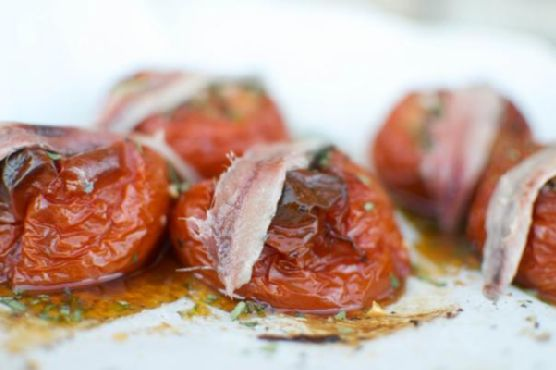
Savory Slow Roasted Tomatoes with Filet of Anchovy

Intro

There’s something incredibly comforting about a kitchen filled with the sweet aroma of slow-roasting tomatoes. It takes me back to lazy summer afternoons spent in my grandmother’s kitchen, where time seemed to slow down just enough to savor each moment. Her garden was always brimming with ripe, juicy tomatoes, and she would often let me help her prepare them for roasting. Those afternoons, with the sun filtering through the curtains and the smell of herbs dancing in the air, are memories I cherish deeply. Today, I want to share a recipe that captures that nostalgia — Savory Slow Roasted Tomatoes with Filet of Anchovy.

Why You’ll Love It

This dish is a delightful blend of rich, sweet, and savory flavors that come together beautifully. The slow-roasted tomatoes become wonderfully caramelized, their natural sugars intensified by the long cooking process. The subtle hint of herbs, combined with the salty punch of anchovy filets, creates a complex flavor profile that is simply irresistible. Whether served as an appetizer, a side dish, or even a topping for bruschetta, these tomatoes are sure to impress your guests and become a staple in your culinary repertoire.

Ingredients

  • Round tomatoes
  • Any fresh herbs you like
  • Salt & pepper
  • Extra virgin olive oil
  • Anchovy filets

Instructions

  1. Preheat your oven to 150°C (280°F).
  2. Cut the top third off the tomatoes and discard the tops.
  3. Place the tomatoes on a baking tray lined with parchment paper.
  4. Sprinkle generously with salt, pepper, and your choice of fresh herbs.
  5. Drizzle the tomatoes with a generous amount of olive oil.
  6. Place the tray in the oven and roast for 4-6 hours, depending on the size of your tomatoes.
  7. Occasionally, baste the tomatoes with the juices and olive oil from the pan.
  8. Once the tomatoes are shriveled and begin to resemble sun-dried tomatoes, they are ready. They should still hold their shape and not become mushy.
  9. Remove from the oven and top each tomato with a whole anchovy filet.
  10. Serve warm or at room temperature, drizzling olive oil from the baking pan over the top.

Tips

To enhance the flavor, consider using a variety of herbs such as thyme, rosemary, or basil. Each brings a unique taste that complements the tomatoes beautifully. Additionally, choose tomatoes that are firm and ripe for the best texture and sweetness.

Variations & Substitutions

If anchovies aren’t to your liking, you can substitute them with capers or olives for a different type of umami flavor. For a vegetarian option, consider topping the tomatoes with crumbled feta cheese or a sprinkle of nutritional yeast.

Storage

These slow-roasted tomatoes can be stored in an airtight container in the refrigerator for up to a week. They also freeze well, allowing you to enjoy a taste of summer long after tomato season has passed. Simply thaw in the refrigerator before serving.

FAQ

Can I use cherry tomatoes instead of round tomatoes?

Yes, cherry tomatoes can be used, though the roasting time will be shorter. Keep an eye on them to ensure they don’t overcook.

What type of olive oil should I use?

Extra virgin olive oil is recommended for its rich flavor and health benefits. However, feel free to use any good-quality olive oil you have on hand.

Nutrition

This dish is not only delicious but also nutritious. Tomatoes are packed with vitamins C and K, potassium, and folate, while anchovies provide a good source of omega-3 fatty acids, protein, and essential nutrients. A serving of this dish offers a healthy dose of antioxidants and healthy fats, making it a guilt-free indulgence.

Conclusion

Savory Slow Roasted Tomatoes with Filet of Anchovy is a dish that beautifully marries simplicity with sophistication. It’s a recipe that not only fills your home with an irresistible aroma but also promises a burst of flavor with every bite. Whether you’re reminiscing about sunlit afternoons in a nostalgic kitchen or looking to create new memories with loved ones, this dish is sure to be a hit. Enjoy the luxurious taste and embrace the joy of slow cooking with this delightful recipe.

Related update: Savory Slow Roasted Tomatoes with Filet of Anchovy
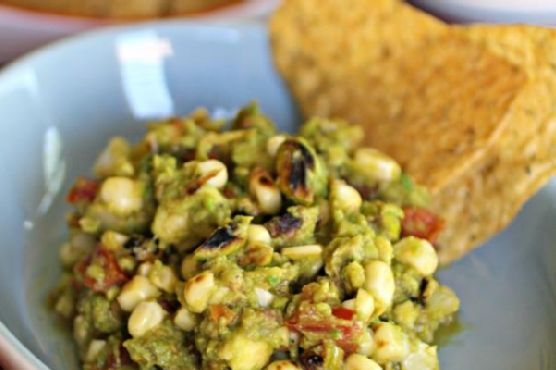
Grilled Guacamole with Pistachios | Made by Meaghan Moineau

Grilled Guacamole with Pistachios

Intro

Welcome to a culinary journey where tradition meets innovation with our Grilled Guacamole with Pistachios. This recipe brings a smoky twist to the classic guacamole, elevating it to a gourmet experience that is perfect for any occasion. I remember the first time I tried grilled guacamole at a summer barbecue hosted by an old friend. The subtle smokiness intertwined with creamy avocado and crunchy pistachios was a revelation. Ever since that day, this dish has become a staple in my summer gatherings. Let me share this delightful recipe with you, and perhaps it will become a cherished part of your culinary repertoire as well.

Why You’ll Love It

This grilled guacamole is not your ordinary dip. Here are a few reasons why you’ll fall head over heels for this recipe:

  • Smoky Flavor: Grilling the vegetables adds a depth of flavor that is both intriguing and satisfying.
  • Texture Heaven: The crunchy pistachios contrast beautifully with the creamy avocado, creating a delightful texture.
  • Fresh and Nutritious: Packed with fresh ingredients and healthy fats, this recipe is both delicious and nutritious.
  • Versatile: Perfect as a dip, a topping for burgers, or even as a side dish.

Ingredients

  • 2 avocados, split
  • 1 teaspoon cumin
  • 1 ear of corn, split
  • 1/4 cup fresh cilantro, chopped
  • 2 cloves garlic, minced
  • 1/4 teaspoon red ground pepper
  • 1/4 teaspoon black fresh ground pepper
  • 2 jalapeño peppers, split
  • 1 lime, juiced
  • Olive oil, for brushing vegetables
  • 1 small onion, split
  • 1/4 cup pistachios, chopped
  • Salt to taste
  • 1/2 cup diced tomatoes

Instructions

  1. Lightly brush the avocado flesh, corn, onion, and jalapeño peppers with olive oil.
  2. Place all vegetables except the avocado in a grill basket and on the grill over medium-high heat.
  3. Place the avocados cut side up directly on the grill and cook for 2 minutes, then flip and cook cut side down for another 2 minutes. Remove and set aside.
  4. Allow the other vegetables to cook, turning, until they are tender and lightly charred (10-12 minutes). The corn may take a few minutes longer.
  5. When the vegetables have cooled enough to touch, cut the corn off the cob and dice the other vegetables.
  6. In a large bowl, combine the tomatoes, corn, onion, peppers, garlic, and cilantro, and toss to mix.
  7. Add the avocado to the mixture, lightly tossing and mashing it.
  8. Add the lime juice, cumin, red and black pepper, and salt. Mix together and adjust seasoning as needed.
  9. Add the pistachios, toss the mixture again, and serve.

Tips

  • Ensure your grill is properly heated before placing the vegetables to get that perfect char.
  • Adjust the level of spiciness by varying the amount of jalapeño and red ground pepper according to your preference.
  • Use ripe avocados for the best texture and flavor.

Variations & Substitutions

There are numerous ways to adapt this recipe to your tastes:

  • Cheese: Add crumbled feta or cotija cheese for an extra burst of flavor.
  • Nuts: Swap pistachios with pecans or almonds for a different nutty twist.
  • Herbs: Replace cilantro with parsley or basil for a different herbal note.

Storage

Store any leftover guacamole in an airtight container in the refrigerator for up to two days. To prevent browning, place a layer of plastic wrap directly on the surface of the guacamole before sealing the container.

FAQ

Can I make this recipe without a grill?

Absolutely! You can achieve a similar effect by using a grill pan on your stovetop. If neither is available, roasting the vegetables in the oven will also work, though you’ll miss a bit of the smoky flavor.

What if I don’t like spicy foods?

No problem! You can reduce or omit the jalapeño and red ground pepper for a milder version. Consider adding bell peppers for a sweet alternative.

Can I prepare this dish in advance?

Yes, you can grill the vegetables ahead of time and store them in the refrigerator. Assemble the guacamole just before serving to ensure the freshest flavor and texture.

Nutrition

This recipe is rich in healthy fats, fiber, and antioxidants. Avocados provide heart-healthy monounsaturated fats while pistachios offer protein and additional healthy fats. The vegetables add vitamins and minerals, making this a nutrient-dense dish perfect for any diet.

Conclusion

Grilled Guacamole with Pistachios is a delightful twist on the classic guacamole that brings a smoky flavor and a satisfying crunch from the pistachios. This dish is perfect for summer barbecues, family gatherings, or as a unique addition to your weeknight meals. With its combination of fresh, nutritious ingredients and vibrant flavors, it’s sure to become a favorite. We hope you enjoy making and sharing this recipe as much as we do!

Related update: Grilled Guacamole with Pistachios

Related update: Savory Slow Roasted Tomatoes with Filet of Anchovy

Julia Child’s Vichyssoise | Made by Meaghan Moineau

Julia Child’s Vichyssoise: A Timeless Classic for Every Season

Intro

There’s something incredibly comforting about a bowl of soup, particularly one that carries the rich history and culinary expertise of a legend like Julia Child. When I was a child, my grandmother would often make vichyssoise on Sunday afternoons, filling the kitchen with its soothing aroma. Sitting at the kitchen table, I would eagerly watch her every move, fascinated by how a few simple ingredients transformed into a luxurious dish. This soup not only warms the belly but also the heart, evoking memories of family gatherings and laughter. Today, I share with you the recipe for Julia Child’s Vichyssoise, a chilled soup that’s perfect for any season and situation.

Why You’ll Love It

Julia Child’s Vichyssoise is more than just a soup; it’s a culinary experience. Here’s why you’ll love making and eating it:

  • Simple Ingredients: This recipe uses basic, easily accessible ingredients, making it convenient for any home cook.
  • Rich and Creamy: The combination of leeks and potatoes creates a perfectly smooth and creamy texture.
  • Versatile: Whether served hot or cold, this soup is delightful in any weather.
  • Elegant Presentation: With a simple garnish of chives or parsley, it’s an impressive dish for entertaining.
  • Nostalgic Comfort: Each spoonful is a trip down memory lane for those who grew up with classic French cuisine.

Ingredients

  • White leeks
  • Diced baking potatoes (recommended)
  • Water
  • Salt
  • Sour crème fraîche
  • Fresh chives

Instructions

  1. Bring the leeks, potatoes, and water to the boil in a saucepan.
  2. Salt lightly, cover partially, and simmer for 20-30 minutes, or until the vegetables are tender.
  3. Puree the soup if you wish for a smoother texture.
  4. Taste and correct the seasoning as needed.
  5. Chill the soup thoroughly.
  6. Once chilled, stir in a little more crème fraîche if desired.
  7. Taste carefully again and correct the seasoning.
  8. Top each serving with a sprinkle of chives or parsley and a drizzle or dollop of crème fraîche.

Tips

To ensure your Vichyssoise is perfect every time, keep these tips in mind:

  • Use Fresh Ingredients: The flavor of your soup depends heavily on the freshness of your leeks and potatoes.
  • Chill Thoroughly: For the best flavor, make sure the soup is well chilled before serving.
  • Adjust Consistency: If the soup is too thick, you can thin it out with a bit more water or broth.

Variations & Substitutions

While Julia Child’s original recipe is a classic, there are endless ways to make it your own:

  • Herbs: Add fresh herbs like thyme or basil for an additional layer of flavor.
  • Dairy-Free: Substitute the crème fraîche with a plant-based cream to make the soup vegan-friendly.
  • Broth: Swap water for chicken or vegetable broth for a richer taste.

Storage

This soup is perfect for make-ahead meals. Store it in an airtight container in the fridge for up to three days. If you want to enjoy it later, freeze it for up to two months. Just be sure to thaw it in the fridge overnight before reheating.

FAQ

Can I use other types of potatoes?

Yes, absolutely! While baking potatoes are recommended for their texture, you can use any type of potatoes you have on hand. Just be aware that the texture and flavor may vary slightly.

Is it necessary to puree the soup?

Pureeing the soup is optional but recommended for a smooth, creamy texture. If you prefer a chunkier soup, you can skip this step.

How can I make this recipe vegetarian or vegan?

This recipe is naturally vegetarian if you use vegetable broth in place of water. To make it vegan, replace the crème fraîche with a non-dairy alternative. The rest of the ingredients are already plant-based.

Nutrition

Vichyssoise is a nutritious option, thanks to its vegetable-rich base. While precise nutritional values depend on the specific quantities and brands used, a serving typically contains around 150-200 calories, with a healthy amount of vitamins and minerals derived from the leeks and potatoes. For a lighter version, reduce or omit the crème fraîche.

Conclusion

Julia Child’s Vichyssoise is a testament to the beauty of simplicity in cooking. It’s a dish that transcends time and trends, offering a luxurious yet comforting experience with every spoonful. Whether you’re revisiting childhood memories or creating new ones, this recipe is sure to become a beloved staple in your home. So, gather your ingredients, channel your inner Julia Child, and savor the delight of homemade vichyssoise.

Related update: Julia Child’s Vichyssoise

Related update: Pulled Pork Sandwich with Mango BBQ sauce

Related update: Grilled Guacamole with Pistachios

Related update: Loaded Baked Potato Soup with Crispy-Fried Potato Skins

Chinese Potstickers | Made by Meaghan Moineau

Delicious Chinese Potstickers: A Culinary Adventure

Intro

Growing up, Chinese potstickers were a staple in my household. I remember the comforting aroma wafting through the kitchen as my grandmother expertly folded each dumpling with swift, practiced motions. We would gather around the kitchen table, sharing stories and laughter as we eagerly awaited the moment we could dig into these delectable treats. There’s something about these crispy, juicy dumplings that instantly transports me back to those warm family gatherings. Today, I’m excited to share this cherished recipe with you so you can create your own memories around the table with these scrumptious Chinese potstickers.

Why You’ll Love It

This Chinese potsticker recipe is a delightful blend of flavors and textures that will satisfy your cravings for a savory, mouthwatering treat. They’re not only delicious but also fun to make, especially if you involve family or friends in the dumpling-folding process. The fragrant filling, coupled with the crispiness of the wrapper, makes them an irresistible dish that you’ll want to make again and again. Plus, they’re perfect for serving at parties, family dinners, or simply as a comforting snack.

Ingredients

  • 200g lean ground pork (or ground chicken)
  • 100g canned water chestnuts (or spinach/cabbage)
  • 1 teaspoon sea salt
  • 1 teaspoon fine sugar
  • 1/2 teaspoon ground black pepper
  • 2 teaspoons light soy sauce
  • 2 teaspoons sesame oil
  • 1 tablespoon Shaoxing Huatiao wine
  • 2 to 3 tablespoons finely chopped scallions or spring onions
  • Dumpling wrappers
  • Plain flour, for dusting
  • 2 to 3 tablespoons vegetable oil
  • 1/3 cup water

Instructions

  1. Place 200g of ground pork in a large mixing bowl. If preferred, pork may be substituted with ground chicken.
  2. Add 1 teaspoon of sea salt, 1 teaspoon of fine sugar, 1/2 teaspoon of ground black pepper, 2 teaspoons of light soy sauce, 2 teaspoons of sesame oil, and 1 tablespoon of Shaoxing Huatiao wine.
  3. Place 100g of canned water chestnuts in a chopper/blender and chop them into small pieces. Add the chopped water chestnuts to the pork mixture. If preferred, use spinach or cabbage in place of water chestnuts.
  4. Add 2 to 3 tablespoons of finely chopped scallions or spring onions to the pork mixture. Combine all the filling ingredients well.
  5. Thaw the dumpling wrappers if they are frozen and keep them well covered until ready to use. Dust a dish and the table generously with flour.
  6. Fill each dumpling wrapper with about 1.5 teaspoons of the prepared pork filling. Prepare a bowl of water for sealing the wrappers.
  7. Dip a finger into the water and lightly wet the rim of each dumpling wrapper. Bring the wrapper together till the opposite ends meet, then gently push the filling into the wrapper and pinch the top tip to seal it.
  8. From the center, fold a pleat on one side and bring it to the other side of the dumpling. Repeat to create two more pleats, ensuring each side has three pleats. Repeat on the other end of the dumpling.
  9. Place the prepared dumplings in a well-floured dish, ensuring they do not touch each other. Set aside or freeze until ready to cook.
  10. To cook, add 2 to 3 tablespoons of vegetable oil to a very hot frying pan. Cook potstickers in batches, ensuring the flat surfaces face down.
  11. Pan fry until the bottoms are golden brown, then add 1/3 cup of water to the pan. Cover immediately and steam for 4 to 5 minutes.
  12. Once the water evaporates, remove the cover and let the dumplings sit in the hot pan for another minute to crisp up the base.
  13. Gently transfer the potstickers to a plate and serve immediately with a vinegar dip made with balsamic or black Chinese vinegar and thinly sliced ginger. Soy sauce, chili oil, or sesame oil can also be added to the dipping sauce.

Tips

When making potstickers, it’s important to ensure all the edges are sealed tightly to prevent the filling from spilling out. If you’re new to pleating dumplings, practice makes perfect! Don’t worry if your first few attempts aren’t perfect—each potsticker will still taste delicious. Additionally, make sure to use a non-stick pan to ensure the dumplings don’t stick during cooking. And remember, patience is key when frying and steaming to achieve that perfect crispy bottom.

Variations & Substitutions

This potsticker recipe is highly versatile and can be adapted to suit your tastes. You can swap the pork for ground chicken, turkey, or even shrimp for a different protein profile. Vegetarians can enjoy these dumplings by substituting the meat with finely chopped mushrooms or tofu. Feel free to experiment with different vegetables like finely chopped carrots or bell peppers for added color and texture in the filling. Additionally, you can spice things up by adding a pinch of chili flakes or a few drops of chili oil to the filling for a hint of heat.

Storage

Uncooked potstickers can be stored in the freezer for future enjoyment. Simply place them on a baking sheet in a single layer, making sure they don’t touch each other, and freeze until solid. Once frozen, transfer them to a zip-top bag or airtight container for long-term storage. Cooked potstickers can be refrigerated in an airtight container for up to three days. To reheat, simply pan fry them again until heated through.

FAQ

Can I make potstickers in advance?

Yes! Potstickers can be made in advance and stored in the freezer. Just follow the instructions up to the cooking step, then freeze the uncooked dumplings. When you’re ready to enjoy them, simply cook them directly from frozen, adding a couple of extra minutes to the steaming time.

What dipping sauce pairs well with potstickers?

Potstickers are traditionally enjoyed with a simple vinegar dipping sauce made from balsamic or black Chinese vinegar and thinly sliced ginger. You can also add soy sauce, chili oil, or sesame oil for extra flavor. Feel free to experiment with different combinations to find your perfect dipping sauce!

Can I use homemade dumpling wrappers?

Absolutely! Homemade dumpling wrappers can add a personal touch to your potstickers. If you have the time and inclination, making your own wrappers can be a fun and rewarding experience. Just make sure to roll them out thinly and evenly for best results.

Nutrition

While nutritional content can vary, a typical serving of Chinese potstickers (3-4 dumplings) may contain around 200 calories, with a balance of protein, carbohydrates, and fats. They’re a great source of protein and can be part of a balanced diet when enjoyed in moderation.

Conclusion

Chinese potstickers are more than just a delightful treat; they’re a gateway to cherished memories and shared experiences around the table. Making these dumplings at home allows you to bring a taste of traditional Chinese cuisine into your own kitchen. Whether you’re a seasoned home cook or a beginner looking to try something new, this recipe offers a wonderful opportunity to explore your culinary skills. So gather your ingredients, call your loved ones, and embark on a delicious adventure with these homemade Chinese potstickers. Enjoy the flavors, the process, and most importantly, the company as you savor every bite!

Related update: Chinese Potstickers

Related update: Korean Sweet n Sour Chicken

Rustic Brie Toasts with Wild Mushroom, Cranberry and Shallot | Made by Meaghan Moineau

Rustic Brie Toasts with Wild Mushroom, Cranberry, and Shallot

Intro

Growing up, my family always gathered around the kitchen on chilly autumn evenings, our home filled with the cozy aroma of freshly baked bread and warm, melted cheese. These moments are etched in my memory, and they inspire my love for creating comforting, rustic dishes that bring people together. Today, I’m excited to share a recipe that not only embodies that comfort but also highlights the beautiful flavors of the season: Rustic Brie Toasts with Wild Mushroom, Cranberry, and Shallot.

This recipe came to life during a trip to the farmers’ market, where the vibrant colors of fresh produce and the earthy scent of wild mushrooms inspired me to create something special. The combination of creamy brie, tangy cranberries, and savory mushrooms on a crunchy baguette makes for the perfect appetizer or snack to enjoy with loved ones.

Why You’ll Love It

  • Simple yet sophisticated: This dish is easy to prepare but offers a gourmet experience.
  • Seasonal flavors: It captures the essence of fall with its earthy and tangy components.
  • Perfect for gatherings: These toasts are ideal for a party appetizer or a cozy night in.

Ingredients

  • Diced wild mushrooms
  • Diced shallot
  • 1/4 cup dried cranberry (juice sweetened if possible)
  • Fresh thyme
  • Rustic baguette
  • Olive oil
  • Wedge of beautiful brie cheese
  • Salt and pepper

Instructions

  1. Start by pre-heating your oven to 350 degrees Fahrenheit.
  2. While the oven is pre-heating, heat the olive oil in a sauté pan over medium heat.
  3. Add the diced shallot, wild mushrooms, cranberries, and fresh thyme to the pan.
  4. Sauté for a few minutes until the shallot begins to wilt. Season with salt and pepper to taste.
  5. Set the sautéed mixture aside to cool slightly.
  6. Slice the rustic baguette into 12 pieces and place one slice of brie on each slice of bread.
  7. Top each piece with a spoonful of the cranberry, mushroom, and shallot mixture.
  8. Place the prepared toasts on an oiled cookie sheet.
  9. Bake in the oven for about 15 minutes or until the brie is just melted.
  10. Serve warm and enjoy the delightful blend of flavors.

Tips

  • For the best texture, use a crusty rustic baguette that can hold up to the toppings.
  • Feel free to prepare the mushroom mixture ahead of time and assemble the toasts just before baking.
  • When selecting a brie, choose one that is creamy and slightly firm for easy slicing.

Variations & Substitutions

  • If you prefer a sweeter flavor, drizzle a bit of honey over the toasts before baking.
  • Experiment with different herbs such as rosemary or sage for a unique twist.
  • If brie isn’t your favorite, try using camembert or goat cheese as an alternative.

Storage

These toasts are best enjoyed fresh from the oven. However, if you have leftovers, store them in an airtight container in the refrigerator for up to two days. To reheat, place them in a pre-heated oven at 350 degrees Fahrenheit for about 5 minutes or until warmed through.

FAQ

Can I use fresh cranberries instead of dried?

Yes, you can use fresh cranberries, but you may want to cook them down with a bit of sugar to balance their tartness.

What can I serve with these toasts?

These toasts pair beautifully with a light salad or a bowl of hearty soup, making for a complete and satisfying meal.

Are there any gluten-free options?

Absolutely! You can substitute the rustic baguette with your favorite gluten-free bread to accommodate dietary needs.

Nutrition

While I don’t have exact nutritional information, these toasts are a rich source of calcium from the brie and antioxidants from the cranberries. Keep in mind that they are a decadent treat, perfect for indulging in moderation.

Conclusion

Rustic Brie Toasts with Wild Mushroom, Cranberry, and Shallot are more than just a dish; they’re a way to bring warmth and togetherness to your table. Whether you’re sharing them at a festive gathering or enjoying them as a personal treat, they promise to deliver comfort and joy with every bite. I hope this recipe becomes a cherished favorite in your home, just as it has in mine. Happy cooking!

Related update: Rustic Brie Toasts with Wild Mushroom, Cranberry and Shallot

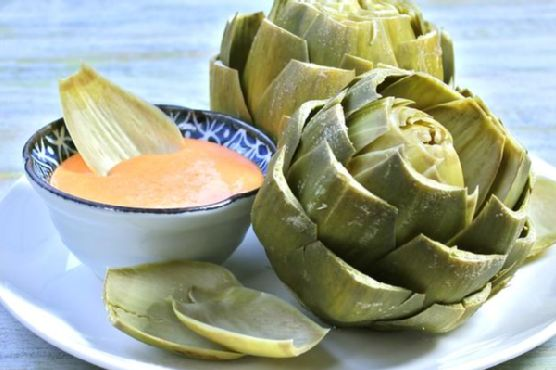
Steamed Artichokes With Roasted Red Pepper Aioli | Made by Meaghan Moineau

Steamed Artichokes With Roasted Red Pepper Aioli

Intro

There’s something magical about gathering around the table with family, sharing stories, laughter, and, of course, a delicious meal. I vividly remember summers at my grandmother’s house, where the kitchen was always filled with the aroma of simmering pots and freshly baked bread. One dish that always stood out was her steamed artichokes, served with a creamy dip that left us licking our fingers. Inspired by those cherished memories, I created this recipe for Steamed Artichokes with Roasted Red Pepper Aioli. It combines the tender, earthy flavor of artichokes with a rich, tangy aioli that’s sure to bring a smile to your face and warmth to your heart.

Why You’ll Love It

This recipe is a celebration of simplicity and elegance. Here’s why it’s bound to become a favorite in your culinary repertoire:

  • Flavorful & Fresh: The artichokes are steamed to perfection, preserving their natural flavor, while the roasted red pepper aioli adds a burst of tangy goodness.
  • Healthy & Nutritious: Artichokes are rich in fiber, vitamins, and antioxidants, making this dish as good for your body as it is for your taste buds.
  • Versatile: Perfect as an appetizer, a side dish, or even a light main course. The aioli also pairs wonderfully with other vegetables and even grilled meats.
  • Easy to Prepare: With just a handful of ingredients and straightforward steps, you’ll have a gourmet dish ready in no time.

Ingredients

  • Artichokes
  • Cayenne pepper
  • Egg yolks
  • Garlic clove
  • Lemon juice
  • Oil
  • Red roasted pepper
  • Salt

Instructions

  1. Place the egg yolks, garlic, cayenne, and salt in the food processor. Puree until smooth.
  2. Add the red pepper and puree until smooth again.
  3. While the mixture is pureeing, slowly pour in the oil. Puree until the mixture has emulsified to your desired consistency.
  4. Taste, then salt as needed. Cover and refrigerate until ready to serve.
  5. Fill a large pot with 2 inches of water and place a steaming basket over it. Cover and bring to a boil.
  6. Trim the artichoke stems off, and trim 1/2 inch off the top of the artichoke flower. Pull off any damaged leaves around the base.
  7. Using kitchen shears, trim each point off the outer leaves.
  8. Squeeze lemon juice over the cut edges to reduce browning. Sprinkle with salt and place in the steam basket.
  9. Cover and steam the artichokes for 30-40 minutes, until a center leaf pulls out easily.
  10. Serve the artichokes with the aioli on the side for dipping! Or try it with fingerling potatoes.

Tips

Here are some tips to ensure your dish turns out perfectly:

  • Freshness is Key: Choose artichokes that are heavy for their size with tightly packed leaves for maximum freshness.
  • Avoid Over-Steaming: Keep an eye on the artichokes as they steam; overcooking can make them mushy.
  • Adjust the Aioli: If you prefer a spicier aioli, feel free to add more cayenne pepper to taste.

Variations & Substitutions

Feel free to mix things up with these variations and substitutions:

  • Herb Infusion: Add fresh herbs like basil or parsley to the aioli for an extra layer of flavor.
  • Vegan Option: Substitute the egg yolks with aquafaba (the liquid from canned chickpeas) for a plant-based aioli.
  • Alternative Dips: Try serving the artichokes with a classic garlic butter or a balsamic vinaigrette instead of the aioli.

Storage

If you have leftovers, here’s how to store them:

  • Store the steamed artichokes in an airtight container in the refrigerator for up to 3 days.
  • The aioli can be refrigerated in an airtight jar for up to a week. Stir well before serving again.

FAQ

Can I prepare the aioli in advance?

Absolutely! The aioli can be prepared up to three days in advance. In fact, allowing it to sit for a day can help the flavors meld together beautifully. Just ensure it’s stored in an airtight container in the fridge.

What can I serve with steamed artichokes?

Steamed artichokes pair well with a variety of dishes. Consider serving them alongside grilled chicken or fish, or as a part of a vibrant vegetable platter. They also make a delightful appetizer for any meal.

Why is my aioli not emulsifying?

If your aioli isn’t emulsifying, it might be that the oil was added too quickly. Try adding the oil slowly, in a steady stream, while blending. If it still doesn’t emulsify, try adding a teaspoon of warm water to help bind the ingredients together.

Nutrition

Artichokes are a nutrient powerhouse. They are low in calories but high in fiber, vitamins C and K, folate, phosphorus, and magnesium. The aioli, while richer, contributes healthy fats from the oil, and the roasted red pepper provides additional vitamins and antioxidants.

Conclusion

Steamed Artichokes with Roasted Red Pepper Aioli is more than just a dish; it’s a warm invitation to savor the simple pleasures of life. Whether you’re sharing it with loved ones around the dinner table or enjoying it as a peaceful solo meal, this recipe is sure to bring joy and satisfaction. So go ahead, gather your ingredients, and create a meal that’s both a nod to nostalgia and a celebration of bold, fresh flavors. Happy cooking!

Related update: Steamed Artichokes With Roasted Red Pepper Aioli

Related update: Rustic Brie Toasts with Wild Mushroom, Cranberry and Shallot

Sweet Potato and Celery Soup | Made by Meaghan Moineau

Sweet Potato and Celery Soup

Intro

As the leaves start to turn and the air gets crisp, there’s nothing quite like a warm bowl of soup to bring comfort to your soul. I remember as a child, coming home from school on chilly autumn days to the inviting aroma of my grandmother’s kitchen. She would often make a simple yet delicious soup that filled the house with warmth and love. This Sweet Potato and Celery Soup is inspired by those cherished memories, combining the earthy sweetness of sweet potatoes with the refreshing crunch of celery. It’s a recipe that’s both nourishing and heartwarming, perfect for cozying up with on a cool evening.

Why You’ll Love It

This Sweet Potato and Celery Soup is not just a treat for your taste buds, but also a hug in a bowl. Here are a few reasons why you’ll fall in love with this recipe:

  • Simple Ingredients: Made with just a handful of kitchen staples, this soup is easy to prepare and budget-friendly.
  • Rich in Flavor: The combination of sweet potatoes and celery creates a hearty, flavorful base, enhanced by aromatic herbs and spices.
  • Nutritious: Packed with vitamins and minerals, this soup is a wholesome choice for a healthy meal.
  • Customizable: Easily adaptable to suit dietary preferences or ingredient availability.

Ingredients

  • 2 large sweet potatoes, peeled and chopped
  • 4 stalks of celery, chopped
  • 1 onion, chopped
  • 2 tablespoons olive oil
  • 1 teaspoon dried sweet basil
  • 2 bay leaves
  • Salt and pepper to taste
  • 4 cups vegetable broth
  • Optional: croutons and fresh basil for garnish

Instructions

  1. In a large soup pot, heat the olive oil over medium heat. Add the chopped sweet potatoes, celery, and onion. Sauté the vegetables for about 3 minutes, stirring occasionally, until they begin to soften.
  2. Add the bay leaves, sweet basil, and vegetable broth to the pot. Stir to combine all the ingredients.
  3. Bring the mixture to a boil, then reduce the heat to low and let it simmer for 25-30 minutes, or until the vegetables are very soft.
  4. Remove the pot from the heat and allow the soup to cool slightly, which will make it safer to handle.
  5. Carefully transfer the soup to a food processor or blender in batches, and process until smooth. Alternatively, you can use an immersion blender directly in the pot.
  6. Return the smooth soup to the pot and reheat gently over low heat. Taste and adjust the seasoning with salt and pepper as needed.
  7. Serve hot, garnished with croutons and a sprinkle of fresh basil, if desired.

Tips

  • Chopping: For faster cooking, chop the vegetables into smaller, even pieces.
  • Blending: Be cautious when blending hot liquids. Allow the soup to cool slightly, and blend in batches to avoid overflow.
  • Consistency: For a chunkier soup, blend only half of the mixture and combine with the unblended portion.

Variations & Substitutions

  • If you prefer a creamier texture, add a splash of coconut milk or cream during the reheating stage.
  • For added protein, consider incorporating cooked lentils or chickpeas into the soup.
  • Feel free to experiment with different herbs such as thyme or rosemary for a unique flavor twist.

Storage

Sweet Potato and Celery Soup can be stored in an airtight container in the refrigerator for up to 5 days. For longer storage, freeze the soup in portion-sized containers for up to 3 months. To reheat, thaw in the refrigerator overnight and warm on the stovetop over low heat.

FAQ

Can I use a different type of potato?

Yes, you can substitute sweet potatoes with regular potatoes or even butternut squash for a slightly different flavor profile. Just keep in mind that the sweetness and texture might vary.

Is this soup vegan?

Absolutely! This recipe is naturally vegan as it uses vegetable broth and no animal products. Ensure any garnishes, like croutons, are also vegan if you are following a strict vegan diet.

What can I serve with this soup?

This soup pairs beautifully with a slice of crusty bread or a fresh green salad. You can also serve it as a starter to a larger meal.

Nutrition

While the exact nutritional content can vary based on specific ingredients and portion sizes, this Sweet Potato and Celery Soup is generally low in calories and fat while being rich in fiber, vitamins A and C, and potassium, thanks to the sweet potatoes and celery.

Conclusion

This Sweet Potato and Celery Soup is a delightful blend of flavors and textures that will warm your heart and nourish your body. It’s a versatile recipe that welcomes customization and fits seamlessly into any meal plan. Whether you’re savoring it as a comforting solo meal or sharing it with loved ones, this soup is sure to become a beloved staple in your kitchen. I hope it brings as much joy and warmth to your home as it does to mine.

Related update: Sweet Potato and Celery Soup

Related update: Steamed Artichokes With Roasted Red Pepper Aioli

Related update: Kale and Roasted Sweet Potato Soup with Chicken Sausage

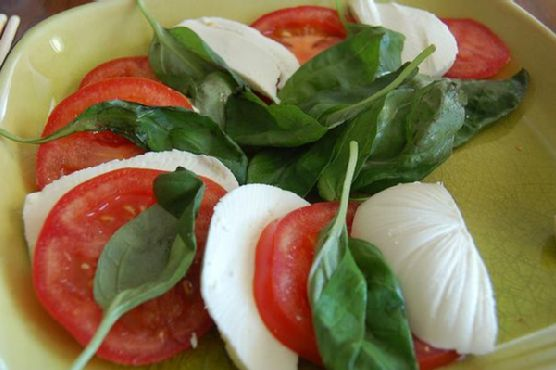
Quick and Easy Caprese Salad | Made by Meaghan Moineau

Quick and Easy Caprese Salad

Intro

There’s something magical about the simplicity of a Caprese Salad. This dish takes me back to sunny summer days spent in my grandmother’s garden, where the aroma of fresh basil and ripe tomatoes filled the air. Grandma always had a knack for turning the simplest ingredients into a feast. It was in her kitchen that I learned the art of balancing flavors and the importance of fresh ingredients. Today, I’m sharing this delightful Quick and Easy Caprese Salad recipe that embodies the essence of those cherished moments, perfect for a light lunch or a beautiful appetizer at your next dinner party.

Why You’ll Love It

This Caprese Salad is a celebration of simplicity and freshness. It’s not only quick and easy to prepare but also incredibly delicious. The combination of juicy tomatoes, creamy mozzarella, and fragrant basil, all enhanced by a drizzle of olive oil and balsamic vinegar, creates a harmony of flavors that is both refreshing and satisfying. Whether you’re a busy professional or a home cook looking for a quick dish, this salad is perfect for you. It’s a versatile recipe that can adapt to different tastes and occasions, making it a staple in any kitchen.

Ingredients

  • 2 tablespoons balsamic vinegar
  • Fresh basil leaves
  • 8 ounces fresh mozzarella cheese
  • 2 tablespoons olive oil
  • 1 bell pepper (optional for added crunch)
  • Salt, to taste
  • 4 ripe tomatoes

Instructions

  1. Start by slicing the mozzarella cheese into 1/4 inch thick slices. Try to keep them even for a more uniform presentation.
  2. Cut the tomatoes into 1/4 inch slices. If your tomatoes are particularly juicy, you might want to drain them slightly on a paper towel.
  3. Arrange the slices of mozzarella and tomatoes alternately on a large platter, slightly overlapping them for a beautiful display.
  4. Take fresh basil leaves, and sprinkle them generously over the arranged slices. You can tear them into smaller pieces for a more rustic look.
  5. Drizzle the olive oil evenly over the salad, followed by the balsamic vinegar. Adjust the quantities if you prefer a more pronounced flavor.
  6. Season the salad with salt to taste. Freshly ground black pepper can also be added if desired.
  7. Optional: Thinly slice the bell pepper and add it to the salad for extra color and crunch.
  8. Serve immediately and enjoy your Quick and Easy Caprese Salad!

Tips

To elevate your Caprese Salad, use the freshest ingredients you can find. Opt for vine-ripened tomatoes and high-quality mozzarella for the best flavor. If you have the time, make your own balsamic reduction by simmering the vinegar until it thickens; this can add a rich, sweet dimension to the salad. Lastly, don’t shy away from experimenting with different types of tomatoes, such as heirloom varieties, to add visual interest and a depth of flavor.

Variations & Substitutions

This Caprese Salad is versatile and can be customized to your liking. If you want a twist on the traditional recipe, consider adding sliced avocados for creaminess or a sprinkle of pine nuts for a nutty crunch. For a different flavor profile, try using flavored olive oils, such as garlic-infused or lemon-infused varieties. If you’re avoiding dairy, substitute the mozzarella with a plant-based cheese alternative. Feel free to mix and match ingredients based on your dietary preferences or what’s in season.

Storage

While this salad is best enjoyed fresh, you can store any leftovers in an airtight container in the refrigerator for up to 1 day. Keep in mind that the tomatoes may release some moisture, which can affect the texture of the salad. To refresh it, you may want to add a little more olive oil and balsamic vinegar before serving.

FAQ

Can I make this salad ahead of time?

Yes, you can prepare the ingredients in advance by slicing the tomatoes and mozzarella and storing them separately. Assemble the salad just before serving to ensure it stays fresh and vibrant.

What type of mozzarella should I use?

For the best results, use fresh mozzarella, often sold in a brine or vacuum-sealed packages. Its creamy texture and mild flavor are perfect for a Caprese Salad.

Is there a way to make this salad more filling?

To make the Caprese Salad more substantial, you can add grilled chicken or shrimp. Serving it alongside crusty bread or over a bed of mixed greens can also turn it into a more complete meal.

Nutrition

This Quick and Easy Caprese Salad is not only delicious but also nutritious. It’s packed with vitamins and minerals from the tomatoes and basil, healthy fats from the olive oil, and protein from the mozzarella. A serving size is approximately 250 calories, making it a light yet satisfying option for any meal.

Conclusion

The Quick and Easy Caprese Salad is a tribute to the beauty of fresh, simple ingredients. It’s a dish that brings people together, evoking memories of shared meals and laughter. Whether you’re enjoying it as a light lunch or as part of a larger spread, this salad is sure to impress with its vibrant flavors and elegant presentation. I hope you find as much joy in making and sharing this recipe as I do. Bon appétit!

Related update: Quick and Easy Caprese Salad

Related update: Roasted red peppers and tomatoes salad

Japanese Gyoza Pot Stickers | Made by Meaghan Moineau

Japanese Gyoza Pot Stickers

Intro

There’s something incredibly comforting about making Japanese gyoza pot stickers from scratch. I remember watching my grandmother skillfully pleating each one with love, her hands moving in a rhythm that seemed like second nature. The aroma of sizzling gyoza filled the kitchen, creating an irresistible invitation to gather around the table. These pot stickers are not just a dish; they’re a cherished family tradition that brings back memories of warmth and togetherness.

Why You’ll Love It

These Japanese gyoza pot stickers are a delightful combination of flavors and textures. The crispy exterior contrasts beautifully with the juicy filling, offering a bite that’s bursting with umami goodness. They’re versatile enough to be a main dish, appetizer, or snack, and they pair wonderfully with a tangy dipping sauce. Whether you’re hosting a dinner party or preparing a cozy meal for yourself, these gyoza are sure to impress.

Ingredients

  • 1/4 teaspoon black pepper
  • 2 cups cabbage, chopped finely
  • 1 teaspoon chili sesame oil
  • 1/4 cup dried mushrooms, soaked in warm water
  • 2 teaspoons ginger root, grated
  • 3 to 4 green onions, chopped
  • 1/2 pound ground beef
  • 2 tablespoons salad oil
  • 1 tablespoon sesame oil
  • 2 tablespoons Kikkoman soy sauce
  • 1 tablespoon cooking wine
  • 1 package gyoza wrappers

Instructions

  1. Chop the cabbage finely, place it in a colander, and pour boiling water over it. Allow it to cool to the touch, then squeeze the cabbage well to remove excess water.
  2. In a medium bowl, combine the cabbage, chopped green onions, chopped mushrooms, and grated ginger.
  3. In another bowl, mix the ground beef, cooking wine, soy sauce, sesame oil, and black pepper, then combine with the vegetable mixture. Mix well to ensure even distribution of ingredients.
  4. Place about 1 teaspoon of filling in the center of each gyoza wrapper. Fold the wrapper in half and pleat the edge to seal. If the edges won’t stick, dampen the inside edge with a little water before pleating.
  5. Heat 2 tablespoons of salad oil in a pan. Arrange the gyoza in the pan, ensuring they are not touching.
  6. At the edge of the pan, pour in a little water, up to 1/4 of the depth of the pot stickers. Cover the pan, reduce the heat to low, and simmer until the water has evaporated, leaving the gyoza crispy on the bottom.

Tips

For perfectly pleated gyoza, practice makes perfect! Don’t be discouraged if your first few attempts aren’t as neat as you’d like. Ensuring the filling is well-drained will help you achieve the desired texture. Also, use a non-stick pan to prevent the gyoza from sticking and breaking apart.

Variations & Substitutions

Feel free to experiment with different fillings based on your preferences. You can substitute ground pork, chicken, or even tofu for the beef. Add a dash of chili flakes for extra heat, or incorporate finely chopped shrimp for a seafood twist. Vegetarians can omit the meat entirely and increase the mushroom and cabbage quantities.

Storage

Leftover gyoza can be stored in an airtight container in the refrigerator for up to two days. To reheat, simply pan-fry them again until they’re warmed through and crispy. You can also freeze uncooked gyoza in a single layer on a baking sheet before transferring them to a freezer-safe bag. They can be cooked directly from frozen, just add a few extra minutes to the cooking time.

FAQ

Can I use pre-made coleslaw mix instead of chopping cabbage?

Yes, using pre-made coleslaw mix can save you time and effort, and it works well in this recipe. Just make sure to still squeeze out any excess water to prevent soggy filling.

What dipping sauce pairs well with gyoza?

A simple dipping sauce of soy sauce, rice vinegar, and a touch of chili oil or sesame oil complements gyoza perfectly. You can adjust the proportions based on your taste preference for a balance of tangy, savory, and spicy flavors.

How can I tell when the gyoza are done cooking?

The gyoza are done when the water has evaporated and the bottoms are golden brown and crispy. If you’re unsure, you can cut one gyoza open to check that the filling is cooked through.

Nutrition

This recipe is a balanced dish offering protein from the meat, fiber from the vegetables, and healthy fats from the sesame oil. Each serving of gyoza (about 5 pieces) is approximately 250 calories, with 10 grams of protein and 15 grams of carbohydrates, making it a moderate choice for a meal or snack.

Conclusion

Making Japanese gyoza pot stickers is a rewarding culinary adventure that connects you with rich traditions and flavors. As you share them with loved ones, you’ll be creating your memories around this beloved dish. Whether you’re a seasoned cook or trying gyoza for the first time, this recipe promises to bring joy and satisfaction to your table. Enjoy the process, and savor every delicious bite!

Related update: Japanese Gyoza Pot Stickers

Siew Mai | Made by Meaghan Moineau

Siew Mai Recipe: A Delightful Dim Sum Treat

Intro

Growing up, weekends meant one thing: dim sum with the family. We would gather around a bustling table, eagerly awaiting the arrival of steaming baskets of our favorite dumplings. Among them, Siew Mai was always a standout. These flavorful pork dumplings, adorned with vibrant toppings, were a family favorite. Now, I’m excited to share this treasured recipe with you, bringing the joy of dim sum into your home.

Why You’ll Love It

Siew Mai, also known as Shumai, offers a delightful combination of flavors and textures that will captivate your taste buds. The juicy pork filling, coupled with the subtle crunch of water chestnuts and a burst of umami from mushrooms, creates a harmonious blend. Whether you’re a dim sum aficionado or a first-timer, these dumplings are sure to become a beloved addition to your culinary repertoire.

Ingredients

  • Wonton wrappers
  • 700g fatty pork
  • 2 tablespoons corn starch
  • 1 teaspoon salt
  • 1 teaspoon white ground pepper
  • 1/2 teaspoon sugar
  • 1 teaspoon Worcestershire sauce or Maggie Seasoning Sauce
  • 2 tablespoons Shaoxing Huatiao wine
  • 2 tablespoons sesame oil
  • 80g canned water chestnuts
  • 4 large Chinese mushrooms
  • 1 small carrot
  • Cooked whole shrimp
  • Raw glutinous rice
  • Shallots
  • Ginger
  • Cooking oil
  • Dried shrimps
  • Cooked dried scallops
  • Light soy sauce
  • Oyster sauce
  • 2 lap cheongs (Chinese sausages)
  • Water

Instructions

  1. To prepare the pork filling, mince 700g of pork and place it in a large mixing bowl. Add 2 tablespoons of corn starch, 1 teaspoon of salt, 1 teaspoon of white ground pepper, 1/2 teaspoon of sugar, 1 teaspoon of Worcestershire sauce, 2 tablespoons of Shaoxing Huatiao wine, and 2 tablespoons of sesame oil.
  2. Roughly chop 80g of water chestnuts and 4 large Chinese mushrooms into fine pieces. Add them to the pork mixture and mix well to combine.
  3. Finely dice a small carrot. Set aside the pork mixture and diced carrots for garnishing.
  4. For the glutinous rice filling, soak 2 lap cheongs in boiling water until the skin separates. Remove the skin and dice the meat.
  5. In a large saucepan, pan-fry the diced lap cheong until golden red. Follow instructions to prepare the glutinous rice as per Glutinous Rice in Lotus Leaf. Add fried lap cheong pieces and set aside to cool.
  6. To wrap the dumplings, place a wonton wrapper on a flat surface. Add a teaspoon of filling in the center, wet the edges with water, and fold the wrapper around the filling tightly.
  7. Top each pork Siew Mai with a shrimp and diced carrot. Add more lap cheong pieces to the glutinous rice Siew Mai if desired.
  8. Place dumplings in a steamer lined with baking paper. Steam over boiling water for 14-15 minutes or until cooked. Serve hot.

Tips

For the best texture, ensure that the pork is fatty, as this keeps the dumplings juicy. When wrapping, make sure the dumplings are tightly sealed to prevent them from falling apart during steaming.

Variations & Substitutions

If you prefer a different protein, ground chicken or turkey can be used instead of pork. For a vegetarian option, substitute the meat filling with a mixture of finely chopped vegetables like cabbage, mushrooms, and tofu. Feel free to experiment with different toppings, such as salmon roe or salted egg yolk, to enhance the visual appeal and taste.

Storage

Uncooked Siew Mai can be frozen for up to three months. To prevent them from sticking, dust a container with flour before placing the dumplings inside. When ready to serve, steam directly from the freezer for an additional 2-3 minutes.

FAQ

Can I make Siew Mai ahead of time?

Yes, you can prepare the fillings a day in advance and store them in the refrigerator. Assemble the dumplings just before steaming for the freshest taste.

What can I serve with Siew Mai?

Siew Mai pairs beautifully with a variety of dipping sauces, such as soy sauce, chili oil, or a simple vinegar and ginger dip. Serve them alongside other dim sum favorites for a complete meal.

Is there a gluten-free option?

To make this recipe gluten-free, use gluten-free wonton wrappers and replace soy sauce with a gluten-free alternative. Ensure all other ingredients are verified gluten-free.

Nutrition

While exact nutrition will vary based on specific ingredients and quantities used, Siew Mai is generally a good source of protein and provides essential vitamins and minerals from the vegetables and shrimp. For a healthier option, use lean pork or substitute with chicken.

Conclusion

Siew Mai is more than just a dumpling; it’s a celebration of flavors and a connection to cherished memories of family gatherings. Whether you’re reminiscing about past dim sum experiences or creating new ones, this recipe is sure to bring warmth and joy to your table. Happy cooking!

Related update: Siew Mai

Related update: Baked Rigatoni

Steamed Artichokes With Roasted Red Pepper Aioli | Made by Meaghan Moineau

Steamed Artichokes With Roasted Red Pepper Aioli

Intro

Growing up, artichokes were a staple at our family dinners. I still remember the excitement of pulling each leaf, savoring its delicate flavor, and dipping it into my grandmother’s secret aioli. The kitchen would fill with laughter and the comforting aroma of freshly steamed artichokes. As I grew older, I decided to add a modern twist to this cherished family recipe by pairing it with a roasted red pepper aioli, a combination that quickly became a new family favorite. Today, I’m thrilled to share this recipe with you, as it brings the warmth of my family’s tradition to your table, with a touch of contemporary flair.

Why You’ll Love It

This recipe for Steamed Artichokes With Roasted Red Pepper Aioli is a delightful combination of simplicity and elegance. Whether you’re hosting a dinner party or enjoying a quiet evening at home, this dish is sure to impress. The artichokes are tender and flavorful, while the roasted red pepper aioli adds a creamy, tangy kick that complements them perfectly. Plus, it’s a healthy and nutritious option, rich in vitamins and heart-healthy fats. You’ll love how easy it is to prepare and the beautiful presentation it offers.

Ingredients

  • 2 large artichokes
  • 1/4 teaspoon cayenne pepper
  • 2 egg yolks
  • 1 garlic clove, minced
  • 2 tablespoons lemon juice
  • 1 cup oil (such as olive or canola)
  • 1 roasted red pepper
  • Salt, to taste

Instructions

  1. Place the egg yolks, garlic, cayenne, and salt in a food processor. Puree until smooth.
  2. Add the roasted red pepper to the mixture, and puree until smooth again.
  3. While the mixture is pureeing, slowly pour in the oil. Puree until the mixture has emulsified to your desired consistency.
  4. Taste, then salt as needed. Cover and refrigerate until ready to serve.
  5. Fill a large pot with 2 inches of water and place a steaming basket over it. Cover and bring to a boil.
  6. Trim the artichoke stems off, and trim 1/2 inch off the top of the artichoke flower. Pull off any damaged leaves around the base.
  7. Using kitchen shears, trim each point off the outer leaves.
  8. Squeeze lemon juice over the cut edges to reduce browning. Sprinkle with salt and place in the steam basket.
  9. Cover and steam the artichokes for 30-40 minutes, until a center leaf pulls out easily.
  10. Serve the artichokes with the aioli on the side for dipping! Or try it with fingerling potatoes.

Tips

For the best results, choose artichokes that are firm and have tightly closed leaves. If you’re short on time, you can also use jarred roasted red peppers for the aioli. Be sure to adjust the seasoning to your taste, and feel free to experiment with different oils for unique flavor profiles.

Variations & Substitutions

If you’re looking to change things up, consider adding fresh herbs like basil or parsley to the aioli for an extra burst of flavor. For those who are vegan, you can substitute the egg yolks with a plant-based alternative like aquafaba. Additionally, switching out the cayenne for smoked paprika can give the aioli a smoky depth that’s simply irresistible.

Storage

The steamed artichokes and aioli can be stored separately in the refrigerator. Place the artichokes in an airtight container and consume within 3 days for the best quality. The aioli can be kept in a sealed jar for up to a week. Before serving, let the aioli come to room temperature and give it a good stir.

FAQ

How do I know when the artichokes are done steaming?

The artichokes are perfectly cooked when a center leaf pulls out easily and the base is tender. The color will also become a deeper, more vibrant green.

Can I prepare the aioli in advance?

Yes, the aioli can be made up to two days in advance. This allows the flavors to meld beautifully. Just be sure to store it in the refrigerator and give it a good stir before serving.

What can I serve with steamed artichokes?

Steamed artichokes are quite versatile and pair well with a variety of sides. Consider serving them with roasted potatoes, a fresh green salad, or even grilled fish for a more substantial meal.

Nutrition

This dish is not only delicious but also packed with nutritional benefits. Artichokes are a great source of dietary fiber, vitamin C, and antioxidants. The aioli, made with heart-healthy oils, provides healthy fats that aid in the absorption of fat-soluble vitamins. Overall, it’s a satisfying and nourishing choice for any meal.

Conclusion

Steamed Artichokes With Roasted Red Pepper Aioli is a wonderful way to bring a touch of elegance to your table while staying true to wholesome, homemade flavors. It’s a dish that invites you to slow down, savor each bite, and enjoy the company of those around you. Whether you’re introducing artichokes to your family for the first time or rekindling a love for this classic vegetable, I hope this recipe brings as much joy to your home as it does to mine. Enjoy!

Related update: Steamed Artichokes With Roasted Red Pepper Aioli

Sardine Croquettes (Croquetas De Sardinas) | Made by Meaghan Moineau

Sardine Croquettes (Croquetas De Sardinas)

Intro

There’s something truly magical about recipes that transport us back to cherished moments from our past. For me, sardine croquettes are a delightful reminder of family gatherings in my grandmother’s cozy kitchen. I remember sitting on a stool, watching her expertly shape the croquettes, her hands moving with a rhythm that was both practiced and loving. The aroma of frying croquettes filled the air, mingling with laughter and stories shared among family members. In this blog post, I am excited to share with you this beloved recipe for Sardine Croquettes, or as we say in Spanish, Croquetas de Sardinas. It’s a dish that brings warmth and connection, perfect for sharing with loved ones.

Why You’ll Love It

These Sardine Croquettes are a fantastic way to enjoy the rich flavors of sardines in a crispy, golden-brown package. Here’s why you’ll love them:

  • Quick and Easy: Using canned sardines and frozen cassava saves time without compromising on taste.
  • Flavorful: The combination of sardines, parmesan cheese, and fresh cilantro creates a savory and delightful bite.
  • Versatile: Perfect as an appetizer, snack, or main dish; they pair wonderfully with a simple salad or a tangy dip.
  • Nostalgic: A recipe that brings a taste of traditional Spanish cuisine to your table.

Ingredients

  • 1 can of sardines
  • 500g frozen cassava (yuca)
  • 1/2 cup grated parmesan cheese
  • 2 egg yolks
  • 2 egg whites
  • 1 teaspoon baking powder
  • 1 cup plain bread crumbs
  • 2 tablespoons chopped cilantro
  • Oil for frying
  • Salt & pepper to taste

Instructions

  1. Start by cooking the frozen cassava. In a pot with salted water, cook the cassava until fork tender, which usually takes about 20-25 minutes.
  2. Once the cassava is cooked thoroughly, drain the water and mash it until smooth.
  3. Add the canned sardines (drained), parmesan cheese, egg yolks, baking powder, salt, pepper, and chopped cilantro to the mashed cassava. Mix well until all ingredients are combined.
  4. Preheat oil in a frying pan over medium heat.
  5. With wet hands, form the sardine mixture into small balls.
  6. Dip each ball into the egg whites, then roll it in the bread crumbs to coat evenly.
  7. Fry the croquettes in the preheated oil until they are golden brown on all sides, about 3-4 minutes per side.
  8. Once cooked, let them rest on a double-lined paper towel to remove excess oil.
  9. Serve warm, accompanied by ketchup or your favorite dipping sauce.

Tips

  • Keep your hands wet when forming the croquettes to prevent the mixture from sticking.
  • For an extra crispy texture, you can double-dip the croquettes in the egg whites and bread crumbs.
  • Ensure the oil is hot enough before frying; otherwise, the croquettes may absorb too much oil.

Variations & Substitutions

  • Cheese: Swap parmesan with pecorino or even mozzarella for a different flavor profile.
  • Herbs: Substitute cilantro with parsley or dill for a different herbal touch.
  • Gluten-Free: Use gluten-free bread crumbs to make this recipe suitable for those with gluten sensitivities.

Storage

Store any leftover croquettes in an airtight container in the refrigerator for up to three days. To reheat, place them in a preheated oven at 350°F (175°C) for about 10 minutes to regain their crispiness.

FAQ

Can I use fresh cassava instead of frozen?

Absolutely! If you prefer using fresh cassava, peel and cut it into chunks before boiling. It might take a bit longer to cook, but the result will be just as delicious.

What can I serve with sardine croquettes?

Sardine croquettes pair well with a fresh green salad, roasted vegetables, or even a simple tomato and onion relish. They are also delicious on their own with a side of dipping sauce.

Nutrition

While the exact nutritional content may vary, these sardine croquettes are a good source of protein and healthy fats from the sardines. Cassava provides a carbohydrate base, making this dish a satisfying and balanced option.

Conclusion

Sardine Croquettes are a wonderful way to bring the heart and soul of Spanish cuisine into your home. They are easy to make, bursting with flavor, and perfect for sharing with friends and family. Whether you’re reminiscing about fond memories or creating new ones, I hope this recipe brings a bit of joy and deliciousness to your table. Enjoy!

Related update: Sardine Croquettes (Croquetas De Sardinas)

Related update: Steamed Artichokes With Roasted Red Pepper Aioli

Related update: Japanese Gyoza Pot Stickers

Acorn Squash Biscuits with Sage & Gruyere | Made by Meaghan Moineau

Acorn Squash Biscuits with Sage & Gruyere

Intro

As the crisp air of autumn settles in, my heart often wanders back to the cozy kitchen of my grandmother’s house. The warmth from her oven, the laughter echoing through the room, and the delightful aroma of her baking have left an indelible mark on my soul. One of my most cherished memories is of her acorn squash biscuits, a recipe she lovingly crafted to celebrate the bounties of fall. These Acorn Squash Biscuits with Sage & Gruyere are a tribute to those fond memories, blending the comforting flavors of roasted squash with the savory notes of Gruyere and sage.

Why You’ll Love It

These biscuits are more than just a side dish; they are a celebration of autumnal flavors and textures. The acorn squash adds a subtle sweetness and moisture, creating a tender crumb that is perfectly complemented by the nutty richness of Gruyere cheese. Fresh sage brings an earthy aroma that elevates the biscuits to gourmet status. Whether you’re serving them at a holiday gathering or enjoying them with a simple bowl of soup, these biscuits are sure to become a seasonal favorite.

Ingredients

  • 2 cups all-purpose flour
  • 2 tablespoons cornstarch
  • 2 tablespoons light brown sugar
  • 1 tablespoon baking powder
  • 1/2 teaspoon baking soda
  • 1 teaspoon salt
  • 6 tablespoons unsalted butter, chilled and cut into pieces
  • 2 tablespoons vegetable shortening, chilled
  • 1 cup mashed roasted acorn squash
  • 1 tablespoon apple cider vinegar
  • 1 cup shredded Gruyere cheese
  • 2 tablespoons chopped fresh sage
  • Optional: whole sage leaves for garnish

Instructions

  1. Preheat your oven to 425°F (220°C) and adjust the oven rack to the middle position. Line a large baking sheet with parchment paper.
  2. In the work bowl of a food processor, combine the flour, cornstarch, brown sugar, baking powder, baking soda, and salt. Pulse a couple of times to combine.
  3. Scatter the chilled butter and shortening over the top of the flour mixture. Pulse a few times until the mixture resembles coarse meal.
  4. In a large bowl, mix the mashed acorn squash with the apple cider vinegar. Stir in the Gruyere cheese and chopped sage.
  5. Add the flour and butter mixture to the squash mixture, stirring until just combined.
  6. Turn the dough out onto a lightly floured surface and knead a few times to bring the dough together. Pat the dough into a round about 1-inch thick.
  7. Using a 2 1/4-inch biscuit cutter, cut out the biscuits, dipping the cutter in flour to prevent sticking. Gather the scraps and continue cutting until all dough is used.
  8. Place the biscuits evenly spaced on the prepared baking sheet. If garnishing with sage leaves, dip your finger in beaten egg and dot a small amount on the center of each biscuit. Place a sage leaf on top, pressing lightly to affix.
  9. Brush the biscuits with melted butter and bake until golden brown, about 18-22 minutes.
  10. Let the biscuits cool for 15 minutes before serving. Enjoy warm or at room temperature.

Tips

For the best results, ensure your butter and shortening are well-chilled before you begin. This helps create a flaky texture. If you don’t have a food processor, you can use a pastry cutter or your fingers to break down the butter into the flour mixture. Be careful not to overwork the dough to keep your biscuits tender.

Variations & Substitutions

If you can’t find Gruyere, feel free to substitute with sharp cheddar or another melting cheese of your choice. For a twist on flavor, try adding a pinch of nutmeg or cinnamon to the dry ingredients. If acorn squash is unavailable, butternut squash or pumpkin puree can work as a substitute.

Storage

Store any leftover biscuits in an airtight container at room temperature for up to 2 days. For longer storage, freeze them in a single layer on a baking sheet, then transfer to a freezer-safe bag or container. Reheat in a 350°F (175°C) oven until warmed through.

FAQ

Can I make the dough ahead of time?

Yes, you can prepare the dough a day in advance. Wrap it tightly in plastic wrap and store it in the refrigerator. When ready to bake, let the dough sit at room temperature for a few minutes before cutting and baking.

Can I use dried sage instead of fresh?

While fresh sage provides the best flavor, you can use dried sage in a pinch. Use about 1 tablespoon of dried sage in place of the fresh sage leaves.

What can I serve with these biscuits?

These biscuits are a versatile side that pairs well with soups, stews, or roasted meats. They also make a delightful addition to a brunch spread or holiday meal.

Nutrition

This recipe yields approximately 12 biscuits. Each biscuit contains an estimated 180 calories, 9g of fat, 20g of carbohydrates, 5g of protein, and 1g of fiber. It’s a delicious indulgence that fits well into a balanced diet when enjoyed in moderation.

Conclusion

These Acorn Squash Biscuits with Sage & Gruyere not only fill your kitchen with the comforting aroma of fall but also offer a nostalgic nod to the warm memories of family gatherings. Whether you’re a seasoned baker or a novice in the kitchen, this recipe is simple yet rewarding, making it a perfect addition to your autumnal culinary repertoire. So gather your ingredients, roll up your sleeves, and bake a batch of these delightful biscuits to share with loved ones, creating new memories that will be cherished for years to come.

Related update: Acorn Squash Biscuits with Sage & Gruyere

Related update: Sardine Croquettes (Croquetas De Sardinas)

Related update: Strawberry Basil Italian Ice

Bacalhau Macau | Made by Meaghan Moineau

Bacalhau Macau: A Taste of Tradition and Comfort

Intro

There’s something magical about recipes that have stood the test of time, passed down through generations, and cherished by families. Bacalhau Macau is one such dish that brings back fond memories of my grandmother’s kitchen, where the air was always filled with the rich aroma of spices and the comforting warmth of family gatherings. I remember sitting at the wooden table, eagerly waiting for the first bite of those golden, crispy fish cakes that she lovingly prepared. This recipe is a tribute to those cherished moments, a blend of tradition and flavor that I am delighted to share with you.

Why You’ll Love It

Bacalhau Macau is not just a dish; it’s an experience. You’ll love it for its delightful combination of textures and flavors. The crispy outer layer contrasts beautifully with the creamy, savory filling. The fusion of salt cod with aromatic herbs and spices creates a burst of flavor in every bite. Whether you’re serving it as an appetizer or a main course, Bacalhau Macau is sure to impress your family and friends.

Ingredients

  • 1 cup Japanese breadcrumbs
  • 2 tablespoons butter
  • 2 tablespoons chopped cilantro
  • 1 large egg
  • 1 egg white
  • 2 cloves garlic, minced
  • 1 tablespoon minced ginger
  • 2 green onions, sliced
  • 2 russet (Idaho) potatoes, peeled and diced
  • 1/4 cup oil-cured olives, chopped
  • 1/2 teaspoon salt
  • 1 pound salt cod fillets, soaked and shredded
  • 1 tablespoon sesame oil
  • 1/2 cup whipping cream
  • 1/4 teaspoon white pepper
  • Vegetable oil for frying

Instructions

  1. Place cod in a bowl and cover with cold water. Soak for 6 to 8 hours, changing the water once or twice. Drain, rinse very well and pat dry. Shred fish with your fingers.
  2. Pour 3 inches of water into a medium saucepan and bring to a boil. Add the diced potatoes, and cook until tender, 10 to 12 minutes. Drain the potatoes, return them to the pan briefly. Mash the potatoes until smooth, then whisk in the butter.
  3. Stir the cod into the mashed potatoes. Stir in the green onion, cilantro, olives, egg white, sesame oil, salt, garlic, ginger, and pepper.
  4. In a chilled bowl, whip the cream until it holds soft peaks. Gently fold the whipped cream into the cod mixture with a rubber spatula.
  5. Using two large soupspoons, form about 3 tablespoons of the cod-potato mixture into an oval fish cake. Set the cod cake on a baking sheet and repeat with the remaining potato mixture.
  6. Spread the breadcrumbs on a plate. Beat the egg in a wide, shallow bowl. Dip each cod cake into the egg, turning it gently to coat all sides. Allow any excess egg to drip back into the bowl, then roll the cake in breadcrumbs to coat all sides. Set the coated fish cakes on a baking sheet.
  7. Place a large skillet over medium heat and pour in 1/4 inch of vegetable oil. When the oil is hot – a corner of a cod cake will give off a lively sizzle when dipped in the oil – add as many of the fish cakes to the skillet as will fit without touching each other. Cook, turning once, until golden brown, about 5 to 7 minutes.
  8. Remove the fish cakes with a slotted spoon and drain them on paper towels. If necessary, repeat with the remaining cod cakes. Serve warm.

Tips

For the best results, make sure the whipping cream is well chilled before whipping to achieve the perfect soft peaks. Additionally, ensure that the oil is hot enough before frying the fish cakes; otherwise, they may absorb too much oil and become greasy. If you find salt cod difficult to find, many specialty stores or online retailers carry it year-round.

Variations & Substitutions

Feel free to experiment with this recipe by adding your favorite herbs or spices. A dash of smoked paprika or a pinch of chili flakes can add an exciting twist. If you’re seeking a gluten-free option, substitute the Japanese breadcrumbs with gluten-free breadcrumbs available at most grocery stores.

Storage

Any leftover fish cakes can be stored in an airtight container in the refrigerator for up to three days. To reheat, place them in a preheated oven at 350°F (175°C) for about 10 minutes or until warmed through. Avoid microwaving, as it can make the fish cakes soggy and less appetizing.

FAQ

Can I use fresh cod instead of salt cod?

While fresh cod can be used, it won’t provide the same depth of flavor as salt cod. However, if you choose to use fresh cod, make sure to adjust the seasoning as needed since the salt content will differ.

Is it necessary to soak the salt cod for so long?

Yes, soaking the salt cod is crucial to remove excess salt and rehydrate the fish. If not soaked properly, the dish may end up too salty. Make sure to change the water at least once during the soaking process.

Nutrition

This recipe yields 4 servings. Each serving contains approximately 400 calories, 20g of protein, 35g of carbohydrates, and 20g of fat. It’s a deliciously balanced meal that’s rich in flavor and nutrients.

Conclusion

Bacalhau Macau is more than just a recipe; it’s a celebration of rich culinary heritage and the joy of sharing meals with loved ones. Whether you’re recreating family memories or trying it for the first time, this dish promises to bring warmth and comfort to your table. I hope you enjoy making and savoring these delightful fish cakes as much as my family and I do. Bon appétit!

Related update: Bacalhau Macau

Fresh Tomato Mozzarella Side Salad | Made by Meaghan Moineau

Fresh Tomato Mozzarella Side Salad

Intro

There’s something incredibly nostalgic about the combination of fresh tomatoes, creamy mozzarella, and fragrant basil. Every summer, as a child, I would watch my grandmother create this simple yet elegant salad with tomatoes freshly plucked from her garden. The vibrant reds, the pure whites, and the deep greens would come together on a plate, creating a symphony of colors and flavors. This Fresh Tomato Mozzarella Side Salad is a tribute to those cherished summer days, a recipe that brings warmth and simplicity to your table.

Why You’ll Love It

This salad is the epitome of freshness and simplicity. The juicy roma tomatoes paired with creamy mozzarella and aromatic basil create a delightful flavor profile that is hard to resist. Whether you’re looking for a quick side dish for a family dinner or a sophisticated starter for a dinner party, this salad is versatile enough to fit any occasion. It’s a celebration of fresh ingredients, easy to prepare, and full of healthy, wholesome goodness.

Ingredients

  • Balsamic vinegar
  • Shredded fresh basil leaves
  • Extra virgin olive oil
  • Kosher salt
  • Fresh Bel Gioioso mozzarella
  • 6 roma tomatoes

Instructions

  1. Slice the mozzarella into 1/2 inch slices.
  2. Slice the tomatoes into similar-sized slices.
  3. Arrange the slices by alternating the mozzarella and tomatoes in a neat row on a serving platter.
  4. Drizzle the arranged slices with extra virgin olive oil followed by balsamic vinegar.
  5. Sprinkle a pinch of Kosher salt over the salad for enhanced flavor.
  6. Stack about 4 basil leaves together and roll them up tightly like a log.
  7. Using a sharp knife, make diagonal slices along the rolled basil leaves to create thin strips.
  8. Loosen the strips and sprinkle them over the mozzarella and tomato slices.
  9. Chill the salad for at least 15 minutes before serving to allow the flavors to meld.

Tips

For the best flavor, choose ripe, firm tomatoes and high-quality mozzarella. If possible, use freshly picked basil from a garden or local market to maximize the aroma and taste. Drizzling the salad just before serving ensures that the tomatoes stay fresh and avoid becoming soggy.

Variations & Substitutions

If you want to switch things up, try using heirloom tomatoes for a burst of color and different textures. For a twist on the classic, you can substitute the mozzarella with burrata cheese for an extra creamy experience. If you prefer a touch of sweetness, consider adding a few slices of ripe peaches or nectarines to the salad. For a more robust flavor, a splash of lemon juice can be added to the olive oil before drizzling.

Storage

This salad is best enjoyed fresh but can be stored in an airtight container in the refrigerator for up to 2 days. If you plan to store it, avoid adding the balsamic vinegar until just before serving to prevent the tomatoes from becoming soggy.

FAQ

Can I make this salad ahead of time?

Yes, you can prepare the ingredients ahead and store them separately. Slice the mozzarella, tomatoes, and basil, but only assemble and dress the salad just before serving to maintain its freshness and texture.

What can I serve with this salad?

This salad pairs beautifully with grilled meats, such as chicken or steak, and goes well with crusty bread. It can also be served as a light appetizer before a heavier meal.

Nutrition

This Fresh Tomato Mozzarella Side Salad is not only delightful but also nutritious. Rich in vitamins A and C from the tomatoes, calcium from the mozzarella, and healthy fats from the olive oil, it’s a healthy choice that doesn’t compromise on flavor. It’s a perfect choice for those who are health-conscious but still want to enjoy delicious food.

Conclusion

The Fresh Tomato Mozzarella Side Salad is a testament to the beauty of simple, fresh ingredients coming together to create something truly special. Whether you’re looking to reminisce about summer days gone by or wanting to bring a bit of freshness to your current meal, this salad is sure to please. Enjoy it with loved ones, and let it become a staple in your culinary repertoire, just as it has in ours.

Related update: Fresh Tomato Mozzarella Side Salad

Related update: Bacalhau Macau

Related update: Gluten Free Dairy Free Sugar Free Chinese Chicken Salad

Spanakopita Cups | Made by Meaghan Moineau

Spanakopita Cups: A Bite-Sized Greek Delight

Intro

Spanakopita cups are a delightful twist on the traditional Greek spinach pie, Spanakopita. These bite-sized treats capture the essence of the Mediterranean, combining flaky phyllo dough with a rich and savory spinach filling. I remember my first encounter with Spanakopita during a family trip to Greece when I was a child. The bustling market stalls, filled with aromatic herbs and spices, captivated my senses. The moment I took a bite of the warm, flaky pastry, I was hooked. That trip ignited my love for Greek cuisine, and this recipe is a homage to those cherished memories. Now, I am thrilled to share this recipe with you, bringing a piece of Greece into your home.

Why You’ll Love It

Spanakopita cups are perfect for entertaining and make for a wonderful appetizer or snack. Here’s why you’ll love them:

  • Easy to Make: Despite their elegant appearance, these cups are simple to prepare and require minimal ingredients.
  • Flavorful and Satisfying: The combination of spinach, feta, and dill creates a savory filling that is full of flavor.
  • Versatile: They can be served warm or at room temperature, making them ideal for parties or picnics.
  • Kid-Friendly: The mini size makes them a hit with kids and adults alike.

Ingredients

  • 2 tablespoons olive oil
  • 1 cup chopped green white scallions
  • 10 ounces frozen spinach, thawed and drained
  • 2 tablespoons chopped fresh dill
  • 3 large eggs, beaten
  • 1 cup crumbled feta cheese
  • Kosher salt, to taste
  • Black pepper, to taste
  • 1 package frozen phyllo dough, thawed
  • 1/2 cup unsalted butter, melted
  • 1/4 cup dry plain breadcrumbs

Instructions

  1. Preheat your oven to 400°F (200°C).
  2. Heat the olive oil in a pan over medium heat. Add the chopped scallions and cook for about 5 minutes until they are soft and fragrant.
  3. Squeeze most of the water out of the thawed spinach, then mix it with the cooked scallions, fresh dill, beaten eggs, and crumbled feta cheese. Season the mixture with kosher salt and black pepper to taste.
  4. Keep the phyllo dough sheets covered with a damp kitchen towel to prevent them from drying out.
  5. Unfold one sheet of the phyllo dough. Brush the sheet lightly with melted butter and sprinkle it with dry breadcrumbs.
  6. Repeat the process by laying a second sheet of phyllo dough over the first sheet, brushing it with melted butter and sprinkling with breadcrumbs. Continue this process until all four sheets have been used.
  7. Using a round cutter, cut circles out of the dough that will fit as a shell into mini muffin pans.
  8. Place the phyllo circles into the pan molds and fill each with the spinach mixture.
  9. Repeat until all the spinach mixture is used.
  10. Bake the spanakopita cups in the preheated oven for 17 minutes or until the phyllo pastry is golden brown and crispy.

Tips

  • Ensure the spinach is well-drained to prevent the filling from becoming too watery.
  • Keep the phyllo dough covered with a damp towel to maintain its pliability.
  • Use a pastry brush for even butter distribution on the phyllo sheets.

Variations & Substitutions

Feel free to experiment with the ingredients to suit your taste preferences:

  • Cheese: Swap feta for ricotta or goat cheese for a different flavor profile.
  • Herbs: Add or substitute other herbs like parsley or mint for a fresh twist.
  • Vegetables: Incorporate finely chopped mushrooms or bell peppers for added texture.

Storage

Store any leftover spanakopita cups in an airtight container in the refrigerator for up to 3 days. To reheat, place them in a preheated oven at 350°F (175°C) for about 10 minutes or until warmed through.

FAQ

Can I use fresh spinach instead of frozen?

Yes, you can use fresh spinach. Simply sauté the fresh spinach until wilted, then drain any excess moisture before combining it with the other filling ingredients.

How do I prevent the phyllo dough from drying out?

Keep the unused phyllo sheets covered with a damp kitchen towel while you work. This will keep the dough pliable and prevent it from cracking.

Nutrition

Each spanakopita cup is roughly 150 calories, containing healthy fats from olive oil and butter, and offering a good source of protein from the eggs and feta cheese. Spinach and dill add vitamins and minerals, making these cups not only delicious but also nutritious.

Conclusion

Spanakopita cups are a delightful and flavorful appetizer that brings a taste of Greece to your table. Their ease of preparation and versatile serving options make them a perfect choice for any occasion, from casual get-togethers to elegant parties. Whether you’re reminiscing about a past trip to Greece or simply looking to try something new, these spanakopita cups are sure to impress. Enjoy the warm, flaky goodness and share the joy of Greek cuisine with your loved ones!

Related update: Spanakopita Cups

Corned Beef Cakes | Made by Meaghan Moineau

Corned Beef Cakes: A Savory Delight

Intro

Welcome to a recipe that brings back delightful memories of my grandmother’s kitchen. Every Sunday, the aroma of corned beef cakes would waft through the house, drawing everyone to the dining table. These cakes, crispy on the outside and tender on the inside, were a staple at our family gatherings. They carry a sense of nostalgia and warmth, reminding me of laughter-filled afternoons and the comforting embrace of home-cooked meals. Today, I’m excited to share this cherished recipe with you, hoping it brings the same joy to your table as it has to mine.

Why You’ll Love It

Corned beef cakes are a fusion of rich flavors and textures. They’re the perfect marriage of savory corned beef, creamy potatoes, and aromatic herbs. Whether you’re looking for a hearty snack, a delicious appetizer, or a side dish that stands out, these cakes will not disappoint. They’re easy to prepare, making them ideal for both casual and special occasions. Plus, the recipe is versatile, allowing you to tweak it to suit your family’s preferences.

Ingredients

  • 1 cup breadcrumbs
  • 2 chicken seasoning cubes
  • 1 can of corned beef
  • 2 eggs
  • 1/4 cup milk
  • Oil for frying
  • 1 bulb of onion, chopped
  • 2 tablespoons chopped parsley
  • 3 medium Irish potatoes
  • 1 scotch bonnet pepper, chopped

Instructions

  1. Wash, peel, and boil your potatoes with a pinch of chicken seasoning until tender.
  2. Mash the potatoes and set aside.
  3. Mash the canned corned beef and combine with the mashed potatoes.
  4. Add the chopped onions, parsley, chopped scotch bonnet pepper, and the remaining chicken seasoning cubes. Mix well and set aside.
  5. In a separate bowl, whisk the eggs with the milk.
  6. Pour approximately 3 tablespoons of the egg mixture into the corned beef and potato mix, stirring until fully integrated.
  7. Scoop a small portion of your mix and mold it into cakes.
  8. Dip each cake in the remaining egg mixture, then roll in the breadcrumbs, ensuring an even coating. Set aside.
  9. In a pan, heat the oil over medium-high heat for deep frying.
  10. Gently place the corned beef cakes into the hot oil and fry until golden brown, turning as needed.
  11. Carefully remove the cakes from the oil and drain on a paper towel-lined plate. Serve warm.

Tips

To ensure the perfect texture, make sure your potatoes are well-mashed and free of lumps. If you prefer a spicier kick, add more scotch bonnet pepper to taste. Be gentle when handling the cakes, as they can be soft and may crumble if not handled carefully. Consider using a slotted spoon for frying to help maintain the shape of the cakes.

Variations & Substitutions

If you’re looking to switch things up, try using sweet potatoes instead of Irish potatoes for a slightly sweeter flavor profile. For a cheesy twist, add some grated cheddar to the mix before molding the cakes. Vegetarians can substitute the corned beef with mashed chickpeas or lentils for a delicious alternative. Feel free to experiment with different herbs like cilantro or dill to add your personal touch.

Storage

Leftover corned beef cakes can be stored in an airtight container in the refrigerator for up to three days. To reheat, place them in a preheated oven at 350°F (175°C) for about 10 minutes or until heated through. Freezing is also an option; simply place the cakes on a baking sheet to freeze individually before transferring them to a freezer-safe bag. They can be stored in the freezer for up to two months. Thaw in the refrigerator overnight before reheating.

FAQ

Can I bake these instead of frying?

Yes, you can bake them! Preheat your oven to 400°F (200°C) and place the cakes on a baking sheet lined with parchment paper. Spray or brush them lightly with oil and bake for 20-25 minutes, flipping halfway through, until they’re golden and crisp.

What can I serve with corned beef cakes?

Corned beef cakes pair well with a simple green salad or roasted vegetables. For a more indulgent option, you can serve them with a side of garlic aioli or a dollop of sour cream. They also make a great addition to a brunch spread alongside scrambled eggs and toast.

Nutrition

While specific nutritional values can vary based on portion sizes and ingredient brands, a typical serving of corned beef cakes provides a good balance of protein and carbohydrates, making them a satisfying and energizing option. For those monitoring calorie intake, baking instead of frying can reduce the overall fat content.

Conclusion

Corned beef cakes are a delightful dish that combines comfort and flavor in every bite. Whether you’re recreating cherished family memories or introducing a new favorite to your culinary repertoire, these cakes are sure to impress. Easy to make and adaptable to various tastes, they’re a versatile addition to any meal. I hope you enjoy making and sharing them as much as I have. Happy cooking!

Related update: Corned Beef Cakes

Related update: Spanakopita Cups

Guacamole | Made by Meaghan Moineau

The Perfect Guacamole Recipe

Intro

There’s something incredibly comforting about making guacamole. It takes me back to my childhood, where Sunday afternoons meant family gatherings at my grandparents’ house. My grandmother’s guacamole was always the star of the meal, a creamy, flavorful delight that perfectly complemented the lively conversations and laughter that filled the room. Today, I’m excited to share a recipe that captures that same warmth and flavor. Whether you’re preparing it for a party or just a night in, this guacamole is sure to become a favorite in your household too.

Why You’ll Love It

This guacamole recipe is more than just an appetizer; it’s a celebration of fresh, vibrant flavors. You’ll love how the creamy avocados blend beautifully with the sharpness of onions, the heat of jalapenos, and the aromatic hints of cilantro, basil, and oregano. The addition of fresh lime juice not only enhances the taste but also keeps the guacamole looking green and fresh. It’s easy to make and can be customized to suit your taste preferences, making it a versatile choice for any occasion.

Ingredients

  • 3 ripe Haas avocados
  • 1 small onion, finely chopped
  • 1 jalapeno pepper, seeded and minced
  • 2 tablespoons fresh cilantro, chopped
  • 1 teaspoon salt
  • 1/2 teaspoon black pepper
  • 2 tablespoons fresh lime juice
  • 1 tablespoon fresh basil, chopped
  • 1 tablespoon fresh oregano, chopped

Instructions

  1. Cut the avocados in half lengthwise.
  2. Carefully drive a chef’s knife into the large pit and twist to remove it.
  3. Scoop the avocado out from the skin using a spoon and place it into a mixing bowl.
  4. Mash the avocado with a fork to your desired consistency.
  5. Add in the chopped onion, cilantro, oregano, and basil.
  6. Mix the ingredients to incorporate fully.
  7. Season the guacamole to taste with salt, pepper, and lime juice.
  8. Serve immediately or chill in the refrigerator.
  9. If not eating immediately, store in the refrigerator with plastic film wrap pressed directly onto the guacamole to prevent browning.

Tips

For the best guacamole, choose avocados that are ripe but not overripe. They should yield slightly when gently squeezed but not feel mushy. To keep your guacamole fresh, make sure to press the plastic wrap directly onto the surface to minimize exposure to air. This helps prevent browning. Finally, don’t skip the lime juice; it adds essential tartness and acts as a natural preservative.

Variations & Substitutions

If you’d like to change things up, try adding diced tomatoes or roasted corn for extra texture and sweetness. For those who prefer less heat, reduce or omit the jalapeno. You can also experiment with adding garlic or a dash of cumin for a different flavor profile. If you’re out of fresh herbs, dried ones can be used in smaller amounts, though fresh is always preferable for the best flavor.

Storage

Guacamole is best enjoyed fresh, but if you need to store it, keep it in an airtight container with a piece of plastic wrap pressed directly on the surface. This helps minimize browning. Stored this way, it should last about two days in the refrigerator. Remember to give it a good stir before serving again to refresh its appearance and flavor.

FAQ

Can I make guacamole in advance?

Yes, you can make guacamole a few hours in advance. Just be sure to store it properly with plastic wrap pressed directly onto the surface to minimize browning. Adding extra lime juice can also help preserve its color and flavor.

Is guacamole healthy?

Guacamole is a healthy addition to any diet, as it is rich in heart-healthy fats, vitamins, and minerals. Avocados are high in monounsaturated fats, which are good for cardiovascular health, and they also provide fiber, potassium, and vitamins C, E, and K.

Nutrition

A serving of this guacamole provides approximately 150 calories, primarily from the healthy fats in avocados. It’s low in carbohydrates and contains fiber, making it a satisfying and nutritious option. Be mindful of portion size, especially when pairing it with chips, to keep your meal balanced.

Conclusion

Whether you’re reminiscing about family gatherings or creating new memories, this guacamole recipe is sure to bring joy to your table. Its simple preparation, fresh ingredients, and irresistible taste make it a staple that you’ll return to time and again. Enjoy it with friends, family, or even as a solo treat, and savor the vibrant flavors that make guacamole an all-time favorite.

Related update: Guacamole

Traditional Panzanella | Made by Meaghan Moineau

Traditional Panzanella: A Taste of Tuscany

Intro

When I think of summers in Tuscany, the vibrant colors and rich flavors of Panzanella instantly transport me back to my grandmother’s kitchen. I remember watching her skillful hands as she lovingly prepared this traditional bread salad. The aroma of fresh basil mingling with ripe tomatoes filled the air, promising a meal that was not only delicious but also a celebration of simple, honest ingredients. This recipe is a cherished heirloom, a taste of home, and a perfect dish to share with loved ones.

Why You’ll Love It

Panzanella is more than just a salad; it’s a delightful blend of textures and flavors that captures the essence of summer. You’ll love it for its simplicity, its ability to bring stale bread to life, and its fresh, vibrant taste. The combination of juicy tomatoes, fragrant basil, and tangy dressing makes every bite a refreshing experience. Plus, it’s a dish that’s as beautiful as it is delicious, perfect for impressing guests or enjoying a quiet meal at home.

Ingredients

  • Six slices of day-old Tuscan bread
  • Extra virgin olive oil
  • Fresh basil leaves
  • Red onion
  • Red wine vinegar
  • Salt and pepper
  • Tomatoes

Instructions

  1. In a bowl, combine the bread with water and let it stand for at least 20 minutes or until it’s soft.
  2. Drain the bread and squeeze out as much water as you can.
  3. Crumble the bread and place it in a serving bowl.
  4. Scatter the tomatoes, onions, and chopped basil over the top.
  5. Dress the Panzanella with extra-virgin olive oil and vinegar. Season with salt and pepper and toss well.
  6. Taste and adjust the seasoning with more oil, salt, and vinegar.
  7. Leave the Panzanella to stand for 15 minutes and serve at room temperature.

Tips

For the best flavor, use the ripest tomatoes you can find. If your bread isn’t stale, you can dry it out in the oven for a few minutes. Be generous with the basil, as it adds a wonderful fragrance and taste to the dish.

Variations & Substitutions

Feel free to customize your Panzanella with additional ingredients like cucumbers, capers, or olives. If you don’t have red wine vinegar, balsamic vinegar can be a great substitute. For a gluten-free option, use your favorite gluten-free bread.

Storage

Panzanella is best enjoyed fresh, but you can store leftovers in an airtight container in the refrigerator for up to 2 days. The flavors will continue to meld, making it even more delicious the next day.

FAQ

Can I make Panzanella ahead of time?

Yes, Panzanella can be made a few hours in advance. In fact, letting it sit for a while allows the flavors to meld beautifully. However, it’s best to add the basil just before serving to keep it fresh.

What type of bread is best for Panzanella?

Traditionally, Panzanella is made with Tuscan bread, but any rustic, crusty bread will work. The key is to use day-old bread that can absorb the dressing without becoming too mushy.

Can I add protein to Panzanella?

Absolutely! Grilled chicken, tuna, or mozzarella are great additions if you want to make the salad more filling.

Nutrition

This classic Panzanella is not only delicious but also a nutritious option. It’s rich in healthy fats from the olive oil, packed with vitamins from the vegetables, and provides a good source of carbohydrates from the bread. Enjoy it as a wholesome meal or a side dish to complement any main course.

Conclusion

Traditional Panzanella is a testament to the beauty of simple ingredients coming together to create something magical. Whether you’re reliving cherished memories or creating new ones, this dish is sure to become a favorite in your kitchen. I hope you enjoy making and sharing this taste of Tuscany as much as I do. Buon Appetito!

Related update: Traditional Panzanella

Related update: Tempered Spicy Potatoes

Related update: Guacamole

Related update: Lebanese Tabouleh

Alouette® Stuffed Mushroom Caps | Made by Meaghan Moineau

Alouette® Stuffed Mushroom Caps

Intro

There’s something magical about the aroma of mushrooms baking in the oven, taking me back to Sunday afternoons in my grandmother’s cozy kitchen. The warmth of the oven and the savory scent of garlic and herbs enveloped the room, signaling that a delicious treat was on the way. One of my all-time favorite appetizers that she would make were stuffed mushroom caps, a simple yet elegant dish that never failed to impress. Today, I’m excited to share a modern twist on her classic recipe: Alouette® Stuffed Mushroom Caps, combining the earthy flavor of mushrooms with the rich, creamy goodness of Alouette Spinach & Artichoke Spread.

Why You’ll Love It

  • Quick and Easy: This recipe is perfect for both beginners and seasoned cooks looking for a fuss-free appetizer.
  • Flavorful: The combination of Alouette Spinach & Artichoke Spread with seasoned bread crumbs creates a burst of flavor in every bite.
  • Elegant Presentation: These stuffed mushroom caps look as good as they taste, making them ideal for dinner parties or family gatherings.
  • Vegetarian-Friendly: A great option for vegetarians, these mushroom caps are both satisfying and indulgent.

Ingredients

  • 1 cup seasoned bread crumbs
  • 12 large mushroom caps, cleaned and stems removed
  • 1 package (6 oz) Alouette Spinach & Artichoke Spread

Instructions

  1. Preheat your oven to 375°F (190°C).
  2. Place the cleaned mushroom caps hollow side up on a baking sheet.
  3. Fill each mushroom cap with about 1 teaspoon of Alouette Spinach & Artichoke Spread.
  4. Sprinkle the tops with seasoned bread crumbs.
  5. Bake in the preheated oven for 12-15 minutes, or until the mushrooms are tender and the tops are golden brown.
  6. Garnish with fresh herbs if desired and serve warm.

Tips

  • Cleaning Mushrooms: Use a damp paper towel to gently wipe the surface of the mushrooms instead of washing them under water to prevent them from becoming soggy.
  • Even Filling: Use a small spoon or a piping bag to fill the mushroom caps evenly with the Alouette spread.
  • Perfect Baking: Keep an eye on the mushrooms in the oven to ensure they don’t overcook and become too soft.

Variations & Substitutions

  • Different Cheese Spread: Try using Alouette Garlic & Herbs Spreadable Cheese for a different flavor profile.
  • Additions: Consider adding chopped spinach or sun-dried tomatoes to the cheese spread for extra flavor and texture.
  • Gluten-Free: Use gluten-free bread crumbs to make this recipe suitable for those with gluten sensitivities.

Storage

Store any leftover stuffed mushroom caps in an airtight container in the refrigerator for up to 3 days. To reheat, place them in a preheated oven at 350°F (175°C) for about 10 minutes or until warmed through. Avoid using the microwave as it may make the mushrooms soggy.

FAQ

Can I prepare these mushroom caps ahead of time?

Yes! You can prepare the mushroom caps and fill them with the cheese spread a day in advance. Store them in the refrigerator and sprinkle the bread crumbs just before baking to keep them crisp.

What other mushrooms can I use?

While large white button mushrooms are ideal for this recipe, you can also use cremini or portobello mushrooms for a deeper flavor. Just be sure to adjust the filling amount accordingly as these mushrooms may have larger cavities.

Can I freeze stuffed mushroom caps?

It is not recommended to freeze cooked mushroom caps as they can become watery upon reheating. However, you can freeze them before baking. Simply assemble the mushrooms, place them in a single layer on a baking sheet, and freeze until solid. Transfer to a freezer-safe container and store for up to one month. Bake directly from frozen, adding a few extra minutes to the baking time.

Nutrition

Each serving of Alouette® Stuffed Mushroom Caps (2 pieces) contains approximately:

  • Calories: 120
  • Protein: 4g
  • Fat: 8g
  • Carbohydrates: 10g
  • Fiber: 1g

Conclusion

Alouette® Stuffed Mushroom Caps are a delightful appetizer that brings together the classic taste of stuffed mushrooms with the rich, creamy flavor of Alouette Spinach & Artichoke Spread. Perfect for any occasion, these mushroom caps are easy to make, packed with flavor, and sure to impress your guests. Whether you’re hosting a party or simply want to enjoy a special treat, this recipe is a must-try. So gather your ingredients, preheat your oven, and get ready to create a dish that will leave everyone asking for more!

Related update: Alouette® Stuffed Mushroom Caps