Why a Hormuz Blockade Won’t Last | Analysis by Brian Moineau

When the Strait of Hormuz Looms Large: Why a “Second Oil Shock” Feels Real — but May Not Last

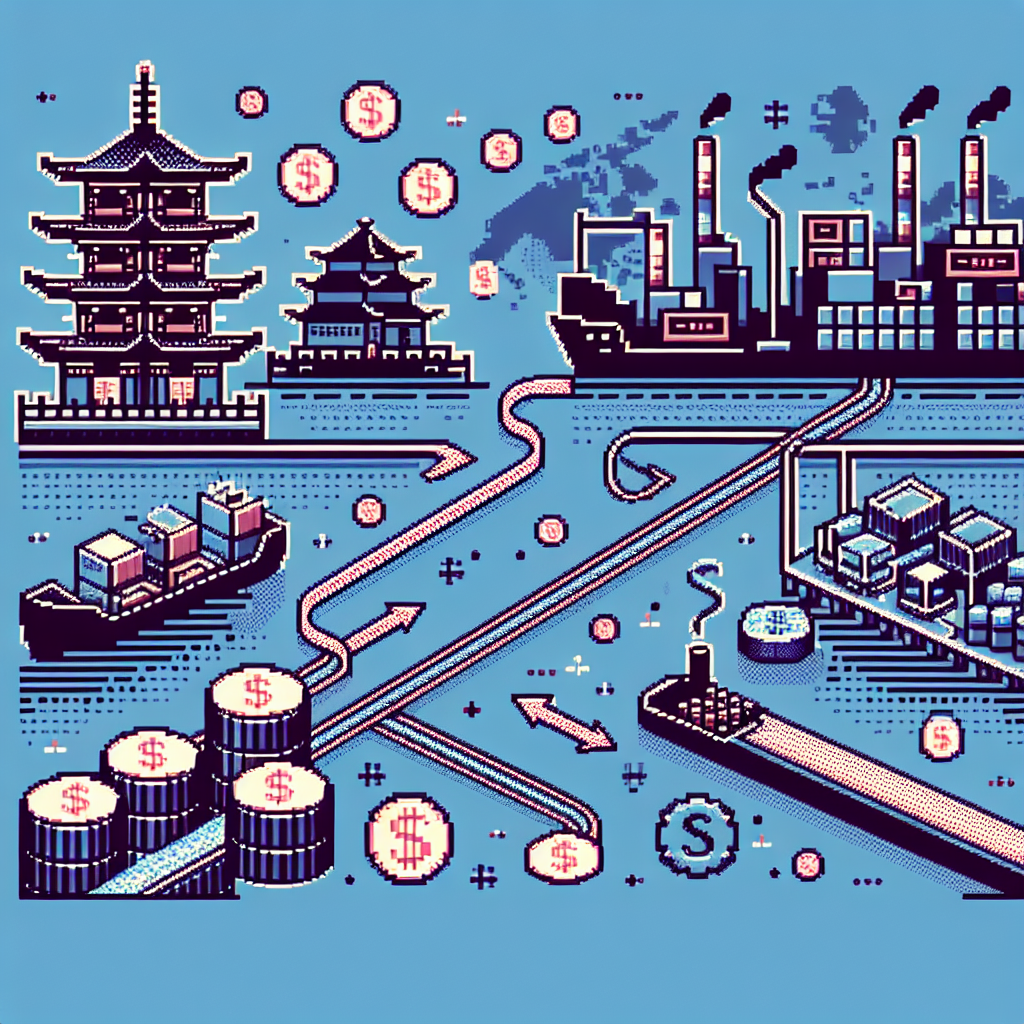
The headlines are doing what headlines do best: grabbing your attention. Talk of a blockade of the Strait of Hormuz — the narrow sea lane through which a sizable chunk of the world’s oil flows — triggers instant images of spiking petrol prices, panic buying and a rerun of 1970s-style stagflation. The fear of a “second oil shock” is spreading fast, but a growing body of analysis suggests a prolonged shutdown is structurally unlikely. Below I unpack the why and the how: the immediate risks, the market mechanics, and the geopolitical limits that make an extended blockade a hard-to-sustain strategy.

Why this matters (the hook)

  • Roughly one-fifth of seaborne oil trade funnels past the Strait of Hormuz — so any threat to passage immediately rattles traders, insurers, and policymakers.
  • Energy markets react to risk, not just supply. Even the rumor of a blockade can push prices up and premiums higher.
  • But tangible market shifts, diplomatic levers, and hard logistics place real limits on how long such a chokehold could be maintained.

Pieces of the puzzle: what's pushing analysts toward pessimism about a long blockade

  • Regional self-harm. A full, lasting closure would blow back on Gulf exporters themselves — Saudi Arabia, the UAE, Qatar and Iraq would lose export revenue and face domestic strains. That creates strong deterrence among neighboring states against tolerating or enabling a prolonged shutdown.
  • Military and maritime reality. Iran has capabilities to harass shipping (fast boats, mines, missile strikes), but sustaining a durable, enforced blockade against allied and Western navies is a different proposition. Reopening a major chokepoint in the face of escorts, convoys or international interdiction is costly and risky.
  • Demand-side buffers and rerouting. Buyers, especially in Asia, can and do tap spare production, strategic reserves, and alternative shipping routes and pipelines (though capacity is limited and costly). Oil traders and refiners pre-position supplies when risk rises.
  • Geopolitics and diplomacy. Key buyers such as China and major powers have strong incentives to press for keeping the strait open or mitigating impacts quickly — which can produce fast diplomatic pressure and economic levers to de-escalate.
  • Market elasticity: the first few weeks of a shock generate the biggest headline price moves. After that, markets adjust — inventories, substitution, and demand responses blunt the worst-case scenarios unless the disruption is both broad and prolonged.

A quick timeline of likely market dynamics

  • Week 0–2: Volatility spike. Insurance premiums, freight rates and oil futures surge on risk premia and speculation.
  • Weeks 2–8: Substitution and release. Buyers tap strategic reserves, non-Hormuz export capacity rises where possible, alternative crude grades move through different routes, and some speculative premium fades.
  • After ~8–12 weeks: Structural limits show. If the strait remains closed without major allied inability to reopen it, the world would face real supply deficits and deeper price effects — but many analysts judge that political, military and economic counter-pressures make this scenario unlikely to persist.

Why Japan’s (and other analysts’) view that a prolonged blockade is unlikely makes sense

  • Diversified sourcing and large strategic reserves reduce vulnerability. Japan, South Korea and many European refiners have the logistical flexibility and stockpiles to withstand short-to-medium shocks while diplomatic pressure mounts.
  • China’s role is pivotal. As a top buyer, China benefits from keeping trade flowing. Analysts note Beijing’s leverage with Tehran and its exposure to higher energy costs — incentives that reduce the attractiveness of a sustained blockade for actors that seek to maximize their own long-term economic stability.
  • The cost-benefit for an aggressor is terrible. Any state attempting a long-term closure would suffer massive economic retaliation (sanctions, shipping interdiction, loss of export revenue) and risk full military retaliation — making a long-term blockade an unlikely rational policy.

What markets and businesses should watch now

  • Insurance & freight costs. Sharp rises signal market participants are pricing in heightened transit risk even if supply lines remain open.
  • Inventory and SPR movements. Large coordinated releases (or lack thereof) from strategic petroleum reserves are a strong signal of how seriously governments view the disruption.
  • Alternative-route throughput. Pipelines, east-of-Suez export capacity, and tanker loadings from Saudi/US/West Africa show how quickly supply can be rerouted — and where capacity is already maxed out.
  • Diplomatic climate. Rapid negotiations or public pressure from major buyers (especially China) and coalition naval movements are early indicators that a blockade will be contested and likely temporary.

Practical implications for readers (businesses, investors, consumers)

  • Short-term market turbulence is probable; plan for volatility rather than a long-term structural supply cutoff.
  • Energy-intensive firms should stress-test operations for weeks of elevated fuel and freight costs, not necessarily months of zero supply.
  • Investors should note that energy-price spikes can flow into inflation metrics and ripple through bond yields and equity sectors unevenly: energy stocks may rally while consumer-discretionary sectors weaken.
  • Consumers are most likely to feel higher pump and heating costs in the near term; prolonged shortages remain a lower-probability but higher-impact tail risk.

What could change the calculus

  • An escalation that disables international naval responses or damages a major exporter’s capacity (not just transit).
  • Coordinated action by regional powers that refrains from reopening routes or sanctioning the blockader.
  • A drastically different international response — for example, if major buyers refrain from diplomatic pressure or if maritime insurance markets seize up.

My take

Fear sells and markets price risk — and right now the headline risk is real. But looking beyond the initial price spikes and political theater, the structural incentives on all sides point toward the outcome analysts are describing: short-lived disruption that forces expensive, noisy adjustments rather than a sustained global energy cutoff. The real dangers are in complacency and under-preparedness: even a temporary closure can roil supply chains, push up inflation, and squeeze vulnerable economies. Treat this as a severe-but-short shock on the probability scale, and plan accordingly.

A few actionables for those watching closely

  • Track shipping and insurance rate indicators for real-time signals of market stress.
  • Monitor strategic reserve announcements from major consuming countries.
  • Businesses should scenario-plan for 30–90 day spikes in energy and freight costs.
  • Investors should weigh energy exposure against inflation-sensitive assets and keep horizon-specific hedges in mind.

Sources

Keywords: Strait of Hormuz, oil shock, blockade, energy markets, shipping insurance, strategic petroleum reserves, China, Japan, Gulf exporters.


Related update: We recently published an article that expands on this topic: read the latest post.
Indias Growth Surge: Factories Fuel Boom | Analysis by Brian Moineau

India’s GDP Surprise: Factories, Festivals and a Fed of Optimism

Prime Minister Narendra Modi called the GDP number “very encouraging.” And who wouldn’t be? When official data showed India’s economy growing faster than most forecasters dared to predict, the reaction was equal parts relief and recalibration — for businesses, policymakers and investors trying to read what comes next.

Why this quarter felt different

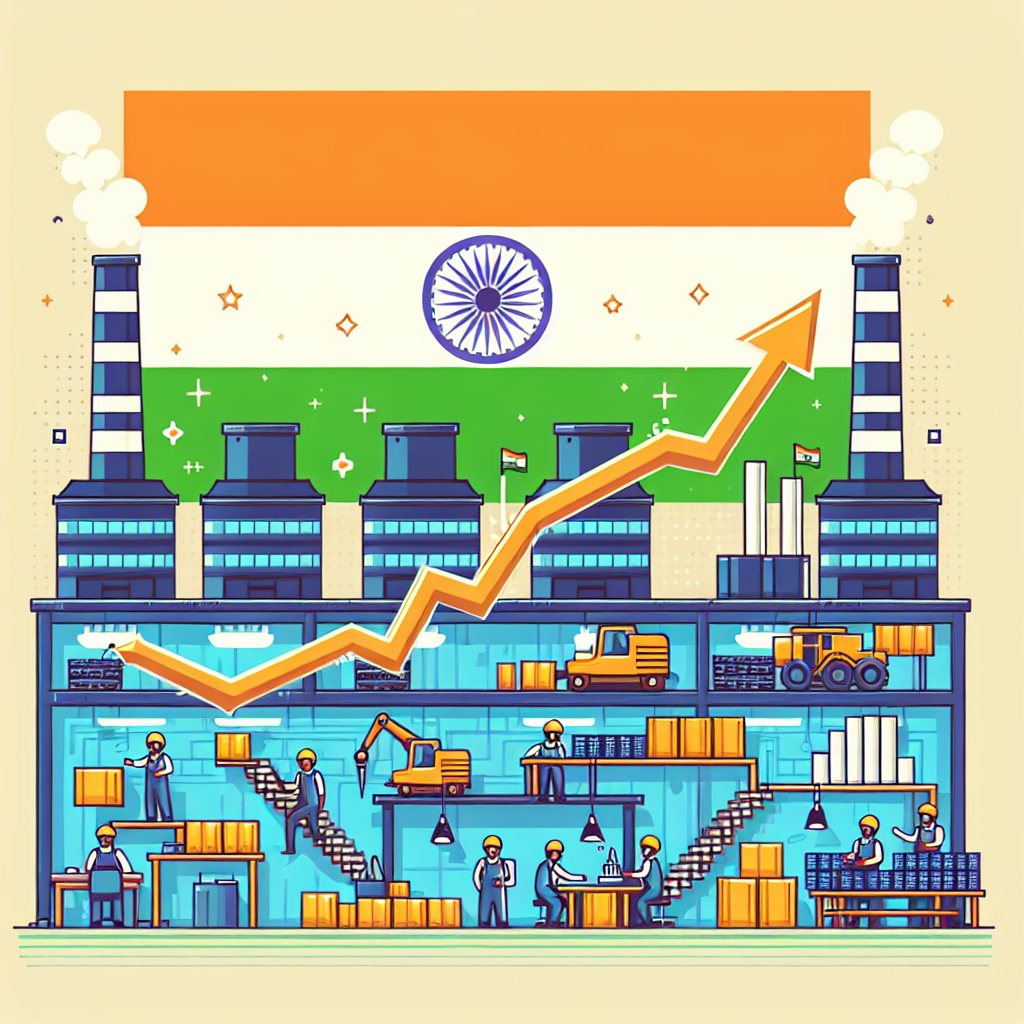
  • India’s GDP surged 8.2% year‑on‑year in the July–September 2025 quarter, well above Bloomberg and consensus forecasts and the strongest pace in six quarters. (fortune.com)
  • The upswing was broad-based: private consumption jumped ahead of the festival season, manufacturing posted a sharp gain, and services remained resilient. Policy moves — tax cuts in September and a series of earlier rate reductions — helped juice demand. (fortune.com)
  • All of this happened while a strained trade backdrop loomed: a 50% U.S. tariff on many Indian imports complicates export prospects and adds uncertainty to the near term. Yet firms appear to have front‑loaded shipments and inventory activity, muting the immediate bite of tariffs. (fortune.com)

What the numbers really tell us

  • Short-term momentum: The combination of festive-season spending, tax cuts and prior interest‑rate easing produced a powerful near‑term boost. Manufacturing growth (9.1%) and a near‑8% jump in private consumption are the headline engines of the quarter. (fortune.com)
  • Not necessarily durable: Several economists warn the gains may fade once the one‑off effects — stockpiling before tariffs, festival demand, and statistical quirks like a lower GDP deflator — wash out. Forecasts for next fiscal year were nudged up, but multilateral institutions and rating agencies still flag downside risks if trade frictions persist. (fortune.com)
  • Policy implications: Strong growth reduces the urgency for an immediate rate cut by the Reserve Bank of India, though low inflation keeps room for easing open. Markets reacted by pricing a lower probability of an imminent cut. (fortune.com)

A closer look at the Trump tariffs effect

  • Timing matters: Many exporters shipped ahead of August’s tariff implementation, which created a temporary volume bump. That front‑loading shows up in the data, helping manufacturing and export‑related activity this quarter. (fortune.com)
  • Structural risk remains: If high U.S. tariffs endure, exporters will face sustained price and market‑access penalties. Multilateral forecasts (IMF WEO and Article IV assessments) reduced long‑run growth projections slightly under a scenario of prolonged tariffs. India’s domestic demand cushion can blunt but not fully negate export pain. (imf.org)
  • Winners and losers: Sectors with strong domestic market exposure (consumer goods, some services, domestic manufacturing) benefit most from the current setup. Labor‑intensive export sectors — textiles, gems and jewelry, seafood — are more exposed to tariff damage. (forbes.com)

When numbers and politics collide

  • Messaging matters: Modi’s “very encouraging” post on X is more than cheerleading. Strong quarterly prints bolster the government’s reform story (tax cuts, Make in India push) and strengthen negotiating leverage in trade talks. But politics also raises the bar for sustaining results; the state wants growth to look both robust and inclusive. (fortune.com)
  • External perceptions: International agencies still see India as one of the few bright spots in a slower world economy, even if they temper longer-term forecasts because of protectionist shocks. That positioning attracts capital and attention — until and unless trade barriers start redirecting supply chains away from India. (imf.org)

Practical implications for readers

  • For consumers: Strong demand helped by tax cuts means fresher buying power now, especially in urban centers during festival cycles. But keep an eye on inflation and employment signals over the next two quarters.
  • For business leaders: Don’t over‑interpret one robust quarter. Use the breathing room to invest in productivity, diversify export markets, and avoid over‑reliance on short‑term stockpiling gains.
  • For investors: Macro momentum and lower inflation create a constructive backdrop, but tariff‑driven export risk and potential capital flow swings mean selective exposure and active risk management make sense.

A few smart caveats

  • Some part of the headline jump may reflect statistical effects (lower GDP deflator and other discrepancy adjustments), so analysts are rightly cautious about extrapolating this pace forward. (fortune.com)
  • Forecasts vary: While the IMF projects India to remain a top growth performer in 2025–26 under its baseline, it also warns that sustained high tariffs shave projected growth thereafter. (imf.org)

My take

This quarter feels like a tactical win for India: policy levers and private consumption combined to outpace expectations, and manufacturing showed welcome life. But the strategic contest is just beginning. If India wants manufacturing-led, export‑driven growth to be durable, it needs two things: (1) trade diplomacy and adaptation to reclaim lost market access, and (2) faster local value‑chain deepening so that front‑loaded shipments don’t become the main growth story. Short of that, domestic resilience will keep India growing, but the trajectory will be bumpier than a single headline number suggests.

The bottom line

An 8.2% print is newsworthy and politically powerful. It buys space for reforms and investment. But read it as a strong quarter, not a guarantee of uninterrupted acceleration. The next few quarters — how tariffs play out, whether festival demand normalizes, and whether investment follows consumption — will tell us whether this was a steppingstone or a spike.

Sources


Related update: We recently published an article that expands on this topic: read the latest post.



Related update: We recently published an article that expands on this topic: read the latest post.

Related update: We recently published an article that expands on this topic: read the latest post.
U.S. International Trade in Goods and Services, July 2025 – Bureau of Economic Analysis (BEA) (.gov) | Analysis by Brian Moineau

U.S. International Trade in Goods and Services, July 2025 - Bureau of Economic Analysis (BEA) (.gov) | Analysis by Brian Moineau

Navigating the Trade Winds: The U.S. Trade Deficit's July 2025 Surge

Ah, the ever-evolving dance of international trade! Just when you think you've caught the rhythm, the tune changes, and you're left trying to catch up. That's precisely what happened in July 2025, as reported by the Bureau of Economic Analysis (BEA). The United States' goods and services deficit reached a staggering $78.3 billion, up $19.2 billion from June's revised figure of $59.1 billion. It's a number that has many economists scratching their heads and businesses reassessing their strategies.

The Big Picture


Before you let the numbers get you down, let's take a step back and look at the broader context. The trade deficit isn't just a standalone figure; it's a snapshot of a much larger global economic picture. With the world slowly recovering from the economic disruptions caused by the COVID-19 pandemic, international trade has been on a rollercoaster ride. Supply chains are still adjusting, and consumer demand is in flux.

In July, the increase in the trade deficit was primarily driven by a rise in imports outpacing exports. The U.S. imported more consumer goods, capital goods, and industrial supplies, reflecting a robust domestic demand. Meanwhile, exports did not experience the same level of growth, partly due to ongoing challenges in the global supply chain and varying recovery rates in different parts of the world.

The Global Tapestry


This jump in the trade deficit isn't happening in isolation. It's intertwined with global economic currents. For instance, the European Union, a major trading partner of the U.S., is navigating its own economic challenges, including energy crises and political shifts. These factors can influence the demand for U.S. exports.

In Asia, China, another key player in global trade, is experiencing a complex economic landscape marked by regulatory changes and geopolitical tensions. These dynamics can impact the flow of goods and services to and from the U.S.

The Dollar Dance


Another interesting angle to consider is the role of the U.S. dollar. A stronger dollar makes imports cheaper and exports more expensive, which can widen the trade deficit. In 2025, the dollar has maintained its strength, partly due to the Federal Reserve's monetary policy decisions. This strength, while beneficial for American consumers purchasing foreign goods, challenges U.S. exporters trying to compete in global markets.

Looking Forward


So, what does this all mean for the future of U.S. trade? The trade deficit is a complex beast, influenced by myriad factors beyond just imports and exports. Policies aimed at boosting domestic production, such as incentives for manufacturing and innovation, could help balance the scales. Additionally, diplomatic efforts to stabilize global trade relations are crucial.

On a lighter note, the ebb and flow of the trade deficit can also be seen as a testament to the interconnectedness of our world. It's a reminder that even as nations strive for self-sufficiency, the global marketplace is a shared space where cooperation and competition coexist.

Final Thoughts


As we sail these trade winds, it's essential to remember that numbers like the trade deficit are just one piece of the economic puzzle. They offer insights, yes, but they also prompt deeper questions about how we engage with the world and what strategies we employ to foster sustainable growth.

In the end, whether you're a business leader, policymaker, or curious global citizen, understanding these shifts in trade dynamics is vital. So, let's keep our eyes on the horizon, ready to adapt and thrive in this ever-changing global economy. As the saying goes, the only constant in life—and trade—is change.

Read more about AI in Business

Read more about Latest Sports Trends

Read more about Technology Innovations

Are tariffs to blame for nearly 40% spike in wholesale vegetable prices? Experts weigh in – ABC News | Analysis by Brian Moineau

Are tariffs to blame for nearly 40% spike in wholesale vegetable prices? Experts weigh in – ABC News | Analysis by Brian Moineau

Title: Veggie Tales: Are Tariffs Turning Our Salads Into Pricey Delicacies?

Hello, dear readers! Today, we’re diving into a topic that’s spicing up dinner conversations and sprouting concerns among both consumers and economists alike. If the latest headline from ABC News is any indication, “Are tariffs to blame for nearly 40% spike in wholesale vegetable prices? Experts weigh in,” there’s quite a lot to chew on.

Now, let’s be honest. We all have a love-hate relationship with vegetables. They’re the unsung heroes of our plates, and while we may not always appreciate a broccoli floret or a spinach leaf, they’re vital for our health. But what happens when these leafy greens and vibrant veggies start costing as much as a prime rib? That’s the question at the heart of this article, and a 40% spike in wholesale prices is enough to raise eyebrows—and grocery bills!

The Tariff Tango

So, what’s driving this price surge? According to some experts, tariffs might be the culprits. Tariffs, for those of us who skipped that day in economics class, are taxes imposed on imported goods. They’re intended to protect domestic industries, but sometimes, they can create a ripple effect that leads to higher consumer costs.

In recent years, tariffs have been a hot topic globally. Remember the U.S.-China trade war? That wasn’t just a headline; it was a major economic event that had repercussions on everything from electronics to agriculture. And while the U.S. has been trying to untangle itself from this tariff web, the effects linger, like the aroma of garlic on your fingers after a good meal prep session.

A Global Green Crunch

But it’s not just tariffs causing our veggie woes. Climate change, labor shortages, and supply chain disruptions are all playing supporting roles in this drama. From droughts in California—America’s salad bowl—to unpredictable weather patterns across Europe, Mother Nature has been less than cooperative. A report from the United Nations’ Food and Agriculture Organization notes that extreme weather has significantly impacted global food production, making it a challenging time for farmers and consumers alike.

Moreover, the COVID-19 pandemic has thrown a wrench in the works, affecting labor markets and transportation networks. Remember when certain items seemed to vanish from store shelves faster than you could say “toilet paper”? Similar disruptions have hit the agricultural sector, complicating the journey from farm to table.

The Global Context

This isn’t just a U.S. problem. Across the pond, the United Kingdom has been grappling with its own set of challenges. Brexit has introduced new tariff barriers and regulatory hurdles, leading to increased costs and shortages. It’s a classic case of “you don’t know what you’ve got until it’s gone”—or in this case, until it’s more expensive.

Final Thoughts: From Farm to Table, and Beyond

So, what’s the takeaway here? As consumers, we might need to brace ourselves for a continued rollercoaster ride in grocery store prices. While tariffs are certainly a piece of the puzzle, they’re just one part of a complex global picture. It’s a reminder of how interconnected our world is and how local policies can have far-reaching effects.

In the meantime, perhaps it’s time to embrace creative cooking—exploring seasonal produce, starting a small home garden, or participating in community-supported agriculture programs. Not only could this help ease the sting of rising prices, but it also brings us closer to the food we eat and the people who grow it.

Here’s hoping for smoother trails and greener pastures ahead. Until next time, may your produce be plentiful and your meals delightful!

Read more about AI in Business

Read more about Latest Sports Trends

Read more about Technology Innovations


Related update: We recently published an article that expands on this topic: read the latest post.
China’s Economy Slows Sharply as Trade War Bites – Bloomberg | Analysis by Brian Moineau

China’s Economy Slows Sharply as Trade War Bites - Bloomberg | Analysis by Brian Moineau

Title: Navigating the Economic Crossroads: China’s Slowdown in a Tumultuous Trade Landscape

In recent months, China’s economic gears have been grinding more slowly than usual, as highlighted in Bloomberg's article, “China’s Economy Slows Sharply as Trade War Bites.” The world’s second-largest economy is experiencing a deceleration across key sectors, including factory activity, investment, and retail sales. This phenomenon is attributed to a combination of internal policy shifts and external pressures, most notably the ripple effects of the ongoing trade war with the United States.

A Complex Economic Tango

At the heart of this slowdown is a multifaceted dance between domestic policy and international tensions. The Chinese government has been cracking down on destructive price wars, which, while potentially stabilizing in the long run, have led to short-term disruptions. On the other side of the Pacific, former President Donald Trump’s tariffs have left a lingering impact, creating what some might call a “tariff hangover.” These tariffs have not only strained China’s exports but have also led to shifts in global supply chains, with many companies reconsidering their strategies and dependencies on Chinese manufacturing.

Global Ripples

The ripple effects of China’s economic slowdown are felt globally, given its integral role in the worldwide economic orchestra. For instance, Germany, with its export-reliant economy, has witnessed a dip in demand for its goods from China, leading to concerns about its own economic stability. Similarly, emerging markets, which have long relied on Chinese investment and trade, are feeling the tremors of this slowdown.

Interestingly, this situation parallels historical instances where economic superpowers have had to readjust their strategies in response to both internal and external pressures. One can draw comparisons to Japan in the 1990s, when it faced its own economic stagnation, partly due to its rigid economic structure and external pressures. Such historical parallels provide a lens through which we can view China’s current challenges, offering both cautionary tales and lessons in resilience.

A Silver Lining?

While the headlines may seem daunting, every cloud has its silver lining. For China, this slowdown could be an opportunity to pivot towards a more sustainable economic model. The government’s focus on cracking down on price wars and reducing reliance on exports could lead to a more balanced economy, less vulnerable to the whims of global trade tensions.

Moreover, this period of adjustment might spur innovation and diversification within China’s economy. With less emphasis on traditional manufacturing, there’s potential for growth in sectors like technology, renewable energy, and domestic consumption. Indeed, as the world increasingly moves towards a greener and more digital future, China’s strategic shifts could position it as a leader in these burgeoning fields.

Final Thoughts

In the grand tapestry of global economics, China’s current slowdown is but a single thread. While challenges abound, so too do opportunities for reinvention and growth. As China navigates these tumultuous waters, the world watches with bated breath, aware that the outcome will reverberate far beyond its borders.

Ultimately, this moment serves as a reminder of the interconnected nature of our global economy and the delicate balance required to maintain stability. As history has shown, periods of economic turbulence, while daunting, often pave the way for innovation and progress. In the case of China, the world waits to see what new path will emerge from this economic crossroads.

Read more about AI in Business

Read more about Latest Sports Trends

Read more about Technology Innovations

What To Expect in Markets This Week: Fed Meeting, Tariffs Deadline, July Jobs Report – Investopedia | Analysis by Brian Moineau

What To Expect in Markets This Week: Fed Meeting, Tariffs Deadline, July Jobs Report - Investopedia | Analysis by Brian Moineau

Navigating the Week: Tariffs, the Fed, and Tech Titans Take Center Stage

As we sip our morning coffee and brace ourselves for the economic rollercoaster of the week, several pivotal events are poised to shape the financial landscape. From tariffs and interest rates to the July jobs report, the business world is buzzing with anticipation. Let's embark on this journey together, shall we?

Tariffs Deadline: The Global Game of Chess

First up on our agenda is the key tariffs deadline. Tariffs have long been the economic equivalent of a chess game, with countries maneuvering to protect their industries while negotiating for better trade deals. This week’s deadline is particularly significant, as it could impact sectors ranging from agriculture to technology. While the details of these tariffs might feel like a distant concern to some, they ripple through the global supply chain, potentially affecting everything from the price of your morning avocado toast to the latest smartphone you can’t wait to upgrade to.

A nod to the broader geopolitical stage, the ongoing trade negotiations echo the tensions and collaborations seen in recent international summits. As nations strive for balance in a rapidly changing world, we are reminded that economic decisions are rarely isolated and often reflect larger themes of diplomacy and strategy.

The Fed's Interest-Rate Decision: A Dance of Numbers

Next, all eyes turn to the Federal Reserve as it prepares to announce its latest interest-rate decision. This is the moment when economists and investors lean in, analyzing every word and nuance for hints about the Fed's future trajectory. With inflation data also being released, the stakes are high. Will the Fed choose to hold steady, or will it pivot in response to the economic conditions? The answer could influence everything from mortgage rates to the stock market's mood.

In a world increasingly driven by data, the Fed's decision is akin to a dance with numbers, where rhythm and timing are crucial. It's a reminder of how interconnected our financial systems are and how a decision in Washington can reverberate around the globe.

July Jobs Report: The Pulse of the Workforce

The July jobs report will offer a snapshot of the labor market’s health and momentum. Employment figures are not just numbers on a page; they represent real people and their livelihoods. In an era where remote work and AI are reshaping the employment landscape, these reports are more telling than ever.

Moreover, as companies grapple with the challenges of attracting and retaining talent, the jobs report also reflects broader societal shifts. From the rise of the gig economy to debates over work-life balance, the data can provide insights into the evolving nature of work itself.

Tech Titans' Earnings: The Battle of the Giants

Lastly, we have the tech giants—Microsoft, Meta, Apple, and Amazon—reporting their earnings. These companies are more than just market leaders; they are cultural behemoths shaping the way we live, communicate, and consume. Their performance will not only influence stock indices but also provide a window into consumer behavior and technological trends.

As these titans of industry reveal their financials, it's worth considering their role in addressing global challenges, such as privacy concerns, digital addiction, and misinformation. They are at the forefront of innovation, yet they also face scrutiny over their impact on society and the economy.

Final Thoughts: A Week of Reflection and Anticipation

This week promises to be a whirlwind of economic indicators and corporate revelations. As we navigate through tariffs, interest rates, jobs data, and tech earnings, it's crucial to remain informed and engaged. After all, these developments affect not only investors and policymakers but also everyday citizens.

In the grand tapestry of global events, this week serves as a reminder of the interconnectedness of markets, nations, and individuals. So, as we keep an eye on the headlines, let's also take a moment to reflect on the broader implications and the shared journey we are all a part of. Here's to a week of discovery and insight!

Read more about AI in Business

Read more about Latest Sports Trends

Read more about Technology Innovations

Apple Stock Falls After Trump Threatens Tariffs on Foreign-Made iPhones – Barron’s | Analysis by Brian Moineau

Apple Stock Falls After Trump Threatens Tariffs on Foreign-Made iPhones - Barron's | Analysis by Brian Moineau

The Tariff Tango: How Trump's Threats Danced with Apple's Stock

Alright, folks, let's dive into the fascinating world of international trade, politics, and technology, where iPhones are the stars, Trump is the director, and the stock market is the unpredictable audience.

Recently, Apple stock took a bit of a nosedive after former President Donald Trump floated the idea of imposing tariffs on foreign-made iPhones. Now, let's not pretend the stock market hasn't been on a rollercoaster ride over the past few years, but this particular twist in the tale has a few interesting layers.

Trump's Tariff Talk: The Sequel

Now, if you've been following the saga of Trump and tariffs, you know this isn't the first time he's flirted with the idea of imposing tariffs on products made overseas. His presidency was marked by a series of tariff threats and implementations, particularly targeting China, in an attempt to bring manufacturing back to the United States. Love him or hate him, Trump's tariff tactics were a central part of his economic strategy.

The latest chapter in this ongoing narrative seems to have come out of the blue. Even though Trump is no longer in office, his comments still carry weight—particularly when it involves a tech giant like Apple. The notion of tariffs on foreign-made iPhones is enough to send shivers down the spine of investors and consumers alike. After all, who wants to pay more for their gadgets?

The Global Web of iPhone Production

Apple's production strategy is a masterclass in globalization. The company has a sprawling supply chain that spans the globe, with key production facilities in China and other countries. This global tapestry is what allows Apple to produce iPhones at a scale and cost that keeps them competitive. Slapping tariffs on these devices would mean increased costs for Apple, which could trickle down to consumers in the form of higher prices.

And let's be honest, nobody wants to pay more for their iPhone, especially when they're already dropping a small fortune on the latest model with all the bells and whistles.

The Ripple Effect of Tariffs

The mention of tariffs doesn’t just affect Apple; it has a domino effect on the broader tech industry and the stock market. Investors, ever wary of uncertainty, tend to react swiftly to any disruptions in the production flow of major companies like Apple.

Moreover, tariffs are a double-edged sword. While they might incentivize companies to bring production back to the U.S., they can also lead to increased production costs and strained international relations. For instance, during Trump's presidency, the U.S.-China trade tensions led to a series of retaliatory tariffs that impacted various industries.

A World of Change

Outside the tech and trade bubble, it's fascinating to see how interconnected our world is. From the global supply chains that bring us our beloved tech gadgets to the political moves that can shake markets, everything is intertwined. Even as we navigate the complexities of international trade and politics, the bigger picture is how these developments push companies to innovate. For instance, Apple's recent investment in U.S. manufacturing facilities, such as the Austin, Texas plant, is a testament to the balancing act companies must perform.

Final Thoughts: The Dance Continues

In the grand scheme of things, Trump's tariff threats are just one more step in the ongoing dance of global trade. While Apple's stock may have taken a hit, the company has weathered storms before. With its massive cash reserves and innovative prowess, it's likely that Apple will adapt, just as it always has.

In a world that's constantly evolving, the only certainty is change. Whether it's tariffs, tech advancements, or political shifts, companies like Apple will continue to navigate the dance floor of global commerce. And as spectators, all we can do is watch, speculate, and maybe hold onto our wallets a little tighter the next time we upgrade our iPhones.

Read more about AI in Business

Read more about Latest Sports Trends

Read more about Technology Innovations

Ford and Tesla Are Best-Positioned for Trump’s Car Tariffs. These Companies Are the Worst. – Barron’s | Analysis by Brian Moineau

Ford and Tesla Are Best-Positioned for Trump’s Car Tariffs. These Companies Are the Worst. - Barron's | Analysis by Brian Moineau

Navigating the Tariff Tango: Ford, Tesla, and the Art of Automotive Adaptation

In the ever-evolving world of international trade, tariffs play a complex yet vital role, often acting as both a shield and a sword. Recently, the automotive industry has been thrust into the spotlight, with Ford and Tesla emerging as leaders in navigating the rocky terrain of Trump's car tariffs. But what makes these companies particularly adept, and which players are struggling to keep up?

Ford and Tesla: The Resilient Duo

Ford and Tesla have long been stalwarts of the American automotive industry, each with its unique approach to innovation and market adaptation. Ford, with its century-old legacy, has consistently demonstrated its ability to weather economic storms by leveraging its extensive global supply chain and deep-rooted brand loyalty. Tesla, on the other hand, has carved out its niche with cutting-edge electric vehicles (EVs) and an almost cult-like following.

Their positioning in this tariff tussle is no accident. Ford's extensive manufacturing operations in the U.S. afford it a cushion against import tariffs, while Tesla's focus on vertical integration—manufacturing many of its components in-house—gives it a similar edge.

The Stragglers in the Tariff Maze

While Ford and Tesla are well-positioned, other automotive giants find themselves in less favorable circumstances. Companies heavily reliant on imports for parts and vehicles face the brunt of tariffs. This can lead to increased costs, which may be passed on to consumers or absorbed, impacting profit margins.

Consider the case of European and Asian carmakers with significant production overseas. These companies may find themselves at a disadvantage, scrambling to adjust their supply chains or reconsidering their pricing strategies in the face of increased tariffs.

Global Echoes: A Broader Perspective

The automotive industry's challenges are a microcosm of larger global trade dynamics. The tariff situation echoes the ongoing discussions surrounding the U.S.-China trade war and the European Union's trade policies. These geopolitical tensions highlight the interconnected nature of global economies and the ripple effects of policy changes.

Furthermore, the push towards electric vehicles and sustainable energy is reshaping the industry landscape. As governments worldwide incentivize green technology, companies like Tesla are not only shielded from certain tariffs but are also poised to benefit from supportive policies.

Final Thoughts: Adapting to Change

In a world where change is the only constant, adaptability becomes the currency of success. Ford and Tesla's ability to navigate the complexities of tariffs is a testament to their strategic foresight and operational agility. As the automotive industry continues to evolve, companies must remain nimble, embracing innovation and sustainability to thrive.

In the grand tapestry of global trade, tariffs are but one thread. Yet, for the automotive industry, they serve as a powerful reminder of the importance of resilience, adaptability, and forward-thinking strategy. The road ahead may be fraught with challenges, but for those willing to adapt, the journey promises opportunity and growth.

Read more about AI in Business

Read more about Latest Sports Trends

Read more about Technology Innovations

China reports bumper April exports ahead of crucial trade talks with US – Financial Times | Analysis by Brian Moineau

China reports bumper April exports ahead of crucial trade talks with US - Financial Times | Analysis by Brian Moineau

Navigating the Trade Winds: China's Export Surge and the Global Chessboard

In a world where economic narratives are as dynamic as the tides, China's latest trade data offers a compelling chapter. According to the Financial Times, China's exports have experienced a remarkable surge in April, largely buoyed by increased shipments to Southeast Asia and Europe. This uptick comes at a particularly pivotal moment, just ahead of crucial trade talks with the United States. The timing couldn't be more interesting, as these negotiations could potentially reshape the contours of global trade.

Shifting Trade Currents

China's ability to offset a drop in exports to the United States with increases in other regions is a testament to its strategic maneuvering in the global market. As the world's factory, China has been adept at expanding its trade networks, and the current data underscores its resilience. The pivot to Southeast Asia and Europe is not just a reaction to strained US-China trade relations but also a reflection of China's long-term strategy to diversify its economic relationships. In recent years, China's Belt and Road Initiative has fostered stronger ties with these regions, providing a foundation for increased trade.

A Broader Context

This development in China's trade dynamics is happening against a backdrop of significant global economic shifts. For instance, Europe is increasingly looking to strengthen its own economic ties within Asia, as seen in the EU's recent investment agreements with Vietnam and other Southeast Asian nations. Meanwhile, the United States is recalibrating its trade policies, focusing on reshoring industries and reducing dependency on foreign manufacturing, particularly from China.

The trade talks between China and the US are a microcosm of a larger geopolitical chess game. Both nations are vying for economic supremacy, but they are also aware of their intertwined destinies. The global supply chain disruptions caused by the COVID-19 pandemic have added an extra layer of urgency to these discussions, reminding all parties of the need for a more resilient and diversified global economy.

Global Trade and Innovation

China's export resilience is also indicative of its growing prowess in innovation. Over the past decade, China has shifted from being primarily a manufacturer of low-cost goods to becoming a hub of technological advancement. This evolution is evident in its export profiles, which now include high-tech products and green technology solutions. As countries worldwide strive to meet climate goals, China's role as a leader in renewable energy exports cannot be overlooked.

Final Thoughts

As China and the United States prepare for their trade discussions, the world watches with bated breath. The outcome of these talks will not only influence bilateral relations but also set the tone for the future of global trade. China's export strategy, with its focus on diversification and innovation, exemplifies the changing nature of international commerce. In an interconnected world, the ripples of these economic decisions will be felt far and wide.

In conclusion, the April export data serves as a reminder of the ever-evolving landscape of global trade. As nations navigate these waters, the need for collaboration and strategic foresight becomes paramount. While the winds of change are unpredictable, they also bring the promise of new opportunities for those willing to adapt.

Read more about AI in Business

Read more about Latest Sports Trends

Read more about Technology Innovations

Final Fantasy Magic cards are helping protect Hasbro from Trump tariffs – Polygon | Analysis by Brian Moineau

Final Fantasy Magic cards are helping protect Hasbro from Trump tariffs - Polygon | Analysis by Brian Moineau

Title: How Final Fantasy Magic Cards are Casting a Spell of Protection Over Hasbro Amid Trade Turbulence

In the ever-evolving landscape of global trade, where tariffs and international policies often cast shadows over financial forecasts, Hasbro has found an unexpected beacon of hope in the form of Magic: The Gathering cards, specifically those inspired by the legendary Final Fantasy series. According to recent reports, the success of these cards is not only enchanting players but also providing a strategic shield against the looming specter of Trump tariffs.

The Magic of Final Fantasy


Magic: The Gathering has long been a cornerstone of Hasbro's gaming portfolio, captivating millions with its intricate gameplay and vivid lore. The collaboration with the iconic Final Fantasy franchise has only amplified this enchantment, drawing in fans from both worlds. This merger of universes has resulted in a product that is not just a game, but a collector's item—a testament to the power of nostalgia and fandom.

The Final Fantasy series, which celebrated its 30th anniversary a few years back, has a storied legacy of its own. Known for its epic narratives and unforgettable characters, Final Fantasy has influenced gaming culture on a global scale. By aligning with such a beloved brand, Hasbro has tapped into a deep well of fan loyalty, ensuring these Magic cards fly off the shelves faster than a Chocobo can sprint.

Tariffs and Trade Winds


The backdrop to this success story is the complex world of international tariffs. During the Trump administration, tariffs on Chinese imports were a focal point of trade policy, impacting numerous industries, including toys and games. For companies like Hasbro, which rely heavily on international manufacturing, these tariffs posed a significant threat to profit margins.

However, the booming success of the Final Fantasy-themed Magic cards has provided a crucial buffer. This is not just a story about cards and games; it's a tale of strategic adaptation. By capitalizing on popular culture and cross-brand collaborations, Hasbro has managed to sidestep some of the potential financial fallout from these tariffs.

Broader Implications


Hasbro's strategy is a microcosm of a broader trend in the business world where companies are increasingly leveraging popular culture and strategic partnerships to navigate economic challenges. Consider how LEGO has continuously partnered with blockbuster franchises like Star Wars and Harry Potter to stay relevant and profitable. Similarly, Nike's collaborations with sports icons and fashion designers have helped the brand maintain its edge in a competitive market.

Moreover, the success of these Magic cards highlights the enduring power of physical products in a digital age. While digital gaming and e-sports continue to rise, there's something uniquely satisfying about holding a tangible piece of your favorite game or story—an experience that digital versions can't quite replicate.

Final Thoughts


In a world where economic uncertainties and trade policies can change the course of business overnight, Hasbro's success with Final Fantasy Magic cards is a reminder of the power of innovation and adaptability. It underscores the importance of understanding your audience and the potential of strategic partnerships to weather financial storms.

As we look ahead, it's clear that the magic of creativity and collaboration will continue to be a potent force in the business world. Whether you're a fan of Magic: The Gathering, Final Fantasy, or simply a lover of good business strategy, this story offers a compelling glimpse into how companies can thrive amid challenges—one card at a time.

Read more about AI in Business

Read more about Latest Sports Trends

Read more about Technology Innovations

China Returns Boeing Jets, Report Says. It’s a Headwind for the Stock. – Barron’s | Analysis by Brian Moineau

China Returns Boeing Jets, Report Says. It’s a Headwind for the Stock. - Barron's | Analysis by Brian Moineau

Title: The Sky's the Limit: Navigating Turbulence Between Boeing and China

As global markets continue to navigate a complex web of economic, political, and environmental challenges, the aviation industry finds itself at a critical juncture. A recent report from Barron's highlights a new development that could have significant implications for one of the industry's giants: Boeing. According to the report, China has started returning Boeing jets, a move that could act as a headwind for the aerospace company's stock. While this news might initially sound like a setback for Boeing, let's take a closer look at the broader context and explore what this means for the aviation industry and international relations.

Aviation Industry's Crosswinds

The aviation industry has always been a barometer for global economic health. When the world thrives, so does air travel, and vice versa. However, the past few years have been anything but smooth sailing for airlines and aircraft manufacturers. The COVID-19 pandemic grounded flights worldwide, leading to unprecedented losses and restructuring across the sector. Just as the industry began to recover, geopolitical tensions and supply chain disruptions added further challenges.

China's decision to return Boeing jets may seem like a direct hit to the U.S.-based manufacturer, but it's crucial to understand the nuances behind this move. The global aviation market is fiercely competitive, with Boeing and its European rival, Airbus, constantly vying for dominance. China's return of Boeing jets could be part of a strategic shift towards domestically produced aircraft, such as those from the state-owned Commercial Aircraft Corporation of China (COMAC). This aligns with China's broader "Made in China 2025" initiative, which aims to reduce dependence on foreign technology and boost domestic innovation.

Navigating the Geopolitical Skies

This development also comes at a time of heightened geopolitical tensions between the United States and China. Trade wars, tariffs, and diplomatic disagreements have all contributed to an increasingly complex relationship between the two economic powerhouses. The aviation sector, being a major component of both economies, inevitably finds itself caught in the crossfire.

However, behind the headlines of economic rivalry, there are opportunities for collaboration and mutual growth. Aviation is one of the few industries where international cooperation is not only beneficial but essential. From safety standards to environmental regulations, the global nature of air travel necessitates a level of collaboration that transcends national borders. While China may be returning Boeing jets now, it's important to remember that markets are cyclical, and opportunities for future partnerships could arise as economic and political landscapes evolve.

Looking Beyond the Horizon

As we consider the implications of this report, it's worth taking a broader view of the aviation industry's trajectory. Environmental concerns are increasingly driving change, with a growing emphasis on sustainable aviation fuels and more efficient aircraft designs. Boeing, like other manufacturers, is investing in research and development to meet these new demands. The company's future success will depend not only on navigating current geopolitical challenges but also on its ability to innovate and lead in a rapidly changing industry.

In the meantime, investors and industry watchers should keep an eye on how Boeing and China maneuver through these turbulent times. While the return of jets might pose a short-term challenge, the long-term potential for growth and collaboration remains significant.

Final Thoughts

The return of Boeing jets by China is a reminder of the intricate connections between global markets, politics, and industry. While it presents a challenge for Boeing in the immediate term, it's also an opportunity for reflection and strategic planning. The aviation industry, much like the planes it builds, must be resilient, adaptable, and prepared to soar above the turbulence. As we watch the skies, let's hope for smoother flights ahead for both Boeing and the broader aviation sector.

Read more about AI in Business

Read more about Latest Sports Trends

Read more about Technology Innovations

Why China curbing rare earth exports is a huge blow to the US – BBC | Analysis by Brian Moineau

Why China curbing rare earth exports is a huge blow to the US - BBC | Analysis by Brian Moineau

A Rare Move: China's Strategic Play in the Global Trade Chess Game

In the grand chessboard of global trade, few moves have been as calculated and impactful as China's recent decision to curb exports of rare earth minerals to the United States. This strategic maneuver, a counter-punch in the ongoing trade war, has sent ripples through international markets and raised eyebrows across boardrooms from Silicon Valley to Wall Street.

The Glittering Importance of Rare Earths

Rare earth elements might not sparkle like gold or silver, but they are invaluable in the modern world. These 17 elements are critical in the manufacturing of everything from smartphones and electric vehicles to wind turbines and military equipment. In essence, they are the unsung heroes of the technological age.

China, holding a commanding position with about 80% of the world's rare earth supply, has leveraged this dominance as a strategic asset. The suspension of exports to the U.S. is akin to a masterful chess move, putting pressure on the U.S. to reconsider its trade strategies. It's a reminder that, in the high-stakes game of global trade, control over critical resources can be a powerful bargaining chip.

The Broader Implications

This move doesn't just affect the U.S.; it's a wake-up call to the world about the vulnerabilities in global supply chains. The European Union, for example, has already been taking steps to reduce its dependency on Chinese rare earths by exploring alternative suppliers and investing in local production capabilities. Australia's Lynas Rare Earths, one of the few significant producers outside China, has seen a surge in interest and investment.

Meanwhile, the U.S. is not sitting idly by. Efforts are underway to boost domestic production and develop recycling technologies to reclaim rare earths from electronic waste. However, these initiatives will take time to bear fruit, and in the short term, industries reliant on these materials may face disruptions.

Drawing Parallels

This rare earth conundrum is reminiscent of the oil crises of the 1970s when geopolitical tensions led to energy shortages and skyrocketing prices. Both situations underscore the importance of resource independence and the need for diversified supply sources in an interconnected world.

Moreover, the rare earth saga parallels the current push for semiconductor self-sufficiency. With the global chip shortage still fresh in memory, countries are keenly aware of the risks posed by over-reliance on a single supplier or region.

Final Thoughts

China's suspension of rare earth exports is more than just a reaction to trade tensions; it’s a strategic reminder of the interconnectedness and fragility of global supply chains. As nations navigate this complex landscape, the lesson is clear: diversification and innovation are key to resilience.

In the end, the rare earths issue is not just about minerals—it's about understanding and adapting to the dynamics of global power. As the world watches this high-stakes game unfold, one thing is certain: the era of business as usual has come to an end. It's time for new strategies, fresh thinking, and above all, a commitment to collaboration and sustainability in the face of shared challenges.

For more insights on how global trade dynamics are shaping the future, check out [this link](https://www.bbc.com/news/business) to explore additional articles.

Read more about AI in Business

Read more about Latest Sports Trends

Read more about Technology Innovations

Will tariffs make the US money? And could Canada join the EU? – BBC.com | Analysis by Brian Moineau

Will tariffs make the US money? And could Canada join the EU? - BBC.com | Analysis by Brian Moineau

### Tariffs, Trade, and the Curious Question of Canada's EU Ambitions

In a world swirling with political maneuvers and economic strategies, tariffs have taken center stage, especially under the leadership of former President Donald Trump. Our trusted correspondents from London, New York, Beijing, and Mumbai have delved into your pressing questions about these tariffs and, intriguingly, whether Canada might ever consider joining the European Union. It’s a fascinating mix of economics, diplomacy, and a dash of the unexpected.

#### The Tariff Tango

First, let's waltz through the world of tariffs. For the uninitiated, tariffs are taxes imposed on imported goods, which can protect domestic industries from foreign competition or simply be a strategic move in the complex dance of international trade. Under Trump's administration, tariffs became a frequent tool, particularly in the U.S.-China trade war. The goal? To make American products more competitive and to pressure China into trade concessions.

But do tariffs actually make the U.S. money? In the short term, yes, they can increase government revenue as importers pay these taxes. However, the broader economic impact is murkier. Tariffs can lead to increased costs for consumers and businesses, as seen in various sectors from agriculture to tech. Moreover, retaliatory tariffs from other nations can harm U.S. exporters.

#### A Canadian Curveball

Now, onto the unexpected twist: Could Canada join the EU? While this might sound like a plot from a political thriller, it's a question worth entertaining. Geographically, Canada is nestled comfortably in North America, but politically and culturally, it shares much with European nations. The Comprehensive Economic and Trade Agreement (CETA) already creates strong economic ties between Canada and the EU, reducing tariffs and promoting trade.

However, full EU membership for Canada would be a Herculean task, involving complex negotiations and fundamental changes in its political and economic systems. It’s more of a whimsical notion than a feasible reality, akin to pondering if the UK might rejoin the EU post-Brexit. Yet, in a world where political landscapes shift rapidly, never say never.

#### Global Ripples

These topics don’t exist in isolation. The tariff discussions resonate amid ongoing global trade tensions. For instance, the U.S. and China are still navigating a rocky relationship, while the EU is dealing with its own challenges, from Brexit aftermath to economic recovery post-pandemic. Canada's role in all this is significant, serving as a bridge between North American and European markets.

Elsewhere, the rise of regional trade pacts like the Comprehensive and Progressive Agreement for Trans-Pacific Partnership (CPTPP) highlights a trend towards regionalism in trade. Countries are increasingly looking to strengthen ties with their neighbors, even as globalization faces its own set of challenges.

#### Final Thoughts

Tariffs are more than just taxes; they are tools of strategy and symbols of national policy. Whether they will make or lose money for the U.S. remains a layered question, but their impact is undeniably global. As for Canada’s hypothetical EU membership, it’s a delightful thought experiment that underscores the fluidity of international relations.

In the end, tariffs and trade policies reflect the ongoing quest for balance in a rapidly changing world. As nations continue to navigate these waters, the conversations and decisions made today will shape our economic futures for decades to come. So, keep asking questions, stay informed, and never underestimate the power of a good economic debate.

Read more about AI in Business

Read more about Latest Sports Trends

Read more about Technology Innovations

Stock futures jump on hope of possible Trump compromise on tariffs: Live updates – CNBC | Analysis by Brian Moineau

Stock futures jump on hope of possible Trump compromise on tariffs: Live updates - CNBC | Analysis by Brian Moineau

**Title: A Ray of Sunshine in the Trade Talk Clouds: Stock Futures Soar Amid Tariff Compromise Hopes**

In the ever-churning seas of global trade, even a whisper of compromise can send ripples far and wide. Late Tuesday, U.S. Commerce Secretary Howard Lutnick teased a potential breakthrough that has the financial world buzzing: the prospect of the United States meeting Canada and Mexico "somewhere in the middle" on tariffs. This glimmer of hope was enough to send stock futures jumping, a testament to the power of diplomacy in calming the often volatile waters of international trade.

The hint of compromise comes at a crucial time. With trade tensions having simmered for years, the global economy has been eagerly awaiting signs of resolution. The tariffs in question have been a sticking point, not just affecting the economies directly involved but also sending shockwaves through global markets. The mere suggestion that these tensions might ease was enough to buoy investor spirits, highlighting the interconnected nature of today's economic landscape.

On the surface, this development might seem like just another headline in the ongoing saga of trade negotiations. But look a little deeper, and you'll find a narrative rich with implications. For one, it signals a potential shift in the Trump administration's often hardline stance on trade. While President Trump has long championed the idea of America-first policies, this move could indicate a willingness to adopt a more conciliatory approach, at least with North American neighbors.

It's also worth noting how this potential compromise aligns with wider global trends. Across the Atlantic, the European Union has been grappling with its own set of trade challenges, particularly with Brexit looming over the continent like a storm cloud. The EU has been keen to establish new trade relationships and solidify existing ones, mindful of the need for economic stability in turbulent times. A U.S. move towards compromise could set a positive precedent, encouraging other nations to seek collaborative solutions rather than confrontational standoffs.

Howard Lutnick, the man behind the tantalizing suggestion, is no stranger to steering through choppy waters. As a seasoned leader, he's known for his pragmatic approach to problem-solving. His hint at a middle ground approach reflects a strategic understanding that trade wars have no real winners and that compromise is often the most viable path forward.

Beyond the realm of trade, this development resonates with other global narratives of compromise and cooperation. Take, for instance, the recent international efforts to address climate change. The need for countries to find common ground on reducing emissions echoes the dynamics of trade negotiations. In both arenas, the message is clear: global challenges demand collective solutions.

While it's too early to pop the champagne, the market's response is a reminder of the power of optimism. Investors, like the rest of us, are eager for signs of progress, for those moments when the clouds part and light breaks through. It's a sentiment not just confined to stock markets but one that reverberates through boardrooms, trading floors, and dinner tables around the world.

In conclusion, the news of a possible tariff compromise is a small but significant step towards a more harmonious global trade environment. Whether this will lead to lasting change remains to be seen, but for now, it offers a welcome respite in an era often marked by division. As we watch and wait, one thing is certain: in the world of trade, as in life, a little compromise can go a long way.

Read more about AI in Business

Read more about Latest Sports Trends

Read more about Technology Innovations

10-year Treasury yield slides as Trump tariffs take effect – CNBC | Analysis by Brian Moineau

10-year Treasury yield slides as Trump tariffs take effect - CNBC | Analysis by Brian Moineau

**Title: The Ripple Effects of Tariffs: A Lighthearted Dive into the 10-Year Treasury Yield Dip**

Ah, the world of economics—a place where news about Treasury yields can make headlines alongside pop stars and viral TikTok dances. Today, we're diving into a topic that might seem dry on the surface but is actually brimming with intrigue and global significance: the recent dip in the 10-year Treasury yield following President Donald Trump's tariffs taking effect on goods from Mexico and Canada.

**The Tariff Tango**

On a seemingly ordinary Tuesday, President Trump decided to spice things up by implementing a 25% tariff on goods from our neighbors to the north and south. This move, in true geopolitical fashion, sent ripples through the financial waters, notably causing the 10-year Treasury yield to slide. For those not fluent in econ-speak, Treasury yields are a bit like the mood ring of the economy—they reflect investor confidence, or lack thereof, in economic growth and stability.

Now, if you're wondering why these tariffs are such a big deal, let's take a step back. Tariffs are essentially taxes on imported goods, and while they might sound like a great way to encourage domestic production, they can also lead to higher prices for consumers and strained international relations. Think of it as a dance where one partner suddenly decides to change the choreography—everyone else has to adjust, and not everyone is happy about it.

**A Global Stage**

The impact of these tariffs isn't confined to the U.S., Mexico, and Canada. In today's interconnected world, economic changes can have far-reaching effects. For instance, consider how the European Union might react, given its own trade considerations with the U.S. or how China, already in a trade tussle with the U.S., might view these developments. It's a bit like a global game of Jenga, where every move has the potential to shift the entire structure.

Meanwhile, across the pond, the United Kingdom is navigating its post-Brexit reality, dealing with its own trade challenges. The timing of these tariffs adds another layer of complexity to an already intricate global economic tapestry.

**A Nod to Trump**

Love him or loathe him, Donald Trump has a knack for keeping things interesting. His approach to policy-making often resembles a reality TV show—unexpected twists, dramatic moments, and plenty of opinions. And while his methods may be unconventional, they undeniably keep the world engaged.

**Final Thoughts**

In the grand theater of global economics, every action has a reaction, and President Trump's tariffs are no exception. Whether these tariffs will achieve their intended goals or lead to further economic complications remains to be seen. But one thing is for sure: they have sparked conversations, debates, and plenty of speculation.

As we watch the 10-year Treasury yield's dance and the world's response to these tariffs, let's remember the interconnectedness that defines our modern era. In a world where the flutter of a butterfly's wings can cause a storm halfway across the globe, every economic decision is part of a larger story. So, keep an eye on those Treasury yields—they might just be telling us more than we realize.

Read more about AI in Business

Read more about Latest Sports Trends

Read more about Technology Innovations

As Trump eyes more tariffs, South Korea remains safe haven for GM and Hyundai – CNBC | Analysis by Brian Moineau

As Trump eyes more tariffs, South Korea remains safe haven for GM and Hyundai - CNBC | Analysis by Brian Moineau

**South Korea: The Unexpected Safe Haven in the Global Tariff Tango**

In the ever-evolving landscape of international trade, where tariffs are often wielded as political instruments, automakers have had to become nimble dancers, adeptly navigating the intricate steps of global economics. The recent CNBC article highlights how South Korea has emerged as an unlikely safe haven for automakers like Hyundai Motor and General Motors, who have found solace in its tariff-free export market to the U.S. This development is a fascinating twist in the ongoing saga of global trade dynamics, and it offers a refreshing perspective in a world often dominated by trade tensions.

### The Tariff Tango

To understand the significance of South Korea's role, it's essential to take a step back and look at the broader context. The global automotive industry has been on a rollercoaster ride in recent years, with tariffs and trade wars threatening to upend established supply chains. In 2018, President Donald Trump imposed tariffs on steel and aluminum imports, sparking fears of a full-blown trade war. Automakers, heavily reliant on global supply chains, were suddenly faced with the daunting challenge of navigating these turbulent waters.

Enter South Korea. While many countries found themselves at odds with the U.S. over trade policies, South Korea managed to emerge as a stable partner. This is largely due to the U.S.-Korea Free Trade Agreement (KORUS FTA), which has provided a framework for tariff-free trade between the two nations. For automakers like Hyundai and GM, this agreement has been a lifeline, allowing them to continue exporting vehicles to the U.S. without the burden of additional tariffs.

### A Broader Context

South Korea's role as a tariff-free haven is not just an isolated phenomenon; it mirrors a broader trend of nations seeking out strategic partnerships to weather the storm of global trade tensions. Japan, for instance, has been strengthening its trade relationships with the European Union and other Asian countries in response to similar pressures. Meanwhile, the European Union has been working to bolster its own trade agreements, such as the EU-Mercosur trade deal, to secure markets for its industries.

This strategic maneuvering highlights a key lesson in today's interconnected world: the importance of adaptability and foresight. Countries and companies that can anticipate and respond to shifting trade landscapes are better positioned to thrive.

### The Human Element

It's impossible to discuss these developments without acknowledging the human element behind the headlines. Former President Trump, a central figure in the global tariff saga, is known for his unconventional approach to trade negotiations. His policies have sparked both criticism and support, depending on one's perspective. Supporters argue that his tariffs were necessary to protect American industries and jobs, while critics contend that they have led to increased costs for consumers and strained international relationships.

Regardless of one's stance on Trump's trade policies, it's clear that they have forced countries and companies to rethink their strategies and adapt to a new reality. In this context, South Korea's emergence as a tariff-free haven is a testament to the power of diplomacy and strategic alliances.

### Final Thoughts

As we look to the future, the story of South Korea and the global auto industry serves as a reminder that in the complex dance of international trade, adaptability is key. While tariffs and trade wars may continue to make headlines, there will always be opportunities for those who can navigate the intricate steps of the global economy.

In the end, the dance goes on, and it's up to each nation and company to decide how they will move to the music. South Korea, it seems, has found its rhythm in this global tariff tango, and it may just inspire others to do the same.

Read more about AI in Business

Read more about Latest Sports Trends

Read more about Technology Innovations