Easy Thanksgiving Entertaining | Made by Meaghan Moineau

Easy Thanksgiving Entertaining

Intro

Thanksgiving has always been a time for family, friends, and unforgettable meals. As a child, I remember the warmth of the kitchen, the smell of spices, and the sound of laughter that filled our home. My grandmother would always have a special treat ready for us kids—a homemade pumpkin spice ice cream that was both comforting and delicious. Now that I host Thanksgiving, I’ve adapted her recipe to make it even easier, so I can spend more time with my loved ones and less time in the kitchen. This Easy Thanksgiving Entertaining recipe brings together the flavors of the season with minimal fuss, making it the perfect addition to your holiday table.

Why You’ll Love It

This ice cream recipe is a delightful twist on traditional Thanksgiving desserts. Here are a few reasons why you’ll fall in love with it:

  • Simple Ingredients: With just a handful of ingredients, you can create a dessert that’s both luxurious and comforting.
  • Quick Preparation: Spend less time cooking and more time enjoying with family and friends.
  • Seasonal Flavors: The combination of pumpkin spice and creamy goodness captures the essence of fall.
  • Kid-Friendly: This treat is a hit with kids and adults alike, making it perfect for gatherings.

Ingredients

  • 2 cups heavy cream
  • 1 cup whole milk
  • 1/2 cup sugar
  • 1 teaspoon vanilla extract
  • Pinch of salt
  • 1 cup crushed pumpkin spice cookies

Instructions

  1. In a large mixing bowl, whisk together the heavy cream, whole milk, sugar, vanilla extract, and salt until the sugar has completely dissolved.
  2. Gently fold in the crushed pumpkin spice cookies, ensuring they are evenly distributed throughout the mixture.
  3. Pour the mixture into an ice cream machine and freeze according to the manufacturer’s instructions.
  4. Once the ice cream reaches a soft-serve consistency, transfer it to an airtight container and freeze until firm, about 2-4 hours.
  5. When ready to serve, scoop into bowls and garnish with an additional pumpkin spice cookie for an extra touch of festivity and crunch.

Tips

For the best results, make sure your ice cream mixture is well chilled before adding it to the ice cream machine. This will help it freeze faster and achieve a creamier texture. If you don’t have an ice cream machine, you can pour the mixture into a shallow dish, freeze it, and stir every 30 minutes until it reaches the desired consistency.

Variations & Substitutions

If you’re looking to switch things up, consider these delicious variations:

  • Spiced Apple Cider: Replace the pumpkin spice cookies with crushed gingersnap cookies and add a teaspoon of cinnamon.
  • Chocolate Pumpkin: Stir in 1/2 cup of mini chocolate chips for a chocolatey twist.
  • Dairy-Free Option: Substitute coconut milk for heavy cream and almond milk for whole milk to make it dairy-free.

Storage

Store any leftover ice cream in an airtight container in the freezer for up to two weeks. To prevent ice crystals from forming, press a piece of plastic wrap directly onto the surface of the ice cream before sealing the container.

FAQ

Can I make this ice cream without an ice cream machine?

Yes, you can! Simply pour the mixture into a shallow dish and freeze, stirring every 30 minutes to break up ice crystals until it reaches the desired consistency.

How can I make this recipe more festive?

Consider adding a tablespoon of your favorite liqueur, such as bourbon or rum, for an adult version. You can also top the ice cream with caramel sauce or whipped cream for an extra indulgent treat.

Is there a way to make this ice cream less sweet?

Feel free to reduce the sugar to 1/4 cup if you prefer a less sweet dessert. The cookies will still provide plenty of flavor and sweetness.

Nutrition

While this ice cream is a treat, it can be enjoyed in moderation as part of a balanced diet. A single serving (1/2 cup) contains approximately:

  • Calories: 250
  • Fat: 18g
  • Carbohydrates: 22g
  • Protein: 3g

Conclusion

This Easy Thanksgiving Entertaining dessert is more than just ice cream—it’s a memory in the making. Perfect for sharing with loved ones, it’s a sweet reminder of the warmth and togetherness that the holiday season brings. Whether you’re serving it to a crowd or enjoying a quiet evening in, this ice cream is sure to become a cherished part of your Thanksgiving tradition. So go ahead, scoop up some joy, and savor the flavors of the season!

Related update: Easy Thanksgiving Entertaining

Related update: Cacao-Pecan Shortbread Cookies

ChatGPT‑5.1 Crushes Grok 4.1 in Showdown | Analysis by Brian Moineau

One crushed the other: my take on ChatGPT‑5.1 vs Grok 4.1

The headline pretty much says it: after Tom’s Guide ran nine side‑by‑side prompts, one model didn’t just win — it dominated. If you’ve been following the weekly AI cage matches, this one matters because it shows where conversational AI is leaning: toward personality, interpretive depth, and emotional nuance.

Why this comparison matters

  • Both ChatGPT‑5.1 and Grok 4.1 are among the most-talked‑about chatbots today.
  • These are not incremental updates — they represent competing design philosophies: OpenAI’s emphasis on clarity, safety, and utility versus Grok’s (xAI/X) emphasis on boldness, candid tone, and contextual flair.
  • A nine‑prompt shootout lets us see strengths and tradeoffs across categories that people actually care about: reasoning, creativity, humor, emotional support, and real‑world planning.

What the test looked at

Tom’s Guide used nine prompts spanning:

  • Logic and trick questions
  • Metaphors and explanations for kids
  • Creative writing and storytelling
  • Code generation and technical clarity
  • Real‑world planning (travel iteneraries)
  • Emotional intelligence and supportive messaging

The prompts were chosen to surface not just correctness but voice, subtext, and usefulness in everyday scenarios.

The short verdict

  • Winner: Grok 4.1.
  • Why: Grok took seven of the nine rounds, excelling at subtext, emotional tone, humor, and evocative creative writing. It was willing to call out trick questions, use more conversational slang when appropriate, and deliver answers that felt more human and expressive.
  • ChatGPT‑5.1 wasn’t bad — it tended to be cleaner, more concise, and better at tightly constrained tasks (e.g., some concise metaphors and clean code), but it often felt more reserved compared with Grok’s bolder personality.

Highlights from the head‑to‑head

  • Reasoning and trick questions
    • Grok flagged the classic “all but 9” puzzle as a trick and contextualized it; that extra metacognitive move won points for interpretive understanding.
  • Creative writing and atmosphere
    • Grok built more tension and sensory detail in short fiction prompts; ChatGPT‑5.1 favored tighter structure and punchlines.
  • Emotional support and tone
    • Grok used colloquial, authentic phrasing that resonated like a friend’s message — not “toxic‑positivity” but genuine validation. ChatGPT’s responses were supportive but more formal.
  • Practical planning
    • ChatGPT‑5.1 sometimes won when the brief demanded balance, brevity, and modular practicality (e.g., family travel planning where flexibility matters).

What this tells us about AI design choices

  • Personality vs. polish: Grok’s strength is personality. When human connection, subtext, or theatrical flair matters, personality wins. ChatGPT’s strength is polish: clarity, brevity, and predictability.
  • Use‑case matters: If you want an assistant that’s a precise tool for structured tasks, the steadier, cleaner responses will be preferable. If your use case benefits from creative risk, humor, or raw empathy, a bolder voice can be more effective.
  • The “best” model is context dependent: For developers, businesses, or educators, the ideal choice may combine the two approaches — or prefer one depending on brand voice and safety requirements.

Practical takeaways for users and creators

  • Pick by outcome, not brand:
    • Need crisp instructions, safe defaults, or conservative language? Lean toward the model that favors clarity.
    • Want story mood, candid emotional replies, or punchy humor? Try the model that leans into personality.
  • Prompt intentionally:
    • Ask for tone guidance (“use friendly, informal language”) if you want to dial personality up or down.
    • For critical tasks, request step‑by‑step reasoning and ask the model to show its work.
  • Expect tradeoffs:
    • Richer personality can sometimes risk more controversial phrasing or speculation; cleaner responses may omit color that helps engagement.

My take

Grok winning this set isn’t an accident — it reflects a deliberate design that prioritizes human‑style conversational cues: naming trick questions, leaning into idiomatic phrasing, and using vivid details. That approach pays off in tasks where the goal is connection or storytelling.

But ChatGPT‑5.1’s steadiness is a strength, not a weakness. There are many contexts — code reviews, step‑by‑step tutorials, or corporate communications — where a measured, concise voice is preferable. The two models illustrate how “better” in AI is multidimensional: better for creativity, better for clarity, better for empathy — pick the axis that matters to you.

What to watch next

  • Will developers offer hybrid flows that combine Grok‑style flair with ChatGPT’s stricter guardrails? That would be powerful.
  • How will safety teams manage the balance between expressive personality and factual accuracy?
  • Expect more apples‑to‑apples tests from independent outlets — these comparisons shape user adoption and product decisions.

Final thoughts

This Tom’s Guide test is a useful snapshot: Grok 4.1 crushed ChatGPT‑5.1 in this particular set of nine, especially when tone, subtext, and emotional authenticity were decisive. But the broader lesson is that the “winner” depends on what you need. The race isn’t only about raw capability anymore — it’s about the kind of conversational partner you want.

Sources


Related update: We recently published an article that expands on this topic: read the latest post.

Japanese Gyoza Pot Stickers | Made by Meaghan Moineau

Japanese Gyoza Pot Stickers

Intro

There’s something truly magical about gathering around the kitchen table with loved ones, folding gyoza wrappers, and sharing stories. I remember as a child, watching my grandmother skillfully pleat the edges of these delightful Japanese pot stickers, her hands moving with a rhythm that spoke of years of practice. The savory aroma of sizzling gyoza would fill the room, creating an atmosphere of warmth and anticipation. Today, I share with you a recipe that brings back those cherished memories and allows you to create your own.

Why You’ll Love It

This Japanese Gyoza Pot Stickers recipe is a perfect blend of savory and umami flavors wrapped in a tender yet crispy shell. Not only are they incredibly delicious, but they’re also versatile and can be served as appetizers, snacks, or even a main course. The combination of seasoned ground beef with aromatic vegetables and the unique touch of chili sesame oil makes each bite an explosion of flavor. Plus, making them from scratch is a fun and rewarding experience that allows you to create a connection with this beloved Japanese tradition.

Ingredients

  • Black pepper, to taste
  • 1 cup cabbage, finely chopped
  • 1 teaspoon chili sesame oil
  • 1/4 cup dried mushrooms, soaked in warm water and chopped
  • 2 teaspoons grated ginger root
  • 3 to 4 green onions, finely chopped
  • 1 pound ground beef
  • 2 tablespoons salad oil
  • 1 teaspoon sesame oil
  • 2 tablespoons Kikkoman soy sauce
  • 1 tablespoon cooking wine
  • Gyoza wrappers

Instructions

  1. Chop the cabbage finely and place it in a colander. Pour boiling water over the cabbage, then let it cool until it’s comfortable to touch. Squeeze the cabbage well to remove excess water.
  2. In a large bowl, combine the cabbage, chopped green onions, chopped mushrooms, and grated ginger.
  3. In a separate bowl, mix the ground beef with cooking wine, soy sauce, sesame oil, and black pepper. Add the vegetable mixture to the beef and mix well.
  4. Place about 1 teaspoon of filling in the center of a gyoza wrapper. Fold the wrapper in half and pleat the edges to seal. If the edges do not stick, dampen the inside edge with a little water before pleating.
  5. Heat 2 tablespoons of salad oil in a pan over medium heat. Place the gyoza in the pan, flat side down.
  6. At the edge of the pan, carefully pour in a little water, up to 1/4 of the depth of the pot stickers. Cover the pan, reduce the heat to low, and let the gyoza simmer until all the water has evaporated.

Tips

For the best results, make sure not to overfill the gyoza wrappers as this can make sealing difficult and lead to bursting during cooking. When pleating the edges, use a firm but gentle touch to ensure they are securely sealed. Additionally, using a non-stick pan can help prevent sticking during the cooking process.

Variations & Substitutions

If you prefer a vegetarian version, simply replace the ground beef with finely chopped tofu or a plant-based meat substitute. You can also experiment with different vegetables such as carrots or bell peppers to add a unique twist. For a spicier kick, increase the amount of chili sesame oil or add a dash of hot sauce to the filling mixture.

Storage

To store leftover gyoza, let them cool to room temperature before placing them in an airtight container. They can be refrigerated for up to 3 days. For longer storage, consider freezing them in a single layer on a baking sheet before transferring to a freezer bag. Frozen gyoza can be cooked directly from the freezer, just increase the cooking time slightly.

FAQ

Can I make the gyoza filling in advance?

Absolutely! You can prepare the filling up to a day in advance and store it in the refrigerator. This can actually help the flavors meld together, resulting in a more flavorful filling.

What if I can’t find gyoza wrappers?

If gyoza wrappers are unavailable, you can use wonton wrappers as a substitute. They may be slightly thinner, so handle them with care when pleating and sealing.

How do I prevent the gyoza from sticking to the pan?

Ensure your pan is well-oiled and preheated before adding the gyoza. A non-stick pan can also help. If they do stick, allow them to cool briefly before gently loosening with a spatula.

Nutrition

This gyoza recipe offers a balanced combination of protein, vegetables, and healthy fats. Each serving (4-5 pot stickers) contains approximately 250 calories, 14g of protein, 20g of carbohydrates, and 12g of fat. Adjust the portion size based on your dietary needs and preferences.

Conclusion

Making Japanese Gyoza Pot Stickers at home is a delightful experience that brings the authentic flavors of Japan into your kitchen. Whether you’re recreating cherished family memories or starting new traditions, these pot stickers are sure to become a favorite. Enjoy the process of crafting each gyoza, savor the rich and complex flavors, and share them with those you love. Happy cooking!

Related update: Japanese Gyoza Pot Stickers

Related update: Spicy Black-Eyed Pea Curry with Swiss Chard and Roasted Eggplant

Related update: Curry Leaves Potato Chips

Pear Salad With Walnuts and Blue Cheese | Made by Meaghan Moineau

Pear Salad With Walnuts and Blue Cheese

Intro

There’s something inherently magical about the crispness of autumn, the way the air turns cooler, and the leaves transform into a symphony of warm hues. As a child, this season always meant family gatherings where we would indulge in hearty meals that celebrated the bounty of the harvest. One dish that has always stood out in my memory is my grandmother’s pear salad. It was a delightful mix of sweet and savory, with juicy pears, crunchy walnuts, and the bold flavor of blue cheese. This salad was more than just food; it was a celebration of the season’s best offerings, a dish that brought everyone together, and left you feeling warm and content. Today, I’m thrilled to share this beloved recipe with you, hoping it brings the same warmth to your table as it has to ours.

Why You’ll Love It

This pear salad with walnuts and blue cheese is a perfect blend of flavors and textures. Here’s why you’ll fall in love with it:

  • Balance of Flavors: The sweetness of pears complements the tangy blue cheese, while the walnuts add a savory crunch.
  • Healthy and Nourishing: Packed with vitamins, antioxidants, and healthy fats, this salad is as nutritious as it is delicious.
  • Quick and Easy: With minimal prep time, this salad is perfect for a quick meal or a stunning appetizer.
  • Visually Stunning: The vibrant colors of the salad leaves, pears, and cheese make this dish as beautiful as it is tasty.

Ingredients

  • 4 ripe pears
  • 1 cup crumbled blue cheese
  • 1/4 cup finely chopped chives
  • 6 cups mixed salad leaves (such as curly endive)
  • 2 tablespoons lemon juice
  • 3 tablespoons safflower oil
  • 1 tablespoon walnut oil
  • 1 cup walnuts, toasted and roughly chopped

Instructions

  1. Prepare the pears by cutting the base so they stand straight. This not only makes for an appealing presentation but also ensures the pear remains stable in the bowl.
  2. Arrange one pear and a generous handful of mixed salad leaves in individual serving bowls.
  3. Add a scattering of chopped celery to each bowl for added crunch.
  4. In a separate bowl, whisk together the lemon juice, safflower oil, and walnut oil to create the dressing. Drizzle the dressing over each salad.
  5. Finish by sprinkling the crumbled blue cheese and toasted walnuts evenly over each salad.
  6. Serve immediately and enjoy the delightful flavors of autumn.

Tips

For the best experience, ensure your pears are ripe but still firm to the touch. This will give you the perfect balance of sweetness and crunch. Toasting the walnuts enhances their flavor, so don’t skip this step! If you prefer a milder cheese, consider using gorgonzola instead of blue cheese.

Variations & Substitutions

  • Cheese: Swap blue cheese for feta or goat cheese for a different flavor profile.
  • Nuts: Pecans or almonds can be used as alternatives to walnuts for some variety.
  • Extra Add-ins: Add dried cranberries or pomegranate seeds for a touch of sweetness and color.
  • Dressing: A honey-mustard vinaigrette can be a delightful alternative to the walnut oil dressing.

Storage

This salad is best enjoyed fresh. However, if you need to prepare it in advance, keep the dressing separate and add it just before serving to prevent the salad leaves from wilting. Store any leftovers in an airtight container in the refrigerator for up to a day.

FAQ

Can I use canned pears instead of fresh ones?

While fresh pears offer the best texture and flavor, you can use canned pears in a pinch. Just ensure they are well-drained and not overly sweetened.

What can I use if I’m allergic to nuts?

If you have a nut allergy, try substituting the walnuts with sunflower seeds or pumpkin seeds for an added crunch without the risk.

How can I make this salad vegan?

To make this salad vegan, simply omit the cheese or use a vegan cheese alternative. Ensure the dressing is also free from animal products, perhaps using a balsamic vinaigrette instead.

Nutrition

Each serving of this pear salad is approximately 250 calories, with 18 grams of healthy fats, 5 grams of protein, and 20 grams of carbohydrates. It is a good source of fiber, vitamin C, and antioxidants, making it a nutritious choice for any meal.

Conclusion

This pear salad with walnuts and blue cheese is a tribute to the flavors of fall, a dish that is as nourishing as it is delectable. Whether you’re serving it as a starter at a dinner party or enjoying it as a light lunch, it’s sure to impress with its complex flavors and beautiful presentation. I hope this recipe becomes a staple in your home, just as it has in mine, creating new memories and bringing joy to your dining table.

Related update: Pear Salad With Walnuts and Blue Cheese

Related update: Japanese Gyoza Pot Stickers

Related update: Thai Cucumber Salad (By Roz)

Cajun Potato Wedges | Made by Meaghan Moineau

Cajun Potato Wedges

Intro

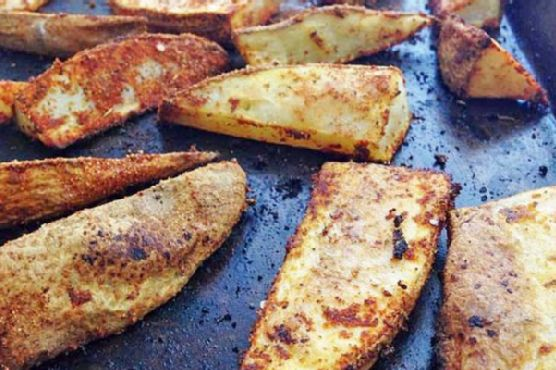
There’s something truly magical about the aroma of spices mingling with the earthy scent of potatoes roasting in the oven. It takes me back to my childhood, where Sunday afternoons meant the whole family gathered in the kitchen, eagerly awaiting my grandma’s famous Cajun Potato Wedges. Her kitchen was a haven of warmth and laughter, with the spicy aroma of these wedges filling the air. Each bite was a burst of flavor, a perfect balance of heat and comfort. Today, I’m excited to share this beloved recipe with you, inviting you to create your own cherished memories with these delicious Cajun Potato Wedges.

Why You’ll Love It

These Cajun Potato Wedges are not just another side dish; they are a flavorful adventure for your taste buds. With their crispy exterior and fluffy interior, they bring a delightful texture that pairs perfectly with the bold, spicy seasoning. Whether you’re serving them as a snack, a side dish, or even a party appetizer, these wedges are sure to be a hit. Plus, they’re easy to make and don’t require any fancy ingredients—just good old-fashioned pantry staples with a Cajun twist.

Ingredients

  • 3-4 russet potatoes
  • 2 tablespoons olive oil
  • 1 teaspoon salt
  • 1 teaspoon cayenne pepper
  • 1 teaspoon garlic powder
  • 1 teaspoon onion powder
  • 1 teaspoon paprika
  • 1 teaspoon Italian seasoning
  • 1/2 teaspoon black pepper

Instructions

  1. Preheat your oven to 425 degrees Fahrenheit (220 degrees Celsius).
  2. Wash and scrub the russet potatoes thoroughly. Slice each potato into ½ inch thick wedges, about half the length of the potato.
  3. In a small bowl, combine the cayenne pepper, garlic powder, onion powder, paprika, Italian seasoning, salt, and black pepper. Mix well to create the spice mixture.
  4. Spray a cookie sheet with olive oil cooking spray to prevent sticking.
  5. Place the potato wedges on the cookie sheet. Drizzle with olive oil and toss to coat evenly.
  6. Sprinkle the spice mixture over the potatoes, ensuring each wedge is well-seasoned. Toss again if necessary to distribute the spices evenly.
  7. Bake in the preheated oven for 25 minutes. Remove from the oven, flip the wedges over, and return to the oven for an additional 5 minutes, or until the wedges are golden brown and crispy.
  8. Once done, remove from the oven and let them cool slightly. Serve warm with your favorite dipping sauce.

Tips

For the crispiest wedges, make sure not to overcrowd the pan. This allows for better air circulation and even cooking. Also, keep the potato skins on for added texture and nutrition. If you want an extra kick, feel free to adjust the amount of cayenne pepper to your taste. Remember, the key to perfect wedges is a hot oven and a good toss of oil and spices.

Variations & Substitutions

Feel free to get creative with this recipe! You can substitute sweet potatoes for a different flavor profile or add Parmesan cheese for a cheesy twist. If you prefer a milder version, reduce the cayenne pepper or omit it altogether. You can also experiment with different herbs and spices, such as rosemary or thyme, to suit your personal taste.

Storage

These Cajun Potato Wedges are best enjoyed fresh from the oven. However, if you have leftovers, store them in an airtight container in the refrigerator for up to 3 days. To reheat, simply place them on a baking sheet and warm in the oven at 350 degrees Fahrenheit (175 degrees Celsius) until heated through. This will help retain their crispiness.

FAQ

Can I make these potato wedges in an air fryer?

Yes, you can! Prepare the wedges as instructed and preheat your air fryer to 400 degrees Fahrenheit (200 degrees Celsius). Arrange the wedges in a single layer in the air fryer basket and cook for 15-20 minutes, shaking the basket halfway through, until they are crispy and golden.

What dipping sauces go well with Cajun Potato Wedges?

These wedges are versatile and pair well with a variety of dipping sauces. Consider serving them with ranch dressing, spicy aioli, or a tangy barbecue sauce. For a healthier option, try a Greek yogurt dip with herbs.

Nutrition

While I don’t have exact nutritional information, these Cajun Potato Wedges are a great source of carbohydrates and provide some fiber, especially if you leave the skins on. The olive oil adds healthy fats, and the spices contribute antioxidants. Just remember to enjoy them in moderation as part of a balanced diet.

Conclusion

These Cajun Potato Wedges are more than just a recipe; they’re a gateway to cherished memories and new traditions. Whether you’re looking to spice up your dinner routine or impress guests at your next gathering, these wedges are sure to deliver. Easy to prepare and bursting with flavor, they embody the essence of comfort food with a kick. So gather your ingredients, preheat your oven, and let the aroma of Cajun spices fill your home. Enjoy every crispy, savory bite!

Related update: Cajun Potato Wedges

Destiny 2 Renegades trailer leaks early | Analysis by Brian Moineau

A leaked trailer, a livestream, and a whole lot of Star Wars vibes: Destiny 2’s Renegades gets an early reveal

The internet loves a good whoops — especially when it involves a high-profile game and a shiny trailer. Hours before Bungie planned to show the next big slice of Destiny 2, a Renegades launch trailer slipped into the wild as a YouTube ad. Suddenly Guardians everywhere got an unplanned first look at story cinematics, new characters, and ship designs that look like they borrowed a few pages from a galaxy far, far away.

This little leak matters more than a clickbait misstep. It gives us a peek not only at Bungie’s marketing timing but at the tone and direction of an expansion that is explicitly inspired by Star Wars. Here’s what stood out, why the leak stings and excites at once, and what it might mean for players and Bungie heading into Renegades’ December launch.

What this leak shows

  • The trailer surfaced as a YouTube advertisement, visible before Bungie’s scheduled developer livestream revealed the expansion properly.
  • Footage includes story cinematics, a new cast of characters tied to the Lawless Frontier setting, and ship/vehicle designs that lean heavily into Star Wars aesthetics — from lightsaber-like melee weapons to blaster-style guns and walker-like machines.
  • The spotlight in the clips is on a criminal-underworld angle: missions such as smuggling, bounty-hunting, and sabotage across frontier planets, plus a social hub called Tharsis Outpost. These elements were also highlighted in Bungie’s official Renegades materials, suggesting the leak matched what Bungie intended to reveal. (thegamepost.com)

Why the timing matters

  • Trailers are choreographed moments: reveals, livestreams, and publisher messaging are coordinated to build hype, control narrative, and protect surprises. A leak short-circuits that plan, forcing reaction tweets, rapid clarifications, and potentially spoiling big reveals for viewers who wanted the livestream experience.
  • For Bungie, which has had to rebuild trust after rocky updates earlier in the year, losing control of a primary reveal is awkward — but the footage itself serves the game’s marketing well if fans respond positively. Early footage often spreads fast and can either amplify interest or intensify scrutiny. (gamesradar.com)

The content itself: what Renegades looks like

  • Star Wars-inspired motifs are everywhere: blaster-style exotics, lightsaber-adjacent melee tools (the game describes new “Blaster” weapons and the Praxic Blade-like items), and frontier maps that echo Tatooine, Hoth, and Dagobah vibes. Bungie is leaning into the mash-up intentionally — Renegades is billed as “Star Wars–inspired” and themed with syndicate underworld gameplay. (press.bungie.com)
  • New gameplay hooks: a Lawless Frontier mode with high-risk contracts (smuggling, bounty hunting, sabotage), opt-in PvPvE Invasion mechanics, and a Notoriety system for reputation and loot — all pointing toward Guilty-pleasure, cinematic missions rather than a simple seasonal add-on. (press.bungie.com)

How the community might react

  • Nostalgia and skepticism in equal measure: players who enjoyed Destiny’s cinematic, loot-driven spin will likely be intrigued by the cinematic trailer and Star Wars nods. Others, still critical of certain monetization and balance choices from prior updates, will watch carefully for how much of the new content is gated or monetized. Early leaks accelerate that conversation and can make the first impressions last.
  • A leak can also fuel hype in a useful way. If the trailer wins hearts, Bungie still gets a viral marketing boost (albeit on someone else’s schedule). If fans react negatively, the company must respond fast during the scheduled livestream to reframe or clarify. Recent reporting shows Bungie has been juggling communication and roadmap expectations — Renegades launches at a sensitive moment. (gamesradar.com)

What Bungie’s official rollout still brings

  • Bungie’s livestreams and ViDocs usually add context: release cadence, new systems, balance notes, and exact launch dates. The planned developer livestream — which Bungie scheduled to debut the official Renegades launch trailer — remains the definitive source for details like pre-order bonuses, exact mechanics, and release timing (Renegades is slated to launch December 2, 2025). The livestream also typically lists platform support and edition differences. (bungie.net)

The marketing lesson inside a leak

  • Control what you can, respond fast to what you can’t. Leaks are part of modern entertainment marketing; the damage is often proportional to how well a publisher reacts. A prompt, transparent livestream with additional details and developer commentary can turn a leak into an amplified reveal rather than a smear.
  • For players, a leak is a preview — but not the full story. Cinematics tease tone and design; developer streams and patch notes reveal mechanical truth.

My take

Seeing Renegades’ trailer early is a bittersweet treat. On one hand, the visuals and the Lawless Frontier setup look bold and cinematic, and the Star Wars-inspired touches are likely to pull in both Destiny and sci-fi fans. On the other hand, the moment underscores how tightly labeled expectations and communication matter right now for Bungie: they’ve got to answer lingering player concerns about monetization and long-term direction while delivering a fun, coherent expansion.

If Renegades nails gameplay loops (the contracts, Notoriety rewards, and the new Blaster archetype) and keeps progression and monetization fair, this early trailer could become a memorable hype moment. If not, the leak just gave fans a head start on criticism.

Final thoughts

Leaks will come. What matters is the product behind the footage and how Bungie uses its next livestream to connect the dots. Expect the official reveal to add context, specifics, and answers — and check patch notes when Renegades lands on December 2, 2025, to see how the promise lines up with play.

Sources


Related update: We recently published an article that expands on this topic: read the latest post.


Related update: We recently published an article that expands on this topic: read the latest post.


Related update: We recently published an article that expands on this topic: read the latest post.

Chicken Suya | Made by Meaghan Moineau

Deliciously Spiced Chicken Suya: A Taste of West Africa

Intro

Chicken Suya is a delightful and spicy grilled chicken recipe originating from West Africa, particularly Nigeria. This dish holds a special place in my heart, as it reminds me of warm summer evenings in Lagos, where the aroma of sizzling suya from roadside vendors filled the air. As a child, my family and I would often take strolls through the bustling city streets, stopping to indulge in this delectable treat. The succulent, spicy flavor of Chicken Suya has been a cherished part of my culinary journey, and I’m thrilled to share this recipe with you.

Why You’ll Love It

There are countless reasons to fall in love with Chicken Suya. Here are just a few:

  • Bold Flavors: The suya spice blend is a powerhouse of taste, combining ground peanuts, ginger, garlic, and chili powder to create a savory and slightly spicy profile that is utterly irresistible.
  • Simple Ingredients: Despite its complex flavor, Chicken Suya requires only a handful of ingredients that you likely already have in your pantry.
  • Versatile Dish: This dish can serve as a main course, appetizer, or even a snack. It’s perfect for gatherings, barbecues, or a cozy night in.
  • Healthy and Satisfying: Grilling the chicken keeps it lean, while the spices provide a burst of nutrition and taste.

Ingredients

  • 2-3 tablespoons suya spice
  • 1 whole chicken, cut into parts
  • 1 teaspoon chili powder
  • 2 tablespoons groundnut oil (or any cooking oil)
  • 2 seasoning cubes
  • 1 onion, sliced
  • 2 tomatoes, sliced
  • Salt to taste

Instructions

  1. Preheat your oven to 500°F (260°C).
  2. Wash the chicken pieces thoroughly and pat them dry with a paper towel.
  3. In a large bowl, combine the suya spice, chili powder, seasoning cubes, and salt. Mix well.
  4. Add the chicken to the bowl, ensuring that each piece is generously coated with the spice mixture.
  5. Drizzle the groundnut oil over the seasoned chicken and give it a good mix to ensure even distribution.
  6. Arrange the chicken pieces on a baking sheet lined with aluminum foil.
  7. Place the baking sheet in the preheated oven and grill for 40 minutes. Be sure to check the chicken occasionally, flipping it to ensure it cooks evenly on both sides.
  8. Once the chicken is cooked through and has a beautiful char, remove it from the oven.
  9. Serve hot, garnished with sliced onions, tomatoes, and an extra sprinkle of suya spice for added flavor.

Tips

  • For an authentic taste, try using a grill instead of an oven. The smoky flavor from the charcoal enhances the suya’s taste.
  • If you prefer a milder heat, adjust the amount of chili powder to suit your taste.
  • Rest the chicken for a few minutes after grilling to allow the juices to redistribute, ensuring a moist and flavorful bite.

Variations & Substitutions

If you’re looking to shake things up, consider these variations:

  • Protein Swap: While chicken is traditional, you can use beef, goat meat, or even tofu for a vegetarian option.
  • Nut-Free: If you have a peanut allergy, substitute the suya spice with a nut-free spice blend.
  • Additional Veggies: Add bell peppers or mushrooms to the grill for an extra layer of flavor and texture.

Storage

Leftover Chicken Suya can be stored in an airtight container in the refrigerator for up to 3 days. To reheat, place the chicken in a preheated oven at 350°F (175°C) for about 10 minutes or until warmed through. You can also freeze the cooked chicken for up to 2 months. Thaw overnight in the refrigerator before reheating.

FAQ

Can I prepare the suya spice blend at home?

Absolutely! To make your own suya spice blend, you can combine roasted peanuts, ground ginger, garlic powder, onion powder, paprika, and chili powder. Blend them together until you reach a fine consistency. Store in an airtight jar for future use.

How can I make my Chicken Suya extra crispy?

For an extra crispy texture, finish the grilled chicken under the broiler for a few minutes. Keep a close eye on it to prevent burning, and you’ll achieve a delightful crunch.

Nutrition

Chicken Suya is a nutritious option rich in protein and flavor. While exact nutritional values depend on portion sizes, a typical serving provides:

  • Calories: Approximately 250-300 per serving
  • Protein: 25-30g
  • Fat: 15-20g
  • Carbohydrates: 5-10g

It’s a great choice for those looking to maintain a balanced diet without sacrificing taste.

Conclusion

Chicken Suya is more than just a meal; it’s a culinary experience that transports you to the vibrant streets of West Africa. With its bold flavors and tantalizing aroma, it’s sure to become a favorite in your household. Whether you’re hosting a gathering or enjoying a quiet dinner at home, this dish promises to deliver satisfaction with every bite. I hope you enjoy making and eating this Chicken Suya as much as I do. Bon appétit!

Related update: Chicken Suya

Related update: Rotisserie Chicken and Bean Tostadas

Main Street Under Siege by Affordability | Analysis by Brian Moineau

The squeeze on Main Street: why mom-and-pop shops are hunkering down

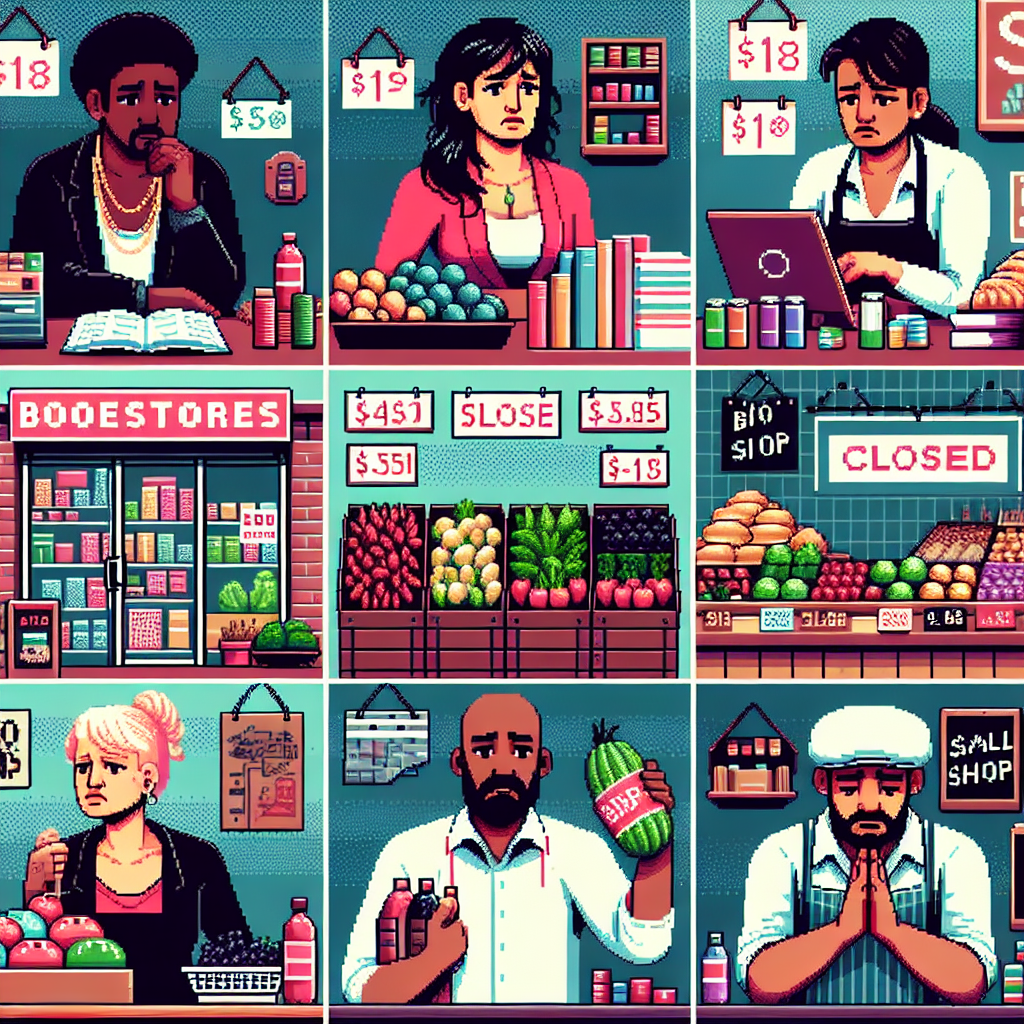
There’s a quiet panic in small-business towns across the country. Shop owners are trimming hours, delaying hires, and staring at spreadsheet scenarios that all end the same way — build cash, avoid risk, survive the next shock. The affordability crisis isn’t just about rising grocery bills; it’s a compound threat hitting mom-and-pop shops from every direction: higher import costs, rising payroll and health‑care bills, scarce affordable credit, and employees who are one rent check away from distraction. This is what happens when the cost-of-living crisis collides with a fragile small-business ecosystem.

Why this feels different right now

  • Import and input costs have jumped for many small manufacturers and retailers, driven by tariffs and higher shipping costs that squeeze margins. Owners who used to pass only a fraction of price increases onto customers are now forced to choose between less profit and fewer sales. (finance.yahoo.com)
  • Lending is available in some forms, but often expensive. Small-term business loans show average rates that are higher than they have been in recent memory, pricing out growth and forcing owners to hoard cash rather than invest. (finance.yahoo.com)
  • Payroll and healthcare remain stickier costs. With wages and benefits rising, labor-intensive small businesses—cafés, shops, local manufacturers—face a double bind: pay more to retain staff or risk turnover and service disruption. (finance.yahoo.com)
  • The workforce itself is stressed. When employees are worried about housing, groceries, or medical bills they bring that anxiety to work; productivity and customer service suffer. Business owners report distracted staff and a loss of morale that is hard to quantify but easy to feel at the register. (finance.yahoo.com)

Signals from the data and policy landscape

  • Banks reported a modest uptick in demand for business loans in late 2024, but lending standards have tightened, and smaller borrowers often see higher effective rates or find themselves steered away from underwriting entirely. That mismatch leaves many Main Street businesses underserved. (reuters.com)
  • The Small Business Administration (SBA) has increased small-dollar backing in recent years, which has helped some entrepreneurs access capital. But access remains uneven, and policy shifts or agency reorganizations can change the terrain quickly for small lenders and borrowers. (apnews.com)

What owners are doing (and why it matters)

  • Hunkering down: owners are building cash reserves, delaying capital expenditures, and cutting discretionary spending. That preserves survival but stalls growth and job creation. (finance.yahoo.com)
  • Shrinking payrolls: some have reduced staff or hours to manage labor costs. That reduces overhead but can also reduce revenue and community vibrancy. (finance.yahoo.com)
  • Seeking alternate revenue: pop-up events, online channels, and partnerships can help, but not every business can pivot easily—especially manufacturers and service providers tied to local demand. (finance.yahoo.com)
  • Shopping for credit carefully: owners are comparing SBA-backed options, community lenders, and commercial banks, but smaller, mission-driven loans are still scarce in some regions. (sba.gov)

A few human stories that put numbers in perspective

Across different reports, small-business owners say the same thing: uncertainty makes planning impossible. A Massachusetts manufacturer that recently laid off staff described an environment where tariffs and shifting trade policy dent demand overnight, forcing quick cuts and a focus on cash preservation rather than investment. Those individual decisions ripple through local economies—less payroll, fewer local purchases, and a community that slowly tightens its belt. (finance.yahoo.com)

What would help Main Street (practical levers)

  • Expand small-dollar lending and streamline access. More predictable, affordable credit for loans under six figures helps owners bridge seasonal gaps and invest in productivity. SBA programs and community lenders can play a role but need scale and stability. (apnews.com)
  • Targeted relief for input-cost shocks. Temporary tax credits, tariff adjustments, or subsidized logistics support could blunt abrupt cost spikes for small manufacturers who lack hedging tools used by larger firms. (finance.yahoo.com)
  • Workforce support that stabilizes employees’ lives. Expanding access to childcare, emergency savings, and affordable health-care options reduces the non‑work distractions that hit productivity and retention. (finance.yahoo.com)
  • Predictable policy environment. Businesses need fewer policy surprises—clearer trade and regulatory signals allow owners to plan hiring and capital expenditures with confidence. (finance.yahoo.com)

A short set of takeaways for readers

  • Main Street is resilient but not invincible: small businesses are conserving cash and deferring growth while facing multiple cost pressures. (finance.yahoo.com)
  • Credit exists but is uneven: SBA efforts have expanded small-dollar lending, yet many owners still pay high effective rates or face tighter underwriting. (apnews.com)
  • The workforce crisis is an affordability crisis: stressed employees reduce productivity, and that compounds business stress. (finance.yahoo.com)

My take

This moment feels like a stress test for the local economy. Policies and markets have nudged mom-and-pop shops into a defensive crouch—and defense is a valid short-term strategy. But if we leave Main Street in that posture too long, we risk losing the entrepreneurial engine that drives jobs and community identity. The right mix of predictable policy, targeted support for credit and inputs, and investments that stabilize workers’ lives could flip a lot of these businesses back from “survive” to “grow.”

Sources


Related update: We recently published an article that expands on this topic: read the latest post.


Related update: We recently published an article that expands on this topic: read the latest post.

Fast-Track U.S. Visas for World Cup Fans | Analysis by Brian Moineau

A fast lane to the stands: U.S. to prioritize visa interviews for World Cup ticket holders

The hook: If you bought a World Cup 2026 ticket and were worried about getting a U.S. visa in time, there’s a new promise on the table — one that could turn a year-long wait into a matter of weeks.

The story in a sentence:
The Biden administration’s successor announced a “FIFA Pass” priority scheduling system that will let official World Cup ticket holders get expedited visa interview appointments at U.S. consulates worldwide. Secretary of State Marco Rubio said the State Department has deployed hundreds of extra consular officers and in many places cut appointment waits from roughly a year to a few months.

Why this matters right now

  • The 2026 FIFA World Cup is massive: 48 teams, 104 matches across the U.S., Mexico and Canada, and millions of international fans expected. That scale creates an unprecedented surge in visitor visa demand for U.S. posts.
  • Long consulate backlogs have been a real barrier. In some countries — especially high-demand soccer nations — visa interview waits had stretched to six months or more, in some reporting even a year.
  • For travelers who need a nonimmigrant visitor visa (B-1/B-2), the bottleneck isn’t the ticket; it’s getting an interview scheduled. The new priority system addresses scheduling speed, not the underlying vetting or approval standard.

What the administration announced

  • The program is called the FIFA Priority Appointment Scheduling System, or “FIFA PASS.”
  • Ticket holders who purchased through FIFA will be able to request prioritized appointment slots through a FIFA portal that coordinates with the State Department.
  • The State Department says it has posted more than 400 additional consular officers globally to handle the surge and, in many places, doubled embassy consular staff.
  • Rubio’s reported numbers: about 80% of the world can now get a visa appointment in under 60 days; in countries like Brazil and Argentina, waits that used to be over a year have been reduced to under two months. (He emphasized that the program expedites scheduling only — approvals still require the same vetting.)

What this does — and doesn’t — fix

  • Helps with timing: The primary practical benefit is getting interviews scheduled sooner so applicants can be processed in time for travel.
  • Does not guarantee entry: A ticket gets you ahead in the queue, not a guaranteed visa or admission at the border. Consular officers and Customs and Border Protection still apply standard rules and discretion.
  • Might ease logistics for host cities and airlines: Faster scheduling helps planners estimate arrivals and reduce last-minute no-shows or strain on city services.
  • Could raise equity questions: The program prioritizes ticket holders who purchased through FIFA — reasonable for event logistics, but it creates a privileged lane for attendees vs. other legitimate travelers from the same countries.

How fans should act (practical steps)

  • Don’t wait. If you have tickets and need a U.S. visa, apply as soon as possible once the FIFA PASS portal or guidance is available. Rubio urged applicants to act early because the pass speeds the appointment but not the underlying approval.
  • Keep documentation tidy: bring your ticket purchase confirmations, travel itinerary, proof of ties to your home country, and other standard visa evidence to the interview.
  • Understand timelines: the administration reported many appointment waits cut to 6–8 weeks or under 60 days in most places — plan travel and lodging with realistic margins.
  • Remember the limits: priority scheduling is not an exemption from security screening, inadmissibility laws, or CBP inspection at entry.

Broader context and politics

  • Mega-events prompt special procedures. Governments regularly carve out streamlined channels — special entry lanes, liaison teams, and temporary staffing boosts — for major sporting or diplomatic gatherings.
  • The announcement sits at the intersection of two themes: promoting mass international tourism (economic boost, diplomacy, soft power) and maintaining immigration/ border controls. Politically, it lets an administration showcase hospitality while insisting on secure vetting.
  • The optics matter: global fans see this as welcome facilitation; critics may view it as a politically timed favor to a major international organizer. Regardless, it’s a pragmatic fix to a predictable capacity problem.

What could go wrong

  • Demand could still outstrip the surge capacity in particular cities or nations, producing localized backlogs.
  • Operational hiccups between FIFA’s portal and State Department systems could create confusion for applicants.
  • Political flare-ups (e.g., decisions to reassign matches or disputes about host cities) could create new timelines or travel complications for ticket holders.

My take

This feels like sensible event management: prioritize scheduling bottlenecks for a once-in-a-generation tournament while keeping security screening intact. For fans, the real win is predictability — knowing you can get an interview in time. For planners, it reduces a major logistical unknown. The caveat is that good communication and flawless execution are essential; a “fast lane” that still leaves people waiting is worse than none at all.

Where to watch for updates

  • Official FIFA communications about ticket-holder benefits and how to use the FIFA PASS portal.
  • The U.S. State Department’s visa pages for country-specific appointment availability and guidance.
  • Announcements from U.S. consulates in high-demand countries (Brazil, Argentina, India, etc.) about local appointment capacity.

Sources


Related update: We recently published an article that expands on this topic: read the latest post.


Related update: We recently published an article that expands on this topic: read the latest post.


Related update: We recently published an article that expands on this topic: read the latest post.


Related update: We recently published an article that expands on this topic: read the latest post.


Related update: We recently published an article that expands on this topic: read the latest post.

Guacamole | Made by Meaghan Moineau

The Best Homemade Guacamole

Intro

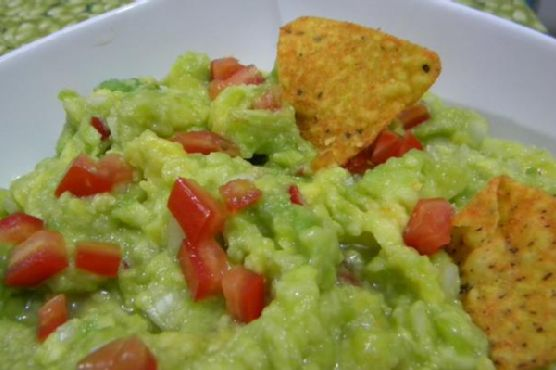
There’s nothing quite like the taste of fresh guacamole. I remember the first time I tried it at a family gathering when I was a child. The creamy texture combined with a hint of spice and citrusy notes was unlike anything I’d tasted before. My uncle, who had just returned from a trip to Mexico, made a batch for us, and since then, guacamole has been a staple at all our family gatherings. Today, I’ll share with you my take on this classic recipe, inspired by that nostalgic experience.

Why You’ll Love It

This guacamole recipe is perfect for any occasion. Whether you’re hosting a party, enjoying a quiet night in, or looking for a healthy snack, this guacamole will be your go-to. The creamy texture of the avocados paired with the freshness of herbs like cilantro, basil, and oregano creates a perfect balance of flavors. Plus, it’s quick and easy to make!

Ingredients

  • 3 ripe Haas avocados
  • 1/4 cup finely chopped onion
  • 1 jalapeño pepper, seeded and minced
  • 2 tablespoons fresh cilantro, chopped
  • 1/2 teaspoon salt
  • 1/4 teaspoon black pepper
  • 2 tablespoons fresh lime juice
  • 1 tablespoon fresh basil, chopped
  • 1 tablespoon fresh oregano, chopped

Instructions

  1. Cut the avocados in half lengthwise. Remove the pit by driving a chef’s knife into it and twisting gently to loosen.
  2. Scoop the avocado flesh out of the skin and into a mixing bowl.
  3. Using a fork, mash the avocado to your desired consistency.
  4. Add the chopped onion, jalapeño, cilantro, basil, and oregano to the mashed avocado.
  5. Mix until all the ingredients are well incorporated.
  6. Season the guacamole with salt, black pepper, and lime juice to taste.
  7. Serve immediately or chill for a more pronounced flavor.
  8. If not serving immediately, store in the refrigerator with plastic film wrap pressed onto the surface of the guacamole to prevent browning.

Tips

When choosing avocados, look for ones that are slightly soft to the touch but not mushy. A ripe avocado will yield gently to pressure. To prevent the guacamole from turning brown, ensure the plastic wrap is touching the entire surface of the guacamole. This minimizes air contact, which causes oxidation.

Variations & Substitutions

Feel free to customize your guacamole. For a spicier kick, leave the seeds in the jalapeño or add a dash of cayenne pepper. If you’re not a fan of cilantro, you can omit it or replace it with parsley. For a twist, try adding diced tomatoes or roasted corn for extra texture and flavor.

Storage

Store leftover guacamole in an airtight container in the refrigerator. Press a piece of plastic wrap directly onto the surface before sealing to keep it fresh for up to two days. Remember, the sooner you enjoy it, the better it tastes!

FAQ

Can I make guacamole in advance?

Yes, you can prepare guacamole a few hours in advance. Just make sure to store it with plastic wrap pressed against the surface to prevent browning. The lime juice also helps preserve its vibrant color.

What can I serve with guacamole?

Guacamole is incredibly versatile. Serve it with tortilla chips, as a topping for tacos, or alongside grilled chicken or fish. It’s also a great addition to sandwiches and burgers for an extra burst of flavor.

Nutrition

Avocados are packed with healthy fats, fiber, and essential nutrients. This guacamole recipe is not only delicious but also offers a good source of vitamins C, E, K, and B-6, as well as potassium and folate. Enjoy it as a healthy snack or as part of a balanced meal.

Conclusion

Whether you’re a long-time fan of guacamole or trying it for the first time, this recipe is sure to become a favorite. Its simplicity and freshness make it a standout dish that’s perfect for any occasion. So gather your ingredients and enjoy a taste of this classic, nostalgic treat. Remember, the best dishes are those shared with family and friends. Happy guacamole making!

Related update: Guacamole

When Google Drive and Workspace Glitch | Analysis by Brian Moineau

When Google Stumbles: What Happened When Drive, Docs and Sheets Glitched

A mid-day scramble. Students frantic over unsaved essays. Teams stuck at a meeting because a shared slide wouldn’t load. On Wednesday, November 12, 2025, thousands of users around the world discovered what many of us have been trained not to think about: what happens when the cloud hiccups.

This wasn’t a mysterious one-off. Reports spiked on outage trackers, Google acknowledged an incident on its Workspace status dashboard, and social feeds filled with the familiar mix of annoyance and resigned humor. Here’s a quick, readable walk-through of what happened, why it matters, and what you can do when the tools you rely on take an unscheduled break.

Quick summary

  • The incident began around 09:00 PDT (17:00 UTC) on November 12, 2025 and affected Google Drive, Docs, Sheets (and related Workspace apps).
  • Thousands of user reports—peaking in the low thousands on platforms like Downdetector—described connection failures, SSL errors (ERR_SSL_PROTOCOL_ERROR), and difficulty accessing files.
  • Google posted updates on the Workspace Status Dashboard saying engineers were investigating and later reported mitigation and restoration steps.
  • By late afternoon/evening the bulk of reports had fallen as services came back, but the outage lasted several hours for many users.

Why this felt so disruptive

  • Google Workspace is deeply embedded in how people work and study: documents, slide decks, spreadsheets and collaboration are frequently accessed in real time. A partial or full outage pauses workflows.
  • The error many users saw—SSL/secure-connection failures—reads like a network problem even when the root cause is on the service side, which makes troubleshooting confusing for non-technical users.
  • Even short outages can cascade: scheduled meetings stall, automated workflows fail, and those “I’ll just grab it from Drive” moments turn into tense attempts to recover local copies.

A concise timeline

  • Nov 12, 2025 ~09:00 PDT: Users begin reporting access issues for Google Drive, Docs and Sheets.
  • Early afternoon: Downdetector and other services register a spike—several thousand reports at the peak.
  • Google posts an incident on the Google Workspace Status Dashboard: “We are investigating access issues…” and notes symptoms including SSL errors.
  • Over the afternoon: Google updates the dashboard as engineers identify and mitigate the problem; user reports decline as services are restored.

(Sources below include Google’s official incident page and independent outage trackers.)

What users reported and how Google responded

  • User reports described inability to open files, “Error making file offline,” and secure-connection messages in browsers and mobile apps.
  • Downdetector-style trackers captured the volume and geography of complaints in near real time, which amplified the sense of a broad outage.
  • Google’s Workspace Status Dashboard confirmed the issue, described the symptoms, and provided ongoing status updates while its engineers worked on mitigation. At one point Google suggested routine troubleshooting (like rebooting routers or trying mobile access) as possible temporary workarounds for some users.

Practical tips for when cloud services fail

  • Don’t panic — look for official signals:
    • Check Google Workspace’s Status Dashboard for verified updates.
    • Consult outage aggregators (Downdetector, StatusGator) to see if others are affected.
  • Workarounds while services are down:
    • Use local copies: if you have Drive for Desktop, check whether local sync copies exist.
    • Try mobile vs. desktop; sometimes authentication or routing differences let one platform work while another doesn’t.
    • If you’re on a team: switch to phone or another messaging platform to coordinate while Docs/Slides are unavailable.
  • Longer-term resilience:
    • Keep important files mirrored offline (periodic exports, local backups).
    • For critical workflows, consider multi-cloud or multi-format backups (e.g., export important Google Docs to .docx or PDF periodically).
    • Educate teams on outage protocols—who to contact, where to find status updates, and temporary communication plans.

What this outage says about cloud dependence

We love the instant collaboration cloud services enable. But every incident like this is a reminder that “always available” is a design goal, not a guarantee. Large providers generally have strong redundancy and rapid incident response, yet software, configuration or certificate issues can still ripple across millions of users.

The good news: major providers are transparent about incidents, and community signals (social media, Downdetector) help surface problems quickly. The practical lesson is not to distrust the cloud, but to plan for its rare failures—so one outage doesn’t become a full-blown crisis for your work or class.

My take

Outages are uncomfortable but useful wake-up calls. They refocus attention on simple, often neglected practices: keep local copies of mission-critical work, agree on fallback communication channels, and treat status dashboards as a standard bookmark for admin teams. The cloud makes life easier most of the time—when it trips, a little preparedness keeps you moving.

Sources


Related update: We recently published an article that expands on this topic: read the latest post.


Related update: We recently published an article that expands on this topic: read the latest post.


Related update: We recently published an article that expands on this topic: read the latest post.


Related update: We recently published an article that expands on this topic: read the latest post.

Square Deviled Eggs | Made by Meaghan Moineau

Square Deviled Eggs: A Fun Twist on a Classic Appetizer

Intro

There is something truly delightful about deviled eggs. They are a timeless appetizer, cherished at family gatherings, holiday dinners, and picnics alike. As a child, I remember standing on a stool in my grandmother’s kitchen, watching her expertly prepare deviled eggs. The aroma of boiled eggs mingled with the tangy scent of mustard filled the air, and I was entranced by the magic of this simple dish. Today, I’m excited to share a unique twist on this classic recipe: Square Deviled Eggs. Perfect for surprising your guests or adding a touch of whimsy to your dining table, these square-shaped delights are not only fun to make but also utterly delicious!

Why You’ll Love It

Square Deviled Eggs are not just a visual treat; they also offer a delightful culinary experience. Here’s why you’ll love them:

  • Fun and Unique: The square shape adds a playful twist to the traditional deviled egg, making it a conversation starter at any gathering.
  • Kid-Friendly: The creamy filling is soft and mild, making it a hit with children and adults alike.
  • Versatile: Perfect for parties, picnics, or as a unique addition to your holiday spread.

Ingredients

  • Medium-sized cooked eggs
  • Cream cheese
  • Ham

Instructions

  1. Begin by preparing your hard-boiled eggs. Place the eggs in a saucepan and cover them with cold water.
  2. Bring the water to a boil over medium heat. Once boiling, let the eggs cook for 5 minutes.
  3. Remove the saucepan from heat and let the eggs stand covered in hot water for 10 minutes.
  4. Once cooled, peel the eggs.
  5. To create the square shape, use an Egg cuber or Square Egg Press (see note below for purchase options). Slide each peeled egg into the press and screw the top down gently, pushing the egg into the corners.
  6. Allow the eggs to cool completely before removing them from the mold. For the best results, use medium-sized eggs.
  7. For the filling, mash the egg yolks with cream cheese and finely chopped ham until smooth and creamy.
  8. Carefully fill the square-shaped egg whites with the creamy yolk mixture. Serve chilled.

Tips

Here are some tips to ensure your Square Deviled Eggs turn out perfectly every time:

  • Plan Ahead: If you plan to serve these at a party, consider investing in multiple egg cubers to save time.
  • Egg Size: Medium-sized eggs work best to fit into the egg press molds.
  • Cooling Time: Make sure the eggs are completely cooled before removing them from the mold for a perfect square shape.

Variations & Substitutions

If you’re looking to mix things up, consider these variations and substitutions:

  • Spicy Twist: Add a dash of hot sauce or sprinkle of cayenne pepper to the filling for a spicy kick.
  • Vegetarian Option: Omit the ham and add finely chopped herbs like dill or chives for a refreshing flavor.
  • Cheese Lovers: Substitute cream cheese with a sharp cheddar for an extra cheesy flavor.

Storage

Store any leftover Square Deviled Eggs in an airtight container in the refrigerator for up to two days. For best quality, consume them as soon as possible. The texture and flavor are at their peak when fresh.

FAQ

Where can I purchase an Egg cuber or Square Egg Press?

Egg cubers or square egg presses are available online through major retailers such as Amazon or specialty kitchen stores. They are an affordable and fun addition to your kitchen tools.

Can I make Square Deviled Eggs in advance?

Yes, you can prepare the eggs and filling in advance. Simply store them separately in the refrigerator and assemble just before serving.

Nutrition

Square Deviled Eggs are a nutritious appetizer option. The eggs provide a good source of protein, while cream cheese and ham add a touch of richness. For a lighter version, consider using low-fat cream cheese.

Conclusion

Square Deviled Eggs are sure to bring joy and surprise to your dining table. Whether you’re hosting a party, enjoying a picnic, or simply looking for a fun way to enjoy a classic dish, these eggs are a delightful choice. With a touch of nostalgia and a modern twist, they are perfect for all occasions. So grab your Egg cuber, invite your loved ones, and enjoy this whimsical take on an old favorite!

Related update: Square Deviled Eggs

Related update: Guacamole

Related update: Easy Thanksgiving Entertaining

Tomato Cutlets | Made by Meaghan Moineau

Tomato Cutlets: A Savory Delight

Intro

Growing up, summers were synonymous with the sweet aroma of fresh tomatoes ripening on the vine in my grandmother’s garden. I vividly recall the warmth of the sun on my face as I plucked those vibrant, juicy beefsteak tomatoes, their fragrance wafting through the air, promising a delectable treat. One of my cherished memories is watching my grandmother transform these garden-fresh tomatoes into golden, crispy cutlets. Today, I am excited to share this cherished family recipe with you, bringing a taste of those sun-drenched summer days into your kitchen.

Why You’ll Love It

This Tomato Cutlets recipe is a delightful fusion of crispy textures and savory flavors, perfect for a light lunch or an elegant appetizer. Whether you’re a seasoned cook or a kitchen novice, you’ll appreciate the simplicity and versatility of this dish. The combination of fresh ingredients and easy preparation makes it a go-to recipe for any occasion. Plus, it’s a great way to enjoy the seasonal bounty of tomatoes and eggplants.

Ingredients

  • 2 baby eggplants, halved
  • 2 large beefsteak tomatoes, sliced
  • 1 cup Italian bread crumbs
  • 2 eggs, beaten
  • Juice of 1 lemon
  • 2 tablespoons olive oil
  • 2 tablespoons Italian fresh parsley, chopped
  • Salt and pepper to taste
  • 1/4 cup fresh Romano cheese, grated

Instructions

  1. Prepare your ingredients by slicing the beefsteak tomatoes and beating the eggs in a shallow bowl. Place the Italian bread crumbs in another shallow dish.
  2. Dip each tomato slice into the egg wash and then coat it with the bread crumbs. Repeat this process if you have extra egg wash and bread crumbs for a thicker crust.
  3. Heat a large frying pan over medium heat and add the olive oil. Once the oil is hot, carefully place the prepared tomato slices in the pan.
  4. Cook the tomato slices for about 3-4 minutes on each side, or until they achieve a nice golden color. Gently flip them halfway through cooking.
  5. After removing the tomato slices from the pan, add the halved baby eggplants. Sprinkle them with salt and pepper to taste.
  6. Sauté the eggplants on one side until they are golden, about 3-4 minutes, then turn and sauté the other side.
  7. Plate the tomato cutlets and eggplants, and finish with a garnish of chopped parsley, a squeeze of lemon juice, and a generous sprinkle of grated Romano cheese.

Tips

For the best results, use ripe, firm beefsteak tomatoes. The firmer the fruit, the better it will hold up during cooking. Additionally, ensure the oil is hot before frying to achieve that perfect golden crust. If you find the cutlets are browning too quickly, adjust the heat to medium-low to ensure even cooking.

Variations & Substitutions

If you prefer a gluten-free version, substitute the Italian bread crumbs with gluten-free bread crumbs. For a vegan twist, replace the eggs with a plant-based egg substitute or a mixture of water and flour to help the bread crumbs adhere to the tomatoes. You can also experiment with spices in the bread crumbs, such as garlic powder or paprika, for an extra kick of flavor.

Storage

These Tomato Cutlets are best enjoyed fresh to maintain their crispy texture. However, if you have leftovers, store them in an airtight container in the refrigerator for up to 2 days. Reheat them in a preheated oven at 350°F (175°C) for about 10 minutes to regain some of their crispiness.

FAQ

Can I use other types of tomatoes for this recipe?

Yes, you can use other types of tomatoes, such as Roma or heirloom. However, beefsteak tomatoes are preferred for their size and firm texture, which hold up well during frying.

What can I serve with Tomato Cutlets?

Tomato Cutlets pair beautifully with a fresh green salad or a side of pasta. They also make a great topping for a sandwich or a burger for a unique twist.

Can I prepare the cutlets in advance?

You can prepare the tomatoes and eggplants ahead of time and store them separately in the refrigerator. When you’re ready to serve, simply fry them up fresh for the best texture and flavor.

Nutrition

While specific nutritional values will vary based on portion sizes and exact brands used, these Tomato Cutlets are generally a good source of Vitamin C from the tomatoes and healthy fats from the olive oil. Using fresh ingredients ensures a wholesome and delicious dish without unnecessary additives.

Conclusion

There’s something magical about turning simple, fresh ingredients into a dish that delights the senses. These Tomato Cutlets not only bring a taste of summer to your table but also provide a comforting, nostalgic culinary experience. Whether you’re preparing them for family, friends, or simply treating yourself, this recipe is sure to become a beloved staple in your kitchen. Enjoy the warm, crispy goodness and the nostalgic flavors of this timeless dish.

Related update: Tomato Cutlets

Related update: Square Deviled Eggs

Prep Like a Pro for GO Wild Area 2025 | Analysis by Brian Moineau

GO Wild Area 2025: Global — How to Prep Like a Pro

The clock is ticking: GO Wild Area 2025: Global lands on November 15 and 16, 2025, and if you want to make the most of the eight-hour windows each day (10:00 a.m. to 6:00 p.m. local time), a little planning now will pay off big. Whether you’re chasing new debuts, hunting shinies, or just want a smooth, stress-free event day, here’s a friendly, practical guide to help you optimize your time, inventory, and fun.

Why this event matters right now

  • GO Wild Area events pack concentrated, time-limited content — new Pokémon, special bonuses, and community meetups — into a single weekend.
  • Wild Area 2025 introduces debut Pokémon (Impidimp, Morgrem, Grimmsnarl) and several first-time shinies and features, plus “mighty” Pokémon encounters and GO Safari Balls that change catch dynamics.
  • Niantic and local partners are also running in-person Community Celebrations in selected cities on November 15–16, so there are real-world benefits to being prepared.

What to know (quick facts)

  • Dates: November 15 and 16, 2025.
  • Time: 10:00 a.m. to 6:00 p.m. local time each day.
  • Featured debuts: Impidimp family (Impidimp, Morgrem, Grimmsnarl) and new shinies; Shadow Darkrai appears in activities tied to the larger Wild Area rollout.
  • Event mechanics: hourly-changing spawn habitats, mighty Pokémon, event-specific GO Safari Balls, increased raid/encounter activity, and local meetups in several cities.

Smart prep: what to do in the days before

  • Clear bag and Pokémon storage now.
    • Free up space for lots of catches: prioritize Great/Ultra Balls, then clear excess Potions/Revives and evolution items you won’t use.
    • Be ruthless about transfers — you’ll thank yourself mid-event.
  • Stock up on essential items.
    • Great and Ultra Balls are the priority. Incense, Star Pieces, Lucky Eggs, and Raid Passes are close behind.
    • If shiny-hunting, make sure you have extra Incubators (for any event egg mechanics) and enough PokéStop spins planned to earn balls.
  • Manage Rare Candy and resources.
    • Convert Rare Candy into legendaries or use them where they’ll help during raid bursts. Don’t hoard too many unassigned candies.
  • Prep your friends list and trading plans.
    • Coordinate with friends for trades and rerolls to secure better IVs or trading bonuses. Set meetups if you plan to trade in person.
  • Plan battery and data solutions.
    • Bring battery packs and cables; consider offline maps or a portable hotspot if data might get spotty in crowded areas.
  • Check local Community Celebrations.
    • If you want an in-person experience, see if a city near you is hosting one (events in Long Beach, Houston, Denver, Guadalajara were listed by Niantic). Mark travel time and arrival windows.

The night before

  • Clear egg slots and hatch anything in progress.
  • Open and send gifts to top up PokéBalls from friend interactions.
  • Turn off unnecessary background apps and enable battery saver.
  • Pre-set playlists, snacks, and layers of clothing for outdoor comfort.
  • Charge phone(s) and battery bank(s) to 100%.

Event-day strategy: play smarter, not just harder

  • Start with a game plan.
    • Decide whether you’re prioritizing shiny hunting, raids, mighty Pokémon, or social time. Focus your early hours on the highest-value objective when you’re fresh.
  • Use hourly habitat changes to your advantage.
    • If a specific habitat or spawn pool contains a target, concentrate on it while it’s active instead of wandering.
  • Conserve and rotate items.
    • Use Razz/Berry choices wisely on rare or shiny-seeming encounters. For large raid windows, shift resources to revives/potions just enough to support the raid spree without overflowing your bag.
  • Coordinate raid queues and trade windows with friends.
    • Remote raid passes help if friends are spread out; local meetups make trades and rerolls easier and cheaper.
  • Handle mighty Pokémon encounters thoughtfully.
    • Use GO Safari Balls and learn the catch flow — these encounters can be rare and are worth special attention.
  • Make captures count for research.
    • Prioritize field and special research tasks that intersect with the Pokémon you’re encountering; complete high-yield tasks early.

Inventory checklist (printable mental list)

  • Great Balls and Ultra Balls — LOTS.
  • Incense, Star Pieces, Lucky Eggs.
  • Raid Passes (regular and remote if you use them).
  • A few Potions/Revives (not a full stockpile).
  • Extra Incubators if you plan egg hatching.
  • Battery bank + charging cables.
  • Comfortable shoes, weather-appropriate clothing, water, and snacks.
  • Portable phone stand or grip if you prefer hands-free catching.

Troubleshooting common pain points

  • If you run out of balls: open/send gifts, spin nearby PokéStops whenever possible, and conserve by switching to Great Balls if you were using Ultra for low-priority encounters.
  • If storage fills mid-event: prioritize keeping event-relevant Pokémon and transfer nonessential duplicates. Use Pokémon HOME or other storage options for collections you don’t want to lose.
  • If battery dies: keep a charged battery bank in a safe, accessible place; manage screen brightness and battery saver features.

Local meetup tips

  • Arrive early to find the best meeting spots and take advantage of communal bonuses.
  • Bring physical cash if vendors are present (some local celebrations sell swag or food).
  • Be mindful of crowd safety, respect local guidelines, and follow event staff instructions.

My take

GO Wild Area weekends are a rush — a delightful chaos of new spawns, shiny possibilities, and community energy. The biggest wins come from simple prep: clear storage, stock balls and utility items, coordinate with friends, and prioritize your goals. Treat the event like a sprint: pick a few main objectives, keep your inventory nimble, and let the rest be bonus.

Sources


Related update: We recently published an article that expands on this topic: read the latest post.


Related update: We recently published an article that expands on this topic: read the latest post.


Related update: We recently published an article that expands on this topic: read the latest post.

Shutdown Shock: Airspace Cuts Hit Economy | Analysis by Brian Moineau

The day airspace shrank and sentiment soured: what the shutdown means now

The headlines this week felt like they were written for a thriller: parts of U.S. airspace being intentionally reduced, major carriers trimming flights, and consumer mood slipping to multi-year lows. But this isn’t fiction — it’s the real-world fallout of a prolonged federal government shutdown that began on October 1, 2025 and stretched into November. The question for travelers, investors and everyday Americans is simple: how bad could this get before it gets fixed?

What just happened

  • On November 7, 2025 the Federal Aviation Administration began cutting scheduled flights at about 40 major U.S. airports to reduce controller workload and preserve safety as staffing gaps worsened. Initial cuts were modest (around 4% on the first day) with plans to scale to roughly 10% across the busiest markets and the possibility of larger reductions if conditions deteriorate. (apnews.com)
  • The shutdown — which started October 1, 2025 — has left hundreds of thousands of federal workers furloughed or working without pay and pushed the federal workforce and certain benefits into operational limbo. That disruption is rippling through travel, construction and other sectors. (en.wikipedia.org)
  • Consumer sentiment slid sharply in November, hitting its weakest point in about three years in University of Michigan polling, with many households growing more pessimistic about jobs and prices. Economists warn that the longer the stalemate lasts, the more likely temporary strains become persistent damage. (home.saxo)

Why reducing flights is more than an inconvenience

Cutting flights isn’t just about fewer seats for travelers. It’s a safety-management lever.

  • Air traffic controllers have been stretched thin: many are working unpaid, others have taken leave, and fatigue and absences increase operational risk. Reducing traffic in high-volume centers buys time and reduces stress on the system. (apnews.com)
  • Airlines respond quickly by cutting schedules — that produces cancellations, rebookings and lost revenue for carriers, airports, hotels and the broader travel ecosystem (rental cars, restaurants, even local retail). A string of canceled legs can ripple into lost bookings weeks out. (entrepreneur.com)
  • If cuts escalate to the scale government officials have warned about (up to 20% in the worst-case messaging), we could see cascading disruptions that push the travel sector into a short-term downturn. White House advisers have said the economic impact is “far worse than expected” already. (reuters.com)

The economic picture in plain terms

  • Consumer mood is a leading short-term indicator. When households are pessimistic about jobs or expect higher unemployment, they cut discretionary spending (dining out, travel, home projects) — which cools growth. University of Michigan sentiment data moved notably lower in early November. (home.saxo)
  • The Congressional Budget Office and other forecasters have warned that output lost during a shutdown is often unrecoverable in the short term; construction delays, paused federal contracts, and disrupted benefits aren’t simply “made up” later. Several analysts estimate meaningful hits to Q4 growth if the standoff persists. (entrepreneur.com)
  • Financial markets can look past short-term shocks, but prolonged uncertainty raises volatility. Stocks may temporarily rally on hopes of a legislative solution, while the real economy — payrolls, small business receipts, travel spending — reflects the lived pain.

Who’s feeling it most

  • Travel and leisure: airlines, airports, hotels and ancillary services face immediate demand shocks. Cancellations and rebookings create operational costs and lost revenue. (apnews.com)
  • Lower- and middle-income households: delayed benefits and furloughs hit these groups first and hardest, worsening the consumer split between higher-income households who still benefit from asset gains and everyone else. (entrepreneur.com)
  • State and local governments and contractors: delayed federal payments and paused permits slow construction and local projects, which can feed into job losses in affected sectors. (reuters.com)

The political and practical constraints

  • Fixing a shutdown requires Congress and the White House to agree on funding. Political incentives make compromises difficult, and each day of delay increases the economic bill and the human costs (missed paychecks, delayed benefits).
  • Operationally, some agencies can’t simply “turn back on” overnight. Even if appropriations pass tomorrow, it may take time to restore normal staffing, release backlogged payments, and normalize schedules in complex systems like aviation. (apnews.com)

Signals markets and travelers should watch

  • FAA notices and airline schedule reductions (daily): increasing planned cut percentages and cancellations signal growing systemic stress. (apnews.com)
  • Consumer confidence and survey data (University of Michigan, Conference Board): sharp declines presage weaker consumer spending. (home.saxo)
  • Official economic releases that are delayed or resumed: gaps in data flow complicate policymaking and investor assessments. (en.wikipedia.org)

What this means for you (practical tips)

  • If you have upcoming travel, expect more last-minute changes and factor buffer time; consider refundable or flexible tickets and double-check carrier communications.
  • If you’re a small business or contractor that depends on federal contracts or permits, document impacts carefully — that helps with recovery and any appeals for relief.
  • For investors: consider the difference between short-term headline-driven volatility and long-term fundamentals. Prolonged shutdowns raise real risks to growth, but markets often look forward to resolution.

Main takeaways

  • Flight reductions that started November 7, 2025 are a direct safety response to staffing shortages caused by the shutdown and risk becoming more severe if the stalemate continues. (apnews.com)
  • Consumer sentiment has tumbled to a multi-year low, signaling weaker spending ahead and amplifying the economic cost beyond the immediate federal payroll disruptions. (home.saxo)
  • The shutdown’s economic effects are already being described by administration advisers as “far worse than expected”; prolonged disruption could push travel and local economies into near-term downturns. (reuters.com)

My take

This shutdown feels different because a real-time safety system — the national airspace — is being throttled to prevent an accident born of understaffing and fatigue. That’s a stark, visceral sign that budget fights aren’t abstract political theater; they can change whether you get home for Thanksgiving or whether a paycheck arrives on time. The economic math is straightforward: the longer the pause, the harder recovery becomes. Fixing this means not just passing funding but stabilizing operations that have been frayed day by day.

Sources

(Note: URLs above point to non-paywalled reporting used to synthesize this post.)


Related update: We recently published an article that expands on this topic: read the latest post.


Related update: We recently published an article that expands on this topic: read the latest post.


Related update: We recently published an article that expands on this topic: read the latest post.


Related update: We recently published an article that expands on this topic: read the latest post.


Related update: We recently published an article that expands on this topic: read the latest post.

Shutdown Grounds Flights, Strains Economy | Analysis by Brian Moineau

The weekend of scratched plans: Why hundreds of U.S. flights were canceled during the government shutdown

It started like many travel headaches — a delayed text from an airline and a half-empty boarding gate — but this weekend’s cancellations felt bigger, stranger and more structural. Across dozens of the nation’s busiest hubs, airlines removed hundreds (and then thousands) of scheduled departures as federal airspace managers throttled traffic amid a federal government shutdown. For travelers, freight customers and local businesses, the ripple effects were immediate. For policy wonks and industry insiders, the move underscored how fragile a tightly timed system becomes when essential workers aren’t getting paid.

What happened — the short version

  • The Federal Aviation Administration directed a staged reduction of flights at 40 high‑volume U.S. airports, beginning with smaller cuts and moving toward a 10% slowdown at those hubs if the shutdown persisted. (apnews.com)
  • Airlines canceled more than 1,000 flights on the first full day of the FAA reductions and again on the second day, according to flight-tracking services and media reports. The cuts were concentrated at major airports such as Atlanta, Chicago, Dallas, Denver, Los Angeles and Newark. (apnews.com)
  • The FAA said the reductions were intended to relieve pressure on air traffic controllers, many of whom have been working without pay and were showing signs of strain. Transportation Department officials pointed to safety‑related trends (incursions, spacing and fatigue concerns) as part of the rationale. (abcnews.go.com)

Why the FAA and airlines took this step

  • Safety margin: Air traffic control is a tightly choreographed operation. As controllers missed shifts, worked unpaid overtime or took second jobs, the FAA judged that a reduction in traffic at the busiest airports was necessary to preserve safe spacing and reduce workload spikes. (abcnews.go.com)
  • Predictability and resource management: Rather than a chaotic scramble the FAA set phased percentage targets (starting lower, then scaling up) that let airlines plan which flights to cut and how to rebook passengers. That approach reduces overnight chaos but still forces inconvenient cancellations. (apnews.com)
  • Protecting system resilience: The agency framed the move as temporary triage — aimed at keeping the system functional if the labor strain continued — but it also served as a warning that deeper, longer shutdown impacts could cascade into more severe disruptions. (washingtonpost.com)

Who felt it the most

  • Leisure travelers with tight itineraries and connecting flights were hit hard first; some rebooked quickly, others had to scramble for hotels or alternate routes. (pbs.org)
  • Regional and short-haul routes tended to take the brunt of cuts as carriers prioritized longer domestic and international service. That meant smaller cities and secondary markets saw disproportionate impact. (apnews.com)
  • Freight and supply chains: Major air cargo hubs reported strain, and analysts warned of knock-on effects for shipments ahead of busy retail periods. Local businesses that rely on just-in-time deliveries could see costs or delays rise. (apnews.com)

Practical advice for travelers (what to do if your flight is affected)

  • Check flight status directly with your airline and FlightAware or similar trackers; airlines have been auto‑rebooking many passengers and offering refunds for canceled trips. (pbs.org)
  • Consider flexibility: If your schedule allows, look for later rebookings, alternate airports nearby, or land‑and‑drive options — rental demand spiked in some markets as travelers switched to road trips. (apnews.com)
  • Prepare for added time and cost: Last‑minute hotels, rental cars and alternate transportation can add expense. Keep receipts and documentation — refunds or reimbursements may be available depending on carrier policy and your travel insurance. (pbs.org)

Broader implications

  • Labor, morale and safety: The shutdown put a spotlight on the human side of aviation operations. Controllers working long unpaid hours raised both morale and safety concerns; the FAA’s reduction was as much about preventing system overload as it was about immediate cancellations. (abcnews.go.com)
  • Economic spillovers: If reductions continue into key travel periods, the effects could cascade into tourism, holiday travel, retail and shipping — a reminder that government gridlock can quickly translate into real economic friction. (apnews.com)
  • Policy and accountability: The episode may lead to renewed calls for contingency measures that protect pay for essential workers during funding gaps, or for legislative fixes that prevent essential‑worker furloughs from being an instrument of negotiation. (washingtonpost.com)

Quick checklist before heading to the airport

  • Check your airline’s status and emails or texts for automatic rebooking notices. (pbs.org)
  • Know refund rules: some airlines offered refunds even on nonrefundable tickets while the reductions were underway. (apnews.com)
  • Have backup options: alternate airports, different days, or ground travel routes mapped out. (apnews.com)

Final thoughts

Air travel runs on timing, trust and layers of redundancy. When one layer — the payroll and well‑being of the people who manage our skyways — gets stretched to a breaking point, the whole system can’t just keep going as usual. The FAA’s phased cuts were a blunt instrument designed to protect safety and predictability, but they also exposed how quickly everyday travel can become fragile when policy stalemates affect frontline workers. For travelers it was an unwelcome reminder: monitor flights closely, expect the unexpected, and pack a little more patience.

Sources


Related update: We recently published an article that expands on this topic: read the latest post.

Brussels Sprouts with Bacon and Shallots | Made by Meaghan Moineau

Brussels Sprouts with Bacon and Shallots

Intro

When I think about comforting meals that bring warmth and joy to the table, my mind inevitably drifts to the savory delight of Brussels Sprouts with Bacon and Shallots. This dish always takes me back to my grandmother’s cozy kitchen during the holidays. The aroma of sizzling bacon mixed with the earthy scent of Brussels sprouts would fill the air, and I couldn’t wait to dig in. This recipe is a family treasure, one that I’m excited to share with you today. Whether you’re gathering with loved ones or seeking a delicious side for a weeknight dinner, this recipe is bound to become a new favorite.

Why You’ll Love It

This recipe is a celebration of flavors and textures. The salty crispiness of bacon complements the tender, slightly bitter Brussels sprouts, while the shallots add a mild sweetness that rounds everything out beautifully. A touch of lemon juice brightens the dish, enhancing its flavors and making it irresistibly delicious. It’s quick and easy to prepare, making it perfect for busy days. More than just a side dish, it’s a crowd-pleaser that could easily steal the spotlight at any meal.

Ingredients

  • Bacon
  • Trimmed Brussels sprouts
  • Lemon juice
  • Salt and pepper
  • Shallot

Instructions

  1. In a large skillet, place the bacon and cook until golden brown. Ensure the bacon is crispy to add a nice crunch to the dish.
  2. Add the shallots to the skillet and cook until they become tender and slightly caramelized, enhancing their natural sweetness.
  3. Add the Brussels sprouts to the mix. Increase the heat to high and sauté them until they develop a nice golden exterior, which will give them a delightful texture.
  4. Finish the dish by squeezing fresh lemon juice over the ingredients. Season with salt and pepper to taste.
  5. Serve immediately and enjoy the burst of flavors!

Tips

For the best results, choose fresh Brussels sprouts that are firm and bright green. When trimming them, make sure to remove any yellow or wilted outer leaves. If you prefer, you can cut the Brussels sprouts in half to speed up the cooking process and increase the surface area for browning.

Variations & Substitutions

If you’re looking to add a twist to this classic recipe, consider the following variations:

  • Vegetarian Option: Replace the bacon with smoked paprika for a similar smoky flavor without the meat.
  • Additional Veggies: Incorporate other vegetables like sliced carrots or bell peppers for added color and nutrition.
  • Cheesy Twist: Sprinkle some grated Parmesan cheese over the top before serving for an extra layer of flavor.

Storage

Store any leftovers in an airtight container in the refrigerator for up to 3 days. To reheat, simply place them back in a skillet over medium heat until warmed through. Avoid using a microwave, as it may make the Brussels sprouts soggy.

FAQ

Can I use frozen Brussels sprouts for this recipe?

While fresh Brussels sprouts are recommended for the best texture and flavor, you can use frozen ones in a pinch. Just make sure to thaw and dry them thoroughly before cooking to avoid excess moisture.

What can I pair with Brussels Sprouts with Bacon and Shallots?

This dish pairs wonderfully with roasted chicken, pork chops, or grilled steak. It also complements vegetarian mains like a creamy risotto or a hearty grain salad.

Nutrition

This dish is rich in vitamins K and C due to the Brussels sprouts, and offers a good source of protein from the bacon. While it is relatively low in carbohydrates, it is important to consume it in moderation if you are watching your sodium intake, as bacon can be quite salty. Pairing it with a balanced meal will ensure a nutritious dining experience.

Conclusion

Brussels Sprouts with Bacon and Shallots is more than just a recipe; it’s a comforting reminder of home-cooked meals shared with family. The blend of flavors and textures makes it a versatile dish that can complement any meal or shine on its own. I hope this recipe brings as much joy to your table as it has to mine. Happy cooking!

Related update: Brussels Sprouts with Bacon and Shallots

Related update: Root Vegetable Rosemary Gratin

Savory Slow Roasted Tomatoes with Filet of Anchovy | Made by Meaghan Moineau

Savory Slow Roasted Tomatoes with Filet of Anchovy

Intro

There’s something magical about the aroma of slow-roasted tomatoes wafting through the kitchen. It takes me back to my grandmother’s house on lazy summer afternoons. She would spend hours preparing the most exquisite dishes, her hands moving with practiced ease. One of my favorites was her slow-roasted tomatoes topped with anchovy filets—a recipe that I’ve lovingly recreated many times over the years. There’s a warmth and nostalgia in every bite, a reminder of those sun-dappled days spent in her garden. Today, I’m thrilled to share this cherished recipe with you, hoping it brings a touch of that same magic to your home.

Why You’ll Love It

This recipe is a celebration of simplicity and flavor. The slow roasting process intensifies the natural sweetness of the tomatoes, while the anchovy filets add a savory, umami-rich layer that is simply irresistible. It’s a dish that requires minimal effort but delivers maximum flavor. Whether you’re serving it as a delightful appetizer or a side dish, these savory slow-roasted tomatoes are sure to impress your guests and become a staple in your culinary repertoire.

Ingredients

  • Round tomatoes
  • Canned fresh any herbs you like
  • Salt & pepper
  • Extra virgin olive oil
  • Anchovy filets

Instructions

  1. Preheat your oven to 150°C (280°F).
  2. Cut the top third off the tomatoes and discard the top.
  3. Place the tomatoes on a baking tray lined with parchment paper.
  4. Sprinkle generously with salt, pepper, and herbs of your choice.
  5. Drizzle a generous amount of olive oil over the tomatoes.
  6. Place the tray in the oven, allowing the tomatoes to roast for 4-6 hours, depending on their size.
  7. Occasionally baste the tomatoes in their juices and olive oil as you pass through the kitchen.
  8. Once the tomatoes shrivel slightly and take on a sun-dried appearance, they are ready. They should retain their shape and not become mushy.
  9. Remove from the oven and top each tomato with a whole anchovy filet.
  10. Serve warm or at room temperature, drizzled with the olive oil from the baking pan.

Tips

For best results, choose firm, ripe tomatoes that are uniform in size to ensure even cooking. Don’t rush the cooking time; the slow roasting is what brings out the rich, concentrated flavors. Feel free to experiment with different herbs to find your perfect flavor combination.

Variations & Substitutions

If anchovies aren’t to your liking, consider substituting them with capers or olives for a similar salty bite. For a vegan version, omit the anchovies entirely or use a plant-based alternative. You can also try different types of tomatoes, such as cherry or heirloom, adjusting the roasting time accordingly.

Storage

If you have leftovers, store the tomatoes in an airtight container in the refrigerator for up to three days. They make a delicious addition to salads, pasta dishes, or even as a topping for crusty bread. Reheat them gently in the oven to enjoy their full flavor.

FAQ

Can I use dried herbs instead of fresh?

Absolutely! Dried herbs can be a great substitute for fresh ones. Just keep in mind that dried herbs are more concentrated, so you’ll need less. Start with half the amount and adjust to taste.

What can I pair with these roasted tomatoes?

These roasted tomatoes pair beautifully with a variety of dishes. Serve them alongside grilled chicken or fish for a complete meal. They also make a wonderful topping for bruschetta or a flavorful addition to a cheese platter.

Can I make this recipe in advance?

Yes, you can prepare the roasted tomatoes a day in advance. Simply store them in the fridge and warm them up slightly before serving. They’re also delicious served cold, making them a versatile option for meal prep.

Nutrition

This dish is not only delicious but also nutritious. Tomatoes are rich in vitamins C and K, potassium, and folate, while anchovies provide a good source of omega-3 fatty acids and protein. It’s a healthy, flavorful option that you can feel good about enjoying.

Conclusion

There you have it—Savory Slow Roasted Tomatoes with Filet of Anchovy, a dish that embodies simplicity and flavor. Whether you’re reminiscing about cherished memories or creating new ones, this recipe is sure to delight your senses and warm your heart. I hope it becomes a beloved tradition in your home, just as it has in mine. Enjoy every bite!

Related update: Savory Slow Roasted Tomatoes with Filet of Anchovy

Related update: Brussels Sprouts with Bacon and Shallots

Related update: Shrimp & Crab Egg Rolls

Vote Now: Rank Nintendos Top 100 Games | Analysis by Brian Moineau

Which Nintendo Games Deserve the Throne? Your Vote Matters

Nintendo has been shaping childhoods — and adult obsessions — for decades. The problem, of course, is that “best” is a messy, affectionate argument: do you reward innovation, influence, nostalgia, or pure, timeless fun? IGN and Nintendo Life have partnered to try to pin that slippery title down by ranking the 100 best Nintendo games of all time — and the fun part is, readers get to weigh in and help shape a separate, user-curated list.

Why this ranking matters

  • Lists like these become reference points. They affect retrospectives, collector interest, and even how future generations discover classics.
  • Nintendo’s library spans consoles, handhelds, and decades — including third-party games that are now practically synonymous with Nintendo hardware.
  • Bringing editorial voices (IGN + Nintendo Life) together with reader votes creates a snapshot of both critical and community taste — and where they diverge.

What’s happening and when

  • IGN and Nintendo Life will reveal their editorial-ranked “100 Best Nintendo Games of All Time” across the week of November 10–14, 2025, publishing 20 picks per day until a single Number One is crowned. (nintendolife.com)
  • Before the full editorial list goes live, IGN is running a Faceoff-style campaign that lets readers pit games against one another and cast votes to build a reader-driven ranking. Nintendo Life points readers toward that IGN face-off for the community result. (nintendolife.com)

What to expect on the list

  • Heavy hitters are almost guaranteed: Zelda, Mario, Metroid, and Mario Kart entries routinely dominate community and editorial best-of lists. Titles like Ocarina of Time, Breath of the Wild, Super Mario World, Super Metroid, and Tears of the Kingdom will be strong contenders given their enduring critical standing and cultural impact. (en.wikipedia.org)
  • The collaboration explicitly includes third-party titles that are Nintendo exclusives or inseparable from Nintendo platforms, which means classics from Rare, Square, and other longtime partners could climb higher than in some Nintendo-only rankings. (nintendolife.com)
  • Expect conversation-starters: underrated gems, surprising placements, and the inevitable debates about how to weigh influence vs. nostalgia vs. playability in 2025’s context.

Why reader votes can shift the conversation

  • Editorial lists reflect a curated perspective — often balancing historical significance, innovation, and craft. Reader lists show what communities actually played, loved, and returned to.
  • A passionate niche of fans can push a cult classic up the ranks; conversely, mainstream blockbusters might dominate editorial lists but be checked by readers who prize personal attachment or niche innovation.
  • The Faceoff model (pairwise voting) tends to surface both consensus favorites and polarizing picks, making the reader list a lively counterpoint to the editorial ranking. (tech.yahoo.com)

Games I’d watch for interesting placements

  • The usual suspects: The Legend of Zelda: Ocarina of Time; Super Mario World; The Legend of Zelda: Breath of the Wild. These frequently sit near the summit on historic “best of” lists. (en.wikipedia.org)
  • Hidden pushes: Niche or regionally beloved titles can bubble up when dedicated communities mobilize — think cult classics that inspired devotion but not always mainstream praise.
  • Third-party standouts: Games that, while not developed by Nintendo, feel like Nintendo because of timing, platform identity, or creative synergy — they could shake up the top 100. (nintendolife.com)

A few things to keep in mind when voting

  • Timeframe and scope: This ranking considers games released on Nintendo consoles and handhelds across eras — from the NES and Game Boy to Switch and Switch 2 — so balance your nostalgia with an eye for historical impact.
  • Personal taste vs. legacy: Do you vote for the game that changed an entire genre, or the one you personally replay every year? Both are valid; the resulting lists will reflect that tension.
  • The voting method: Faceoff/pairwise formats favor games that can consistently win head-to-head matchups; a polarizing masterpiece might lose to a broadly loved but less daring title.

What this says about Nintendo’s legacy

This collaboration isn’t just a countdown — it’s a cultural audit. Nintendo’s catalog is diverse: arcade-inspired pick-ups, sprawling RPGs, inventive platformers, and social multiplayer staples. A combined editorial-and-reader snapshot captures more facets of that legacy than either side alone.

Final thoughts

Rankings are arguments as much as they are lists. They invite debate, nostalgia trips, and fresh appreciation for overlooked work. Whether you vote to defend a childhood favorite, champion an underdog, or argue that a revolutionary title deserves the crown, this joint IGN/Nintendo Life effort will create a lively record of what Nintendo means to players in 2025. Expect spirited takes, surprising upsets, and plenty of “How is that above X?!” moments — and that’s the whole point.

Sources


Related update: We recently published an article that expands on this topic: read the latest post.


Related update: We recently published an article that expands on this topic: read the latest post.


Related update: We recently published an article that expands on this topic: read the latest post.


Related update: We recently published an article that expands on this topic: read the latest post.


Related update: We recently published an article that expands on this topic: read the latest post.

Summer Fruit Sangria | Made by Meaghan Moineau

Summer Fruit Sangria: A Refreshing Delight for Warm Days

Intro

There’s something magical about the long, sun-drenched days of summer that calls for a refreshing, fruity drink in hand. For me, nothing captures the essence of summer more than a chilled glass of homemade sangria. I vividly remember the first time I tasted this delightful concoction. It was a balmy afternoon at my grandmother’s house, where the garden was in full bloom, and the air smelled of sweet blossoms. She poured me a glass of her special summer fruit sangria, brimming with vibrant colors and flavors. That moment, with its playful mix of citrus and berries, became a cherished memory, a taste of joy and sunshine. Today, I’m excited to share with you this beloved recipe, hoping it brings as much happiness to your table as it has to mine.

Why You’ll Love It

Summer Fruit Sangria is the quintessential drink for any warm-weather gathering. Here’s why you’ll fall head over heels for this delightful beverage:

  • Easy to Make: With just a handful of ingredients and simple steps, it’s a breeze to prepare.
  • Vibrant and Refreshing: The combination of juicy fruits and rich red wine creates an irresistible, refreshing blend.
  • Perfect for Entertaining: Whether you’re hosting a backyard BBQ or a casual get-together, sangria is always a crowd-pleaser.
  • Customizable: You can tailor it to your taste with different fruits and spirits.
  • Make-Ahead: Prepare it the day before, letting the flavors meld beautifully overnight.

Ingredients

  • 1 bottle of dry red table wine
  • 1/4 cup brandy
  • 1/4 cup triple sec
  • 1/2 cup orange juice
  • 1/4 cup simple syrup
  • 2 ripe peaches, sliced
  • 1 orange, sliced
  • 1 cup raspberries
  • 1 cup blueberries
  • Ice, for serving

Instructions

  1. In a large jug or beverage container, combine the bottle of dry red table wine, brandy, and triple sec.
  2. Add the orange juice and simple syrup, stirring gently to blend.
  3. Introduce the sliced peaches, orange, raspberries, and blueberries into the mixture. Stir well to ensure the fruit is evenly distributed.
  4. Cover the jug and refrigerate for at least 24 hours. This resting time allows the flavors to meld and develop beautifully.
  5. When ready to serve, give the sangria a gentle stir and pour it over ice in individual glasses.

Tips

For the best sangria experience, keep these tips in mind:

  • Choose a wine you enjoy drinking on its own; its flavor will be prominent in the sangria.
  • For a less sweet version, reduce the amount of simple syrup or omit it entirely.
  • Use ripe, in-season fruits for the best flavor and juiciness.
  • Chill your wine and fruit beforehand to speed up the refrigeration process.

Variations & Substitutions

One of the joys of making sangria is its versatility. Here are some variations and substitutions to consider:

  • Fruits: Try adding strawberries, cherries, or pineapple for a tropical twist.
  • Wine: Swap the red wine for a white wine or rosé for a lighter version.
  • Spirits: Replace brandy with rum or vodka for a different kick.
  • Sparkling Sangria: Just before serving, top each glass with a splash of club soda or sparkling water for some fizz.

Storage

Sangria is best enjoyed within a couple of days. Store any leftovers in the refrigerator, covered. Be sure to remove any ice before storing to prevent dilution. The flavors will continue to develop, but the freshness of the fruit is best within the first couple of days.

FAQ

Can I use frozen fruit in sangria?

Yes, frozen fruit can be a convenient and budget-friendly option. It can also help chill the sangria, eliminating the need for extra ice. Just be aware that frozen fruit may release more juice, slightly altering the flavor balance.

What type of wine is best for sangria?

Opt for a dry red wine like a Cabernet Sauvignon, Merlot, or Tempranillo. These wines offer a rich flavor that complements the sweetness of the fruit and other ingredients. However, feel free to experiment with your favorite variety.

Can sangria be made non-alcoholic?

Absolutely! Substitute the wine with a combination of grape juice and cranberry juice, and leave out the spirits. You can still enjoy the fruity, refreshing essence of sangria without the alcohol.

Nutrition

While sangria is a delightful treat, it’s essential to enjoy it in moderation. The nutritional content will vary based on the specific ingredients and quantities used. Typically, a serving of sangria contains around 150-200 calories, depending on the sweetness and type of wine. Remember, the addition of fruits contributes vitamins and antioxidants, making it a slightly healthier indulgence.

Conclusion

Summer Fruit Sangria is more than just a beverage; it’s a celebration of summer’s bounty, a nod to carefree days, and the joy of sharing moments with loved ones. Whether you’re sipping it by the pool or serving it at a festive gathering, this sangria will surely bring smiles and sunshine to your day. So, gather your ingredients, embrace the simplicity of the process, and let the flavors transport you to a summer paradise. Cheers to good times and great company!

Related update: Summer Fruit Sangria

Related update: Lemon Drop Jello Shots

Related update: Spiced Apple Cider