Buttermilk Pound Cake | Made by Meaghan Moineau

Buttermilk Pound Cake

Intro

There’s something timeless about a classic buttermilk pound cake. It takes me back to my grandmother’s cozy kitchen, where the aroma of fresh-baked cake would waft through the air, inviting everyone in the house to gather around the table. Her secret ingredient? Buttermilk, which added a tangy richness to the cake, making it irresistibly moist and flavorful. Today, I’m thrilled to share this cherished family recipe with you, hoping it brings as much joy to your home as it has to mine.

Why You’ll Love It

This buttermilk pound cake is a delightful combination of simplicity and elegance. The creamy texture and subtle hints of lemon zest and nutmeg make it a versatile dessert for any occasion. Whether you’re enjoying a slice with your morning coffee or serving it as a centerpiece at a dinner party, this cake is sure to impress. Plus, the recipe is straightforward enough for both seasoned bakers and novices alike. Let’s dive into why this cake will become a staple in your baking repertoire:

  • Rich Flavor: The combination of butter, vanilla, and buttermilk creates a deeply flavorful cake.
  • Perfect Texture: Achieves a moist, tender crumb that’s never dry or crumbly.
  • Easy to Make: Simple ingredients and step-by-step instructions ensure success every time.
  • Versatile: Serve it plain, with a dusting of powdered sugar, or topped with fresh berries.

Ingredients

  • 2 cups all-purpose flour
  • 1/2 teaspoon baking soda
  • 1/4 teaspoon salt
  • 1 cup unsalted butter, softened
  • 2 cups white sugar
  • 4 large eggs
  • 1 tablespoon lemon zest
  • 1/4 teaspoon ground nutmeg
  • 2 teaspoons vanilla extract
  • 1 cup buttermilk

Instructions

  1. Preheat your oven to 325°F (163°C). Butter one 9- or 10-inch tube pan. Line the bottom with parchment paper, and butter the bottom again. If desired, coat the sides with sugar for a sweet crust.
  2. In a medium bowl, sift together the flour, baking soda, and salt. Set aside.
  3. In a large mixing bowl, beat the softened butter and sugar together until creamy, about 5 minutes. This step is crucial for a light texture.
  4. Add the eggs one at a time, beating well after each addition. Ensure the mixture is smooth and fully combined.
  5. Stir in the lemon zest, nutmeg, and vanilla extract.
  6. Alternately add the flour mixture and buttermilk to the batter, starting and ending with the flour mixture. Mix well after each addition to ensure a smooth batter.
  7. Pour the batter into the prepared pan, smoothing the top with a spatula.
  8. Bake in the preheated oven for 60-70 minutes, or until a toothpick inserted into the center comes out clean.
  9. Allow the cake to cool in the pan for 15 minutes before transferring it to a wire rack to cool completely.
  10. Slice and serve as desired. Enjoy!

Tips

For the best results, ensure your ingredients are at room temperature before you begin. This helps create a smooth, even batter. Additionally, don’t rush the creaming process for the butter and sugar; this step is key to achieving a light and fluffy cake. Lastly, don’t overmix once you add the flour, as this can result in a dense cake.

Variations & Substitutions

This recipe is wonderfully versatile. If you prefer a more citrusy flavor, try adding the zest of an orange or lime. For a spiced version, increase the nutmeg or introduce a pinch of cinnamon. If you’re out of buttermilk, you can make a substitute by mixing 1 cup of milk with 1 tablespoon of lemon juice or white vinegar and letting it sit for 5 minutes. For a dairy-free option, use a plant-based butter and a buttermilk substitute made from non-dairy milk.

Storage

Store your buttermilk pound cake in an airtight container at room temperature for up to 3 days. If you wish to keep it longer, wrap it tightly in plastic wrap and aluminum foil, then freeze it for up to 3 months. Thaw at room temperature before serving.

FAQ

Can I use a different type of pan?

Yes, while a tube pan is traditional, you can also use a bundt pan. Ensure it’s well-greased and floured to prevent sticking, and adjust baking time if necessary.

Why did my cake turn out dense?

A dense cake can result from overmixing the batter after adding the flour or using cold ingredients. Ensure all ingredients are at room temperature, and mix just until combined.

Can I add frosting?

Absolutely! While delicious on its own, a simple glaze or cream cheese frosting can elevate this cake. For a lighter option, a dusting of powdered sugar works beautifully.

Nutrition

This cake is a rich and indulgent treat. Each slice (1/12 of the cake) is approximately 320 calories, with 16g of fat, 40g of carbohydrates, and 5g of protein. Please note these values are approximate and can vary based on specific ingredients used.

Conclusion

Our buttermilk pound cake is a testament to the magic of simple ingredients coming together to create something truly special. With its moist texture and delightful flavor, it’s a cake that speaks to the heart, evoking memories of cherished family gatherings and celebrations. Whether you’re baking it for a special occasion or just because, I hope this recipe brings warmth and joy to your kitchen. Happy baking!

Related update: Buttermilk Pound Cake

Lemon Poppy Seed Muffins | Made by Meaghan Moineau

Lemon Poppy Seed Muffins

Intro

There’s something magical about the aroma of freshly baked muffins wafting through the house. It takes me back to lazy Sunday mornings at my grandmother’s house, where the kitchen was always bustling with activity. Her lemon poppy seed muffins were my favorite, a delightful treat that paired perfectly with a cup of tea. Today, I am excited to share this beloved recipe with you, hoping it brings as much joy to your home as it does to mine.

Why You’ll Love It

These Lemon Poppy Seed Muffins are a delightful combination of tangy lemon and the subtle nuttiness of poppy seeds. Perfect for breakfast, a snack, or even dessert, these muffins are incredibly easy to make and are sure to impress. They have a moist and tender crumb, thanks to the addition of lemon pudding mix and cake mix, making them a crowd-pleaser for any occasion. Plus, the bright lemon flavor is like a burst of sunshine in every bite!

Ingredients

  • 2 large eggs
  • 1 package lemon pudding mix
  • 1 package lemon cake mix
  • 2 tablespoons poppy seeds
  • 1/2 cup vegetable oil
  • 1 cup water

Instructions

  1. Preheat your oven to 350°F (175°C) and line two muffin tins with cupcake wrappers.
  2. In a large bowl, combine the eggs, lemon pudding mix, lemon cake mix, poppy seeds, and vegetable oil. Mix well until the ingredients are fully incorporated.
  3. Slowly add the water into the mixture, stirring continuously to ensure a smooth batter.
  4. Pour the batter into the prepared muffin tins, filling each liner about two-thirds full.
  5. Bake for 15-17 minutes, or until the muffins are a light golden brown on top and a toothpick inserted into the center comes out clean.
  6. Allow the muffins to cool in the pan for a few minutes before transferring them to a wire rack to cool completely.

Tips

For the best results, make sure your eggs are at room temperature before you begin. This helps the batter mix more evenly and results in a fluffier muffin. You can also add a teaspoon of lemon zest to the batter for an extra zing of lemon flavor. And don’t overmix the batter; it’s okay if it’s a bit lumpy. Overmixing can lead to dense muffins, and we want them to be light and airy!

Variations & Substitutions

If you want to switch things up, consider adding a handful of blueberries to the batter for a fruity twist. You can also substitute the vegetable oil with melted coconut oil for a subtle coconut flavor. For a gluten-free version, use a gluten-free lemon cake mix and pudding mix. Additionally, if you’re avoiding eggs, you can use a flax egg as a substitute. Simply mix one tablespoon of ground flaxseed with three tablespoons of water for each egg.

Storage

These muffins are best enjoyed fresh, but they can be stored in an airtight container at room temperature for up to three days. For longer storage, place them in a sealed container or freezer bag and freeze for up to two months. To enjoy, simply thaw them at room temperature or warm them in the oven for a few minutes before serving.

FAQ

Can I use fresh lemon juice instead of lemon pudding mix?

While fresh lemon juice adds a wonderful flavor, the lemon pudding mix is crucial for achieving the moist texture and rich flavor of these muffins. You can use fresh lemon juice in addition to the pudding mix for an extra burst of citrus.

How can I tell when the muffins are done?

The muffins are done when the tops are a light golden brown and a toothpick inserted into the center comes out clean. Be careful not to overbake them, as they can dry out quickly.

Is it necessary to use poppy seeds?

Poppy seeds add a lovely texture and a hint of nutty flavor to the muffins, but if you don’t have them on hand or prefer not to use them, you can omit them. The muffins will still be delicious without them!

Nutrition

Each muffin contains approximately 200 calories, 10 grams of fat, 28 grams of carbohydrates, and 3 grams of protein. These values may vary based on the specific ingredients and brands you use.

Conclusion

Baking these Lemon Poppy Seed Muffins is a wonderful way to bring the joy of homemade treats into your kitchen. With their bright and zesty flavor, they are sure to become a favorite in your household just like they are in mine. Whether you’re enjoying them with family on a lazy weekend morning or sharing them with friends over coffee, these muffins are a delightful treat that brings warmth and happiness with every bite. Happy baking!

Related update: Lemon Poppy Seed Muffins

San Francisco Cioppino | Made by Meaghan Moineau

San Francisco Cioppino

Intro

There’s something magical about a bowl of seafood stew that can transport you straight to the bustling shores of San Francisco. Cioppino, a classic Italian-American dish, is a hearty seafood stew known for its rich tomato base and an array of fresh seafood. My first encounter with this delightful dish was during a family trip to the Bay Area when I was a child. I vividly remember savoring each bite while the cool ocean breeze brushed against my skin. Today, I’m excited to share this cherished recipe with you, so you can bring a taste of the San Francisco coast into your home.

Why You’ll Love It

Cioppino is more than just a meal; it’s an experience. Here’s why you’ll love it:

  • Flavorful and Rich: The combination of fresh seafood and a tomato-based broth creates a symphony of flavors that dance on your palate.
  • Easy to Make: Despite its gourmet appearance, cioppino is surprisingly simple to prepare, making it perfect for both weeknight meals and special occasions.
  • Hearty and Nutritious: Packed with protein from a variety of seafood, this stew is both satisfying and nutritious.
  • Customizable: You can easily adjust the ingredients to suit your taste or whatever seafood you have on hand.

Ingredients

  • Fresh canned tomatoes
  • Clams
  • Dry white wine
  • Cooked freshly Dungeness crabs
  • White fresh fish
  • Fresh basil
  • Fresh parsley
  • Garlic
  • Black fresh ground pepper
  • Olive oil
  • Fresh oregano
  • Raw shrimp
  • Scallops
  • Tomato paste
  • Yellow onion

Instructions

  1. Remove the legs and claws from the crabs and break the body in half, reserving as much of the “crab butter” as possible (the yellow-colored center). Set crab pieces aside and force the crab butter through a sieve into a small bowl. Set aside.
  2. Place the clams in a pan, add 1 cup of wine, and steam, covered, over medium heat for 5 minutes or until clams open. Remove clams and discard any that do not open. Strain the stock through a cheesecloth and reserve.
  3. In an 8-quart saucepan, heat the oil. Add the onion and garlic and sauté over medium heat until soft, but not browned.
  4. Add tomatoes, tomato paste, and remaining 2 cups of wine, pepper, herbs, and clam stock. Partially cover and simmer for 20 minutes.
  5. Add the fish, scallops, shrimp, crab, and crab butter. Simmer for approximately 5 minutes or until all seafood is cooked; do not stir or the fish will break apart.
  6. Add the clams and heat for a scant 1 minute. Sprinkle with parsley and serve immediately from the pot.

Tips

Here are some tips to ensure your cioppino turns out perfectly:

  • Use Fresh Seafood: The freshness of the seafood significantly impacts the flavor of the dish. If possible, buy your seafood on the day you plan to make the cioppino.
  • Don’t Overcook the Seafood: Seafood cooks quickly, so be careful not to overcook it to prevent it from becoming tough.
  • Wine Selection: Choose a dry white wine that you enjoy drinking, as it will impart flavor to the stew.

Variations & Substitutions

Cioppino is a versatile dish that can be adapted to your preferences:

  • Seafood: Feel free to add mussels, squid, or lobster to the stew for a different seafood combination.
  • Wine: If you prefer, you can use a light red wine instead of white wine for a deeper flavor.
  • Herbs: Experiment with different herbs such as thyme or rosemary for a unique twist.

Storage

Leftover cioppino can be stored in an airtight container in the refrigerator for up to 2 days. Reheat gently on the stove over low heat, adding a splash of water or broth if needed to thin the stew. Freezing is not recommended as it can affect the texture of the seafood.

FAQ

Can I make cioppino ahead of time?

Yes, you can prepare the tomato base of the stew ahead of time and store it in the refrigerator for up to two days. Add the seafood just before serving to ensure it remains tender and fresh.

What should I serve with cioppino?

Cioppino is traditionally served with crusty bread, which is perfect for soaking up the flavorful broth. A simple green salad or steamed vegetables also complement the dish well.

Nutrition

Cioppino is a nutritious meal, high in protein and low in carbohydrates. The exact nutritional content will vary based on the specific seafood used, but this stew is an excellent source of omega-3 fatty acids, vitamins, and minerals.

Conclusion

Whether you’re reminiscing about a past visit to the San Francisco coast or simply looking to try something new, this cioppino recipe is sure to delight your senses. With its robust flavors and comforting warmth, it’s the perfect dish to share with family and friends. So gather your ingredients, don your apron, and embark on a culinary journey to the heart of San Francisco. Enjoy your homemade cioppino and the cherished memories it may inspire!

Related update: San Francisco Cioppino

Related update: Salmon In Banana Leaf

Baked Cinnamon Apple Wedges | Made by Meaghan Moineau

Baked Cinnamon Apple Wedges

Intro

There’s something undeniably comforting about the aroma of apples and cinnamon filling your home, a scent that transports you back to cozy autumn days spent with family. I remember as a child, my grandmother would make a similar dish on chilly afternoons. Her kitchen would be a haven of warmth and sweet spices, and I’d eagerly await the moment the timer would ding, signaling it was time to enjoy the fruits of her labor. Those baking sessions with her were more than just cooking; they were cherished memories filled with love and laughter. Today, I’m thrilled to share a modern twist on her classic recipe: Baked Cinnamon Apple Wedges. This dish is simple yet full of flavor, a delightful treat for any occasion.

Why You’ll Love It

This recipe for Baked Cinnamon Apple Wedges is a delightful combination of simplicity and taste. Here’s why you’ll adore it:

  • Quick and Easy: With just four ingredients and minimal prep time, it’s perfect for those busy days when you crave something sweet yet uncomplicated.
  • Healthy Indulgence: Using natural sweeteners like maple syrup and the inherent goodness of apples, it’s a guilt-free treat.
  • Aromatic and Inviting: The scent of cinnamon and nutmeg baking in your oven creates a cozy and inviting atmosphere.
  • Versatile Snack: Whether enjoyed warm or cold, these wedges make a perfect snack, dessert, or even a breakfast side.

Ingredients

  • 1 apple, cut into about 10-12 wedges
  • 2 tablespoons maple syrup
  • 1 teaspoon ground cinnamon
  • 1/4 teaspoon ground nutmeg

Instructions

  1. Preheat your oven to 180 degrees Celsius (350 degrees Fahrenheit).
  2. Cut the apple into about 10-12 wedges. Make sure they are evenly sliced to ensure uniform cooking.
  3. In a mixing bowl, combine the apple wedges with maple syrup, cinnamon, and nutmeg. Toss until the apples are well-coated.
  4. Place the apple wedges in a small baking dish or on a baking tray, ensuring they are in a single layer for even baking.
  5. Bake in the preheated oven for 10 minutes.
  6. The apples should emerge golden brown and cooked through. Serve them warm for the best experience.

Tips

  • Choose the Right Apple: Opt for a firm apple variety like Honeycrisp or Granny Smith to maintain a pleasant texture after baking.
  • Even Slices: Try to slice the apple wedges as uniformly as possible to ensure they all cook at the same rate.
  • Adjust Sweetness: Feel free to adjust the amount of maple syrup to suit your taste preferences.

Variations & Substitutions

Feel free to experiment with this recipe to suit your preferences and dietary needs:

  • Spice Blend: Add a pinch of ground ginger or cloves for an extra spice kick.
  • Sweeteners: Honey or agave syrup can be used in place of maple syrup if you prefer.
  • Toppings: Consider adding a sprinkle of chopped nuts or a drizzle of caramel sauce for added texture and flavor.

Storage

If you manage to have any leftovers, store them in an airtight container in the refrigerator for up to three days. To enjoy them warm again, reheat in the oven at a low temperature or use a microwave for a quick fix.

FAQ

Can I use other types of fruit with this recipe?

Absolutely! This recipe is quite versatile. Pears work wonderfully as a substitute for apples, offering a slightly different flavor profile but maintaining the same warm, comforting essence.

Is it possible to make this recipe vegan?

This recipe is already vegan, thanks to the use of maple syrup as a sweetener. Just be sure to use pure maple syrup without any added ingredients that might not align with a vegan diet.

Can I prepare this in advance?

Yes, you can slice the apples and coat them with the syrup and spices a few hours in advance. Keep them refrigerated until you’re ready to bake. This makes it convenient for planning ahead, especially if you’re entertaining guests.

Nutrition

Each serving of Baked Cinnamon Apple Wedges (assuming one apple serves two) is approximately:

  • Calories: 95
  • Carbohydrates: 25g
  • Fiber: 3g
  • Sugars: 18g
  • Protein: 0.5g
  • Fat: 0.2g

These values may vary slightly depending on the size of the apple and the exact measurements used.

Conclusion

Baked Cinnamon Apple Wedges are a testament to the beauty of simple, wholesome ingredients coming together to create something truly special. Whether you’re reminiscing about family moments from the past or creating new ones, this dish is sure to become a cherished favorite. The ease of preparation and the delightful aroma make it a go-to recipe for any occasion. So next time you’re in the mood for a cozy treat, give these apple wedges a try, and let your kitchen be filled with warmth and joy.

Related update: Baked Cinnamon Apple Wedges

Related update: Healthy Mint Brownies

Spiced Apple Cider | Made by Meaghan Moineau

Spiced Apple Cider

Intro

As the leaves begin to turn and the air grows crisp, there’s nothing quite like the comforting warmth of a mug of spiced apple cider. I still remember the autumn afternoons spent at my grandmother’s house, where the scent of cinnamon and apples would fill the air. She would always have a pot simmering on the stove, ready to fill our mugs as we returned from playing in the fallen leaves. Those moments have stayed with me, and now, I find joy in recreating this cozy tradition for my family and friends. Let me share with you my take on this timeless beverage, perfect for any fall gathering or a quiet night in.

Why You’ll Love It

This spiced apple cider is a hug in a mug. It’s incredibly easy to make, filling your home with an inviting aroma that embodies the essence of fall. The combination of freshly pressed apple juice with warming spices like cinnamon, nutmeg, and allspice creates a rich and flavorful drink. Plus, it’s versatile—you can keep it family-friendly or add a splash of dark rum for a grown-up treat. Whether you’re serving it at a festive gathering or sipping it by the fire, this cider is sure to become a seasonal favorite.

Ingredients

  • 1 gallon freshly pressed apple juice
  • 1 tablespoon allspice
  • 4 cinnamon sticks
  • 2 inches fresh ginger, sliced
  • 1/4 cup maple syrup
  • 1/2 teaspoon ground nutmeg
  • 1 orange, sliced
  • 2 cups water

Instructions

  1. In a large non-reactive pot, combine all the ingredients: apple juice, allspice, cinnamon sticks, ginger, maple syrup, nutmeg, orange slices, and water. Stir to mix the spices thoroughly.
  2. Place the pot over medium-high heat and bring the mixture to a boil. Allow it to boil for about 5 minutes to help the flavors meld.
  3. Cover the pot with a lid, reduce the heat, and let it simmer for 30-40 minutes. This will allow the spices to infuse deeply into the cider.
  4. Line a colander with cheesecloth and carefully strain the cider to remove solids. This will leave you with a smooth, spiced liquid.
  5. Serve the cider warm. For an adult version, consider spiking it with a splash of dark rum.

Tips

To enhance the flavor of your cider, try to use freshly pressed apple juice if possible. This makes a significant difference in taste compared to store-bought versions. If you find the cider too sweet, adjust the maple syrup to your liking. Additionally, keep an eye on the simmering time; if you prefer a stronger spice flavor, allow it to simmer longer.

Variations & Substitutions

If you’re missing an ingredient or want to change things up, there are plenty of ways to adapt this recipe. You can substitute honey or brown sugar for the maple syrup if desired. For a citrusy twist, add a few lemon slices along with the orange. If you’re out of fresh ginger, ground ginger can work in a pinch, though fresh is always best for a more robust flavor. For a non-alcoholic zing, consider adding a splash of pomegranate juice before serving.

Storage

Store any leftover cider in an airtight container in the refrigerator for up to a week. To reheat, simply warm it on the stove over low heat, stirring occasionally. Avoid boiling it again to preserve the flavors.

FAQ

Can I make this cider in a slow cooker?

Absolutely! Combine all the ingredients in a slow cooker and cook on low for 4-6 hours. This method is great for keeping the cider warm for a party.

Can I use ground spices instead of whole?

Yes, you can substitute ground spices, but use them sparingly to avoid overpowering the cider. About 1 teaspoon of ground cinnamon and 1/4 teaspoon of ground allspice should suffice.

Is it possible to make this cider sugar-free?

Yes, you can omit the maple syrup if you prefer a sugar-free version. The natural sweetness of the apple juice should still provide plenty of flavor.

Nutrition

While the precise nutritional content can vary based on the specific ingredients used, a typical serving of spiced apple cider (without alcohol) contains approximately:

  • Calories: 120
  • Sugars: 24g
  • Vitamin C: 10% of Daily Value
  • Calcium: 2% of Daily Value

Conclusion

This spiced apple cider is more than just a drink; it’s an experience, a journey back to simpler times when the warmth of a kitchen and the love of family were all you needed to feel at home. Whether you’re serving it at a festive gathering or enjoying a quiet moment by yourself, this cider brings comfort and joy with every sip. I hope this recipe finds a cherished place in your fall traditions, just as it has in mine.

Related update: Spiced Apple Cider

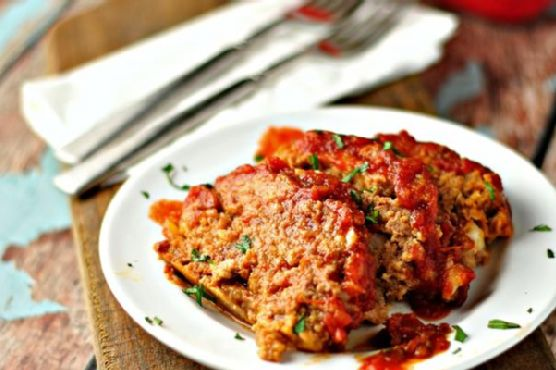
Tasty Easy Meatloaf | Made by Meaghan Moineau

Tasty Easy Meatloaf

Intro

There’s something incredibly comforting about a well-made meatloaf. I remember the first time I helped my grandmother make her signature meatloaf. The kitchen was filled with the savory aroma of spices and the tangy sweetness of tomato sauce. It was a chilly autumn evening, and as we sat around the dining table, the warmth of the meatloaf seemed to embrace us all. This recipe is inspired by those cherished moments, offering a modern twist on a classic dish that’s perfect for family dinners or cozy gatherings.

Why You’ll Love It

This Tasty Easy Meatloaf is a delightful blend of flavors and textures that will make your taste buds sing. It’s incredibly easy to make, requiring just a few simple steps and ingredients you probably already have in your pantry. The combination of ground beef and sausage creates a juicy, flavorful base, while the sweet and tangy sauce adds an irresistible layer of goodness. Whether you’re a seasoned cook or a kitchen novice, this recipe is designed to bring smiles to your dinner table.

Ingredients

  • 1 cup breadcrumbs
  • 2 tablespoons brown sugar
  • 1/2 pound bulk sausage
  • 1 can (15 ounces) tomato sauce, divided
  • 1 tablespoon cider vinegar
  • 1 teaspoon cumin
  • 1 large egg
  • 1 teaspoon garlic powder
  • 1 pound ground beef
  • 1 small onion, diced
  • 1 teaspoon pepper
  • 1 teaspoon salt
  • 1/4 cup water
  • 1 tablespoon whole grain mustard
  • 2 teaspoons Worcestershire sauce

Instructions

  1. Preheat your oven to 350°F (175°C).
  2. In a large bowl, combine the ground beef, sausage, breadcrumbs, diced onion, egg, salt, pepper, cumin, garlic powder, and 1/2 cup of tomato sauce.
  3. Gently mix the ingredients using your hands until just combined. Be careful not to overmix to avoid a chewy texture.
  4. Shape the mixture into a loaf and place it in a shallow ovenproof pan.
  5. In a separate bowl, stir together the remaining tomato sauce, cider vinegar, brown sugar, whole grain mustard, water, and Worcestershire sauce.
  6. Pour the sauce over the meatloaf, ensuring it’s evenly coated.
  7. Bake in the preheated oven for 1 hour, or until the meatloaf is cooked through.
  8. While cooking, spoon the sauce over the top of the meatloaf every 20 minutes to keep it moist and flavorful.
  9. Remove the meatloaf from the oven and let it rest for 10 minutes before slicing and serving.

Tips

  • For best results, use fresh breadcrumbs instead of store-bought, as they help retain moisture.
  • To ensure even cooking, shape your meatloaf with uniform thickness throughout.
  • Letting the meatloaf rest before slicing helps it retain its juices and makes serving easier.

Variations & Substitutions

If you’re looking to switch things up, here are a few variations and substitutions you might consider:

  • Meat: Swap the ground beef for ground turkey or chicken for a lighter version.
  • Gluten-Free: Use gluten-free breadcrumbs to accommodate dietary restrictions.
  • Spice It Up: Add a pinch of cayenne pepper or a splash of hot sauce for a spicier kick.

Storage

Leftover meatloaf can be stored in an airtight container in the refrigerator for up to 3 days. Alternatively, you can freeze slices of meatloaf wrapped tightly in plastic wrap and aluminum foil for up to 3 months. To reheat, thaw in the refrigerator overnight and warm in an oven preheated to 350°F (175°C) until heated through.

FAQ

Can I prepare the meatloaf mixture in advance?

Yes, you can prepare the meatloaf mixture up to a day in advance. Simply mix the ingredients, shape into a loaf, and store covered in the refrigerator. Allow the mixture to come to room temperature before baking.

What sides go well with meatloaf?

Meatloaf pairs wonderfully with classic sides such as mashed potatoes, steamed vegetables, or a fresh garden salad. For a comforting meal, consider serving it with buttery dinner rolls or roasted potatoes.

How do I know when the meatloaf is done?

The meatloaf is done when it reaches an internal temperature of 160°F (71°C). Use a meat thermometer to check the temperature in the center of the loaf for accuracy.

Nutrition

Each serving of Tasty Easy Meatloaf provides approximately:

  • Calories: 320
  • Protein: 20g
  • Carbohydrates: 15g
  • Fat: 20g

Conclusion

This Tasty Easy Meatloaf is a timeless classic that’s sure to become a favorite in your household. With its simple preparation and delectable flavor, it’s an ideal dish for any occasion. Whether you’re recreating cherished family memories or starting new traditions, this meatloaf is a wonderful way to bring warmth and joy to your table. Enjoy every bite!

Related update: Tasty Easy Meatloaf

Related update: San Francisco Cioppino

Crock-Pot: Asian-Style Country Ribs with Black Bean Garlic Sauce | Made by Meaghan Moineau

Crock-Pot: Asian-Style Country Ribs with Black Bean Garlic Sauce

Intro

Growing up, Sundays were always my favorite day of the week. It wasn’t just because it marked a day of rest, but because it was the day my family gathered around a cozy meal, shared stories, and laughed until our bellies ached. One of the dishes that always graced our Sunday table was my grandmother’s Asian-Style Country Ribs, simmered slowly to perfection. The aroma of garlic and ginger would fill the house, inviting everyone to the kitchen even before it was ready. I remember the anticipation and the comforting warmth that this dish brought to our home. Today, I’m sharing this beloved recipe with you, hoping it will bring the same warmth and joy to your family gatherings.

Why You’ll Love It

This recipe is not only delicious but also incredibly easy to prepare. With just 10 minutes of prep time, you can have a hearty and flavorful meal ready in the slow cooker. The combination of savory black bean garlic sauce and tender pork ribs creates an irresistible dish that’s perfect for any occasion. It’s budget-friendly and yields multiple servings, making it ideal for family dinners or gatherings with friends. Plus, the crock-pot does all the work, allowing you more time to relax with your loved ones.

Ingredients

  • 2 lbs boneless pork country ribs
  • 1/4 cup black bean garlic sauce (from a jar)
  • 1/2 cup chicken stock
  • 1 tablespoon cornstarch
  • 1 tablespoon dark sesame oil
  • 3 cloves fresh garlic, minced
  • 1 tablespoon ginger root, minced
  • 2 tablespoons honey
  • 1 teaspoon coarsely cracked black pepper
  • 3 tablespoons low sodium soy sauce
  • 2 scallions, chopped (green and white parts)

Instructions

  1. Begin by trimming any excess fat from the boneless pork ribs. This will help the dish avoid becoming too greasy.
  2. In a large bowl, mix together the black bean garlic sauce, chicken stock, cornstarch, sesame oil, garlic, ginger, honey, black pepper, and soy sauce. Stir until the cornstarch is fully dissolved.
  3. Place the pork ribs in the crock-pot and pour the sauce mixture over them, ensuring each rib is well-coated.
  4. Cover and cook on low heat for 5 to 6 hours. Avoid cooking any longer to prevent the ribs from becoming mushy.
  5. Once cooked, gently remove the ribs from the crock-pot and place them on a serving platter.
  6. Garnish with freshly chopped scallions before serving.
  7. Enjoy alongside steamed rice and snow peas for a complete meal.

Tips

For the best results, ensure that the ribs are submerged in the sauce as much as possible. This will ensure even cooking and flavor absorption. If your crock-pot has a hot spot, you may want to rotate the ribs halfway through the cooking process.

Variations & Substitutions

If you prefer a spicier kick, consider adding a teaspoon of chili garlic sauce or a few dashes of hot sauce to the mix. You can also substitute the pork ribs with chicken thighs or beef short ribs if desired. For a sweeter glaze, increase the amount of honey or add a tablespoon of brown sugar.

Storage

Store any leftovers in an airtight container in the refrigerator for up to 3 days. This dish can also be frozen for up to 2 months. To reheat, thaw in the fridge overnight and warm up in a saucepan over low heat until heated through.

FAQ

Can I use fresh black beans instead of jarred black bean garlic sauce?

While fresh black beans are nutritious, the jarred black bean garlic sauce provides a unique fermented flavor that is essential to this dish. For best results, I recommend using the jarred version.

How can I tell if the ribs are done?

The ribs should be tender and easily pull apart with a fork. If they’re still tough, they need more cooking time. However, be careful not to exceed the 6-hour mark to avoid mushiness.

Nutrition

This dish is a good source of protein and rich in flavors thanks to the garlic and ginger. It’s important to note that using low sodium soy sauce helps keep the sodium levels in check, making it a healthier option compared to traditional soy sauce.

Conclusion

There’s nothing quite like the comfort of a home-cooked meal that requires minimal effort yet delivers maximum flavor. This Crock-Pot Asian-Style Country Ribs with Black Bean Garlic Sauce is a testament to that. Not only is it a tribute to cherished family traditions, but it’s also a wonderful recipe to start new ones. I hope this dish brings as much joy and satisfaction to your table as it has to mine. Happy cooking!

Related update: Crock-Pot: Asian-Style Country Ribs with Black Bean Garlic Sauce

Related update: Tasty Easy Meatloaf

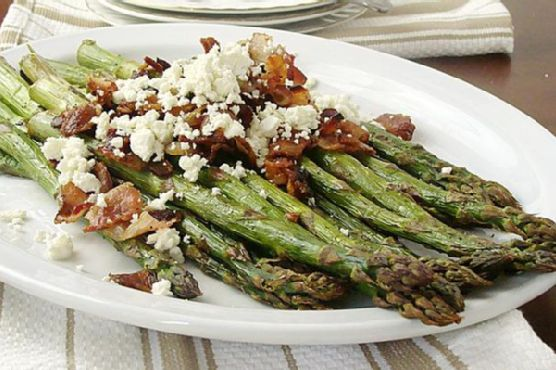
Roasted Asparagus With Bacon and Feta Cheese | Made by Meaghan Moineau

Roasted Asparagus With Bacon and Feta Cheese

Intro

Growing up, Sunday dinners were a cherished tradition in our household. My grandmother, with her gentle hands and warm heart, always knew how to bring the family together with her culinary creations. One of my fondest memories was the way she transformed simple ingredients into something extraordinary. This recipe for Roasted Asparagus with Bacon and Feta Cheese is inspired by those Sunday gatherings, where laughter was abundant, and plates were always full. The combination of tender asparagus, crispy bacon, and creamy feta evokes a sense of nostalgia and warmth, reminiscent of those cherished family meals.

Why You’ll Love It

This dish is a delightful blend of flavors and textures that will have you coming back for more. The savory crispness of bacon paired with the tangy, creamy feta creates a perfect harmony with the fresh, roasted asparagus. It’s an easy-to-make side dish that elevates any meal, providing a gourmet touch without the fuss. Whether you are hosting a dinner party or simply want to treat yourself to something special, this recipe is sure to impress.

Ingredients

  • 1 bunch of asparagus, trimmed
  • 4 slices of bacon, cooked and crumbled
  • 1/4 cup of feta cheese, crumbled
  • 2 tablespoons of olive oil
  • Salt and pepper to taste

Instructions

  1. Preheat your oven to 450°F (230°C).
  2. Place the trimmed asparagus on a baking sheet lined with aluminum foil.
  3. Drizzle the asparagus with olive oil, ensuring each stalk is well-coated. Season with salt and pepper.
  4. Roast the asparagus in the preheated oven for about 8 to 10 minutes, or until they are tender and slightly caramelized.
  5. While the asparagus is roasting, cook the bacon in a skillet over medium heat until it is crisp. Transfer the bacon to a paper towel-lined plate to drain, then crumble it into small pieces.
  6. Once the asparagus is done, remove it from the oven and transfer it to a serving platter.
  7. Sprinkle the crumbled bacon over the asparagus, followed by the feta cheese.
  8. Serve immediately while warm.

Tips

For the best results, choose fresh, firm asparagus with vibrant green color and closed tips. If your asparagus is thick, consider peeling the lower half with a vegetable peeler to ensure even cooking. Be sure not to overcrowd the baking sheet to allow the asparagus to roast evenly.

Variations & Substitutions

If you’re looking to switch things up, try using goat cheese instead of feta for a creamier texture. For a vegetarian version, you can omit the bacon and add toasted pine nuts or sunflower seeds for a crunchy element. Feel free to experiment with different herbs like thyme or rosemary to add more depth of flavor.

Storage

Leftover roasted asparagus can be stored in an airtight container in the refrigerator for up to 3 days. To reheat, place it in a preheated oven at 350°F (175°C) for about 5 minutes, or until warmed through. Keep in mind that reheating might slightly alter the texture of the asparagus.

FAQ

Can I use frozen asparagus?

While fresh asparagus is recommended for the best texture and flavor, you can use frozen asparagus in a pinch. Be sure to thaw and pat it dry before roasting to avoid excess moisture affecting the roast.

What can I serve with this dish?

Roasted Asparagus with Bacon and Feta Cheese pairs beautifully with grilled meats such as chicken, steak, or fish. It also complements other side dishes like roasted potatoes or a fresh garden salad.

Is this dish keto-friendly?

Yes, this dish is low in carbohydrates and high in healthy fats, making it suitable for a keto diet. Just ensure that your bacon and feta are free from added sugars or fillers that might increase carb count.

Nutrition

This recipe is rich in fiber, vitamins, and minerals from the asparagus, as well as healthy fats and protein from the bacon and feta. It is a great low-carb, gluten-free option that fits well into a balanced diet.

Conclusion

Roasted Asparagus with Bacon and Feta Cheese is more than just a side dish; it’s a celebration of flavors that bring comfort and joy. Whether you’re reminiscing about family dinners or creating new memories, this dish is sure to become a favorite in your kitchen. Simple yet sophisticated, it’s a testament to the idea that sometimes the best meals are made with just a few quality ingredients. Enjoy this recipe as a reminder that love, like great food, is best shared around the table.

Related update: Roasted Asparagus With Bacon and Feta Cheese

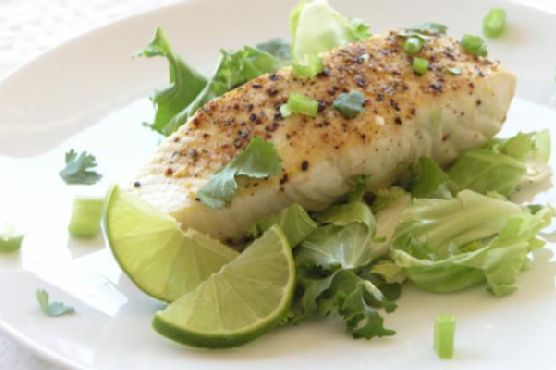
Cilantro Lime Halibut | Made by Meaghan Moineau

Cilantro Lime Halibut

Intro

There’s something magical about the aroma of lime and cilantro filling the kitchen. It takes me back to summer evenings spent by the sea with my family, sharing stories and laughter over a delicious meal. One of my fondest memories is a fishing trip with my grandfather where we caught fresh halibut, and he taught me how to cook it with his signature lime and cilantro twist. Today, I’m excited to share this Cilantro Lime Halibut recipe with you, a dish that combines fresh, zesty flavors with the rich taste of wild Pacific halibut. Whether you’re a seafood aficionado or just starting to explore fish dishes, this recipe is sure to become a favorite in your home.

Why You’ll Love It

This Cilantro Lime Halibut is not only delicious but also quick and easy to prepare, making it perfect for weeknight dinners or special occasions. The dish features a beautiful balance of flavors—a hint of citrus from the lime, aromatic freshness from the cilantro, and a subtle sweetness from the blood orange olive oil. Plus, it’s a healthy option packed with protein and essential nutrients. Whether you’re cooking for yourself or hosting a dinner party, this dish will impress with its simple yet sophisticated taste.

Ingredients

  • Chicken stock
  • Fresh cilantro
  • Green onions
  • Wild Pacific halibut filets
  • Lime (juice)
  • Another slug of blood orange olive oil
  • Mollie Stone’s blood orange olive oil
  • Dusting of garlic-pepper
  • Salt and pepper
  • White wine

Instructions

  1. Heat the oil in a large frying pan over medium heat.
  2. Coat the filets with garlic pepper on the flesh side.
  3. When the pan is heated, add the filet flesh side down to sear that side. Allow to cook for about 30 seconds.
  4. Flip the filets over with tongs.
  5. Add white wine to the pan and cover to steam. After about 2 minutes, much of the wine will have evaporated.
  6. Add the chicken stock gradually and allow the filets to steam for another couple of minutes.
  7. Add the lime juice. When bubbling and both filets are opaque all the way through, add the green onions to the pan and swirl in the sauce for a moment.
  8. Remove filets to beds of lettuce.
  9. Add a tsp of the Blood Orange Olive Oil, swirl the green onions in the sauce one more time, and then pour equal parts over the fish.
  10. Garnish with fresh cilantro and lime wedges. Sprinkle with salt and pepper to taste.
  11. Serve immediately.

Tips

For the best results, ensure your halibut filets are fresh. If possible, purchase them from a reputable fishmonger. When searing the fish, make sure the pan is hot enough before adding the filets, as this will give them a nice crust. If you don’t have blood orange olive oil, regular olive oil with a splash of orange juice can be a suitable substitute.

Variations & Substitutions

If you’re not a fan of halibut, this recipe works well with other white fish such as cod or haddock. You could also experiment with adding different herbs like parsley or dill for a different flavor profile. For a spicier kick, consider adding a pinch of red pepper flakes to the sauce.

Storage

Leftover Cilantro Lime Halibut can be stored in an airtight container in the refrigerator for up to two days. To reheat, place the fish in a pan over low heat until warmed through. Be careful not to overcook, as the fish can become dry.

FAQ

Can I use frozen halibut filets?

Yes, you can use frozen halibut filets. Just make sure to thaw them completely before cooking. Pat them dry with a paper towel to remove any excess moisture, which helps in achieving a good sear.

What can I serve with Cilantro Lime Halibut?

This dish pairs beautifully with a simple salad, steamed vegetables, or a light quinoa pilaf. The fresh flavors of the halibut complement a variety of sides, so feel free to get creative with your pairings.

Nutrition

Halibut is an excellent source of protein and is rich in omega-3 fatty acids, which are beneficial for heart health. This dish is also low in carbohydrates, making it suitable for those following a low-carb diet. The use of fresh lime and cilantro adds vitamins and antioxidants, contributing to a nutritious, balanced meal.

Conclusion

Our Cilantro Lime Halibut is a delightful dish that brings together the best of fresh seafood and vibrant flavors. It’s easy to prepare, healthy, and sure to please even the pickiest eaters. Whether you’re evoking seaside memories or creating new ones, this recipe is a wonderful way to bring a touch of elegance and flavor to your dining table. We hope you enjoy this recipe as much as we do and that it becomes a cherished part of your culinary repertoire.

Related update: Cilantro Lime Halibut

Classy Poached Pear In Spicy Mango Nectar With Mango Ice Cream | Made by Meaghan Moineau

Classy Poached Pear In Spicy Mango Nectar With Mango Ice Cream

Intro

There’s something undeniably enchanting about the delicate, aromatic flavors of poached pears. I remember the first time I tasted a poached pear at my grandmother’s Sunday lunch. It was a cold winter afternoon, and the warmth of the spices filled the room, creating a cozy haven from the chill outside. Each bite was a revelation, the soft fruit yielding to the rich syrup, and it was then that I knew this dessert would hold a special place in my heart.

Fast forward to today, I’ve added my own twist to this classic dessert by pairing it with a spicy mango nectar and a scoop of refreshing mango ice cream. This recipe is simple yet sophisticated, perfect for impressing your dinner guests or treating yourself to a luxurious dessert experience.

Why You’ll Love It

  • Elegantly Simple: Despite its sophisticated appearance, this recipe is straightforward and easy to follow.
  • Exotic Flavors: The combination of pear, mango, and spices creates a unique and tantalizing dessert.
  • Perfect for Any Occasion: Whether it’s a dinner party or a quiet evening at home, this dessert is sure to impress.

Ingredients

  • 4 ripe pears
  • 1/2 cup sugar
  • 1 cup water
  • 1 cup mango pulp
  • 1/2 cup fruit juice (orange or apple)
  • 1 teaspoon lemon juice
  • 1 tablespoon orange rind
  • 1/2 teaspoon ground cinnamon
  • A few strands of saffron
  • Fresh mint leaves for garnish
  • Mango ice cream, for serving

Instructions

  1. Peel the pears and slice a bit off the bottom of each pear to ensure they can stand upright. Keep the stem intact to insert a mint sprig later.
  2. Gently dab some lemon juice over the pears to prevent browning, and set them aside.
  3. In a medium pot, create a simple syrup by combining half a cup of sugar with one cup of water over medium heat. Stir until the sugar dissolves and the mixture thickens slightly.
  4. Add the mango pulp, fruit juice, orange rind, a dash of cinnamon, and saffron strands to the sugar syrup. Stir to combine.
  5. Submerge the peeled pears into the syrup, ensuring they’re completely covered. Allow them to cook on low heat for 15 to 20 minutes, or until the pears are tender and have absorbed the amber hue from the mango syrup.
  6. Once cooked, remove the pears from the syrup and set them on a plate to cool.
  7. Garnish each pear with a fresh mint leaf inserted into the stem and drizzle some of the remaining syrup over the top.
  8. Serve warm or chilled, accompanied by a scoop of mango ice cream.

Tips

  • Choose the Right Pears: Look for ripe but firm pears to ensure they hold their shape while poaching.
  • Monitor the Syrup: Keep an eye on the syrup as it simmers to prevent it from reducing too much or burning.
  • Chilling Option: For a refreshing summer treat, chill the pears before serving.

Variations & Substitutions

  • Spice It Up: Add a pinch of ground nutmeg or cloves for a more robust spice profile.
  • Fruit Juice Options: Experiment with different fruit juices like pineapple or pomegranate for a unique twist.
  • Dairy-Free: Substitute mango sorbet for the ice cream to make this dessert dairy-free.

Storage

Leftover poached pears can be stored in an airtight container in the refrigerator for up to three days. Keep the syrup separate and drizzle it over the pears just before serving to maintain their texture and flavor.

FAQ

Can I make this dessert ahead of time?

Absolutely! You can poach the pears a day in advance and store them in the refrigerator. Simply drizzle with syrup and garnish with mint just before serving.

What type of mango pulp should I use?

Both fresh and canned mango pulp work wonderfully in this recipe. If using canned, ensure it’s pure mango pulp without added sugars or preservatives.

Nutrition

This dessert is a luxurious treat, and while it is not low-calorie, it offers the natural sweetness of fruit with the richness of spices. Pairing it with mango ice cream adds a creamy contrast to the tender pears.

Conclusion

Incorporating the exotic flavors of mango and spices, this poached pear dessert is a testament to how simple ingredients can create a gourmet experience. Whether you’re channeling nostalgia like I do, or simply indulging your taste buds, this recipe is sure to delight. Serve it at your next gathering or enjoy it as a solo treat to make any day a little more special. Remember, cooking is all about sharing love through food, so don’t hesitate to put your own spin on this classic dish. Happy cooking!

Related update: Classy Poached Pear In Spicy Mango Nectar With Mango Ice Cream

Related update: Roasted Asparagus With Bacon and Feta Cheese

Related update: Ginger Molasses Rounds

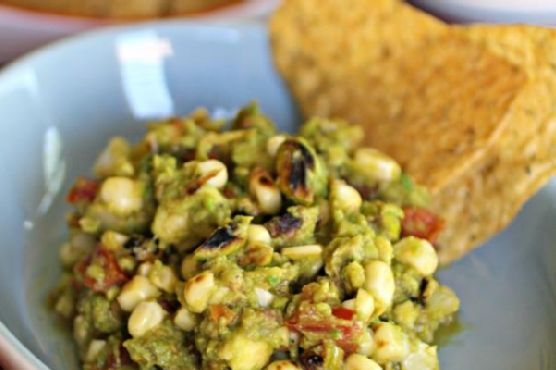
Grilled Guacamole with Pistachios | Made by Meaghan Moineau

Grilled Guacamole with Pistachios

Intro

Welcome to a culinary journey where tradition meets innovation with our Grilled Guacamole with Pistachios. This recipe brings a smoky twist to the classic guacamole, elevating it to a gourmet experience that is perfect for any occasion. I remember the first time I tried grilled guacamole at a summer barbecue hosted by an old friend. The subtle smokiness intertwined with creamy avocado and crunchy pistachios was a revelation. Ever since that day, this dish has become a staple in my summer gatherings. Let me share this delightful recipe with you, and perhaps it will become a cherished part of your culinary repertoire as well.

Why You’ll Love It

This grilled guacamole is not your ordinary dip. Here are a few reasons why you’ll fall head over heels for this recipe:

  • Smoky Flavor: Grilling the vegetables adds a depth of flavor that is both intriguing and satisfying.
  • Texture Heaven: The crunchy pistachios contrast beautifully with the creamy avocado, creating a delightful texture.
  • Fresh and Nutritious: Packed with fresh ingredients and healthy fats, this recipe is both delicious and nutritious.
  • Versatile: Perfect as a dip, a topping for burgers, or even as a side dish.

Ingredients

  • 2 avocados, split
  • 1 teaspoon cumin
  • 1 ear of corn, split
  • 1/4 cup fresh cilantro, chopped
  • 2 cloves garlic, minced
  • 1/4 teaspoon red ground pepper
  • 1/4 teaspoon black fresh ground pepper
  • 2 jalapeño peppers, split
  • 1 lime, juiced
  • Olive oil, for brushing vegetables
  • 1 small onion, split
  • 1/4 cup pistachios, chopped
  • Salt to taste
  • 1/2 cup diced tomatoes

Instructions

  1. Lightly brush the avocado flesh, corn, onion, and jalapeño peppers with olive oil.
  2. Place all vegetables except the avocado in a grill basket and on the grill over medium-high heat.
  3. Place the avocados cut side up directly on the grill and cook for 2 minutes, then flip and cook cut side down for another 2 minutes. Remove and set aside.
  4. Allow the other vegetables to cook, turning, until they are tender and lightly charred (10-12 minutes). The corn may take a few minutes longer.
  5. When the vegetables have cooled enough to touch, cut the corn off the cob and dice the other vegetables.
  6. In a large bowl, combine the tomatoes, corn, onion, peppers, garlic, and cilantro, and toss to mix.
  7. Add the avocado to the mixture, lightly tossing and mashing it.
  8. Add the lime juice, cumin, red and black pepper, and salt. Mix together and adjust seasoning as needed.
  9. Add the pistachios, toss the mixture again, and serve.

Tips

  • Ensure your grill is properly heated before placing the vegetables to get that perfect char.
  • Adjust the level of spiciness by varying the amount of jalapeño and red ground pepper according to your preference.
  • Use ripe avocados for the best texture and flavor.

Variations & Substitutions

There are numerous ways to adapt this recipe to your tastes:

  • Cheese: Add crumbled feta or cotija cheese for an extra burst of flavor.
  • Nuts: Swap pistachios with pecans or almonds for a different nutty twist.
  • Herbs: Replace cilantro with parsley or basil for a different herbal note.

Storage

Store any leftover guacamole in an airtight container in the refrigerator for up to two days. To prevent browning, place a layer of plastic wrap directly on the surface of the guacamole before sealing the container.

FAQ

Can I make this recipe without a grill?

Absolutely! You can achieve a similar effect by using a grill pan on your stovetop. If neither is available, roasting the vegetables in the oven will also work, though you’ll miss a bit of the smoky flavor.

What if I don’t like spicy foods?

No problem! You can reduce or omit the jalapeño and red ground pepper for a milder version. Consider adding bell peppers for a sweet alternative.

Can I prepare this dish in advance?

Yes, you can grill the vegetables ahead of time and store them in the refrigerator. Assemble the guacamole just before serving to ensure the freshest flavor and texture.

Nutrition

This recipe is rich in healthy fats, fiber, and antioxidants. Avocados provide heart-healthy monounsaturated fats while pistachios offer protein and additional healthy fats. The vegetables add vitamins and minerals, making this a nutrient-dense dish perfect for any diet.

Conclusion

Grilled Guacamole with Pistachios is a delightful twist on the classic guacamole that brings a smoky flavor and a satisfying crunch from the pistachios. This dish is perfect for summer barbecues, family gatherings, or as a unique addition to your weeknight meals. With its combination of fresh, nutritious ingredients and vibrant flavors, it’s sure to become a favorite. We hope you enjoy making and sharing this recipe as much as we do!

Related update: Grilled Guacamole with Pistachios

Related update: Savory Slow Roasted Tomatoes with Filet of Anchovy

Gooey Chocolate Buttermilk Sheet Cake | Made by Meaghan Moineau

Gooey Chocolate Buttermilk Sheet Cake

Intro

There’s something magical about a chocolate cake that instantly brings back a flood of childhood memories. I recall spending countless afternoons in my grandmother’s kitchen, eagerly awaiting the moment when I could lick the spoon clean of any remaining batter. The aroma of chocolate wafting through the house was a promise of the indulgent treat to come. This Gooey Chocolate Buttermilk Sheet Cake is a tribute to those cherished days, combining rich cocoa flavors with a tender crumb that only buttermilk can provide. Whether it’s for a birthday, a family gathering, or just a midweek pick-me-up, this cake promises to delight and satisfy.

Why You’ll Love It

This cake isn’t just about chocolate; it’s about creating moments. Its melt-in-your-mouth texture and rich, gooey frosting make it an instant hit at any gathering. You’ll love how easy it is to make, with simple ingredients that come together to create something extraordinary. The buttermilk adds a subtle tanginess that perfectly complements the sweetness of the chocolate, while the frosting is a luscious dream that you’ll want to eat straight from the pan.

Ingredients

  • 2 cups all-purpose flour
  • 2 cups sugar
  • 1 teaspoon baking soda
  • 1/2 teaspoon salt
  • 1 cup butter (or margarine)
  • 1/4 cup cocoa powder
  • 1 cup water
  • 1/2 cup vegetable oil
  • 1/2 cup buttermilk
  • 2 large eggs, beaten
  • 1 teaspoon vanilla extract
  • 1/2 cup milk
  • 4 cups icing sugar
  • Optional: chopped nuts for topping

Instructions

  1. Preheat your oven to 350°F (180°C).
  2. In a large saucepan, bring to a boil the water, cocoa powder, oil, and butter or margarine.
  3. In a separate large mixing bowl, combine the flour, sugar, salt, and baking soda.
  4. Whisk the hot cocoa mixture into the dry ingredients and mix well.
  5. Add the buttermilk, vanilla extract, and beaten eggs to the batter; continue mixing until smooth.
  6. Pour the batter into a greased and floured 9″x13″ oblong baking pan.
  7. Bake in the preheated oven for approximately 20 minutes, or until a toothpick comes out clean when inserted in the middle.
  8. Remove the cake from the oven and prepare the frosting while the cake is still warm.
  9. For the frosting, set a large pan over medium heat and melt the butter with the cocoa powder and milk.
  10. Stir in the icing sugar and vanilla extract; whisk until smooth.
  11. Add the chopped nuts if desired, then stir well and spread the frosting on the warm cake.
  12. Let the cake cool before serving.

Tips

To ensure your cake remains moist, avoid overbaking. Keep a close eye on it towards the end of the baking time. If you want a deeper chocolate flavor, consider using Dutch-processed cocoa powder. For a nut-free option, simply omit the nuts from the frosting.

Variations & Substitutions

If you’re out of buttermilk, you can make a quick substitute by adding a tablespoon of lemon juice or white vinegar to a cup of milk and letting it sit for 5 minutes. For a more decadent version, fold in chocolate chips or swirl in some peanut butter before baking. If you prefer a lighter frosting, you can reduce the icing sugar by a cup.

Storage

This cake can be stored at room temperature, covered, for up to 3 days. If you live in a particularly warm climate, consider refrigerating it to preserve the frosting. For longer storage, wrap individual slices in plastic wrap and freeze them for up to two months. Thaw at room temperature before enjoying.

FAQ

Can I make this cake ahead of time?

Absolutely! This cake can be made a day in advance. Just ensure it’s stored properly to maintain its moist texture. You can frost it on the day you plan to serve for optimal freshness.

Can I use margarine instead of butter?

Yes, margarine can be used in place of butter in both the cake and the frosting. However, butter will provide a richer flavor and texture.

Can I add coffee to enhance the chocolate flavor?

Definitely! Adding a tablespoon of instant coffee granules to the boiling cocoa mixture will deepen the chocolate flavor without making the cake taste like coffee.

Nutrition

This cake is a treat and should be enjoyed as such. Each serving contains approximately 350 calories, with 15g of fat, 50g of carbohydrates, and 4g of protein. Keep in mind that these values may vary based on portion size and specific ingredients used.

Conclusion

This Gooey Chocolate Buttermilk Sheet Cake is more than just a dessert; it’s a delightful experience that brings joy with every bite. Whether you’re rekindling fond memories or creating new ones, this cake is sure to become a beloved staple in your recipe collection. So preheat that oven, gather your ingredients, and enjoy the sweet satisfaction of homemade goodness.

Related update: Gooey Chocolate Buttermilk Sheet Cake

Related update: Classy Poached Pear In Spicy Mango Nectar With Mango Ice Cream

Green Beans with Pearl Onions and Salmon | Made by Meaghan Moineau

Green Beans with Pearl Onions and Salmon

Intro

As the cool breeze of autumn sets in, I often find myself reminiscing about family dinners at my grandmother’s house. Her kitchen, always filled with the comforting aroma of delicious home-cooked meals, was a sanctuary of love and laughter. One dish that stood out was her Green Beans with Pearl Onions and Salmon—a delightful medley that brought together the freshness of vegetables and the rich flavor of perfectly cooked salmon. Today, I’m sharing this cherished recipe with you, hoping it brings the same warmth and joy to your table as it does to mine.

Why You’ll Love It

This dish is a perfect blend of simplicity and elegance, making it ideal for both weeknight dinners and special occasions. You’ll love the way the tender green beans and sweet pearl onions complement the flaky, savory salmon. The addition of brown sugar adds a subtle sweetness that balances the dish beautifully. Moreover, it’s a healthy, one-pan meal that’s quick to prepare, leaving you with more time to enjoy with your loved ones.

Ingredients

  • 1 lb frozen green beans
  • 1 cup frozen pearl onions
  • 2 tablespoons olive oil
  • 1 tablespoon unsalted butter, plus 1 teaspoon
  • 1/4 cup chicken stock
  • 1 tablespoon brown sugar
  • Salt and pepper, to taste
  • 2 skinless salmon steaks

Instructions

  1. In a large pot, add some water, the frozen green beans, and frozen pearl onions. Cover and cook over medium heat until they are tender. Drain and set aside.
  2. In a large skillet over medium-high heat, melt 1 tablespoon of butter and the olive oil. Add the green beans and pearl onions and sauté for 1 minute.
  3. Add the chicken stock and cook for another minute until the stock is evaporated.
  4. Add 1 tablespoon of butter and the brown sugar; lower the heat to low and mix gently until slightly caramelized. Remove from the heat and keep warm.
  5. Return the skillet back to medium-high heat and melt the remaining teaspoon of butter in the center. Add the salmon, season with salt and pepper generously. Cook for 3-5 minutes until a golden crust is formed.
  6. Turn the salmon and cook for another 3 minutes.
  7. Place the green beans with pearl onions on the plate and top with the salmon. Serve immediately.

Tips

  • For perfectly cooked salmon, ensure your skillet is hot before adding the fish. This helps achieve a nice, crispy crust.
  • Do not overcrowd the pan when cooking salmon to ensure even cooking.
  • Adjust the seasoning according to your taste. A touch of lemon juice can also brighten the flavors.

Variations & Substitutions

Variations:

  • Add some crushed garlic to the green beans and onions for an extra layer of flavor.
  • Include some chopped fresh herbs like dill or parsley as a garnish for a fresh touch.

Substitutions:

  • If you prefer a different protein, chicken breast or shrimp would work well with this dish.
  • Feel free to use fresh green beans and onions if available, adjusting the cooking time accordingly.

Storage

Store any leftovers in an airtight container in the refrigerator for up to 2 days. Reheat gently in a skillet over low heat until warmed through. Avoid using the microwave as it can make the salmon rubbery.

FAQ

Can I use fresh green beans and onions instead of frozen?

Absolutely! Fresh green beans and onions can be used in place of frozen ones. Just be sure to adjust the cooking time, as fresh vegetables may take a bit longer to tenderize.

What should I do if I don’t have chicken stock?

If chicken stock is not available, you can substitute it with vegetable stock or even a bit of water with added salt for flavor. The goal is to deglaze the pan and add moisture to the dish.

How can I tell when the salmon is done?

Salmon is done when it flakes easily with a fork and the flesh is opaque. Be careful not to overcook it, as this can lead to dry, tough fish. The internal temperature should reach 145°F (63°C).

Nutrition

This dish is not only delicious but also nutritious. Salmon is a great source of omega-3 fatty acids and high-quality protein. The green beans and pearl onions provide fiber and essential vitamins, making it a balanced meal.

Conclusion

Green Beans with Pearl Onions and Salmon is a dish that beautifully combines flavors and textures, making it a standout meal in any household. It’s a recipe that brings a touch of nostalgia and comfort, perfect for sharing with family and friends. I hope this recipe finds a special place in your kitchen, just as it has in mine. Enjoy the warmth and joy of a cozy meal, and don’t forget to share your experience in the comments below!

Related update: Green Beans with Pearl Onions and Salmon

Julia Child’s Vichyssoise | Made by Meaghan Moineau

Julia Child’s Vichyssoise: A Timeless Classic for Every Season

Intro

There’s something incredibly comforting about a bowl of soup, particularly one that carries the rich history and culinary expertise of a legend like Julia Child. When I was a child, my grandmother would often make vichyssoise on Sunday afternoons, filling the kitchen with its soothing aroma. Sitting at the kitchen table, I would eagerly watch her every move, fascinated by how a few simple ingredients transformed into a luxurious dish. This soup not only warms the belly but also the heart, evoking memories of family gatherings and laughter. Today, I share with you the recipe for Julia Child’s Vichyssoise, a chilled soup that’s perfect for any season and situation.

Why You’ll Love It

Julia Child’s Vichyssoise is more than just a soup; it’s a culinary experience. Here’s why you’ll love making and eating it:

  • Simple Ingredients: This recipe uses basic, easily accessible ingredients, making it convenient for any home cook.
  • Rich and Creamy: The combination of leeks and potatoes creates a perfectly smooth and creamy texture.
  • Versatile: Whether served hot or cold, this soup is delightful in any weather.
  • Elegant Presentation: With a simple garnish of chives or parsley, it’s an impressive dish for entertaining.
  • Nostalgic Comfort: Each spoonful is a trip down memory lane for those who grew up with classic French cuisine.

Ingredients

  • White leeks
  • Diced baking potatoes (recommended)
  • Water
  • Salt
  • Sour crème fraîche
  • Fresh chives

Instructions

  1. Bring the leeks, potatoes, and water to the boil in a saucepan.
  2. Salt lightly, cover partially, and simmer for 20-30 minutes, or until the vegetables are tender.
  3. Puree the soup if you wish for a smoother texture.
  4. Taste and correct the seasoning as needed.
  5. Chill the soup thoroughly.
  6. Once chilled, stir in a little more crème fraîche if desired.
  7. Taste carefully again and correct the seasoning.
  8. Top each serving with a sprinkle of chives or parsley and a drizzle or dollop of crème fraîche.

Tips

To ensure your Vichyssoise is perfect every time, keep these tips in mind:

  • Use Fresh Ingredients: The flavor of your soup depends heavily on the freshness of your leeks and potatoes.
  • Chill Thoroughly: For the best flavor, make sure the soup is well chilled before serving.
  • Adjust Consistency: If the soup is too thick, you can thin it out with a bit more water or broth.

Variations & Substitutions

While Julia Child’s original recipe is a classic, there are endless ways to make it your own:

  • Herbs: Add fresh herbs like thyme or basil for an additional layer of flavor.
  • Dairy-Free: Substitute the crème fraîche with a plant-based cream to make the soup vegan-friendly.
  • Broth: Swap water for chicken or vegetable broth for a richer taste.

Storage

This soup is perfect for make-ahead meals. Store it in an airtight container in the fridge for up to three days. If you want to enjoy it later, freeze it for up to two months. Just be sure to thaw it in the fridge overnight before reheating.

FAQ

Can I use other types of potatoes?

Yes, absolutely! While baking potatoes are recommended for their texture, you can use any type of potatoes you have on hand. Just be aware that the texture and flavor may vary slightly.

Is it necessary to puree the soup?

Pureeing the soup is optional but recommended for a smooth, creamy texture. If you prefer a chunkier soup, you can skip this step.

How can I make this recipe vegetarian or vegan?

This recipe is naturally vegetarian if you use vegetable broth in place of water. To make it vegan, replace the crème fraîche with a non-dairy alternative. The rest of the ingredients are already plant-based.

Nutrition

Vichyssoise is a nutritious option, thanks to its vegetable-rich base. While precise nutritional values depend on the specific quantities and brands used, a serving typically contains around 150-200 calories, with a healthy amount of vitamins and minerals derived from the leeks and potatoes. For a lighter version, reduce or omit the crème fraîche.

Conclusion

Julia Child’s Vichyssoise is a testament to the beauty of simplicity in cooking. It’s a dish that transcends time and trends, offering a luxurious yet comforting experience with every spoonful. Whether you’re revisiting childhood memories or creating new ones, this recipe is sure to become a beloved staple in your home. So, gather your ingredients, channel your inner Julia Child, and savor the delight of homemade vichyssoise.

Related update: Julia Child’s Vichyssoise

Related update: Pulled Pork Sandwich with Mango BBQ sauce

Related update: Grilled Guacamole with Pistachios

Related update: Loaded Baked Potato Soup with Crispy-Fried Potato Skins

Penne with Goat Cheese and Basil | Made by Meaghan Moineau

Penne with Goat Cheese and Basil

Intro

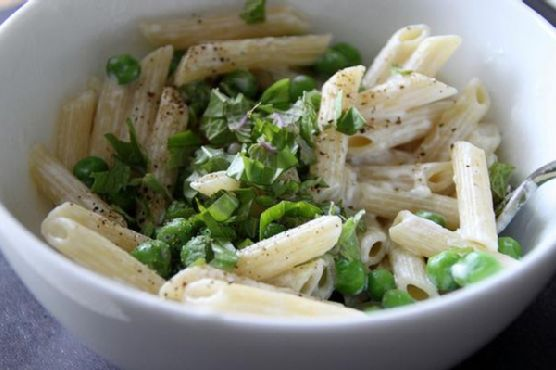
There’s something undeniably comforting about a bowl of perfectly cooked pasta, especially when it’s infused with the creamy tang of goat cheese and the aromatic freshness of basil. This Penne with Goat Cheese and Basil recipe is a delightful blend of rich flavors and simple ingredients, creating a dish that’s both elegant and easy to prepare. Every time I make this dish, I’m transported back to a sunlit kitchen in Tuscany, where I first learned the art of making pasta from scratch with my grandmother. The memory of her gentle hands guiding mine through the process is as vivid as the vibrant green basil leaves we picked fresh from her garden. This recipe is my homage to those cherished moments and a reminder of how food can connect us to our past.

Why You’ll Love It

This recipe is a true celebration of simplicity and flavor, perfect for both weeknight dinners and special occasions. Here’s why you’ll adore it:

  • Quick and Easy: It takes less than 30 minutes from start to finish.
  • Minimal Ingredients: You’ll only need five ingredients, all of which are pantry staples.
  • Rich and Creamy: The goat cheese melts beautifully, creating a luscious sauce that coats each piece of pasta.
  • Fresh and Aromatic: Fresh basil adds a burst of flavor and color.
  • Versatile: Perfect for a quiet dinner for two or a festive gathering with friends.

Ingredients

  • Penne pasta
  • Fresh basil leaves
  • Goat cheese
  • Olive oil
  • Salt and pepper

Instructions

  1. Cook the penne pasta according to the package directions until al dente. Drain and set aside.
  2. Arrange the basil leaves in a stack, roll them lengthwise like a cigar, and slice thinly crosswise to create a chiffonade. This technique enhances the basil’s flavor and presentation.
  3. In a large bowl, toss the hot pasta with olive oil and crumbled goat cheese. Stir gently until the cheese melts slightly, coating the pasta.
  4. Allow the pasta to cool for a few minutes. This step helps the flavors meld together.
  5. Add the basil chiffonade, and season with salt and pepper to taste. Toss everything together until well combined.
  6. Serve immediately, garnished with additional basil if desired.

Tips

Here are some handy tips to make your dish even more delightful:

  • Use High-Quality Ingredients: Since this recipe relies on a few key ingredients, using high-quality olive oil and fresh goat cheese will make a noticeable difference.
  • Don’t Overcook the Pasta: Be sure to cook the pasta al dente, as it will continue to soften when tossed with the warm ingredients.
  • Chiffonade Like a Pro: Rolling the basil before slicing helps prevent bruising and keeps your basil looking fresh.

Variations & Substitutions

This recipe is wonderfully adaptable. Here are some variations and substitutions you might consider:

  • Add Protein: Grilled chicken or shrimp would pair beautifully with the creamy goat cheese and fresh basil.
  • Try Different Cheeses: If goat cheese isn’t your preference, feta or ricotta can work as delicious alternatives.
  • Incorporate Vegetables: Cherry tomatoes, roasted red peppers, or spinach can add extra nutrition and flavor.
  • Use Whole Wheat Pasta: For a healthier twist, substitute the penne with whole wheat pasta.

Storage

This dish is best enjoyed fresh, but if you have leftovers, store them in an airtight container in the refrigerator for up to three days. To reheat, gently warm the pasta in a skillet over low heat with a splash of olive oil to help revive the creamy texture.

FAQ

Can I make this dish vegan?

Yes, you can easily make a vegan version by using vegan cheese alternatives available in most grocery stores. Nutritional yeast can also add a cheesy flavor without dairy.

Can I serve this dish cold?

Absolutely! This pasta is also delightful as a cold pasta salad. Simply allow the pasta to cool completely before adding the basil, and enjoy it straight from the fridge.

What type of goat cheese should I use?

A soft, creamy goat cheese works best for this recipe, as it melts well and evenly coats the pasta. You can also experiment with flavored varieties, like herbed or peppered goat cheese for an extra kick.

Nutrition

This dish is a wholesome meal, offering a balanced mix of carbohydrates, healthy fats from the olive oil, and protein from the goat cheese. While exact nutritional values will vary based on the specific brands and quantities used, each serving provides a good source of calcium and vitamins from the basil.

Conclusion

Penne with Goat Cheese and Basil is not just a meal; it’s a comforting reminder of the power of simple ingredients coming together to create something extraordinary. Whether you’re relishing it alone with a glass of wine or sharing it with loved ones around a bustling dinner table, this dish is sure to become a beloved staple in your culinary repertoire. As you savor each bite, may it bring you warmth, joy, and perhaps a touch of nostalgia for the cherished memories created in your own kitchen.

Related update: Penne with Goat Cheese and Basil

Easy Pork Chops on Stuffing | Made by Meaghan Moineau

Easy Pork Chops on Stuffing

Intro

There’s something magical about the aroma of a home-cooked meal wafting through the house. This Easy Pork Chops on Stuffing recipe takes me back to my childhood, when Sundays were reserved for family dinners and the kitchen was the heart of our home. I remember my grandmother preparing this dish, the savory scent of pork mingling with the comforting aroma of stuffing filling every corner. It was more than just a meal; it was a tradition, a moment to gather and share stories. Now, I’m excited to share it with you, so you can create your own cherished memories around the dinner table.

Why You’ll Love It

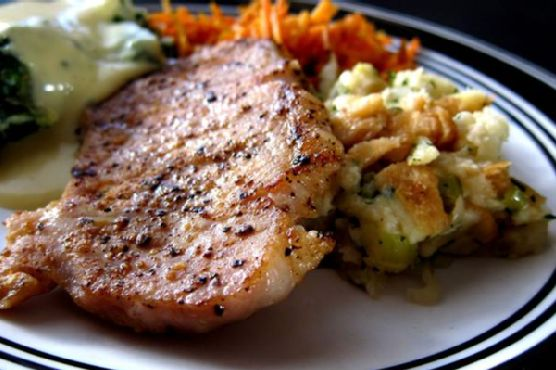
This recipe is a perfect combination of simplicity and flavor. You’ll love how tender and juicy the pork chops turn out, and the stuffing is the perfect accompaniment to soak up all the delicious juices. It’s a dish that doesn’t require a lot of fancy ingredients or complicated techniques, making it ideal for both weeknight dinners and special occasions. Plus, the nostalgic flavors will transport you back to simpler times, making every bite a comforting experience.

Ingredients

  • Butter
  • Diced celery
  • Chicken broth
  • Fresh parsley
  • Diced onion
  • Bell pepper
  • Pork chops
  • Salt
  • White bread

Instructions

  1. Early in the day (or the night before), cut the bread into 1-inch cubes and leave them out to air dry. Place the cubes in a large mixing bowl.
  2. Heat 2 tablespoons of butter over medium heat in a sauté pan and sauté the celery until it’s almost tender.
  3. Add the onions and continue to cook over medium heat until they become translucent.
  4. Remove the mixture from the heat and add half of the chicken broth.
  5. Add the chopped parsley to the bread cubes and toss to distribute evenly.
  6. Pour the celery/onion mixture over the bread cubes and gently toss, adding additional broth as needed to moisten the bread. Be cautious not to break up the bread cubes. They should be moistened through but not soaking wet.
  7. Butter a shallow baking dish with half of the remaining butter and place the stuffing in the middle. Dot the top of the stuffing with any remaining butter.
  8. Cover the dish with aluminum foil and bake for 20 minutes in a preheated 350°F oven.
  9. Meanwhile, pat the pork chops dry with a paper towel and season both sides with salt and pepper. With a sharp knife, cut 2-3 slices through the fat edge on each chop to prevent them from curling while cooking.
  10. Preheat a non-stick sauté pan over medium-high heat and quickly sear the chops on each side until lightly browned. The chops will still be nearly raw in the center.
  11. Remove the foil from the precooked stuffing and place the chops in a single layer over the stuffing.
  12. Return the dish to the oven and roast for approximately 15-25 minutes, uncovered (depending on the thickness of your chops). The chops should be cooked until they are no longer dark pink inside, remaining moist and juicy, but not overcooked.
  13. Remove from the oven and serve immediately.

Tips

  • Ensure your bread is stale enough before using it for stuffing. If it’s too fresh, the stuffing might become mushy.
  • Use a meat thermometer to ensure your pork chops are perfectly cooked. They should reach an internal temperature of 145°F.
  • Searing the pork chops before baking ensures a flavorful crust that locks in moisture.

Variations & Substitutions

If you’re looking to add more flavor, consider mixing in some diced apples or cranberries into the stuffing for a sweet twist. You can also substitute chicken broth with vegetable broth if you prefer a vegetarian version of the stuffing. For an herbaceous kick, try adding some fresh thyme or rosemary to the stuffing mixture.

Storage

Leftovers can be stored in an airtight container in the refrigerator for up to three days. To reheat, place them in an oven-safe dish and warm them in a preheated oven at 350°F until heated through. Alternatively, you can reheat individual portions in the microwave.

FAQ

Can I use bone-in pork chops for this recipe?

Yes, you can use bone-in pork chops, but you may need to adjust the cooking time slightly to ensure they are cooked through.

What can I serve with this dish?

This dish pairs wonderfully with a side of green beans or a fresh garden salad. Mashed potatoes or roasted vegetables also complement the flavors nicely.

Nutrition

This dish is a hearty and satisfying meal, with each serving offering a good balance of protein and carbohydrates. While exact nutritional values will vary based on portion sizes and specific ingredients used, pork chops are a great source of lean protein, and the stuffing provides fiber and essential vitamins from the vegetables.

Conclusion

This Easy Pork Chops on Stuffing recipe is more than just a meal; it’s an experience that brings people together. With its rich flavors and comforting aromas, it’s a dish that warms both the heart and the soul. Whether you’re making it for a family dinner or a special occasion, it’s sure to become a beloved favorite in your home. Enjoy creating delicious memories with this timeless recipe!

Related update: Easy Pork Chops on Stuffing

Related update: Penne with Goat Cheese and Basil

HomeMade Hashbrowns with Spinach and Carrots | Made by Meaghan Moineau

Homemade Hashbrowns with Spinach and Carrots

Intro

There’s something incredibly comforting about a plate of crispy hashbrowns. They remind me of weekend breakfasts at my grandmother’s house, where the aroma of frying potatoes would gently wake us up. My grandmother had a knack for adding a little something extra to her hashbrowns, a touch of love that made them irresistible. Inspired by those mornings, I’ve crafted a recipe that not only hits the comfort spot but also packs a nutritious punch with the addition of fresh spinach and carrots. These Homemade Hashbrowns with Spinach and Carrots are a delightful twist on the classic, providing a burst of flavor and a boost of nutrients in every bite.

Why You’ll Love It

This recipe is perfect for those seeking a delicious, healthy meal that doesn’t compromise on taste. The combination of crispy potatoes with the fresh, earthy flavor of spinach and the subtle sweetness of carrots is truly magical. These hashbrowns are versatile and can be served as a hearty breakfast, a delicious side dish, or even a satisfying snack. They’re also vegetarian-friendly and can be easily adapted to suit a variety of dietary needs.

Ingredients

  • 2 large potatoes, grated
  • 1 cup fresh spinach leaves, finely chopped
  • 1 onion, finely chopped
  • 1 carrot, grated
  • 1/2 teaspoon red chili powder
  • 2 tablespoons cornflour
  • 1/2 teaspoon salt, plus more to taste
  • Oil for shallow frying

Instructions

  1. In a large bowl, combine grated potatoes, chopped spinach, chopped onion, and grated carrot.
  2. Add 1/2 teaspoon of salt to the mixture and mix well.
  3. Squeeze the vegetable mixture to remove all the excess moisture.
  4. Stir in the red chili powder and cornflour, mixing until well combined. Adjust salt by tasting the mixture.
  5. Form the mixture into small patties, ensuring they’re compact and hold together.
  6. Heat oil in a pan over medium-high heat for shallow frying.
  7. Gently place the patties in the hot pan, allowing them to brown on both sides for a few minutes.
  8. Lower the heat to medium and cook until the patties are cooked through and crispy.
  9. Remove from the pan and drain on paper towels before serving.

Tips

For the best results, make sure to thoroughly squeeze out any moisture from the vegetable mixture. This ensures your hashbrowns are crispy rather than soggy. Also, be patient while frying; allow each side to brown completely before flipping to achieve that perfect golden crust.

Variations & Substitutions

Feel free to experiment with other veggies such as zucchini or bell peppers for added flavor and nutrition. If you’re avoiding cornflour, you can substitute with all-purpose flour or rice flour. For a spicier kick, consider adding a pinch of cayenne pepper or some finely chopped jalapeños.

Storage

These hashbrowns can be stored in an airtight container in the refrigerator for up to 3 days. To reheat, simply place them in a hot oven or in a pan to restore their crispiness. They can also be frozen for up to a month; just make sure to thaw them thoroughly before reheating.

FAQ

Can I make these hashbrowns gluten-free?

Yes, you can easily make this recipe gluten-free by using a gluten-free flour alternative like rice flour or chickpea flour in place of cornflour.

How can I make these hashbrowns vegan?

This recipe is naturally vegan as it contains no animal products. Just be sure to use a vegetable-based oil for frying.

Can I bake these hashbrowns instead of frying?

Absolutely! To bake, preheat your oven to 400°F (200°C) and line a baking sheet with parchment paper. Arrange the patties on the sheet and bake for about 20-25 minutes, flipping halfway, until they are golden brown and crispy.

Nutrition

These hashbrowns are not only delicious but also nutritious, providing a healthy dose of vitamins and minerals from the spinach and carrots. They’re a great source of dietary fiber and contain a good balance of carbs and protein to fuel your day.

Conclusion

Homemade Hashbrowns with Spinach and Carrots are a versatile and delicious addition to any meal. Whether you serve them for breakfast, as a side dish, or a snack, they are sure to please. This recipe is a nod to the comforting meals of my childhood, with a modern twist that incorporates fresh, nutritious ingredients. I hope you enjoy making and sharing these hashbrowns as much as I do. Happy cooking!

Related update: HomeMade Hashbrowns with Spinach and Carrots

North Carolina-Style BBQ Pulled Pork | Made by Meaghan Moineau

North Carolina-Style BBQ Pulled Pork

Intro

Welcome to a delightful culinary journey to the heart of North Carolina with our authentic BBQ Pulled Pork recipe. I remember summer afternoons at my grandmother’s house, where the aroma of slow-cooked pork would waft through the air as we played outside. This dish was the centerpiece of our family gatherings, bringing everyone together with its rich flavors and tender texture. Now, I’m thrilled to share this cherished recipe with you, so you can create your own memories around the table.

Why You’ll Love It

This North Carolina-Style BBQ Pulled Pork is a true crowd-pleaser. It’s a perfect blend of tangy, savory, and sweet flavors, with a hint of smokiness that takes it over the top. Whether you’re hosting a backyard barbecue, a family dinner, or just craving something comforting, this dish is incredibly versatile and sure to satisfy. Plus, it’s easy to make, allowing you to enjoy the company of your loved ones while the oven does most of the work.

Ingredients

  • 8 cups apple cider vinegar
  • 1 boneless pork shoulder (about 5 pounds)
  • 1/4 cup dark firmly-packed brown sugar
  • 1/4 cup butter, melted
  • 1 tablespoon celery salt
  • 1 tablespoon dry mustard
  • 1 tablespoon garlic salt
  • 1 tablespoon black ground pepper
  • 1 cup ketchup
  • 1/4 cup light brown sugar
  • 2 tablespoons liquid hickory smoke
  • 1 tablespoon onion powder
  • 1 tablespoon crushed red pepper flakes
  • 2 tablespoons salt
  • 1 cup water

Instructions

  1. In a small bowl, mix together paprika, light brown sugar, celery salt, garlic salt, dry mustard, black pepper, onion powder, and salt.
  2. Season the entire pork roast with the spice mixture and cover it. Let it rest overnight in the refrigerator to absorb the flavors.
  3. Preheat your oven to 325°F (165°C).
  4. Place the seasoned pork roast in a large, disposable aluminum roasting pan.
  5. In a small bowl, combine the melted butter and liquid hickory smoke to create the basting marinade.
  6. Pour the basting marinade over the pork and cover the pan with aluminum foil.
  7. Cook the pork for approximately 4 1/2 hours or until the meat becomes tender enough to pull apart. Turn the pork every hour and baste it every 30 minutes. Alternatively, cook the pork over white hot coals, covered, for 3-3 1/2 hours, basting and turning frequently with the marinade.
  8. Transfer the pork roast to a cutting board and drain the excess juices from the pan.
  9. Slice the pork roast and pull apart the meat, trimming any fat. Place the shredded pork back into the roasting pan.
  10. Prepare the BBQ sauce by mixing together the cider vinegar, water, ketchup, dark brown sugar, salt, and red pepper flakes in a large bowl.
  11. Pour the BBQ sauce over the pulled pork, stirring to ensure all the meat is covered. Cover with aluminum foil.
  12. Place the pulled pork back into the oven (still at 325°F) or grill and cook for 1 1/2 hours, stirring the pork and sauce every 30 minutes.

Tips

For best results, make sure to let the pork marinate overnight. This allows the spices to penetrate deeply, enhancing the flavor of the meat. When pulling the pork, be patient and gentle to ensure it remains juicy and tender. If you’re cooking on a grill, maintain a consistent temperature to avoid overcooking.

Variations & Substitutions

Feel free to get creative with this recipe! You can substitute the pork shoulder with a pork butt if preferred. For a spicier kick, add more red pepper flakes or a dash of hot sauce to the BBQ sauce. If you don’t have apple cider vinegar on hand, white vinegar can be used as a substitute. For a smoky flavor without liquid smoke, try grilling the pork over wood chips.

Storage

Store any leftover pulled pork in an airtight container in the refrigerator for up to 4 days. It can also be frozen for up to 3 months. To reheat, gently warm it in the oven or on the stovetop, adding a splash of water or extra BBQ sauce to keep it moist.

FAQ

Can I make this recipe in a slow cooker?

Absolutely! To adapt this recipe for a slow cooker, follow the same steps for seasoning the pork and making the sauce. Place the seasoned pork in the slow cooker, pour the sauce over it, and cook on low for 8-10 hours or until the pork is tender and falls apart easily.

How do I know when the pork is fully cooked?

The pork is done when it reaches an internal temperature of 195°F to 205°F and easily pulls apart with a fork. If using a meat thermometer, insert it into the thickest part of the pork for an accurate reading.

What should I serve with BBQ pulled pork?

BBQ pulled pork pairs wonderfully with classic sides like coleslaw, cornbread, baked beans, or potato salad. For a lighter option, serve it with a fresh green salad or roasted vegetables.

Nutrition

This North Carolina-Style BBQ Pulled Pork is high in protein and provides a satisfying meal. Keep in mind that portion sizes and sides will affect the overall nutritional value. For specific dietary concerns, consider using leaner cuts of pork or modifying the sugar content in the sauce.

Conclusion

Our North Carolina-Style BBQ Pulled Pork is a must-try for anyone who loves a good barbecue. With its rich flavors and tender texture, it’s a dish that brings people together, creating lasting memories around the table. Whether you’re a seasoned cook or a beginner, this recipe is straightforward and rewarding. So gather your loved ones, fire up the oven or grill, and enjoy this delicious taste of North Carolina tradition.

Related update: North Carolina-Style BBQ Pulled Pork

Related update: Easy Pork Chops on Stuffing

Korean Sweet n Sour Chicken | Made by Meaghan Moineau

Korean Sweet n Sour Chicken

Intro

There’s something about the combination of sweet and sour flavors that transports me back to my childhood. I remember the first time I tasted this delightful Korean Sweet n Sour Chicken; it was during a family gathering. My grandmother, who was an exceptional cook, had prepared this dish with so much love. As the aroma filled the house, we all gathered around the table, our mouths watering in anticipation. That first bite was a revelation — the perfect balance of crispy chicken, tangy sauce, and fresh vegetables. Today, I am thrilled to share this cherished recipe with you, hoping it becomes a favorite in your home as well.

Why You’ll Love It

This Korean Sweet n Sour Chicken recipe is not only delicious but also easy to make. It’s a wonderful fusion of flavors that takes your taste buds on a delightful journey. The crispy chicken pairs perfectly with the sweet and tangy sauce, and the colorful vegetables add a burst of freshness and nutrition. Whether you’re cooking for your family or hosting a dinner party, this dish is sure to impress.

Ingredients

  • 2 boneless chicken breasts
  • 2 tablespoons soy sauce
  • 1 cup flour
  • 1/2 cup cornstarch
  • 1 egg, beaten
  • 1 cup water (divided)
  • Vegetable oil for frying
  • 1 onion
  • 1 cup carrot slices
  • 1 cup edamame
  • 1/2 cup cider vinegar
  • 1/2 cup pineapple juice
  • 3 tablespoons sugar
  • 1/4 cup mixed corn starch and water

Instructions

  1. Cut the chicken into thin strips, about 1 or 2-inch pieces. Add soy sauce to the chicken for a short marination; mix well and set aside.
  2. Cut the vegetables into large bite-sized pieces. Set aside until the sauce is ready and thickened.
  3. Make the batter by mixing the flour, cornstarch, water, and beaten egg. Add more flour until a thick consistency is reached.
  4. Dip the marinated chicken strips into the batter.
  5. Bring vegetable oil to medium-high heat. Deep fry each of the strips for about 3 to 4 minutes per batch or until browned and cooked through.
  6. When finished, place on a paper towel-lined dish to remove excess oil. For extra crispiness, optionally re-fry the chicken strips for a second time.
  7. To make the sauce, bring 1 cup of water, 3 tablespoons of vinegar, 3 tablespoons of sugar, and 2 tablespoons of soy sauce to a rapid boil in a saucepan.
  8. Add the mixture of cornstarch and water to the saucepan. Add desired vegetables and let simmer for about 5 minutes or until it thickens.
  9. On a large plate, add the fried chicken strips, then pour over the sauce/vegetable mixture and serve while warm.

Tips

  • For best results, ensure the oil is at the right temperature before frying. Too low, and the chicken will absorb too much oil; too high, and it will burn.
  • Feel free to adjust the sweetness or sourness of the sauce according to your taste preferences.
  • Use paper towels to drain excess oil from the fried chicken, ensuring it stays crispy.

Variations & Substitutions

If you’re looking to switch things up, here are some variations and substitutions you can try:

  • Protein Swap: Substitute chicken with tofu or shrimp for a different protein option.
  • Vegetable Variety: Add bell peppers, snow peas, or broccoli for additional flavor and nutrients.
  • Gluten-Free Option: Use a gluten-free flour blend instead of regular flour for a gluten-free version.

Storage

Store any leftovers in an airtight container in the refrigerator for up to 3 days. To reheat, place the chicken and sauce in a skillet and warm over low heat until heated through. Alternatively, use a microwave, but be mindful that the chicken may not remain as crispy.

FAQ

Can I prepare this dish in advance?

Yes, you can prepare the sauce and marinate the chicken in advance. Store them separately in the refrigerator for up to 24 hours. When you’re ready to serve, fry the chicken and heat the sauce with the vegetables.

Is there a way to make this dish healthier?

To make this dish healthier, consider air frying the chicken instead of deep frying to reduce oil content. You can also use brown rice flour for the batter and serve with a side of steamed brown rice for added fiber.

Nutrition

While specific nutritional values can vary, this dish provides a good source of protein from the chicken and edamame. The vegetables offer dietary fiber, and the sauce, when used in moderation, can fit into a balanced diet. If you have dietary concerns, consider adjusting the sugar and oil quantities.

Conclusion

There you have it, a delightful and nostalgic Korean Sweet n Sour Chicken recipe that is bound to become a staple in your kitchen. Whether you’re making it for a special family gathering or a casual weeknight dinner, this dish is sure to bring smiles and satisfy cravings. Enjoy the harmonious blend of flavors and the joy of sharing a meal with loved ones. Happy cooking!

Related update: Korean Sweet n Sour Chicken

Related update: North Carolina-Style BBQ Pulled Pork

Mashed Potatoes with Garlic, Sage & Goat Cheese | Made by Meaghan Moineau

Mashed Potatoes with Garlic, Sage & Goat Cheese

Intro

There’s a certain magic in the air when the aroma of garlic and sage wafts through the kitchen, bringing back fond memories of family gatherings and celebrations. I remember my grandmother’s cozy kitchen, where we would gather around the table, eagerly waiting for her famous mashed potatoes to be served. The rich, creamy texture and the subtle tang of goat cheese would melt in our mouths, creating a symphony of flavors that lingered long after the meal was over. Today, I’m excited to share with you a recipe that brings those cherished memories to life: Mashed Potatoes with Garlic, Sage & Goat Cheese. This dish is a perfect combination of comfort and elegance, making it a delightful addition to any meal.

Why You’ll Love It

This recipe for Mashed Potatoes with Garlic, Sage & Goat Cheese is a game-changer for several reasons:

  • Rich and Creamy: The addition of goat cheese provides a luxurious creaminess that elevates traditional mashed potatoes.
  • Flavorful: Garlic and sage add depth and complexity, transforming a simple side dish into a gourmet experience.
  • Easy to Make: With just a handful of ingredients and straightforward instructions, you’ll have this dish ready in no time.
  • Versatile: Perfect for holiday feasts, intimate dinners, or as a comforting treat on a chilly evening.

Ingredients

  • 4 large baking potatoes, peeled and cubed
  • 3 cloves of garlic, minced
  • 1 Chavrie goat cheese pyramid (5.3 oz)
  • 2 tablespoons olive oil
  • 1 tablespoon fresh sage, finely chopped
  • Salt and black pepper to taste

Instructions

  1. In a medium saucepan, cook the potatoes in salted water until tender, about 15 minutes.
  2. Drain the potatoes and return them to the saucepan.
  3. While still warm, add the olive oil, garlic, and Chavrie Goat Cheese.
  4. Whip the potatoes with hand-held mixers until the ingredients are blended and the desired consistency is obtained.
  5. Season with salt and black pepper to taste.
  6. Garnish with fresh sage before serving.

Tips

  • Use Starchy Potatoes: Russet or Yukon Gold potatoes work best for this recipe, providing a fluffy and creamy texture.
  • Don’t Overmix: To avoid gummy mashed potatoes, mix just until the ingredients are combined.
  • Infuse the Oil: For an extra flavor boost, gently heat the olive oil with the minced garlic before adding it to the potatoes.

Variations & Substitutions

  • Dairy-Free Option: Substitute the goat cheese with a dairy-free cheese alternative for a lactose-free version.
  • Herb Variations: Experiment with different herbs like rosemary or thyme for a unique twist.
  • Cheese Alternatives: Try using cream cheese or feta for a different flavor profile.

Storage

Store any leftover mashed potatoes in an airtight container in the refrigerator for up to 3 days. To reheat, gently warm them on the stove over low heat, adding a splash of milk or cream to restore their creamy consistency.

FAQ

Can I prepare the mashed potatoes ahead of time?

Yes, you can prepare the mashed potatoes a day in advance. Simply reheat them gently on the stove or in the microwave before serving, adding a little cream or milk to bring back their creamy texture.

What can I serve with these mashed potatoes?

These mashed potatoes are incredibly versatile and pair well with a variety of dishes, including roasted chicken, grilled steak, or even a hearty vegetable stew.

Can I freeze the mashed potatoes?

While it’s possible to freeze mashed potatoes, the texture may change upon thawing. If you choose to freeze them, store in an airtight container and reheat gently, adding cream or milk to improve texture.

Nutrition

Each serving of these mashed potatoes provides approximately:

  • Calories: 230
  • Protein: 5g
  • Carbohydrates: 25g
  • Fat: 12g
  • Fiber: 3g
  • Sugar: 2g

Conclusion

Mashed Potatoes with Garlic, Sage & Goat Cheese are more than just a side dish—they’re a celebration of flavors that bring warmth and joy to any table. Whether you’re hosting a holiday gathering or simply treating yourself to a cozy meal at home, this recipe is sure to impress. With its blend of rich, creamy textures and aromatic herbs, you’ll find yourself returning to this dish time and again. So gather your ingredients, embrace the nostalgia, and savor the comforting taste of these gourmet mashed potatoes. Happy cooking!

Related update: Mashed Potatoes with Garlic, Sage & Goat Cheese