Five Eagles Headed to 2026 Pro Bowl Games | Analysis by Brian Moineau

Five Eagles Headed to the 2026 Pro Bowl Games — and What It Means for Philly

You could feel it coming all season: a defense that quietly kept piling up stops, a pair of young corners who refused to get targeted, and a line of scrimmage that routinely made life miserable for opponents. On December 23, 2025, the Eagles’ front office and fanbase got formal recognition — five Philadelphia players were named to the 2026 Pro Bowl Games, including two first-time selections and three repeat nods.

Quick snapshot

  • Players named: Zack Baun (LB), Jalen Carter (DT — starter), Cooper DeJean (DB), Cam Jurgens (C), Quinyon Mitchell (CB).
  • Two first-time Pro Bowlers: Cooper DeJean and Quinyon Mitchell.
  • Three second-time selections: Jalen Carter, Zack Baun, Cam Jurgens.
  • Event: 2026 Pro Bowl Games on Feb 3, 2026 in San Francisco (Moscone Center), during Super Bowl week.

Why this matters — short takeaways

  • The defense is the engine: Four of the five Pro Bowlers are defenders, signaling a unit that has become Philadelphia’s identity.
  • Youth meeting production: Mitchell and DeJean — both young and homegrown in the Eagles’ system — are already elite in coverage and nickel roles.
  • Consistency up the middle: Jurgens and Carter provide stability at center and interior defensive line, and Baun’s inside linebacker work ties the scheme together.
  • Depth and recognition: Beyond the five, the team also placed several players on the alternate list (Saquon Barkley, Jalen Hurts, Dallas Goedert, Jaelan Phillips, Kelee Ringo), showing roster-wide respect.

The story behind the names

  • Cooper DeJean and Quinyon Mitchell: Two first-time selections, but neither a surprise. Mitchell (a 2024 first-round pick) has emerged as a lockdown outside corner; according to Next Gen Stats reported by the Eagles, his completion percentage allowed over recent seasons ranked among the NFL’s best. DeJean, a second-rounder from 2024, has morphed into one of the league’s top nickel corners — high tackle numbers, lots of passes defended, and game-changing instincts. Their Pro Bowl nods underscore that Philly’s secondary is no longer just a supporting cast but a core strength.

  • Jalen Carter: The defensive tackle earned starter status on the Pro Bowl roster despite a season with some missed games. When he’s on the field, he’s disruptive — a constant interior threat who demands double teams and creates opportunities for edge rushers and linebackers.

  • Zack Baun: A converted edge-to-inside linebacker for Vic Fangio’s defense, Baun’s quick processing and range have made him a tackling machine and a dependable centerpiece in the middle.

  • Cam Jurgens: The continuity at center is striking — the Eagles now have a Pro Bowler at that spot for a seventh straight season (counting Jason Kelce’s run). Jurgens’ ability to anchor the run game and handle assignments in pass protection keeps the offense balanced, and his repeat selection reflects steady, reliable play rather than flash.

Put in context: roster construction and team trajectory

This Pro Bowl haul is a direct reflection of how the Eagles have been built: a high-investment, high-reward defensive strategy complemented by strong offensive line play. Philadelphia’s draft choices (Mitchell and DeJean both drafted in 2024), savvy free agent additions, and coaching continuity have accelerated a youth movement into legitimate high-level contributors. The presence of veterans like Jurgens and emerging stars like Carter keeps the roster balanced.

From a team-results standpoint, these selections came as the Eagles clinched the NFC East and secured a playoff spot — the kind of recognition that tends to follow success. It’s also worth noting that Pro Bowl voting mixes fan, player, and coach input, so this is validation from multiple angles: public support, peer respect, and coaching acknowledgment.

What to watch next

  • Health and availability: Carter’s missed time this season highlights the fragility of impact players. The Eagles’ postseason hopes — and whether these three repeaters can sustain their form — depend on staying healthy.
  • Turn the honors into momentum: Pro Bowl nods are nice, but playoff football is where legacies are made. Can Philly translate this defensive identity into deeper postseason success?
  • Depth response: With several players listed as alternates, how the Eagles manage minutes and personnel in the playoffs will show whether the roster has the resilience to withstand injuries or matchup stresses.

My take

This feels like more than an awards list. It’s a snapshot of an identity: a Philadelphia team built from the trenches outward, where young defensive talent is no longer a promise but a reality. Two homegrown corners making the Pro Bowl for the first time together is a small but meaningful milestone — the kind that signals draft and development working in lockstep. If the Eagles can keep growing around this defensive core and balance it with effective offense and health, the Pro Bowl mentions will soon be eclipsed by deeper postseason runs.

Sources

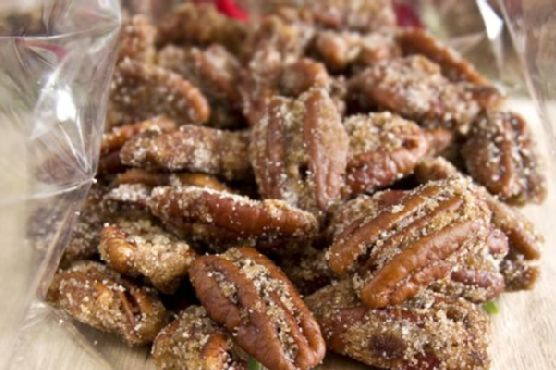
Candied Spiced Pecans | Made by Meaghan Moineau

Candied Spiced Pecans: A Sweet and Savory Delight

Intro

There’s something magical about the aroma of spiced pecans wafting through the house, especially during the holiday season. As a child, I remember my grandmother making batches of these delightful treats for family gatherings. The warmth of the spices combined with the sweetness of the sugar created an irresistible snack that had everyone reaching for more. Today, I’m excited to share this cherished recipe with you, hoping it brings as much joy to your home as it has to ours.

Why You’ll Love It

These Candied Spiced Pecans are a perfect blend of sweet and spicy, offering a crunchy texture that is as satisfying as it is delicious. Whether you’re looking for a quick snack, a topping for salads, or a thoughtful homemade gift, these pecans fit the bill. The combination of spices like cinnamon, cloves, and nutmeg, along with a hint of maple, makes them an irresistible treat that captures the essence of comfort and warmth.

Ingredients

  • 1 tsp allspice
  • 1/2 cup brown sugar
  • 2 tbsp butter
  • 1 tsp cinnamon
  • 1/2 cup granulated sugar
  • 1/4 tsp ground cloves
  • 1 tsp maple extract
  • 1/4 tsp nutmeg
  • 2 cups pecans
  • 1/4 cup water

Instructions

  1. Preheat your oven to 300°F (150°C). Line a cookie sheet with tin foil and coat it with cooking spray. Set aside.
  2. In a shallow bowl, sift together the granulated sugar, cinnamon, allspice, cloves, and nutmeg. Set aside.
  3. In a small bowl, whisk together the maple extract, brown sugar, and water.
  4. Over medium heat, melt the butter in a skillet. Slowly whisk in the brown sugar mixture and bring it to a boil.
  5. Add the pecans to the skillet and stir to coat them thoroughly. Simmer for about 1-2 minutes until well-coated.
  6. Using a slotted spoon, transfer the pecans to the reserved sugar and spice bowl. Coat the pecans evenly with the sugar mixture.
  7. Place the pecans evenly on the prepared cookie sheet and bake for 15 minutes. Stir the pecans and bake for an additional 15 minutes.
  8. Let the pecans cool completely before serving or storing.

Tips

For the best results, make sure to use fresh pecans. Older nuts can lose their natural oils and flavor. Be sure to stir the pecans halfway through the baking process to ensure even coating and roasting. Lastly, allow them to cool completely before storing to maintain their crispiness.

Variations & Substitutions

If you’re looking to switch things up, you can easily substitute walnuts or almonds for the pecans. For a spicier kick, consider adding a pinch of cayenne pepper to the spice mix. If maple extract isn’t available, vanilla extract works as a great alternative, providing a subtly different flavor profile.

Storage

Store your candied spiced pecans in an airtight container at room temperature. They should stay fresh for up to two weeks. You can also freeze them for longer storage, just be sure to let them thaw completely before serving to retain their crisp texture.

FAQ

Can I use salted butter for this recipe?

Yes, you can use salted butter, but it will slightly alter the flavor profile by adding a hint of saltiness. If you prefer to keep the recipe sweet, stick with unsalted butter.

How do I prevent the pecans from sticking together?

Ensure that the pecans are spread out evenly on the baking sheet and stirred halfway through the baking process. This will help prevent clumping and ensure each nut is evenly coated and roasted.

Can I make these pecans in advance?

Absolutely! These candied spiced pecans are perfect for making ahead of time. Just store them in an airtight container as mentioned, and they’ll be ready for any occasion.

Nutrition

While these candied spiced pecans are a treat, they’re also packed with nutrients. Pecans are a great source of healthy fats, fiber, and protein. However, due to the sugar content, it’s best to enjoy them in moderation as part of a balanced diet.

Conclusion

These Candied Spiced Pecans are not just a treat; they’re a tradition that brings warmth and joy to any occasion. Easy to make and incredibly versatile, they’re sure to become a favorite in your home, just as they have in ours. I hope this recipe inspires you to create delicious memories with your loved ones. Enjoy!

Related update: Candied Spiced Pecans

Related update: Medenjaci – Croatian Honey Spice Cookies

Related update: Japanese Gyoza Pot Stickers

Cowboys Late Push: Building Something | Analysis by Brian Moineau

Closing the Year with Purpose: The Cowboys’ Unexpected Summer of Hope

There’s a particular kind of stubborn optimism in football — the kind that refuses to let the season end quietly even when the playoffs are out of reach. After the Dallas Cowboys were officially eliminated from playoff contention in late December 2025, head coach Brian Schottenheimer didn’t send the veterans home early or pivot fully into audition mode. Instead he doubled down on one message: they’re still building something special.

This is not the self-delusion of an owner desperate for headlines or a coach covering for mistakes. It’s a deliberate cultural stance, a claim about identity and process when the scoreboard stings the most.

Why Schottenheimer’s stance matters

  • It reframes the end of a disappointing season as an investment period rather than an admission of failure.
  • The approach protects the delicate balance between player development, veteran stewardship, and organizational continuity.
  • It gives the franchise a narrative heading into 2026: learning, accountability, and sustained standards.

Schottenheimer has been clear: this is year one of a project. That matters for teams that want to avoid the “blow-it-up” cycle and instead create long-term winning habits.

What Schottenheimer actually said

  • He emphasized the immediate focus — “playing the Commanders” and taking each game seriously.
  • He stressed that players still want to play, want to win, and care about one another.
  • He framed culture as intact: practice effort, locker-room cohesion and accountability remain, even if the win-loss column doesn’t show it yet.
  • He acknowledged coaching and execution need fixing, calling out that the record shows “we’re not playing good enough football” and “I’m not coaching good enough football,” while insisting culture is not the problem. (DallasCowboys.com)

This mix of accountability and faith in the locker room is a classic leadership posture — own the failures, but insist on the foundations that will allow you to fix them.

The practical choices behind the rhetoric

  • Managing veterans: Schottenheimer signaled cautious handling of veteran stars (like Dak Prescott) when games get out of hand, balancing player health with momentum-building.
  • Division focus: He pointed out the realistic chance to “go potentially 5‑1 in the division,” reframing the remaining slate into a tangible target that matters to fans and players.
  • Play and practice standards: He highlighted that the team continues to practice and prepare hard — the kind of consistency that helps teams rebound faster in Year Two.

These are not poetic platitudes — they’re operational decisions that shape roster usage, coaching priorities in the offseason, and how the front office evaluates progress.

The broader context

  • This was Schottenheimer’s first year as head coach, a season with notable roster moves and upheavals (including high-profile trades earlier in 2025) and uneven results on defense and offense.
  • Owner Jerry Jones has been publicly intent on “competing now,” which adds pressure to turn culture into wins quickly.
  • Despite the misses, Dallas still landed notable individual recognition (e.g., Pro Bowl nods), underscoring that talent exists even if synergy didn’t consistently follow.

Taken together, the season reads like a classic transitional campaign: flashes of high-level play, recurrent structural issues (especially on defense), and a coach trying to install a long-term identity while under immediate-results pressure.

Nuggets for fans and skeptics

  • This stance isn’t an excuse: Schottenheimer explicitly took coaching responsibility where due. That kind of candor can buy credibility if next season shows measurable improvement.
  • Culture alone won’t win games. The Cowboys will need tangible fixes — schematics, personnel, situational coaching — to translate the “special” rhetoric into wins.
  • The remaining games of the 2025 season were being framed as momentum-building opportunities, not consolation prizes. That matters when evaluating offseason momentum and front-office decisions.

What to watch in 2026

  • Coaching adjustments: Will Schottenheimer change his staff or scheme emphases to stop the defensive slide?
  • Roster moves: Will the front office prioritize pass rush and secondary help to address persistent defensive shortcomings?
  • Player development: Can young and new pieces (and veteran leaders) convert late-season effort into early-season cohesion next year?

If the organization truly believes this is a sustainable build, those are the levers they’ll pull.

A short verdict

You can be skeptical — and you should be. “We’re building something special” is a bold claim from a first-year coach whose team missed the postseason. But there’s credibility in Schottenheimer’s blend of ownership and optimism: he admitted coaching shortcomings, praised the locker-room culture, and set practical goals for the remaining games. If Dallas converts that cultural bedrock into clearer strategic fixes (especially on defense), the phrase won’t sound like wishful thinking next fall.

Final thoughts

Good culture is necessary and messy stuff is inevitable. The true test for the Cowboys will be whether the lessons of 2025 produce measurable change in 2026. Fans don’t just want hope — they want progress. For now, Schottenheimer has given the locker room a direction and the franchise a baseline: finish strong, protect the core, and turn culture into consistent execution. That’s a start worth watching.

Sources


Related update: We recently published an article that expands on this topic: read the latest post.

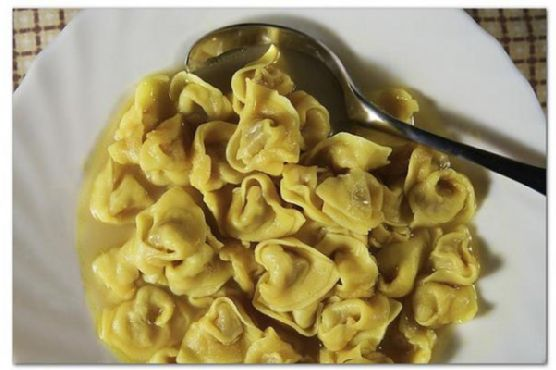
Tortellini In Brodo | Made by Meaghan Moineau

Tortellini In Brodo: A Cozy Italian Classic

Intro

There’s something truly magical about a steaming bowl of tortellini in brodo. It transports me back to my grandmother’s kitchen on a chilly winter evening. I still remember sitting at her rustic wooden table, the warmth from the stove filling the room, as she ladled the aromatic broth into our bowls. The air was filled with laughter, comfort, and the irresistible scent of homemade goodness. Tortellini in brodo is more than just a dish; it’s a memory, a hug in a bowl, and a testament to the power of simple, quality ingredients.

Why You’ll Love It

This recipe for Tortellini in Brodo is not only deeply comforting but also incredibly easy to prepare. It’s perfect for busy weeknights when you crave something warm and satisfying without the fuss. The beauty of this dish lies in its simplicity and the way each ingredient shines through. The rich chicken stock forms a flavorful base, while the lemon juice and zest add a bright, zesty contrast. Topped with a generous grating of parmigiano-reggiano, this dish is a delightful symphony of flavors that will warm your soul and elevate your dinner experience.

Ingredients

  • 6 cups chicken stock
  • 2 tablespoons fresh lemon juice
  • 1 teaspoon lemon zest
  • 1/4 cup grated parmigiano-reggiano
  • Salt and pepper to taste
  • 1 package frozen tortellini

Instructions

  1. In a large pot, bring the chicken stock to a boil over medium-high heat.
  2. Add the frozen tortellini to the boiling stock and cook according to the package instructions until the tortellini are tender and cooked through.
  3. Once cooked, ladle the tortellini and broth into serving bowls.
  4. Squeeze fresh lemon juice into each bowl and stir gently to combine.
  5. Top each serving with a generous amount of grated parmigiano-reggiano and a sprinkle of lemon zest.
  6. Season with freshly ground salt and pepper to taste.
  7. Serve immediately and enjoy the comforting flavors.

Tips

To elevate your Tortellini in Brodo, use the best quality chicken stock you can find or make your own at home. Homemade stock adds depth and richness unmatched by store-bought versions. Be sure to taste the broth before serving to ensure the seasoning is just right. Since the parmigiano-reggiano is quite salty, you may want to adjust the salt level accordingly.

Variations & Substitutions

If you’re looking to personalize this classic dish, consider these variations:

  • Vegetarian Version: Substitute the chicken stock with a robust vegetable broth to make a delightful vegetarian alternative.
  • Protein Boost: Add some shredded rotisserie chicken or cooked Italian sausage to the broth for a heartier meal.
  • Herby Twist: Toss in a handful of fresh spinach or arugula just before serving for a touch of green and added nutrients.
  • Cheese Alternatives: While parmigiano-reggiano is classic, feel free to experiment with other hard cheeses like pecorino romano for a different flavor profile.

Storage

Tortellini in Brodo is best enjoyed fresh, but if you have leftovers, store them in an airtight container in the refrigerator for up to 3 days. When reheating, warm the soup gently on the stove over low heat, adding a splash of stock or water if the broth has thickened. Keep in mind that the tortellini may absorb some of the broth, so you might want to have extra stock on hand to refresh the soup.

FAQ

Can I use fresh tortellini instead of frozen?

Absolutely! Fresh tortellini will work beautifully in this recipe. Just be sure to adjust the cooking time according to the package instructions, as fresh pasta often cooks faster than frozen.

What can I serve with Tortellini in Brodo?

This dish pairs wonderfully with a simple side salad and crusty bread. The salad adds a fresh contrast, while the bread is perfect for soaking up every last drop of the delicious broth.

Is there a way to make this dish gluten-free?

Yes, you can make Tortellini in Brodo gluten-free by using gluten-free tortellini, which is available in many grocery stores. Ensure your chicken stock is also gluten-free, and you’ll have a safe and delicious meal for those with gluten sensitivities.

Nutrition

While Tortellini in Brodo is a comforting and delicious dish, it’s also worth noting its nutritional benefits. The chicken stock is rich in proteins and minerals, while the parmigiano-reggiano provides a good source of calcium. The lemon adds a dose of vitamin C, and if you opt to add greens, you’ll further boost the nutritional profile of this meal. It’s a well-rounded dish that can fit into a balanced diet.

Conclusion

Tortellini in Brodo is more than just a soup; it’s a warm embrace, a nostalgic taste of Italy, and a simple pleasure that brings comfort to any table. Whether you’re seeking to relive cherished memories or create new ones, this dish is sure to become a beloved staple in your kitchen. Its simplicity is its strength, allowing each ingredient to shine and offering a canvas for your culinary creativity. So go ahead, gather your loved ones, and savor the cozy, delightful experience that is Tortellini in Brodo.

Related update: Tortellini In Brodo

Related update: Brussel Sprouts in Bacon and Garlic Sauce

Related update: Pan Seared Lamb Loin With Chimichurri & Roasted Trio Squash Salad With Goat Cheese and Pinenuts

Related update: Wisconsin Beer Cheese Soup

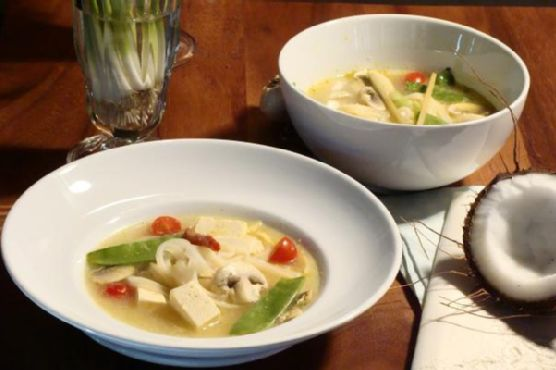
Spicy Lemongrass Soup | Made by Meaghan Moineau

Spicy Lemongrass Soup

Intro

There’s something inherently comforting about a bowl of soup—especially one that’s bursting with complex flavors and a hint of heat. Spicy Lemongrass Soup is a delightful dish that takes me back to my childhood. Growing up, my grandmother would often prepare a steaming pot of soup on chilly days, filling the house with a fragrant aroma that meant warmth and love. Lemongrass was a staple in her kitchen, and its citrusy scent evokes memories of her bustling around, always with a smile and a story. Today, I share with you a modern twist on her classic recipe. This Spicy Lemongrass Soup is not only a tribute to her but also a celebration of flavors that will surely become a favorite in your household too.

Why You’ll Love It

This Spicy Lemongrass Soup is a culinary delight, offering a harmonious blend of flavors that dance on your palate. It’s a perfect balance of spicy, tangy, and savory, with the lemongrass adding a refreshing citrus undertone. This soup is not only delicious but also nourishing, thanks to ingredients like tofu and fresh vegetables. Whether you’re craving something hearty on a cold day or looking for a light yet satisfying meal, this soup ticks all the boxes.

Ingredients

  • 2 stalks fresh lemongrass, chopped into 2-inch pieces and sliced down the center
  • 4-5 red dried peppers
  • 1 knob ginger, grated
  • 3 cloves garlic, minced
  • 4 cups vegetable broth
  • 1 can fresh coconut milk
  • 1 cup tofu cubes
  • 1 cup snow peas
  • 1 cup mushrooms, sliced
  • 4 oz rice noodles
  • Juice of 1 lime

Instructions

  1. Chop the lemongrass into 2-inch pieces and slice down the center. Add to a soup pot along with the vegetable broth, coconut milk, garlic, and ginger.
  2. Bring the mixture to a boil, then reduce the heat and let it simmer on low for 30 minutes. This allows the flavors to meld beautifully.
  3. Once the broth is done simmering, strain it through cheesecloth to remove the lemongrass stalks and any solid bits. The lemongrass stalks are not edible, a lesson I learned the hard way.
  4. Return the strained broth to a simmer and add the tofu, mushrooms, snow peas, and rice noodles.
  5. Add the lime juice. You can add some at the beginning and more at the end before serving for an extra burst of freshness.
  6. Simmer the soup until the noodles are soft, then garnish with grated ginger or scallions before serving.

Tips

For the best results, use fresh lemongrass and ginger. These ingredients are key to the depth of flavor in this soup. If you’re sensitive to spice, you can reduce the number of dried red peppers or remove them altogether. Taste as you go to adjust the seasoning according to your preference.

Variations & Substitutions

This recipe is quite flexible. Feel free to add more vegetables like bell peppers or carrots for added nutrition. If you’re not a fan of tofu, you can substitute it with chicken or shrimp. For a gluten-free option, ensure that the rice noodles are certified gluten-free.

Storage

This soup stores well in the refrigerator for up to 3 days. Simply transfer it to an airtight container once it’s cooled. Reheat it gently on the stove, adding a splash of water or broth if needed. It can also be frozen for up to 2 months. Thaw overnight in the fridge before reheating.

FAQ

Can I use dried lemongrass instead of fresh?

While fresh lemongrass is preferred for its vibrant flavor, dried lemongrass can be used in a pinch. Use about 1 tablespoon of dried lemongrass for this recipe. Remember to adjust the cooking time as dried lemongrass may require a bit longer to release its flavors.

How can I make this soup more filling?

To make this soup more substantial, consider adding more protein like chicken or shrimp. You can also increase the amount of tofu or include additional vegetables such as bell peppers or carrots. Serving it with a side of crusty bread can also make it a heartier meal.

Nutrition

This Spicy Lemongrass Soup is packed with nutritious ingredients. It’s a great source of protein from the tofu, and rich in vitamins from the vegetables. Coconut milk adds a healthy dose of fats, while lemongrass and ginger provide antioxidants. It’s a well-rounded meal that nourishes the body and soul.

Conclusion

Spicy Lemongrass Soup is more than just a meal; it’s a sensory experience that warms the heart and excites the taste buds. With its rich flavors and comforting warmth, it’s a wonderful dish to share with loved ones or enjoy on your own. Whether it’s a nod to nostalgic family recipes or a new addition to your culinary repertoire, I hope this soup brings joy and deliciousness to your table. Enjoy every spoonful!

Related update: Spicy Lemongrass Soup

Related update: Tortellini In Brodo

S&Ps Three-Day Win: Calm or Pause? | Analysis by Brian Moineau

When a Three-Day Win Streak Feels Both Comforting and Fragile

The market closed on a gentle high — the S&P 500 notched its third straight winning session, led by another surge in Nvidia and broad gains across the market. But the calm in stock futures after that three-day run felt more like a pause than a parade: futures were largely flat as investors digested whether the rally has momentum or is simply a holiday-season reprieve.

Quick snapshot

  • The S&P 500 recorded a third consecutive winning session, buoyed by gains in big tech, especially Nvidia.
  • Ten of 11 S&P sectors rose in the session, signaling breadth beyond the usual handful of leaders.
  • Stock futures traded around the flatline after the close, suggesting traders were taking profits or waiting for fresh data and earnings catalysts.

Why this small, steady move matters

Markets don’t always need dramatic headlines to move meaningfully. A three-day winning streak — particularly when it comes with broad sector participation — tells us a few practical things:

  • Market sentiment is constructive. When 10 out of 11 sectors are positive, it isn’t just a narrow tech rally; money is rotating into cyclicals, financials or other pockets as well. That’s a healthier profile for a sustainable advance.
  • Big-cap leadership still matters. Nvidia’s gains have outsized influence on the indexes. When a giant like NVDA moves materially, it can lift the S&P and Nasdaq even if smaller names are mixed.
  • Flat futures after gains can mean caution. Futures trading little changed overnight suggests traders want more clarity — upcoming earnings, economic data, or central bank signals — before pushing the next leg higher.

The backdrop: what investors were weighing

  • Economic signals: Consumer confidence and some “soft” indicators have been mixed — people report feeling less optimistic even as many hard data points (industrial production, housing starts on different days) have surprised to the upside. The disconnect keeps investors guessing about the outlook for growth and inflation.
  • Fed expectations: Any tug-of-war around the timing and scale of Fed rate cuts or pauses is market-moving. If markets increasingly expect cuts, that can sustain rallies; if the data suggests stickier inflation, rallies can stall.
  • Earnings and corporate action: Big company moves — earnings beats, guidance changes, or corporate decisions like buybacks and unusual investments — can quickly change index dynamics. Case in point: Nvidia’s headlines and other large-cap moves often ripple across sector flows.

What to watch next

  • Upcoming economic releases: durable goods, inflation reads, and jobs-related numbers will re-shape Fed expectations and market sentiment.
  • Earnings calendar: a number of companies (including smaller caps and midcaps) reporting can either extend the rally or expose cracks beneath the headline indexes.
  • Leadership breadth: if the rally continues with more sectors participating and small- and mid-caps joining, it’s more robust. If gains narrow back to megacaps, risk of a short-term pullback rises.

Market mood in plain language

Think of this rally like a group hike. The S&P managed three steady steps up the trail with most of the group keeping pace — that’s encouraging. But the guides (futures traders) stayed at the next ridge, scanning the horizon. They’re not sprinting forward yet. They want clarity: will the weather (economic data) hold? Are there dangerous patches ahead (inflation surprises, disappointing earnings)? Until they see it, the pace is cautious.

A few tactical notes for investors (not advice, just common-sense points)

  • If you’re long-term focused, broad participation is encouraging; keep concentrates in line with your plan.
  • If you’re trading shorter term, watch leadership shifts and volume — rallies on thin volume are more fragile.
  • Use upcoming data releases and earnings as checkpoints to reassess exposure, not as triggers for emotionally driven trades.

My take

A three-day win streak with 10 of 11 sectors up is a welcome sign of market health, but the tepid action in futures after the close shows that conviction isn’t universal. Big tech — and Nvidia in particular — remains the fulcrum. For investors, that means celebrating breadth when it appears, but staying disciplined: watch the data, watch leadership, and let conviction build from multiple confirmations rather than one flashy headline.

Sources


Related update: We recently published an article that expands on this topic: read the latest post.


Related update: We recently published an article that expands on this topic: read the latest post.