Double Your Switch 2 Storage Cheaply | Analysis by Brian Moineau

Hook: Double your Switch 2 storage without breaking the bank

If you picked up a Nintendo Switch 2 and already feel the squeeze of downloads and day-one patches, there’s a refreshingly affordable fix: Samsung’s new P9 microSD Express cards are on sale, and the discounts make them an excellent way to more than double your console’s storage for a very reasonable price. This feels like the kind of upgrade every Switch 2 owner will appreciate — fast, future-ready, and finally affordable.

Why this matters right now

  • The Switch 2 ships with a finite amount of internal storage, and big third‑party titles or lots of downloadable content can fill it quickly.
  • Nintendo embraced the newer microSD Express standard for the Switch 2 to allow much faster external storage performance than the original Switch’s UHS‑I microSD cards.
  • Samsung’s P9 cards are built specifically for microSD Express devices (with sequential read speeds up to 800 MB/s), so they’re designed to give the Switch 2 snappy load times and quicker installs compared with older cards. (semiconductor.samsung.com)

The deal (what The Verge reported)

  • Samsung’s P9 microSD Express 256GB model has been discounted — the price starts at roughly $39.99 after a $15 reduction, making it a very affordable way to double some Switch 2 configurations’ available space. The 512GB model was also discounted (about $79.99 after a $40 reduction), which is close to its best price on record. These sale prices were highlighted in coverage of holiday/Cyber Monday promotions. (theverge.com)

How the P9 compares to older microSD options

  • Speed: The P9’s PCIe-based microSD Express performance (reported up to 800 MB/s sequential reads) is several times faster than typical UHS‑I cards used with the original Switch. That helps with game installs, patch downloads and asset streaming. (tech.yahoo.com)
  • Compatibility: Samsung notes the P9 is compatible with Switch 2 and also backward compatible with devices using UHS‑I slots — though on older devices speeds will be limited by the host. (semiconductor.samsung.com)
  • Durability and warranty: Samsung advertises 6-proof protection (water, temperature, X-ray, magnet, drop, wear) and a limited warranty for the P9 line, which is reassuring for users who carry cards between devices or travel with their handheld. (samsung.com)

Who should buy one (and who might wait)

  • Great fit:
    • Switch 2 owners who primarily buy digital games and want to avoid juggling installs.
    • Gamers who want faster load times and a future‑proof card that won’t bottleneck the console.
    • Anyone who likes having a dedicated card for console libraries and backups.
  • Maybe wait:
    • Users who rarely buy digital games and prefer physical cartridges.
    • People who already own a very large (1TB+) microSD Express card or who don’t need the additional speed.
    • Buyers who can wait for deeper discounts (sales often return around major shopping events).

Price perspective

  • A cheap 256GB P9 at around $40 is compelling because it effectively doubles storage for many Switch 2 configurations at a modest cost.
  • The 512GB SKU at roughly $80 gives you more breathing room for an entire digital library and sits near the card’s historic low — if you want to avoid swapping cards frequently, the 512GB is worth the extra outlay. Pricing can fluctuate across retailers, so it’s worth checking multiple stores if you’re hunting for the lowest price. (theverge.com)

Practical tips for buyers

  • Confirm your console: The Switch 2 specifically supports microSD Express — older Switch microSD cards won’t get that full performance boost on the new hardware.
  • Think capacity by game habits: Many Nintendo-published games remain modest in size, but some third‑party AAA titles can be large; if you buy lots of big third‑party games, lean toward larger capacities.
  • Check return policies and warranties: Buy from reputable retailers and keep receipts in case you need warranty service; Samsung lists a limited warranty and 6-proof durability for the P9. (news.samsung.com)

My take

This sale rounds the P9 into a genuinely practical upgrade for most Switch 2 owners. The microSD Express standard unlocks the console’s faster external storage potential, and Samsung’s price cuts make the performance accessible rather than premium-only. If you’re filling up the console or prefer to keep a large library on hand, the 256GB at about $40 is a low-friction, high-value buy — and the 512GB at roughly $80 is the sweet spot if you want to avoid juggling cards. Either way, these discounts turn an obvious accessory into a must-have.

Sources


Related update: We recently published an article that expands on this topic: read the latest post.


Related update: We recently published an article that expands on this topic: read the latest post.

Stir Fry Mushrooms In Butter, Garlic And White Wine | Made by Meaghan Moineau

Stir Fry Mushrooms In Butter, Garlic And White Wine

Intro

There are few things more comforting than the sizzle of mushrooms in a hot pan, enveloped in the aroma of garlic and butter. This recipe for Stir Fry Mushrooms in Butter, Garlic, and White Wine takes me back to my grandmother’s cozy kitchen. I can vividly remember the way she would expertly toss a medley of mushrooms in her well-worn skillet, filling the room with a fragrance that promised a delightful meal. Her secret? A splash of white wine that added a touch of elegance, transforming a simple dish into something truly special. Today, I’m excited to share this recipe with you, hoping it brings as much warmth and joy to your table as it has to mine.

Why You’ll Love It

This dish is a celebration of flavors and textures. The mushrooms are tender and juicy, absorbing the richness of butter and the aromatic punch of garlic. A hint of white wine adds a sophisticated depth, while the teriyaki sauce and balsamic vinegar bring a delightful balance between sweet and tangy. Finished with a touch of chili oil for heat and fresh herbs for brightness, this dish is as versatile as it is delicious. Whether you’re a seasoned home cook or a beginner, you’ll find this recipe simple yet impressive.

Ingredients

  • Fresh shiitake mushrooms
  • White mushrooms
  • Garlic
  • Butter
  • White wine
  • Teriyaki sauce
  • Balsamic vinegar
  • Black ground pepper
  • Salt
  • Chili oil
  • Parsley
  • Diced spring onions

Instructions

  1. Melt the butter in a frying pan over medium heat.
  2. Add the garlic and stir-fry until fragrant, about 1 minute.
  3. Add the mushrooms and stir-fry for 30 seconds, allowing them to absorb the garlic-infused butter.
  4. Pour in the white wine and let it evaporate, infusing the mushrooms with its delicate flavor.
  5. Continue to fry the mushrooms for another minute.
  6. Add salt, black pepper, balsamic vinegar, teriyaki sauce, and chili oil. Fry for an additional minute, ensuring everything is well combined.
  7. Turn the heat to low and add parsley and diced spring onions. Mix well to incorporate the herbs’ freshness.
  8. Transfer the mushrooms to a serving plate and enjoy!

Tips

For the best results, use a mix of fresh shiitake and white mushrooms. Make sure the mushrooms are dry before adding them to the pan to achieve a nice golden-brown sear. If you want a more intense garlic flavor, add an extra clove or two. Always let the white wine fully evaporate to prevent the dish from tasting too acidic. Finally, adjust the amount of chili oil to your heat preference.

Variations & Substitutions

If you’re looking to switch things up, try adding some sliced bell peppers or snap peas for extra color and crunch. For a vegetarian-friendly version, ensure your teriyaki sauce is free of animal products. If you prefer a non-alcoholic version, substitute the white wine with vegetable broth. You can also use olive oil instead of butter for a lighter dish.

Storage

Leftover stir fry mushrooms can be stored in an airtight container in the refrigerator for up to 3 days. To reheat, simply warm them in a skillet over medium heat, adding a splash of water if needed to prevent drying out.

FAQ

Can I use other types of mushrooms?

Absolutely! Feel free to use any mushrooms you have on hand. Cremini, portobello, or oyster mushrooms would all work beautifully in this recipe.

What can I serve with stir fry mushrooms?

These mushrooms are incredibly versatile and can be served as a side dish with grilled meats, tossed with pasta, or even as a topping for bruschetta. They also make a great filling for an omelet or a savory crepe.

Nutrition

This dish is rich in antioxidants and essential nutrients provided by the mushrooms. The garlic and parsley contribute additional health benefits, such as boosting the immune system and providing anti-inflammatory properties. While butter and wine add richness, the dish is relatively low in calories and can be adjusted for dietary preferences.

Conclusion

Stir Fry Mushrooms in Butter, Garlic, and White Wine is more than just a dish; it’s a comforting experience that brings warmth to any table. Its simple preparation and complex flavors make it a perfect recipe for both everyday meals and special occasions. Whether you’re enjoying it as a side dish or the star of your meal, this recipe is sure to become a favorite. I hope you find as much joy in making and sharing this dish as I have.

Related update: Stir Fry Mushrooms In Butter, Garlic And White Wine

Related update: Basil Lime White Bean Hummus

The Quiet Gesture: Mendoza Dad Stays | Analysis by Brian Moineau

A quiet gesture that said everything: Why Fernando Mendoza’s dad stayed seated during the CFP title night

There are moments in sports that need no commentary — a single image, a small action, a split-second decision that carries a lifetime of meaning. During Indiana’s College Football Playoff national championship win, while confetti fell and cameras swarmed the field, one simple choice by Fernando Mendoza’s father captured as much attention as any touchdown: he stayed seated beside his wife. For a generation raised on highlight reels and mic’d-up celebrations, that stillness felt like its own kind of celebration.

Why he stayed seated

  • Fernando Mendoza told reporters the decision is deliberate: his father never stands at games so his mother, Elsa — who has lived with multiple sclerosis for many years and now uses a wheelchair — has an unobstructed view.
  • It’s a practical, daily kindness that became a visible symbol during the national championship: a reminder that support can be quiet, consistent, and profoundly public without fanfare. (si.com)

The scene and the stakes

  • The moment came after Indiana’s 27–21 victory over Miami on January 19, 2026, a result that capped a perfect 16–0 season and the program’s first national title.
  • Cameras caught Fernando kneeling to embrace his mother on the field and then hugging his father — the family tableau that followed the final whistle made the simple act of sitting together feel cinematic. Fans and media quickly picked up on the family’s dynamic and the tender reasoning behind it. (people.com)

Why that small choice resonates beyond the stadium

  • It reframes what “being there” means. In a culture that often equates presence with exuberance, Mendoza Sr.’s choice is a reminder that presence can be attentiveness — a daily accommodation born of love and necessity.
  • It humanizes elite athletes. Mendoza’s on‑field heroics are headline material, but the image of a family tending to each other in plain sight helps fans connect on a deeper level.
  • It lifts the conversation about caregiving into view. Multiple sclerosis and other chronic conditions touch millions of families. The Mendoza family’s public gratitude and visible accommodations subtly amplify that reality and the dignity of caregiving. (people.com)

Lessons from one seat in the stands

  • Small habits tell big stories: the things families do every day — trading places, holding hands, staying seated so someone else can see — are powerful narratives when we slow down to notice.
  • Public platforms can humanize private struggles: championship stages and national television gave an intimate family practice a wide audience, and the reaction showed people were hungry for that kind of humanity.
  • Visibility matters: when public figures show the real contours of family life, the conversation about accessibility, accommodation, and caregiving gets a wider, more compassionate hearing.

A few takeaways for fans and fellow humans

  • Actions matter more than spectacle. A quiet, thoughtful gesture can be as meaningful as the loudest celebration.
  • Empathy scales — seeing someone make room (literally) for their loved one invites us all to consider how we make space in our own lives.
  • Celebrations are for everyone. The best moments in sport are those where victory is shared, not staged.

My take

The image of Fernando kneeling with his mom and then embracing his dad — who had been sitting the whole time — felt like a small redemption of what sports are supposed to be about: community and connection. Mendoza’s father didn’t stand to avoid blocking Elsa’s view; he sat to make sure she was included. In a season filled with buzzer-beaters, viral interviews, and Heisman buzz, that quiet choice cut to the core of what makes the Mendoza story stick: family before finish line.

Sources


Related update: We recently published an article that expands on this topic: read the latest post.


Related update: We recently published an article that expands on this topic: read the latest post.

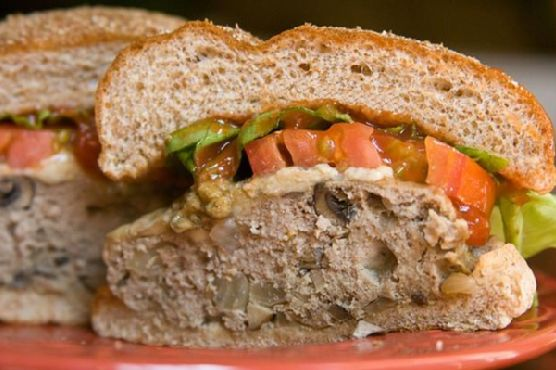
Blue Cheese and Mushroom Turkey Burger | Made by Meaghan Moineau

Blue Cheese and Mushroom Turkey Burger

Intro

There’s something magical about the sizzle of a burger on the grill, the aroma wafting through the air, and the anticipation of that first juicy bite. When I was growing up, summer evenings were often spent in the backyard, my dad at the grill perfecting his burger technique. Those days were filled with laughter, the smell of freshly cut grass, and the comforting sound of cicadas in the distance. Inspired by those cherished memories, I crafted this Blue Cheese and Mushroom Turkey Burger to combine nostalgia with a rich, gourmet twist. Let me walk you through why this burger is going to become your next favorite.

Why You’ll Love It

This Blue Cheese and Mushroom Turkey Burger is a delightful fusion of flavors that will tantalize your taste buds. The earthy mushrooms combined with the savory turkey provide a hearty base, while the blue cheese adds a creamy, tangy finish. Whether you’re a grilling novice or a seasoned pro, this recipe is straightforward and satisfying. Plus, it’s a healthier alternative to traditional beef burgers without sacrificing any of the flavors.

Ingredients

  • 2 garlic cloves, minced
  • 1 pound of ground turkey
  • 1 onion, finely chopped
  • 1 cup portabello mushrooms, diced
  • 1 pinch of sea salt
  • 1 tablespoon soy sauce
  • Blue cheese, crumbled, for topping

Instructions

  1. In a large mixing bowl, combine the minced garlic, ground turkey, chopped onion, diced portabello mushrooms, sea salt, and soy sauce. Mix thoroughly until all ingredients are well incorporated.
  2. Divide the mixture into equal portions and form them into patties, making sure they’re not too thick for even cooking.
  3. Preheat your grill or a large frying pan over medium-high heat. Place the patties on the grill or in the pan.
  4. Cook the burgers for about 5-6 minutes on each side, flipping once, until they are cooked through and reach an internal temperature of 165°F (74°C).
  5. Once the burgers are cooked, add a small amount of crumbled blue cheese on top of each patty.
  6. If you’re using a grill, close the grill top and allow the cheese to melt for 1-2 minutes. If pan-frying, cover the pan with a lid to melt the cheese.
  7. Remove the burgers from the heat and let them rest for a couple of minutes before serving.

Tips

For the best results, make sure your turkey is fresh and not frozen. Fresh herbs like thyme or rosemary can be added to the mixture for an extra burst of flavor. If you’re grilling, lightly oil the grates to prevent sticking. Letting the burgers rest ensures the juices redistribute, keeping them moist and delicious.

Variations & Substitutions

Feel free to experiment with the ingredients. If blue cheese isn’t your favorite, try using goat cheese or feta for a different yet equally delicious taste. For a spicier kick, add a pinch of cayenne pepper or some chopped jalapeños to the turkey mixture. If you’re avoiding soy, try using Worcestershire sauce as an alternative.

Storage

Store any leftover burgers in an airtight container in the refrigerator for up to 3 days. To reheat, place them in a preheated oven at 350°F (175°C) until warmed through, or use a microwave. If freezing, wrap each patty individually in plastic wrap and store in a freezer bag for up to 3 months. Thaw in the refrigerator before reheating.

FAQ

Can I use a different type of cheese?

Absolutely! While blue cheese adds a unique flavor, you can substitute it with any cheese you prefer, such as cheddar, Swiss, or mozzarella. Each will bring its own distinct taste to the burger.

How can I make this recipe gluten-free?

To make this recipe gluten-free, ensure that your soy sauce is labeled gluten-free, or substitute it with tamari, which is naturally gluten-free. Check all other ingredient labels to ensure they are gluten-free as well.

Nutrition

This turkey burger is a healthier alternative to traditional beef burgers. It’s lower in fat and calories, making it a suitable option for those looking to enjoy a delicious meal without the guilt. The addition of mushrooms not only enhances the flavor but also adds fiber and nutrients.

Conclusion

Whether you’re reminiscing about summer barbecues or simply looking for a new recipe to try, this Blue Cheese and Mushroom Turkey Burger is sure to impress. Its rich, savory flavors and creamy cheese topping create a delightful culinary experience that’s both comforting and sophisticated. So, fire up your grill or heat up your pan and indulge in this delightful twist on a classic favorite. Enjoy every bite, and don’t forget to share the love with family and friends!

Related update: Blue Cheese and Mushroom Turkey Burger

Related update: Boeuf Bourgignon

Creamsicle Cookies | Made by Meaghan Moineau

Creamsicle Cookies

Intro

There’s something magical about the combination of orange and vanilla that takes me back to my childhood. I remember those hot summer days when I would run to the ice cream truck, clutching my allowance, eagerly anticipating the creamy delight of a creamsicle. The tangy orange wrapped around the smooth vanilla ice cream was a taste of pure joy. Today, I’m thrilled to share a recipe that captures that nostalgic flavor in cookie form: Creamsicle Cookies. These delightful treats are perfect for a sunny afternoon or a cozy evening with a cup of tea.

Why You’ll Love It

If you’re a fan of the classic creamsicle, these cookies are sure to become your new favorite treat. They offer a delightful balance of flavors—the citrusy burst of orange zest paired with the rich sweetness of white chocolate chips. Not only are these cookies delicious, but they’re also incredibly easy to make. Whether you’re a seasoned baker or just starting out, you’ll find this recipe straightforward and rewarding. Plus, these cookies are perfect for any occasion, from family gatherings to a simple afternoon snack.

Ingredients

  • 2 cups all-purpose flour
  • 1/2 teaspoon baking soda
  • 1/4 teaspoon salt
  • 1/2 cup firmly packed brown sugar
  • 1/2 cup granulated sugar
  • 1/2 cup butter, softened
  • 1 large egg
  • 1 teaspoon vanilla extract
  • 1 tablespoon orange zest
  • 1 cup white chocolate chips

Instructions

  1. Preheat your oven to 375°F (190°C).
  2. In a small bowl, combine the flour, baking soda, and salt; set aside.
  3. In a large bowl, cream together the butter, brown sugar, and granulated sugar until light and creamy.
  4. Beat in the egg and vanilla extract until smooth and well combined.
  5. Gradually add the flour mixture to the wet ingredients, mixing until just combined.
  6. Stir in the orange zest and white chocolate chips until evenly distributed.
  7. Drop rounded teaspoonfuls of dough onto ungreased cookie sheets. Do not flatten the cookies; it will make them dry.
  8. Bake for 8-10 minutes or until the edges are golden brown. Avoid overcooking to keep the cookies plump and soft.
  9. Allow the cookies to cool on the sheets for several minutes before transferring them to a wire rack to cool completely.
  10. Store the cookies in an airtight container to maintain their freshness.

Tips

For the best results, make sure your butter is softened but not melted. This will help create that perfect creamy texture in your cookie dough. Also, be mindful of the baking time; slightly underbaking the cookies will keep them soft and chewy.

Variations & Substitutions

If you’re looking to switch things up, consider substituting half of the white chocolate chips with milk or dark chocolate chips for a richer flavor. For a nuttier texture, you can also add a half-cup of chopped nuts like almonds or pecans. If you don’t have fresh oranges, you can use a teaspoon of orange extract in place of the zest, though fresh zest will give the most vibrant flavor.

Storage

Store your Creamsicle Cookies in an airtight container at room temperature for up to a week. If you’d like to keep them longer, consider freezing the baked cookies or the dough. To freeze the dough, scoop it into balls and freeze on a baking sheet before transferring to a freezer bag. Bake from frozen, adding an extra minute or two to the baking time.

FAQ

Can I use margarine instead of butter?

While you can use margarine as a substitute for butter, it may alter the flavor and texture slightly. Butter provides a richer taste and a better texture for these cookies.

How can I make the cookies less sweet?

If you find the cookies too sweet, consider reducing the amount of white chocolate chips, or use a mix of white and dark chocolate chips to balance the sweetness.

Can I add more orange flavor?

Absolutely! You can increase the amount of orange zest or add a few drops of orange extract for a more pronounced citrus flavor.

Nutrition

These cookies are meant to be a treat, so while they are deliciously indulgent, remember to enjoy them in moderation. Each cookie (assuming the recipe makes about 24) contains approximately 120 calories, 6 grams of fat, 16 grams of carbohydrates, and 1 gram of protein.

Conclusion

Creamsicle Cookies are a delightful reminder of those cherished childhood memories wrapped in a deliciously modern twist. Whether you’re baking for family, friends, or just yourself, these cookies are sure to bring a smile to anyone’s face. I hope this recipe brings a bit of sunshine and nostalgia to your kitchen. Happy baking, and enjoy every bite!

Related update: Creamsicle Cookies

Related update: Pear and Walnut Coffee Cake

Related update: Brown sugar & Spice Sugar cookie frogs

Stefanski Keeps Ulbrich for Defense Plan | Analysis by Brian Moineau

When continuity meets change: Why the Falcons kept Jeff Ulbrich after hiring Kevin Stefanski

A crisp weekend in Atlanta brought big headlines: Kevin Stefanski was introduced as the Falcons’ new head coach on January 17, 2026 — and two days later the franchise quietly made another important decision. Jeff Ulbrich, the architect behind Atlanta’s sudden pass-rush renaissance, will stay on as defensive coordinator under Stefanski on a new three‑year deal. The pairing is one part bold reset and one part deliberate continuity — and that mix could define the next chapter for the Falcons. (atlantafalcons.com)

Why this matters right now

  • The Falcons hired Kevin Stefanski as head coach on January 17, 2026, handing him the keys to a roster with clear weapons but lingering questions at quarterback and continuity questions on staff. (atlantafalcons.com)
  • Ulbrich’s defense produced a franchise‑record 57 sacks in 2025 and improved Atlanta’s pass rush from a chronic weakness into a clear strength — a turnaround that owner Arthur Blank and new leadership wanted to preserve. Keeping Ulbrich preserves momentum on that side of the ball. (espn.com)
  • Stefanski comes from an offensive, run‑centric background; retaining Ulbrich signals a two‑pronged approach: refresh the offense while keeping the defensive foundation intact. (atlantafalcons.com)

The narrative at play

Think of the Falcons’ offseason so far as a chess move followed by a safety blanket. Atlanta hired a coach known for play‑calling discipline, offensive structure and quarterback management. Stefanski’s résumé includes two AP Coach of the Year awards and sustained emphasis on a physical rushing attack. That’s the chess move — a clear directional choice for the offense and culture. (atlantafalcons.com)

Keeping Jeff Ulbrich is the safety blanket. Ulbrich’s 2025 defense flipped a stubborn team weakness into a real asset: younger edge rushers like James Pearce Jr. and Jalon Walker broke out, and the unit posted numbers that made opponents respect Atlanta’s ability to pressure quarterbacks. Owner and new president-level leadership preferred not to hit the reset button on a defense that finally looked like it had identity and upward trajectory. (espn.com)

What this could mean on the field

  • Defensive identity stays: With Ulbrich in place, expect the Falcons to keep aggressive pass-rush concepts and continue prioritizing edge development. That helps simplify defensive planning while Stefanski installs his offensive concepts. (espn.com)
  • Offense refresh under Stefanski: Stefanski will likely bring trusted assistants and an emphasis on a strong rushing foundation and clean QB mechanics; how he meshes with Atlanta’s quarterback situation (Kirk Cousins vs. Michael Penix Jr. recovery timeline) will be a key storyline. (atlantafalcons.com)
  • Balance of power in the building: Retaining Ulbrich — with a new three‑year contract reported — suggests owner and president want collaboration, not wholesale staff purge. That can speed up roster construction and offseason program planning. (nbcsports.com)

Things to watch this offseason

  • Which Stefanski assistants follow him to Atlanta, and how their offensive philosophy integrates with the existing roster and Bijan Robinson’s skill set. (atlantafalcons.com)
  • How the Falcons manage the QB timeline for Michael Penix Jr.’s recovery versus a potential veteran plan — Stefanski’s past experience with rotating quarterbacks is relevant context. (theguardian.com)
  • Whether Ulbrich’s defensive scheme remains the same or is adapted to better complement Stefanski’s offensive tempo and personnel demands. (espn.com)

Notes on fit and risk

  • The upside: Continuity on defense buys Stefanski breathing room to implement offensive systems without sacrificing recent defensive gains. Young pass-rushers already on the roster give Ulbrich real tools to build with. (espn.com)
  • The risk: If Stefanski and Ulbrich’s philosophies clash in practice planning, game planning, or personnel priorities — especially in how draft/FA resources are allocated between offense and defense — the “best of both worlds” approach could devolve into mixed messaging. Alignment up front will be essential. (atlantafalcons.com)

My take

This move reads as savvy and pragmatic. The Falcons could have made a clean sweep and risked losing the defensive momentum that finally emerged in 2025. Instead, they paired a proven offensive-minded head coach with the defensive architect who gave them a sudden identity. Success won’t be automatic — quarterback clarity and staff alignment are the heavy lifts — but the franchise has at least given itself a real shot at stabilizing both sides of the ball. If Stefanski and Ulbrich can coordinate a coherent plan that values complementary strengths, the Falcons might be building toward consistency instead of another reboot.

Final thoughts

Coaching changes are often loud and disruptive. The quiet, deliberate retention of Jeff Ulbrich after hiring Kevin Stefanski suggests Atlanta’s leadership prefers a hybrid approach: change where they need it most (offense/head coach) and continuity where it actually worked (defense). That’s a promising formula — provided everyone is rowing the same way.

Sources


Related update: We recently published an article that expands on this topic: read the latest post.


Related update: We recently published an article that expands on this topic: read the latest post.

OpenAIs 2026 Device: AI Goes Physical | Analysis by Brian Moineau

OpenAI’s Hardware Play: Why a 2026 Device Could Change How We Live with AI

A little of the future just walked onto the stage: OpenAI says its first consumer device is on track for the second half of 2026. That short sentence—uttered by Chris Lehane at an Axios event in Davos—does more than announce a product timeline. It signals a strategic shift for the company that built ChatGPT: from cloud‑first software maker to contender in the messy, expensive world of physical consumer hardware.

The hook

Imagine an always‑available, pocketable AI that understands context instead of just answering queries—a device designed by creative minds who shaped the modern smartphone look and feel. That’s the ambition flying around today. It’s tantalizing, but it also raises familiar questions: privacy, battery life, compute costs, and whether consumers really want yet another connected gadget.

What we know so far

  • OpenAI’s timeline: executives have told reporters they’re “looking at” unveiling a device in the latter part of 2026. More concrete plans and specs will be revealed later in the year. (Axios) (axios.com)
  • Design pedigree: OpenAI’s hardware push follows its acquisition/partnerships with design talent associated with Jony Ive (the former Apple design chief), suggesting a heavy emphasis on industrial design and user experience. (axios.com)
  • Rumors and supply chain signals: reporting from suppliers and industry outlets has pointed to small, possibly screenless form factors (wearable or pocketable), engagement with Apple‑era suppliers, and various prototypes from earbuds to pin‑style devices. Timelines in some reports stretch into late 2026 or 2027 depending on hurdles. (tomshardware.com)

Why this matters beyond a new gadget

  • Productization of advanced LLMs: Turning a model into a responsive, always‑on product requires different engineering priorities—latency, offline inference, secure context retention, and efficient wake‑word detection. A working device would be one of the first mainstream bridges between large multimodal models and daily, ambient interactions.
  • Platform power and partnerships: If OpenAI ships hardware, it won’t just sell a device—it will create another platform for models, apps, and integrations. That has implications for existing tech partnerships (including those with cloud providers and phone makers) and competition with companies that already own both hardware and ecosystems.
  • Design as differentiation: Pairing top‑tier AI with high‑end design could reshape expectations. People tolerated clunky early smart speakers and prototypes; a device with compelling industrial design and thoughtful UX could accelerate adoption.
  • Privacy and regulation: An always‑listening, context‑aware device intensifies privacy scrutiny. How data is processed (on‑device vs. cloud), what’s retained, and how transparent the device is about listening will likely determine public and regulatory reception.

Opportunities and risks

  • Opportunities

    • More natural interaction: voice and ambient context could make AI feel less like a search box and more like a helpful companion.
    • New experiences: context memory and multimodal sensors (audio, possibly vision) could enable truly proactive assistive features.
    • Market differentiation: OpenAI’s brand and model strength, combined with great design, could attract buyers dissatisfied with current assistants.
  • Risks

    • Compute and cost: serving powerful models at scale (especially if interactions rely on cloud inference) could be prohibitively expensive or require compromises in performance.
    • Privacy backlash: always‑on sensors and context retention will invite scrutiny and could deter mainstream uptake unless privacy is baked in and clearly communicated.
    • Hardware pitfalls: manufacturing, supply chain, battery life, and durability are areas where software companies often stumble.
    • Ecosystem friction: device makers and platform owners may be wary of a third‑party assistant competing on their hardware.

What to watch in 2026

  • Concrete specs and pricing: Are we seeing a $99 companion device or a premium $299+ product? Price frames adoption potential.
  • Architecture choices: How much processing happens on device versus in the cloud? That will reveal tradeoffs OpenAI is willing to make on latency, cost, and privacy.
  • Integrations and partnerships: Will it be tightly integrated with phones/OSes, or positioned as a neutral companion that works across platforms?
  • Regulatory and privacy disclosures: Transparent, simple explanations of how data is used will be crucial to avoid regulatory headaches and consumer distrust.

A few comparisons to keep in mind

  • Humane AI Pin and Rabbit R1 showed the appetite—and the pitfalls—for new form factors that try to shift interactions away from phones. OpenAI has stronger model tech and deeper user familiarity with ChatGPT, but hardware execution is a new test.
  • Apple, Google, Amazon: each company already mixes hardware, software, and cloud in distinct ways. OpenAI’s entrance could disrupt how voice and ambient assistants are designed and monetized.

My take

This isn’t just another gadget announcement. If OpenAI ships a polished, privacy‑conscious device that leverages its models intelligently, it could nudge the market toward more ambient AI experiences—where the interaction model is context and conversation, not tapping apps. But the company faces steep non‑AI challenges: supply chains, cost control, battery engineering, and the thorny politics of always‑listening products. Success will depend less on model size and more on product judgment: what to process locally, what to ask the cloud, and how to earn user trust.

Sources

Final thoughts

We’re at an inflection point: combining the conversational strengths of modern LLMs with thoughtful hardware could make AI feel like a native part of daily life instead of an app you visit. That’s exciting—but the real test will be whether OpenAI can translate AI brilliance into a device people actually want to live with. The second half of 2026 may give us the answer.


Related update: We recently published an article that expands on this topic: read the latest post.


Related update: We recently published an article that expands on this topic: read the latest post.


Related update: We recently published an article that expands on this topic: read the latest post.

Creamy White Chili | Made by Meaghan Moineau

Creamy White Chili

Intro

There’s something magical about the blend of flavors in a warm, hearty bowl of chili. Growing up, my family had a tradition of making this Creamy White Chili every year as the leaves began to turn and the air became crisp. The kitchen would be filled with the comforting aroma of onions and garlic, mingling with the richness of chicken and the subtle heat of green chilies. I remember sitting by the window, watching the golden leaves dance in the breeze, while eagerly waiting for dinner to be served. This recipe is more than just a meal; it’s a cherished memory that I now get to share with you.

Why You’ll Love It

This Creamy White Chili is perfect for those who crave a comforting, flavorful meal with a touch of nostalgia. It’s a refreshing take on traditional chili, featuring tender chicken, creamy textures, and a delightful medley of spices. Whether you’re hosting a cozy dinner party or simply looking for a satisfying weeknight meal, this chili is sure to become a favorite in your household. The best part? It’s simple to make and can be ready in just under an hour.

Ingredients

  • Black pepper
  • Canned great northern beans
  • Chicken (cubed)
  • Canned chicken broth
  • Cumin
  • Garlic (minced)
  • Canned green chilies
  • Heavy whipping cream
  • Olive oil
  • Onion (chopped)
  • Oregano
  • Salt
  • Shredded cheddar cheese
  • Sour cream

Instructions

  1. In a heavy saucepan, sauté the chicken, onion, and garlic in olive oil over medium heat until the chicken is cooked through and the onion is translucent.
  2. Add the chicken broth, great northern beans, green chilies, cumin, oregano, salt, and black pepper to the pan.
  3. Reduce the heat to low and let the mixture simmer for 20 minutes, allowing the flavors to meld together.
  4. Remove the pan from heat and stir in the sour cream and heavy whipping cream until the chili is smooth and creamy.
  5. Serve hot, topped with shredded cheddar cheese for an extra layer of richness.

Tips

For the best results, use fresh chicken and quality canned beans. Adjust the level of heat by varying the amount of green chilies or adding a pinch of cayenne pepper for extra spice. Be sure to simmer the chili gently to avoid curdling the cream.

Variations & Substitutions

Feel free to make this recipe your own by trying different variations. You can substitute turkey for chicken, or use a mix of different beans such as cannellini or navy beans. For a vegetarian version, omit the chicken and use vegetable broth instead of chicken broth. Add extra vegetables like bell peppers or corn for added texture and flavor.

Storage

Store any leftover chili in an airtight container in the refrigerator for up to 3 days. To reheat, warm gently on the stove over low heat, stirring occasionally. For longer storage, freeze the chili in a freezer-safe container for up to 3 months. Thaw overnight in the refrigerator before reheating.

FAQ

Can I make this chili in a slow cooker?

Absolutely! To make this chili in a slow cooker, sauté the chicken, onion, and garlic as directed, then transfer to the slow cooker along with the rest of the ingredients except for the creams and cheese. Cook on low for 4-6 hours, then stir in the sour cream and heavy whipping cream before serving.

How can I make this dish spicier?

If you prefer a spicier chili, consider adding some diced jalapeños or a few dashes of hot sauce. You can also increase the amount of green chilies or experiment with different types of chili peppers to achieve your desired level of heat.

Is there a lighter version of this recipe?

For a lighter version, use reduced-fat sour cream and cream, or substitute with Greek yogurt for a healthier alternative. You can also use skinless chicken breast to reduce fat content while keeping the flavor intact.

Nutrition

While nutritional values can vary based on specific ingredients and portion sizes, this Creamy White Chili is rich in protein and calcium, thanks to the chicken and cheese. It also provides a good amount of fiber from the beans. For those watching their intake, opt for reduced-fat dairy options to lower the calorie and fat content.

Conclusion

This Creamy White Chili is a heartwarming dish that brings together the best of comfort food with a unique twist. Whether you’re revisiting a cherished family tradition or creating new memories, this recipe promises to deliver warmth and satisfaction with every spoonful. We hope you enjoy making and sharing it as much as we do. Happy cooking!

Related update: Creamy White Chili

Related update: Blue Cheese and Mushroom Turkey Burger

Related update: Caribbean black bean and sweet potato soup

Swiatek’s Rocky Start to Australian Open | Analysis by Brian Moineau

Iga Swiatek’s Melbourne wobble: a career-Grand-Slam bid that started rough, not broken

The first night lights at Rod Laver Arena are rarely kind to favorites who aren’t firing on all cylinders. Iga Swiatek — a player already with six majors on her résumé and the elusive Australian Open waiting to complete a career Grand Slam — survived more than scraped through on Day 2, edging Chinese qualifier Yuan Yue 7-6(5), 6-3 on 19 January 2026. It wasn’t the statement win many expected. But neither was it a collapse. What we saw was a champion reminded that the long road to a title can begin with a bumpy step.

The match, in three telling moments

  • Yuan Yue served for the first set at 5-4 and generally played like someone who belonged on the big stage — aggressive, fearless and extending rallies that exposed Swiatek’s early rust.
  • Swiatek’s backhand came to the rescue at the key moments: a clutch inside-out winner late in the set and decisive winners in the tiebreak kept Yuan from pulling off a shock.
  • After a wobble that included three breaks conceded and a worrying 30+ unforced errors in some reports, Swiatek opened the second set with a 3-0 lead and eventually closed it out — but not without Yuan saving match point and showing grit before finally giving way.

Why this matters beyond a first-round scoreline

  • A career Grand Slam is a rare and heavy objective. Winning Roland-Garros, Wimbledon and the US Open already proves Swiatek’s surface versatility; Melbourne, however, has its own demands — different bounce, climate, and a field where early-season form can vary wildly.
  • The scoreline (7-6, 6-3) masks the effort required. Qualifiers like Yuan often arrive battle-hardened and low-pressure; they can be dangerous early, especially if a top seed hasn’t yet hit match speed.
  • For Swiatek, the match was diagnostic: it revealed issues to tidy up (first-set starts, unforced errors under pressure) but also confirmed strengths to rely on (a heavy, accurate backhand and mental spine in clutch moments).

What the numbers and coverage say

  • Match stats reported across outlets show Swiatek finished with a clear winners count but also an unusually high number of unforced errors for her standards — a classic sign of timing problems more than tactical failure.
  • Multiple reputable reports (WTA, Reuters, AP and others) highlighted the same narrative: a scare in set one, late composure, and plenty to work on for the weeks ahead. The consistent takeaway across these outlets is that Swiatek did what champions do: find a way to win even on an off night. (wtatennis.com)

What fans and pundits are likely thinking

  • Expect patience from the Swiatek camp. She’s beaten top opponents on all surfaces, and an opening match like this at a Grand Slam is not unprecedented even for eventual champions.
  • Opponents will notice vulnerabilities they might try to exploit: early momentum swings, timing against deep hitters, and pressure points when Swiatek is not yet in rhythm.
  • Yet the clinical backhand under pressure and the ability to close out tight moments remind us that Swiatek still has the tools necessary to go deep in Melbourne.

How this shapes the rest of her Australian Open

  • Short term: Swiatek’s second-round draw (Marie Bouzková) offers a chance to sharpen match feet without an immediate return to the furnace of a top-10 heavyweight.
  • Medium term: If she tightens up early-set starts and reduces unforced errors, the rest of the draw should be manageable. If not, Melbourne’s long days and varied opponents could create more slips.
  • Long term: One scrappy match doesn’t rewrite a career — but patterns can. Coaches and analysts will watch whether this was a one-off rustiness or the beginning of a form dip that needs tactical or physical correction.

A few micro-lessons from Rod Laver Arena

  • Qualifiers are dangerous: ranking is context-dependent; match tennis and momentum matter.
  • Big-match composure counts: Swiatek’s backhand and ability to play the big point saved her here.
  • Early-season tournaments can produce deceptive scorelines: close wins can hide problems, and straight-set losses can mask resurgence.

What I’m watching next

  • How Swiatek manages her serve percentage and second-serve points won — improving those would make her much harder to pressure early.
  • Whether she cuts down the unforced errors without sacrificing the winners that define her game.
  • The timing: does she find a groove quickly against Bouzková, or will we see more scratched paint before she really starts firing?

Final thoughts

This was not the masterclass some expected from a player hunting career completeness, but it was a useful reminder: champions don’t always dominate — sometimes they survive and learn. Swiatek left Melbourne with a win and a highlight reel of clutch backhands. More importantly, she left with a to-do list. If she treats this opening night as a reset rather than a warning bell, her grand-slam ambitions remain alive — and perhaps sharper for having weathered the storm.

Sources

(Note: match played 19 January 2026; cited reports published 19–20 January 2026.)


Related update: We recently published an article that expands on this topic: read the latest post.


Related update: We recently published an article that expands on this topic: read the latest post.

Dulce De Leche Cheesecake | Made by Meaghan Moineau

Dulce De Leche Cheesecake

Intro

There’s something magical about the moment when you take your first bite of a perfectly crafted cheesecake. For me, it brings back memories of sitting in my grandmother’s cozy kitchen, watching her create the most delightful desserts with her loving touch. Her signature Dulce De Leche Cheesecake was always a family favorite, and I’m thrilled to share this cherished recipe with you. It’s a creamy, indulgent treat that will transport you to a place of warmth and sweetness.

Why You’ll Love It

This Dulce De Leche Cheesecake is the epitome of comfort and indulgence. The rich, creamy texture paired with the sweet, caramel-like flavor of dulce de leche creates an irresistible dessert experience. Whether you’re serving it at a dinner party or enjoying a slice with your afternoon coffee, this cheesecake is sure to impress.

  • The combination of almond cookie crust and luscious filling is a match made in heaven.
  • It’s a make-ahead dessert, perfect for entertaining or a special occasion.
  • The recipe is straightforward, making it accessible even for novice bakers.
  • Each bite offers a perfect balance of sweetness and tanginess, thanks to a hint of lemon.

Ingredients

  • 200g almond cookies, crushed
  • 2 tablespoons cornstarch
  • 400g Philadelphia balance cream cheese
  • 1 cup dulce de leche
  • 3 large eggs
  • 1 tablespoon lemon juice
  • 1 teaspoon lemon zest
  • 1/4 teaspoon salt
  • 1/2 cup sugar
  • 100g unsalted butter, melted
  • 1/2 cup plain yogurt

Instructions

  1. Preheat your oven to 165°C (330°F) and grease a 24cm springform pan.
  2. In a mixing bowl, toss the crushed almond cookies with the melted butter until well combined. Reserve 1 tablespoon of the mixture for the topping.
  3. Press the remaining mixture into the bottom and 3cm up the sides of the prepared springform pan. Chill in the refrigerator until ready to use.
  4. In a large mixing bowl, beat the cream cheese and sugar with an electric mixer on medium speed until smooth and creamy.
  5. Add the yogurt and eggs, one at a time, beating until just blended after each addition.
  6. Stir in the cornstarch, dulce de leche, lemon juice, and zest until everything is well combined.
  7. Pour the cream cheese mixture into the prepared crust, smoothing the top with a spatula.
  8. Sprinkle the reserved cookie crumbs over the top of the cheesecake.
  9. Place the cheesecake in a larger baking pan and fill the outer pan with hot water, about halfway up the side of the springform pan, to create a water bath.
  10. Bake for 65 minutes or until the edges are set but the center still jiggles slightly.
  11. Turn the oven off and leave the cheesecake in the oven with the door ajar for 1 hour to cool gradually.
  12. Remove the cheesecake from the oven and let it cool completely on a wire rack.
  13. Chill the cheesecake in the refrigerator for at least 4 hours or overnight until firm.

Tips

  • Ensure all ingredients are at room temperature for a smoother batter.
  • To prevent cracks, avoid overmixing the batter and ensure a gradual cooling process.
  • Use a water bath to maintain even baking and prevent the cheesecake from drying out.

Variations & Substitutions

  • Crust: Substitute almond cookies with graham crackers or digestive biscuits for a different flavor.
  • Dulce De Leche: Swap with caramel sauce if preferred, but note that the flavor profile will change slightly.
  • Yogurt: Greek yogurt or sour cream can be used as substitutes for a creamier texture.

Storage

Store any leftover cheesecake in the refrigerator, covered, for up to 5 days. For longer storage, wrap individual slices tightly in plastic wrap and place them in an airtight container in the freezer for up to 2 months. Thaw in the refrigerator before serving.

FAQ

Can I make this cheesecake ahead of time?

Absolutely! This cheesecake is perfect for making ahead. Prepare and chill it the day before serving to allow the flavors to meld beautifully.

What is the best way to slice the cheesecake?

To achieve clean slices, use a sharp knife dipped in hot water and wiped dry between cuts. This prevents the filling from sticking to the knife.

How can I tell when the cheesecake is done baking?

The cheesecake is done when the edges are set, and the center jiggles slightly when gently shaken. It will continue to firm up as it cools.

Nutrition

Each serving of Dulce De Leche Cheesecake offers a delightful combination of flavors with approximately 420 calories, 25g fat, 40g carbohydrates, and 8g protein. Enjoy this treat in moderation as part of a balanced diet.

Conclusion

This Dulce De Leche Cheesecake is more than just a dessert; it’s a piece of nostalgia and a testament to the joy of sharing sweet moments with loved ones. Whether you’re a seasoned baker or trying your hand at cheesecake for the first time, this recipe promises to deliver a delightful experience with every bite. Serve it with love, and watch as it becomes a cherished favorite in your home, just as it has in mine. Enjoy!

Related update: Dulce De Leche Cheesecake

Related update: Creamsicle Cookies

Berry & Ricotta Danishes | Made by Meaghan Moineau

Berry & Ricotta Danishes

Intro

There’s something truly magical about the smell of freshly baked pastries wafting through the kitchen. It transports me back to my grandmother’s cozy kitchen, where every Sunday morning was a celebration of buttery, flaky goodness. One of my fondest memories is watching her skillfully craft the most delightful pastries, her hands moving with the grace of years of practice. Today, I want to share a recipe inspired by those cherished mornings: Berry & Ricotta Danishes. These danishes are a perfect blend of creamy ricotta, vibrant berries, and the light, airy texture of puff pastry, making them an irresistible treat for any occasion.

Why You’ll Love It

This Berry & Ricotta Danishes recipe is a must-try for several reasons:

  • It’s quick and easy, perfect for beginners and seasoned bakers alike.
  • The combination of creamy ricotta and juicy berries is simply divine.
  • Each pastry is a beautiful, individual serving, making them perfect for entertaining guests.
  • The ingredients are versatile and can be adjusted based on what’s in season or your personal preferences.

Ingredients

  • Glaze
  • Poached berries
  • Blueberries
  • Egg yolk
  • Pastry
  • Flour
  • Icing sugar
  • Fresh lemon juice
  • Lemon zest
  • Puff pastry
  • Ricotta cheese
  • Strawberries
  • Castor sugar
  • Vanilla extract
  • Water

Instructions

  1. Place the berries in a saucepan over medium-low heat. Sprinkle on castor sugar and add water. Cover the saucepan with a lid and shake to coat the berries. Poach berries for about 5 minutes or until they soften but still retain their shape. Set aside to cool.
  2. Preheat the oven to 180°C (350°F).
  3. Make the ricotta filling by combining all ingredients in a mixing bowl. Mix well with a wooden spoon to thoroughly combine. Set aside.
  4. Prepare the glaze by mixing icing sugar and lemon juice together in a small bowl. Mix well and set aside.
  5. Remove the pastry from the refrigerator and place sheets on a clean, dry surface. Use a small, sharp knife to cut ten 8cm x 6cm (3″ x 2.5″) rectangles.
  6. Place 5 of the pastry rectangles on the lined baking sheet, ensuring there is space between them as they will expand. Lightly brush edges with a little water. These are your “pastry rectangle bases”.
  7. Cut smaller rectangles out of the remaining 5 pastry rectangles to create frames of about 1.5cm (1/2″) in width.
  8. Place the frames on top of the pastry bases on the baking sheet. Fill the middle of the frame with about 3-4 tablespoons of ricotta mixture. Top with several berries, reserving some for topping once the danishes are baked.
  9. Repeat the process with the remaining pastry frames. Place in the oven and bake for 15 to 18 minutes or until the pastry puffs up and is golden.
  10. Remove from the oven and cool on a wire rack. Top with remaining poached berries and sprinkle on a little icing sugar just before serving.

Tips

  • Ensure your puff pastry is cold when you begin working with it to help prevent sticking and ensure the best rise.
  • Use a sharp knife to cut the pastry for clean edges.
  • Don’t overfill the pastries to prevent them from spilling over while baking.

Variations & Substitutions

Feel free to get creative with this recipe! You can substitute the berries for other fruits such as peaches or apples, depending on the season. If you’d like a bit more sweetness, add a tablespoon of honey to the ricotta mixture. For a zestier flavor, include a teaspoon of lemon zest in the ricotta filling. If you prefer a more traditional pastry, try using cream cheese instead of ricotta.

Storage

These danishes are best enjoyed fresh but can be stored in an airtight container at room temperature for up to two days. If you plan to keep them longer, refrigerate for up to five days and warm them in the oven before serving.

FAQ

Can I use frozen berries for this recipe?

Yes, you can use frozen berries. Just make sure to thaw and drain them well before using to prevent excess moisture in the pastries.

Can I prepare these danishes in advance?

Yes, you can prepare the components in advance. Poach the berries, make the ricotta filling, and cut the pastry rectangles a day ahead. Store them separately and assemble just before baking for the best results.

Nutrition

While exact nutritional values will vary based on specific ingredients and brands used, a single danish typically contains approximately:

  • Calories: 250
  • Protein: 5g
  • Fat: 15g
  • Carbohydrates: 25g
  • Fiber: 1g
  • Sugars: 10g

Conclusion

These Berry & Ricotta Danishes are a delightful way to bring a touch of bakery magic into your home. They’re not just a treat for your taste buds but also a feast for the eyes. Whether you’re making them for a special occasion or just because, I hope this recipe becomes a beloved staple in your kitchen. May each bite bring you as much joy as it does to me, and perhaps even inspire some fond memories of your own.

Related update: Berry & Ricotta Danishes

Related update: Green Tea Fruit Medley Smoothie

Wilbur Wood: White Sox Ironman Legacy | Analysis by Brian Moineau

Wilbur Wood, the White Sox Workhorse, Has Passed Away at 84

An image of a worn baseball glove and a well-traveled pitcher’s mound feels right when you think of Wilbur Wood. He wasn’t flashy. He didn’t light up radar guns. What he did was simpler — and rarer: he showed up, year after year, inning after inning, wielding a knuckleball that befuddled hitters and preserved his team’s rotation in an era when starters were expected to finish what they began. Wood died on January 17, 2026, at age 84, leaving behind a legacy built on durability, craft, and an almost old‑world approach to pitching.

Why his story matters

  • Wood belongs to a line of pitchers who redefined how teams used innings. In the early 1970s he was not merely effective — he was essential.
  • He is one of the last true ironmen in the Live Ball Era: four seasons of 300+ innings and a 1972 campaign (376 2/3 innings and 49 starts) that is largely unthinkable in modern baseball.
  • His transformation from a marginal reliever to a frontline starter after committing to the knuckleball (mentored by Hoyt Wilhelm) is a neat, human story about adaptation and mentorship in sports.

A quick look back at the career

  • Began major-league life with the Boston Red Sox (debut at age 19 in 1961), had a brief stop with the Pittsburgh Pirates, then found a home in Chicago from 1967–1978.
  • After learning the knuckleball more seriously (with guidance from Hoyt Wilhelm), Wood shifted from mop-up reliever to workhorse starter.
  • Peak years were 1971–1974: multiple 20-win seasons, three All‑Star nods, and top finishes in Cy Young voting.
  • Career totals include 164 wins, a 3.24 ERA, 2,684 innings pitched, and a reputation for completing games and eating innings few today would dare attempt.

What made Wilbur Wood special

  • Durability: Four seasons with 300 or more innings (1971–1974) during which he routinely started on short rest and completed games that modern starters rarely attempt.
  • The knuckleball: Wood converted a quirky, low-velocity pitch into a career-defining weapon. That pitch allowed him to pitch deep into games and seasons when conventional wisdom favored burnouts from heavy workload.
  • Consistency under an old-school grind: In an era of increasingly specialized bullpens, Wood’s output was a reminder of how different roster construction and pitcher usage once were.

Things that stand out about the 1972 season

  • 376 2/3 innings pitched — the most by a starter in the Live Ball Era — and 49 starts, figures almost impossible to conceive of in baseball’s modern era.
  • Second in Cy Young voting that year, with a sub-2.60 ERA over the stretch of his dominance.
  • Those totals are anchor points for conversations about pitcher health, modern workload limits, and how the game has evolved since the 1970s.

A player shaped by place and mentors

  • Wood’s Massachusetts roots and his early call-up at 19 hint at a long relationship with the game that required reinvention to survive.
  • The role of veterans like Hoyt Wilhelm in refining his knuckleball underscores the often-understated value of mentorship — a coaching moment that turned a career around.
  • After baseball, Wood returned to private life and business pursuits, reflective of a generation of players who didn’t always remain in the spotlight after retirement.

Remembering the human side

It’s easy to reduce a figure like Wood to innings, starts, and WAR. The fuller picture includes grit, the humility of a craft pitcher, and the laugh in the clubhouse when the knuckleball danced across the plate. Tributes from teammates, the White Sox organization, and fans highlight a player who was admired not just for numbers but for how he embodied reliability — the most underrated currency in team sports.

Final thoughts

Wilbur Wood’s story is both a relic and a lesson. It’s a relic because the baseball landscape that produced 300‑inning seasons no longer exists. It’s a lesson because his career shows how skill reinvention, mentorship, and toughness can carve out a long, meaningful run even when raw physical tools aren’t elite. As baseball keeps changing — with limiting innings, protecting arms, and using analytics to rethink roles — remembering figures like Wood helps preserve a sense of continuity and respect for craft. He wasn’t a Hall-of-Famer by plaque, but he was a Hall‑of‑Character in the hearts of White Sox fans and plenty of baseball purists.

Remembering him through the numbers and the moments

  • 17 major-league seasons (1961–1978).
  • 164 career wins, 3.24 ERA, 2,684 innings pitched.
  • Three-time All-Star; multiple top finishes in Cy Young voting.
  • Signature seasons from 1971–1974 that defined him as one of the most durable starters of his era.

Sources


Related update: We recently published an article that expands on this topic: read the latest post.


Related update: We recently published an article that expands on this topic: read the latest post.

Rockstar Grants Terminally Ill Fan Early | Analysis by Brian Moineau

A small, human moment amid the hype: Rockstar helps a terminally ill fan play GTA 6 early

Imagine waiting years for a game you love, only to be told you might not live long enough to play it. For one devoted fan, that dread became painfully real late last year — and the gaming world quietly rallied. What started as a heartfelt LinkedIn plea led to Rockstar Games stepping in and arranging early access to Grand Theft Auto VI so a terminally ill fan could experience the game before its official launch. The story is equal parts tender and revealing about how big studios can (and sometimes do) bend their secrecy rules for compassion. (gadgets360.com)

Why this matters beyond a single act of kindness

  • It humanizes studios that often exist behind layers of PR and NDAs.
  • It shows how gaming communities and industry connections can move fast when the situation is personal.
  • It raises questions about exceptions to secrecy and how companies balance confidentiality with empathy. (pcgamer.com)

The arc of the story

  • In December 2025, Anthony Armstrong — a UI integrator at Ubisoft Toronto — posted on LinkedIn on behalf of a family member who had been given a prognosis of roughly 6–12 months after a cancer diagnosis. He asked, respectfully and aware of non-disclosure constraints, whether Rockstar (which has a studio nearby) could arrange a private playtest so his relative could see GTA 6 before launch. (gadgets360.com)
  • The post gained traction. Armstrong later updated it to say Take-Two’s CEO Strauss Zelnick had been in touch and that “great news” had followed after conversations with Rockstar — implying the company was working out a private arrangement. Details remain private, likely under NDA. (gadgets360.com)
  • Grand Theft Auto VI is scheduled for release on November 19, 2026, so this kind of early access is highly unusual because Rockstar tightly controls pre-release builds. Still, this isn’t an unprecedented gesture in games: similar one-off exceptions have been reported before with other studios and titles. (gamesradar.com)

What this says about the industry

There’s a habit in journalism of framing large studios as faceless corporations, and sometimes that’s accurate — but moments like this cut through the corporate veil. A few takeaways:

  • Big companies can make private, compassionate decisions without broad policy changes. That’s good for the person involved, but it also means these acts rely on individual discretion rather than systemic approaches to empathy. (pcgamer.com)
  • The story underscores the power of networks. Armstrong’s public appeal reached people inside the industry and the publisher’s leadership quickly — a reminder that platforms like LinkedIn can, in rare cases, become conduits for real-world help. (gadgets360.com)
  • It also highlights the tension between secrecy and goodwill. Rockstar is famously secretive about GTA 6; making exceptions risks leaks, legal exposure, and precedent — which is likely why any session would be tightly controlled, under NDA, and handled privately. (pcgamer.com)

A pattern, not an anomaly

This isn’t a one-off in the wider ecosystem of gaming. Recent years have seen developers and publishers make exceptions to help terminally ill fans experience highly anticipated titles early or visit studios for special events. Those actions tend to be small, private, and warmly received — and they become news precisely because they run counter to the usual, impersonal image of big studios. (pcgamer.com)

Things to keep in mind

  • Most of what we know comes from Armstrong’s posts and reporting that followed; Rockstar and Take-Two have not published a detailed public statement about the arrangement. That means some details (exact timing, location, whether the session was in-person or a controlled remote arrangement) remain private. (gadgets360.com)
  • The wider debate — should companies create formal programs to help fans in crisis? — is worth having. One-off compassion is meaningful; institutionalizing that compassion would make it fairer and less dependent on chance or who knows whom. (pcgamer.com)

My take

There’s an understandable fascination with big releases and splashy marketing, but this story is a gentle reminder of why games matter beyond sales figures and review scores. They’re part of people’s lives and memories. Rockstar’s move — whatever the exact mechanics behind it — is a small, humane pivot in an industry that can feel very corporate. I hope studios take note: compassion doesn’t have to be a PR line. It can be a policy. That kind of thinking would turn isolated, heartwarming moments into predictable, equitable support for players who need it most.

Sources

(Note: Eurogamer’s site is referenced in some roundups but was not accessible for direct linking at the time of writing; the reporting above synthesizes Armstrong’s public posts and subsequent reporting by multiple outlets.)


Related update: We recently published an article that expands on this topic: read the latest post.


Related update: We recently published an article that expands on this topic: read the latest post.

Mediterranean eggplants | Made by Meaghan Moineau

Mediterranean Eggplants: A Savory Delight

Intro

There’s something magical about the aroma of Mediterranean cooking wafting through the kitchen, instantly transporting you to a sun-drenched terrace overlooking the azure sea. For me, Mediterranean eggplants are more than just a dish; they are a nostalgic journey back to my grandmother’s kitchen, where I first learned the art of transforming simple ingredients into a feast for the senses. I remember the warmth of the oven, the sound of fresh sausage sizzling in the pan, and the gentle hum of my grandmother’s voice as she shared her culinary wisdom. Today, I’m excited to share this beloved recipe with you, hoping it brings as much joy to your home as it has to mine.

Why You’ll Love It

This Mediterranean eggplant dish is a delicious blend of flavors and textures that will tantalize your taste buds. Whether you’re a fan of Mediterranean cuisine or just looking to try something new, here are a few reasons why you’ll fall in love with this recipe:

  • Rich Flavor: The combination of feta and mozzarella cheese with savory sausage creates a deep, satisfying flavor profile.
  • Healthy Ingredients: Eggplants are a nutritious base, rich in fiber and antioxidants, perfect for a balanced diet.
  • Versatile: This dish can be served as a main course or a side, making it perfect for family dinners or potlucks.
  • Easy to Make: With straightforward instructions and common ingredients, this dish is accessible for both novice and experienced cooks alike.

Ingredients

  • 2 large eggplants
  • 200g fresh sausage (without casing)
  • 1 egg
  • 100g feta cheese, crumbled
  • 100g mozzarella cheese, shredded
  • 50g almonds, chopped
  • 1 tablespoon ground pepper
  • 4 tablespoons bread crumbs
  • 3 tablespoons olive oil
  • Fresh dill for garnish

Instructions

  1. Preheat your oven to 230°C (450°F). Line a baking sheet with parchment paper.
  2. Wash the eggplants and remove the stems. Cut them in half lengthwise.
  3. Using a spoon, carefully scoop out the middle of each eggplant half, leaving a thick border to create a shell.
  4. In a large bowl, combine the sausage meat, egg, feta cheese, mozzarella cheese, chopped almonds, and ground pepper. Mix until well combined.
  5. Stuff each eggplant shell with the sausage mixture, pressing gently to ensure it fills the eggplant evenly.
  6. Sprinkle each stuffed eggplant with about a tablespoon of bread crumbs and drizzle with olive oil.
  7. Place the stuffed eggplants on the prepared baking sheet and bake for 25 minutes, or until the tops are golden brown and the eggplants are tender.
  8. Remove from the oven and let cool slightly. Serve hot, garnished with fresh, chopped dill.

Tips

For the best results, follow these tips:

  • Choose firm and shiny eggplants without blemishes for the freshest taste.
  • If you’re short on time, prepare the stuffing mixture in advance and refrigerate until ready to use.
  • Adjust the seasoning to your taste, adding more pepper or herbs if desired.

Variations & Substitutions

This recipe is versatile and can be adapted to suit various dietary preferences:

  • Vegetarian: Replace the sausage with cooked quinoa or lentils for a vegetarian version.
  • Nut-Free: Omit the almonds and add extra cheese or breadcrumbs for a nut-free option.
  • Cheese Alternatives: Use goat cheese or ricotta instead of feta for a creamier texture.

Storage

To store leftover Mediterranean eggplants, follow these steps:

  • Allow the eggplants to cool completely before storing.
  • Place them in an airtight container and refrigerate for up to 3 days.
  • For longer storage, wrap each eggplant half in plastic wrap and freeze for up to one month. Reheat in the oven before serving.

FAQ

Can I prepare Mediterranean eggplants in advance?

Yes, you can prepare the stuffing mixture a day in advance and store it in the refrigerator. When you’re ready to cook, simply stuff the eggplants and bake as directed.

What can I serve with Mediterranean eggplants?

This dish pairs well with a simple green salad, roasted vegetables, or a side of couscous or quinoa for a complete meal.

How do I know when the eggplants are done?

The eggplants are done when they are tender to the touch, and the stuffing is golden brown on top. You can insert a fork or knife to check the tenderness of the eggplant flesh.

Nutrition

This dish is a wholesome and hearty meal that provides a good balance of protein, healthy fats, and fiber. While the exact nutritional content will vary based on portion sizes and specific ingredient brands, a serving of Mediterranean eggplants offers approximately:

  • Calories: 300
  • Protein: 20g
  • Fat: 18g
  • Carbohydrates: 15g
  • Fiber: 5g

Conclusion

Mediterranean eggplants are more than just a dish; they are a celebration of flavors and the joy of cooking. Whether you’re hosting a dinner party or enjoying a quiet evening at home, this recipe is sure to impress. I hope you and your loved ones enjoy these Mediterranean eggplants as much as my family and I have over the years. Happy cooking, and may your kitchen be filled with warmth and delightful aromas!

Related update: Mediterranean eggplants

Related update: Creamy White Chili

Related update: Stir Fry Mushrooms In Butter, Garlic And White Wine

Galaxy S26 Ultra’s Likely Final Colors | Analysis by Brian Moineau

A new wardrobe for the Galaxy S26 Ultra? The latest color leaks, explained

Samsung's flagship drama isn't always about cameras and battery life — sometimes it's as simple (and influential) as the colors. Over the past 48 hours, a fresh leak showing SIM-tray samples has pushed a likely final palette for the Galaxy S26 Ultra into the spotlight: black, white, blue, and a standout purple (branded "Ultraviolet" in some reports). If the leak holds, Samsung may shelve the bright orange shade that had been teased in earlier rumors. (phonearena.com)

Why a SIM tray leak matters

  • Phone makers often color-match the SIM tray to the phone's metal frame, so leaks of painted trays are a small but reliable clue about official finishes. (phonearena.com)
  • The latest images were shared by well-known leakers and quickly picked up across tech outlets, which gives the claim more weight than anonymous renders or isolated wallpaper teardowns. (tomsguide.com)

What the leaks show — and what they don't

  • Likely S26 Ultra launch colors: black, white, blue, and purple ("Ultraviolet"). (phonearena.com)
  • The orange hue that surfaced in earlier renders and wallpaper leaks seems absent from the SIM-tray images, suggesting orange may not be a standard launch color for the Ultra — though it could still appear later as an online exclusive or on other S26 variants. (digitaltrends.com)
  • Leaks also hint that Samsung will still offer classic, conservative shades alongside one hero color for marketing (purple looks to be that hero for 2026). (tomsguide.com)

A little context: Samsung’s color playbook

  • Samsung historically mixes conservative shades (black, white, gray) with a hero color each year, plus occasional online- or region-exclusive finishes. The S24 and S25 runs leaned on that playbook, and the S26 appears to be following suit. (phonearena.com)
  • Rival manufacturers — notably Apple — influenced chatter about bold shades after the iPhone 17 Pro's Cosmic Orange and the iPhone's Lavender. That made the orange rumor for the S26 Ultra especially sticky. The new SIM-tray leak suggests Samsung may be deliberately avoiding a too-direct overlap with Apple this cycle. (digitaltrends.com)

What this means for buyers and Samsung’s marketing

  • If purple is the hero shade, expect Samsung’s early marketing and promo images to lean into it — hero colors help shape first impressions and pre-order buzz. (tomsguide.com)
  • Shoppers who wanted the rumored orange S26 Ultra still have hope: Samsung has used Samsung.com exclusives and regional variants in past generations, so an orange finish could appear later or on a different S26 model. (phonearena.com)
  • For buyers who prefer conservative looks, the usual black and white options are likely safe bets — Samsung appears to be keeping those staples. (phonearena.com)

A quick checklist for skeptics

  • Leak source: images were posted by prominent tipsters (e.g., Ice Universe) and echoed by other leakers — stronger than anonymous renders but still unofficial. (tomsguide.com)
  • Confirming event: Samsung's Unpacked announcement for the S26 series is expected in late February 2026 (reports vary; some say Feb 25), and the official color lineup will be confirmed there. Treat SIM-tray leaks as persuasive but not final until Samsung shows the phones. (tomsguide.com)

My take

Color choices are an underrated part of a phone's identity. A hero shade can make a device feel fresh and memorable without changing the hardware at all, while classic colors keep the product approachable to a wider audience. Samsung balancing a conservative base with a purple hero — if the leaks are accurate — feels like a tidy move: it opens the door for attention-grabbing marketing without going all-in on a shade (orange) that would invite immediate comparisons to Apple’s recent palette. Ultimately, whether purple or orange wins fans, Samsung's staged rollout (standard shades first, exclusives later) usually gives buyers options across time and retailers.

Sources


Related update: We recently published an article that expands on this topic: read the latest post.

Delicious Triple Chocolate Bundt Cake | Made by Meaghan Moineau

Delicious Triple Chocolate Bundt Cake

Intro

There’s something magical about the aroma of chocolate wafting through the house. It takes me back to my childhood, where Sunday afternoons were dedicated to baking with my grandmother. Her kitchen was a treasure trove of sweet delights, but nothing compared to her decadent chocolate creations. This Delicious Triple Chocolate Bundt Cake is a homage to those cherished memories. Rich, moist, and incredibly chocolaty, it’s a treat that’s sure to win over the hearts of everyone who tastes it. Whether you’re a seasoned baker or a novice, this recipe is simple to follow and guarantees a show-stopping dessert every time.

Why You’ll Love It

This cake is a chocolate lover’s dream come true. Here’s why you’ll fall head over heels for this delightful dessert:

  • Triple Chocolate Goodness: The combination of devil’s food cake mix, chocolate fudge pudding mix, and milk chocolate chips makes this cake irresistibly rich and flavorful.
  • Moist and Tender: The addition of sour cream ensures that every bite is moist and tender, melting in your mouth.
  • Simple and Quick: With just a few ingredients and straightforward steps, you can have this cake ready in no time.
  • Versatile: Perfect for any occasion, whether it’s a family gathering, a birthday celebration, or simply a treat-yourself moment.

Ingredients

  • 1 box devil’s food cake mix
  • 1 package chocolate fudge pudding mix
  • 1 cup milk chocolate chips
  • 1 cup sour cream

Instructions

  1. Preheat your oven to 350 degrees Fahrenheit.
  2. In a large mixing bowl, prepare the devil’s food cake mix as directed on the package.
  3. Add the chocolate fudge pudding mix and sour cream to the bowl. Mix well until the batter is smooth and well combined.
  4. Gently fold in the milk chocolate chips, ensuring they are evenly distributed throughout the batter.
  5. Generously spray a bundt pan with non-stick spray and coat with flour. This will help the cake release easily after baking.
  6. Pour the batter into the prepared bundt pan, smoothing the top with a spatula.
  7. Bake in the preheated oven for 50 minutes or until a toothpick inserted into the center comes out clean.
  8. Allow the cake to cool in the pan for 5 minutes before inverting it onto a cooling rack to cool completely.
  9. Optional: Serve warm slices with a drizzle of Dove milk chocolate ice cream topping and a scoop of vanilla ice cream for an extra indulgent treat.

Tips

  • Coat the Chocolate Chips: Toss the chocolate chips in a little flour before adding them to the batter. This will help prevent them from sinking to the bottom of the cake.
  • Check for Doneness: Every oven is different, so start checking the cake at around 45 minutes. The cake is done when a toothpick comes out with a few moist crumbs.
  • Cooling Time: Allow the cake to cool slightly in the pan before inverting it. This prevents the cake from breaking apart.

Variations & Substitutions

If you’re looking to put your own spin on this classic, here are some variations and substitutions you can try:

  • White Chocolate Chips: Swap out the milk chocolate chips for white chocolate chips for a twist on the original.
  • Dark Chocolate Lovers: Use dark chocolate chips and add a tablespoon of instant espresso powder to the batter for an intensified chocolate flavor.
  • Gluten-Free Option: Use a gluten-free cake mix and pudding mix to accommodate dietary restrictions.

Storage

Store any leftover cake in an airtight container at room temperature for up to three days. If you’d like to keep it fresh for longer, refrigerate it for up to a week. To freeze, wrap the cake tightly in plastic wrap and then in foil. It will keep well in the freezer for up to three months. When ready to enjoy, thaw at room temperature or warm individual slices in the microwave.

FAQ

Can I make this cake ahead of time?

Absolutely! This cake is perfect for making ahead. You can bake it a day or two before serving. Just be sure to store it properly to maintain its freshness.

What can I use instead of sour cream?

If you don’t have sour cream on hand, plain Greek yogurt is a great substitute. It will provide the same moisture and tanginess to the cake.

Nutrition

While this cake is undeniably indulgent, you can enjoy it in moderation. Each serving (without the optional toppings) contains approximately:

  • Calories: 320
  • Fat: 15g
  • Saturated Fat: 8g
  • Carbohydrates: 45g
  • Sugar: 30g
  • Protein: 4g

Conclusion

This Delicious Triple Chocolate Bundt Cake is more than just a dessert; it’s a celebration of flavor and a testament to the simple joys of baking. Whether you’re making it to share with loved ones or to treat yourself, this cake is sure to bring smiles to the table. Happy baking, and may each bite transport you to a world of chocolatey bliss!

Related update: Berry & Ricotta Danishes

Related update: Classic Carrot Cake With Cream Cheese Frosting

Honey Dijon Roasted Brussels Sprout | Made by Meaghan Moineau

Honey Dijon Roasted Brussels Sprouts

Intro

There’s something truly magical about the way certain flavors can transform a dish from ordinary to extraordinary. I remember the first time I experienced this transformation was in my grandmother’s cozy kitchen on a crisp autumn afternoon. She handed me a bowl of Brussels sprouts, a vegetable I had always turned up my nose at, and told me to taste. To my surprise, they were deliciously sweet, tangy, and slightly charred to perfection. This was my first encounter with Honey Dijon Roasted Brussels Sprouts, and it’s been a cherished recipe in our family ever since. I’m thrilled to share this warm, flavorful dish with you, hoping it brings the same comfort and joy to your table.

Why You’ll Love It

These Honey Dijon Roasted Brussels Sprouts are a delightful side dish that will quickly become a staple in your home. The combination of sweet honey and tangy Dijon mustard creates a perfect balance of flavors, while roasting brings out the natural sweetness of the Brussels sprouts. Not only is this dish incredibly flavorful, but it’s also simple to prepare, making it an ideal choice for busy weeknights or festive holiday gatherings. The subtle char on the leaves adds a pleasing crunch, ensuring that every bite is a sensory delight.

Ingredients

  • Brussels sprouts
  • Dijon mustard
  • Honey
  • Olive oil
  • Salt and pepper to taste

Instructions

  1. Preheat your oven to 400°F (200°C).
  2. In a small bowl, whisk together olive oil, Dijon mustard, and honey until well combined.
  3. In a large bowl, toss the Brussels sprouts in the honey mustard mixture, ensuring they are evenly coated.
  4. Spread the Brussels sprouts evenly on a cast iron skillet or roasting pan.
  5. Season with salt and pepper to taste.
  6. Bake on the top rack for 20 minutes.
  7. Remove from the oven and toss the sprouts to ensure even cooking.
  8. Place back in the oven and roast for an additional 10 minutes, until the outside leaves are slightly charred and the inside is tender.

Tips

For the best results, try to select Brussels sprouts that are uniform in size, as this ensures even cooking. If you have larger sprouts, you may want to halve them for more consistent results. Make sure your oven is fully preheated before placing the Brussels sprouts inside, as this helps them to roast rather than steam. And don’t skip the tossing step halfway through cooking; this helps achieve that perfect charred exterior.

Variations & Substitutions

This recipe is versatile and can be adapted to suit your taste preferences. If you prefer a bit of spice, consider adding a pinch of red pepper flakes to the honey mustard mixture. For a touch of acidity, a splash of apple cider vinegar can be added to the dressing. If you’re out of Dijon mustard, whole grain mustard can provide a lovely texture and flavor. And for a nutty twist, sprinkle some toasted almonds or walnuts over the roasted Brussels sprouts just before serving.

Storage

Leftover Honey Dijon Roasted Brussels Sprouts can be stored in an airtight container in the refrigerator for up to three days. To reheat, simply place them on a baking sheet and warm them in the oven at 350°F (175°C) until heated through. Avoid microwaving, as this can make them soggy.

FAQ

Can I use frozen Brussels sprouts for this recipe?

While fresh Brussels sprouts are recommended for the best texture and flavor, you can use frozen ones in a pinch. Just be sure to thaw and pat them dry thoroughly to remove any excess moisture before tossing them in the honey mustard mixture.

What can I serve with Honey Dijon Roasted Brussels Sprouts?

These Brussels sprouts make a fantastic side dish for a variety of main courses. They pair beautifully with roasted chicken, grilled salmon, or even a hearty steak. For a vegetarian option, serve them alongside a grain like quinoa or farro for a complete meal.

Nutrition (if applicable)

Brussels sprouts are a nutritional powerhouse, packed with vitamins C and K, fiber, and antioxidants. The addition of olive oil provides healthy fats, while the honey adds a natural sweetness without processed sugars. This dish is not only delicious but also a healthy choice for any meal.

Conclusion

Whether you’re a lifelong Brussels sprouts enthusiast or a skeptic ready to be converted, this Honey Dijon Roasted Brussels Sprouts recipe is sure to win you over. With its perfect blend of sweet and tangy flavors and delightful texture, it’s a dish that captures the essence of comforting, home-cooked meals. I hope this recipe brings warmth to your kitchen and joy to your table, just as it has for my family over the years. Enjoy!

Related update: Honey Dijon Roasted Brussels Sprout

Cal Upsets UNC: Bay Area Blues Deepen | Analysis by Brian Moineau

Quick hits from Berkeley: Cal delivers, UNC responds, and the arc of a season shifts

There’s something about West Coast trips that feels like a season’s litmus test: long flights, time changes, and the kind of hostile environments that expose cracks. On January 17, 2026, California’s Haas Pavilion turned into just that for North Carolina. The Bears built a 20-point cushion and held off a furious Tar Heel rally, winning 84–78 — a game that raised more questions about Carolina than it answered. (goheels.com)

Why this game matters right now

  • It was Cal’s first wire-to-wire ACC victory, showing how quickly conference landscape and expectations can flip. (goheels.com)
  • The loss was UNC’s second straight in the Bay Area after a shootout at Stanford days earlier, signaling a troubling trend on the road. (cbssports.com)
  • The box score tells a tale of two games: Cal’s 14-for-26 from three and a full-court performance early; Carolina’s late surge that fell just short. Those splits explain both the result and the optimism in the final minutes. (espn.com)

What Adam Lucas picked up (and why it matters)

Adam Lucas’s “Rapid Reactions” from the UNC site captures the feel of the evening: a lopsided first 30 minutes, then an impressive 10-minute rally that nearly erased a 19–20 point deficit. Lucas highlighted how Carolina didn’t play “hard or well enough” early but did show fight late — the kind of mixed report that keeps fans both frustrated and intrigued. That late urgency matters for morale and for matchups down the stretch, but it doesn’t paper over the core issues exposed in Berkeley. (goheels.com)

Notable patterns from the game

  • Cal’s perimeter barrage set the tone: the Bears made the difference from deep, forcing UNC to play catch-up and changing the game’s tempo. Opponent 3-point efficiency was decisive. (foxsports.com)
  • Carolina’s comeback pushed the game to the wire, underscoring depth and late-game resolve — momentum that could be a building block even in a loss. (espn.com)
  • Turnover, rebounding and defensive lapses early in the game created the hole UNC had to climb out of; the team’s adjustments in the final stretch tell us the coaching staff can get buy-in, but prevention would be better than cure. (espn.com)

Five quick takeaways from the trip

  • Cal executed a perfect opening arc: they got hot early and never ceded control, a textbook road statement. (espn.com)
  • UNC’s late rally shows the roster has heart — and pieces (like bench scoring and timely threes) that can swing games — but the team can’t rely on heroic comebacks every night. (espn.com)
  • Perimeter defense remains a glaring concern; allowing an opponent to convert at such a high clip from deep won’t fly against top teams. (foxsports.com)
  • Role players matter: how the rotation performed in this one (who stepped up, who struggled) will influence lineup decisions going forward. (espn.com)
  • The timing of the next stretch of games will be critical — can UNC translate that late-game energy into full-game consistency? The answer will define the next month. (goheels.com)

My take

Losses like this sting, but they also reveal. Carolina’s ability to rally from 20 down suggests a competitive backbone and some promising in-game adjustments. But you can’t only be a team of comebacks; the truth is in the details — defending the arc, limiting offensive rebounds early, and avoiding sloppy starts. If Hubert Davis and the staff can convert the late-game lessons into cleaner first- and second-quarter habits, this team could still be a serious ACC contender. If not, those Bay Area setbacks may become a trend rather than a blip. (goheels.com)

Looking ahead

The takeaways from Berkeley are both tactical and psychological. Tactically: shore up perimeter closeouts, clean up early rebounding, and manage the tempo better when opponents sprint into leads. Psychologically: the late comeback is evidence the locker room believes — now the challenge is turning belief into consistent, 40-minute performances. Fans should watch how the Tar Heels respond in their next few games; that response will say a lot about the trajectory of this season. (espn.com)

Sources

Hotel Guests Only: Animal Crossing’s | Analysis by Brian Moineau

Hotel guests, not new neighbors: why the Animal Crossing 3.0 Resort is bittersweet

The first time I checked into Kapp’n’s Resort Hotel, I squealed when an old favorite — a villager who used to live on my island years ago — wandered past the pier and sighed about missing “the old place.” For a second, I dared to hope: could this be the moment my dream villager would finally move back in? Spoiler: no. The new hotel is joyful, adorable, and full of little stories… but it won’t let those guests unpack for good.

The 3.0 update for Animal Crossing: New Horizons added a lot of shiny stuff — a Resort Hotel where you design themed rooms, new souvenirs, island cleanup services, and Slumber Islands. One of the update’s most lovable hooks is the hotel’s ability to bring huge variety to your island for short visits: up to eight rooms, lots of possible villagers (including former residents), and charming interactions. But there’s a catch that’s left many players deflated: hotel guests are strictly temporary tourists and cannot be invited to permanently move to your island like campers or expedition encounters can. (tech.yahoo.com)

What's happening (and why people are bummed)

  • The resort unlocks once your island hits a certain threshold and Kapp’n and family appear — then you can decorate rooms, earn hotel tickets, and attract visitors. It’s a delightful new loop of creativity and rewards. (gamesradar.com)
  • Guests will roam your island, take part in Group Stretching, buy souvenirs, and even reminisce if they used to live with you. Those nostalgic lines make the limitation sting more. (tech.yahoo.com)
  • Unlike visitors from the Campsite or Island Excursions — who can be persuaded to move in if conditions are right — hotel tourists check in and check out on Nintendo’s schedule. There’s currently no mechanic to make a hotel guest become a resident. (tech.yahoo.com)
  • The result: the hotel is a fantastic way to sample the game's enormous villager roster, but it’s not a shortcut to filling an empty plot with a long‑wanted dreamie.

Why Nintendo might have made this choice

We don’t have an official line that spells out the full technical reasoning, but a few sensible possibilities emerge from how the game handles NPC roles:

  • Role separation: hotel tourists likely use a different NPC state and dialogue tree than moveable villagers. Letting them switch roles mid-visit could create dialogue, AI, or save‑data complexity. (vice.com)
  • Design intention: the hotel is built around short, colorful interactions and collectible souvenirs; making it a recruitment channel might undermine those design goals or the balance of other recruitment systems.
  • Stability and save-data safety: other updates have addressed tricky bugs around villagers moving in or plots left sold; Nintendo historically errs on the side of caution with permanent changes to resident status. (en-americas-support.nintendo.com)

What players are saying

The fan reaction is a mixed stew of delight and disappointment:

  • Many players love the hotel’s atmosphere, the design opportunities, and how lively it makes islands feel. Decorating rooms and watching a full set of guests mingle is pure vibe. (gamesradar.com)
  • Others feel frustrated because the hotel is the most efficient way yet to encounter lots of different villagers at once; not being able to convert that into a permanent recruit feels like a missed chance. Social posts and comment threads lean into the yearning — especially when a beloved ex-resident shows up and can’t stay. (tech.yahoo.com)

Practical tips if you want a specific villager

  • Use the hotel to scout: if you spot your dream villager at the hotel, pay attention to their house style, voice lines, and general vibe so you know what to expect when they appear elsewhere. (tech.yahoo.com)
  • Keep using Campsite and Island Excursions: those remain the reliable recruitment paths for permanent moves. If you have amiibo cards, campsite invites are still a way to bring particular villagers back for good. (gamefaqs.gamespot.com)
  • Stockpile Nook Miles and tickets: more excursions and hotel visits give you more chances to encounter your dream villager through the methods that allow moving in.

A few bright sides

  • The hotel is genuinely delightful for island roleplay, photography, and giving your island new energy.
  • It’s a great way to re‑meet villagers you haven’t seen in years and to collect new souvenir items tied to decor themes.
  • Nintendo has a history of refining mechanics post‑launch, so the community’s feedback could influence future updates. (gamesradar.com)

My take

The Resort Hotel is one of those updates that makes New Horizons feel alive in a fresh way: more faces, more micro‑stories, more scenic chaos. But the inability to recruit tourists into permanent residents is an understandable design decision and yet a bit of a heartache for collectors and sentimental players. For now, treat the hotel as a joyful preview space — a place to fall in love with villagers all over again, then go dig them up the old-fashioned way when you want them home.

Final thoughts

Players will keep sharing screenshots of wistful villagers walking past windmills and beaches, and that emotional pull is a feature, not a bug. The hotel deepens the game's social texture even if it doesn't hand you a new neighbor on a silver platter. If enough players yearn for a bridge between vacationer and resident, Nintendo has shown it will listen — and New Horizons' post‑launch life has taught us that small wishes can become big updates.

Sources


Related update: We recently published an article that expands on this topic: read the latest post.


Related update: We recently published an article that expands on this topic: read the latest post.


Related update: We recently published an article that expands on this topic: read the latest post.


Related update: We recently published an article that expands on this topic: read the latest post.

Korean Honey Citron Tea Cheesecake | Made by Meaghan Moineau

Korean Honey Citron Tea Cheesecake

Intro

There’s something magical about the blend of sweet and tangy flavors that transport you to cherished moments from the past. I remember my first taste of Korean honey citron tea, which was during a chilly winter visit to my grandmother’s home. She always had a stash of this golden, aromatic paste, ready to warm us up from the inside out. It wasn’t just a drink; it was a ritual, a comfort, a hug in a cup. Today, I’m bringing that warmth to you in the form of a cheesecake that combines the beloved flavors of honey citron tea with the creamy decadence of a classic dessert. This Korean Honey Citron Tea Cheesecake is my way of sharing a piece of my heritage and the cozy memories of my childhood with you.

Why You’ll Love It

This Korean Honey Citron Tea Cheesecake is a unique twist on a classic dessert that will surely captivate your taste buds. Here’s why it deserves a spot in your recipe repertoire:

  • Remarkable Flavor: The fusion of sweet honey and zesty citron creates a refreshing yet indulgent taste.
  • No-Bake Delight: Perfect for those warm days when you want a delicious dessert without turning on the oven.
  • Textural Marvel: The creamy, smooth filling pairs beautifully with the crunchy biscuit base and the slightly set topping.
  • Easy to Prepare: With simple instructions and ingredients, this cheesecake is a breeze to make, even for beginners.

Ingredients

  • Butter
  • Cream cheese
  • Non-dairy topping cream
  • Gelatin
  • Korean honey citron tea paste
  • Lemon juice
  • Marie biscuits
  • Fresh milk
  • Sugar
  • Water

Instructions

  1. Line a 23cm round pan with a removable base and set aside.
  2. Combine crushed digestive biscuit crumbs and melted butter in a mixing bowl. Press the biscuit crumbs onto the base of the prepared pan and refrigerate for later use.
  3. Measure water into a bowl and sprinkle in the gelatin (do not stir). Allow the gelatin to swell for a few minutes. Place the bowl over a pot of simmering hot water and stir until the gelatin melts. Remove from heat and let cool to room temperature.
  4. Whisk non-dairy topping cream until it reaches peak form (not too stiff), then set aside.
  5. In another mixing bowl, beat cream cheese and sugar until smooth. Gradually add milk until combined. Add lemon juice and honey citron tea paste, mixing well. Incorporate the gelatin solution and combine thoroughly.
  6. Gently fold in the whipped non-dairy topping cream using a hand whisk. Pour the cream cheese mixture into the prepared cake tin and refrigerate for at least 4 hours until set.
  7. For the topping, heat the gelatin using the same method as before. Stir in the honey citron tea paste, mix well, and leave to cool. Spread the honey citron tea paste thinly and evenly over the cheesecake.
  8. Refrigerate the cheesecake until ready to serve.

Tips

  • Ensure your cream cheese is at room temperature before beating; this helps achieve a smoother texture.
  • When melting the gelatin, be careful not to overheat it, as this can affect its setting properties.
  • For an even more pronounced citrus flavor, consider adding a bit of lemon zest to the cream cheese mixture.

Variations & Substitutions

Feel free to make this recipe your own by trying out some of these variations:

  • Use a different base: Swap marie biscuits for graham crackers or digestive cookies to change the texture and flavor of the crust.
  • Dairy-free option: Substitute cream cheese and milk with their dairy-free alternatives for a lactose-friendly version.
  • Extra flavor: Drizzle some additional honey on top before serving for an extra touch of sweetness.

Storage

Store the cheesecake in an airtight container in the refrigerator for up to 5 days. For longer storage, you can freeze the cheesecake for up to a month. Simply wrap it well in plastic wrap and aluminum foil before freezing. To serve, let it thaw in the refrigerator overnight.

FAQ

Can I use regular whipping cream instead of non-dairy topping cream?

Yes, regular whipping cream can be used as a substitute. Just make sure to whip it to soft peaks before incorporating it into the cheesecake mixture.

Where can I find Korean honey citron tea paste?

Korean honey citron tea paste is commonly found in Asian grocery stores or online. It’s a popular product, often used for making beverages, and its unique flavor makes it a great ingredient for both sweet and savory dishes.

Can I make this cheesecake in advance?

Absolutely! This cheesecake is perfect for making ahead of time. Prepare it a day in advance and let it set in the refrigerator overnight. This will also allow the flavors to meld beautifully.

Nutrition (approximation per serving)

  • Calories: 350
  • Fat: 22g
  • Sugar: 20g
  • Protein: 5g
  • Carbohydrates: 30g

Conclusion

Bringing together the beloved flavors of Korean honey citron tea and the creamy indulgence of cheesecake, this recipe is sure to become a favorite in your home. It’s a dessert that invites warmth and nostalgia with every bite, perfect for sharing with friends and family. Whether served at a festive gathering or as a treat for yourself, this Korean Honey Citron Tea Cheesecake is a delightful way to add a touch of sweetness to your day. Enjoy the journey as you create and savor this memorable dessert!

Related update: Korean Honey Citron Tea Cheesecake

Related update: Delicious Triple Chocolate Bundt Cake

Related update: Dulce De Leche Cheesecake