
Steam Frame Delay and Price Uncertainty | Analysis by Brian Moineau

Valve’s Steam Frame and Steam Machine: A bump in the road (but not the end of the ride)

When Valve first teased the Steam Frame headset and Steam Machine back in November, the announcement landed like a gust of fresh air for PC gamers who want console-style simplicity without giving up upgradeability. Now, just as the hype was building toward an “early 2026” launch, Valve hit pause — not because of engineering drama or feature creep, but because the global memory and storage market went sideways. The company now says it needs to “revisit our exact shipping schedule and pricing.” That phrasing matters.

Why this matters beyond release dates

  • Gamers planning purchases will face uncertainty about both when these devices arrive and how much they’ll cost.
  • Valve positioned the Steam Machine to compete with similarly specced PCs (not to be a loss-leader like many consoles), so upward pressure on component prices directly threatens that value proposition.
  • The shortage is industry-wide and tied to shifting demand patterns (notably big data / AI infrastructure), so Valve's caution reflects a systemic issue, not a temporary hiccup.

What Valve actually said

Valve posted an update explaining that when they announced the hardware in November, they expected to be able to share pricing and launch dates by now. But memory and storage shortages “have rapidly increased,” and limited availability plus rising prices mean Valve must re-evaluate shipping schedules and costs — especially for the Steam Machine and Steam Frame. The company still says its “goal of shipping all three products in the first half of the year has not changed,” but that it needs “work to do to land on concrete pricing and launch dates.” (Source: Valve, picked up by outlets including UploadVR and PC Gamer.)

The supply-side story in one paragraph

Memory (RAM) and NAND/storage markets have been roiled lately because of surging demand from data centers and AI workloads. Manufacturers have limited supply, which drives up spot prices and leaves consumer-device makers with two unappealing choices: raise retail prices or ship devices with lower-spec parts to hit a target price. For a company like Valve that wants the Steam Machine to feel like a true PC, both options undermine the original promise.

What this could mean for pricing and features

  • Higher prices: Component cost increases could force Valve to set MSRP notably above earlier expectations. That undermines any hope the Steam Machine would beat comparable custom builds on price.
  • Trimmed specs: Valve could ship variants with less RAM or smaller SSDs at launch to keep a lower entry price, then lean on upgradability (a Valve selling point) as a trade-off.
  • Staggered rollout: Valve may prioritize one product (controller, headset, or machine) for earlier shipment depending on component access.
  • Retail strategy shifts: Fewer bundled accessories, fewer pre-configured SKUs, or later regional rollouts where component procurement is more favorable.

How this compares to other hardware launches

This isn’t unprecedented. Console and PC launches have been squeezed before (GPU shortages, PS5/Xbox Series X supply issues), but the current pressure differs because it’s driven by a structural redirection of memory capacity to AI servers. That can be longer-lasting and more volatile than transient supply-line disruptions.

Who wins and who loses

  • Winners (possibly): Early adopters who value performance over price and can afford a higher launch cost; aftermarket and boutique system builders if Valve’s pricing pushes consumers toward custom builds.
  • Losers (likely): Price-sensitive gamers and those who planned to trade up to the Steam Machine as an affordable living-room PC replacement.

Where the uncertainty is greatest

  • Exact MSRP for Steam Frame and Steam Machine.
  • Whether Valve will shift the quoted window from “early 2026” to a narrower or later target within the “first half of 2026.”
  • How much Valve will rely on upgradability to preserve initial price tiers.

What to watch next

  • Official pricing and launch-date updates from Valve (their Steam blog is the authoritative source).
  • Memory/SSD spot-price trends and industry forecasts from IDC or market analysts.
  • AMD and partner statements about supply chain readiness (AMD is the Steam Machine’s custom silicon partner and has previously indicated timelines).

Quick summary you can scan

  • Valve paused specific pricing and launch-date announcements due to a rapid rise in memory and storage costs. (Valve / UploadVR / PC Gamer)
  • The core issue: RAM and NAND shortages driven in part by AI/data-center demand are inflating costs and tightening availability.
  • Outcome possibilities include higher MSRPs, lower initial specs, or staggered/product-priority launches — Valve still targets the first half of 2026 but won’t promise specifics yet.

My take

Valve made a sensible, if disappointing, move. Announcing a product you can’t reliably price or ship risks undercutting your brand if you later raise prices or ship weaker specs. By pausing specifics until they have better visibility on component costs, Valve preserves flexibility — and credibility — even if it frustrates eager buyers. For gamers, this moment also serves as a reminder: the hardware economy is increasingly tied to broader tech trends (like AI), and those trends can ripple into the living room fast.

Sources


Related update: We recently published an article that expands on this topic: read the latest post.
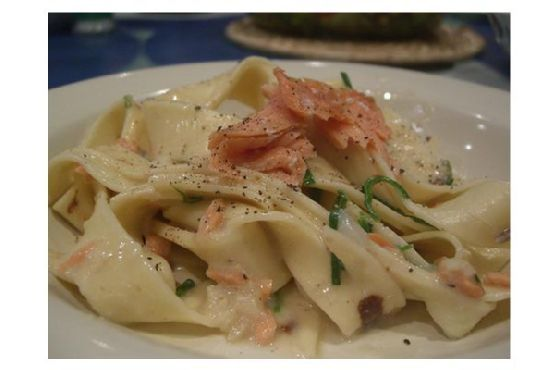

Pasta With Salmon Cream Sauce | Made by Meaghan Moineau

Pasta With Salmon Cream Sauce

Intro

There’s something truly comforting about a warm, creamy pasta dish, especially when it brings back fond memories of family gatherings. I remember my grandmother preparing her famous Pasta with Salmon Cream Sauce every Sunday. The aroma would fill her cozy kitchen, and we would eagerly wait at the dining table, ready to dive into a meal that felt like a warm hug on a plate. This dish combines the rich flavors of salmon with a velvety cream sauce, creating a meal that’s both satisfying and elegant. Whether you’re cooking for a family dinner or a romantic evening, this recipe is sure to impress.

Why You’ll Love It

This Pasta with Salmon Cream Sauce is a delightful blend of creamy, savory, and fresh flavors. Here’s why you’ll love making and eating it:

  • Quick and Easy: This recipe is perfect for busy nights, taking under 30 minutes from start to finish.
  • Rich and Flavorful: The creamy sauce is perfectly balanced with the saltiness of the salmon and the freshness of the herbs.
  • Family-Friendly: It’s a hit with both kids and adults, making it a great choice for family meals.
  • Customizable: You can easily tweak the ingredients to suit your dietary preferences or what you have on hand.

Ingredients

  • 2 tablespoons butter
  • 2 tablespoons flour
  • 2 cups milk
  • 1 onion, finely chopped
  • 1/2 cup grated parmesan cheese
  • 2 tablespoons chopped fresh parsley
  • 1 cup peas
  • 12 ounces penne pasta
  • 1/4 teaspoon pepper
  • 1 can (about 7.5 ounces) red salmon, drained and broken into chunks

Instructions

  1. In a large pot of boiling water, cook the penne pasta until al dente, about 10-12 minutes. Drain and return to the pot.
  2. In a saucepan, melt butter over medium heat. Add the chopped onion and cook until tender.
  3. Stir in the flour and cook for a few seconds to form a roux.
  4. Gradually whisk in the milk and bring to a simmer, stirring constantly until the sauce thickens.
  5. Add the peas, broken salmon chunks with juices, parsley, parmesan cheese, and pepper. Stir to combine.
  6. Pour the salmon cream sauce over the cooked pasta and stir gently until well mixed.
  7. Serve immediately and enjoy!

Tips

  • Don’t Overcook the Pasta: Make sure to cook the pasta just until al dente. It will continue to cook slightly when mixed with the sauce.
  • Use Fresh Ingredients: Fresh parsley and good-quality parmesan cheese make a big difference in flavor.
  • Adjust Consistency: If the sauce is too thick, add a splash of milk to reach your desired consistency.

Variations & Substitutions

  • Vegetarian Option: Substitute the salmon with sautéed mushrooms for a vegetarian twist.
  • Gluten-Free: Use gluten-free pasta and flour to make this dish suitable for a gluten-free diet.
  • Add More Veggies: Feel free to add spinach or broccoli for extra nutrients and color.

Storage

If you have leftovers, store them in an airtight container in the refrigerator for up to 3 days. Reheat gently on the stove or in the microwave, adding a little milk to loosen the sauce if necessary.

FAQ

Can I use fresh salmon instead of canned?

Absolutely! Fresh salmon will add a luxurious touch to this dish. Simply cook the salmon separately, flake it, and add it to the sauce in place of the canned salmon.

Can I make the sauce ahead of time?

Yes, you can prepare the sauce in advance and store it in the refrigerator for up to 2 days. Reheat it gently on the stove, stirring constantly, before mixing with the pasta.

Nutrition

This dish is approximately 300 calories per serving, making it a satisfying meal that won’t weigh you down. Pair it with a side salad for a balanced dinner.

Conclusion

Pasta with Salmon Cream Sauce is more than just a meal; it’s a culinary experience that brings warmth and joy to the table. Whether you’re recreating treasured family memories or creating new ones, this recipe is sure to become a favorite in your home. Enjoy the creamy textures, the vibrant flavors, and the satisfaction of a dish made with love. Happy cooking!

Related update: Pasta With Salmon Cream Sauce

Related update: Glazed pork chops

NewsGuard Sues FTC Over Ad Market Control | Analysis by Brian Moineau

A ratings service says the FTC is trying to strangle it — and the First Amendment is now part of the fight

The headline reads like a legal thriller: a company that assigns "trust scores" to news websites has sued the Federal Trade Commission, accusing the agency of weaponizing regulatory power to cut it out of the advertising ecosystem. It's NewsGuard versus the FTC, fronted by Chairman Andrew Ferguson — and the dispute raises three big questions: who gets to police the media marketplace, when does regulation become censorship, and how much power do ad buyers and agencies hold over what counts as “acceptable” news?

Why this matters (hook)

  • Advertisers funnel billions of dollars through a handful of ad agencies. If those agencies can't or won't buy inventory adjacent to particular outlets, the outlets' survival and audiences are affected.
  • Independent evaluators like NewsGuard say they help brands avoid reputational risk and help readers assess reliability. Critics say these ratings can be subjective or politically skewed.
  • When a regulator uses merger remedies or investigations that have the effect of freezing a ratings company out of the market, the stakes shift from commercial competition to free-speech and due-process questions.

Quick takeaways

  • NewsGuard filed a lawsuit in early February 2026 alleging the FTC burdened it with sweeping document demands and inserted merger conditions that effectively bar major ad agencies from using its ratings. (Filed Feb. 6, 2026.) (washingtonpost.com)
  • The contested merger remedy arose in the Omnicom–Interpublic transaction; the FTC’s order reportedly prevents those ad holding companies from basing ad buys on “journalistic standards or ethics” set by third parties — language NewsGuard says was crafted to target it. (washingtonpost.com)
  • NewsGuard argues the FTC’s actions violate the First and Fourth Amendments and amount to government censorship of a private service. The FTC and some conservatives argue NewsGuard has a political slant and has inflicted commercial harm on certain outlets. (washingtonpost.com)

What NewsGuard does and why advertisers use it

NewsGuard, launched in 2018 by media veterans including Steven Brill and Gordon Crovitz, uses human journalists to score sites on nine transparency and credibility criteria and publishes a “nutrition label” explaining each score. Brands and agencies have used these ratings to reduce ad placement near sites they judge risky, and browser extensions surface those trust scores to consumers. NewsGuard emphasizes transparency in its methodology and publishes the criteria it applies. (newsguardtech.com)

Why advertisers care:

  • Brand safety concerns: running ads next to fraudulent, extreme, or disinformation-filled content can cause reputational damage.
  • Liability and client pressure: large advertisers increasingly demand oversight tools to demonstrate they’re avoiding harmful placements.
  • Centralized buying power: big holding companies and ad agencies set de facto industry norms for what’s acceptable.

The FTC’s actions that sparked the lawsuit

According to NewsGuard’s complaint and reporting by The Washington Post, two lines of FTC activity prompted the suit:

  • An extensive information demand: the FTC ordered broad disclosures of NewsGuard’s client lists, ratings deliberations, communications, and financials — an investigation NewsGuard says is so sweeping it chills its business and violates privacy and press protections. (washingtonpost.com)

  • A merger condition in Omnicom–Interpublic approval: the FTC’s order included language preventing the combined agency from directing ad buys based on “adherence to journalistic standards or ethics established or set by a third party.” NewsGuard argues that language functions as a ban on companies using its ratings, effectively blacklisting the service. Newsmax and other conservative outlets publicly urged the FTC to broaden the language, which NewsGuard says revealed intent. (washingtonpost.com)

NewsGuard’s legal team frames these moves as retaliation driven by political disagreement, pointing to prior public criticism of the company by now-FTC Chair Ferguson. The company has asked a federal court to block enforcement of the merger condition and the investigative demand. (mediapost.com)

The competing narratives

  • NewsGuard’s story: a neutral, transparent ratings firm is being targeted for its editorial judgments. The FTC is overreaching by using merger remedies and investigations to hobble a private business whose work touches on public discourse. That, NewsGuard says, raises free-speech and due-process problems. (newsguardtech.com)

  • The FTC and critics’ story: regulators and some conservative outlets argue NewsGuard exercises editorial power that has real commercial effects and that its judgments may be politically biased. From this angle, the FTC’s scrutiny is about market power and potential exclusionary conduct — not censorship per se. Public comments from outlets like Newsmax influenced how the merger language was revised, suggesting industry players saw the remedy as relevant. (washingtonpost.com)

Both sides point to market realities: when ratings influence ad placement, they affect revenue flows. The novel legal wrinkle is whether a regulator may lawfully condition a merger or investigate a small ratings firm in a way that some regard as singling out protected speech.

Broader implications

  • The case could reshape how third-party content evaluators operate in advertising markets. If agencies are barred from relying on such ratings, advertisers lose one tool for brand protection; if regulators are limited, they may be less able to police potential collusion or exclusionary tactics in ad buying.
  • There’s a constitutional debate at the center: does the First Amendment protect the editorial judgments of a private ratings firm from regulatory interference? Conversely, do regulators have the authority to step in when a ratings product materially affects market competition or harms specific outlets?
  • The dispute exposes how intertwined advertising, editorial judgments, and platform economics have become. A private score can effectively act like a traffic light for publishers; when government action changes who can see or use that traffic light, the ripple effects are political, commercial, and civic.

My take

This lawsuit sits at the intersection of market structure and speech. NewsGuard’s methodology is transparent and human-driven — that matters in an era of opaque algorithmic moderation — but its influence on advertisers gives its judgments real economic weight. Regulators worried about arbitrary exclusion in ad markets have a legitimate role; at the same time, wielding merger conditions or sweeping investigative powers in ways that single out a small player risks the appearance (and perhaps the reality) of viewpoint-based regulation.

The healthier path would be clearer rules and neutral standards for ad buyers and ratings services: transparent criteria (which NewsGuard publishes), robust appeals and correction processes for rated outlets, and merger remedies narrowly targeted at anticompetitive conduct rather than broad language that could be read as a blacklist. These guardrails would protect both market fairness and free expression.

Final thoughts

At stake is not only one company’s business but the architecture of trust in the information ecosystem. When ratings, advertisers, and regulators collide, the outcome will shape how audiences find reliable information and how publishers — of whatever stripe — survive. Courts will now have to weigh whether the FTC crossed a constitutional line or acted within its mandate to police markets. Either way, the case underscores that in today’s media economy, the line between commerce and speech is increasingly hard to draw.

Sources


Related update: We recently published an article that expands on this topic: read the latest post.



Related update: We recently published an article that expands on this topic: read the latest post.


Related update: We recently published an article that expands on this topic: read the latest post.


Related update: We recently published an article that expands on this topic: read the latest post.

Sardine Croquettes (Croquetas De Sardinas) | Made by Meaghan Moineau

Sardine Croquettes (Croquetas De Sardinas)

Intro

There’s something truly magical about recipes that transport us back to cherished moments from our past. For me, sardine croquettes are a delightful reminder of family gatherings in my grandmother’s cozy kitchen. I remember sitting on a stool, watching her expertly shape the croquettes, her hands moving with a rhythm that was both practiced and loving. The aroma of frying croquettes filled the air, mingling with laughter and stories shared among family members. In this blog post, I am excited to share with you this beloved recipe for Sardine Croquettes, or as we say in Spanish, Croquetas de Sardinas. It’s a dish that brings warmth and connection, perfect for sharing with loved ones.

Why You’ll Love It

These Sardine Croquettes are a fantastic way to enjoy the rich flavors of sardines in a crispy, golden-brown package. Here’s why you’ll love them:

  • Quick and Easy: Using canned sardines and frozen cassava saves time without compromising on taste.
  • Flavorful: The combination of sardines, parmesan cheese, and fresh cilantro creates a savory and delightful bite.
  • Versatile: Perfect as an appetizer, snack, or main dish; they pair wonderfully with a simple salad or a tangy dip.
  • Nostalgic: A recipe that brings a taste of traditional Spanish cuisine to your table.

Ingredients

  • 1 can of sardines
  • 500g frozen cassava (yuca)
  • 1/2 cup grated parmesan cheese
  • 2 egg yolks
  • 2 egg whites
  • 1 teaspoon baking powder
  • 1 cup plain bread crumbs
  • 2 tablespoons chopped cilantro
  • Oil for frying
  • Salt & pepper to taste

Instructions

  1. Start by cooking the frozen cassava. In a pot with salted water, cook the cassava until fork tender, which usually takes about 20-25 minutes.
  2. Once the cassava is cooked thoroughly, drain the water and mash it until smooth.
  3. Add the canned sardines (drained), parmesan cheese, egg yolks, baking powder, salt, pepper, and chopped cilantro to the mashed cassava. Mix well until all ingredients are combined.
  4. Preheat oil in a frying pan over medium heat.
  5. With wet hands, form the sardine mixture into small balls.
  6. Dip each ball into the egg whites, then roll it in the bread crumbs to coat evenly.
  7. Fry the croquettes in the preheated oil until they are golden brown on all sides, about 3-4 minutes per side.
  8. Once cooked, let them rest on a double-lined paper towel to remove excess oil.
  9. Serve warm, accompanied by ketchup or your favorite dipping sauce.

Tips

  • Keep your hands wet when forming the croquettes to prevent the mixture from sticking.
  • For an extra crispy texture, you can double-dip the croquettes in the egg whites and bread crumbs.
  • Ensure the oil is hot enough before frying; otherwise, the croquettes may absorb too much oil.

Variations & Substitutions

  • Cheese: Swap parmesan with pecorino or even mozzarella for a different flavor profile.
  • Herbs: Substitute cilantro with parsley or dill for a different herbal touch.
  • Gluten-Free: Use gluten-free bread crumbs to make this recipe suitable for those with gluten sensitivities.

Storage

Store any leftover croquettes in an airtight container in the refrigerator for up to three days. To reheat, place them in a preheated oven at 350°F (175°C) for about 10 minutes to regain their crispiness.

FAQ

Can I use fresh cassava instead of frozen?

Absolutely! If you prefer using fresh cassava, peel and cut it into chunks before boiling. It might take a bit longer to cook, but the result will be just as delicious.

What can I serve with sardine croquettes?

Sardine croquettes pair well with a fresh green salad, roasted vegetables, or even a simple tomato and onion relish. They are also delicious on their own with a side of dipping sauce.

Nutrition

While the exact nutritional content may vary, these sardine croquettes are a good source of protein and healthy fats from the sardines. Cassava provides a carbohydrate base, making this dish a satisfying and balanced option.

Conclusion

Sardine Croquettes are a wonderful way to bring the heart and soul of Spanish cuisine into your home. They are easy to make, bursting with flavor, and perfect for sharing with friends and family. Whether you’re reminiscing about fond memories or creating new ones, I hope this recipe brings a bit of joy and deliciousness to your table. Enjoy!

Related update: Sardine Croquettes (Croquetas De Sardinas)

Related update: Steamed Artichokes With Roasted Red Pepper Aioli

Related update: Japanese Gyoza Pot Stickers

Ham and Red Bean Soup | Made by Meaghan Moineau

Hearty Ham and Red Bean Soup

Intro

There’s something deeply comforting about a pot of soup simmering on the stove, the aroma wafting through the house, promising warmth and nourishment. This Ham and Red Bean Soup is a recipe passed down through my family, a staple during cool autumn evenings. I remember my grandmother making it on Sundays, her kitchen filled with laughter and warmth. We’d gather around the table, bowls in hand, steaming with this savory delight. This soup is more than just a meal; it’s a memory, a legacy of love and togetherness.

Why You’ll Love It

This Ham and Red Bean Soup is a classic comfort dish that’s both hearty and flavorful. Here’s why you’ll fall in love with it:

  • Rich Flavor: The combination of smoked ham, aromatic spices, and tender beans creates a symphony of flavors that’s both warming and satisfying.
  • Nutritious: Packed with protein and fiber, this soup is not only delicious but also nutritious.
  • Easy to Make: With a bit of chopping and stirring, you can have this delightful soup simmering on your stove with minimal effort.
  • Perfect for Leftovers: This soup tastes even better the next day, making it a great make-ahead meal.

Ingredients

  • Green leeks, tops reserved
  • Thyme sprigs
  • 1 Bay leaf
  • 1 teaspoon Coriander seeds
  • 1 teaspoon Black peppercorns
  • 1 teaspoon Cumin seeds
  • 2 tablespoons Olive oil
  • 2 Diced carrots
  • 2 Diced celery stalks
  • 4 cloves Garlic, minced
  • 2 tablespoons Tomato paste
  • 2 cups Red beans, soaked overnight
  • 1 Cooked diced smoked ham bone
  • 3 cups Cooked diced ham
  • 1 teaspoon Ground chipotle chile powder
  • Salt and pepper to taste
  • Water, enough to cover

Instructions

  1. Take the thyme sprigs and bay leaf, and wrap the reserved green leek top around them. Tie with butchers twine to secure.
  2. Place the coriander seeds, peppercorns, and cumin seeds in the middle of a coffee filter or small piece of cheesecloth, and tie into a bundle using butchers twine. Set aside.
  3. Heat the olive oil in a large stockpot over medium heat. Add leeks, carrots, and celery. Saute for 5 minutes or until softened.
  4. Add garlic and saute for another minute.
  5. Add tomato paste and saute for another minute.
  6. Add the beans, ham bone, the herb bundle and the spice bundle, and enough water to cover. Bring to a boil and reduce to a simmer, partially covering. Allow to simmer for 1 hour.
  7. Add the diced ham and chipotle chile powder and stir in. Allow to simmer until beans are soft and are just beginning to break open, another 1 1/2 to 2 hours.
  8. Adjust seasoning to taste. Remove ham bone and pull any remaining ham from the bone and return to pot. Remove herb bundle and spice bundle, and serve.

Tips

  • Soak the Beans: Make sure to soak the red beans overnight. This helps to speed up the cooking process and ensures they become tender.
  • Spice it Up: If you like your soup with a bit more kick, feel free to add more chipotle chile powder.
  • Use Fresh Ingredients: Fresh spices and herbs make a big difference in flavor. Try to use fresh thyme, leeks, and garlic for the best results.

Variations & Substitutions

  • Vegetarian Option: Omit the ham and use vegetable broth instead of water for a delicious vegetarian bean soup.
  • Alternate Beans: If you don’t have red beans, you can substitute with kidney beans or pinto beans.
  • Spice Blend: Experiment with different spice blends or add a bit of smoked paprika for a different depth of flavor.

Storage

Store any leftover soup in an airtight container in the refrigerator for up to 4 days. This soup also freezes well; just allow it to cool completely before transferring to freezer-safe containers. It can be frozen for up to 3 months.

FAQ

Can I use canned beans instead of dried beans?

Yes, you can use canned beans. If you do, skip the soaking step and reduce the simmering time, as canned beans are already cooked.

What if I don’t have a ham bone?

No worries! You can still make the soup without a ham bone. The smoked diced ham will provide plenty of flavor on its own.

How can I make the soup thicker?

If you prefer a thicker consistency, you can blend a portion of the soup and return it to the pot, or you can let it simmer uncovered for a while longer to reduce the liquid.

Nutrition

This soup is a wholesome meal, rich in protein from the ham and beans, and full of fiber. It’s a perfect choice for a filling lunch or dinner that doesn’t compromise on flavor or nutrition.

Conclusion

This Ham and Red Bean Soup is more than a simple dish; it’s a comforting, hearty meal that brings family and friends together. Whether you’re enjoying it as a cozy dinner or sharing it with loved ones, this soup is sure to warm both the body and the soul. I hope you find as much joy in making and sharing this soup as I have over the years. Enjoy!

Related update: Ham and Red Bean Soup

Related update: Pasta With Salmon Cream Sauce

Related update: Sweet Potato and Celery Soup

Regulators or Editors: NewsGuard vs FTC | Analysis by Brian Moineau

Hook: When regulators look like editors, what happens to the newsroom of the internet?

The suit filed by NewsGuard against the Federal Trade Commission feels like a story ripped from a legal drama: a small company that grades news outlets accuses the chairman of the U.S. regulator of using merger conditions and investigations to choke off its business—because he dislikes its editorial judgments. But this is real, it’s happening now, and its consequences stretch beyond a single vendor or deal. (washingtonpost.com)

Why this matters now

  • NewsGuard says the FTC, led by Chairman Andrew Ferguson, demanded sweeping documents and inserted language into a $13 billion ad‑agency merger order that effectively bars the largest holding company from hiring NewsGuard-style services—blocking a big client and chilling others. (washingtonpost.com)
  • The company frames the agency’s moves as censorship and a politically motivated campaign that violates its First and Fourth Amendment rights. (newsguardtech.com)
  • The dispute sits at the crossroads of advertising, platform safety, journalistic standards, and government power—raising questions about when a regulator’s concern about alleged “collusion” becomes government interference in private editorial tools. (washingtonpost.com)

Quick context and timeline

  • NewsGuard launched in 2018 to assign "reliability" scores to news sites and sells those ratings to readers, platforms and advertisers. Its founders include Steven Brill and L. Gordon Crovitz. (washingtonpost.com)
  • In 2024–2025 tensions escalated: then‑Commissioner Andrew Ferguson publicly criticized NewsGuard for allegedly leading ad boycotts and for perceived bias, and after his appointment as FTC chair, the agency opened an investigation and later included restrictive language in its approval of Omnicom’s merger with Interpublic Group. NewsGuard says the language was crafted to single it out. (mediapost.com)
  • On February 6, 2026, NewsGuard filed suit in federal district court seeking to block the FTC from enforcing its demands and the merger condition. (newsguardtech.com)

Key takeaways

  • NewsGuard frames the FTC’s actions as an unconstitutional attempt to suppress a private entity’s journalistic judgments; the company is seeking a judicial declaration and injunction. (newsguardtech.com)
  • The FTC says it acted to prevent “potentially unlawful collusion” in the ad industry and to curb what it sees as a campaign to deny advertising to certain outlets—an argument that turns a market‑conduct issue into a speech and editorial one. (washingtonpost.com)
  • This dispute highlights a slippery slope: regulators policing ad‑safety tools could end up shaping which voices survive economically, even if the stated aim is market integrity. (mediapost.com)

The legal and normative tug‑of‑war

At stake are two competing principles that rarely sit side‑by‑side without fraying: the government’s interest in preventing anticompetitive behavior and the constitutional guardrails that stop the state from penalizing particular viewpoints.

  • NewsGuard’s legal angle: the FTC’s broad subpoenas and a merger condition that bars ad agencies from using third‑party “journalistic standards” to guide buys have tangible business effects—losing Omnicom as a client and scaring off others—and amount to viewpoint discrimination. The company says this is classic First Amendment territory. (newsguardtech.com)
  • The FTC’s (and supporters’) angle: ad‑safety measures can be used as a chokepoint to direct advertising away from publishers for ideological reasons; the agency argues it must act to stop coordinated industry conduct that could harm competition or distort markets. The language in the Omnicom order was, per the FTC, aimed at preventing “potentially unlawful collusion.” (washingtonpost.com)

Which side the courts favor will depend on fine factual questions—was there unlawful collusion or a legitimate competition concern, and did the agency’s actions single out one company because of disagreement over its editorial judgments? The law treats government action that burdens speech differently depending on motive and effect; NewsGuard is betting it can show both a retaliatory motive and a suppressive effect.

The industry ripple effects

  • Advertisers want brand safety; ad agencies want predictable rules. Ratings firms like NewsGuard filled a real market need by telling brands where their ads might appear next to misinformation or extreme content. (washingtonpost.com)
  • If regulators begin to limit which third‑party evaluators ad buyers can use, advertisers might retreat into safer—but less transparent—systems, or the market could concentrate around a few vetted vendors, reducing choice and potentially embedding new forms of bias. (mediapost.com)
  • Conversely, critics argue that some ratings services have been weaponized in the past to economically punish specific outlets—so the FTC’s concern about a "censorship‑industrial complex" is not purely theoretical. That worry is part of why the agency intervened. (washingtonpost.com)

My take

This fight reveals a messy truth: tools built to improve information ecosystems can easily become tools of influence. NewsGuard may have legitimate grievances if an independent regulator reshaped merger remedies to sideline a single company, but the company’s role in nudging advertiser behavior—sometimes against outlets with partisan followings—invites scrutiny too. The healthier path for advertisers and the public is clearer standards, transparent methods, and marketplace competition among evaluators—not regulatory fiat that risks swapping one kind of filter for another.

Regulation should police anticompetitive conduct, not adjudicate editorial judgments. At the same time, transparency about how rating firms score outlets and how advertisers use those scores would reduce the politics around this work. If ratings are defensible on disclosed criteria and buyers choose them for reputational reasons, that should be allowed in a free market; if ratings are coordinated to freeze out dissenting publishers, that should be investigated under competition law—carefully and evenly.

Final thoughts

What happens next—whether courts curb the FTC or uphold its authority to set merger conditions—will matter widely. The case is about NewsGuard, but it’s also a test of how the U.S. will balance marketplace rules, the First Amendment, and the private ordering of information in an era when ad dollars can make or break media outlets. Watch the litigation for its legal reasoning, but also watch the marketplace for how advertisers and agencies react: the practical answers will show up first in contracts, not just court opinions. (washingtonpost.com)

Sources


Related update: We recently published an article that expands on this topic: read the latest post.
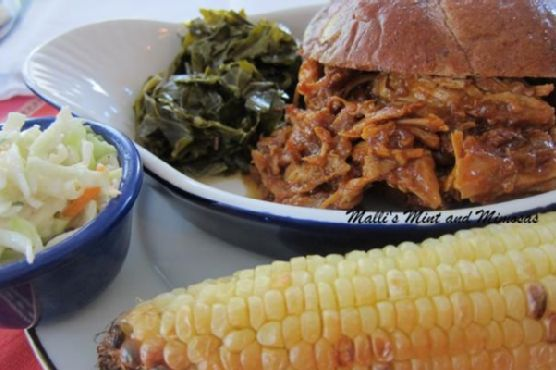

Related update: We recently published an article that expands on this topic: read the latest post.
Sixty Super Bowls: The Last Pilgrimage | Analysis by Brian Moineau

Sixty Sundays: The friends who’ve never missed a Super Bowl

From $8 seats to $8,000 trips, the Super Bowl has changed almost as much as the men who’ve watched every single one. This year Don Crisman, Gregory Eaton and Tom Henschel — three friends in their 80s — made the pilgrimage again, closing a chapter that began on January 15, 1967. For two of them, this pilgrimage may be the last.

A hook: why this story matters beyond football

There’s something quietly heroic about a ritual kept for six decades: it’s not just about touchdowns or halftime shows, it’s about continuity in a world that keeps speeding up. These men are living archives of the event that became America’s unofficial holiday. Their story asks a simple question: what do we owe our rituals — and to whom?

What happened this year

  • Don Crisman (Maine), Gregory Eaton (Michigan) and Tom Henschel (Florida) attended Super Bowl LX, preserving a streak that began with the very first AFL-NFL World Championship Game in 1967.
  • Crisman, nearly 90, and Henschel, 84 and recovering from a stroke, said this year will likely be their last trip. Eaton, 86, plans to go as long as he can.
  • The trio — once part of a larger “never missed” club that included media members and staff — are now essentially the living end of an era, having scaled back travel from weeklong stays to short trips focused only on the game. (apnews.com)

A little context: how the Super Bowl and fandom evolved

  • The first two championship games were called the AFL-NFL World Championship Game; “Super Bowl” became the common name almost by accident and then by marketing success.
  • Early Super Bowls felt different: cheaper tickets, smaller media machines, less corporate spectacle. Henschel remembers paying $12 for a ticket in 1969. Today, attending the game — travel, lodging, ticket markups — can run into the thousands. (apnews.com)
  • Over 60 editions, the Super Bowl transformed from a championship to a cultural event: halftime megashows, global advertising, and multi-day corporate campus takeovers around host cities.

Why their streak is about more than numbers

  • Ritual and friendship: The three men speak less about specific plays and more about the habit of showing up together. Their annual meetups, brunches and shared travels turned a sporting event into a social anchor.
  • Memory and changing America: Through their eyes you can trace social shifts — from stadium integration and the first Black winning quarterback to the commercialization of sports.
  • The cost of dedication: Their scaling back — shorter stays, tighter budgets — mirrors how the Super Bowl itself has become more expensive and logistically challenging. For them, the decision to continue is a personal calculus of mobility, finances, and how much the ritual still feeds their joy. (washingtonpost.com)

What this says about fandom and aging

  • Traditions adapt. Where once they’d spend a week soaking in the host city, now it’s three or four days and mostly the game. That’s not resignation — it’s pragmatism.
  • The emotional weight of a final trip: Saying “this might be my last” reframes the game as a milestone rather than an event. It’s the closing of a long-running story that others helped write.
  • Public memory vs. private ritual: The Super Bowl is public spectacle; their streak is private devotion made public. It reminds us that the biggest cultural events are made meaningful by countless small, consistent acts of attendance and attention.

Takeaways for readers

  • Small rituals accumulate into identity: attending once is memorable; attending 60 times becomes a life’s thread.
  • Cultural institutions age with us: as the NFL and its marquee event get bigger and pricier, the people who built the memory bank adapt — or fade away.
  • There’s dignity in ending things on your own terms: both Crisman and Henschel acknowledge limits and choose a graceful exit rather than forcing the habit beyond its meaningfulness. (apnews.com)

My take

The story of Crisman, Eaton and Henschel reads like a human-scale novel about time: the highs, the losses, the friendships that outlast careers and changing cities. Sports often give us a truncated narrative — winners and losers — but this trio shows the richer arc: persistence, memory, and the quiet decision to step back when the ritual stops serving who you are. It’s easy to romanticize “never missed” streaks, but the more interesting, humane moment is watching people choose how to end them.

Sources

(Links were checked on February 7, 2026.)


Related update: We recently published an article that expands on this topic: read the latest post.


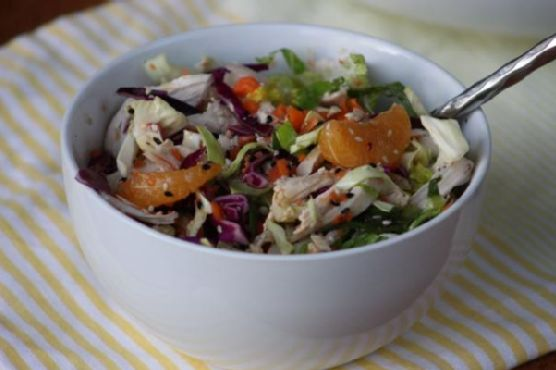
Related update: We recently published an article that expands on this topic: read the latest post.

Acorn Squash Biscuits with Sage & Gruyere | Made by Meaghan Moineau

Acorn Squash Biscuits with Sage & Gruyere

Intro

As the crisp air of autumn settles in, my heart often wanders back to the cozy kitchen of my grandmother’s house. The warmth from her oven, the laughter echoing through the room, and the delightful aroma of her baking have left an indelible mark on my soul. One of my most cherished memories is of her acorn squash biscuits, a recipe she lovingly crafted to celebrate the bounties of fall. These Acorn Squash Biscuits with Sage & Gruyere are a tribute to those fond memories, blending the comforting flavors of roasted squash with the savory notes of Gruyere and sage.

Why You’ll Love It

These biscuits are more than just a side dish; they are a celebration of autumnal flavors and textures. The acorn squash adds a subtle sweetness and moisture, creating a tender crumb that is perfectly complemented by the nutty richness of Gruyere cheese. Fresh sage brings an earthy aroma that elevates the biscuits to gourmet status. Whether you’re serving them at a holiday gathering or enjoying them with a simple bowl of soup, these biscuits are sure to become a seasonal favorite.

Ingredients

  • 2 cups all-purpose flour
  • 2 tablespoons cornstarch
  • 2 tablespoons light brown sugar
  • 1 tablespoon baking powder
  • 1/2 teaspoon baking soda
  • 1 teaspoon salt
  • 6 tablespoons unsalted butter, chilled and cut into pieces
  • 2 tablespoons vegetable shortening, chilled
  • 1 cup mashed roasted acorn squash
  • 1 tablespoon apple cider vinegar
  • 1 cup shredded Gruyere cheese
  • 2 tablespoons chopped fresh sage
  • Optional: whole sage leaves for garnish

Instructions

  1. Preheat your oven to 425°F (220°C) and adjust the oven rack to the middle position. Line a large baking sheet with parchment paper.
  2. In the work bowl of a food processor, combine the flour, cornstarch, brown sugar, baking powder, baking soda, and salt. Pulse a couple of times to combine.
  3. Scatter the chilled butter and shortening over the top of the flour mixture. Pulse a few times until the mixture resembles coarse meal.
  4. In a large bowl, mix the mashed acorn squash with the apple cider vinegar. Stir in the Gruyere cheese and chopped sage.
  5. Add the flour and butter mixture to the squash mixture, stirring until just combined.
  6. Turn the dough out onto a lightly floured surface and knead a few times to bring the dough together. Pat the dough into a round about 1-inch thick.
  7. Using a 2 1/4-inch biscuit cutter, cut out the biscuits, dipping the cutter in flour to prevent sticking. Gather the scraps and continue cutting until all dough is used.
  8. Place the biscuits evenly spaced on the prepared baking sheet. If garnishing with sage leaves, dip your finger in beaten egg and dot a small amount on the center of each biscuit. Place a sage leaf on top, pressing lightly to affix.
  9. Brush the biscuits with melted butter and bake until golden brown, about 18-22 minutes.
  10. Let the biscuits cool for 15 minutes before serving. Enjoy warm or at room temperature.

Tips

For the best results, ensure your butter and shortening are well-chilled before you begin. This helps create a flaky texture. If you don’t have a food processor, you can use a pastry cutter or your fingers to break down the butter into the flour mixture. Be careful not to overwork the dough to keep your biscuits tender.

Variations & Substitutions

If you can’t find Gruyere, feel free to substitute with sharp cheddar or another melting cheese of your choice. For a twist on flavor, try adding a pinch of nutmeg or cinnamon to the dry ingredients. If acorn squash is unavailable, butternut squash or pumpkin puree can work as a substitute.

Storage

Store any leftover biscuits in an airtight container at room temperature for up to 2 days. For longer storage, freeze them in a single layer on a baking sheet, then transfer to a freezer-safe bag or container. Reheat in a 350°F (175°C) oven until warmed through.

FAQ

Can I make the dough ahead of time?

Yes, you can prepare the dough a day in advance. Wrap it tightly in plastic wrap and store it in the refrigerator. When ready to bake, let the dough sit at room temperature for a few minutes before cutting and baking.

Can I use dried sage instead of fresh?

While fresh sage provides the best flavor, you can use dried sage in a pinch. Use about 1 tablespoon of dried sage in place of the fresh sage leaves.

What can I serve with these biscuits?

These biscuits are a versatile side that pairs well with soups, stews, or roasted meats. They also make a delightful addition to a brunch spread or holiday meal.

Nutrition

This recipe yields approximately 12 biscuits. Each biscuit contains an estimated 180 calories, 9g of fat, 20g of carbohydrates, 5g of protein, and 1g of fiber. It’s a delicious indulgence that fits well into a balanced diet when enjoyed in moderation.

Conclusion

These Acorn Squash Biscuits with Sage & Gruyere not only fill your kitchen with the comforting aroma of fall but also offer a nostalgic nod to the warm memories of family gatherings. Whether you’re a seasoned baker or a novice in the kitchen, this recipe is simple yet rewarding, making it a perfect addition to your autumnal culinary repertoire. So gather your ingredients, roll up your sleeves, and bake a batch of these delightful biscuits to share with loved ones, creating new memories that will be cherished for years to come.

Related update: Acorn Squash Biscuits with Sage & Gruyere

Related update: Sardine Croquettes (Croquetas De Sardinas)

Related update: Strawberry Basil Italian Ice

Bobby Wagner: From Tackles to Service | Analysis by Brian Moineau

Bobby Wagner’s Moment: From Tackles to True Impact

There’s a scene I keep replaying: Bobby Wagner, eyes steady, voice low but shaking with gratitude, honoring the woman whose memory has shaped his life and work. On the evening the NFL handed out its Walter Payton Man of the Year award, the on-field legend who’s piled up tackles for more than a decade reminded everyone that greatness isn’t just measured in stats — it’s measured in service.

Why this matters right now

  • The Walter Payton NFL Man of the Year is the league’s highest honor for character and community impact, given to a player who combines on-field excellence with meaningful off-field contributions.
  • Bobby Wagner — a veteran linebacker now with the Washington Commanders — was named the 2025 Walter Payton Man of the Year during NFL Honors on February 5–6, 2026.
  • Wagner has been a finalist multiple times; this recognition crowns years of sustained community work and a personal campaign to turn family tragedy into public good.

Quick highlights from the night

  • Wagner accepted the award at NFL Honors and spoke about his mother, Phenia Mae, who died from stroke complications and inspired his charitable focus.
  • His FAST54 / Phenia Mae Fund partners with hospitals and health systems to raise stroke awareness, support patients, and provide resources for families.
  • The award includes a significant donation to the nonprofit of the winner’s choice, amplifying Wagner’s existing community investment.

The backstory: how tackles turned into a platform

Bobby Wagner’s football résumé is familiar to anyone who watches the league: multiple Pro Bowls and All-Pro nods, seasons stacked with 100-plus tackles, and a reputation as one of the most consistent linebackers of his generation. But the Man of the Year award spotlights a different arc — one that begins with a personal loss.

Wagner’s mother died young from stroke complications. He’s used that experience to build FAST54 and the Phenia Mae Fund, working with medical partners (including prominent children’s hospitals and health systems) to educate communities about stroke signs, provide financial assistance and increase access to care. Over time, his off-field initiatives expanded to include work on mental health, social justice, and local community programming in Washington, D.C., and beyond.

Repeated nominations for the Walter Payton award show this wasn’t a sudden pivot; it’s the long-tail effect of consistent engagement. Being a finalist multiple times before finally winning only reinforced the sense that Wagner’s community work had become as durable as his play on the field.

What the award signals for the league and the Commanders

  • It reinforces the NFL’s push to promote player-led social impact initiatives — not as PR moments, but as long-term investments linked to real partners and measurable outcomes.
  • For the Commanders, Wagner’s profile elevates the franchise’s community presence and connects fans to the human stories behind the roster.
  • For younger players, it sets a template: leverage visibility for causes with personal meaning, partner with credible institutions, and commit long-term.

Lessons in leadership from Wagner’s journey

  • Authenticity wins: Wagner’s work is rooted in personal experience, which gives the initiatives credibility and staying power.
  • Consistency matters: Small, repeated acts of service build toward recognition and, more importantly, real impact.
  • Use the platform: Athletic achievement creates access — Wagner turns that access into funding, awareness, and institutional partnerships.

What to watch next

  • The concrete effects of the prize donation — which nonprofit Wagner designates will receive the award’s funds, and how that money gets used locally.
  • How the Commanders amplify and scale Wagner’s initiatives within the D.C. area and in partnership with the NFL’s community programs.
  • Whether more veteran players follow Wagner’s model of sustained, personally rooted philanthropy rather than one-off campaigns.

My take

There’s something quietly radical about a superstar linebacker winning the NFL’s character award. It flips a stereotype: the game’s bruising, physical side and its softer side are not opposites but complements. Bobby Wagner’s story is a reminder that elite athletes can be fierce competitors and deeply committed civic leaders at once. That duality is increasingly the new standard — and Wagner earning the Walter Payton Man of the Year shows how far that standard has come.

Notable takeaways

  • Wagner was named the 2025 Walter Payton NFL Man of the Year during NFL Honors on Feb. 5–6, 2026.
  • His FAST54 / Phenia Mae Fund focuses on stroke awareness and patient support, born from the loss of his mother.
  • The award recognizes long-term, credible community impact paired with professional excellence.

Sources


Related update: We recently published an article that expands on this topic: read the latest post.
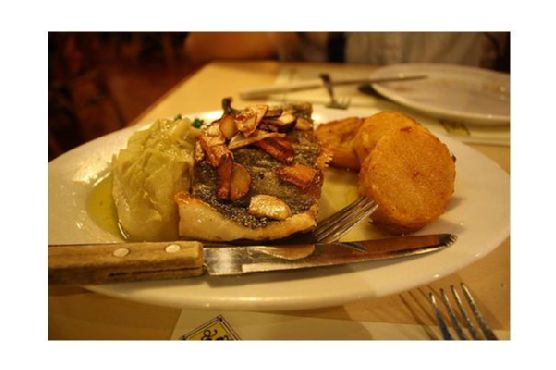

Related update: We recently published an article that expands on this topic: read the latest post.

Pulled Pork Sandwich with Mango BBQ sauce | Made by Meaghan Moineau

Pulled Pork Sandwich with Mango BBQ Sauce

Intro

There’s something truly magical about the aroma of pulled pork simmering away, filling the house with its enticing smell. It takes me back to lazy Sunday afternoons spent at my grandmother’s house, where she would often prepare a hearty meal for the whole family. Her pulled pork sandwiches were legendary, not just for the tender meat but for the unique tangy and sweet sauce that accompanied them. It was her secret recipe, one that I have tweaked over the years to include the tropical sweetness of mango. This Pulled Pork Sandwich with Mango BBQ Sauce is my tribute to those cherished family gatherings, and I hope it becomes a staple in your home as well.

Why You’ll Love It

This Pulled Pork Sandwich with Mango BBQ Sauce is a delightful fusion of savory and sweet, guaranteed to become a new favorite in your recipe collection. The slow-cooked pork shoulder becomes melt-in-your-mouth tender, absorbing the rich and fruity flavors of the mango BBQ sauce. The hint of spice from the serrano pepper perfectly balances the sweetness of the mango, creating a complex and satisfying taste experience. Served atop a soft brioche roll with the optional addition of pickles, this sandwich offers a delicious medley of textures and flavors. Whether you’re hosting a summer barbecue or just craving comfort food, this recipe is sure to impress.

Ingredients

  • Apple cider vinegar
  • Lean boneless pork shoulder
  • Split brioche rolls
  • Cumin seeds
  • Dark brown sugar
  • Fennel seeds
  • Ginger
  • Kosher salt
  • Fresh lime juice
  • Mango puree
  • Molasses
  • Onion
  • Paprika
  • Serrano pepper
  • Vegetable oil
  • Worcestershire sauce

Instructions

  1. Combine the rub ingredients in a small bowl and massage it into the pork shoulder until well coated. Set aside while you make the BBQ sauce. You could do this a day ahead and keep refrigerated until ready to use.
  2. BBQ Sauce: In a large saucepan, warm the oil over low heat until hot and shimmering. Add the cumin and fennel seeds; they should splutter upon contact – be careful!
  3. Once the spluttering subsides, add the onions, ginger, serrano pepper, and a little salt, to taste. Sauté until they soften, but don’t let them get any color.
  4. Add the rest of the sauce ingredients. Simmer for about 5 minutes. Taste and season as needed.
  5. Add the pork shoulder to the saucepan, coating it with the sauce. Cover, and gently simmer until the pork falls apart easily, stirring and turning often, about 3 hours.
  6. Remove the pork from the saucepan and shred it using two forks. Return it to the sauce and stir to coat with the sauce.
  7. Put a generous spoonful of the pork inside a brioche bun, top with a few slices of pickle, and serve. Enjoy!

Tips

For the best results, allow the pork to marinate in the rub overnight. This will enhance the flavors and make the meat even more tender. When cooking the sauce, keep the heat low and be patient; the slow simmering process is crucial for developing the sauce’s depth of flavor. Additionally, using a high-quality brioche roll will provide the perfect balance of softness and sturdiness to hold the juicy pork without getting soggy.

Variations & Substitutions

If mango isn’t your favorite, try substituting with pineapple puree for a different tropical twist. For a spicier kick, increase the amount of serrano pepper or add a dash of cayenne pepper. If you prefer a different cut of meat, beef brisket also works wonderfully with this recipe. For a lighter option, consider using chicken thighs instead of pork shoulder.

Storage

Store any leftover pulled pork in an airtight container in the refrigerator for up to 3 days. To reheat, gently warm it on the stovetop over low heat, adding a splash of water or broth if necessary to keep it moist. You can also freeze the pulled pork for up to 3 months; just ensure it’s fully cooled before placing it in a freezer-safe bag or container.

FAQ

Can I make this recipe in a slow cooker?

Yes, you can easily adapt this recipe for a slow cooker. After preparing the rub and sauce, transfer everything to a slow cooker and cook on low for 6-8 hours or until the pork is tender and easily shredded.

What side dishes go well with pulled pork sandwiches?

Pulled pork sandwiches pair wonderfully with classic barbecue sides like coleslaw, potato salad, or baked beans. For something different, try serving them with a fresh corn salad or grilled vegetables.

Nutrition

This recipe is rich in protein, and the mango adds a dose of vitamin C. However, it’s also important to note that it contains sugars from the brown sugar and mango puree, so enjoy it as part of a balanced diet.

Conclusion

Whether you’re evoking memories of family gatherings or creating new traditions, this Pulled Pork Sandwich with Mango BBQ Sauce is sure to delight. Its harmonious blend of flavors and tender, juicy pork make it a standout dish that’s perfect for any occasion. I hope this recipe brings as much joy to your table as it has to mine. Happy cooking!

Related update: Pulled Pork Sandwich with Mango BBQ sauce

Gluten Free Dairy Free Sugar Free Chinese Chicken Salad | Made by Meaghan Moineau

Gluten Free Dairy Free Sugar Free Chinese Chicken Salad

Intro

Growing up, family gatherings were always incomplete without a large, colorful bowl of Chinese Chicken Salad gracing the table. It was my grandmother’s specialty, a dish she crafted with love, and one that brought everyone together. As dietary needs evolved within our family, I took it upon myself to recreate this beloved dish to suit our new preferences. This Gluten Free Dairy Free Sugar Free Chinese Chicken Salad maintains the vibrant flavors and textures of the original while meeting modern dietary requirements. With every bite, it brings back memories of those joyful family gatherings, and now, I hope it brings joy to your table as well.

Why You’ll Love It

This salad is a harmonious blend of fresh, crisp vegetables and juicy chicken, dressed in a tangy, sesame-infused vinaigrette. It’s not only gluten-free and dairy-free but also sugar-free, making it perfect for those with dietary restrictions. The combination of textures from the crunchy cabbage and carrots, alongside the tender chicken and juicy mandarins, creates a satisfying meal that is both nourishing and delicious. Plus, it’s easy to prepare and perfect for meal prep!

Ingredients

  • 1/2 cup apple cider vinegar
  • 1 teaspoon black pepper
  • 1 tablespoon black sesame seeds
  • 2 large carrots, peeled and grated
  • 1/3 cup extra virgin olive oil
  • 1/2 head green cabbage, finely sliced
  • 1 teaspoon kosher salt
  • 2 fresh satsuma mandarins, peeled and pith removed
  • 1/2 head red cabbage, finely sliced
  • 2 bone-in chicken breasts, roasted and shredded
  • 3 romaine lettuce hearts, ends removed and finely sliced
  • 4 scallions, ends trimmed and finely sliced
  • 2 tablespoons sesame oil
  • Juice of 1 mandarin (cut crosswise and squeeze into a jar over a strainer)
  • 1 tablespoon white sesame seeds
  • 1/4 cup xylitol

Instructions

  1. Prepare the vegetables: Finely slice the red and green cabbage. Remove ends and finely slice the romaine lettuce. Trim ends of scallions and finely slice both the white and green parts. Peel and grate the carrots or use a mini food processor to finely chop them.
  2. Peel the satsuma mandarins and remove the pith from the slices for a cleaner taste.
  3. In a large bowl, combine the sliced cabbages, romaine lettuce, scallions, and carrots. Add the shredded chicken to the bowl.
  4. In a separate small jar, combine the apple cider vinegar, extra virgin olive oil, sesame oil, mandarin juice, kosher salt, black pepper, and xylitol. Shake well until the dressing is emulsified.
  5. Pour the dressing over the salad ingredients and toss to combine thoroughly, ensuring the dressing is evenly distributed.
  6. Garnish the salad with black and white sesame seeds as well as the peeled mandarin slices.
  7. Serve immediately or refrigerate for up to 2 hours before serving to allow the flavors to meld together.

Tips

For the best results, use fresh, organic vegetables to ensure maximum flavor and nutrition. If you prefer your chicken warm, add it to the salad just before serving. This salad can be made ahead of time; simply store the dressing separately and combine just before serving to keep the vegetables crisp.

Variations & Substitutions

Feel free to customize this salad to suit your tastes. You can substitute the bone-in chicken breasts with boneless skinless chicken thighs for a richer flavor. If you don’t have xylitol, stevia or monk fruit sweetener can be used as alternatives. For a nutty twist, add a handful of toasted almonds or cashews.

Storage

Store the salad and dressing separately in the refrigerator. The salad can be kept for up to 2 days, while the dressing can last up to a week. Combine them just before serving for optimal freshness and texture.

FAQ

Can I make this salad vegetarian?

Yes, you can make this salad vegetarian by omitting the chicken and adding more vegetables or plant-based protein like tofu or chickpeas.

Is it necessary to use both black and white sesame seeds?

Using both black and white sesame seeds adds visual appeal and a slight difference in flavor, but you can use just one type if that’s what you have on hand.

What can I use instead of mandarin juice?

If mandarins are not available, you can substitute with orange juice or even lemon juice for a different citrus flavor.

Nutrition

This salad is packed with nutrients, including vitamins C and K from the cabbages and mandarins, healthy fats from the olive oil and sesame oil, and protein from the chicken. It’s a balanced meal that’s low in calories, making it ideal for a light lunch or dinner.

Conclusion

Our Gluten Free Dairy Free Sugar Free Chinese Chicken Salad is the perfect dish for those looking to enjoy a nutritious, satisfying meal without compromising on flavor. Whether you’re catering to dietary restrictions or simply seeking a healthier option, this salad will not disappoint. Try it for your next gathering or as a delicious meal prep option, and enjoy a taste of nostalgia with every bite.

Related update: Gluten Free Dairy Free Sugar Free Chinese Chicken Salad

Related update: Pulled Pork Sandwich with Mango BBQ sauce

Related update: Acorn Squash Biscuits with Sage & Gruyere

When Treasury Declines to Protect Fed | Analysis by Brian Moineau

When the Treasury Won’t Promise: What Bessent’s “That Is Up to the President” Really Means

The one-liner that stole the hearing: “That is up to the president.” Delivered by Treasury Secretary Scott Bessent on February 5, 2026, it landed like a mic drop — and not in a good way for those who care about central bank independence. A routine Senate exchange with Sen. Elizabeth Warren became a flashpoint over whether the executive branch would tolerate a Fed chair who refuses presidential pressure to cut interest rates. The stakes? The credibility of the Federal Reserve, market confidence, and the basic separation of powers that underpins U.S. monetary policy.

Why this moment matters

  • The Federal Reserve’s independence matters because it anchors inflation expectations, helps keep markets stable, and shields monetary policy from short-term political pressure.
  • President Donald Trump nominated Kevin Warsh to be Fed chair; Trump publicly joked about suing the Fed chair if rates weren’t lowered — a comment that, even labeled a “joke,” raised alarms.
  • At a Senate Banking Committee hearing, Sen. Warren asked Bessent to commit that the administration would not sue or investigate a Fed chair for policy decisions. Bessent’s reply — “That is up to the president.” — was noncommittal and instantly newsworthy.

What happened at the hearing

  • Date: February 5, 2026.
  • Context: Questions followed the Alfalfa Club remarks in which President Trump quipped about suing his nominee if the Fed chair didn’t cut rates.
  • Exchange: Sen. Warren pressed Secretary Bessent for a clear guarantee that the Department of Justice or the administration would not pursue legal action or investigations against a Fed chair for making policy choices. Bessent declined to offer that guarantee and shrugged responsibility to the president.
  • Reaction: Lawmakers and former central bankers flagged the response as concerning, pointing to a possible erosion of norms that have long insulated the Fed from political retaliation.

Big-picture implications

  • Markets and central bank credibility

    • Even the hint that criminal or civil action could follow policy decisions undermines the Fed’s ability to act in the long-term public interest.
    • Investors prize predictability; politicizing rate-setting risks greater volatility and higher risk premia.
  • Separation of powers and precedent

    • The threat — or even the perceived threat — of prosecution for policy outcomes could blur lines between legitimate oversight and intimidation.
    • If legal action is used as a tool to enforce policy compliance, it sets a dangerous precedent for other independent agencies.
  • Practical legal questions

    • Monetary policy decisions are typically not a legal matter; prosecuting a Fed chair for failing to cut rates would require creative legal theories that have never been tested and that many legal scholars call frivolous or politically motivated.
    • Using law enforcement to police policy disagreements would likely invite protracted court fights, adding policy uncertainty rather than clarity.

Quick takeaways

  • Noncommittal answers from top officials can be as destabilizing as explicit threats. Saying “that is up to the president” leaves markets and the public guessing about red lines.
  • Protecting central bank independence is not just a lofty norm — it’s practical economic infrastructure. When independence erodes, inflation and lending outcomes can suffer.
  • Institutional checks (Congressional oversight, courts, and public scrutiny) become more important when norms fray. But courts move slowly; markets move fast.

My take

The exchange felt like a cautionary tale about how fragile institutional norms can be when tested by political theater. Whether or not the president intended the Alfalfa Club joke to be taken literally, the administration’s failure to rule out legal retaliation opened a credibility gap. Fed independence is not a relic; it is a pragmatic tool that helps keep inflation in check and the economy steady. Leaders who respect that boundary — explicitly and repeatedly — help markets and citizens plan for the future. Ambiguity does the opposite.

Sources


Related update: We recently published an article that expands on this topic: read the latest post.


Related update: We recently published an article that expands on this topic: read the latest post.


Related update: We recently published an article that expands on this topic: read the latest post.

Bulls’ Roster Teardown: Dosunmu Traded | Analysis by Brian Moineau

The Bulls’ latest roster demolition: why trading Ayo Dosunmu hurts and makes sense

There’s a particular sting when a hometown player you’ve watched grow into a reliable pro is packed into a trade bag and sent away before you’ve finished your mid-morning coffee. That’s what happened Thursday when the Chicago Bulls — in the middle of a blitz of deadline moves — shipped Ayo Dosunmu out of town, along with Julian Phillips, while Dalen Terry had already been moved earlier in the day. It felt less like a nudge in a new direction and more like a wholesale teardown.

Below I unpack the context, the logic from both sides, and what this cascade of trades means for the Bulls’ short- and long-term identity.

Why this felt like a gut punch

  • Dosunmu is a hometown success story. Drafted in the second round out of Illinois in 2021, he’d steadily built a reputation as a gritty two-way guard who could defend, create shots, and provide energy off the bench or in spot starts. The emotional attachment runs deep for Chicago fans. (chicago.suntimes.com)
  • The timing. The Bulls had already moved other recognizable pieces (Kevin Huerter, Nikola Vučević, Coby White in earlier deals reported around the deadline), so Dosunmu’s exit felt like another brick pulled from the house rather than a strategic remodel. The narrative shifted from “retool” to “rebuild.” (chicago.suntimes.com)
  • Certainty of departure. Dosunmu was on an expiring deal, meaning the Bulls’ front office faced a classic decision: try to hold onto a fan favorite for a modest chance at a playoff push, or flip him now for longer-term assets. They chose the latter. (foxsports.com)

The trade details (the essentials)

  • Minnesota Timberwolves received: Ayo Dosunmu and Julian Phillips. (espn.com)
  • Chicago Bulls received: Rob Dillingham, Leonard Miller and four future second-round draft picks (reports vary slightly by outlet on exact package timing but the core pieces are consistent). (espn.com)

Dalen Terry, a former first-round pick who never quite locked a long-term role in Chicago, was moved earlier to New York in a deal that brought back Guerschon Yabusele — a move the Sun‑Times framed as partly bookkeeping and partly an admission of development misfires. (chicago.suntimes.com)

The front-office logic: accelerating a rebuild

  • Asset accumulation: The Bulls picked up young prospects and multiple second‑rounders. For a team that’s now clearly pivoting away from the current competitive window, extra picks and young talent are valuable currency. Getting Rob Dillingham (a former lottery pick) and Leonard Miller + draft capital gives Chicago lottery upside and trade chips down the line. (foxsports.com)
  • Avoiding forced re-signs: Dosunmu was an expiring salary and likely would test free agency in the summer. Rather than risk losing him for nothing, the Bulls monetized his value now. That’s pragmatic, even if it’s unpopular with the fanbase. (wsls.com)
  • Clearing confusion: The Bulls’ roster had a jumble of veterans and young wings — moving several established players creates clarity: this is a reset. Artūras Karnisovas has repeatedly said the roster would change; this is the literal fulfillment of that promise. (chicago.suntimes.com)

What Minnesota gains (and why they made the move)

  • Immediate two-way depth: Dosunmu brings energy, defense, and 3‑point shooting that can slide into bench lineups beside Anthony Edwards and boost the Wolves’ perimeter options for a playoff push. He was averaging career-high scoring numbers and shooting efficiently this season — traits playoff teams covet for bench scoring. (foxsports.com)
  • Short-term upgrade: For a contender trying to solidify a seed, adding a polished, affordable rotation guard for the stretch run is low-risk, high-return — especially if Dosunmu fills a role and hits free agency as hoped.

The cost: what Chicago might be sacrificing

  • Fan goodwill and identity: The Bulls are shedding hometown and popular players in rapid succession. That erodes continuity and makes it harder to sell future rebuilds to a passionate local fanbase. (chicago.suntimes.com)
  • Developmental risk: Rob Dillingham and Leonard Miller are young, but neither is a guarantee. Turning proven role players into prospects and picks carries the usual gamble: will those assets become meaningful rotation pieces? (foxsports.com)
  • Perception of incompetence vs. intentionality: Critics will point to busts or mis-picks (the Sun‑Times referenced Dalen Terry not meeting expectations) to paint the front office as flawed. But that critique sits beside a competing narrative: smart teams sometimes need to cut losses and gather flexibility. (chicago.suntimes.com)

Quick wins and longer arcs

  • Short-term: The Bulls will be worse this season on paper — fewer proven scorers and continuity. That may help draft positioning.
  • Medium-term: If Chicago’s evaluators hit on their lottery/later picks and Dillingham/Miller develop, the franchise could swap mid-tier veterans for younger controllable talent and reload cap flexibility.
  • Long-term: This is a multi-year bet. The scoreboard pain now could pay out only if the front office nails scouting, player development, and later acquisitions.

What to watch next

  • How Rob Dillingham and Leonard Miller are deployed — are they given minutes or flipped for different assets?
  • The Bulls’ summer strategy: will they chase a franchise-level swing in free agency, or keep stockpiling picks and hope for a high draft position?
  • Dosunmu’s role in Minnesota and whether he re-signs in free agency — his performance there will color how this deadline trade is judged.

Key takeaways for Bulls fans

  • This was a decisive, not incremental, pivot: the front office is embracing a rebuild and sacrificing immediate familiarity for future optionality. (chicago.suntimes.com)
  • The Bulls gained prospects and picks in exchange for proven role players — a tradeoff between certainty today and upside tomorrow. (foxsports.com)
  • How the club executes on development and future draft decisions will determine whether these moves become celebrated or regretted.

My take

I get the frustration. Trading a hometown player like Ayo Dosunmu stings because it’s personal — he represented a connective thread between the team and the city. But the NBA is a market of windows. The Bulls’ leadership appears to have decided that clinging to incremental competitiveness this season was less valuable than clearing a path to a new core. That’s defensible, even if it’s ugly in the moment.

If Chicago’s brain trust can translate those second‑rounders and young pieces into real talent or smart trades, this chapter will read like a necessary reset. If they don’t, this will look like an avoidable demolition. For now, it’s a bold bet — and bold bets are always polarizing.

Sources


Related update: We recently published an article that expands on this topic: read the latest post.

Bacalhau Macau | Made by Meaghan Moineau

Bacalhau Macau: A Taste of Tradition and Comfort

Intro

There’s something magical about recipes that have stood the test of time, passed down through generations, and cherished by families. Bacalhau Macau is one such dish that brings back fond memories of my grandmother’s kitchen, where the air was always filled with the rich aroma of spices and the comforting warmth of family gatherings. I remember sitting at the wooden table, eagerly waiting for the first bite of those golden, crispy fish cakes that she lovingly prepared. This recipe is a tribute to those cherished moments, a blend of tradition and flavor that I am delighted to share with you.

Why You’ll Love It

Bacalhau Macau is not just a dish; it’s an experience. You’ll love it for its delightful combination of textures and flavors. The crispy outer layer contrasts beautifully with the creamy, savory filling. The fusion of salt cod with aromatic herbs and spices creates a burst of flavor in every bite. Whether you’re serving it as an appetizer or a main course, Bacalhau Macau is sure to impress your family and friends.

Ingredients

  • 1 cup Japanese breadcrumbs
  • 2 tablespoons butter
  • 2 tablespoons chopped cilantro
  • 1 large egg
  • 1 egg white
  • 2 cloves garlic, minced
  • 1 tablespoon minced ginger
  • 2 green onions, sliced
  • 2 russet (Idaho) potatoes, peeled and diced
  • 1/4 cup oil-cured olives, chopped
  • 1/2 teaspoon salt
  • 1 pound salt cod fillets, soaked and shredded
  • 1 tablespoon sesame oil
  • 1/2 cup whipping cream
  • 1/4 teaspoon white pepper
  • Vegetable oil for frying

Instructions

  1. Place cod in a bowl and cover with cold water. Soak for 6 to 8 hours, changing the water once or twice. Drain, rinse very well and pat dry. Shred fish with your fingers.
  2. Pour 3 inches of water into a medium saucepan and bring to a boil. Add the diced potatoes, and cook until tender, 10 to 12 minutes. Drain the potatoes, return them to the pan briefly. Mash the potatoes until smooth, then whisk in the butter.
  3. Stir the cod into the mashed potatoes. Stir in the green onion, cilantro, olives, egg white, sesame oil, salt, garlic, ginger, and pepper.
  4. In a chilled bowl, whip the cream until it holds soft peaks. Gently fold the whipped cream into the cod mixture with a rubber spatula.
  5. Using two large soupspoons, form about 3 tablespoons of the cod-potato mixture into an oval fish cake. Set the cod cake on a baking sheet and repeat with the remaining potato mixture.
  6. Spread the breadcrumbs on a plate. Beat the egg in a wide, shallow bowl. Dip each cod cake into the egg, turning it gently to coat all sides. Allow any excess egg to drip back into the bowl, then roll the cake in breadcrumbs to coat all sides. Set the coated fish cakes on a baking sheet.
  7. Place a large skillet over medium heat and pour in 1/4 inch of vegetable oil. When the oil is hot – a corner of a cod cake will give off a lively sizzle when dipped in the oil – add as many of the fish cakes to the skillet as will fit without touching each other. Cook, turning once, until golden brown, about 5 to 7 minutes.
  8. Remove the fish cakes with a slotted spoon and drain them on paper towels. If necessary, repeat with the remaining cod cakes. Serve warm.

Tips

For the best results, make sure the whipping cream is well chilled before whipping to achieve the perfect soft peaks. Additionally, ensure that the oil is hot enough before frying the fish cakes; otherwise, they may absorb too much oil and become greasy. If you find salt cod difficult to find, many specialty stores or online retailers carry it year-round.

Variations & Substitutions

Feel free to experiment with this recipe by adding your favorite herbs or spices. A dash of smoked paprika or a pinch of chili flakes can add an exciting twist. If you’re seeking a gluten-free option, substitute the Japanese breadcrumbs with gluten-free breadcrumbs available at most grocery stores.

Storage

Any leftover fish cakes can be stored in an airtight container in the refrigerator for up to three days. To reheat, place them in a preheated oven at 350°F (175°C) for about 10 minutes or until warmed through. Avoid microwaving, as it can make the fish cakes soggy and less appetizing.

FAQ

Can I use fresh cod instead of salt cod?

While fresh cod can be used, it won’t provide the same depth of flavor as salt cod. However, if you choose to use fresh cod, make sure to adjust the seasoning as needed since the salt content will differ.

Is it necessary to soak the salt cod for so long?

Yes, soaking the salt cod is crucial to remove excess salt and rehydrate the fish. If not soaked properly, the dish may end up too salty. Make sure to change the water at least once during the soaking process.

Nutrition

This recipe yields 4 servings. Each serving contains approximately 400 calories, 20g of protein, 35g of carbohydrates, and 20g of fat. It’s a deliciously balanced meal that’s rich in flavor and nutrients.

Conclusion

Bacalhau Macau is more than just a recipe; it’s a celebration of rich culinary heritage and the joy of sharing meals with loved ones. Whether you’re recreating family memories or trying it for the first time, this dish promises to bring warmth and comfort to your table. I hope you enjoy making and savoring these delightful fish cakes as much as my family and I do. Bon appétit!

Related update: Bacalhau Macau

Lilly Surges as Novo Nordisk Falters | Analysis by Brian Moineau

When two giants diverge: why Eli Lilly raced ahead while Novo Nordisk stumbled

It felt like a tilt-shift moment on the pharma leaderboard: one title-holder sprinting forward and another who’d dominated the same lane suddenly slowing to a stumble. On Wednesday, Eli Lilly’s share price surged after a bullish earnings call and an outsized 2026 revenue outlook, while Novo Nordisk’s stock slid on a gloomy forecast and mounting competitive pressures. The result is a widening gap between the two companies that had been racing in lockstep for the GLP‑1 weight-loss boom. (finance.yahoo.com)

Quick hits: what moved the market

  • Eli Lilly raised expectations for 2026 revenue — targeting roughly $80–$83 billion — and beat Q4 estimates, giving investors confidence in continued growth. (finance.yahoo.com)
  • Novo Nordisk surprised the market with guidance that implied a 5%–13% sales decline for 2026, signaling pressure from competition, pricing changes and regulatory headwinds. (finance.yahoo.com)
  • Broader disruptions — cheaper compounded products, new entrants, and political scrutiny over drug pricing — accelerated the split between the two stocks. (investopedia.com)

How we got here: background and recent events

  • The context is the GLP‑1 revolution. Drugs like Lilly’s tirzepatide (Zepbound/Mounjaro family) and Novo’s semaglutide (Wegovy/Ozempic) redefined treatment for obesity and type 2 diabetes and produced rapid revenue growth for both companies in recent years. That boom set up intense competition and sky‑high expectations. (financialcontent.com)

  • Eli Lilly’s recent performance combined strong quarterly revenue (Q4 revenue above estimates) with a bold 2026 outlook — and investors interpreted that as evidence Lilly’s manufacturing, distribution and product mix are scaling well. The company’s oral GLP‑1 candidate and expanding market share in obesity care add to the narrative. (finance.yahoo.com)

  • Novo Nordisk’s outlook, by contrast, acknowledged a “painful transition” in a market facing price pressure and growing competition. Management signaled slower growth and even a potential sales decline next year — a message that markets punished quickly. Compounding this, cheaper and sometimes legally contested alternatives (and talk of regulatory intervention) have created noise and uncertainty around pricing and volume. (finance.yahoo.com)

Why the stocks diverged — the investor read

  • Forecasts matter: investors rewarded Lilly for projecting aggressive top‑line growth and beating quarterly expectations; they punished Novo for guiding to weaker sales. Forecast direction can change how a company is priced more than current-year results. (finance.yahoo.com)

  • Product positioning and pipeline: Lilly’s expanding GLP‑1 franchise (including oral programs) and its ability to ramp supply were read as durable advantages. Novo still leads in semaglutide brand recognition, but its comments suggest pricing and uptake will be tougher in 2026. (investing.com)

  • Pricing and politics: the U.S. spotlight on drug costs and moves by payers and regulators to curb prices change the math for high‑price specialty drugs. Lower list prices or tougher reimbursement reduce revenue even if patient demand remains large. That dynamic hit Novo’s outlook hard. (financialcontent.com)

  • Competitive noise: cheaper compounded formulations and new entrants (or an oral competitor) compress margins and create headline risk; investors reacted to both actual guidance and the possibility of faster price erosion. (investopedia.com)

What this means for investors and the market

  • Valuation repricing may be real. Stocks that once moved together now reflect differentiated risk profiles: Lilly seen as growth‑accelerating, Novo viewed as facing short‑term revenue headwinds. That opens trading and allocation decisions for investors who prefer growth vs stability. (marketbeat.com)

  • Short‑term volatility will likely persist. Headlines about pricing policies, regulatory rulings on compounded products, trial readouts for oral GLP‑1s, and quarterly guidance will swing sentiment quickly. (investopedia.com)

  • Longer-term winners will be decided by execution, not narrative. Lower prices could expand access and volume, which benefits whichever company controls manufacturing, distribution and payer relationships most effectively. Conversely, sharp margin erosion without offsetting volume gains would hurt profits. (financialcontent.com)

Risks and unanswered questions

  • Will government and payer pressure force materially lower U.S. prices, and if so, can either company offset that with volume gains? (financialcontent.com)
  • Which oral GLP‑1 or alternative delivery platforms will gain market share, and how will side‑effect profiles and adherence affect real‑world outcomes? (investing.com)
  • Can either company defend pricing through patented delivery technologies, programmatic partnerships or by driving superior clinical outcomes? (investing.com)

My take

The split between Eli Lilly and Novo Nordisk isn’t a moral victory for one and a knockout for the other — it’s a re‑rating. Markets are reacting to forward guidance, pipeline signals and a changing regulatory environment. Lilly’s optimistic 2026 outlook and operational momentum bought it a premium; Novo’s candid warning about tougher times cost it investor confidence. Over the long run, scale, patient access and pricing mechanics will determine which company translates the GLP‑1 opportunity into sustainable profits. For now, expect headline‑driven moves and a lot of noise as the industry reshuffles.

Sources


Related update: We recently published an article that expands on this topic: read the latest post.

Ancient Grains Bread | Made by Meaghan Moineau

Ancient Grains Bread: A Nourishing Journey Back in Time

Intro

There’s something incredibly comforting about the aroma of freshly baked bread wafting through the house. It transports me back to my grandmother’s kitchen, where the clatter of vintage pots and the warmth of her old oven created a sanctuary of love and nourishment. Her bread, always an eclectic mixture of grains, was not just food, but a testament to resilience and tradition. Today, I want to share with you a recipe that echoes those cherished memories: Ancient Grains Bread. This hearty loaf combines the wholesome goodness of grains rooted in history, offering a taste that’s both rustic and refined.

Why You’ll Love It

This Ancient Grains Bread isn’t just any bread; it’s a journey through time. Each bite is packed with nutrients and flavors that tell a story of ancient civilizations and traditional baking methods. You’ll love it for its rich, earthy taste and delightful texture that pairs beautifully with both sweet and savory toppings. Plus, it’s a versatile addition to any meal, whether you’re toasting it for breakfast or serving it alongside a comforting soup for dinner.

Ingredients

  • 2 teaspoons yeast
  • 2 1/2 cups flour
  • 1 cup whole wheat flour
  • 1/2 cup rye flakes
  • 1/4 cup ground flaxseed
  • 1/4 cup amaranth grain
  • 1/4 cup quinoa
  • 1/4 cup soy flour
  • 2 tablespoons vital wheat gluten
  • 2 tablespoons skim milk powder
  • 1 1/2 teaspoons salt
  • 1 1/2 cups warm water
  • 2 tablespoons honey

Instructions

  1. In a large bowl or stand mixer, whisk together the yeast, flours, rye flakes, flaxseed, amaranth, quinoa, soy flour, wheat gluten, skim milk powder, and salt.
  2. Stir in the warm water and honey, mixing thoroughly to form a cohesive, fairly firm (but workable) dough.
  3. Turn out onto a floured board or knead with the dough hook for 12 minutes, until very elastic and smooth.
  4. Place into a bowl, cover and allow to rest for 30 minutes.
  5. Roll rested dough into a log shape and tuck it into a greased loaf pan.
  6. Cover with a clean towel and allow to rise for 50-60 minutes.
  7. Preheat the oven to 350°F (175°C).
  8. Slash the top of the loaf 2-3 times with a sharp knife or lame.
  9. Bake for 40 minutes.
  10. Turn out of the pan immediately and cool on a rack before slicing.

Tips

For the best results, make sure your yeast is fresh and active. If you’re unsure, proof it by dissolving it in a small amount of warm water with a pinch of sugar. It should become foamy within a few minutes. Additionally, be patient with the kneading process; it’s essential to develop the gluten network that gives this bread its wonderful texture.

Variations & Substitutions

Feel free to get creative with the grains and flours in this recipe. You can substitute spelt flour for the whole wheat flour or add a handful of sunflower seeds for extra crunch. If you prefer a gluten-free version, experiment with gluten-free flour blends and adjust the liquid as needed to achieve the right dough consistency.

Storage

Store your Ancient Grains Bread in a bread box or wrapped in a clean kitchen towel at room temperature for up to 3 days. For longer storage, slice the bread and freeze it in an airtight container or bag. Simply toast the slices straight from the freezer when you’re ready to enjoy them.

FAQ

Can I make this bread without a stand mixer?

Absolutely! While a stand mixer simplifies the process, you can knead the dough by hand. It might take a bit longer, but the therapeutic rhythm of kneading can be quite rewarding. Aim for a smooth and elastic dough, which should take about 12-15 minutes of hand kneading.

What can I use instead of honey?

If you prefer not to use honey, maple syrup or agave nectar are excellent substitutes that will provide similar sweetness and moisture to the dough.

Is it necessary to slash the top of the loaf?

Slashing the top of the loaf is not strictly necessary, but it allows the bread to expand evenly during baking and gives it a rustic look. If you skip this step, the loaf may crack unpredictably.

Nutrition

Each slice of this Ancient Grains Bread is a powerhouse of nutrition. Packed with fiber, protein, and essential vitamins and minerals, it’s a fantastic way to support a balanced diet. The incorporation of whole grains and seeds provides sustained energy and aids digestion.

Conclusion

Baking Ancient Grains Bread is more than crafting a loaf; it’s about connecting with the past and savoring the simple pleasures of homemade goodness. Whether you’re a seasoned baker or a curious beginner, this recipe invites you to explore the rich textures and flavors of ancient grains. So, tie on your apron, dust your counter with flour, and embark on this delightful baking journey. Your kitchen will soon be filled with the heartwarming aroma of tradition and love.

Related update: Ancient Grains Bread

Related update: Ancient Grains Bread

5 Minute Xocai Chocolate Mug Cake | Made by Meaghan Moineau

5 Minute Xocai Chocolate Mug Cake

Intro

There’s something undeniably comforting about chocolate cake. As a child, I remember the warm aroma of chocolate wafting through the house, signaling that a delightful treat was soon to be served. My grandmother would bake the most delicious chocolate cakes, and every bite was a taste of pure love. Fast forward to today, and while life has gotten busier, my love for chocolate cake remains. That’s why I’m thrilled to share this quick and easy recipe for a Xocai Chocolate Mug Cake. In just 5 minutes, you can enjoy a decadent dessert that will transport you back to those cozy, carefree days.

Why You’ll Love It

This Xocai Chocolate Mug Cake is perfect for those moments when you’re craving something delicious but short on time. Here are a few reasons why you’ll fall in love with this recipe:

  • Quick and Easy: Ready in just five minutes, this mug cake is the ultimate quick fix for your chocolate cravings.
  • Rich and Decadent: Made with high-quality dark chocolate, this cake offers a rich and indulgent flavor.
  • Single-Serving Bliss: Perfect for when you want a treat without the temptation of a whole cake.
  • Minimal Cleanup: Mixed and cooked in the same mug, it keeps the washing up to a minimum.

Ingredients

  • 2 tablespoons dark chocolate (chopped)
  • 1 large egg
  • 3 tablespoons all-purpose flour
  • 1 tablespoon honey
  • 3 tablespoons milk
  • 1/4 teaspoon vanilla extract

Instructions

  1. In a coffee mug, combine the egg, milk, honey, and vanilla extract. Mix together with a fork until well combined.
  2. Add the flour and chopped dark chocolate to the mug. Mix again until the batter is smooth and the chocolate is evenly distributed.
  3. Place the mug in the microwave and cook on high power for 3 minutes. The cake will rise slightly over the top of the mug as it cooks.
  4. Once cooked, allow the mug cake to cool for a minute or two. You can enjoy it straight from the mug or tip it out onto a plate if desired.
  5. Serve while warm, and enjoy your quick and delicious chocolate indulgence!

Tips

  • Watch the Cooking Time: Microwave power can vary, so keep an eye on your mug cake as it cooks to prevent overcooking.
  • Mix Thoroughly: Ensure all ingredients are well combined to avoid any pockets of dry flour.
  • Choose Quality Chocolate: The better the chocolate, the richer the flavor. Opt for a high-quality dark chocolate for the best results.

Variations & Substitutions

This versatile recipe can be tweaked to suit your preferences:

  • Chocolate Chips: Add a tablespoon of chocolate chips for extra gooeyness.
  • Nut Butter Swirl: Swirl in a teaspoon of peanut butter or almond butter for a nutty twist.
  • Gluten-Free: Substitute the all-purpose flour with almond or coconut flour for a gluten-free version.
  • Sugar Substitute: Replace honey with a sugar-free alternative like stevia or monk fruit sweetener.

Storage

This mug cake is best enjoyed fresh and warm. However, if you have leftovers, you can store them in an airtight container in the fridge for up to two days. When ready to enjoy, reheat gently in the microwave for 20-30 seconds.

FAQ

Can I use a different type of chocolate?

Absolutely! While dark chocolate adds a rich flavor, you can use milk chocolate or even white chocolate for a different taste. Just keep in mind that the sweetness level will vary accordingly.

What if I don’t have honey?

No worries! You can substitute honey with maple syrup, agave nectar, or even regular sugar. Adjust the quantity to taste, as these substitutes may vary in sweetness.

Can I make this mug cake vegan?

Yes, you can make a vegan version by using plant-based milk (such as almond or soy), a flax egg (1 tablespoon ground flaxseed mixed with 2.5 tablespoons water), and a vegan chocolate substitute.

Nutrition

While I don’t have exact nutritional information, this mug cake is a sweet treat that should be enjoyed in moderation. If you’re mindful of your sugar or calorie intake, consider some of the substitutions mentioned above.

Conclusion

There you have it — a quick, easy, and absolutely delicious 5 Minute Xocai Chocolate Mug Cake. Perfect for a spontaneous treat or a cozy night in, this mug cake will satisfy your chocolate cravings in no time. So go ahead, indulge in a little sweet nostalgia, and enjoy every bite!

Related update: 5 Minute Xocai Chocolate Mug Cake

Chiefs’ Biggest Hall of Fame Snub: Jamaal | Analysis by Brian Moineau

Who deserves the Belichick-and-Kraft treatment in Chiefs Kingdom?

Hook: When the Hall of Fame snub drama around Bill Belichick and Robert Kraft erupted in early February 2026, Chiefs fans had a familiar twinge — frustration, debate and a roster of names whispered as “how is this still not in Canton?” For a franchise that’s produced Super Bowl heroes and cultural icons, the question is simple and stubborn: which Kansas City figure deserves the same outcry and overdue recognition?

Below I throw my hat in the ring, look at the most compelling Chiefs snubs, and explain why one name — Jamaal Charles — has become the top contender for the “Kraft/Belichick-level” outrage.

Quick points to remember

  • The Hall of Fame voting process is limited (few electees per class) and occasionally produces surprising omissions that spark public debate. (people.com)
  • Different eras and positions are judged by different metrics — yards, peaks, influence on winning, and sometimes off-field context. That mix explains why a statistical star can be overlooked while others get in. (arrowheadpride.com)

Why this feels personal for Chiefs fans

Kansas City has lived big moments — Super Bowls, Mahomes magic, Tyreek Hill speed bursts and Travis Kelce theatrics. That modern success can overshadow earlier legends or position players whose peak was brilliant but shorter. When a well-regarded name gets left off a Hall ballot, fans interpret it as a snub to the franchise narrative, and social media quickly turns frustration into chants for justice.

The Belichick/Kraft situation amplified that cultural sensitivity — if the league can balk at inducting an eight-time Super Bowl-winning coach or a long-time owner with massive influence, what does that say about the standards applied to players from smaller-market or earlier-era eras of Chiefs history? (people.com)

The top Chiefs names that come up as “Kraft-level” snubs

  • Jamaal Charles

    • Case: One of the most efficient rushers in NFL history, Charles totaled 7,563 rushing yards and — notably — owns the highest career yards-per-carry (5.4) for backs with 1,000+ attempts. He also piled up 11,402 all-purpose yards, numbers that compare favorably to several Hall of Famers. His peak seasons were elite, and his explosiveness changed games. Arrowhead Pride and other outlets have singled him out as the franchise’s most glaring modern-era omission. (arrowheadpride.com)
  • Otis Taylor

    • Case: A pre-free agency-era game-changer and the Chiefs’ first true deep threat, Taylor’s production in the AFL/NFL merger era — with a high yards-per-catch and franchise-leading receiving totals for decades — makes him a frequent name on greatest-snub lists. His impact in the team’s formative big-game years gives him both statistical and historical weight. (arrowheadaddict.com)
  • Jim Tyrer

    • Case: Often described as one of the greatest offensive linemen not in Canton, Tyrer anchored the Chiefs’ line through their 1960s–70s glory years. His omission is complicated by off-field events in his life, but purely on credentials (durability, dominance at tackle) the argument for his induction remains strong. (en.wikipedia.org)
  • Other names (context)

    • The Chiefs have a handful of positional or era-based candidates (defensive standouts, blockers, and early AFL stars) who get occasional Hall mention; the issue: ballot crowding and different voting priorities push some deserving candidates into the waiting room. (arrowheadpride.com)

Why Jamaal Charles hits the “Kraft/Belichick” nerve the hardest

  • Peak and efficiency: Charles’s per-carry production was elite in a way that’s rare. Efficiency can be underrated in Hall debates compared to cumulative totals, but Charles combined both an explosive peak and a sustained high output when healthy. (arrowheadpride.com)

  • Comparative argument: When you stack Charles’s all-purpose numbers and efficiency beside several Hall running backs, his case looks close — and for many fans, “close” should be “in.” That comparative framing is exactly what fuels the “this is ridiculous” reaction that followed Belichick’s near-miss. (arrowheadpride.com)

  • Narrative gap: The Chiefs’ modern identity — speed, explosive plays, offense-first brilliance — makes Charles’s style feel like the natural predecessor to what we celebrate in Chiefs offenses today. For a fan base that honors lineage, that emotional connection intensifies perceived snubs.

Counterpoints and why the Hall has been resistant

  • Longevity and peak length matter: Some voters prioritize long, sustained dominance or longevity across a career. Injuries or shorter peaks can diminish a candidate’s case in voters’ eyes. That’s often invoked against explosive but less durable players. (sports.yahoo.com)

  • Era and positional bias: Running backs historically face tougher scrutiny because many candidates pile up gaudy counting stats across longer careers. Efficiency isn’t always rewarded as heavily as total yardage or total touchdowns. (arrowheadpride.com)

  • Off-field context and narrative framing: As with Jim Tyrer’s complicated legacy, non-football factors sometimes blunt voting momentum or make voters cautious. The Hall’s process has subjective elements that aren’t always about pure numbers. (en.wikipedia.org)

How a Chiefs-level campaign could change things

  • Comparative messaging: Present Charles (or another candidate) side-by-side with Hall inductees by per-carry efficiency, game-changing plays, and all-purpose impact. Comparative visuals resonate with voters and voters’ constituencies. (arrowheadpride.com)

  • Media and former-player advocacy: Public pressure from respected voices — teammates, peers, prominent analysts — has moved the needle before. The Belichick reaction showed how influential voices can force a spotlight on the process. (people.com)

  • Patience and senior ballots: Some players gain traction as the ballot thins or as historical perspective grows. A steady, evidence-based campaign over years often succeeds where a single-year push fails.

My take

The Chiefs’ most Belichick/Kraft-level snub should be someone whose omission feels not just wrong statistically, but culturally — a figure that links eras and embodies what Chiefs football has meant. Jamaal Charles checks that box for me: elite efficiency, game-changing impact, and a style that maps into what fans celebrate today. If Canton keeps letting him linger on the outside, expect the outrage to grow louder — and rightly so.

Sources

Final thought: Hall debates are messy by design — they mix stats, stories and sentiment. For Chiefs fans, the fight for a deserving Canton plaque is as much about honoring a shared history as it is about numbers. Jamaal Charles gives both reasons in spades; if Canton doesn’t catch up soon, Chiefs Kingdom will keep reminding them loudly.


Related update: We recently published an article that expands on this topic: read the latest post.

Tech Sell-Off After AMD Shocks Markets | Analysis by Brian Moineau

Markets wobble as AMD and weak jobs data rattle tech — why Tuesday’s sell-off matters

Hook: The market’s morning felt a bit like watching a favorite team fumble the ball twice in a row — confidence slipped, big names tripped, and investors suddenly started asking whether this is rotation, overreaction, or the start of something bigger.

The headline: the S&P 500 fell for a second consecutive day after Advanced Micro Devices (AMD) reported earnings that disappointed investors’ expectations for forward growth, and fresh jobs data painted a softer picture for the labor market. Tech — the market’s heartbeat for much of the past few years — took the brunt of the pain, dropping more than 2% on Tuesday and becoming the weakest of the S&P 500’s 11 sectors.

Why AMD’s report hit so hard

  • Earnings beats don’t always equal happier investors. AMD reported revenue that met or beat some expectations, but guidance and the quality of that revenue left traders cold — portion of the quarter’s upside tied to China unexpectedly, and data-center growth that underwhelmed relative to lofty AI expectations. That combo punched a hole in confidence for a chipmaker that’s supposed to be a major AI beneficiary.
  • Expectations were already priced for perfection. After years of AI-driven enthusiasm, investors have a shrinking tolerance for anything short of clear evidence that a company will materially win from AI momentum. When that narrative wobbles, multiple chip and software names can be sold at once.

The jobs data angle — why weak hiring matters now

  • Private payrolls (ADP) showed far fewer hires than economists expected, adding to other signals of softening labor demand. That weak labor data pushed investors into a two-edged reaction:
    • Some traders see softer jobs as a reason the Fed could be less hawkish later — a potential tailwind for risk assets.
    • Others worry the labor weakness is early evidence of an economic slowdown, which would hurt corporate revenue and margins — a clear headwind for equities, and particularly for high-valuation tech names.

In short, the jobs data amplified the AMD story: if growth (and labor) is cooling, lofty AI-driven valuations look riskier.

How tech’s >2% drop fits into the bigger picture

  • Tech’s decline on Tuesday was notable because it’s the market’s largest sector by weight and has been the engine of recent gains. A >2% drop in tech can move the entire index even if other sectors are stable or up.
  • The sell-off isn’t only about fundamentals. It’s also about positioning: after long periods of tech outperformance, funds and traders run exposure that’s sensitive to sentiment swings. When headlines trigger a reassessment (AMD guidance + weak jobs), selling cascades.
  • AI hype is a double-edged sword. Companies perceived to be winners from AI get sky-high multiples; when investors start to question who will actually monetize AI and how fast, those multiples compress quickly.

Market mechanics to watch in the next few sessions

  • Mega-cap leadership: Watch how the largest market-cap names behave (Nvidia, Alphabet, Microsoft, Amazon). If these stabilize or bounce, the broader index may recover quickly; if they keep selling, rotation could deepen.
  • Earnings cadence: Big-tech earnings coming up (Alphabet, Amazon and others) will be treated as tests — not just of revenue/earnings, but of the AI narrative and capex outlook.
  • Economic cross-checks: Upcoming official labor reports and other growth indicators will matter more than usual because traders are parsing modest labor signals for direction on monetary policy and growth.

What investors and readers should keep in mind

  • Volatility is normal in transitions. The market is pricing a transition from valuation-driven, growth-premium leadership to a period where execution, durable revenue, and margin sustainability matter more.
  • Short-term moves can be noisy. One or two disappointing reports can trigger outsized reactions; that doesn’t automatically equal a structural market shift. But repeated disappointments across earnings and macro data would be more consequential.
  • Sector diversification and position sizing matter. For investors with concentrated tech exposure, this episode is a reminder to review risk tolerance and whether portfolio concentration still matches long-term objectives.

My take

This wasn’t just a day when one chip stock slipped — it felt like the market checking whether its AI story has legs. AMD’s earnings raised questions about how quickly companies can turn AI buzz into repeatable, scalable results; weak private payrolls added the macro uncertainty layer. For long-term investors, panic-selling on a two-day move often creates buying opportunities — but not until the narrative clears: either earnings and macro data stabilize, or the market re-prices corporate growth more permanently. Keep an eye on upcoming earnings and the official labor reports this week — they’ll tell us whether this is a short-term hissy fit or the start of a broader re-evaluation.

Takeaways to remember

  • AMD’s mixed report blew a hole in AI-fueled expectations for some chip and software names.
  • Weak private jobs data amplified fears about growth and made high-tech valuations look riskier.
  • Tech’s >2% drop on Tuesday mattered because of the sector’s weight and its role as the growth engine.
  • Watch mega-cap earnings and official labor data for clues on whether sentiment shifts are temporary or structural.

Sources

(Note: reporting in these articles includes market coverage from February 4–5, 2026, around AMD’s earnings and contemporaneous jobs data.)


Related update: We recently published an article that expands on this topic: read the latest post.


Related update: We recently published an article that expands on this topic: read the latest post.

Fresh Tomato Mozzarella Side Salad | Made by Meaghan Moineau

Fresh Tomato Mozzarella Side Salad

Intro

There’s something incredibly nostalgic about the combination of fresh tomatoes, creamy mozzarella, and fragrant basil. Every summer, as a child, I would watch my grandmother create this simple yet elegant salad with tomatoes freshly plucked from her garden. The vibrant reds, the pure whites, and the deep greens would come together on a plate, creating a symphony of colors and flavors. This Fresh Tomato Mozzarella Side Salad is a tribute to those cherished summer days, a recipe that brings warmth and simplicity to your table.

Why You’ll Love It

This salad is the epitome of freshness and simplicity. The juicy roma tomatoes paired with creamy mozzarella and aromatic basil create a delightful flavor profile that is hard to resist. Whether you’re looking for a quick side dish for a family dinner or a sophisticated starter for a dinner party, this salad is versatile enough to fit any occasion. It’s a celebration of fresh ingredients, easy to prepare, and full of healthy, wholesome goodness.

Ingredients

  • Balsamic vinegar
  • Shredded fresh basil leaves
  • Extra virgin olive oil
  • Kosher salt
  • Fresh Bel Gioioso mozzarella
  • 6 roma tomatoes

Instructions

  1. Slice the mozzarella into 1/2 inch slices.
  2. Slice the tomatoes into similar-sized slices.
  3. Arrange the slices by alternating the mozzarella and tomatoes in a neat row on a serving platter.
  4. Drizzle the arranged slices with extra virgin olive oil followed by balsamic vinegar.
  5. Sprinkle a pinch of Kosher salt over the salad for enhanced flavor.
  6. Stack about 4 basil leaves together and roll them up tightly like a log.
  7. Using a sharp knife, make diagonal slices along the rolled basil leaves to create thin strips.
  8. Loosen the strips and sprinkle them over the mozzarella and tomato slices.
  9. Chill the salad for at least 15 minutes before serving to allow the flavors to meld.

Tips

For the best flavor, choose ripe, firm tomatoes and high-quality mozzarella. If possible, use freshly picked basil from a garden or local market to maximize the aroma and taste. Drizzling the salad just before serving ensures that the tomatoes stay fresh and avoid becoming soggy.

Variations & Substitutions

If you want to switch things up, try using heirloom tomatoes for a burst of color and different textures. For a twist on the classic, you can substitute the mozzarella with burrata cheese for an extra creamy experience. If you prefer a touch of sweetness, consider adding a few slices of ripe peaches or nectarines to the salad. For a more robust flavor, a splash of lemon juice can be added to the olive oil before drizzling.

Storage

This salad is best enjoyed fresh but can be stored in an airtight container in the refrigerator for up to 2 days. If you plan to store it, avoid adding the balsamic vinegar until just before serving to prevent the tomatoes from becoming soggy.

FAQ

Can I make this salad ahead of time?

Yes, you can prepare the ingredients ahead and store them separately. Slice the mozzarella, tomatoes, and basil, but only assemble and dress the salad just before serving to maintain its freshness and texture.

What can I serve with this salad?

This salad pairs beautifully with grilled meats, such as chicken or steak, and goes well with crusty bread. It can also be served as a light appetizer before a heavier meal.

Nutrition

This Fresh Tomato Mozzarella Side Salad is not only delightful but also nutritious. Rich in vitamins A and C from the tomatoes, calcium from the mozzarella, and healthy fats from the olive oil, it’s a healthy choice that doesn’t compromise on flavor. It’s a perfect choice for those who are health-conscious but still want to enjoy delicious food.

Conclusion

The Fresh Tomato Mozzarella Side Salad is a testament to the beauty of simple, fresh ingredients coming together to create something truly special. Whether you’re looking to reminisce about summer days gone by or wanting to bring a bit of freshness to your current meal, this salad is sure to please. Enjoy it with loved ones, and let it become a staple in your culinary repertoire, just as it has in ours.

Related update: Fresh Tomato Mozzarella Side Salad

Related update: Bacalhau Macau

Related update: Gluten Free Dairy Free Sugar Free Chinese Chicken Salad