Cruise Norovirus Outbreak Hits 153 | Analysis by Brian Moineau

When a Caribbean cruise turned into a floating outbreak story

More than 150 passengers and crew fell ill with norovirus during a Caribbean voyage aboard Princess Cruises’ Star Princess, the CDC says. The headline landed with a mix of sympathy and a familiar groan — norovirus on a cruise ship is a trope at this point, but the reality is still unpleasant: vomiting, diarrhea, missed excursions and an immediate scramble by ship staff and public-health officials.

Outbreaks like this are reminders that travel magic can be fragile. They also show how modern responses — from shipboard protocols to CDC Vessel Sanitation Program involvement — try to limit damage quickly. Let’s unpack what happened, why norovirus keeps showing up on ships, and what travelers and the industry can realistically do next.

The Star Princess outbreak and how it unfolded

  • The Centers for Disease Control and Prevention reported that 153 people — a mix of passengers and crew — reported gastrointestinal illness during the Star Princess’s March voyage.
  • Princess Cruises acknowledged a “limited number of individuals” who experienced mild gastrointestinal illness, and said the line took enhanced cleaning and isolation steps.
  • The CDC’s Vessel Sanitation Program (VSP) monitors and assists in outbreaks on ships that call at U.S. ports; in cases like this, the VSP can remotely monitor or deploy staff to investigate and guide sanitation efforts.

Outbreak data on cruise ships are publicly tracked by the CDC because cruises meet specific conditions (vessel size, voyage length, and percentage of people reporting symptoms) that make certain incidents reportable. When an outbreak crosses thresholds or is of public-health concern, the VSP steps in to help investigate the cause and the ship’s response.

Why cruise ships are vulnerable

Cruise ships aren’t dirty by default — they’re just high-density, high-contact environments. A few facts to keep in mind:

  • Norovirus spreads easily via contaminated food, water, surfaces, and person-to-person contact.
  • Ships are enclosed spaces where large numbers of people mingle daily in dining rooms, theaters, pools and gyms. That makes transmission fast once the virus is onboard.
  • Even rigorous cleaning and staff training can be challenged when crew members themselves become ill, reducing capacity for routine sanitizing and service.

Historically, norovirus is the most common cause of cruise-ship gastrointestinal outbreaks. It’s not unique to one cruise line, and outbreaks often start when an ill passenger boards or a contaminated item slips through food-prep controls.

What the ship and public-health officials typically do

When cases rise, there’s a predictable playbook that aims to stamp out spread and protect vulnerable passengers:

  • Isolate symptomatic individuals in their cabins and provide medical care as needed.
  • Increase cleaning frequency and use disinfectants effective against norovirus on high-touch surfaces.
  • Review food-preparation and handling processes, and sometimes suspend self-service buffets.
  • Notify health authorities and, when required, report to the CDC’s Vessel Sanitation Program, which can offer guidance and investigation support.

Transparency about numbers and measures matters — both for passenger trust and for public-health follow-up. The VSP’s public reporting helps researchers and travelers understand trends and ship responses over time.

Practical advice for travelers

If you love cruising (or plan to), a little preparation reduces the odds you’ll be hit hard by an outbreak:

  • Wash your hands with soap and water frequently; hand sanitizer is helpful but less effective against norovirus than thorough handwashing.
  • Avoid touching your face and skip self-serve stations when illness is reported onboard.
  • Pack basic supplies: oral rehydration sachets, over-the-counter anti-nausea meds you tolerate, and extra hand soap.
  • If you feel sick, stay in your cabin and notify the ship’s medical team promptly — early isolation helps stop spread.
  • Consider flexible bookings or travel insurance that covers interruptions caused by illness or mandatory quarantines.

These steps aren’t guarantees, but they tilt the odds in your favor and make life easier if you do get sick.

What this means for cruise lines and public health

Outbreaks like this test operational systems and public confidence. They also spotlight broader challenges:

  • Crew illness can hobble response capacity, requiring backup plans and cross-training.
  • Passenger expectations for transparency and quick remediation are higher since the pandemic.
  • Public-health agencies rely on accurate, timely reporting to identify patterns and advise preventive measures across the industry.

The good news is that established protocols and VSP oversight exist, and most outbreaks are contained through routine infection-control measures. The bad news is norovirus is stubbornly transmissible and will likely continue to surface whenever large groups converge in close quarters.

What to watch going forward

  • Whether the VSP conducts a field response and what its environmental assessment finds.
  • Any additional measures Princess Cruises adopts fleetwide (enhanced cleaning, modified dining services, or crew policies).
  • Patterns in seasonal norovirus activity — both on land and at sea — which can influence the frequency of shipboard outbreaks.

Tracking these items helps passengers make informed choices and pushes the industry toward better preventive strategies.

My take

Outbreaks on cruise ships draw headlines because they’re dramatic and inconvenient. But they’re also manageable when passengers, crew and public-health officials cooperate. The Star Princess incident is a blunt reminder: viruses don’t respect vacation plans. Preparation, honest communication and basic hygiene remain the most reliable defenses we have — whether you’re on the high seas or at home.

Quick reminders for travelers

  • Wash hands with soap and water often.
  • Stay in your cabin and report symptoms if you start feeling unwell.
  • Pack small medical and hygiene essentials.
  • Pay attention to ship announcements and follow crew guidance.

These small actions help protect you and those around you — and keep your vacation from becoming a cautionary tale.

Sources


Related update: We recently published an article that expands on this topic: read the latest post.
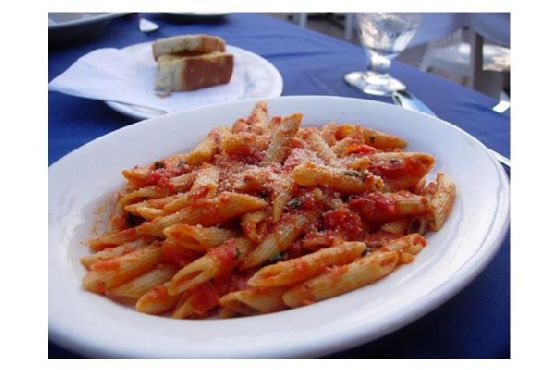

Penne Arrabiata | Made by Meaghan Moineau

It was a Tuesday night, and I found myself staring at the pantry, looking for some inspiration. The day had been long, and the thought of spending hours cooking was just not happening. I needed something quick, with a punch of flavor that would kick away the day’s stress. That’s when I remembered my go-to comfort dish: Penne Arrabiata. This dish is a lifesaver, seriously. It’s one of those recipes that seems almost too easy given how delicious it turns out — a spicy, garlicky tomato sauce that clings lovingly to every piece of penne. Plus, there’s something about the warmth of the spices that feels like a cozy hug after a hectic day. So, if you’re in the same boat and need a little quick comfort, I’ve got you.

Jump to Recipe

What You’ll Need

You probably have most of these ingredients just waiting in your pantry, making this dish all the more inviting. Here’s what’s essential:

  • Canned whole tomatoes – I personally love Pomi tomatoes.
  • Pasta – A packet of penne.
  • Fresh parsley, minced.
  • Garlic – About 5 cloves, freshly minced.
  • Olive oil – 3 tablespoons will do the trick.
  • Dried red peppers – For that spicy kick.
  • Fresh basil – For serving.

How to Make Penne Arrabiata

  1. Start by bringing a large pot of salted water to a boil. This is where your penne will cook, so make sure the water is well-seasoned.
  2. While the water is heating up, grab a large skillet and heat about 3 tablespoons of olive oil over medium heat. Toss in about a teaspoon of dried red pepper flakes, letting them infuse the oil until they’re slightly aromatic but not smoking. Trust your nose here!
  3. Next, add your freshly minced garlic — all five cloves of it. The garlic will start to turn golden and fragrant in no time.
  4. Soon after, sprinkle in a couple of tablespoons of minced fresh parsley, stirring it into the mix. The fragrance should be pretty irresistible by now.
  5. Chop and add the canned whole tomatoes. Stir them in, and then cover the skillet. Let the sauce cook until it’s heated through, the flavors coming together beautifully.
  6. Meanwhile, cook the penne in your boiling water, allowing it to reach that perfect al dente texture — tender with a hint of bite.
  7. Drain the pasta and add it straight into your simmering sauce. Stir thoroughly, so every piece is coated with that spicy, garlicky goodness.
  8. Just before serving, toss in some coarsely chopped fresh basil and a little more parsley. This fresh, herby finish makes all the difference.
  9. Serve immediately, preferably with a good chunk of crusty bread to mop up any sauce left on your plate.

Cook’s Notes

Here’s the deal: the key to a great Penne Arrabiata is balance. Let your senses guide you — the sauce should be spicy but not overwhelmingly so. Feel free to adjust the amount of red pepper flakes depending on your spice tolerance. If you’re making this ahead, you can prep the sauce and store it in the fridge for up to 3 days. Just reheat and toss with freshly cooked pasta when you’re ready to eat. As for leftovers, they keep well in the fridge for about 2 days; just be sure to store the pasta and sauce together in an airtight container.

Make It Your Own

This dish is super adaptable, which is another reason to love it. Here are some fun ways to switch things up:

  • Swap the penne for spaghetti for a different texture experience.
  • If you’re into protein, add some grilled chicken slices or crispy tofu on top.
  • For a veggie boost, toss in some sautéed mushrooms or spinach just before serving.
  • Feeling cheesy? A sprinkle of parmesan or a dollop of ricotta can take this dish to new heights.

If you give this Penne Arrabiata a whirl, I’d love to hear about how it turns out! Drop a comment below or tag me in your spicy pasta creations — let’s share the love for this simple, satisfying meal. Enjoy!

Related update: Penne Arrabiata

Hyundai Palisade Recall Sparks Safety | Analysis by Brian Moineau

When a Routine Family SUV Became a Tragedy: What Happened with the Palisade

Hyundai halted the sales of some Palisade SUVs and recalled 60,000 vehicles after the death of a child — a short, shocking sentence that landed this March and forced manufacturers, regulators, families, and safety advocates to ask hard questions. The headlines are raw: a child lost their life in an incident involving power-folding seats in the Palisade, and Hyundai moved quickly to stop sales of certain 2026 models and issue a recall while it develops a permanent fix. (reddit.com)

Let’s walk through what we know, why it matters, and what the episode reveals about product safety, corporate responsibility, and how we balance innovation with simple human risk.

The central facts

  • Hyundai issued a stop-sale order for some 2026 Palisade SUVs and announced a recall affecting tens of thousands of vehicles after an incident in which a child was fatally injured by a power-folding seat. (reddit.com)
  • The recall covers vehicles with power-folding second- and third-row seats where the seat actuation can trap people or objects during operation; Hyundai has advised caution when operating those functions until a remedy is available. (autos.yahoo.com)
  • Hyundai’s broader Palisade safety history includes prior large recalls (including a nearly 570,000-vehicle recall for seat-belt latch issues and other recent recalls), showing this model line has faced multiple serious safety fixes in recent months and years. (caranddriver.com)

Taken together, these pieces reveal two overlapping threads: an acute safety failure that led to a devastating outcome, and a chronic set of quality and compliance challenges tied to a popular family SUV.

Why a power-folding seat can be deadly

Power-folding seats are an attractive convenience feature: you press a button and the interior quickly rearranges itself for cargo or passengers. But that motion concentrates force and speed in a small space where fingers, limbs, or — worst of all — a child could be caught.

When safeguards fail — whether due to faulty sensors, poor detection algorithms, mechanical design flaws, or user-interface confusion — the system can operate while a person is in harm’s way. In this case, the result was fatal. That sharp reality changes the conversation from theoretical risk to moral urgency. (static.nhtsa.gov)

The regulatory and corporate response

Hyundai’s immediate response included stopping sales of affected 2026 Palisades and launching a recall for roughly 60,000 vehicles while it develops and deploys a remedy. The company has also told owners to exercise caution around the seat-folding functions until dealerships can provide a fix or inspection. Regulators, including the National Highway Traffic Safety Administration (NHTSA), typically investigate these incidents and can require remedies, mandate owner notifications, or push for broader fixes. (static.nhtsa.gov)

This is not Hyundai’s first major safety headache with the Palisade. Earlier recalls addressed seat-belt latches and other safety components affecting hundreds of thousands of vehicles. Those prior issues matter now because they shape public trust and the manufacturer’s capacity to deliver rapid, trustworthy remedies. (caranddriver.com)

The human and reputational costs

Beyond the technical details lie real human consequences. Families who choose SUVs like the Palisade expect safety features — not risks that could cause tragedy. When a design or manufacturing defect contributes to a death, trust erodes quickly.

Reputational damage can ripple: prospective buyers hesitate, resale values wobble, and regulators tighten oversight. For communities directly affected by the incident, corporate statements and recalls cannot replace the loss. Corporate transparency, timely fixes, and goodwill gestures (like reimbursement for incurred expenses) can help, but only insofar as they are sincere and effective. (autos.yahoo.com)

What manufacturers should do differently

  • Design with failure modes in mind. Active features need passive protections: mechanical overrides, redundant sensors, and fail-safe stop-and-release mechanisms.
  • Make user interfaces explicit. Clear labeling, lockouts, and child-proofing for power-folding controls reduce accidental activation.
  • Track complaints more aggressively. Early owner reports and small incidents should trigger design reviews before a fatality occurs.
  • Move faster on repairs. When a fix is identified, manufacturers should prioritize parts production and offer robust interim mitigations.

These actions are not radical. They’re engineering hygiene and ethical obligation.

How owners and caregivers can reduce risk now

  • Follow manufacturer guidance immediately: avoid using the power-folding function until your dealer inspects the vehicle.
  • Physically make the seat controls inaccessible to children (if practical) and never leave children unattended near folding-seat mechanisms.
  • Report any unusual seat behavior to NHTSA and to Hyundai; more data accelerates regulatory attention and manufacturer action. (static.nhtsa.gov)

What this episode means for product safety culture

This incident exposes a recurring pattern across tech-enabled consumer products: rapid feature rollout, complex supplier chains, and distributed responsibility. When a supplier’s part or an obscure sensor calibration causes harm, accountability can diffuse. That makes clear, auditable safety processes essential — and it suggests regulators and manufacturers must collaborate earlier and more transparently.

Moreover, public pressure matters. Media coverage, consumer reports, and social sharing can accelerate fixes. Sadly, as other owners and advocates have noted, sometimes it takes a severe outcome to spark decisive action. That is a bitter lesson. (reddit.com)

My take

Automakers must balance innovation with humility. Convenience features like power-folding seats are wonderful — until they aren’t. When lives are at stake, the default should be simplicity and redundancy. Companies should treat every user report as potentially critical, speed up remedial engineering, and communicate clearly with owners. Regulators must hold firms to high standards and move quickly when patterns emerge.

This tragedy should be a real turning point: not just another recall in a long list, but a prompt for industry-wide reflection on how we design, test, and monitor safety-critical systems that interact directly with people.

Sources


Related update: We recently published an article that expands on this topic: read the latest post.


Related update: We recently published an article that expands on this topic: read the latest post.
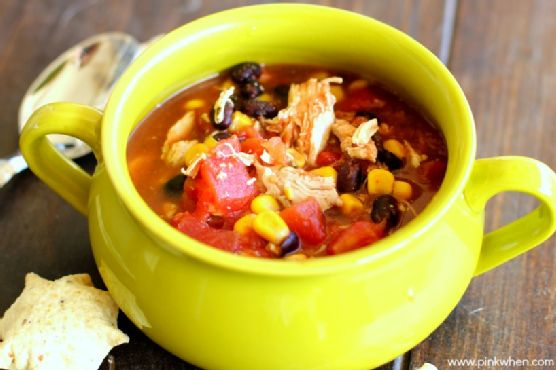
Slow Cooker Chicken Taco Soup | Made by Meaghan Moineau

Late Tuesday evening, I found myself staring at a practically empty fridge, wondering how I could possibly conjure dinner without running to the store. You know those days when you’re mentally exhausted, and the idea of chopping, sautéing, and stirring feels like climbing Everest? That’s when I remembered my trusty slow cooker chicken taco soup, a lifesaver when I need something comforting without the fuss. This dish is the perfect blend of hearty and healthy, and the best part? You probably have most of the ingredients sitting in your pantry right now. With a little prep and a warm bowl of this soup, my chaotic day began to melt away.

Jump to Recipe

What You’ll Need

This recipe keeps things simple with ingredients you can always rely on. Chances are you already have most of this stashed away.

  • Canned black beans, drained and rinsed
  • Canned diced tomatoes (or fire-roasted for extra flavor)
  • Canned chili beans in sauce
  • Canned whole kernel corn, drained
  • Red onion, diced
  • Skinless boneless chicken breasts
  • Optional toppings: crushed tortilla shells, shredded cheddar cheese, sour cream

How to Make Slow Cooker Chicken Taco Soup

  1. Start by adding the canned black beans, diced tomatoes, chili beans, and whole kernel corn to your slow cooker. Give it a gentle stir to combine all those colorful ingredients.
  2. Next, add the diced red onion. It will soften and sweeten as it cooks, adding a subtle depth to your soup.
  3. Place the skinless boneless chicken breasts right on top of the bean and vegetable mixture. No need to cut them up; they’ll be tender and easy to shred once cooked.
  4. Cover your slow cooker and set it on low for 8 hours. If you’re in a hurry, you can crank it up to high and shave the cooking time down to 4 hours.
  5. Once the cooking is done, carefully remove the chicken breasts, shred them using two forks, and return them to the pot. Stir everything together until it’s all well-mixed and piping hot.
  6. Serve steaming bowls of this inviting soup with a sprinkle of crushed tortilla shells, a sprinkling of shredded cheddar cheese, and a dollop of sour cream for extra deliciousness.

Cook’s Notes

This soup is pretty forgiving, meaning it’s hard to mess up, but here are a few tips to ensure it turns out perfect every time. Rinsing the black beans is key to reducing excess salt. If you’re using fire-roasted tomatoes, consider skipping the added chili powder, as they bring their own smokiness. This soup stores wonderfully, so make a big batch! It’ll last in the fridge for up to three days, or you can freeze it for up to three months. Simply reheat on the stovetop or in the microwave when you need a quick, soothing dinner.

Make It Your Own

  • Vegetarian Version: Swap the chicken for crispy tofu. Cook the tofu separately and stir it in just before serving.
  • Spicy Kick: Amp up the heat by adding a diced jalapeño or a teaspoon of cayenne pepper when you add the red onion.
  • Cheesy Delight: Stir in a cup of shredded Monterey Jack cheese just before serving for an extra creamy finish.
  • Fresh Finish: Add a squeeze of lime and a handful of fresh cilantro right before serving for a zesty, fresh lift.

If you try this, I’d love to hear how it turns out — drop a comment or tag me! Enjoy your warm bowl of comfort, knowing that you’ve nailed dinner with minimal effort. Happy cooking!

Related update: Slow Cooker Chicken Taco Soup

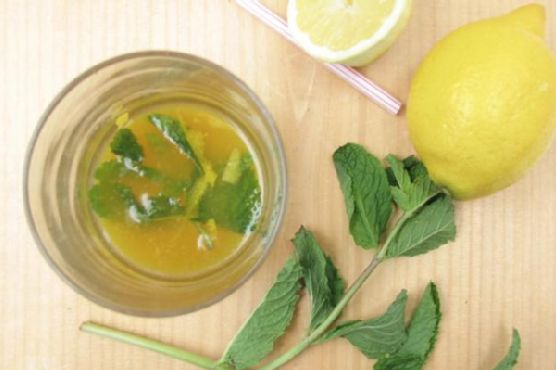
Turmeric Ginger Beer | Made by Meaghan Moineau

It was one of those lazy Saturday afternoons, the kind where the sun dips lazily through the blinds, splashing warm streaks of light onto your kitchen floor. The kind where you’re not rushing off anywhere, and all you want is a refreshing drink that feels both like a reward and a moment of pause. This was the day I stumbled into crafting my own Turmeric Ginger Beer, a concoction that is as much about the vibrant color as it is about the zingy, spice-laden flavors. This drink isn’t just a thirst-quencher; it’s an experience. It’s simple to put together and yet tastes like something you’d order on a dreamy vacation.

Jump to Recipe

What You’ll Need

This recipe shines in its simplicity and the likelihood that you already have most of these ingredients tucked away in your pantry. It’s a little spicy, a little sweet, and just perfect.

  • 2-3 cardamom pods
  • 1 teaspoon coriander seeds
  • 2 inches of fresh ginger
  • 1/4 cup of turmeric ginger syrup
  • Zest of one lemon
  • 1 cup of soda water
  • 1/4 cup of sugar
  • 1 tablespoon of turmeric
  • 1 cup of water

How to Make Turmeric Ginger Beer

  1. Infuse the Syrup: Grate your fresh ginger and turmeric, breathing in that sharp, earthy aroma. It will wake up your senses! Combine them with the sugar, water, cardamom pods, and coriander seeds in a saucepan. Bring everything to a lively boil, then reduce the heat and let it simmer gently for about 10 minutes. You’ll know it’s ready when your kitchen smells like an exotic spice market.
  2. Let it Rest: Take the saucepan off the heat and let the spices infuse, giving the syrup time to absorb all those intricate flavors as it cools down to room temperature. Patience here pays off!
  3. Strain the Syrup: For a smooth syrup, strain it twice — first through a regular strainer and then through a fine-mesh tea strainer. This ensures no rogue seeds or ginger bits sneak through. Store this golden liquid in the fridge, where it’ll keep nicely for several weeks, ready to summon at a moment’s notice.
  4. Mix the Drink: To assemble your drink, measure out 2 tablespoons of the syrup and pour it into an eight-ounce glass. Lightly crush a piece of lemon peel and some mint leaves with the back of a spoon to release their oils and aroma. Squeeze the juice from one quarter of a lemon into the glass, then top with ice and soda water. Stir gently, letting the bubbles work their magic.

Cook’s Notes

Don’t rush the straining process; it’s key for that silky texture. If you’re storing the syrup, make sure it’s in an airtight container to keep the flavors fresh. This syrup is versatile and can even be used in other drinks or desserts. If you’re expecting guests, you can double or triple the syrup recipe — it keeps well, making it a great make-ahead option. Just mix with soda water right before serving for that fizzy freshness.

Make It Your Own

  • Spicy Twist: Add a slice of fresh jalapeño to the syrup infusion for a spicier kick.
  • Herbal Variation: Swap the mint for basil leaves for a completely different herbal fragrance.
  • Citrus Swap: Use lime zest and juice instead of lemon for a tart and tangy tweak.
  • Sweeten the Deal: Use honey instead of sugar for a richer, more rounded sweetness.

If you try this, I’d love to hear how it turns out — drop a comment or tag me! Whether you stick to the classic or add your own twist, this Turmeric Ginger Beer is bound to brighten your day. Cheers! 🍻

Related update: Turmeric Ginger Beer

Related update: Turmeric Ginger Beer

Inside the $160K Ammortal Recovery Chamber | Analysis by Brian Moineau

Step inside the high-tech, futuristic-looking Ammortal chamber

I lay down, the lid curved like a spaceship overhead, and within seconds a warm red light flooded the cabin. Step inside the high-tech, futuristic-looking Ammortal chamber and you don’t just get light—you get a carefully choreographed stack of therapies: red and near‑infrared photobiomodulation, pulsed electromagnetic fields, vibroacoustics, guided breathwork, and even a sip of molecular hydrogen delivered by a tiny nasal tube. The first time I tried it, the room hummed, a steady vibration threaded through the mattress, and my whole body began to buzz in a way I hadn’t expected.

The Ammortal chamber (reported price around $159–160K) has been showing up in luxury spas, athletic recovery centers, and wellness suites. It’s designed to condense hours of separate modalities into one guided session—25 to 50 minutes of what its makers call “human optimization.” The experience feels cinematic: audio cues, dimming lights, tactile resonance, and a gentle voice that shepherds you through breathwork and relaxation.

Why the buzz? The science inside the Ammortal chamber

Several distinct technologies are layered in the chamber—and each has a research footprint of varying strength.

  • Photobiomodulation (red and near‑infrared light) is the centerpiece. Controlled exposure to these wavelengths can stimulate mitochondrial activity and has evidence supporting skin repair, reduced inflammation, and improved circulation.
  • Pulsed electromagnetic fields (PEMF) claim to influence cellular signaling and blood flow. Some studies suggest benefits for recovery and pain reduction, though results vary by protocol.
  • Vibroacoustics and synchronized sound can promote relaxation, modulate heart rate variability, and change perceived pain or stress.
  • Molecular hydrogen inhalation is offered as an antioxidant adjunct; preliminary studies hint at anti‑inflammatory effects but large clinical trials are limited.

Stacking these modalities may produce additive—or even synergistic—effects, but that’s also the trick: because multiple inputs happen at once it’s harder to isolate which element is doing the work. Expectation, environment, and the guided breathwork likely amplify outcomes via the nervous system’s top‑down influence.

What it actually feels like

The session begins with a mild mechanical hum. The red glow washes over your skin; vibrations travel through the bed; a voice asks you to breathe slowly. For many users the immediate sensation is a profound relaxation coupled with heightened sensation—the “buzz” people report. That buzzing can be physical (vibroacoustics + PEMF) and perceptual (your nervous system shifting from fight/flight toward parasympathetic calm).

Post‑session effects often described in reviews and first‑hand accounts include:

  • A sustained feeling of calm and mental clarity ("caffeinated calm").
  • Reduced muscle soreness or quicker perceived recovery.
  • Subtle changes in skin tone or texture after repeated use (attributed to red/NIR exposure).

These are promising but largely anecdotal outside carefully controlled studies. Still, for athletes and high‑performers willing to pay per session, the chamber’s immersive format is an attractive time‑saving convenience.

Who is the Ammortal chamber for?

  • Professional athletes and performance teams who value incremental recovery advantages.
  • Luxury spas and clinics that can amortize the hardware cost across many clients.
  • Biohackers and early adopters who prioritize novelty and are comfortable with premium pricing.

For most consumers, buying a full $160K unit is unrealistic. Fortunately, the model is showing up as per‑session offerings in select facilities, letting curious people test it without the full price tag.

The business and ethical angle

Ammortal’s price point places it firmly in high‑end wellness. The company has attracted investment from athlete backers and wellness entrepreneurs, and it’s exploring lower‑cost variants to broaden access. The flip side: a high price plus polished marketing can drive expectation biases. Wellness tech companies must be cautious not to overpromise while research continues to catch up.

There’s also a practical safety note: stacked therapies mean stacked risk considerations. Users with implanted electronic devices, certain medical conditions, or pregnancy should consult clinicians before trying electromagnetic or inhalation components.

A short list of practical questions before you try it

  • Do you have any implanted devices or medical conditions that could interact with PEMF or oxygen/hydrogen delivery?
  • Is the facility transparent about protocols, training, and emergency procedures?
  • Can you try a single session first to judge subjective effects before committing to a package?

Answering these will help reduce surprises and keep the experience restorative rather than unsettling.

The Ammortal chamber experience

I left feeling oddly energized and calm—an alertness without jitters. The buzzing faded over a few hours but a lighter, buoyant clarity stayed with me into the next day. That combination of restorative relaxation plus a perceptible “lift” is what many reviewers report: a short session that feels like pressed reset.

That said, a single immersion is unlikely to replace consistent sleep, nutrition, and movement. Think of the chamber as a high‑spec tool in the recovery toolbox: useful for targeted sessions, especially when paired with a broader lifestyle plan.

My take

The Ammortal chamber is striking because it packages multiple plausible wellness technologies into a single, polished experience. It’s equal parts engineering, psychology, and design. For people chasing marginal gains—athletes, celebrity clients, and affluent biohackers—the chamber offers a compelling, time‑efficient ritual. For everyone else, the novelty and reported benefits are interesting, but the science needs larger, controlled trials to parse what’s real, what’s synergistic, and what’s placebo.

If you get the chance to try one at a spa, bring curiosity and healthy skepticism. Lie down, breathe with the guide, and notice what shifts. The buzz might be the machine—or your body finally getting permission to relax. Either way, it’s futurescape wellness: roomy, red, and a little bit electric.

Sources


Related update: We recently published an article that expands on this topic: read the latest post.


Related update: We recently published an article that expands on this topic: read the latest post.


Related update: We recently published an article that expands on this topic: read the latest post.


Related update: We recently published an article that expands on this topic: read the latest post.