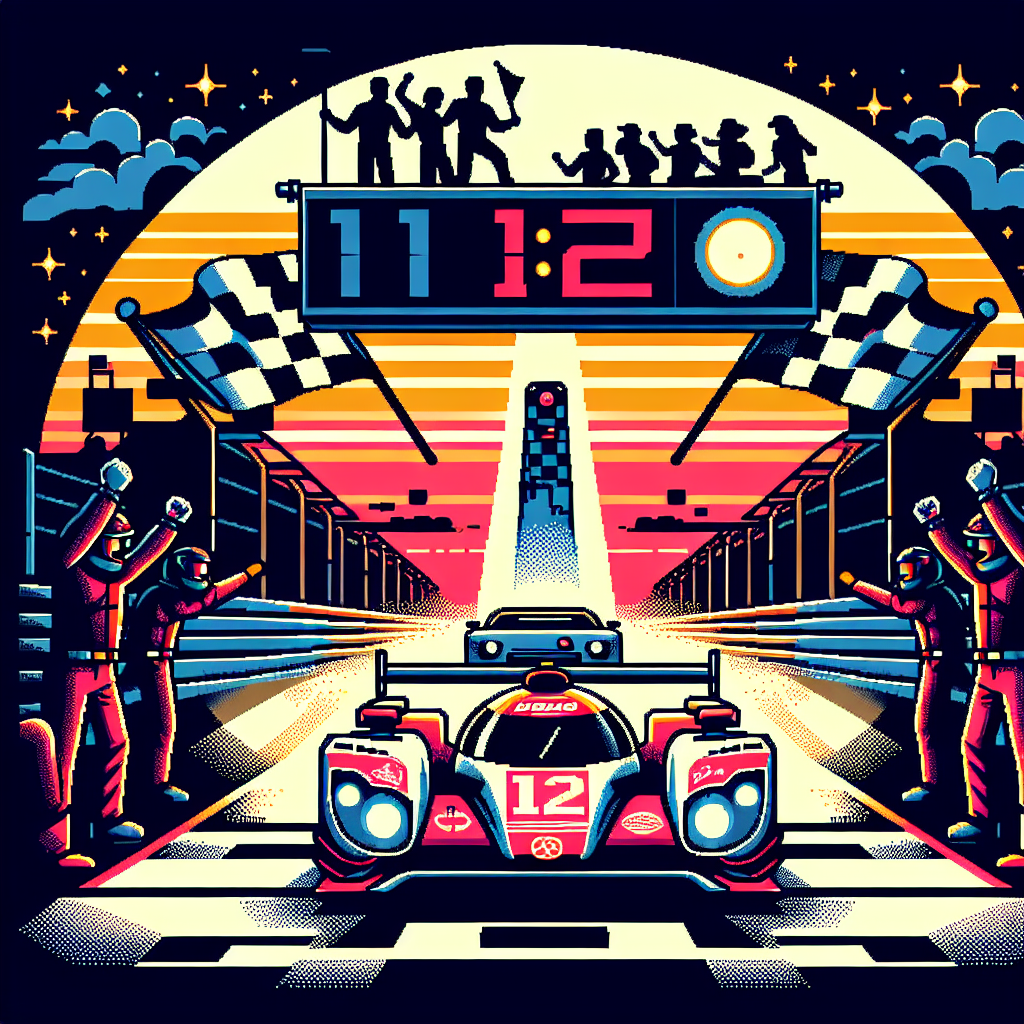
Aitken Snatches Sebring 12H Pole Glory | Analysis by Brian Moineau

Pole, pressure and provenance: Aitken Beats Blomqvist to 12H Sebring Pole

Jack Aitken’s late lunge for the top spot — Aitken Beats Blomqvist to 12H Sebring Pole — grabbed headlines and reset expectations for the Mobil 1 Twelve Hours of Sebring. The Action Express Racing Cadillac V‑Series.R showed both outright pace and a knack for timing, denying Tom Blomqvist and the Meyer Shank Racing Acura a clear run at qualifying glory. That one-lap duel felt like a microcosm of modern endurance racing: razor-thin margins, tactical timing, and drivers who can flip from patient to aggressive in an instant.

Why this pole mattered

Sebring’s concrete surface is famously punishing; it rewards bravery and punishes mistakes. Securing pole at the 12 Hours isn’t just ego — it’s strategic. Clean track position at the start can help avoid first-lap attrition and gives teams the breathing room to execute early stints and pit strategy without immediate traffic compromises.

Aitken’s effort carried extra weight because it came against serious competition. Blomqvist has been on a hot streak in IMSA qualifying sessions, and the Acura Meyer Shank package is consistently a threat. For Action Express, putting the Cadillac V‑Series.R on top reasserted Cadillac’s development curve and injected momentum into a long 12‑hour day where reliability and execution ultimately decide the result.

The on-track story — how Aitken edged Blomqvist

  • The session was compact and intense: drivers had a narrow window to lay down flying laps before traffic and track evolution changed the equation.
  • Blomqvist produced a run that looked pole-worthy, but Aitken found an extra sliver of pace on his final attempt.
  • The margin was minimal — the sort of difference that can come down to a single clean apex, a better exit, or timing a tow. That’s the poetry of qualifying at Sebring: tiny edges translate into headline moments.

Beyond the headline, the qualifying phase underlined two broader trends. First, Cadillac’s V‑Series.R package remains highly competitive across different track conditions. Second, the GTP field has compressed: BMW, Porsche, Acura and Cadillac traded laps throughout the session, creating an unpredictable grid that promises a chaotic, tactical race.

What this means for race day

Securing pole in a 12‑hour race doesn’t guarantee victory, but it shapes the script. From the Action Express perspective:

  • Early stint control becomes easier: leading into Turn 1 reduces immediate contact risk and lets the team dictate the opening pace.
  • Strategy flexibility improves: a pole-sitter can play with stint length and tire choices without being forced into reactive moves to stay in traffic.
  • Psychological advantage: teammates and rivals notice—small boosts in confidence can influence split-second driver choices later.

For Blomqvist and Acura Meyer Shank Racing, the narrow miss is a warning and motivation. They showed they have the pace — and in endurance racing, pace plus prudence often equals results. Expect MSR to pressure the Cadillacs early and to use pit-stop precision to try and regain track position when it matters.

The bigger picture for Cadillac and the GTP class

The GTP grid is more crowded and competitive than it’s been in years. Manufacturer investment has sharpened development and closed the gaps between different cars and engine philosophies. Aitken’s pole is evidence that Cadillac is still refining strengths — aero, balance or tire management — that can deliver one-lap speed and race durability.

But remember: Sebring eats setups. Race engineers will be monitoring tire degradation, brake wear and shock behavior over concrete bumps more obsessively than usual. Teams that convert qualifying pace into consistent, repeatable stint times will be the ones to watch as night falls and track temperatures change.

A few notable subplots to watch during the race

  • How the Cadillacs manage traffic and multi-class interactions during the first few hours.
  • Whether Meyer Shank can turn its qualifying speed into clean race stints and gain back track position through pit strategy.
  • Tire and brake conservation across teams — the concrete surface and long stints force trade-offs between outright lap time and sustainable pace.
  • Which manufacturer extracts late‑race advantage: powertrain durability and team pit execution tend to decide the closing hours.

Quick hits

  • Pole showcases single-lap performance; the race will reward long-run consistency.
  • Sebring’s bumps and concrete demand conservative bravery: push where it counts, preserve where it doesn’t.
  • Team strategy and pit stops will likely shuffle the order multiple times — don’t read too much into the opening stints alone.

A few takeaways for fans

  • Expect a strategic chess match rather than a straightforward procession. Qualifying shows who can be fast — the race shows who can balance speed and preservation.
  • Keep an eye on in-car driver swaps: how teams distribute stints (young, fast drivers vs. experienced closers) will be crucial.
  • Night running often flips the narrative; the team that adapts quickest to changing track grip typically finishes stronger.

Final thoughts

There’s something magnetic about a pole decided by a sliver of a second. Jack Aitken’s achievement — Aitken Beats Blomqvist to 12H Sebring Pole — captured that blend of precision and drama that endurance fans live for. But Sebring has the final say; the surface remakes contenders hourly, and the long game favors the crew that pairs speed with unflinching reliability. If qualifying is the teaser, the twelve hours will be the full novel — and judging by how tight things are now, it promises to be a page‑turner.

Sources


Related update: We recently published an article that expands on this topic: read the latest post.
Related update: We recently published an article that expands on this topic: read the latest post.
Fudgy chocolate cream cheese brownies with Baileys | Made by Meaghan Moineau

Last Wednesday, as the rain tapped against my kitchen window, a sudden craving for something rich, chocolatey, and indulgent hit me hard. It was one of those evenings where comfort food felt less like an option and more of a necessity. I rifled through my pantry, feeling the urge to concoct something that was both decadent and a tad boozy—a treat just for me. That’s when the idea of Fudgy Chocolate Cream Cheese Brownies with Baileys popped into my head. This is the kind of recipe that turns a gloomy night into a cozy one, with swirls of cream cheese dancing through the chocolate, accented by the warmth of Baileys. It’s not just dessert; it’s the dessert you make when you want to treat yourself to something special.

Jump to Recipe

What You’ll Need

Before you start, take a quick peek in your pantry. You might already have most of what you need. This ingredient list is straightforward, with a couple of stars to give it that wow factor.

  • Bittersweet chocolate
  • Butter
  • Cream cheese
  • Eggs
  • Flour
  • Espresso powder (optional, but it does wonders to elevate the chocolate flavor!)
  • Sugar
  • Vanilla extract
  • Baileys Irish Cream
  • Non-stick spray or butter and flour for the pan

How to Make Fudgy Chocolate Cream Cheese Brownies with Baileys

Let’s get down to business! Here’s how to bring this luscious creation to life:

  1. To whip up the chocolate layer, toss your bittersweet chocolate and butter into a large glass dish. Microwave them for about 1.5 minutes. Don’t panic if the chocolate looks like it hasn’t melted; give it a good stir, and it will melt into a velvety pool. If it’s still stubbornly chunky, give it a few more seconds in the microwave. Just avoid overheating—it’s a slippery slope to a burnt mess.
  2. Once your chocolate is all dreamy and melted, stir in the sugar and vanilla extract with a whisk. Let it cool down a tad; you don’t want scrambled eggs in your brownies.
  3. Now, beat in the eggs, one at a time, making sure each is well incorporated before adding the next. This is where the magic begins.
  4. Sift the flour over the chocolate mixture slowly, mixing as you go. The batter will start to look like a chocolate lover’s dream. Set this chocolatey goodness aside for a moment.
  5. For the cream cheese layer, pop the cream cheese in a bowl and give it a whirl with a hand mixer until it’s smooth and ready to mingle. Add sugar and mix again until it’s sweet and creamy.
  6. Beat in an egg and give it a splash of Baileys. Mix until everything’s just right.
  7. Prep your baking pan. Spray it with non-stick spray or butter and flour it. You can line it with parchment for easy lifting later—trust me, you’ll want to.
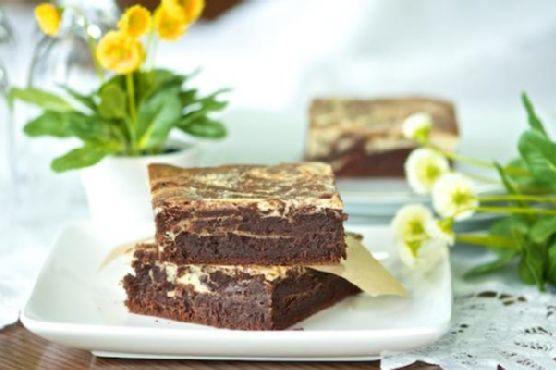
  8. Pour the chocolate mixture evenly into the pan, then drizzle the cream cheese mixture over it. Use a fork to create swirls so the cream cheese peeks through the chocolate. Don’t overdo it; you want distinct marbled patterns.
  9. Pop the pan into your preheated 350°F oven. Let it bake for about 35 minutes or until a knife comes out clean. The aroma will drive you wild, but patience, my friend—it’ll be worth it.
  10. Once baked, let it cool before slicing into perfect squares of indulgence. Enjoy!

Cook’s Notes

Here’s the inside scoop on making sure these brownies come out just right. Be patient with the chocolate melting process; stirring is your friend. If you rush and overheat, you’ll get a grainy texture—not cool. When blending the batters, gentle swirling is key for that beautiful marbled look. These brownies store well in an airtight container at room temperature for up to three days, but let’s be honest—they won’t last that long. If you’re thinking ahead, they freeze beautifully too. Just wrap them tightly in parchment and foil.

Make It Your Own

Want to add your own twist? Here are a few ideas:

  • Swap the Baileys for your favorite flavored liqueur like Kahlua or Amaretto for a different, yet delightful, boozy touch.
  • Add a handful of crushed nuts to the chocolate layer for a crunchy surprise in every bite.
  • Mix in a teaspoon of cinnamon into the chocolate for a warm, spicy note that pairs beautifully with the Baileys.
  • Looking for a non-alcoholic version? Use a splash of coffee instead of Baileys to deepen the chocolate flavor without the booze.

If you give this a go, I’d love to hear how it turns out for you. Drop me a comment or tag me with your brownie pics. Let’s share the love and the chocolate!

Related update: Fudgy chocolate cream cheese brownies with Baileys

Related update: Hot Cross Buns

Switch 2 Boost Mode: Better Play, Worse | Analysis by Brian Moineau

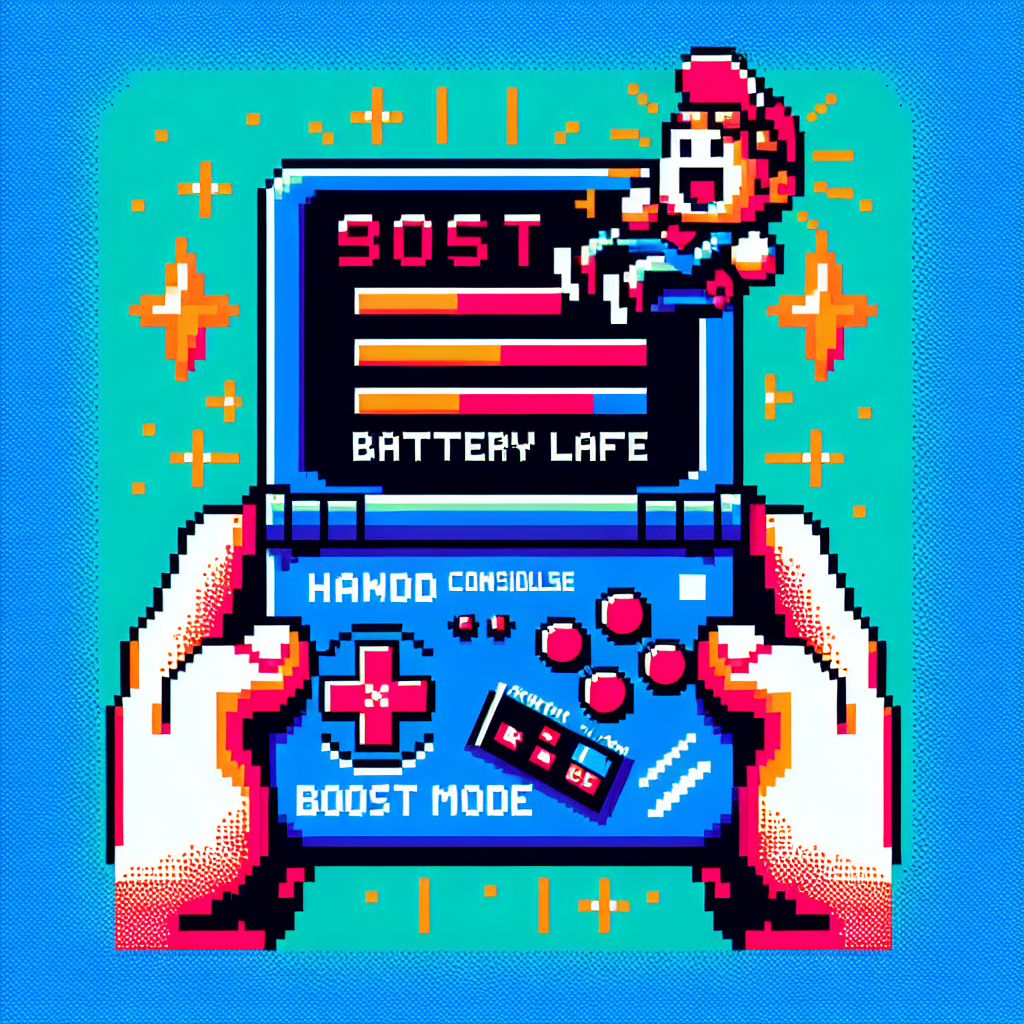
Handheld Boost Mode is breathing new life into old Switch games

The first time I toggled Handheld Boost Mode on my Switch 2, I felt like I’d slipped into a slightly sharper, faster version of the past. Handheld Boost Mode is breathing new life into old Switch games — frame rates are steadier, textures feel cleaner, and a handful of titles that always felt a little rough in portable play suddenly behave like they belong on a newer handheld. It comes at a cost: battery life in handheld mode takes a noticeable hit. But for many players, that trade-off is worth it.

Why Boost Mode matters

Nintendo’s sequel handheld aims to give players more power without abandoning portability. Boost Mode leans into that promise by increasing CPU/GPU clocks and prioritizing higher frame rates and resolution when you’re playing untethered. That means games that were designed for the original Switch (and its limited hardware) can run noticeably better on the new system without developers needing to patch them.

This is the kind of improvement that changes how classic and third-party ports feel. Motion becomes smoother; input feels tighter; small visual upgrades make exploration more pleasant. It’s not just a numbers upgrade — it’s a quality-of-play upgrade, especially for action and rhythm titles where consistent frame pacing matters.

The obvious downside: battery life

Boost Mode’s flip side is higher power draw. Early hands-on reporting and follow-up reviews consistently note the same pattern: handheld battery life on the Switch 2 is shorter than many expected, and turning on Boost Mode accelerates that drain. Tests and user reports place real-world handheld sessions somewhere in a wide range depending on brightness, game demand, and settings — but the consistent message is that you’ll get less portable time when you prioritize performance.

  • Heavy 3D titles and Boost Mode together can drop sessions into a window of a couple hours.
  • Lighter indie or classic titles stretch battery life, even with Boost Mode, but not as long as older Switch OLED units in similar scenarios.
  • Users have found mitigation strategies (lower brightness, wired power banks, or playing docked when possible), yet none restore battery life to the levels of past hardware without losing Boost Mode’s benefits.

So yes: the experience improves, the autonomy decreases. For people who game mostly at home with a dock, that’s a fine trade. For commuters or long-haul travelers, it introduces real planning: pack a charger or accept shorter play sessions.

Handheld Boost Mode in practice

I tested a cross-section of Switch-era titles, and the pattern was clear.

  • Fast-paced action games felt dramatically better. Frame drops were fewer; hit registration felt snappier. Those qualitative changes altered play, not just visuals.
  • Open-world Nintendo titles and heavier ports still taxed the system — Boost Mode helped maintain steadier performance but didn’t make the games run as long as on docked mode.
  • 2D platformers and retro compilations saw modest gains; sometimes Boost Mode is overkill for these, but for certain pixel-perfect speed runs it’s welcome.

Reviews and hands-on write-ups reflect similar experiences: stronger performance in handheld, but a steeper battery bill. That makes Boost Mode an intentional choice, not a default you’ll leave on all the time.

Who should use Boost Mode

Not everyone needs it. Consider Boost Mode if you fall into any of these buckets:

  • You care about smooth frame rates and tighter responsiveness while playing old Switch ports.
  • You mostly play short handheld sessions (1–2 hours) and want the best experience during that window.
  • You frequently play titles where input latency matters — fighting games, platformers, rhythm games.
  • You’re comfortable carrying a high-capacity power bank or staying near an outlet.

Skip—or use sparingly—if you:

  • Rely on long, uninterrupted portable play (flights, road trips).
  • Prefer maximum battery convenience over incremental performance gains.
  • Already have strategies to dock the console during serious sessions.

Practical tips to balance boost and battery

If you want the perks of Boost Mode without being stranded with a dead battery, try these practical adjustments.

  • Use Boost Mode selectively for specific sessions or games rather than leaving it on constantly.
  • Turn down screen brightness and disable unnecessary background features when portable.
  • Carry a USB-C PD power bank rated for at least 45–60W; it’ll give you meaningful extra playtime and often allow charging while playing.
  • Change system power settings to prevent charging above a set percentage if you’re concerned about long-term battery health.
  • Keep an eye on firmware updates; Nintendo and third parties often adjust power profiles and software optimizations after launch.

These are small habits that let you enjoy the performance lift while minimizing the inconvenience.

How this changes the life of older games

What’s most exciting is what Boost Mode does to our perception of the Switch library. It’s a reminder that hardware can transform software without code changes. Titles that felt like compromises in handheld mode now feel more complete and intentional. That’s a rare second wind for a console’s back catalog — few things reframe a library the way better portable performance does.

For preservation-minded players and those nostalgic for the original Switch’s library, Boost Mode is a meaningful enhancement. It’s not every gamer’s priority, but for many it’s the difference between “good enough” and “notably better.”

My take

Boost Mode feels like a thoughtful feature for players who value performance and tactile responsiveness over raw battery longevity. It won’t replace the need for docking or power planning, but it does rescue a lot of old ports from feeling sluggish in handheld play. If you own a Switch 2 and have a few games that always rubbed you the wrong way in portable mode, try Boost Mode for a session or two. You might find those games worth revisiting — battery caveat notwithstanding.

Sources


Related update: We recently published an article that expands on this topic: read the latest post.


Related update: We recently published an article that expands on this topic: read the latest post.

Fudgy chocolate cream cheese brownies with Baileys | Made by Meaghan Moineau

Last Tuesday night, I had one of those cravings that you can’t shake off, no matter how many other snacks you try. You know the kind — rich, chocolaty, and just decadent enough to feel like a little celebration in the middle of your week. I found myself rummaging through the pantry, determined to whip up something that would hit all the right notes. That’s when I landed on these fudgy chocolate cream cheese brownies with a twist of Baileys. These are not your average brownies; they marry the dense, chocolatey goodness we all love with a lush swirl of cream cheese and a hint of Irish cream for a bit of grown-up indulgence. Perfect for a cozy night in or an impressive dessert when you’re hosting friends.

Jump to Recipe

What You’ll Need

It’s likely you already have most of these ingredients lying around, which means you’re just a few steps away from brownie heaven. A few key players make this dish truly special.

  • Bittersweet chocolate
  • Butter
  • Cream cheese
  • Eggs
  • Flour
  • Espresso powder (trust me on this)
  • Sugar
  • Vanilla extract
  • Baileys Irish Cream

How to Make Fudgy Chocolate Cream Cheese Brownies with Baileys

  1. First, let’s make the chocolate layer. Grab a large glass dish and toss in your bittersweet chocolate and butter. Give it a go in the microwave for about 1.5 minutes. It might still look whole when you take it out, but trust me, it’s ready to be stirred until smooth. If it’s stubborn, zap it for a few more seconds — just don’t overdo it, we don’t want scorched chocolate.
  2. Once the chocolate is silky, add in the sugar and vanilla. Stir with a whisk until it’s all well blended. Let it cool a little — you don’t want scrambled eggs in your brownies!
  3. After it’s cooled a bit, whisk in the eggs one by one. Make sure each egg is fully mixed in before adding the next.
  4. Now, sift the flour over your chocolate concoction, little by little, and fold it in gently. Set this aside; we’ll come back to it soon.
  5. For the cream cheese layer, grab a bowl and whip your cream cheese with a hand mixer until it’s nice and soft. Mix in the sugar until it’s well combined.
  6. Next, add the egg and beat until it’s just incorporated, followed by a generous splash of Baileys. Stir it all together until smooth.
  7. Now, it’s time to assemble! Prepare an 8″ square baking pan by spraying it with non-stick spray or lining it with parchment paper, making sure the paper hangs over the edges for easy lifting later.
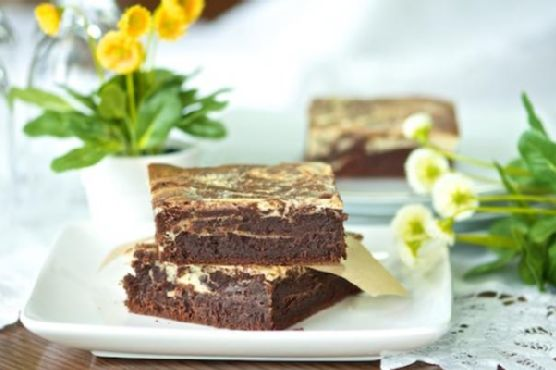
  8. Pour the chocolate layer into your prepared pan and smooth it out. Then, pour the cream cheese mixture over the top. Use a fork to swirl the two layers together, creating pretty marble patterns. Just swirl — don’t mix them entirely!
  9. Pop it into a preheated oven at 350°F for about 35 minutes. You want a knife to come out clean from the center, but don’t let it overbake. Let it cool completely before slicing into indulgent squares.

Cook’s Notes

Don’t skimp on the chocolate quality — using a good bittersweet chocolate makes a world of difference. And while it might be tempting to skip the espresso powder, it actually enhances the chocolate flavor without making it taste like coffee. These brownies store well in an airtight container at room temperature for up to three days, or wrap them up and freeze for a longer treat stash. If you’re planning ahead, you can make these the day before and let them sit overnight — some say they taste even better the next day as the flavors meld!

Make It Your Own

  • Nutty Addition: Add a handful of chopped walnuts or pecans to the chocolate layer for a bit of crunch.
  • Spice It Up: Mix in a teaspoon of cinnamon or a pinch of cayenne to the chocolate batter for a warm, spicy kick.
  • Minty Fresh: Swap the Baileys for peppermint extract in the cream cheese layer for a refreshing twist.
  • Berry Bliss: Add a swirl of raspberry jam on top of the cream cheese for a fruity contrast.

If you give these brownies a whirl, let me know how they turn out! I’d love to hear your thoughts or see your creations — drop a comment or tag me in your posts. Happy baking, friends!

Related update: Fudgy chocolate cream cheese brownies with Baileys

Related update: Fudgy chocolate cream cheese brownies with Baileys

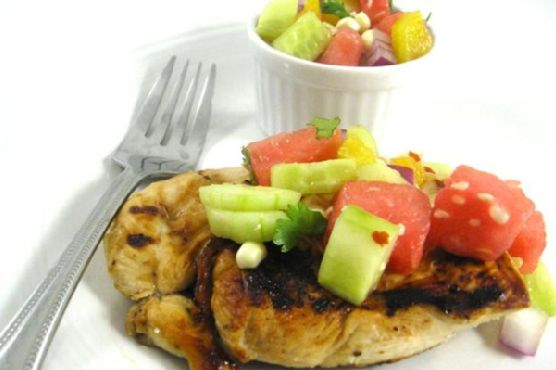
Zesty Lime Marinated Chicken with Homemade Watermelon Salsa | Made by Meaghan Moineau

It was one of those days when you’re juggling a million things and realize it’s almost dinner time with nothing planned. The kids were cranky, I was craving something fresh and light, and the pantry was looking a little uninspired. That’s when the idea for this Zesty Lime Marinated Chicken with Homemade Watermelon Salsa popped into my head. It’s quick and full of bright flavors, a perfect match for a warm summer evening—or to trick yourself into thinking it’s summer when it’s absolutely not. Plus, that sweet and spicy watermelon salsa is a total game-changer, trust me.

Jump to Recipe

What You’ll Need

Just a few fresh ingredients and some pantry staples, chances are you already have most of what you need! Here’s the lineup:

  • Diced watermelon
  • Diced cucumber
  • Sweet fresh ear corn
  • Extra virgin olive oil
  • Fresh cilantro
  • Garlic powder
  • Fresh ground pepper
  • Honey
  • Fresh lime juice
  • Yellow sweet diced orange pepper
  • Red diced onion
  • Crushed red pepper flakes
  • Salt
  • Skinless boneless chicken breasts
  • Tabasco sauce

How to Make Zesty Lime Marinated Chicken with Homemade Watermelon Salsa

  1. Start with the salsa: In a medium bowl, toss together the watermelon, cucumber, orange pepper, corn, cilantro, and red onion. It’s already looking colorful and fresh!
  2. In a small bowl, whisk together ¼ cup lime juice, a tablespoon of honey, a pinch of red pepper flakes, and a bit of salt. Pour this over the salsa mix, give it a good stir, and pop it in the fridge for at least an hour to let the flavors meld.
  3. Now, onto the chicken! In a shallow bowl, place the chicken breasts, drizzling them with 3 tablespoons of lime juice. Sprinkle each side with garlic powder, salt, and pepper. Cover and let them marinate in the fridge for about 30 minutes.
  4. Time to cook: Heat a large nonstick pan over medium heat. Add a splash of extra virgin olive oil. Once it’s shimmering, add the chicken breasts. Cook them covered, flipping once, until they’re browned and cooked through—about 10-12 minutes.
  5. Remove the chicken from the pan and set aside. In the same pan, pour in a mixture of ¼ cup lime juice, 2 tablespoons of honey, and a dash of Tabasco. Stir for about 30 seconds until it’s all nice and melted into a glaze.
  6. Return the chicken to the pan, flipping each piece once so they’re fully coated in that sweet, tangy glaze. Remove from the pan and plate the chicken.
  7. Spoon generous amounts of the watermelon salsa over each chicken breast and serve with extra salsa on the side. It’s a fiesta of flavors and colors!

Cook’s Notes

Here’s the scoop on making this go smoothly and taste amazing:

– Marinating tip: If you’re short on time, even 15 minutes in the lime marinade will do wonders for the chicken.
– When making the salsa, aim for uniform dice on the watermelon and cucumber so you get a bit of everything in each bite.
– Storage: The salsa keeps well in the fridge for up to two days, but it’s best fresh. The chicken can be stored in an airtight container for up to three days.
– Leftovers: Thinly slice any leftover chicken and toss it in a wrap with some of the salsa for a quick and delicious lunch.

Make It Your Own

Feel like experimenting? Here are a few variations to try:

  • Swap the chicken for crispy tofu if you’re going for a vegetarian vibe.
  • Add some diced avocado to the salsa for extra creaminess.
  • If spicy isn’t your thing, omit the red pepper flakes and Tabasco, and try a sprinkle of smoked paprika instead.
  • Use mango instead of watermelon for a tropical twist.

If you try this, I’d love to hear how it turns out—drop a comment or tag me! It’s always fun to see what creative spins you put on it. Enjoy the burst of summer in every bite!

Related update: Zesty Lime Marinated Chicken with Homemade Watermelon Salsa

Related update: Boeuf Bourgignon

Marathon’s Cryo Archive: Weekend Raid | Analysis by Brian Moineau

Marathon's Cryo Archive raid that goes live on March 20, which will only be available on weekends

Marathon's Cryo Archive raid that goes live on March 20, which will only be available on weekends — that sentence alone is enough to make me both excited and mildly suspicious. Bungie has a knack for theatrical reveals, and the studio's latest endgame offering for Marathon leans hard into that tradition: a raid-style PvPvE map packed with puzzles, brutal enemies, and loot that promises to be worth the risk. If you were hoping to dip a toe in this first deck of the UESC Marathon, prepare for structured mayhem and a very specific play window.

Why Cryo Archive feels like a Bungie love letter to raids

Bungie describes Cryo Archive as a "labyrinth of cryopods, medical bays, and storage wings" built around a central hub with six interconnected wings. That layout reads like a checklist for memorable raid design: tight, tense corridors for small-team puzzle solving; larger spaces for spectacular combat; and mechanics that force players to coordinate under pressure. Add in seven vaults containing some of the game's rarest rewards, and you have a recipe that intentionally raises the stakes.

Transitioning from Destiny’s raid DNA to Marathon’s extraction-shooter framework, Bungie blends raid-style puzzles with hardcore extraction mechanics. Players will need Runner Level 25, all six factions unlocked, and a loadout value of at least 5,000 credits to enter — and yes, there’s a one-time Sponsored Kit for lower-stakes first runs. That combination keeps Cryo Archive gated behind both skill and time investment, which should make successful runs feel meaningful.

What to expect when Cryo Archive is live on March 20

  • Map structure: central hub with six wings, encouraging repeated runs to learn paths and vault locations.
  • Loot and rewards: seven vaults hold some of Marathon’s best gear, including items exclusive to the Archive.
  • Difficulty and design: raid-style puzzles, layered mechanics, and heavy UESC (and Runner) opposition — expect a steep learning curve.
  • Entry requirements: Runner Level 25, all six Marathon factions unlocked, and 5,000 credits loadout value (with a sponsored low-stakes kit for newcomers).
  • Availability window: weekends only — Bungie intends Cryo Archive to run like Destiny’s weekend activities, concentrating the player base into specific days.

This weekend-only cadence is deliberate. Bungie has used limited-time windows before to focus players into concentrated, high-stakes events. The benefit is a livelier matchmaking pool and a feeling of occasion; the downside is obvious friction for players with nontraditional schedules.

The weekend-only choice: smart curation or accessibility problem?

On one hand, restricting Cryo Archive to weekends makes sense from a population-management and spectacle perspective. If you want every run to be meaningful and to reduce the risk of half-populated teams, concentrating activity into a predictable window helps. It's the same logic behind Trials-like modes: scarcity creates hype and fosters community coordination.

On the other hand, Bungie’s decision will alienate players who can't play on weekends. Early threads from the Marathon community highlight frustration — shift workers, parents, and folks with weekend commitments worry they’ll be shut out of the first major PvPvE experience. Bungie seems aware of the trade-off; analogues in Destiny offered both exclusive weekend events and alternate opportunities for less-available players. Marathon’s reliance on a Sponsored Kit for a single lower-stakes attempt feels like a modest concession, not a full solution.

How to prepare for your first run

  • Hit the prerequisites early: reach Runner Level 25 and unlock all six factions before March 20.
  • Stock credits: make sure you can meet the 5,000 loadout value, and test gear synergies beforehand.
  • Practice contracts and team roles on other maps to build cohesion.
  • Watch the launch trailer and developer blog to study visual cues and puzzle hints.
  • Form a squad in advance; weekend-only modes reward coordination and planning.

Because Cryo Archive is structured around vaults and puzzles, rehearsing extraction mechanics and communication will pay off. Expect your first few runs to be chaotic — that’s the point — but every failure should teach you something about routing and timing.

The ARG and community hunt that led here

Bungie teased Cryo Archive through an ARG-like set of puzzles and community goals, seeding the map with cryptic messages and mass objectives (including community kill counts) before fully unlocking it. That slow drip built anticipation and gave the community a shared achievement to celebrate when the map finally appeared in the zone menu with a countdown ending March 20.

That approach has double value: it created a narrative around the map and helped ensure the first live weekend would have a ready-made player surge. It’s classic Bungie — design a mystery, encourage community collaboration, then reward the crowd with an exclusive reveal. It works emotionally, even if the timing choices make some players feel left out.

My take

I love the audacity of Cryo Archive. Bungie is leaning into spectacle and difficulty in a way that few modern shooters dare to. The raid-like structure — puzzles, heavy enemies, and exclusive vault loot — promises memorable runs and textbook Bungie drama. But the weekend-only availability is a cliff edge: it can make the experience feel special and concentrated, or it can breed resentment among players who can’t show up on those days. How Bungie balances accessibility with spectacle over the coming months will determine whether Cryo Archive becomes a communal highlight or a source of friction.

Closing thoughts

If you’re planning to dive in, clear your calendar for the first weekend. Study the requirements, line up a team, and savor the learning curve — the Cryo Archive looks built to make victory feel monumental. If you can’t make weekends, keep an eye on Bungie and the community: feedback is loud in those early weeks, and studios do listen when a mode affects a meaningful portion of the player base.

Sources


Related update: We recently published an article that expands on this topic: read the latest post.