Seafood Sustainability: Why Its So | Analysis by Brian Moineau

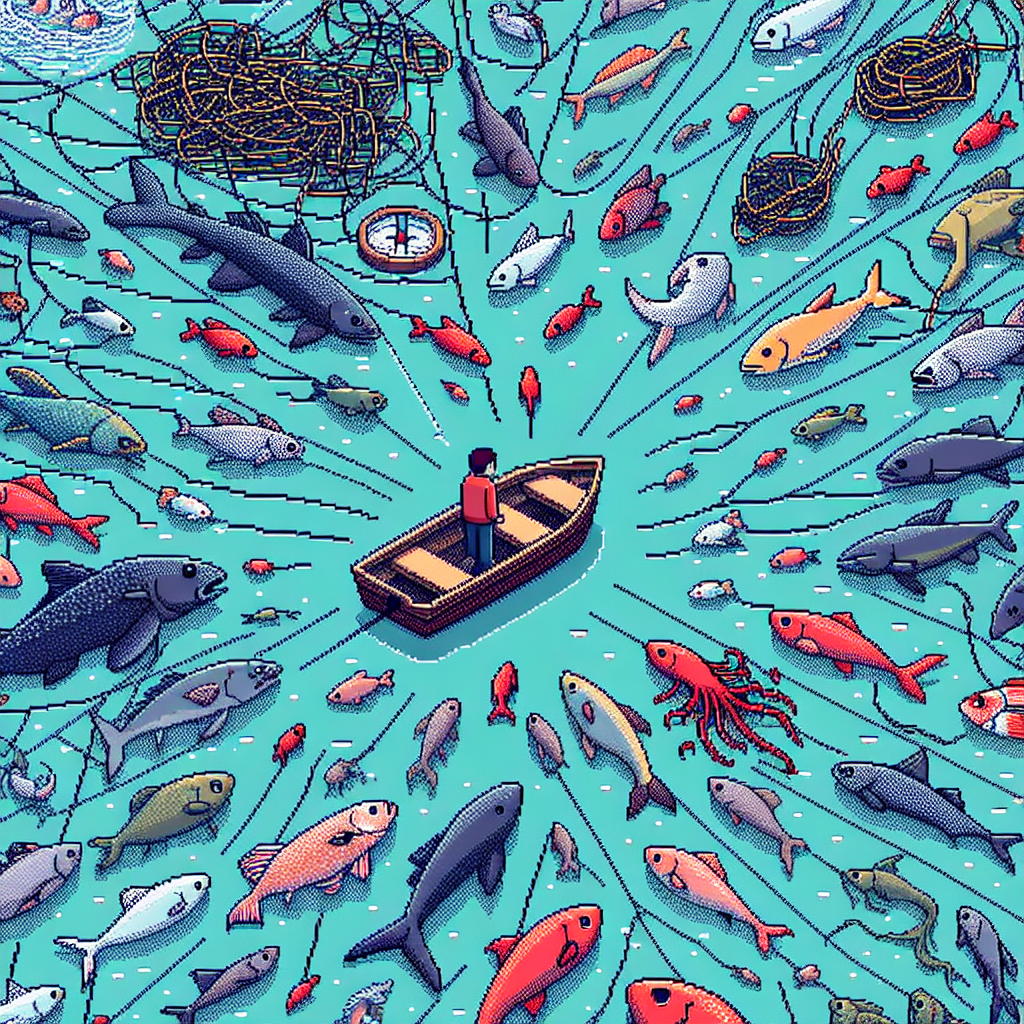
Lost at Sea: Why seafood sustainability feels more complicated than ever

Hook: You walk into the seafood aisle, scan a dozen packages, spot blue and green labels, and still leave feeling unsure. Seafood sustainability used to be simple: don’t overfish, protect the seabed, and avoid wiping out vulnerable species. Now the question “What makes seafood sustainable?” comes with layers — carbon footprints, feed chains, labor rights, traceability, and competing certification schemes — and consumers are the ones left navigating turbulent waters.

Seafood sustainability matters because oceans, seafood-dependent communities, and global food systems depend on getting this right. But the conversation has expanded far beyond nets and quotas. Let’s unpack why the definition has stretched, what that means for shoppers, and how the industry (and labels) are responding.

Why seafood sustainability has become more complex

  • Seafood is now a global commodity. Supply chains span farms, wild fisheries, processing plants, and international shipping. Problems in one link — like fishmeal made from wild-caught forage fish, or abusive labor at a processing plant — ripple across the system.
  • Aquaculture grew to supply over half of the world’s seafood. That shifted attention from wild-catch management to feed sourcing, pollution from farms, disease, and the welfare of farmed fish.
  • Climate and carbon matter. Consumers and retailers increasingly ask about the greenhouse gas footprint of fish — from trawling fuel use to feed production and refrigeration.
  • Social issues entered the sustainability equation. Investigations into shrimp and other supply chains revealed forced labor, human rights abuses, and community harm — making worker conditions part of the sustainability conversation.
  • Multiple certifications and standards proliferated. MSC, ASC, BAP, Fair Trade, seafood-watch lists, and retailer-specific policies don’t always align, and they vary in scope, rigor, and geographic reach.

Taken together, these shifts mean sustainability is no longer one-dimensional. It’s ecosystem health plus people, climate, and corporate behavior.

Labels, certifications, and the trust gap

Certifications were supposed to be the consumer compass: an easy badge to say “this fish is responsibly sourced.” In practice, the picture is messy.

  • Some programs focus on wild fisheries (e.g., MSC) while others address farmed seafood (e.g., ASC). Their standards differ.
  • Critics say certain certifications have tolerated destructive practices or bycatch in exchange for engagement, while defenders point to continuous-improvement programs and independent audits.
  • Retailers increasingly layer their own sourcing rules on top of certifications, adding more signals — but also more complexity for shoppers.

As a result, many consumers either overtrust a familiar logo or feel paralyzed by choice. The labels still help, but they’re not a one-stop guarantee. Independent reporting and updated standards are nudging improvement, yet transparency and clearer consumer education lag.

How this affects everyday choices

Shopping for sustainable seafood now often requires trade-offs and priorities.

  • If your top priority is species conservation, you’ll focus on stocks and bycatch data.
  • If climate is primary, you might choose low-footprint species (e.g., some mollusks) or farmed fish raised on low-impact feeds.
  • If human rights matter most, you’ll look for supply-chain traceability and social-responsibility credentials.

No single purchase will check every box. The trick is deciding which dimension matters most to you and using reliable signals (credible certifications, retailer transparency, independent guides) to guide that choice.

What retailers, certifiers, and policymakers are doing next

The industry is responding in a few notable ways.

  • Certification bodies are updating standards to include feed sustainability, worker welfare, and greenhouse gas reporting. That broadening is intended to reflect what consumers and NGOs now expect.
  • Collaborative tools are emerging to harmonize ratings and share data across schemes, making it easier for businesses — and eventually consumers — to compare sources.
  • Some retailers are setting supply-chain commitments (e.g., sourcing targets for ASC or MSC) to simplify choices at the point of sale.

These efforts are promising, but they take time. Improvements require investment, audits, and often international coordination — and that’s why change can feel slow.

Seafood sustainability: practical tips for shoppers

  • Start with priorities. Decide whether you care most about overfishing, habitat damage, climate impact, or worker rights.
  • Use trusted guides. Look to independent buyer’s guides and reputable certifiers to narrow options.
  • Favor transparency. Retailers that publish supplier lists, sourcing policies, or audit outcomes are likelier to be making verifiable progress.
  • Rotate species. Eating a wider range of seafood reduces pressure on any single stock and supports more sustainable markets.
  • Ask questions. At fish counters or in restaurants, ask where the fish came from and what certification or traceability exists.

These steps won’t solve every dilemma, but they help make choices that align with your values.

My take

Seafood sustainability has matured from a narrow conservation message into a multifaceted social and environmental challenge. That complexity is actually a good sign: it means we're thinking holistically about oceans, climate, and human dignity. The downside is that consumers are left to translate dense supply-chain realities into simple shopping decisions.

We can get closer to clarity if certifiers keep tightening standards, retailers commit to transparency, and media and NGOs keep pushing for independent verification. In the meantime, informed, value-driven choices — guided by trustworthy sources — are the best compass we have.

Further reading

  • “Consumers are lost at sea as seafood sustainability grows more complex.” AP News.
  • Aquaculture Stewardship Council updates and standards pages.
  • Marine Stewardship Council FAQs and guidance on wild-capture certification.
  • Independent reporting on labor and environmental issues in seafood supply chains.

Sources

Blue Cheese Tartlets With Fig Jam and Walnuts | Made by Meaghan Moineau

Last Tuesday, I found myself staring into the fridge at 7 PM, wondering what on earth I could whip up for a little evening gathering with friends. You know those days when you just need a recipe that’s not only impressive but also stress-free? That’s when I stumbled upon the forgotten block of *blue cheese* nestled next to a jar of *fig jam*. A brainwave hit me: Blue Cheese Tartlets with Fig Jam and Walnuts! These beauties are the perfect blend of savory and sweet, and trust me, they’re much easier to make than you’d think. Each bite is a little symphony of flavors and textures. Plus, they’re great for making ahead and pop in the oven the moment your guests ring the doorbell.

Jump to Recipe

What You’ll Need

The ingredient list for these tartlets is refreshingly simple. Chances are you already have most of these in your pantry:

  • Blue cheese
  • Butter
  • Flour
  • Fig jam
  • Walnuts
  • Orange zest
  • (Optional) Fresh thyme leaves

How to Make Blue Cheese Tartlets With Fig Jam and Walnuts

  1. Preheat your oven to 350°F (175°C). Lightly grease the cups of your mini muffin pans unless they’re non-stick. No one wants a sticky situation!
  2. In a medium bowl, cream together the *blue cheese* and *butter*. The mixture should be smooth and creamy, with that unmistakable aroma of rich cheese.
  3. Add the flour to the bowl and use your hands to bring the dough together. It might take a little coaxing, but be patient — the dough will reward you with a tender crust.
  4. Divide the dough into 30 pieces and roll them into balls. If you prefer a more delicate shell, go for 36 pieces.
  5. Using lightly floured fingers, press each dough ball against the sides of the mini tart pan until the dough rises slightly above the rim. This ensures that lovely shell shape.
  6. Bake the shells for 15 minutes, until they are golden brown and smell like heaven. Let them cool in the pans for about 5 minutes, then transfer to a wire rack to finish cooling completely.
  7. Once cooled, spoon a dollop of *fig jam* into each tartlet shell. Top with a sprinkle of toasted *walnuts*, a touch of *orange zest*, and a few thyme leaves if you like.

Cook’s Notes

These tartlets are surprisingly versatile. You can prepare the tartlet shells ahead of time and store them in an airtight container. If you’re planning a party, they freeze beautifully — just bake frozen shells for 8 minutes at 325°F before filling them. Pro tip: when pressing the dough into the pan, keep a small bowl of flour nearby to dust your fingers and prevent sticking. And if you’re cooking for a big crowd, consider doubling the recipe because they disappear fast!

Make It Your Own

  • Swap the blue cheese for *goat cheese* if you prefer something milder.
  • Replace *fig jam* with a spicy *pepper jelly* for a kick.
  • Use *pecans* or *hazelnuts* instead of walnuts for a different nutty flavor.
  • Add a thin slice of prosciutto to each tartlet for a touch of saltiness.

If you try this, I’d love to hear how it turns out — drop a comment or tag me! These tartlets are really something special and I hope they bring a bit of joy to your kitchen and your taste buds. Enjoy every bite!

Related update: Blue Cheese Tartlets With Fig Jam and Walnuts

Ternus: Apple’s Return to Product Focus | Analysis by Brian Moineau

A new chapter at Apple: why John Ternus might revive Jobs‑era decisiveness

When Apple announced that longtime leader Tim Cook would be replaced by John Ternus, it published an image of the two executives walking side by side at the company’s campus in Cupertino, California. Apple Bets New CEO John Ternus Will Bring Back Jobs‑Era Decisiveness has become the shorthand for a big idea: the company is signaling a return to product‑first leadership under an engineer who rose through hardware ranks. The image was deliberate. It told us this handoff is both carefully planned and meant to reassure investors, employees and customers that core values — speed, focus and product rigor — remain intact.

Why the timing and optics matter

Cook’s 15‑year run transformed Apple from the company Steve Jobs left into a diversified tech empire: services, wearables, finance and a vastly larger balance sheet. Yet many observers have argued Apple’s operational discipline and product urgency softened over time. The decision to shift Cook to executive chairman while elevating Ternus — effective September 1, 2026 — reads like a strategic reset without theatrical upheaval.

  • The transition is orderly: Apple announced the change publicly and set a clear effective date.
  • The image of the two leaders walking together served to emphasize continuity.
  • Appointing a hardware engineering veteran highlights product execution as a renewed priority.

Those elements matter because Apple’s strength has always been the marriage of design, engineering and a ruthless focus on shipping great products. The messaging suggests leadership wants to recapture that formula.

Apple Bets New CEO John Ternus Will Bring Back Jobs‑Era Decisiveness

John Ternus is not a Silicon Valley outsider or a flashy media face. He’s the engineer who shepherded major hardware launches and who, in recent months, absorbed expanded responsibilities over design. That background is exactly the point: Apple appears to be betting that a leader with deep product chops will re‑center the company on decisions that favor speed, technical rigor and cross‑discipline coordination.

This is significant for three reasons:

  1. Product focus. Ternus’s pedigree — years in hardware engineering and recent oversight of design — signals priorities: fewer distractions, clearer product roadmaps.
  2. Institutional memory. He was part of the company during Apple’s most transformational moves (custom silicon transitions, AirPods, Watch). That experience buys him credibility internally.
  3. Cultural reset. Jobs’s era was defined by decisive product calls. Ternus’s technical leadership style suggests Apple wants decisions to be driven more by engineering conviction than by layered consensus.

What challenges Ternus inherits

Transitioning from SVP of hardware engineering to CEO of a $4‑trillion company is a leap. The role expands far beyond product and supply‑chain mastery into areas where Tim Cook has been especially active: regulatory relations, services growth, and global operations.

  • Services: Under Cook, Apple grew services into a business rivaling Fortune companies in size. Ternus will need to sustain that margin‑rich revenue engine while integrating it with hardware advantages.
  • AI and software strategy: The industry’s AI race demands investments that straddle hardware, software and cloud. Ternus must make bets that keep Apple relevant without abandoning its privacy and device‑centric ethos.
  • Talent and culture: Decisiveness means different things to different teams. He’ll need to balance speed with collaboration so novelty isn’t stifled.

Put simply, Ternus must be both the product visionary and the politician who manages regulators, shareholders and a global workforce.

The investor dilemma and product bets

Investors will watch two things closely: near‑term execution (new hardware launches, supply chain stability) and strategic direction (AI, mixed reality, and services integration). A hardware‑first CEO can reassure the market on reliability and product cadence, but the risk is underinvesting in platform plays where Apple lags competitors.

On the other hand, Ternus’s background could catalyze tighter integration across Apple’s stack — custom silicon, optimized OS releases, and hardware that showcases software advances. That synergy is where Apple historically outperformed peers. If he delivers on that promise, Apple’s moat could widen again.

How this compares to past transitions

Steve Jobs’s return to Apple in the late 1990s was a dramatic course correction that prioritized product excellence over short‑term profitability. Tim Cook’s succession in 2011 emphasized operational mastery and global scale. This latest handoff lands somewhere between: continuity with a recalibration toward faster, product‑led decision making.

Moreover, unlike surprises of the past, this transition looks planned and consensual. Cook’s move to executive chairman keeps institutional memory intact while handing the keys to someone who has been positioned to lead for a while.

Near‑term signs to watch

  • Product roadmap clarity at Apple’s next events and its September transition date.
  • Messaging from the new CEO: tone and frequency of public addresses will show whether he will be visible or prefer to lead from within.
  • Investment in AI and services: does Apple accelerate partnerships or build new infrastructure?
  • Executive shuffles: whether Ternus reshapes the leadership team will reveal how deeply he intends to change decision‑making.

These cues will indicate whether the company is simply swapping the titleholder or pursuing a substantive cultural shift.

What this means for users and employees

For customers, the bet is comforting: expect Apple to prioritize well‑crafted devices that feel cohesive across hardware and software. For employees, the message is mixed — renewed emphasis on product speed could sharpen execution demands, but it may also restore clarity of purpose.

As Apple approaches its 50th anniversary, the company must prove it can still surprise and delight. A product‑centric leader increases the odds that Apple’s next set of surprises will be tangible, useful devices rather than incremental services.

Final thoughts

This is a pivotal moment. Apple Bets New CEO John Ternus Will Bring Back Jobs‑Era Decisiveness is not just a headline; it’s a roadmap for how the company hopes to reassert its identity. Ternus’s strengths — engineering credibility, hardware sensibility, and design oversight — position him to steer Apple back toward the kind of decisive product leadership that built its legendary reputation.

Still, the transition carries tradeoffs. Balance will be everything: sustaining services growth, engaging in the AI era, and maintaining global operations while moving faster on product bets. If Ternus can hold those plates together, the image of him walking beside Tim Cook will be remembered as the start of a new, energetic chapter rather than a nostalgic photo op.

Key takeaways

  • Apple’s announcement and imagery emphasize continuity plus a product‑first reset.
  • John Ternus’s hardware and design background signals renewed focus on decisive product leadership.
  • Major challenges include sustaining services growth, competing in AI, and managing global regulatory pressures.
  • Near‑term indicators (product cadence, executive moves, messaging) will reveal whether this is symbolic or substantive.

Sources

Grilled Potato Skins | Made by Meaghan Moineau

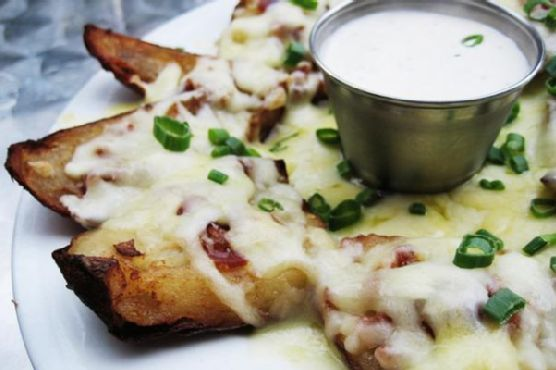
I remember the first time I tried to grill potato skins. It was a balmy summer evening, and my friends and I had decided on an impromptu barbecue to celebrate the end of a long workweek. We were short on the usual grilling staples, and I found myself rummaging through the pantry, just hoping to find anything that could be charred over an open flame. In a stroke of serendipitous genius—or desperation, depending on how you look at it—I stumbled upon a bag of baking potatoes. And so began my love affair with crispy, gooey, and utterly addictive grilled potato skins. They’re the perfect combination of crispy potato goodness and creamy, cheesy decadence, making them a crowd-pleaser that’s surprisingly easy to throw together. You won’t believe how fast these disappear once they hit the table.

Jump to Recipe

What You’ll Need

The beauty of this recipe is its simplicity. Chances are you already have most of these ingredients on hand.

  • Baking potatoes
  • Cooked bacon or finely-chopped ham
  • Picante sauce
  • Shredded cheddar cheese
  • Sour cream
  • Unsalted butter

How to Make Grilled Potato Skins

  1. First, preheat your oven to 375 degrees. Prick your baking potatoes all over with a fork to let them vent, then bake them for 50 to 60 minutes until they’re tender and can be easily pierced.
  2. Once the potatoes are cool enough to handle, cut each one in half lengthwise. Scoop out most of the insides, leaving a sturdy 1/4-inch shell. Save the scooped-out potato for mash or soup later!
  3. Melt some unsalted butter and brush the inside of each potato shell generously. This will help them get that delicious golden crispiness we’re after.
  4. Spoon about 2 teaspoons of picante sauce into each shell, spreading it around to coat the bottom. This adds a delightful zesty kick.
  5. Next, sprinkle a hearty amount of shredded cheddar cheese into each potato, followed by bits of your cooked bacon or ham. Really pack it in there—no one likes a stingy potato skin.
  6. Fire up your grill to medium heat. Place the potato skins directly over the coals, and let them grill uncovered for 10 to 12 minutes. You’ll know they’re ready when the skins are crisp and the cheese is bubbly and golden.
  7. If you’re feeling fancy, sprinkle with diced tomato and green onions right before serving. Finish with a generous dollop of sour cream on top.

Cook’s Notes

Grilled potato skins are pretty forgiving, but here are a few things to keep in mind:

  • If you’re making these ahead of time, follow all the steps up to grilling and then store them in the fridge. When you’re ready to eat, pop them on the grill straight from the fridge. Just add a couple of extra minutes to the grill time.
  • Leftovers can be stored in an airtight container in the fridge for up to three days. Reheat them in a 350-degree oven or a toaster oven until they’re heated through and crispy again.
  • Make sure your grill is properly preheated before you start cooking. This ensures the skins get crispy rather than just drying out.

Make It Your Own

  • Swap the bacon for crispy tofu to make it vegetarian-friendly.
  • Use Monterey Jack or pepper jack cheese for a different flavor profile.
  • Try adding black beans or corn for a southwestern twist.
  • If you’re not a fan of picante sauce, substitute it with a mild salsa or even BBQ sauce for a smoky vibe.

If you try this, I’d love to hear how it turns out—drop a comment or tag me on social media! There’s nothing more satisfying than seeing your spin on these tasty potato skins. Enjoy every crispy, cheesy bite!

Related update: Grilled Potato Skins

Related update: Blue Cheese Tartlets With Fig Jam and Walnuts

Ginger Cookies- gluten free, soy free, vegan | Made by Meaghan Moineau

On a Tuesday evening, after a day that felt like it just couldn’t decide between rain or shine, I found myself in dire need of comfort. The kind of comfort that only a cozy kitchen and the warm scent of spices can provide. That’s when the idea of making ginger cookies hit me. But not just any ginger cookies—ones that would be kind to everyone around my table, regardless of food allergies or dietary needs. So I whipped up a batch of these delightful gluten-free, soy-free, vegan ginger cookies. They’re the perfect blend of spicy and sweet, crispy on the edges yet chewy in the middle, and trust me—these cookies are destined to become a staple in your baking repertoire. Whether it’s a last-minute treat or a planned indulgence, they never fail to impress with their simplicity and flavor. Jump to Recipe

What You’ll Need

This recipe is a pantry hero. Chances are, you already have most of these ingredients tucked away in your kitchen.

  • Dark brown sugar
  • Coconut oil
  • Molasses
  • Chunky applesauce
  • Red gluten-free flour
  • Ground cinnamon
  • Ground ginger
  • Ground cloves
  • Pumpkin spice blend
  • Baking soda
  • Cane sugar (for rolling)

How to Make Ginger Cookies – gluten free, soy free, vegan

  1. Preheat your oven to 350 degrees F. Line three half-sheet baking pans with parchment paper and set them aside.
  2. In a small shallow bowl, add cane sugar for rolling and set aside.
  3. In a small bowl, whisk together the flour, spices, and baking soda. Set this dry mixture aside.
  4. Using a stand mixer with a paddle attachment, or a bowl with a hand mixer, combine the dark brown sugar, coconut oil, molasses, and applesauce. Start on low speed to avoid a sugar storm, then increase to medium speed for about 2 minutes until everything is fully incorporated.
  5. Slowly add the flour mixture to the wet ingredients, a third at a time, ensuring a proper blend with each addition.
  6. Lay out a piece of wax or parchment paper, about a foot wide, to set the rolled cookies before their sugar bath.
  7. Roll the dough into 1-inch balls with light pressure, similar to how you’d roll a meatball.
  8. Transfer the cookie dough balls into the bowl with sugar, as many as you can fit at a time, and gently roll them to ensure all sides are coated. Repeat until all the dough is used.
  9. Place the sugared cookie dough balls onto the prepared baking sheets. Press down gently on each ball to just dent the top a bit.
  10. Bake in the preheated oven for 9-11 minutes. When done, let them cool on the baking sheets for 15 minutes before transferring them to a cooling rack to cool completely.

Cook’s Notes

These cookies are surprisingly adaptable yet truly shine in their original form. The dough can be made ahead of time and chilled for up to a day if needed. Just make sure to let it come back to room temperature before rolling into balls. Once baked, they store wonderfully in an airtight container in the refrigerator for up to a week. If you’re planning to make a large batch, these cookies freeze well for up to a month. Simply thaw them at room temperature, and they’ll be as good as fresh.

Make It Your Own

  • For a nutty twist, try adding a tablespoon of almond flour to the dry ingredients for extra flavor and texture.
  • If you’re not strictly vegan, replace the applesauce with an egg for a traditional cookie crumb.
  • Add a teaspoon of vanilla extract to the wet ingredients for a more complex flavor.
  • If you love a bit of heat, add a pinch of cayenne pepper to the spice mix for a surprising kick.

If you try this, I’d love to hear how it turns out — drop a comment or tag me! Whether you stick to the recipe or try some fun variations, these ginger cookies are sure to bring a smile to your face and a burst of warmth to your home.

Related update: Ginger Cookies- gluten free, soy free, vegan

Related update: Grilled Potato Skins

Which Samsung Phones Get Galaxy S26 AI | Analysis by Brian Moineau

All Samsung smartphones that are getting Galaxy S26 AI features with One UI 8.5

Samsung’s Galaxy S26 launch in early 2026 made headlines for one big reason: Galaxy AI. Now, with the One UI 8.5 update, Samsung is starting to bring some of those Galaxy S26 AI features to older devices — and that means millions of Galaxy owners could see genuinely useful AI tools without buying new hardware. This post breaks down which phones are getting the features, what those features actually do, and why this matters for the wider smartphone landscape.

Why One UI 8.5 matters

One UI 8.5 arrived as the software layer that packages many of the Galaxy S26’s AI advances. Rather than keeping those tools exclusive to the newest flagship, Samsung is extending parts of the suite to prior S- and Z-series phones through One UI 8.5. That move shifts the conversation: software-driven improvements now matter as much as silicon or camera hardware when deciding whether to upgrade.

In practice, One UI 8.5 isn’t a single “AI switch.” It’s a collection of features — some lightweight and broadly compatible, others tied to on-device performance or regional services — that Samsung is selectively enabling on supported phones.

What Galaxy S26 AI features are being ported

According to reporting and Samsung’s rollout details, One UI 8.5 brings four core Galaxy AI experiences from the S26 family to older devices. Broadly, these include:

  • Smarter call handling and assistant enhancements, such as improved Call Screening and AI-driven call summaries.
  • Generative editing and camera enhancements for cleaner photos and simpler retouching.
  • Contextual, proactive suggestions that surface at the right time (Now Nudge / Now Brief-style features in limited form).
  • Enhanced system-level assistant behavior (an updated, AI-aware Bixby experience).

Some features depend on device capability and region. The full “agentic” AI tools Samsung highlighted on the S26 — the ones that autonomously run multi-step workflows across apps — largely remain exclusive to the S26 lineup because they require greater on-device compute or stricter integration with Samsung’s cloud/agent systems.

Which phones are getting One UI 8.5 AI features

SamMobile compiled a list of models that will receive the Galaxy S26 AI features via One UI 8.5. While Samsung’s schedules vary by market and carrier, the headline recipients include:

  • Galaxy S25 series (S25, S25+, S25 Ultra) — full priority for the One UI 8.5 feature set.
  • Galaxy S24 series (S24, S24+, S24 Ultra) — many Galaxy AI features are arriving here.
  • Galaxy S25 FE and S24 FE variants — selected features depending on hardware.
  • Some Galaxy Z Fold and Z Flip models (recent Z-series releases) — selective support for camera and assistant features.

Additionally, Samsung has confirmed broader One UI 8.x rollouts across other Galaxy families (tablets and newer A-series in later phases), but the most immediate beneficiaries are last year’s and last-but-one S-series phones. Exact availability depends on carrier testing and regional releases; many devices entered beta programs in early April 2026 and have been moving to stable channels since mid-April. (sammobile.com)

How the experience will differ across devices

Not every phone will get the full S26 experience. Expect differences along these lines:

  • Performance: Features that rely on heavy on-device inference (real-time multitasking agents, advanced image generation) may be limited or run slower on older chips.
  • Feature parity: Some “agentic” automations and proactive services remain S26 exclusives, at least initially.
  • Region and carrier: Services that integrate with cloud-based assistants or telephony functions sometimes roll out selectively by country due to regulations and partnerships.
  • Updates cadence: Beta testers and unlocked models often see updates before carrier-locked phones.

So, while you’ll likely get the headline AI improvements (smarter call features, improved photo edits, assistant refinements), the most advanced autonomous AI functions may still be reserved for the S26 series. (sammobile.com)

Why Samsung is doing this — and why it matters

There are strategic and user-centric reasons behind the move:

  • Value retention: Extending attractive software features to previous-generation phones reduces upgrade churn and keeps users on Samsung’s ecosystem.
  • Differentiation: At a time when Apple and Google are also investing in mobile AI, Samsung can claim wider availability of practical AI features across its devices.
  • Ecosystem lock-in: Useful AI features that tie into Samsung apps and services increase friction for users to switch platforms.

For users, the practical payoff is immediate. If your S24 or S25 device gets One UI 8.5, you gain tangible improvements — fewer annoying calls, smarter camera edits, and a more helpful assistant — without buying new hardware.

What to watch for next

Rollouts like this tend to happen in stages. Watch for these signals:

  • Carrier announcements and changelogs in your region (these pinpoint exact dates).
  • Beta program notes (they often reveal which features are gated by hardware).
  • Samsung’s official One UI 8.5 pages and support notes for compatibility lists.

Expect the stable rollout to continue through Q2 2026, with regional timing staggered by carrier testing and localization. (news.samsung.com)

What this means for buyers and upgraders

If you own an eligible S24 or S25 phone, you should feel comfortable skipping an immediate upgrade if the S26’s headline AI capabilities are your main draw — many of them are coming to your device via One UI 8.5. Conversely, if you crave the most advanced, agentic AI automations (autonomous multi-step workflows and deeper on-device agents), the S26 hardware and its exclusive features still hold an edge.

In short:

  • Keep your current phone if you value most Galaxy AI features and want lower cost.
  • Consider upgrading if you want bleeding-edge agentic AI or the best possible on-device performance.

My take

Samsung’s decision to bring core Galaxy S26 AI features to older devices via One UI 8.5 is a smart balancing act. It rewards existing customers, reduces upgrade pressure, and signals that Samsung views software — not just silicon — as a major competitive battleground. For consumers, that means meaningful improvements without the premium price tag. For the industry, it pressures rivals to think beyond hardware-first narratives and focus on software longevity.

Sources


Related update: We recently published an article that expands on this topic: read the latest post.