Stir Fry Mushrooms In Butter, Garlic And White Wine | Made by Meaghan Moineau

Stir Fry Mushrooms In Butter, Garlic And White Wine

Intro

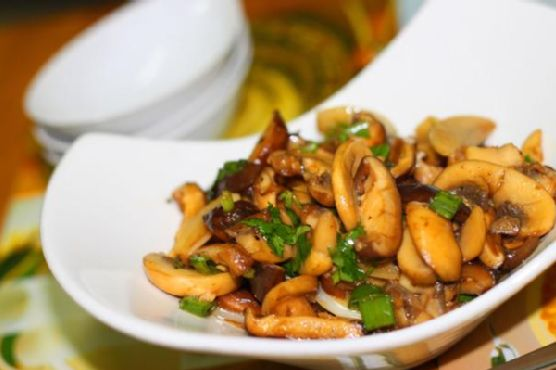
There are few things more comforting than the sizzle of mushrooms in a hot pan, enveloped in the aroma of garlic and butter. This recipe for Stir Fry Mushrooms in Butter, Garlic, and White Wine takes me back to my grandmother’s cozy kitchen. I can vividly remember the way she would expertly toss a medley of mushrooms in her well-worn skillet, filling the room with a fragrance that promised a delightful meal. Her secret? A splash of white wine that added a touch of elegance, transforming a simple dish into something truly special. Today, I’m excited to share this recipe with you, hoping it brings as much warmth and joy to your table as it has to mine.

Why You’ll Love It

This dish is a celebration of flavors and textures. The mushrooms are tender and juicy, absorbing the richness of butter and the aromatic punch of garlic. A hint of white wine adds a sophisticated depth, while the teriyaki sauce and balsamic vinegar bring a delightful balance between sweet and tangy. Finished with a touch of chili oil for heat and fresh herbs for brightness, this dish is as versatile as it is delicious. Whether you’re a seasoned home cook or a beginner, you’ll find this recipe simple yet impressive.

Ingredients

  • Fresh shiitake mushrooms
  • White mushrooms
  • Garlic
  • Butter
  • White wine
  • Teriyaki sauce
  • Balsamic vinegar
  • Black ground pepper
  • Salt
  • Chili oil
  • Parsley
  • Diced spring onions

Instructions

  1. Melt the butter in a frying pan over medium heat.
  2. Add the garlic and stir-fry until fragrant, about 1 minute.
  3. Add the mushrooms and stir-fry for 30 seconds, allowing them to absorb the garlic-infused butter.
  4. Pour in the white wine and let it evaporate, infusing the mushrooms with its delicate flavor.
  5. Continue to fry the mushrooms for another minute.
  6. Add salt, black pepper, balsamic vinegar, teriyaki sauce, and chili oil. Fry for an additional minute, ensuring everything is well combined.
  7. Turn the heat to low and add parsley and diced spring onions. Mix well to incorporate the herbs’ freshness.
  8. Transfer the mushrooms to a serving plate and enjoy!

Tips

For the best results, use a mix of fresh shiitake and white mushrooms. Make sure the mushrooms are dry before adding them to the pan to achieve a nice golden-brown sear. If you want a more intense garlic flavor, add an extra clove or two. Always let the white wine fully evaporate to prevent the dish from tasting too acidic. Finally, adjust the amount of chili oil to your heat preference.

Variations & Substitutions

If you’re looking to switch things up, try adding some sliced bell peppers or snap peas for extra color and crunch. For a vegetarian-friendly version, ensure your teriyaki sauce is free of animal products. If you prefer a non-alcoholic version, substitute the white wine with vegetable broth. You can also use olive oil instead of butter for a lighter dish.

Storage

Leftover stir fry mushrooms can be stored in an airtight container in the refrigerator for up to 3 days. To reheat, simply warm them in a skillet over medium heat, adding a splash of water if needed to prevent drying out.

FAQ

Can I use other types of mushrooms?

Absolutely! Feel free to use any mushrooms you have on hand. Cremini, portobello, or oyster mushrooms would all work beautifully in this recipe.

What can I serve with stir fry mushrooms?

These mushrooms are incredibly versatile and can be served as a side dish with grilled meats, tossed with pasta, or even as a topping for bruschetta. They also make a great filling for an omelet or a savory crepe.

Nutrition

This dish is rich in antioxidants and essential nutrients provided by the mushrooms. The garlic and parsley contribute additional health benefits, such as boosting the immune system and providing anti-inflammatory properties. While butter and wine add richness, the dish is relatively low in calories and can be adjusted for dietary preferences.

Conclusion

Stir Fry Mushrooms in Butter, Garlic, and White Wine is more than just a dish; it’s a comforting experience that brings warmth to any table. Its simple preparation and complex flavors make it a perfect recipe for both everyday meals and special occasions. Whether you’re enjoying it as a side dish or the star of your meal, this recipe is sure to become a favorite. I hope you find as much joy in making and sharing this dish as I have.

Related update: Stir Fry Mushrooms In Butter, Garlic And White Wine

Related update: Basil Lime White Bean Hummus
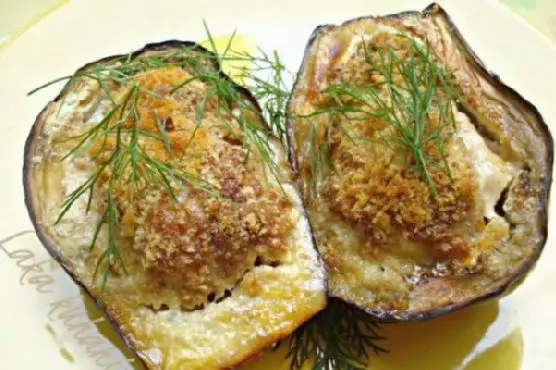
Mediterranean eggplants | Made by Meaghan Moineau

Mediterranean Eggplants: A Savory Delight

Intro

There’s something magical about the aroma of Mediterranean cooking wafting through the kitchen, instantly transporting you to a sun-drenched terrace overlooking the azure sea. For me, Mediterranean eggplants are more than just a dish; they are a nostalgic journey back to my grandmother’s kitchen, where I first learned the art of transforming simple ingredients into a feast for the senses. I remember the warmth of the oven, the sound of fresh sausage sizzling in the pan, and the gentle hum of my grandmother’s voice as she shared her culinary wisdom. Today, I’m excited to share this beloved recipe with you, hoping it brings as much joy to your home as it has to mine.

Why You’ll Love It

This Mediterranean eggplant dish is a delicious blend of flavors and textures that will tantalize your taste buds. Whether you’re a fan of Mediterranean cuisine or just looking to try something new, here are a few reasons why you’ll fall in love with this recipe:

  • Rich Flavor: The combination of feta and mozzarella cheese with savory sausage creates a deep, satisfying flavor profile.
  • Healthy Ingredients: Eggplants are a nutritious base, rich in fiber and antioxidants, perfect for a balanced diet.
  • Versatile: This dish can be served as a main course or a side, making it perfect for family dinners or potlucks.
  • Easy to Make: With straightforward instructions and common ingredients, this dish is accessible for both novice and experienced cooks alike.

Ingredients

  • 2 large eggplants
  • 200g fresh sausage (without casing)
  • 1 egg
  • 100g feta cheese, crumbled
  • 100g mozzarella cheese, shredded
  • 50g almonds, chopped
  • 1 tablespoon ground pepper
  • 4 tablespoons bread crumbs
  • 3 tablespoons olive oil
  • Fresh dill for garnish

Instructions

  1. Preheat your oven to 230°C (450°F). Line a baking sheet with parchment paper.
  2. Wash the eggplants and remove the stems. Cut them in half lengthwise.
  3. Using a spoon, carefully scoop out the middle of each eggplant half, leaving a thick border to create a shell.
  4. In a large bowl, combine the sausage meat, egg, feta cheese, mozzarella cheese, chopped almonds, and ground pepper. Mix until well combined.
  5. Stuff each eggplant shell with the sausage mixture, pressing gently to ensure it fills the eggplant evenly.
  6. Sprinkle each stuffed eggplant with about a tablespoon of bread crumbs and drizzle with olive oil.
  7. Place the stuffed eggplants on the prepared baking sheet and bake for 25 minutes, or until the tops are golden brown and the eggplants are tender.
  8. Remove from the oven and let cool slightly. Serve hot, garnished with fresh, chopped dill.

Tips

For the best results, follow these tips:

  • Choose firm and shiny eggplants without blemishes for the freshest taste.
  • If you’re short on time, prepare the stuffing mixture in advance and refrigerate until ready to use.
  • Adjust the seasoning to your taste, adding more pepper or herbs if desired.

Variations & Substitutions

This recipe is versatile and can be adapted to suit various dietary preferences:

  • Vegetarian: Replace the sausage with cooked quinoa or lentils for a vegetarian version.
  • Nut-Free: Omit the almonds and add extra cheese or breadcrumbs for a nut-free option.
  • Cheese Alternatives: Use goat cheese or ricotta instead of feta for a creamier texture.

Storage

To store leftover Mediterranean eggplants, follow these steps:

  • Allow the eggplants to cool completely before storing.
  • Place them in an airtight container and refrigerate for up to 3 days.
  • For longer storage, wrap each eggplant half in plastic wrap and freeze for up to one month. Reheat in the oven before serving.

FAQ

Can I prepare Mediterranean eggplants in advance?

Yes, you can prepare the stuffing mixture a day in advance and store it in the refrigerator. When you’re ready to cook, simply stuff the eggplants and bake as directed.

What can I serve with Mediterranean eggplants?

This dish pairs well with a simple green salad, roasted vegetables, or a side of couscous or quinoa for a complete meal.

How do I know when the eggplants are done?

The eggplants are done when they are tender to the touch, and the stuffing is golden brown on top. You can insert a fork or knife to check the tenderness of the eggplant flesh.

Nutrition

This dish is a wholesome and hearty meal that provides a good balance of protein, healthy fats, and fiber. While the exact nutritional content will vary based on portion sizes and specific ingredient brands, a serving of Mediterranean eggplants offers approximately:

  • Calories: 300
  • Protein: 20g
  • Fat: 18g
  • Carbohydrates: 15g
  • Fiber: 5g

Conclusion

Mediterranean eggplants are more than just a dish; they are a celebration of flavors and the joy of cooking. Whether you’re hosting a dinner party or enjoying a quiet evening at home, this recipe is sure to impress. I hope you and your loved ones enjoy these Mediterranean eggplants as much as my family and I have over the years. Happy cooking, and may your kitchen be filled with warmth and delightful aromas!

Related update: Mediterranean eggplants

Related update: Creamy White Chili

Related update: Stir Fry Mushrooms In Butter, Garlic And White Wine

Honey Dijon Roasted Brussels Sprout | Made by Meaghan Moineau

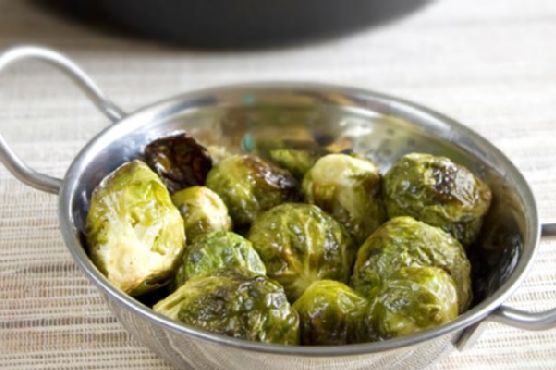
Honey Dijon Roasted Brussels Sprouts

Intro

There’s something truly magical about the way certain flavors can transform a dish from ordinary to extraordinary. I remember the first time I experienced this transformation was in my grandmother’s cozy kitchen on a crisp autumn afternoon. She handed me a bowl of Brussels sprouts, a vegetable I had always turned up my nose at, and told me to taste. To my surprise, they were deliciously sweet, tangy, and slightly charred to perfection. This was my first encounter with Honey Dijon Roasted Brussels Sprouts, and it’s been a cherished recipe in our family ever since. I’m thrilled to share this warm, flavorful dish with you, hoping it brings the same comfort and joy to your table.

Why You’ll Love It

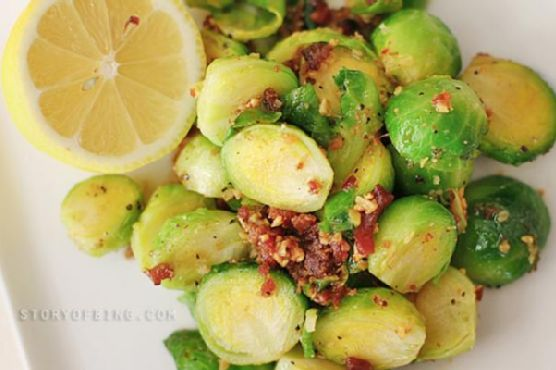
These Honey Dijon Roasted Brussels Sprouts are a delightful side dish that will quickly become a staple in your home. The combination of sweet honey and tangy Dijon mustard creates a perfect balance of flavors, while roasting brings out the natural sweetness of the Brussels sprouts. Not only is this dish incredibly flavorful, but it’s also simple to prepare, making it an ideal choice for busy weeknights or festive holiday gatherings. The subtle char on the leaves adds a pleasing crunch, ensuring that every bite is a sensory delight.

Ingredients

  • Brussels sprouts
  • Dijon mustard
  • Honey
  • Olive oil
  • Salt and pepper to taste

Instructions

  1. Preheat your oven to 400°F (200°C).
  2. In a small bowl, whisk together olive oil, Dijon mustard, and honey until well combined.
  3. In a large bowl, toss the Brussels sprouts in the honey mustard mixture, ensuring they are evenly coated.
  4. Spread the Brussels sprouts evenly on a cast iron skillet or roasting pan.
  5. Season with salt and pepper to taste.
  6. Bake on the top rack for 20 minutes.
  7. Remove from the oven and toss the sprouts to ensure even cooking.
  8. Place back in the oven and roast for an additional 10 minutes, until the outside leaves are slightly charred and the inside is tender.

Tips

For the best results, try to select Brussels sprouts that are uniform in size, as this ensures even cooking. If you have larger sprouts, you may want to halve them for more consistent results. Make sure your oven is fully preheated before placing the Brussels sprouts inside, as this helps them to roast rather than steam. And don’t skip the tossing step halfway through cooking; this helps achieve that perfect charred exterior.

Variations & Substitutions

This recipe is versatile and can be adapted to suit your taste preferences. If you prefer a bit of spice, consider adding a pinch of red pepper flakes to the honey mustard mixture. For a touch of acidity, a splash of apple cider vinegar can be added to the dressing. If you’re out of Dijon mustard, whole grain mustard can provide a lovely texture and flavor. And for a nutty twist, sprinkle some toasted almonds or walnuts over the roasted Brussels sprouts just before serving.

Storage

Leftover Honey Dijon Roasted Brussels Sprouts can be stored in an airtight container in the refrigerator for up to three days. To reheat, simply place them on a baking sheet and warm them in the oven at 350°F (175°C) until heated through. Avoid microwaving, as this can make them soggy.

FAQ

Can I use frozen Brussels sprouts for this recipe?

While fresh Brussels sprouts are recommended for the best texture and flavor, you can use frozen ones in a pinch. Just be sure to thaw and pat them dry thoroughly to remove any excess moisture before tossing them in the honey mustard mixture.

What can I serve with Honey Dijon Roasted Brussels Sprouts?

These Brussels sprouts make a fantastic side dish for a variety of main courses. They pair beautifully with roasted chicken, grilled salmon, or even a hearty steak. For a vegetarian option, serve them alongside a grain like quinoa or farro for a complete meal.

Nutrition (if applicable)

Brussels sprouts are a nutritional powerhouse, packed with vitamins C and K, fiber, and antioxidants. The addition of olive oil provides healthy fats, while the honey adds a natural sweetness without processed sugars. This dish is not only delicious but also a healthy choice for any meal.

Conclusion

Whether you’re a lifelong Brussels sprouts enthusiast or a skeptic ready to be converted, this Honey Dijon Roasted Brussels Sprouts recipe is sure to win you over. With its perfect blend of sweet and tangy flavors and delightful texture, it’s a dish that captures the essence of comforting, home-cooked meals. I hope this recipe brings warmth to your kitchen and joy to your table, just as it has for my family over the years. Enjoy!

Related update: Honey Dijon Roasted Brussels Sprout

Eggplant pizzette | Made by Meaghan Moineau

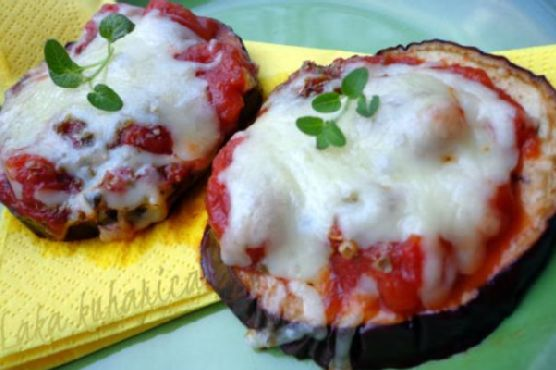
Eggplant Pizzette: A Delightful Twist on a Classic Dish

Intro

Eggplant pizzette has always held a special place in my heart. I vividly remember visiting my grandmother’s kitchen on summer afternoons, the air thick with the scent of fresh basil and the sizzle of tomatoes simmering on the stove. As a child, I would eagerly await her signature eggplant pizzette, a dish that never failed to bring the family together around the table. This recipe, inspired by her culinary magic, offers a modern twist on a cherished classic, ideal for both intimate gatherings and solo indulgence.

Why You’ll Love It

Eggplant pizzette is an innovative and delightful dish that brings together the best of both worlds: the comforting flavors of pizza and the health benefits of fresh vegetables. Whether you’re a lifelong vegetarian or simply looking to incorporate more plant-based meals into your diet, this recipe is a winner. It’s simple to prepare, requires minimal ingredients, and is perfect for a quick appetizer or a light, satisfying meal. You’ll love the way the creamy eggplant pairs with the fresh, zesty tomatoes and aromatic herbs, all topped with a layer of melted Swiss cheese for that extra touch of indulgence.

Ingredients

  • Round eggplant
  • Tomatoes
  • Swiss cheese
  • Fresh basil leaves
  • Fresh oregano leaves

Instructions

  1. Preheat your oven to 230°C (450°F) and prepare a non-stick pan by greasing it lightly with olive oil.
  2. Slice the eggplant into rounds, about 1/2 inch thick, and arrange them in the prepared pan.
  3. Bake the eggplant rounds in the oven for 10 minutes. This will soften them and bring out their natural flavors.
  4. Remove the pan from the oven, leaving the baked eggplant inside to retain its warmth.
  5. On each eggplant round, place a spoonful of chopped tomatoes, ensuring even coverage.
  6. Sprinkle fresh basil and oregano leaves over the tomatoes for a burst of herbal aroma.
  7. Top each round with a generous amount of grated Swiss cheese.
  8. Return the pan to the oven and bake for an additional 5 minutes. Watch closely until the cheese is melted and golden brown.
  9. Remove from the oven and allow to cool slightly before serving. Enjoy your pizzette warm or cooled as a delightful appetizer or small meal.

Tips

To make your eggplant pizzette truly shine, ensure that the eggplants are fresh and firm to the touch. If you prefer a slightly thicker texture, you can leave the eggplant rounds a bit thicker, but adjust the initial baking time accordingly. Also, feel free to experiment with the cheese; while Swiss cheese is recommended for its mild flavor, mozzarella or provolone can be great substitutes for a different taste experience.

Variations & Substitutions

The beauty of eggplant pizzette is its versatility. You can easily customize it to suit your taste preferences or dietary needs. For a vegan version, simply replace the Swiss cheese with your favorite plant-based cheese. If you’re looking for a spicier kick, add a sprinkle of red pepper flakes or a dash of hot sauce. Additionally, you can incorporate other toppings like olives, roasted red peppers, or caramelized onions to add more depth to the dish.

Storage

If you have leftovers, store them in an airtight container in the refrigerator for up to three days. To reheat, place the pizzette in a preheated oven at 180°C (350°F) for about 5 minutes, or until they are warmed through. Avoid microwaving, as it may cause the eggplant to become too soggy.

FAQ

Can I make the eggplant pizzette ahead of time?

Yes, you can prepare the eggplant rounds and toppings ahead of time. Assemble them right before the second baking stage to ensure the cheese melts perfectly and the flavors remain vibrant.

What can I serve with eggplant pizzette?

Eggplant pizzette pairs beautifully with a fresh green salad or a light pasta dish. You can also serve them alongside a charcuterie board for a more substantial appetizer spread.

Is eggplant a good substitute for pizza dough?

Absolutely! Eggplant offers a nutritious and gluten-free alternative to traditional pizza dough. It’s lower in calories and carbohydrates, making it a healthier option without compromising on flavor.

Nutrition

Eggplant pizzette is a nutritious dish, rich in fiber and essential vitamins. Eggplants are a good source of antioxidants and can help in maintaining heart health. Fresh tomatoes and herbs add to the nutritional profile with vitamins C and K, while Swiss cheese provides a good dose of calcium and protein.

Conclusion

Eggplant pizzette is more than just a recipe; it’s a culinary journey that marries tradition with creativity. Whether you’re recreating a childhood memory or discovering a new favorite dish, this recipe promises satisfaction in every bite. Enjoy this delightful twist on a classic, and don’t forget to share the experience with loved ones. Cooking is, after all, an act of love, and what better way to express it than with delicious food!

Related update: Eggplant pizzette

Related update: Honey Dijon Roasted Brussels Sprout

Mashed Sweet Potatoes | Made by Meaghan Moineau

Mashed Sweet Potatoes

Intro

There’s something undeniably comforting about a warm bowl of mashed sweet potatoes. For me, it evokes memories of family gatherings during the fall, where the air was crisp, and the leaves painted the landscape in shades of gold and crimson. I remember standing on a stool in my grandmother’s kitchen, peeking over the countertop as she worked her magic with sweet potatoes. The aroma of spices and the sweet notes of maple syrup filled the air, wrapping us all in a blanket of warmth and nostalgia. It’s this treasured memory that inspires this recipe, a dish that I hope will bring the same joy and warmth to your home as it has to mine.

Why You’ll Love It

This mashed sweet potatoes recipe is a delightful twist on a classic side dish. Here’s why you’ll fall in love with it:

  • Rich and Creamy: The addition of cream and butter makes these sweet potatoes irresistibly smooth and luxurious.
  • Flavorful Spices: A blend of cinnamon, cardamom, and cayenne pepper adds a comforting warmth with a hint of spice.
  • Perfectly Sweet: Brown sugar and maple syrup enhance the natural sweetness of the potatoes without overpowering them.
  • Versatile: Suitable for any meal, these mashed sweet potatoes are perfect for holiday feasts or as a comforting weeknight side.

Ingredients

  • 5 large sweet potatoes, peeled and chopped
  • 2 tablespoons brown sugar
  • 1/4 cup butter
  • 1 teaspoon ground cardamom
  • 1/4 teaspoon cayenne pepper
  • 1 teaspoon ground cinnamon
  • 1/3 cup cream
  • 1 teaspoon kosher salt, or to taste
  • 2 tablespoons maple syrup
  • Zest of 1 orange
  • 1 teaspoon vanilla extract

Instructions

  1. Begin by boiling the sweet potatoes in a large pot of salted water until they are tender, about 20-25 minutes. Drain them well and return them to the pot.
  2. Mash the sweet potatoes until they are well broken up, or use an electric mixer for a smoother texture.
  3. In a small bowl, mix together the cinnamon, cayenne pepper, cardamom, orange zest, and brown sugar. Set aside.
  4. Add the butter, cream, vanilla, and maple syrup to the mashed sweet potatoes. Mix well to combine.
  5. Sprinkle in the cinnamon-sugar mixture, stirring until all the ingredients are well incorporated and the mixture is smooth.
  6. Season with kosher salt to taste, adjusting as needed.
  7. Serve warm and enjoy!

Tips

For the best results, use fresh sweet potatoes and ensure they are all similar in size for even cooking. When mashing, aim for a texture that suits your preference, whether it be slightly chunky or completely smooth. Don’t hesitate to adjust the seasoning according to your taste—sweet potatoes can handle a bit of experimentation!

Variations & Substitutions

This recipe is highly adaptable to suit your taste preferences:

  • Dairy-Free Option: Substitute the butter with a plant-based alternative and use coconut milk instead of cream for a dairy-free version.
  • Extra Spice: If you love a bit more heat, increase the amount of cayenne pepper.
  • Nutty Twist: Add a handful of toasted pecans or walnuts for a crunchy texture.
  • Less Sweet: Reduce the amount of brown sugar and maple syrup if you prefer a more savory dish.

Storage

Store any leftovers in an airtight container in the refrigerator for up to 3 days. To reheat, simply microwave or warm on the stovetop, adding a splash of cream or milk if needed to restore the creamy texture.

FAQ

Can I make this recipe ahead of time?

Absolutely! You can prepare the mashed sweet potatoes a day in advance. Simply reheat them on the stovetop over low heat, stirring occasionally, and add a little extra cream or milk to bring back their smooth consistency.

What can I serve with mashed sweet potatoes?

Mashed sweet potatoes are incredibly versatile and pair well with a variety of main courses. They’re a fantastic side for roasted turkey, glazed ham, or even a hearty lentil loaf for a vegetarian option.

Nutrition

This recipe is not only delicious but also provides a good source of vitamins A and C, thanks to the sweet potatoes. The addition of spices and orange zest offers antioxidants, making this dish a nutritious choice for any meal.

Conclusion

Mashed sweet potatoes are more than just a side dish; they’re a celebration of flavors and memories, a dish that embodies warmth and comfort. Whether you’re serving them at a festive holiday table or alongside a simple weeknight dinner, these mashed sweet potatoes are sure to delight everyone at the table. I hope this recipe brings as much joy to your home as it has to mine, creating new memories and cherished moments. Enjoy every flavorful bite!

Related update: Mashed Sweet Potatoes

Chive and dill muffins | Made by Meaghan Moineau

Chive and Dill Muffins Recipe

Intro

There’s something magical about the aroma of freshly baked muffins wafting through the kitchen. It transports me back to my grandmother’s cozy kitchen, where every Sunday morning was dedicated to baking something delicious. One of my fondest memories is of sitting at the wooden table, swinging my feet as I eagerly awaited her latest creation. Today, I’m excited to share a recipe that brings back that cherished nostalgia: Chive and Dill Muffins. These savory muffins are a delightful twist on the classic, with a hint of spice and the fresh flavors of chives and dill. Perfect for breakfast, brunch, or a savory snack, these muffins are sure to become a family favorite.

Why You’ll Love It

These Chive and Dill Muffins are more than just your average muffin. Here’s why you’ll fall in love with them:

  • Flavor Packed: The combination of chives and dill brings a fresh and herby taste that pairs perfectly with the subtle sweetness of the muffin base.
  • Quick and Easy: With simple ingredients and straightforward instructions, you can have these muffins ready in no time.
  • Versatile: Whether you’re looking for a savory breakfast option or a flavorful side for your soup or salad, these muffins fit the bill.
  • Family-Friendly: Even the pickiest eaters will enjoy the mild spice and rich flavors packed into each muffin.

Ingredients

  • 1 cup all-purpose flour
  • 1 cup yellow cornmeal
  • 1 tablespoon sugar
  • 1 tablespoon baking powder
  • 1/2 teaspoon salt
  • 1/4 teaspoon baking soda
  • 1/4 teaspoon cayenne pepper
  • 2 tablespoons fresh chives, chopped
  • 2 tablespoons fresh dill, chopped
  • 1 cup plain yogurt
  • 2 large eggs
  • 6 tablespoons unsalted butter, melted

Instructions

  1. Preheat your oven to 220°C (425°F). Grease a standard muffin tin or line with silicone muffin cups.
  2. In a medium bowl, whisk together the all-purpose flour, yellow cornmeal, sugar, baking powder, salt, baking soda, and cayenne pepper.
  3. Stir in the chopped chives and dill, ensuring they are evenly distributed throughout the dry ingredients.
  4. In another medium bowl, whisk together the plain yogurt, eggs, and melted butter until well combined.
  5. Add the yogurt mixture to the dry ingredients and stir just until everything is blended. Be careful not to overmix, as this can make the muffins dense.
  6. Divide the batter evenly among the prepared muffin cups, using about 1/3 cup of batter for each.
  7. Bake in the preheated oven for 20 minutes, or until the muffins are puffed and golden brown. To check for doneness, insert a toothpick into the center of a muffin; if it comes out clean, they are ready.
  8. Allow the muffins to cool in the muffin tin for a few minutes before removing them. Serve warm and enjoy!

Tips

Here are a few tips to ensure your Chive and Dill Muffins turn out perfectly:

  • Use Fresh Herbs: Fresh chives and dill provide the best flavor. If you must use dried herbs, reduce the quantity by half.
  • Don’t Overmix: When combining wet and dry ingredients, stir just until moistened for light and fluffy muffins.
  • Check Oven Temperature: Ensure your oven is at the correct temperature before baking. An oven thermometer can help with accuracy.

Variations & Substitutions

This muffin recipe is versatile, and you can easily customize it to suit your taste:

  • Cheesy Addition: Add 1/2 cup of shredded cheddar cheese to the batter for a cheesy twist.
  • Spice It Up: Increase the cayenne pepper to 1/2 teaspoon for a spicier kick.
  • Whole Wheat Option: Replace half of the all-purpose flour with whole wheat flour for added fiber.
  • Dairy-Free: Substitute the yogurt with a plant-based yogurt and use a non-dairy butter alternative.

Storage

Store any leftover muffins in an airtight container at room temperature for up to two days. For longer storage, keep them in the refrigerator for up to a week. These muffins also freeze well; simply wrap them individually in plastic wrap and place them in a freezer-safe bag for up to three months. To reheat, thaw at room temperature and warm in the oven for a few minutes before serving.

FAQ

Can I use dried herbs instead of fresh?

Yes, you can use dried herbs, but the flavor won’t be as vibrant. If using dried herbs, reduce the quantity by half, as they are more concentrated than fresh herbs.

Are these muffins suitable for vegetarians?

Absolutely! These Chive and Dill Muffins are vegetarian-friendly, as they do not contain any meat products. Ensure your yogurt and butter are vegetarian if this is a concern for you.

Can I make these muffins gluten-free?

To make these muffins gluten-free, substitute the all-purpose flour with a 1-to-1 gluten-free baking flour. Ensure the cornmeal and other ingredients are certified gluten-free as well.

Nutrition

Each muffin is approximately 150 calories, with 7 grams of fat, 15 grams of carbohydrates, and 4 grams of protein. These values are estimates and can vary based on ingredient brands and modifications.

Conclusion

These Chive and Dill Muffins are a delightful addition to any meal. Their savory flavor, accented by the freshness of herbs, makes them a versatile and beloved choice. Whether you’re savoring them as a quick breakfast, a side dish, or a snack, they promise to bring a touch of the homemade warmth and nostalgia that only freshly baked goods can offer. So, gather your ingredients and enjoy baking these delicious muffins with your loved ones. Here’s to creating new memories and enjoying every bite!

Related update: Chive and dill muffins

Related update: Mashed Sweet Potatoes

Related update: Watching What I Eat: Peanut Butter Banana Oat Breakfast Cookies with Carob / Chocolate Chips

Shrimp & Orzo | Made by Meaghan Moineau

Shrimp & Orzo: A Delightful Mediterranean Dish

Intro

There’s something magical about the aroma of simmering herbs and the salty sea breeze that instantly transports me back to my childhood summers spent on the Mediterranean coast. My grandmother used to prepare a similar dish, filling the kitchen with warmth and love. Today, I’m excited to share my version of this nostalgic recipe, Shrimp & Orzo, a flavorful blend of tender shrimp, aromatic vegetables, and creamy feta cheese, perfect for a cozy family dinner or a special occasion.

Why You’ll Love It

This Shrimp & Orzo recipe is a delightful combination of flavors and textures. The savory taste of shrimp blends beautifully with the earthy fennel and the tangy notes of feta cheese, creating a symphony of flavors in every bite. It’s a one-pan meal, making it easy to prepare and perfect for busy weeknights. Plus, it’s a wholesome dish that can be enjoyed by everyone, with plenty of room for customization.

Ingredients

  • 1 can diced tomatoes
  • 1/2 cup dry white wine
  • 1 fennel bulb, diced
  • 4 ounces feta cheese, crumbled
  • 1/4 cup fresh parsley, chopped
  • 4 cloves of garlic, minced
  • Lemon wedges, for serving
  • 2 cups low sodium chicken broth
  • 2 tablespoons olive oil
  • 1 large onion, diced
  • 1 teaspoon dried oregano
  • 1 cup orzo pasta
  • 1/2 teaspoon crushed red pepper flakes
  • Salt & pepper, to taste
  • 1 pound shrimp, peeled and deveined
  • 1 cup water

Instructions

  1. Preheat your oven to 400°F (200°C).
  2. Season the shrimp with salt and pepper, and refrigerate until ready to use.
  3. Grease a 13×9-inch baking dish and set aside.
  4. In a large Dutch oven, heat the olive oil over medium-high heat until shimmering.
  5. Add the diced onion, fennel bulb, and 1/2 teaspoon of salt. Cook, stirring frequently, until the vegetables are softened and start to brown around the edges, about 10 minutes.
  6. Add the minced garlic and crushed red pepper flakes. Cook and stir until the garlic becomes very fragrant, about 30 seconds.
  7. Add the orzo to the vegetables, stirring to coat the orzo with oil. Continue cooking and stirring for about 4 minutes, until the orzo has a toasty aroma.
  8. Add the white wine, cooking and stirring constantly until the liquid evaporates, about 1 minute.
  9. Pour in the chicken broth, water, and 1/4 teaspoon salt. Bring the mixture to a boil, then reduce the heat and simmer until the orzo is almost tender, about 12 minutes. Stir fairly constantly to prevent sticking, adjusting the heat as necessary to maintain a lively simmer.
  10. Remove the pot from heat and stir in the seasoned shrimp, diced tomatoes, oregano, and 1 tablespoon of parsley.
  11. Transfer the mixture to the prepared baking dish and sprinkle with crumbled feta cheese.
  12. Bake for about 20 minutes, until the shrimp is cooked through and the feta is lightly browned.
  13. Before serving, sprinkle with the remaining parsley and reserved fennel fronds. Serve with lemon wedges on the side.

Tips

To ensure the shrimp is perfectly cooked, keep an eye on them in the oven. They should be pink and opaque, which usually takes about 20 minutes. Also, feel free to adjust the level of crushed red pepper flakes to suit your spice preference.

Variations & Substitutions

If you don’t have fennel on hand, you can substitute it with celery for a milder flavor. For a dairy-free version, simply omit the feta cheese or replace it with a dairy-free alternative. If you prefer a vegetarian dish, swap the shrimp for chickpeas or artichoke hearts, and use vegetable broth instead of chicken broth.

Storage

Store any leftovers in an airtight container in the refrigerator for up to three days. To reheat, place the desired portion in a baking dish and warm in the oven at 350°F (175°C) for about 10-15 minutes, or until heated through. You can also reheat in the microwave, though the texture may vary slightly.

FAQ

Can I use frozen shrimp for this recipe?

Yes, you can use frozen shrimp. Just make sure to thaw them completely and pat them dry before seasoning and adding them to the dish.

What type of white wine should I use?

A dry white wine such as Sauvignon Blanc or Pinot Grigio works best for this recipe, adding a subtle depth of flavor without overpowering the dish.

Is it possible to make this dish gluten-free?

Absolutely! Simply substitute the orzo with a gluten-free pasta option of your choice, and ensure that all other ingredients are certified gluten-free.

Nutrition

This Shrimp & Orzo dish is packed with protein from the shrimp, healthy fats from the olive oil, and essential vitamins and minerals from the vegetables and herbs. It’s a balanced meal that can fit into a healthy diet. For a more detailed nutritional breakdown, consider using a nutrition calculator based on the specific brands and quantities you use.

Conclusion

Whether you’re reminiscing about sun-soaked Mediterranean vacations or simply looking for a comforting yet elegant meal, this Shrimp & Orzo recipe is sure to satisfy. It’s a dish that brings together the essence of the sea and the earth, with a hint of nostalgia in every bite. I hope it becomes a cherished part of your meal repertoire, just as it has in mine. Enjoy!

Related update: Shrimp & Orzo

Related update: Turkey Enchilada Bake

Cream Cheese Stuffed Baby Bell Pepper Appetizer | Made by Meaghan Moineau

Cream Cheese Stuffed Baby Bell Pepper Appetizer

Intro

There’s something magical about bite-sized appetizers that sparks joy and brings people together. I remember the first time I tried stuffed baby bell peppers at a family gathering. My grandmother had prepared them with such care and love, and as soon as I took that first bite, I was hooked. The creamy filling combined with the sweet crunch of the pepper was an explosion of flavors that left a lasting impression. Since then, I’ve tried recreating that delightful experience in my own kitchen, and today, I’m thrilled to share this recipe with you.

Why You’ll Love It

This cream cheese stuffed baby bell pepper appetizer is perfect for gatherings, whether it’s a casual get-together or a festive holiday party. You’ll love how easy it is to prepare, and your guests will appreciate the burst of flavors in each bite. The combination of creamy cheese, crunchy walnuts, and the subtle heat of sriracha makes this dish an instant crowd-pleaser. Plus, it’s a versatile recipe that can be adapted to suit various dietary preferences.

Ingredients

  • Cream cheese
  • Garlic
  • Green onion
  • Black ground pepper
  • Olive oil
  • Salt
  • Snack peppers
  • Walnuts

Instructions

  1. Preheat the oven to 350 degrees.
  2. Cut the bell peppers lengthwise, remove the seeds and stems.
  3. Lightly oil the bell peppers by tossing them in a bowl with some olive oil.
  4. Place the peppers on a baking sheet skin-side down.
  5. Roast in the oven for 8-10 minutes until the edges begin to show some color. Remove from the oven and allow to cool.
  6. While the peppers are roasting, prepare your stuffing. Place the cream cheese, walnuts, garlic, salt, sriracha, and black pepper in a bowl and mix until creamy. Add the green onion and fold in to the cream cheese until combined. Test and adjust seasoning as needed.
  7. Heat your oven to 400 degrees.
  8. Use a spoon or a piping bag to stuff the peppers liberally and place them back on the baking sheet.
  9. If the cream cheese is very soft, place the baking sheet in the refrigerator for 15 minutes to allow it to set up.
  10. Bake in the oven for about 8 minutes. Then, change the oven setting to high broil and bake for an additional 2 minutes, until the tops of the cream cheese begin to brown.
  11. Put on a pretty plate and serve to your friends.

Tips

For best results, ensure your cream cheese is softened to room temperature before mixing. This makes it easier to combine with the other ingredients and ensures a smooth texture. If you’re using a food processor, pulse gently to avoid over-processing the walnuts. This will retain some texture and add a delightful crunch to your stuffing.

Variations & Substitutions

If you’re looking to switch things up, consider adding some crumbled feta or goat cheese to the stuffing for a tangy twist. For a nut-free version, you can replace walnuts with sunflower seeds or omit them altogether. If you prefer a milder flavor, reduce or eliminate the sriracha. Vegans can substitute the cream cheese with a plant-based alternative to create a dairy-free version of this delightful appetizer.

Storage

These stuffed peppers are best enjoyed fresh, but if you have leftovers, they can be stored in an airtight container in the refrigerator for up to 3 days. To reheat, place them in a preheated oven at 350 degrees for about 5-7 minutes or until warmed through.

FAQ

Can I make these stuffed peppers ahead of time?

Yes, you can prepare the stuffing and fill the peppers in advance. Store them in the fridge and simply bake them when you’re ready to serve. Just remember to adjust the baking time if they’re cold from the fridge.

What can I serve with these appetizers?

These stuffed peppers pair beautifully with a variety of dips like hummus or tzatziki. They also complement charcuterie boards and can be served alongside crackers, breadsticks, or fresh veggies.

Nutrition

This appetizer is a balanced blend of healthy fats from olive oil and walnuts, along with the protein-rich cheese filling. The peppers add a dose of vitamins and antioxidants, making this not just a delicious, but also a nutritious option for your gatherings.

Conclusion

These Cream Cheese Stuffed Baby Bell Peppers are a delightful addition to any appetizer spread. Their vibrant colors and rich flavors are sure to impress your guests and make your gatherings extra special. Whether you’re hosting a party or just want to enjoy a delicious snack, this easy-to-make recipe will quickly become a favorite in your repertoire. Enjoy!

Related update: Cream Cheese Stuffed Baby Bell Pepper Appetizer

Related update: Hot Artichoke Crab Dip

Cheesy Potato Corn Scones | Made by Meaghan Moineau

Cheesy Potato Corn Scones

Intro

There’s something magical about the aroma of freshly baked scones wafting through the house. It takes me back to my grandmother’s cozy kitchen on chilly autumn afternoons. She would let me help as she prepared her famous scones, and the anticipation of biting into those warm, cheesy delights made my heart flutter. Today, I’m sharing a recipe that adds a modern twist to those nostalgic scones: Cheesy Potato Corn Scones. This delightful creation combines the comforting flavors of potatoes and cheese with the rustic texture of cornmeal, making it a perfect treat for any occasion.

Why You’ll Love It

These Cheesy Potato Corn Scones are a delightful blend of flavors and textures that will surely win your heart. Here’s why you’ll love them:

  • Comforting and Delicious: The combination of buttery potato flakes and rich cheddar cheese creates a comforting taste that is hard to resist.
  • Perfectly Textured: The addition of cornmeal gives these scones a slightly crunchy exterior while keeping the inside soft and tender.
  • Easy to Make: With simple ingredients and straightforward steps, this recipe is accessible for both novice and experienced bakers alike.
  • Versatile: These scones can be enjoyed for breakfast, as a snack, or even as a side dish with soups and salads.

Ingredients

  • 1 cup water
  • 1/2 cup potato flakes
  • 1/4 cup diced unsalted butter
  • 1 1/2 cups flour
  • 1/2 cup yellow cornmeal
  • 1 cup shredded cheddar cheese, divided
  • 1 tablespoon baking powder
  • 1/2 teaspoon salt
  • 1 tablespoon poppy seeds
  • 1/2 cup milk

Instructions

  1. Preheat your oven to 400°F (200°C). Lightly grease a baking sheet and set it aside.
  2. In a small saucepan, bring the water just to a simmer, then remove from heat.
  3. Stir in the potato flakes until moistened, then incorporate the butter until it’s fully melted and combined with the potato mixture.
  4. In a large bowl, combine the flour, cornmeal, 3/4 cup of the shredded cheddar cheese, baking powder, salt, and poppy seeds.
  5. Add the potato mixture and milk to the dry ingredients, stirring until a dough forms.
  6. With floured hands, gently knead and fold the dough for five to six strokes, or until it comes together in one mass.
  7. Pat the dough lightly to flatten it into a 9-inch circle on the prepared baking sheet.
  8. Using a pizza cutter or floured knife, cut the dough into eight wedges without separating them.
  9. Sprinkle the edges with the remaining cheddar cheese.
  10. Bake in the preheated oven for about 25 minutes or until the scones are lightly browned.
  11. Gently pull or cut the scones to separate them and serve warm.

Tips

  • Use cold butter to ensure a flaky texture. You can even pop it in the freezer for a few minutes before dicing.
  • For a richer flavor, try using sharp cheddar cheese.
  • To avoid overworking the dough, handle it as little as possible once it comes together.

Variations & Substitutions

If you’re looking to customize these scones, here are some variations and substitutions:

  • Cheese Variations: Swap the cheddar for gouda, feta, or pepper jack for a different flavor profile.
  • Herbs: Add a tablespoon of fresh herbs like rosemary or chives for an aromatic twist.
  • Gluten-Free: Substitute the flour with a gluten-free blend and ensure your cornmeal is also certified gluten-free.

Storage

To store these scones, allow them to cool completely before placing them in an airtight container. They can be kept at room temperature for up to 2 days. For longer storage, freeze the scones in a resealable bag for up to a month. To reheat, warm them in a preheated oven at 350°F (175°C) for about 10 minutes or until heated through.

FAQ

Can I make these scones ahead of time?

Yes, you can prepare the dough the night before and store it in the refrigerator. When you’re ready to bake, simply shape and cut the dough into wedges and bake as directed.

What can I serve with Cheesy Potato Corn Scones?

These scones pair wonderfully with a hot bowl of soup, a fresh salad, or simply with a pat of butter and a touch of honey or jam.

Can I use instant mashed potatoes instead of potato flakes?

Yes, instant mashed potatoes can be used as a substitute. Just ensure they are prepared to a similar consistency as the potato flakes would be when mixed with water and butter.

Nutrition

While exact nutritional values may vary based on ingredient brands and measurements, each scone approximately contains:

  • Calories: 220
  • Protein: 6g
  • Carbohydrates: 24g
  • Fat: 11g
  • Cholesterol: 30mg
  • Sodium: 320mg

Conclusion

Cheesy Potato Corn Scones are a delightful treat that bring a sense of warmth and nostalgia with every bite. Whether you’re reminiscing over fond memories or creating new ones, these scones are sure to become a family favorite. Enjoy them fresh from the oven, and don’t forget to share the love (and the recipe) with others!

Related update: Cheesy Potato Corn Scones

Related update: Brandy-Apple Mini Pies With Cornmeal Crust

Related update: Chive and dill muffins

Watermelon Popsicles with Mint, Basil & Lime | Made by Meaghan Moineau

Watermelon Popsicles with Mint, Basil & Lime

Intro

The sweet, refreshing taste of watermelon always brings me back to the long, sun-drenched days of my childhood. I fondly remember those lazy summer afternoons spent in my grandmother’s backyard. There, under the shade of her old oak tree, we’d enjoy slices of watermelon, the juice dripping down our chins as we laughed and played. It was during one of those sunlit afternoons that my grandmother first introduced me to the magic of pairing watermelon with fresh herbs and a squeeze of lime. These Watermelon Popsicles with Mint, Basil & Lime are my modern twist on her timeless refreshment, perfect for savoring those sunlit memories and creating new ones.

Why You’ll Love It

This recipe is the epitome of summer in a bite. The watermelon provides a natural sweetness and hydrating base, while the basil and mint add a fragrant complexity that elevates the flavor profile. The lime juice introduces a tangy contrast, making each bite a refreshing explosion of taste. These popsicles are not only delicious but also incredibly easy to make. With just five simple ingredients and a blender, you can create a treat that will delight both kids and adults alike. Whether you’re lounging by the pool or hosting a summer barbecue, these popsicles are sure to be a crowd-pleaser.

Ingredients

  • 1/4 cup fresh basil leaves
  • Juice of 1 lime
  • 1/4 cup fresh mint leaves
  • Pinch of salt
  • 4 cups cubed watermelon flesh

Instructions

  1. In a blender, combine the basil leaves, lime juice, mint leaves, and a pinch of salt.
  2. Add the cubed watermelon flesh to the blender.
  3. Blend at the highest speed until the mixture is completely liquefied.
  4. Carefully pour the liquid into popsicle molds or an ice cube tray, leaving a little space at the top for expansion.
  5. Freeze for a minimum of 4 hours or until fully frozen.
  6. To serve, remove the popsicles from the molds and enjoy immediately.

Tips

For the best results, choose a ripe and juicy watermelon—one that feels heavy for its size and has a deep, uniform color. If you find the mixture is too sweet for your liking, you can add a bit more lime juice or a dash of apple cider vinegar to balance the flavors. To make unmolding easier, run the popsicle molds under warm water for a few seconds before releasing the treats.

Variations & Substitutions

Feel free to experiment with this recipe to suit your taste preferences. If you’re not a fan of basil, you can substitute it with additional mint for a more pronounced minty flavor. For a spicier kick, consider adding a thin slice of jalapeño to the blender. If you’re looking for a touch of sweetness, you can add a tablespoon of honey or agave syrup. For a tropical twist, try adding a cup of fresh pineapple chunks to the mix.

Storage

Store any leftover popsicles in the freezer for up to one month. To prevent ice crystals from forming, wrap each popsicle in parchment paper or store them in an airtight container. If using an ice cube tray, transfer the cubes to a zip-top bag once frozen, and remove as much air as possible before sealing.

FAQ

Can I use dried herbs instead of fresh?

While fresh herbs provide the best flavor, you can use dried herbs in a pinch. Use one-third of the amount specified for fresh herbs, as dried herbs are more concentrated in flavor. However, the texture and aroma may differ slightly.

Is it possible to make this recipe without a blender?

Yes, you can make this recipe without a blender by using a food processor or an immersion blender. If neither is available, finely chop the herbs and mash the watermelon with a fork or potato masher, then mix everything thoroughly. The texture will be less smooth but still delicious.

Nutrition

This recipe yields about 8 popsicles, depending on the size of your molds. Each popsicle is low in calories and provides a good source of hydration, thanks to the watermelon. The fresh herbs are packed with vitamins and antioxidants, while the lime juice offers a boost of vitamin C. It’s a guilt-free treat that you can enjoy any time!

Conclusion

Incorporating the fresh, vibrant flavors of summer, these Watermelon Popsicles with Mint, Basil & Lime are a simple yet exquisite treat for any occasion. Whether you’re reminiscing about the good old days or creating new memories, these popsicles are sure to bring a smile to your face and delight your taste buds. I hope this recipe becomes a cherished part of your summer traditions just as it has in mine. Enjoy the taste of summer, one delicious bite at a time!

Related update: Watermelon Popsicles with Mint, Basil & Lime

Related update: Lavender Tea With Lemon French Macarons

Kunna (A Delicious Chinioti Dish, Punjab, Pakistan) | Made by Meaghan Moineau

Kunna: A Delicious Chinioti Dish from Punjab, Pakistan

Intro

Growing up in the heart of Punjab, the aroma of Kunna wafting through our home on special occasions was an experience to savor. This dish, steeped in tradition, brings back cherished memories of family gatherings and festive celebrations. Kunna, a signature delicacy from Chiniot, is not just a meal—it’s a feast for the senses, a testament to the rich culinary heritage of Pakistan. Whether you’re familiar with this dish or trying it for the first time, Kunna promises to be a comforting and delightful addition to your culinary repertoire.

Why You’ll Love It

Kunna is a dish that embodies warmth and flavor. Here are a few reasons why you’ll fall in love with this traditional recipe:

  • Rich and Flavorful: The combination of spices and tender mutton creates a symphony of flavors that is simply irresistible.
  • Versatile: Serve it with naan, roti, or rice to enjoy a complete and satisfying meal.
  • Nostalgic: For those with roots in Punjab, this dish is a heartwarming reminder of home and heritage.
  • Perfect for Gatherings: Its hearty nature makes it an ideal choice for family dinners and celebrations.

Ingredients

  • 1 garlic pod
  • 1 ginger pod
  • Oil
  • 2 onions
  • Spices:
    • 1 tablespoon paprika powder
  • 1 teaspoon wheat flour
  • Mutton

Instructions

  1. In a large earthenware pot (Handi Matti ki) or any metallic pot, add the mutton, garlic, and ginger. Cook for 1-3 minutes.
  2. Add 1/4 cup of water, onions, and spices, except for the flour, caraway, and garam masala. Cook on low heat until the mutton is tender.
  3. Add oil and stir-fry the mixture.
  4. Mix the wheat flour in 1/4 cup of water and add it to the pot. Cook on low flame for another 10-15 minutes.
  5. Sprinkle caraway and garam masala on top and simmer for 5-10 minutes.
  6. Your delicious Kunna is ready! Serve with naan, roti, or fried rice.

Tips

  • For the best flavor, use fresh, high-quality mutton.
  • Slow cooking the mutton ensures it becomes tender and absorbs the spices.
  • Using an earthenware pot can enhance the traditional taste of the dish.

Variations & Substitutions

If you’re looking to customize your Kunna, consider these variations:

  • Meat Choices: While mutton is traditional, you can substitute with beef or chicken for a different flavor profile.
  • Spice Levels: Adjust the amount of paprika to make the dish milder or spicier according to your preference.
  • Vegetarian Option: Replace mutton with hearty vegetables like potatoes or lentils for a vegetarian version of Kunna.

Storage

Store any leftover Kunna in an airtight container in the refrigerator for up to 3 days. To reheat, gently warm on the stove or in the microwave, adding a splash of water if needed to maintain the dish’s moisture.

FAQ

Can I prepare Kunna in advance?

Yes, Kunna can be prepared a day in advance. In fact, allowing the flavors to meld overnight can enhance the taste. Simply reheat before serving.

What is the best accompaniment for Kunna?

Kunna pairs beautifully with naan or roti, but it can also be enjoyed with plain or fried rice, depending on your preference.

Can I freeze Kunna?

While it’s best enjoyed fresh, Kunna can be frozen for up to a month. Ensure it’s stored in an airtight container and thaw it completely before reheating.

Nutrition

Kunna is a hearty and protein-rich dish, primarily due to the use of mutton. While specific nutritional values can vary based on ingredient quantities, it generally provides a good source of protein, essential vitamins, and minerals. As with any dish, moderation is key, especially considering the oil and spices involved.

Conclusion

Kunna is more than just a dish—it’s a culinary journey into the heart of Punjab. With its rich flavors and comforting aroma, it brings a slice of Chiniot to your dining table. Whether you’re revisiting childhood memories or creating new ones, Kunna is sure to delight both young and old. We hope this recipe inspires you to explore the rich tapestry of Pakistani cuisine and perhaps even add your own twist to this beloved classic. Enjoy!

Related update: Kunna (A Delicious Chinioti Dish, Punjab, Pakistan)

Related update: Chicken Piccata With Angel Hair Pasta

Mango Fried Rice | Made by Meaghan Moineau

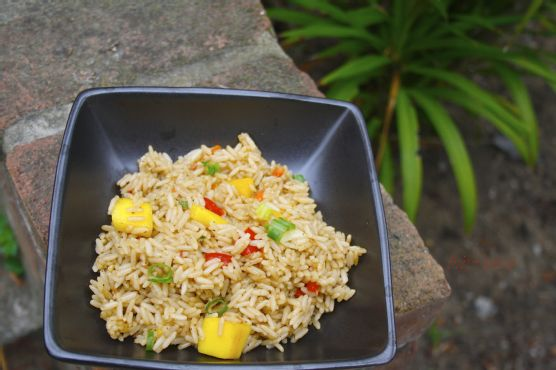
Mango Fried Rice: A Tropical Twist on a Classic Dish

Intro

There’s something truly magical about the aroma of fried rice wafting through the kitchen. It takes me back to my childhood, when my grandmother would whip up a batch of her signature fried rice every Sunday. The sizzling sounds, the vibrant colors, and the rich, savory flavors were always the highlight of our weekend meals. It was a dish that brought our family together, and each bite was a reminder of the love and care that went into it.

Today, I’m excited to share a unique twist on this beloved dish: Mango Fried Rice. This recipe combines the traditional elements of fried rice with the sweet, tropical flavor of fresh mango. It’s a delightful fusion that will transport your taste buds to a sunny, exotic paradise. Whether you’re looking to impress guests or simply want to enjoy a special meal at home, Mango Fried Rice is a must-try!

Why You’ll Love It

  • Flavorful Fusion: The combination of savory rice and sweet mango creates a harmonious balance that’s both refreshing and satisfying.
  • Easy to Make: This recipe is straightforward and doesn’t require any complicated techniques, making it perfect for both novice and experienced cooks.
  • Versatile: You can easily customize this dish with different vegetables or proteins to suit your preferences.
  • Healthy: Packed with fresh ingredients, this dish is a nutritious choice for any meal of the day.

Ingredients

  • Chicken stock
  • Seasoning cubes
  • Mango, cubed
  • Rice
  • Vegetables (e.g., bell peppers, carrots, peas)
  • Scotch bonnet pepper, chopped

Instructions

  1. Wash your rice thoroughly and place it in a pot. Add a small amount of water, just enough to cover the rice, and bring it to a boil over medium heat.
  2. Once the rice is slightly soft and the initial water has evaporated, reduce the heat. Pour in the chicken stock and continue to cook until the stock is fully absorbed and the rice is tender.
  3. If your chicken stock is freshly made, it should contain some chicken fat, so you won’t need to add additional oil to the rice.
  4. Increase the heat and stir in the chopped vegetables and scotch bonnet pepper. Add the seasoning cube and mix well to combine.
  5. Finally, gently fold in the cubed mango, allowing it to warm through. Serve the Mango Fried Rice warm, paired with your favorite protein. Chicken is a great choice, but feel free to get creative!

Tips

  • Use Fresh Mango: For the best flavor, ensure that the mango is ripe and juicy.
  • Adjust the Heat: If you prefer a milder dish, reduce the amount of scotch bonnet pepper or omit it entirely.
  • Rice Texture: Be careful not to overcook the rice in the initial boiling stage, as it will continue to cook in the chicken stock.

Variations & Substitutions

This Mango Fried Rice recipe is incredibly versatile. Here are some ideas to make it your own:

  • Protein Swap: Replace chicken with shrimp, tofu, or beef for a different protein option.
  • Vegetable Variety: Include other vegetables like broccoli, snap peas, or mushrooms for added nutrition and texture.
  • Grain Alternative: Use quinoa or cauliflower rice for a low-carb option.

Storage

Store any leftovers in an airtight container in the refrigerator for up to 3 days. To reheat, simply microwave or stir-fry in a pan on the stove until warmed through. Note that the mango may become softer upon reheating.

FAQ

Can I use frozen mango for this recipe?

Yes, you can use frozen mango if fresh mango is unavailable. Just be sure to thaw it completely and drain any excess water before adding it to the rice.

Is there a substitute for scotch bonnet pepper?

If you can’t find scotch bonnet pepper, you can substitute it with habanero pepper or a milder chili pepper like jalapeño, depending on your heat preference.

Can I make this dish vegan?

Absolutely! Simply replace the chicken stock with vegetable stock and omit any animal-based protein. The mango and vegetable combination is delicious on its own.

Nutrition

This Mango Fried Rice is not only delicious but also nutritious. It’s rich in vitamins A and C from the mango and vegetables, while the rice provides essential carbohydrates for energy. Depending on your choice of protein, you can also add a healthy dose of protein and healthy fats to the meal.

Conclusion

Mango Fried Rice is a delightful dish that brings together the best of both worlds: the savory comfort of classic fried rice and the sweet, tropical essence of mango. It’s a versatile recipe that can be tailored to suit any dietary preference, making it a fantastic addition to your culinary repertoire. Whether you’re serving it for a family dinner or a special occasion, this dish is sure to impress with its vibrant flavors and beautiful presentation. So gather your ingredients, channel your inner chef, and enjoy this tropical twist on a beloved classic!

Related update: Mango Fried Rice

Related update: Cheese and Leek Strata

Mashed Potatoes with Garlic, Sage & Goat Cheese | Made by Meaghan Moineau

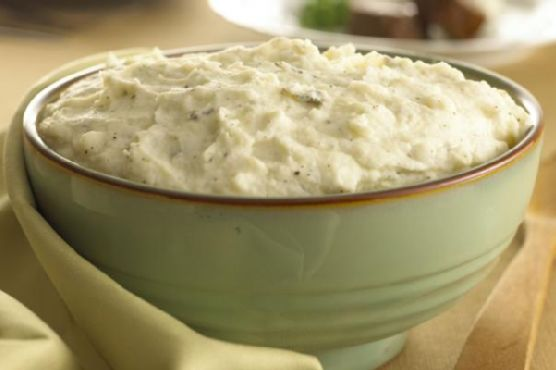
Mashed Potatoes with Garlic, Sage & Goat Cheese

Intro

There’s something about the aroma of garlic and sage that instantly transports me back to my grandmother’s kitchen. I remember the chilly autumn afternoons when I would watch her skillfully mash potatoes with her old hand masher, her movements rhythmic and comforting. She always had a knack for creating the most divine mashed potatoes, and her secret ingredient? A touch of creamy goat cheese that added a delightful tanginess. This recipe for Mashed Potatoes with Garlic, Sage & Goat Cheese is inspired by those cherished memories. It’s a dish that not only fills the belly but also warms the soul, making it perfect for family gatherings or a cozy night in.

Why You’ll Love It

This recipe is a modern twist on a classic comfort food. The creamy texture of the mashed potatoes is beautifully complemented by the rich, earthy flavors of garlic and sage. The addition of goat cheese introduces a subtle tanginess that elevates the dish to a gourmet level. Whether you’re serving these mashed potatoes as a side dish for a holiday feast or as a comforting weeknight dinner, they are sure to be a hit with everyone at the table.

Ingredients

  • 4 large baking potatoes, peeled and quartered
  • 2 cloves of garlic, minced
  • 1 pyramid (about 5.3 oz) Chavrie Goat Cheese
  • 2 tablespoons olive oil
  • 2 teaspoons fresh sage, finely chopped
  • Salt and black pepper to taste

Instructions

  1. In a medium saucepan, cook the potatoes in salted water until tender, about 15 minutes.
  2. Drain the potatoes and return them to the saucepan.
  3. While still warm, add the olive oil, garlic, and Chavrie Goat Cheese.
  4. Whip the potatoes with handheld mixers until the ingredients are blended and the desired consistency is obtained.
  5. Season with salt and black pepper to taste.
  6. Garnish with fresh sage before serving.

Tips

For the creamiest mashed potatoes, make sure to use high-starch potatoes like russets or Yukon Golds. Don’t overmix the potatoes, as this can make them gluey. If you’re mashing by hand, a potato masher or ricer works best. You can also add a splash of milk or cream for extra creaminess.

Variations & Substitutions

If you’re looking to switch things up, try using roasted garlic for a deeper flavor. Substitute the goat cheese with cream cheese or sour cream if you’re not a fan of goat cheese. For a dairy-free version, use a plant-based cheese alternative and coconut cream. You can also add a touch of nutmeg or a handful of chopped chives for additional flavor.

Storage

Leftover mashed potatoes can be stored in an airtight container in the refrigerator for up to 3 days. To reheat, simply microwave or warm them in a saucepan over low heat, adding a splash of milk or broth to bring back the creamy texture. These mashed potatoes can also be frozen for up to a month, making them a convenient make-ahead dish.

FAQ

Can I make these mashed potatoes ahead of time?

Yes, you can prepare these mashed potatoes up to two days in advance. Store them in the refrigerator and reheat gently on the stove or in the microwave before serving. Add a little milk or broth to revive the creamy texture.

How can I make this recipe vegan?

To make these mashed potatoes vegan, substitute the goat cheese with your favorite plant-based cheese and use a dairy-free milk alternative like almond or oat milk. Ensure that the olive oil is your primary fat source.

What can I serve with these mashed potatoes?

These mashed potatoes pair beautifully with a variety of main dishes. Try them alongside roasted chicken, grilled steak, or a hearty mushroom stew. They’re also a fantastic complement to holiday meals like Thanksgiving turkey or Christmas roast.

Nutrition

While nutritional values can vary based on specific ingredients and portion sizes, a serving of these mashed potatoes is roughly 250 calories. They are a good source of potassium and vitamin C from the potatoes, with additional healthy fats from the olive oil. The goat cheese adds a dose of protein and calcium, making this dish both delicious and nutritious.

Conclusion

Mashed Potatoes with Garlic, Sage & Goat Cheese is a dish that brings together the best of comfort and gourmet cooking. It’s a recipe that honors tradition while offering room for creativity and adaptation. Whether you’re cooking for a crowd or enjoying a solo dinner, these mashed potatoes are sure to become a staple in your culinary repertoire. I hope you find as much joy in making and eating them as I do, and that they bring a sense of warmth and nostalgia to your table, just as they do to mine.

Related update: Mashed Potatoes with Garlic, Sage & Goat Cheese

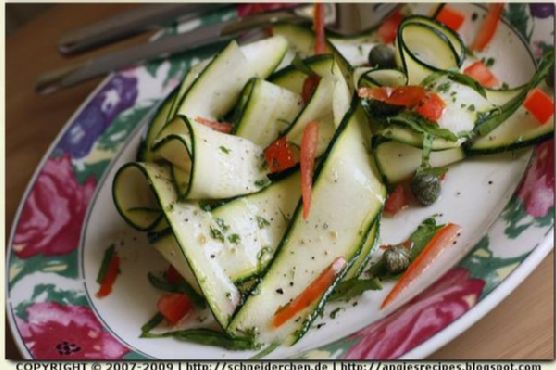
Zucchini Ribbon Caper Salad | Made by Meaghan Moineau

Zucchini Ribbon Caper Salad

Intro

There’s something inherently magical about the simplicity of summer salads. Growing up, my grandmother’s garden was a vibrant tapestry of colors and textures, where we spent countless summer afternoons. Among her many garden treasures, zucchini was always in abundance, and she had a knack for turning it into the most delightful dishes. This Zucchini Ribbon Caper Salad is a tribute to those cherished moments—filled with fresh, crisp flavors reminiscent of sunny days spent in her backyard.

Why You’ll Love It

This Zucchini Ribbon Caper Salad is a symphony of flavors and textures that will captivate your taste buds. The crispness of the zucchini ribbons, the savory burst from the capers, and the aromatic dance of garlic and lemon zest create a dish that is both refreshing and satisfying. It’s an elegant addition to any meal, and its simplicity is matched only by its deliciousness. Perfect as a light appetizer or a side dish, this salad will become a staple in your culinary repertoire.

Ingredients

  • 2 medium zucchinis, thinly sliced into ribbons
  • 2 tablespoons capers
  • 1 clove garlic, minced
  • Zest of 1 lemon
  • 2 tablespoons olive oil
  • Salt and pepper to taste
  • 1 medium tomato, julienned
  • Dried parsley, for garnish

Instructions

  1. In a large bowl, toss the zucchini strips with the olive oil, lemon zest, lemon juice, garlic, salt, and pepper.
  2. Set aside and allow the mixture to marinate for 30 minutes. This step allows the flavors to meld beautifully and the zucchini to soften slightly.
  3. Divide the marinated zucchini between 2-3 plates.
  4. Top each serving with capers and julienned tomato.
  5. Drizzle any extra dressing over the salad, if desired.
  6. To garnish, sprinkle a pinch of dried parsley over each plate before serving.

Tips

For the best results, use fresh, firm zucchinis and a high-quality olive oil to enhance the flavor. A vegetable peeler or mandoline slicer works wonders for creating perfect zucchini ribbons. Remember to taste the salad before serving to ensure the seasoning is just right—sometimes a little extra lemon juice or a pinch of salt can make all the difference.

Variations & Substitutions

This salad is incredibly versatile, and you can easily adapt it to suit your tastes or what you have on hand:

  • Herbs: Fresh basil or mint can add a delightful twist to this salad. Simply chop and sprinkle over before serving.
  • Cheese: Add a sprinkle of feta or goat cheese for a creamy contrast to the crisp zucchini.
  • Olives: Substitute capers with chopped olives for a different kind of briny bite.

Storage

While this salad is best enjoyed fresh, you can store leftovers in an airtight container in the refrigerator for up to 2 days. Note that the zucchini may become more tender as it sits, but the flavors will continue to develop, making it even more delicious.

FAQ

Can I make this salad ahead of time?

Yes, you can prepare the salad up to a day in advance. Just keep the zucchini marinating in the refrigerator and add the capers and tomato just before serving to maintain their fresh texture.

What can I serve with this salad?

This salad pairs beautifully with grilled chicken, fish, or even a simple pasta dish. It’s also a lovely addition to a summer picnic or barbecue spread.

Is this salad vegan?

Yes, this Zucchini Ribbon Caper Salad is naturally vegan, making it a great choice for those following a plant-based diet.

Nutrition

This salad is not only delicious but also packed with nutrients. Zucchini is a low-calorie vegetable high in antioxidants, vitamin A, and fiber. The olive oil provides healthy fats, while the lemon and garlic contribute additional vitamins and immune-boosting properties.

Conclusion

Our Zucchini Ribbon Caper Salad is more than just a dish—it’s a celebration of fresh, vibrant flavors that bring a touch of brightness to any meal. Whether you’re looking to reminisce about summer days gone by or simply want to enjoy a nutritious, delightful salad, this recipe is sure to please. Gather your ingredients, embrace the simplicity, and savor the taste of summer with every bite. Enjoy!

Related update: Zucchini Ribbon Caper Salad

Related update: Mashed Potatoes with Garlic, Sage & Goat Cheese

Related update: Pizza bites with pumpkin

Related update: Traditional Panzanella

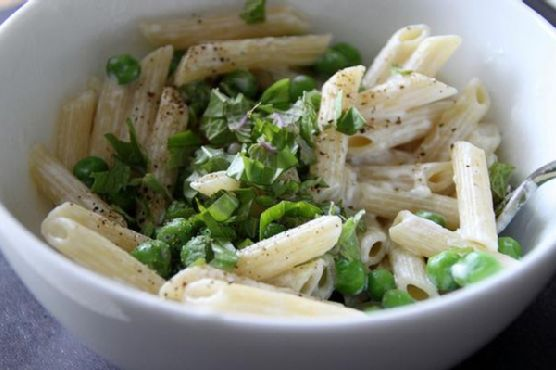
Penne with Goat Cheese and Basil | Made by Meaghan Moineau

Penne with Goat Cheese and Basil

Intro

There’s a certain magic in the simplicity of pasta dishes. Growing up, summer evenings were often capped with a family dinner on our patio, where the fragrant aroma of fresh basil mingled with the earthy scent of cooling evening air. My grandmother would make her signature Penne with Goat Cheese and Basil, a dish that encapsulated the essence of those warm nights. Today, I’m sharing this beloved recipe with you. It’s a dish that’s not only easy to prepare but also rich in flavor and comfort, reminiscent of those cherished family gatherings.

Why You’ll Love It

This Penne with Goat Cheese and Basil recipe is a celebration of flavors and textures. The creamy, slightly tangy goat cheese coats the pasta beautifully, while the fresh basil adds a burst of aromatic freshness. It’s a perfect balance of richness from the cheese and the light, herbaceous notes of basil. Plus, this dish requires minimal ingredients and is quick to prepare, making it an ideal option for both busy weeknights and leisurely weekend meals. Whether you’re a seasoned cook or a beginner in the kitchen, you’ll find this recipe both rewarding and satisfying.

Ingredients

  • Penne pasta
  • Basil leaves
  • Goat cheese
  • Olive oil
  • Salt and pepper

Instructions

  1. Cook the penne pasta according to the package directions until al dente. Drain and set aside.
  2. While the pasta is cooking, arrange the basil leaves in a stack. Roll them tightly like a cigar, then slice crosswise to create thin strips. This technique is known as chiffonade.
  3. In a large bowl, toss the cooked penne with olive oil and crumbled goat cheese. Allow it to cool for a few minutes, letting the cheese melt slightly and coat the pasta.
  4. Add the chiffonade basil to the pasta along with a generous pinch of salt and freshly ground pepper. Toss everything together until well combined.
  5. Serve immediately, garnished with additional basil or a drizzle of olive oil if desired.

Tips

For the best results, use fresh goat cheese and basil. The quality of these ingredients will significantly impact the flavor of the dish. When cooking the pasta, make sure to salt the water generously to enhance the overall taste. If you prefer a creamy texture, reserve a little pasta water before draining and add it to the mixture while tossing the ingredients together.

Variations & Substitutions

This recipe is incredibly versatile. For a heartier version, you can add grilled chicken or roasted vegetables such as cherry tomatoes or zucchini. If goat cheese isn’t your favorite, feta cheese is a great substitute that also pairs well with basil. For a vegan alternative, try using a plant-based cheese and olive oil-based pesto for added flavor.

Storage

Leftovers of Penne with Goat Cheese and Basil can be stored in an airtight container in the refrigerator for up to three days. To reheat, gently warm in a skillet over low heat, adding a splash of olive oil or water to loosen the sauce. Note that the basil may darken slightly, but the flavor will remain delightful.

FAQ

Can I use dried basil instead of fresh basil?

While fresh basil provides the best flavor and aroma, you can use dried basil in a pinch. Use about one-third of the amount specified for fresh basil, as dried herbs are more concentrated in flavor. However, the dish will lack the same vibrant freshness that fresh basil offers.

Is this dish suitable for meal prep?

Yes, Penne with Goat Cheese and Basil is a great option for meal prep. Prepare the dish as instructed and store it in individual portions. It’s best enjoyed fresh, but it can still be a convenient and tasty option for packed lunches.

Nutrition

This dish is a good source of protein and calcium from the goat cheese, and the olive oil provides healthy fats. The basil adds vitamins and minerals, while the pasta offers carbohydrates for energy. For a lighter version, consider using whole grain or gluten-free pasta.

Conclusion

Penne with Goat Cheese and Basil is more than just a meal; it’s a comforting embrace of flavors that evoke cherished memories and new culinary adventures. Whether you’re recreating a nostalgic dish or trying it for the first time, this recipe promises a delightful experience. Gather your loved ones, savor each bite, and let the simple elegance of this dish bring a touch of warmth to your table.

Related update: Penne with Goat Cheese and Basil

Related update: How to Make the Best Chili

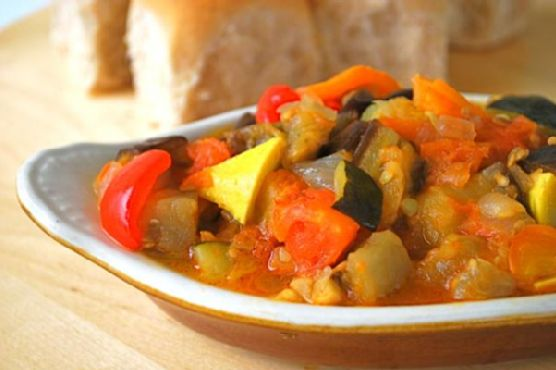
Vegetarian Ratatouille | Made by Meaghan Moineau

Vegetarian Ratatouille: A Classic French Delight

Intro

Ah, ratatouille! This classic French dish transports me back to my grandmother’s kitchen, where the air was always filled with the comforting aroma of roasted vegetables and fresh herbs. As a child, I would spend summer afternoons on her porch, watching her expertly dice eggplants and zucchini, her hands moving with the rhythm of someone who had perfected the art of cooking over decades. The vibrant colors of the vegetables were as captivating as the dish itself, and the first bite was always a revelation: a warm, hearty medley of flavors that seemed to capture the very essence of summer.

This vegetarian ratatouille recipe is my tribute to those cherished memories. It’s a simple yet flavorful dish that combines fresh vegetables and herbs in a way that epitomizes rustic French cooking. Whether you’re a seasoned chef or a beginner in the kitchen, this recipe is sure to delight your senses and become a cherished addition to your culinary repertoire.

Why You’ll Love It

  • Healthy and Nutritious: Packed with fresh vegetables and herbs, this dish is a nutritious powerhouse that’s perfect for any meal.
  • Easy to Make: With simple ingredients and straightforward instructions, this ratatouille is accessible for cooks of all skill levels.
  • Versatile: Enjoy it as a main dish, a side, or even a topping for pasta or rice.
  • Seasonal Delight: Make the most of summer’s bounty with this recipe that showcases fresh produce at its best.
  • Make-Ahead Friendly: Its flavors deepen over time, making it ideal for meal prep or next-day leftovers.

Ingredients

  • 1 eggplant, diced
  • 1 zucchini, sliced
  • 1 yellow squash, sliced
  • 2 tomatoes, chopped
  • 1 red bell pepper, chopped
  • 1 orange bell pepper, chopped
  • 1 onion, diced
  • 2 cloves garlic, minced
  • Fresh basil leaves, torn
  • 1 teaspoon thyme
  • 1 teaspoon dried oregano
  • 3 tablespoons extra virgin olive oil
  • Sea salt, to taste

Instructions

  1. In a large saucepan over medium-low heat, warm the extra virgin olive oil.
  2. Add the diced onion and minced garlic. Sauté until the onions are translucent, stirring occasionally to prevent sticking.
  3. Stir in the chopped tomatoes and let them cook for about 5 minutes, allowing their juices to release.
  4. Add the diced eggplant, sliced zucchini, yellow squash, and chopped bell peppers to the saucepan.
  5. Sprinkle in the thyme, dried oregano, and sea salt. Stir to combine all the ingredients.
  6. Reduce the heat to low and cover the pan. Let the mixture simmer for about 30 minutes, stirring occasionally, until the eggplant is tender and the flavors have melded together.
  7. Remove from heat and stir in the fresh basil leaves just before serving.
  8. Taste and adjust the seasoning if necessary. Serve warm and enjoy!

Tips

For the best flavor, use fresh, ripe vegetables. If possible, visit your local farmer’s market for ingredients. Cut your vegetables uniformly to ensure even cooking, and be patient with the simmering process to allow the flavors to fully develop. Remember, the key to a good ratatouille is in its simplicity and the quality of its ingredients.

Variations & Substitutions

Feel free to experiment with this recipe by adding or substituting vegetables based on what’s in season or your personal preferences. Mushrooms and carrots can add depth and sweetness. If you prefer a bit of heat, consider adding a pinch of red pepper flakes. For a protein boost, toss in some chickpeas or serve the ratatouille over quinoa.

Storage

Ratatouille stores beautifully. Once cooled, transfer it to an airtight container and refrigerate for up to 5 days. Reheat gently on the stovetop or in the microwave. It can also be frozen for up to 3 months. Thaw in the refrigerator overnight and reheat before serving.

FAQ

Can I make ratatouille ahead of time?

Absolutely! Ratatouille is one of those dishes that tastes even better the next day as the flavors continue to meld. It’s perfect for meal prep or an easy make-ahead option for a gathering.

What should I serve with ratatouille?

Ratatouille is versatile and can be served with a variety of accompaniments. It pairs well with crusty bread, rice, or pasta. You can also serve it as a side dish with grilled fish or chicken for a more substantial meal.

Is ratatouille vegan?

Yes, this ratatouille recipe is completely vegan, making it a great option for those following a plant-based diet. It’s naturally gluten-free as well, accommodating a range of dietary needs.

Nutrition

This dish is not only delicious but also a health-conscious choice. It’s low in calories and rich in vitamins, antioxidants, and fiber. The combination of fresh vegetables provides a wealth of nutrients, while the olive oil adds healthy fats that are beneficial for heart health.

Conclusion

Incorporating this vegetarian ratatouille into your culinary repertoire is like inviting a touch of Provence into your home. It’s a dish that’s not only steeped in tradition but also vibrant with the colors and flavors of fresh produce. Whether you’re savoring it on a warm summer evening or cozying up with it on a cooler day, ratatouille is a celebration of simplicity and flavor. So, gather your ingredients, embrace the art of slow cooking, and enjoy making a dish that’s as delightful to prepare as it is to eat. Bon appétit!

Related update: Vegetarian Ratatouille

Traditional Panzanella | Made by Meaghan Moineau

Traditional Panzanella Recipe: A Taste of Italian Summer

Introduction

There’s something truly magical about the simplicity of Italian cuisine, and nothing epitomizes this more than the traditional Panzanella. I remember the first time I tasted this delightful Tuscan bread salad; it was a warm summer afternoon in Florence, sitting in a quaint trattoria with my grandmother. The vibrant colors of the fresh tomatoes, the aroma of basil, and the satisfying crunch of day-old bread soaked in olive oil and vinegar created an unforgettable symphony of flavors. This dish not only filled our bellies but also our hearts with cherished memories. I hope this recipe brings a little piece of Italy to your table and becomes a staple in your home, just as it has in mine.

Why You’ll Love It

Traditional Panzanella is a celebration of the freshest ingredients and the beauty of rustic cooking. Here’s why it’s sure to become a favorite:

  • Simple Ingredients: Made with just a handful of pantry staples and fresh produce, this recipe is all about quality ingredients shining through.
  • Quick and Easy: With minimal preparation and no cooking required, this dish is perfect for those hot summer days when you want something light yet satisfying.
  • Versatile and Adaptable: Easily customizable to suit your taste preferences, Panzanella is a great way to use up any leftover bread or vegetables you have on hand.
  • Healthy and Delicious: Packed with fresh vegetables and healthy fats from olive oil, it’s a nutritious option for any meal.

Ingredients

  • Six slices of day-old Tuscan bread
  • Extra virgin olive oil
  • Fresh basil leaves
  • One red onion
  • Red wine vinegar
  • Salt and pepper, to taste
  • Four ripe tomatoes

Instructions

  1. In a bowl, combine the bread with water and let it stand for at least 20 minutes or until it’s soft.
  2. Drain the bread and squeeze out as much water as you can. Crumble the bread and place it in a serving bowl.
  3. Scatter the tomatoes, onions, and chopped basil over the top of the bread.
  4. Dress the Panzanella with extra-virgin olive oil and vinegar. Season with salt and pepper and toss well.
  5. Taste and adjust the seasoning with more oil, salt, and vinegar according to your preference.
  6. Leave the Panzanella to stand for 15 minutes to allow the flavors to meld together. Serve at room temperature.

Tips

  • Choose the right bread: A rustic, crusty bread like Tuscan or sourdough works best. It should be slightly stale for the perfect texture.
  • Use the best tomatoes: Opt for ripe, juicy tomatoes for the best flavor. Heirloom varieties can add beautiful color and taste.
  • Let it rest: Allow the salad to sit for at least 15 minutes before serving to let the flavors meld.

Variations & Substitutions

Panzanella is incredibly adaptable, so feel free to make it your own:

  • Add protein: Include grilled chicken or tuna for a more substantial meal.
  • Incorporate more veggies: Cucumbers, bell peppers, or even olives can add extra flavor and texture.
  • Herb it up: Try adding parsley, oregano, or mint for a different aromatic profile.

Storage

Panzanella is best enjoyed fresh, but if you have leftovers, store them in an airtight container in the refrigerator for up to 2 days. Note that the bread will continue to absorb the dressing and may become softer. If you plan on making it ahead, keep the bread separate and combine just before serving.

FAQ

Can I use fresh bread instead of day-old bread?

While day-old bread is traditional and helps to achieve the right texture, you can use fresh bread in a pinch. Simply toast it lightly to dry it out before soaking.

Is there a gluten-free option for Panzanella?

Yes, you can make a gluten-free version by using gluten-free bread. Ensure the bread is sturdy enough to hold up to the soaking process.

Can I prepare Panzanella in advance?

It’s best to prepare Panzanella fresh to maintain the texture of the bread. However, you can chop the vegetables and prepare the dressing ahead of time, then combine just before serving.

Nutrition

This traditional Panzanella is a nutritious option that offers a balance of carbohydrates, healthy fats, and fresh vegetables. A typical serving provides approximately:

  • Calories: 250
  • Fat: 15g
  • Carbohydrates: 26g
  • Protein: 4g
  • Fiber: 3g

Conclusion

Traditional Panzanella is more than just a salad; it’s a testament to the beauty of simple, fresh ingredients coming together to create something extraordinary. Whether you’re enjoying it as a light lunch, a side dish, or a main course with added protein, this Tuscan classic is sure to delight your taste buds and transport you to a sun-drenched Italian countryside. Share it with loved ones, and create your own cherished memories around the table. Enjoy!

Related update: Traditional Panzanella

Related update: Zucchini Ribbon Caper Salad

Slow Cooker Red Beans and Rice | Made by Meaghan Moineau

Slow Cooker Red Beans and Rice

Intro

There’s something incredibly comforting about a pot of slow-cooked red beans and rice simmering away, filling your home with tantalizing aromas. This dish takes me back to my childhood, spent in the vibrant kitchens of my grandmother’s house in the South. She would often prepare this hearty meal on Sundays, letting it cook slowly as we went about our day. By evening, we’d gather around her large wooden table, eager to dig into the savory goodness before us. The recipe I’m sharing today is inspired by those cherished memories, but with a convenient twist for the modern cook—a slow cooker!

Why You’ll Love It

This Slow Cooker Red Beans and Rice recipe is not just delicious, it’s also incredibly easy to make. Here are a few reasons why you’ll fall head over heels for this dish:

  • Effortless Preparation: Simply add all ingredients to your slow cooker and let it do its magic.
  • Rich, Savory Flavors: The combination of spices, sausage, and red beans creates a depth of flavor that is both comforting and satisfying.
  • Perfect for Busy Days: With minimal prep and the ability to cook all day, it’s an ideal choice for busy weeknights or lazy weekends.
  • Budget-Friendly: Utilizing pantry staples and affordable ingredients, this dish is kind to your wallet.
  • Family Favorite: The comforting flavors are a hit with kids and adults alike.

Ingredients

  • Ancho chili powder
  • Bay leaves
  • Butter
  • Canned red beans
  • Diced canned tomatoes
  • Cayenne pepper
  • Red onion
  • Rice
  • Sausage
  • Water
  • White pepper

Instructions

  1. Place all of your ingredients into the slow cooker and stir to mix everything well.
  2. Allow to cook all day on low for 6 hours (if with rice), or longer if needed without rice.
  3. Serve with cornbread and enjoy! (I like to take a whole piece and mix it up really well, YUM!)

Tips

  • Soak Your Beans: If you’re using dried beans instead of canned, be sure to soak them overnight before adding them to the slow cooker to ensure they cook fully.
  • Spice Levels: Adjust the cayenne pepper to suit your heat preference. Start with a pinch and add more if you like it spicy.
  • Use Good Quality Sausage: This will greatly enhance the flavor of the dish. Consider using smoked sausage for an extra depth of flavor.

Variations & Substitutions

This recipe is wonderfully adaptable. Here are some variations and substitutions you can try:

  • Vegetarian Option: Skip the sausage and add more vegetables like bell peppers and zucchini.
  • Different Beans: While red beans are traditional, you can use black beans or kidney beans for a different twist.
  • Spice Mix: Experiment with adding smoked paprika or cumin for a smoky flavor profile.
  • Grains Variety: Substitute rice with quinoa or farro for a different texture and added nutrients.

Storage

This dish makes great leftovers! Here’s how you can store it:

  • Refrigerate: Store in an airtight container in the fridge for up to 4 days.
  • Freeze: Portion into freezer-safe bags or containers and freeze for up to 3 months. Thaw in the refrigerator overnight before reheating.
  • Reheat: Warm on the stovetop over medium heat, stirring occasionally, until heated through. You can also reheat in the microwave in 1-minute intervals, stirring in between.

FAQ

Can I make this dish on the stovetop instead of a slow cooker?

Yes, absolutely! To prepare on the stovetop, sauté the onion and sausage in butter until the onion is translucent. Add the remaining ingredients and simmer on low heat for about 1-2 hours, stirring occasionally, until the beans are tender.

What kind of sausage works best for this recipe?

Smoked sausage is a great choice for this recipe as it adds a wonderful smoky flavor. Andouille sausage is traditional and particularly delicious, but you can use any spicy or mild sausage you prefer.

Can I add more vegetables to this recipe?

Definitely! This recipe is very flexible, and adding more vegetables like bell peppers, celery, or carrots can enhance the flavor and nutrition.

Nutrition

While I don’t have the exact nutritional breakdown for this dish, it’s worth noting that red beans are a great source of protein and fiber, and using whole grain rice can boost the fiber content even more. Just be mindful of the sodium content if you’re using canned beans and tomatoes. Balancing with fresh ingredients where possible is always a good idea!

Conclusion

Slow Cooker Red Beans and Rice is a warm, comforting, and flavorful dish that’s perfect for any day of the week. Whether you’re reminiscing about Southern roots or simply looking for an easy and delicious meal, this recipe is sure to satisfy. With its rich flavors and simple preparation, it’s a dish that brings people together, just like it did in my grandmother’s kitchen. Give it a try, and let me know how it brings warmth and happiness to your table!

Related update: Slow Cooker Red Beans and Rice

Related update: Mummy Meatballs with Spaghetti

Brussel Sprouts in Bacon and Garlic Sauce | Made by Meaghan Moineau

Brussel Sprouts in Bacon and Garlic Sauce

Intro

When I think of family gatherings during the festive season, one particular dish always stands out in my memory: Brussel Sprouts in Bacon and Garlic Sauce. This recipe was a staple at our holiday table, lovingly prepared by my grandmother. I remember sitting in her cozy kitchen, stealing crispy bacon bits while she wasn’t looking, and watching in awe as she transformed humble ingredients into a dish that even the pickiest eater couldn’t resist. Today, I’m delighted to share this beloved recipe with you, hoping it brings as much warmth and joy to your table as it did to ours.

Why You’ll Love It

This dish is a perfect blend of savory and tangy flavors that complement the natural taste of brussel sprouts. The bacon and garlic sauce add richness, while a hint of lemon juice brightens the dish. It’s quick and easy to prepare, making it an excellent side dish for busy weeknights or special occasions. Plus, the crispy bacon bits add a delightful texture that even those who usually shy away from green vegetables will enjoy.

Ingredients

  • 250g whole brussel sprouts
  • 1/2 teaspoon salt
  • 4 cups water
  • 1 tablespoon salted butter
  • 1 tablespoon minced garlic
  • 1 tablespoon bacon bits
  • Salt and pepper to taste
  • 1 teaspoon lemon juice

Instructions

  1. Wash the brussel sprouts thoroughly and remove any old, hard outer leaves.
  2. Bring 4 cups of water to a boil in a saucepan and add 1/2 teaspoon of salt.
  3. Add the brussel sprouts to the boiling water and cook at medium heat for 4 minutes, or until they are tender but still slightly crunchy.
  4. Drain the brussel sprouts and set them aside.
  5. Return the saucepan to the hot stove and add 1 tablespoon of butter.
  6. While the butter is melting, cut the brussel sprouts in half.
  7. Add 1 tablespoon of minced garlic to the melted butter and sauté for a few seconds until the garlic is fragrant but not brown.
  8. Return the cut brussel sprouts to the saucepan and toss them lightly in the garlic-butter sauce.
  9. Add 1 tablespoon of bacon bits and toss to combine. For convenience, I always keep a jar of ready-to-use bacon bits in the fridge, but freshly pan-fried and crumbled bacon works just as well.
  10. Season to taste with salt and pepper. I personally love using Masterfoods Garlic Pepper for an extra flavor kick.
  11. Add a squeeze of fresh lemon juice (about 1 teaspoon) for a tangy finish.
  12. Toss everything together once more and serve. For an extra touch, garnish with toasted almond flakes or serve with fresh lemon wedges on the side.

Tips

To ensure your brussel sprouts are perfectly cooked, check them after 4 minutes of boiling. They should be tender but still retain a bit of crunch. Overcooking can lead to mushy sprouts, which we want to avoid. If you prefer a smokier flavor, try using smoked bacon bits. Remember, fresh lemon juice is key; it brightens the dish and balances the savory elements beautifully.

Variations & Substitutions

If you’re vegetarian or looking to reduce your meat intake, you can substitute the bacon bits with smoked paprika or sun-dried tomatoes for a similar depth of flavor. For a nutty crunch, consider adding toasted pine nuts or walnuts instead of almond flakes. If garlic isn’t your favorite, shallots or onions can also complement the sprouts nicely. Feel free to experiment with different herbs like thyme or rosemary for an aromatic twist.

Storage

Store any leftovers in an airtight container in the refrigerator for up to 3 days. To reheat, simply warm them in a skillet over medium heat until heated through. You can also use a microwave, though the skillet method will help retain their texture better. Unfortunately, this dish doesn’t freeze well, as the texture of the brussel sprouts can become unappealing when thawed.

FAQ

Can I use frozen brussel sprouts for this recipe?

Yes, you can use frozen brussel sprouts, but the texture might differ slightly. Make sure to thaw them thoroughly and pat them dry before cooking to remove excess moisture. Adjust the boiling time as needed since frozen sprouts might cook faster.

How do I make this dish vegan?

To make this dish vegan, simply replace the butter with a plant-based alternative and omit the bacon bits. You can use smoked paprika or nutritional yeast to add depth of flavor.

Can I prepare this dish ahead of time?

Yes, you can prepare the brussel sprouts and the garlic sauce a day in advance. Store them separately in the fridge. When ready to serve, reheat the sauce, toss in the brussel sprouts, and add the bacon bits and lemon juice for a fresh finish.

Nutrition

This dish is a great source of fiber, vitamins C and K, and antioxidants from the brussel sprouts. The bacon and butter add a dose of healthy fats, while garlic is known for its immune-boosting properties. Keep in mind that the nutritional content will vary based on the specific brands and quantities used.

Conclusion

Brussel Sprouts in Bacon and Garlic Sauce is a dish that has stood the test of time in my family, bringing smiles and satisfied sighs from everyone around the table. I hope this recipe becomes a cherished favorite in your home as well. Its simplicity and delightful flavors make it a winner for any occasion. So, gather your loved ones, share a meal, and create new memories with this heartwarming dish. Enjoy!

Related update: Brussel Sprouts in Bacon and Garlic Sauce

Tortellini In Brodo | Made by Meaghan Moineau

Tortellini In Brodo: A Cozy Italian Classic

Intro

There’s something truly magical about a steaming bowl of tortellini in brodo. It transports me back to my grandmother’s kitchen on a chilly winter evening. I still remember sitting at her rustic wooden table, the warmth from the stove filling the room, as she ladled the aromatic broth into our bowls. The air was filled with laughter, comfort, and the irresistible scent of homemade goodness. Tortellini in brodo is more than just a dish; it’s a memory, a hug in a bowl, and a testament to the power of simple, quality ingredients.

Why You’ll Love It

This recipe for Tortellini in Brodo is not only deeply comforting but also incredibly easy to prepare. It’s perfect for busy weeknights when you crave something warm and satisfying without the fuss. The beauty of this dish lies in its simplicity and the way each ingredient shines through. The rich chicken stock forms a flavorful base, while the lemon juice and zest add a bright, zesty contrast. Topped with a generous grating of parmigiano-reggiano, this dish is a delightful symphony of flavors that will warm your soul and elevate your dinner experience.

Ingredients

  • 6 cups chicken stock
  • 2 tablespoons fresh lemon juice
  • 1 teaspoon lemon zest
  • 1/4 cup grated parmigiano-reggiano
  • Salt and pepper to taste
  • 1 package frozen tortellini

Instructions

  1. In a large pot, bring the chicken stock to a boil over medium-high heat.
  2. Add the frozen tortellini to the boiling stock and cook according to the package instructions until the tortellini are tender and cooked through.
  3. Once cooked, ladle the tortellini and broth into serving bowls.
  4. Squeeze fresh lemon juice into each bowl and stir gently to combine.
  5. Top each serving with a generous amount of grated parmigiano-reggiano and a sprinkle of lemon zest.
  6. Season with freshly ground salt and pepper to taste.
  7. Serve immediately and enjoy the comforting flavors.

Tips

To elevate your Tortellini in Brodo, use the best quality chicken stock you can find or make your own at home. Homemade stock adds depth and richness unmatched by store-bought versions. Be sure to taste the broth before serving to ensure the seasoning is just right. Since the parmigiano-reggiano is quite salty, you may want to adjust the salt level accordingly.

Variations & Substitutions

If you’re looking to personalize this classic dish, consider these variations:

  • Vegetarian Version: Substitute the chicken stock with a robust vegetable broth to make a delightful vegetarian alternative.
  • Protein Boost: Add some shredded rotisserie chicken or cooked Italian sausage to the broth for a heartier meal.
  • Herby Twist: Toss in a handful of fresh spinach or arugula just before serving for a touch of green and added nutrients.
  • Cheese Alternatives: While parmigiano-reggiano is classic, feel free to experiment with other hard cheeses like pecorino romano for a different flavor profile.

Storage

Tortellini in Brodo is best enjoyed fresh, but if you have leftovers, store them in an airtight container in the refrigerator for up to 3 days. When reheating, warm the soup gently on the stove over low heat, adding a splash of stock or water if the broth has thickened. Keep in mind that the tortellini may absorb some of the broth, so you might want to have extra stock on hand to refresh the soup.

FAQ

Can I use fresh tortellini instead of frozen?

Absolutely! Fresh tortellini will work beautifully in this recipe. Just be sure to adjust the cooking time according to the package instructions, as fresh pasta often cooks faster than frozen.

What can I serve with Tortellini in Brodo?

This dish pairs wonderfully with a simple side salad and crusty bread. The salad adds a fresh contrast, while the bread is perfect for soaking up every last drop of the delicious broth.

Is there a way to make this dish gluten-free?

Yes, you can make Tortellini in Brodo gluten-free by using gluten-free tortellini, which is available in many grocery stores. Ensure your chicken stock is also gluten-free, and you’ll have a safe and delicious meal for those with gluten sensitivities.

Nutrition

While Tortellini in Brodo is a comforting and delicious dish, it’s also worth noting its nutritional benefits. The chicken stock is rich in proteins and minerals, while the parmigiano-reggiano provides a good source of calcium. The lemon adds a dose of vitamin C, and if you opt to add greens, you’ll further boost the nutritional profile of this meal. It’s a well-rounded dish that can fit into a balanced diet.

Conclusion

Tortellini in Brodo is more than just a soup; it’s a warm embrace, a nostalgic taste of Italy, and a simple pleasure that brings comfort to any table. Whether you’re seeking to relive cherished memories or create new ones, this dish is sure to become a beloved staple in your kitchen. Its simplicity is its strength, allowing each ingredient to shine and offering a canvas for your culinary creativity. So go ahead, gather your loved ones, and savor the cozy, delightful experience that is Tortellini in Brodo.

Related update: Tortellini In Brodo

Related update: Brussel Sprouts in Bacon and Garlic Sauce

Related update: Pan Seared Lamb Loin With Chimichurri & Roasted Trio Squash Salad With Goat Cheese and Pinenuts

Related update: Wisconsin Beer Cheese Soup