When Halo Becomes a Weapon of Politics | Analysis by Brian Moineau

When a Sci‑Fi Icon Gets Drafted Into Real‑World Violence: Halo, AI and the Cost of Dehumanizing Rhetoric

There’s something gut‑level unnerving about seeing your favorite fictional world repurposed as a weapon. Imagine turning a beloved sci‑fi shooter — a series that millions grew up with — into a rallying cry to “destroy” people in the real world. That’s exactly what happened late October 2025 when U.S. government social posts used AI‑generated images of Halo to promote immigration enforcement, prompting sharp condemnation from the franchise’s original creators.

This post untangles why that matters beyond fandom: the mix of cultural icons, generative AI, and political messaging isn’t just tone‑deaf — it risks normalizing language and imagery that have historically enabled dehumanization.

Key takeaways

    • The Department of Homeland Security and related accounts posted AI‑generated Halo imagery with slogans like “Destroy the Flood,” a clear analogy that equated migrants with the Flood, Halo’s parasitic antagonist.
    • Halo veterans including Marcus Lehto and Jaime Griesemer publicly condemned the posts as “absolutely abhorrent” and “despicable,” arguing the Flood were never intended as an allegory for immigrant populations.
    • The incident spotlights two bigger issues: how generative AI makes it trivially easy to weaponize copyrighted cultural IP for political messaging, and how dehumanizing metaphors (comparing groups to parasites) have dangerous historical resonance.
    • Microsoft — owner of the Halo IP — remained publicly noncommittal at the time, raising questions about corporate responsibility when IP is co‑opted for political ends.

The image, the reaction, and why it hurt

Late October 2025, an X (formerly Twitter) post tied to Homeland Security shared imagery of Spartans — Halo’s armored super‑soldiers — driving a Warthog beneath the Halo ring world with the words “Destroy the Flood” and a recruitment angle for ICE. The Flood, within the Halo lore, are a parasitic scourge: an enemy that strips away identity and consumes worlds.

On the surface it reads like a meme. But the implication was unmistakable: equate migrants with parasitic invaders and you’ve reduced human beings to a threat to be annihilated. That’s why key figures behind Halo were enraged. Marcus Lehto said the co‑option “really makes me sick,” while Jaime Griesemer called the ICE post “despicable” and warned it should offend every Halo fan, regardless of politics. Their responses highlight a core point: creators don’t control every context in which their work appears, but many feel a responsibility to object when their art is used to promote harm.

Why copyrighted IP and generative AI are a combustible mix

    • Generative AI tools can produce plausible, polished imagery quickly, making it easy for actors — state or private — to fabricate visuals that look “official.”
    • Cultural IP carries built‑in emotional and persuasive power. A Master Chief figure is shorthand for heroism, conflict and legitimacy for millions of players; recontextualized, it lends those feelings to the message being pushed.
    • Copyright and trademark law offer some remedies, but enforcement is slow and messy — and companies may choose not to act for political or business reasons. At the time of the incident, Microsoft’s public response was limited, leaving creators and fans to push back in public forums.

Generative AI amplifies asymmetries: anyone with basic tools can create imagery that looks like a brand’s or franchise’s official output, then weaponize it online. That’s why the debate isn’t just about one meme — it’s about how we govern visual truth and the ethical limits of deploying cultural capital in politics.

The deeper danger of dehumanizing metaphors

Describing a human group as “parasites,” “insects,” or “the flood” isn’t new; it’s an old rhetorical device that historically precedes violence. Comparing people to sub‑human entities strips moral complexity and makes extreme measures seem plausible or even righteous. Many commentators pointed out that equating migrants with the Flood echoes dangerous dehumanizing language that has been used before to justify abuses.

This is why creators’ outrage matters beyond fandom: it’s a cultural guardrail. When original storytellers push back, they’re not just protecting brand image; they’re resisting a narrative that turns complex social issues into a binary, extermination‑style frame.

Corporate silence and responsibility

Microsoft — current owner of Halo — reportedly declined to comment beyond minimal statements at the time. That silence fuels frustration. If brand IP is repurposed for political messaging that many view as harmful, stakeholders expect clearer action: takedown requests, public distancing, or at least moral clarity from those who own the rights.

But corporate responses are complicated by legal, political and business calculations. The episode exposes tension between platform enforcement, IP owners, and the public interest — a debate that will only intensify as AI image‑making becomes routine.

A short reflection

We live in a moment when imagery moves fast and the line between fiction and political persuasion blurs easily. Cultural icons are powerful because they belong to communities of fans whose shared meanings are shaped, defended and debated. When those icons get hijacked in ways that dehumanize real people, creators’ and communities’ voices matter — not just for brand protection, but for the health of public discourse.

If you care about the soul of the stuff you love, it’s worth paying attention to how it’s used, and calling out when popular culture is enlisted to justify harm. The Halo incident isn’t only a controversy about a videogame — it’s a warning about how tools and symbols can be misused unless we set clearer norms and faster remedies.

Sources


Related update: We recently published an article that expands on this topic: read the latest post.


Related update: We recently published an article that expands on this topic: read the latest post.

Related update: We recently published an article that expands on this topic: read the latest post.


Related update: We recently published an article that expands on this topic: read the latest post.

Vegan Strawberry Shortcake served with Vegan Whipped Cream | Made by Meaghan Moineau

Vegan Strawberry Shortcake Served with Vegan Whipped Cream

Introduction

There’s something magical about the first bite of a strawberry shortcake that transports me back to my grandmother’s kitchen. I remember those warm summer evenings when we would gather around the wooden table, eagerly awaiting her famous dessert. Her recipe was a family treasure, but as I’ve embraced a plant-based lifestyle, I’ve recreated this classic with a vegan twist. Today, I’m thrilled to share this Vegan Strawberry Shortcake recipe served with a luscious vegan whipped cream. It’s a dessert that captures the essence of summer and love in every bite.

Why You’ll Love It

This Vegan Strawberry Shortcake is not only a delightful treat for the taste buds but also a heartwarming nod to traditional desserts with a modern, plant-based spin. Here’s why you’ll love it:

  • Simple Ingredients: Made with pantry staples, this recipe is both accessible and economical.
  • Quick and Easy: With minimal prep and bake time, you can whip up this dessert in under an hour.
  • Perfectly Balanced: The sweetness of the strawberries and the lightness of the shortcake are perfectly complemented by the creamy, dreamy vegan whipped topping.
  • Family-Friendly: This is a dessert that everyone, regardless of dietary preferences, can enjoy together.

Ingredients

  • 1 cup flour
  • 1/2 cup almond meal
  • 1/4 cup turbinado sugar
  • 1 teaspoon baking soda
  • 1/4 teaspoon salt
  • 3/4 cup almond milk
  • 1 teaspoon apple cider vinegar
  • 1/4 cup vegetable oil
  • Tiny drop of almond extract
  • 1 pint fresh strawberries, sliced
  • Vegan whipped cream (store-bought or homemade)

Instructions

  1. Preheat your oven to 400 degrees F (200 degrees C).
  2. Add the sliced strawberries to a glass bowl and refrigerate until ready to use.
  3. In a medium-sized bowl, combine the flour, almond meal, baking soda, and salt. Mix well.
  4. In a small bowl, combine 1 teaspoon of water with the turbinado sugar, stirring slightly to help dissolve the sugar.
  5. In a large bowl, whisk together the almond milk, apple cider vinegar, vegetable oil, sugar mixture, and almond extract.
  6. Make a well in the center of the dry ingredients and gradually add the wet ingredients. Mix until just combined.
  7. Line two baking sheets with parchment paper.
  8. Drop the batter by generous tablespoons onto the sheets, spacing them a few inches apart. You should aim for 5 per baking sheet.
  9. Bake for 10-12 minutes, or until the shortcakes are just slightly golden.
  10. Allow the shortcakes to cool completely before slicing them in half with a serrated knife.
  11. Add a generous dollop of vegan whipped topping to the bottom half of each shortcake, followed by a spoonful of strawberries.
  12. Top with the remaining shortcake half, adding a bit more whipped topping and a few strawberries on top.
  13. Serve on individual dessert plates and enjoy!

Tips

  • Chill Your Tools: For an extra fluffy whipped topping, chill your mixing bowl and beaters in the freezer for about 10 minutes before whipping.
  • Use Fresh Strawberries: Fresh, ripe strawberries will yield the best flavor. Avoid using frozen strawberries as they can become mushy.
  • Don’t Overmix: When combining wet and dry ingredients, mix just until combined to ensure light and fluffy shortcakes.

Variations & Substitutions

This recipe is versatile and can be easily adapted to suit your preferences or dietary needs:

  • Replace almond milk with any other non-dairy milk, such as soy or oat milk.
  • Substitute almond meal with oat flour for a nut-free version.
  • For a citrus twist, add a teaspoon of lemon zest to the batter.
  • Experiment with different fruits such as blueberries or raspberries for a new flavor profile.

Storage

These shortcakes are best enjoyed fresh, but if you have leftovers, store them in an airtight container at room temperature for up to 2 days. Assemble with the whipped topping and strawberries just before serving to maintain their texture and freshness. The vegan whipped cream can be stored in the refrigerator for up to 3 days.

FAQ

Can I make the shortcakes gluten-free?

Yes, you can substitute the all-purpose flour with a gluten-free flour blend. Ensure the blend contains xanthan gum to help mimic the texture of traditional flour.

What can I use instead of turbinado sugar?

If turbinado sugar is not available, you can use coconut sugar or light brown sugar as a substitute. Both will provide a similar flavor and texture.

How can I make homemade vegan whipped cream?

To make homemade vegan whipped cream, chill a can of full-fat coconut milk overnight. Scoop out the solid cream and whip it with a little powdered sugar and vanilla extract until fluffy.

Nutrition

Each serving of Vegan Strawberry Shortcake contains approximately:

  • Calories: 250
  • Fat: 12g
  • Carbohydrates: 32g
  • Protein: 4g
  • Fiber: 3g
  • Sugar: 14g

Conclusion

Whether you’re a seasoned vegan or simply looking to explore plant-based desserts, this Vegan Strawberry Shortcake is sure to delight. With its light and airy texture, juicy strawberries, and creamy topping, it’s a recipe that embodies the joy of summer. Gather your loved ones, share a slice, and create new sweet memories that will last a lifetime. Enjoy!

Related update: Vegan Strawberry Shortcake served with Vegan Whipped Cream

Related update: Baked Caramel Custard

Dow Slides as Meta Earnings Shock Market | Analysis by Brian Moineau

Stock Market Today: A Jolt from the Summit and a Tech Giant’s Reality Check

The market woke up Thursday like someone who’d expected good news and found a half-empty cup. A high-profile Trump–Xi meeting that many hoped would soothe trade jitters delivered only modest, incremental outcomes — and tech earnings, led by Meta’s shockers, handed investors a reason to sell first and ask questions later. The result: the Dow slipped, the Nasdaq took a hit, and Meta’s stock plunged after an earnings report that mixed strong revenue with a staggering one-time charge and much bigger capital plans.

Key takeaways

    • The Dow and broader U.S. indices pulled back after markets digested both the Trump–Xi meeting outcomes and mixed Big Tech earnings.
    • Meta reported strong revenue but a huge one-time tax hit plus sharply higher AI-related spending guidance; the stock plunged on the news.
    • Investor focus is splitting between near-term macro/geo‑political events (trade, Fed messaging) and longer-term concerns about expensive AI buildouts.
    • Even “good” earnings can be punished when forward spending and one-off accounting items raise doubts about future profitability.

The hook: why a summit and an earnings call mattered in the same breath

When two world leaders meet, traders watch for concrete policy changes that could alter trade flows, tariffs, and supply chains — things that ripple across blue-chip companies in the Dow. When a major tech company reports earnings that raise fresh questions about the costs of the AI arms race, it rattles an industry that underpins much of the market’s recent gains. This was a day where geopolitics and corporate strategy collided, and the market answered with a shrug that turned into selling.

What happened at the summit (the market’s shorthand)

    • The Trump–Xi meeting produced incremental steps and a public tone of cooperation rather than a sweeping trade détente. Markets had priced in the hope of clearer, bigger concessions; the modest outcomes left some investors underwhelmed.
    • That lack of a dramatic breakthrough left trade-sensitive stocks and sentiment more vulnerable, amplifying the reaction to corporate news arriving the same day. (See reporting that U.S.–China statements were constructive but not transformational.) (apnews.com)

Meta: revenue growth, a fiscal surprise, and the AI price tag

Meta’s quarter delivered the kind of revenue beat investors generally like — but the headline numbers that mattered to traders were twofold:

    • A one‑time, very large tax charge that slashed GAAP earnings per share and materially altered the optics of profitability for the quarter. That accounting hit made the quarterly EPS number look terrible versus expectations, even though adjusted results were stronger.
    • Management raised capital‑spending and signalled significantly higher AI and infrastructure outlays going forward. That kind of ramp-up looks great for long‑term product ambition but scary for near‑term margins and cash needs.

Investors punished the stock after hours and into the next day — a reminder that market moves often focus on the future (spending, margins, balance-sheet impacts), not just yesterday’s revenue beat. Multiple outlets reported steep after-hours moves and investor concern about the scale of AI spending and the tax hit. (marketwatch.com)

The bigger investor dilemma: growth vs. proof of profit

This episode highlights a recurring market tension:

    • Growth-first strategies (large capex and hiring to own the AI layer) promise outsized returns if the investments succeed.
    • But when the investments are enormous and returns are uncertain, investors demand clearer milestones, timelines, and capital discipline — otherwise they mark down valuations.

Meta’s case is textbook: revenue growing, user metrics not collapsing, yet the market punished the stock because the path to profitable monetization of those AI investments — and the near-term drag on earnings — felt unclear.

How other market forces played in

    • Fed messaging and rate expectations remained a backdrop: comments that a further rate cut wasn’t guaranteed kept investors cautious about the breadth of multiple expansion.
    • Tech peers with similar AI spending signals also saw pressure (Microsoft, others), while companies that beat expectations or showed clearer near‑term margins (some pockets of health care and select cyclicals) saw relative strength. (tradingeconomics.com)

What investors might watch next

    • Follow‑up guidance from Meta: clearer timelines or unit‑economics commentary for AI products would calm some concerns.
    • Tone and policy details from U.S.–China interactions: any concrete tariff or supply‑chain adjustments that affect corporate costs and export controls.
    • Fed commentary and economic data that affect the odds of further rate cuts; the discount rate matters when valuations hinge on growth out years.

Short reflection

Markets are opinion machines: they price not only what is, but what might be. When geopolitical talks produce modest results and corporate leaders announce aggressive, uncertain spending, the machine mutters and sells. Days like this are noisy and sometimes emotional — useful for long‑term investors to parse, but treacherous for short‑term traders chasing headlines.

Sources


Related update: We recently published an article that expands on this topic: read the latest post.

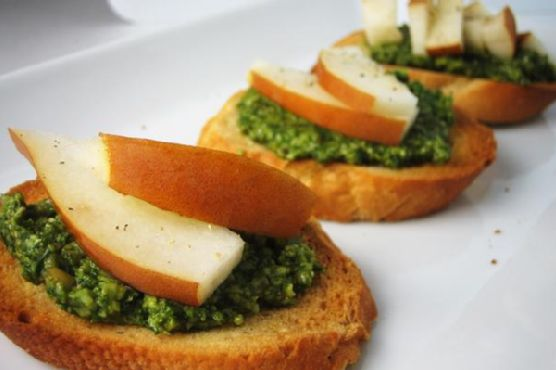
Pear and Pesto Crostini | Made by Meaghan Moineau

Pear and Pesto Crostini

Intro

There’s something magical about the combination of pear and pesto that instantly transports me back to my grandmother’s kitchen. I remember sitting at her rustic wooden table, eagerly watching as she prepared a variety of appetizers for our family gatherings. The distinct aroma of fresh basil and the nutty scent of roasted pine nuts would fill the air, creating an inviting atmosphere that welcomed everyone. Among all her creations, the Pear and Pesto Crostini stood out, a perfect blend of savory and sweet, crispy and creamy. Today, I’m excited to share this cherished family recipe with you.

Why You’ll Love It

This Pear and Pesto Crostini is not just a delightful appetizer; it’s a conversation starter. The crispiness of the French bread, the fragrant and nutty pesto, paired with the tender sweetness of the bosc pear, make for a symphony of flavors and textures in every bite. It’s elegant enough for a holiday party, yet simple enough to whip up for a casual weekend snack. Plus, it’s a great way to impress your guests with minimal effort!

Ingredients

  • French bread
  • Fresh basil leaves
  • 1 garlic clove
  • Pine nuts
  • Pecorino Romano cheese
  • Your best olive oil
  • Salt and pepper to taste
  • 1 Bosc pear

Instructions

  1. Preheat your oven to 400 degrees Fahrenheit.
  2. Slice the French loaf into 1/2-inch-thick slices.
  3. Brush or spray the slices with olive oil and place them on a baking sheet.
  4. Toast the bread in the oven for 10-15 minutes, or until the edges are a deep golden brown. Remove from the oven and set aside.
  5. While the bread is toasting, make your pesto. In a food processor, combine basil leaves, garlic clove, pine nuts, and Pecorino Romano cheese. Pulse until the mixture is coarse in texture, resembling coarse sand.
  6. Add in the olive oil and process until fully incorporated. Taste and adjust with salt and pepper if needed.
  7. Scrape the pesto into a serving bowl or dish and set aside. You should have about 3/4 cup of pesto.
  8. Slice the Bosc pear thinly, and when ready to serve, top each toasted bread slice with a generous spread of pesto and a slice of pear.

Tips

  • For the best results, use high-quality olive oil, as it significantly enhances the flavor of the pesto.
  • To prevent your pears from browning, you can toss them with a little lemon juice before placing them on the crostini.
  • If you’re making these for a party, you can prepare the components ahead of time and assemble just before serving.

Variations & Substitutions

If you’re in the mood for a twist, consider swapping the Pecorino Romano for Parmesan cheese, which offers a slightly milder taste. You can also experiment with different nuts — walnuts or almonds can be a delightful substitute for pine nuts. For a touch of sweetness, drizzle a bit of honey over the top right before serving. Lastly, if pears are out of season, feel free to use apples or figs as an alternative fruit topping.

Storage

If you have leftovers (though they tend to disappear quickly!), store the components separately. Keep the toasted bread in an airtight container at room temperature for up to two days. The pesto can be stored in the refrigerator for up to a week. Just give it a stir before using it again. Unfortunately, sliced pears do not store well, so it’s best to slice them fresh as needed.

FAQ

Can I make the pesto in advance?

Yes, absolutely! The pesto can be made up to a week in advance and stored in an airtight container in the refrigerator. Just give it a good stir before using it, as the oil may separate over time.

What type of bread works best for crostini?

French bread is a classic choice due to its crusty exterior and soft interior, which toasts up perfectly. However, a baguette or ciabatta can also be used if you prefer a slightly different texture.

Is there a nut-free version of this recipe?

Definitely! You can omit the pine nuts entirely from the pesto, or substitute them with sunflower seeds for a nut-free version. The pesto will still be deliciously flavorful!

Nutrition

While I don’t have the exact nutritional breakdown, this appetizer is fairly light, especially if you’re mindful of the amount of olive oil used. The pears add a natural sweetness and a dose of fiber, while the pesto offers healthy fats from the olive oil and pine nuts. It’s a wonderful choice for those looking to indulge without guilt.

Conclusion

Whether you’re hosting a dinner party or looking for a delicious way to enjoy a quiet evening at home, this Pear and Pesto Crostini will not disappoint. It’s a testament to the power of simple, high-quality ingredients coming together to create something truly special. I hope this recipe brings as much joy to your table as it has to mine over the years. Enjoy every bite!

Related update: Pear and Pesto Crostini

Related update: Rustic Brie Toasts with Wild Mushroom, Cranberry and Shallot

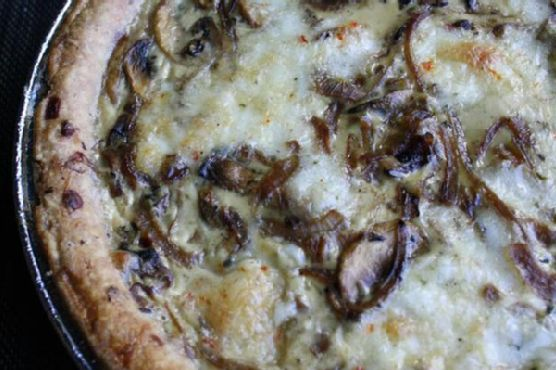
Caramelised Onion and Mushroom Quiche | Made by Meaghan Moineau

Caramelised Onion and Mushroom Quiche

Intro

As the autumn leaves began to fall and the air turned crisp, my grandmother would always bake her famous Caramelised Onion and Mushroom Quiche. The aroma of caramelized onions and earthy mushrooms wafting through the house signaled the start of cozy family gatherings. This quiche was more than just a dish; it was a tradition, a warm embrace on a chilly day. Today, I’m excited to share this beloved recipe with you, hoping it brings as much warmth and joy to your home as it has to mine.

Why You’ll Love It

This Caramelised Onion and Mushroom Quiche is a delightful blend of rich flavors and textures. The sweetness of the caramelized onions complements the savory mushrooms, all enveloped in a creamy, cheesy filling. It’s the perfect dish for brunch, a light lunch, or a comforting dinner. Not only is it delicious, but it’s also incredibly easy to make, making it a great choice for both novice cooks and seasoned chefs alike.

Ingredients

  • One nine-inch pie shell
  • 2 tablespoons olive oil
  • 2 large white onions, thinly sliced
  • 2 cloves garlic, minced
  • 1/2 teaspoon dried chilli flakes
  • 8 ounces mushrooms, sliced
  • 1 teaspoon dried thyme
  • 3 large eggs
  • 1 cup half and half cream
  • 1 cup grated havarti cheese
  • Salt and pepper to taste

Instructions

  1. Preheat your oven to 400°F (200°C). Dock the pie shell with a fork and bake for 10 to 15 minutes until it is lightly golden.
  2. While the pie shell is baking, heat the olive oil in a large skillet over high heat. Add the onions, garlic, and chilli flakes. Cook until the onions are caramelized, about ten minutes.
  3. Add the mushrooms to the skillet and continue to cook on high until the mushrooms are also caramelized, about five minutes.
  4. Remove the skillet from the heat and stir in the thyme, salt, and pepper. Set aside to cool slightly.
  5. In a large bowl, beat the eggs together with the cream and half of the grated cheese.
  6. Stir the onion and mushroom mixture into the egg mixture and mix well.
  7. Place the pre-baked pie shell on a cookie tray to catch any potential overflow. Pour the filling into the pie shell.
  8. Sprinkle the remaining cheese on top of the filling.
  9. Reduce the oven temperature to 375°F (190°C) and bake the quiche until the filling is set and the top is golden, about 25-30 minutes.
  10. Allow the quiche to cool for a few minutes before serving. Enjoy it warm from the oven.

Tips

To ensure your quiche bakes evenly, consider using a pie crust shield or tin foil to protect the edges from over-browning. Allow the quiche to cool slightly before slicing to help it set completely. Pair it with a simple green salad or a warm cup of soup for a complete meal.

Variations & Substitutions

Feel free to experiment with this recipe by adding your favorite vegetables such as spinach or bell peppers. For a different flavor profile, swap out the havarti cheese with gruyère or cheddar. If you prefer a spicier dish, increase the amount of chilli flakes or add a dash of hot sauce to the egg mixture.

Storage

Store any leftover quiche in an airtight container in the refrigerator for up to three days. To reheat, place slices in a preheated oven at 350°F (175°C) until warmed through. You can also freeze the quiche for up to a month. Be sure to wrap it tightly in plastic wrap and foil before freezing.

FAQ

Can I use a homemade pie crust?

Absolutely! A homemade pie crust can add an extra layer of flavor and flakiness. Just be sure to blind bake it as instructed to prevent a soggy bottom.

Can I make this quiche ahead of time?

Yes, this quiche can be made a day ahead. Simply prepare and bake it as directed, then store it in the refrigerator. Reheat in the oven before serving for a fresh-from-the-oven taste.

Is this quiche gluten-free?

To make this quiche gluten-free, substitute the regular pie shell with a gluten-free pie crust. Ensure all other ingredients are certified gluten-free as well.

Nutrition

This quiche is a good source of protein and calcium, thanks to the eggs and cheese. It contains approximately 300 calories per serving, making it a satisfying yet moderate choice. For a lighter version, consider using milk instead of half and half cream and reducing the cheese by half.

Conclusion

Whether you’re hosting a brunch or seeking a comforting meal on a chilly evening, this Caramelised Onion and Mushroom Quiche is sure to delight. The combination of caramelized onions and mushrooms, nestled in a creamy, cheesy filling, is both comforting and indulgent. I hope this recipe becomes a cherished favorite in your home, just as it is in mine. Happy cooking!

Related update: Caramelised Onion and Mushroom Quiche

Metas $16B Tax Shock Rocks Stock | Analysis by Brian Moineau

Meta’s Rollercoaster Quarter: A $16B Tax Shock, Record Revenue — and a Lot to Parse

It’s not every day a single line in an earnings release can send a blue-chip tech stock tumbling after-hours. On October 29, 2025, Meta reported a quarter that looked like a tale of two narratives: record revenue and user growth on one side, and a near-$16 billion, one‑time tax charge on the other that slashed reported profit and knocked the stock down in extended trading.

This post walks through what happened, why investors reacted the way they did, and what the tax hit means for Meta’s financial story as it pours capital into AI.

Key takeaways

  • Meta reported third-quarter 2025 revenue of $51.24 billion — up about 26% year-over-year — and user growth across its apps. (investopedia.com)
  • A one-time, non-cash income tax charge of roughly $15.9 billion tied to the “One Big Beautiful Bill” Act (signed into law earlier in 2025) pushed reported net income down sharply and depressed EPS in the quarter. (investopedia.com)
  • Excluding the tax charge, Meta’s adjusted results would have shown much stronger profitability — an EPS that beat street estimates — highlighting the difference between cash/operational performance and GAAP accounting effects. (thewrap.com)
  • Market reaction—stock decline in after-hours trading—reflects short-term sensitivity to headline GAAP drops, ongoing heavy AI and capex spending, and investor focus on near-term returns. (investopedia.com)

The headline numbers (the short, readable version)

  • Revenue: $51.24 billion (up ~26% vs. Q3 2024). (investopedia.com)
  • Reported net income: ~$2.7 billion (down ~83% vs. year-ago), largely due to a $15.93 billion one-time tax provision. (prnewswire.com)
  • GAAP diluted EPS: $1.05; adjusted EPS excluding the tax impact would be roughly $7.25 — a material difference that changes the narrative. (investopedia.com)

What exactly happened with the tax charge?

When the One Big Beautiful Bill Act (OBBBA) was enacted in mid‑2025, it changed U.S. corporate tax dynamics: it accelerated certain expensing rules and changed the treatment of deferred tax assets while also introducing or modifying provisions like a Corporate Alternative Minimum Tax (CAMT). Because of that, Meta recognized a valuation allowance against some U.S. federal deferred tax assets and booked a one-time, non-cash charge of about $15.93 billion in Q3 to reflect those accounting impacts as of the law’s enactment date.

Important nuance:

  • The charge is non-cash and one-time for accounting (GAAP) purposes in this quarter.
  • Meta expects—based on its public statements—a meaningful reduction in future federal cash tax payments because of provisions in the law (e.g., immediate expensing of certain R&D and capex). (prnewswire.com)

Why did the stock fall, if revenue was strong?

Markets have a short attention span for nuance. A few reasons the share price dropped in after-hours trading:

  • GAAP EPS matters to many investors and funds that track indexes or have mandates tied to reported earnings. Seeing EPS slump from multi‑dollar levels to $1.05 is alarming at face value. (investopedia.com)
  • The timing and size of the charge created headline risk: $16 billion is a big number, and it dominated the narrative despite being non‑cash. (thewrap.com)
  • Meta continues to spend heavily on AI infrastructure and capex (Meta raised capex guidance), which keeps questions alive about near-term cash allocation and returns on those investments. Even with revenue strength, investors worry about a future where spending outpaces near-term monetization. (investopedia.com)

The bigger picture: revenue and AI investments still matter

Peeling back the accounting charge, the underlying business showed strength:

  • Ad revenue and user metrics continue to grow; daily active user counts climbed and overall monetization improved. (thewrap.com)
  • Meta reiterated aggressive investment in AI: increased capex guidance (now projected between $70–$72 billion for the year), plus continued R&D in generative and infrastructure play. That’s a conscious bet on future dominance in AI-driven products and services. (investopedia.com)

So the story isn’t “Meta collapsing.” It’s “Meta’s financials were distorted this quarter by a one‑time accounting entry tied to tax-code changes, at the same time the company is doubling down on expensive, long‑range AI builds.”

What investors should watch next

  • Cash tax payments and the actual cash-flow timing implications of OBBBA — the law may reduce future cash taxes even while producing a one-time GAAP hit. Watch future guidance and cash tax line items. (prnewswire.com)
  • Capital allocation signals: will Meta sustain the raised capex path? Will buybacks or dividends reappear if cash taxes drop materially? (investopedia.com)
  • Execution on AI monetization: product traction (advertising on new ad surfaces, premium features, enterprise AI products) will determine whether heavy spending turns into durable returns. (thewrap.com)

Investor dilemma (short reflection)

There’s a perennial tug-of-war here. On the one hand, GAAP numbers matter — they shape headlines, index flows, and short-term positioning. On the other, long‑term investors care about underlying cash generation and whether today’s bets (huge AI infrastructure and R&D outlays) create proprietary advantages down the road. This quarter is a textbook case where accounting rules and policy shifts can temporarily cloud a company’s growth story.

Bottom line

Meta’s Q3 2025 report is both reassuring and jarring: revenue and user growth are robust, but a one‑time $15.9 billion tax accounting charge tied to the One Big Beautiful Bill knocked reported profits and spooked investors. The real questions now are about cash-tax outcomes, the discipline of capital allocation, and how quickly today’s AI investments will translate into predictable, scalable returns. For long-term observers, this is a pause for recalculation — not necessarily a plot twist.

Sources


Related update: We recently published an article that expands on this topic: read the latest post.


Related update: We recently published an article that expands on this topic: read the latest post.
Big Techs AI Spending: Boom or Bubble? | Analysis by Brian Moineau

They just opened the taps — and the water is hot.

This week’s earnings calls from Meta, Google (Alphabet), and Microsoft didn’t read like cautious financial updates. They sounded like battle plans: record profits, record hiring, and record capital spending — much of it poured into AI compute, data centers, and the chips and power that keep modern models humming. The scale is dizzying, the rhetoric is bullish, and investors are starting to ask whether the crescendo of spending is smart positioning or the start of an AI bubble.

Key takeaways

  • Meta, Google (Alphabet), and Microsoft reported strong revenue and earnings while simultaneously boosting capital expenditures sharply to fuel AI infrastructure.
  • Much of the new spending is for data centers, GPUs, and related power and networking — effectively a compute “land grab.”
  • Markets reacted nervously: high upfront costs and unclear short-term monetization of many AI products raised concerns about overextension.
  • If these firms’ infrastructure investments continue together, they could reshape supply chains (chips, memory, power) and local economies — for better or worse.

Why this feels different than past tech waves
Tech booms aren’t new. What’s new is the scale and specificity of investment: these companies aren’t just funding research labs or apps — they’re building the physical backbone that large-scale generative AI demands. When Meta talks about raising capex guidance into the tens of billions and Microsoft discloses nearly $35 billion of AI infrastructure spend in a single quarter, you’re not hearing experimental bets — you’re hearing industrial-scale commitment.

That changes the game in a few ways:

  • Supply-chain impact: GPUs, high-bandwidth memory, custom silicon, and datacenter racks are in high demand. Vendors and fabs can get booked out years in advance, locking in capacity for the biggest players.
  • Energy footprint: More compute means more power. We’re seeing renewables, grid upgrades, and even nuclear options move to the front of corporate planning — and to the policy spotlight.
  • Localized economic booms (and strains): Regions that host new data centers see construction jobs and tax revenue but also face grid strain and permitting headaches.
  • Monetization pressure: Many generative AI use cases delight users but haven’t yet demonstrated reliably large, repeatable revenue streams at the cost levels required to sustain this infrastructure.

The investor dilemma
Investors love growth and hate uncertainty. On the same day these firms reported record profits, the announcements that follow — multiyear capex increases and hiring surges — prompted a fresh bout of skepticism. Why? Because the payoff from infrastructure is lumpy and long-term. Building data centers, locking in GPU supply, or spending billions to train a next-gen model is expensive up front; returns depend on successful product rollouts, pricing power, and adoption curves that are still maturing.

Some argue this is prudent: being first to massive compute gives strategic advantages that are hard to reverse. Others point to past “hype cycles” — think metaverse spending in the late 2010s — where lofty ambitions outpaced returns. The difference now is that AI workloads require real-world physical capacity, and the scale of current investment could leave companies with stranded assets if demand softens.

Wider economic and social ripple effects
When three of the largest technology firms coordinate — intentionally or otherwise — to accelerate AI build-outs, consequences spread beyond tech:

  • Chipmakers and infrastructure suppliers can see windfalls but also capacity bottlenecks.
  • Energy markets and regulators face new stressors; grid upgrades and emissions considerations become central rather than peripheral.
  • Smaller startups may find it harder to access compute or talent as the giants lock up the best resources.
  • Policy and antitrust conversations will heat up as the gap between hyperscalers and the rest of the ecosystem widens.

A pragmatic view: bubble or necessary buildout?
“Bubble” is a tempting headline, and bubbles do form when investment outpaces realistic returns. But calling this a bubble ignores an important detail: many AI advances are compute-limited. Training larger, faster models — and serving them at scale — simply requires more racks, more power, and more chips. If the underlying demand trajectory for AI applications is real and sustained, this infrastructure will be necessary and will pay off.

That said, timing matters. If companies front-load all the build-out assuming near-term breakthroughs or revenue booms that fail to materialize, they’ll face painful write-downs or slowed growth. The smart money, therefore, is watching both financial discipline and product monetization — not just the size of the check.

Reflection
There’s something almost poetic about this moment: three titans of the internet, flush with profit, racing to build the guts of the next computing generation. The spectacle is exciting and unsettling at once. If you care about where tech — and the economy around it — is headed, watch the pipeline: product launches that turn compute into customers, chip supply dynamics, and how regulators and grids respond. If the investments translate into better, profitable services, today’s spending looks visionary. If they don’t, we may be looking at the peak of a very costly fervor.

Sources

(These pieces informed the perspective here: earnings details, capex figures, and the broader discourse about whether the current wave of AI spending is prudent industrialization or a speculative peak.)


Related update: We recently published an article that expands on this topic: read the latest post.

Paramount Cuts After Skydance Merger | Analysis by Brian Moineau

Paramount Layoffs After Skydance Merger: What Happened and Why It Matters

Introduction — a quick hook
Paramount has begun a sweeping round of layoffs that reach across CBS Entertainment, Paramount+, MTV and other properties — a major consolidation move that follows its recent merger with Skydance. For employees, viewers and creators, the cuts signal a new era of cost-focused consolidation at one of Hollywood’s biggest media houses.

What’s going on (context and background)
In August 2025 Skydance and Paramount completed a high-profile merger that combined Skydance’s production muscle with Paramount’s legacy TV and streaming businesses. Within weeks, new leadership set out a plan to reduce overlap, streamline operations and cut costs — a process that culminated in layoffs that began in late October 2025.

The first wave eliminated roughly 1,000 roles across multiple divisions, with company statements and reporting indicating the total reduction will be about 2,000 jobs (around 10% of the combined workforce) once subsequent rounds are complete. A memo from CEO David Ellison framed the cuts as part of restructuring after the merger; outside reporting has also described a broader target of substantial cost savings as Paramount refocuses priorities under the Skydance-led management team.

Why this matters

  • It affects major content and distribution units: staff reductions touch broadcast (CBS), streaming (Paramount+), youth and music networks (MTV) and other cable and studio operations — meaning decisions about programming, development and day-to-day operations could change.
  • Industry ripple effects: large-scale layoffs immediately alter project staffing, timelines and freelance opportunities and can influence what kinds of shows and formats get greenlit.
  • Strategic repositioning: the move signals that the new leadership is prioritizing efficiency and margin improvement, which may change long-term creative strategy (fewer, higher-budget tentpoles vs. broader slates; more franchise-focused content; emphasis on profitable streaming models).

Key takeaways

  • Paramount Skydance has begun mass layoffs following the August 2025 merger; about 1,000 jobs were cut in the first wave and roughly 2,000 jobs in total are expected. (October 2025 reporting.)
  • Cuts span CBS Entertainment, Paramount+, MTV and other divisions — not limited to a single business unit.
  • The layoffs are part of a broader cost-cutting and restructuring plan under new CEO David Ellison aimed at eliminating overlap and realigning the combined company.
  • Industry consequences include potential delays or cancellations of projects, shifts in commissioning strategy, and reduced staffing for news, production and development teams.
  • This is consistent with typical post-merger consolidation, but the scale and timing mean the effects will be widely felt across creative and corporate ranks.

Scannable snapshot: who’s affected and what to watch

  • Affected groups: corporate staff, production and development teams, cable network personnel, and some news and streaming operations.
  • Near-term risks: halted projects, fewer development deals, hiring freezes, and an increase in freelance competition.
  • What to watch next: official company disclosures (quarterly earnings and SEC filings), statements from division leaders (CBS, Paramount+), and follow-up reporting on which teams and shows are most impacted.

Short concluding reflection
Mergers promise scale and new capabilities, but they also bring hard choices. The Paramount–Skydance layoffs are a stark reminder that corporate consolidation often translates into sharper editorial and staffing decisions on the ground. For viewers, the biggest question will be whether these cuts narrow the range of original voices and experimentation on air and on streaming — and for the industry, whether the refocused Paramount produces a smaller slate of more concentrated hits or a leaner, but less diverse offering.

Sources


Related update: We recently published an article that expands on this topic: read the latest post.

Cloud Fragility: Azure Outage Wake-Up Call | Analysis by Brian Moineau

The day the cloud hiccupped: why the Azure outage matters for everyone who trusts “the cloud”Introduction — a quick hook
On October 29, 2025, Microsoft Azure — the backbone for everything from enterprise apps to Xbox and Minecraft — suffered a major outage that knocked services offline for hours. It wasn’t just an isolated blip: coming less than two weeks after a large AWS disruption, it’s a reminder that the modern internet depends on a handful of cloud giants, and when they stumble, the effects ripple far and wide.

What happened (context and background)

  • The outage: Microsoft traced the disruption to an “inadvertent configuration change” in Azure’s Front Door (its global content and application delivery network). That change produced widespread errors, latency and downtime across Azure-hosted services and Microsoft’s own consumer offerings. Microsoft described rolling back recent configurations to find a “last known good” state and reported recovery beginning in the afternoon of October 29, 2025. (wired.com)
  • Scope and impact: Downdetector and media reports showed spikes of tens of thousands of user reports; enterprises, airlines, telcos and gaming platforms all reported interruptions. For many organizations, critical workflows — check-ins at airports, corporate email, payment flows, game servers — were affected for hours. (reuters.com)
  • The bigger pattern: This failure came on the heels of a major AWS outage just days earlier. Two large outages in short order highlighted that cloud “hyperscalers” (AWS, Azure, Google Cloud) do a lot of heavy lifting for the internet — and that concentration creates systemic risk. Security and infrastructure experts called the incidents evidence of a brittle, over-dependent digital ecosystem. (wired.com)

Why this matters

— beyond the headlines

  • Centralization of critical infrastructure: A small number of providers run a large share of the world’s cloud workloads. That reduces redundancy at the infrastructure layer even when individual customers use multiple cloud services.
  • Cascading dependencies: A single provider outage can cascade through supply chains, third-party services, and customer systems that assume those cloud primitives are always available.
  • Configuration risk: The Azure incident reportedly began with a configuration change. Human or automation errors in configuration management remain one of the most common single points of failure in complex cloud systems.
  • Rising stakes with AI and real-time services: As businesses put more of their mission-critical systems, real-time APIs, and AI stacks in the cloud, outages have bigger economic and safety implications.

Key takeaways

  • Cloud concentration is convenience — and systemic risk. Relying on a handful of hyperscalers reduces costs and friction but increases the chance of widespread disruption.
  • Redundancy needs to be multi-dimensional. Multi-cloud isn’t a silver bullet; true resilience requires diversity of providers, regions, CDNs, and careful architecture to avoid single points of failure.
  • Operational practices matter: flawless configuration management, rigorous change control, and staged rollbacks are essential — but not infallible.
  • Prepare for the long tail: even after “mitigation,” some customers may face lingering issues. Incident recovery can be messy and incomplete for hours or days.
  • Transparency and post-incident analysis help everyone learn. Clear post-mortems, timelines, and fixes improve trust and enable better preventive design.

Practical resilience tips for teams (brief)

  • Identify critical dependencies (auth, payment, CDN, DNS, messaging) and map which cloud services they use.
  • Design graceful degradation paths: cached content, offline modes, and fallback providers for non-critical features.
  • Test failover regularly and run chaos engineering experiments to validate real-world responses.
  • Keep a communications plan: customers and internal teams need timely, actionable updates during incidents.

Concluding reflection
Cloud platforms have done enormous good — they let small teams build global services, accelerate innovation, and lower costs. But the October 29, 2025 Azure outage is a sober reminder: outsourcing infrastructure doesn’t outsource systemic risk. As we continue to push more of the world into the cloud (and into AI systems that depend on it), resilience must be an engineering and business priority, not an afterthought. The question for companies and policymakers alike isn’t whether the cloud will fail again — it’s how we design systems, contracts and regulations so those failures cause the least possible harm.

Sources


Related update: We recently published an article that expands on this topic: read the latest post.


Related update: We recently published an article that expands on this topic: read the latest post.

Minecraft Java Drops Obfuscation | Analysis by Brian Moineau

Title: Minecraft Java Edition is removing code obfuscation — here’s what it means for modders

If you’ve ever squinted at a decompiled class named something like a.b.c and wondered what on earth it did, today’s news will make your day. Mojang is removing code obfuscation from Minecraft: Java Edition, a change designed to make creating, updating, and debugging mods far simpler. (minecraft.net)

Why this matters
For years, Java Edition shipped with obfuscated code — an industry‑standard tactic that hides internal names to slow down reverse engineering. In 2019 Mojang met modders halfway by publishing “obfuscation mappings,” a Rosetta Stone that mapped scrambled names back to human‑readable ones. That helped, but it still left modders juggling remappers, toolchains, and crash logs full of gibberish. Now Mojang says the game will stop being obfuscated altogether, starting with the first snapshot after the “Mounts of Mayhem” launch. (minecraft.net)

What exactly is changing

  • Snapshots after the Mounts of Mayhem release will ship un‑obfuscated: class, method, field, and variable names will be readable by default. That means clearer crash logs and easier debugging. (minecraft.net)
  • During the transition, Mojang will publish side‑by‑side “experimental” un‑obfuscated builds and the traditional obfuscated builds so tool authors can adapt. (minecraft.net)
  • Obfuscation maps will disappear from version JSONs because they’re no longer needed. Each client/server JAR will also include a LICENSE file that links to the EULA and Usage Guidelines. Importantly, the EULA itself isn’t changing. (minecraft.net)

A quick look back
Publishing mappings in 2019 (Snapshot 19w36a) was the first big step toward a more transparent codebase. At the time, Mojang explicitly framed the move as a way to help the community navigate updates without months of detective work — and those mappings became a staple of modern mod toolchains. The new policy simply removes the intermediary step. (minecraft.net)

What modders should expect

  • Tooling updates: Many mod frameworks, patchers, and loaders were designed for an obfuscated game. Expect a short period where maintainers update remapping logic, build scripts, and bytecode transformers to the new reality. Mojang’s dual‑release window should cushion that landing. (minecraft.net)
  • Faster updates: Readable names reduce guesswork when upstream changes land, which should shorten the time between a new snapshot/release and mod updates. That was the spirit of the 2019 mappings — and it’s even more true without obfuscation in the way. (minecraft.net)
  • Clearer crash reports: With original names preserved, crash logs become far more actionable for both modders and players filing bug reports. (minecraft.net)
  • Same rules as before: You’ll see a LICENSE inside the JAR that points to the EULA/Usage Guidelines. This is about easier development, not changing how Minecraft’s code or assets can be used or redistributed. (minecraft.net)

Key takeaways

  • Mojang is ending code obfuscation for Minecraft: Java Edition, beginning with the first snapshot after “Mounts of Mayhem.” (minecraft.net)
  • Temporary dual builds (obfuscated and un‑obfuscated) will help tool authors and modders transition. (minecraft.net)
  • Obfuscation maps are going away; original class/method/field/variable names will ship by default. (minecraft.net)
  • EULA and Usage Guidelines remain unchanged; a LICENSE file inside the JAR links to them. (minecraft.net)
  • This builds on Mojang’s 2019 step of publishing mappings with every release (Snapshot 19w36a). (minecraft.net)

SEO-friendly FAQ

  • What is code obfuscation in Minecraft: Java Edition?
    It’s the process of renaming classes, methods, and fields to unreadable identifiers to hinder reverse engineering. Java Edition has used it since release; Mojang began publishing mappings in 2019 to help modders. (minecraft.net)

  • When will obfuscation be removed?
    With the first snapshot that follows the


Related update: We recently published an article that expands on this topic: read the latest post.

Related update: We recently published an article that expands on this topic: read the latest post.


Related update: We recently published an article that expands on this topic: read the latest post.

Reid downplays Isiah Pacheco MCL scare | Analysis by Brian Moineau

Isiah Pacheco injury update: Why Andy Reid’s tone should calm Chiefs Kingdom

If you were holding your breath when Isiah Pacheco limped off late in Monday night’s win over Washington, you’re not alone. The good news: Andy Reid doesn’t think the injury keeps his lead back out long-term—and he hasn’t even ruled Pacheco out for Sunday against Buffalo. (nbcsports.com)

What happened and where things stand

  • The injury: Pacheco suffered an MCL sprain in the fourth quarter of the Chiefs’ 28–7 Monday Night Football victory over the Commanders. Multiple outlets have characterized him as week-to-week. (nbcsports.com)
  • Reid’s update: Speaking Wednesday, Reid said he doesn’t view it as a long-term issue and called Pacheco “a tough kid,” noting the runner even wanted to re-enter the game. He stopped short of ruling Pacheco out for Week 9 vs. the Bills. (nbcsports.com)
  • Season snapshot: Through eight games this season, Pacheco has 329 rushing yards (4.2 YPC) and one rushing TD, plus 11 receptions for 43 yards and a receiving score. He logged 12 carries for a season-high 58 yards before exiting Monday. (nbcsports.com)

Why Reid’s stance matters
Kansas City’s offense has leaned on Pacheco’s tempo and yards-after-contact style to keep defenses honest. While an MCL sprain often requires careful management, “week-to-week” plus Reid’s optimism suggests the team expects functional availability relatively soon—if not this week, then in the near term. That tracks with typical low-to-moderate MCL timelines, and it aligns with how the Chiefs handled similar soft-tissue knee issues in recent years: stay cautious early in the week, reassess movement and swelling, then decide late. This week’s opponent only raises the stakes; Buffalo’s front will test Kansas City’s run efficiency and pass protection alike. (nbcsports.com)

Depth chart ripple effects
If Pacheco sits, Kareem Hunt projects as the next man up for early-down work, with rookie Brashard Smith and Elijah Mitchell in supporting roles. Reid praised Hunt’s conditioning and hinted at confidence in Mitchell’s readiness, even though Mitchell hasn’t appeared in a game this season. Expect the Chiefs to lean on Patrick Mahomes, quick-game concepts, and situational rushing while monitoring game flow. (nbcsports.com)

Context: Monday night in Kansas City
The Chiefs handled Washington 28–7 to move to 5–3, delivering a dominant second half. That game context matters; Kansas City could afford to be cautious with Pacheco late, which may have prevented further damage and helps explain the measured optimism now. (chiefs.com)

Key takeaways

  • Andy Reid’s public tone: not long-term, and he hasn’t ruled out Pacheco for Week 9 vs. Buffalo. (nbcsports.com)
  • Diagnosis: MCL sprain, “week-to-week” per NFL Network reports echoed by multiple outlets. (nbcsports.com)
  • Production so far: 329 rushing yards on 4.2 YPC with two total TDs in eight games; 58 yards on 12 carries vs. Washington before exiting. (nbcsports.com)
  • Next up if he sits: Kareem Hunt as the likely starter, with Brashard Smith and Elijah Mitchell in support. (nbcsports.com)

Closing thought
In late October, the NFL is a durability marathon. The Chiefs don’t need heroics in Week 9 if it risks November and December availability. Reid’s message signals confidence that Pacheco’s trademark energy will be back fueling the offense sooner than later—and that Kansas City has enough depth and flexibility to keep pace until he is. (nbcsports.com)

Sources


Related update: We recently published an article that expands on this topic: read the latest post.


Related update: We recently published an article that expands on this topic: read the latest post.

Asparagus and Pea Soup: Real Convenience Food | Made by Meaghan Moineau

Asparagus and Pea Soup: Real Convenience Food

Intro

Growing up, one of my fondest memories was gathering around the kitchen table with my family for a bowl of my grandmother’s homemade soup. The aroma of fresh vegetables simmering on the stove was a comforting promise of warmth and nourishment. Fast forward to today, I find myself reaching for those same comforts, but with the ease and simplicity that modern life demands. This Asparagus and Pea Soup is the perfect blend of nostalgia and convenience. It’s a recipe that brings back those cherished memories while fitting seamlessly into a busy lifestyle.

Why You’ll Love It

This Asparagus and Pea Soup is not just a treat for your taste buds but also a boon for your schedule. It’s quick to prepare, requiring minimal ingredients and time, yet it’s packed with flavor and nutrition. Whether you’re looking for a light lunch, a starter for a dinner party, or a comforting evening meal, this soup fits the bill. The vibrant color and fresh taste make it a dish you’ll return to time and again.

Ingredients

  • 1 bag of frozen asparagus
  • 2 tablespoons extra virgin olive oil (EVOO)
  • 2 cloves of garlic, chopped
  • 1 onion, chopped
  • 1 cup frozen peas
  • 4 cups low sodium vegetable broth
  • Salt and pepper to taste
  • Pinch of red pepper flakes (optional)
  • Chives, for garnish
  • Creme fraiche, sour cream, or Greek yogurt, for serving

Instructions

  1. Chop the garlic and onions.
  2. In a large pot, heat the EVOO over medium heat. Add the chopped onions and sauté for a few minutes until they start to become translucent.
  3. Add the garlic to the pot and continue to cook for another couple of minutes.
  4. Add the whole bag of frozen asparagus to the pot and pour in the vegetable broth until everything is covered.
  5. Season with salt, pepper, and a pinch of red pepper flakes if you’re using them.
  6. Simmer the mixture until the asparagus is bright green and tender. If the asparagus is thawed, this will only take a couple of minutes.
  7. Turn off the heat and use an immersion blender to puree the soup until smooth.
  8. Add the frozen peas to the soup. The residual heat will thaw them quickly. Puree again until the soup reaches your desired thickness.
  9. Serve hot, topped with chives and a dollop of creme fraiche, sour cream, or Greek yogurt.

Tips

To ensure the best flavor, be sure not to overcook the asparagus. As soon as it turns bright green and tender, it’s ready to be blended. If you don’t have an immersion blender, you can carefully transfer the soup to a regular blender in batches. Just be sure to let it cool slightly before blending to avoid any accidents.

Variations & Substitutions

Feel free to experiment with this recipe by adding other green vegetables such as spinach or kale. If you prefer a richer taste, substitute a portion of the vegetable broth with coconut milk or cream. For a more robust flavor, try roasting the asparagus before adding it to the soup. You can also add a handful of fresh herbs like basil or mint for an extra burst of flavor.

Storage

This soup stores beautifully, making it ideal for meal prep. Store any leftovers in an airtight container in the refrigerator for up to three days. For longer storage, freeze the soup in individual portions for up to three months. When ready to eat, thaw in the refrigerator overnight and reheat on the stove.

FAQ

Can I use fresh asparagus instead of frozen?

Absolutely! Fresh asparagus will work wonderfully in this recipe. Just be sure to trim the ends and cut them into smaller pieces before adding them to the pot. The cooking time may be slightly reduced, so keep an eye on the color and tenderness of the asparagus.

Is there a way to make this soup vegan?

Yes, this soup is naturally vegan as long as you choose to garnish it with a plant-based option like coconut yogurt or a drizzle of olive oil instead of creme fraiche or sour cream.

What can I serve with this soup?

This soup pairs well with crusty bread or a simple side salad. If you’re looking for something more substantial, try serving it with a grilled cheese sandwich or a quinoa salad.

Nutrition

This Asparagus and Pea Soup is a nutritious choice, providing a good source of fiber, vitamins A and C from the asparagus, and protein from the peas. The vegetable broth keeps it light and low in calories, while the optional toppings add a touch of indulgence without going overboard.

Conclusion

With its vibrant color and refreshing taste, Asparagus and Pea Soup is a delightful way to enjoy the flavors of spring year-round. Whether you’re reminiscing about comforting family meals or creating new traditions of your own, this recipe is sure to find a place in your culinary repertoire. So grab that bag of frozen asparagus and get ready to savor simplicity at its finest. Enjoy!

Related update: Asparagus and Pea Soup: Real Convenience Food

Related update: Pear and Pesto Crostini

Related update: Carrot and Coriander Soup

Penguins’ Streak Survives Chaotic Philly | Analysis by Brian Moineau

Penguins-Flyers ended bonkers: Two overturned OT goals, a post-horn scrum, and a shootout
If you thought the Battle of Pennsylvania might have mellowed with time, Tuesday night in Philadelphia was your reminder that this rivalry still cooks. The Penguins extended their point streak with a 3-2 shootout loss to the Flyers, but the path there? Pure chaos, right down to an overtime that saw goals wiped off for both teams and a scrum that left Sidney Crosby ineligible for the shootout.

Context and what set the stage

  • Form and stakes: Pittsburgh came in rolling, 5-0-2 in their previous seven and 7-2-2 overall after this one—banking points during a dense stretch of three games in four nights. Philadelphia, meanwhile, has been sturdy at home and looking to cement an early-season identity under Rick Tocchet.
  • The script: Justin Brazeau opened for the Pens with his sixth of the season, continuing a productive start for Pittsburgh’s “Big Boy Line” with Anthony Mantha and Evgeni Malkin. Special teams tilted the middle frames: the Flyers answered on a power play and then again shortly after a kill to go up 2-1.
  • Crosby’s equalizer: Because of course—No. 87 banked one in during the third to make it 2-2, the latest chapter in a career-long habit of tormenting Philly.
  • The wild overtime: Pittsburgh appeared to win it, but the goal was erased because Malkin hopped on early during a delayed penalty situation. Later, the Flyers’ would-be winner was overturned for offside. Then the horn. Then the scrum. Multiple misconducts on both sides meant several stars—including Crosby—couldn’t participate in the shootout.
  • The finish: Philadelphia converted twice in the skills contest; only Malkin scored for Pittsburgh. Still, the Penguins pocketed a road point behind a strong night from Arturs Silovs, who steadied them while they found their legs.

Why it mattered
Beyond the rivalry drama, this game offered a reality check and a roadmap. Pittsburgh didn’t have its best in the first 40 but tightened up in the third, leaned on goaltending, and found a way to stretch the game—exactly the kind of bank-a-point mentality that pays off later. It also spotlighted how thin the margins are when special teams and reviews swing outcomes.

Key takeaways

  • Penguins extend point streak despite the loss: 5-0-2 in their last seven, now 7-2-2 overall—valuable standings math on a back-to-back.
  • Goaltending stole the show for Pittsburgh: Arturs Silovs was the primary reason they escaped with a point after a choppy first two periods.
  • Crosby keeps setting the tone: His third-period equalizer reinforced a scorching start after recently hitting 1,700 career points.
  • Details decide overtime: One erased Penguins goal for an early change on a delayed penalty; one Flyers goal overturned for offside—discipline and video reviews loomed large.
  • Rivalry energy is alive: A multi-player scrum at the horn left key names, including Crosby, unavailable for the shootout—a tangible reminder of the series’ edge.

Final thought
If you’re Mike Sullivan, you don’t love the second period, but you love the response: structure in the third, poise in bedlam, and a point in the bank. If you’re a neutral, you loved every bit of the chaos. And if you’re a Penguins or Flyers fan, circle the rematch—these two just turned up the heat again.

Sources


Related update: We recently published an article that expands on this topic: read the latest post.


Related update: We recently published an article that expands on this topic: read the latest post.

Harvest Hash | Made by Meaghan Moineau

Harvest Hash: A Cozy Fall Recipe

Intro

Autumn is a season that evokes a sense of warmth, comfort, and nostalgia. For me, it means gathering around the family table, sharing stories, and indulging in hearty dishes that capture the essence of fall. One of my favorite recipes during this time of year is Harvest Hash. This dish is a delightful medley of sweet potatoes, crispy bacon, caramelized onions, and honeyed apples—all roasted to perfection. I remember my grandmother preparing this dish in her cozy kitchen, the aroma filling the house and signaling that it was time to settle in for a delicious meal. Now, I’m excited to share this recipe with you, adding a modern twist to a cherished family tradition.

Why You’ll Love It

Harvest Hash is not just a meal; it’s a celebration of fall flavors. Whether you’re hosting a family dinner, looking for a festive side dish, or simply craving comfort food, this recipe is sure to impress. Here’s why you’ll love it:

  • Easy to Make: With simple ingredients and straightforward instructions, even novice cooks can master this dish.
  • Flavorful: The combination of sweet, savory, and smoky flavors creates a symphony in every bite.
  • Versatile: Enjoy it as a side dish, a main course, or add it to your brunch spread.
  • Nutritious: Packed with vitamins and minerals, it’s a healthy addition to your fall menu.

Ingredients

  • 2 medium sweet potatoes, peeled and diced
  • 4 slices of bacon, chopped
  • 1 red onion, diced
  • 2 honeycrisp apples, cored and diced
  • 3 tablespoons extra virgin olive oil (EVOO)
  • 1 teaspoon kosher salt

Instructions

  1. Preheat your oven to 400°F (200°C).
  2. In a large bowl, add the diced sweet potatoes. Drizzle with 2 tablespoons of EVOO and sprinkle with kosher salt. Toss to coat evenly.
  3. Spread the sweet potatoes on a baking sheet in a single layer. Roast in the oven until tender but not mushy, about 10-15 minutes. Remove from the oven and set aside.
  4. In a large frying pan, heat 1 tablespoon of EVOO over medium heat. Add the chopped bacon and cook until it starts to get crisp, about 5 minutes.
  5. Add the diced onion to the pan with the bacon. Sauté until the onions are soft and tender, approximately 5 minutes.
  6. Add the diced apples to the pan and cook for an additional 3-4 minutes, stirring occasionally.
  7. Stir in the roasted sweet potatoes. Cook everything together until the sweet potatoes start to get a little crisp around the edges, about 6-8 minutes.
  8. Serve immediately, perhaps alongside a juicy ham steak, and enjoy all the flavors of fall!

Tips

  • Uniform Cuts: Make sure to dice the sweet potatoes and apples evenly to ensure they cook at the same rate.
  • Crispy Bacon: For extra crispy bacon, cook it separately and sprinkle on top just before serving.
  • Adjust Seasoning: Taste as you go and adjust the seasoning to suit your preference. A pinch of cinnamon can enhance the fall flavors.

Variations & Substitutions

This recipe is versatile and can be adapted to suit different tastes and dietary needs:

  • Vegetarian: Omit the bacon and add nuts like pecans or walnuts for a crunchy texture.
  • Spicy Twist: Add a dash of cayenne pepper or crushed red pepper flakes for some heat.
  • Different Apples: Try using Granny Smith or Fuji apples for a different flavor profile.

Storage

Store any leftovers in an airtight container in the refrigerator for up to 3 days. Reheat gently on the stovetop or in the microwave before serving. Unfortunately, this dish doesn’t freeze well due to the texture changes in potatoes and apples.

FAQ

Can I make this recipe ahead of time?

Yes, you can prepare the components separately in advance. Roast the sweet potatoes and cook the bacon mixture, then combine and reheat everything just before serving.

What can I serve with Harvest Hash?

Harvest Hash pairs beautifully with roasted meats like chicken, pork, or ham. It also works well as part of a brunch spread alongside eggs and a fresh salad.

Is there a way to make this dish healthier?

To reduce fat content, you can use turkey bacon instead of regular bacon and cut back on the olive oil. Adding more vegetables like Brussels sprouts or kale can also boost the nutritional value.

Nutrition

This dish is a great source of vitamins A and C, fiber, and healthy fats. Sweet potatoes provide complex carbohydrates, while apples add natural sweetness and additional fiber. If you’re watching your sodium intake, adjust the amount of kosher salt used.

Conclusion

Harvest Hash is more than just a dish—it’s a comforting embrace of fall flavors that brings warmth and joy to your table. Whether you’re sharing it with loved ones or savoring it on a quiet evening, this recipe is sure to become a favorite in your autumn repertoire. I hope this dish brings as much joy and nostalgia to your home as it has to mine. Happy cooking!

Related update: Harvest Hash

Related update: Caramelised Onion and Mushroom Quiche

Paramount’s Bold Cuts and the Strategy | Analysis by Brian Moineau

Paramount layoffs: what David Ellison’s memo tells us about the “new” Paramount
The pink slips that hit Paramount this week aren’t just a headcount trim—they’re a statement of strategy. In a memo to staff, Chairman and CEO David Ellison framed sweeping layoffs as “necessary” to position the newly merged Paramount Skydance for long‑term success. If you work in media—or watch it closely—this is a moment to pay attention to.

What happened and why it matters
Paramount Skydance began notifying roughly 1,000 employees of job cuts this week, with additional rounds expected as the company targets about 2,000 roles in total—around 10% of its workforce. Ellison’s message to employees cited two drivers: eliminating redundancies created by the Skydance-Paramount merger and phasing out roles that no longer fit the company’s evolving priorities. The reductions span TV, film, streaming, and corporate teams. Variety first reported details of the memo and the day’s actions. Reuters and the Associated Press corroborated the scale and timing, noting the merger closed in August and that deeper cost savings—up to $2 billion—have been a stated goal. (au.variety.com)

Context: the Skydance-Paramount reset

  • The deal: Skydance completed its acquisition of Paramount in August 2025, ushering in Ellison as CEO and launching what leadership calls “the new Paramount.” Job cuts following major mergers are common, and management had foreshadowed restructuring and consolidation. (apnews.com)
  • The numbers: Paramount reported about 18,600 full‑ and part‑time employees at year‑end 2024 (plus project-based staff). A 2,000‑person reduction would be roughly 10%—material enough to reshape org charts and product roadmaps. (reuters.com)
  • The strategy mix: Even as it trims staff, Paramount Skydance has been aggressive on content and portfolio moves since summer, part of a push to refocus the business and chase growth. (au.variety.com)

What Ellison’s memo signals

  • Consolidate to compete: The note emphasizes removing overlap and reorienting resources to growth areas. In practice, expect tighter greenlight discipline, fewer parallel teams, and a sharper slate strategy. (au.variety.com)
  • Cost savings fuel offense: Leadership has talked about billions in savings. The near‑term pain is designed to free up room for bigger bets—rights deals, franchises, and technology investments that can scale across platforms. (au.variety.com)
  • More change ahead: With additional cuts expected after this initial 1,000, this is a process, not a one‑day event. Integration workstreams and business-line realignments will likely continue into 2026. (au.variety.com)

Implications across the media stack

  • Streaming: Expect a tightened content funnel and stronger cross‑promotion across Paramount+ and linear assets, prioritizing franchises and live tentpoles that travel globally.
  • Film and TV studios: Fewer overlapping development tracks and a bigger emphasis on IP with multi‑platform potential.
  • News and sports: Big rights packages and marquee news brands can anchor bundles and advertising; back‑office consolidation is likely to continue as teams standardize tooling and workflows.

Key takeaways

  • Paramount Skydance began an initial round of about 1,000 layoffs, part of a broader plan targeting roughly 2,000 (about 10% of staff). (au.variety.com)
  • Ellison’s memo frames the cuts as essential for long‑term growth—eliminating redundancies and realigning roles after the Skydance merger. (au.variety.com)
  • Management has targeted up to $2 billion in cost savings; expect ongoing restructuring through multiple divisions. (au.variety.com)
  • Even amid cuts, the company is pursuing offensive moves (content and portfolio plays), signaling a leaner but bolder strategy. (au.variety.com)

A brief reflection
Layoffs are always personal before they’re strategic. For the people affected, this week is wrenching. For the company, it’s a bet that a smaller, more focused Paramount can compete in a scale‑obsessed, hit‑driven market. The next six to twelve months—what gets greenlit, what gets sold, and how the organization actually executes—will tell us whether “necessary”


Related update: We recently published an article that expands on this topic: read the latest post.

When Family Sharing Becomes Control | Analysis by Brian Moineau

Apple Family Sharing’s hidden risk when families split: what one mother’s story reveals

You know those tech features that feel magic—until life happens? Apple’s Family Sharing is one of them. It makes it easy to share purchases, screen time limits, and locations across iPhones and iPads. But when a relationship ends, that convenience can turn into control. A recent story shared via 9to5Mac highlights how an ex-partner used Family Sharing’s one-organizer design to keep digital power over his children—even after a court granted the mother custody. (https://machash.com/9to5mac/399382/mother-describes-dark-side-apples-family-sharing-when/)

What happened—and why it matters

According to reporting summarized by 9to5Mac and detailed by WIRED, Family Sharing assumes a stable, “one household, one organizer” model. In the case described, the ex-spouse was the Family Sharing organizer and refused to disband the group or approve moving the kids’ Apple IDs to a new family group. Because Apple’s policy requires the current organizer’s approval to transfer a child’s account, the mother—despite holding a court order—was effectively stuck. Apple support staff reportedly sympathized but said they couldn’t override the organizer role. (https://machash.com/9to5mac/399382/mother-describes-dark-side-apples-family-sharing-when/)

The policy gap isn’t theoretical; it’s built into Apple’s own documentation. Moving a child under 13 to another Family Sharing group requires an invitation “in person” and approval by the existing organizer. If the organizer won’t cooperate, there’s no self-serve way to transfer the child’s account. Apple’s legal and support pages reinforce that organizers control group membership, and children must remain in a managed family group. In practice, that can give a noncustodial or abusive parent ongoing access to location and Screen Time controls. (https://support.apple.com/en-us/102634?utm_source=openai)

Context:

Family tech in the real world Family Sharing launched in 2014 to simplify shared purchases, iCloud storage, and parental controls. It works well in harmonious households—but family structures are complicated, and coercive control can move from the physical world into the digital one. Advocacy groups have long warned that seemingly helpful features can be repurposed by abusers. Apple has added tools like Safety Check to help users rapidly cut off shared access, but Safety Check doesn’t change Family Sharing’s organizer rules or move child accounts; it’s a separate emergency control panel. (https://www.macrumors.com/2022/06/06/ios-16-safety-check-abusive-relationships/?utm_source=openai)

Practical steps if you’re in this situation:

Document everything. If there’s a court order, keep it accessible for any escalation with Apple or your carrier. WIRED’s reporting notes Apple declined comment on policy changes, and Apple’s current support flow still centers organizer approval. (https://www.wired.com/story/apples-family-sharing-helps-keep-children-safe-until-it-doesnt?utm_source=openai) – Use Safety Check on iOS to immediately reset sharing permissions, review who has access, and sign out of other devices. This can limit data exposure while you work on longer-term account changes. (https://support.apple.com/en-al/guide/personal-safety/ips2aad835e1/web?utm_source=openai) – Get specialist advice. The National Domestic Violence Hotline and NNEDV’s Safety Net project provide guidance on technology safety planning, including steps around accounts, devices, and location sharing. (https://www.thehotline.org/resources/apple-safety-check-how-it-works/?utm_source=openai) – Consider the nuclear option—carefully. Some support threads and news coverage note that creating new Apple IDs can break the stalemate, but you may lose access to past purchases. Back up and migrate photos and videos first, then make a clean break if that’s safest. Apple’s policies confirm content sharing and purchase access


Related update: We recently published an article that expands on this topic: read the latest post.

Huli-Huli Chicken | Made by Meaghan Moineau

Deliciously Tangy Huli-Huli Chicken Recipe

Introduction

There’s a certain kind of magic in the air as the sweet and savory aroma of Huli-Huli Chicken wafts through the backyard. This Hawaiian classic brings back fond memories of family gatherings and warm summer evenings spent under the stars. I remember my grandmother flipping chicken on the grill, her laughter mingling with the sizzle of meat. She always had a way of turning simple ingredients into unforgettable meals. Today, I’m thrilled to share this cherished recipe with you, so you can create your own memories over a plate of delicious Huli-Huli Chicken.

Why You’ll Love It

This Huli-Huli Chicken recipe is a delightful blend of flavors that will transport you straight to the Hawaiian islands. Here’s why you’ll fall head over heels for this dish:

  • Authentic Taste: The combination of sweet, tangy, and savory flavors creates an irresistible taste that’s true to its Hawaiian roots.
  • Easy to Prepare: With a few simple steps and ingredients, you’ll have a dinner that’s both impressive and effortless.
  • Perfect for Grilling: This recipe is ideal for a barbecue, adding a tropical twist to your cookout.
  • Family-Friendly: Both kids and adults will love the flavor of this chicken, making it a great choice for family meals.

Ingredients

  • 8 chicken drumsticks
  • 4 chicken thighs
  • 4 cloves garlic, smashed
  • 1 piece ginger root, smashed
  • 3 tablespoons kosher salt
  • 1 pineapple, sliced

Instructions

  1. Prepare the Brine: In a large bowl, mix together water, sugar, salt, garlic, ginger, and thyme to create the brine.
  2. Marinate the Chicken: Place the chicken drumsticks and thighs into a large resealable bag and pour the brine over them. Seal the bag and refrigerate for at least 1 hour, but not more than 4 hours.
  3. Make the Sauce: Combine the sauce ingredients in a saucepan, stir, and simmer until the sauce thickens. Strain off the sauce into a bowl and set aside.
  4. Grill the Chicken: Remove the chicken from the brine and grill over medium heat until the skin is medium brown and the chicken is cooked through to the bone.
  5. Grill the Pineapple: Place the pineapple slices on the grill alongside the chicken.
  6. Baste and Serve: Lightly baste the chicken and pineapple with the sauce. Turn and baste 2-3 times every 2-3 minutes. Remove from the grill and serve hot.

Tips

For the best Huli-Huli Chicken, keep these tips in mind:

  • Don’t Over-Marinate: While marinating is key to infusing flavor, leaving the chicken in the brine for too long can make it too salty.
  • Keep the Grill Hot: Maintaining a consistent grill temperature ensures the chicken cooks evenly without drying out.
  • Baste Frequently: Regular basting with the sauce adds layers of flavor and keeps the chicken moist.

Variations & Substitutions

Feel free to make this recipe your own with these variations:

  • Use Different Cuts: While drumsticks and thighs are traditional, you can use chicken breasts or wings if preferred.
  • Spice it Up: Add a pinch of cayenne pepper or some chili flakes to the sauce for a spicier kick.
  • Try Different Fruits: If pineapple isn’t your favorite, try grilling mango or peaches for a different fruity flavor.

Storage

If you have leftovers, store them in an airtight container in the refrigerator for up to 3 days. To reheat, place the chicken in an oven-safe dish and warm it in the oven at 350°F until heated through. Avoid microwaving to prevent the chicken from becoming rubbery.

FAQ

Can I make this recipe without a grill?

Absolutely! You can achieve similar results using a grill pan on your stovetop. Sear the chicken on high heat to get a nice char, then finish cooking in a preheated oven at 375°F.

What should I serve with Huli-Huli Chicken?

This dish pairs beautifully with steamed rice, a fresh green salad, or coleslaw. You could also serve it with grilled vegetables for a well-rounded meal.

Can I prepare the sauce in advance?

Yes, you can make the sauce a day ahead and store it in the refrigerator. Just reheat it gently on the stove before basting the chicken and pineapple.

Nutrition

While exact nutritional values will vary based on portion sizes and specific ingredients used, Huli-Huli Chicken is generally a good source of protein and contains vitamins from the pineapple. For those monitoring their intake, consider using low-sodium soy sauce to reduce salt content.

Conclusion

Huli-Huli Chicken is more than just a meal; it’s a celebration of flavors and traditions that bring people together. Whether you’re hosting a summer barbecue or simply looking to add a little aloha spirit to your dinner table, this recipe is sure to delight. I hope you enjoy making and sharing this dish as much as I have over the years. Mahalo for joining me on this culinary journey!

Related update: Huli-Huli Chicken

Related update: Harvest Hash

PayPals Earnings Boosted by OpenAI Deal | Analysis by Brian Moineau

PayPal Stock Soars on Earnings and Exciting New OpenAI Partnership

In the ever-evolving landscape of fintech, few stories command attention like that of PayPal. Recently, the payments giant reported a stellar earnings report that sent its stock soaring, but it wasn’t just the numbers that caught the market’s eye. The announcement of a groundbreaking partnership with OpenAI’s ChatGPT has investors buzzing with excitement about what this means for the future of e-commerce. Let’s unpack the details and explore what this partnership could mean for both companies and consumers alike.

The Context: PayPal’s Recent Performance

PayPal has been navigating a challenging market, with increased competition and changing consumer behaviors. However, its latest earnings report revealed stronger-than-expected growth, showcasing resilience in a turbulent environment. The company reported a significant increase in active accounts, and revenue growth that exceeded analysts’ expectations. This positive momentum laid the groundwork for the announcement of its collaboration with OpenAI.

The partnership with OpenAI introduces ChatGPT into the e-commerce sphere, aiming to enhance the online shopping experience. As consumers increasingly turn to digital channels, integrating AI into payment processes could streamline transactions and improve customer service—an exciting prospect for both PayPal and its users.

What This Partnership Means for E-Commerce

The integration of OpenAI’s ChatGPT into PayPal’s offerings could revolutionize the way businesses and customers interact. Here are a few potential impacts:

1. Enhanced Customer Support: ChatGPT can handle customer inquiries in real-time, potentially reducing wait times and improving user satisfaction.

2. Personalized Shopping Experiences: AI can analyze user behavior and preferences, allowing for tailored recommendations that could lead to higher conversion rates.

3. Streamlined Transactions: With natural language processing capabilities, ChatGPT can simplify the payment process, making it easier for consumers to complete purchases.

4. Data-Driven Insights: The partnership can generate valuable insights from consumer interactions, helping businesses refine their marketing strategies and offerings.

5. Increased Market Competitiveness: By leveraging AI technology, PayPal may gain an edge over competitors, positioning itself as a leader in the fintech space.

Key Takeaways

Strong Earnings Report: PayPal’s latest financial results exceeded expectations, showcasing the company’s resilience. – Partnership with OpenAI: The collaboration aims to integrate ChatGPT into PayPal’s e-commerce platform, enhancing user experiences. – Potential for AI-Driven Innovations: From customer support to personalized shopping experiences, the partnership could drive significant advancements in online payments. – Market Impact: This move positions PayPal favorably in a competitive market, potentially attracting new users and retaining existing ones. – Future of E-Commerce: The integration of AI may redefine how businesses engage with customers, shaping the future of digital transactions.

Concluding Reflection

As PayPal takes bold steps into the future with its partnership with OpenAI, it opens the door to numerous possibilities in the world of e-commerce. This collaboration not only highlights the growing importance of AI in everyday transactions but also signifies a shift towards a more personalized and efficient shopping experience. For investors and consumers alike, this is a space to watch closely as the landscape of digital payments continues to evolve.

Sources

– “PayPal Stock Soars On Earnings, New OpenAI Partnership” – Investor’s Business Daily. [https://www.investors.com](https://www.investors.com)

By keeping an eye on these developments, we can better understand how technology is reshaping the payment landscape and what it means for the future of online shopping.


Related update: We recently published an article that expands on this topic: read the latest post.


Related update: We recently published an article that expands on this topic: read the latest post.

iPhone 20: The End of Physical Buttons | Analysis by Brian Moineau

The Future of iPhones: Will the iPhone 20 Ditch Physical Buttons for Haptics?

Imagine a world where your smartphone is a seamless extension of your thoughts and gestures, responding to your every command without the need for physical buttons. Sounds futuristic, right? Well, according to a recent leak, the upcoming “iPhone 20,” celebrating its 20th anniversary, may just take a monumental leap in that direction by eliminating all physical buttons in favor of haptic feedback technology. Let’s dive in!

A New Era for iPhones

As we approach the milestone of the iPhone’s 20th anniversary, it’s hard not to reflect on how far we’ve come since the original device revolutionized the mobile landscape back in 2007. From groundbreaking features like the App Store to innovations in camera technology and processing power, Apple has consistently pushed the envelope. Now, with rumors swirling about the iPhone 20, the tech giant appears ready to embark on yet another ambitious journey.

Recent reports from 9to5Mac suggest that Apple plans to integrate haptic feedback technology throughout the iPhone 20, eliminating physical buttons altogether. This shift could offer a more streamlined and immersive user experience, allowing for customizable feedback based on user preferences and interactions.

The Haptic Revolution

But what does it mean to go all-in on haptics? Haptic technology uses vibrations and motion to simulate the feeling of touch, creating a more tactile user experience. Instead of pressing a button, users would interact with virtual buttons on the screen, receiving feedback that mimics the sensation of pressing something physical.

This innovation aligns with a broader trend in the tech industry. Companies are increasingly recognizing the potential of haptic feedback to enhance user engagement and satisfaction. With the iPhone 20, Apple could be setting the stage for a new standard in smartphone design.

Key Takeaways

Physical Buttons Might Be History: The iPhone 20 could completely eliminate physical buttons, relying solely on haptic feedback for user interaction.

Enhanced User Experience: Haptic feedback technology can provide a more immersive and customizable experience, making interactions feel more intuitive.

Celebrating 20 Years of Innovation: The iPhone 20 marks a significant milestone, and Apple appears ready to celebrate with groundbreaking technology.

Aligning with Industry Trends: The shift to haptic feedback mirrors broader trends in tech, as companies explore ways to enhance user engagement through tactile experiences.

What’s Next?: If this leak holds true, it raises questions about the future of smartphone design and user interfaces beyond the iPhone 20.

A Glimpse into the Future

As we await the official announcement from Apple, the potential for the iPhone 20 to redefine how we interact with our devices is exciting. The move away from physical buttons signifies not just a technological shift but also a philosophical one—embracing a world where our devices are more intuitive and responsive to our needs.

While we can only speculate about the full implications of this design choice, one thing is for sure: the iPhone 20 could set a new benchmark for what we expect from our smartphones. The question remains—are we ready to embrace a buttonless future?

Sources

– “Leaker says ‘iPhone 20’ will drop every physical button, go all-in on haptics” – 9to5Mac
(https://9to5mac.com/2023/10/22/iphone-20-haptics-buttonless/)

Stay tuned for more updates as we continue to follow this exciting development in the world of technology!


Related update: We recently published an article that expands on this topic: read the latest post.

Traditional Panzanella | Made by Meaghan Moineau

Traditional Panzanella: A Taste of Tuscan Summer

Intro

Ah, Panzanella! This delightful Tuscan salad offers a bite of sun-drenched summer days and leisurely family gatherings. My first encounter with this classic dish was at my grandmother’s kitchen table in Italy, where every meal was an event, and every dish told a story. As a child, I eagerly watched her transform day-old bread and the ripest tomatoes from her garden into a flavorful masterpiece. The aroma of fresh basil mingling with olive oil and vinegar still transports me back to those cherished summer afternoons. Now, I invite you to experience the simple joys and deep flavors of this traditional Panzanella recipe, a dish that captures the essence of Tuscany in every bite.

Why You’ll Love It

Why will you love this Traditional Panzanella? Let me count the ways:

  • Simple Ingredients: This recipe calls for just a handful of ingredients, most of which you may already have in your pantry.
  • Quick and Easy: With minimal preparation and no cooking required, it’s a perfect dish for busy days.
  • Refreshing and Flavorful: The combination of juicy tomatoes, fragrant basil, and tangy vinegar is refreshing and full of flavor.
  • Sustainable: It’s a great way to use up day-old bread, preventing waste and creating something delicious.
  • Versatile: Easily adaptable to suit your taste preferences or dietary needs.

Ingredients

  • 6 slices of day-old Tuscan bread
  • 1/4 cup extra virgin olive oil
  • 1 cup fresh basil leaves, chopped
  • 1 red onion, thinly sliced
  • 2 tablespoons red wine vinegar
  • Salt and pepper, to taste
  • 4 ripe tomatoes, diced

Instructions

  1. In a large bowl, combine the bread with enough water to cover and let it stand for at least 20 minutes or until it’s soft.
  2. Drain the bread and squeeze out as much water as you can. Crumble the bread into a serving bowl.
  3. Scatter the diced tomatoes, sliced onions, and chopped basil over the crumbled bread.
  4. Dress the Panzanella with extra virgin olive oil and red wine vinegar. Season with salt and pepper and toss well to combine.
  5. Taste and adjust the seasoning with more olive oil, salt, or vinegar as needed.
  6. Leave the Panzanella to stand for about 15 minutes to allow the flavors to meld. Serve at room temperature.

Tips

For the best Panzanella, use high-quality ingredients. Opt for the freshest tomatoes you can find, and don’t skimp on the olive oil—it’s integral to the salad’s flavor. If your bread is very hard, allow it to soak a bit longer until it’s sufficiently softened. Lastly, Panzanella is best when served at room temperature, allowing the flavors to fully develop.

Variations & Substitutions

Panzanella is a wonderfully adaptable dish. Here are a few ideas to make it your own:

  • Add Protein: For a heartier salad, add some fresh mozzarella, grilled chicken, or canned tuna.
  • Vegetable Variations: Include cucumbers, bell peppers, or even olives for added crunch and flavor.
  • Herb Alternatives: If basil isn’t your favorite, try parsley or mint for a different herbal note.
  • Different Breads: While traditional Panzanella uses Tuscan bread, any crusty bread like ciabatta or a baguette will work.

Storage

Panzanella is best enjoyed fresh, but if you have leftovers, store them in an airtight container in the refrigerator for up to one day. Keep in mind that the bread will continue to absorb moisture and flavors, so you may need to refresh the salad with a bit more olive oil or vinegar before serving.

FAQ

Can I use fresh bread instead of day-old bread?

While you can use fresh bread, day-old or slightly stale bread is preferred as it holds up better to the dressing and maintains a pleasant texture. If using fresh bread, you might consider toasting it lightly first.

Can I make Panzanella ahead of time?

Panzanella is best made shortly before serving, as this allows the bread to soak up the flavors without becoming too soggy. However, you can prepare the vegetables and dressing a few hours in advance and combine them with the bread just before serving.

What kind of vinegar should I use?

Red wine vinegar is traditional for Panzanella, lending a tangy depth to the dish. However, feel free to experiment with other vinegars like balsamic or apple cider for a unique twist.

Nutrition

This traditional Panzanella is a nutritious addition to any meal. Rich in vitamins A and C from the tomatoes and basil, and healthy fats from the olive oil, it’s a wholesome and satisfying choice. The dish is naturally vegan and can be gluten-free if made with gluten-free bread.

Conclusion

Traditional Panzanella is more than just a salad; it’s a celebration of summer flavors and culinary heritage. With its simple preparation and fresh, vibrant ingredients, it’s no wonder this dish has been cherished across generations. Whether you’re hosting a garden party or enjoying a quiet family dinner, Panzanella brings a touch of Tuscany to your table. I hope this recipe finds a special place in your home, creating new memories as it has for me. Buon appetito!

Related update: Traditional Panzanella

Related update: Avocado Chicken Salad